Basic Information

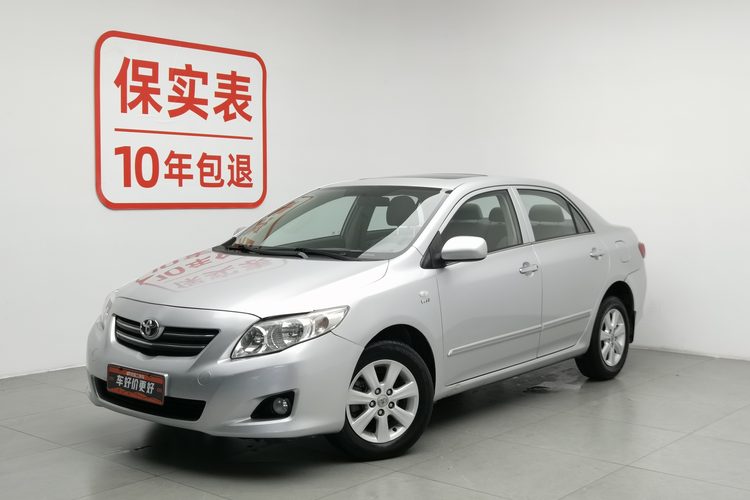
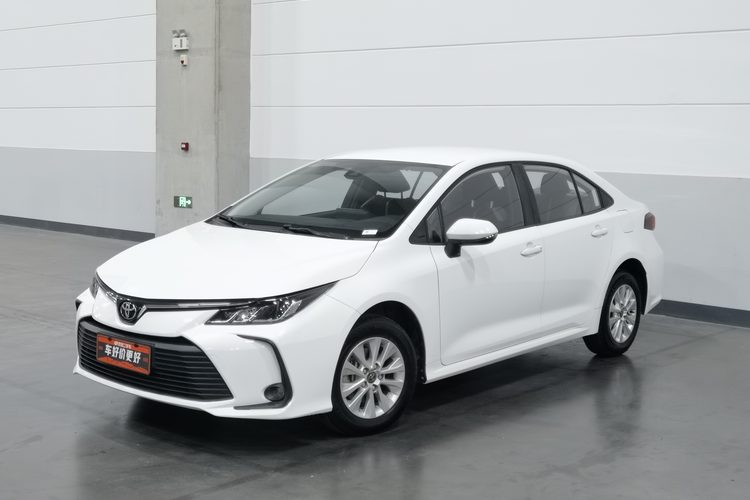
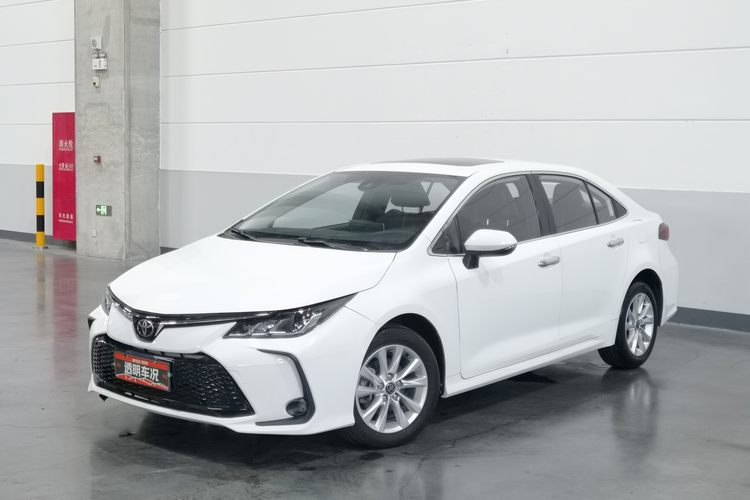
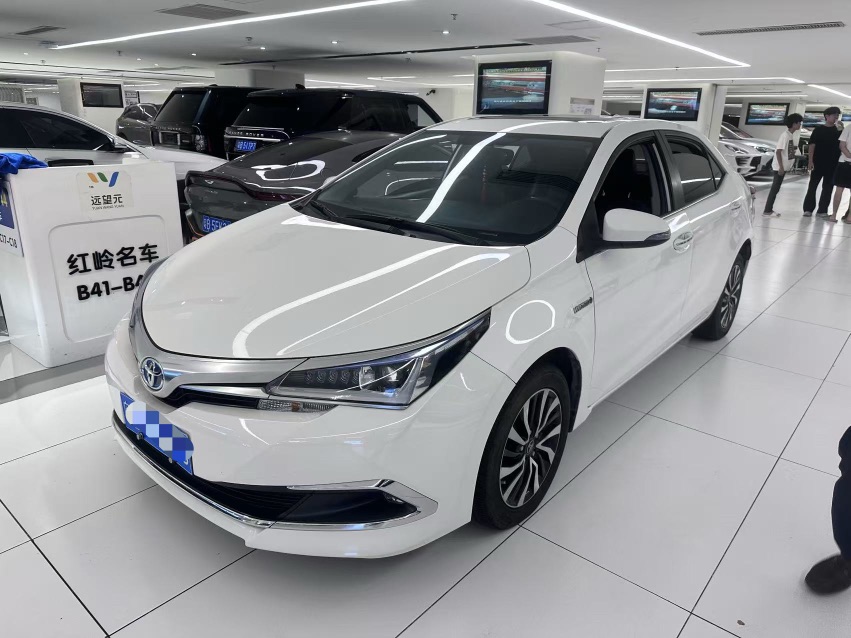
BrandToyota
SeriesCorolla
Year2020
First Registration2020/04
Mileage108,200km
Transfer Count-
FuelGasoline
TransmissionCVT
Engine1.2T 116 L4
ColorWhite
Seats-

Condition Description

Localized body damage or repair marks present. No accident-related damage or repair to structural or reinforcing components. Vehicle performance (including three-electric system) has degradation or is limited.

Accident inspection: main structure damaged, reinforcing components undamaged, panels damaged, hinges normal. Engine bay: key mechanical components normal. Exterior: 3 areas of sheet metal repair. Interior: most features normal, airbags normal, seatbelts normal, dashboard normal, instrument cluster normal, lighting system normal. Start-up inspection: main components normal. Onboard tools: none.

可讲价

Document Information

Inspection Expiry Date2028/04
Warranty Expiry Date-
Insurance Expiry Date2027/04

Q&A

More

What are the specific evaluation criteria for "original paint" on your platform? Does repainting a bumper count?

Strict definition: All metal body parts (doors, hood, fenders) and the frame must retain the original factory paint, with uniform paint thickness readings. Minor touch-ups or replacements of plastic bumpers, as they do not affect metal corrosion protection and vehicle structure, can still be classified as "original paint" in a broad sense, but we will separately note the condition of the bumper.

How can I confirm the real mileage of a used Chinese car when I'm buying from overseas?

Odometer rollback happens everywhere, so never trust the dashboard number alone. Cross-check at least three sources: 1. Maintenance records: Chinese 4S dealerships keep service logs tied to the VIN. Ask the exporter for screenshots showing recorded mileage at each visit — the numbers should rise consistently. 2. Inspection reports: China requires periodic emissions/safety inspections, and the mileage is logged at each one. The exporter can pull the car's inspection history. 3. Tire and wear clues: Compare the claimed mileage with brake pedal rubber, steering wheel shine, seat bolster wear, and the tire production dates. A car showing 30,000 km with a polished steering wheel and second set of tires is suspicious. Also check the dashboard for uneven digits or scratches around the odometer area in photos. If maintenance and inspection records roughly agree, the reading is usually trustworthy; if the seller refuses to share records, treat the mileage as unknown and negotiate accordingly.

What if the used car I imported from China turns out to be a bad deal—can I return it or get a refund?

In practice, returning an imported car is extremely difficult, so your protection must be built in before payment, not after. Once a used car has been exported, reversing the transaction involves re-export paperwork, duties, and freight costs that typically exceed any refund you'd recover. Most exporters' contracts treat the sale as final once the bill of lading is issued. What you can realistically do: 1. If the car differs materially from the contract (wrong VIN, undisclosed accident, tampered odometer), you have grounds for a claim. Document everything and negotiate a partial refund or repair credit—full refunds are rare. 2. If the seller committed outright fraud, you can pursue legal action in China or report to the platform, but cross-border enforcement is slow and costly. 3. Some exporters offer a short arrival warranty (usually 30-90 days) covering major mechanical failures. Claims require immediate notification, third-party inspection reports, and proof the damage existed at shipment. The practical takeaway: never rely on the possibility of a return. Spend the money on a thorough pre-shipment inspection and clear contract terms instead—it's far cheaper than a dispute.