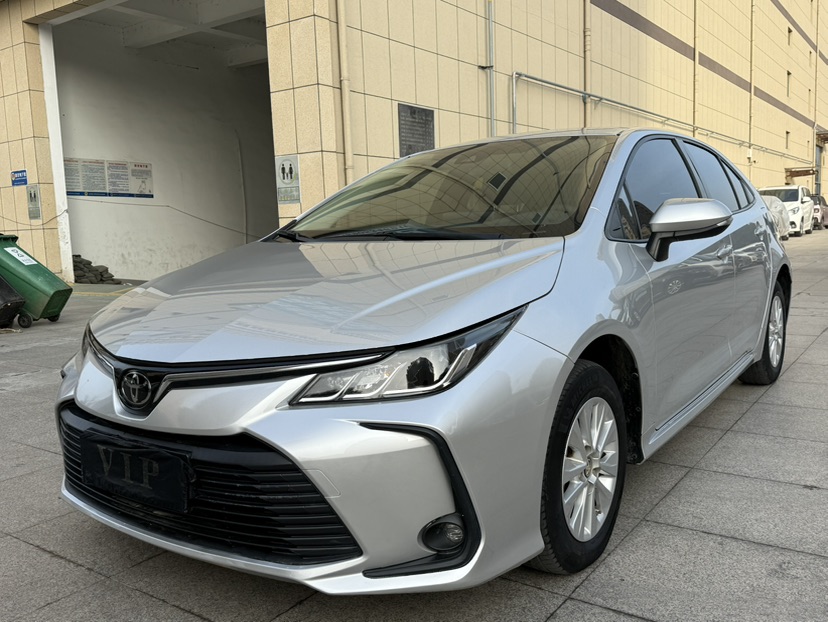
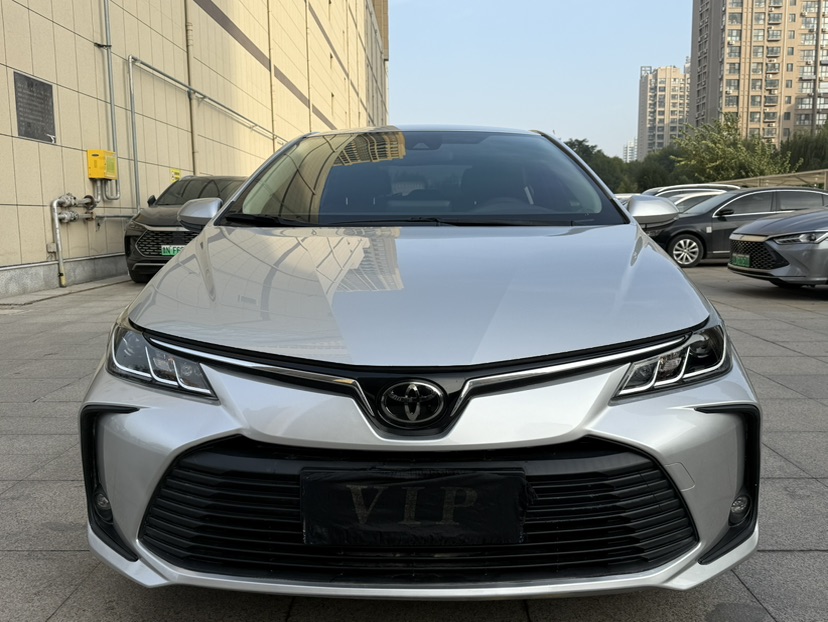
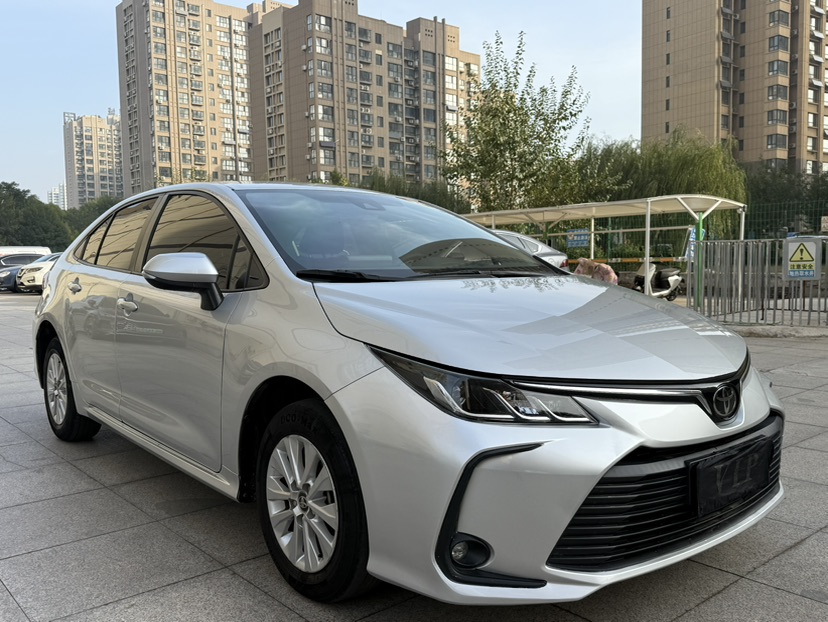
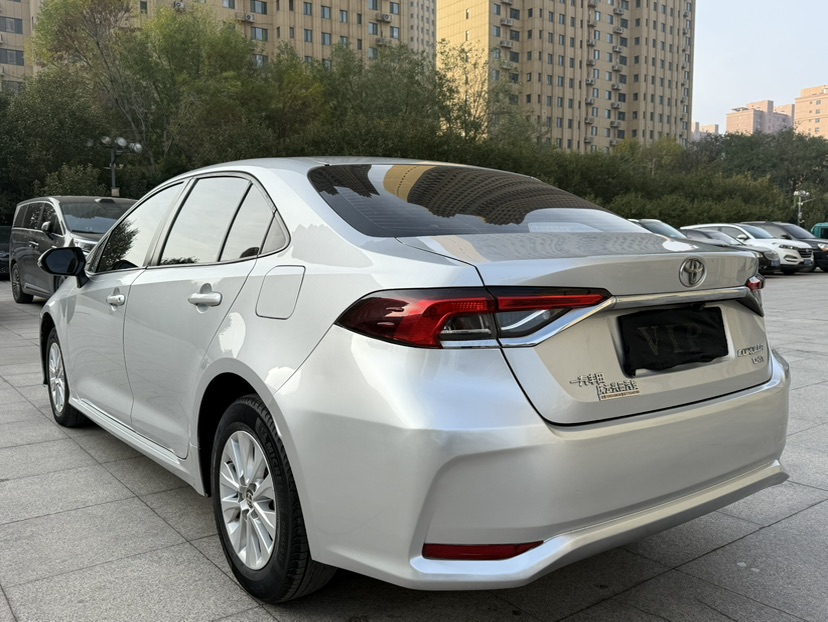



Basic Information

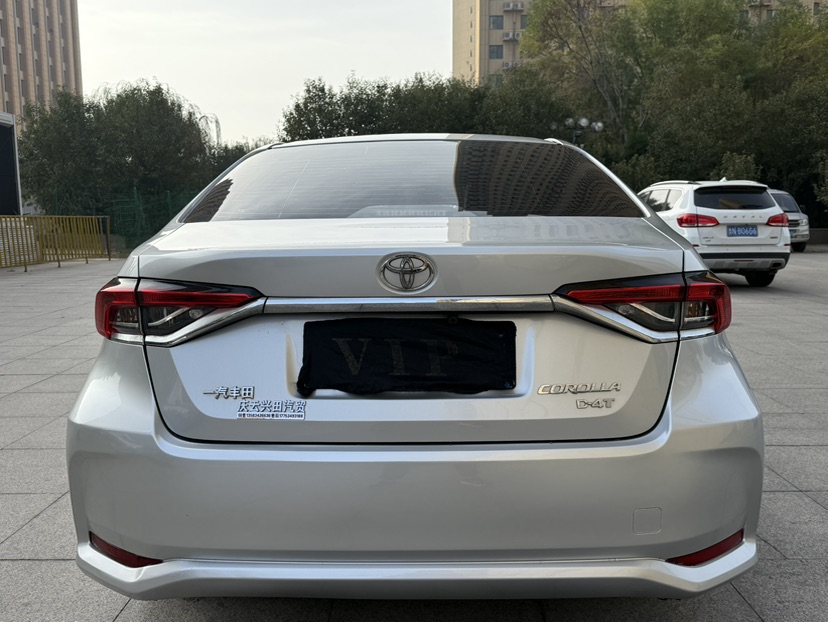
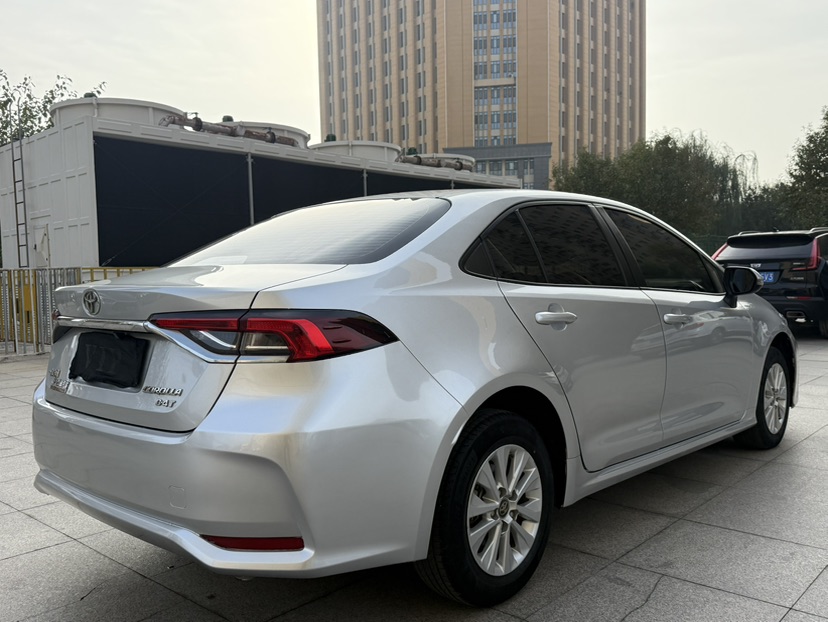
BrandToyota
SeriesCorolla
Year2021
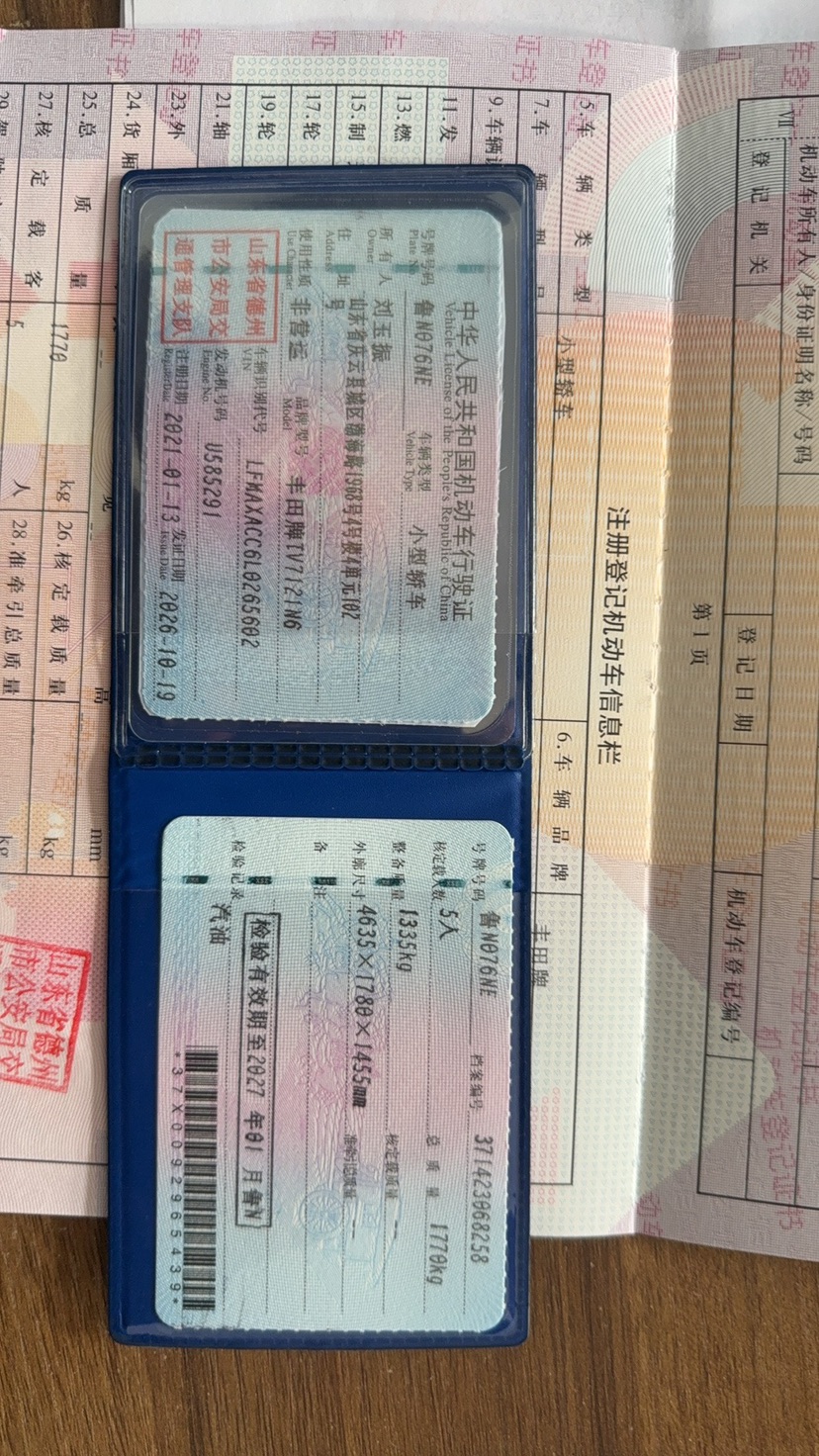
First Registration2021/01
Mileage85,000km
Transfer Count1times
FuelGasoline
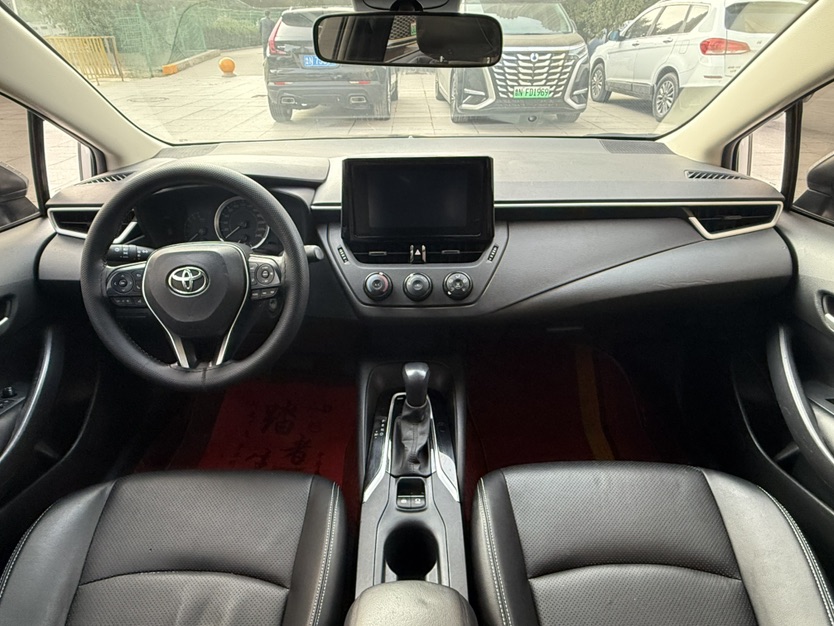
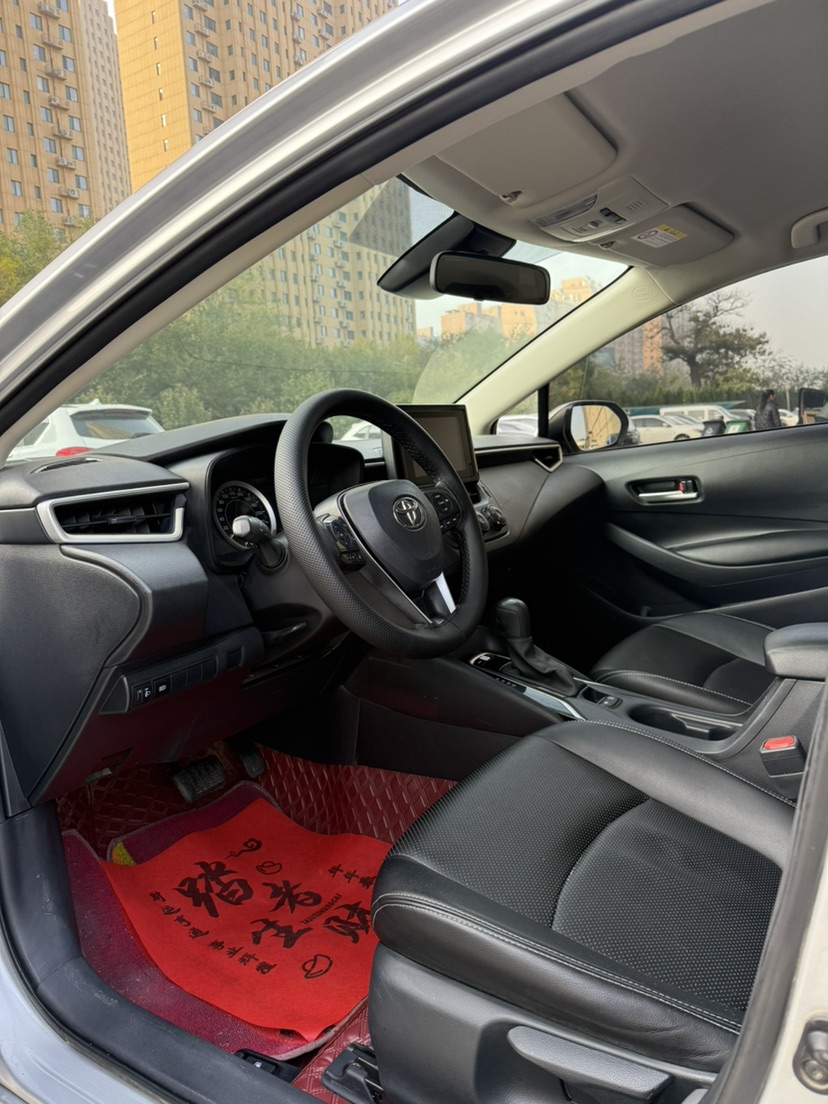
TransmissionCVT
Engine1.2T 116 L4
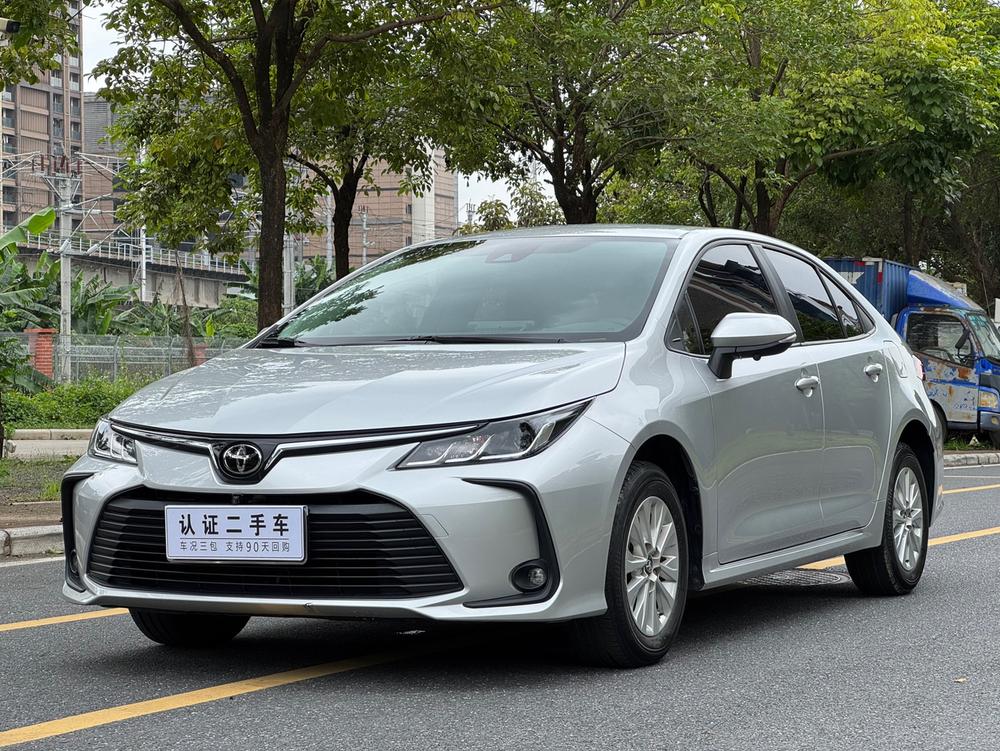
ColorGrey
Seats-

Condition Description

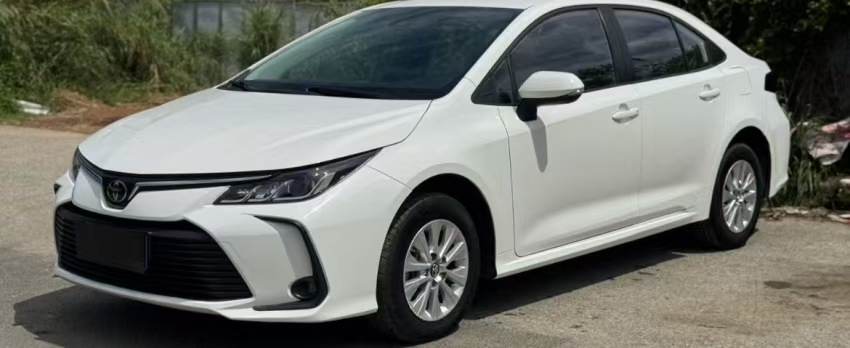
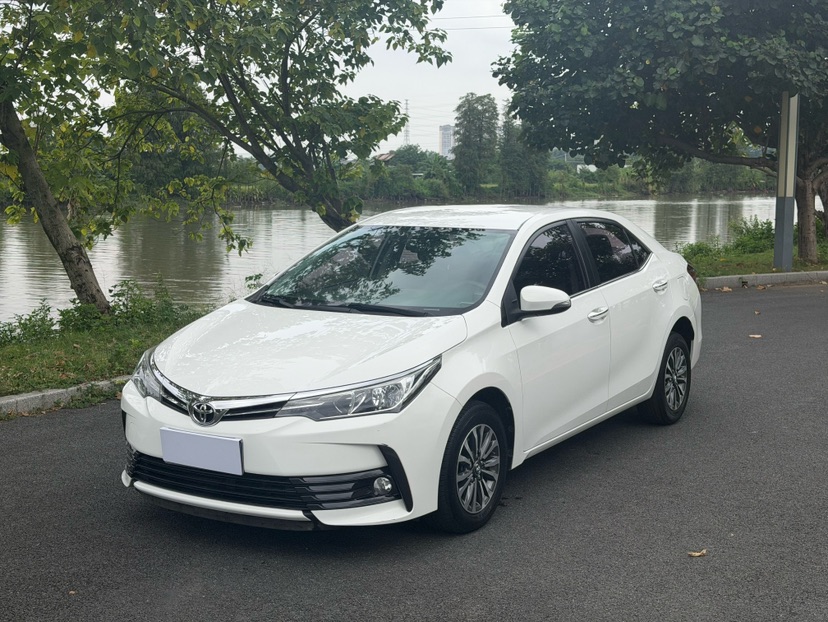
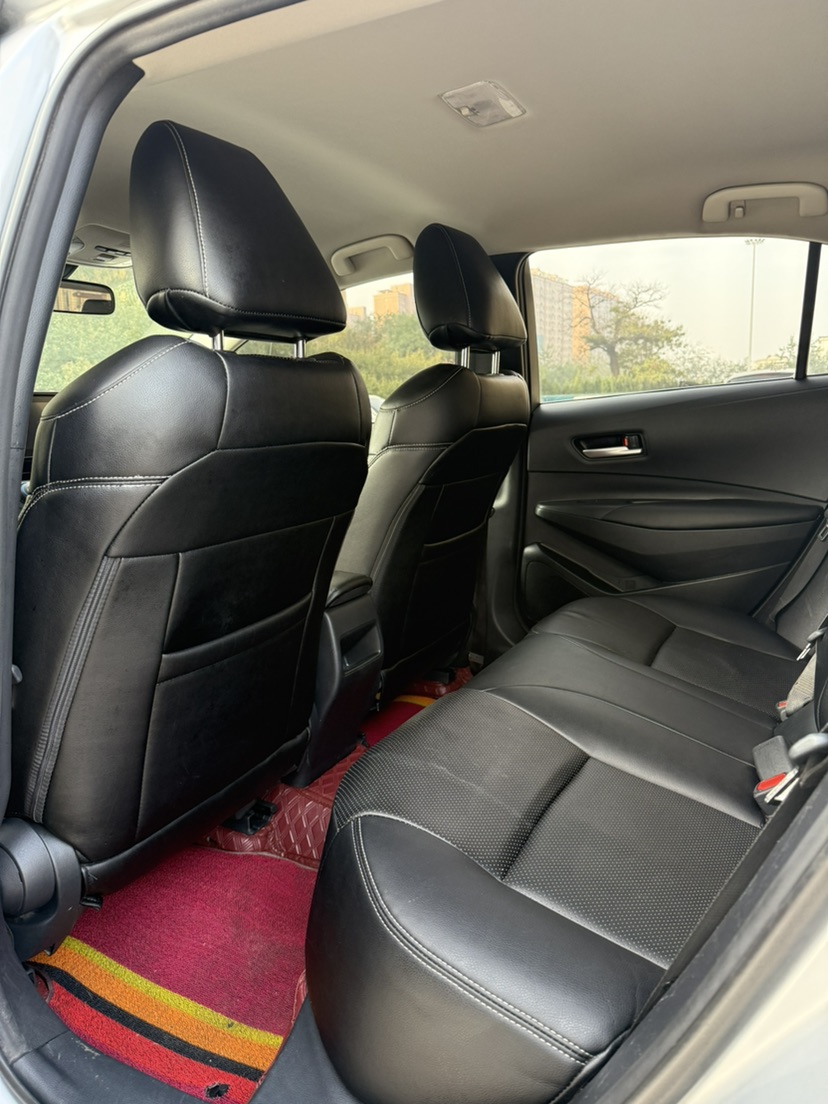
Original condition, 2 panels repainted, 80,000+ km driven.

燃油车
轿车
自动
维保开放
事故开放
查验开放

Configuration Highlights

✓品牌: 丰田
✓车系: 卡罗拉
✓车型: 2019款 1.2T S-CVT GL先锋版
✓车身类型: 轿车
✓座位数: 5
✓排量: 1.2T
✓变速箱: 自动
✓能源类型: 燃油车
✓VIN: LFMAXACC6L0265602
✓搜索关键词: 丰田卡罗拉 2019款卡罗拉1.2TS-CVTGL先锋版

Document Information

Inspection Expiry Date2027/01
Warranty Expiry Date-
Insurance Expiry Date2027/01

Q&A

More

Does the platform provide independent third-party testing reports in addition to your own quality inspection?

The platform has strict internal outbound inspections. If buyers need, we can assist you in commissioning an independent third-party evaluation agency (such as Cha Doctor, Dongche Di official testing, etc.) for re-inspection, with costs borne by the buyer. An independent report can provide more credibility for your local resale.


If overseas customers accidentally update the car system causing the UI to switch to full Chinese and cannot revert to English, can you downgrade remotely?

Once the car system (especially in a closed ecosystem) undergoes a major version upgrade, its bootloader is usually locked, preventing downgrades. If this happens, there is basically no solution in an overseas environment. Therefore, we strongly warn: do not blindly insert a USB drive to upgrade while offline.

How can I detect signs of flood or water damage inside a used car from China during a remote inspection?

Water damage is one of the most common hidden problems in used cars, and it often escapes basic photo reviews. During a live video inspection, ask the inspector to check these specific points: 1. Smell test: A musty or moldy odor inside the cabin is the first red flag. Have them open all doors, run the AC briefly, and smell the air from the vents—musty AC often indicates water in the HVAC system. 2. Under the carpets: Lift the floor mats and look for water lines, rust stains, or dampness on the carpet backing and the metal floor underneath. Sediment or silt residue is a giveaway. 3. Seat rails and bolts: Pull the seats fully forward and backward. Rust on seat rails or fresh-looking bolts suggests the seats were removed for cleaning after flooding. 4. Trunk area: Check the spare tire well and under the trunk carpet for standing water marks or rust. 5. Electronics: Test every window, seat adjustment, and the infotainment screen—water-damaged electronics behave erratically. Also request a scan report: flood cars often store history codes for multiple control modules that failed simultaneously. Cross-check the car's origin; vehicles from flood-prone southern regions deserve extra scrutiny.