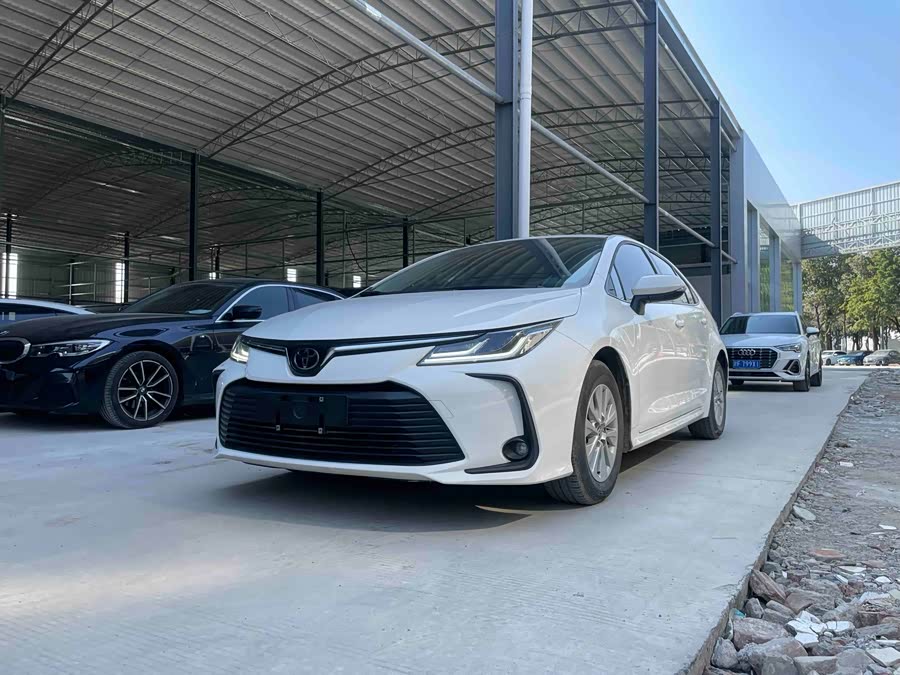
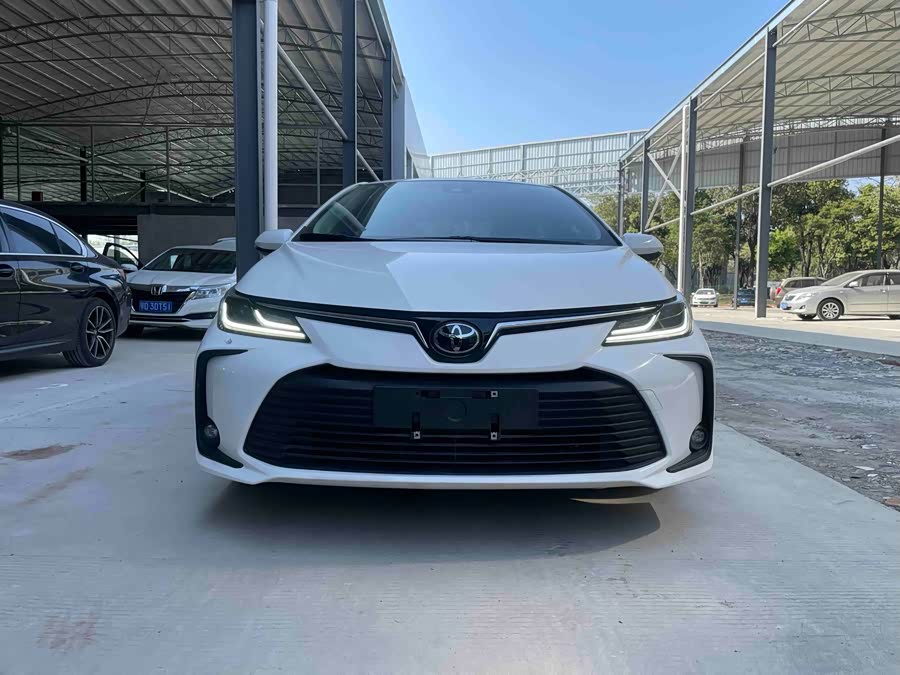
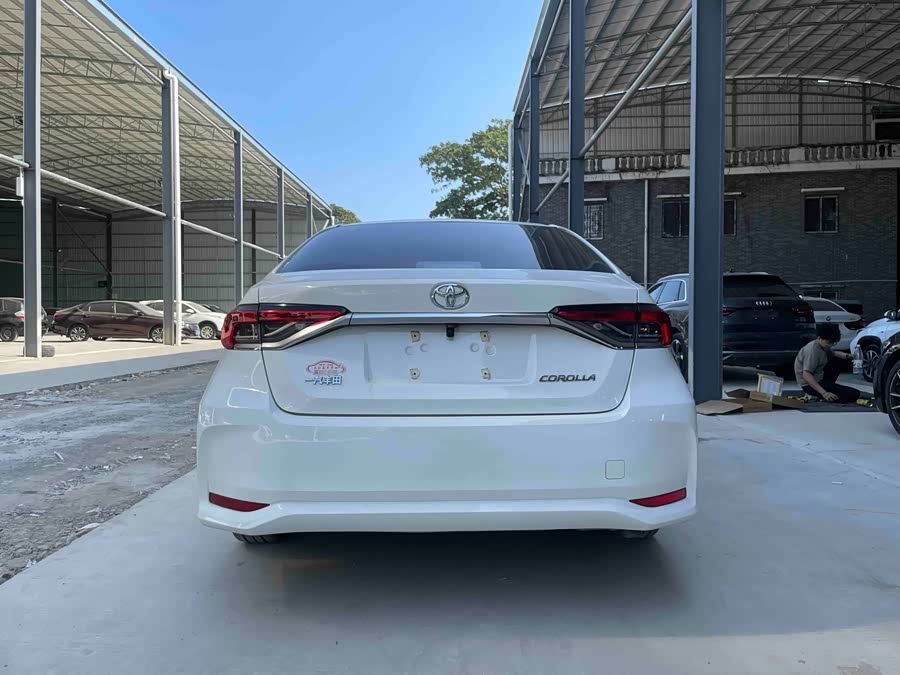
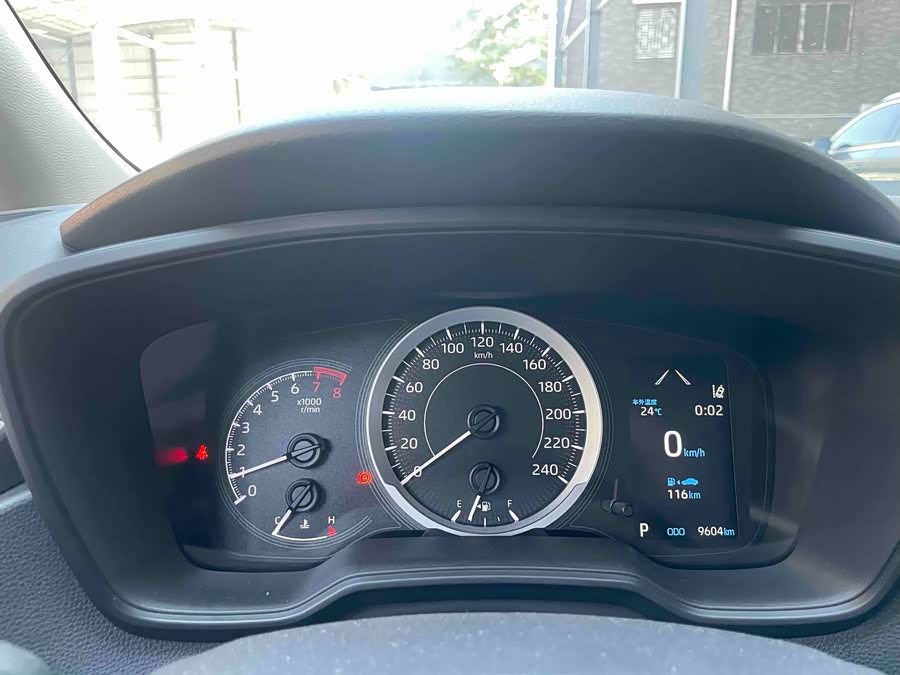


Basic Information

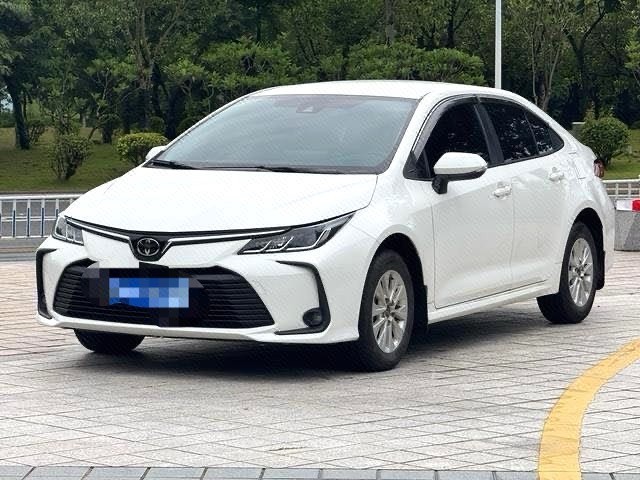
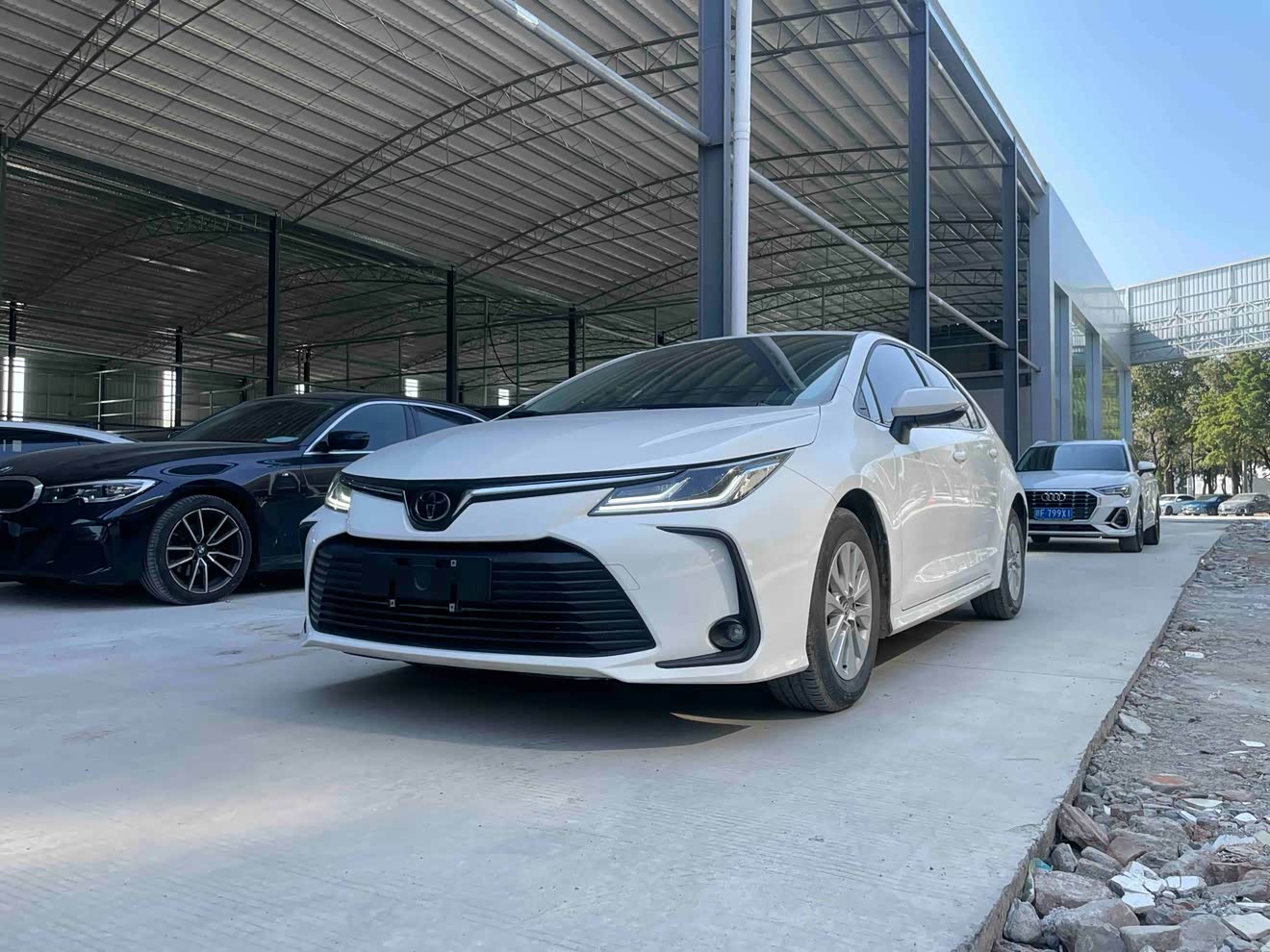
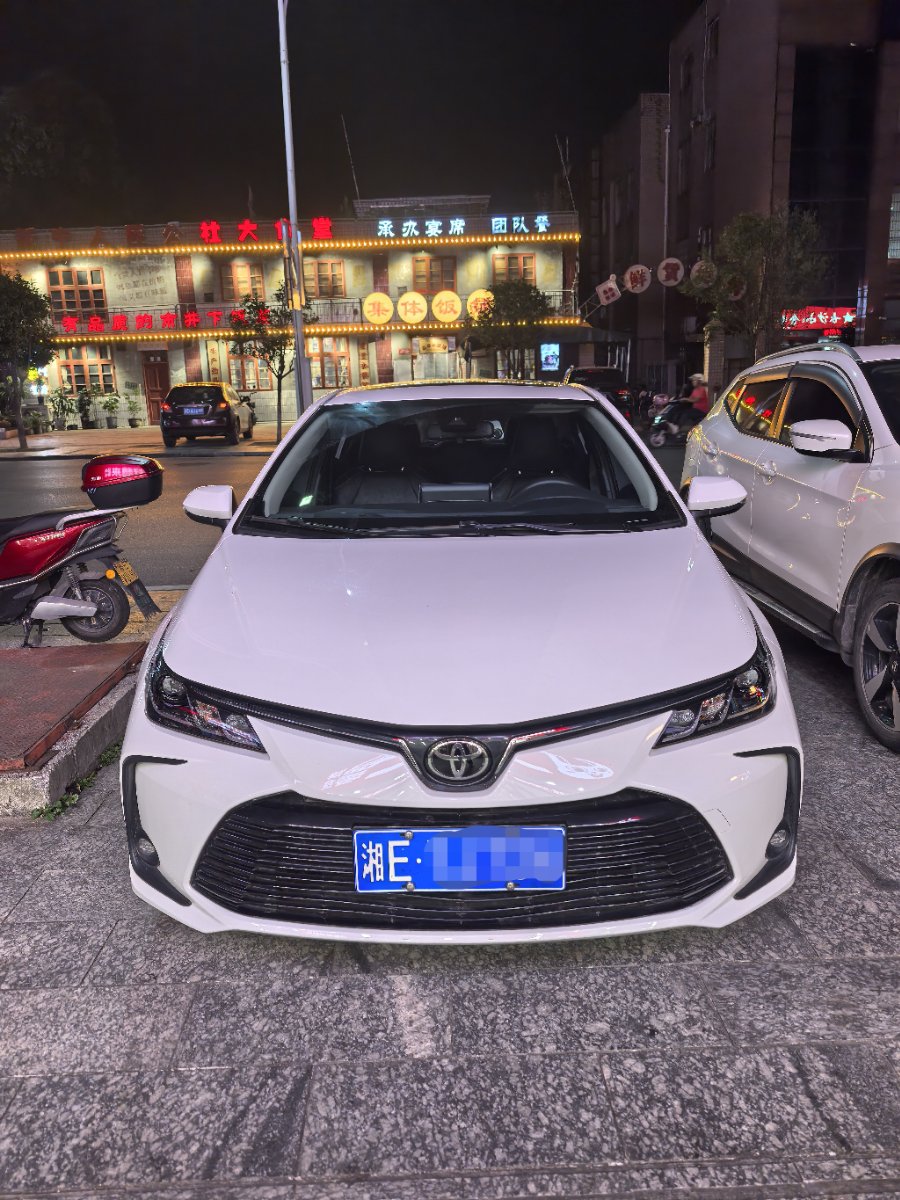
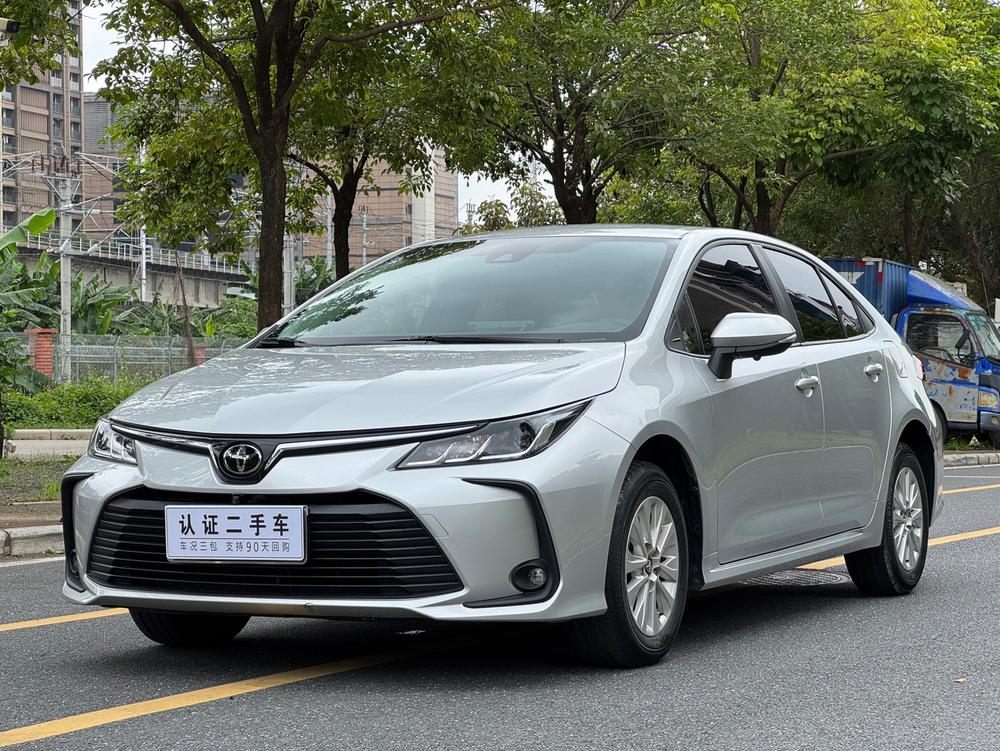
BrandToyota
SeriesCorolla
Year2021
First Registration2021/11
Mileage9,500km
Transfer Count1times
FuelGasoline
TransmissionCVT
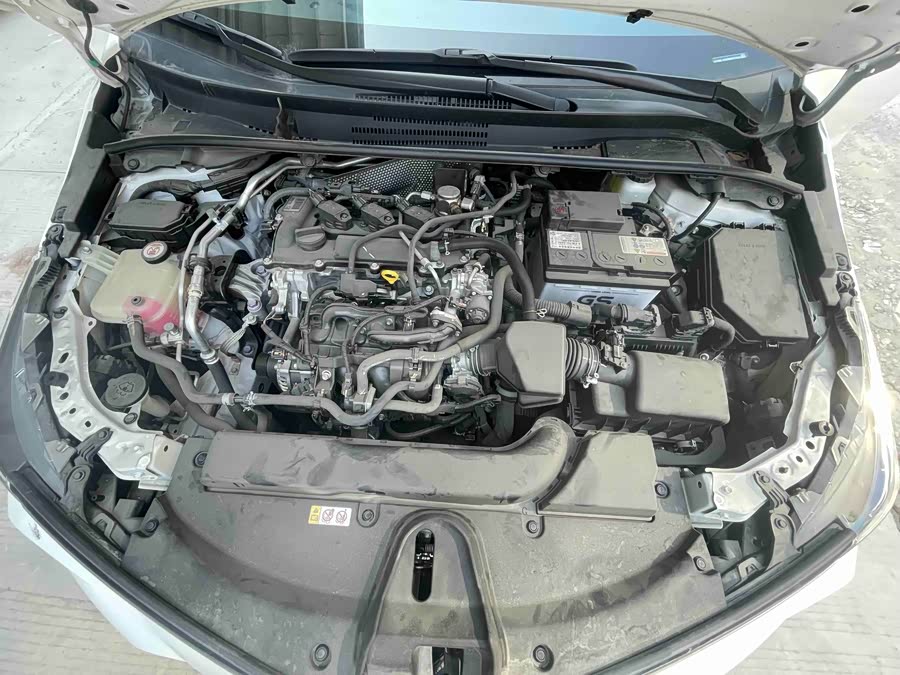
Engine1.5L 121 L3
ColorWhite
Seats-

Condition Description

very good

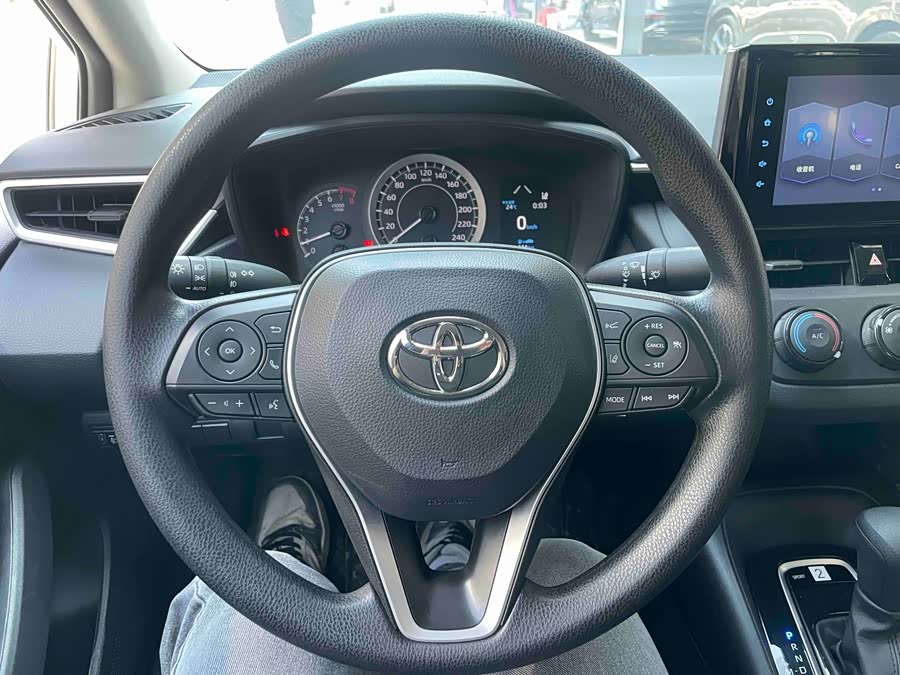
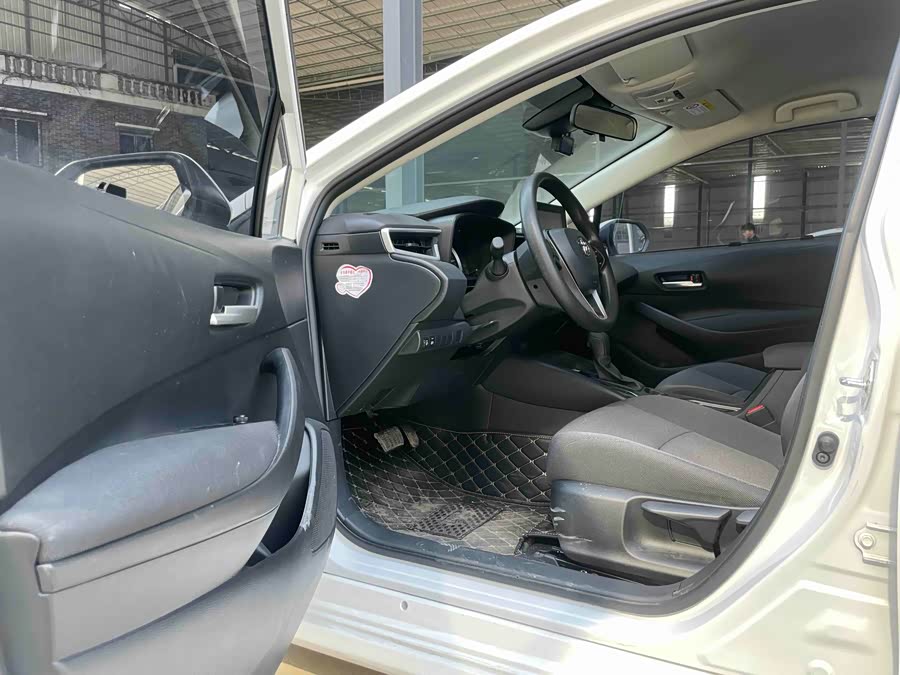
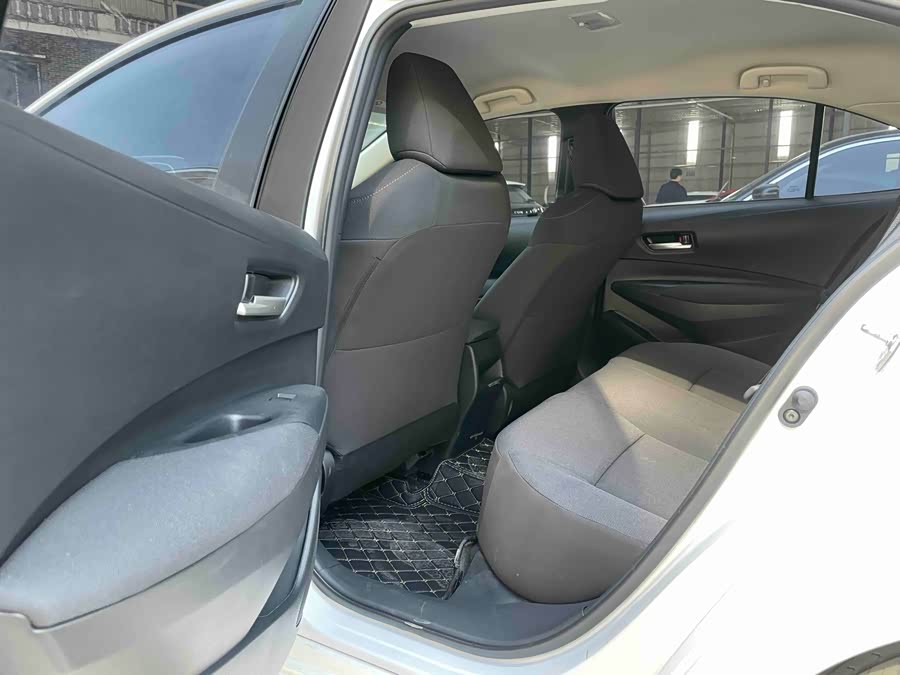
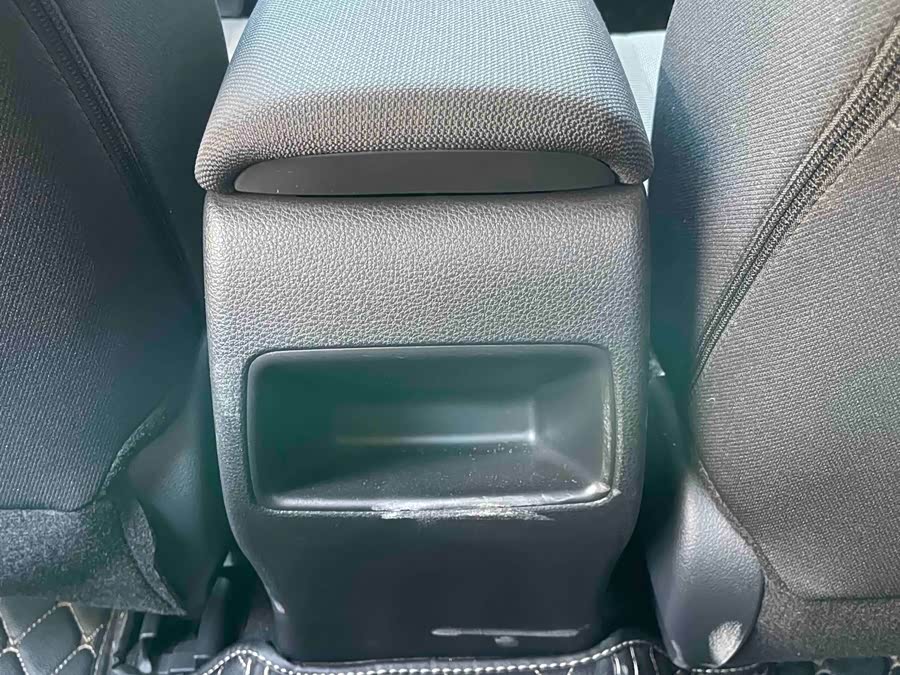
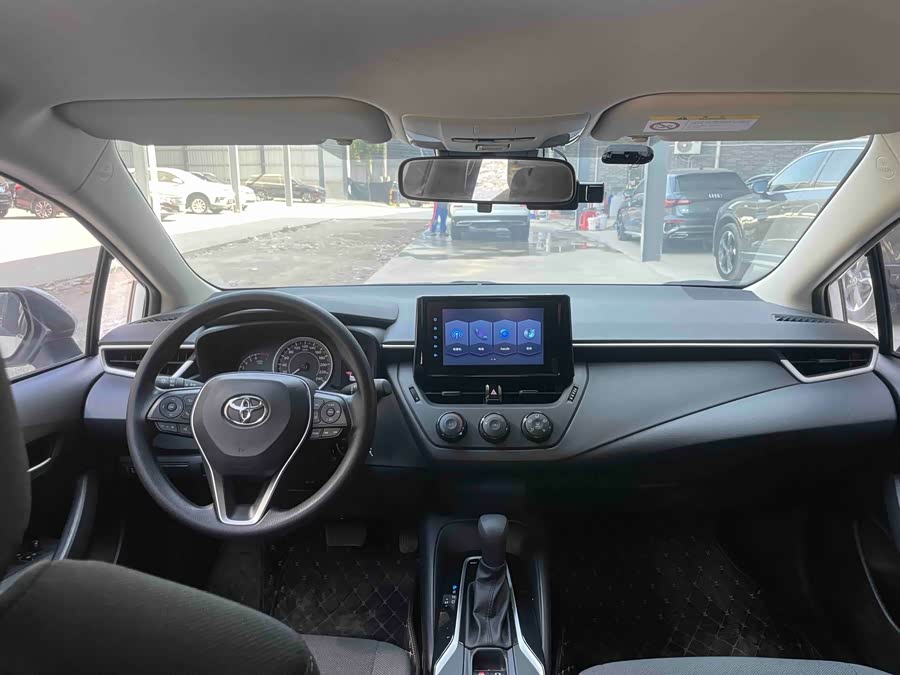
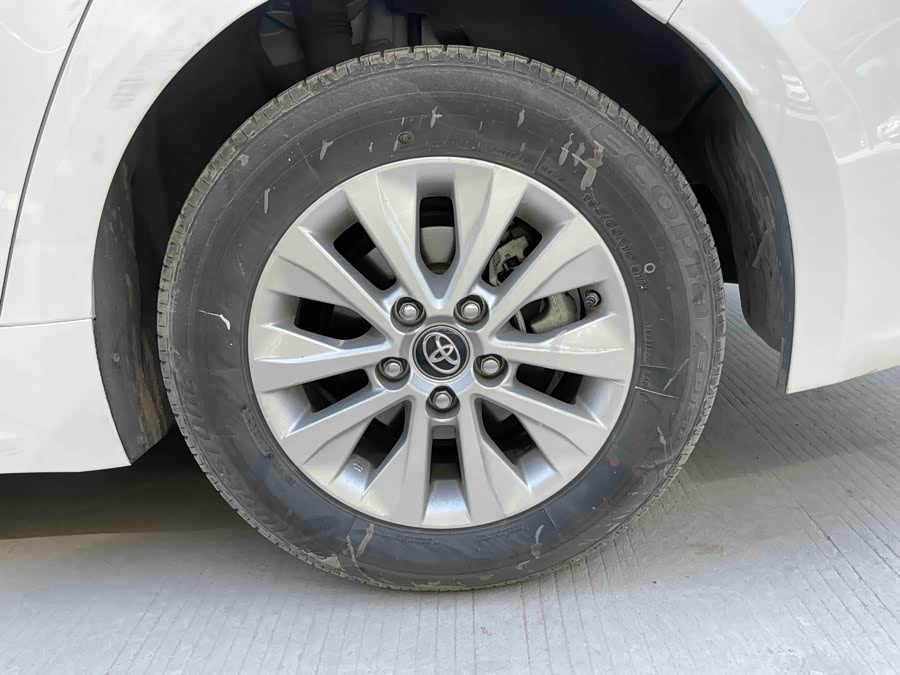
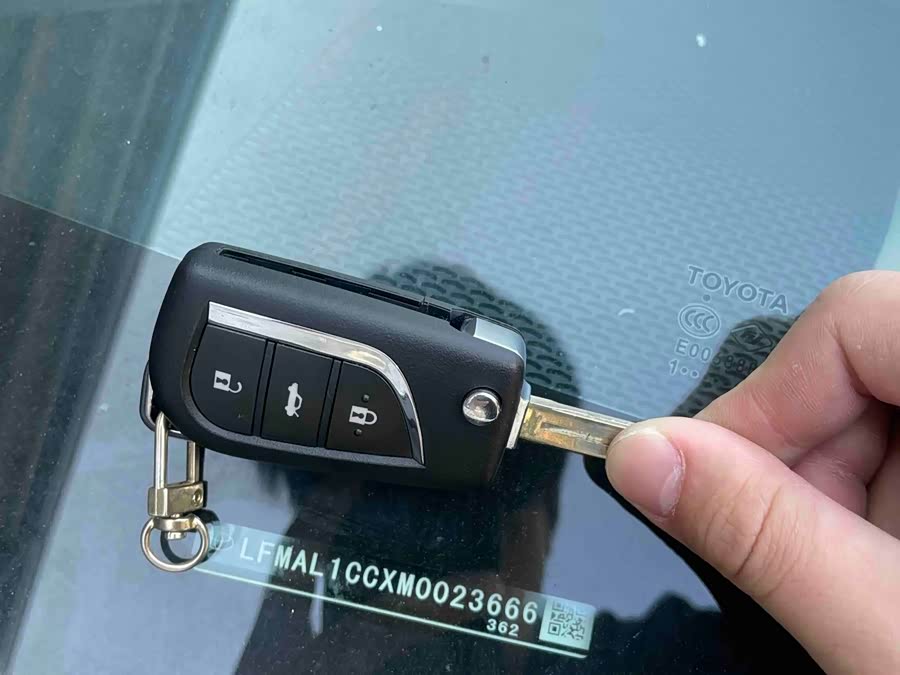
【Vehicle Name】1.5L Corolla 【Drive Type】Front-wheel drive 【Color】White 【Manufacture Date】July 2021 【Mileage】9500 km 【Engine Displacement】1.5L 【Condition】Left rear fender repainted 【Keys】2 【Insurance】November 11, 2026 【Origin】Guangzhou 【Additional Features】None 【Configuration】Multi-function steering wheel

Configuration Highlights

✓Tire Pressure Monitoring
✓Lane Keep Assist
✓Lane Departure Warning
✓Active Safety System
✓ISOFIX Child Seat Anchors
✓Auto Hold
✓Bluetooth/Hands-free
✓Adaptive Headlights
✓PM2.5 Air Filter

Accident & Maintenance Records

Accident Record

🔗 Open Link

Maintenance Record

🔗 Open Link

Document Information

Inspection Expiry Date2027/11
Warranty Expiry Date-
Insurance Expiry Date2026/11

Q&A

More

How do you detect carbon buildup and wear inside the engine using technology without deep disassembly?

We use two steps: 1. Insert a medical-grade endoscope through the spark plug hole to visually inspect cylinder wall scratches and carbon buildup on the piston top; 2. Extract an engine oil sample to check for large metal debris or emulsification (caused by coolant leakage).
How are the refrigerant pressure, compressor operation, and heating effect of the air conditioning system deeply tested?

The technician will start the vehicle and turn on the air conditioning system, measuring the actual temperature at the vents at the lowest and highest settings with a thermometer; at the same time, they will connect a manifold pressure gauge to check if the refrigerant pressure in the high and low pressure lines is within the normal range, determining if there is a chronic refrigerant leak.

When shipping by RoRo vessel, is the "Terminal Handling Charge (THC)" at the destination port prepaid by your freight forwarder or paid by the buyer upon arrival?

Under international practices and our standard CIF/FOB terms, the THC at the port of origin (China) is borne by the seller; all THC and port miscellaneous charges incurred at the destination port during unloading are to be paid by the buyer (consignee) upon local customs clearance and pickup.