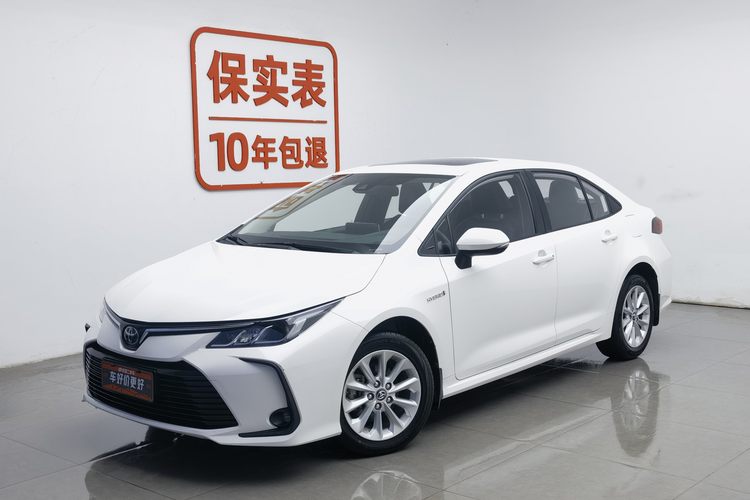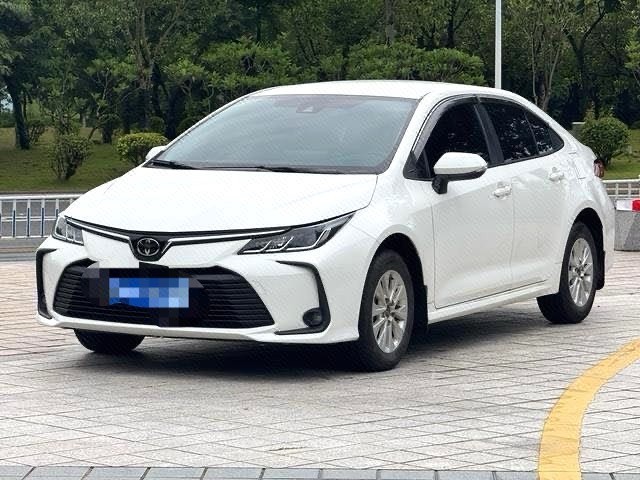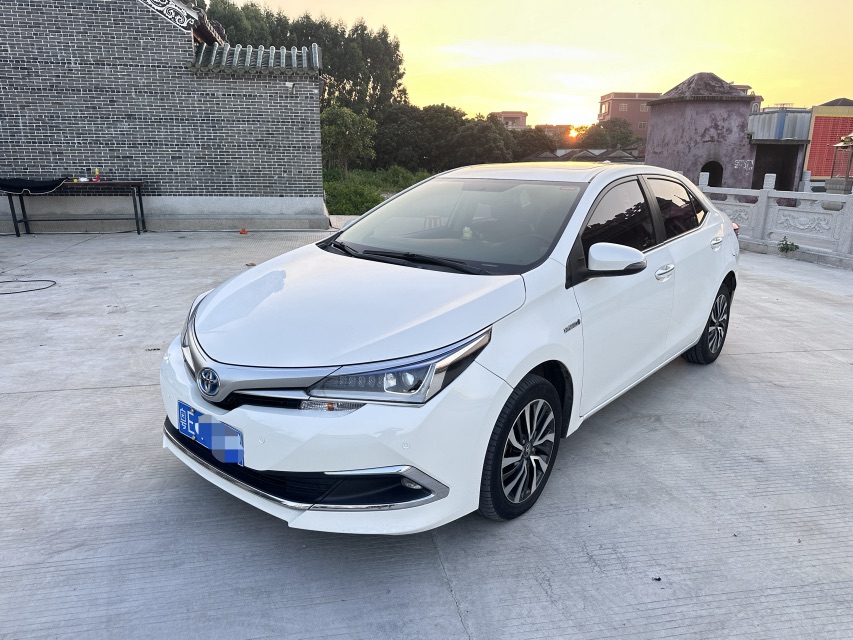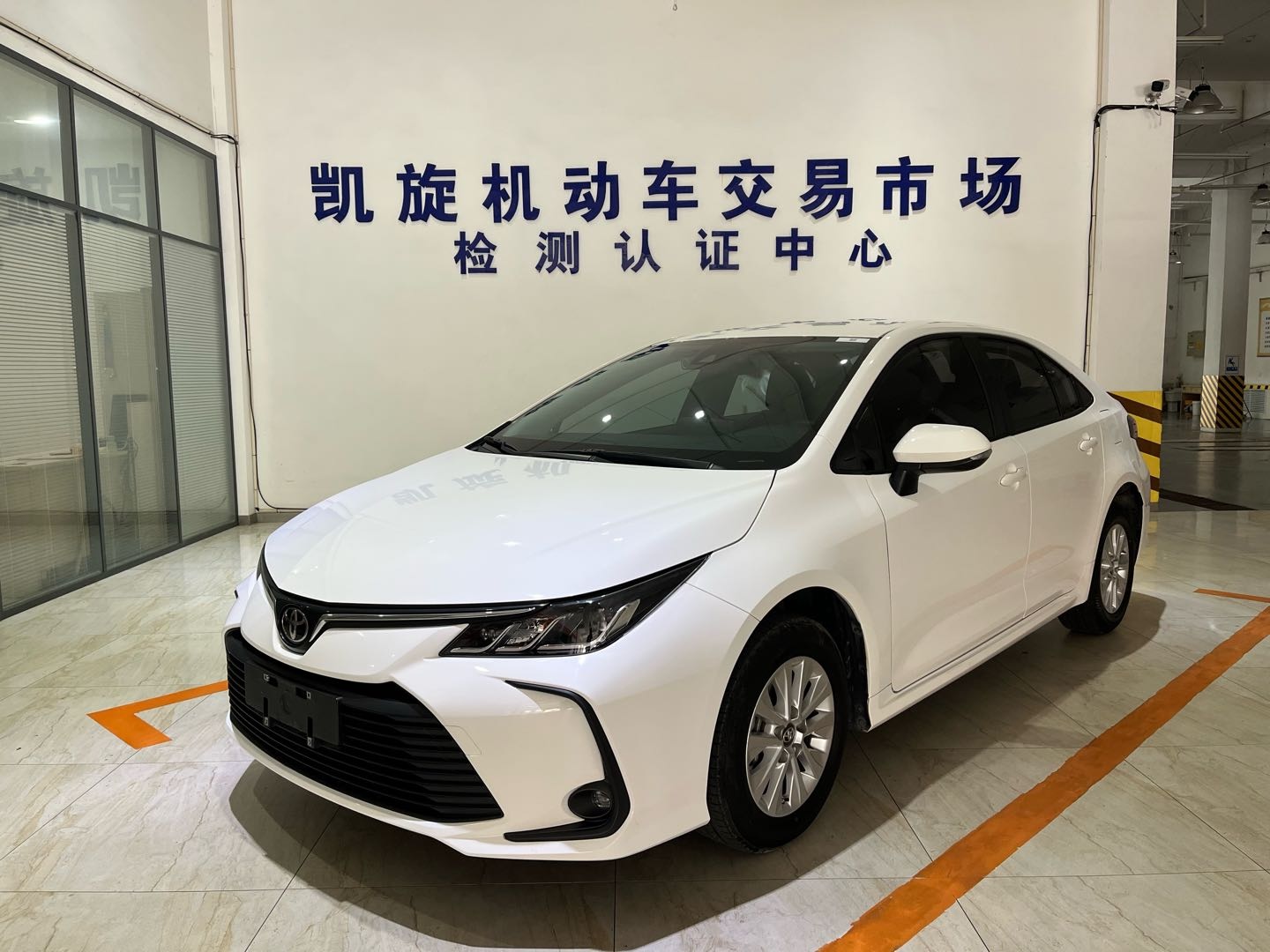
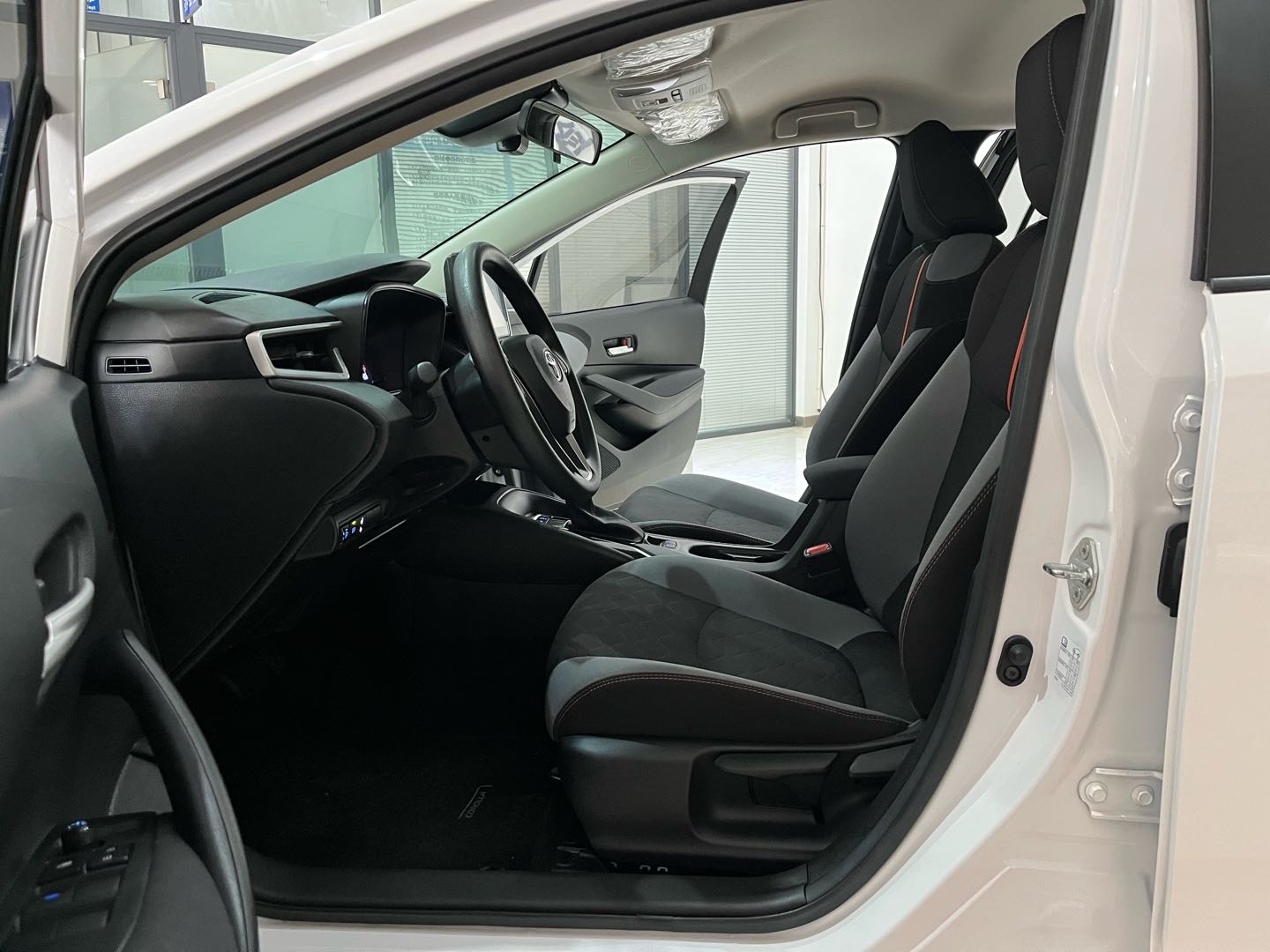
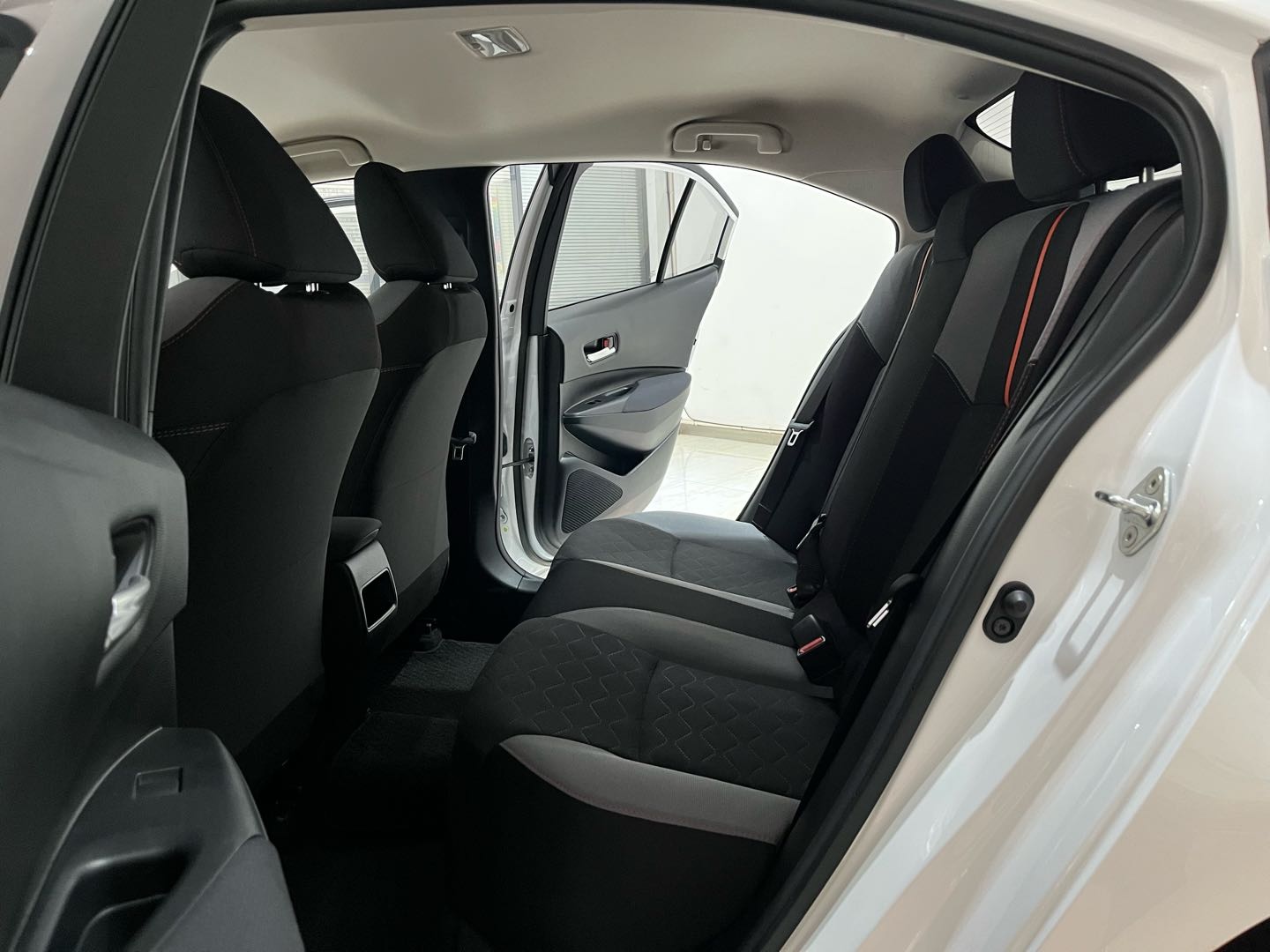
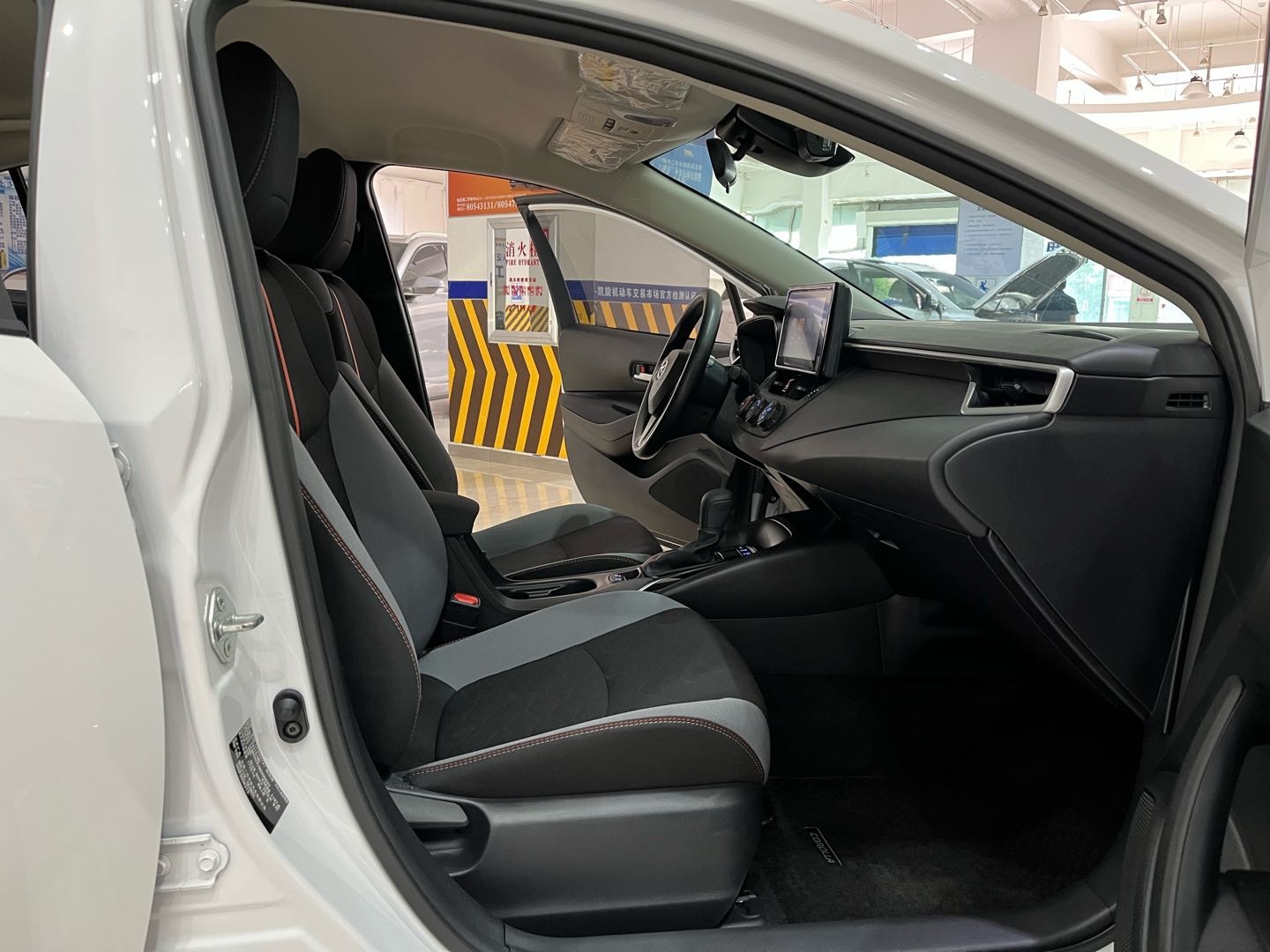
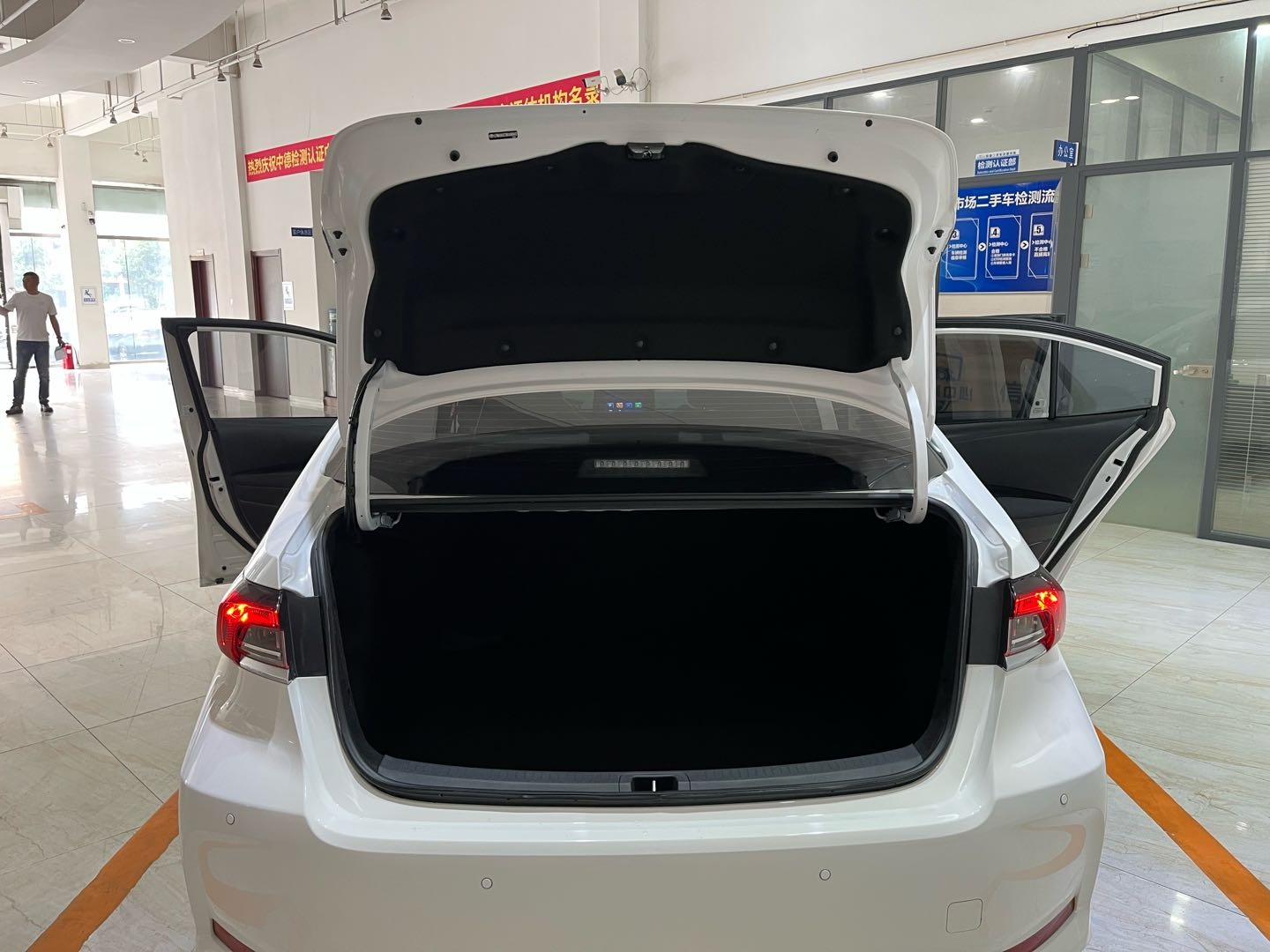
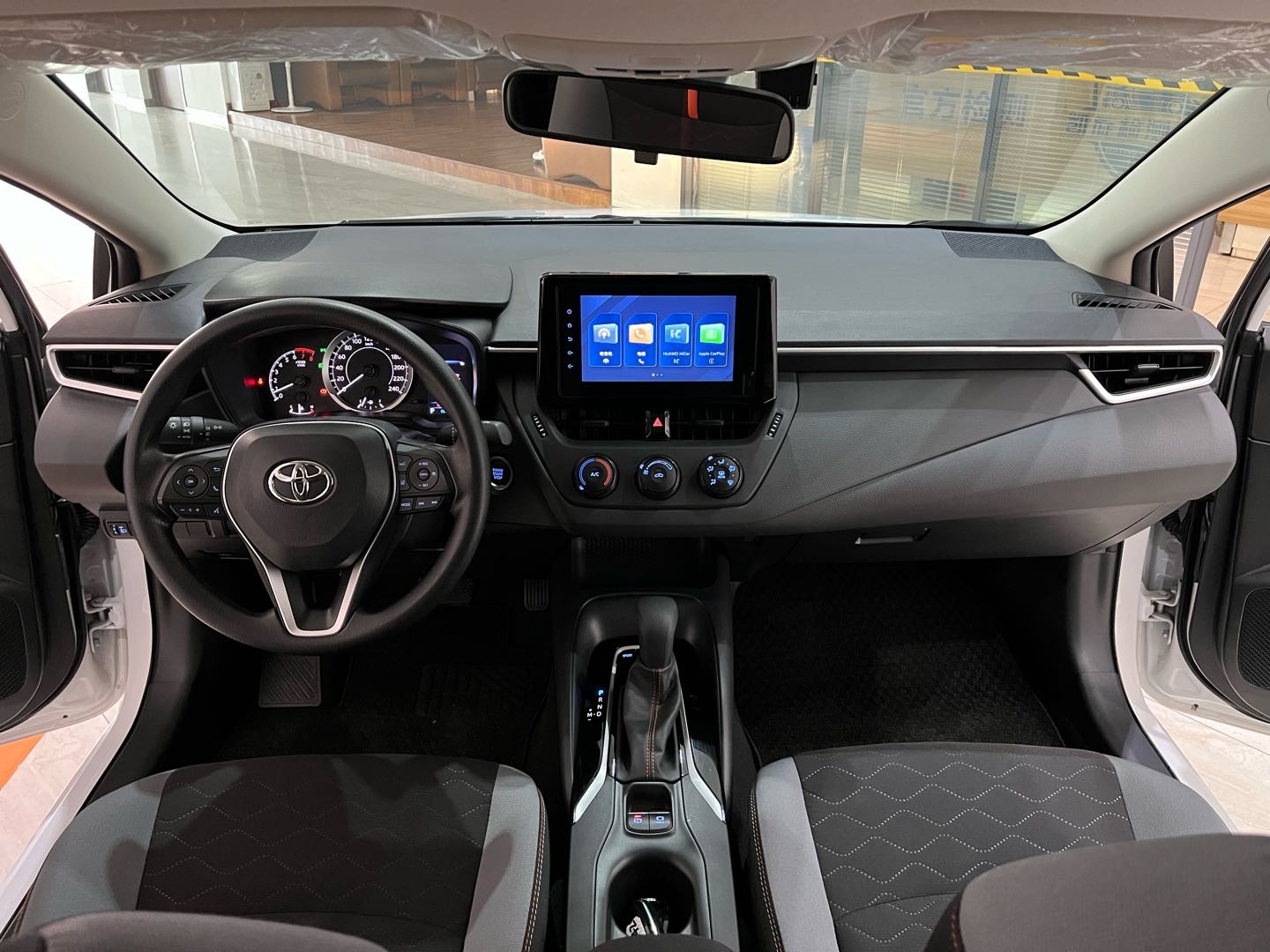
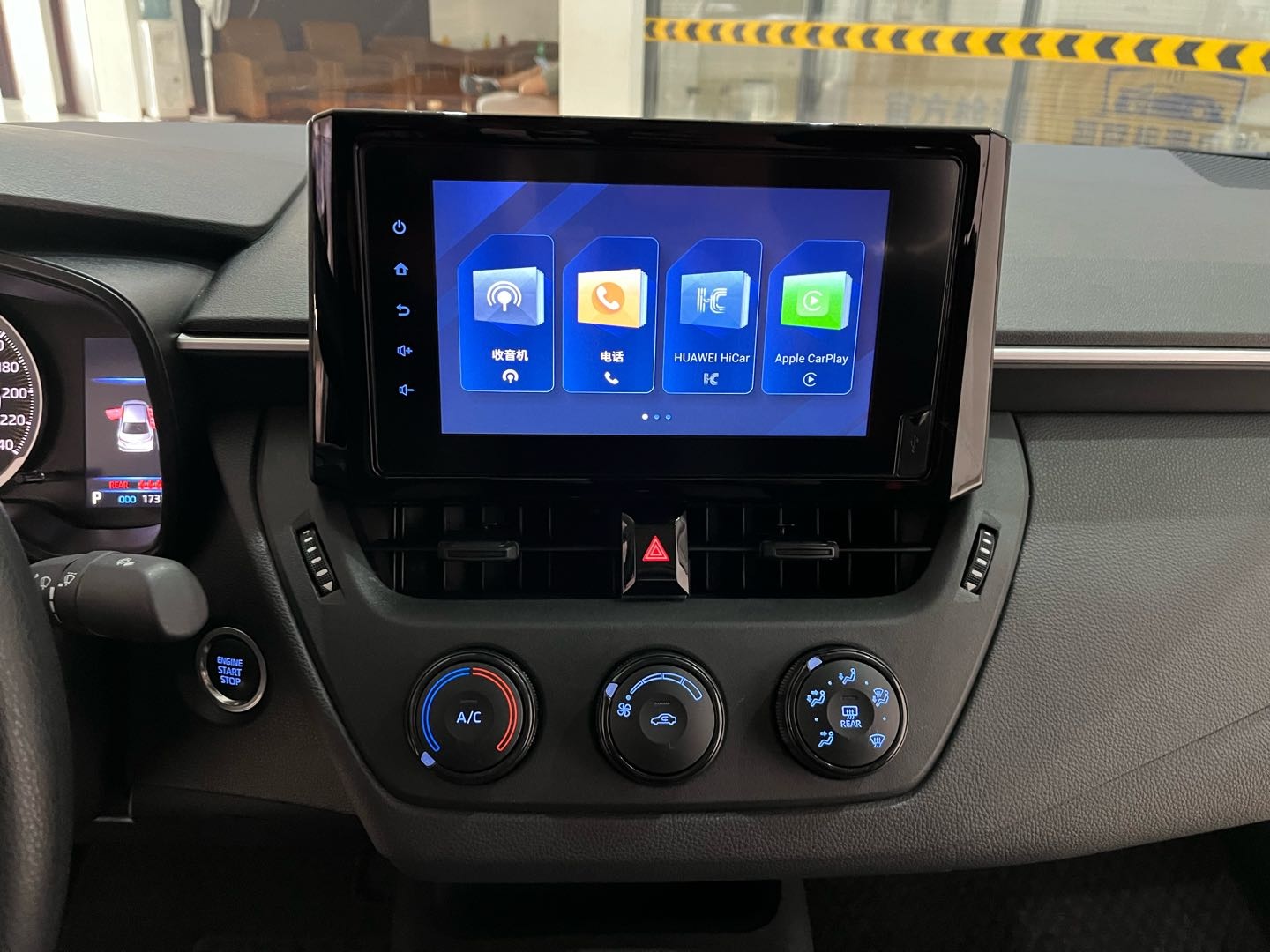
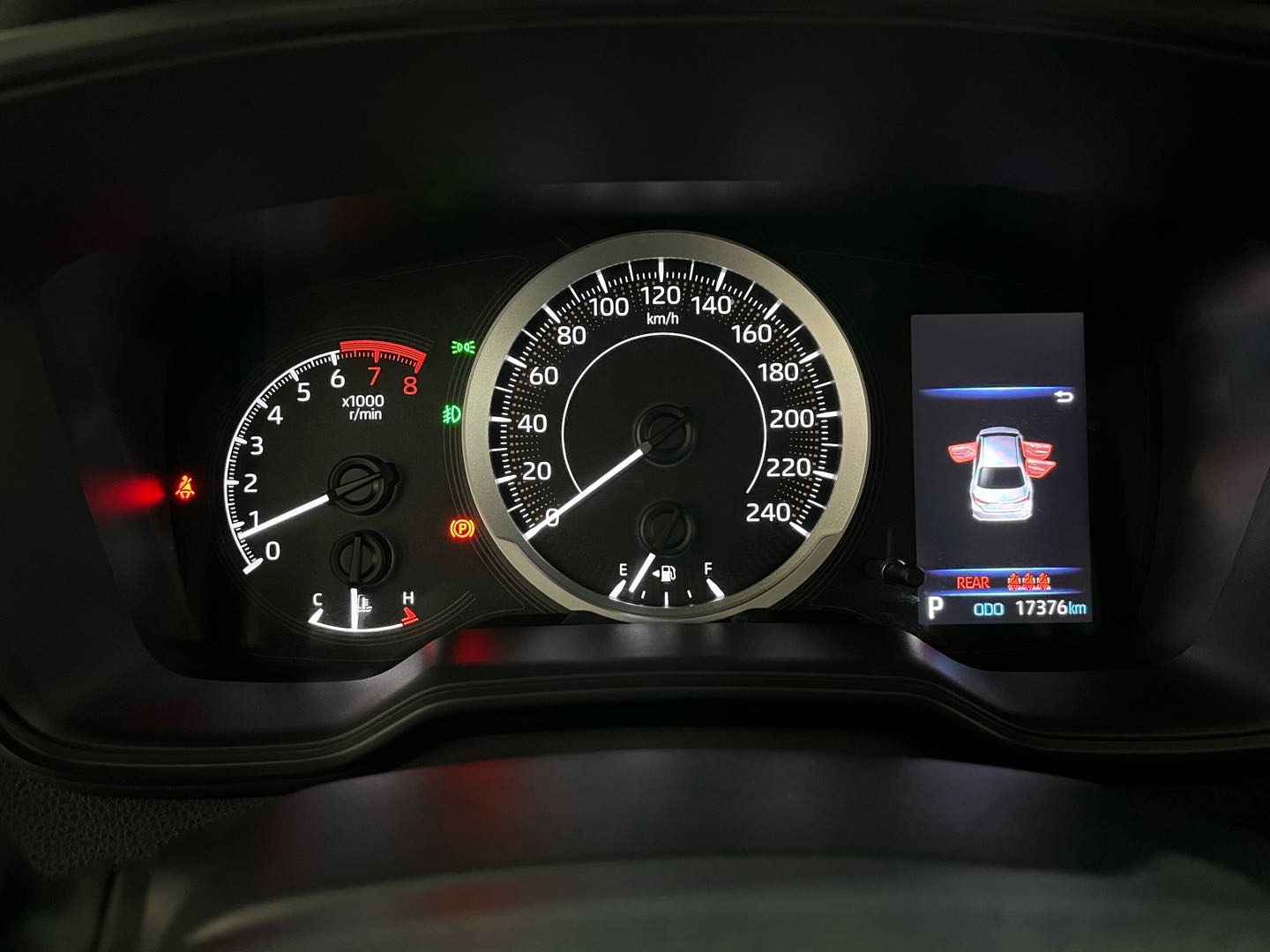
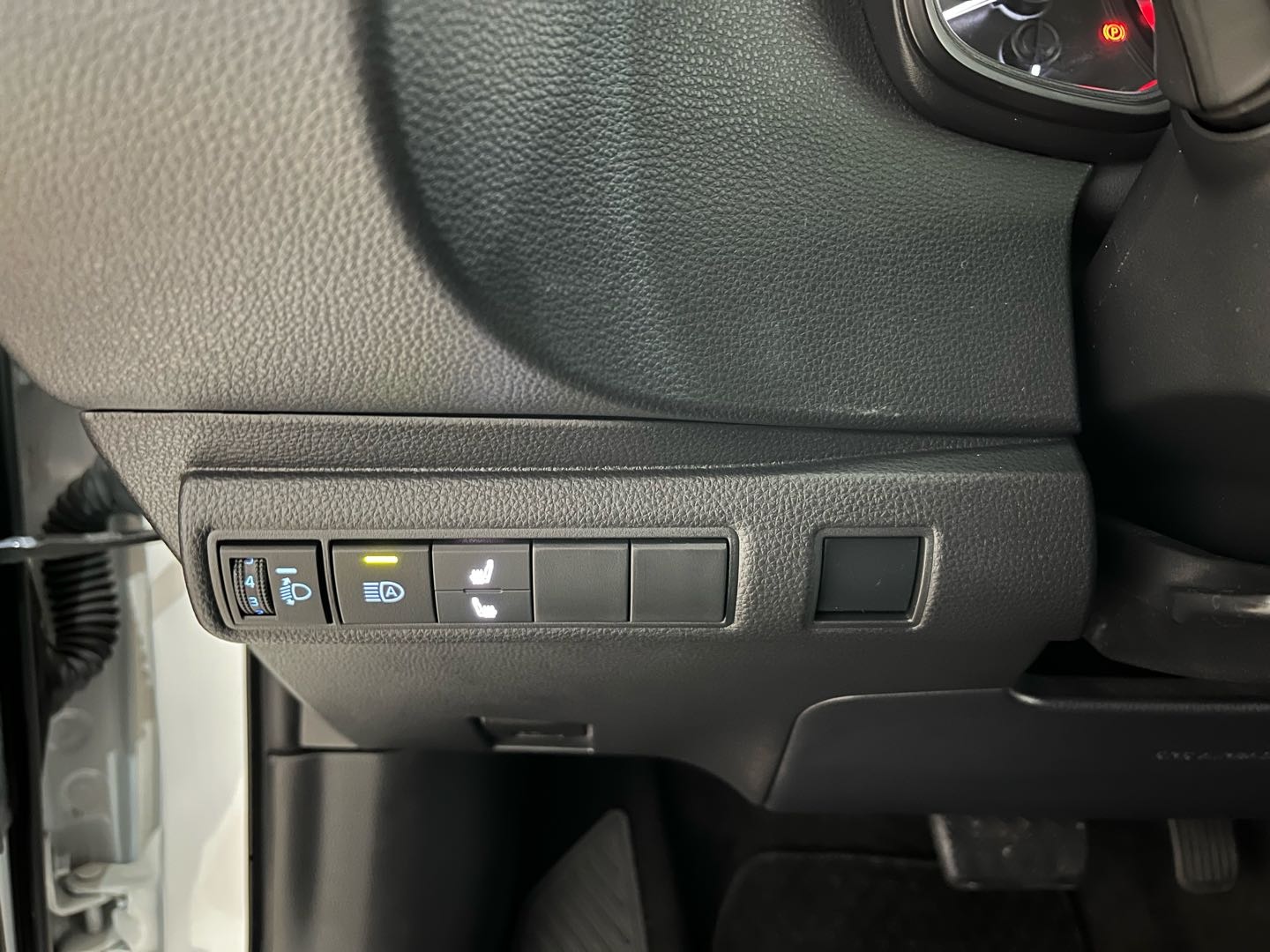
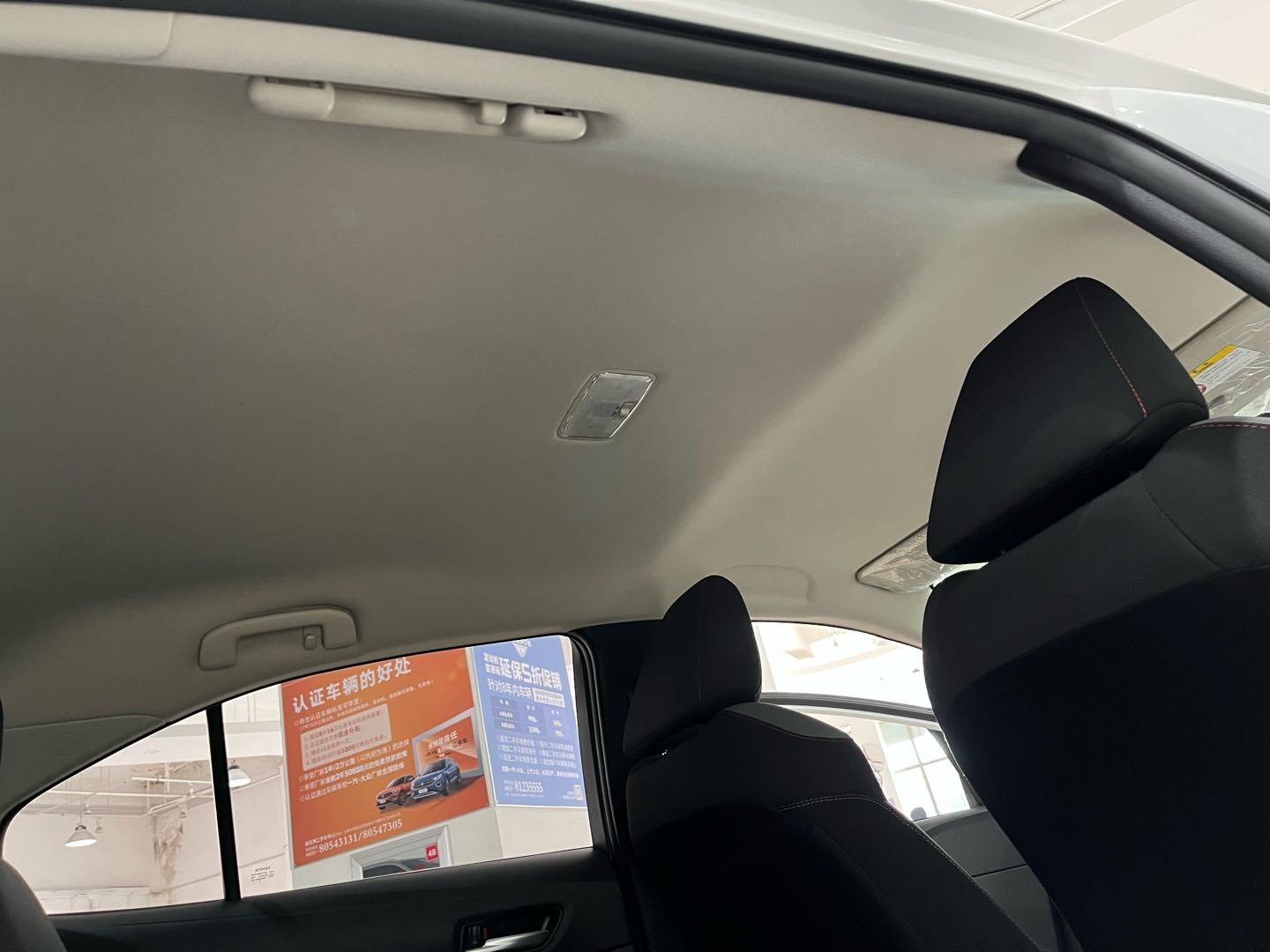



Basic Information

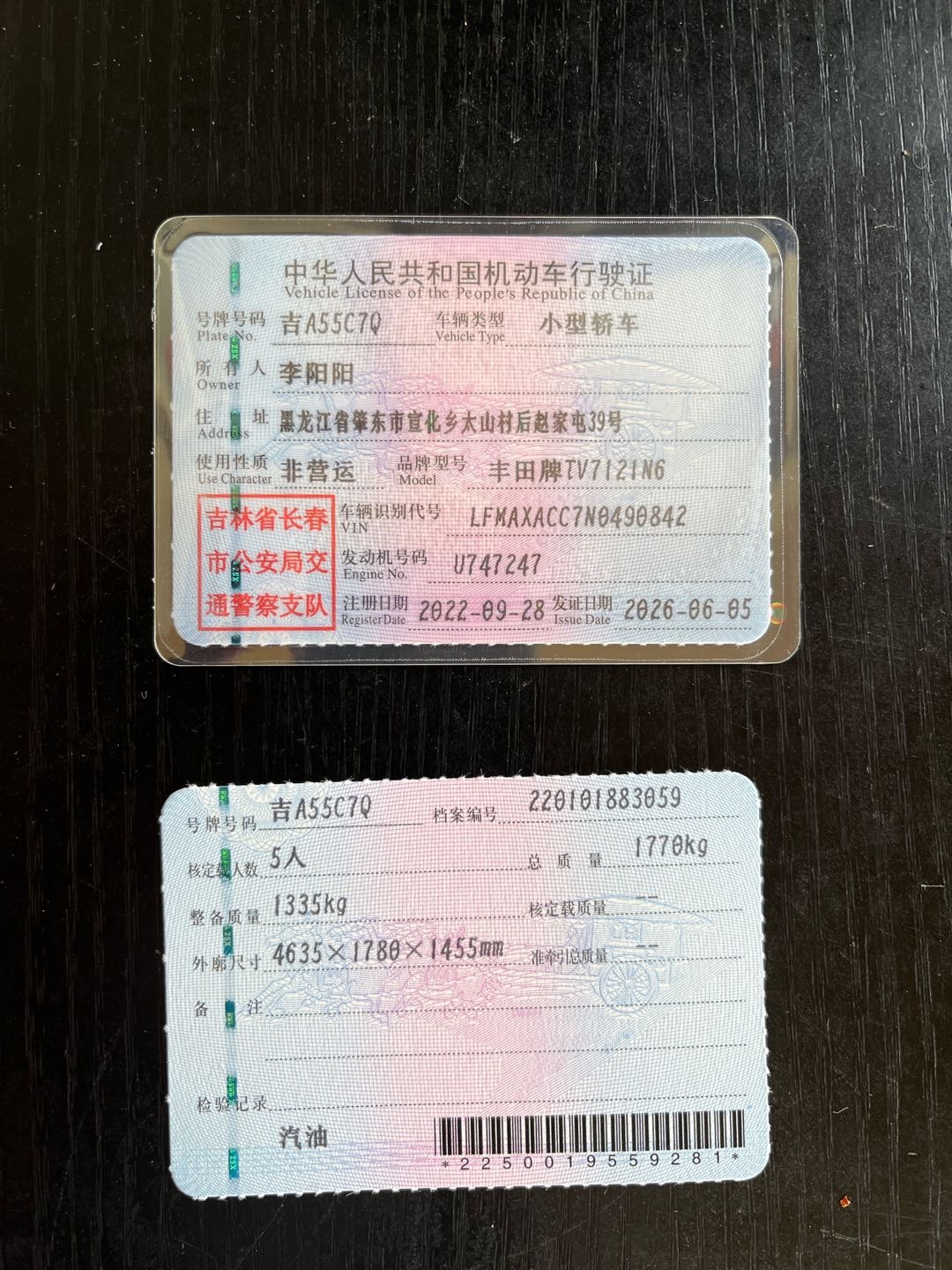
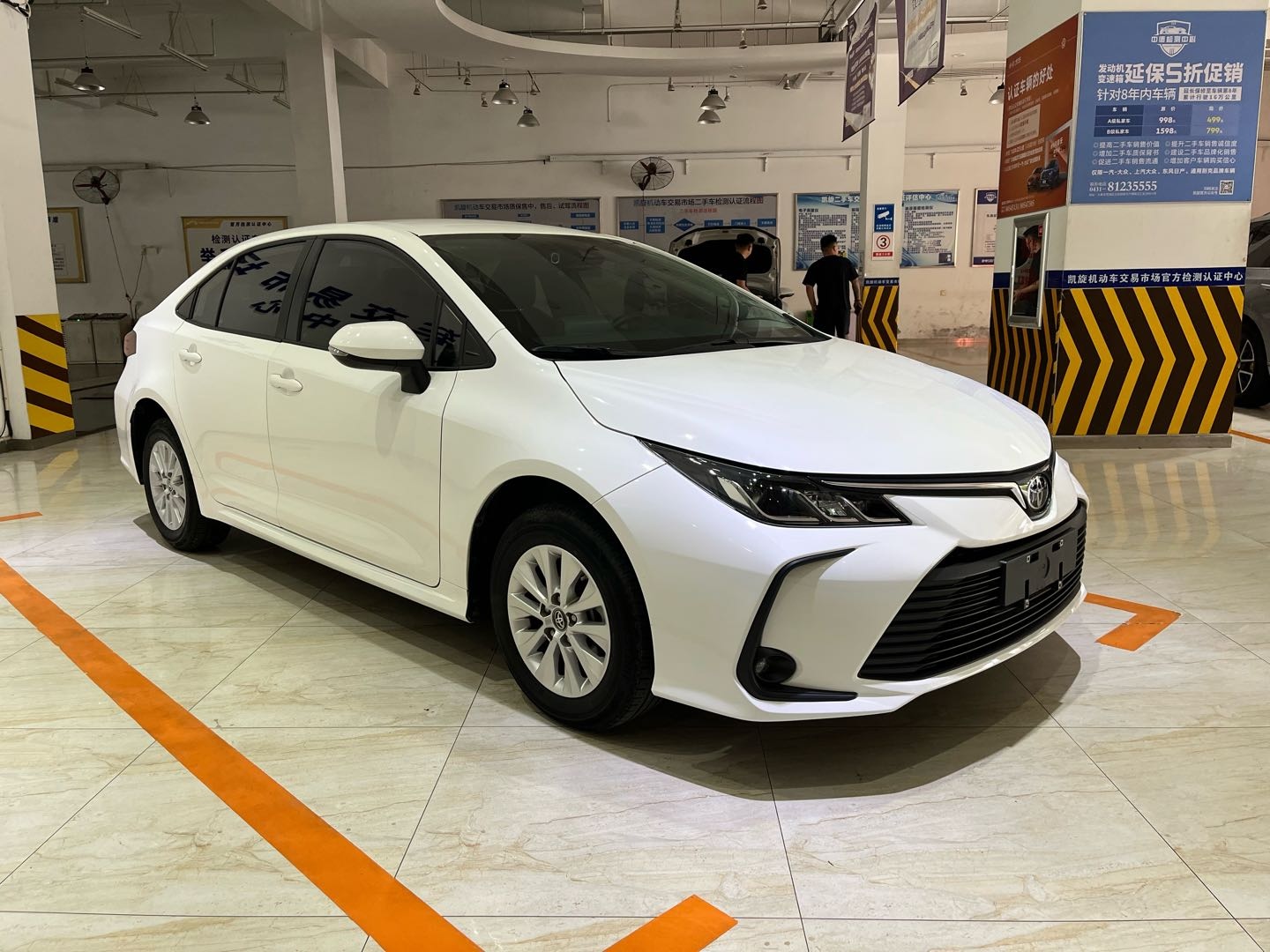
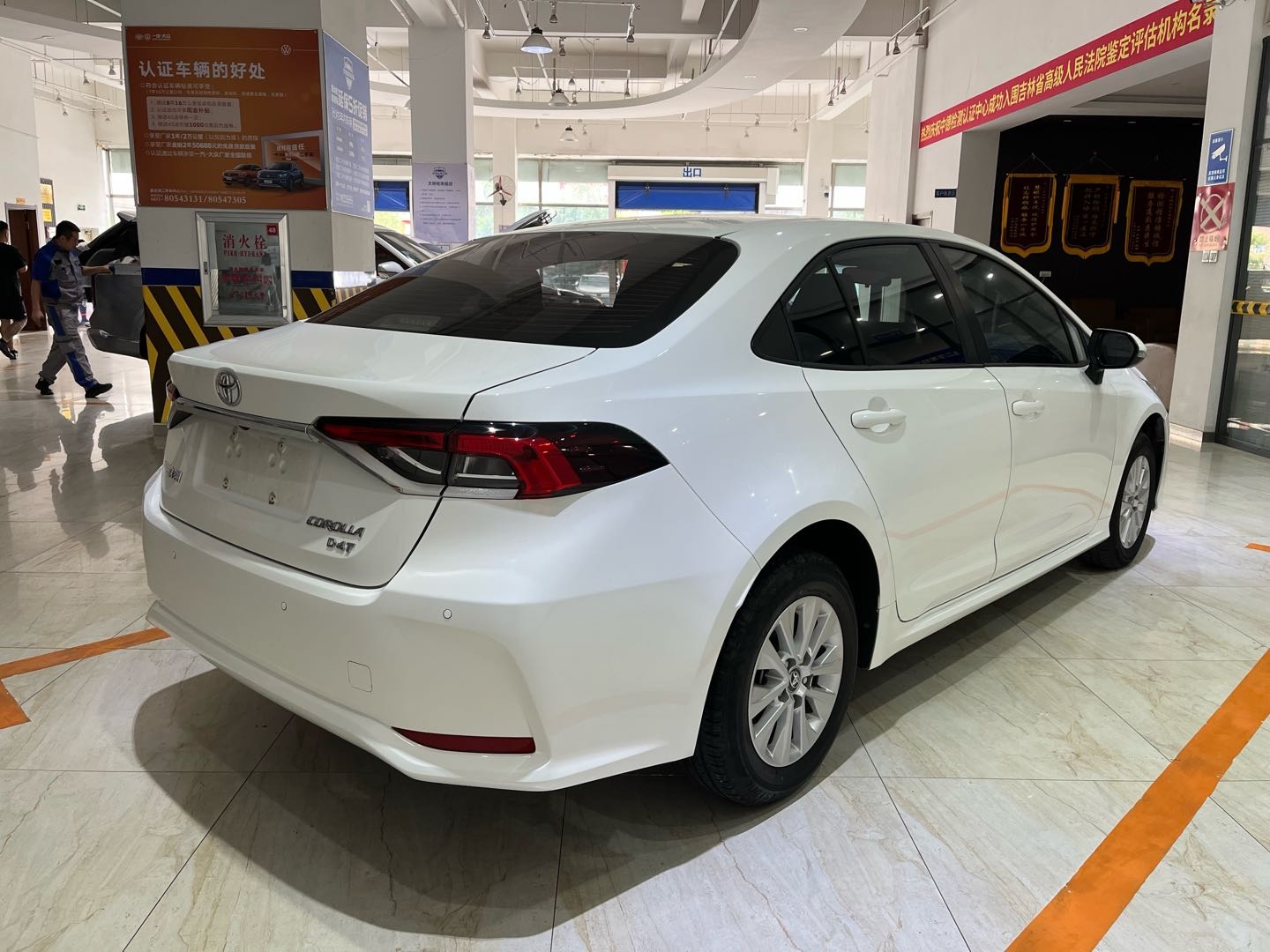
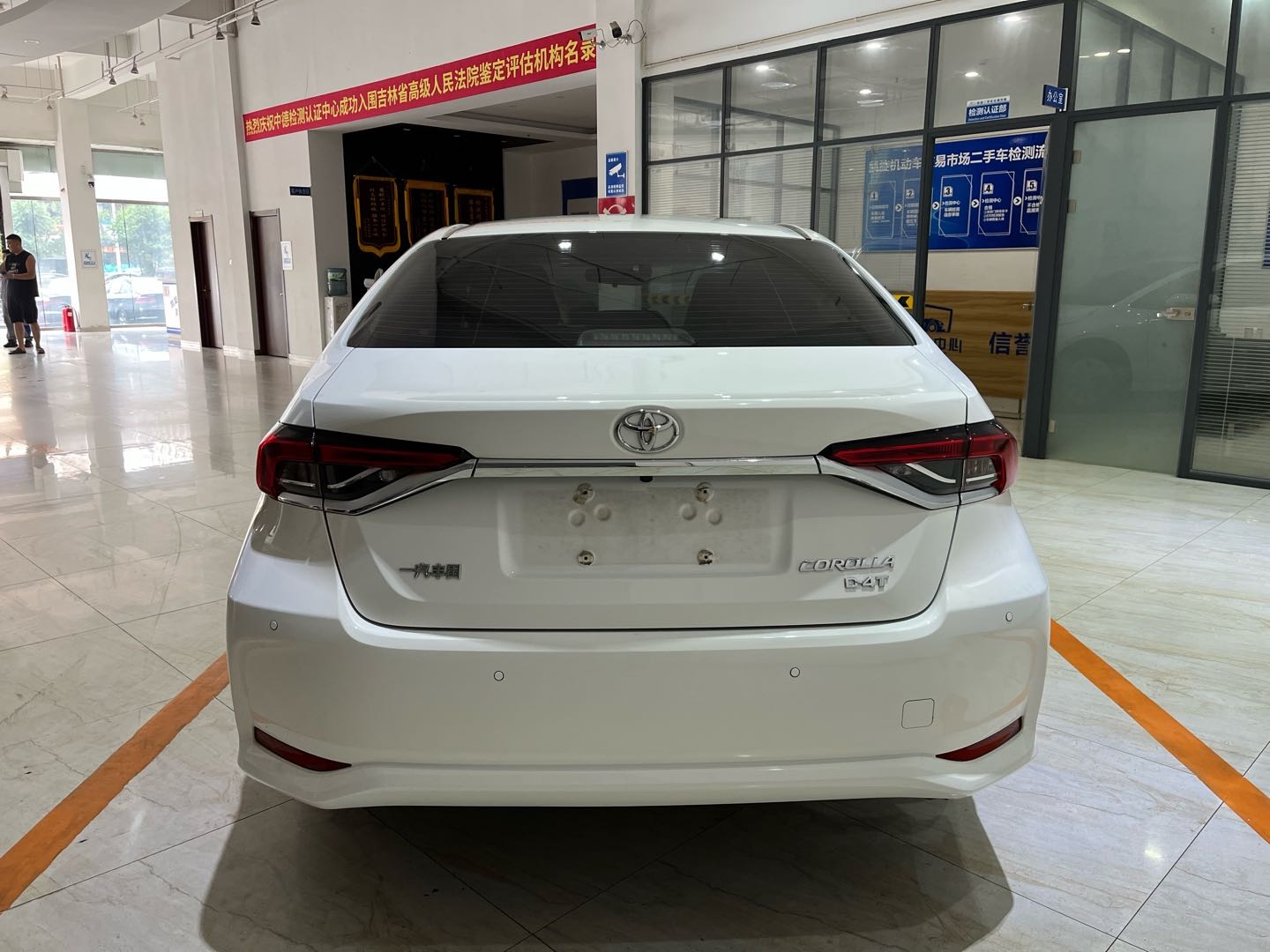
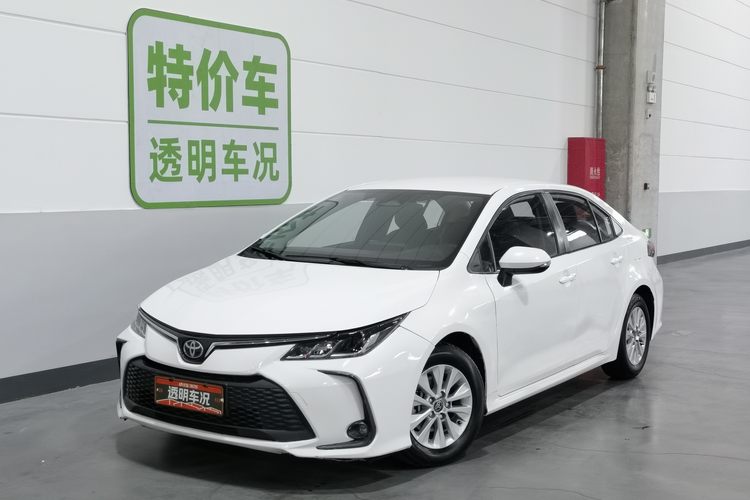
BrandToyota
SeriesCorolla
Year2022
First Registration2022/09
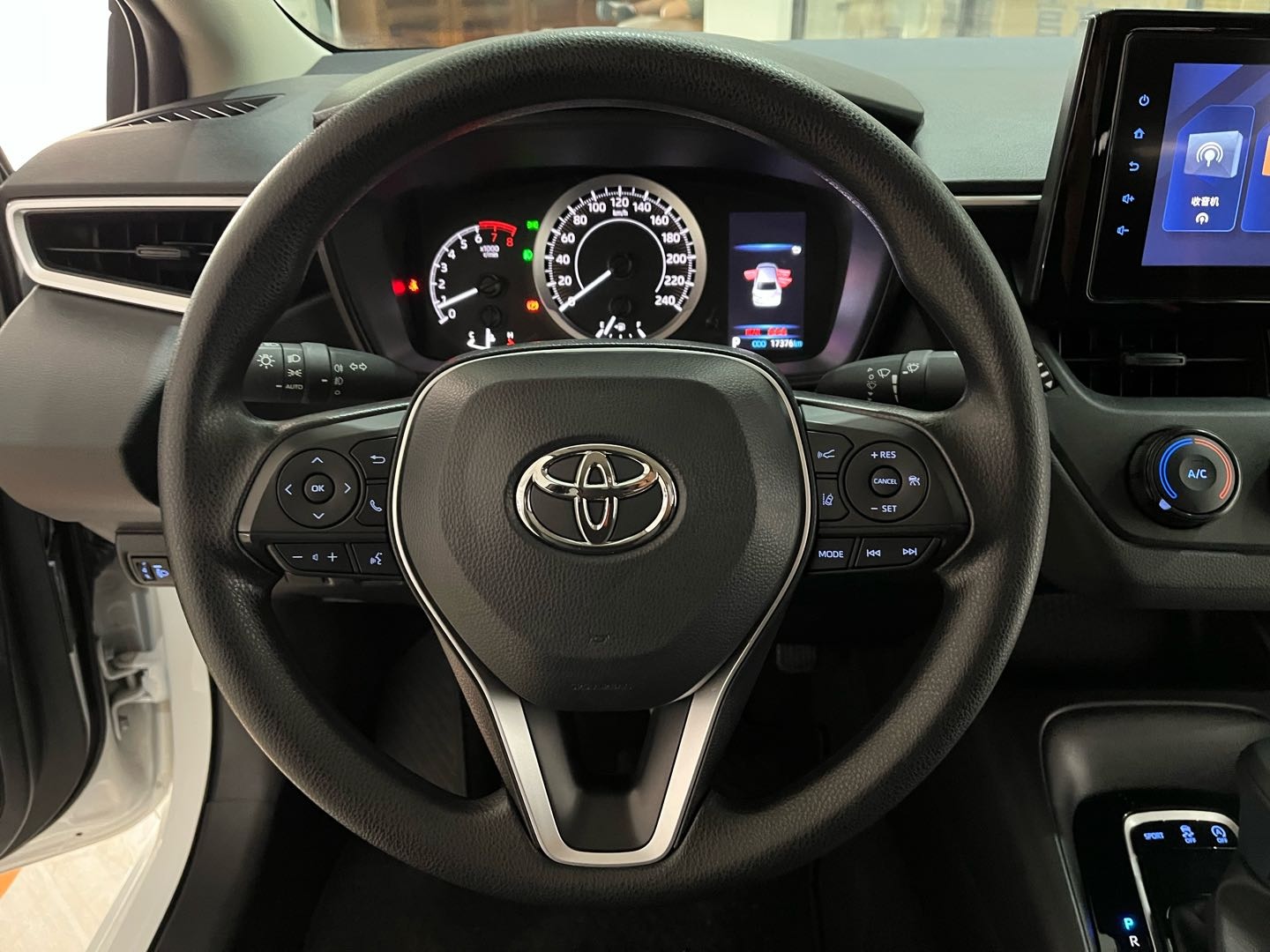
Mileage17,000km
Transfer Count0times
FuelGasoline
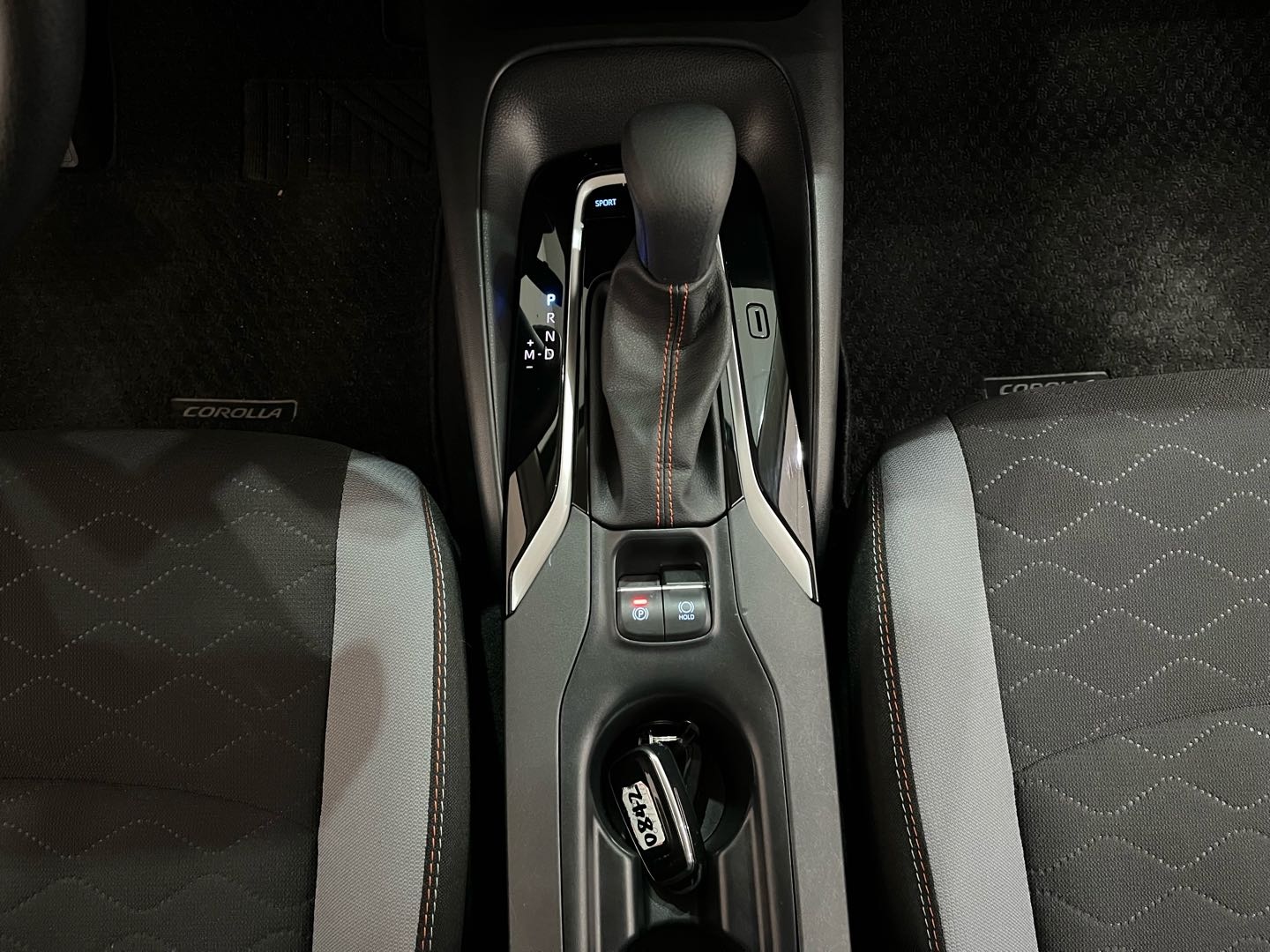
TransmissionCVT
Engine1.2T 116 L4
ColorWhite
Seats-

Condition Description

General condition.

Mileage: 17,300 km. Left front door and right front door have scratch repairs (original factory paint thickness values).

可议价
已上架

Configuration Highlights

✓品牌: 丰田
✓车系: 卡罗拉
✓车型: 丰田 卡罗拉 2022款 1.2T CVT 先锋PLUS版
✓能源类型: 燃油车
✓发动机: 1.2T
✓变速箱: CVT
✓驱动方式: 前置前驱
✓排放标准: 国VI
✓指导价: 12.28万
✓车源编号: 12774437
✓VIN: LFMAXACC7N0490842

Document Information

Inspection Expiry Date2028/09
Warranty Expiry Date-
Insurance Expiry Date2026/09

Q&A

More

When B2B buyers make bulk purchases, can they request to combine the accessory costs and vehicle price on the same commercial invoice to reduce overall tariffs?

No, this is a serious customs violation. Complete vehicles (HS Code 8703) and auto parts (HS Code 8708, etc.) are subject to completely different import tax rates. Combining them on one invoice could lead to the invoice being returned by customs and may expose you to tax fraud accusations at the destination port.
Will the FOB or CIF prices we have signed change due to sudden surges in international shipping costs caused by geopolitical issues or emergencies (like the Red Sea crisis)?

Our shipping quotes are typically valid for only 7 to 14 days. If a CIF contract is signed and there are significant fluctuations in shipping costs due to war surcharges or route changes imposed by the shipping company before the vehicle is actually loaded, we will transparently provide you with the official price increase notice from the shipping company. At that point, we reserve the right to renegotiate the freight difference or allow you to change the trade terms to FOB, letting you designate your own freight forwarder for booking.

If the record of a vehicle's first maintenance is missing from the system, how do you determine its early wear condition?

Many car owners do not have their first maintenance done at authorized dealerships, leading to gaps in early data. In such cases, we do not blindly trust the odometer; instead, we analyze the tire production dates and wear levels, as well as the depth of grooves on the brake disc edges, using the "gold standard" of physical wear to infer the intensity of early use.