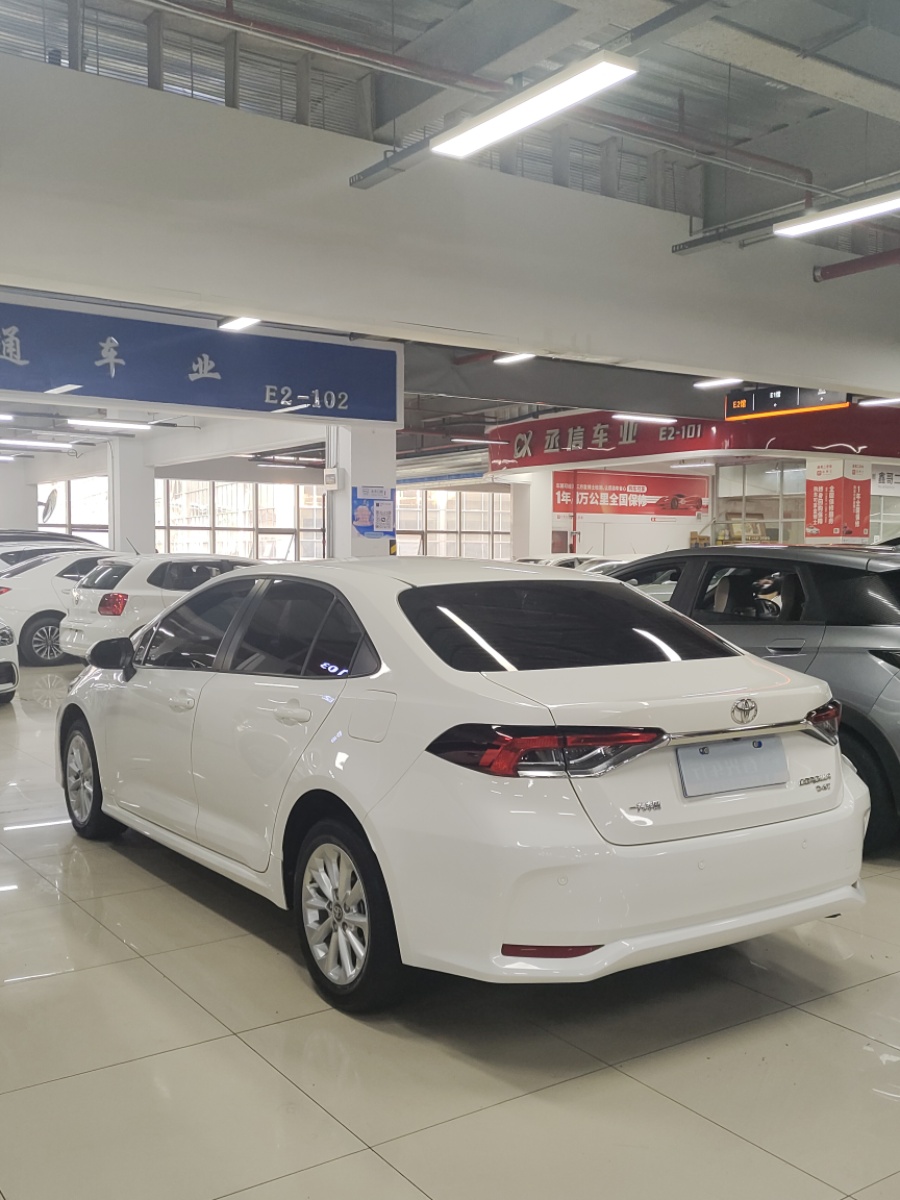
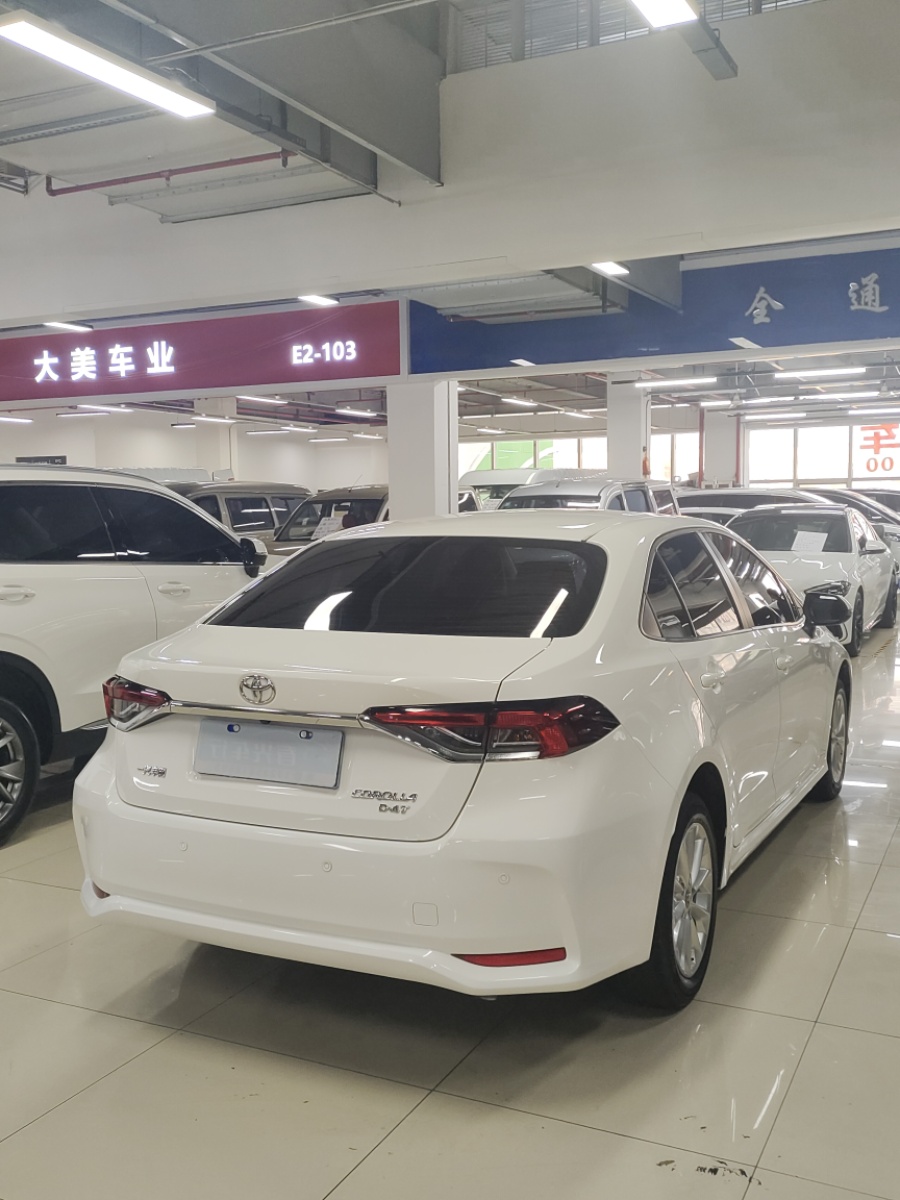
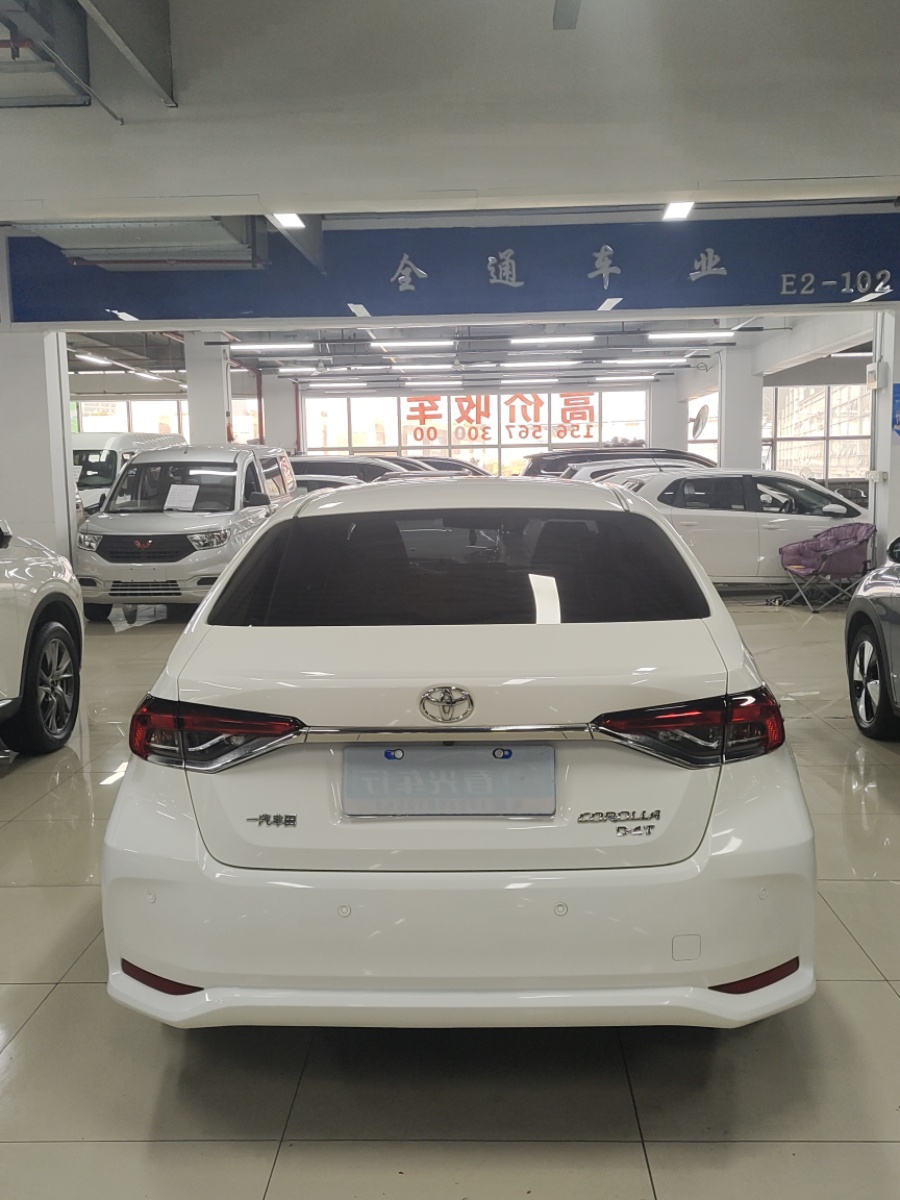



48H

Basic Information

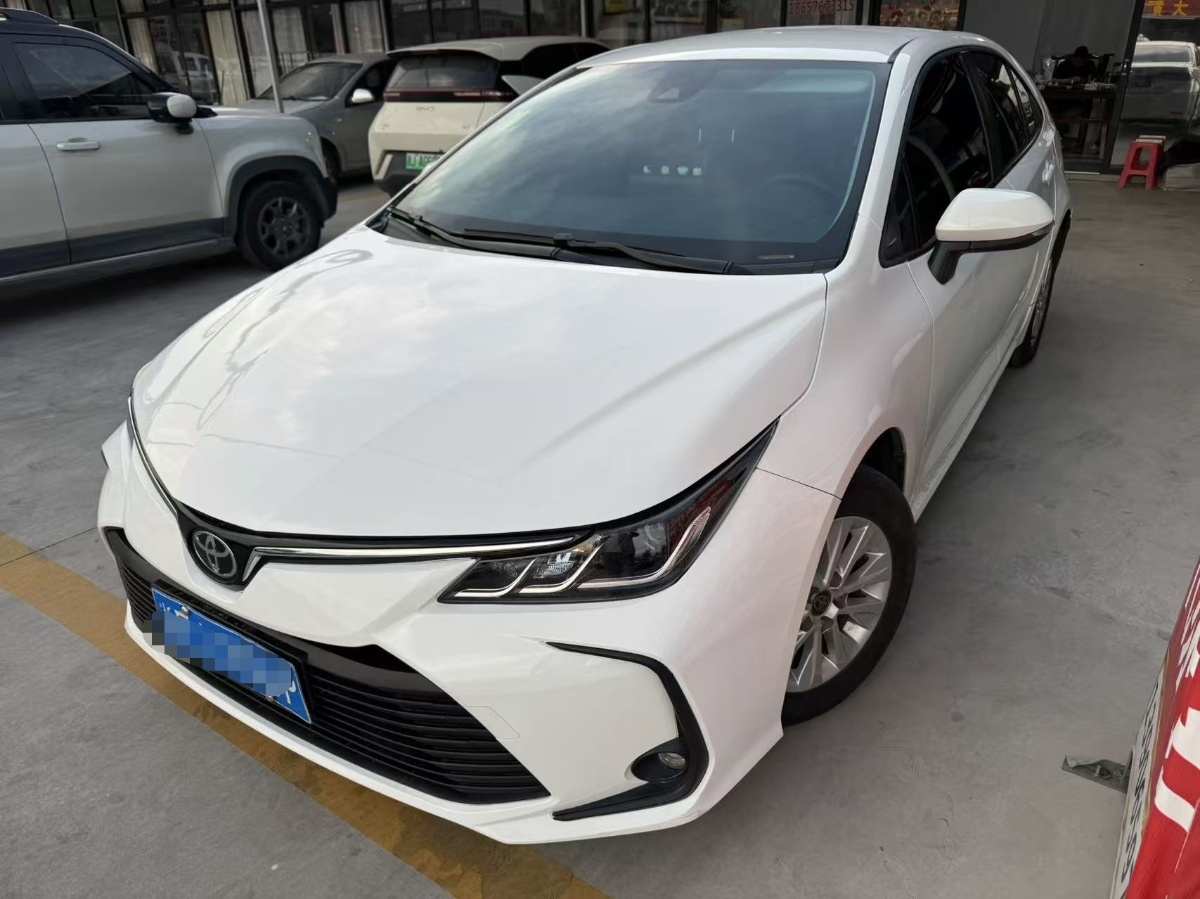
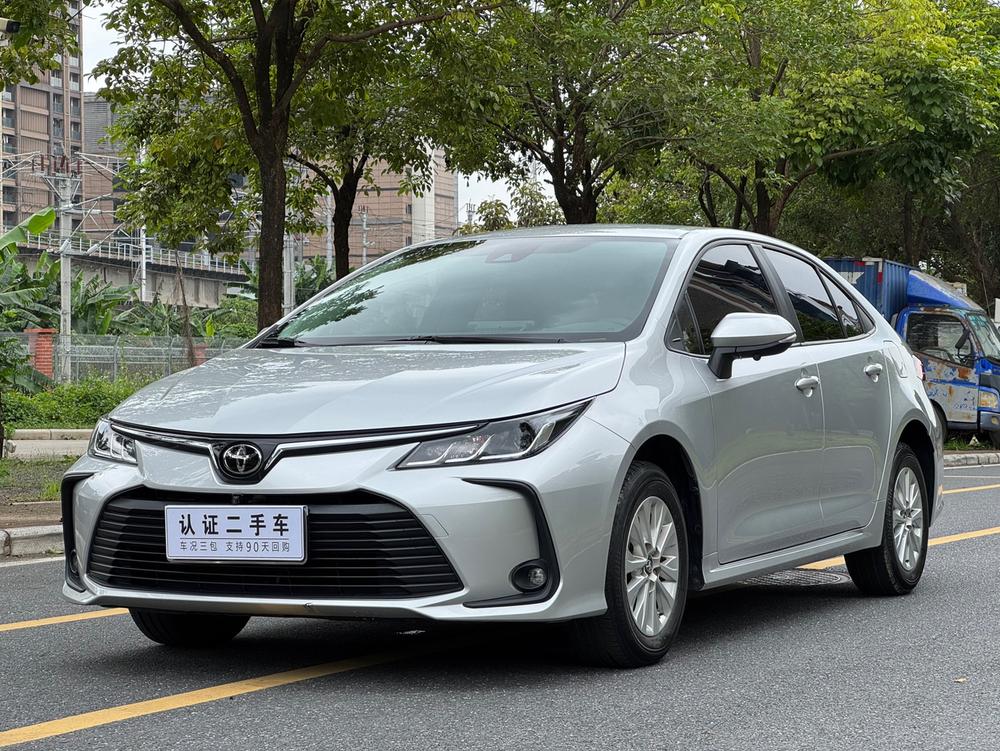
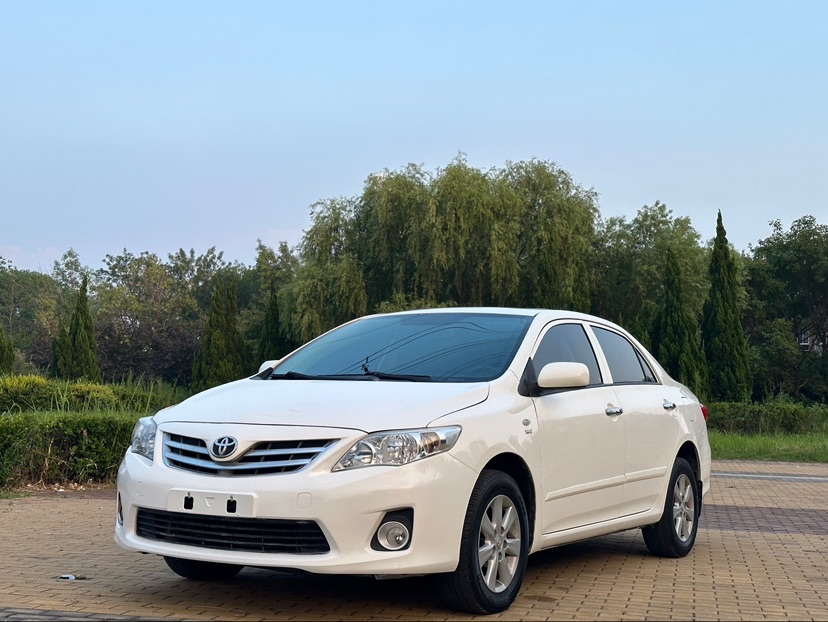
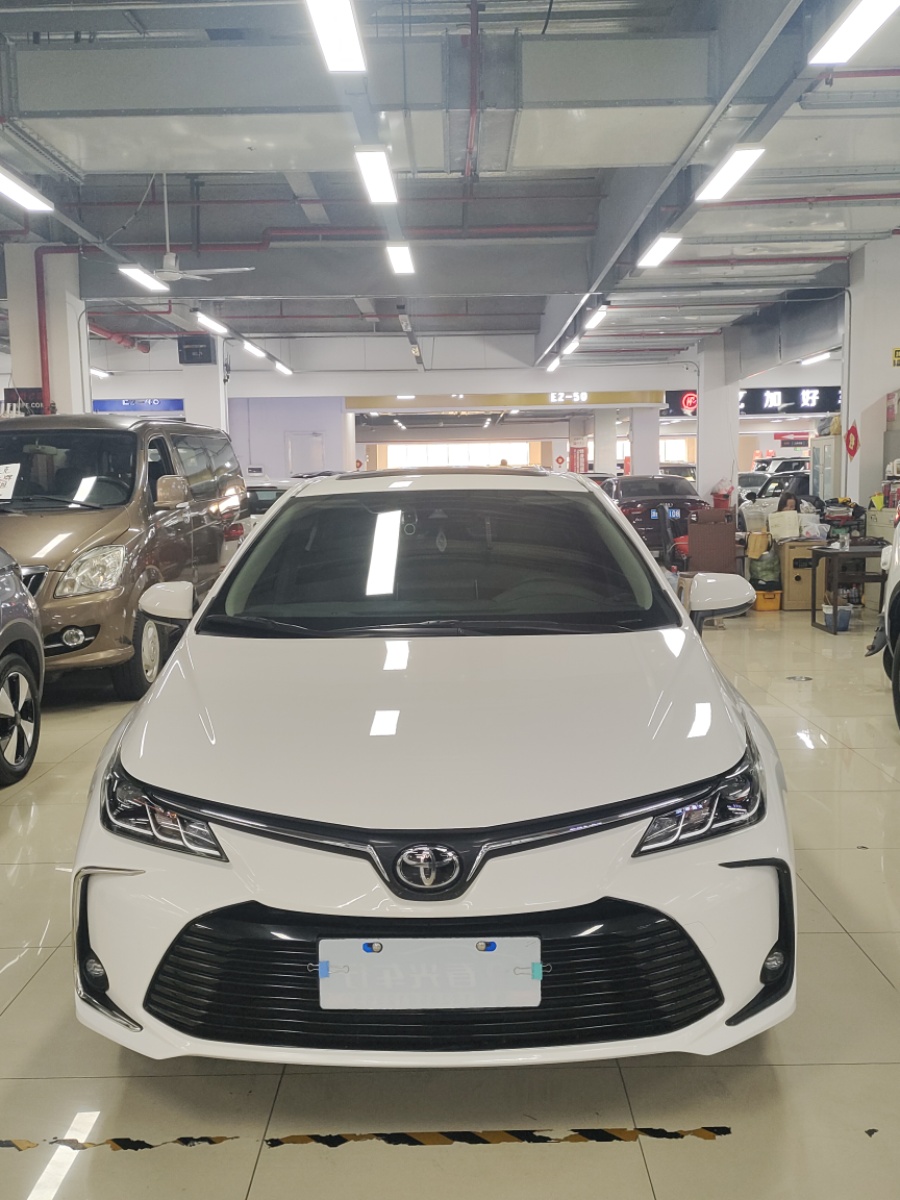
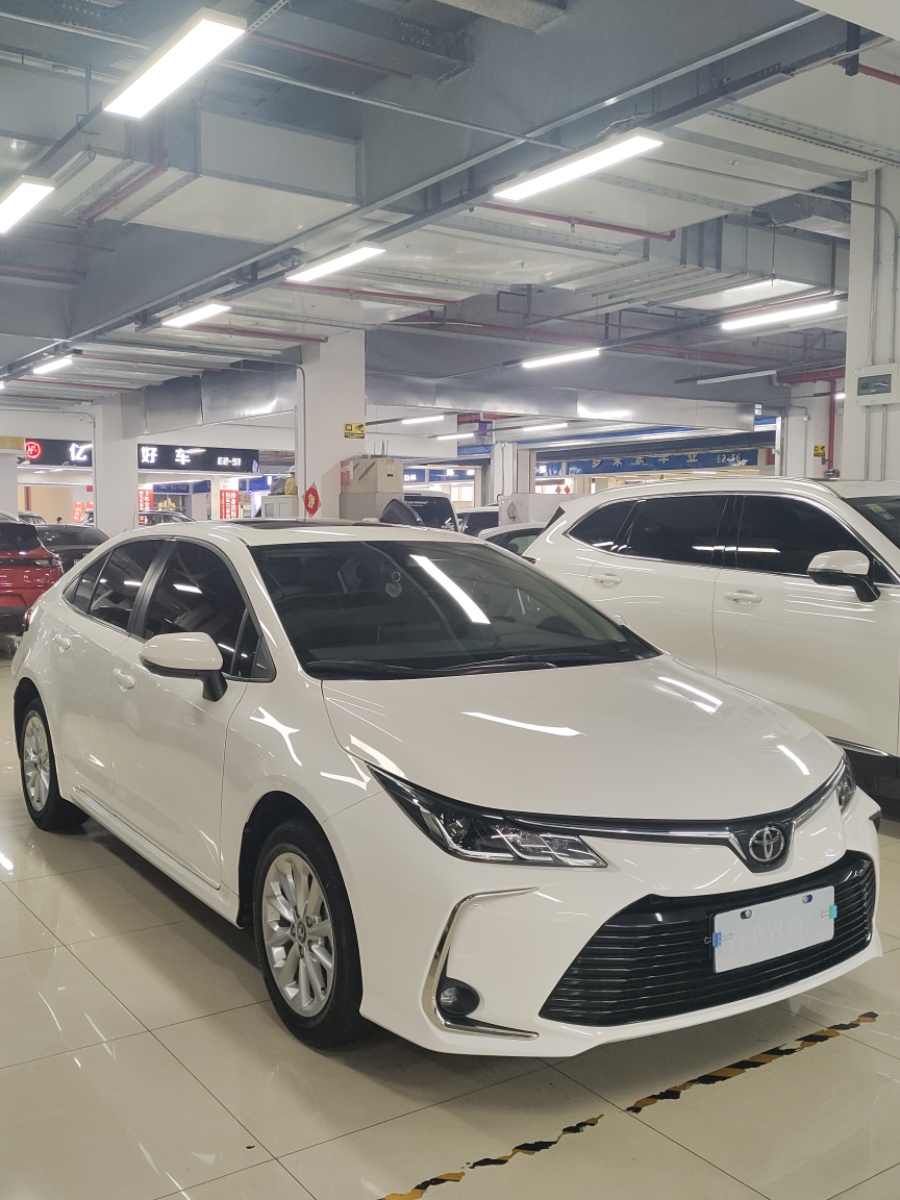
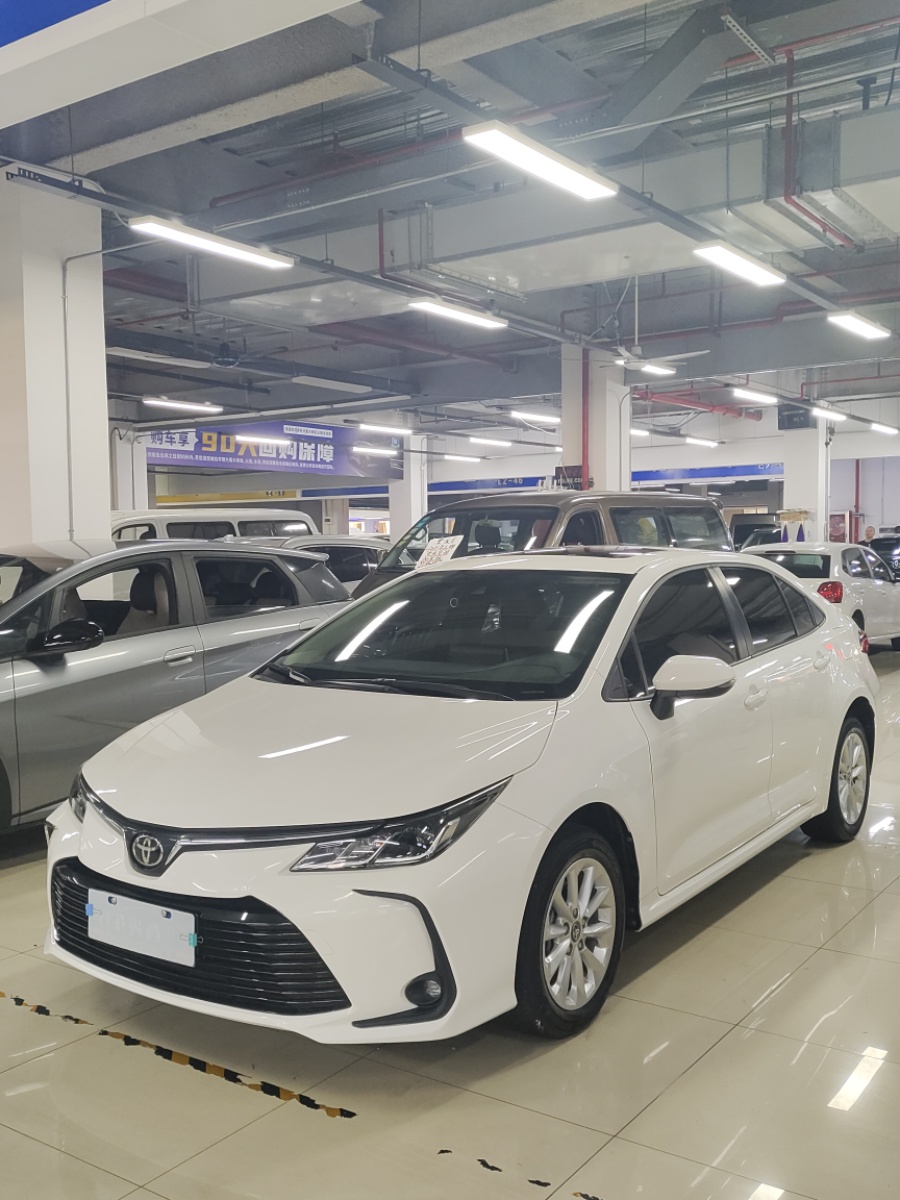
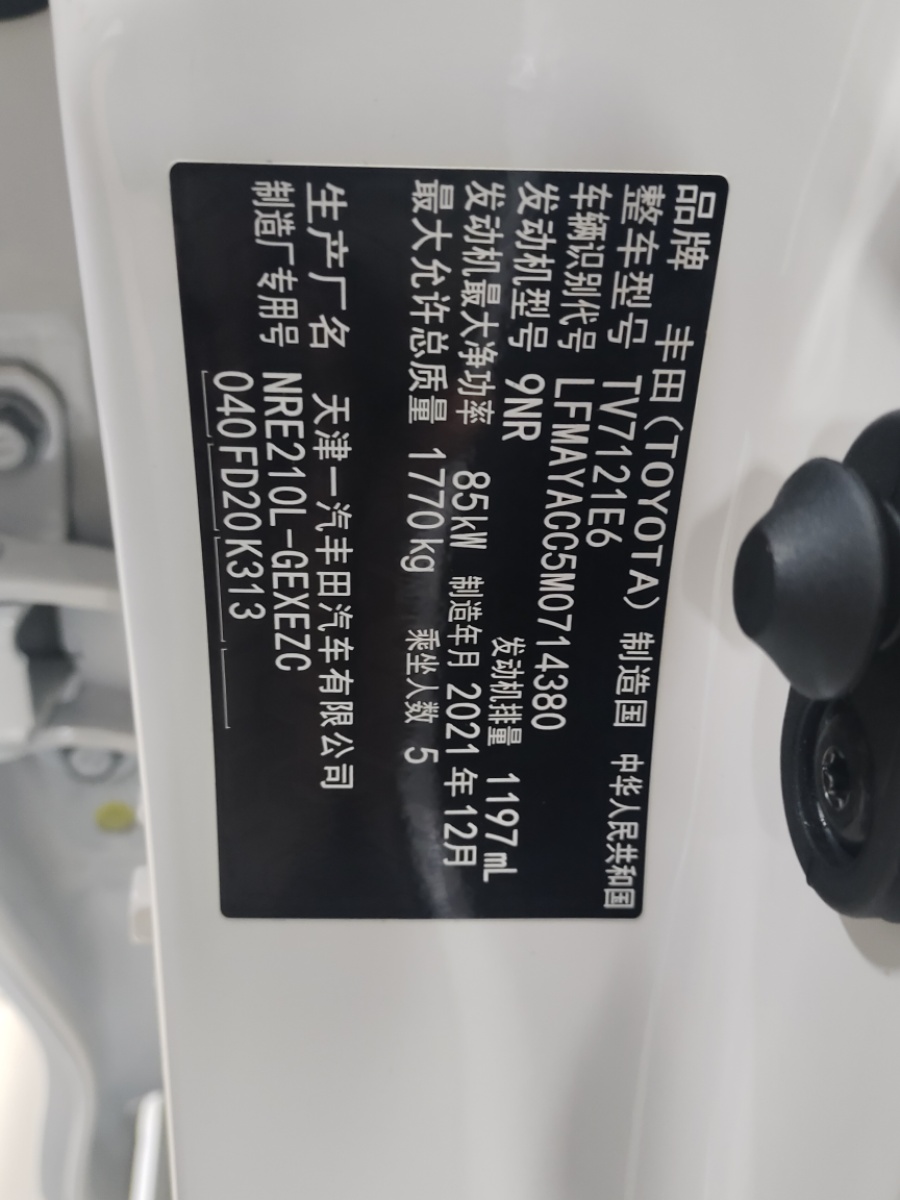
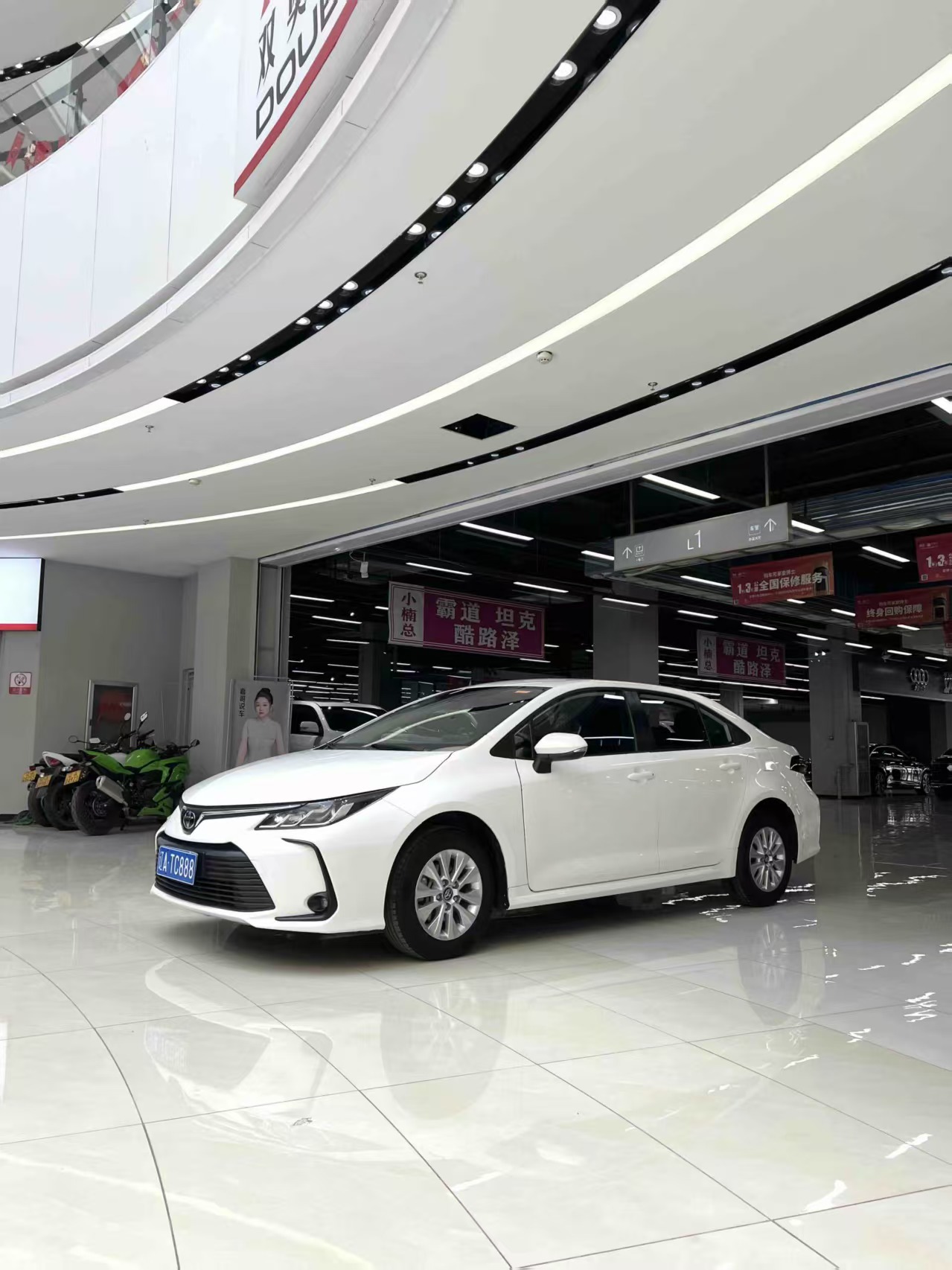
BrandToyota
SeriesCorolla
Year2022
First Registration2022/04
Mileage70,000km
Transfer Count1times
FuelGasoline
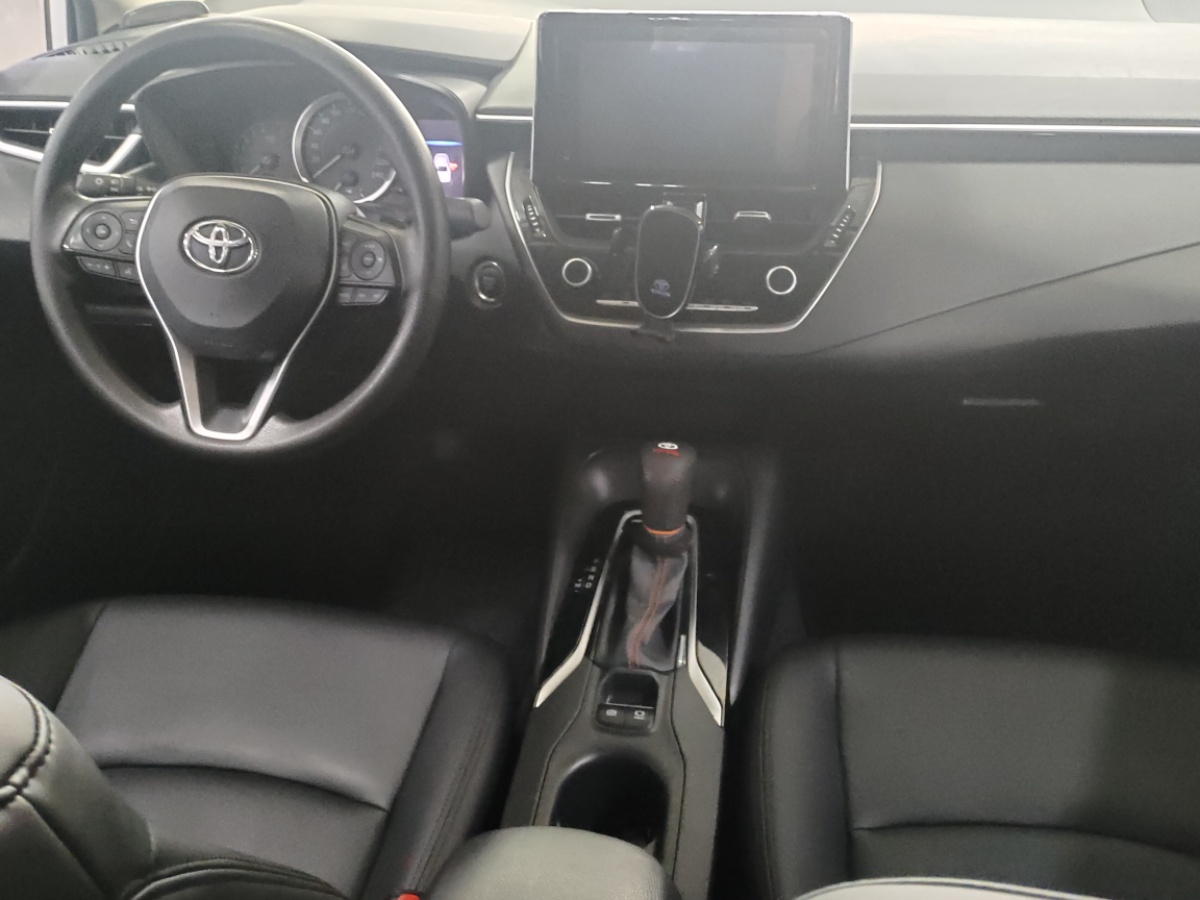
TransmissionCVT
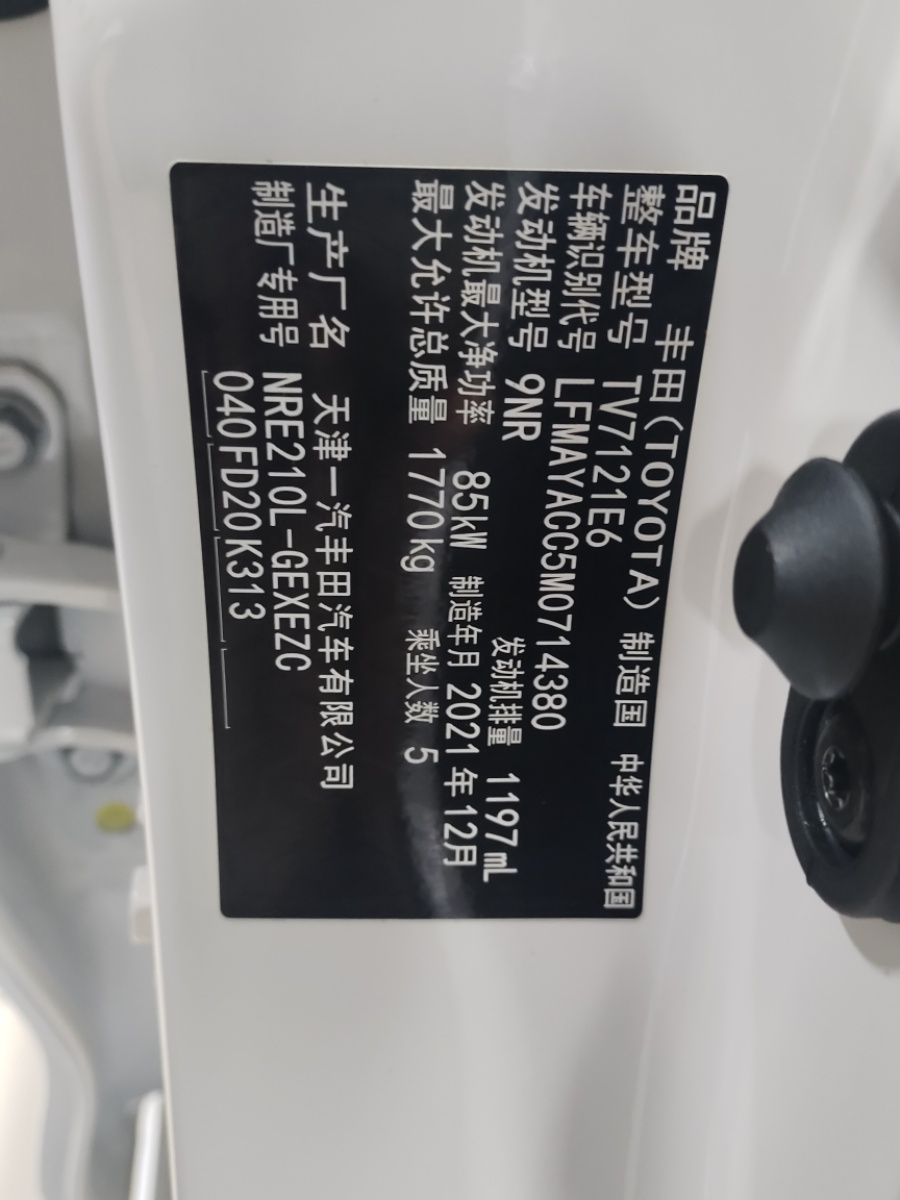
Engine1.2T 116 L4
ColorWhite
Seats-

Condition Description

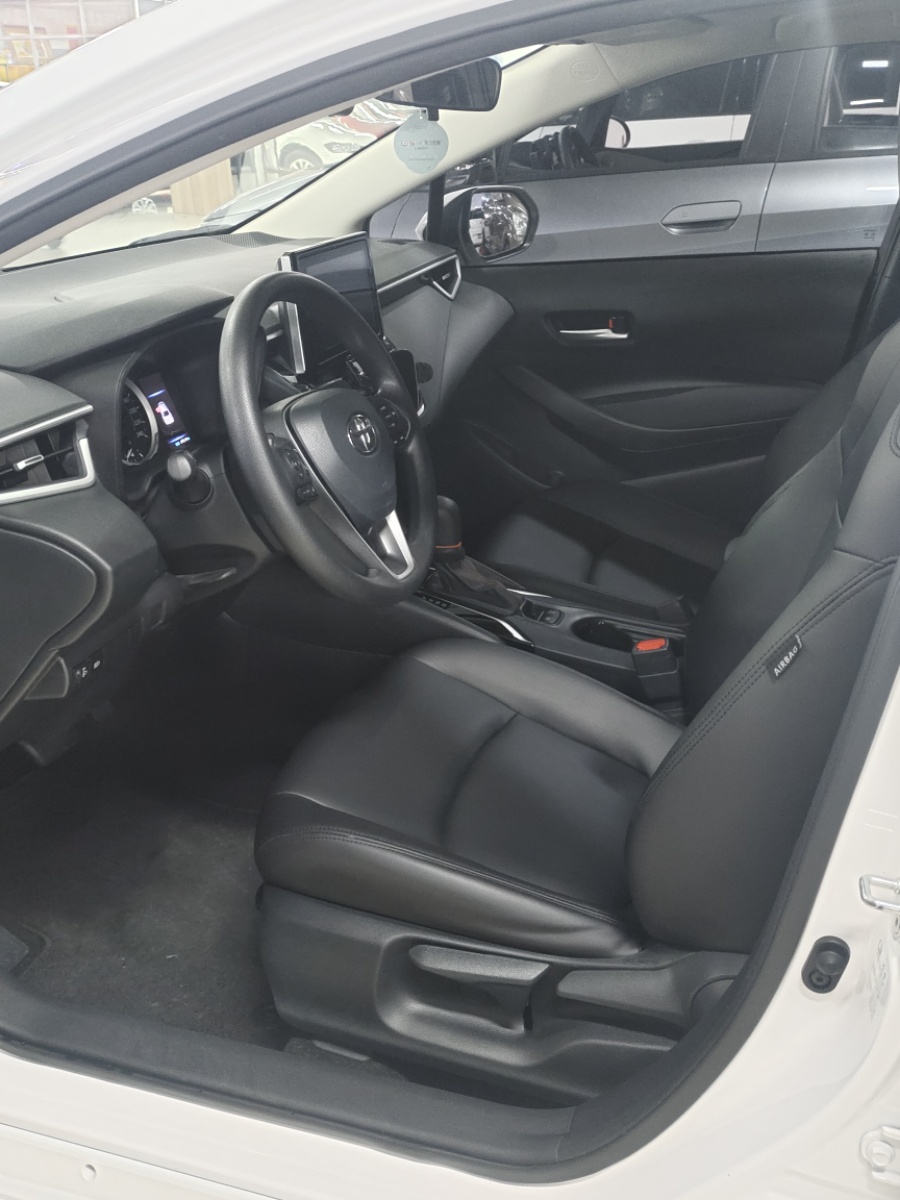
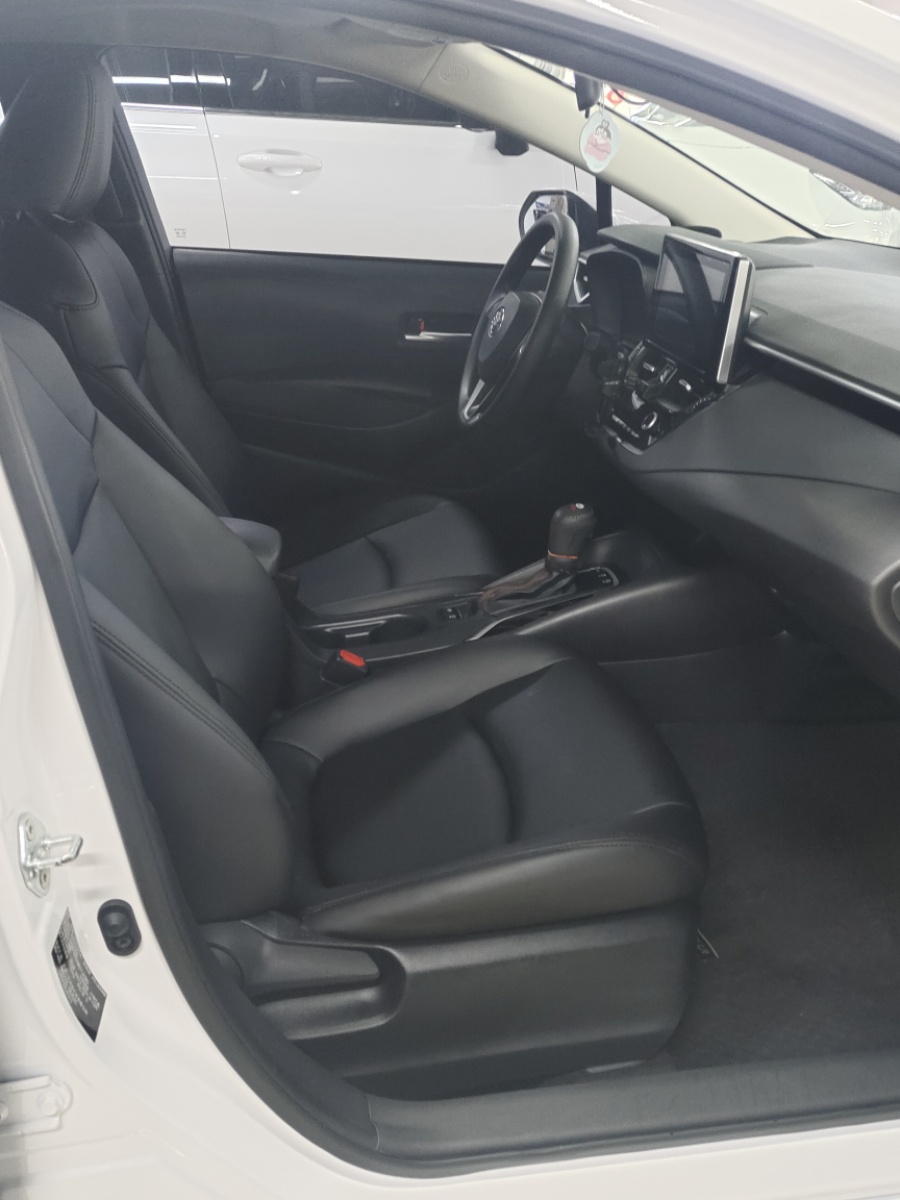
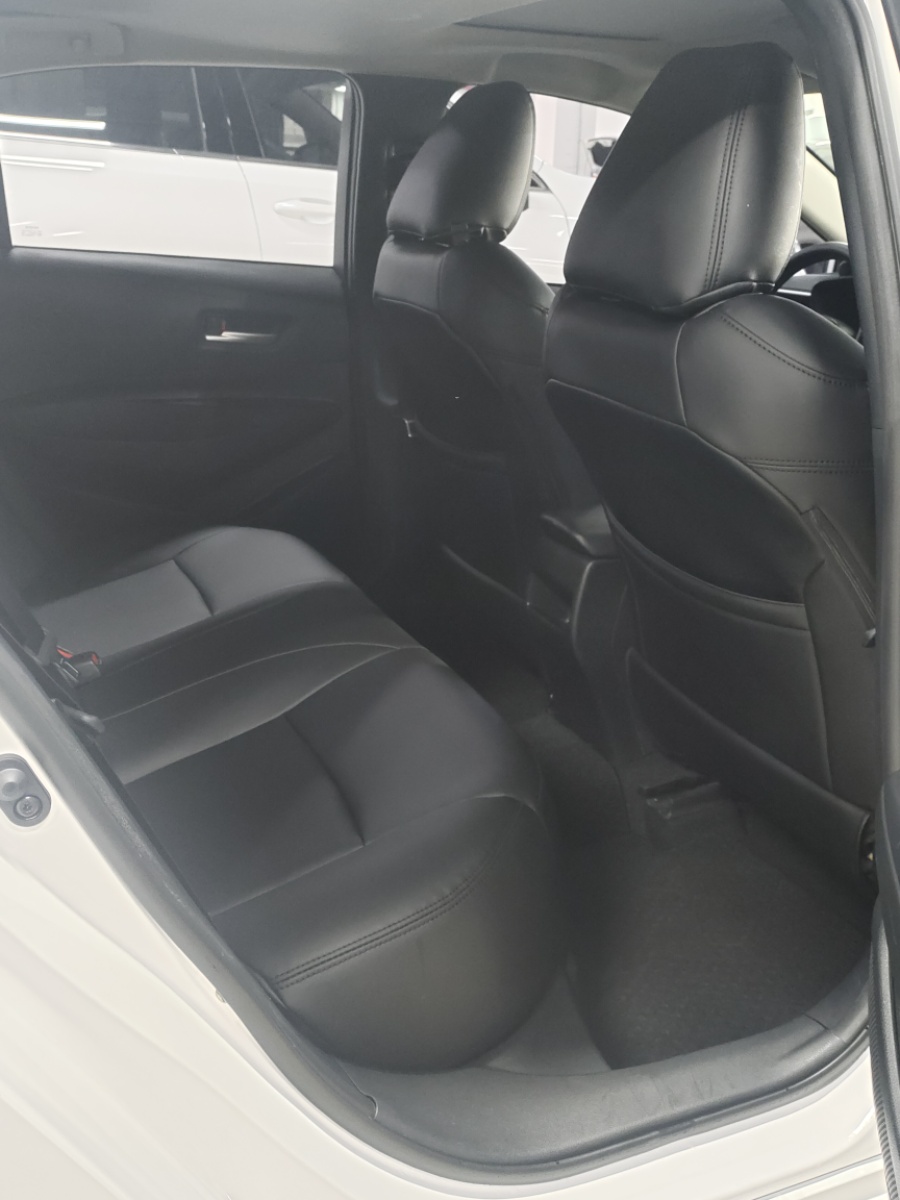
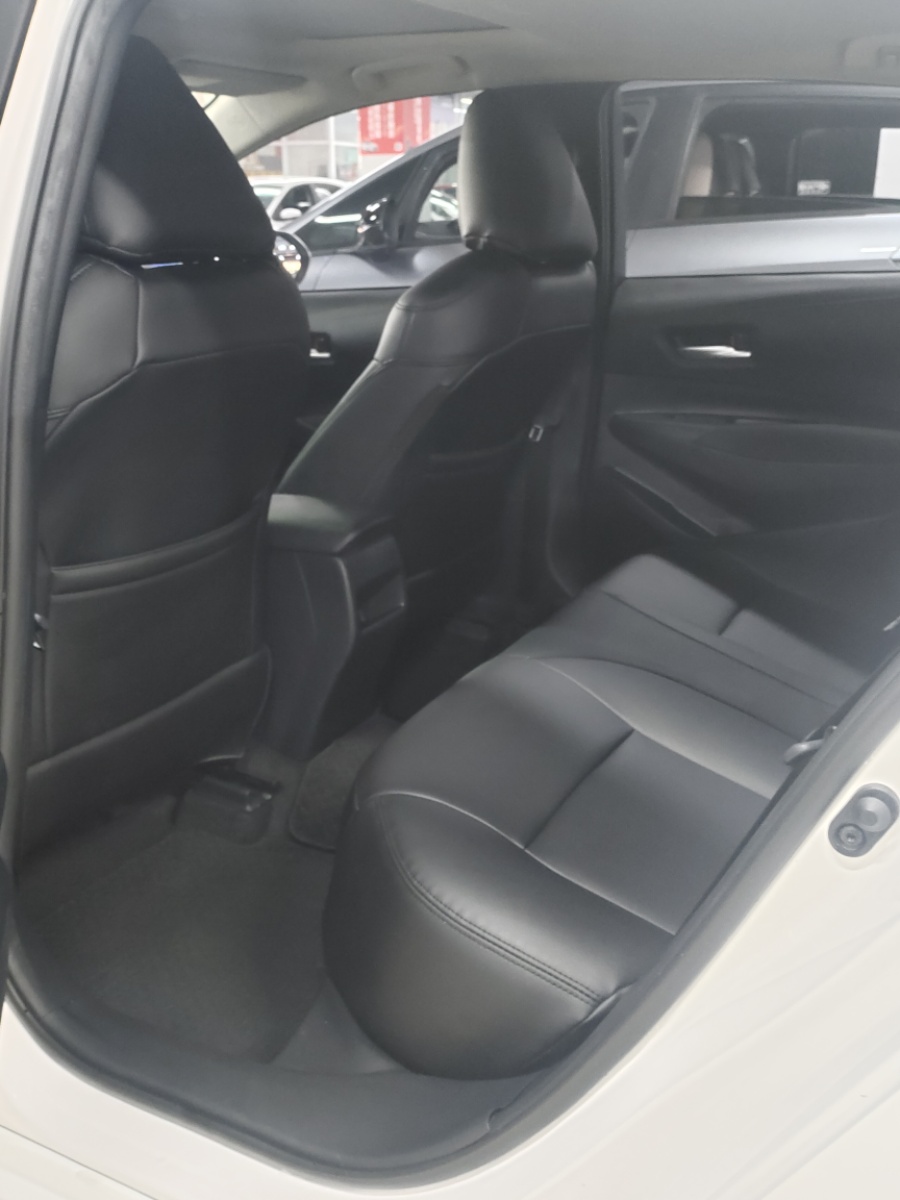
Original paint on metal parts, 0 insurance claims.

燃油车
轿车
自动
维保开放
事故开放
查验开放

Configuration Highlights

✓品牌: 丰田
✓车系: 卡罗拉
✓车型: 2021款 1.2T S-CVT 精英版
✓车身类型: 轿车
✓座位数: 5
✓排量: 1.2T
✓变速箱: 自动
✓能源类型: 燃油车
✓VIN: LFMAYACC5M0714380
✓搜索关键词: 丰田卡罗拉 2021款卡罗拉1.2TS-CVT精英版

Document Information

Inspection Expiry Date2028/04
Warranty Expiry Date-
Insurance Expiry Date2027/04

Q&A

More

How should I compare quotes from multiple Chinese exporters to find the real best price?

Comparing headline prices alone will mislead you—quotes often bundle or exclude different items. Build a like-for-like comparison before deciding. Request every exporter to break their quote into: vehicle price, domestic transport in China, export handling and documentation fees, inspection fee, ocean freight to your port, and insurance. Then add what they exclude: your country's customs duty, VAT/GST, port charges, and local delivery. Watch for common padding: "service fees" of 3-8% that appear only in the final invoice, inflated inland transport (a truck from Guangzhou to a port should rarely exceed a few hundred dollars), and freight quotes that assume a shared container while charging you for a full one. Ask each exporter to state validity (7-14 days is normal) and whether the price is FOB or CIF. Once normalized, the cheapest quote usually isn't the lowest number—it's the one with the shortest list of exclusions and the clearest terms.
Is China's "National VI B" emission standard equivalent to Europe's Euro VI standard?

From a technical perspective, China's "National VI B (China VI-b)" is one of the strictest emission standards globally, with limits on carbon monoxide, nitrogen oxides, and particulate matter that are even stricter than some of Europe's Euro VI standards. However, the two are not legally recognized by each other, depending on your country's import regulations.

How does customs clearance work at destination when importing a used car from China, and who handles it?

Customs clearance at destination is usually handled by a licensed customs broker, not the exporter. You can hire one yourself or use a broker recommended by your shipping agent. The typical flow: your broker files the import declaration using the documents the exporter must provide — the commercial invoice, packing list, bill of lading, and the certificate of origin. Depending on your country's rules, you will also need to pay import duty, VAT or sales tax, and any excise or environmental levies before the car is released. Things that commonly delay clearance: mismatched VIN numbers between documents, missing pre-shipment inspection certificates (required in some African and Middle Eastern countries), or non-compliance with your country's used-car import age limits. Budget 3–10 working days for clearance after the vessel arrives, plus storage fees if documents are incomplete. Tip: send all documents to your broker for review before the ship departs China — fixing errors at origin is much cheaper than demurrage at destination.