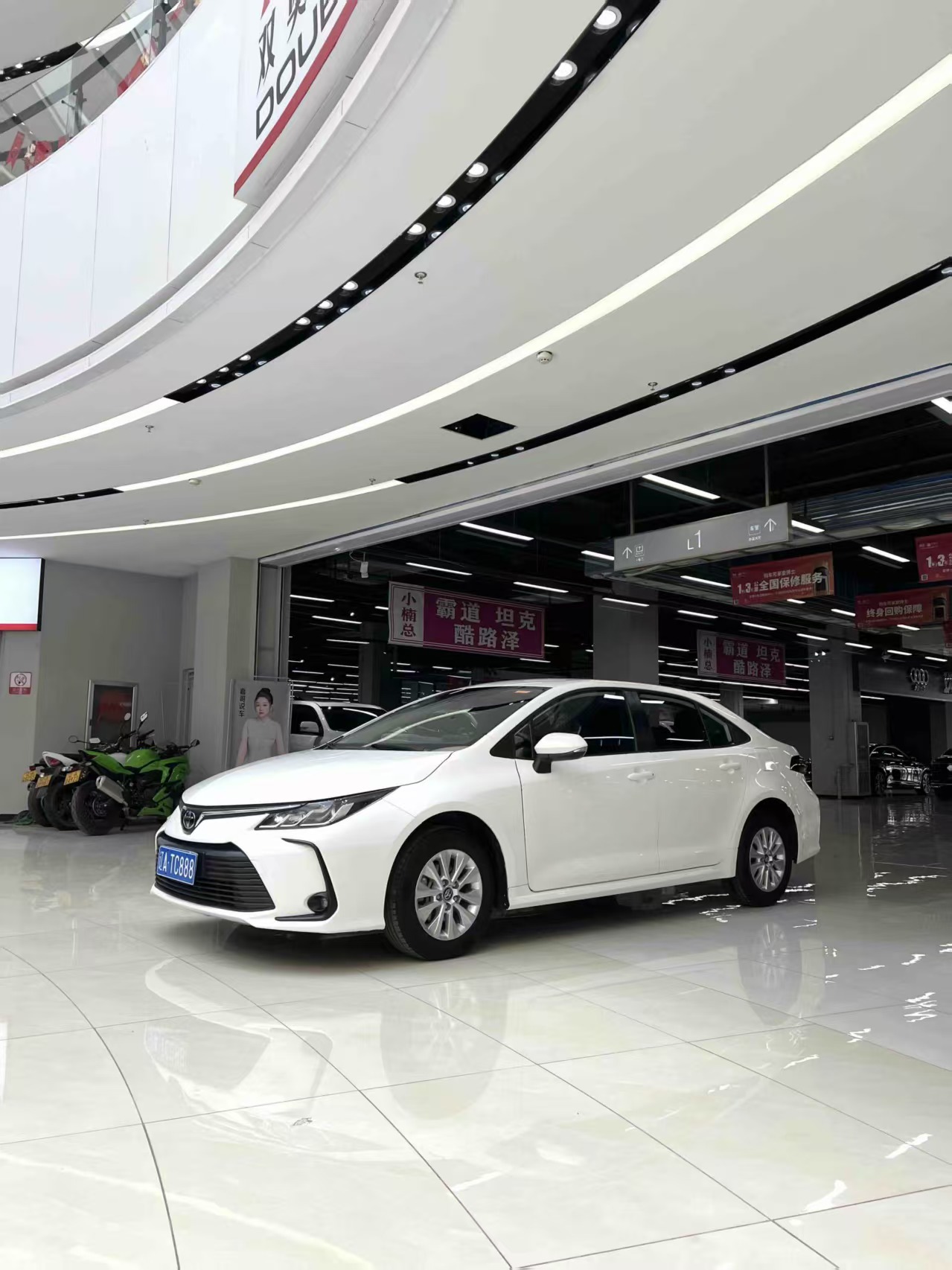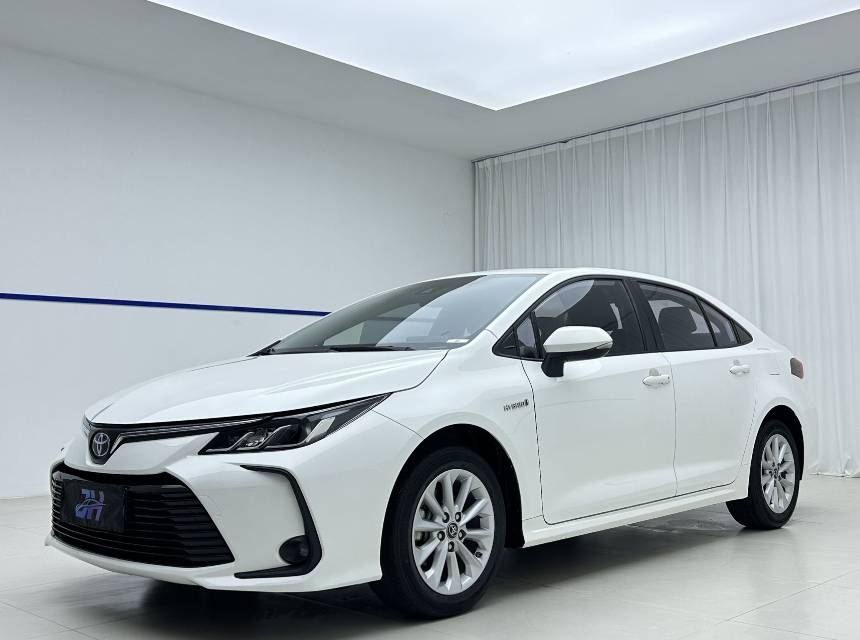
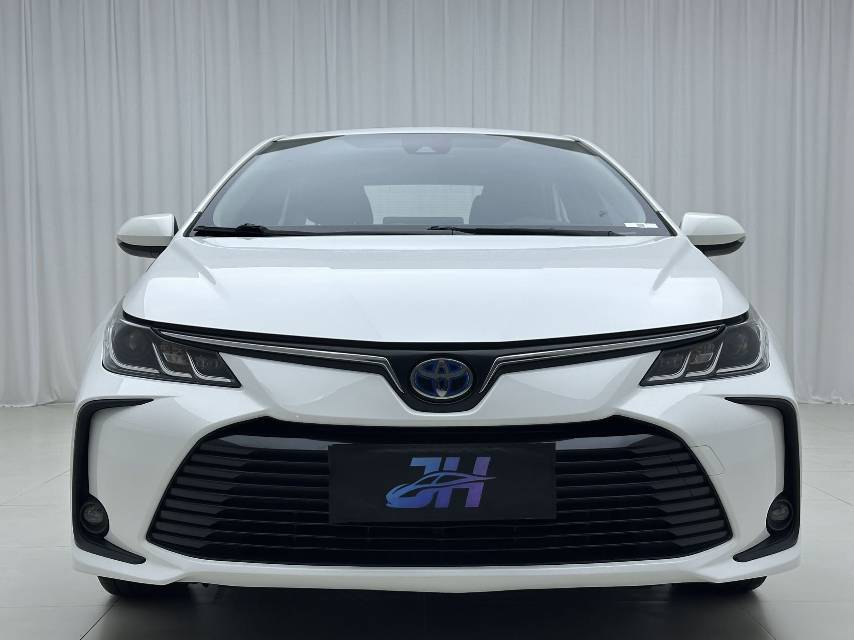
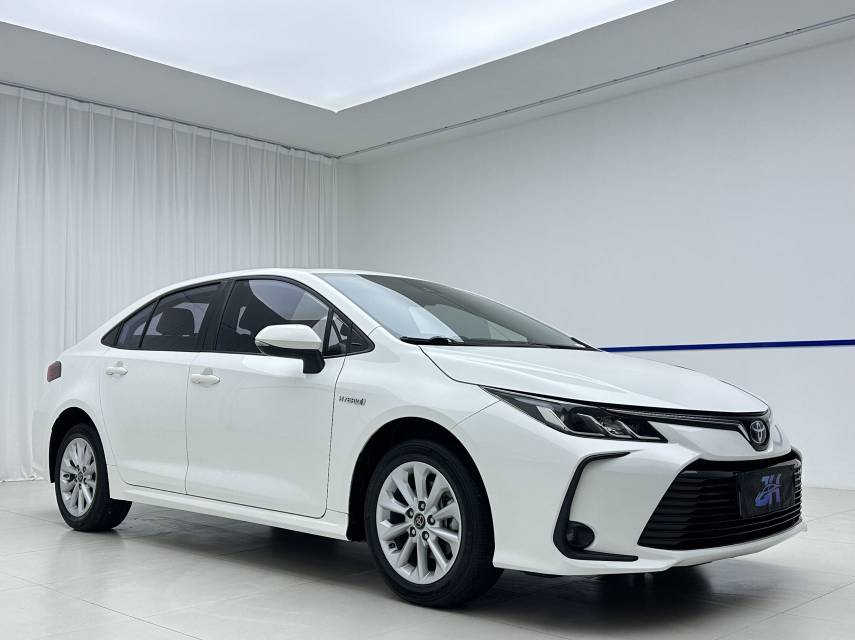
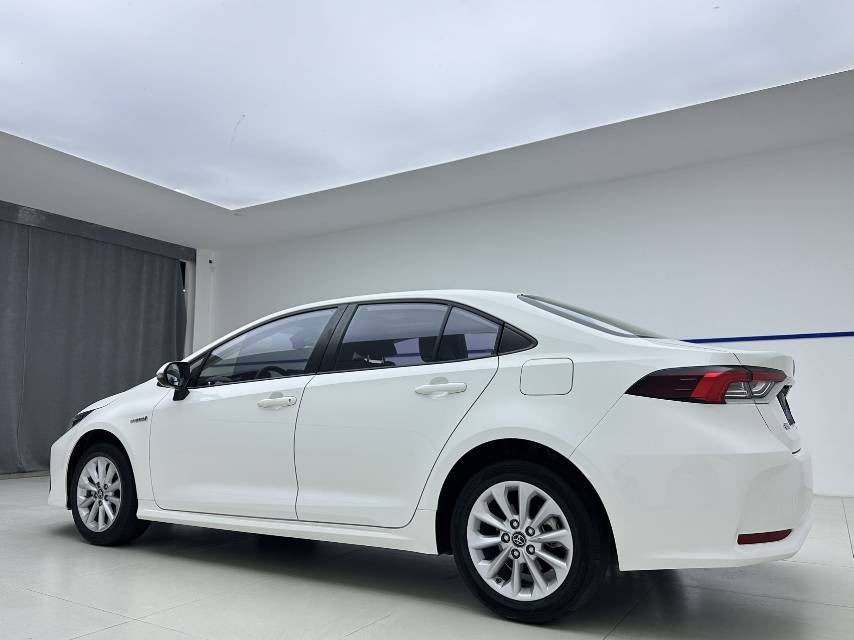
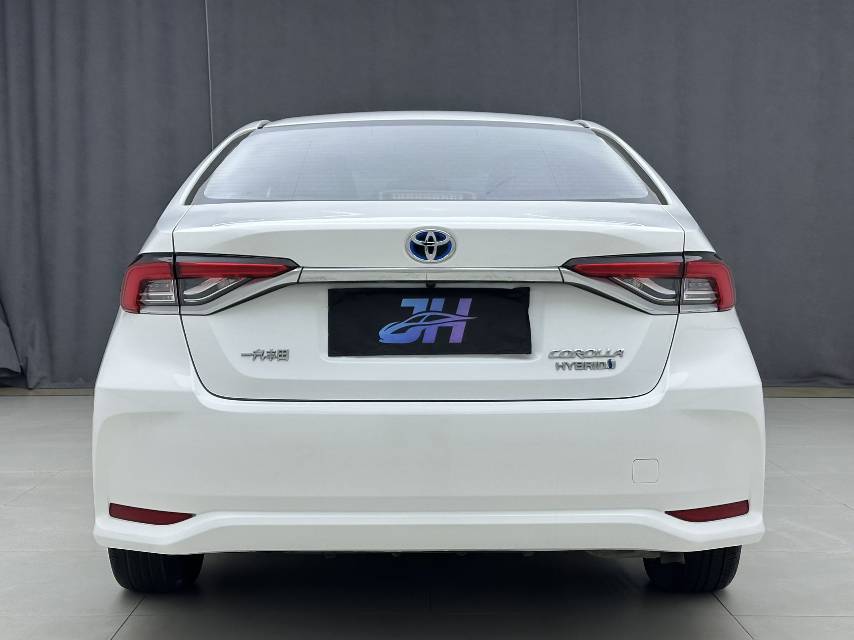
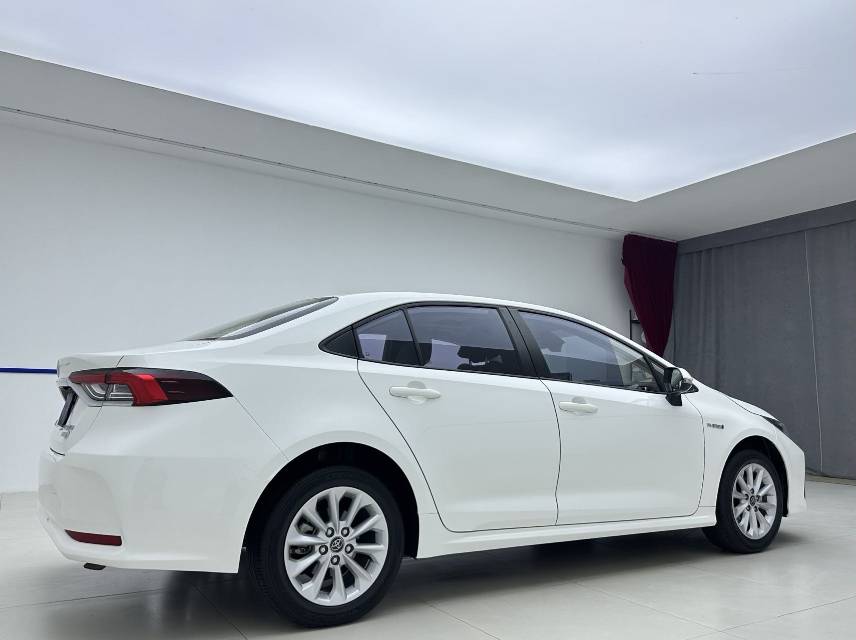
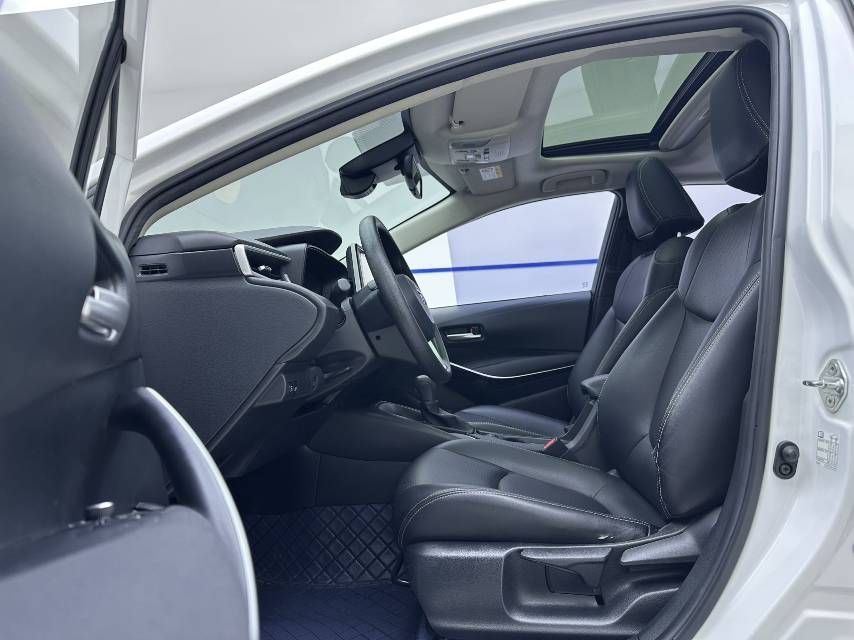
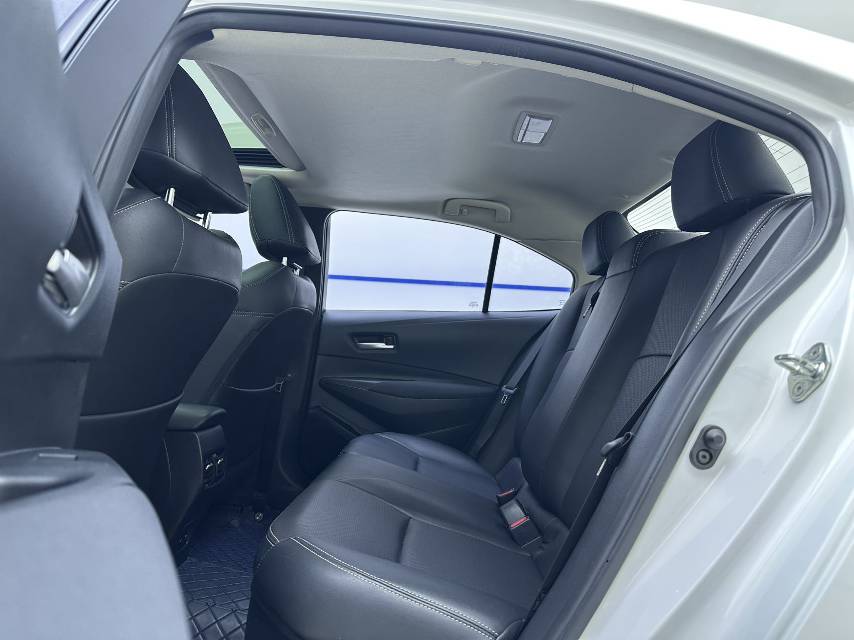
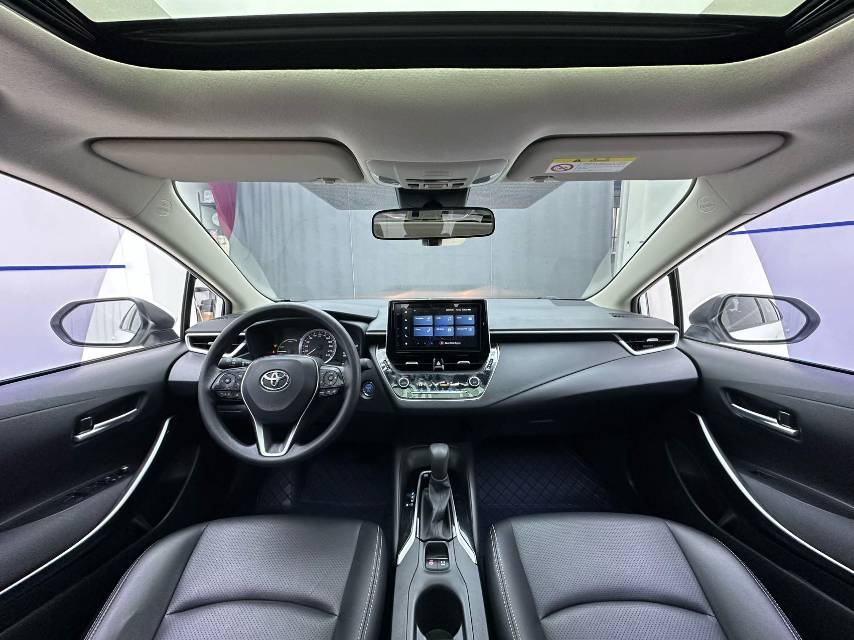
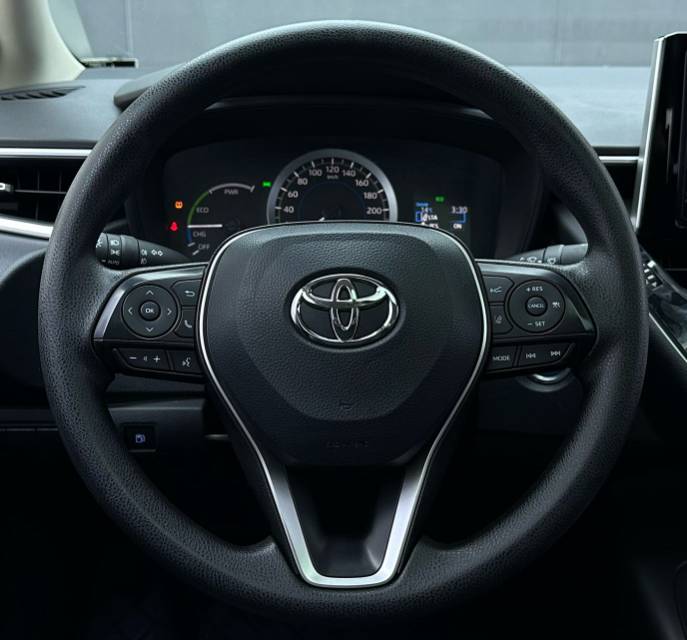



Basic Information

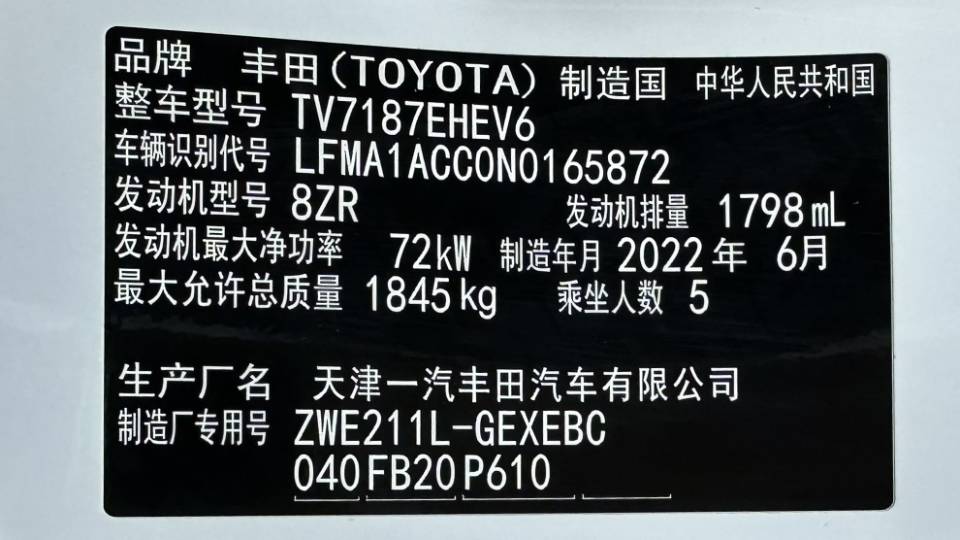
BrandToyota
SeriesCorolla
Year2022
First Registration2022/07
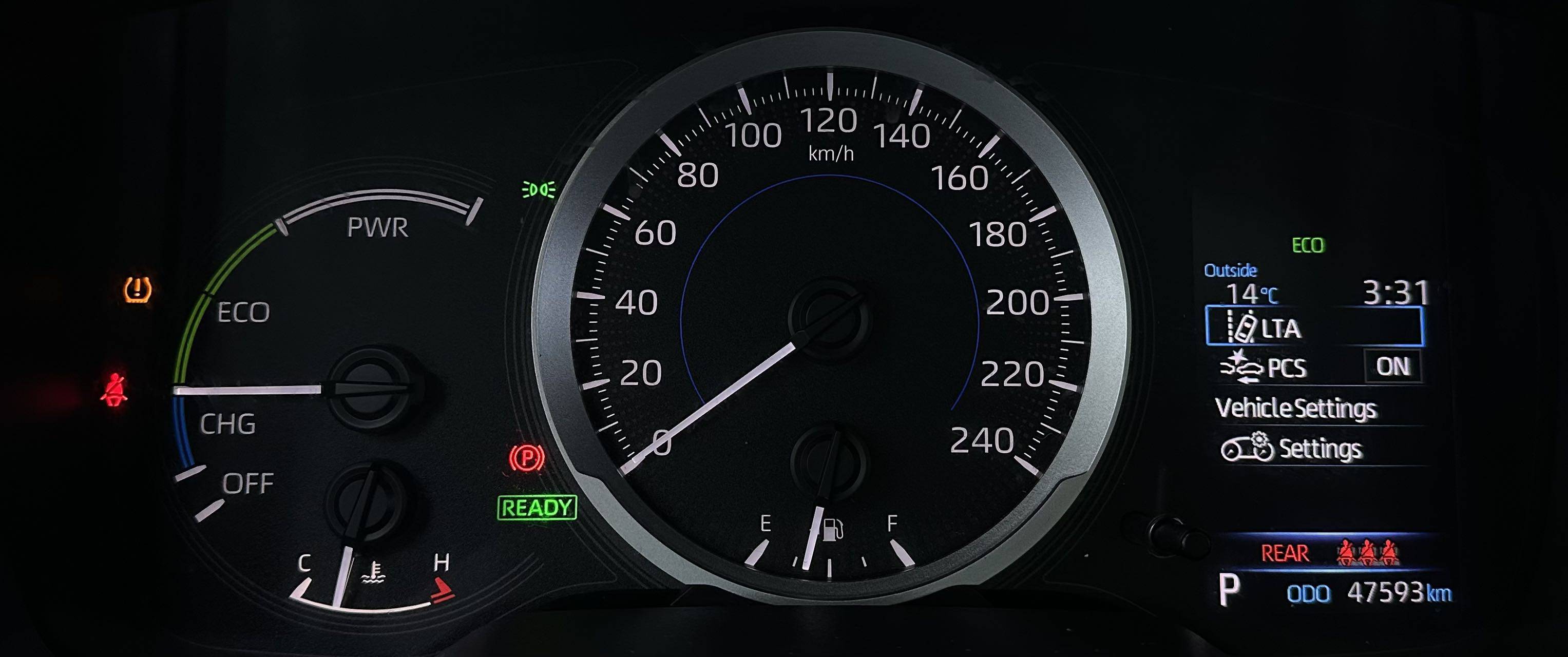
Mileage47,000km
Transfer Count1times
FuelHEV
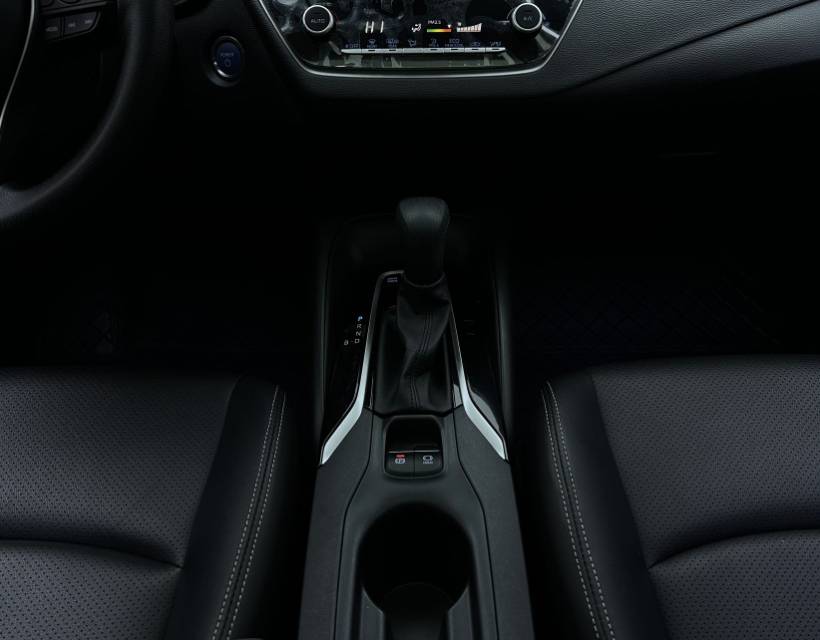
TransmissionE-CVT
Engine1.8L 98 L4
ColorWhite
Seats-

Condition Description

Original paint, actual odometer reading. 47,000 km.

燃油车
轿车
自动
维保开放
事故开放
查验开放

Configuration Highlights

✓品牌: 丰田
✓车系: 卡罗拉
✓车型: 2021款 双擎 1.8L E-CVT精英版
✓车身类型: 轿车
✓座位数: 5
✓排量: 1.8L
✓变速箱: 自动
✓能源类型: 燃油车
✓VIN: LFMA1ACC0N0165872
✓搜索关键词: 丰田卡罗拉 2021款卡罗拉双擎1.8LE-CVT精英版

Document Information

Inspection Expiry Date2027/12
Warranty Expiry Date-
Insurance Expiry Date2027/07

Q&A

More

Are there specific tests to check if the soundproofing material is intact in a second-hand new energy vehicle equipped with run-flat tires?

We cannot open each tire to inspect the inside. However, if a visual inspection reveals severe creases on the tire sidewall, it indicates that the run-flat tire has been driven for a long time at zero pressure, damaging its internal structure. We would recommend replacing it before shipping.


Which electrical features should I test remotely before buying a used Chinese car—windows, sunroof, infotainment, sensors?

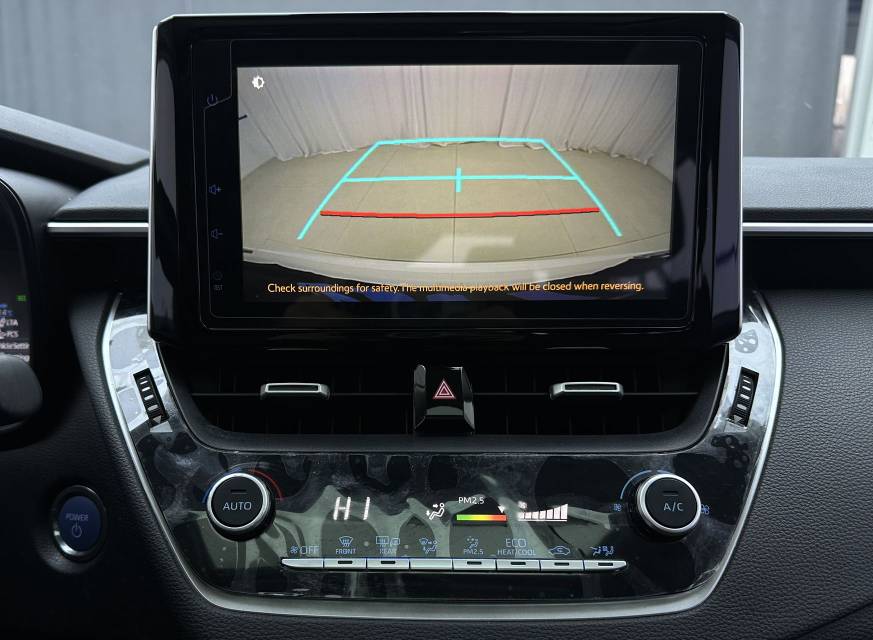
Electrical faults are among the most annoying problems to discover after import, because they rarely stop the car from running. Ask the seller for a live video walkthrough testing each item: all four windows up and down, sunroof open/close, central locking (including with the key and remote), infotainment touchscreen, Bluetooth pairing, all cameras (reversing and 360-degree if fitted), parking sensors, interior and exterior lights, and the horn. Also watch the dashboard during startup: every warning light should illuminate briefly and then go out. A light that never appears, or stays on, tells you something needs attention. Pair this with an OBD scan to catch stored fault codes the seller might not mention. If a feature "only works sometimes," assume it is broken and price the repair into your offer.

What charging adapters or equipment will I need to charge a used Chinese EV in my country?

Chinese EVs ship with GB/T charging ports, which are not used in Europe (Type 2/CCS2), North America (J1772/CCS1/NACS), or most of Latin America. Plan for these extras: 1. GB/T to local standard adapter or converter box: this lets you charge at public stations. A simple passive adapter works for AC charging; DC fast charging needs an active converter, which is expensive — many owners skip it and rely on AC. 2. Portable charger swap: the included travel charger has a GB/T plug. Buy a local wallbox or a portable EVSE with your country's plug instead. 3. Home electrical check: confirm your home circuit can handle 7–11 kW, and have an electrician install a dedicated line if needed. Ask the exporter for the car's charging port photos and on-board charger capacity before buying. Budget roughly a few hundred dollars for adapters and a wallbox. Without planning, you may end up with a car that can only trickle-charge from a wall socket.