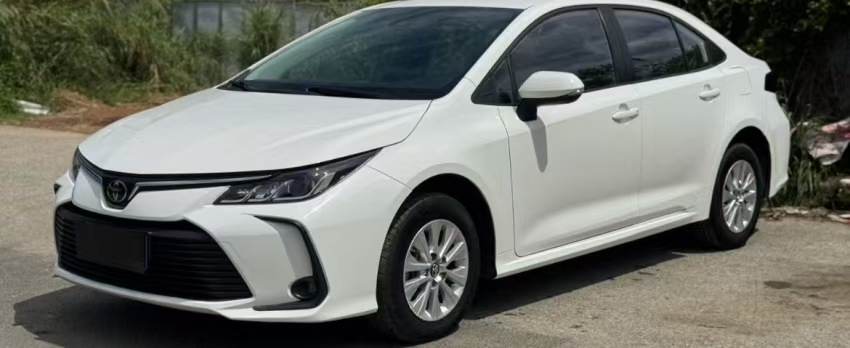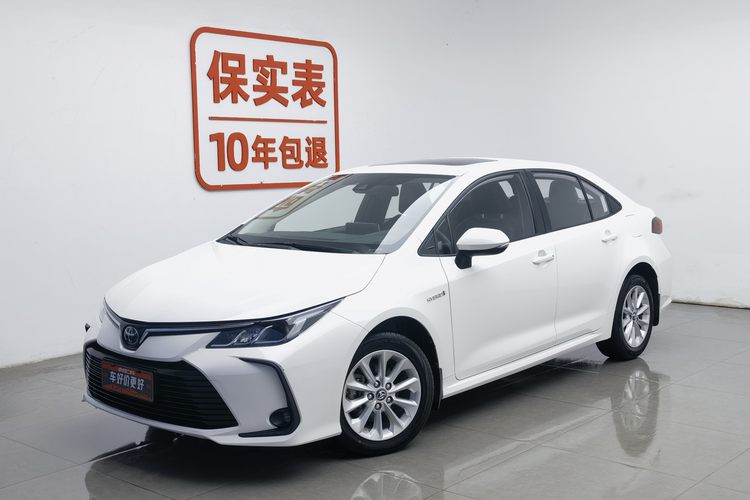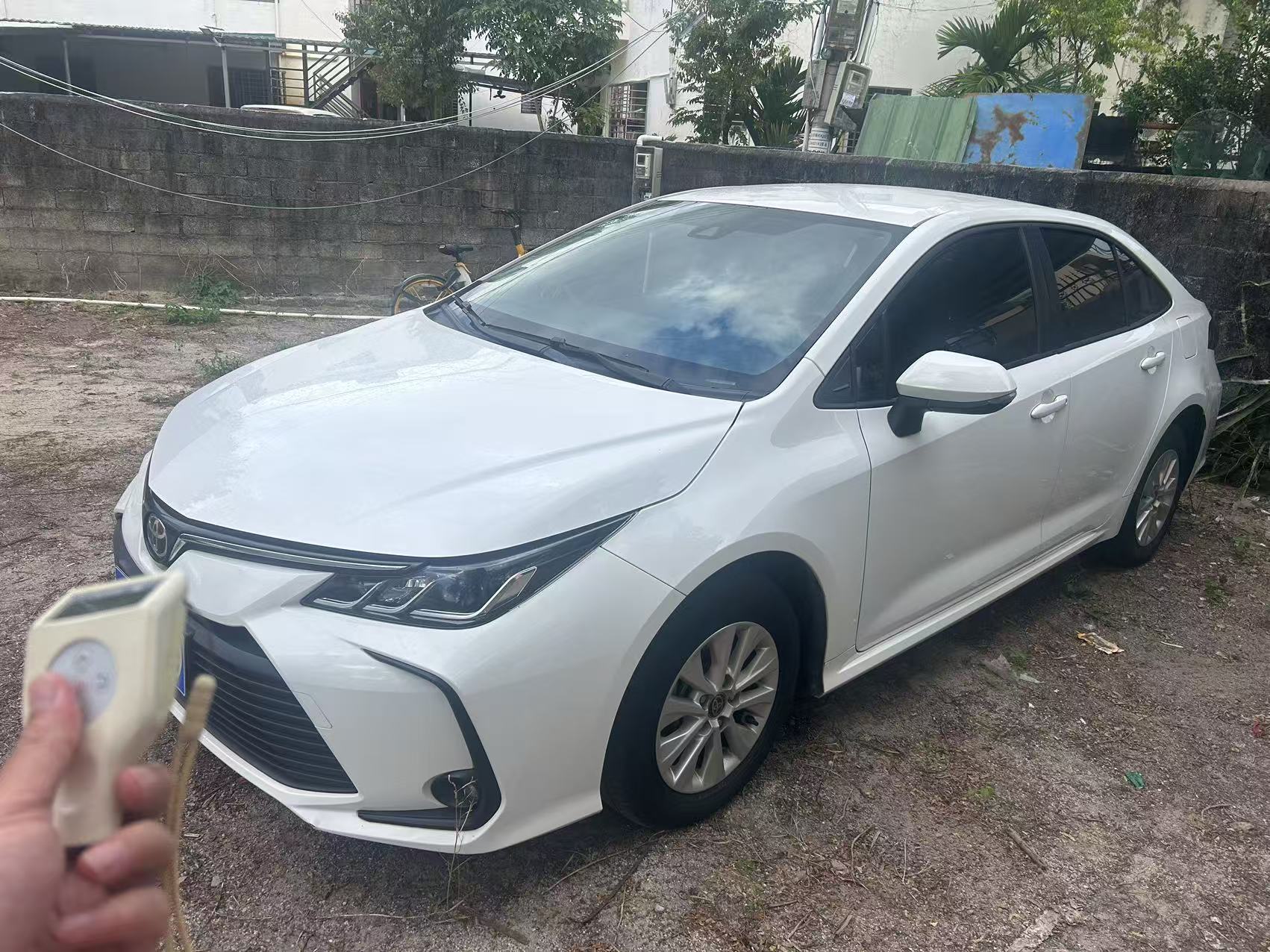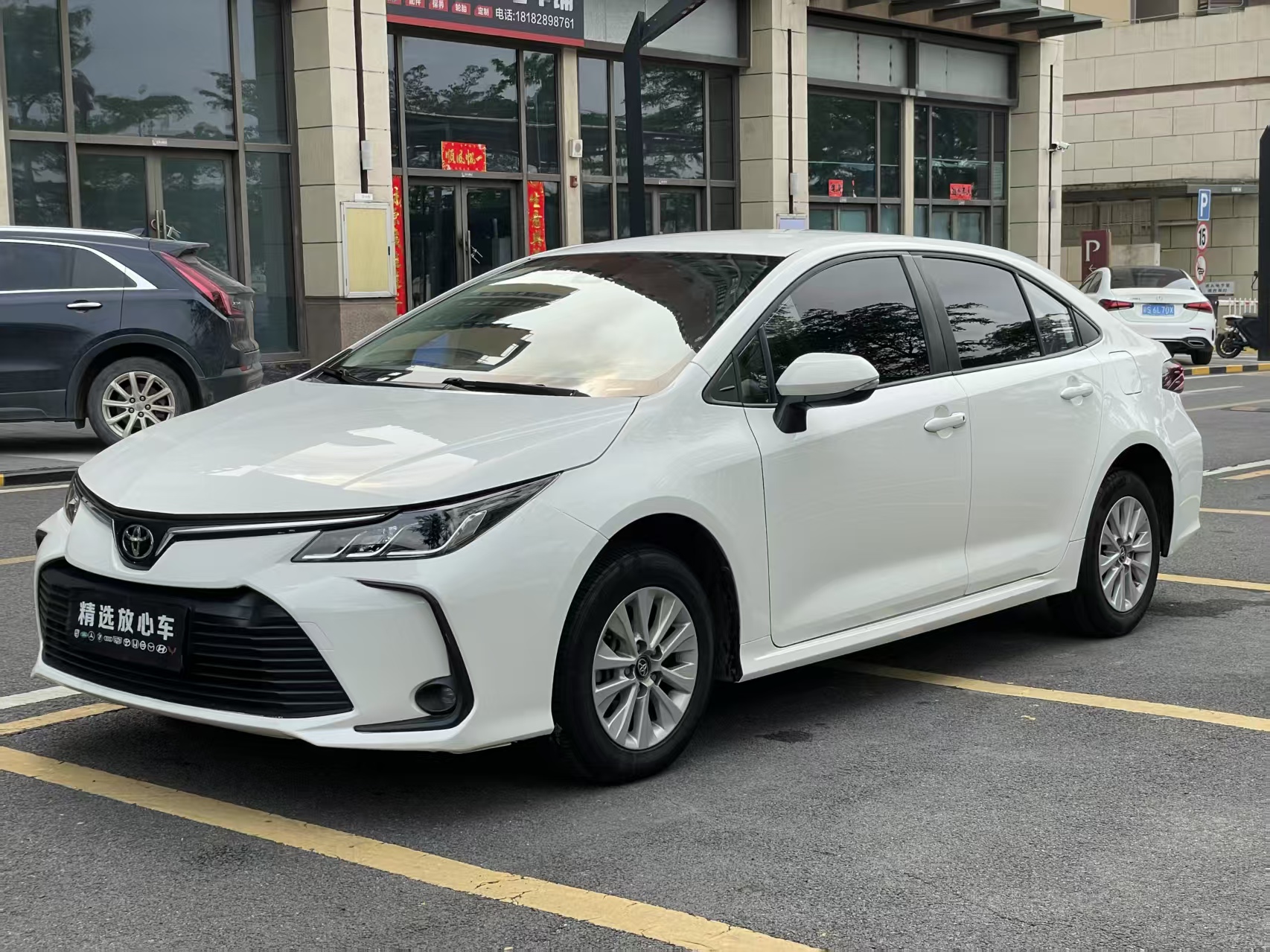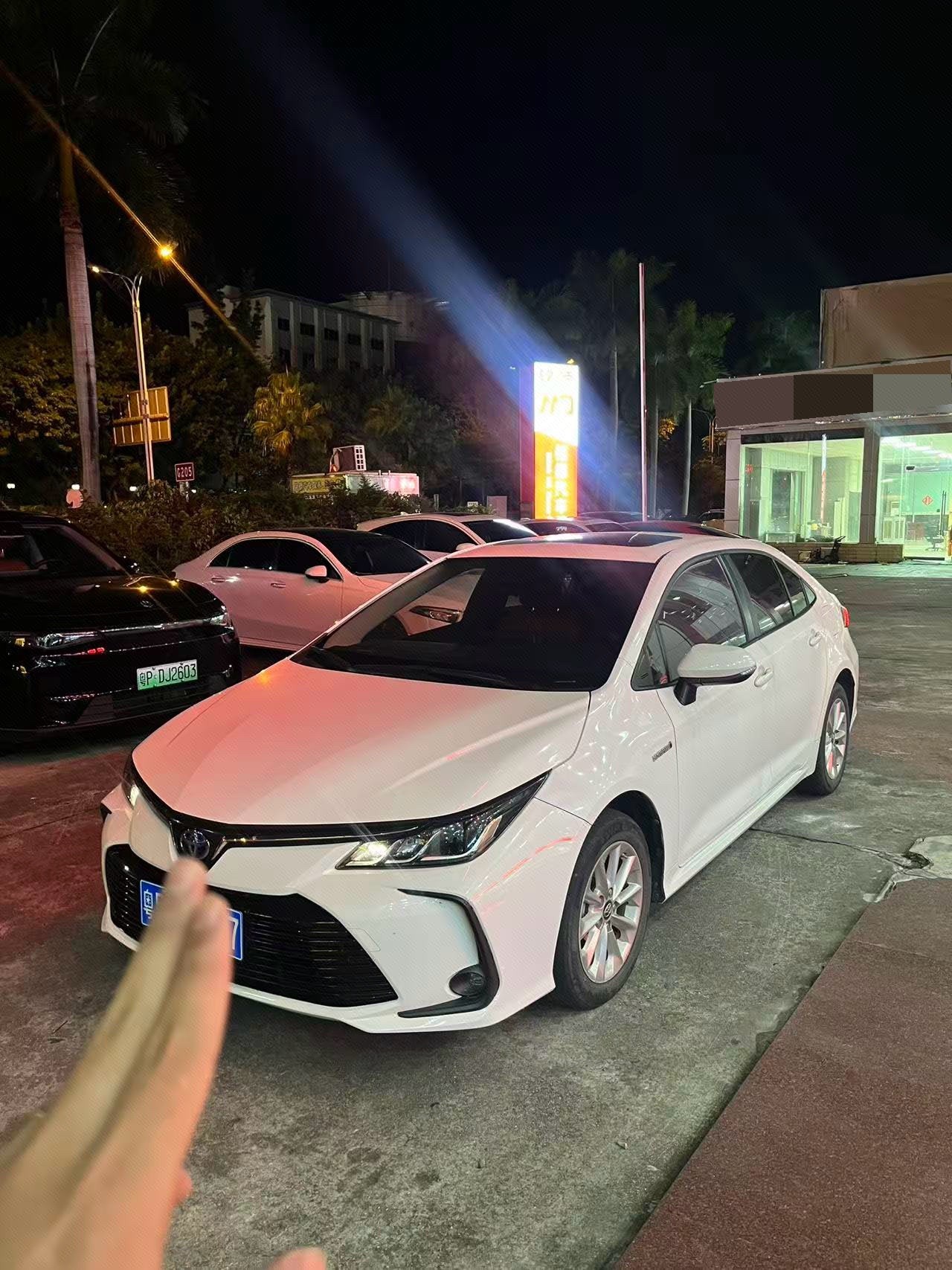
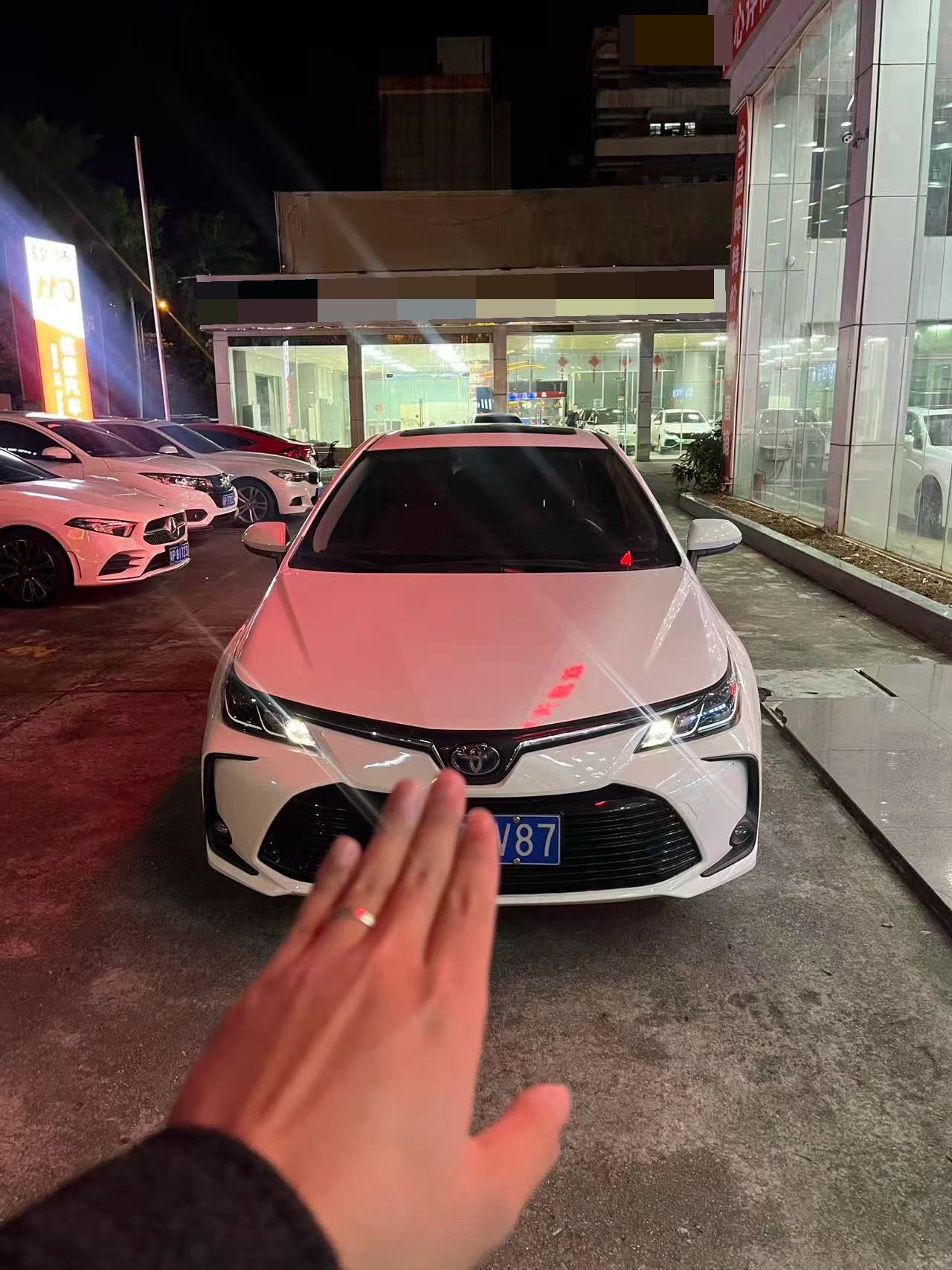
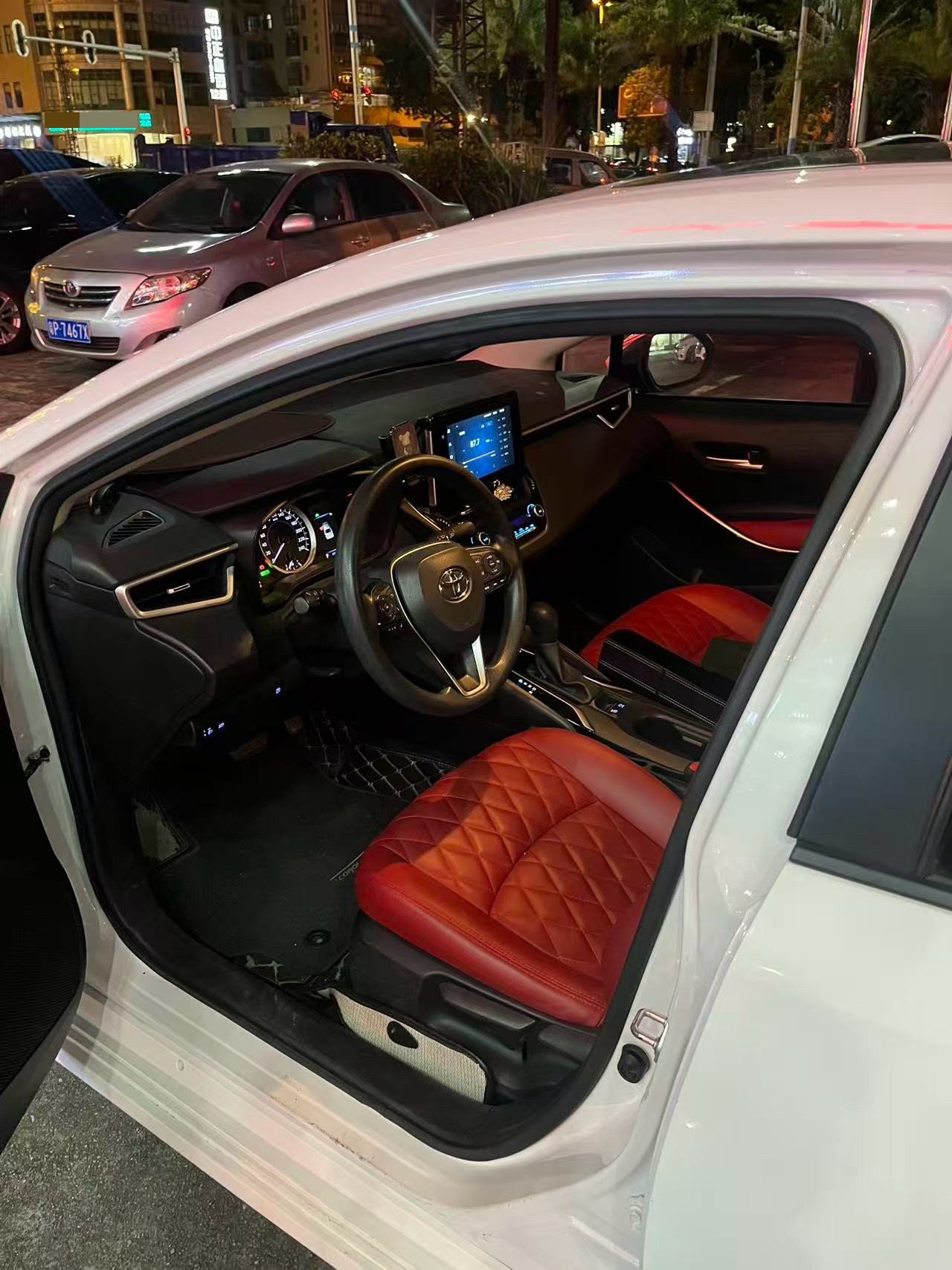
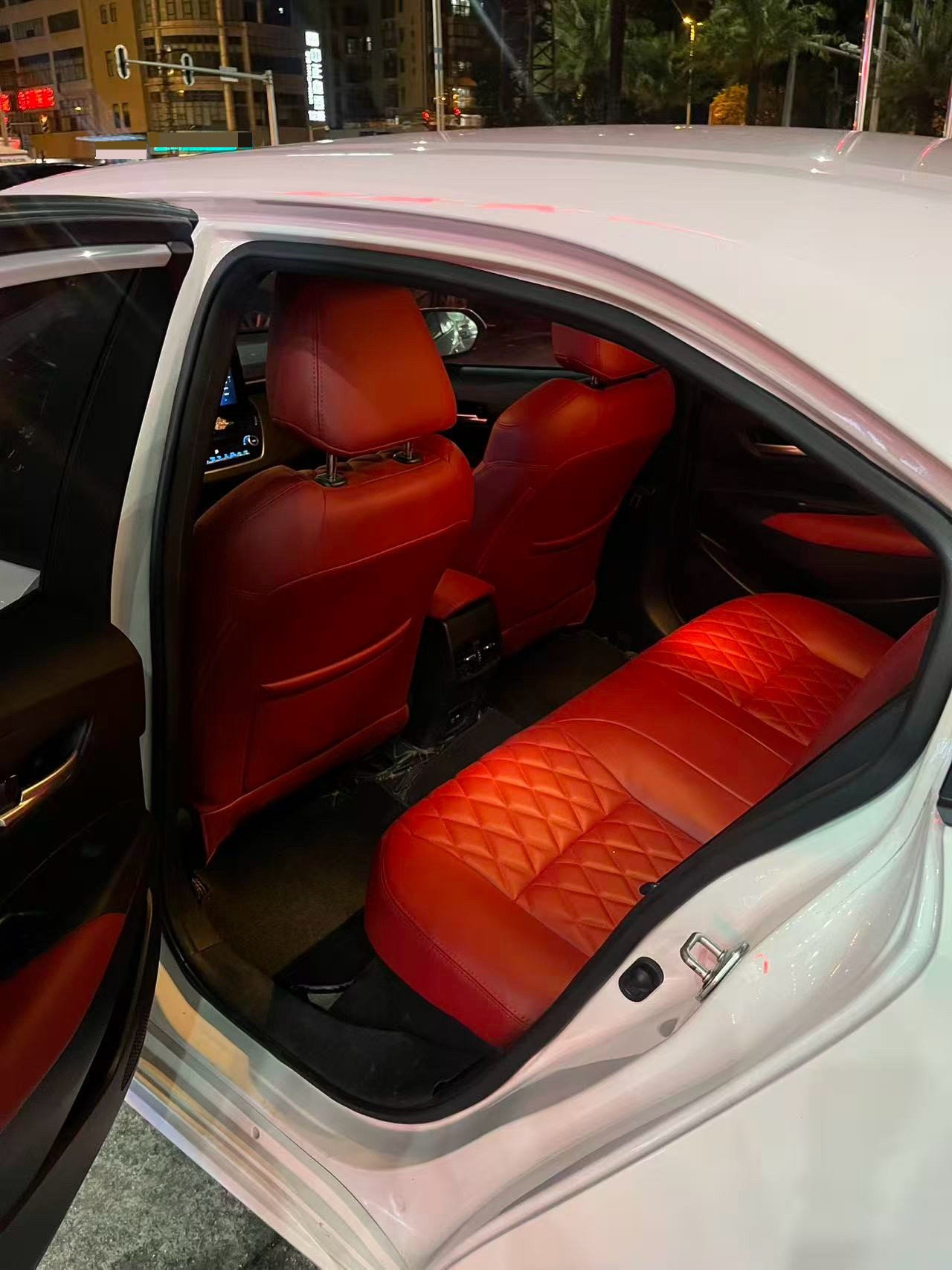



Basic Information

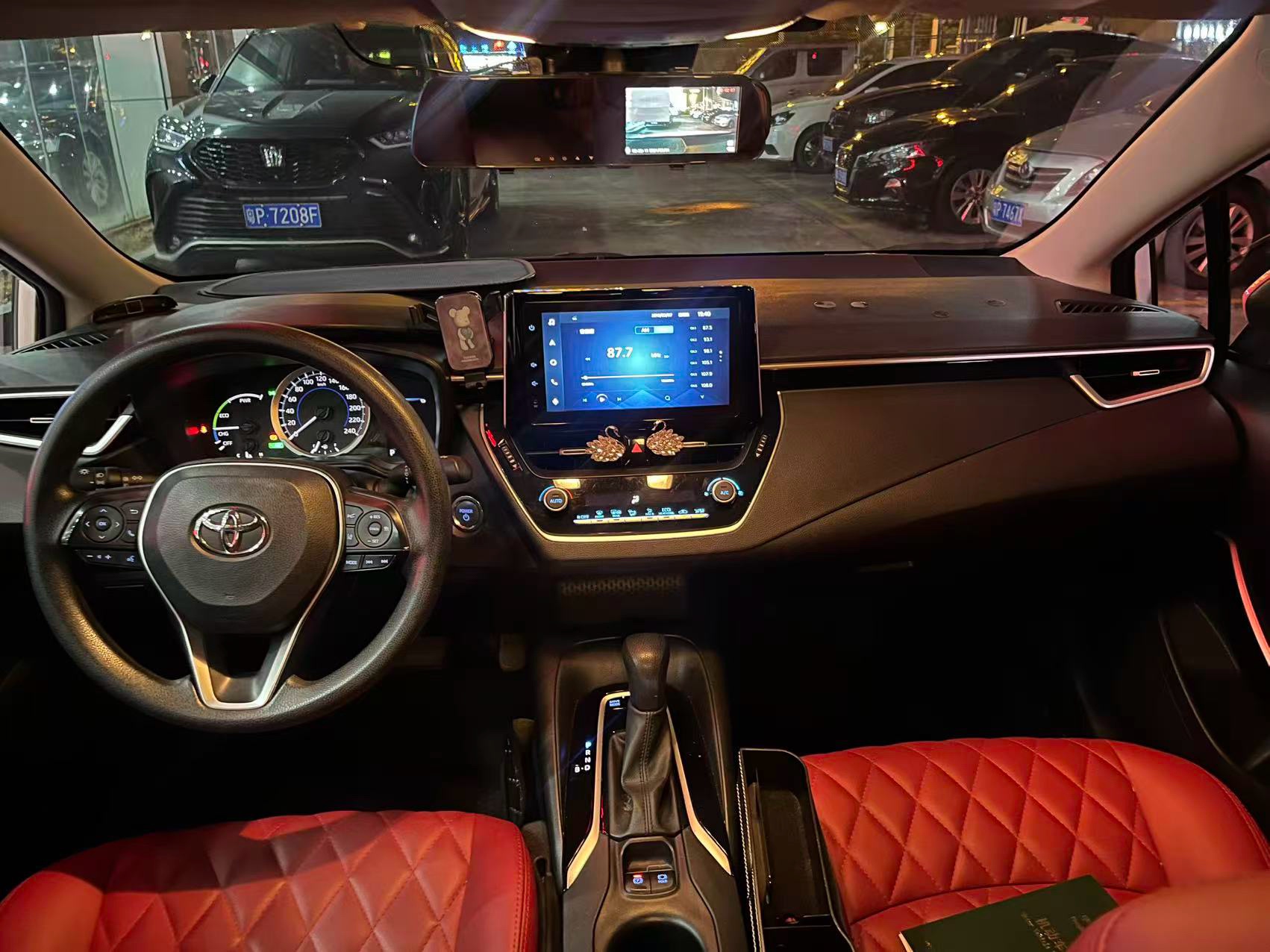
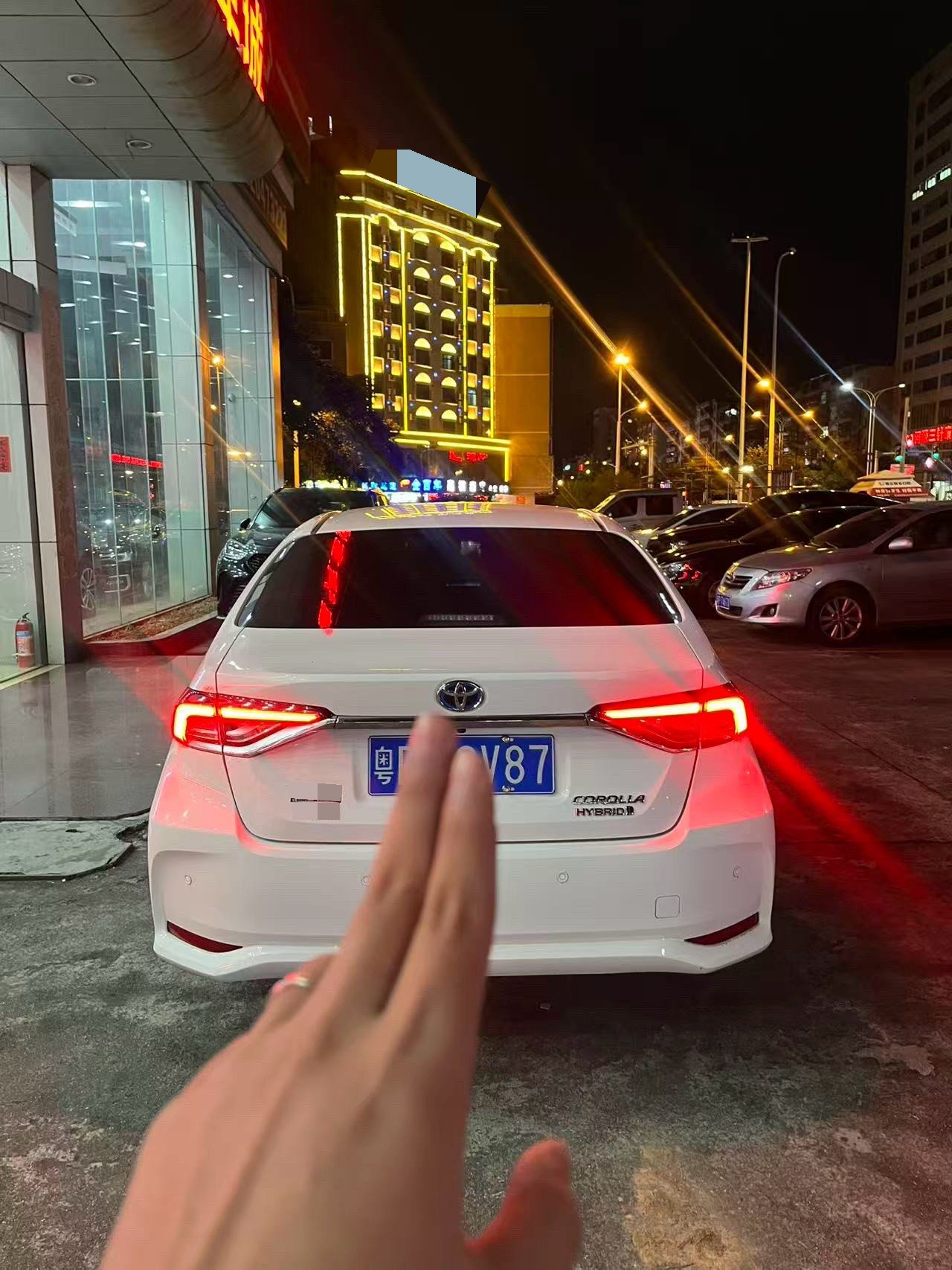
BrandToyota
SeriesCorolla
Year2022
First Registration2022/08
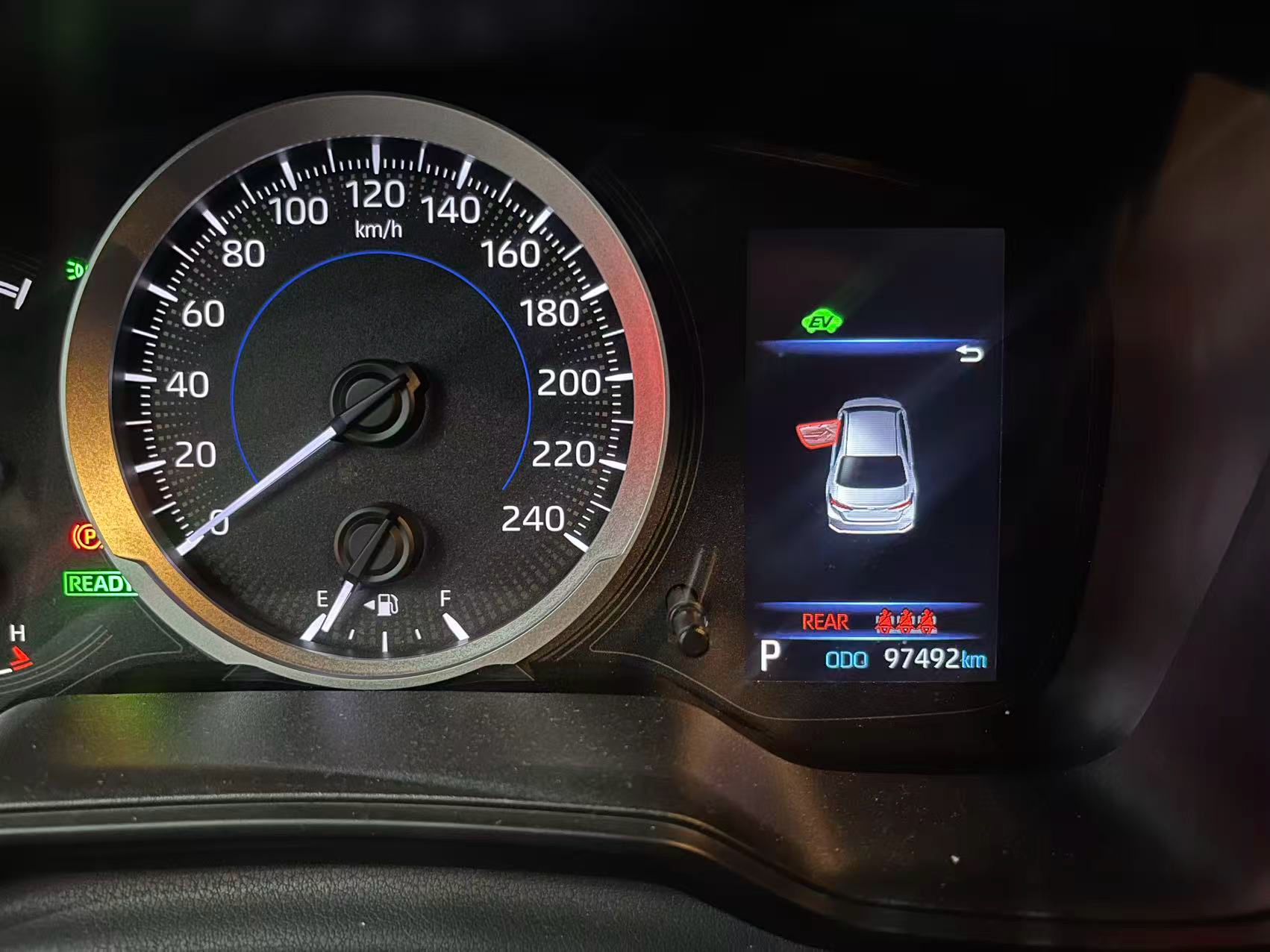
Mileage90,000km
Transfer Count0times
FuelHEV
TransmissionE-CVT
Engine1.8L 98 L4
ColorWhite
Seats-

Condition Description

First owner, actual mileage, rear imperfections.

Document Information

Inspection Expiry Date-
Warranty Expiry Date-
Insurance Expiry Date2027/08

Q&A

More

Are the quality assessment standards for used commercial vehicles (pickups, light vans) the same as for passenger cars?

Completely different. The assessment of commercial vehicles focuses on: the extent of wear/deformation in the cargo area, whether the frame has been twisted due to overload, the fatigue of the leaf springs, and the emissions of the diesel engine. Minor exterior scratches carry very little weight in the assessment of commercial vehicles.


Does a used car have to be deregistered in China before export, and what proof should I receive?

Yes. Chinese regulations require every exported used car to be officially deregistered before shipment: 1. The exporter transfers the vehicle title locally and takes it off the domestic registration system, then obtains an export license for that specific vehicle. 2. You should receive the deregistration proof together with the export declaration and a copy of the export license. 3. At destination customs, these documents may be requested together with the bill of lading, commercial invoice, packing list and certificate of origin. Keep scanned copies of everything and have the originals couriered to you before the vessel arrives. If any document is missing at the destination port, clearance can be delayed for weeks while storage fees accumulate daily.

How can I detect signs of flood or water damage inside a used car from China during a remote inspection?

Water damage is one of the most common hidden problems in used cars, and it often escapes basic photo reviews. During a live video inspection, ask the inspector to check these specific points: 1. Smell test: A musty or moldy odor inside the cabin is the first red flag. Have them open all doors, run the AC briefly, and smell the air from the vents—musty AC often indicates water in the HVAC system. 2. Under the carpets: Lift the floor mats and look for water lines, rust stains, or dampness on the carpet backing and the metal floor underneath. Sediment or silt residue is a giveaway. 3. Seat rails and bolts: Pull the seats fully forward and backward. Rust on seat rails or fresh-looking bolts suggests the seats were removed for cleaning after flooding. 4. Trunk area: Check the spare tire well and under the trunk carpet for standing water marks or rust. 5. Electronics: Test every window, seat adjustment, and the infotainment screen—water-damaged electronics behave erratically. Also request a scan report: flood cars often store history codes for multiple control modules that failed simultaneously. Cross-check the car's origin; vehicles from flood-prone southern regions deserve extra scrutiny.