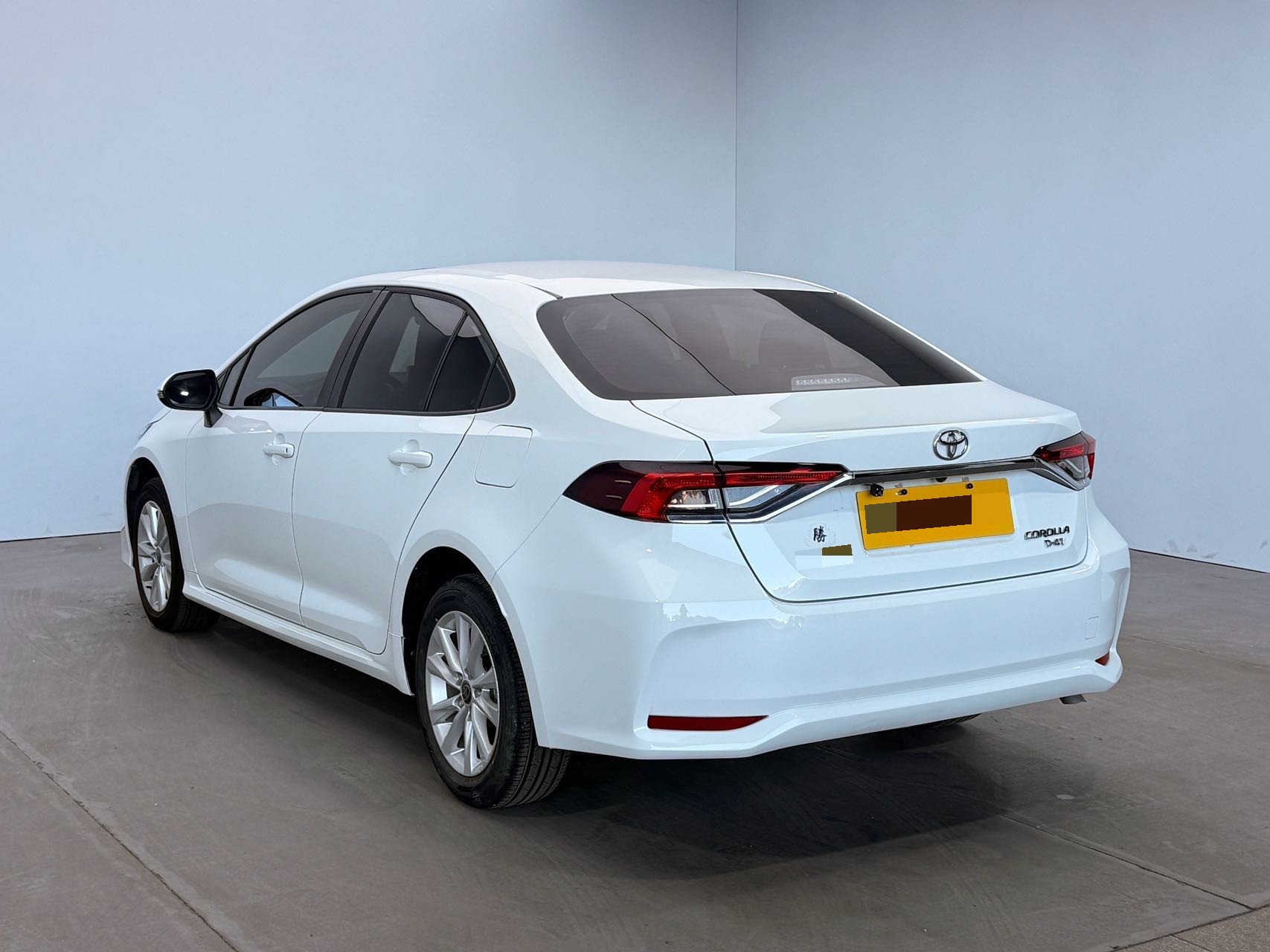
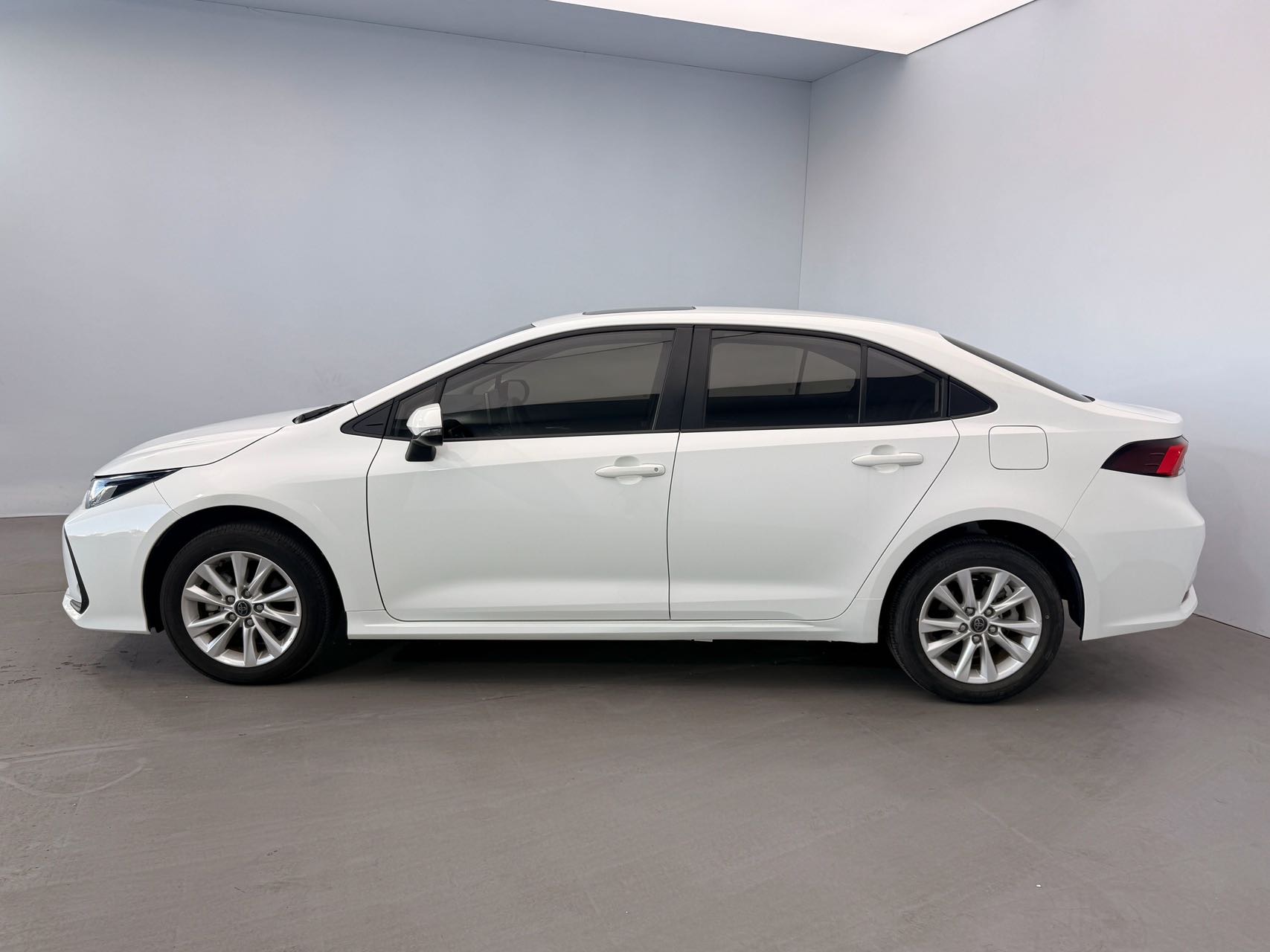
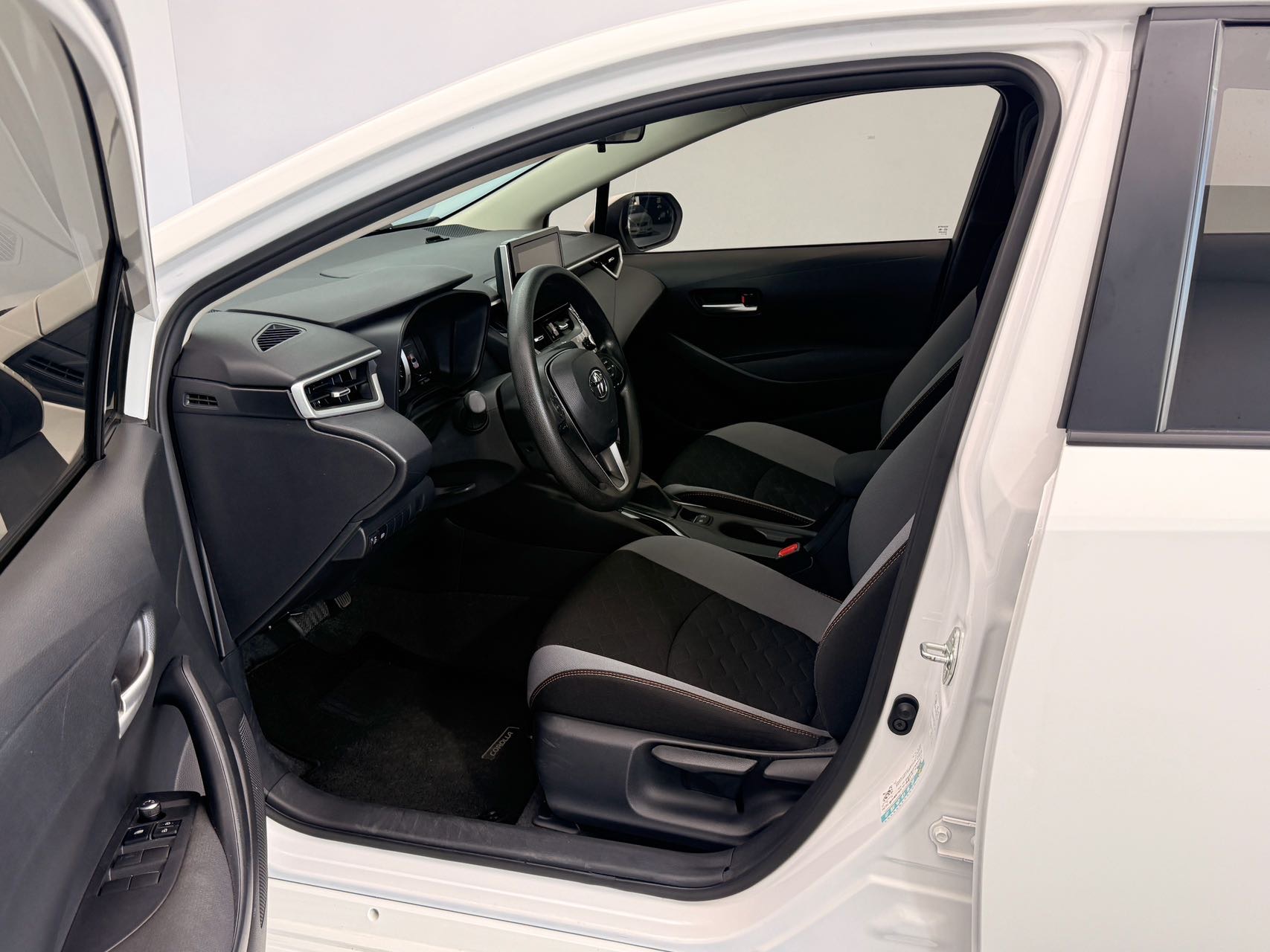
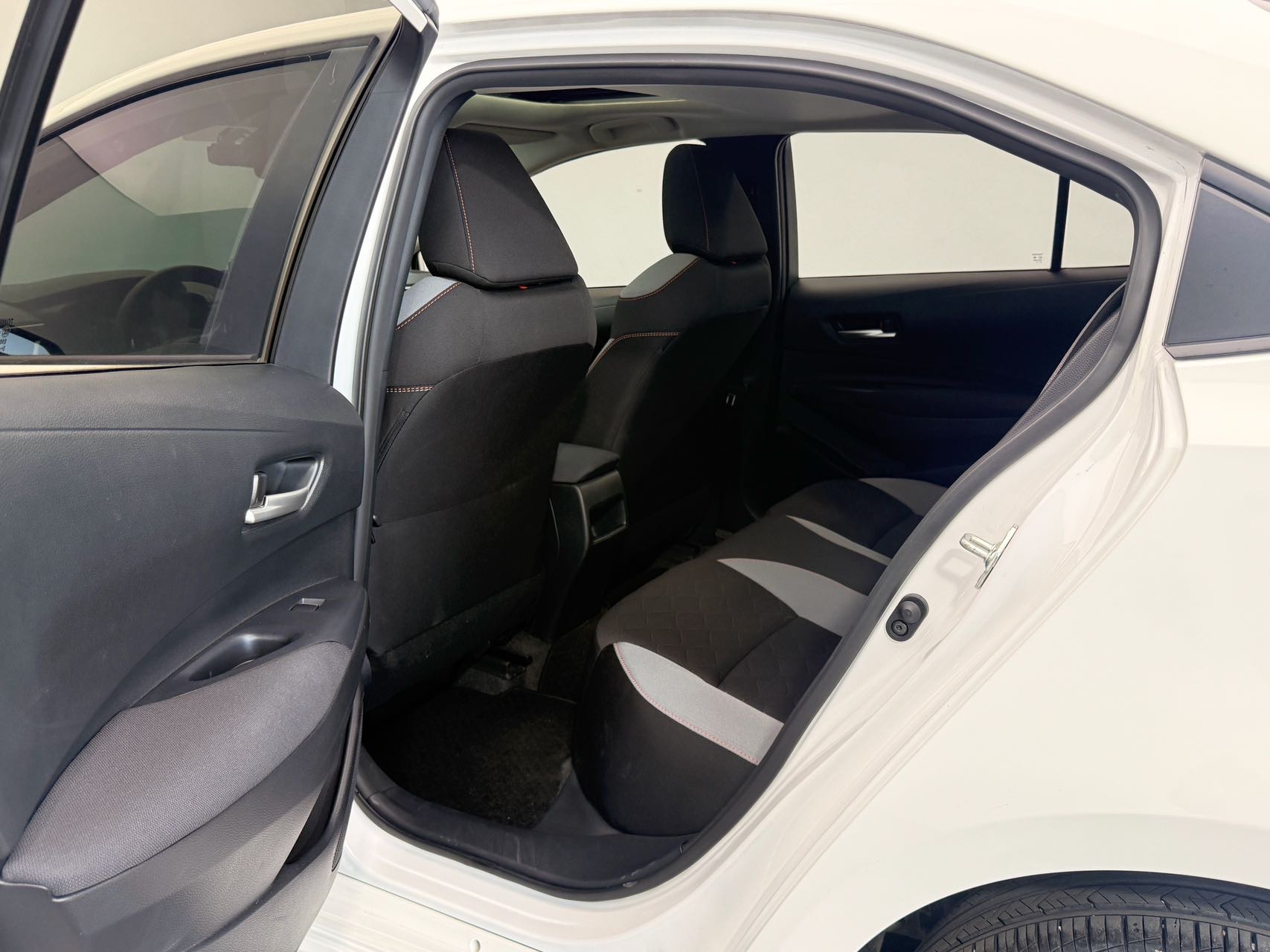
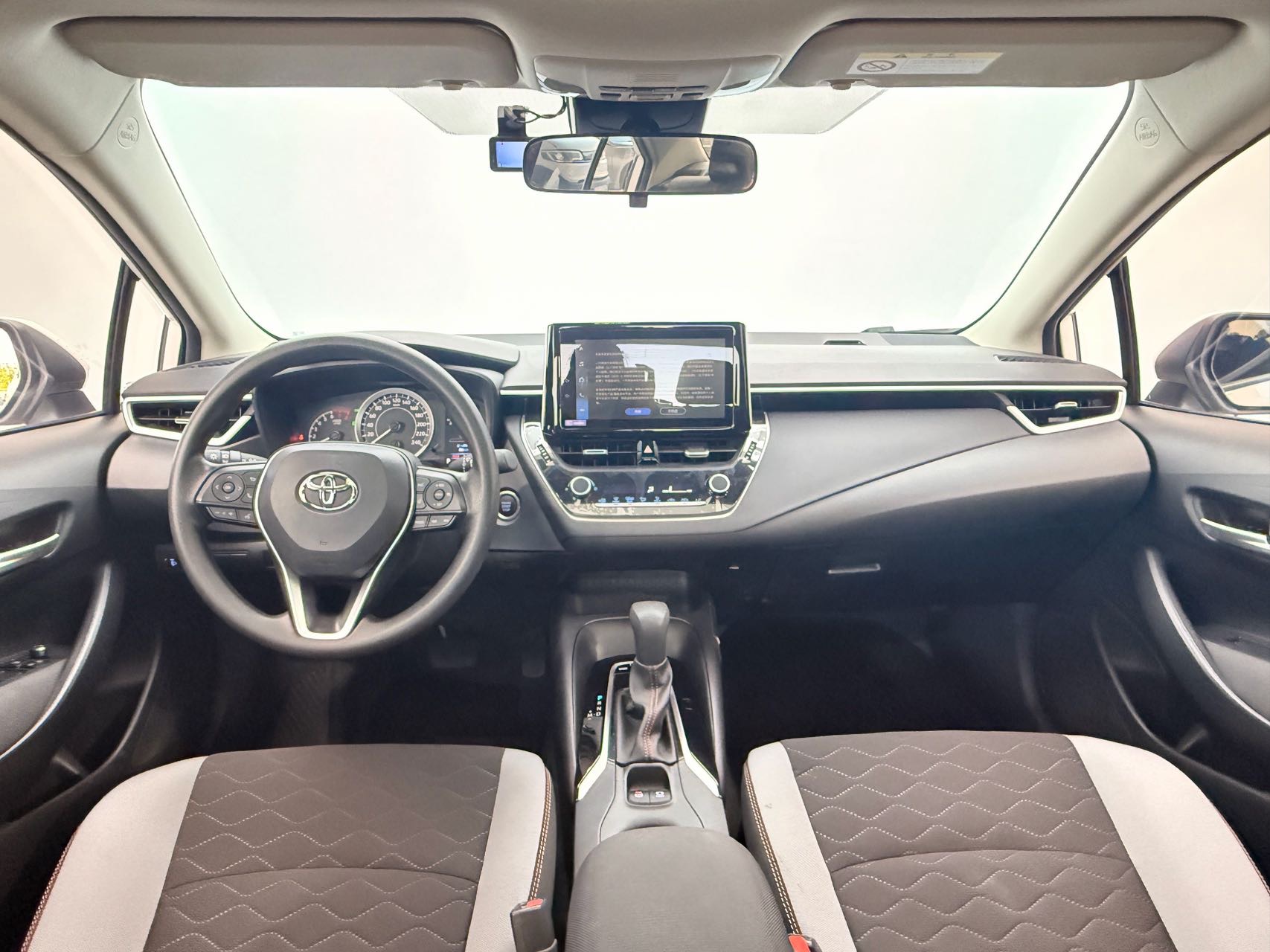



Basic Information

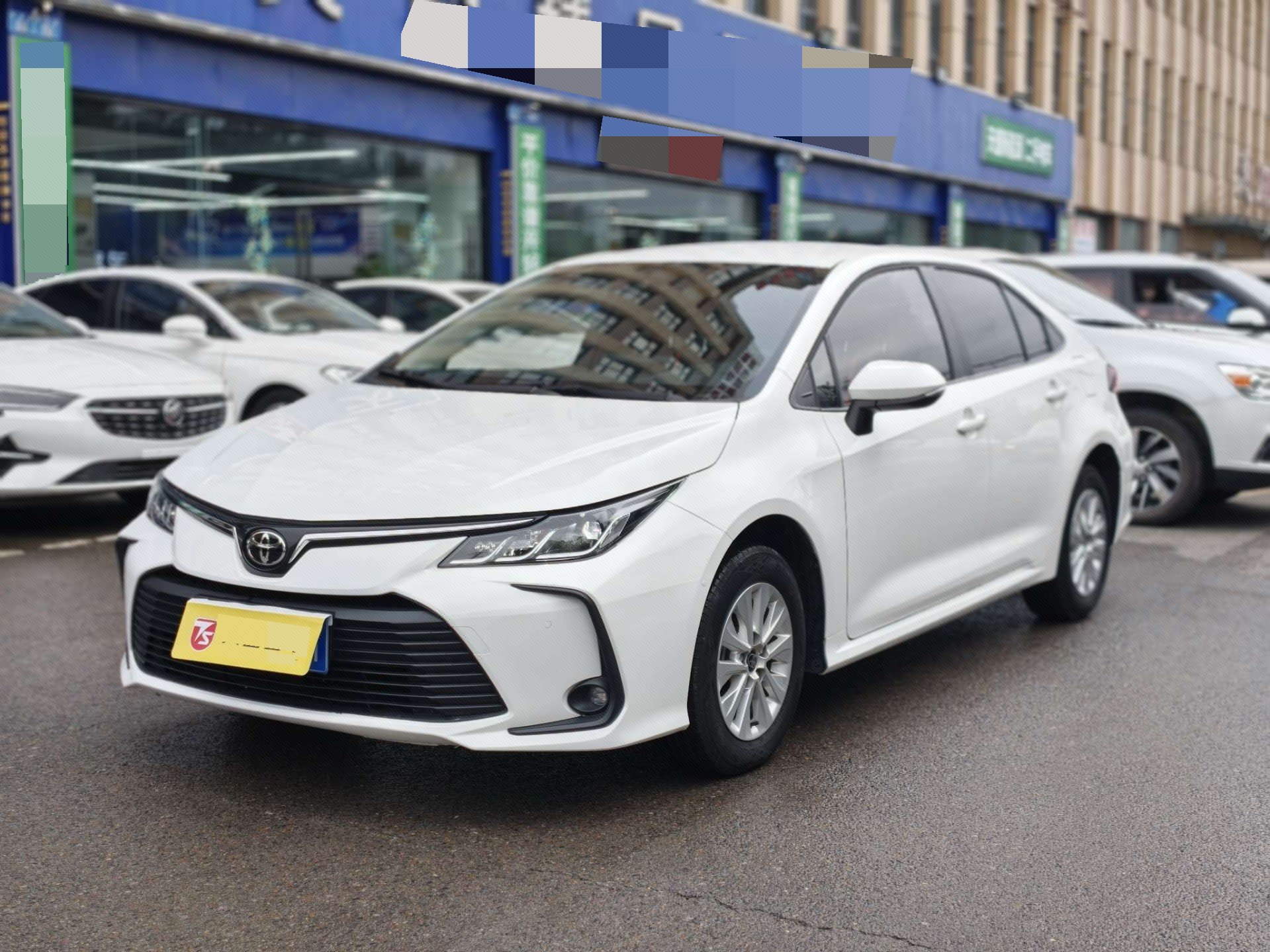
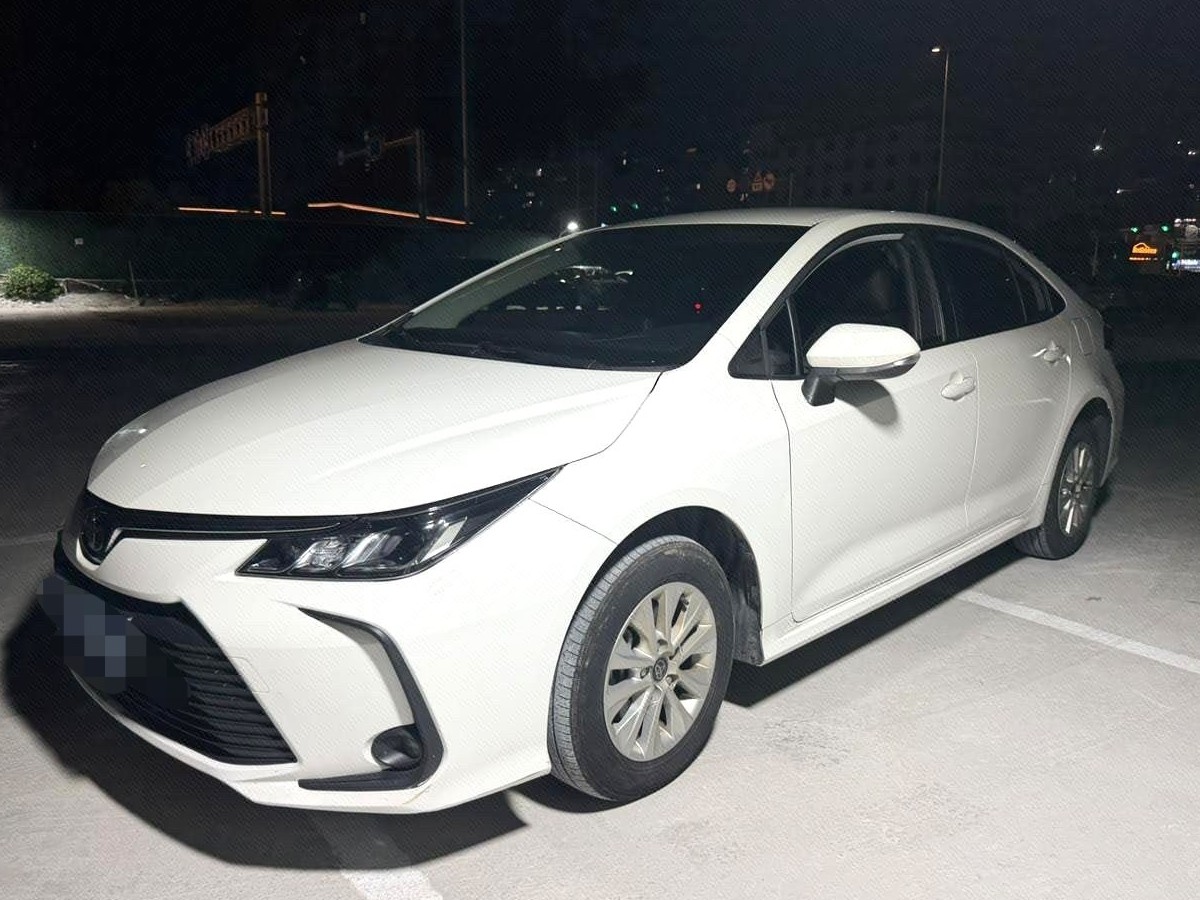
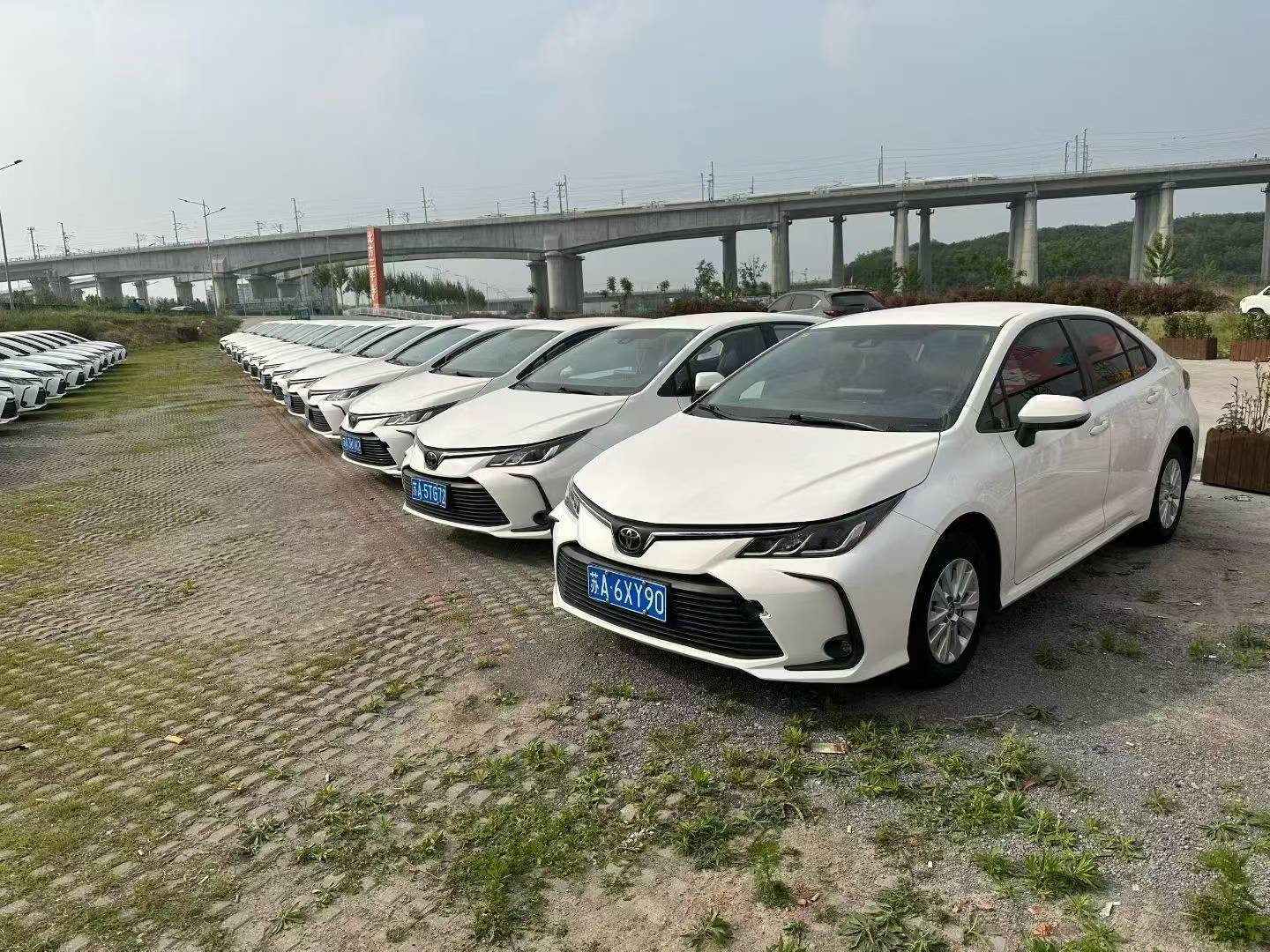
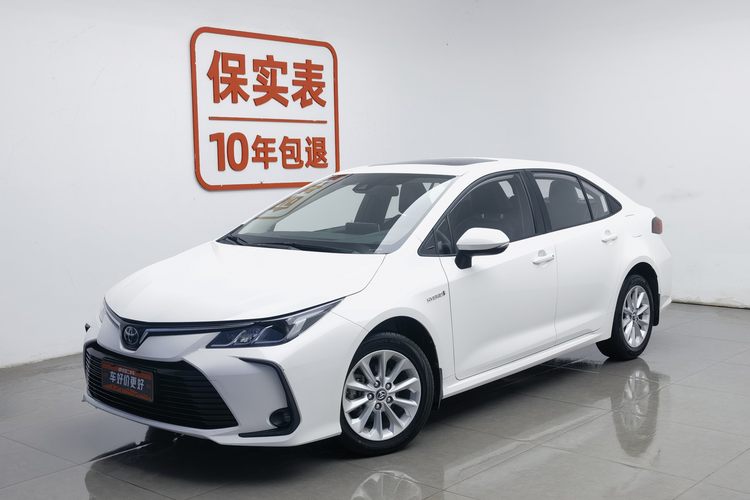
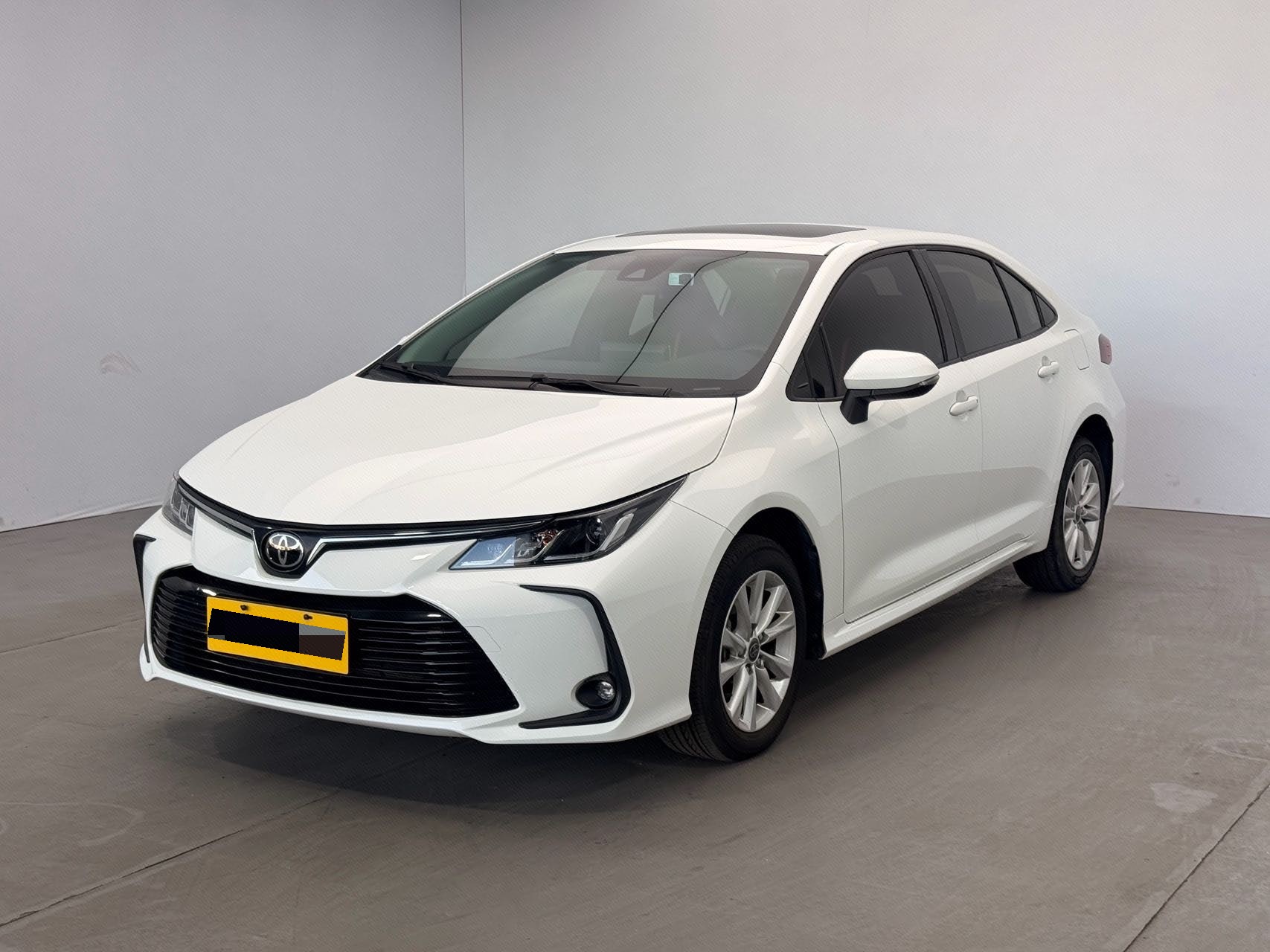
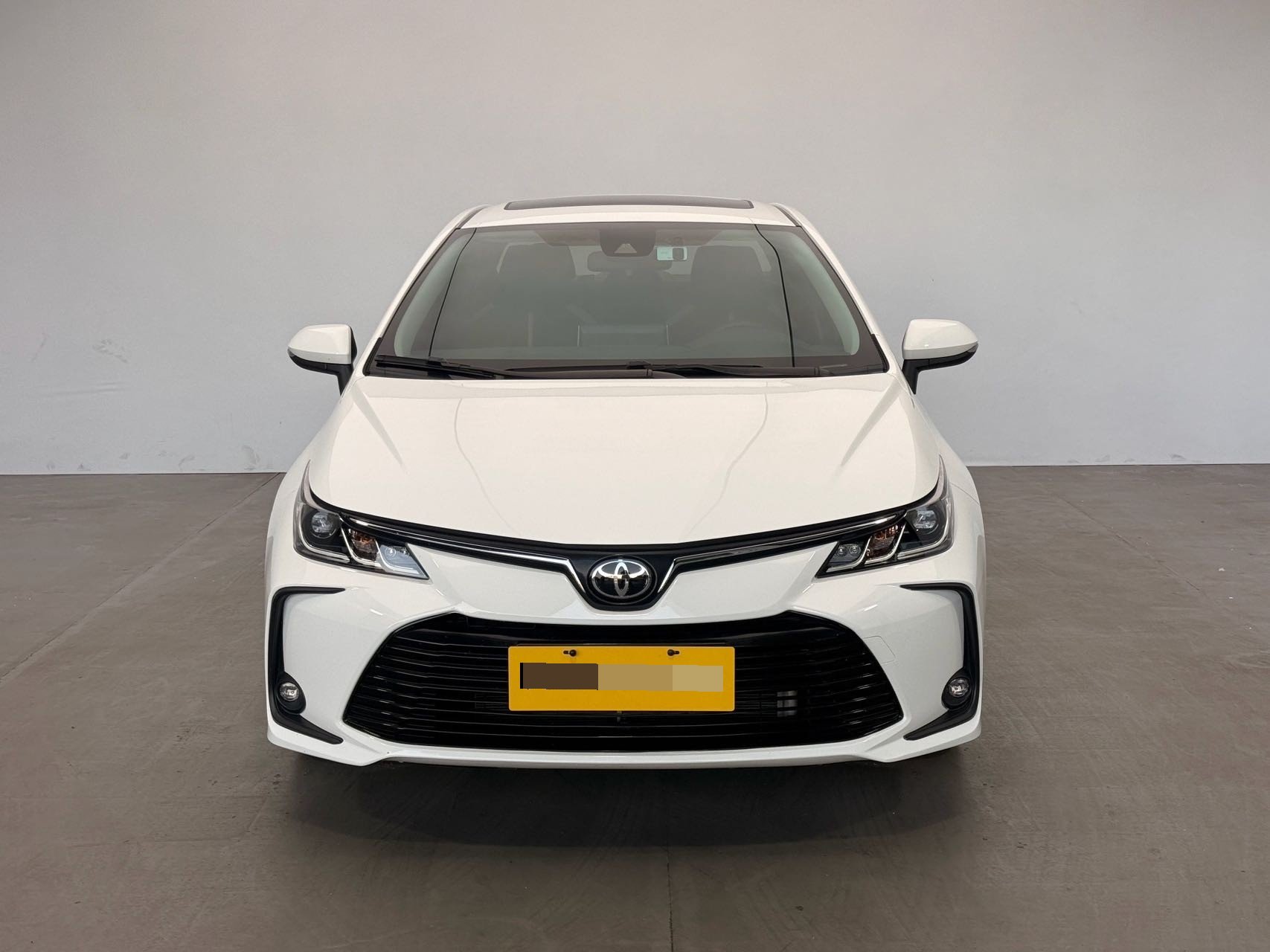
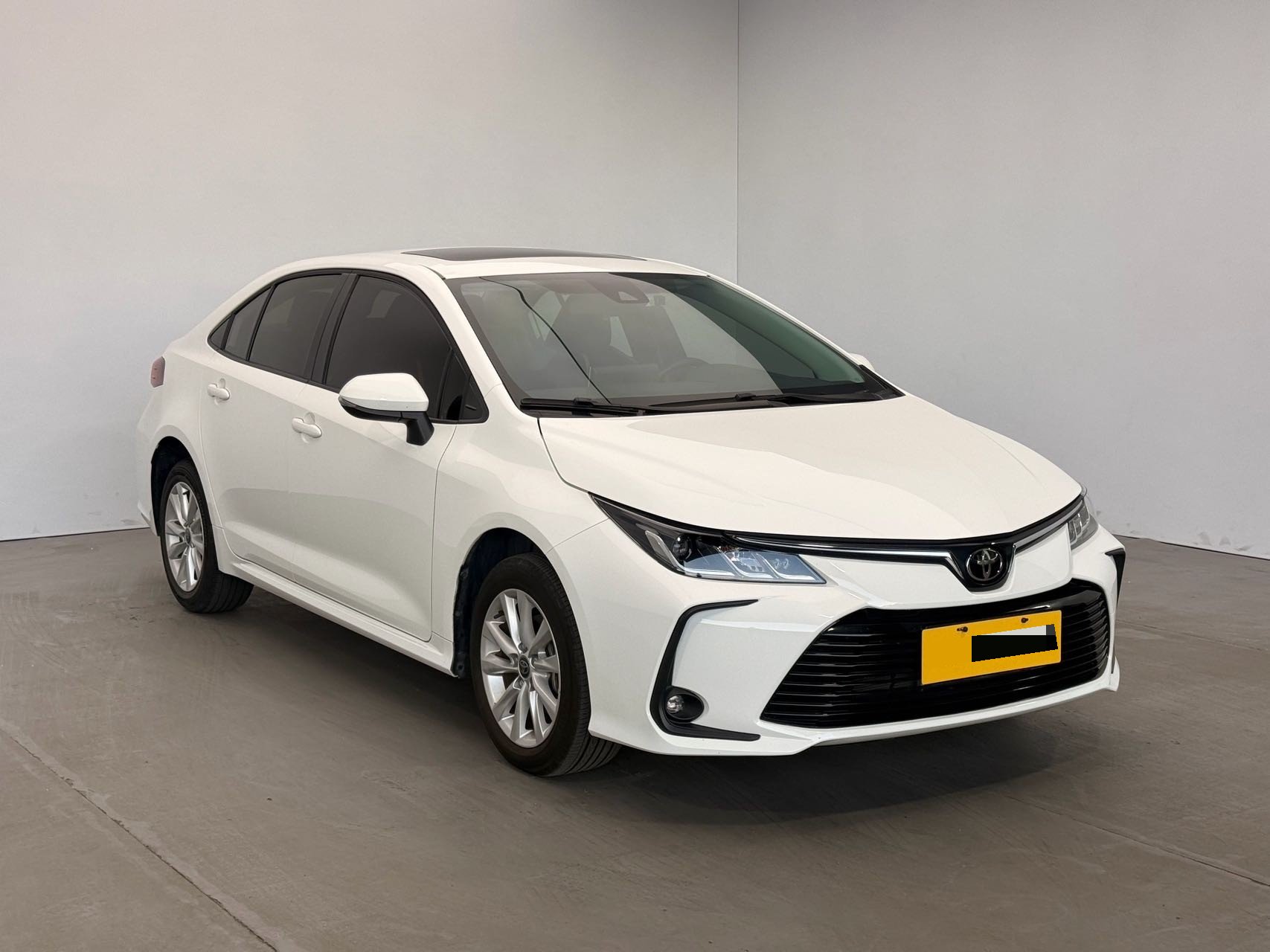
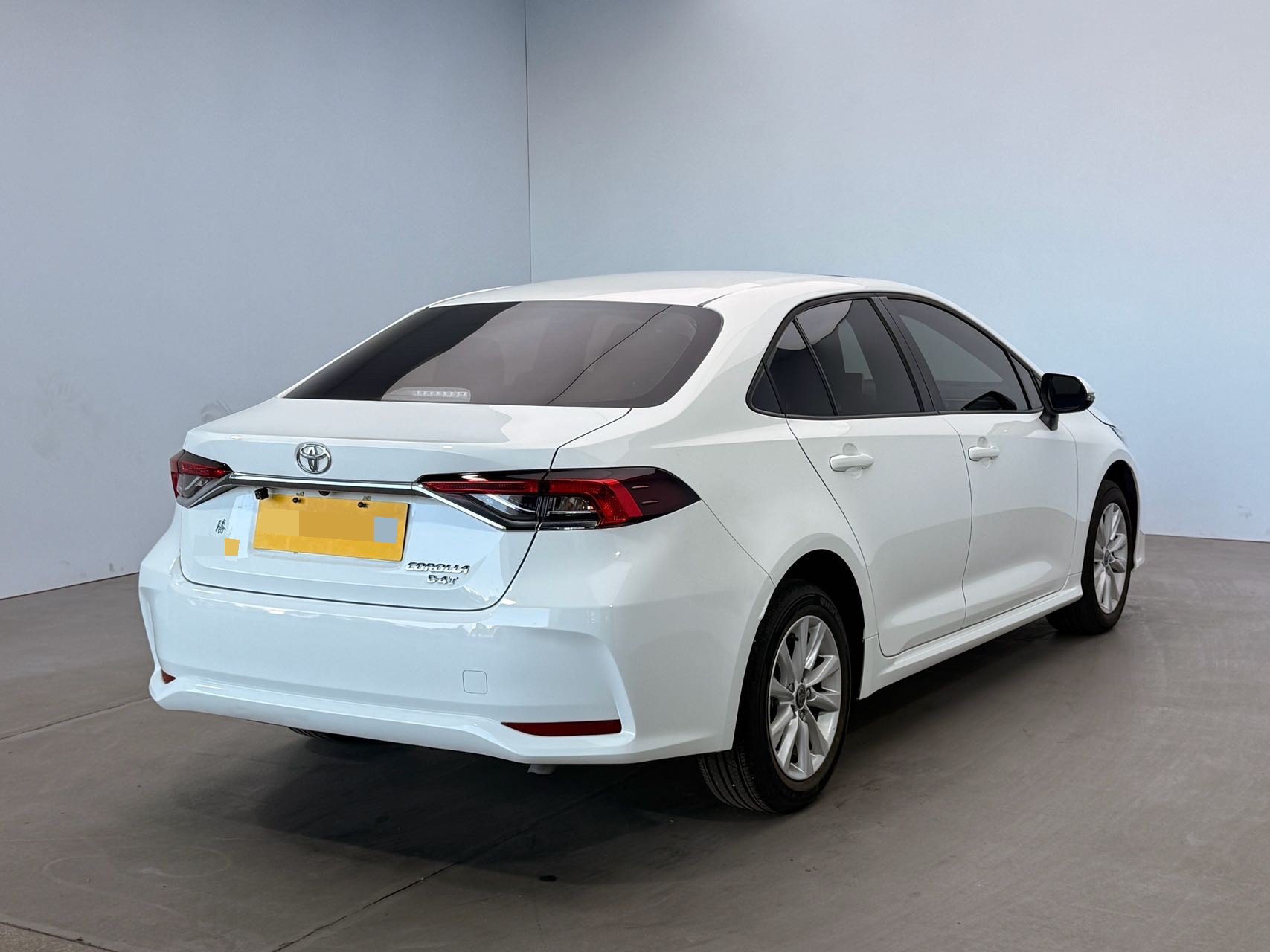
BrandToyota
SeriesCorolla
Year2023
First Registration2023/09
Mileage10,000km
Transfer Count0times
FuelGasoline
TransmissionCVT
Engine1.2T 116 L4
ColorWhite
Seats-

Condition Description

Original condition, one owner, can pass third-party inspection, actual mileage 10,000 km, one panel repainted, excellent condition, 0 insurance claims.

Document Information

Inspection Expiry Date-
Warranty Expiry Date-
Insurance Expiry Date2027/09

Q&A

More

Will driver-assistance features (adaptive cruise, lane keeping) on a used Chinese car still work after export?

In most cases the hardware works fine abroad, but check three things before buying. First, map dependence. Adaptive cruise and lane centering work anywhere, but features tied to navigation data (predictive cruise, automatic speed-limit adjustment) may degrade if the built-in maps have no coverage in your country. Ask whether local maps can be loaded, or whether those functions simply switch off. Second, calibration. If the windshield, front bumper, radar or camera was ever replaced, the ADAS needs recalibration with manufacturer software. After a long sea voyage, a calibration check is cheap insurance — ask for the last calibration record, or have the inspector confirm no ADAS fault codes are stored. Third, tuning. Lane-keeping and speed-limit prompts calibrated for Chinese road markings usually behave acceptably elsewhere, though some drivers find the warnings overly sensitive and disable them. Bottom line: core functions travel well. Confirm map coverage and fault-free sensors in the inspection report.


Are all external lighting systems of the vehicle (headlights, taillights, turn signals) confirmed to be functioning properly before leaving the factory?

Yes, all external lighting sources, including low beams, high beams, fog lights, daytime running lights, reverse lights, and brake lights, are included in the mandatory power-on testing.

What is a safe payment schedule when buying a used car from China, and why should I never pay 100% upfront?

The standard structure protects both sides and looks like this: Deposit: 20–30% after signing the contract and confirming the car's inspection report. This commits the exporter to reserve the car and start export procedures. Pay by bank transfer (T/T) to the company's corporate account — never to a personal account. Balance: 70–80% after the car is loaded on the vessel, against verifiable proof — the bill of lading copy, the booking confirmation, and ideally loading photos/video with the container or vessel number visible. Why not 100% upfront? Because once you pay in full, your only leverage is gone. Common real-world problems: the exporter ships a different car than inspected, delays shipment by months, or becomes unreachable. Withholding the balance until loading is documented keeps pressure on them to perform. Red flags: demands for full payment before inspection, 'discounts' for paying 100% immediately, requests to split payment between company and personal accounts, or pressure to use informal channels (crypto, gift cards, money transfer apps). For deals above $20,000, consider a letter of credit or an escrow service. The 1–3% extra cost is cheap insurance.