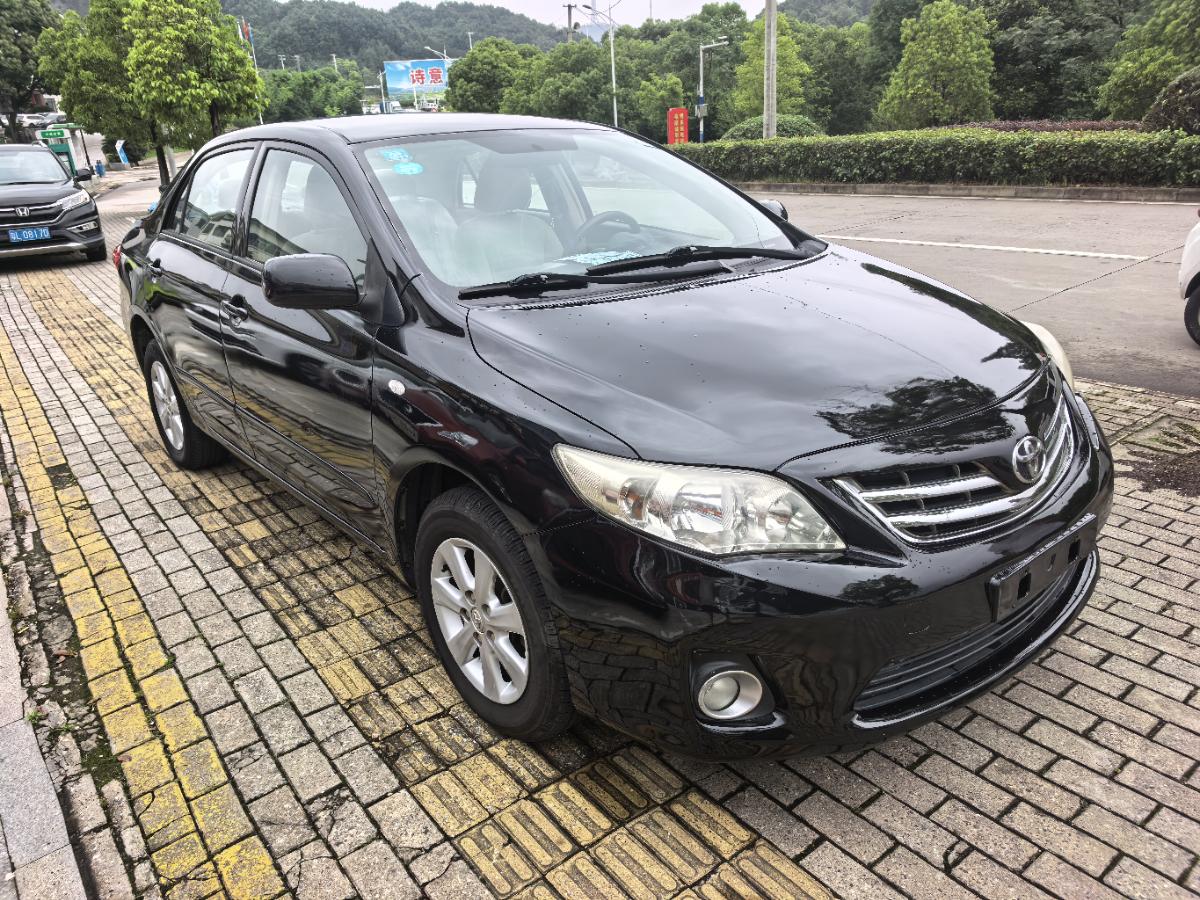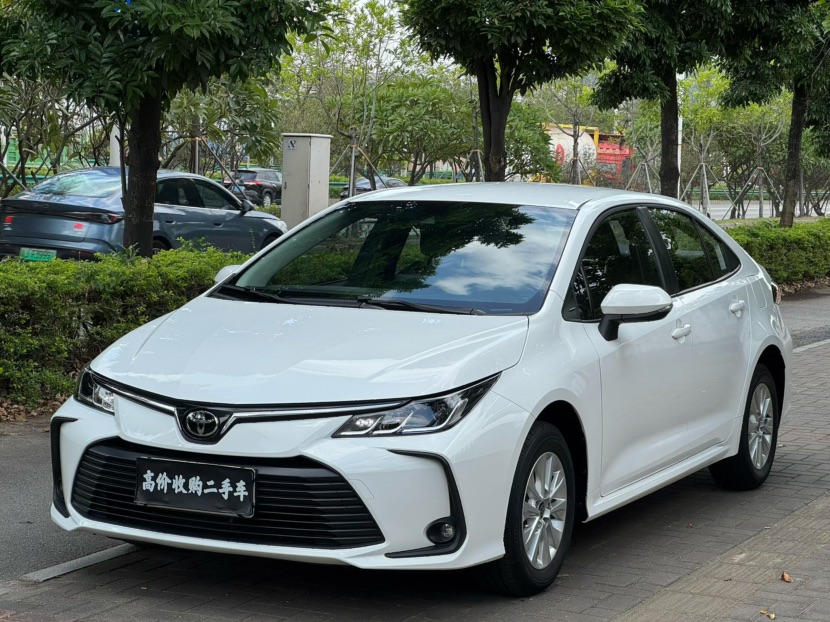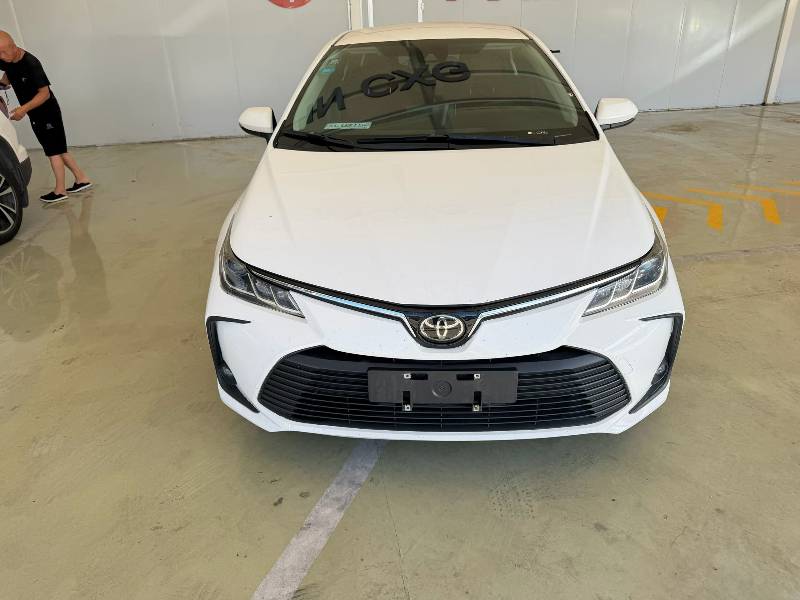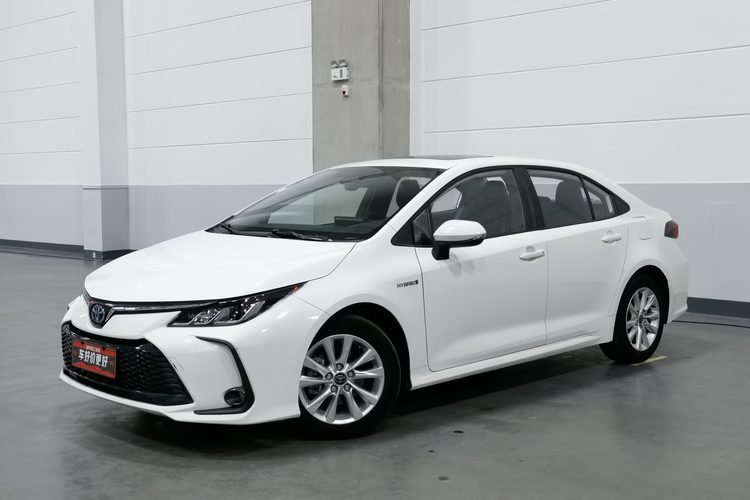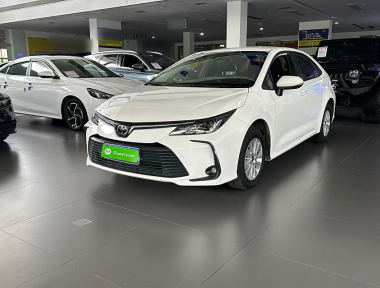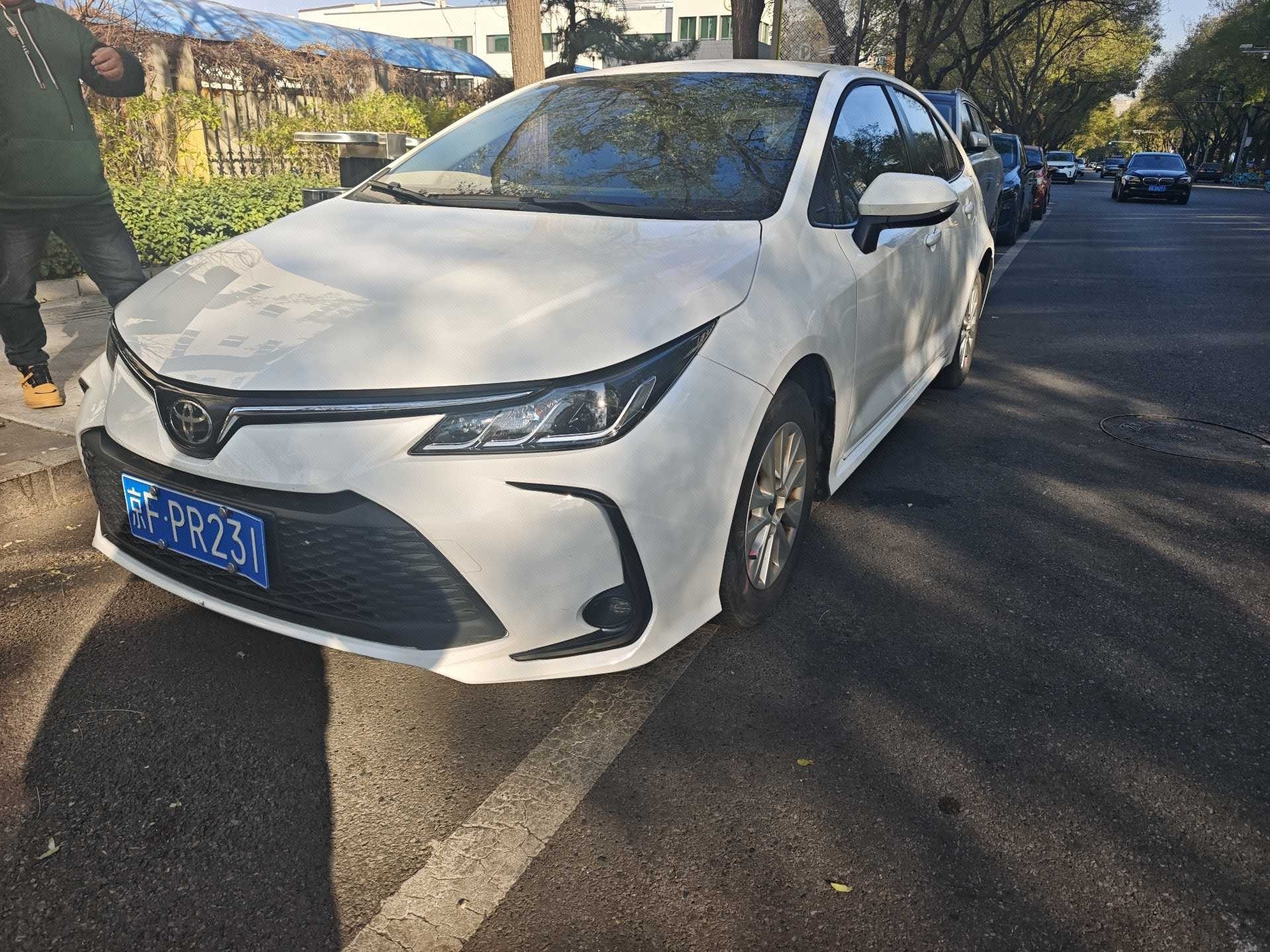
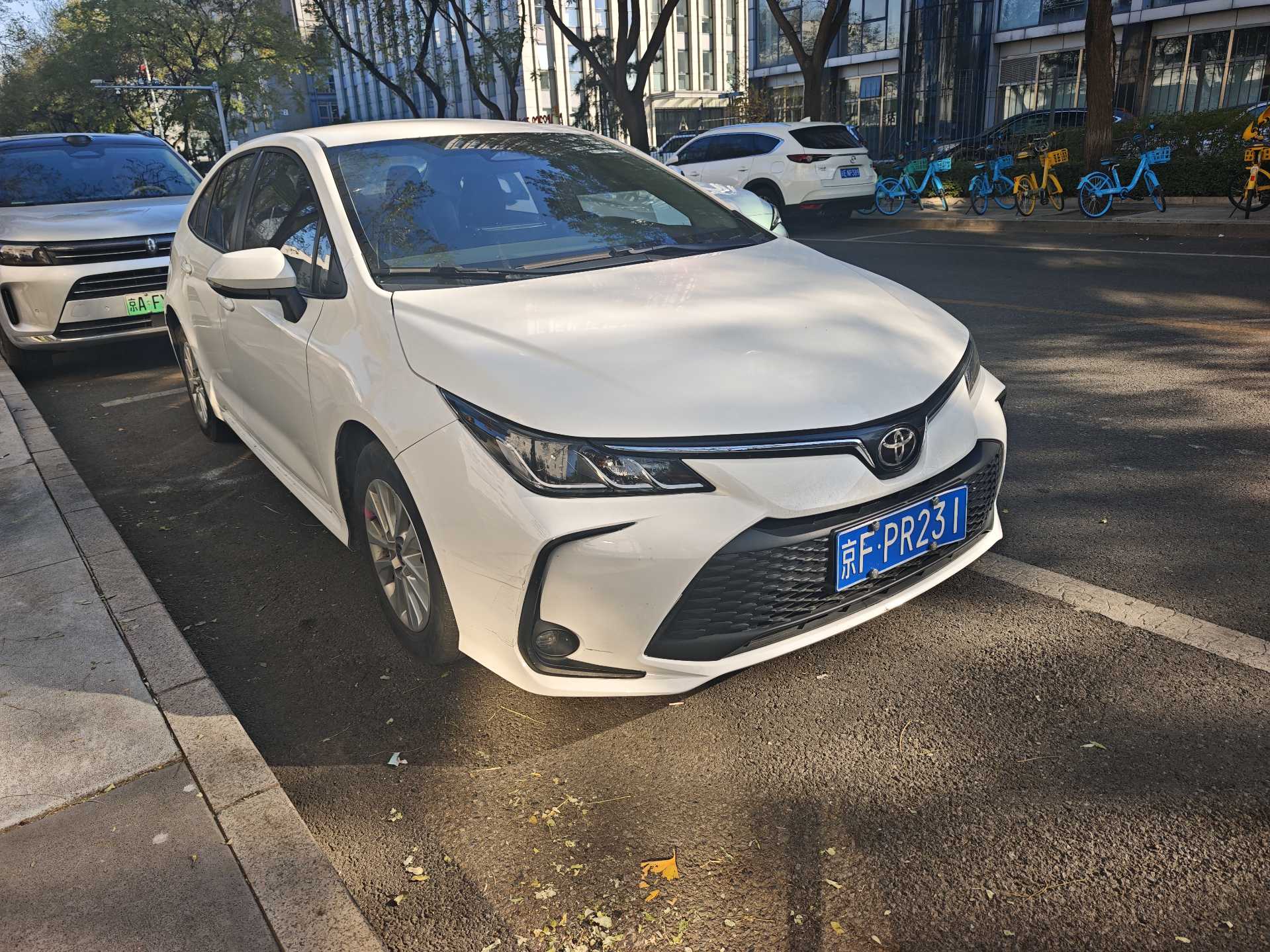
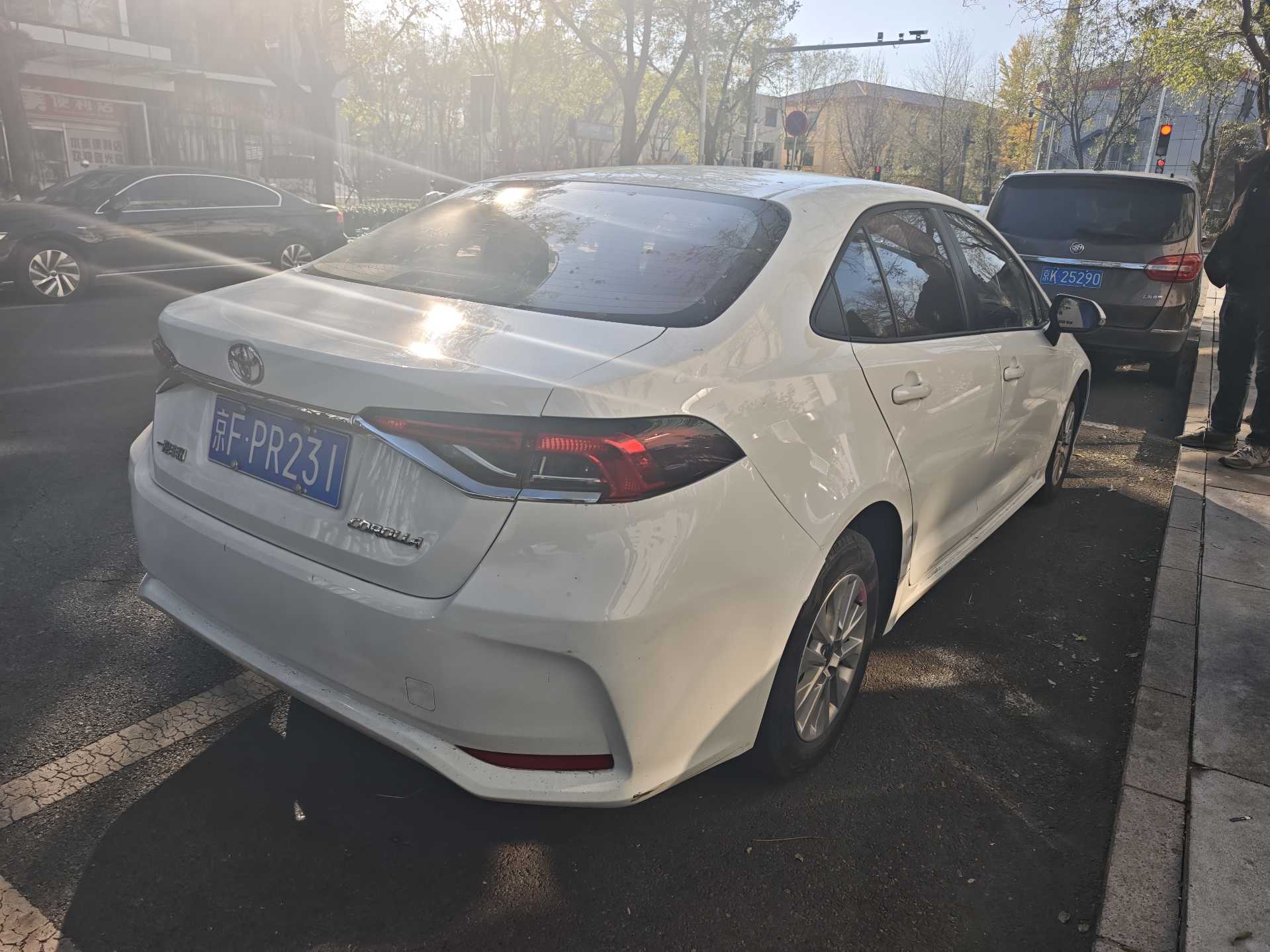
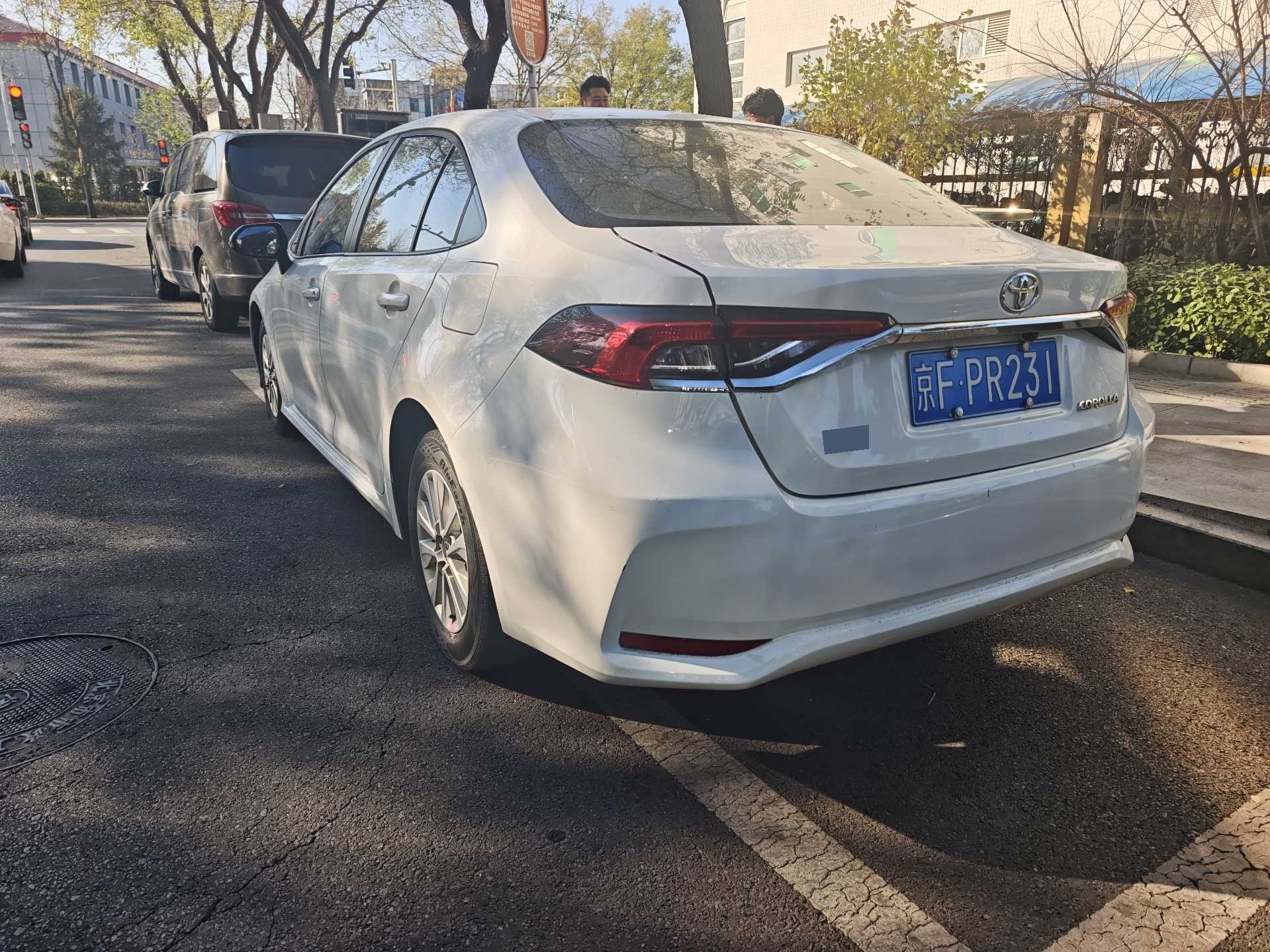
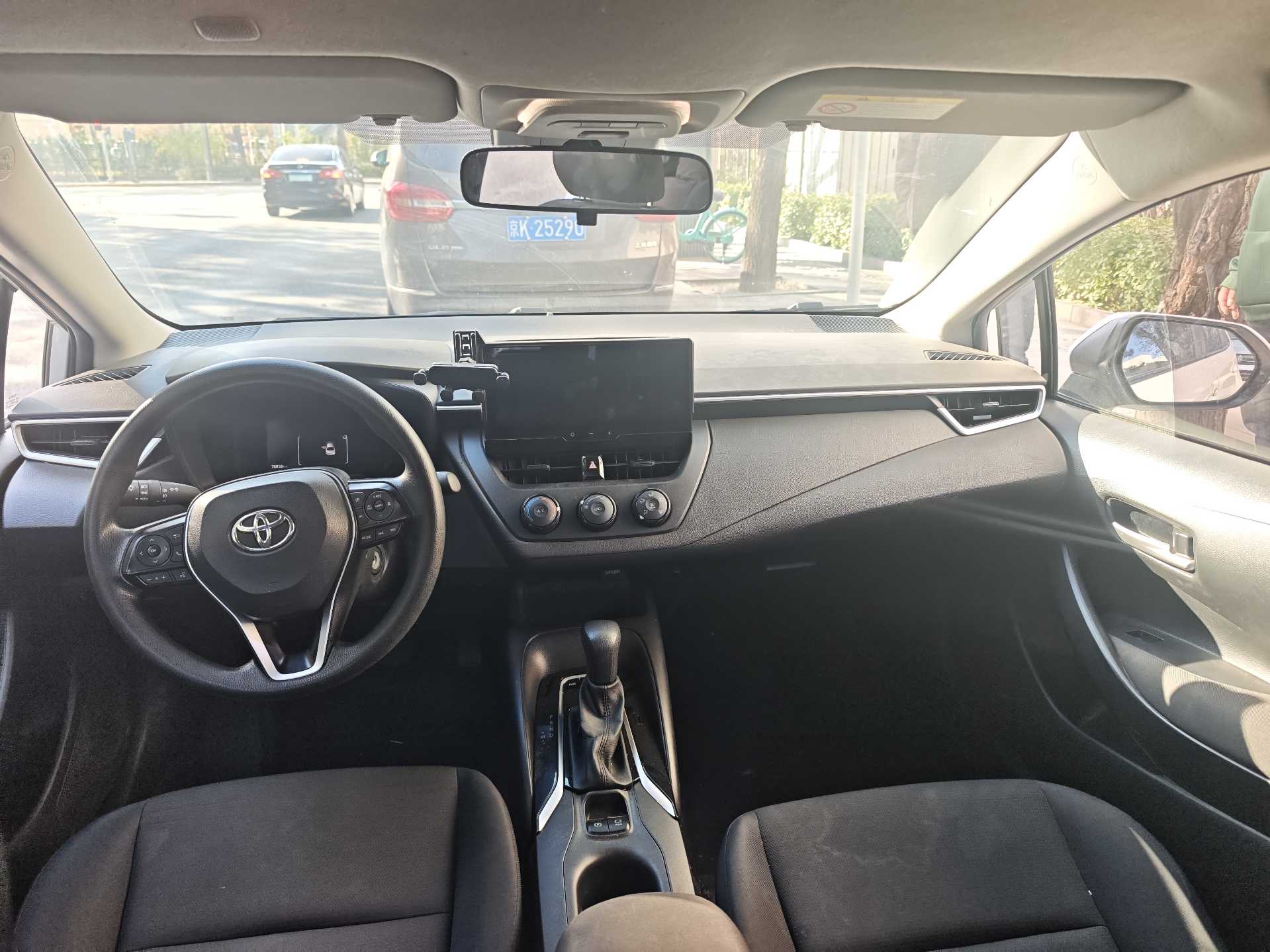
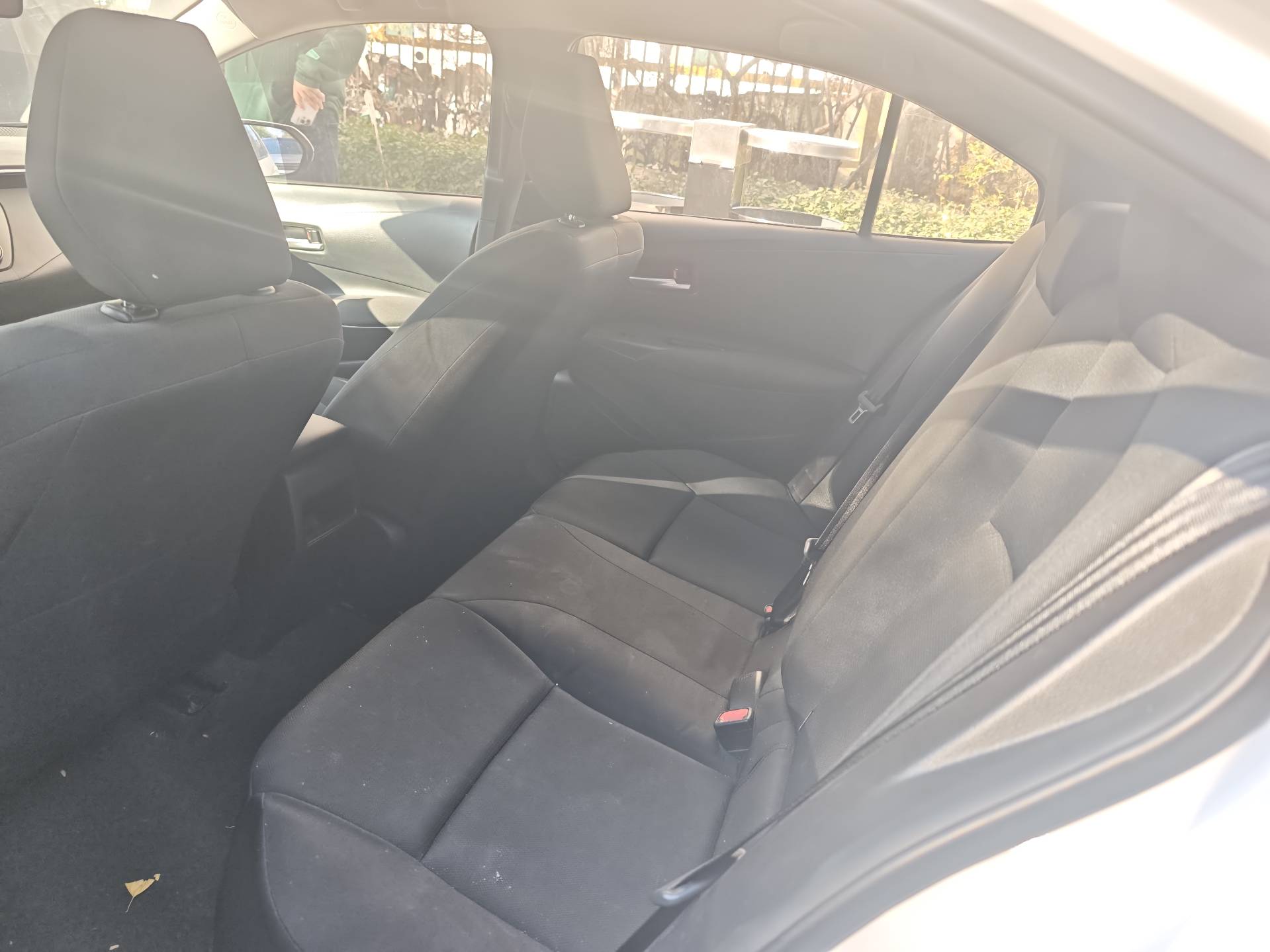
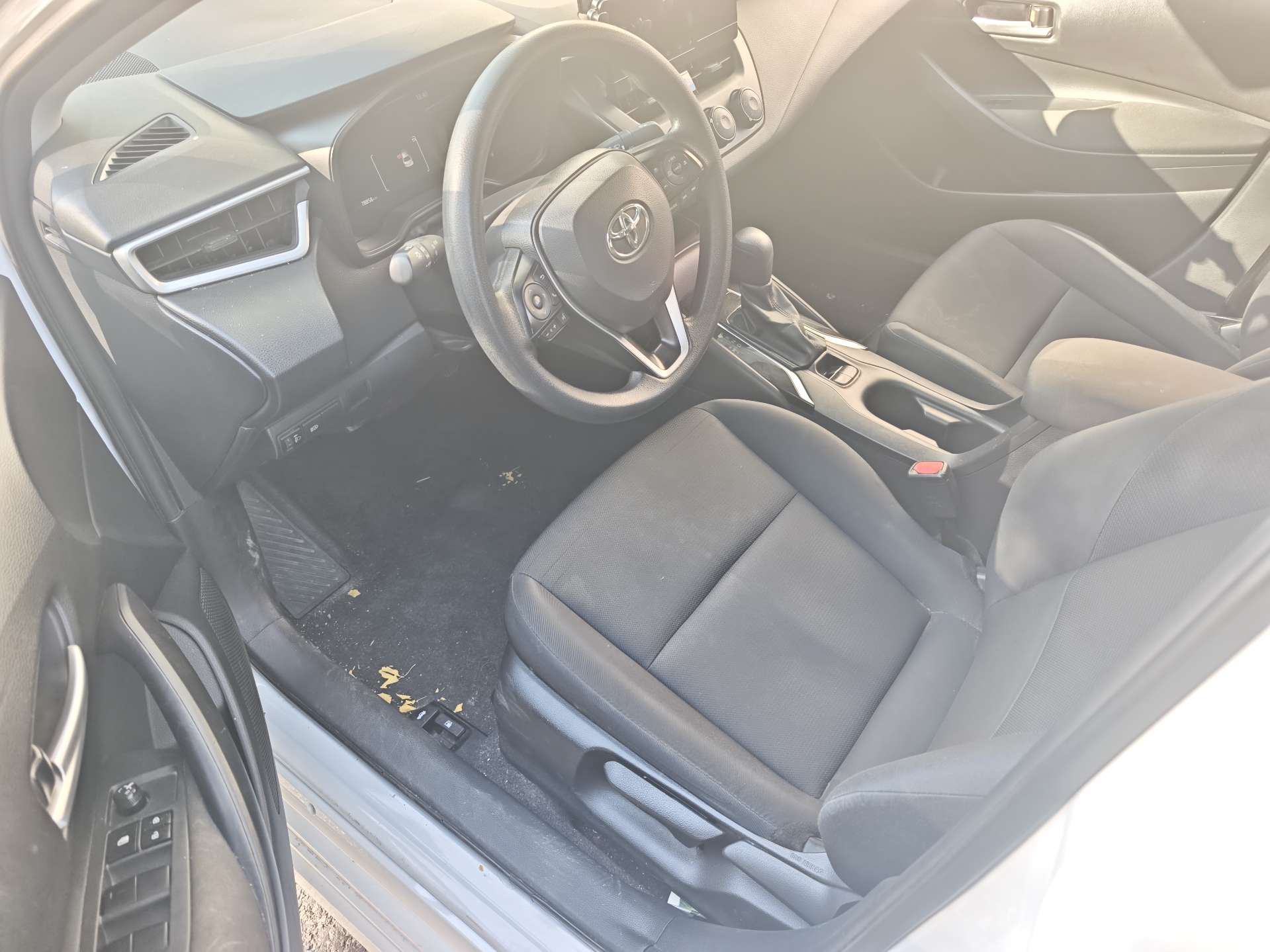
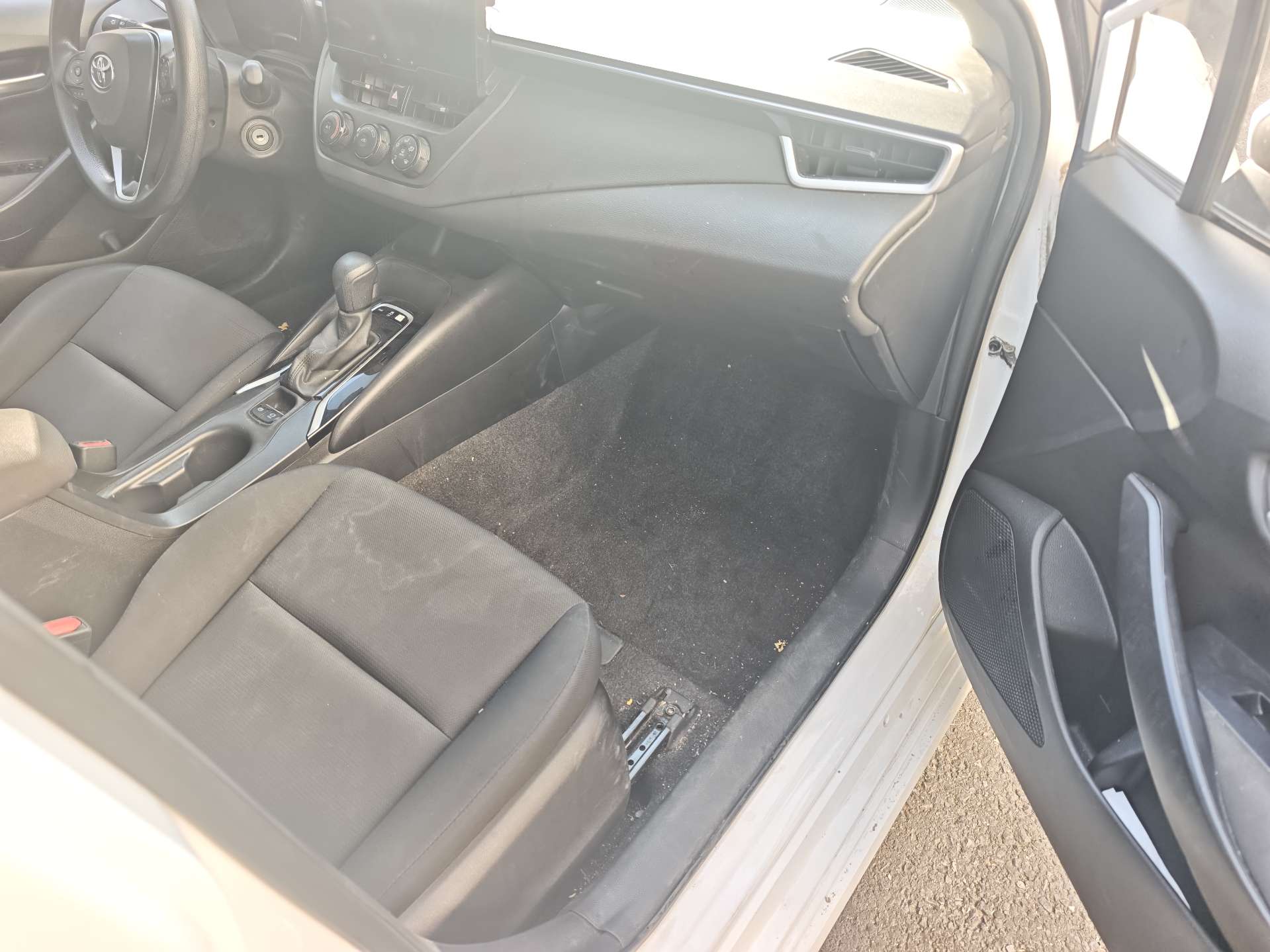
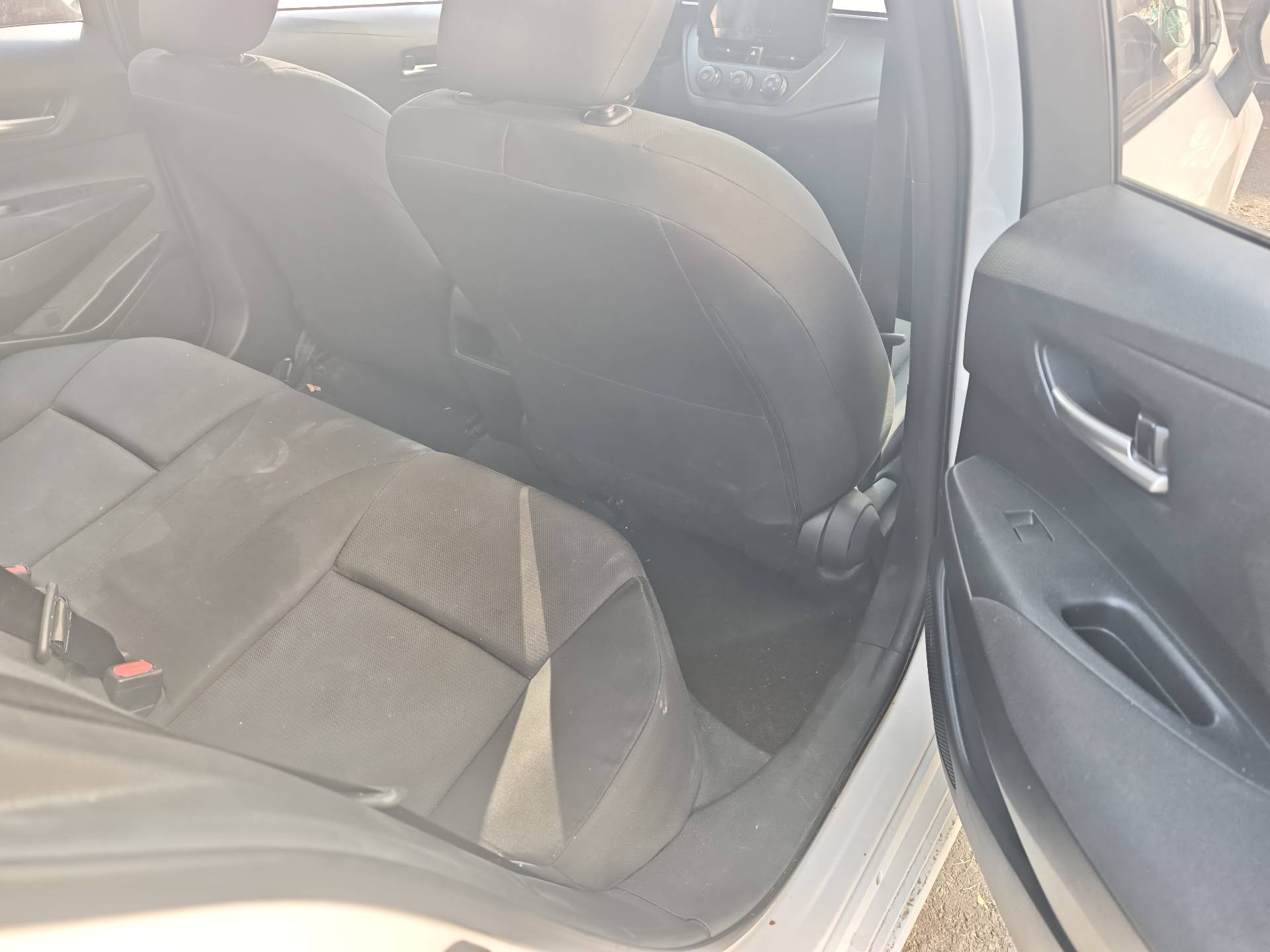
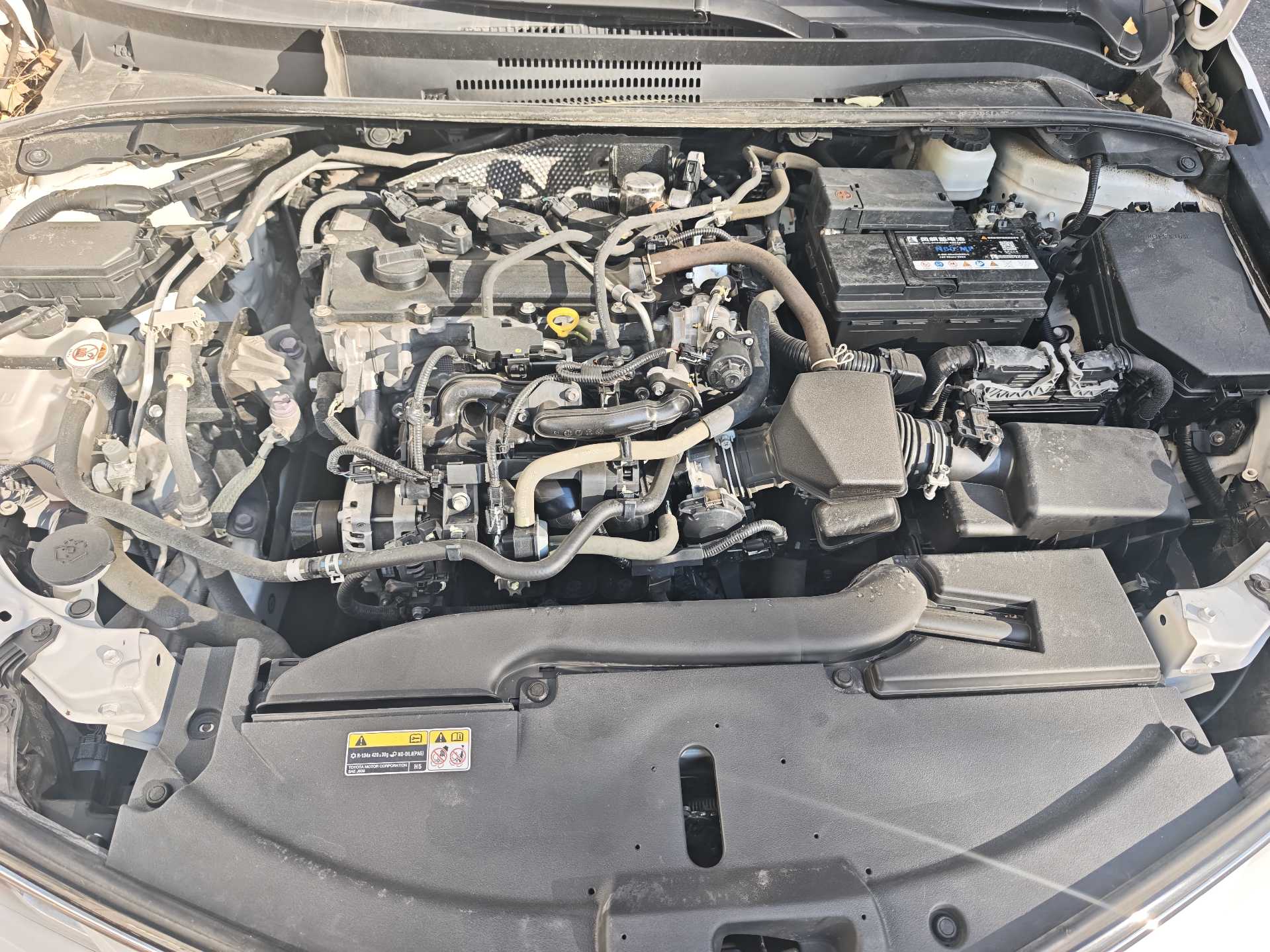
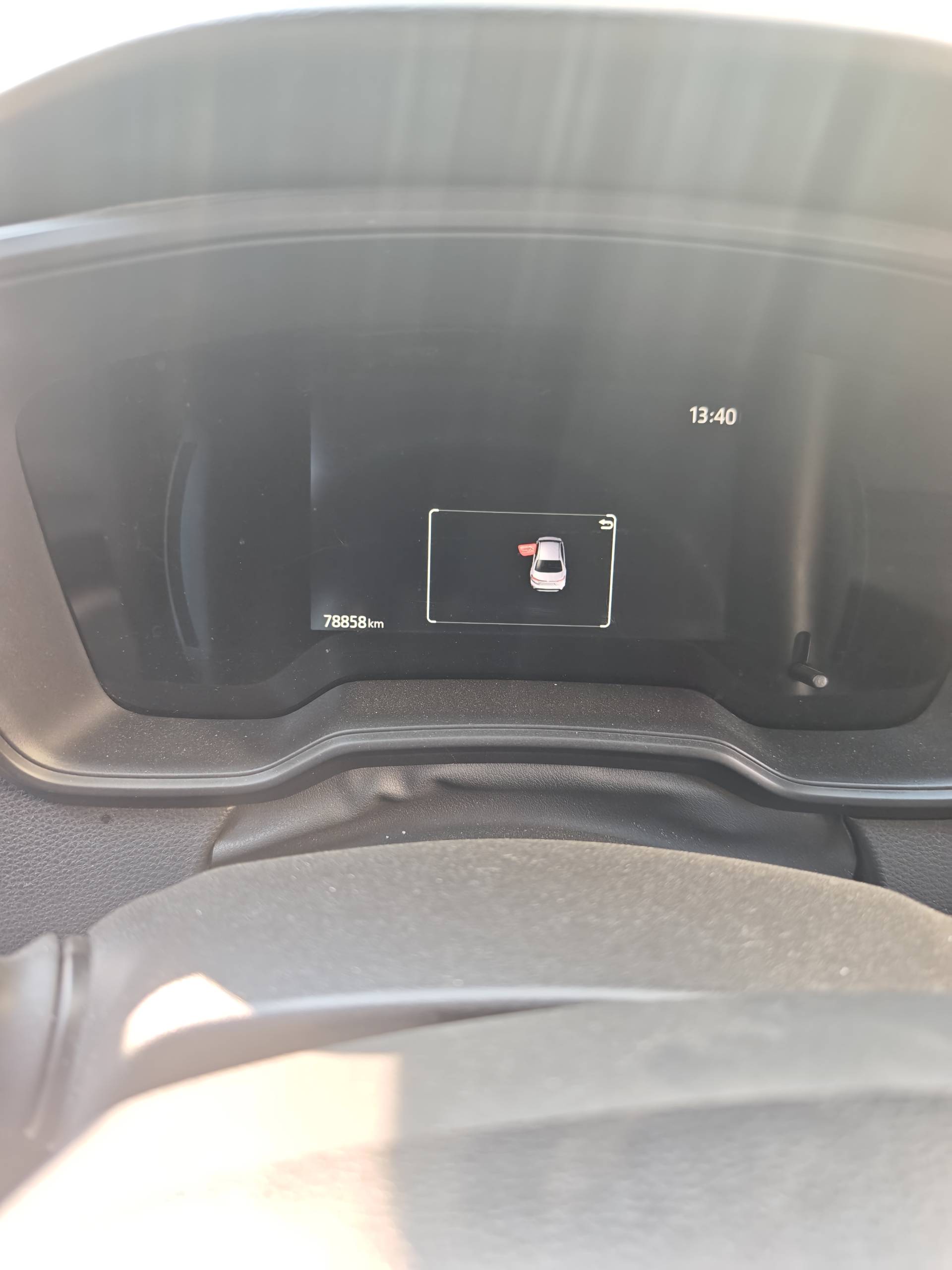
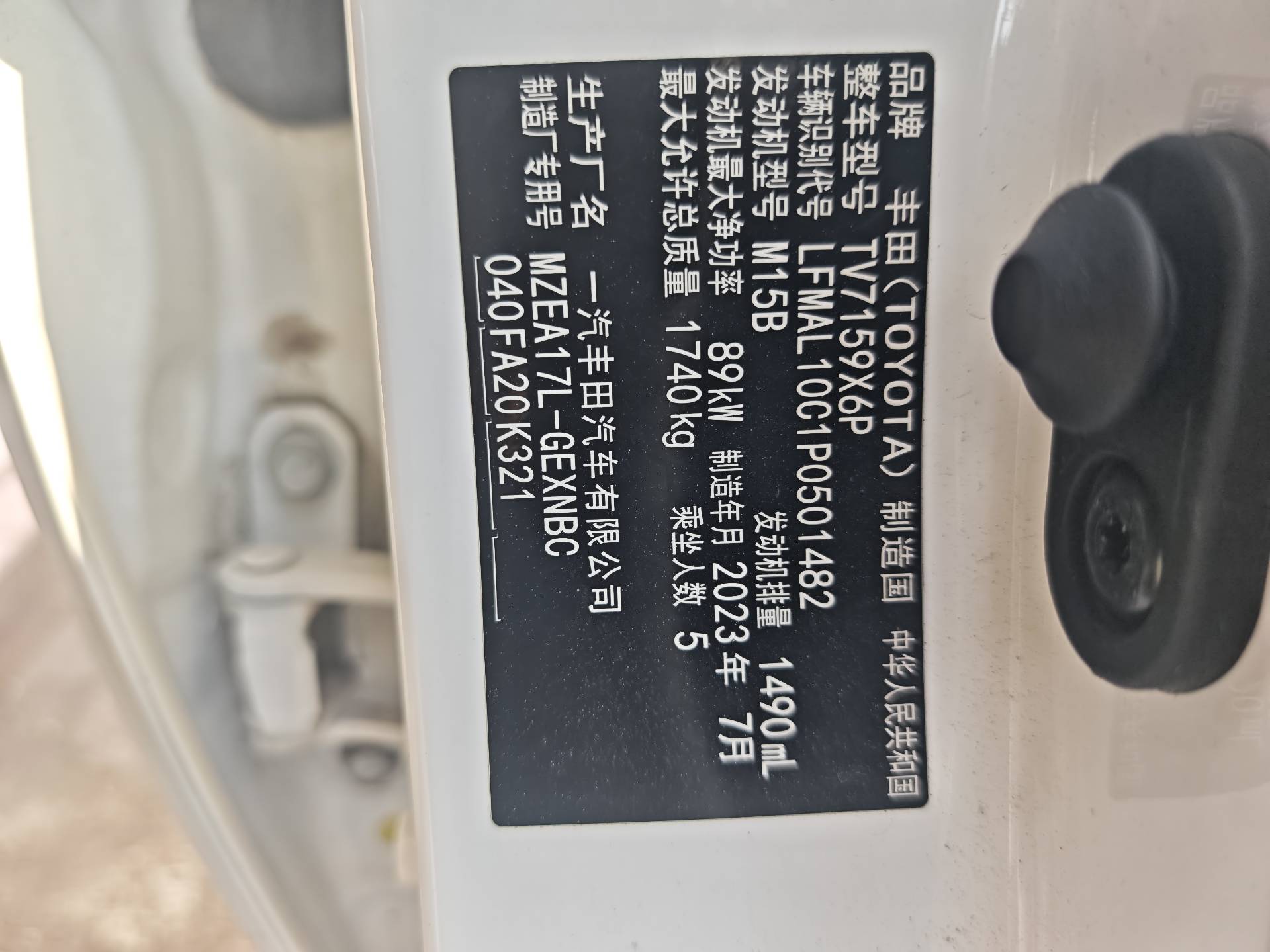



Has the vehicle's VIN (chassis number) been polished or altered?
We will carefully check if the chassis number on the windshield, chassis, and door frame matches.
Three panels repainted. First-hand car.
We will carefully check if the chassis number on the windshield, chassis, and door frame matches.
The 12V battery is small but critical: when it dies, the car cannot start, unlock, or charge. Used EVs often have weak 12V batteries because they sit on lots for months. Before shipping, ask the exporter to: 1. Measure the battery voltage after the car has rested overnight. It should read around 12.4-12.8V; anything under 12.2V means the battery is degraded. 2. Start the car and check that the charging system holds 13.8-14.4V, confirming the DC-DC converter works. 3. Scan for stored fault codes related to low voltage, which indicate the battery has been deeply discharged repeatedly. During ocean freight, the battery slowly self-discharges. Ask that it be disconnected or kept on a maintainer before loading, and budget for a replacement after arrival if the battery is over 3 years old. A new 12V battery costs little compared to being stranded at the port.
China's vehicle data is less centralized than in the US or Europe, but you can still verify a lot: 1. Ask the exporter for the VIN and order a third-party history report from Chinese services; they aggregate insurance claims and repair records. 2. Cross-check the registration date on the title with the odometer—a 3-year-old car showing 30,000 km but registered as a ride-hailing vehicle is a red flag. 3. Request maintenance records from the brand's dealer network; digital records are increasingly common. 4. Verify the seller legally owns the car: the registration certificate name should match the exporter's business license. Gaps are common, so treat the history report as one input, not proof. Combine it with an independent pre-purchase inspection, and hold back part of the payment until the inspection passes.