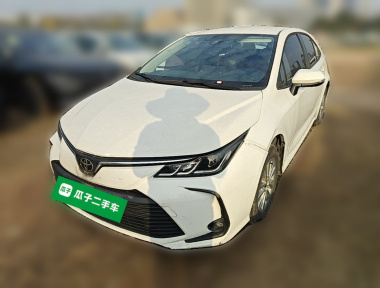
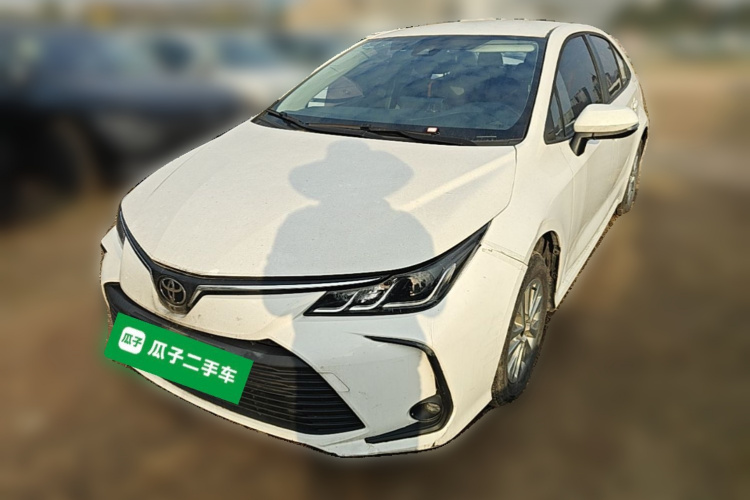
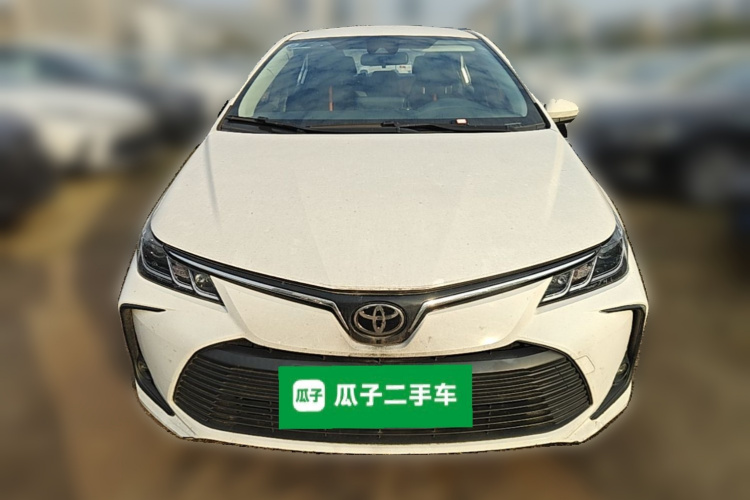
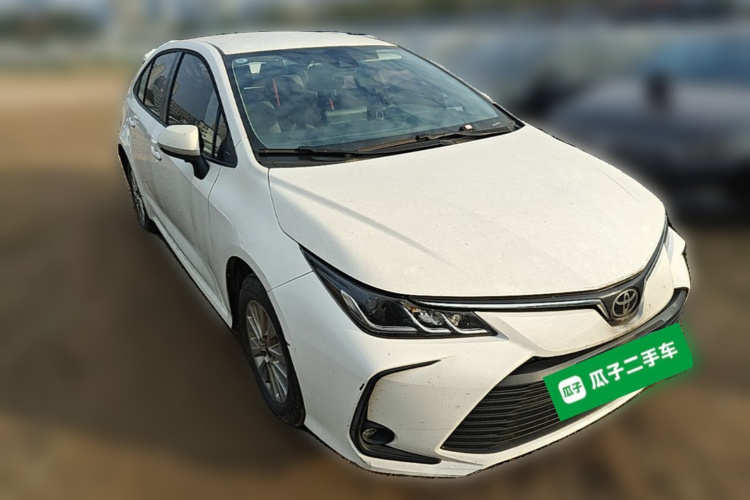




48H

Basic Information

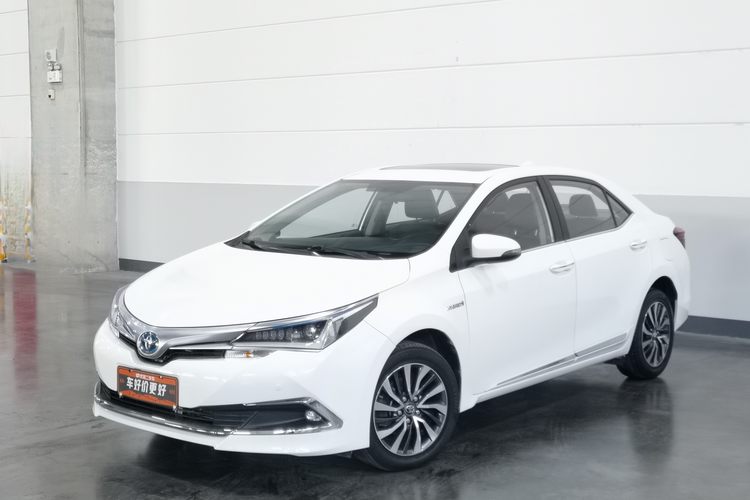
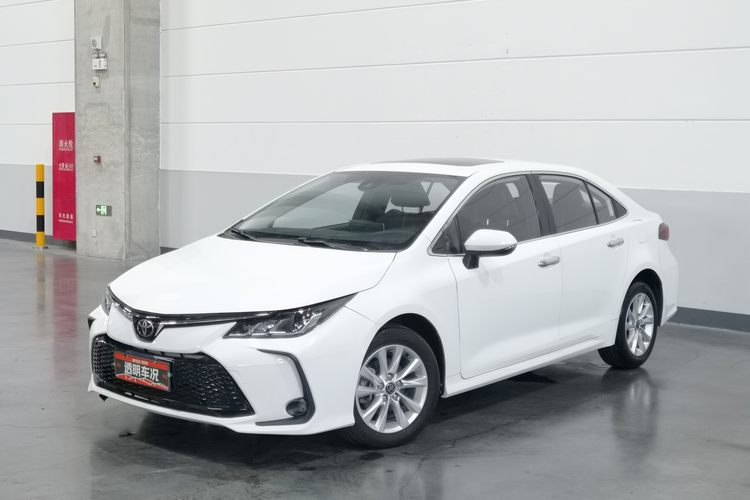
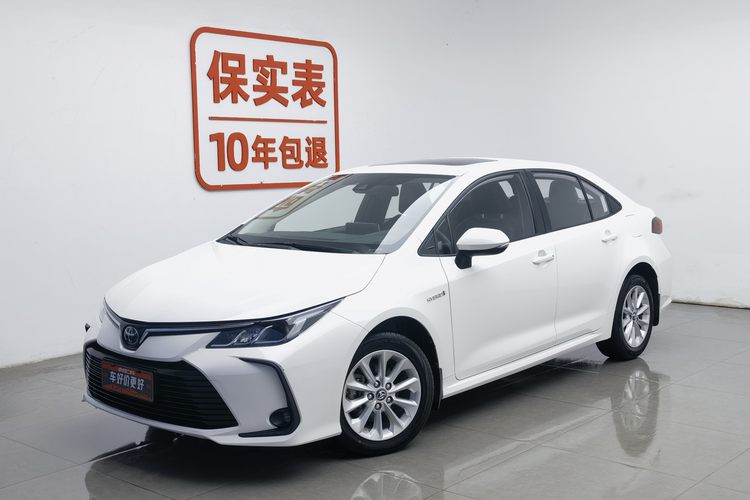
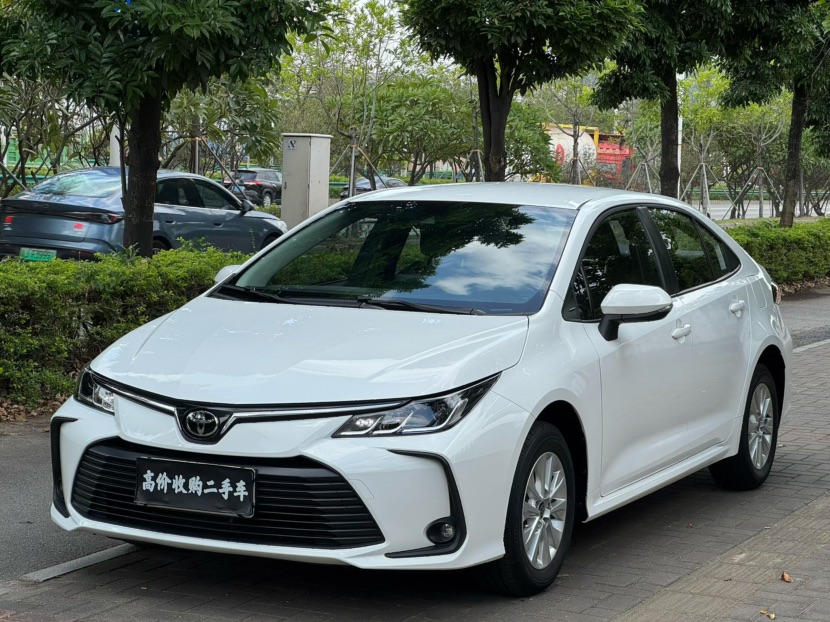
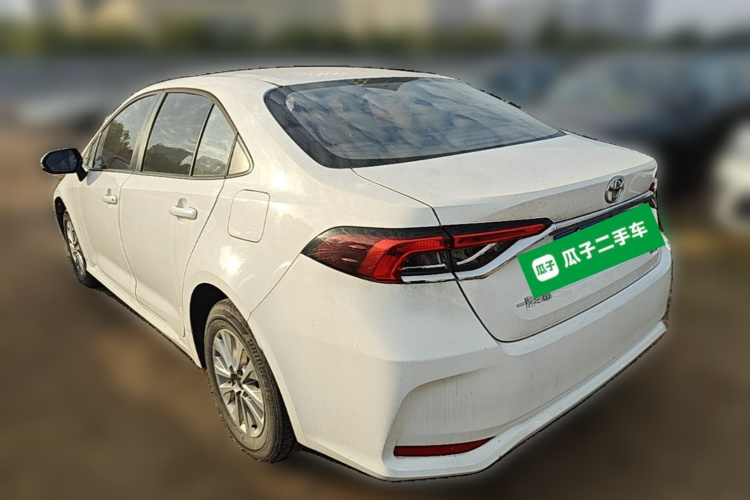
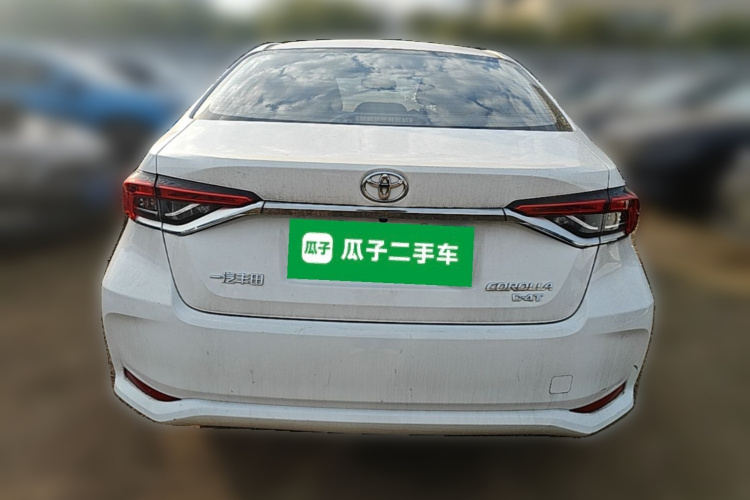
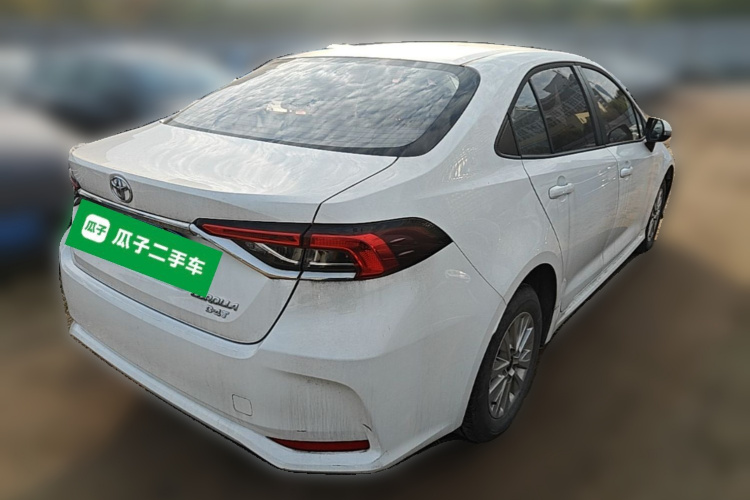
BrandToyota
SeriesCorolla
Year2024
First Registration2024/01
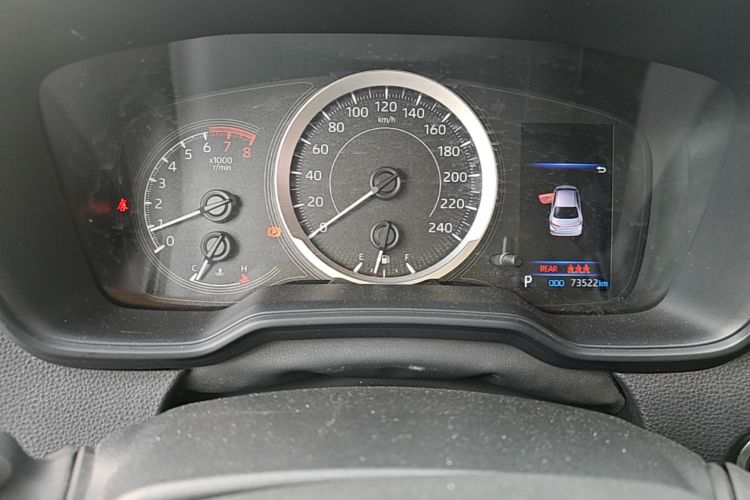
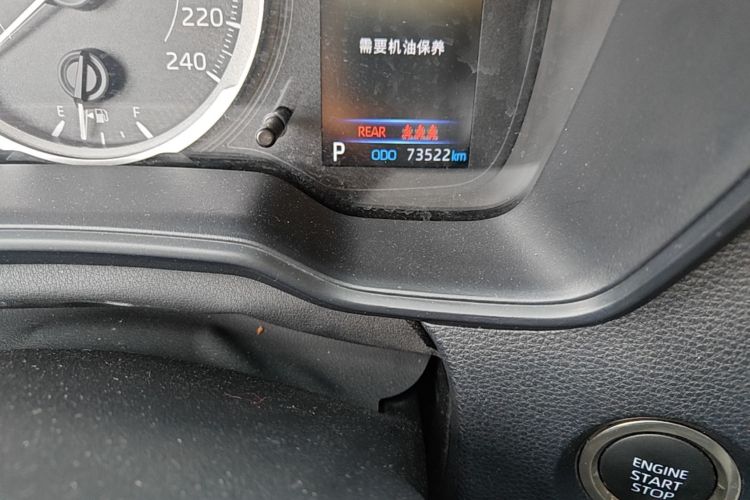
Mileage73,500km
Transfer Count0times
FuelGasoline
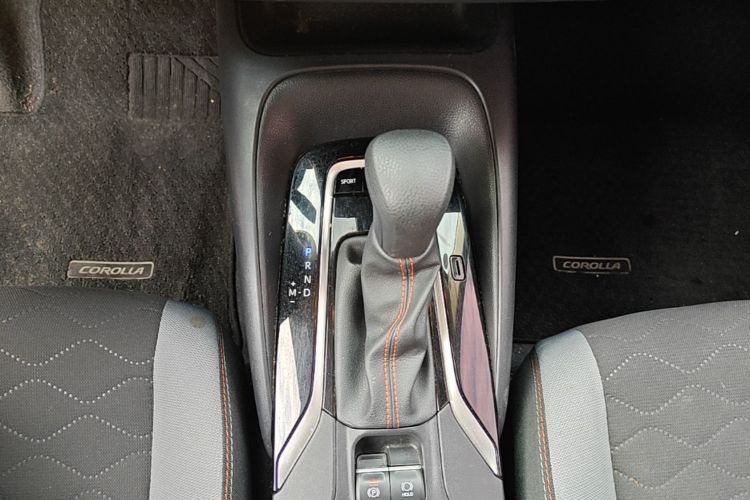
TransmissionCVT
Engine1.2T 116 L4
Color
Seats-

Condition Description

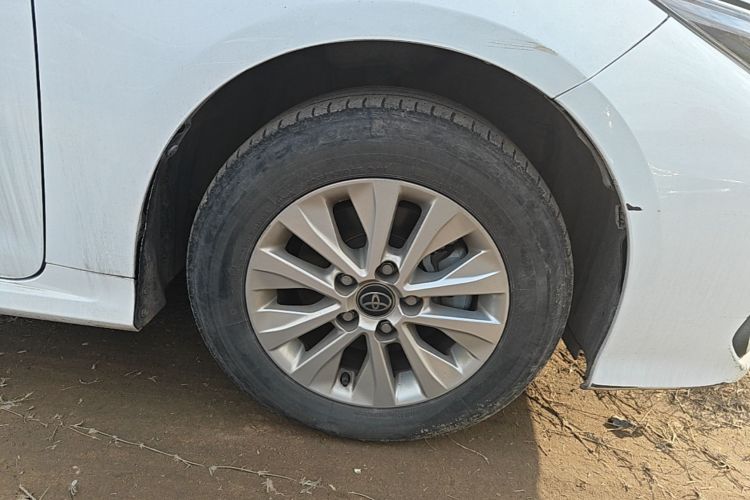
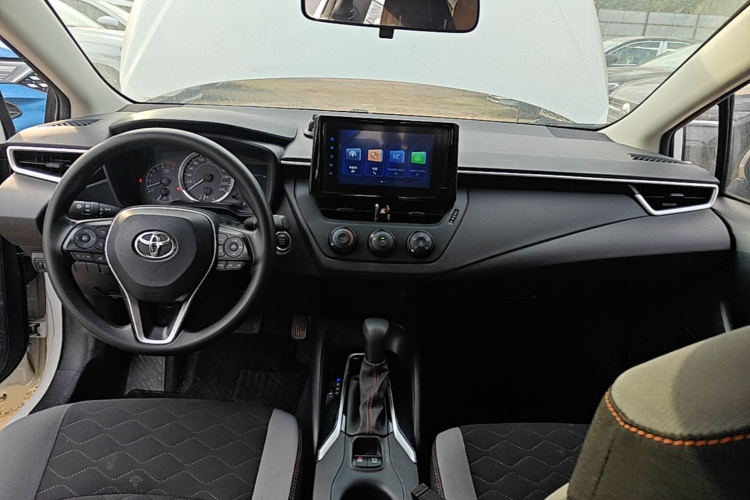
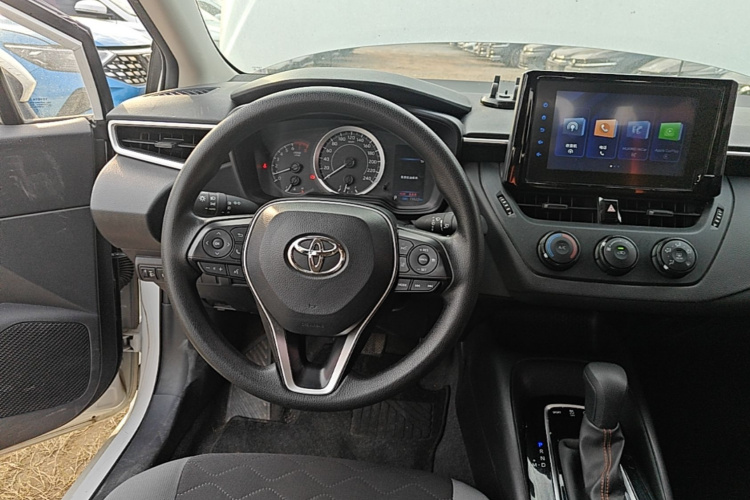
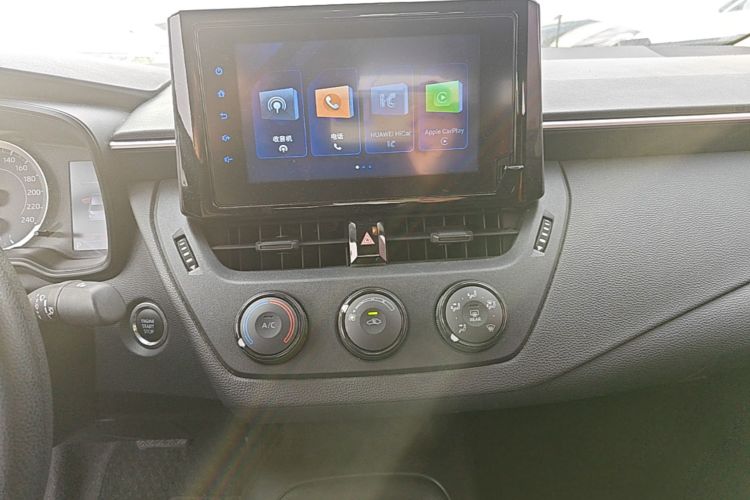
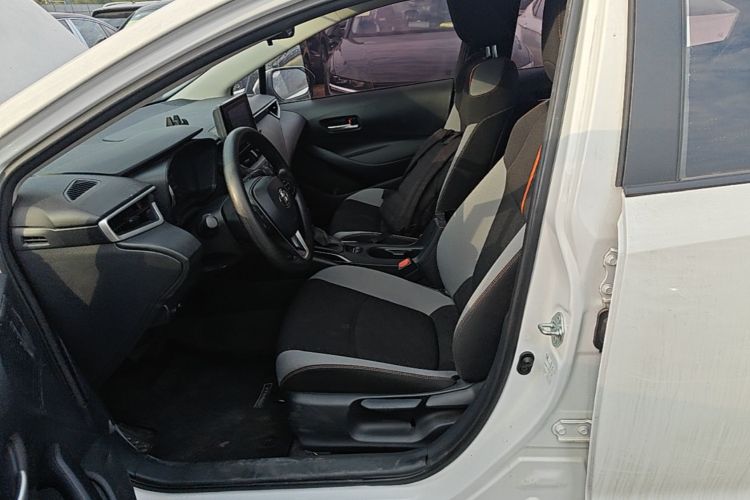
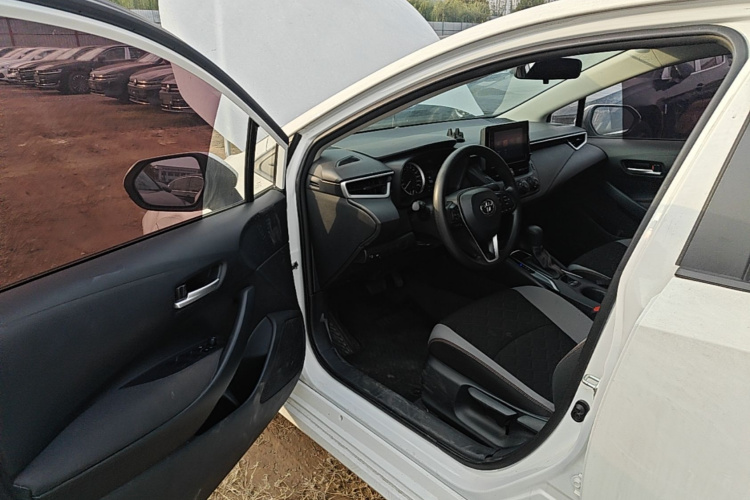
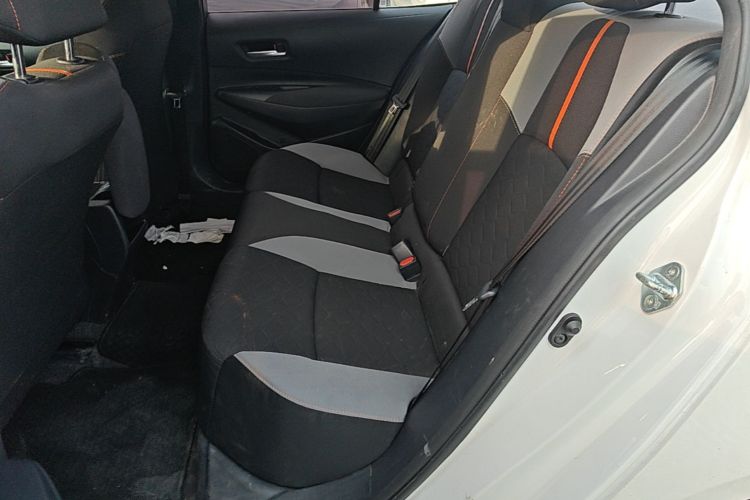
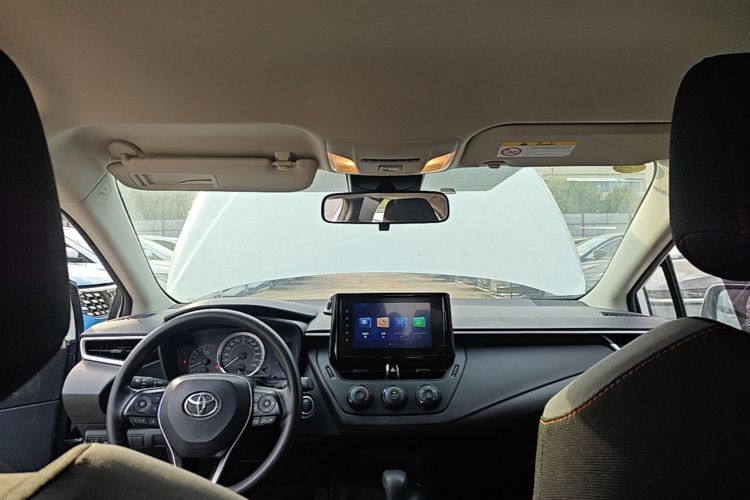
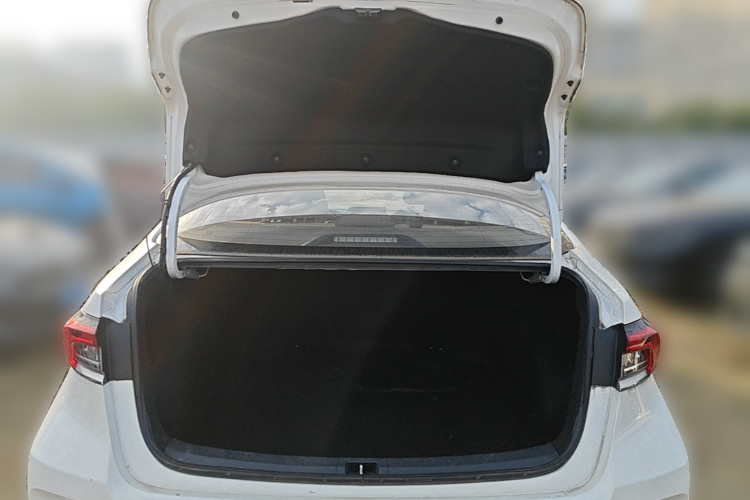
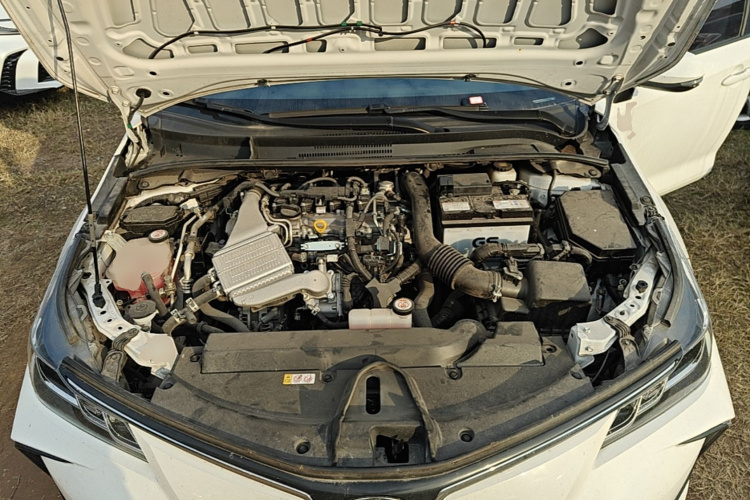
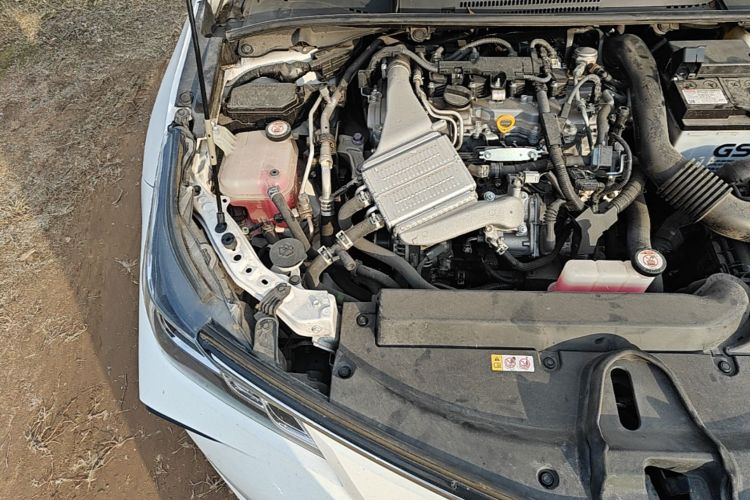
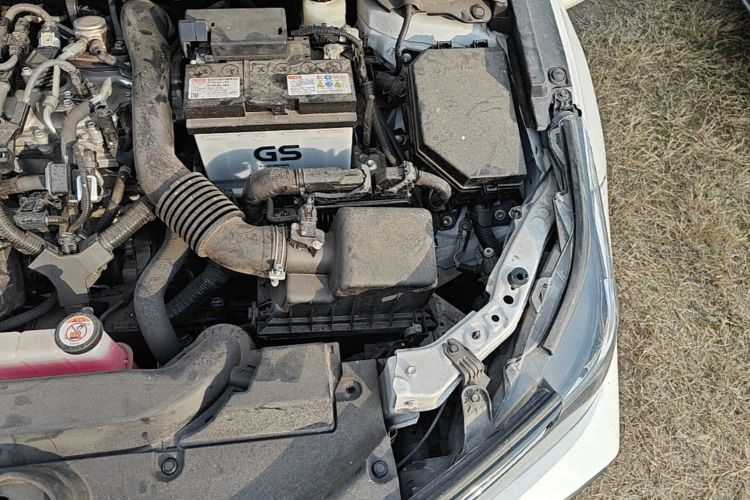
Basic condition excellent | claimed once | 0 transfers

Q&A

More

What does a pre-shipment inspection include, and is it worth the cost?

A professional pre-shipment inspection typically costs a small fraction of the vehicle price and routinely pays for itself. A thorough inspection covers: paint thickness measurement across 30+ points to map body repairs; structural assessment of pillars, rails and crossmembers for accident damage; engine and transmission operation; a full electronic scan for fault codes; suspension and underbody checks for leaks and rust; and, for EVs, battery SOH and thermal management performance. You receive a written report with photos before the car is loaded — if the car fails, you can stop the shipment or renegotiate. Skipping the inspection to save a small fee is the classic false economy in used car importing: discovering a problem after arrival is far more expensive than preventing it at origin.


Can you export newer Chinese cars to the U.S. market (which requires vehicles to be at least 25 years old to be exempt from FMVSS)?

Absolutely not. The U.S. DOT and EPA have strict import restrictions on non-compliant vehicles. Any Chinese used car that is not 25 years old and not produced to U.S. standards will face mandatory crushing and destruction upon arrival at U.S. ports. We directly reject such non-compliant orders.

Beyond the car price, what costs should I budget when importing a used car from China?

A realistic budget has several layers beyond the vehicle price. First, inland logistics in China: moving the car to the export port typically costs $300-$800. Second, export handling: inspection, customs declaration and paperwork usually add $500-$1,000. Third, ocean freight. A 20ft container to most destinations runs $1,200-$3,000 depending on route; RoRo shipping can be cheaper for driveable cars. Add marine insurance, usually 0.3%-0.5% of the car value. Fourth, destination charges: port handling, customs duties, VAT/GST and local registration fees. These vary widely; some countries charge duties of 20%-80% of the vehicle value plus an excise based on engine capacity. Finally, any compliance work: inspection certificates, modifications to meet local standards, or homologation. Ask your exporter for a full CIF quote and have a local customs broker confirm destination taxes before you commit.