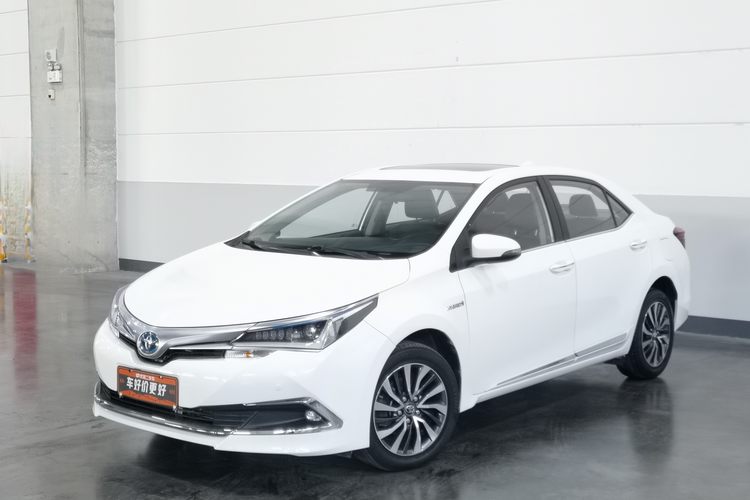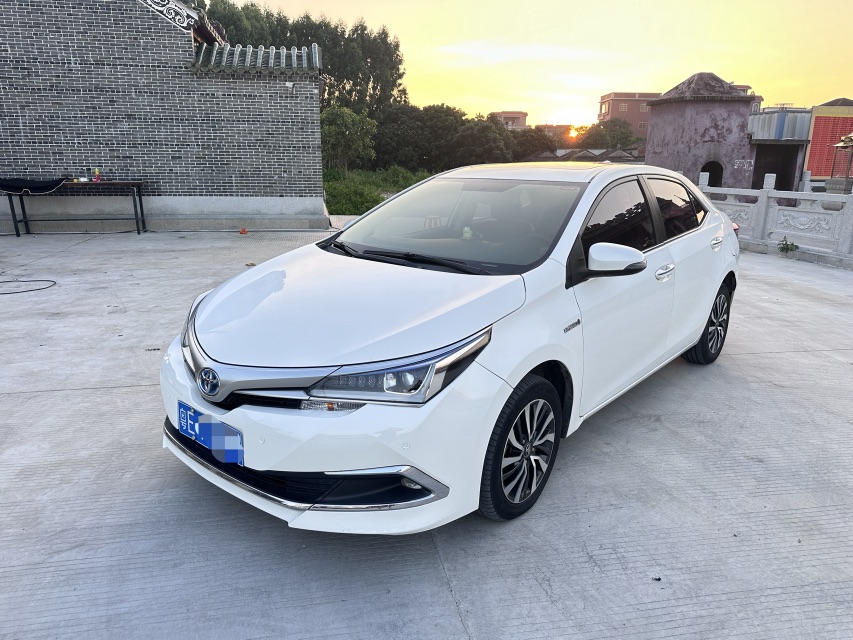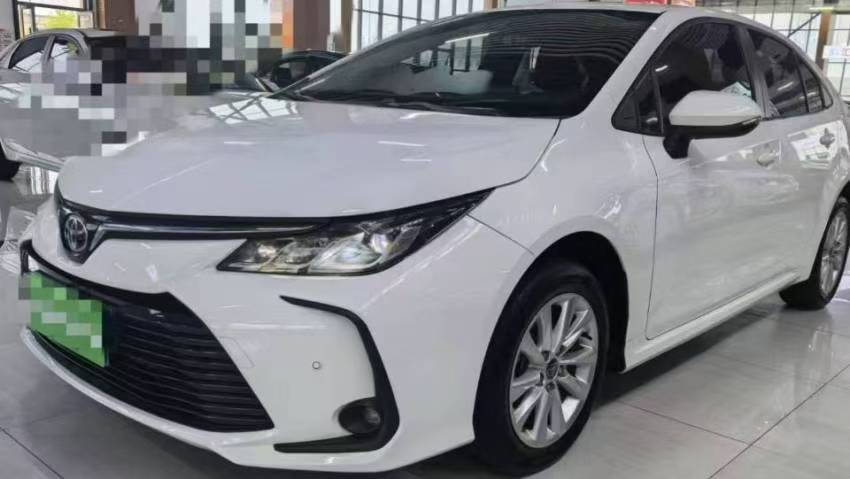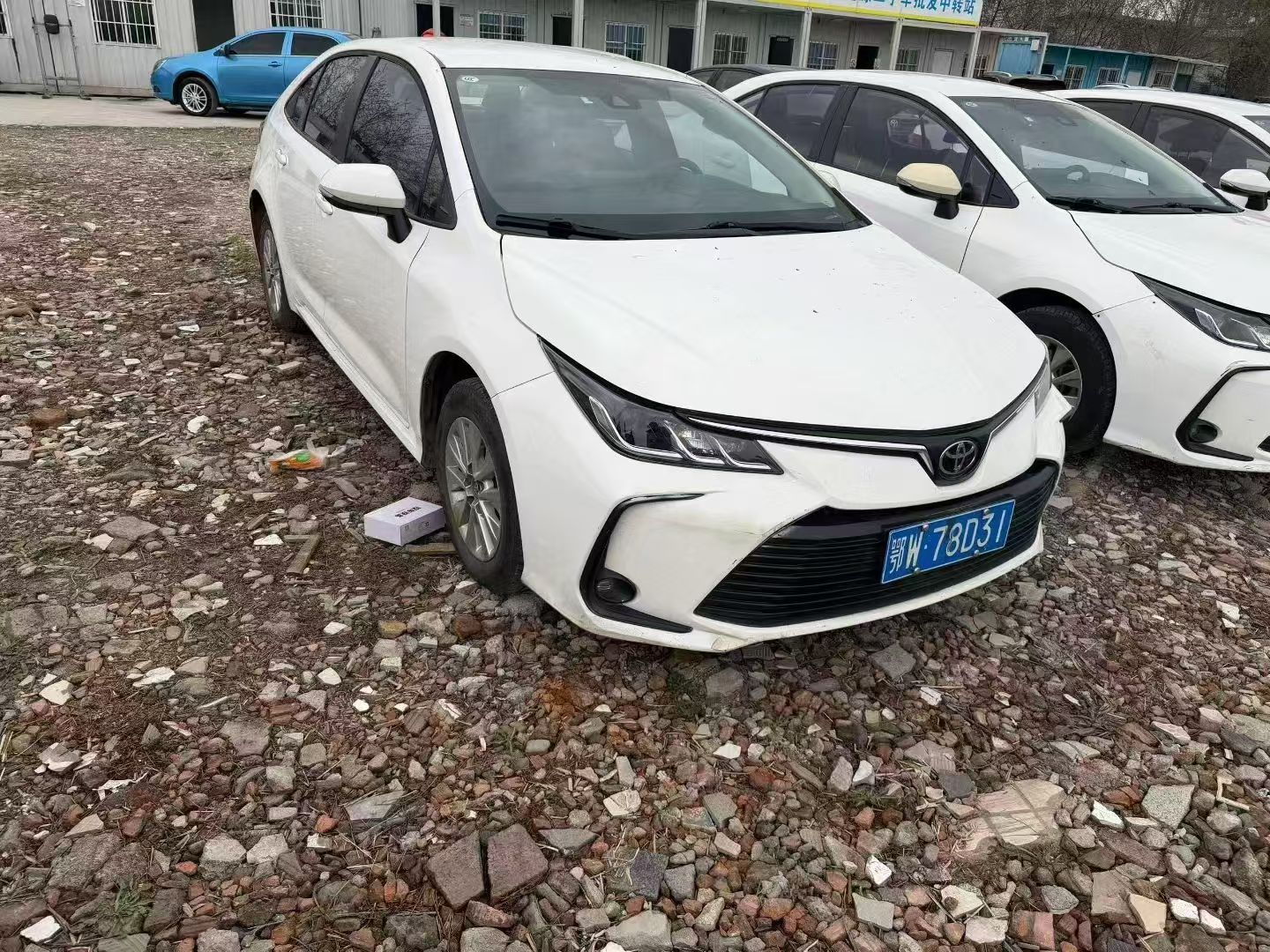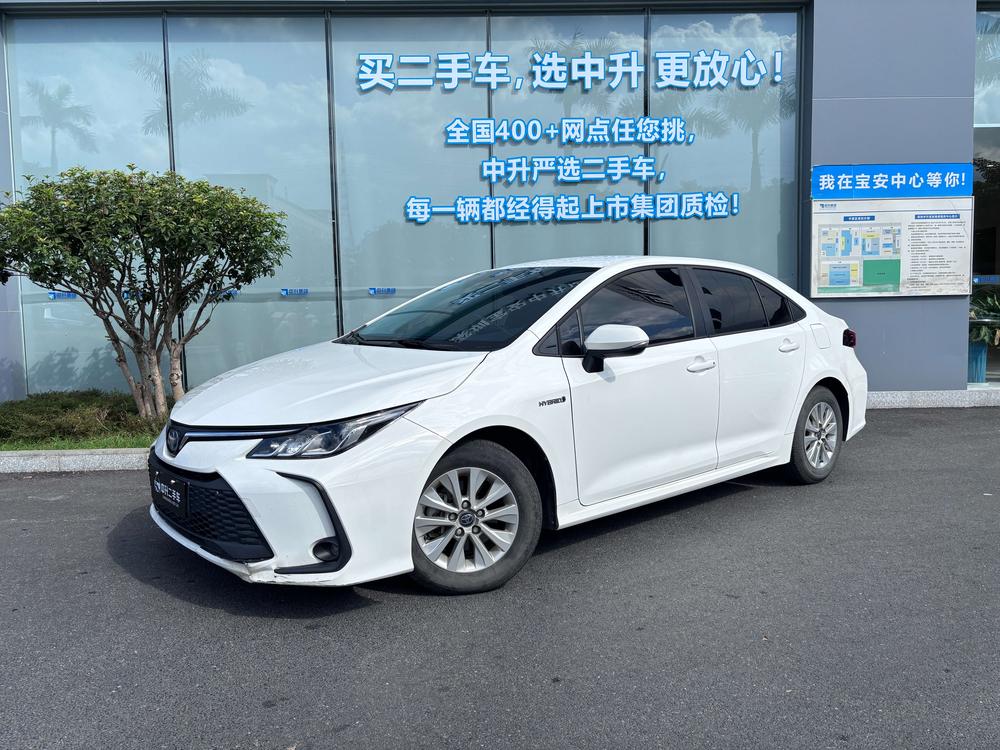
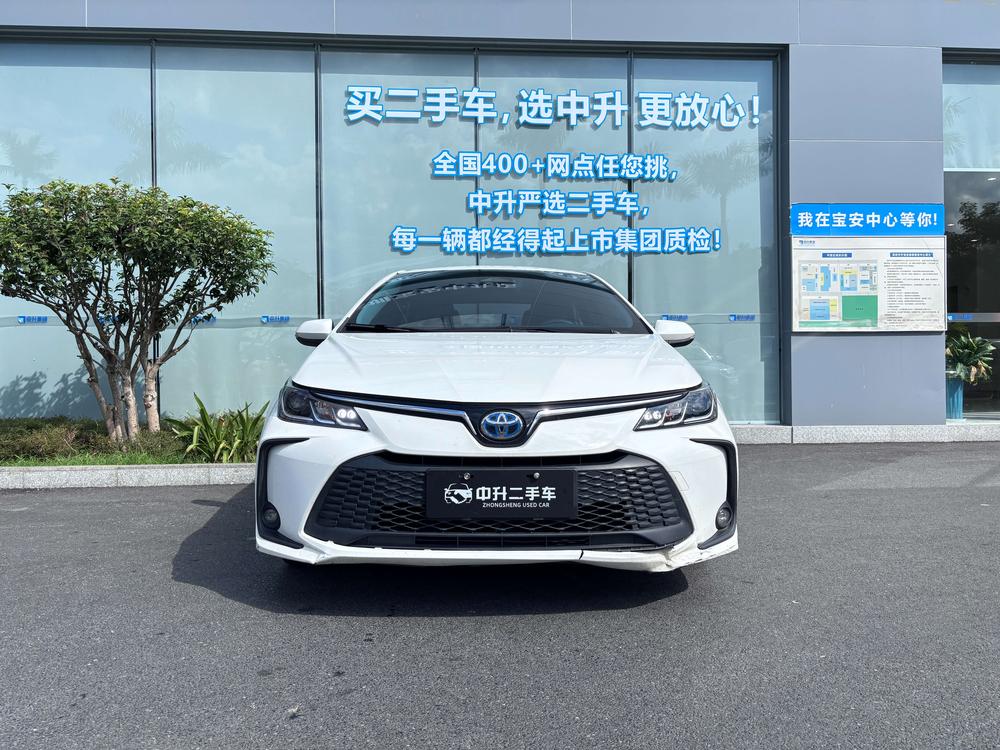
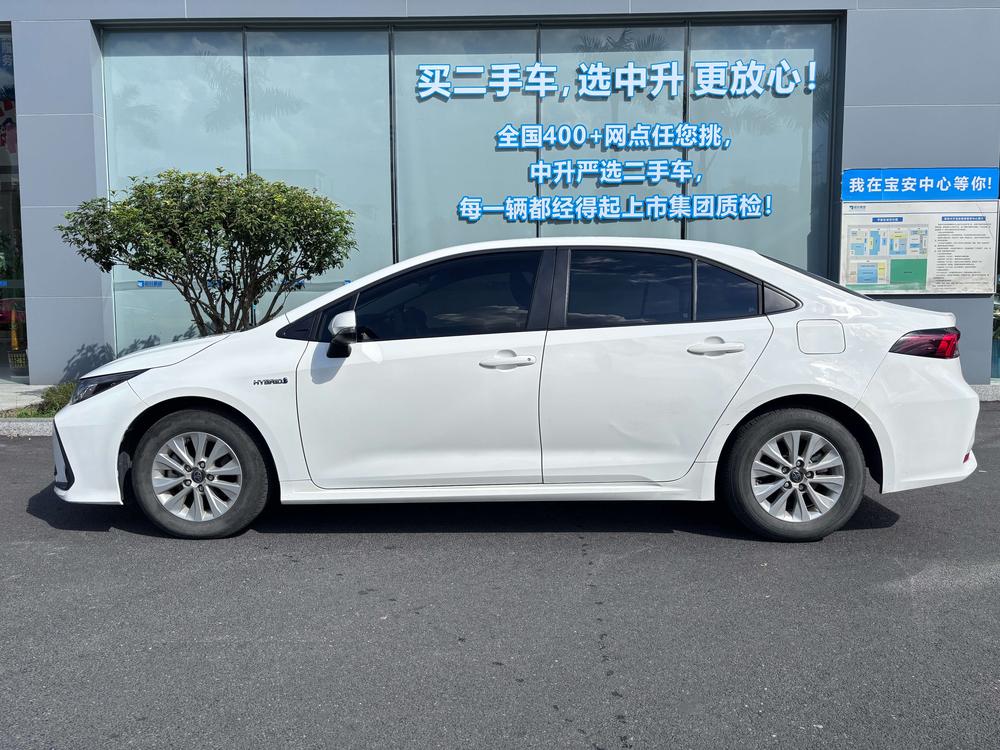
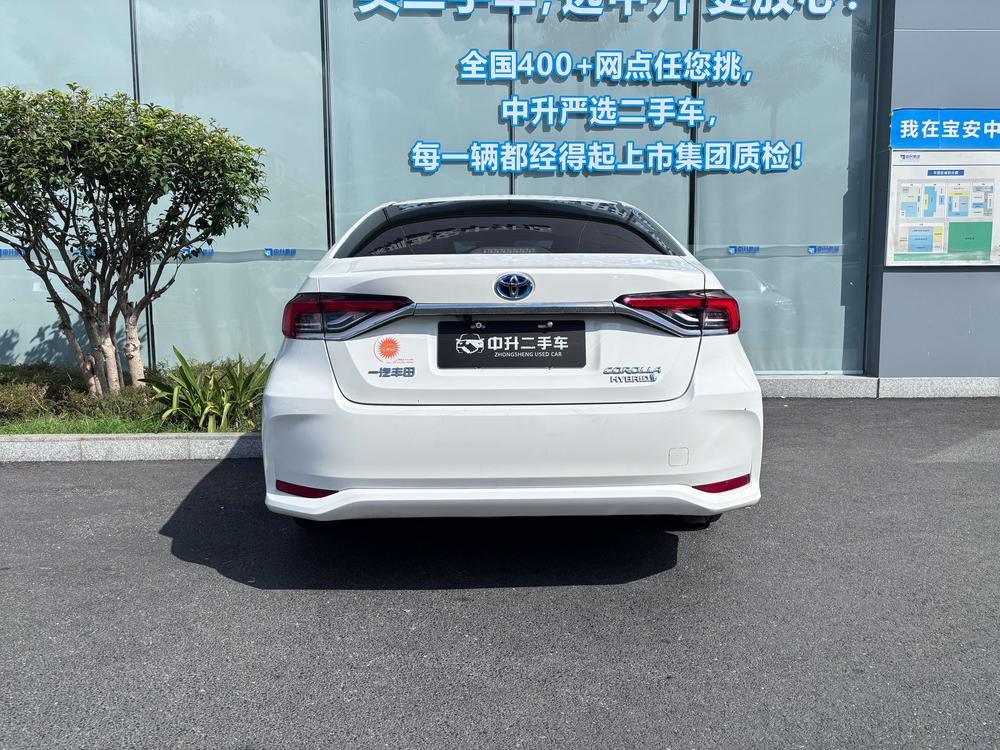
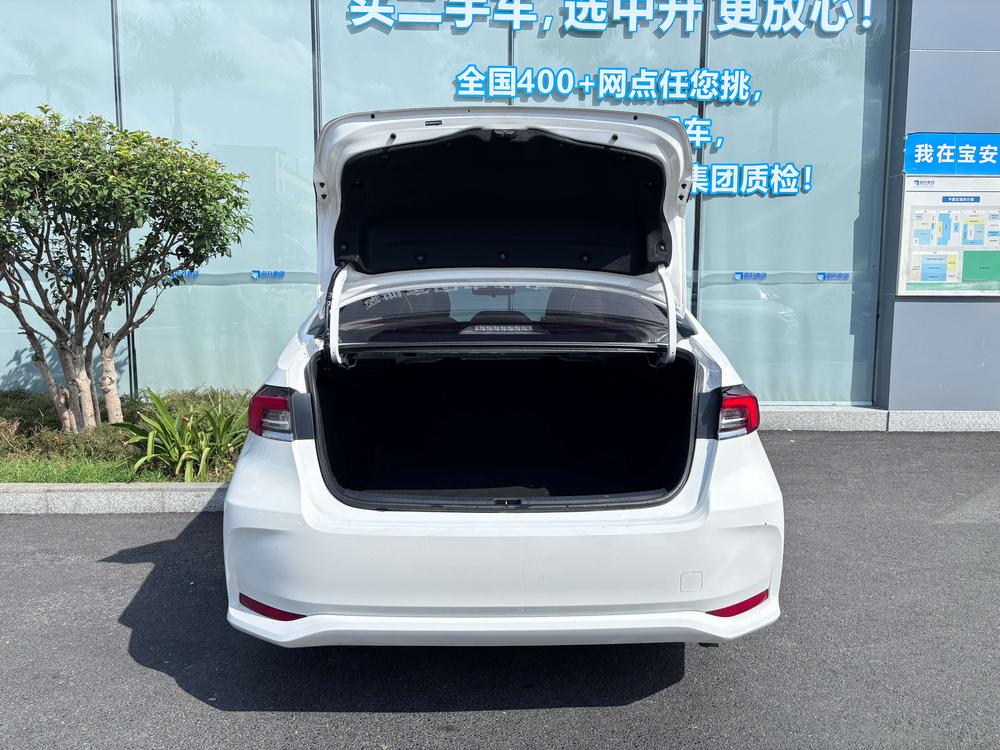
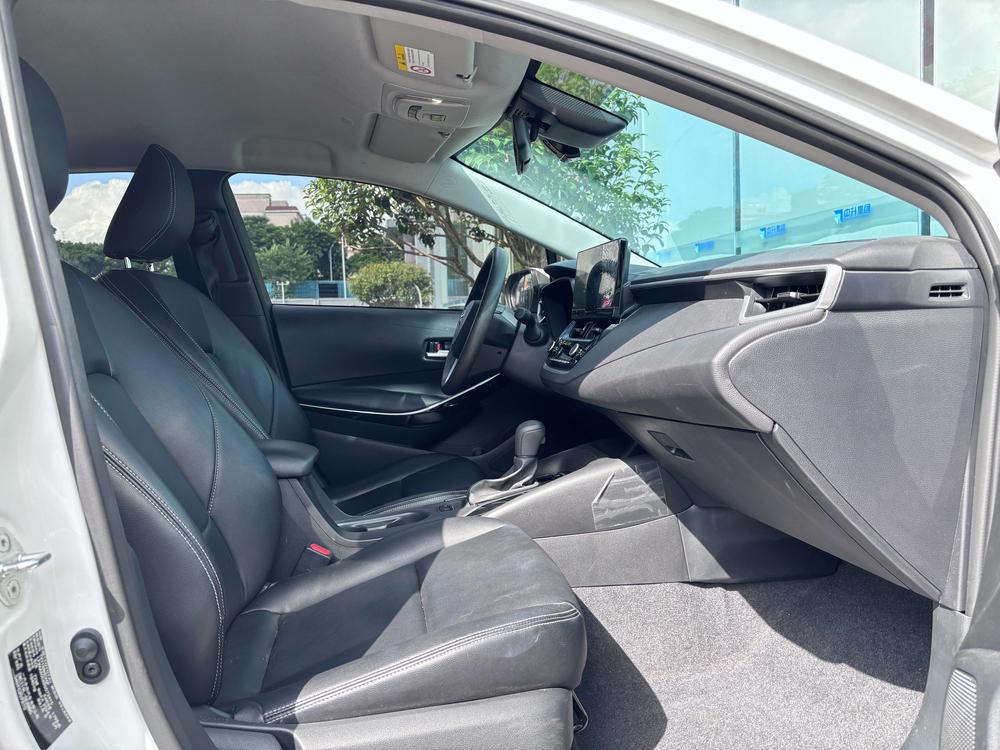
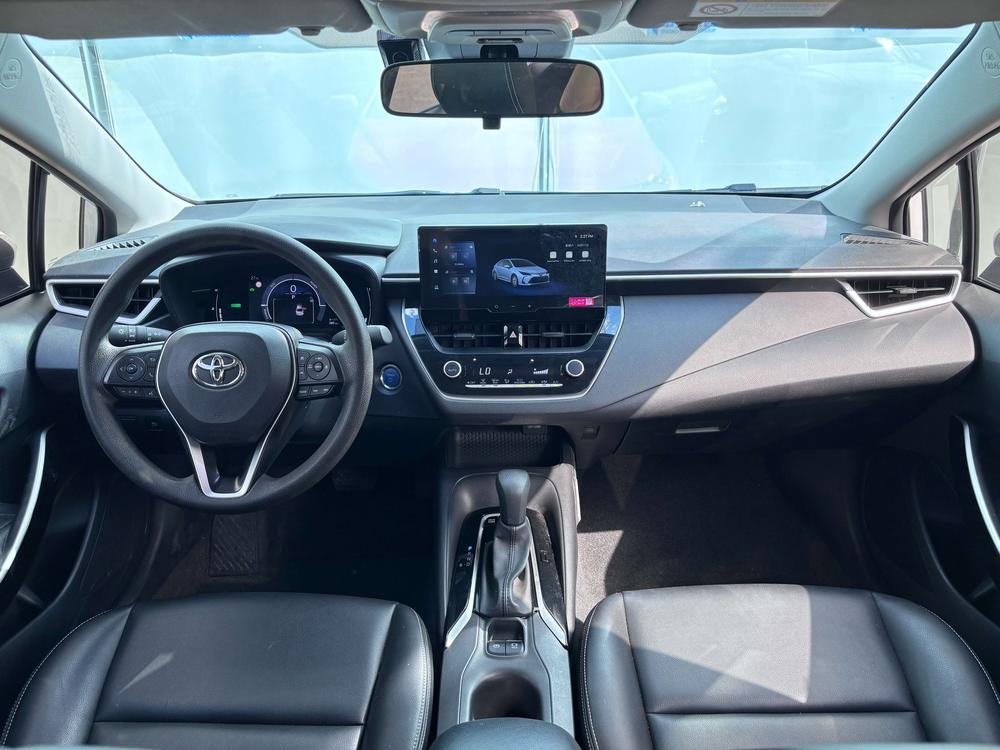
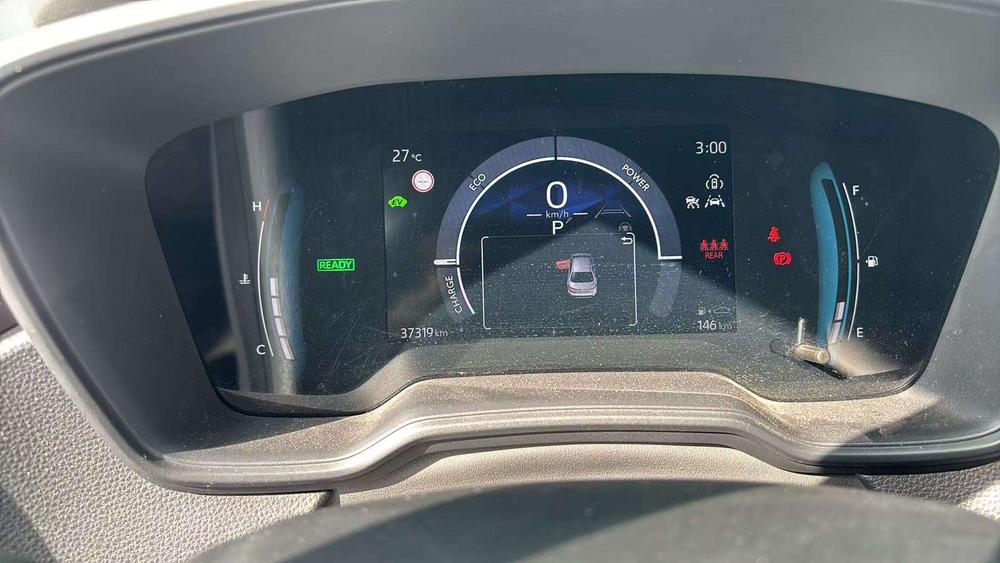
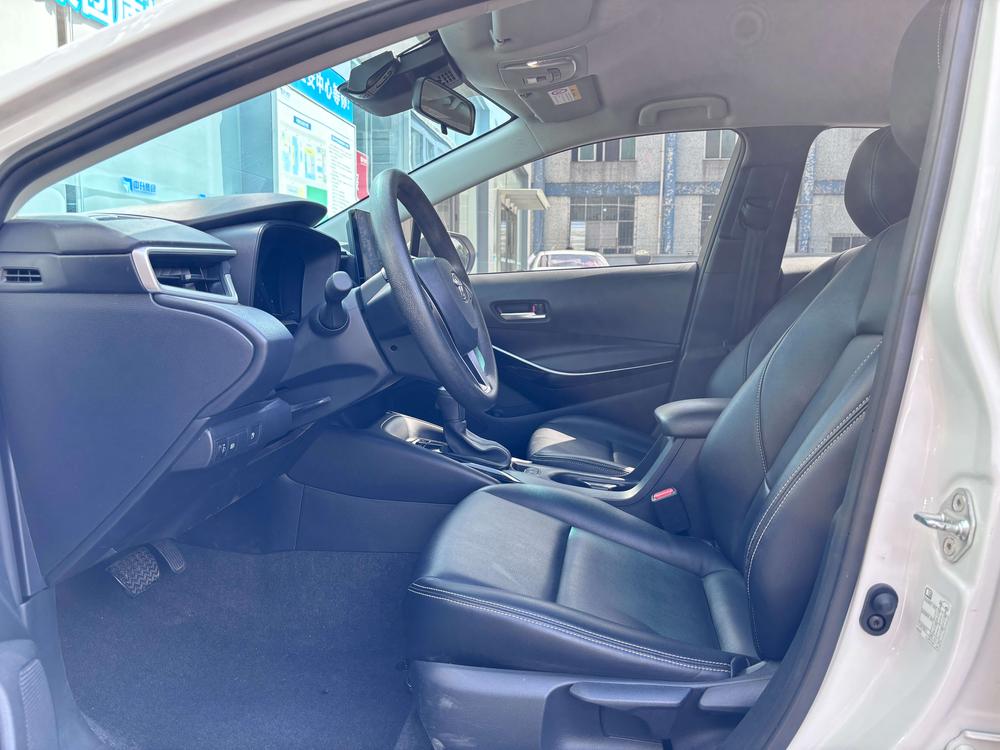
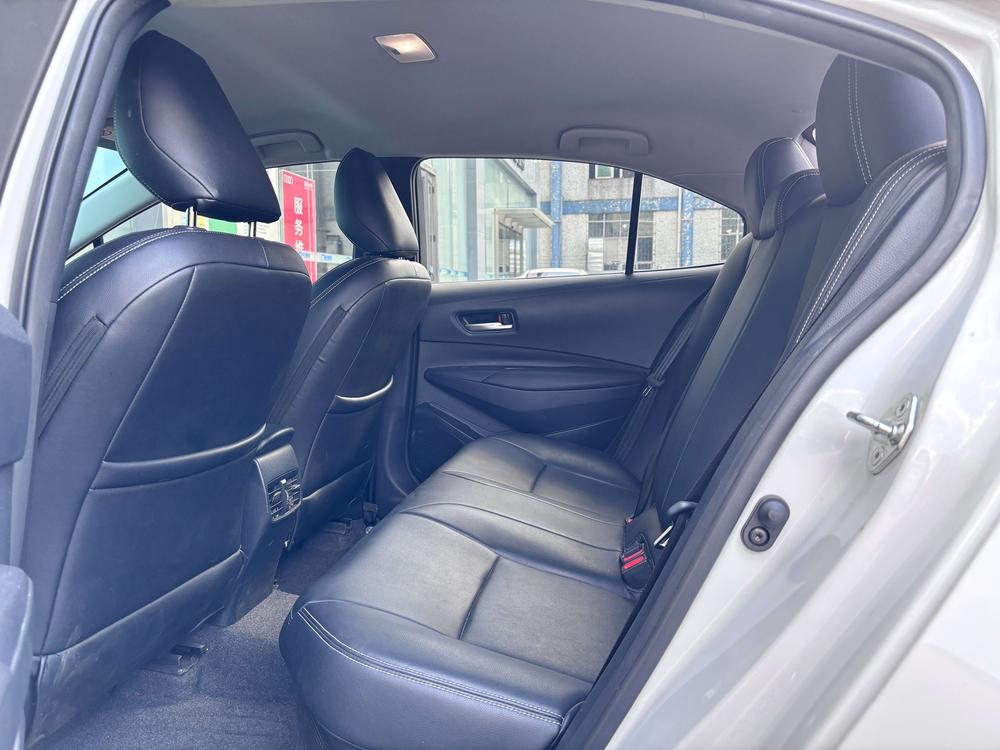
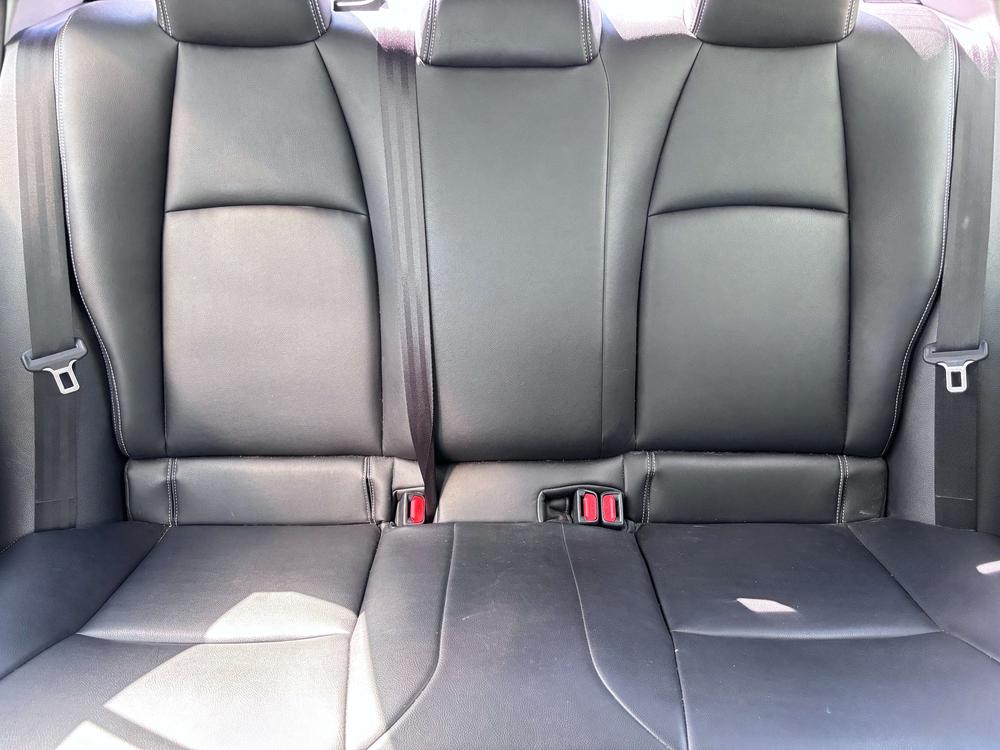
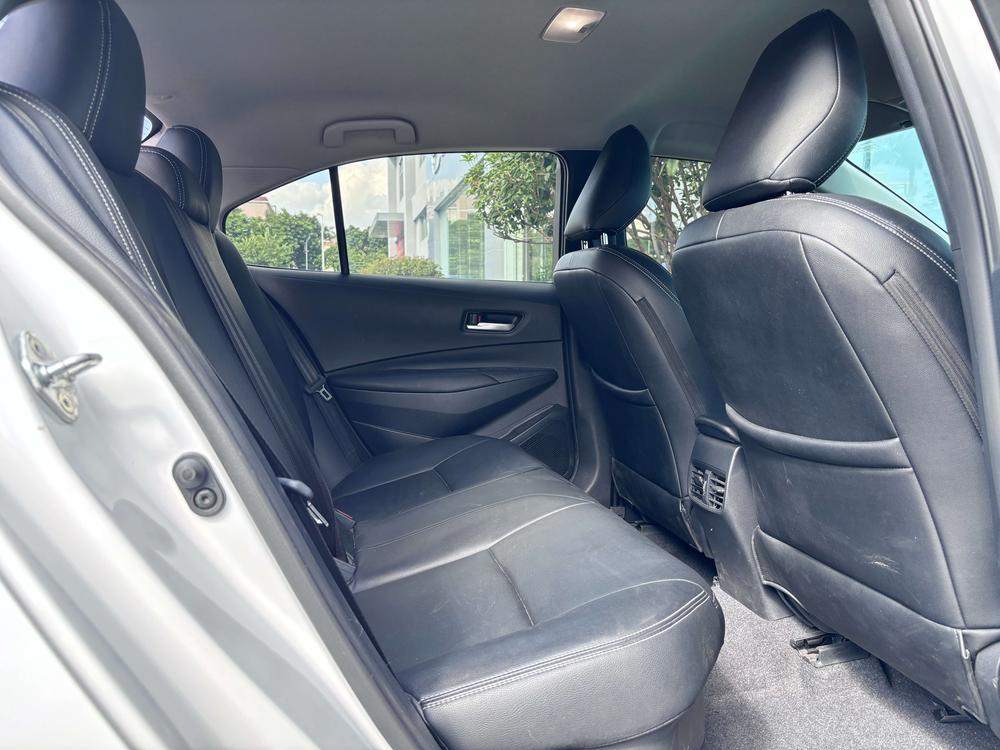
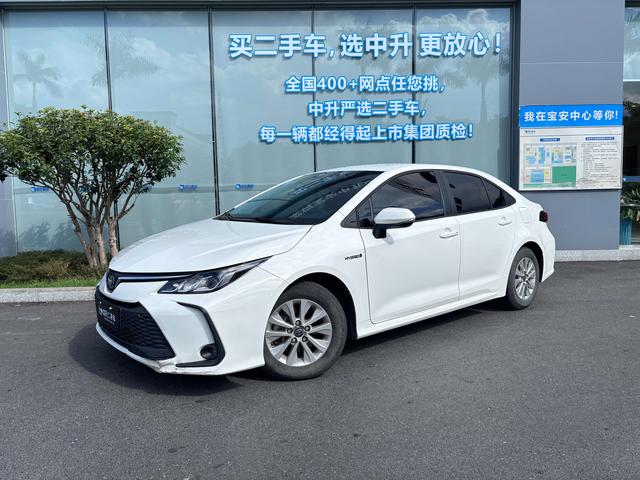



Basic Information

BrandToyota
SeriesCorolla
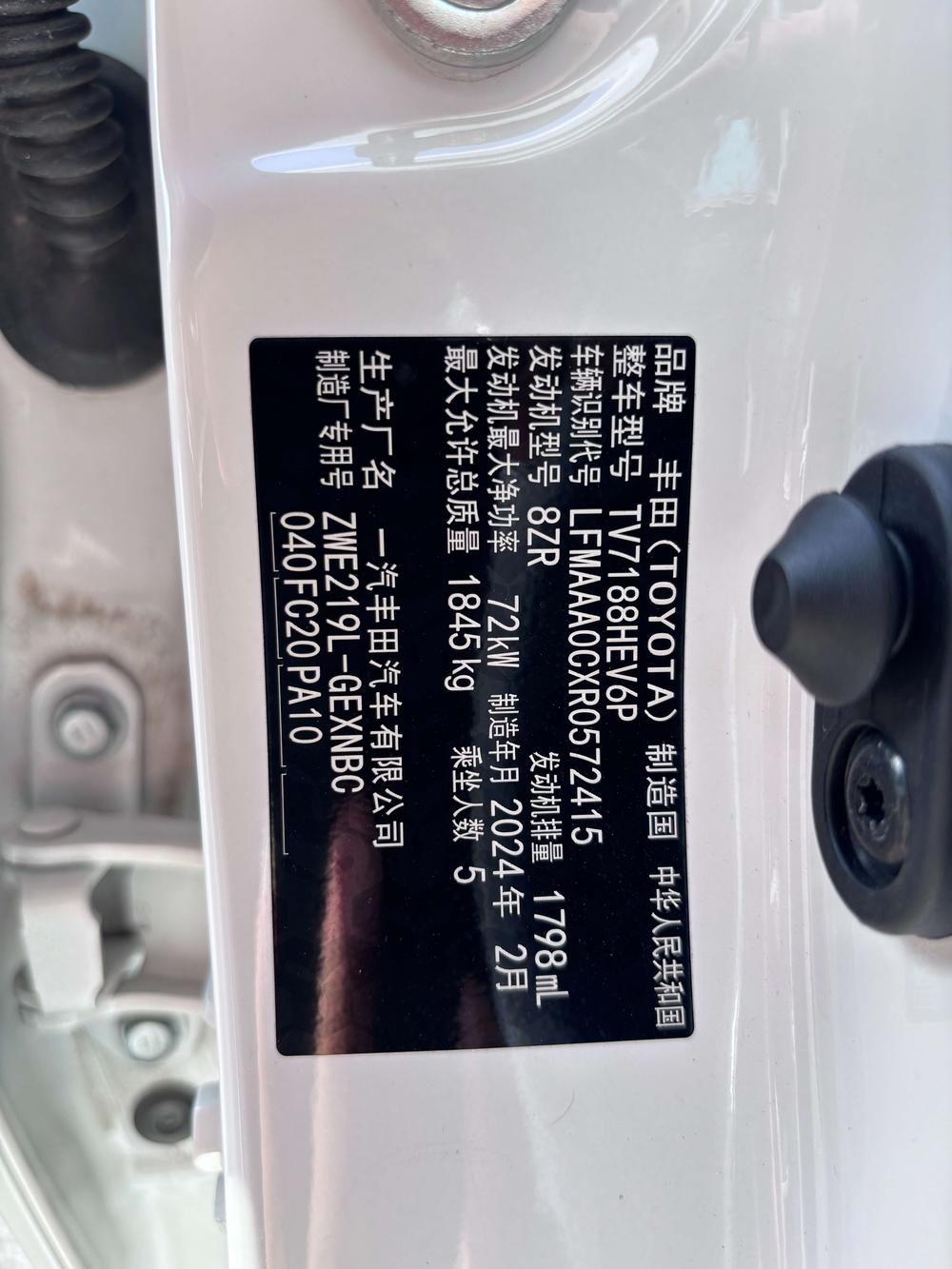
Year2024
First Registration2024/07
Mileage36,000km
Transfer Count0times
FuelHEV
TransmissionE-CVT
Engine1.8L 98 L4
Color
Seats-

Condition Description

官方质检 · 60天全车质保· 7天无理由有偿退车

Configuration Highlights

✓上牌时间: 2024-07
✓表显里程: 3.6万公里
✓车源地: 深圳
✓排放标准: 国六b
✓发动机: 1.8L
✓轴距: 2700mm
✓变速箱: 自动
✓最大功率: 72kW
✓功能配置: 12项
✓安全配置: 8项
✓动力类型: 前驱
✓空间舒适性: 一般

Q&A

More

The target country has strict age and emission (such as Euro V/Euro VI) restrictions on imported used cars. Will you help me review this?

Our system provides basic risk alerts based on the general regulations of the main exporting countries, but the final responsibility for confirming whether the vehicle meets the import country's regulations lies with the buyer. We will rigorously indicate the vehicle's production year, first registration date, and Chinese emission standards (such as National V, National VI) on the details page. We recommend that you submit this accurate data to the local vehicle management department or customs agent for verification before placing an order.


What destination port charges should I budget for when my car arrives (THC, documentation, handling), and how do I avoid surprises?

Beyond ocean freight, your destination port invoice usually includes: terminal handling charges (THC), documentation fees, port security levy, container cleaning, and sometimes a delivery order fee from the shipping line's agent. In many countries these local charges total $300-800 per vehicle but vary widely by port and carrier. Before shipping, ask your forwarder for a written estimate of destination charges, not just the ocean freight. Most carriers also publish local tariff sheets on their websites. To avoid surprises: confirm who pays destination THC under your trade term (under CIF it is still usually the buyer's cost), watch the free time limits, and pick up the car promptly — storage and demurrage grow daily. Budget a 10-15% buffer over the quoted figure.

What is a Chinese vehicle registration certificate and how do I verify the seller actually owns the car?

The key document is the 机动车登记证书 (Vehicle Registration Certificate), the green booklet proving ownership. Along with it, the seller should provide the 行驶证 (driving license for the vehicle) and their ID. Verification steps: 1. Check that the VIN/chassis number on the certificate matches the car exactly, stamped on the dashboard and door frame 2. The certificate's 所有人 (owner) field must match the seller's company name or the export agent they claim to work with 3. Look at the registration history pages—frequent transfers in a short period can indicate problem cars being flipped 4. Confirm the car is not marked 抵押 (mortgaged/pledged to a bank) Be cautious if the seller only shows photos of these documents and refuses a live video panning across the original booklet with the day's newspaper. Also verify the export company has 二手车出口资质 (used-car export qualification)—a legitimate exporter will share their license number, which you can cross-check on Chinese commerce bureau websites.