24H

Basic Information

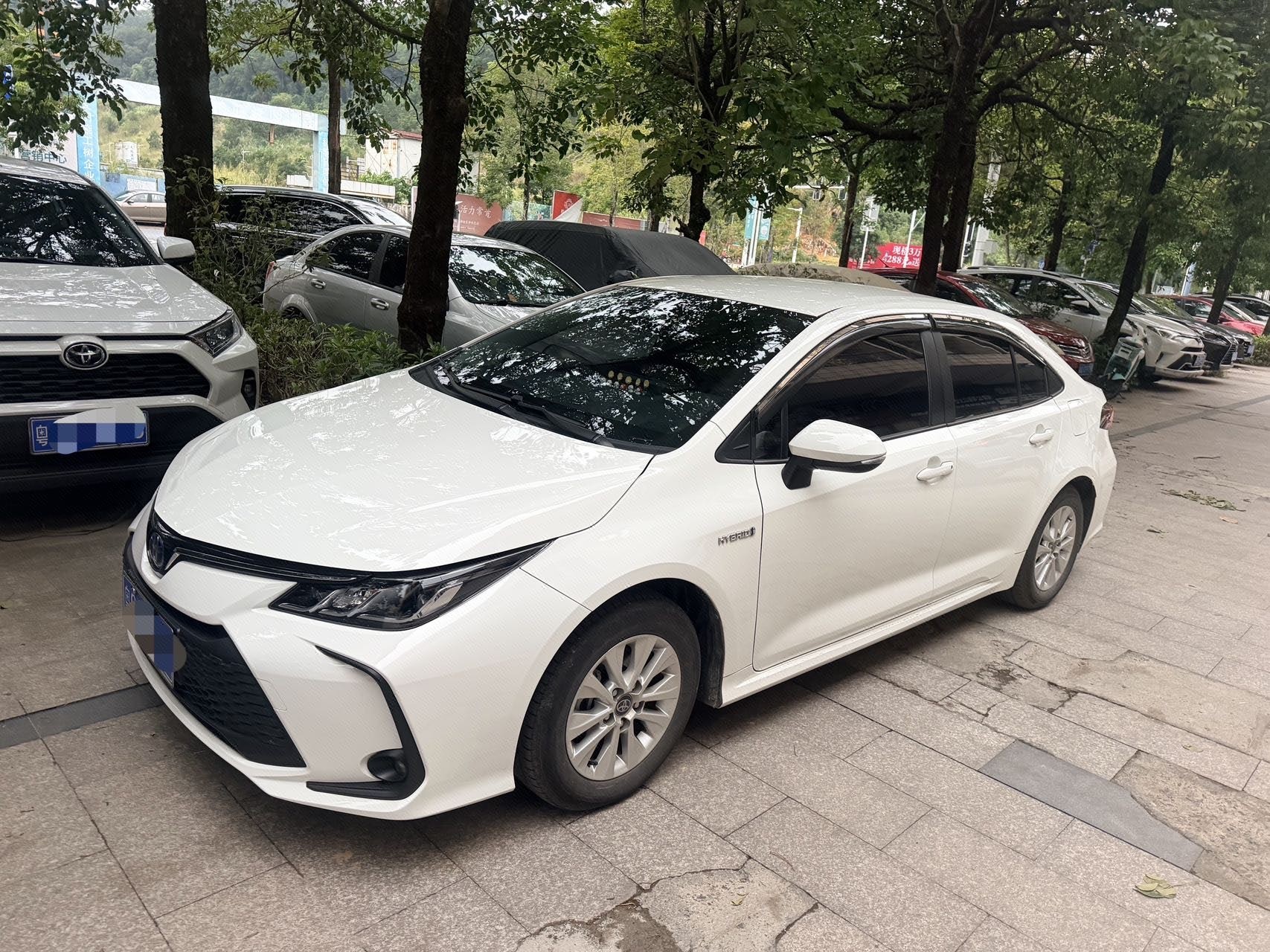
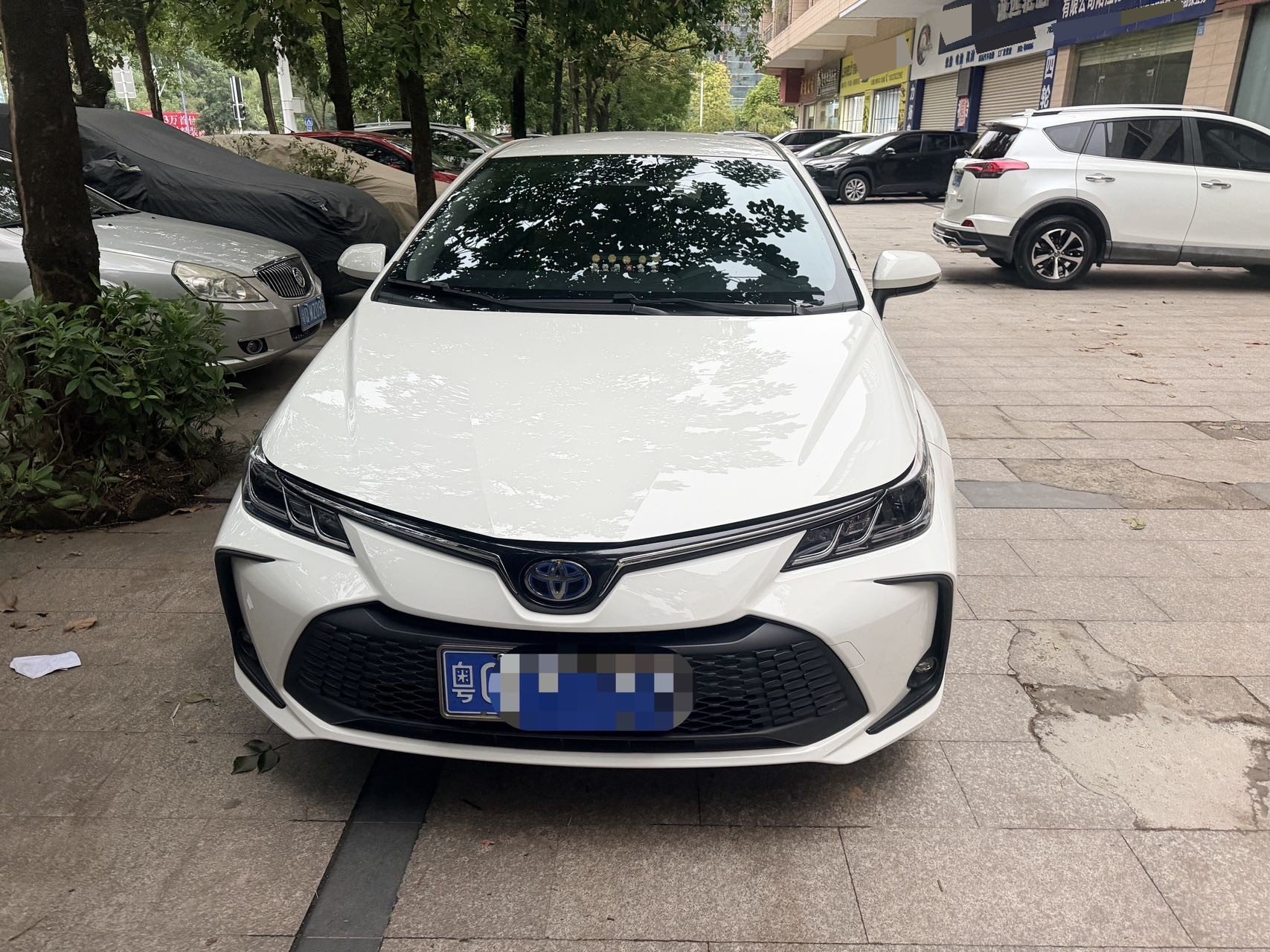
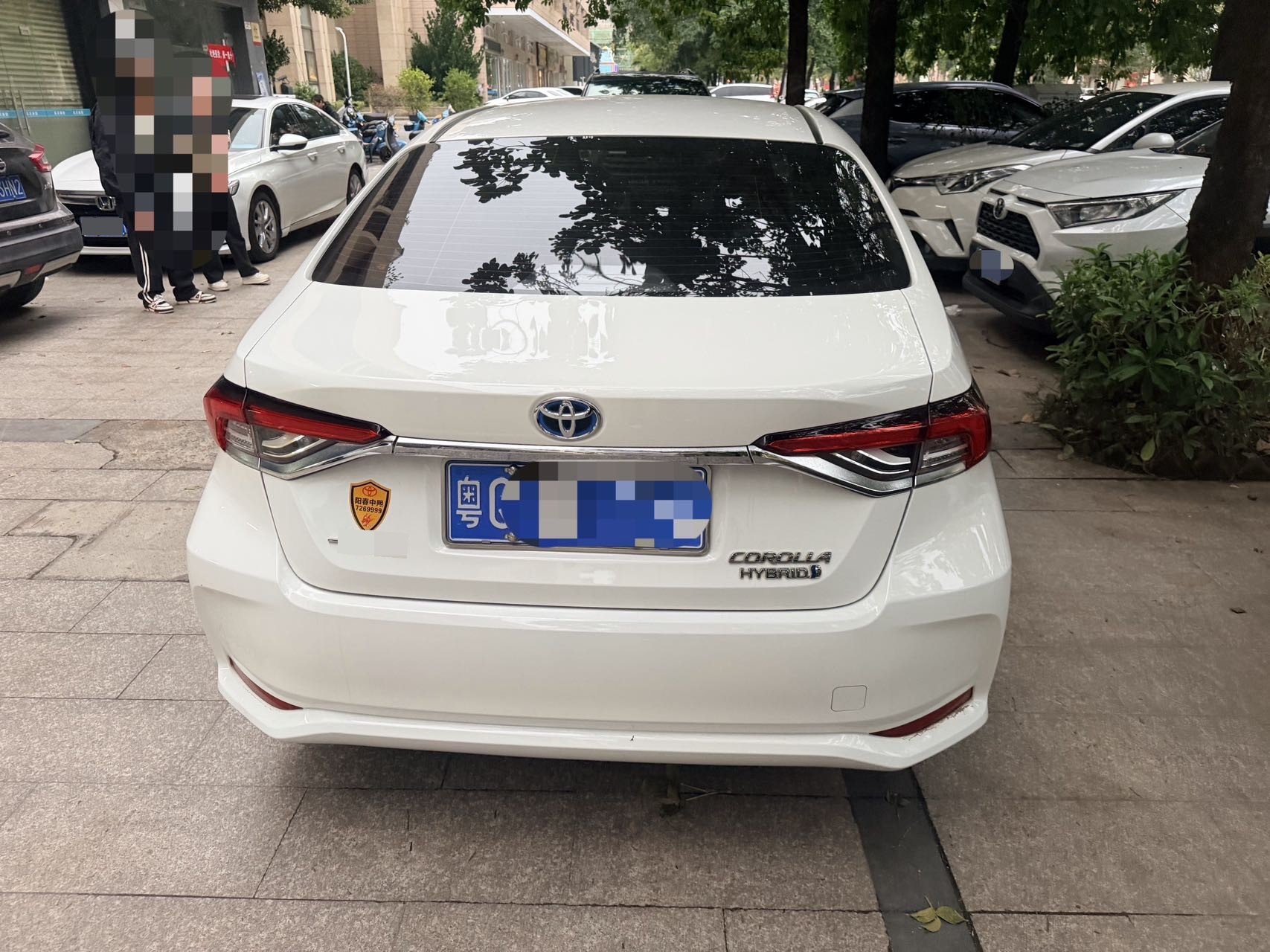
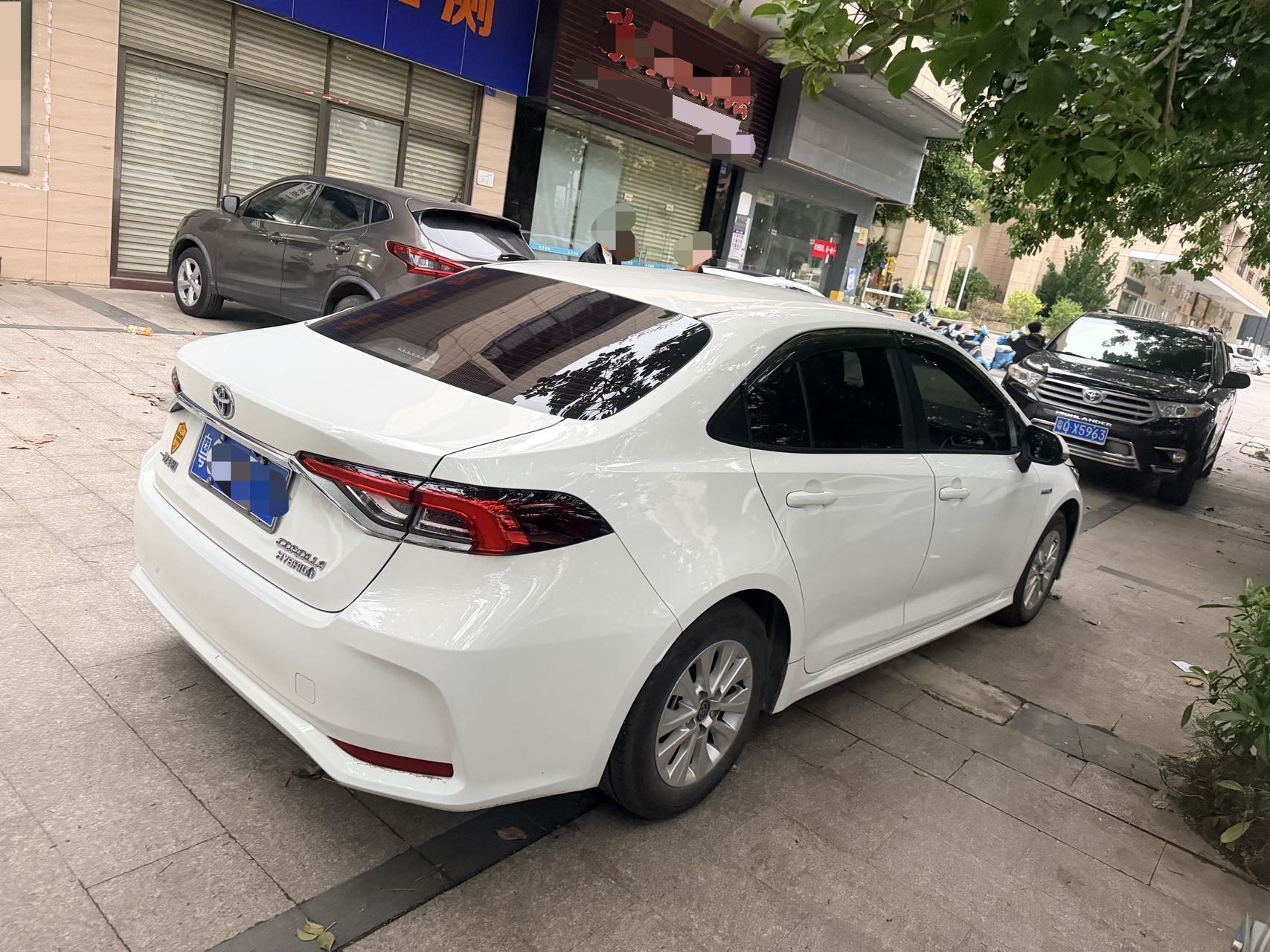
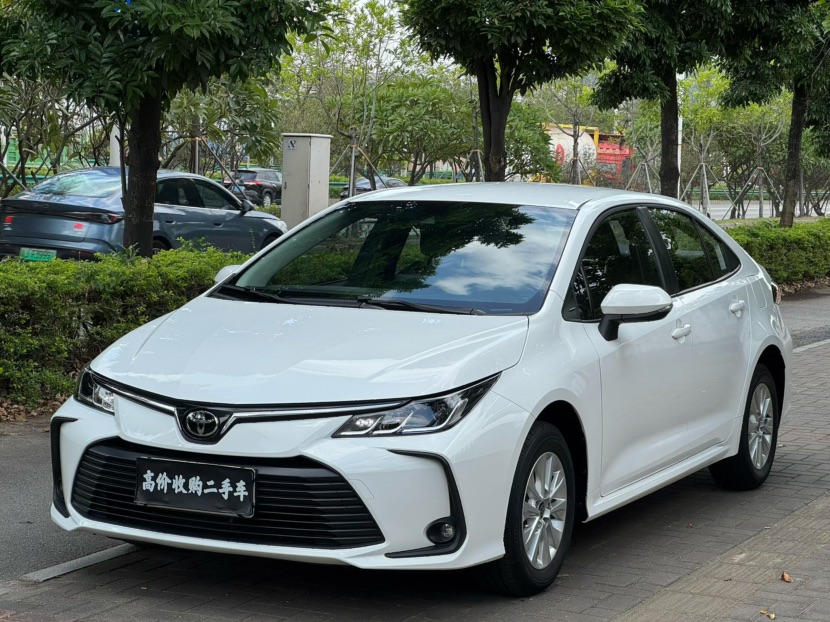
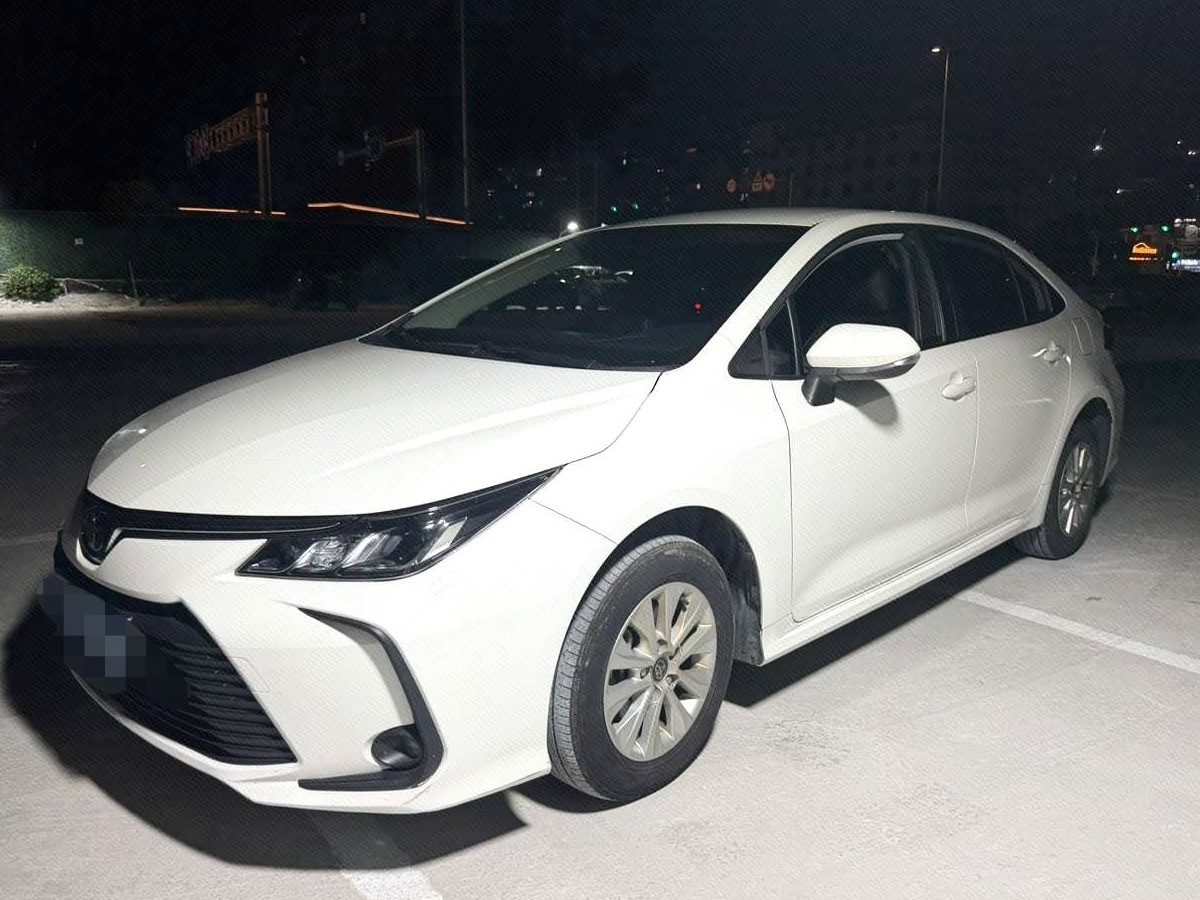
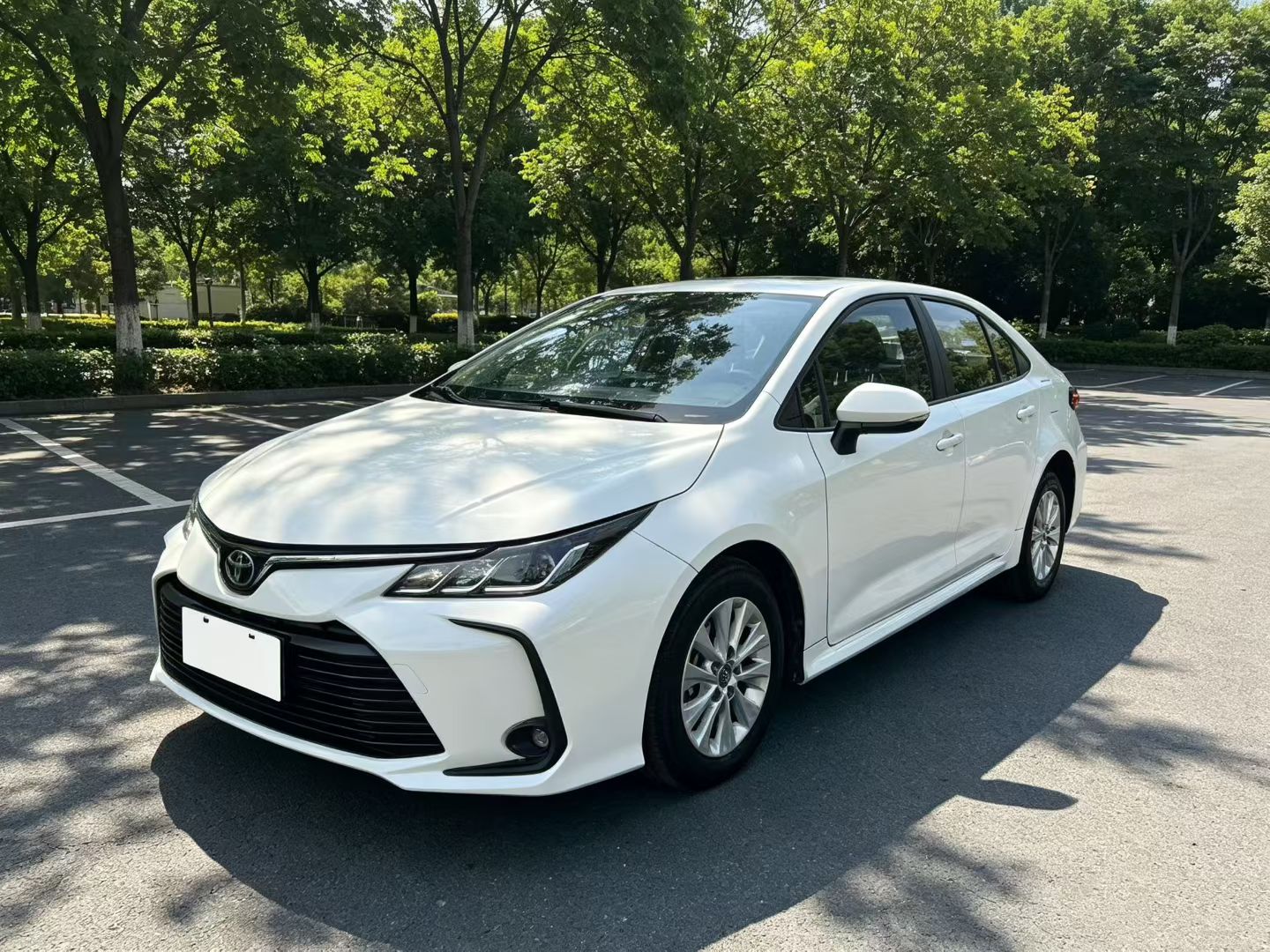
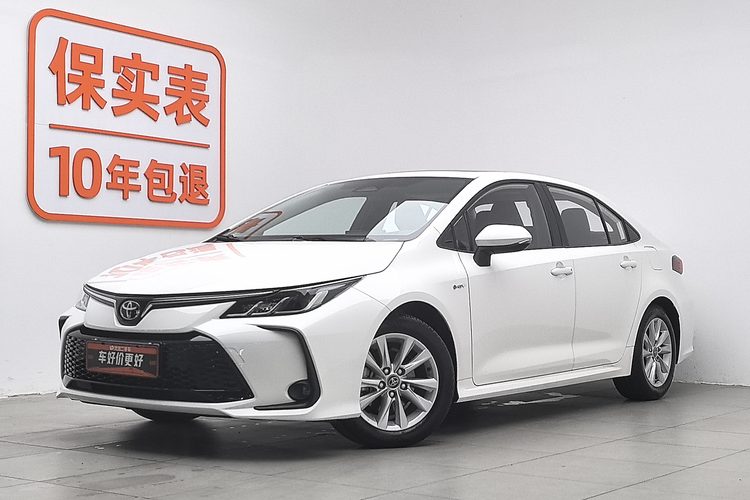
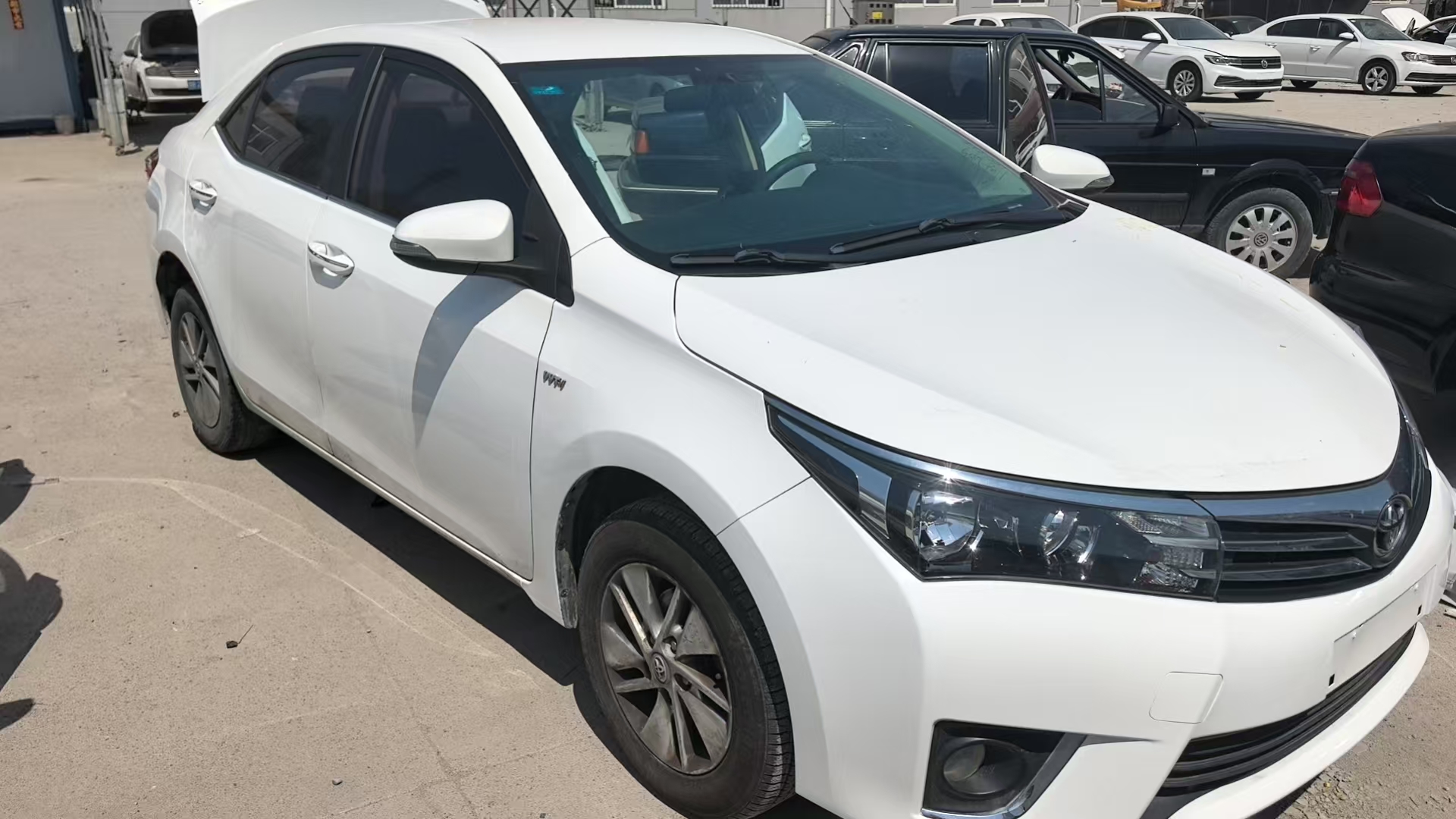
BrandToyota
SeriesCorolla
Year2024
First Registration2024/04
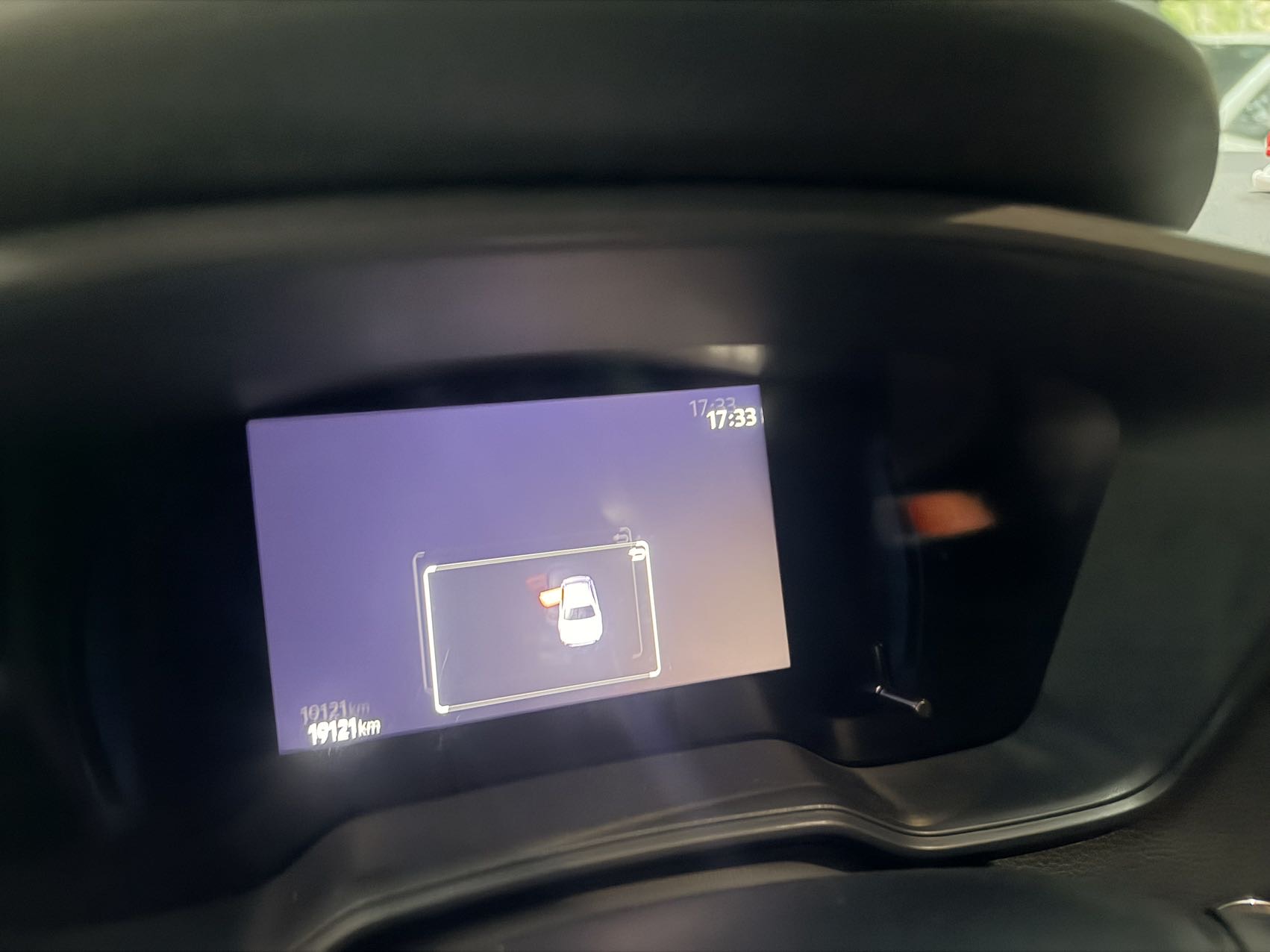
Mileage19,000km
Transfer Count0times
FuelHEV
TransmissionE-CVT
Engine1.8L 98 L4
ColorWhite
Seats5seats

Condition Description

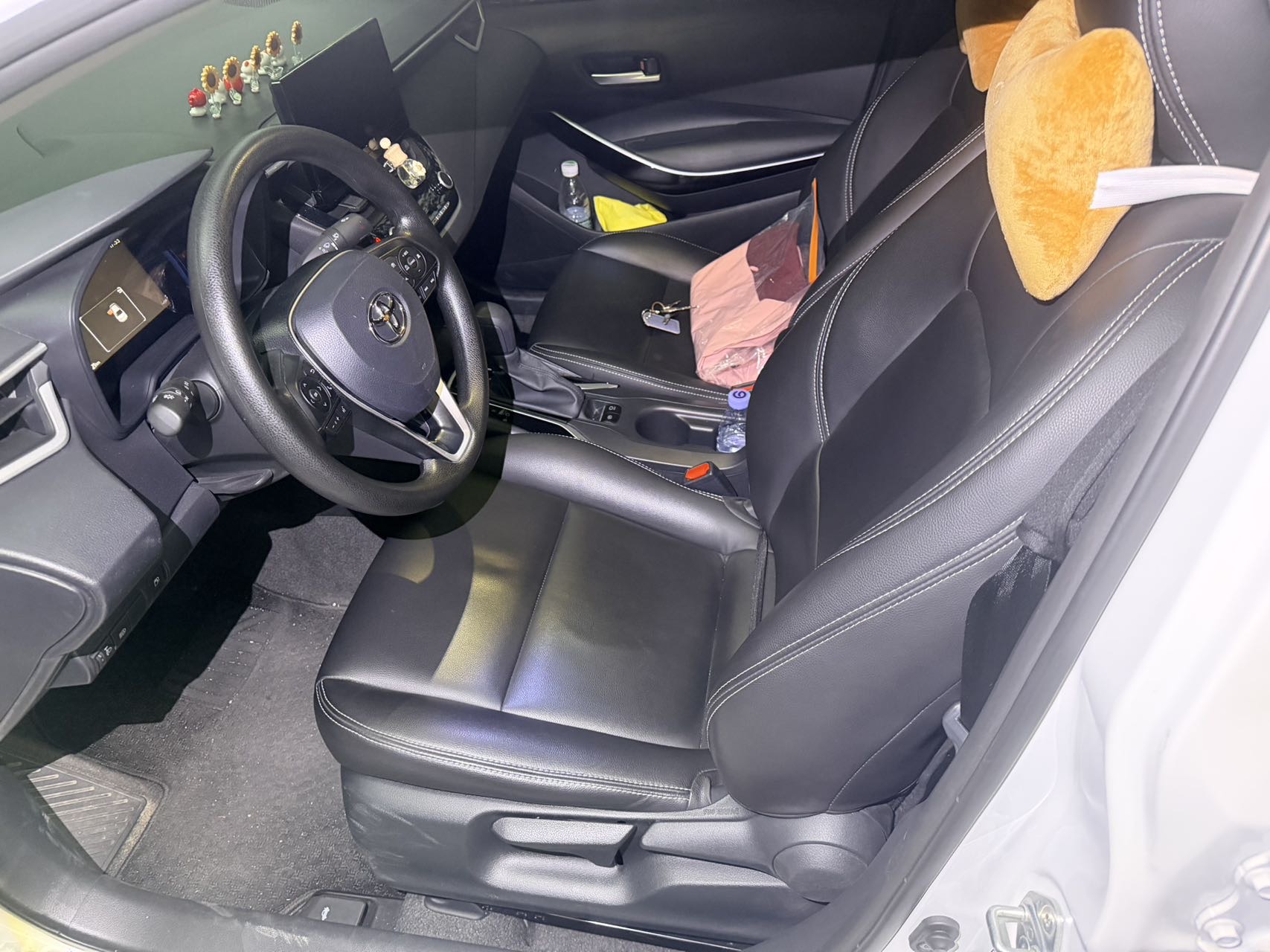
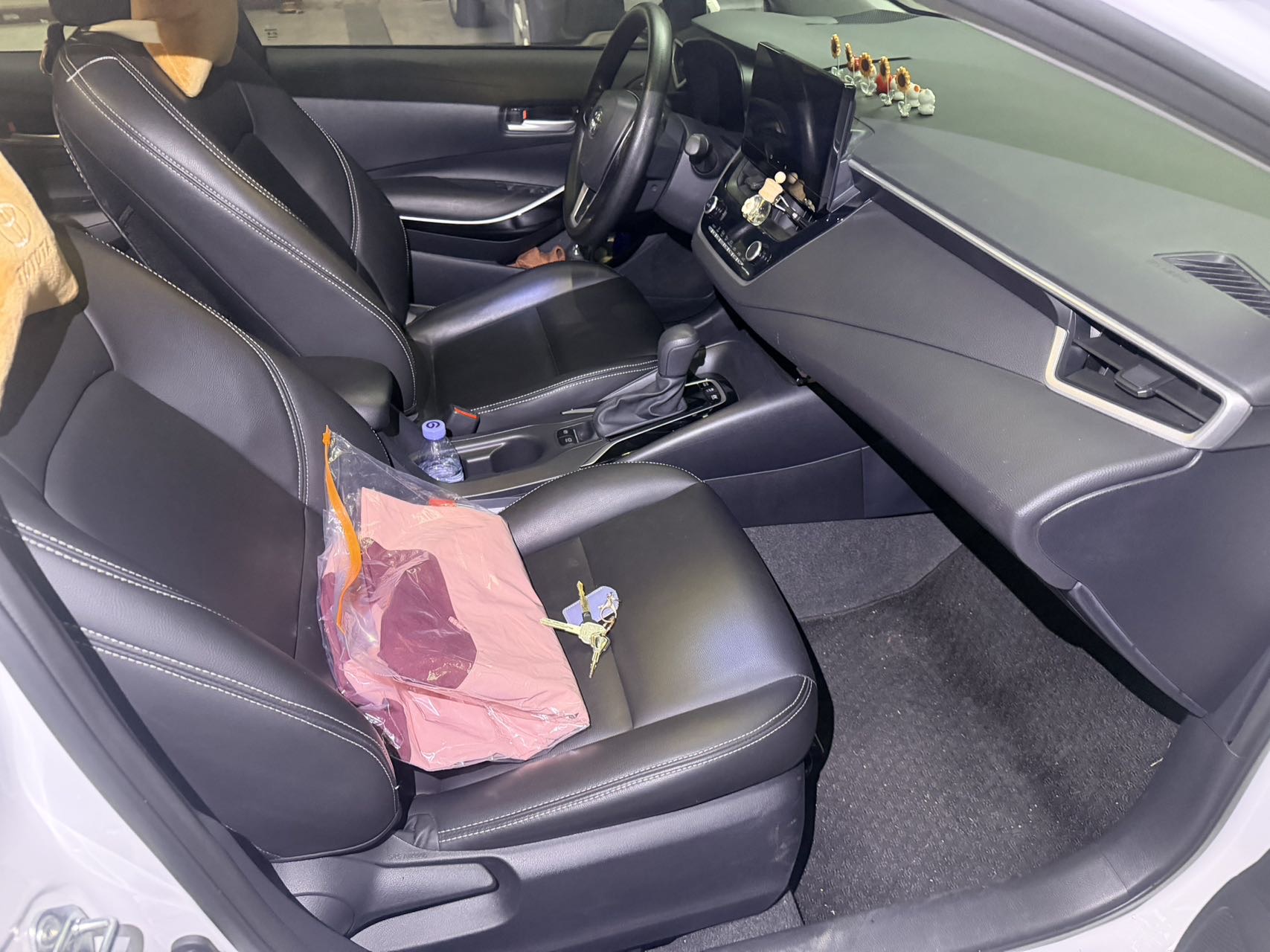
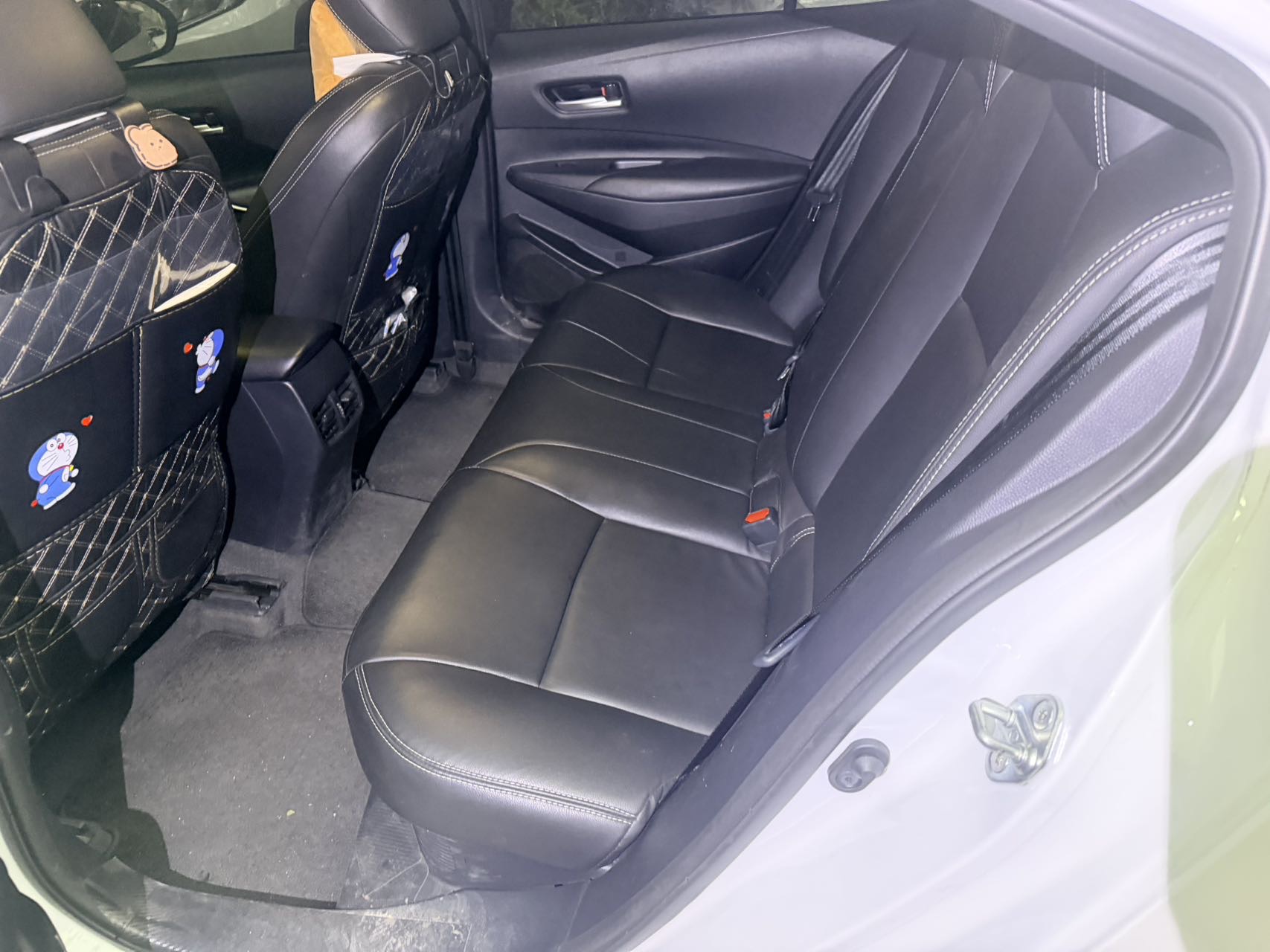
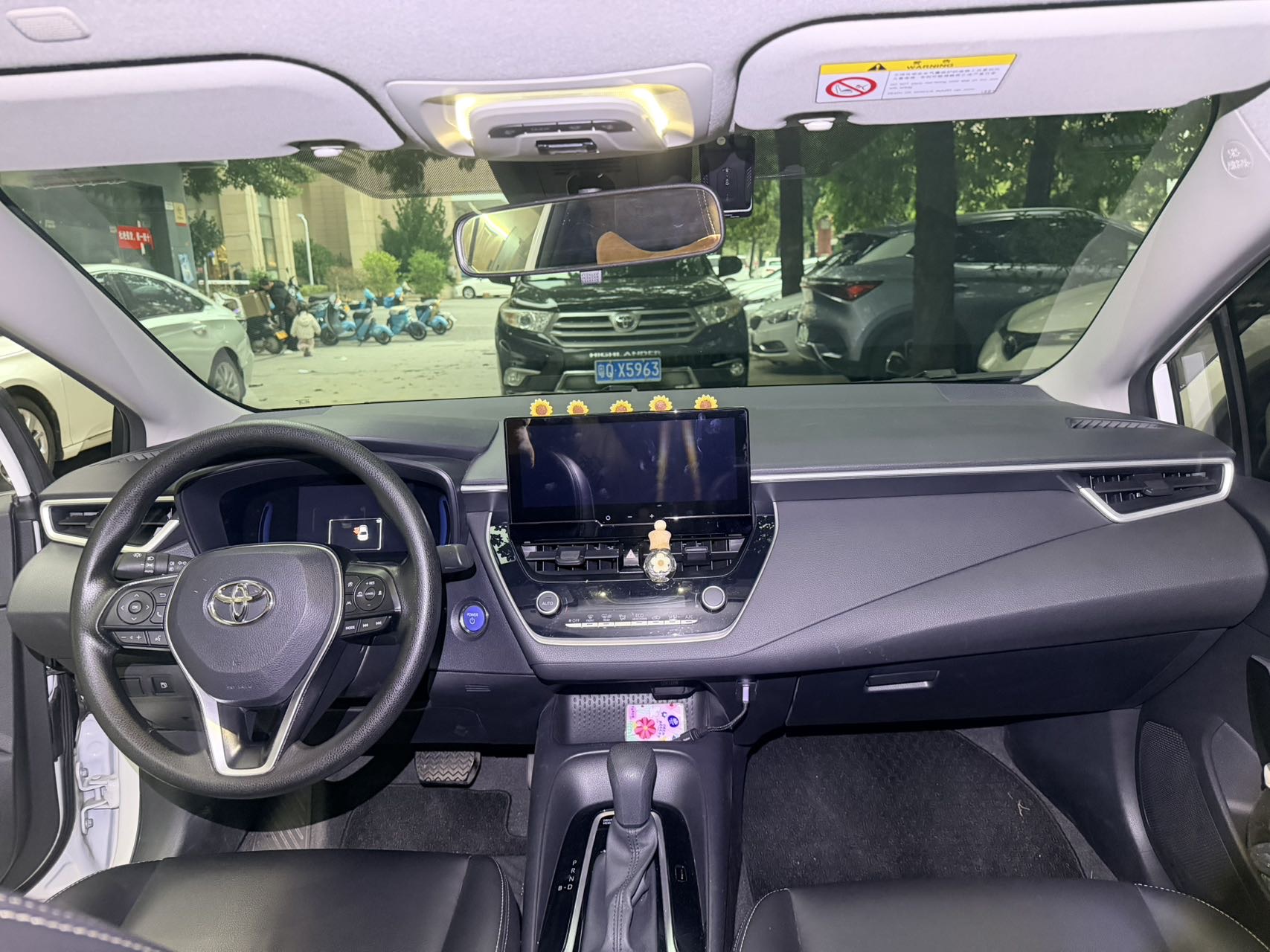
April 2024, 19,000 km, one owner, original paint and body panels.

Document Information

Inspection Expiry Date-
Warranty Expiry Date-
Insurance Expiry Date2027/04

Q&A

More

What situations are usually included in "minor cosmetic wear" as stated on the details page?

It usually refers to very small stone chips on the hood from high-speed driving, nail scratches on the inside of door handles, slight curb scratches on the edges of wheels, and minor wear on interior plastic parts. These do not affect the vehicle's functionality or corrosion resistance.

How is payment typically structured when buying a used car from a Chinese exporter, and how do I stay safe?

A typical payment structure looks like this: 1. Deposit: 10-30% after you confirm the car and price, often to reserve the vehicle and start the inspection. 2. Balance: paid after you approve the inspection report, but before or at shipment. A common safeguard is paying against a copy of the bill of lading, with telex release of the original B/L after funds arrive. 3. Never send 100% upfront to a new supplier. Use traceable methods (T/T bank transfer to a corporate account matching the company name, or escrow for first orders) and keep every agreement in writing. 4. Timeline: quote within days, inspection 3-7 days, booking and loading 1-2 weeks, ocean transit 3-6 weeks, customs clearance 3-10 days. Red flags: personal bank accounts, pressure to skip inspection, prices far below market.

Local mechanics in my country are not familiar with Chinese cars. How do I get technical support, wiring diagrams, or repair guidance after importing?

This is a common issue, and there are several practical ways to get your Chinese car serviced locally. 1. Ask the exporter before buying: many professional exporters can provide workshop manuals, wiring diagrams, or diagnostic software for the models they sell. Put this in writing in your purchase agreement. 2. Use online communities: Chinese brands like BYD, Chery, Geely, and Haval have active owner forums and Facebook/Telegram groups in Russia, Central Asia, the Middle East, and Latin America where wiring diagrams and repair procedures are shared. 3. OBD diagnostic tools: most Chinese cars from 2016 onward support standard OBD-II protocols. A tool that reads manufacturer-specific codes (not just generic ones) helps any mechanic identify faults. Ask the exporter which protocol your model uses. 4. Video call assistance: some exporters offer paid remote support where their technician guides your local mechanic via video call — agree on rates and availability in advance. 5. Parts cross-referencing: many Chinese cars share platforms and components; experienced mechanics can match brake pads, filters, and sensors to cross-compatible parts available locally. Key point: choose a brand with existing presence in your region — the larger the local fleet, the easier support becomes.