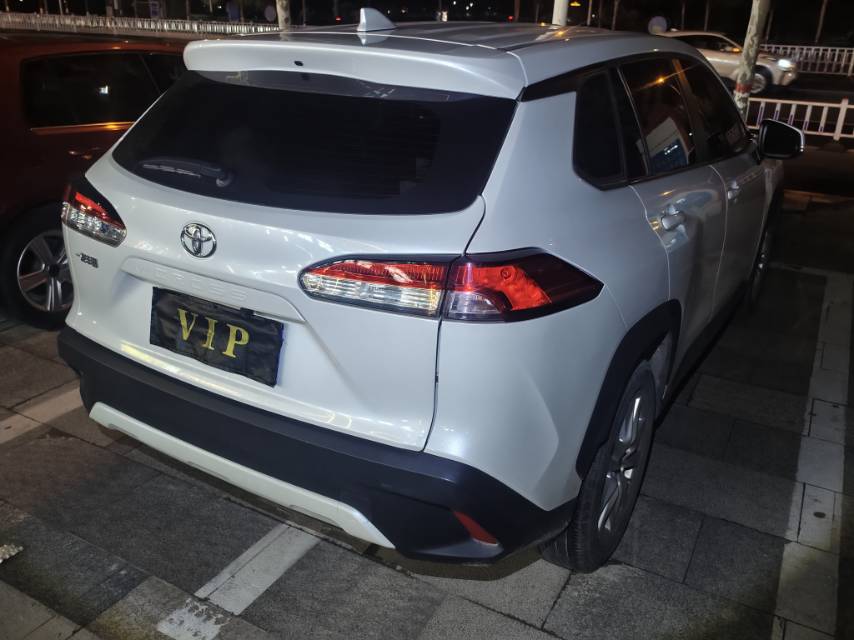
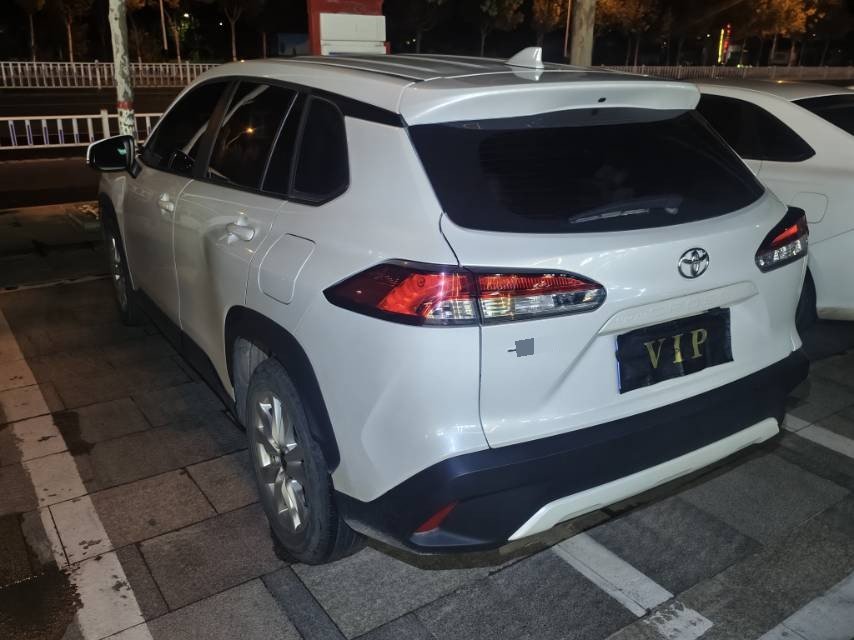
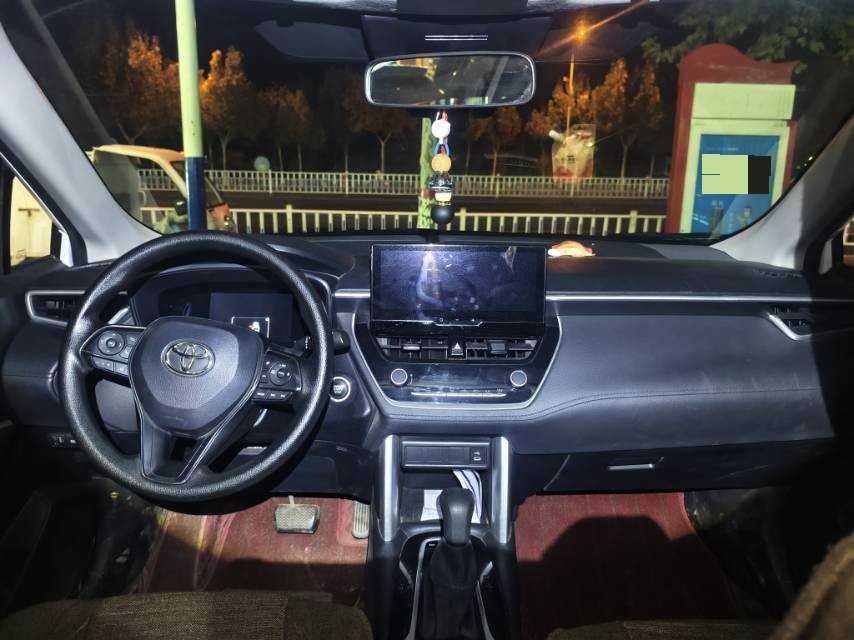
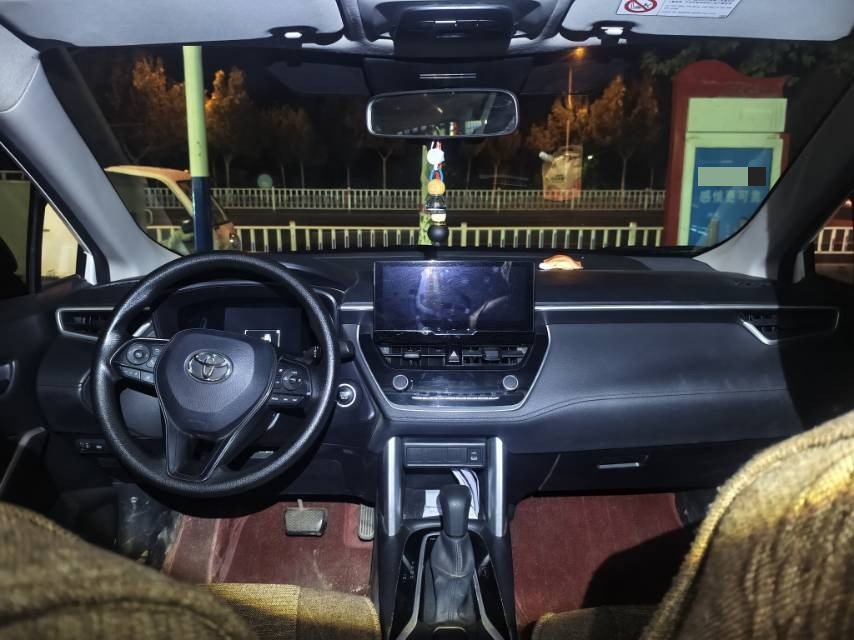
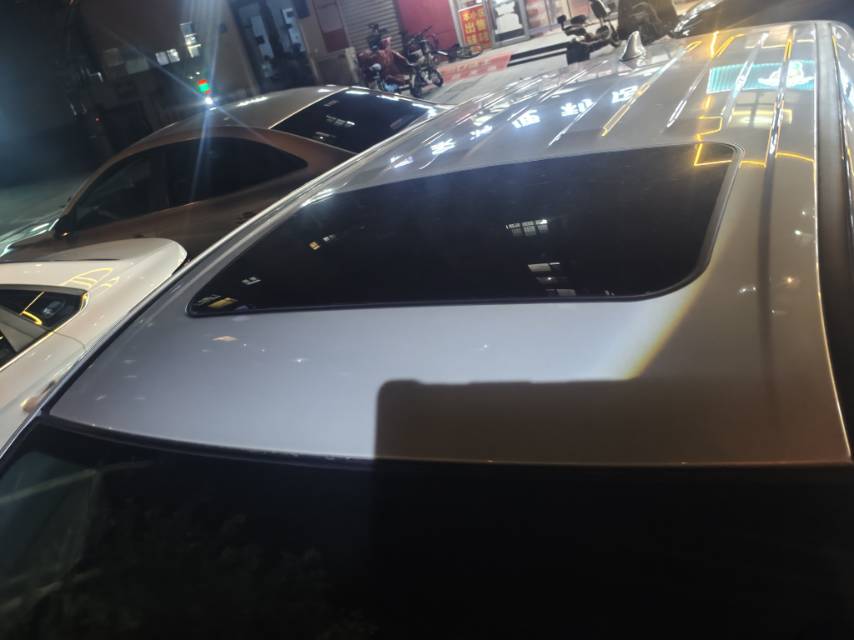
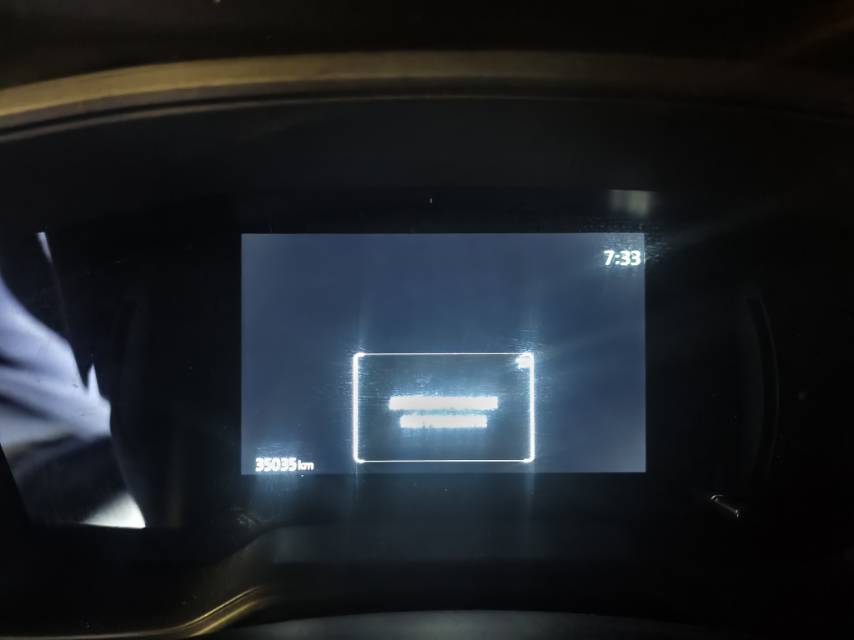



Basic Information

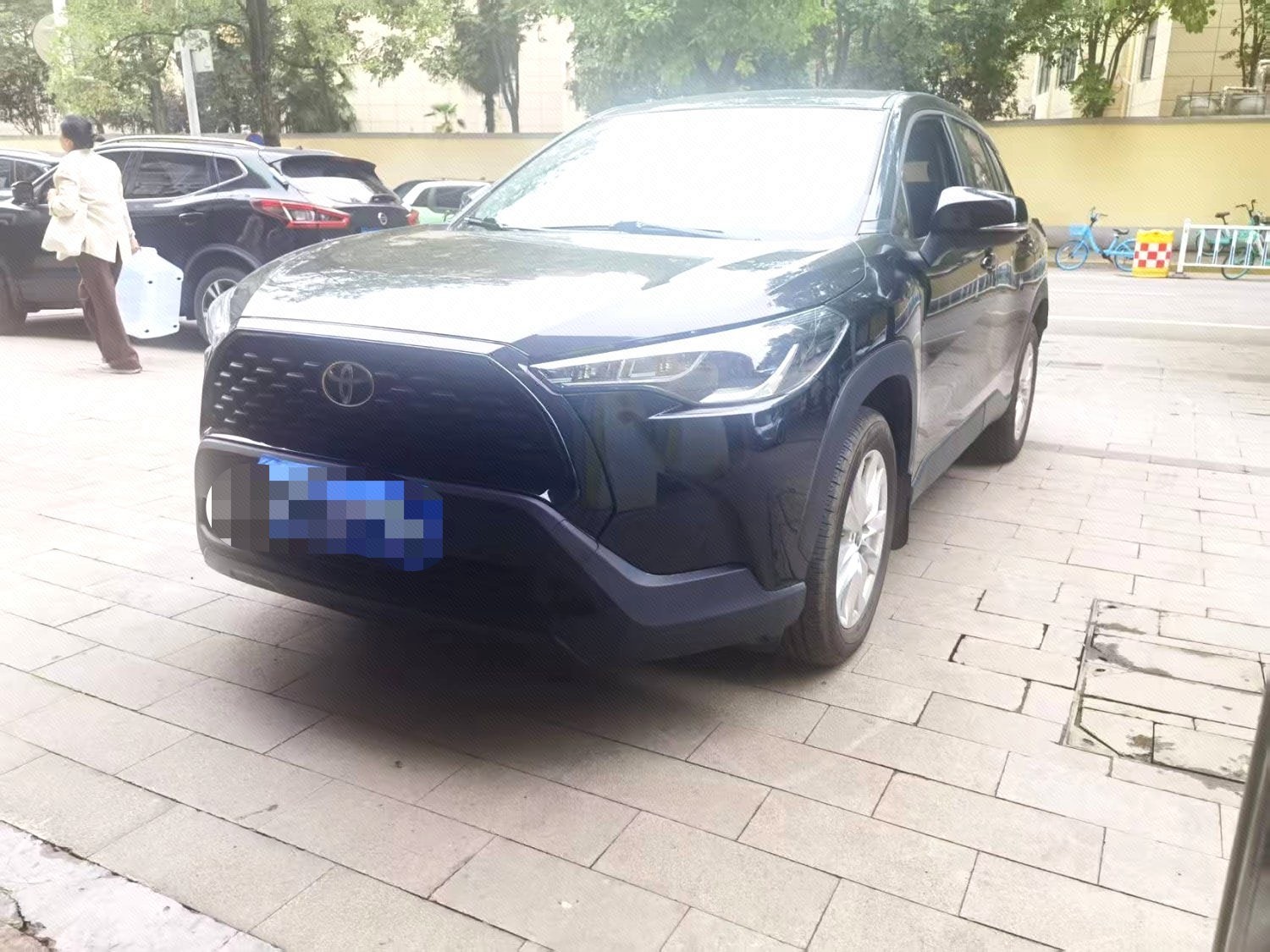
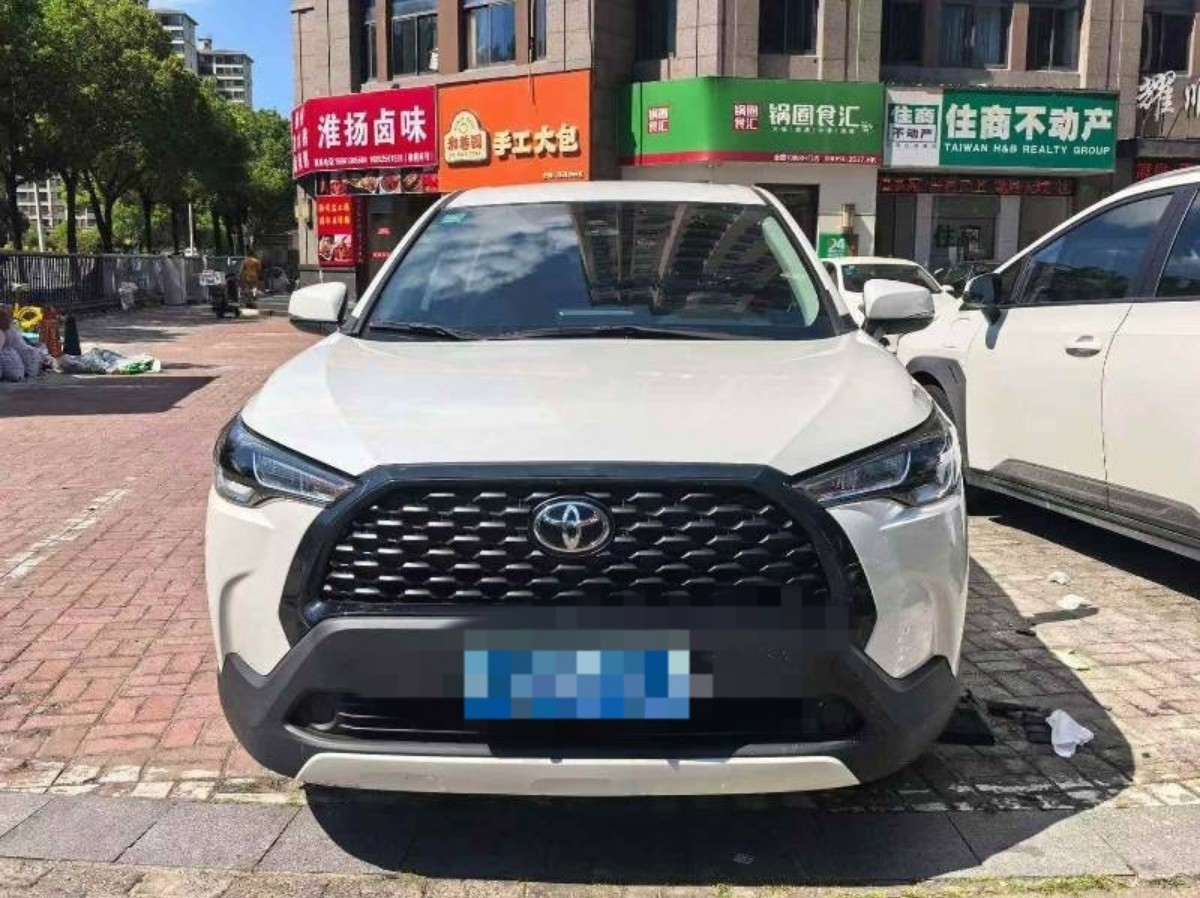
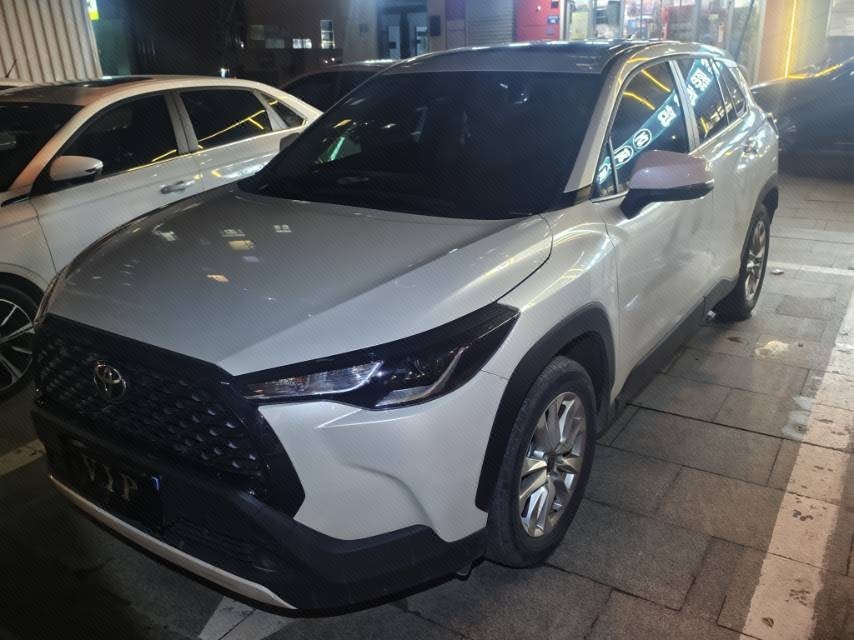
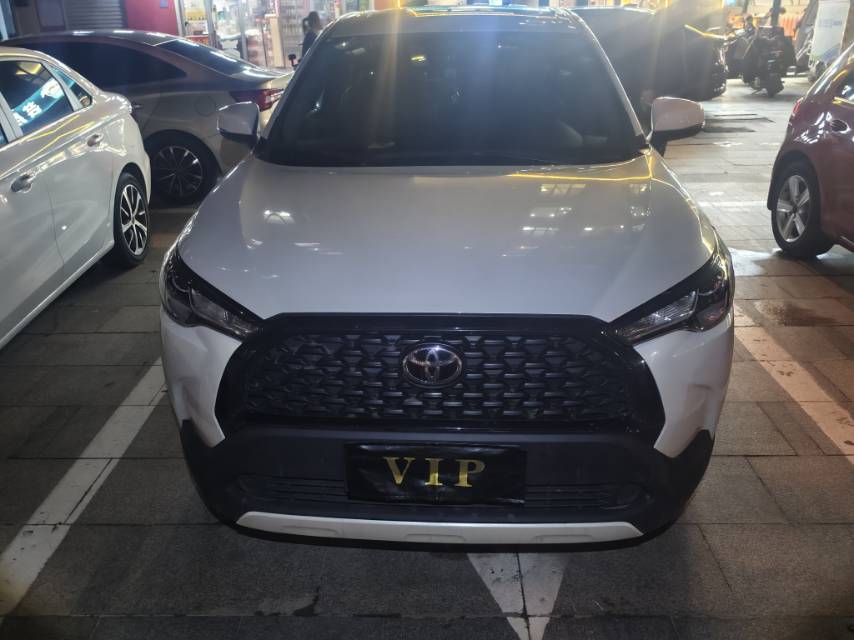
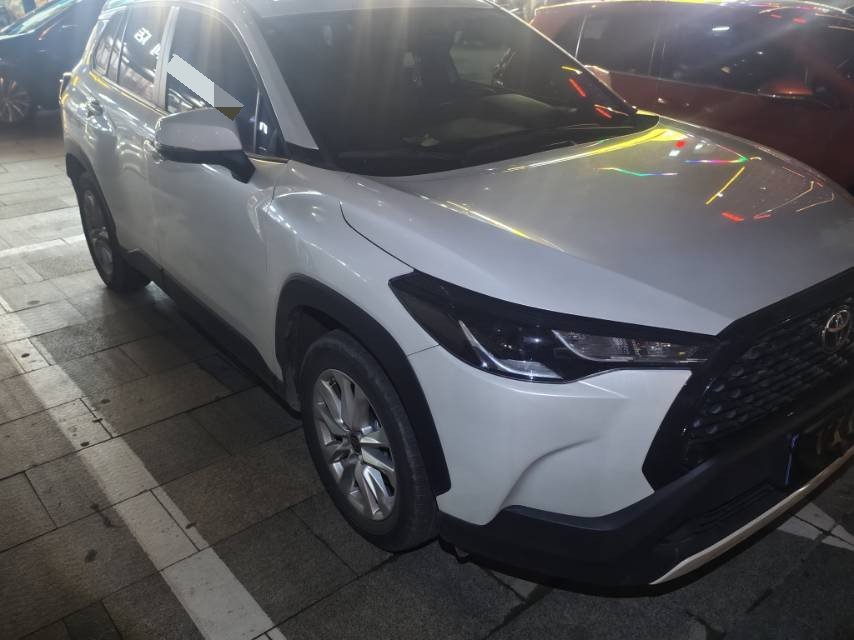
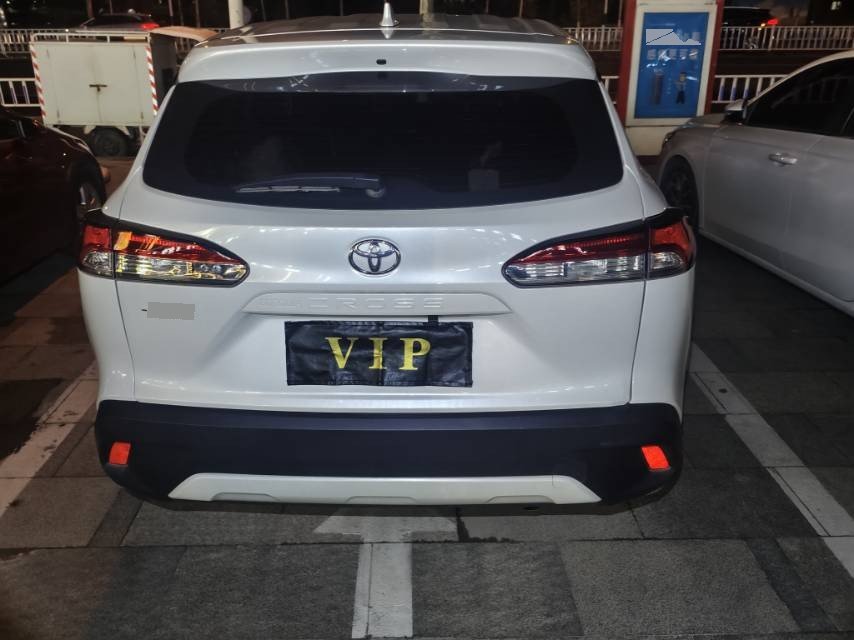
BrandToyota
SeriesCorolla Cross
Year2024
First Registration2024/05
Mileage35,000km
Transfer Count0times
FuelGasoline
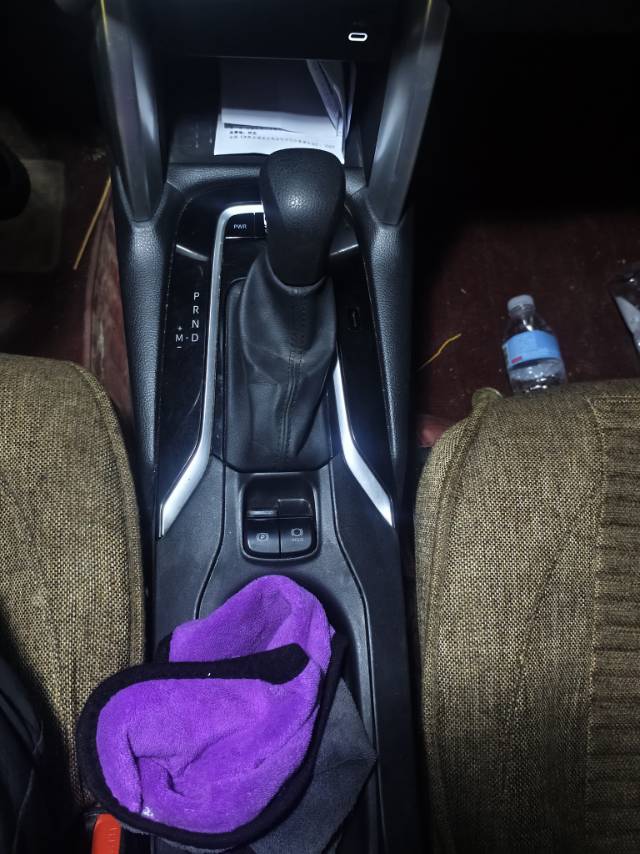
TransmissionCVT
Engine2.0L 171 L4
ColorWhite
Seats-

Condition Description

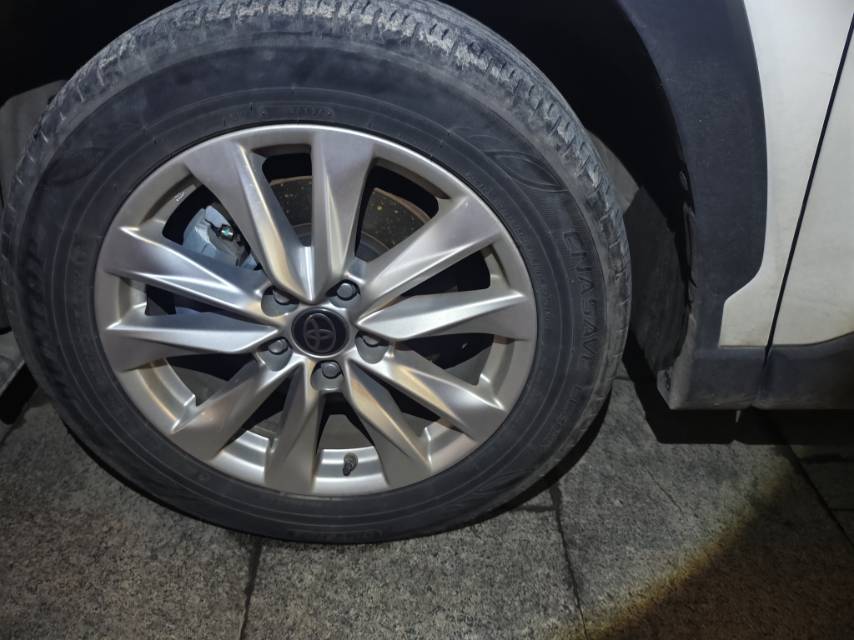
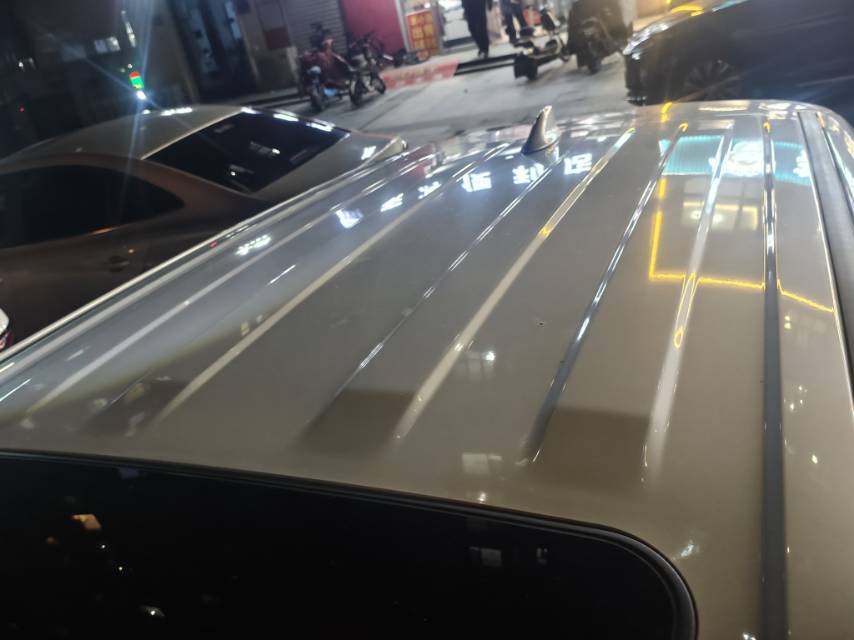
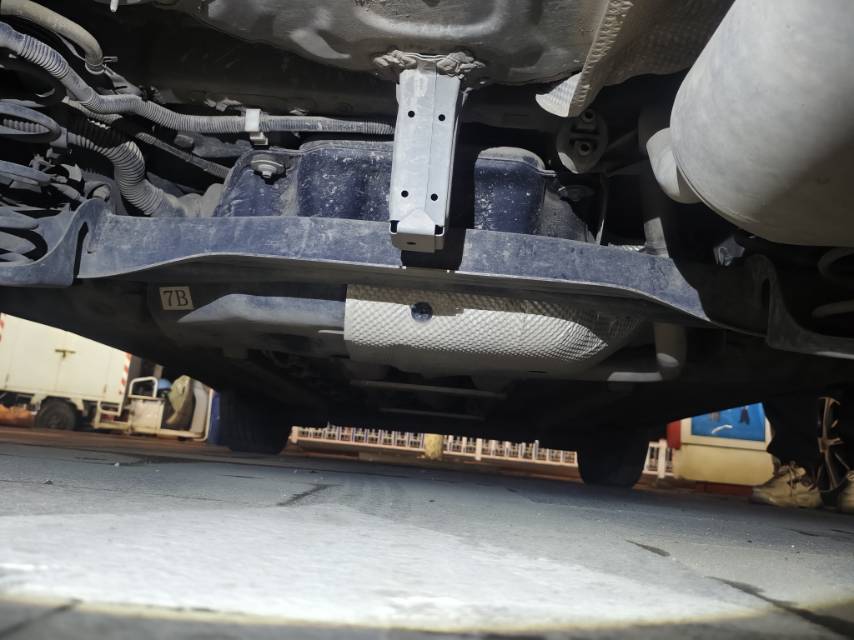
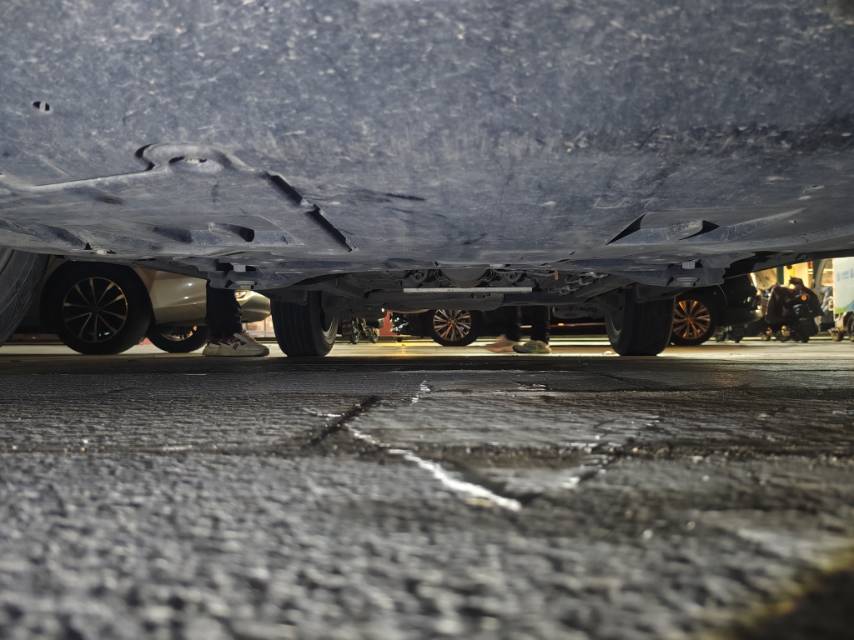
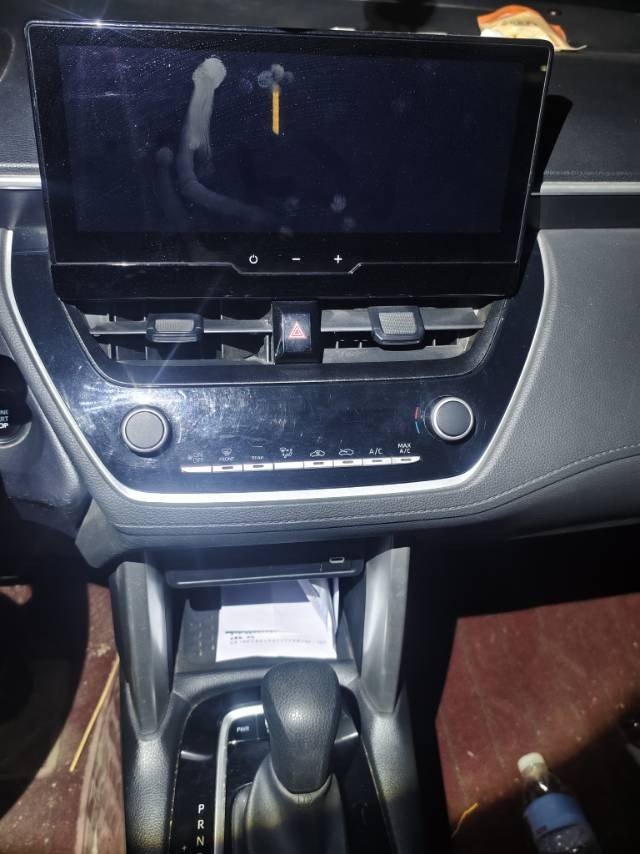
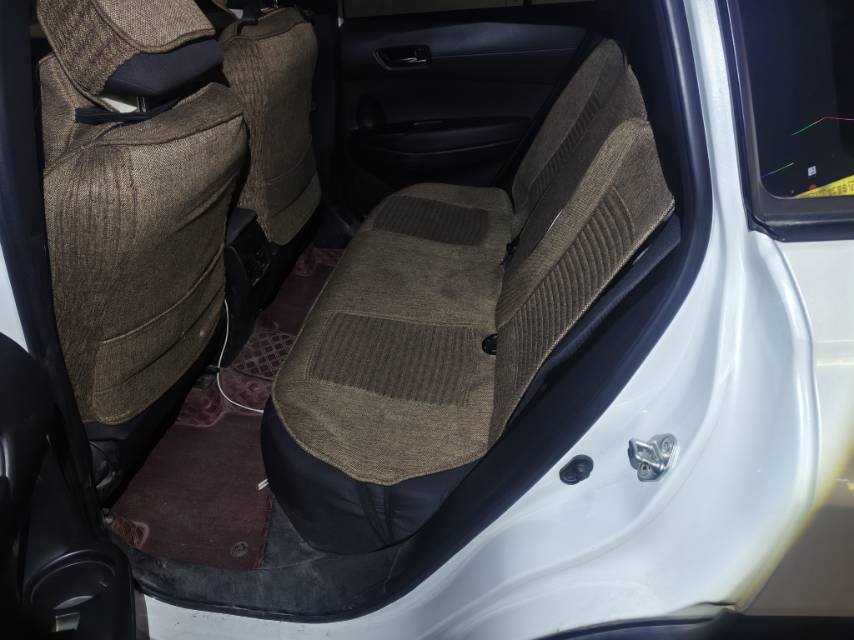
Original paint, no scratches, accurate report.

Document Information

Inspection Expiry Date-
Warranty Expiry Date-
Insurance Expiry Date2027/05

Q&A

More

What if the used car I imported from China turns out to be a bad deal—can I return it or get a refund?

In practice, returning an imported car is extremely difficult, so your protection must be built in before payment, not after. Once a used car has been exported, reversing the transaction involves re-export paperwork, duties, and freight costs that typically exceed any refund you'd recover. Most exporters' contracts treat the sale as final once the bill of lading is issued. What you can realistically do: 1. If the car differs materially from the contract (wrong VIN, undisclosed accident, tampered odometer), you have grounds for a claim. Document everything and negotiate a partial refund or repair credit—full refunds are rare. 2. If the seller committed outright fraud, you can pursue legal action in China or report to the platform, but cross-border enforcement is slow and costly. 3. Some exporters offer a short arrival warranty (usually 30-90 days) covering major mechanical failures. Claims require immediate notification, third-party inspection reports, and proof the damage existed at shipment. The practical takeaway: never rely on the possibility of a return. Spend the money on a thorough pre-shipment inspection and clear contract terms instead—it's far cheaper than a dispute.


What is the difference between EXW, FOB, and CIF prices from a Chinese exporter, and which incoterm should I choose as a first-time buyer?

EXW means you pay only for the car at the seller's yard—you handle everything else, including inland transport in China and export clearance, which is impractical from overseas. FOB includes delivery to the port and export customs clearance; you pay for ocean freight and insurance. CIF adds freight and basic insurance to a named destination port. For a first-time buyer, FOB is usually the best balance: the exporter, who knows Chinese logistics, handles the complicated part, while you control the freight booking and can shop rates among forwarders. Watch for exporters quoting unrealistically low FOB prices and making margin on inflated 'shipping services' later. Get a separate freight quote before signing, and compare the exporter's CIF offer against FOB plus your own freight estimate. Ask explicitly whether the price includes inspection, export license fees, and port charges—ambiguity here is the most common source of disputes.

How do I evaluate rust and corrosion on a used car from China, especially for coastal cities or snowy regions?

Rust is a deal-breaker that photos can hide, so be systematic. High-risk areas to check: 1. Underbody and frame rails—surface rust is normal, but flaking or bubbling paint means advanced corrosion 2. Wheel arches and rocker panels—these trap mud and salt 3. Door bottoms and the trunk floor—water collects here; lift the trunk mat and look for dampness or repair welds 4. Around the windshield and sunroof drains—leaks cause hidden rust in the A-pillars Ask the inspector to do a magnet test: filler-repaired areas won't hold a magnet, indicating past accident repairs. A paint thickness gauge reveals resprayed sections—uniform readings around 80-150 microns are normal; spikes over 300 suggest bodywork. Cars from northern China (salted roads in winter) or coastal cities need extra scrutiny on the underbody. If structural members show corrosion, walk away—repairs rarely restore original strength.