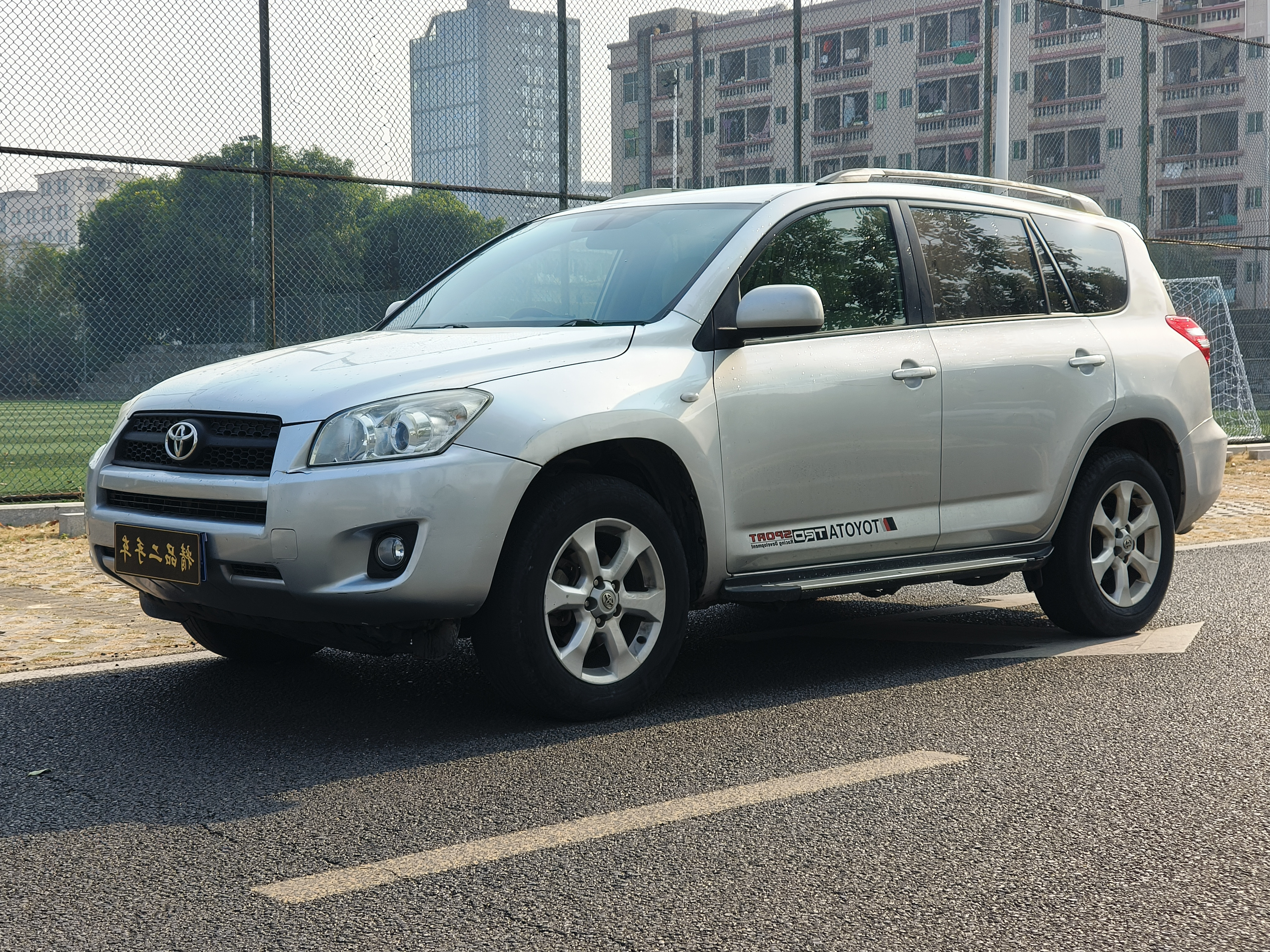
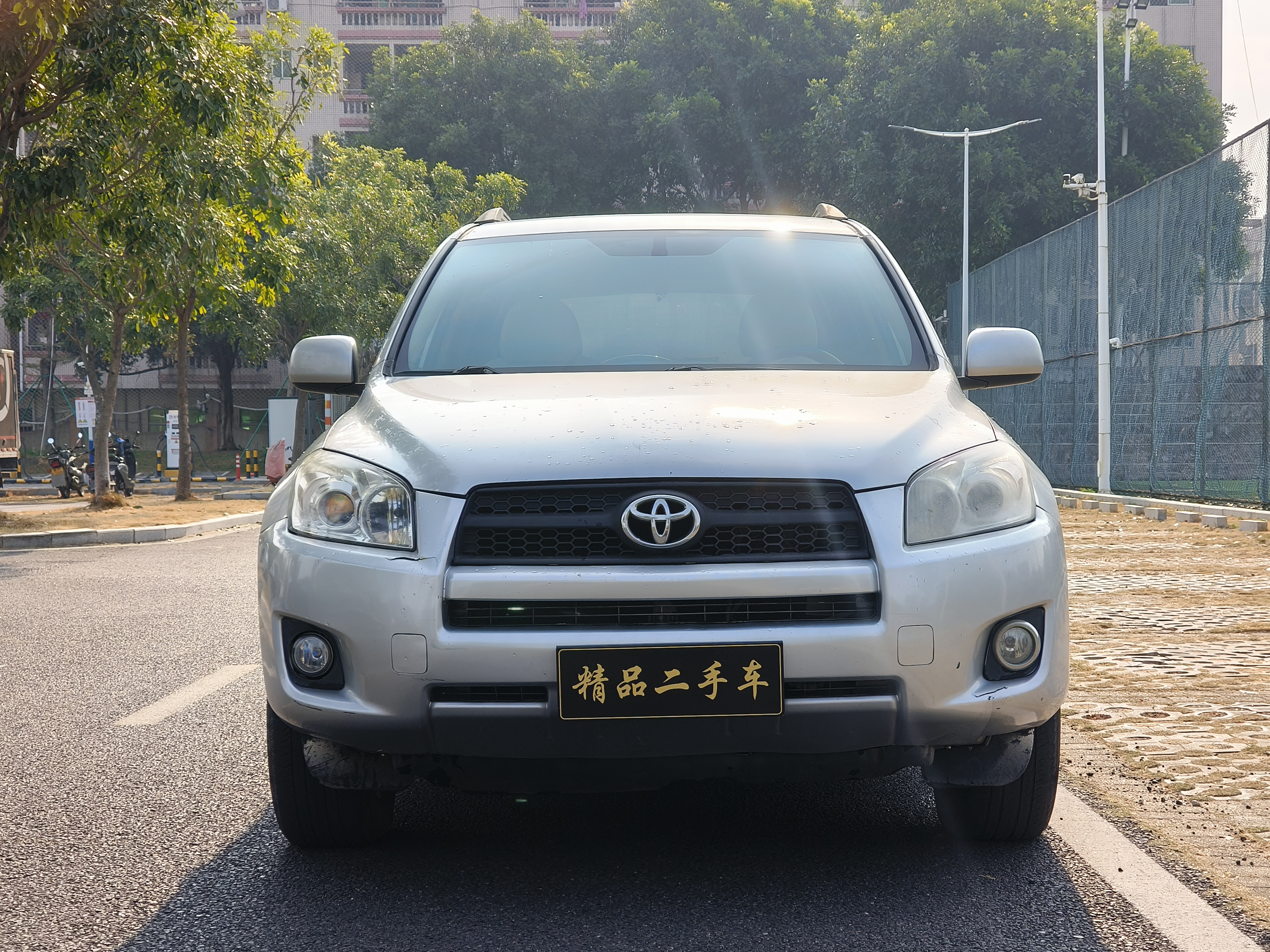
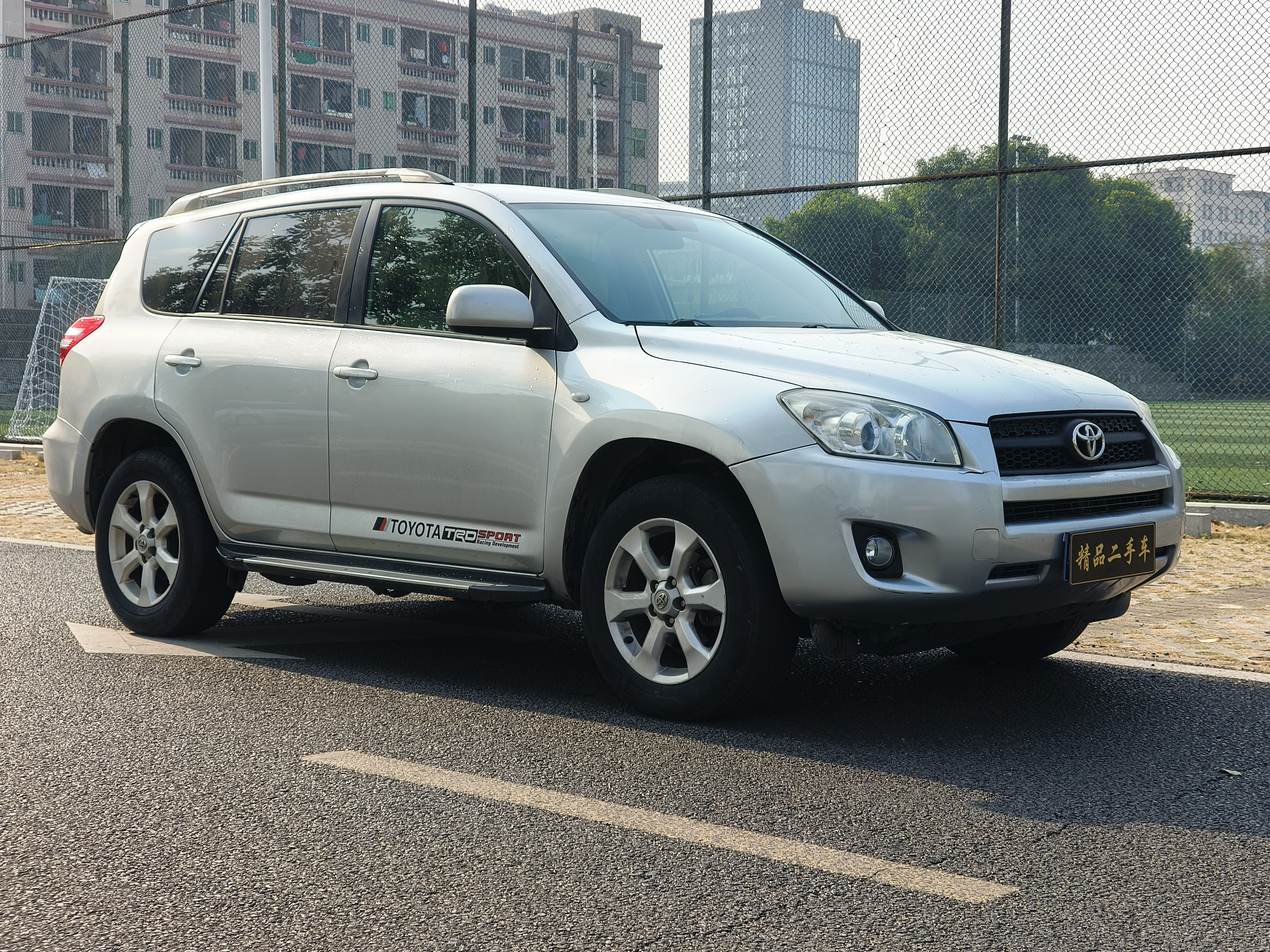
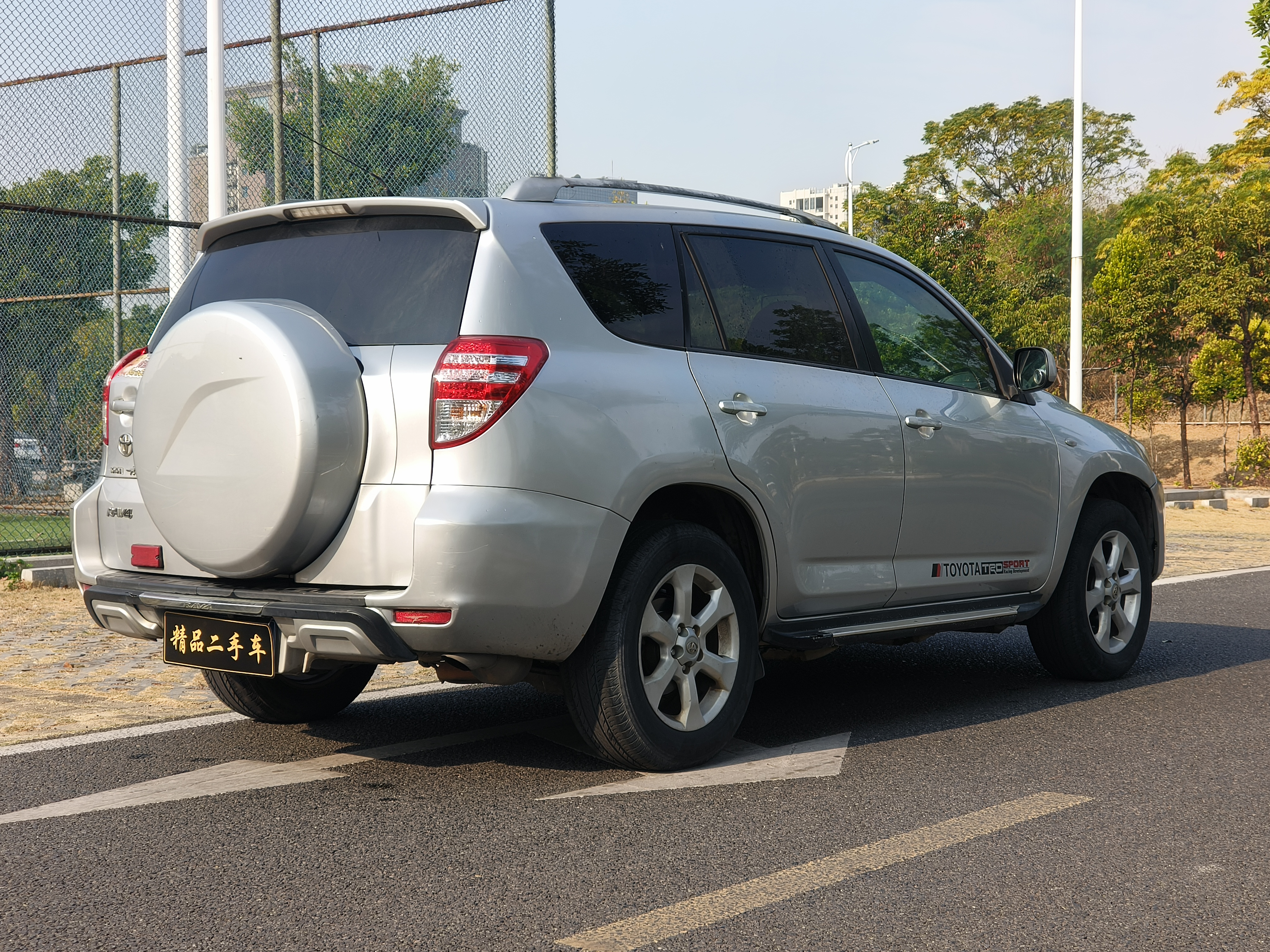
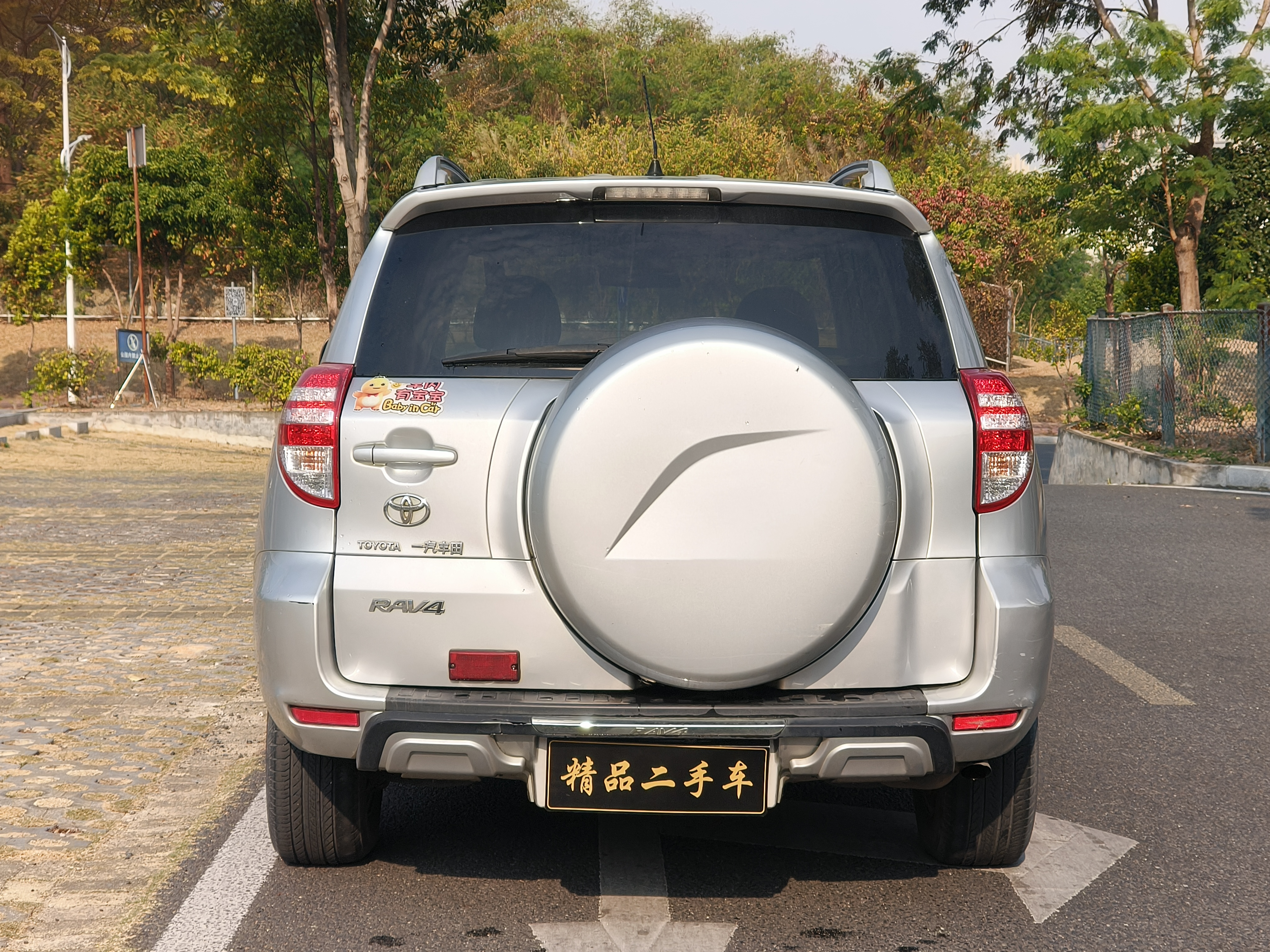
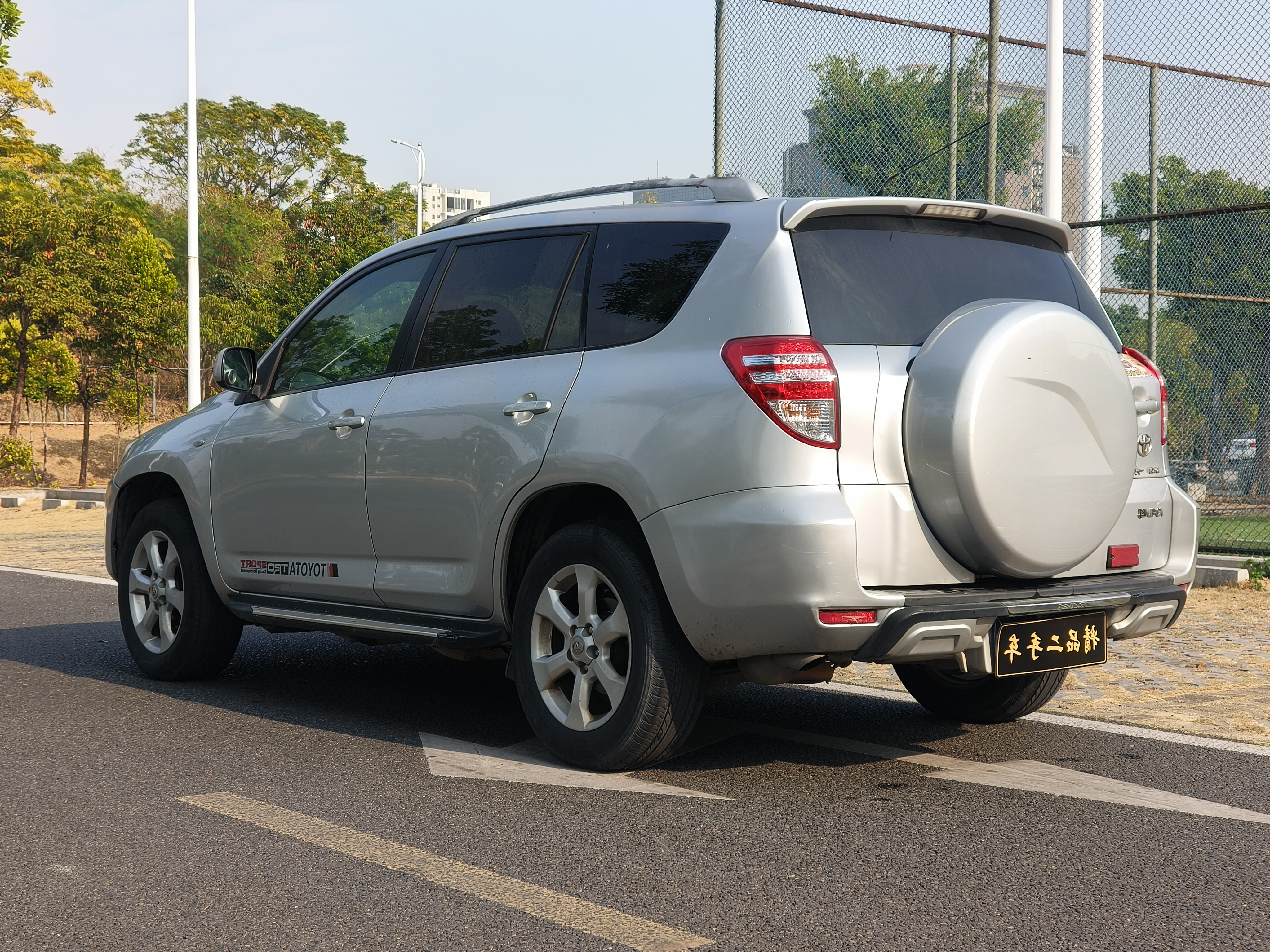
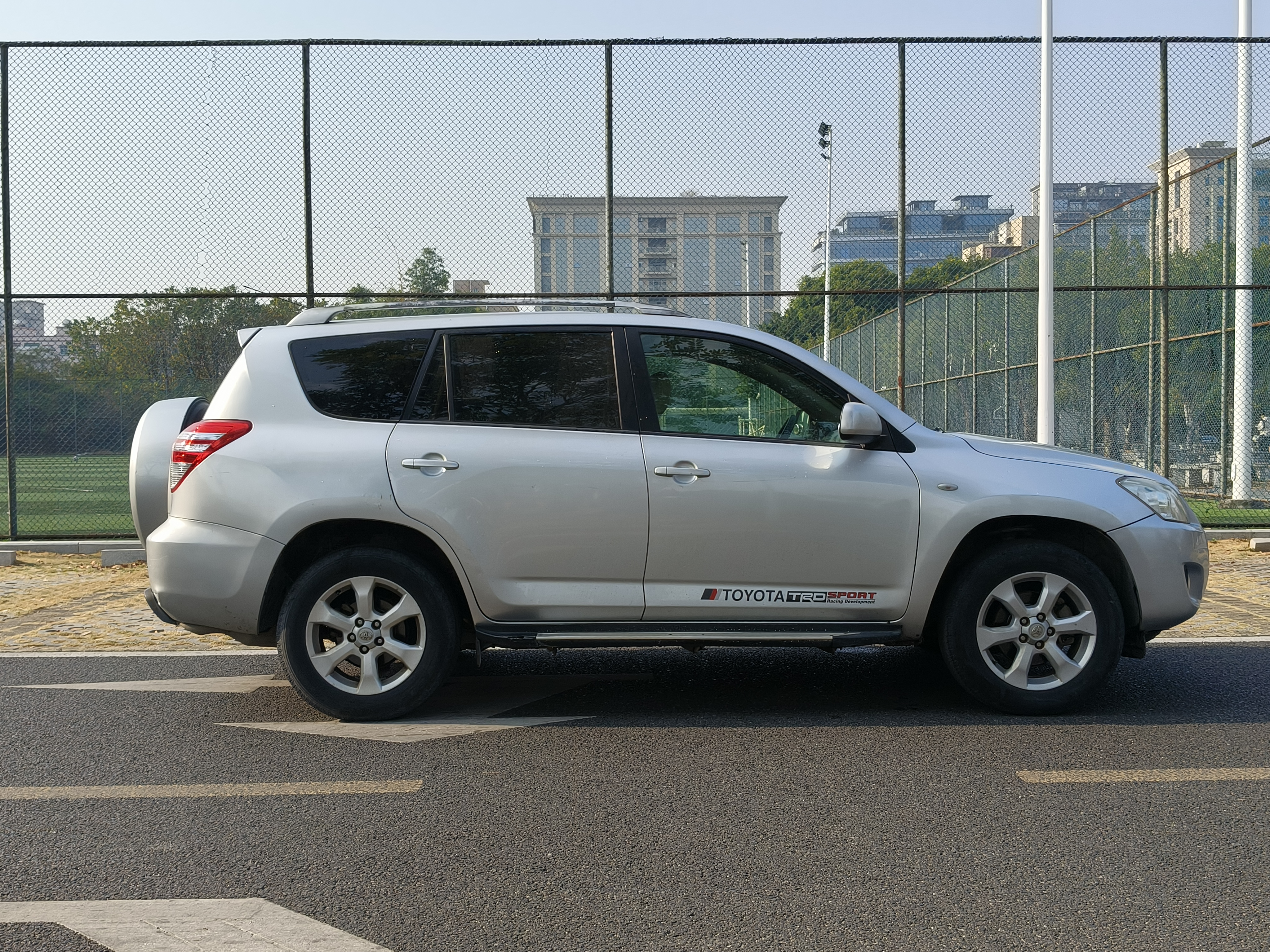
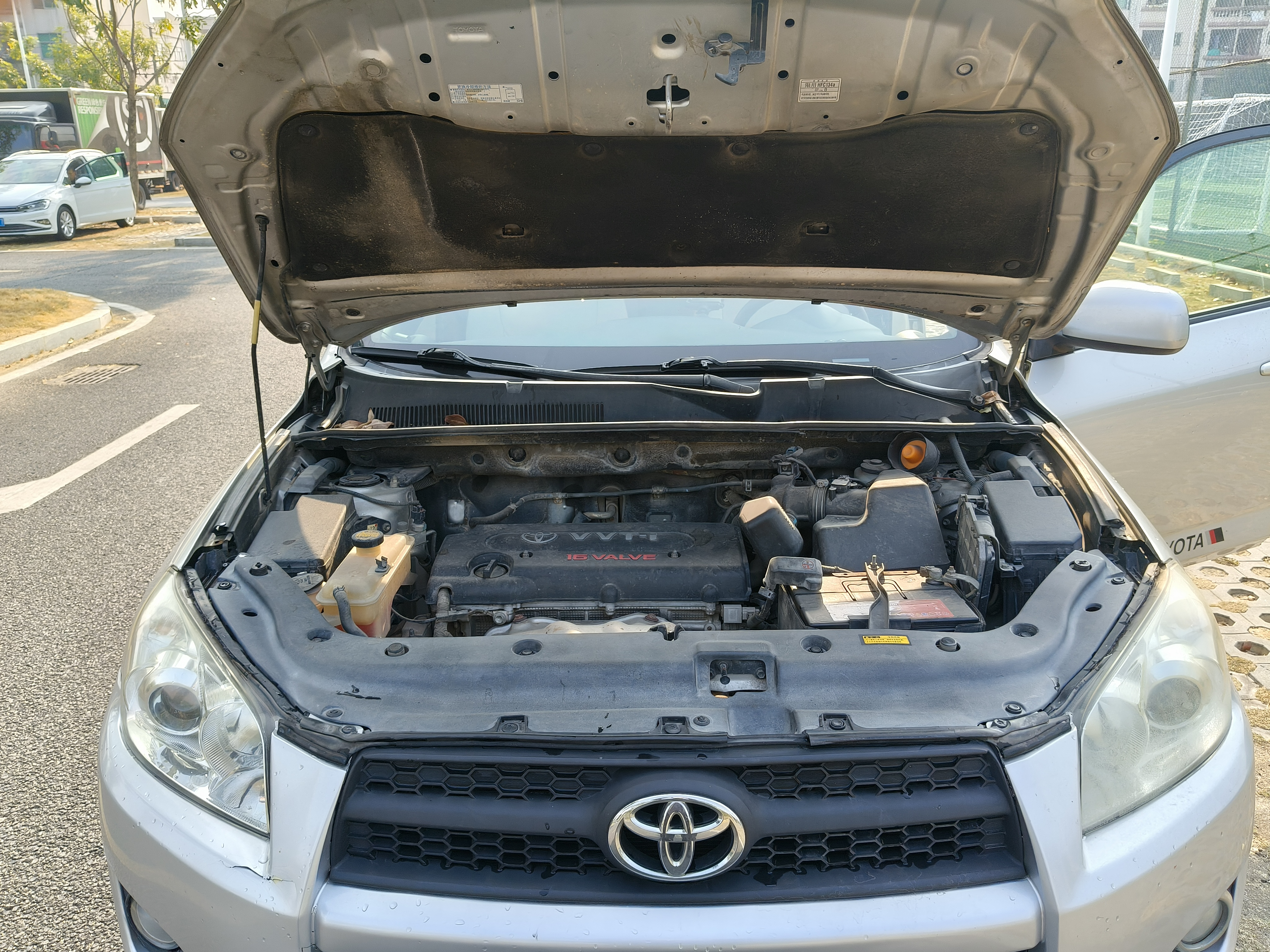
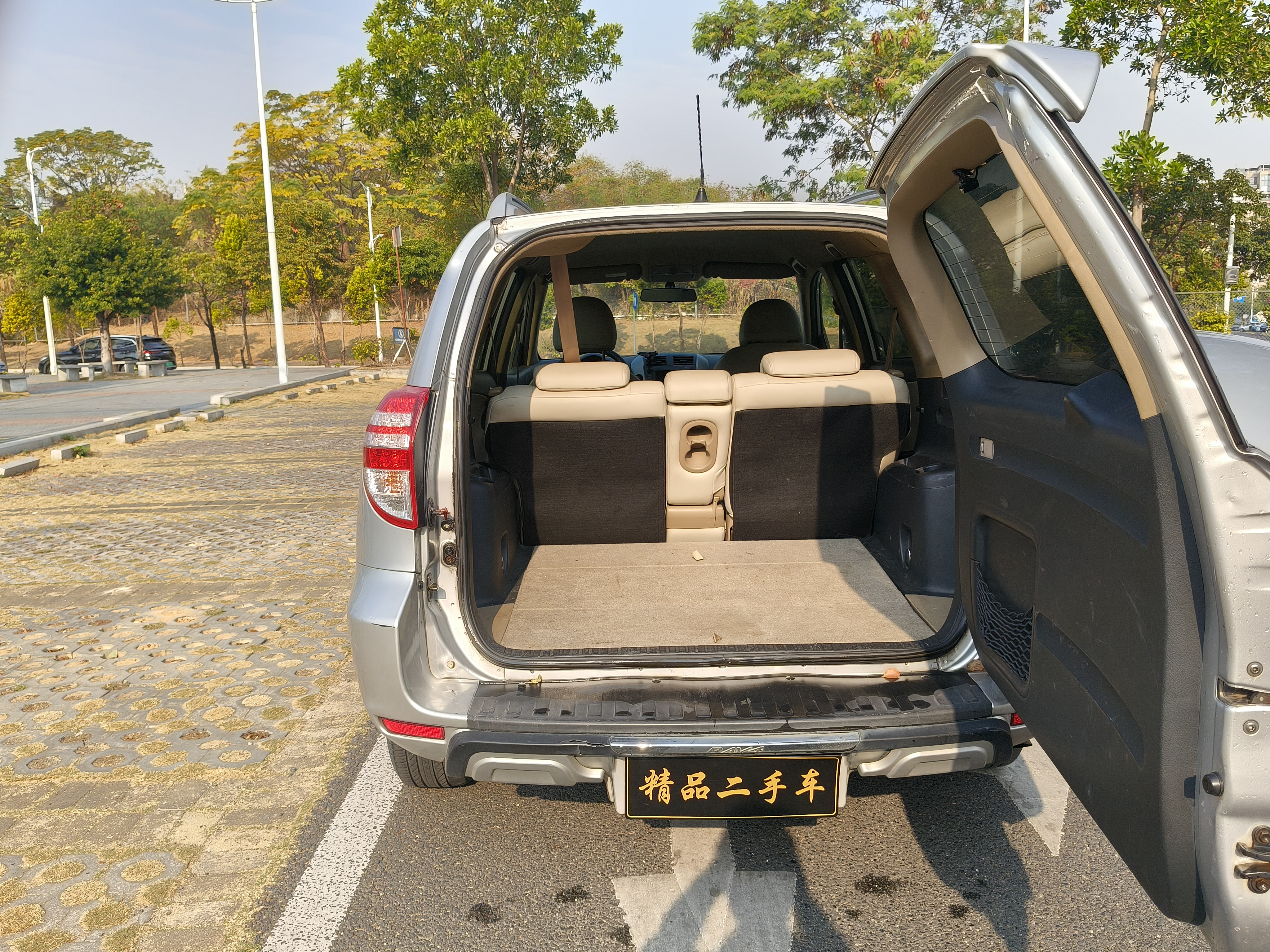
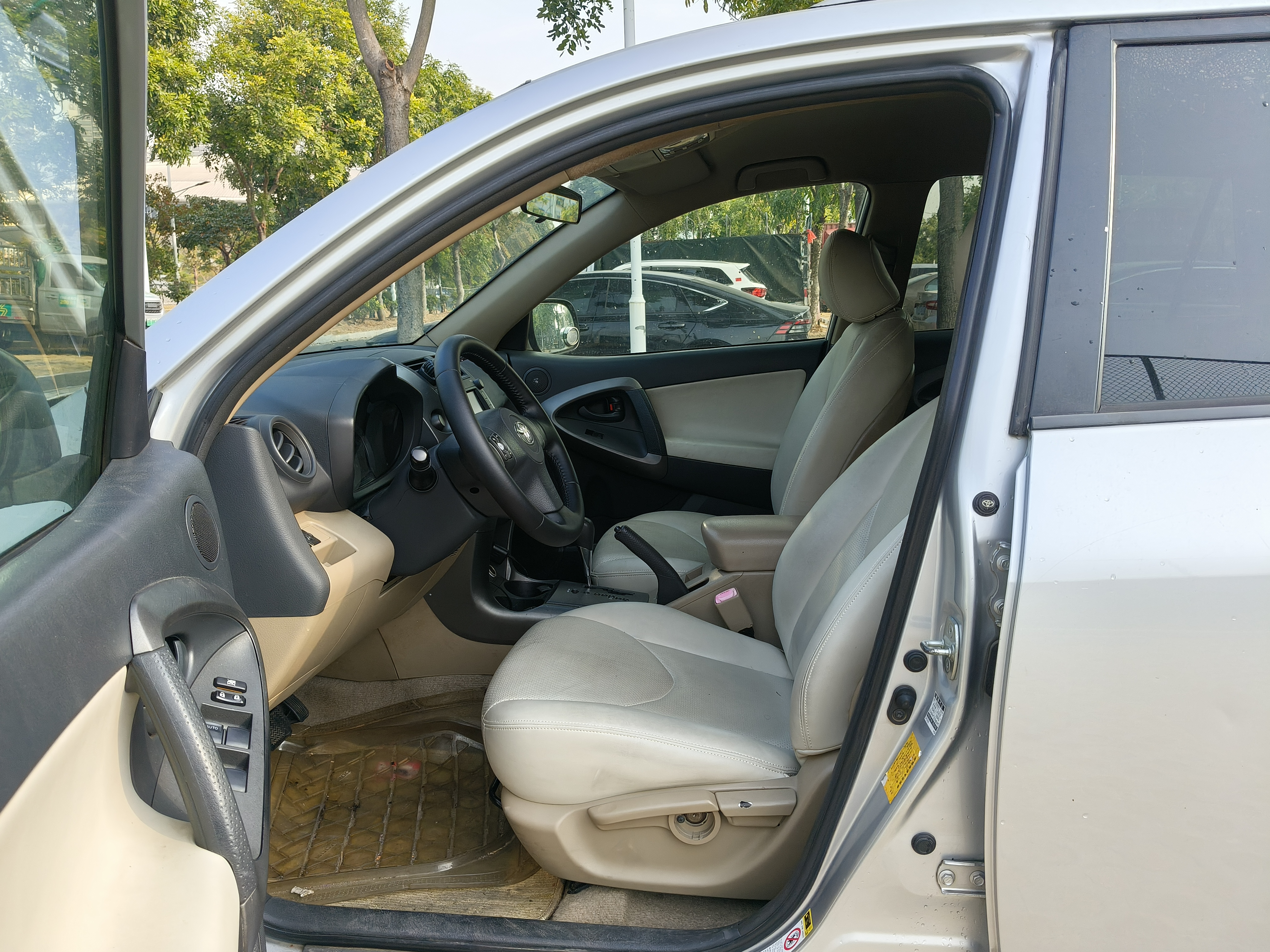
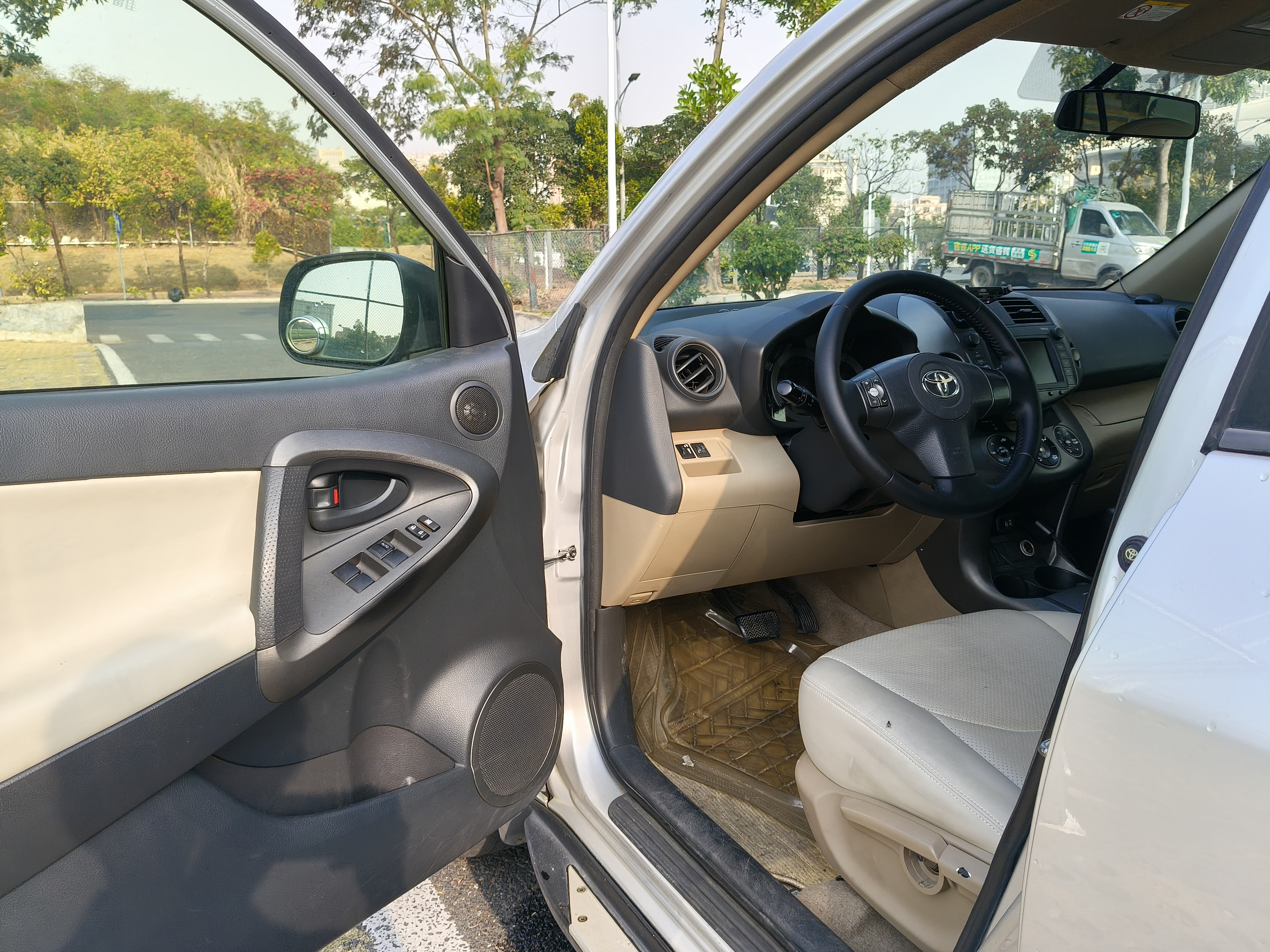
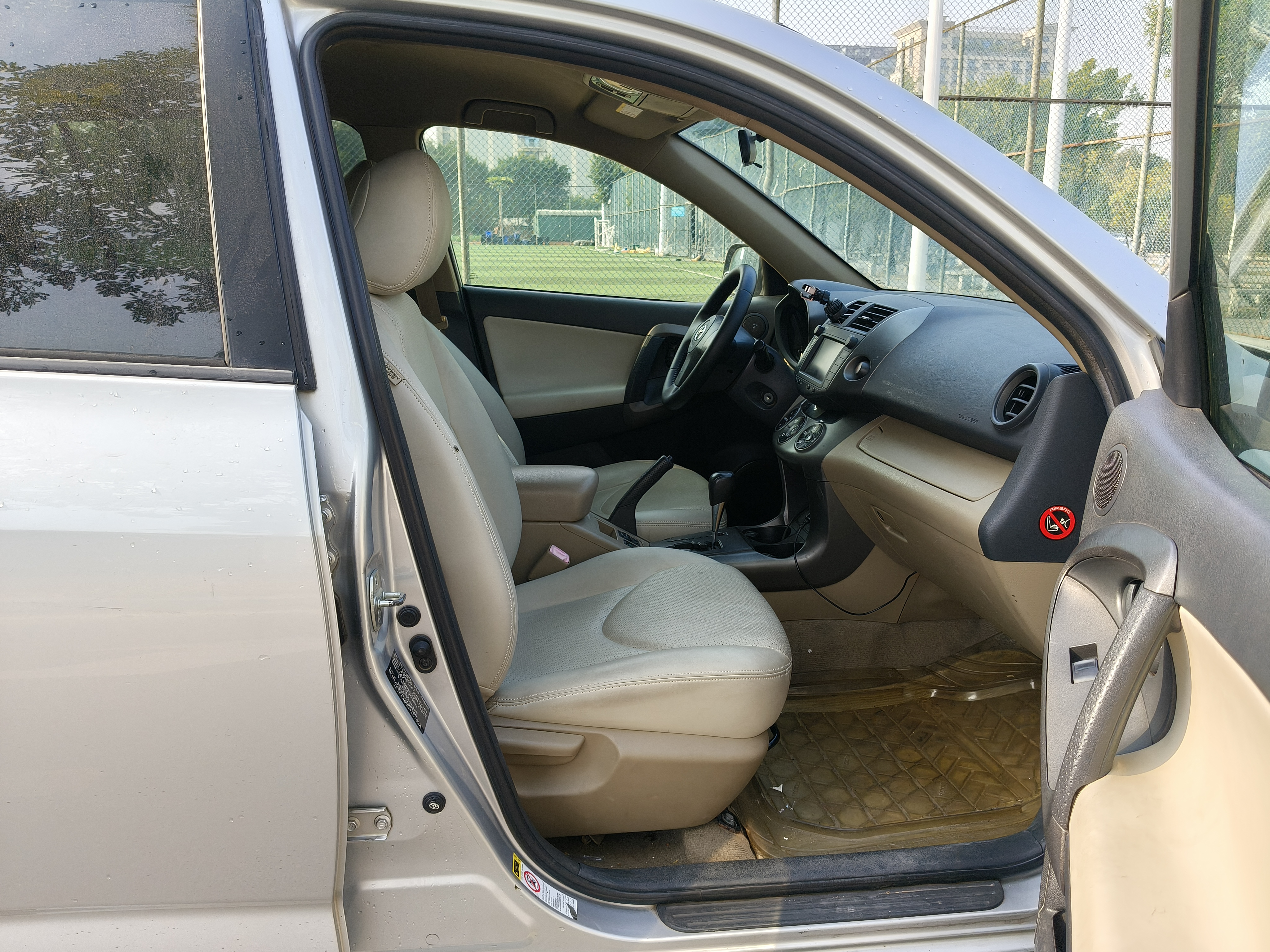
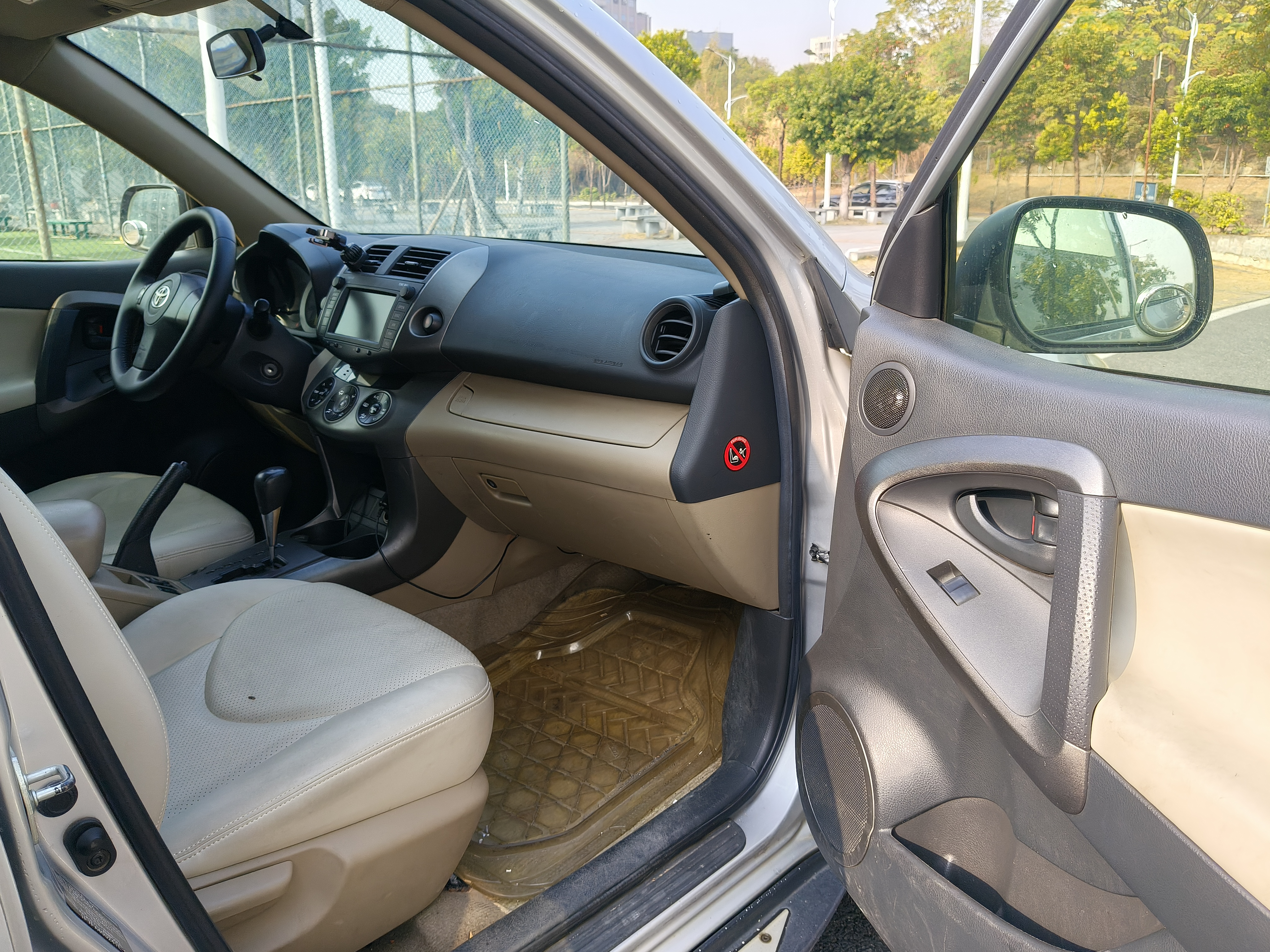
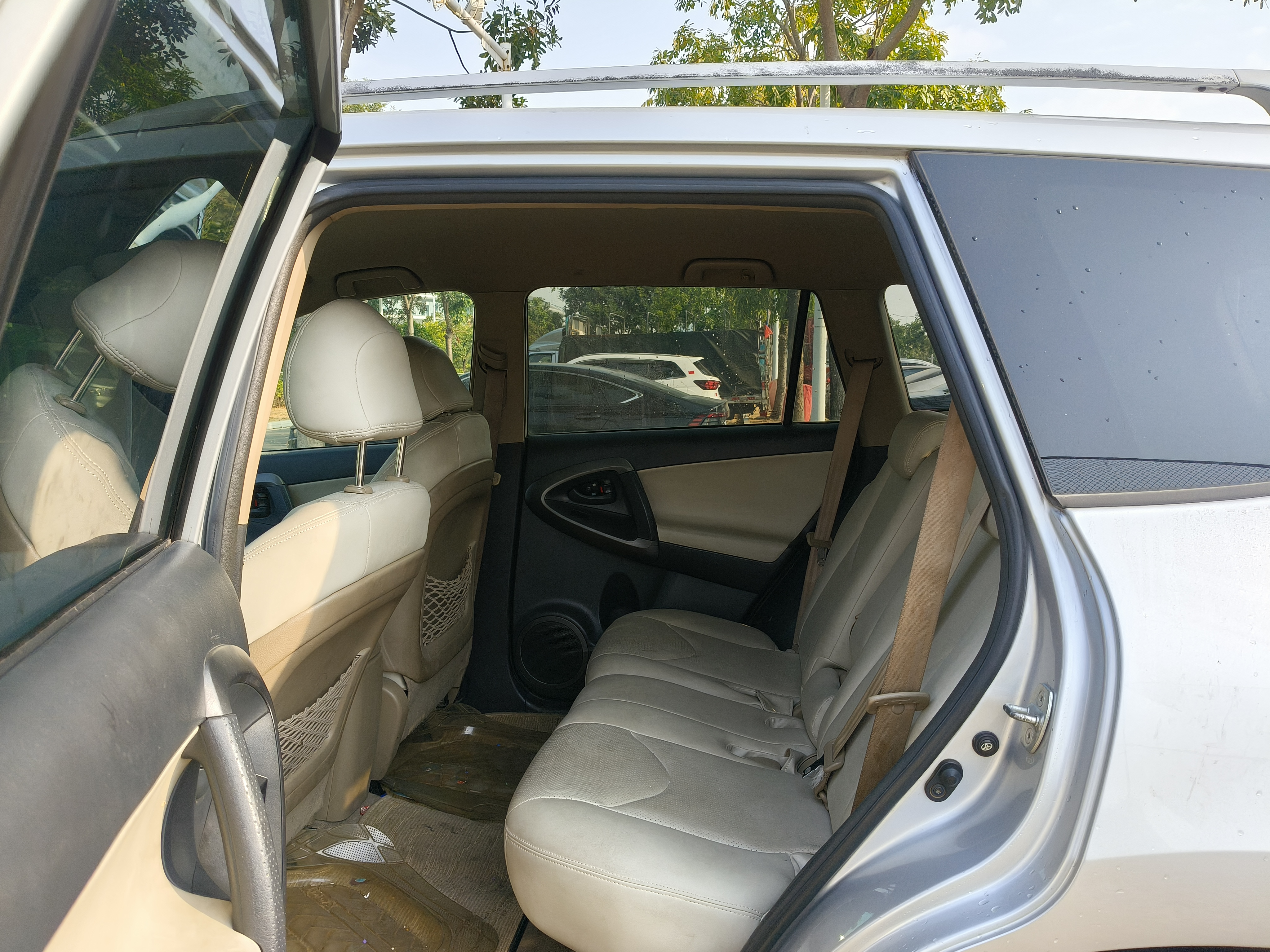
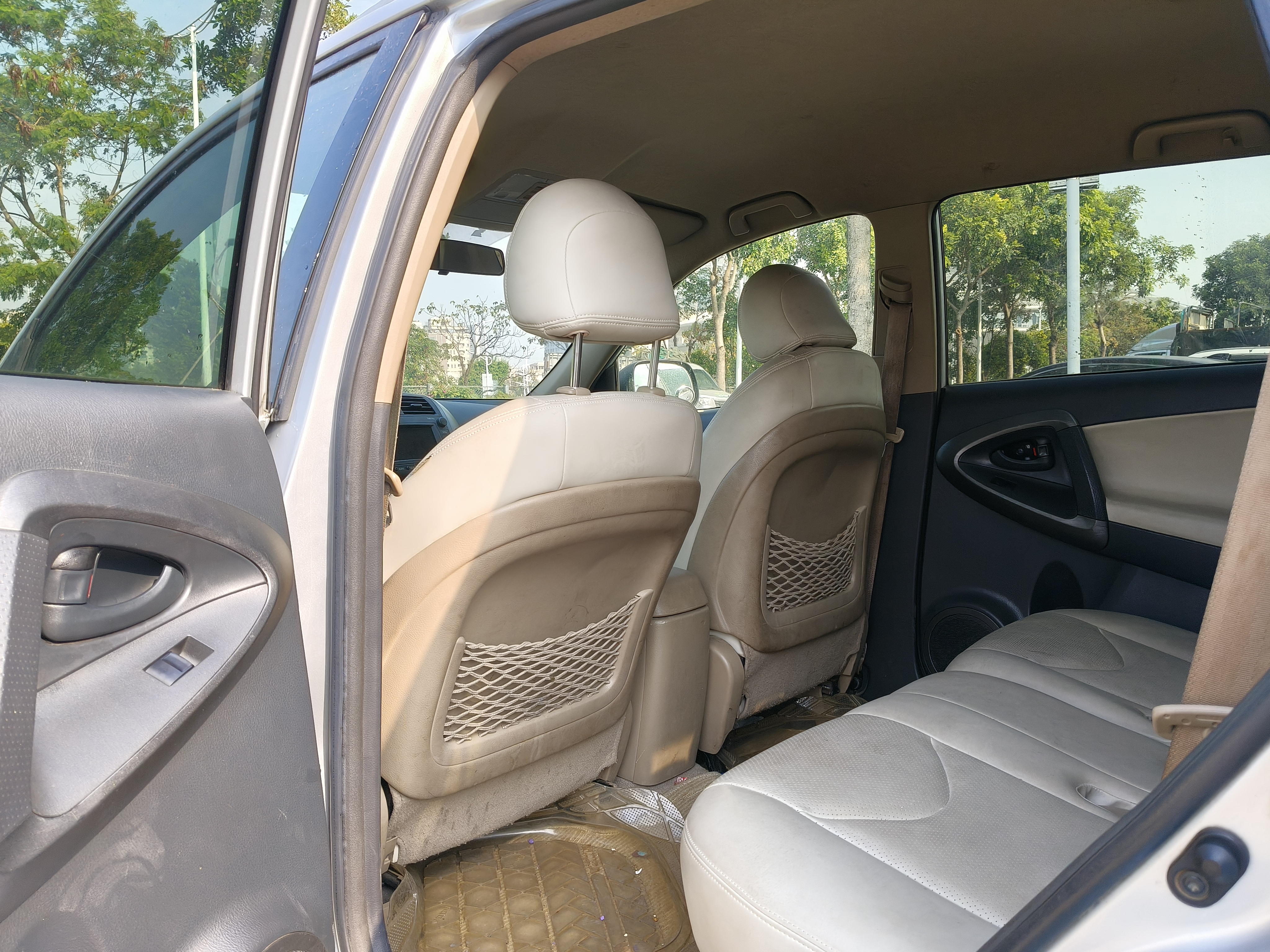
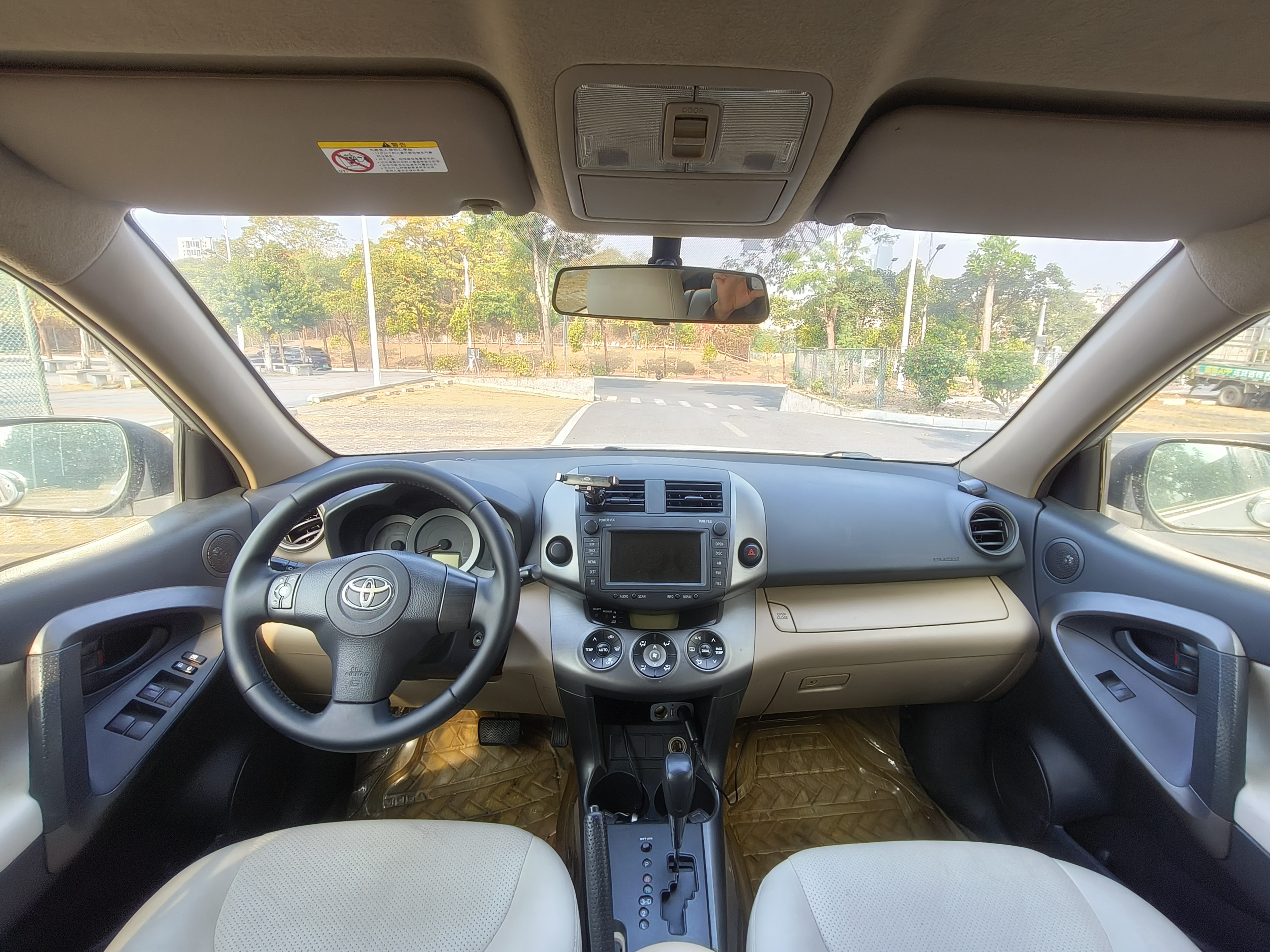
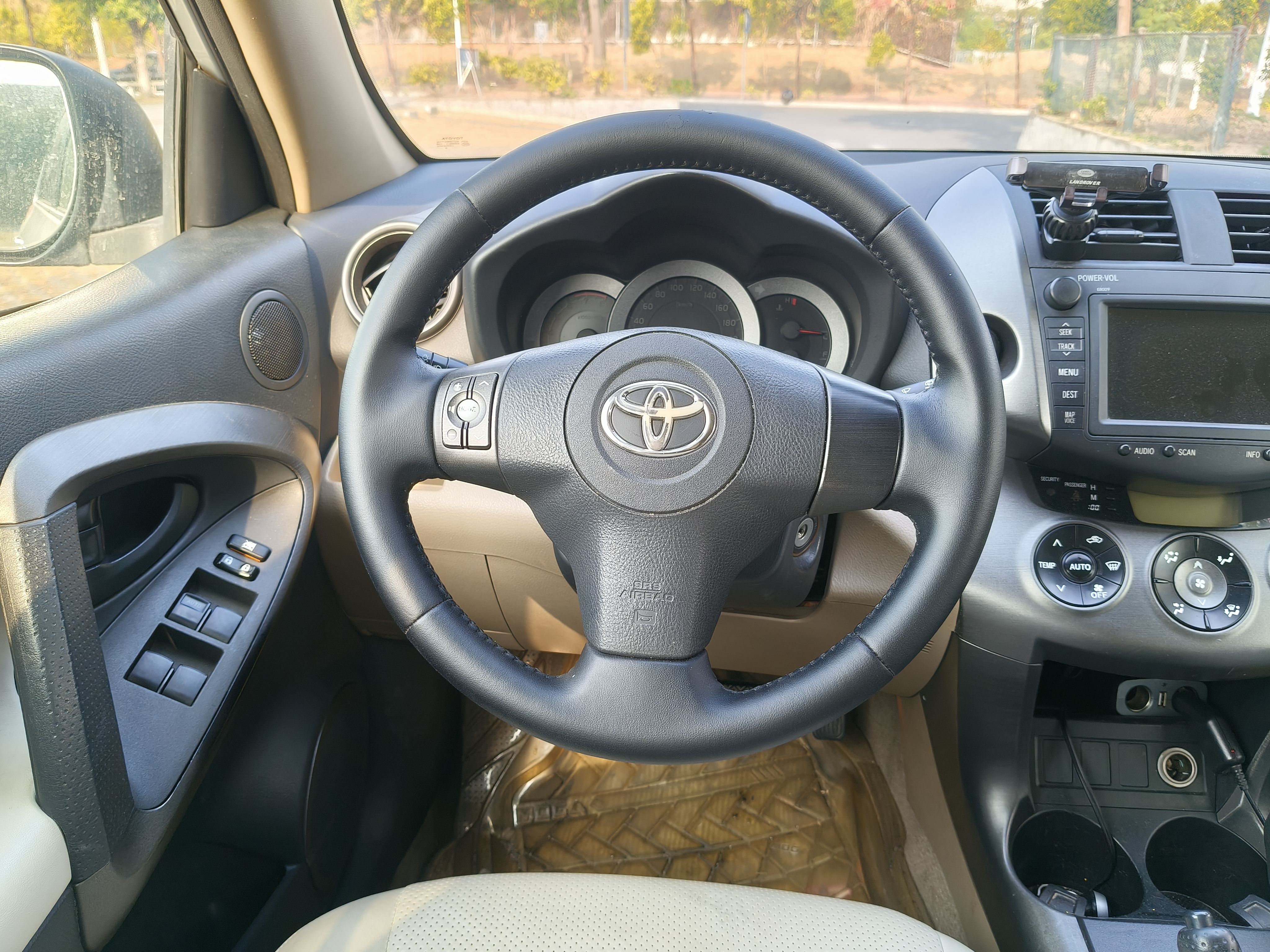
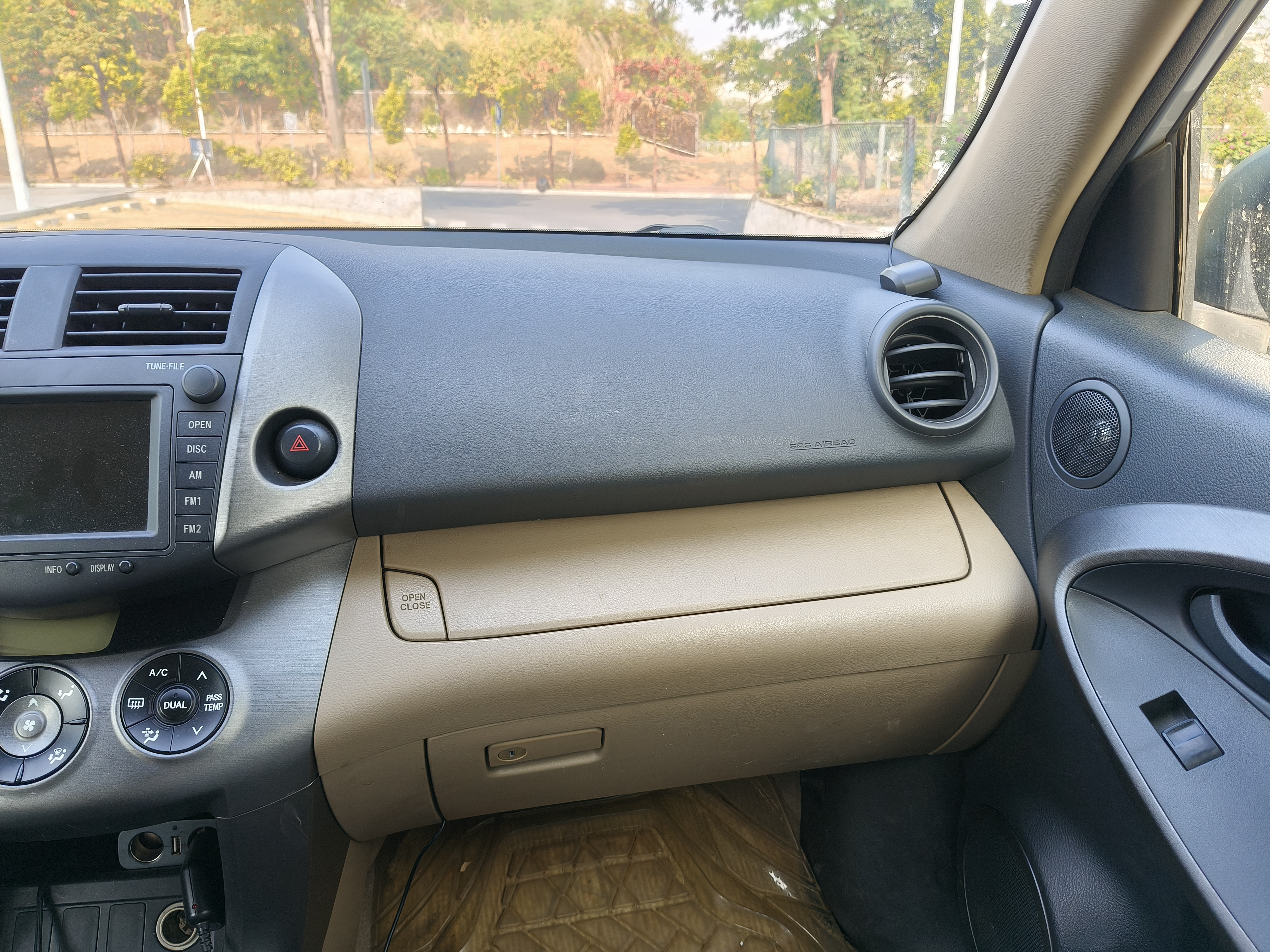



Basic Information

BrandToyota
SeriesRAV4
Year2012
First Registration2012/08
Mileage12km
Transfer Count-
FuelGasoline
TransmissionAutomatic
Engine2.0L 150 L4
ColorGrey
Seats-

Condition Description

Paint job: Full bodywork and paint job Replacement: Left and right front fenders Other: Front exhaust pipe assembly, radiator frame sheet metal welding, right side carpet oil and water stains, engine accessory removal, coolant loss, rear bumper beam deformation Transfer of ownership before January 31st, transfer documents to be sent back Chaboshi R-Class: https://app.chaboshi.cn/wap/insurance/info?orderno=4ed3a34c00594d46a7a1b3359af48e14&isShareReport=1&reportV=3&mendReportFlag=0&appShareSource=ZHTAPP&energy_type=%E7%87%83%E6%B2%B9%E8%BD%A6&sign=25030d37125aa7056dc9e5f50f2a45c9&signparamname=orderNo&hideFooter=1&shareSource=8

Configuration Highlights

✓Driver/Passenger Airbags
✓Front/Rear Side Airbags
✓ISOFIX Child Seat Anchors
✓ABS Anti-lock Braking
✓Electronic Brake Distribution
✓Multifunction Steering Wheel
✓Seat Material
✓Rear Cupholders
✓Adjustable Headlight Height
✓Power Windows
✓Anti-pinch Windows
✓UV/Heat Insulating Glass
✓Climate Control Type

Q&A

More

Do you provide English versions of official repair manuals or circuit diagrams for used cars from Chinese brands?

Mainstream Chinese automakers rarely publish official English versions of their underlying circuit diagrams. We can provide some models' original Chinese technical documents (PDF) for B2B clients, which you will need to translate for your local mechanics using translation software.


When shipping by RoRo vessel, is the "Terminal Handling Charge (THC)" at the destination port prepaid by your freight forwarder or paid by the buyer upon arrival?

Under international practices and our standard CIF/FOB terms, the THC at the port of origin (China) is borne by the seller; all THC and port miscellaneous charges incurred at the destination port during unloading are to be paid by the buyer (consignee) upon local customs clearance and pickup.

How are the refrigerant pressure, compressor operation, and heating effect of the air conditioning system deeply tested?

The technician will start the vehicle and turn on the air conditioning system, measuring the actual temperature at the vents at the lowest and highest settings with a thermometer; at the same time, they will connect a manifold pressure gauge to check if the refrigerant pressure in the high and low pressure lines is within the normal range, determining if there is a chronic refrigerant leak.