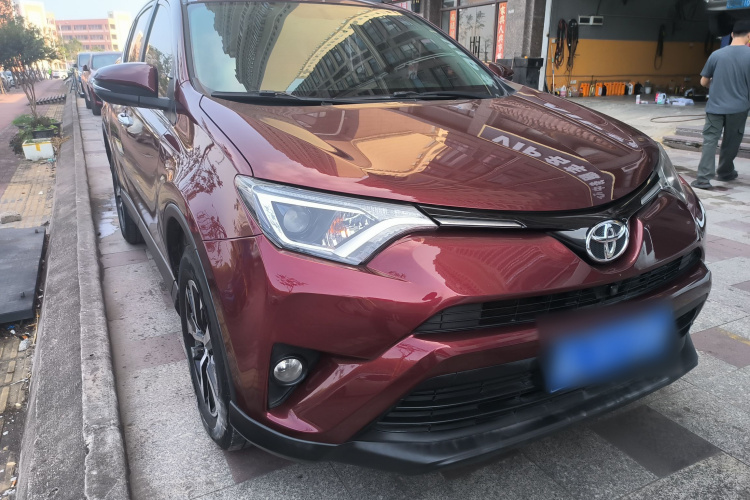
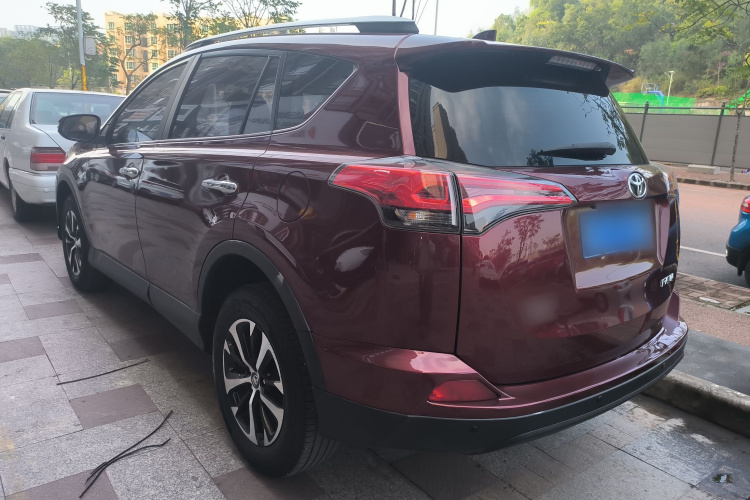
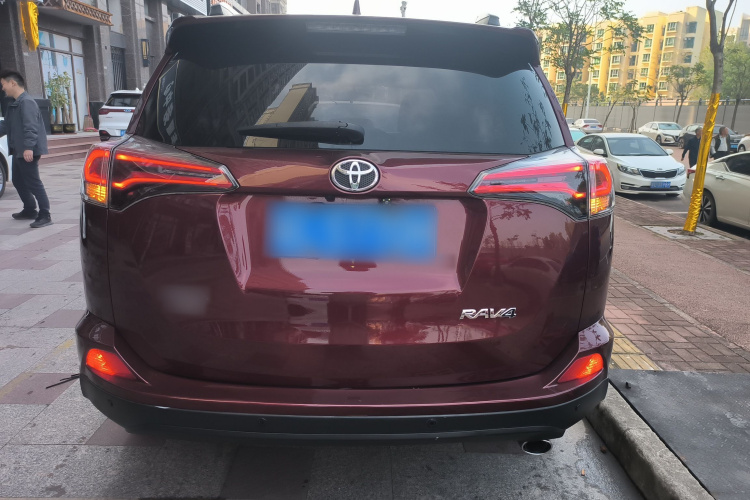
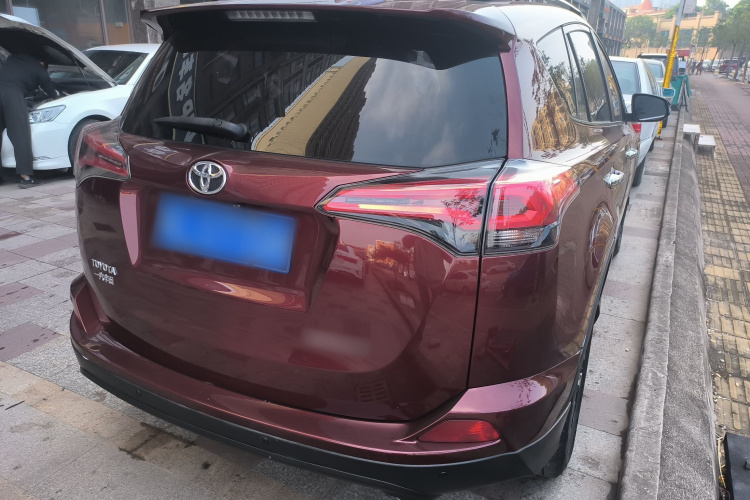
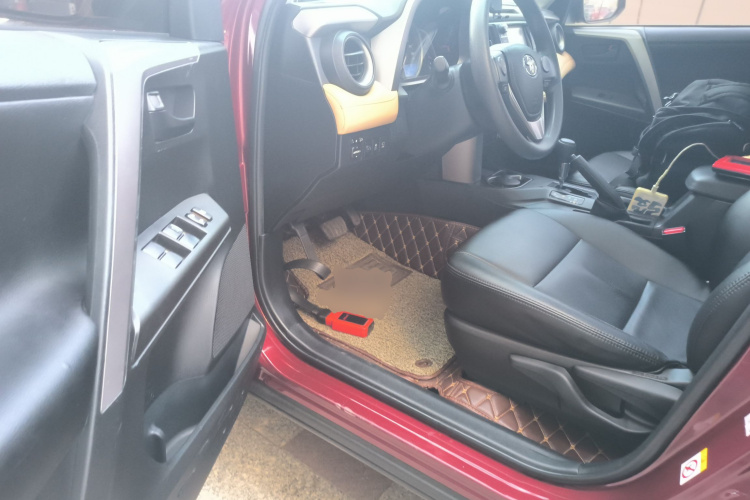
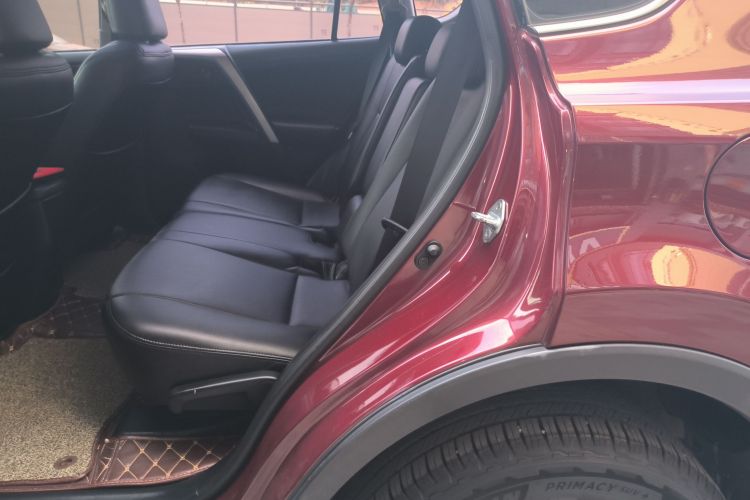
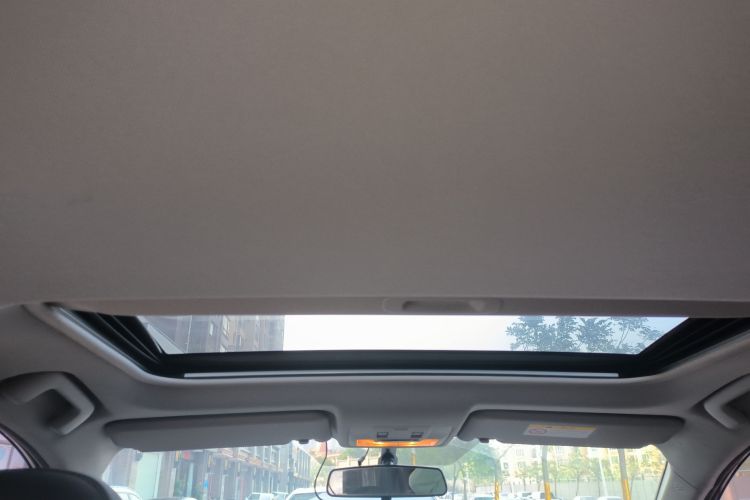
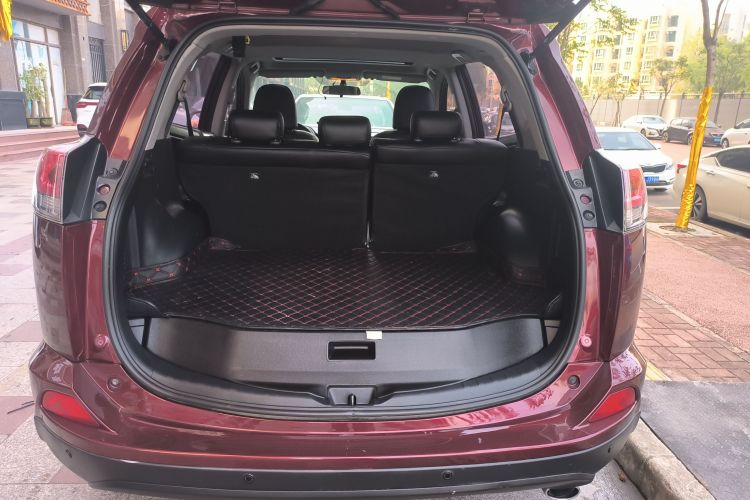



Basic Information

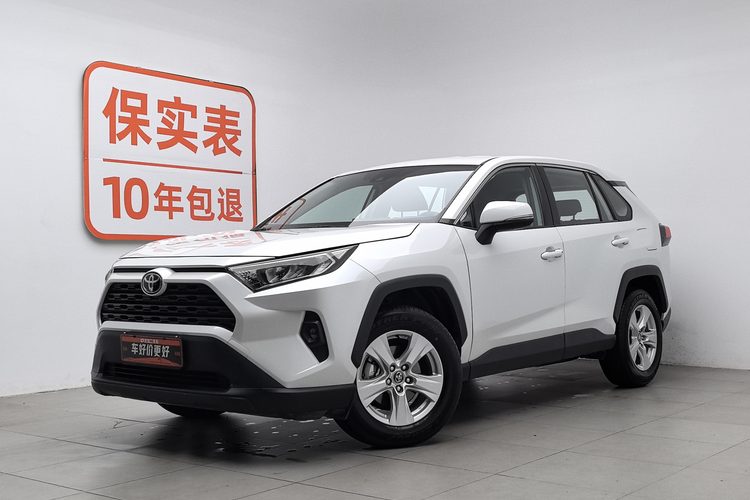
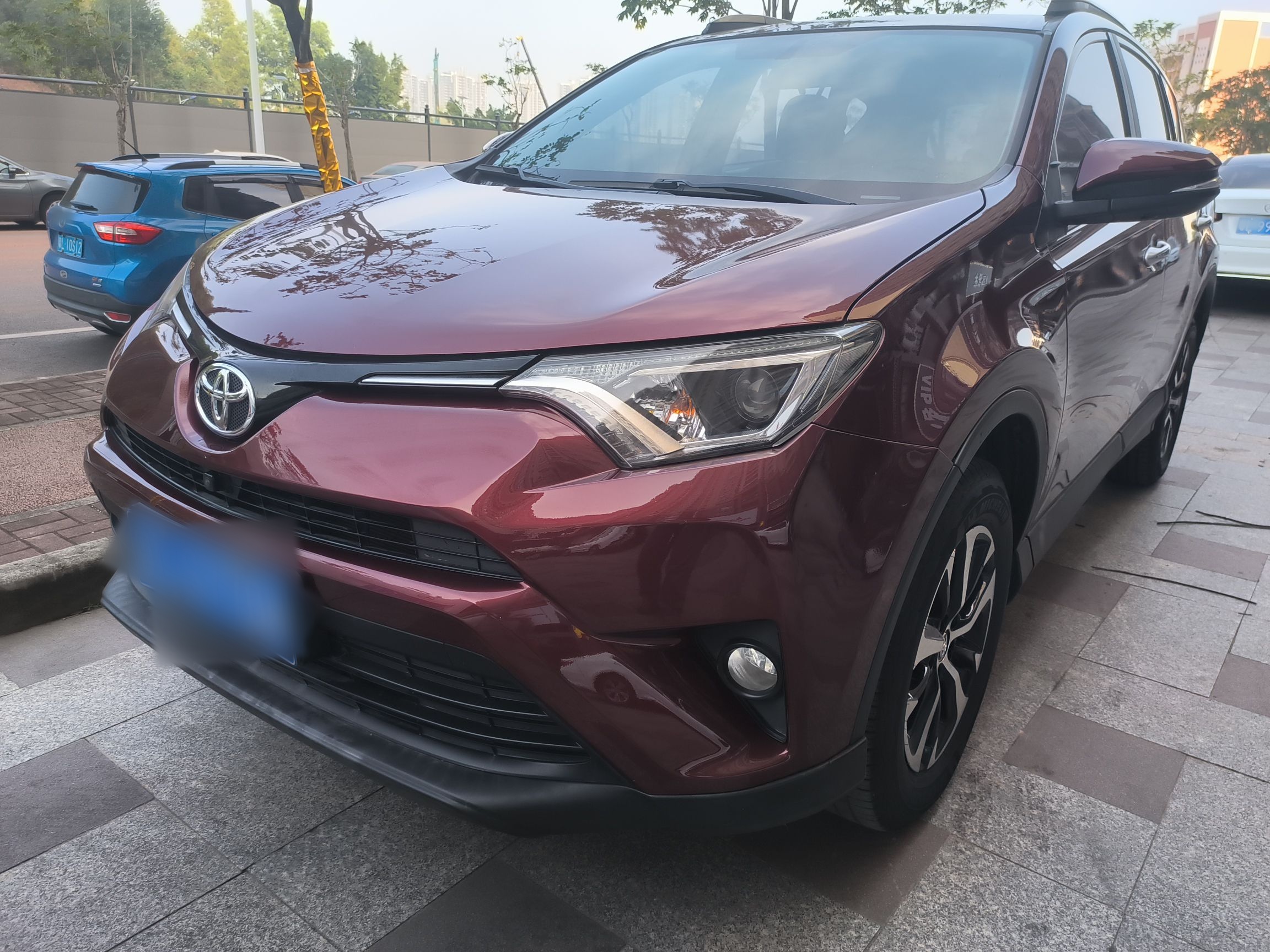
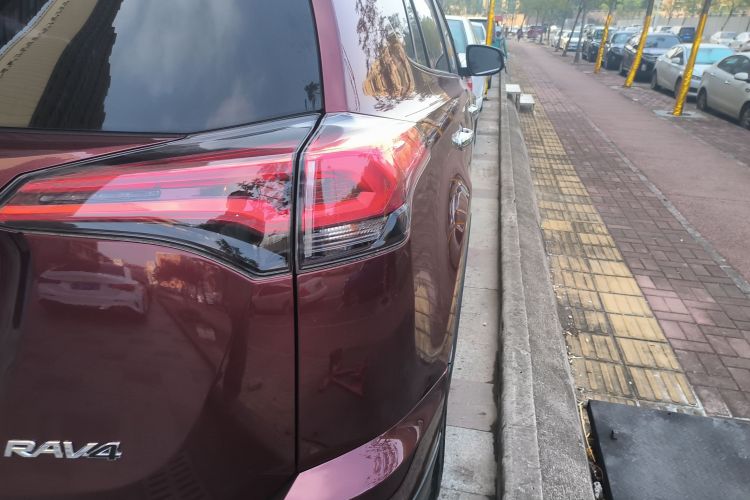
BrandToyota
SeriesRAV4
Year2018
First Registration2018/10
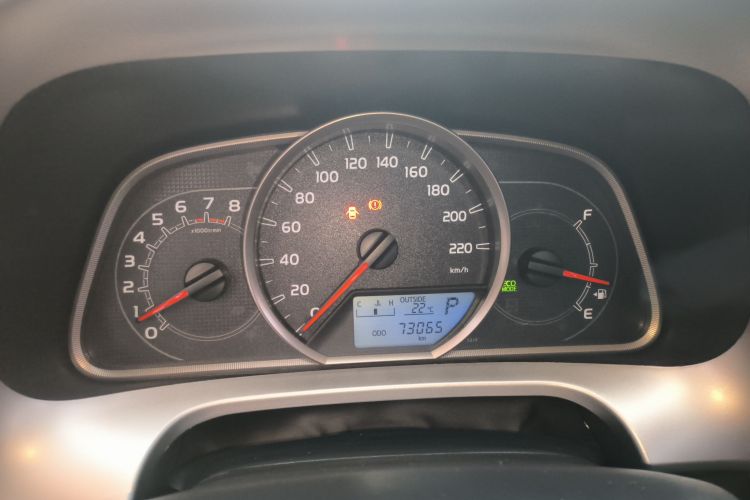
Mileage73,000km
Transfer Count-
FuelGasoline
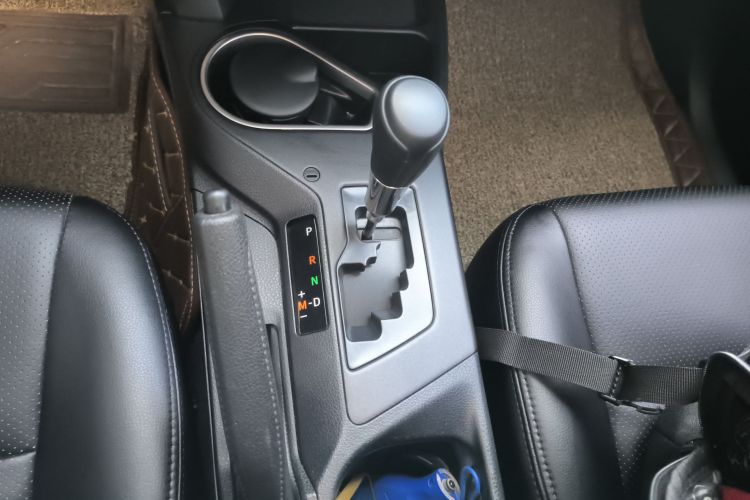
TransmissionCVT
Engine2.0L 151 L4
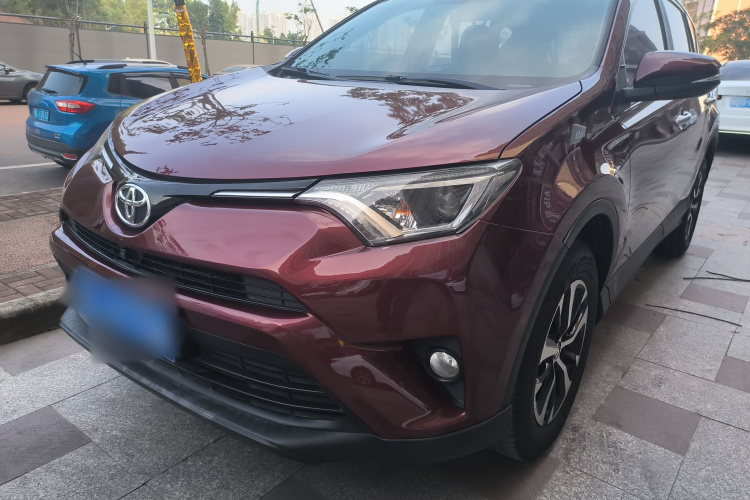
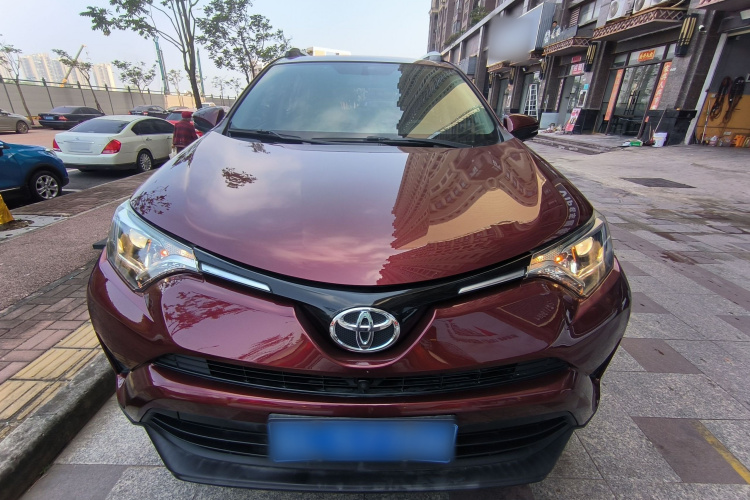
ColorRed
Seats-

Condition Description

Vehicle condition meets standards; inspection passed; vehicle condition meets standards; 1 claim; 0 ownership transfers.

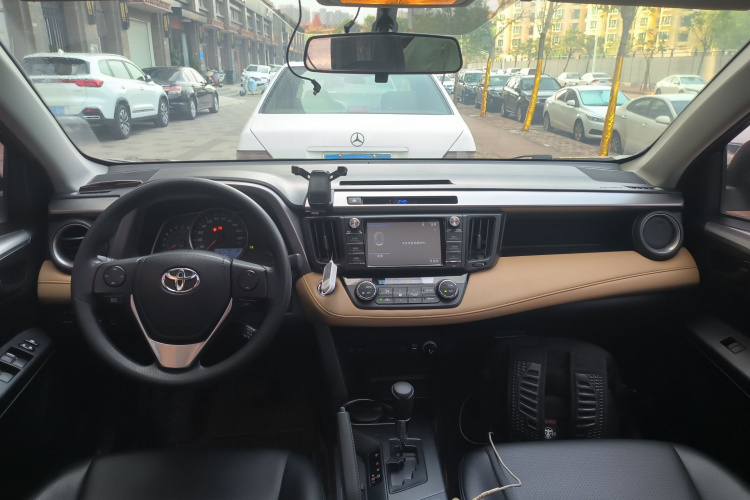
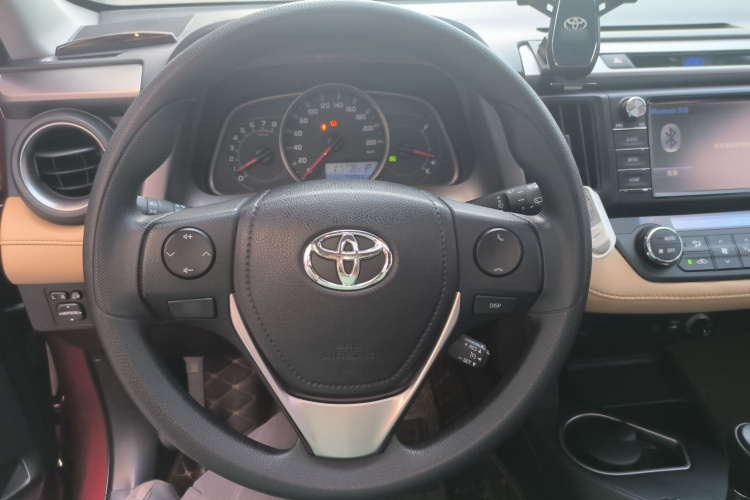
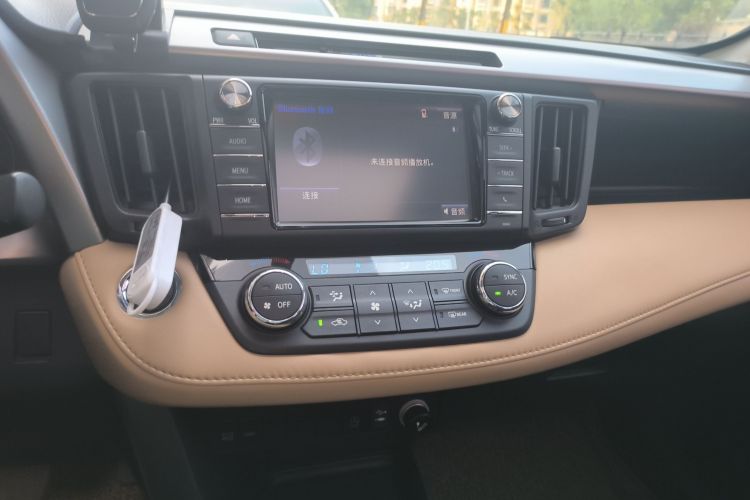
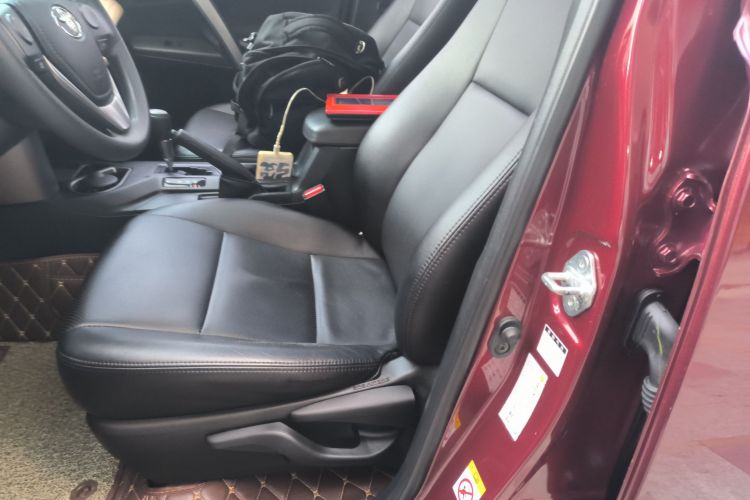
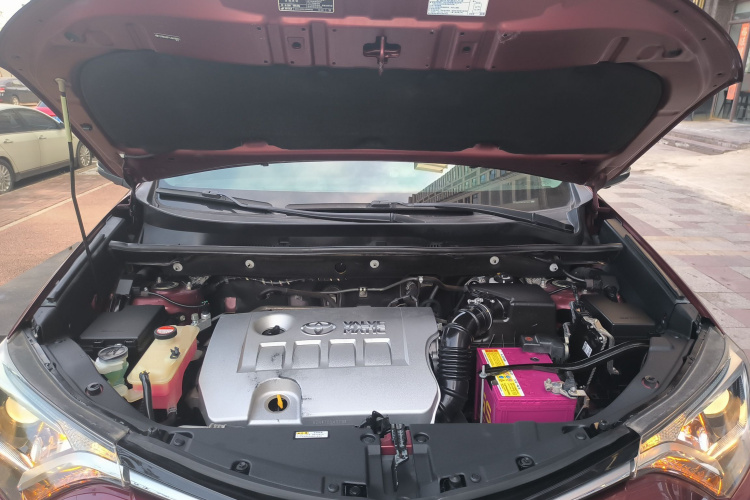
This vehicle is 8 years old, with an average annual mileage of 9,100 kilometers. It has a low frequency of daily use and has never been transferred to another owner, making it a good first-hand vehicle. There may be some obvious signs of wear and tear on the exterior. The interior is in good condition with normal signs of use. The overall body frame is intact and without any abnormalities. The fluids are normal and the power system is functioning well.

Configuration Highlights

✓Surround View Camera
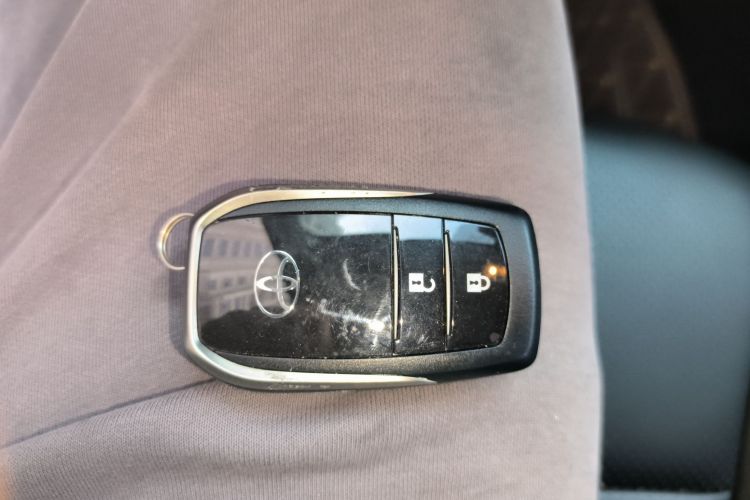
✓Keyless Entry
✓Power Folding Mirrors
✓Engine Start-Stop
✓Auto Headlights
✓Cruise Control
✓Keyless Start
✓Heated Mirrors
✓Hill Start Assist
✓Anti-pinch Windows

Q&A

More

How long will the seat heating and ventilation features undergo continuous power testing before export?

To prevent intermittent failures due to aging of the resistance wire, we will start the engine and set the seat heating/ventilation to maximum for at least 5 minutes, confirming significant temperature changes or airflow output in the cushion and backrest using an infrared thermometer or body sensor.


How can we ensure that the electronic parking brake (EPB) servo motor does not seize the brake disc due to rust after long sea transport?

This is a common issue with sea transport. If the vehicle is parked at a humid dock, the EPB can easily rust to the brake disc. In addition to testing its release before shipping, we try to ask dock workers to secure the wheels with chocks instead of fully engaging the electronic parking brake.

How to check the condition of the turbocharger (oil leaks, unusual noises, insufficient pressure) for turbocharged vehicles?

Experience turbo lag and power surge during road tests; check for significant oil accumulation at the turbo intake and intercooler connections (slight oil vapor is normal); and use OBD to read the real-time boost pressure peak to see if it meets factory settings.