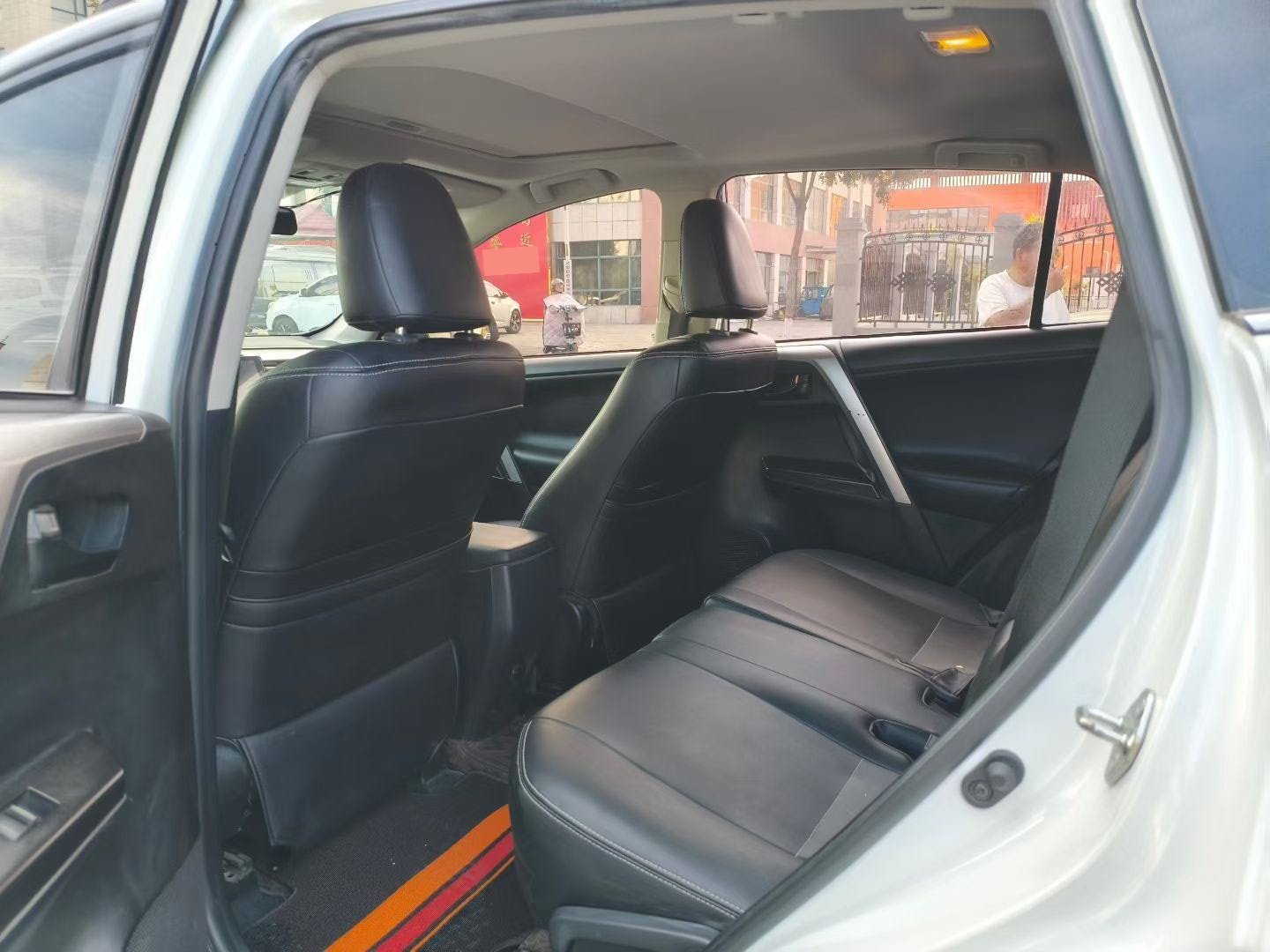
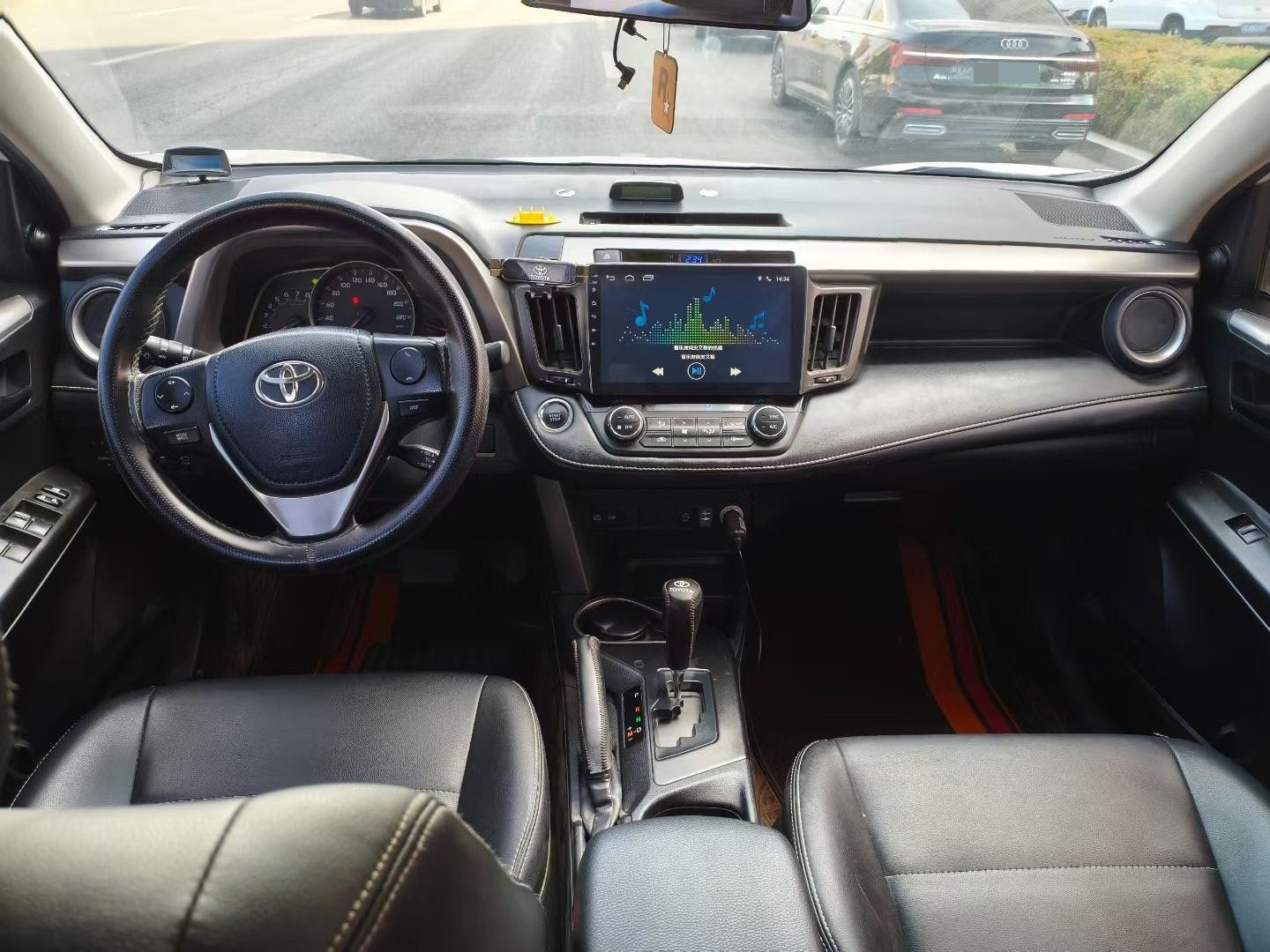
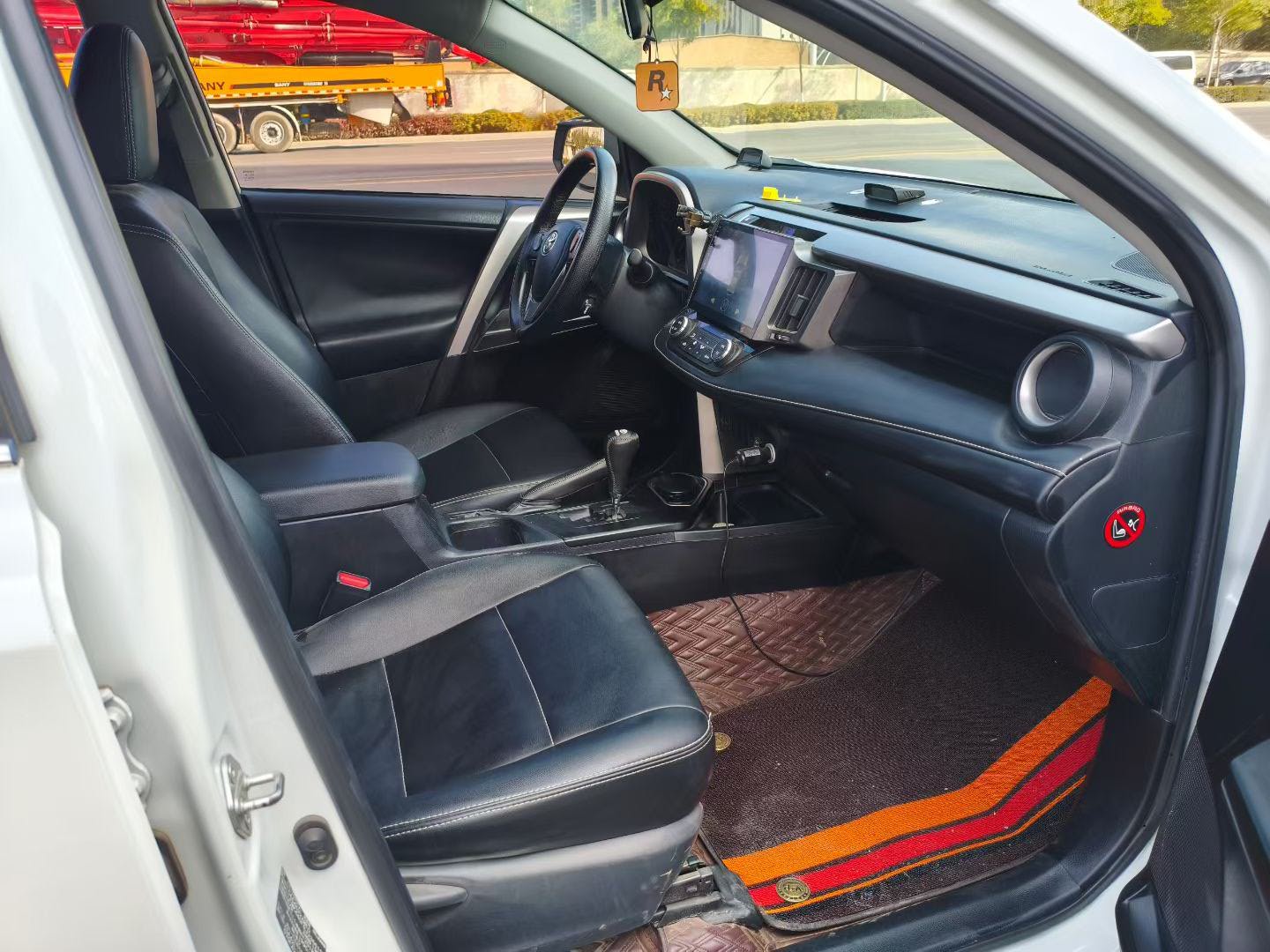
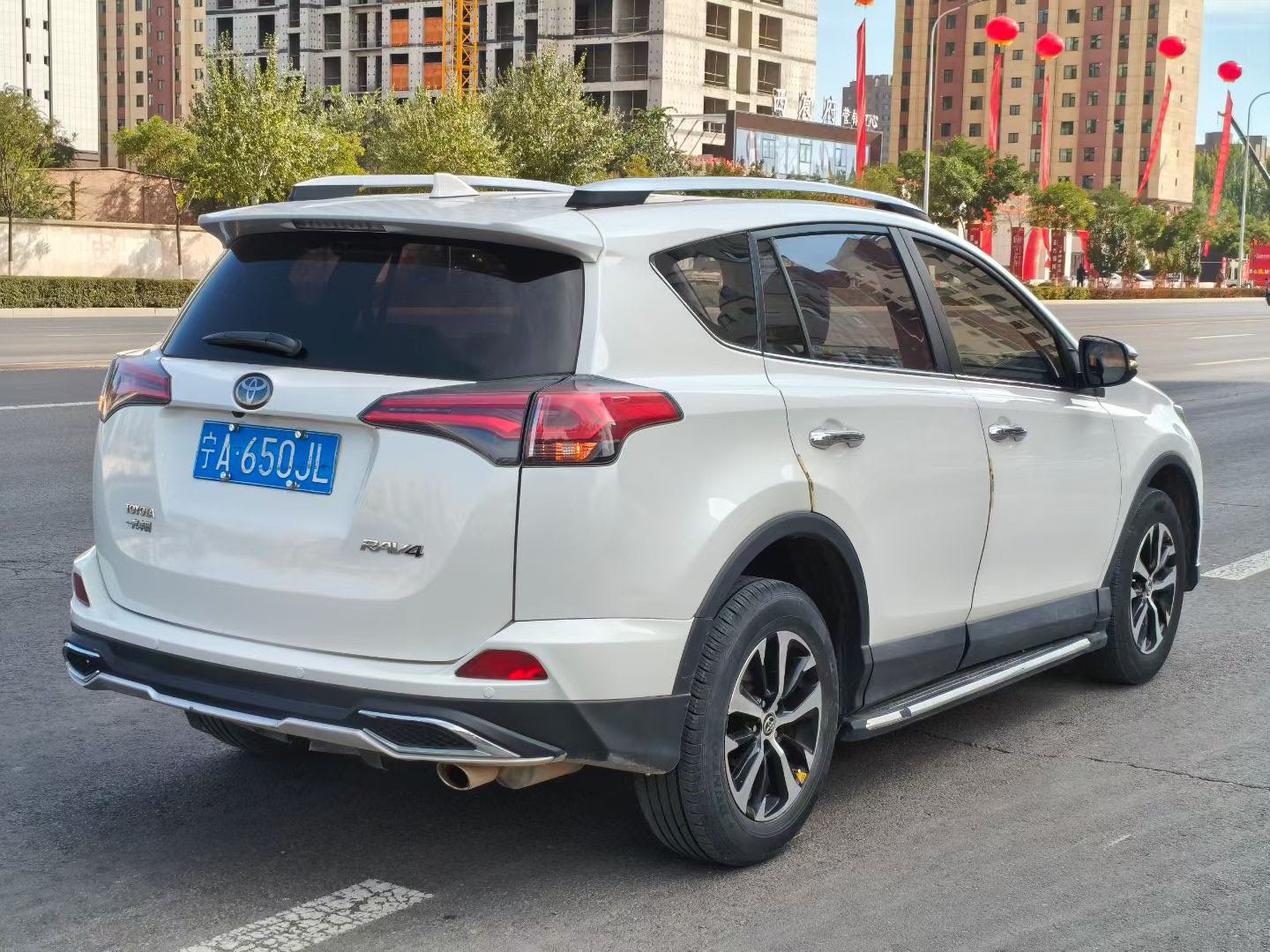
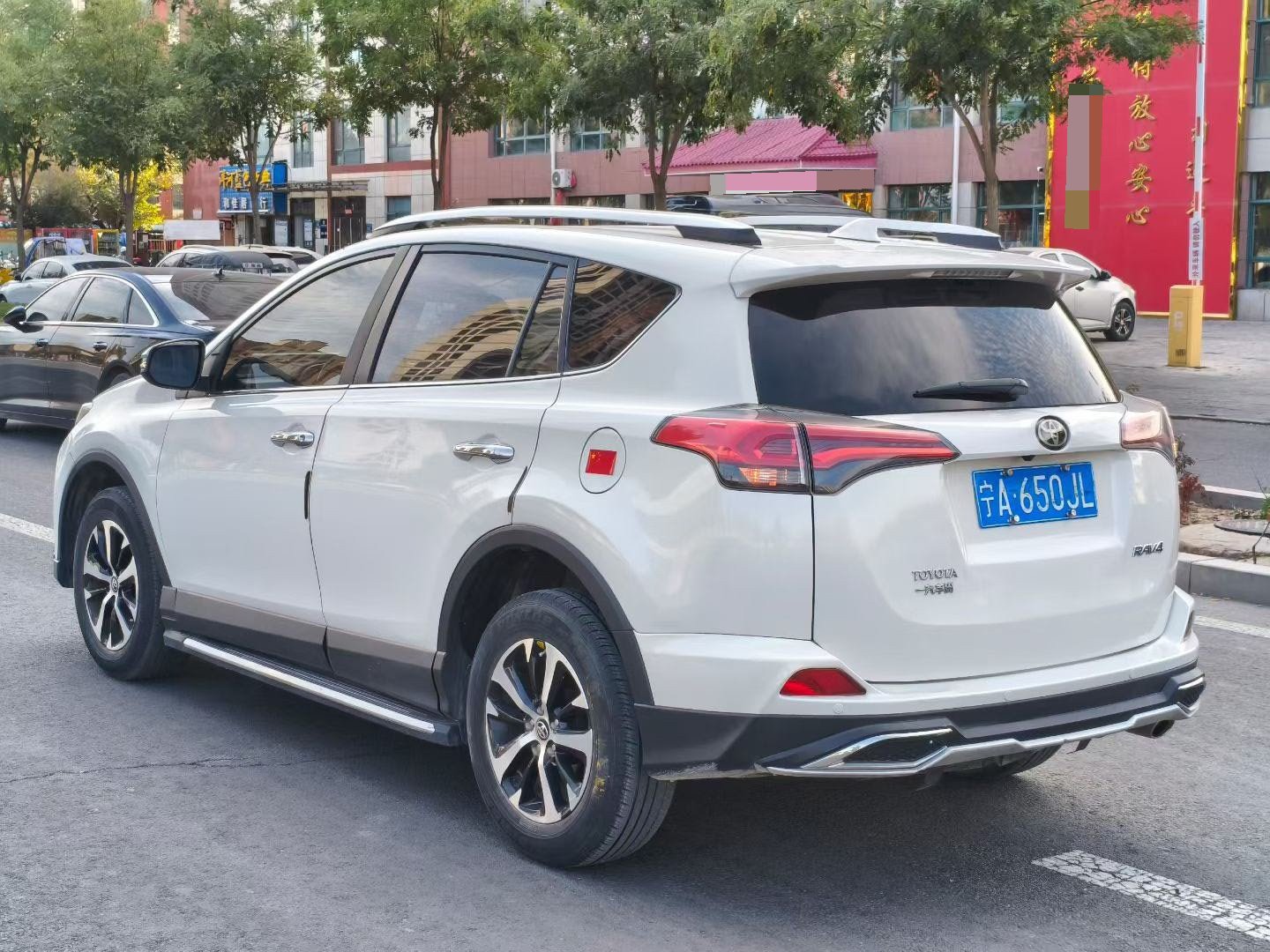



Basic Information

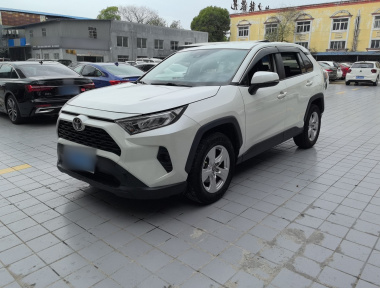
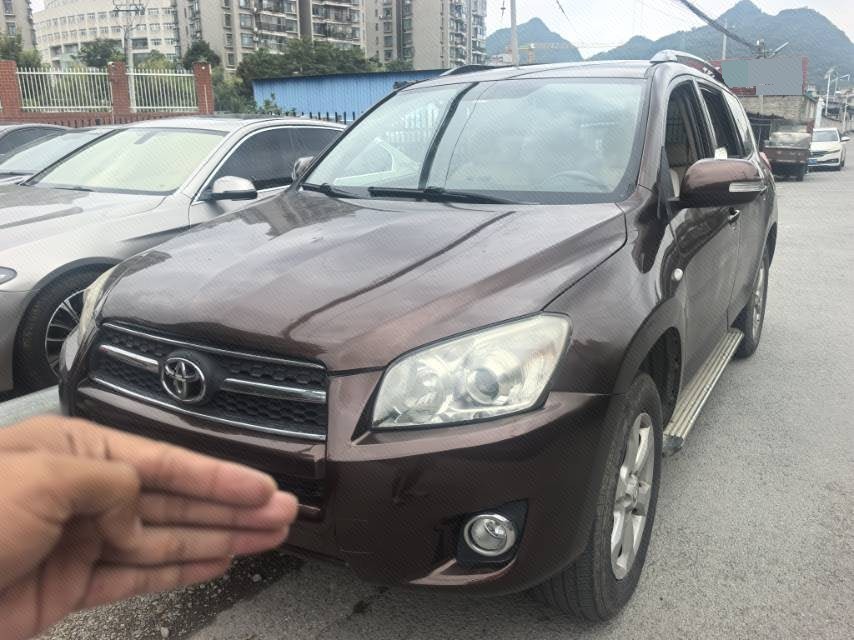
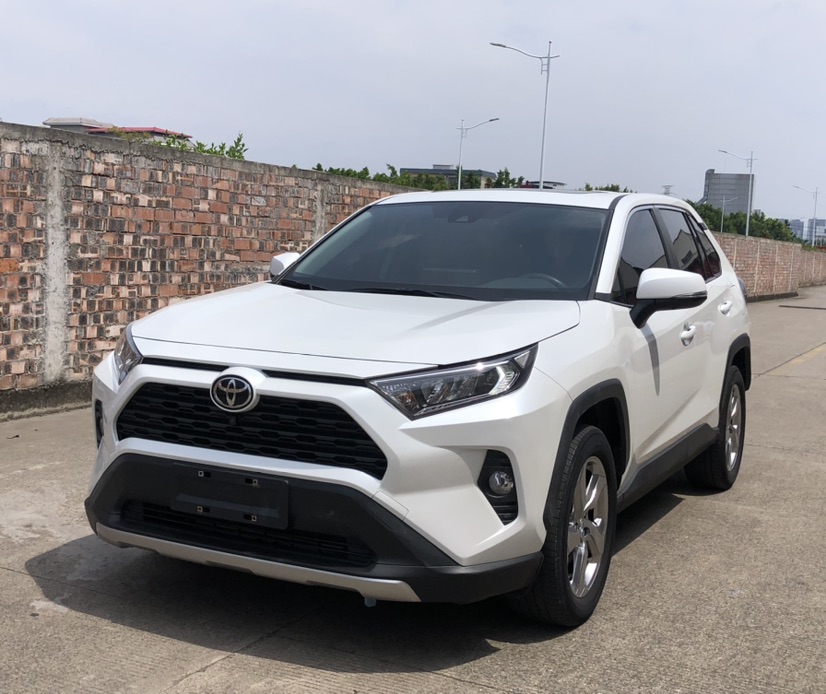
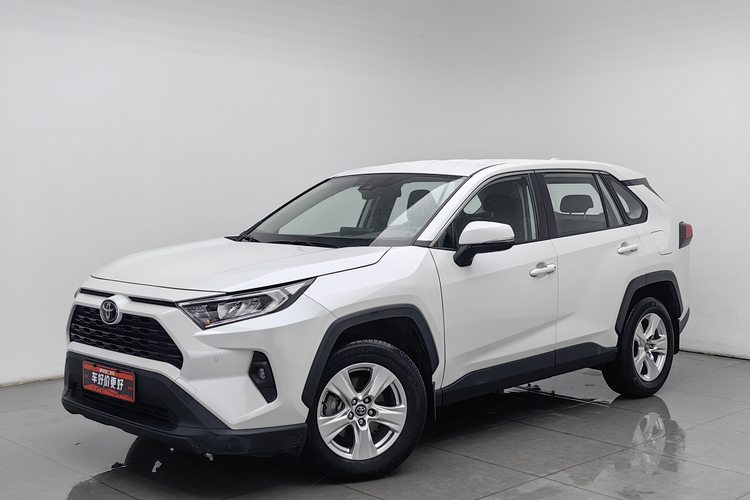
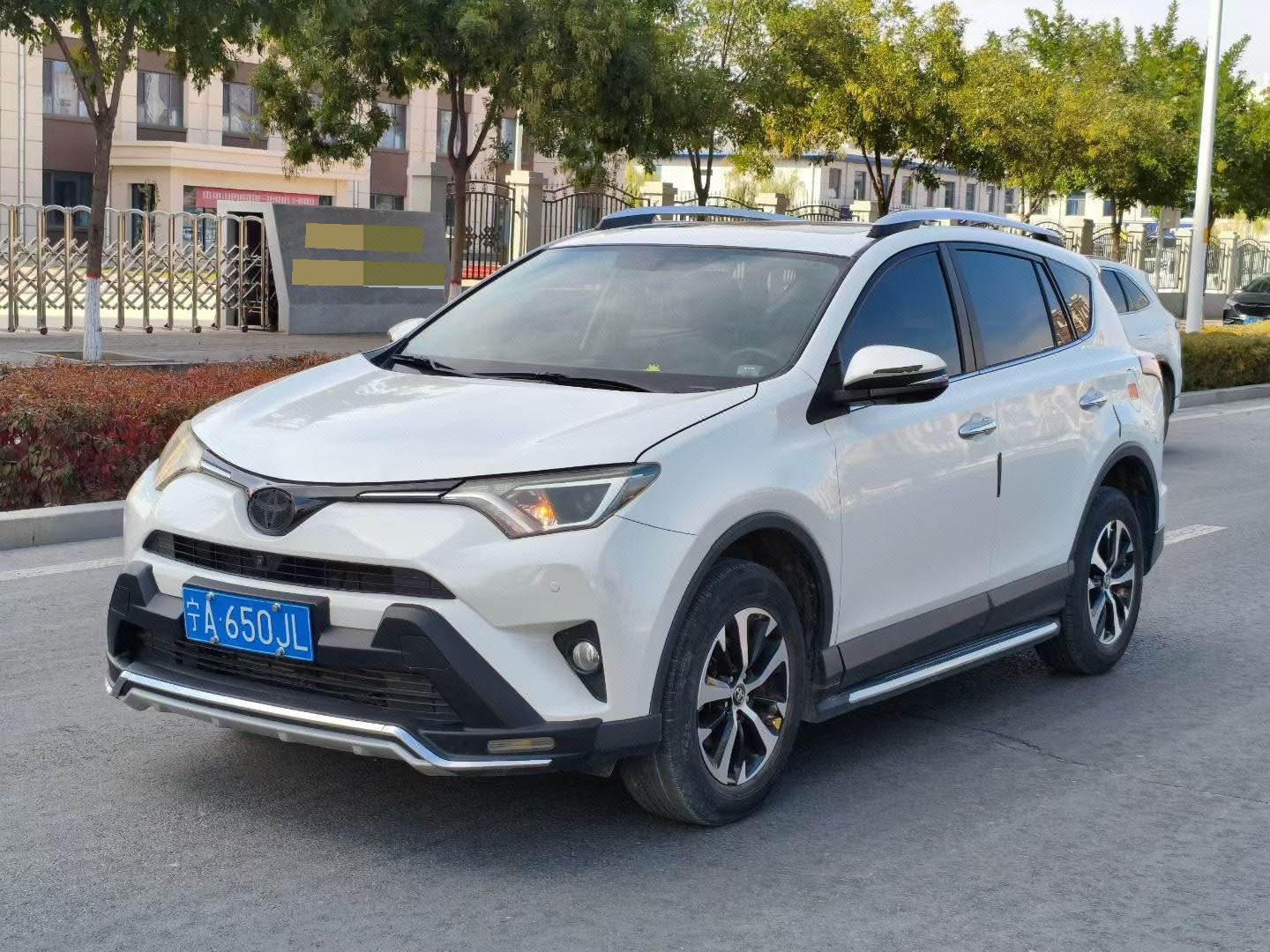
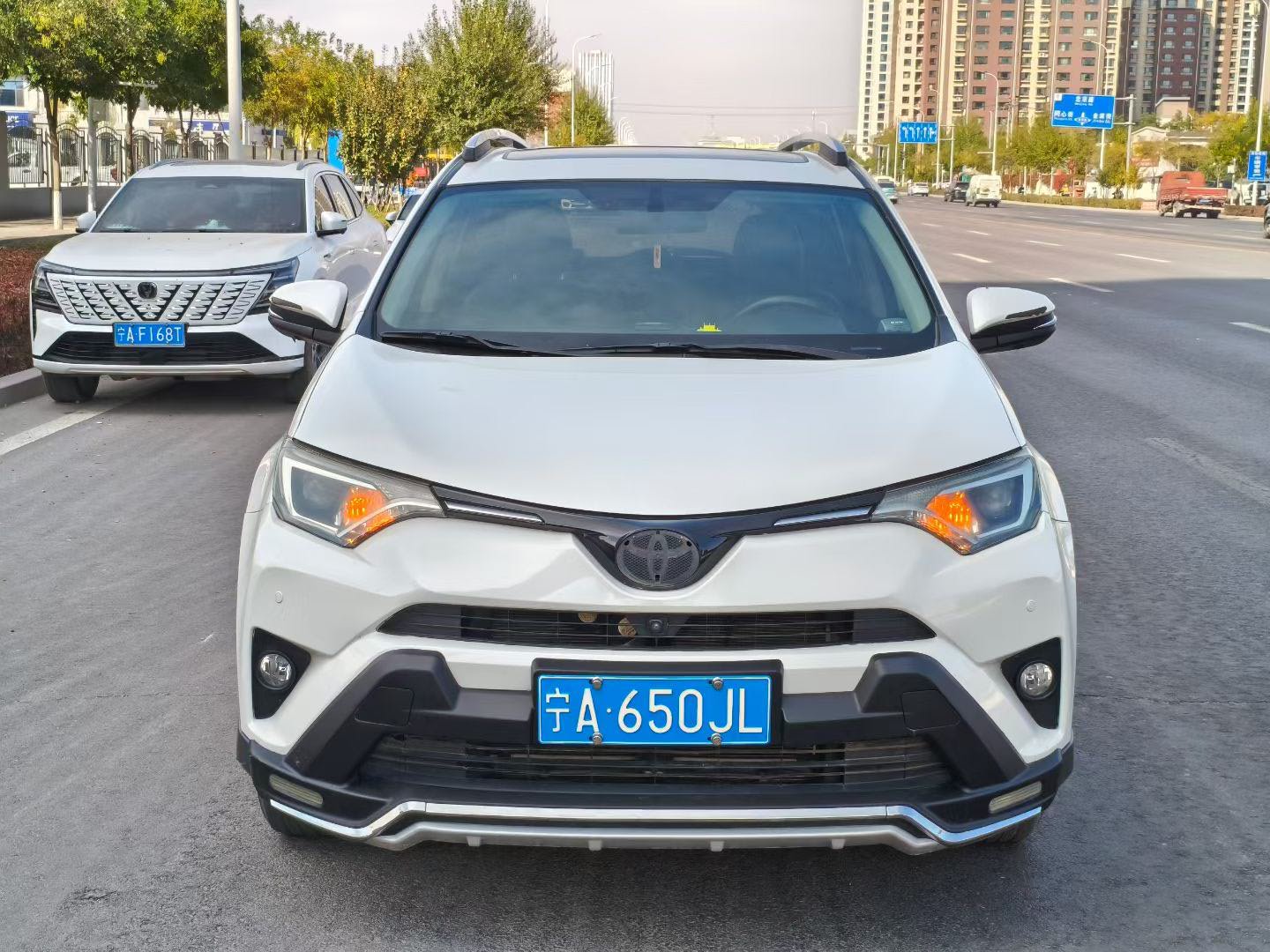
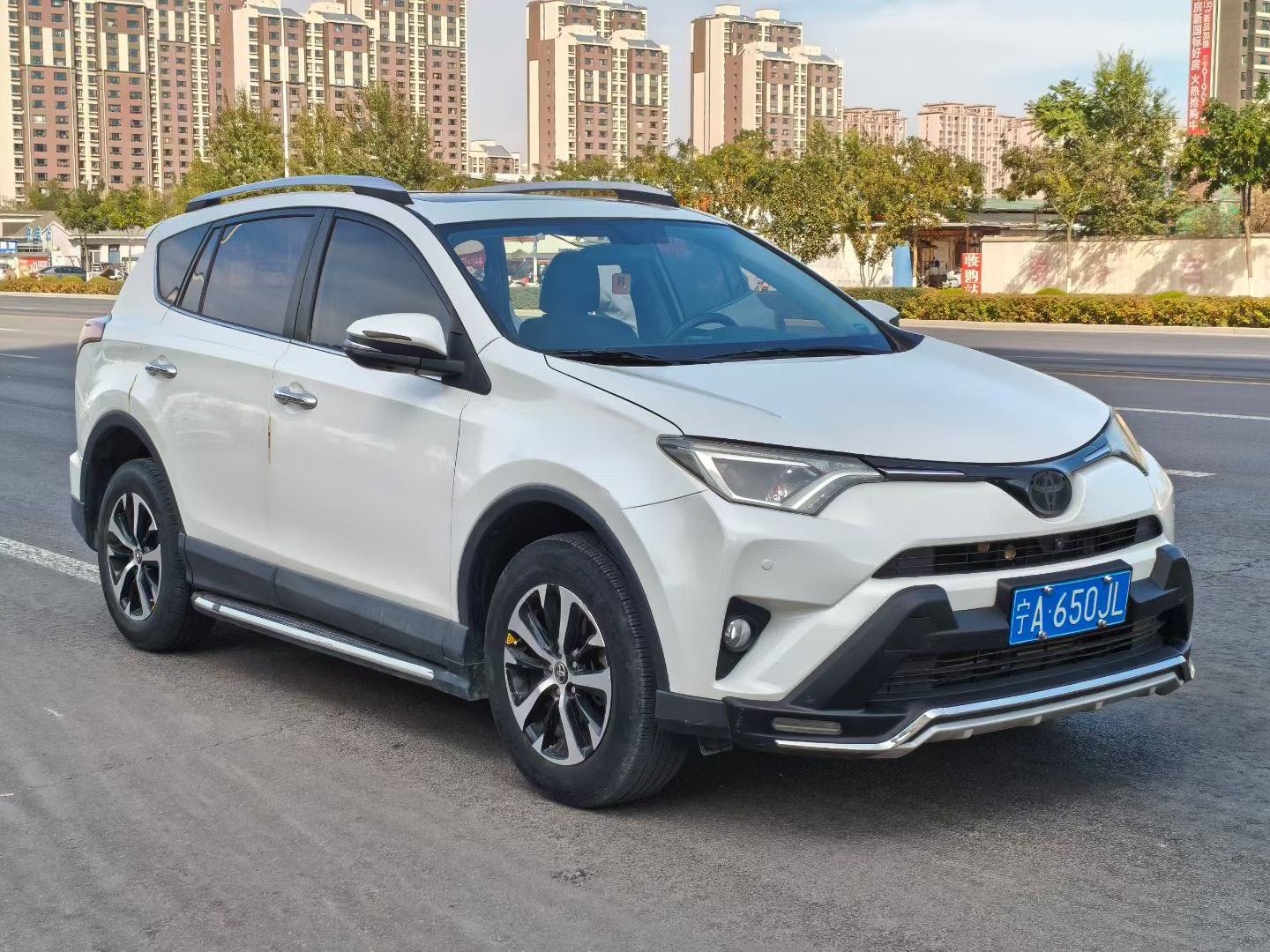
BrandToyota
SeriesRAV4
Year2018
First Registration2018/05
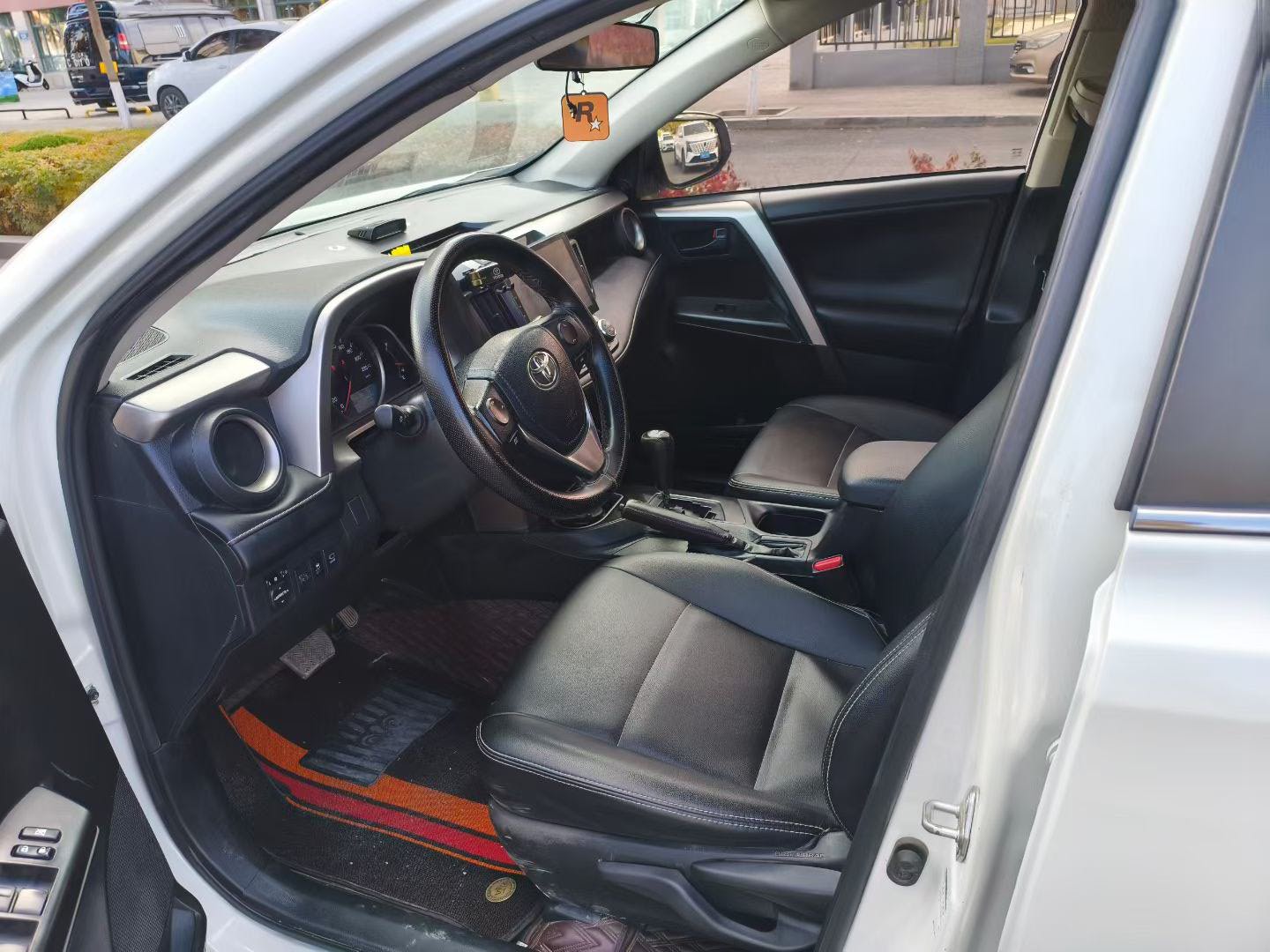
Mileage70,000km
Transfer Count0times
FuelGasoline
TransmissionCVT
Engine2.0L 151 L4
ColorWhite
Seats-

Condition Description

One door and one front fender replaced. Actual odometer reading over 70,000 km.

Document Information

Inspection Expiry Date-
Warranty Expiry Date-
Insurance Expiry Date2027/05

Q&A

More

Will you provide a full vehicle electronic fault code scan report read by the OBD (On-Board Diagnostics) computer?

Yes. We will use a professional diagnostic tool to scan all vehicle systems, including the Engine Control Unit (ECU), Transmission Control Module (TCM), Anti-lock Braking System (ABS), and Airbag Module (SRS), and provide English screenshots of all current and historical Diagnostic Trouble Codes (DTCs).


After long-distance sea transport, does the vehicle's air conditioning refrigerant (Freon) need to be vacuumed and recharged?

If there is a minor leak in the lines due to bumps, it is possible that the cooling may not work upon arrival. This is a normal physical loss. The cost of vacuuming, pressure testing, and recharging refrigerant at a local auto repair shop is low and is the buyer's responsibility.

How can I confirm the seller actually owns the car and that it has no outstanding liens or loans in China?

Ask the exporter for a copy of the vehicle registration certificate (机动车登记证书). It lists every owner change and any mortgage registration. If the car was financed, there will be a lien entry; make sure a release entry follows it. You can also verify the VIN against public records through the traffic management platform (12123) — a legitimate exporter can generate a status report on the spot. Check that the seller's company name on the invoice matches the registered owner. For extra safety, require a written statement that the vehicle is free of liens, loans, court seizures, and lease agreements, and wire payment only to the company's corporate account after ownership is transferred to the export entity. That sequence — transfer first, payment second — is your strongest protection.