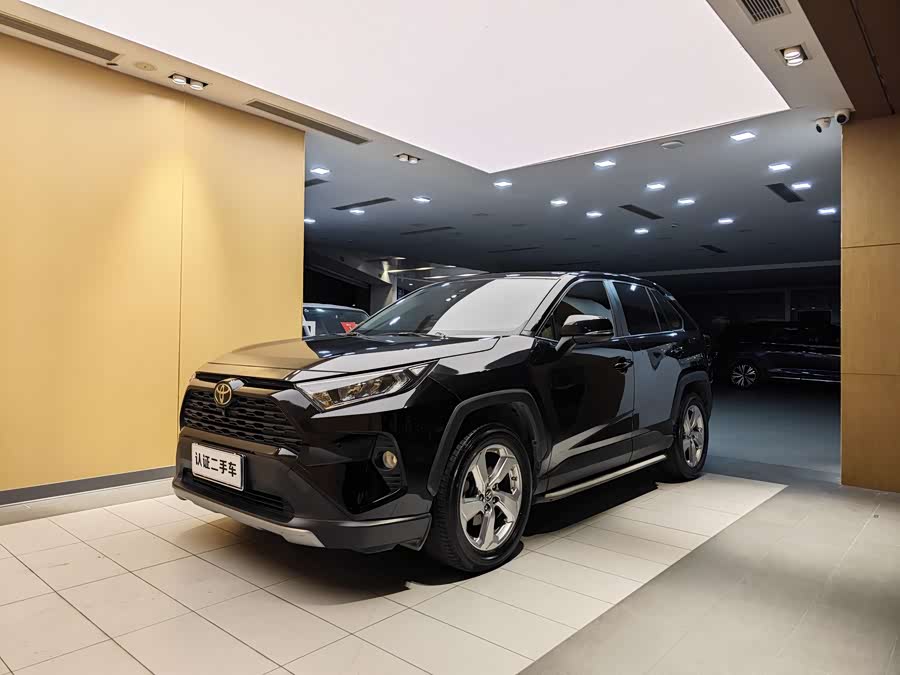
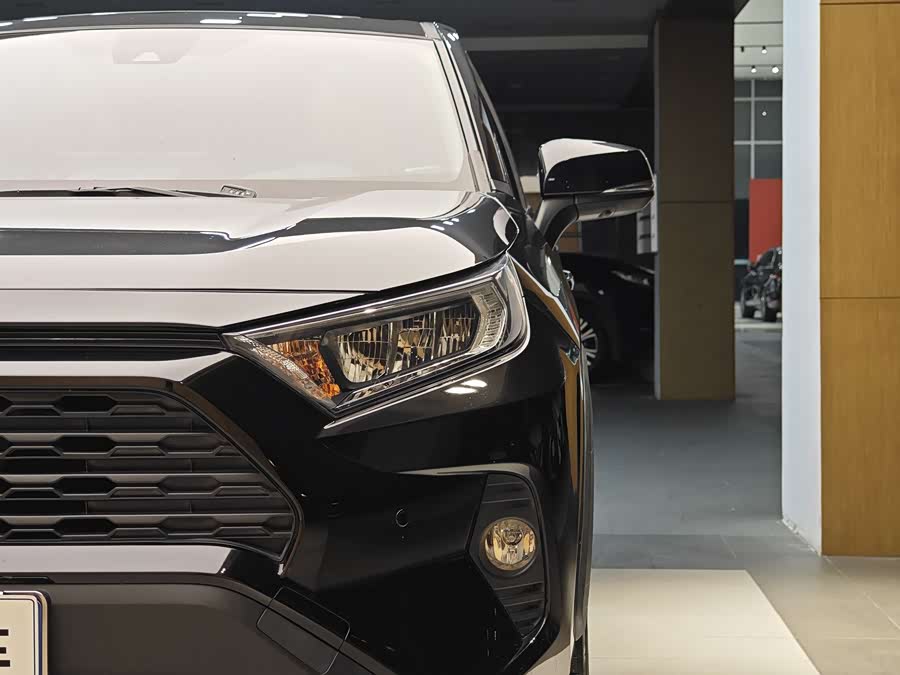
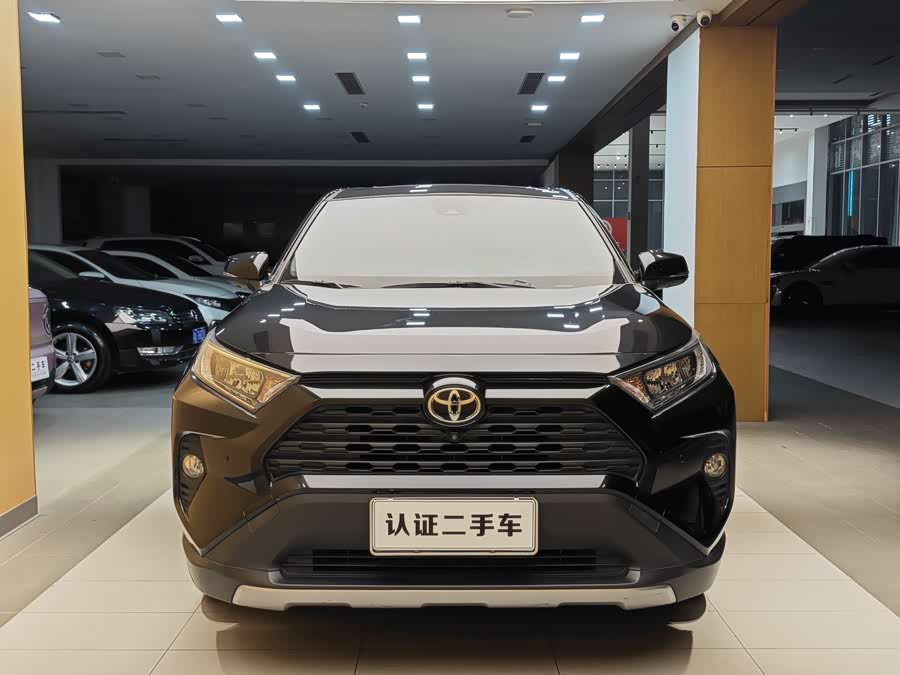
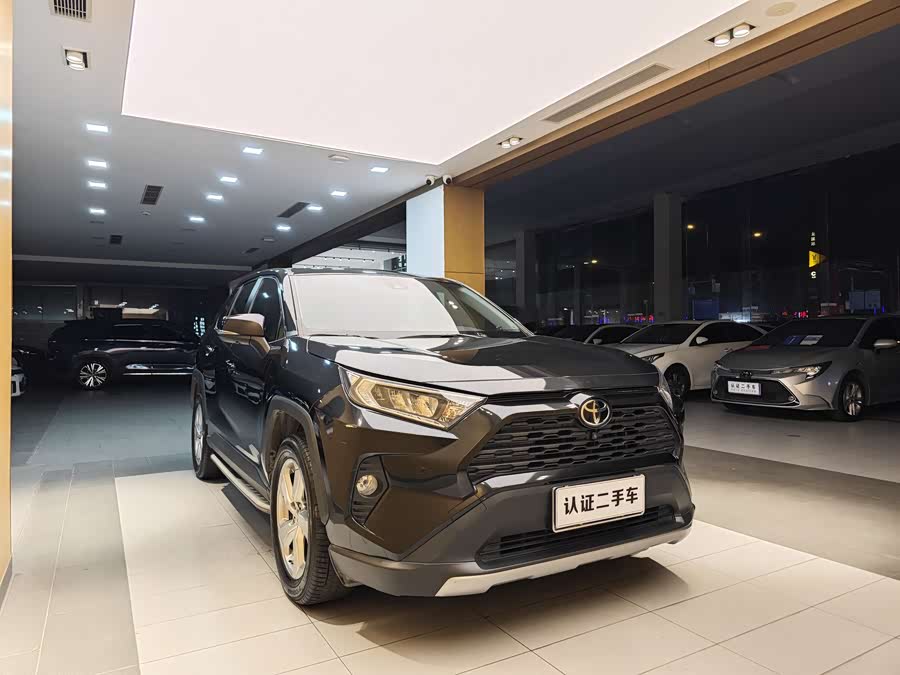
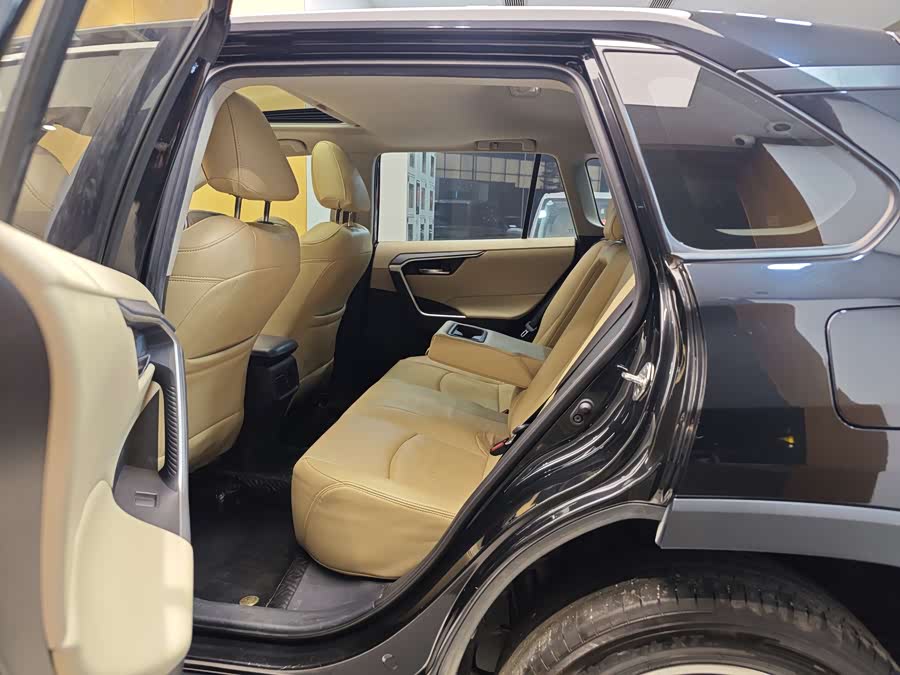
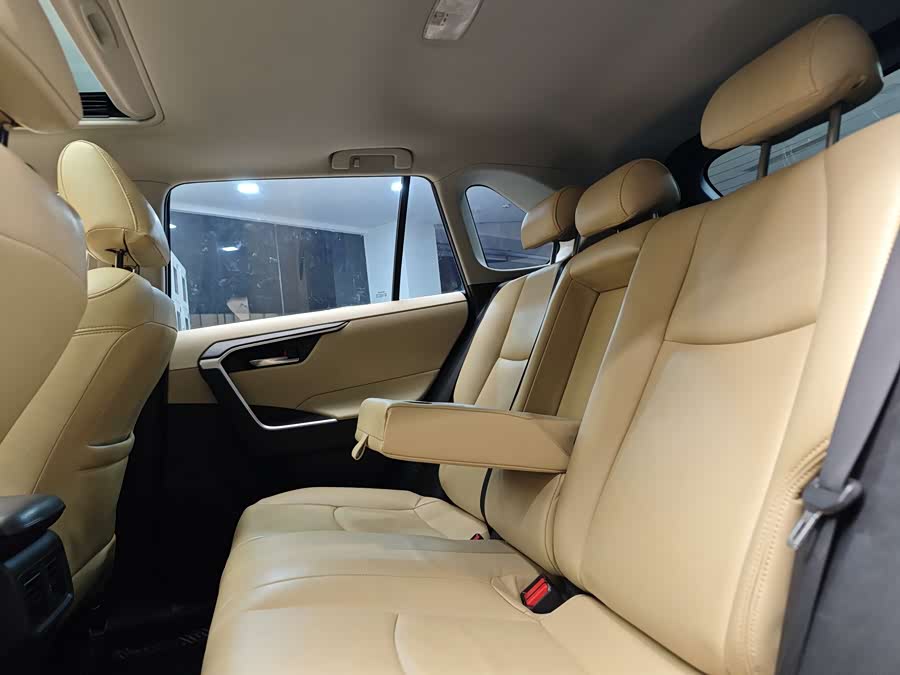
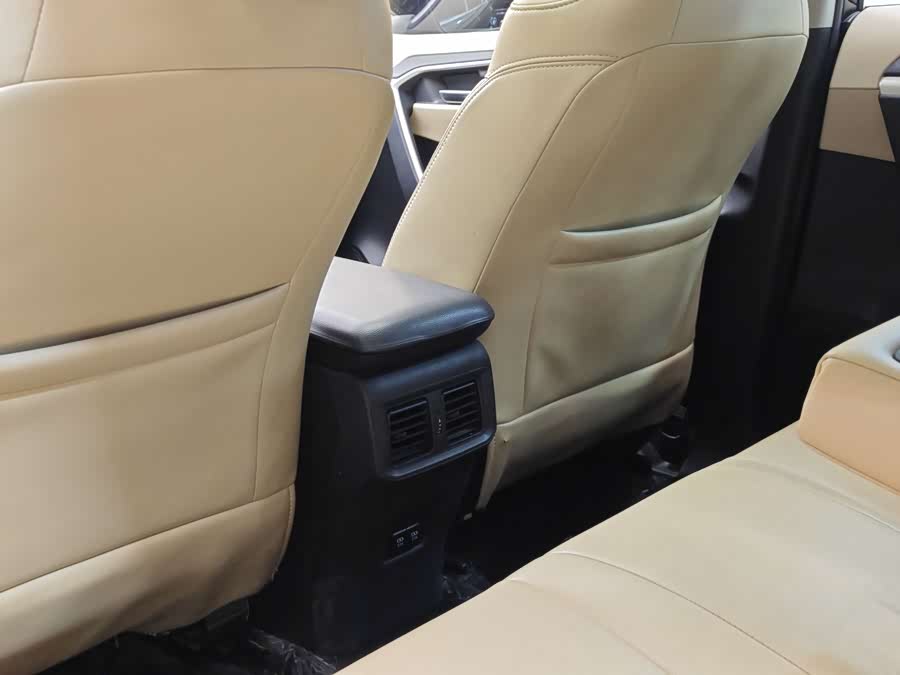
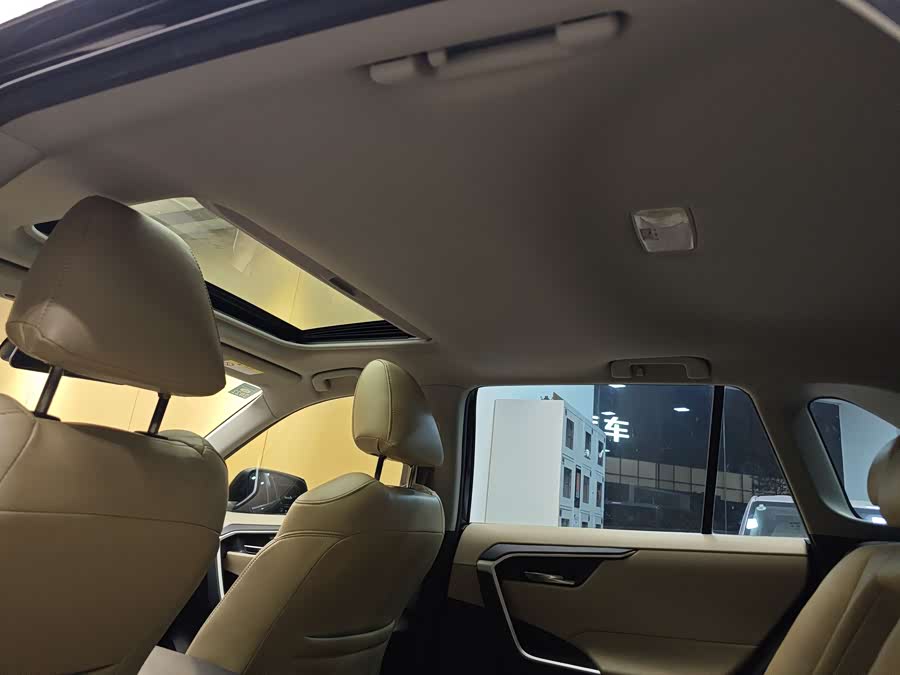
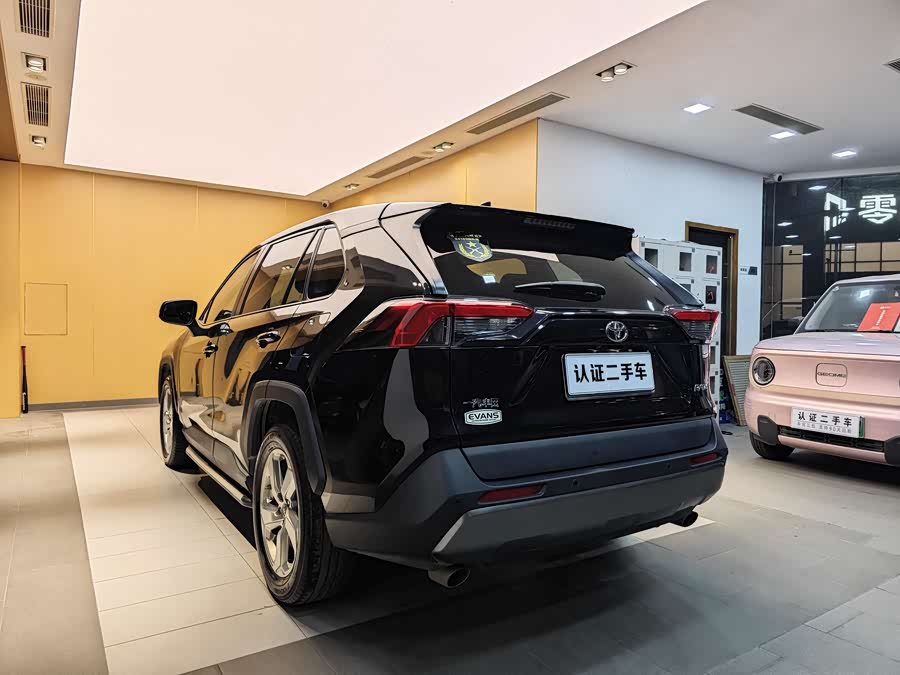
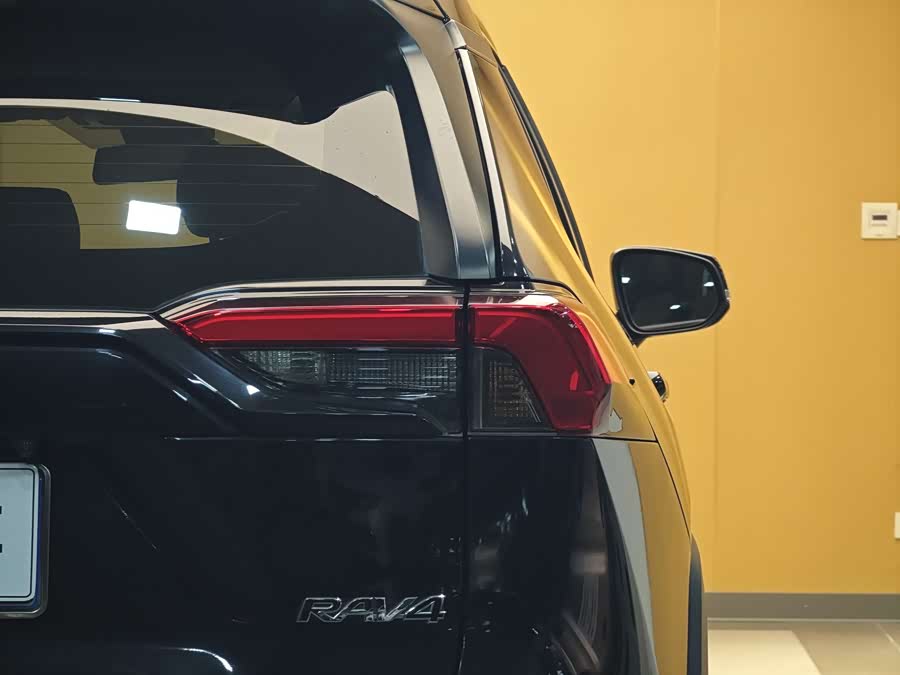
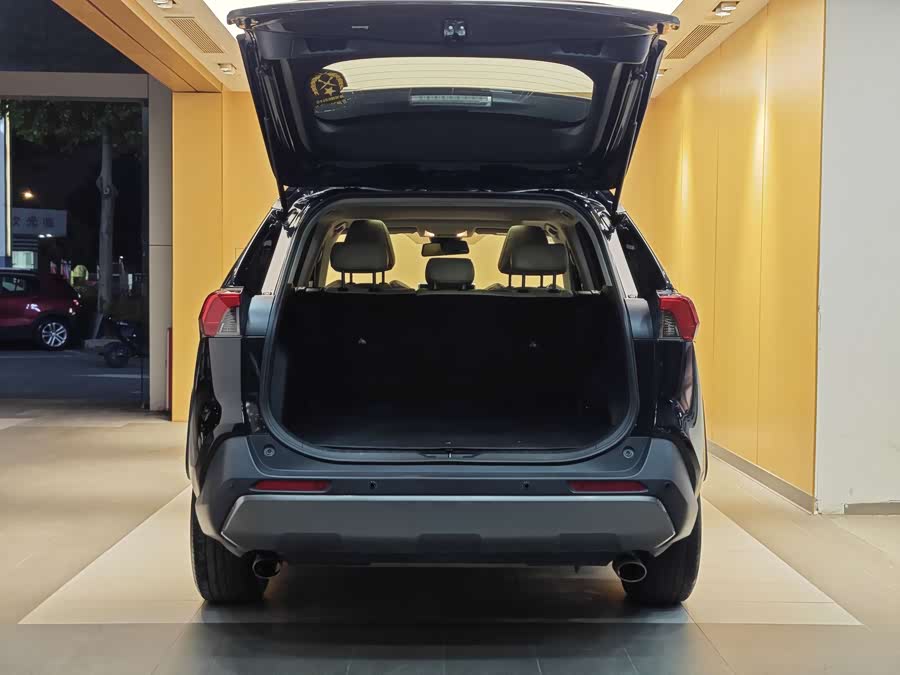
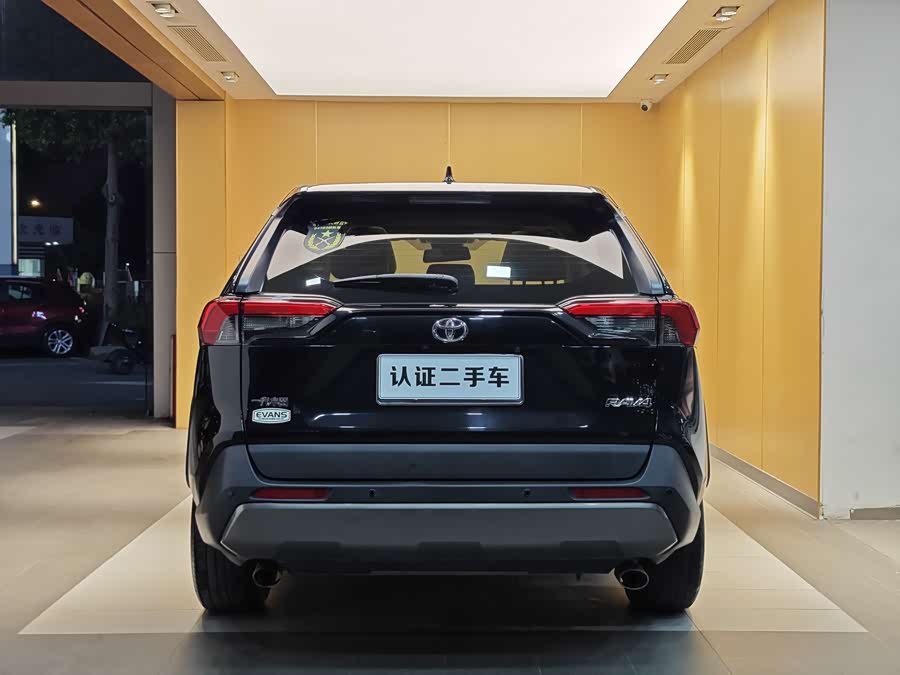
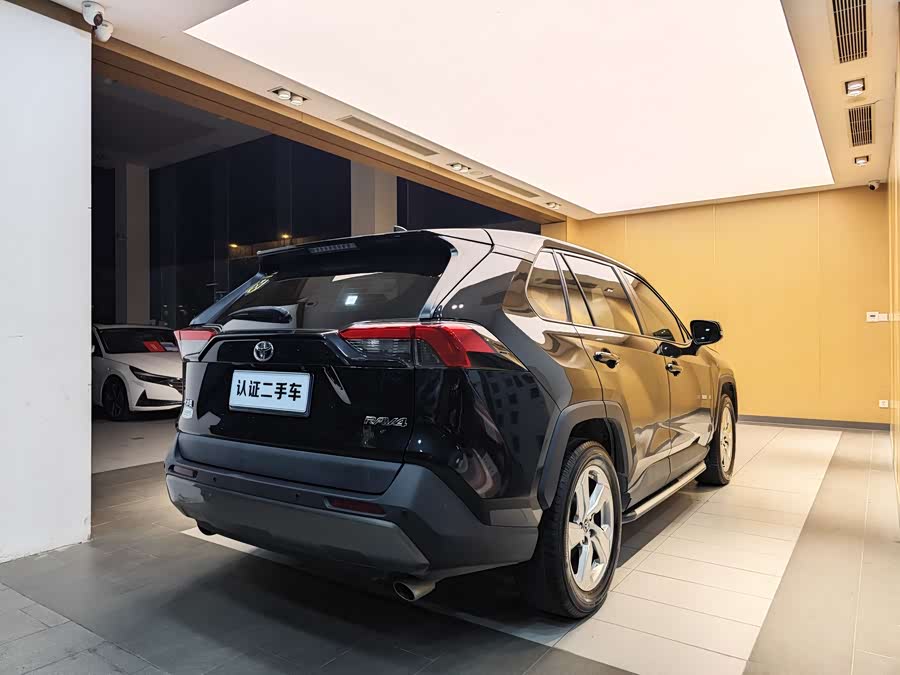
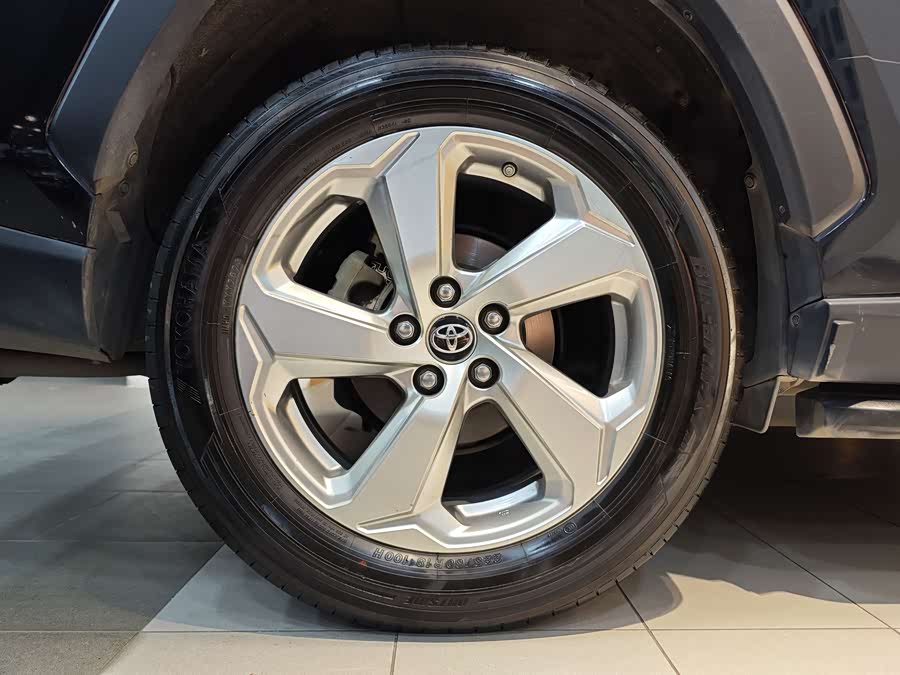
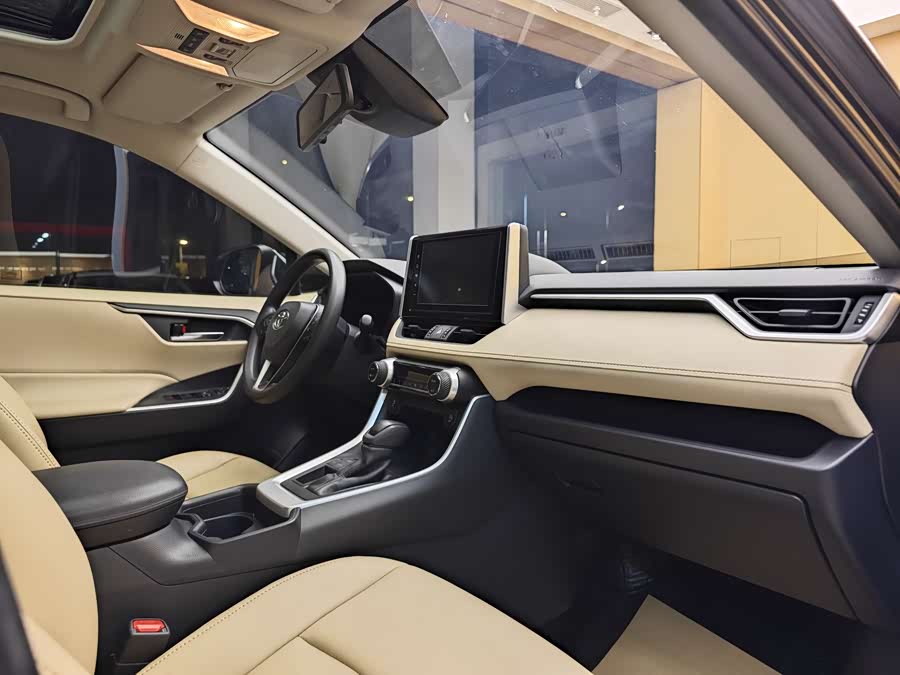
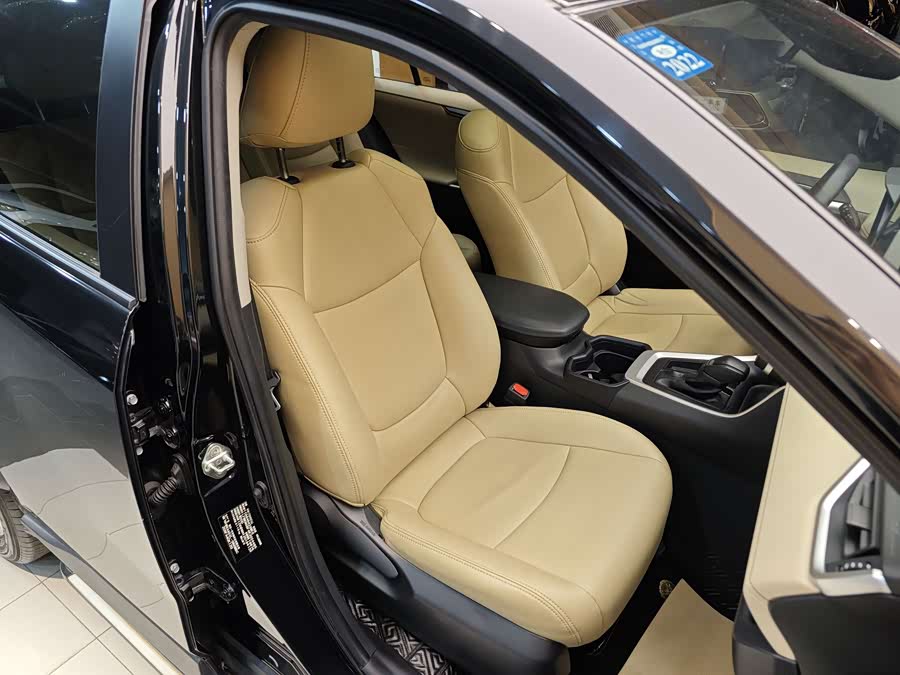



Basic Information

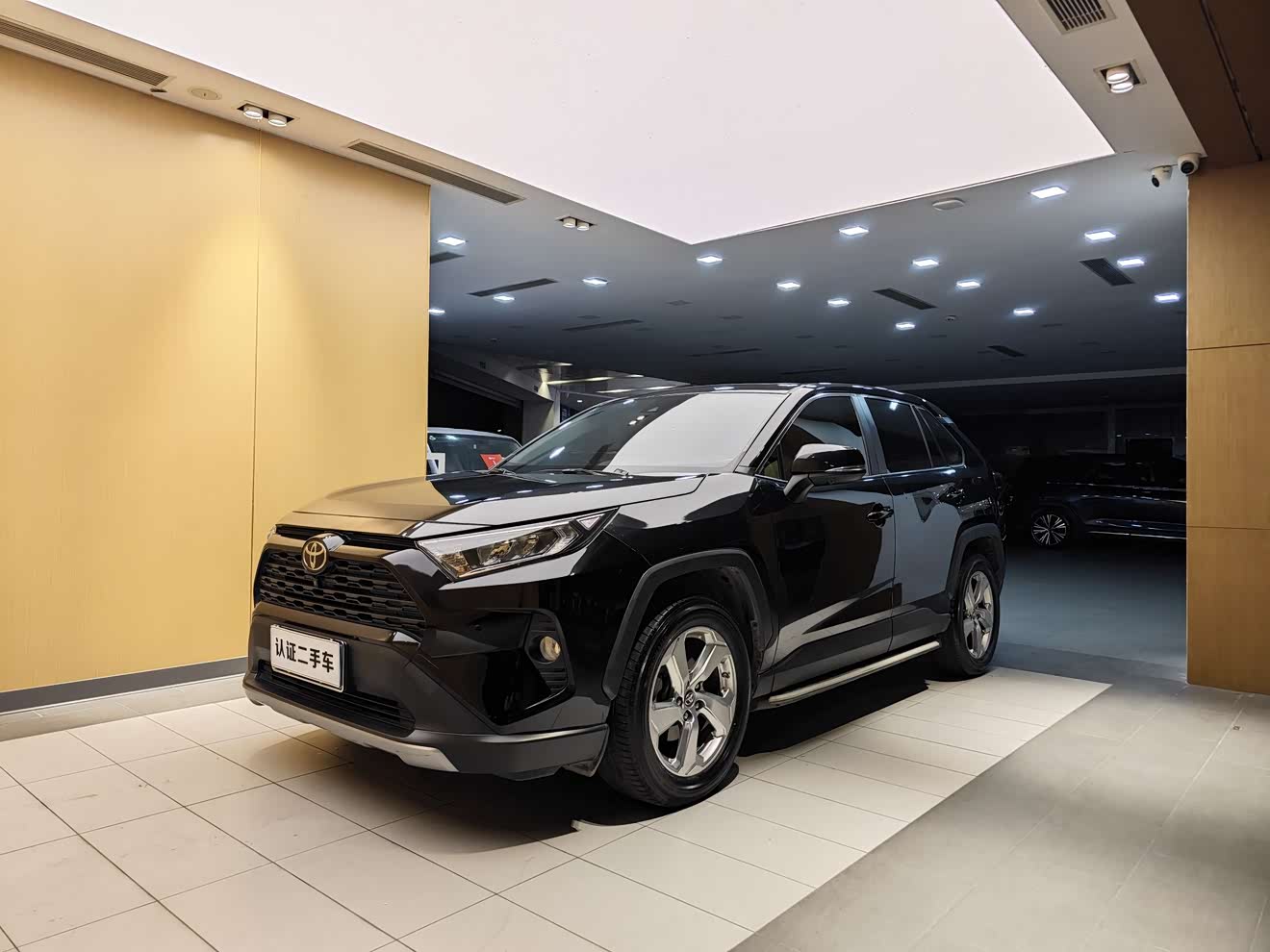
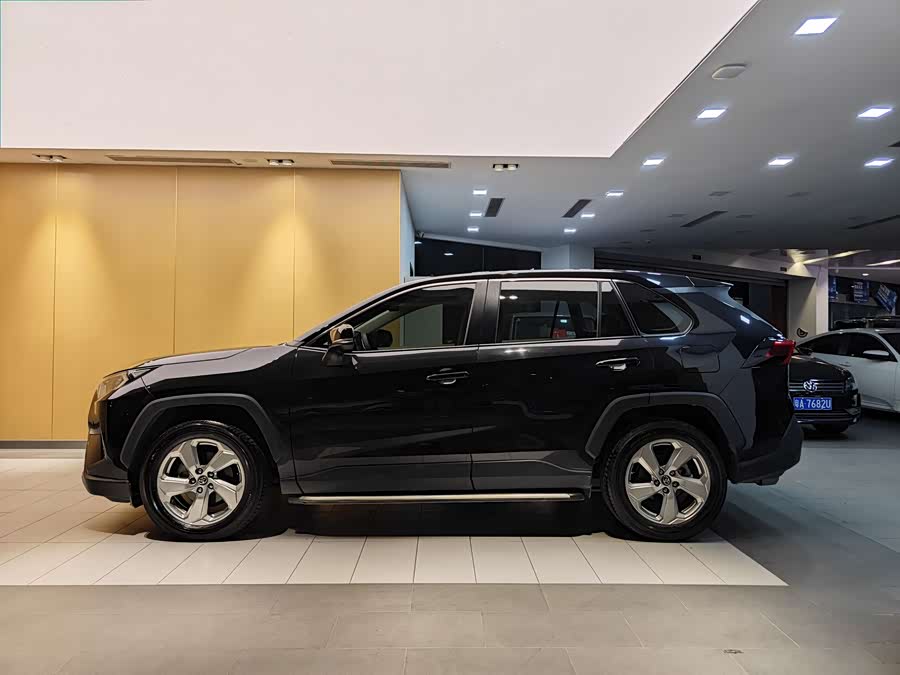
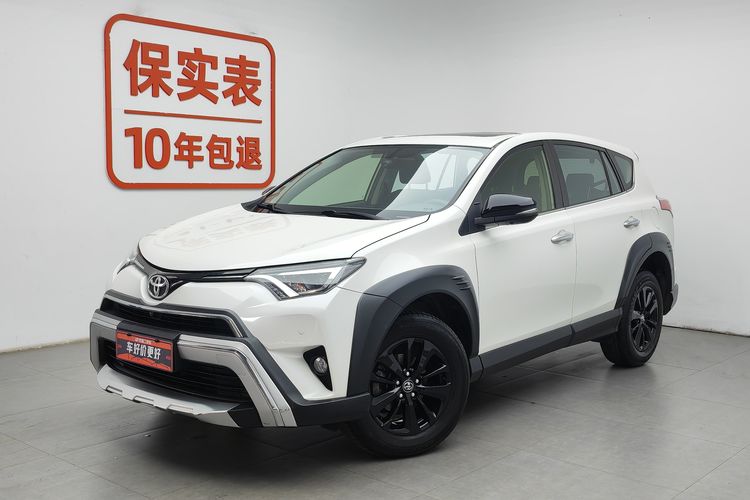
BrandToyota
SeriesRAV4
Year2020
First Registration2020/02
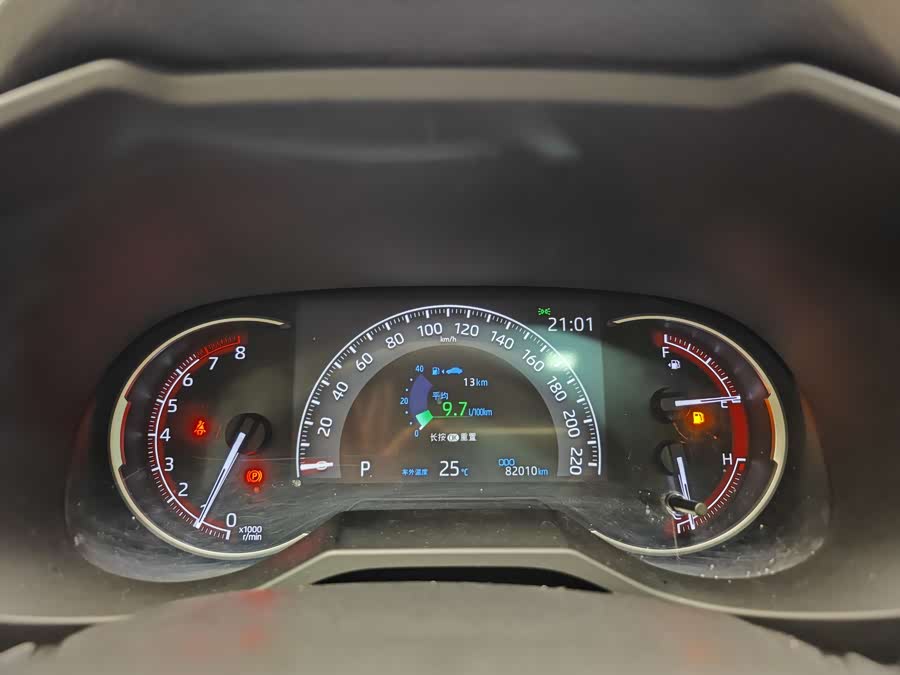
Mileage81,400km
Transfer Count-
FuelGasoline
TransmissionCVT
Engine2.0L 171 L4
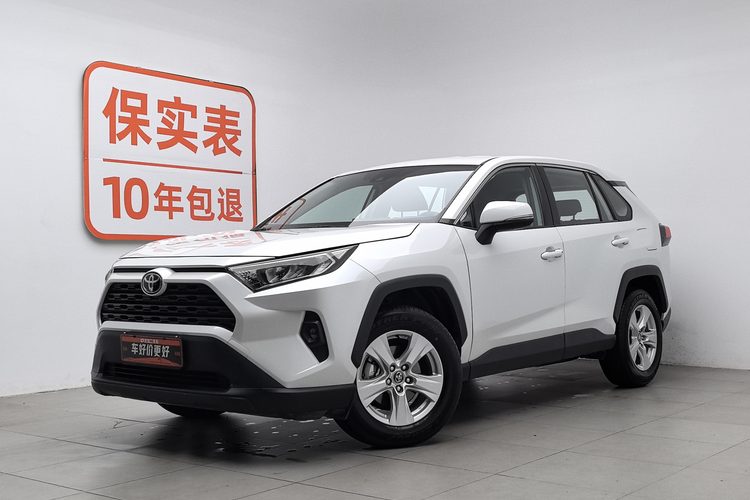
ColorBlack
Seats-

Condition Description

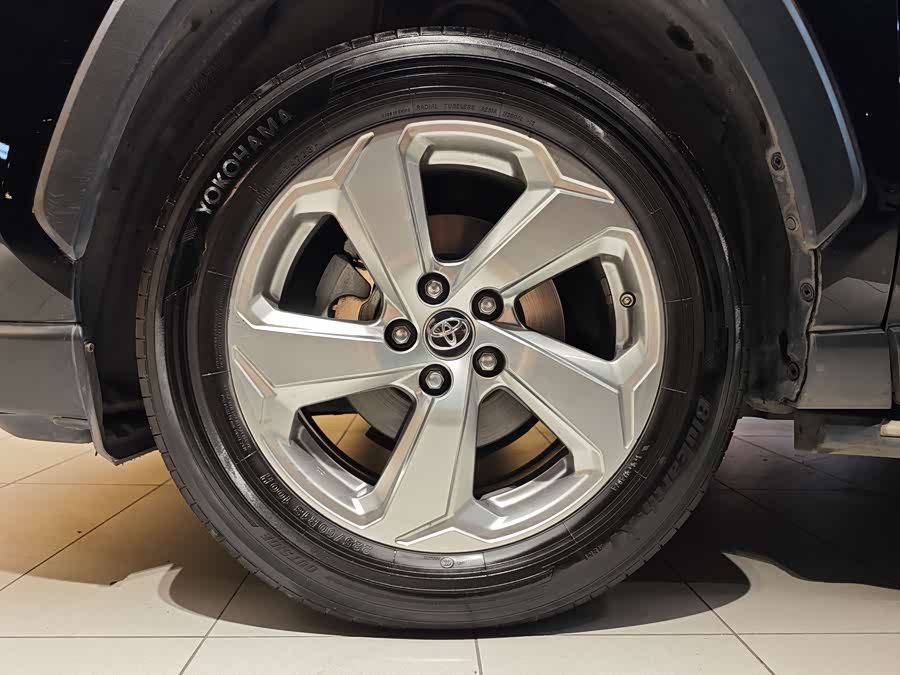
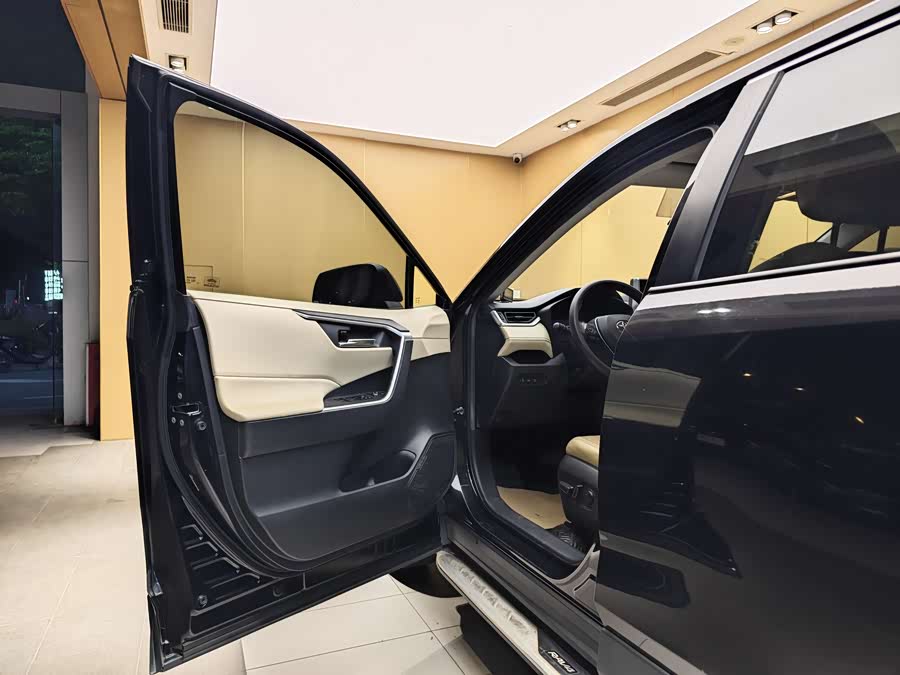
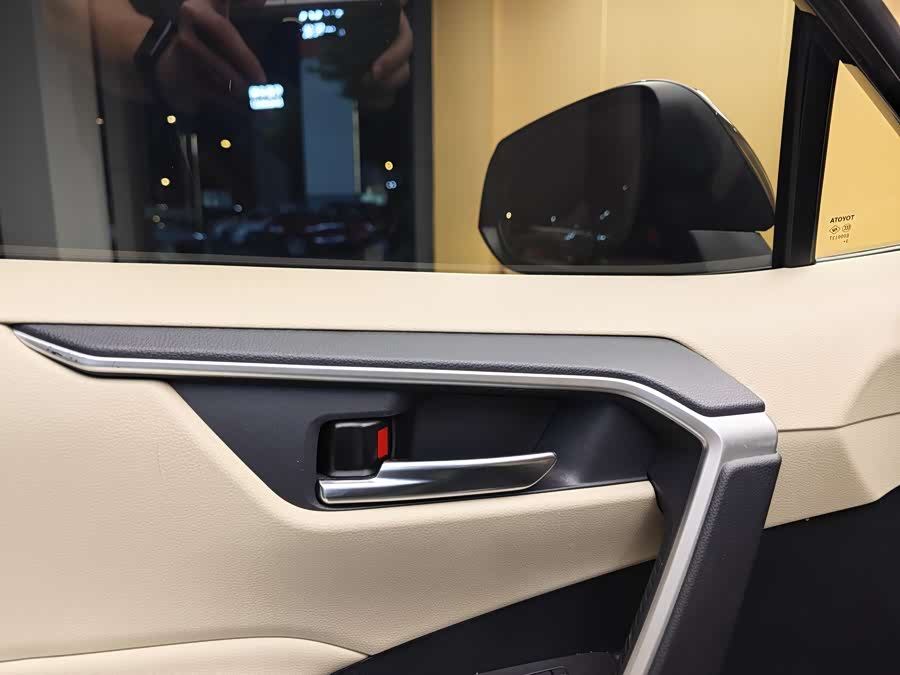
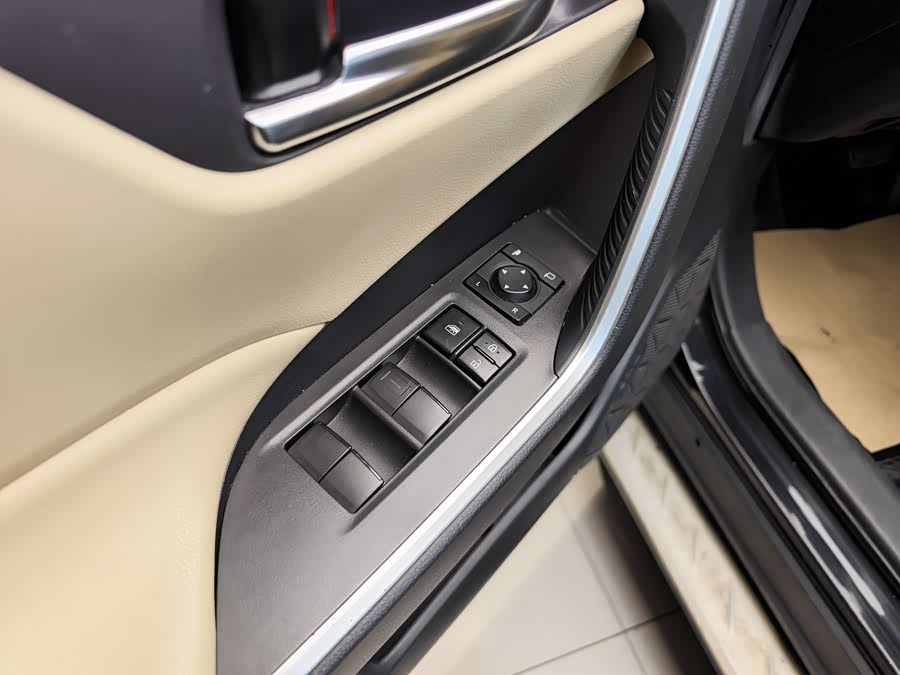
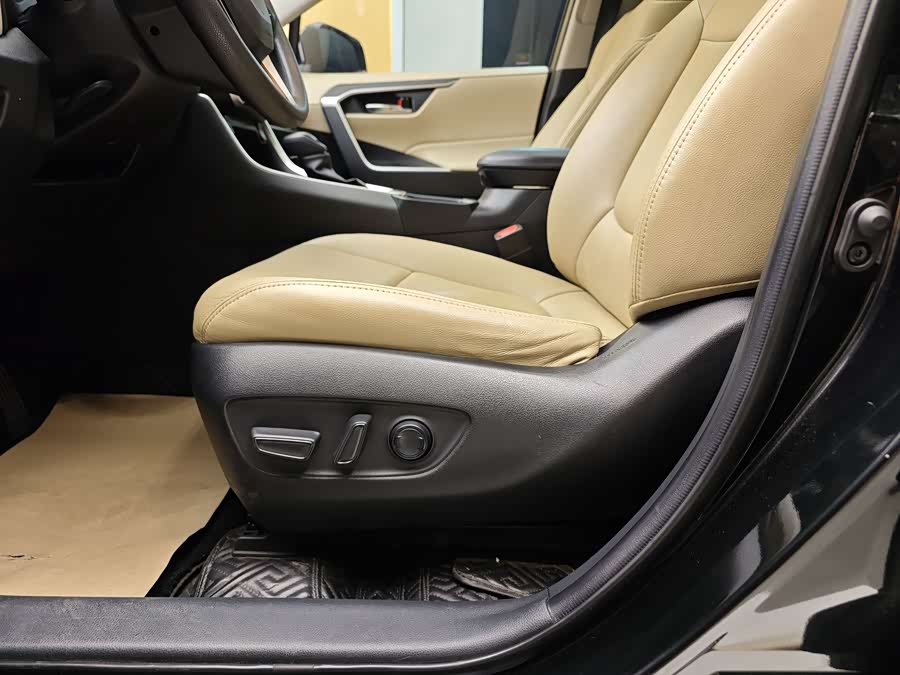
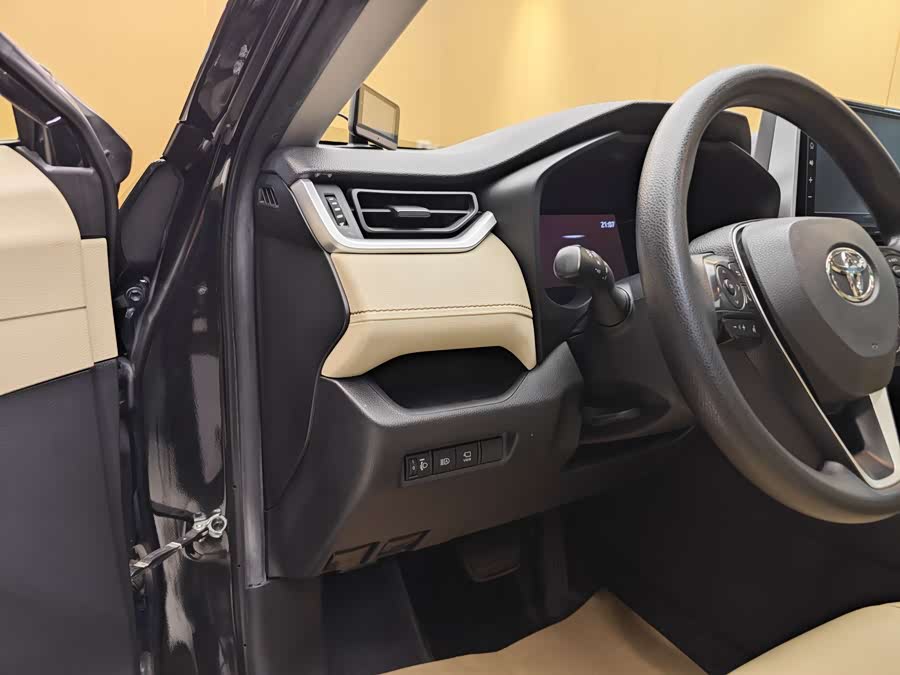
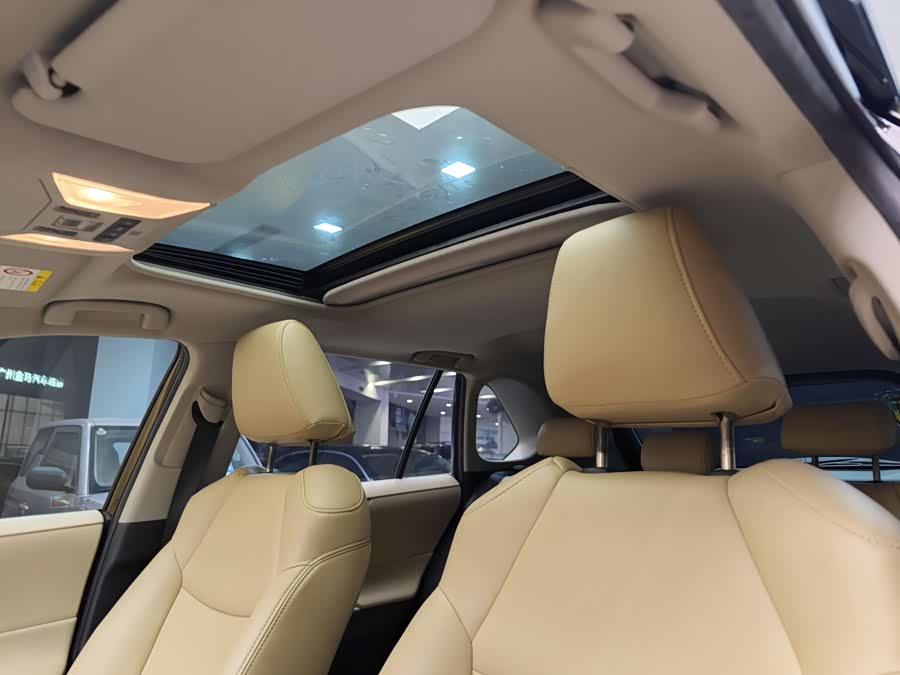
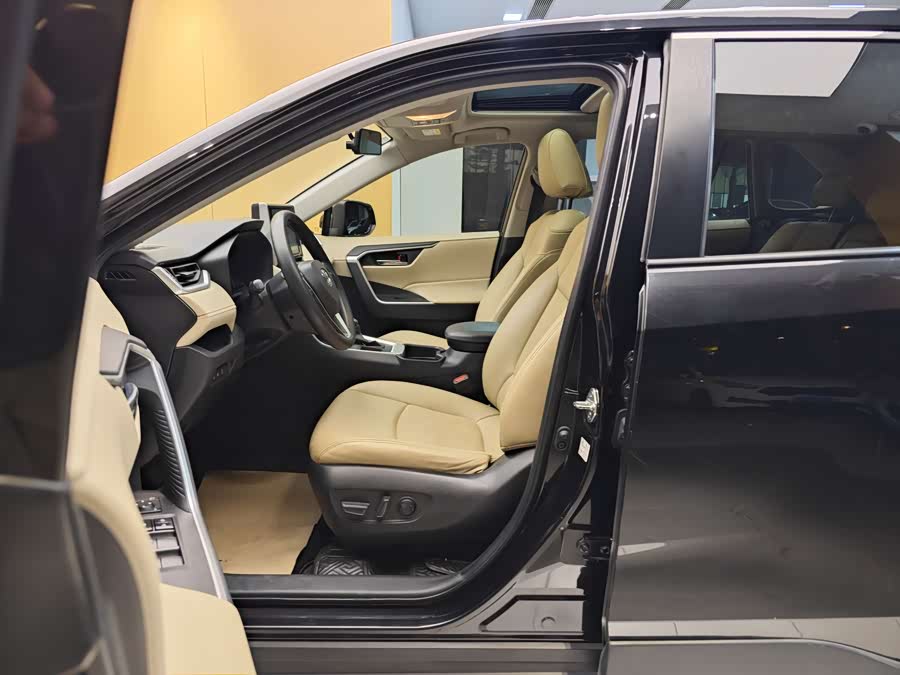
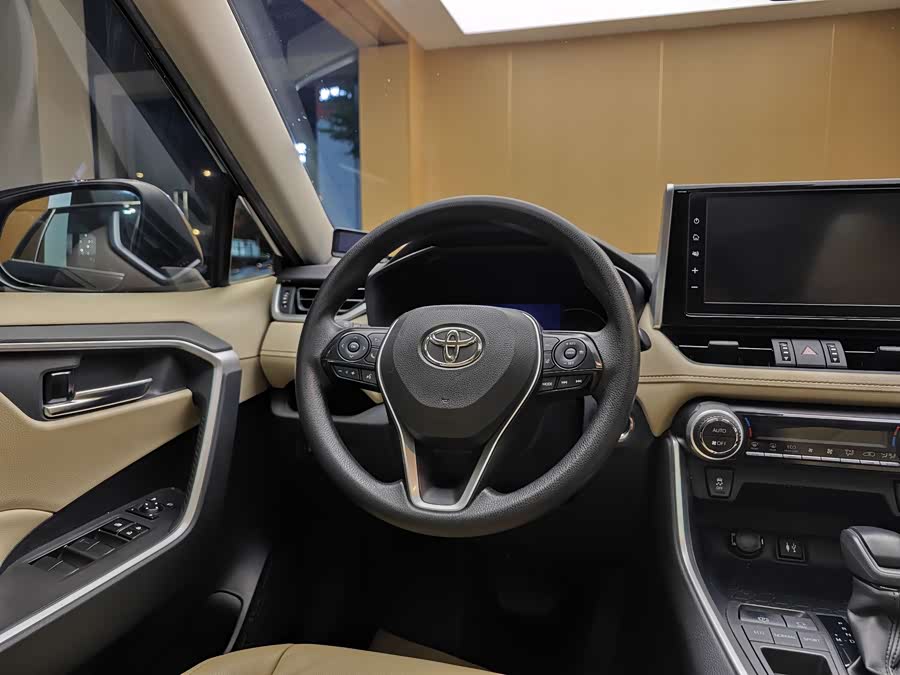
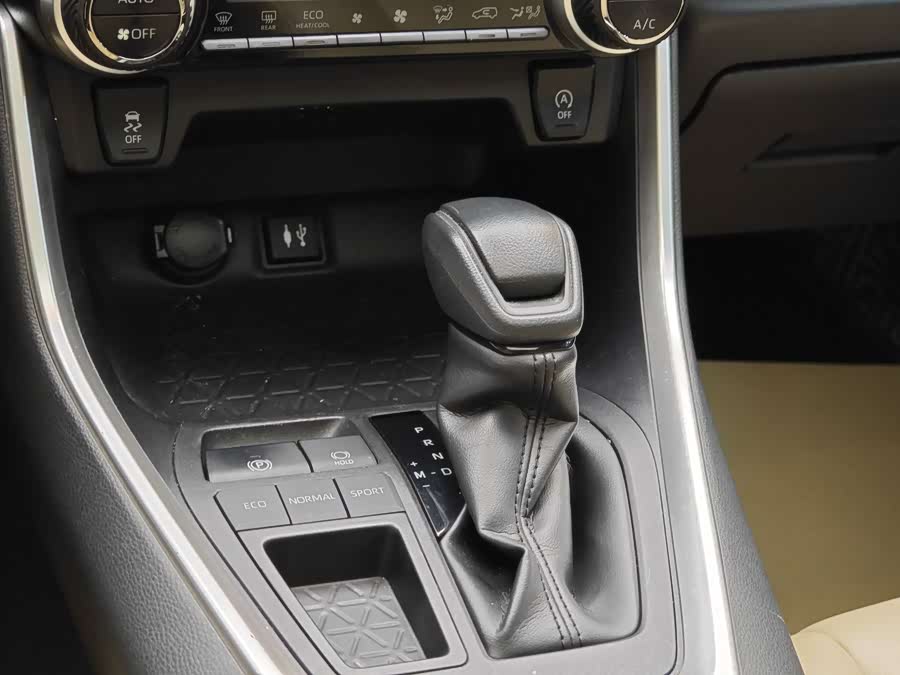
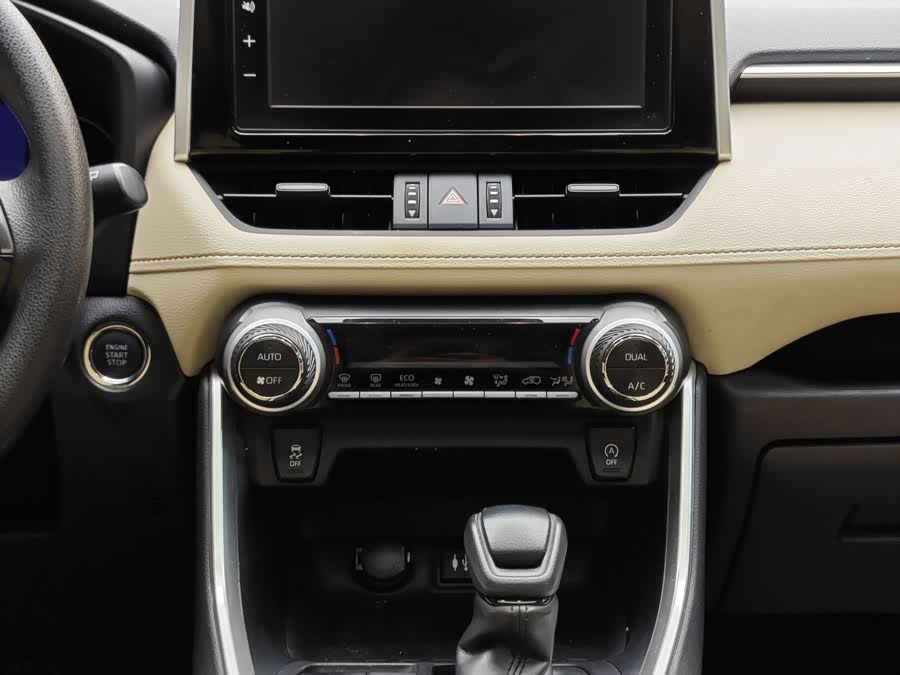
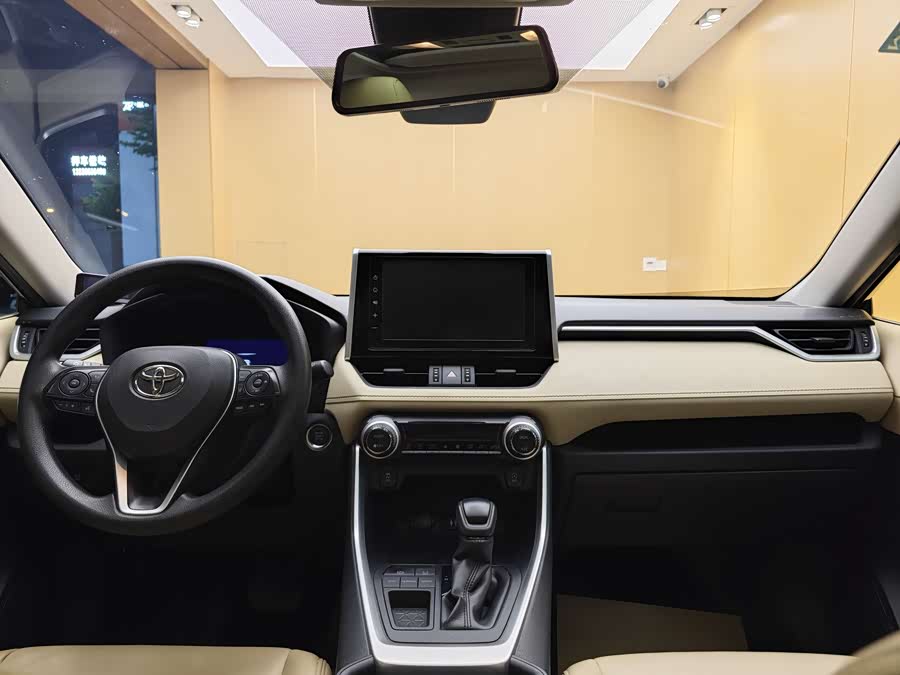
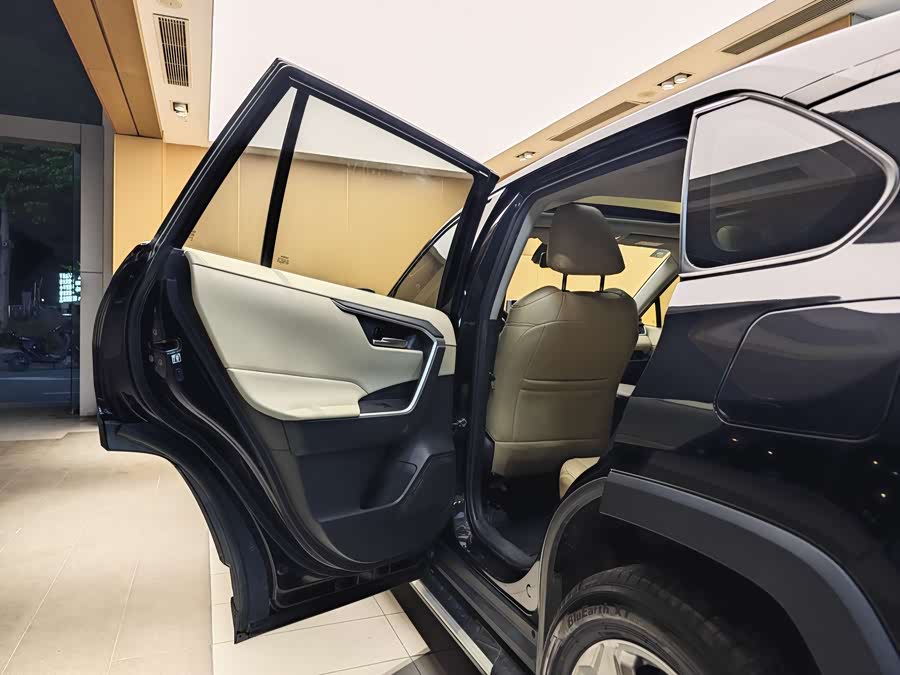
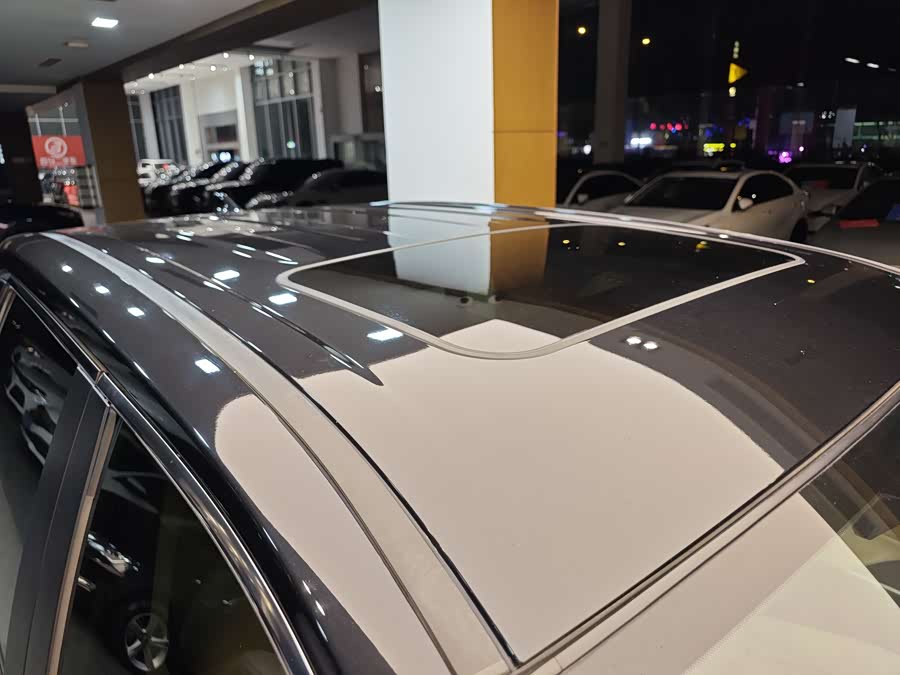
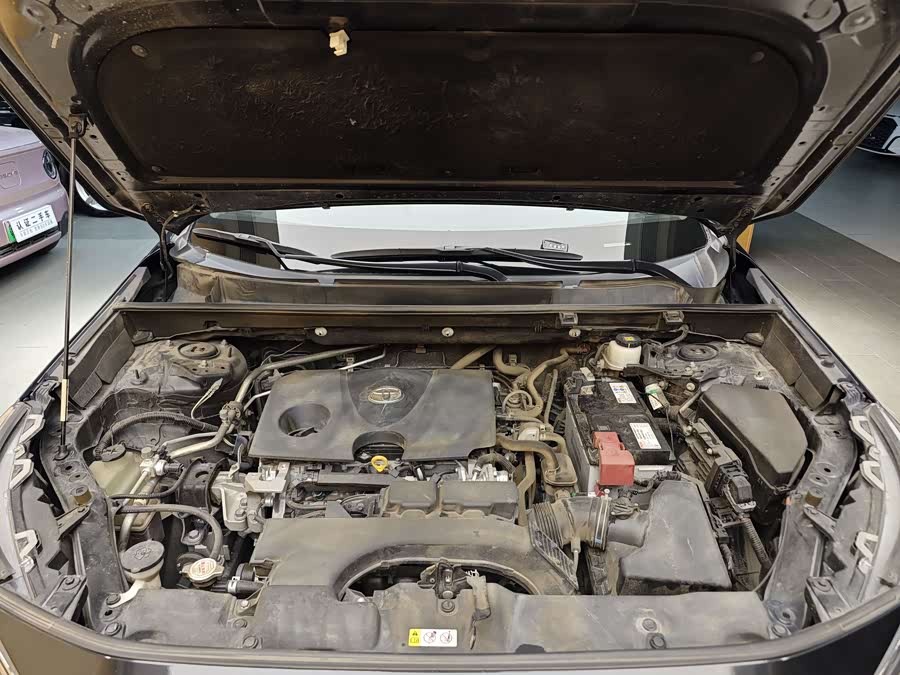
Excellent vehicle condition, no major accidents, no fire or water damage, no aftermarket modifications. Buy with confidence, peace of mind, and satisfaction. Chassis structure: No obvious wear. Engine compartment: In good working order. Exterior: No structural damage to the body. Interior: Clean and tidy. Paint: Well maintained.

0 transfers

Configuration Highlights

✓Tire Pressure Monitoring
✓Lane Keep Assist
✓Lane Departure Warning
✓Active Safety System
✓ISOFIX Child Seat Anchors
✓Auto Hold
✓Keyless Start System
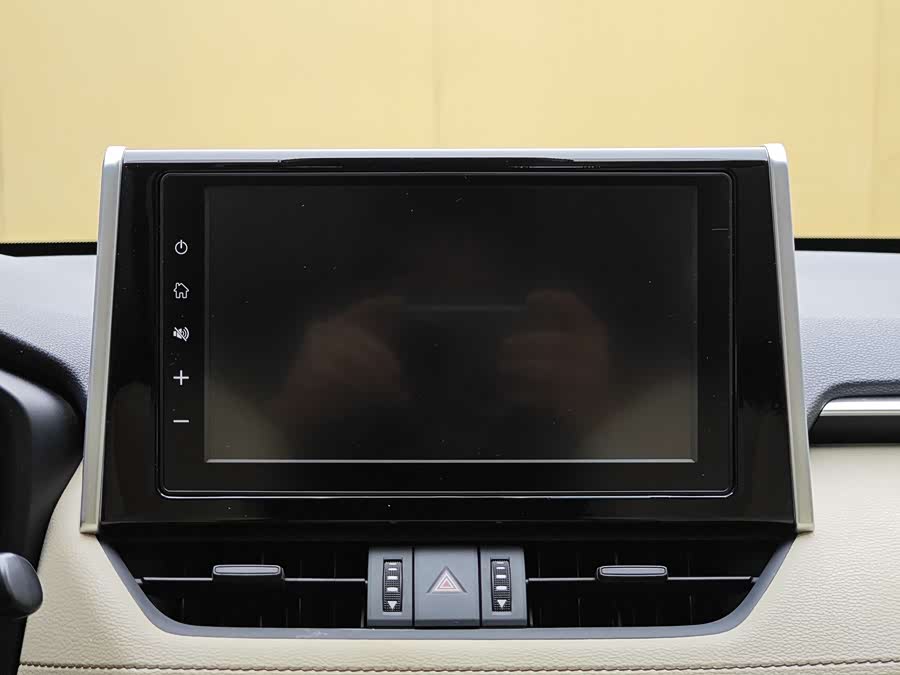
✓Bluetooth/Hands-free
✓Adaptive Headlights
✓PM2.5 Air Filter
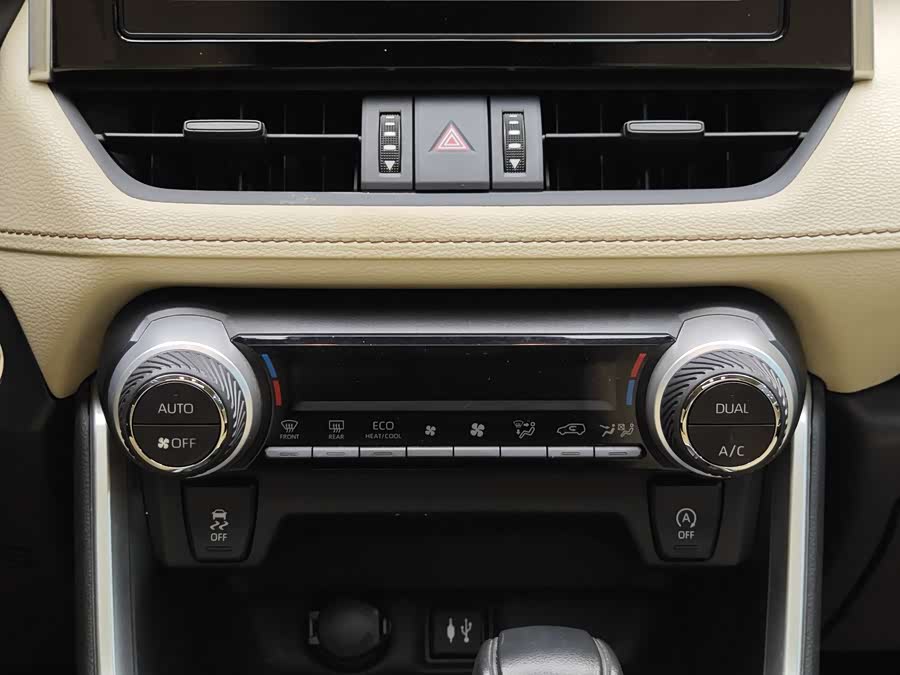
✓Rear Air Vents

Accident & Maintenance Records

Accident Record

🔗 Open Link

Maintenance Record

🔗 Open Link

Document Information

Inspection Expiry Date2027/02
Warranty Expiry Date-
Insurance Expiry Date2027/02

Q&A

More

Will you clearly inform if the vehicle was previously a commercial vehicle (ride-hailing, taxi, rental)?

The "usage type" section on the vehicle registration certificate has legal validity. Any vehicle that changes from "commercial" to "non-commercial" has a usage intensity far exceeding that of personal vehicles, and we will label these prominently. Such vehicles are usually cheaper but have more severe mechanical wear.
Are you responsible for re-spraying the chassis anti-rust coating (armor) if it is eroded by salt spray during sea transport?

No, we are not responsible. The high salt and humidity of the marine environment do have an impact on the chassis surface. We recommend buyers in tropical islands or countries that use salt for winter snow removal to perform a thorough chassis anti-rust spray locally immediately after the vehicle arrives.

Who is responsible for damages to the vehicle during maritime transport?

Be sure to purchase cargo insurance (all-risk or water damage insurance). In case of damage, claim with the bill of lading, insurance policy, and proof of damage at the destination port.