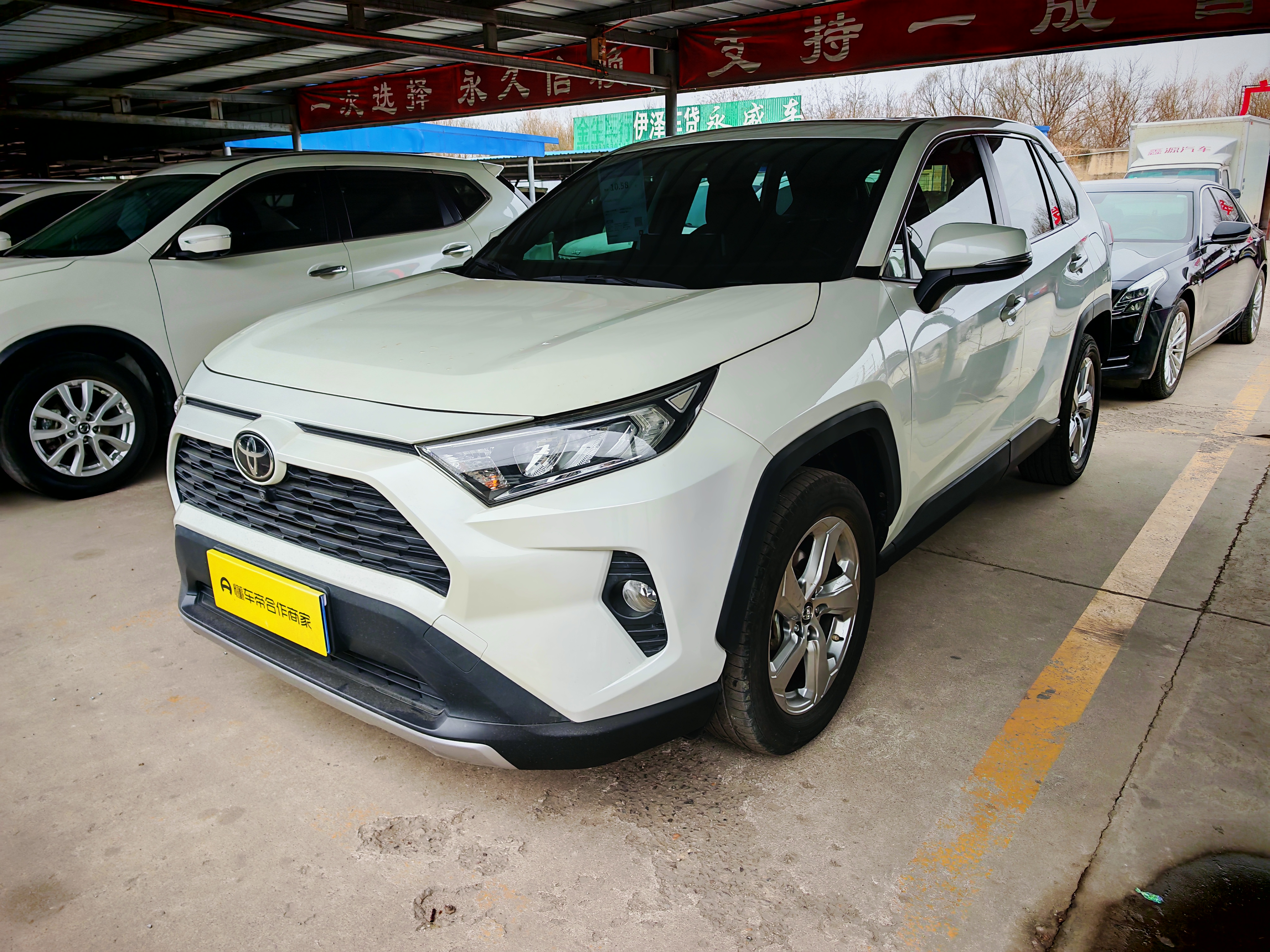
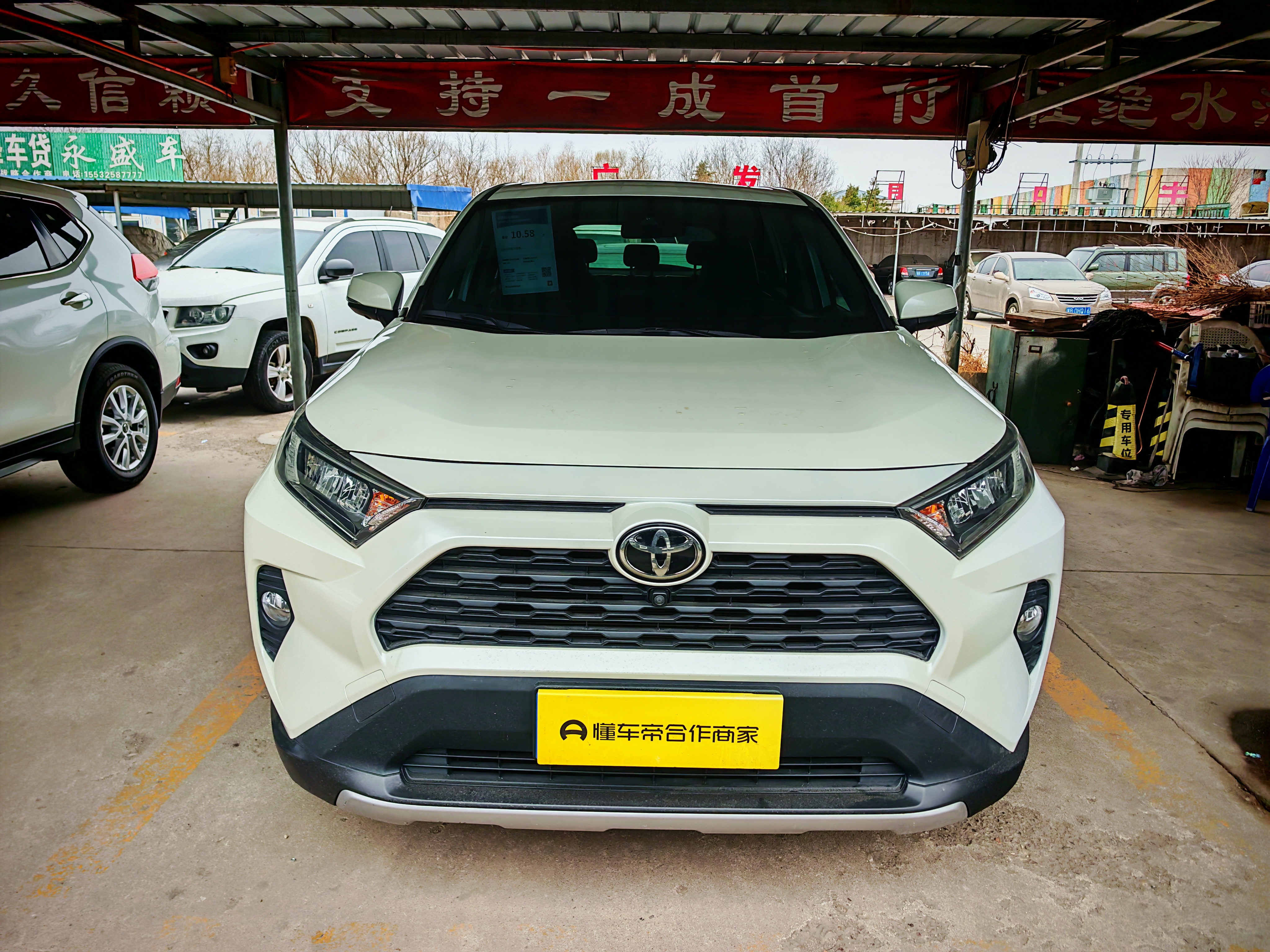

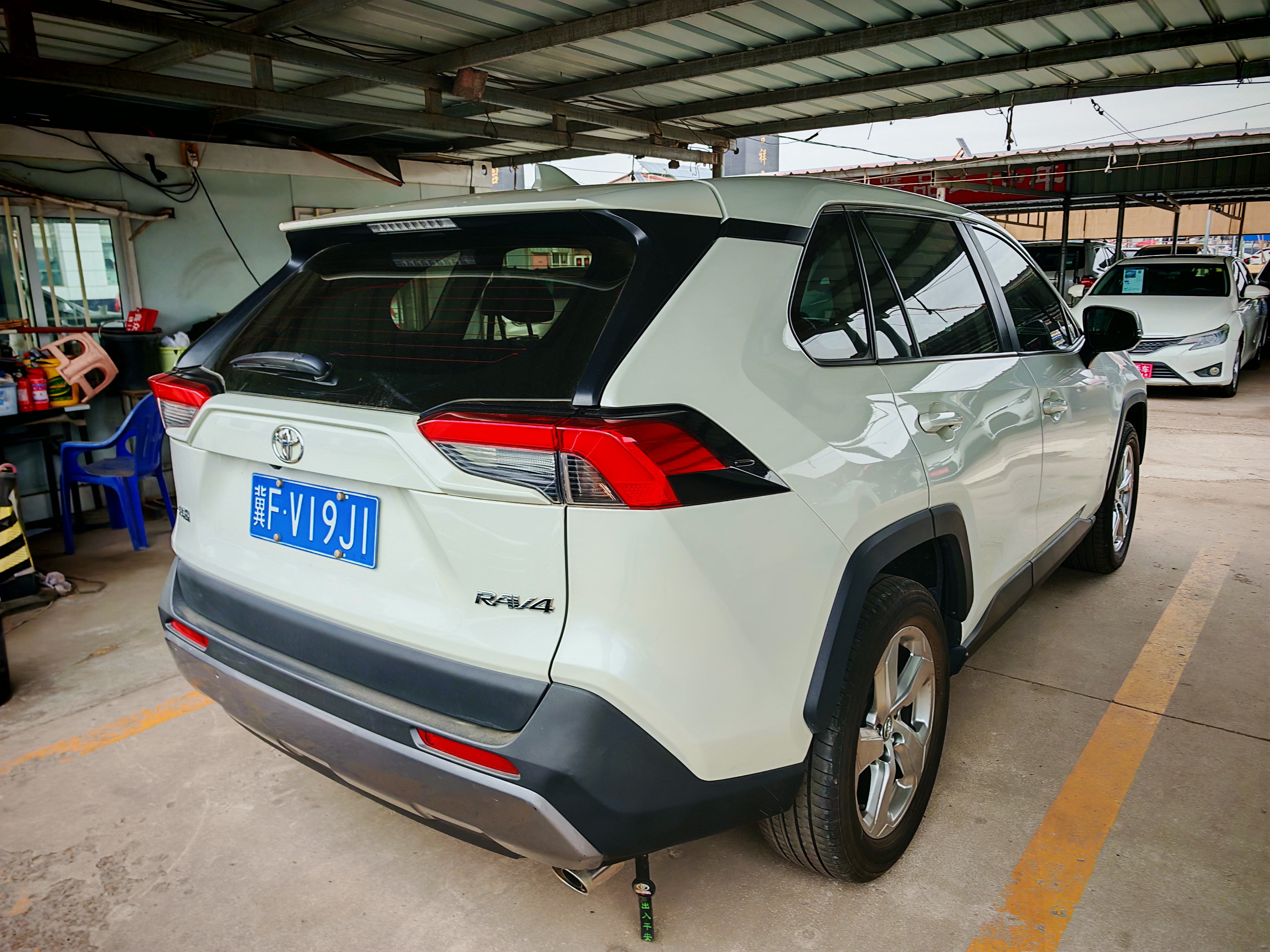
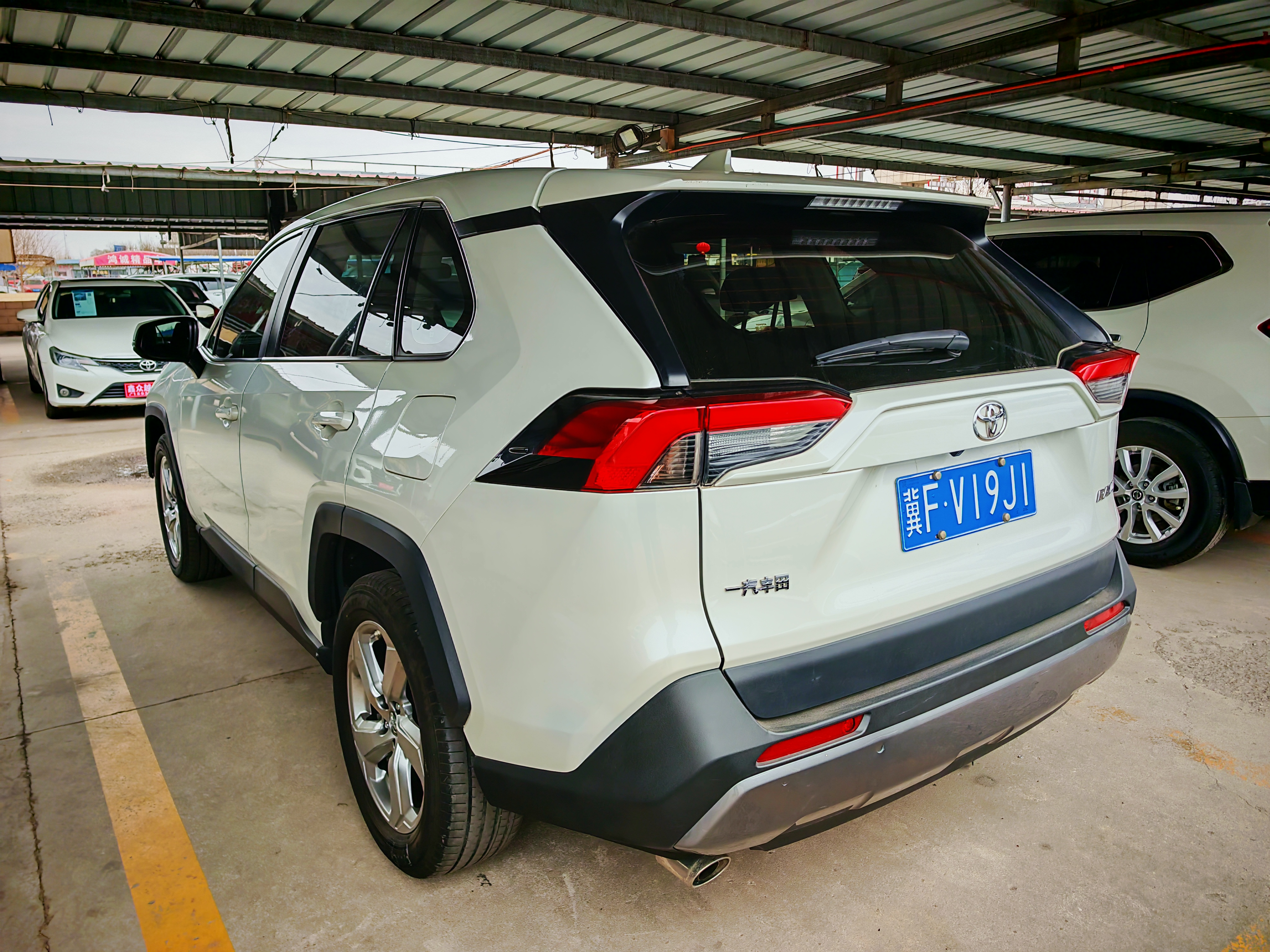
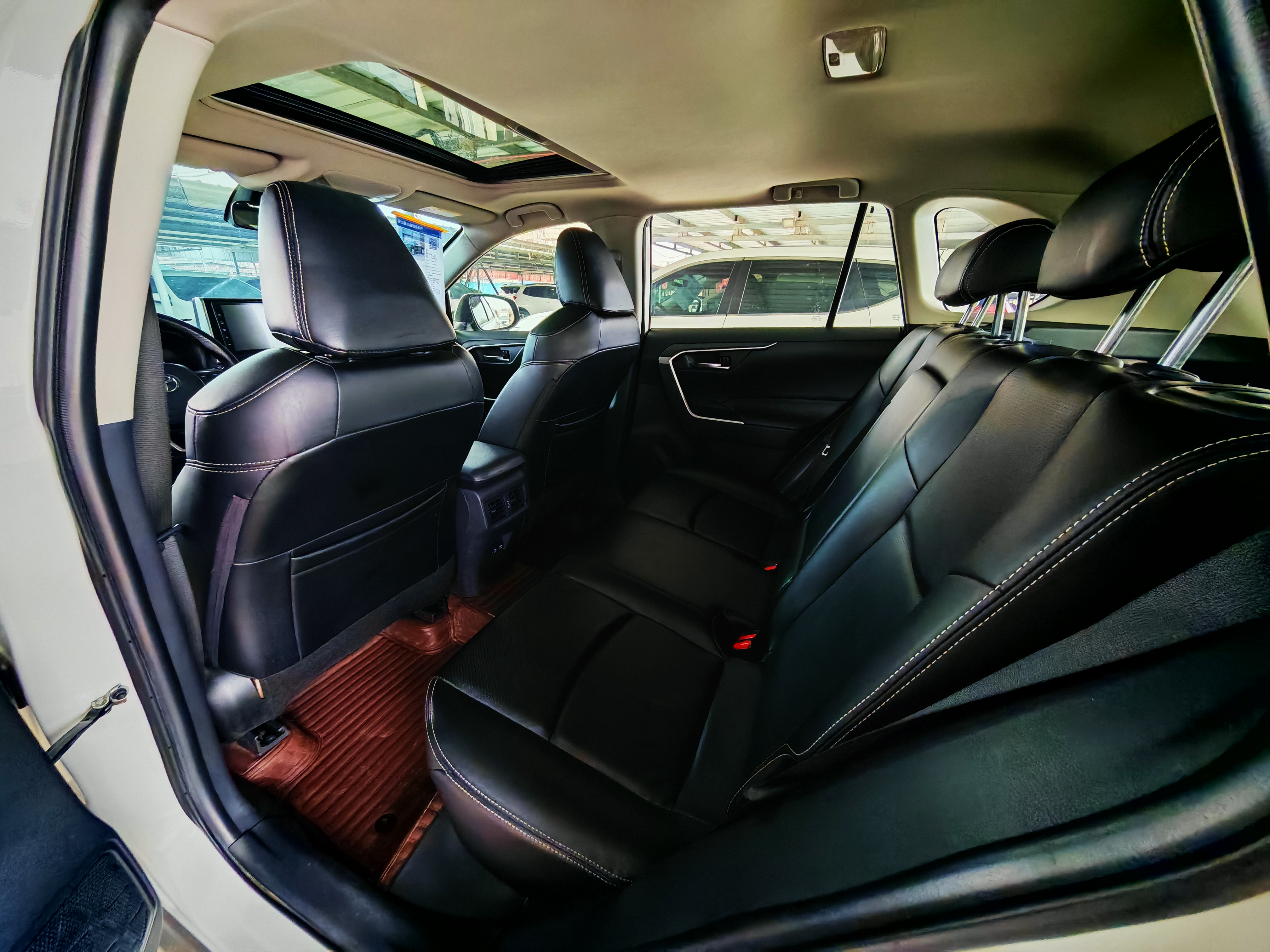
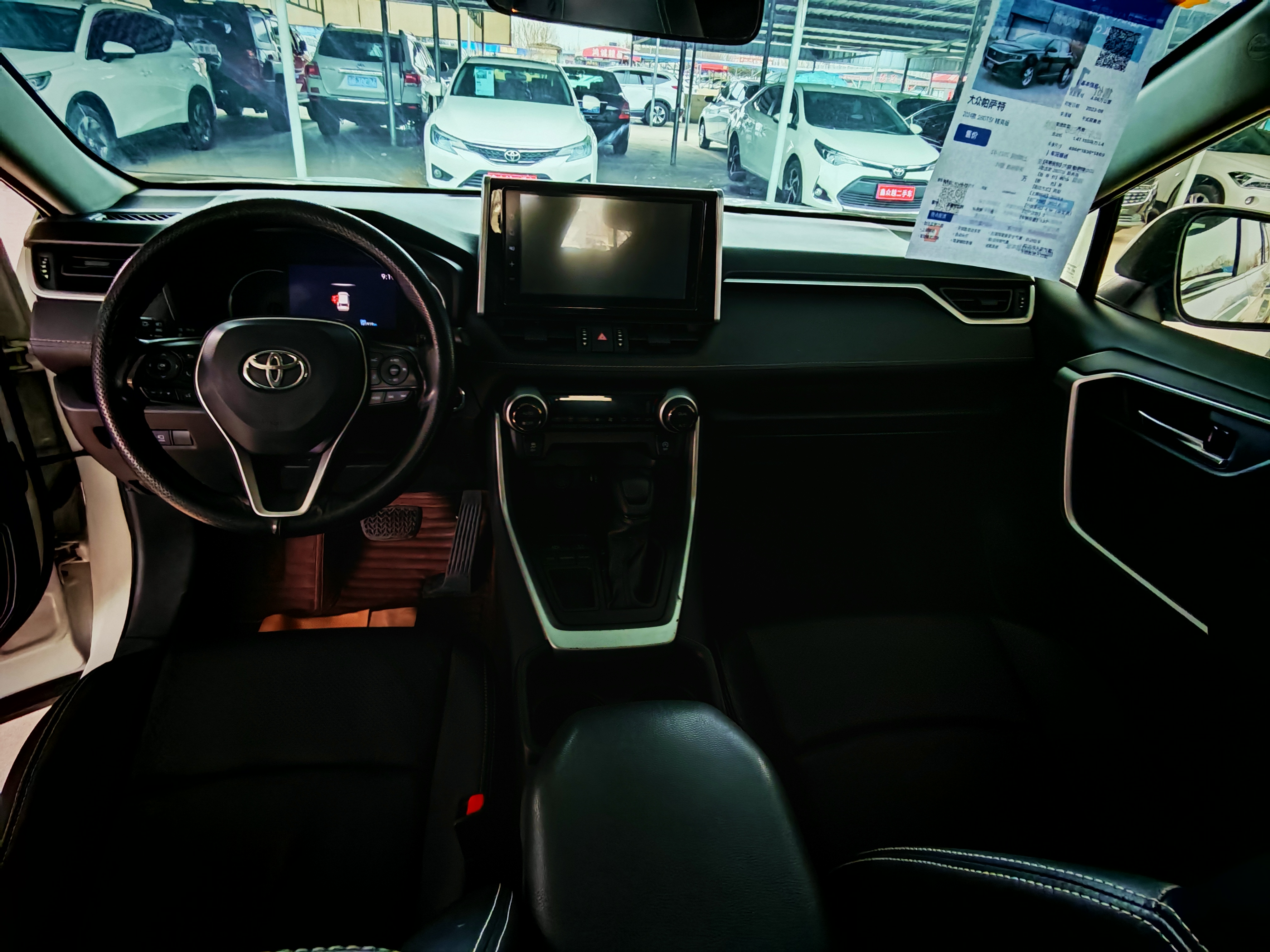
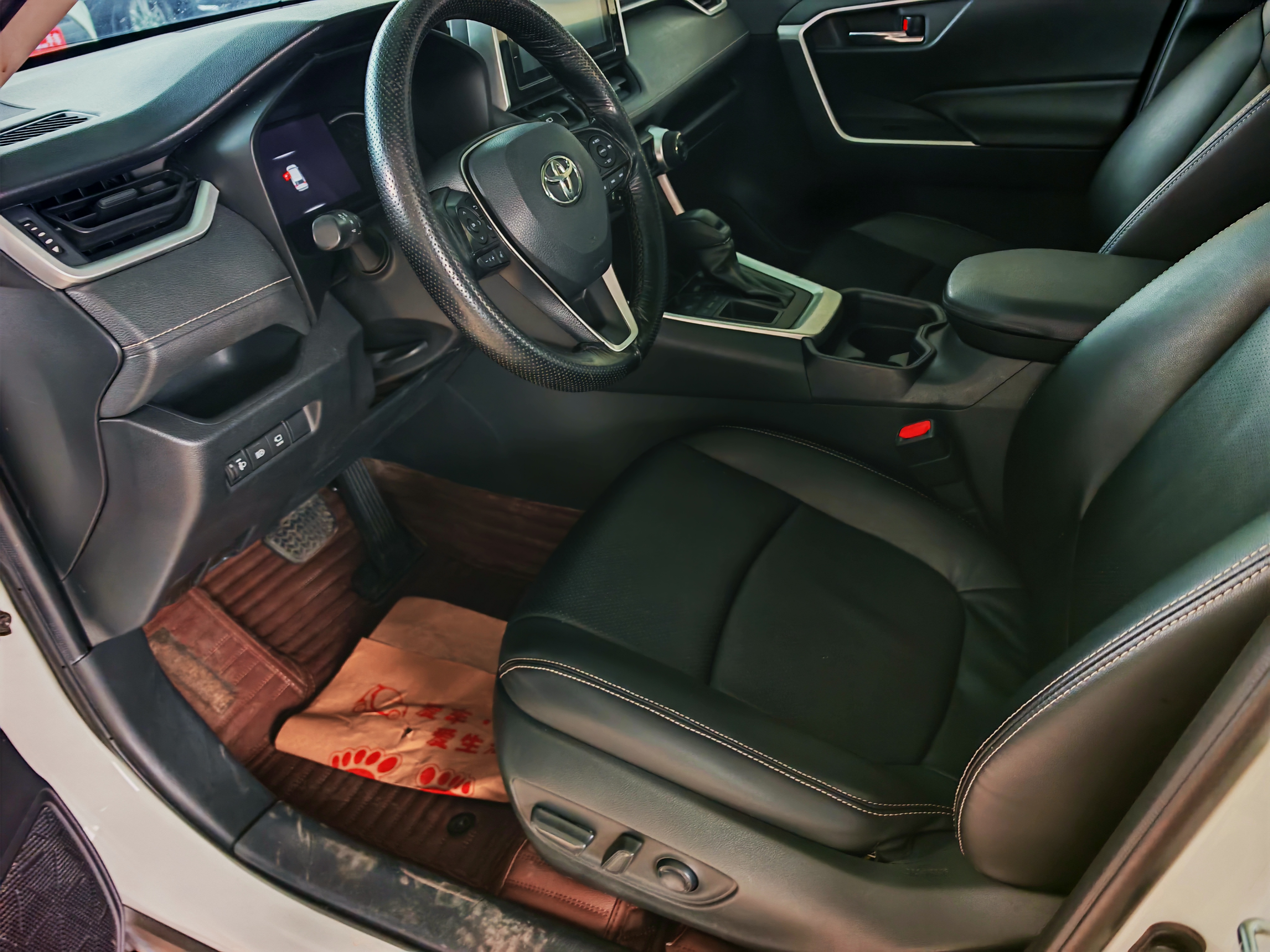



Basic Information

BrandToyota
SeriesRAV4
Year2021
First Registration2021/01
Mileage10km
Transfer Count-
FuelGasoline
TransmissionCVT
Engine2.0L 171 L4
ColorWhite
Seats-

Condition Description

The hood has been repainted, the right front fender has been replaced, the right front door has been repainted, the sunroof shows signs of leakage, and there is mud and sand in the vent cavity. Be careful when selling the car; don't offer too high a price.

Configuration Highlights

✓Driver/Passenger Airbags
✓Front/Rear Side Airbags
✓Front/Rear Curtain Airbags
✓Knee Airbags
✓Tire Pressure Monitoring
✓ISOFIX Child Seat Anchors
✓Keyless Start System
✓Keyless Entry System
✓ABS Anti-lock Braking
✓Electronic Brake Distribution
✓Electronic Stability Control
✓Hill Start Assist
✓Auto Hold
✓Multifunction Steering Wheel
✓Seat Material
✓Driver/Passenger Power Seats
✓Rear Cupholders
✓Low Beam Headlights
✓Daytime Running Lights
✓Auto Headlights
✓Adjustable Headlight Height
✓Power Windows
✓Anti-pinch Windows
✓Climate Control Type
✓Rear Air Vents
✓Start-Stop System
✓Lane Departure Warning
✓Active Safety System

Q&A

More

Can I find the official 4S shop maintenance records for this car in China?

If the car has been maintained at an authorized dealer, we can extract the desensitized official maintenance history (including entry time, mileage, and maintenance items) through a paid third-party data provider and provide it to you. If some year records are missing, we will honestly inform you that the "records are incomplete."


Why do used cars of the same brand, year, and configuration with complete 4S dealership records cost several hundred dollars more than those without records?

Complete records represent underlying trust and zero odometer adjustment risk. In the used car market, solid data history itself carries a high premium. The extra few hundred dollars buys you an impeccable endorsement when selling overseas.

How do you detect carbon buildup and wear inside the engine using technology without deep disassembly?

We use two steps: 1. Insert a medical-grade endoscope through the spark plug hole to visually inspect cylinder wall scratches and carbon buildup on the piston top; 2. Extract an engine oil sample to check for large metal debris or emulsification (caused by coolant leakage).