


Basic Information

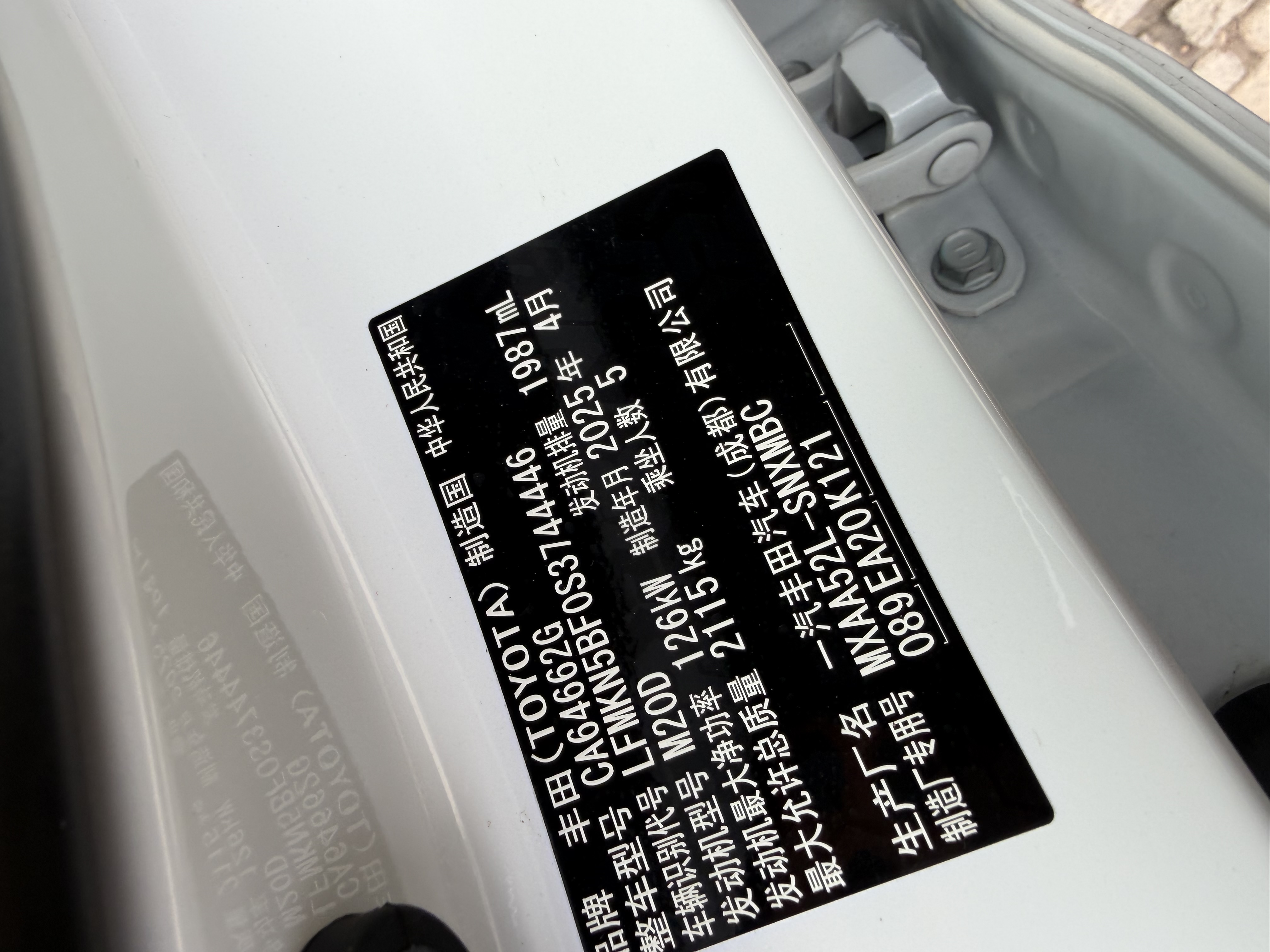
BrandToyota
SeriesRAV4
Year2025
First Registration2025/05
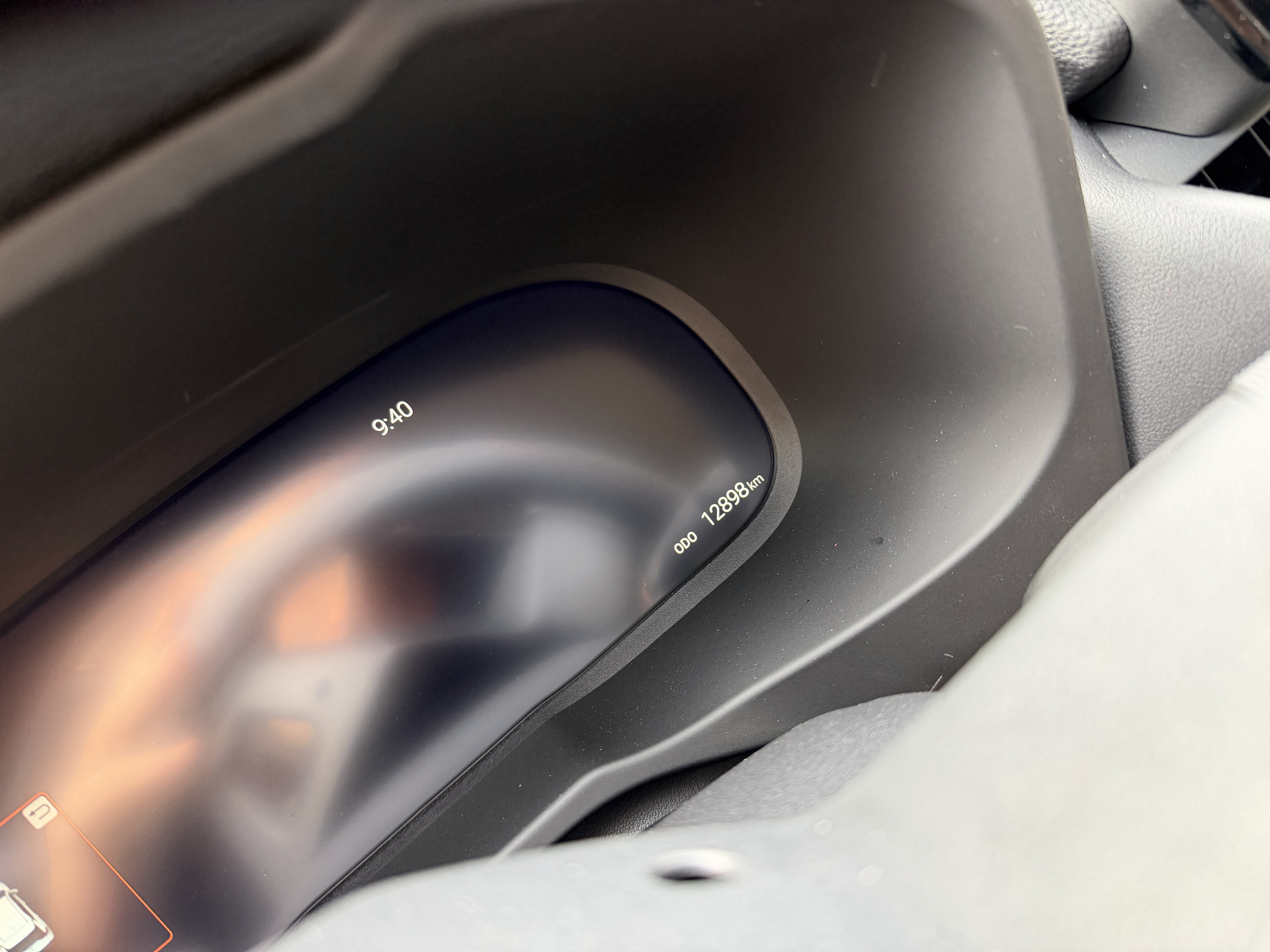
Mileage1.3km
Transfer Count-
FuelGasoline
TransmissionCVT
Engine2.0L 171 L4
ColorWhite
Seats5seats

Condition Description

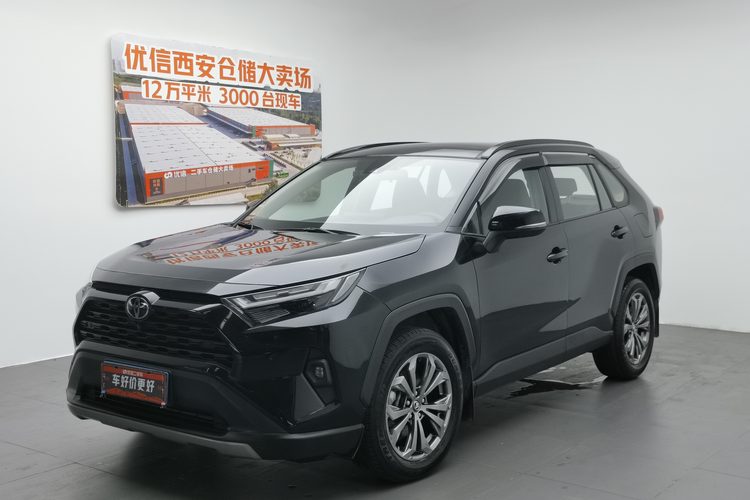
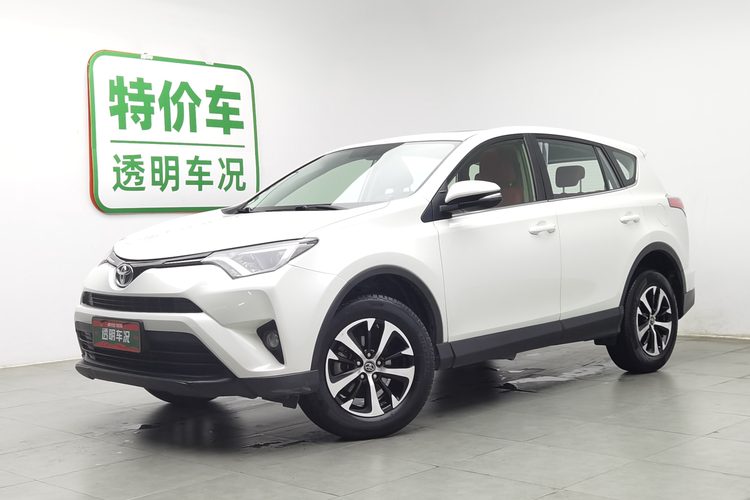
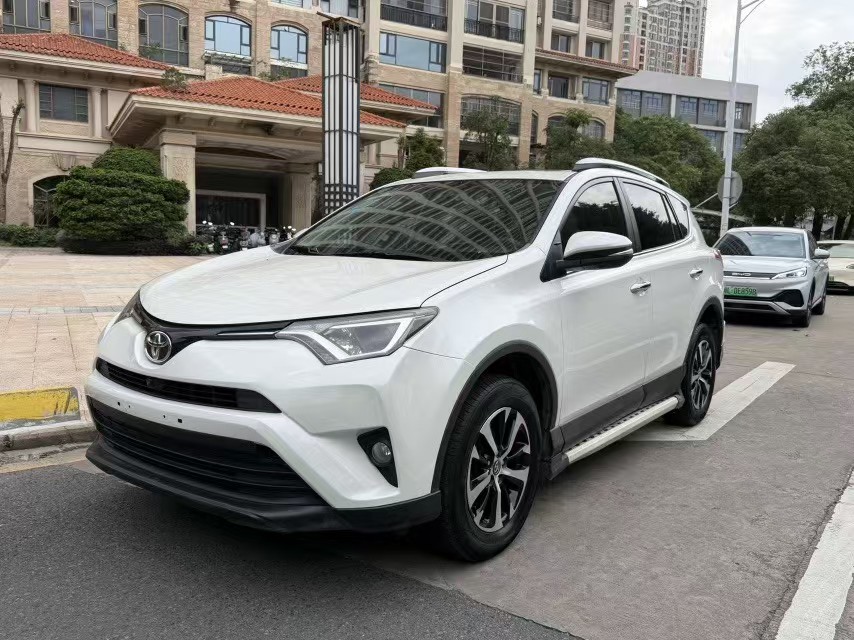
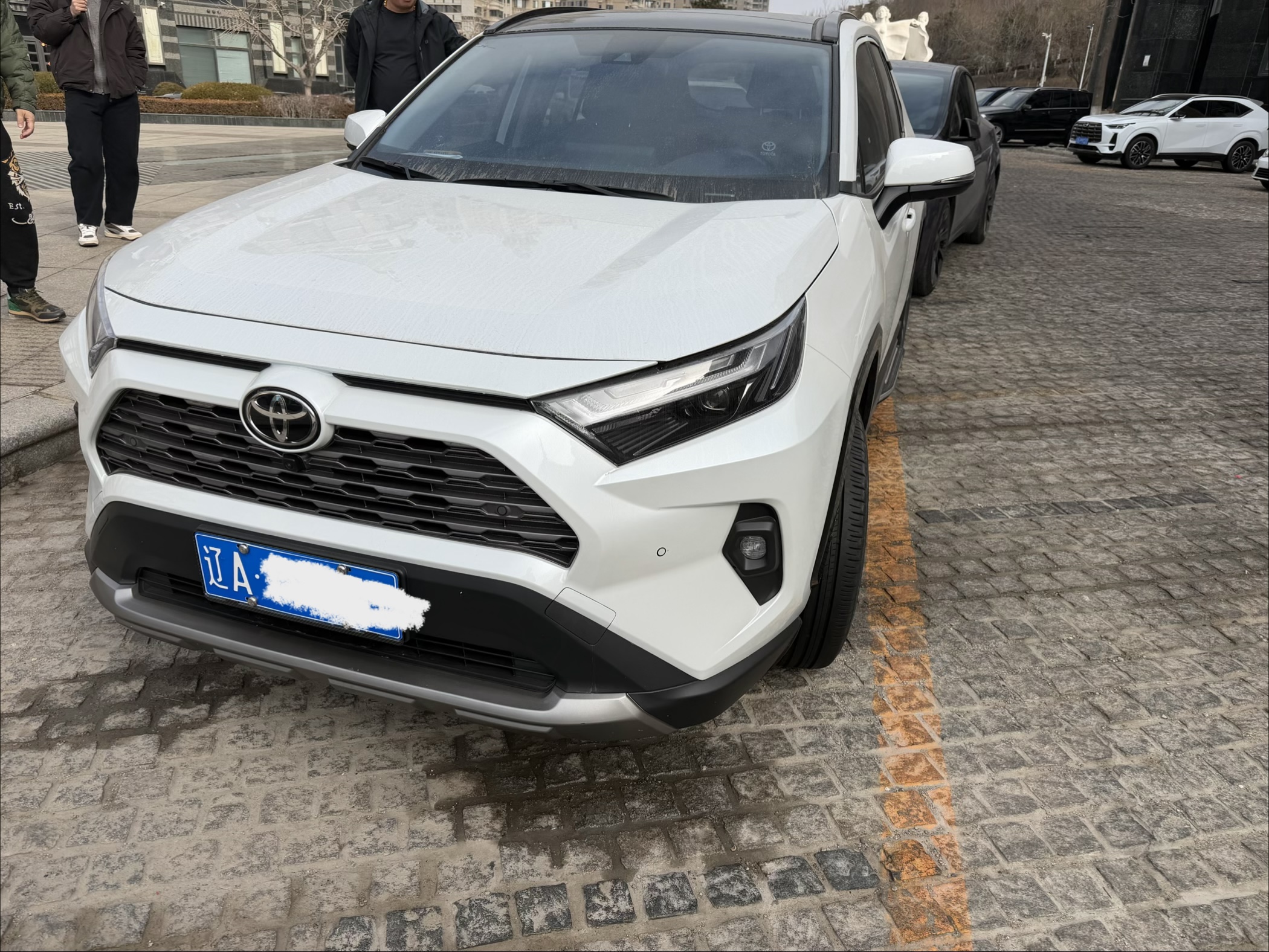
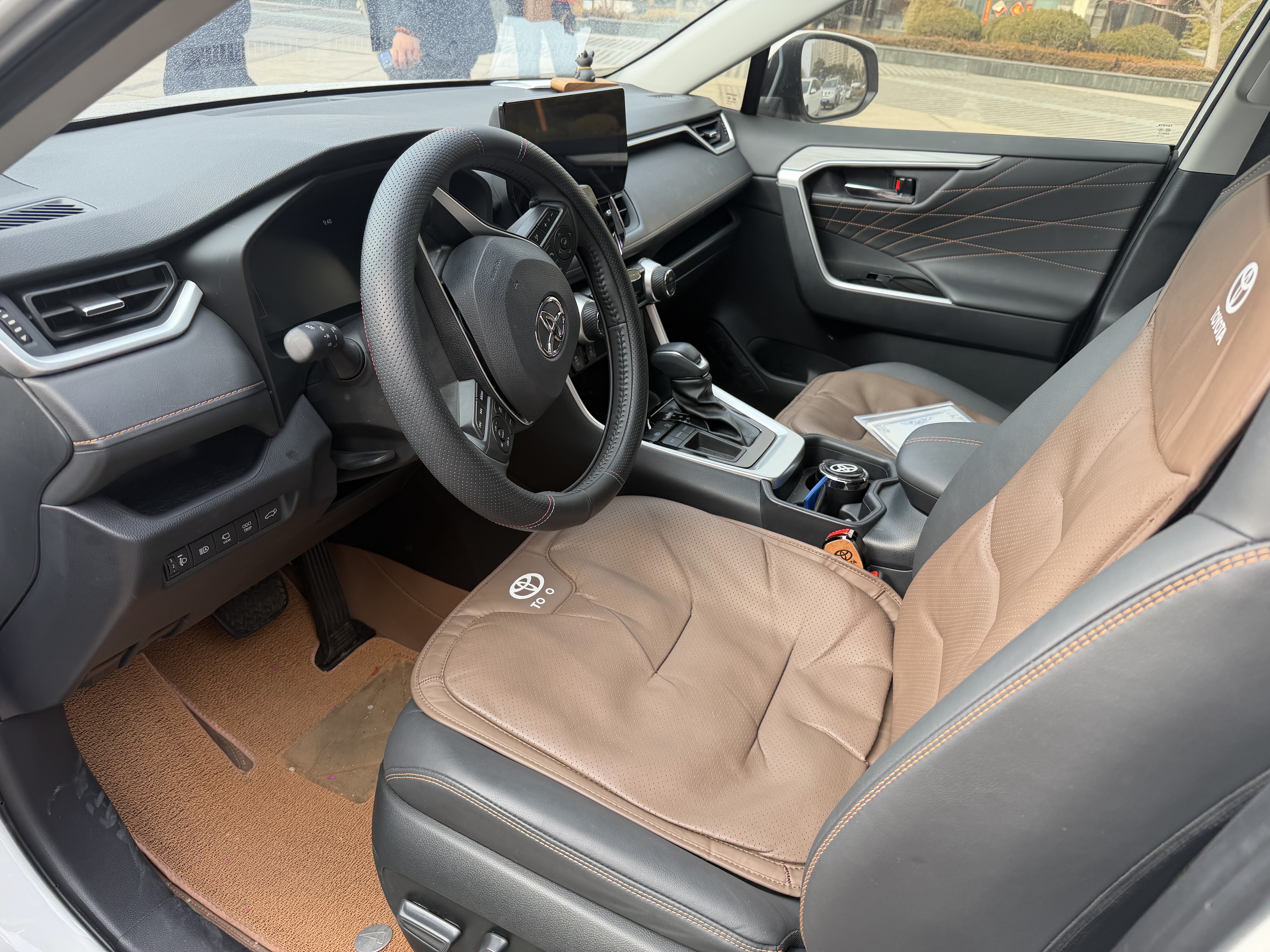
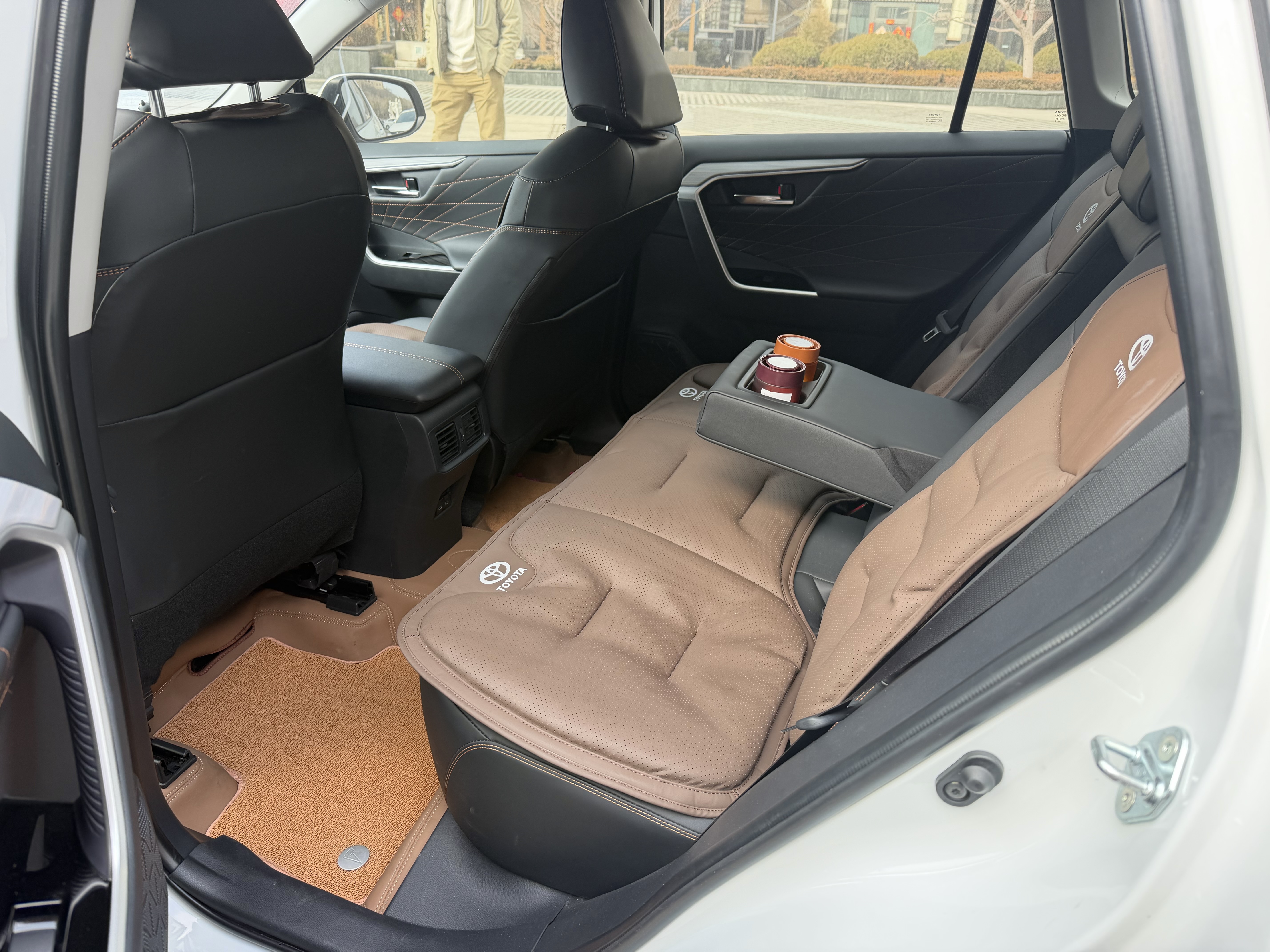
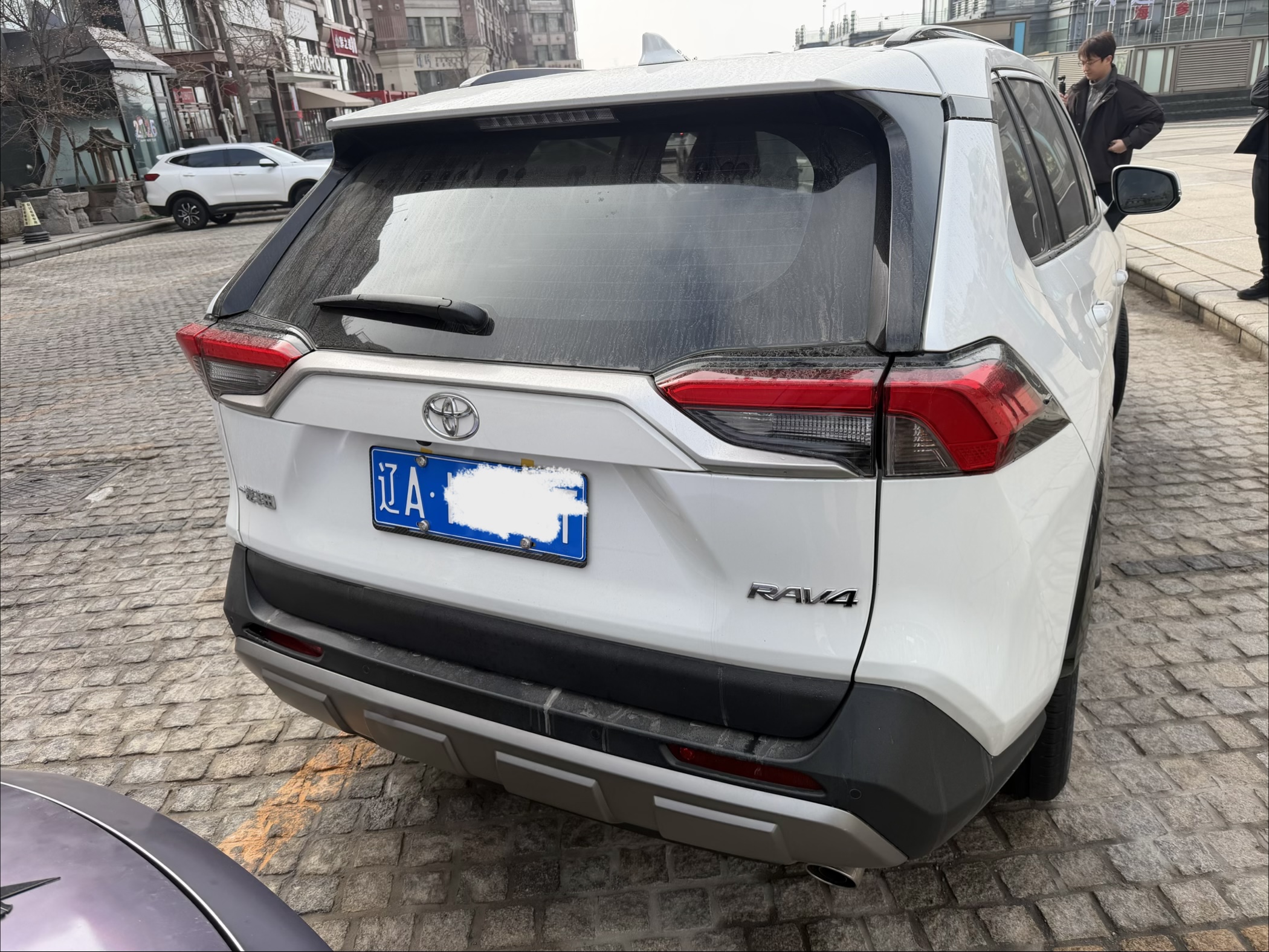
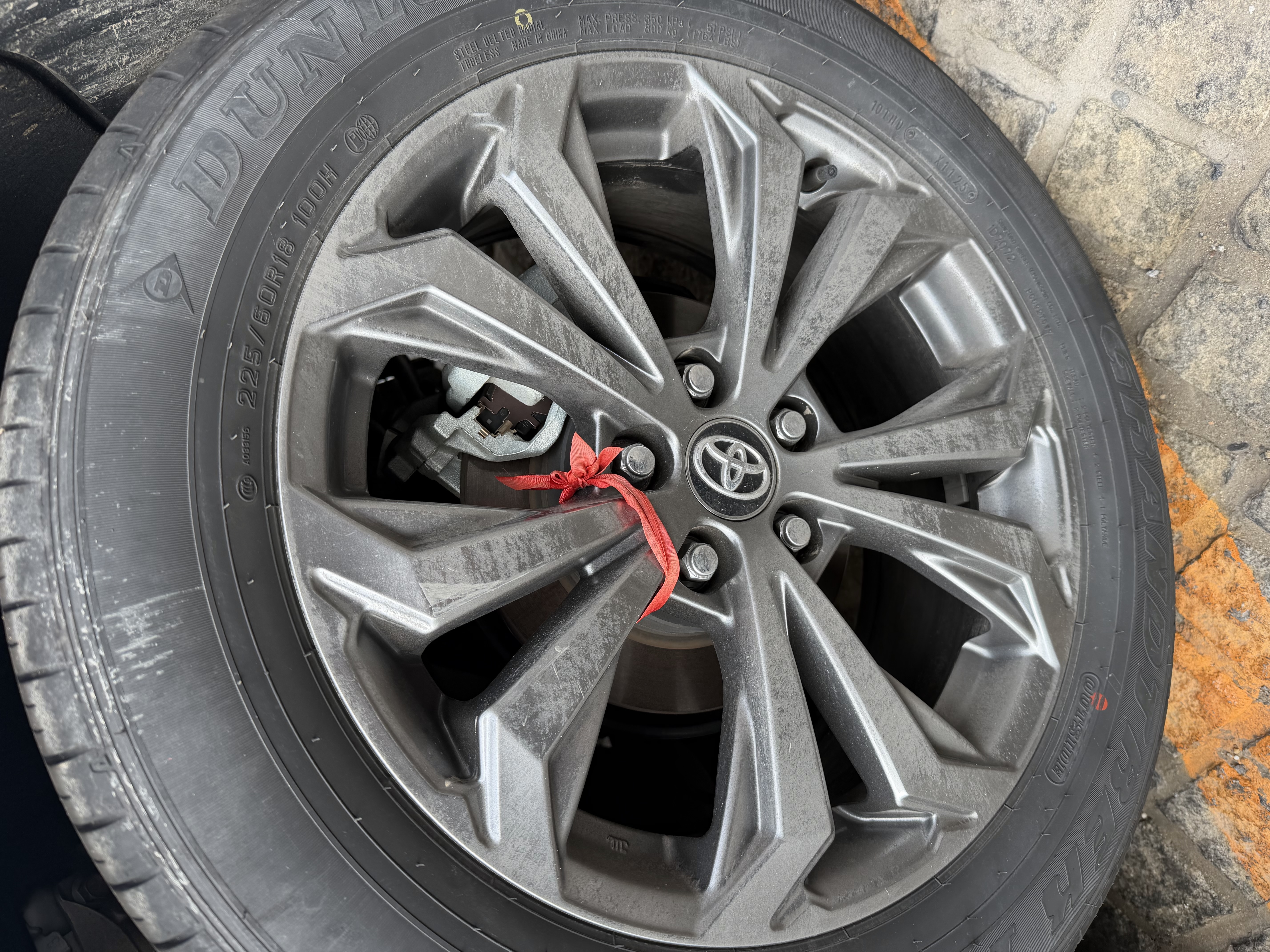
Vehicle Model: Toyota RAV4 2024 2.0L CVT 2WD Fashion Plus Edition Registration Date: May 2025 Number of Ownership Transfers: 0, Loan processing time approximately 10 business days Mileage: 12,000 km Inspection and Insurance: Inspection: May 2027; Insurance: April 2026 Number of Keys: 2 Receipt Required: Yes Vehicle Condition Description: Original paint, rear bumper damaged in an accident (1000 RMB, unrepaired), right rear fender scratched and repaired at the shop. Selling Points: Car cover, one owner (female), front and rear parking sensors, 360-degree surround view, L2 driver assistance, sunroof, power seats, etc. Maintenance Items: Polishing, detailing, interior cleaning.

Configuration Highlights

✓Driver/Passenger Airbags
✓Front/Rear Side Airbags
✓Front/Rear Curtain Airbags
✓Knee Airbags
✓Keyless Start System
✓Keyless Entry System
✓Hill Start Assist
✓Auto Hold
✓Panoramic Sunroof
✓Power Trunk
✓Roof Rack
✓Multifunction Steering Wheel
✓Front Parking Sensors
✓Seat Material
✓Driver/Passenger Power Seats
✓Rear Cupholders
✓GPS Navigation
✓Low Beam Headlights
✓Daytime Running Lights
✓Auto Headlights
✓Adjustable Headlight Height
✓Power Windows
✓Anti-pinch Windows
✓Climate Control Type
✓Rear Air Vents
✓Start-Stop System
✓Lane Departure Warning
✓Active Safety System

Q&A

More

The bank returned my car payment due to compliance issues. Who bears the exchange rate loss and fees?

If the buyer's country is under international sanctions, or if the buyer fails to provide a legitimate source of funds leading to the bank returning the payment, all transfer fees and exchange rate losses incurred during this period are to be borne entirely by the buyer.
Why is exporting used cars called a "trust marathon"?

Because it's not a one-time transaction. Only by ensuring compliance checks, improving after-sales service, and providing parts can a good reputation be established, leading to repeat purchases and long-term cooperation.

Why are the shipping costs for used electric vehicles (EVs) usually higher than for internal combustion engine vehicles (ICEs)?

Pure electric vehicles are classified as Class 9 Dangerous Goods due to their large lithium batteries, leading to strict shipping regulations. Shipping companies have high requirements for the loading position and fire isolation measures for dangerous goods, and some roll-on/roll-off ships refuse to accept used EVs. As a result, EVs often require more expensive special container shipping and incur additional handling fees for hazardous materials.