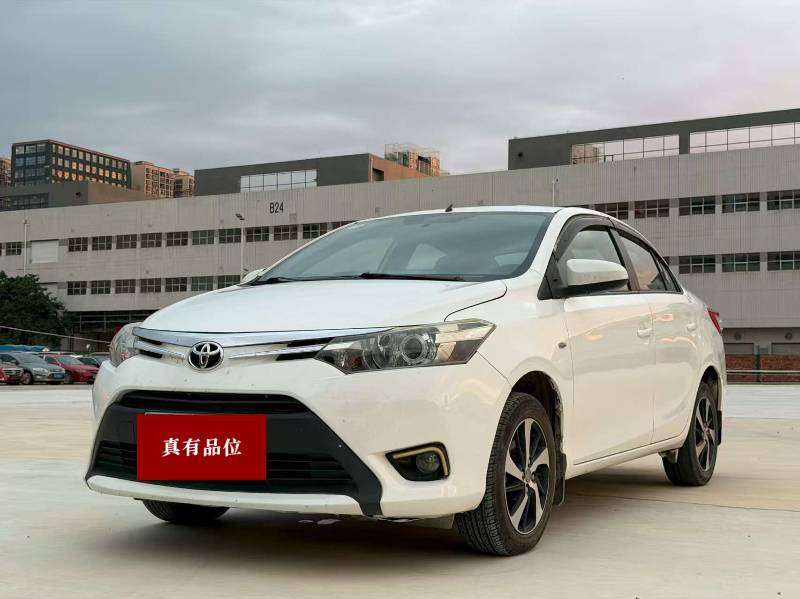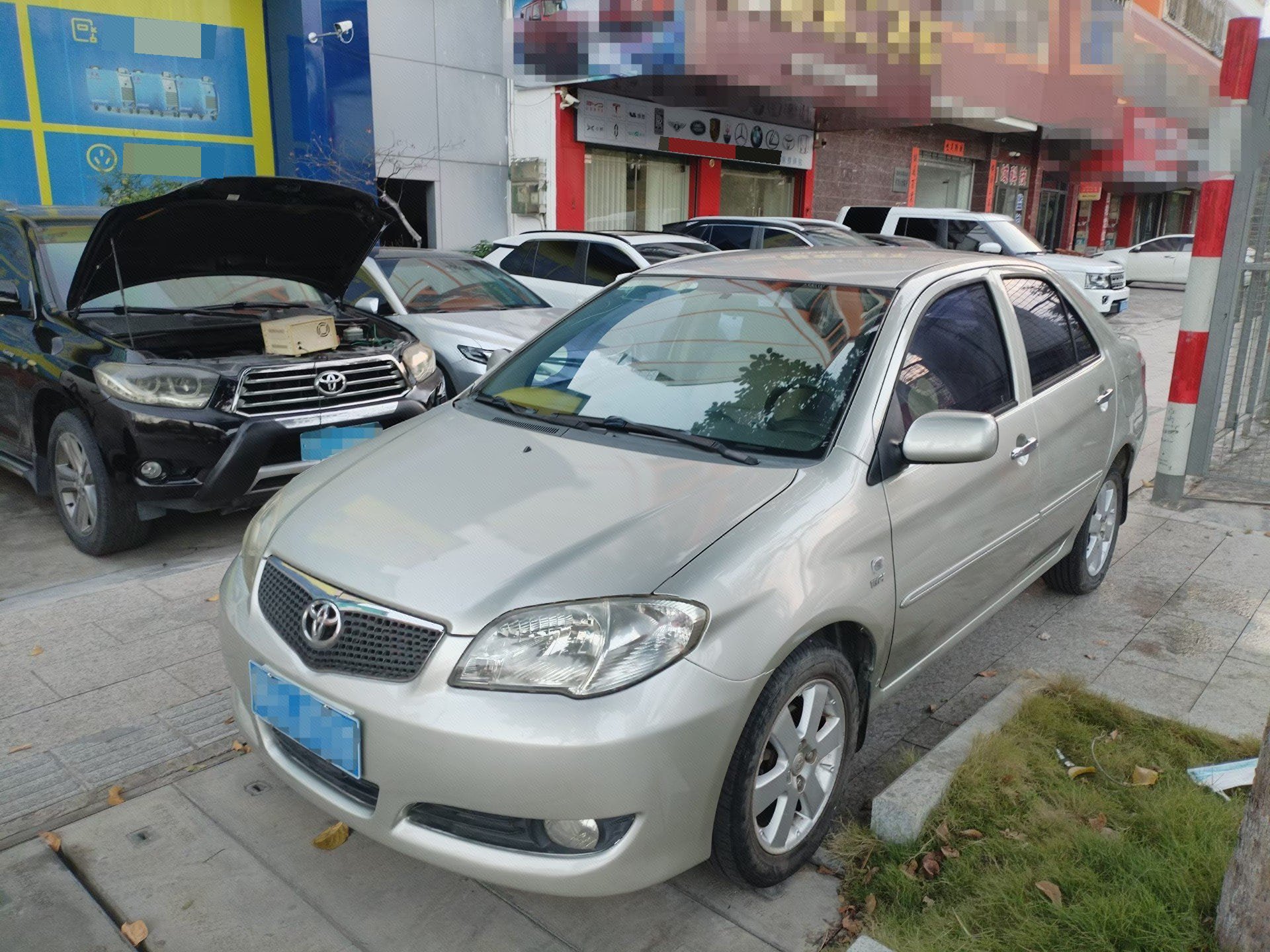
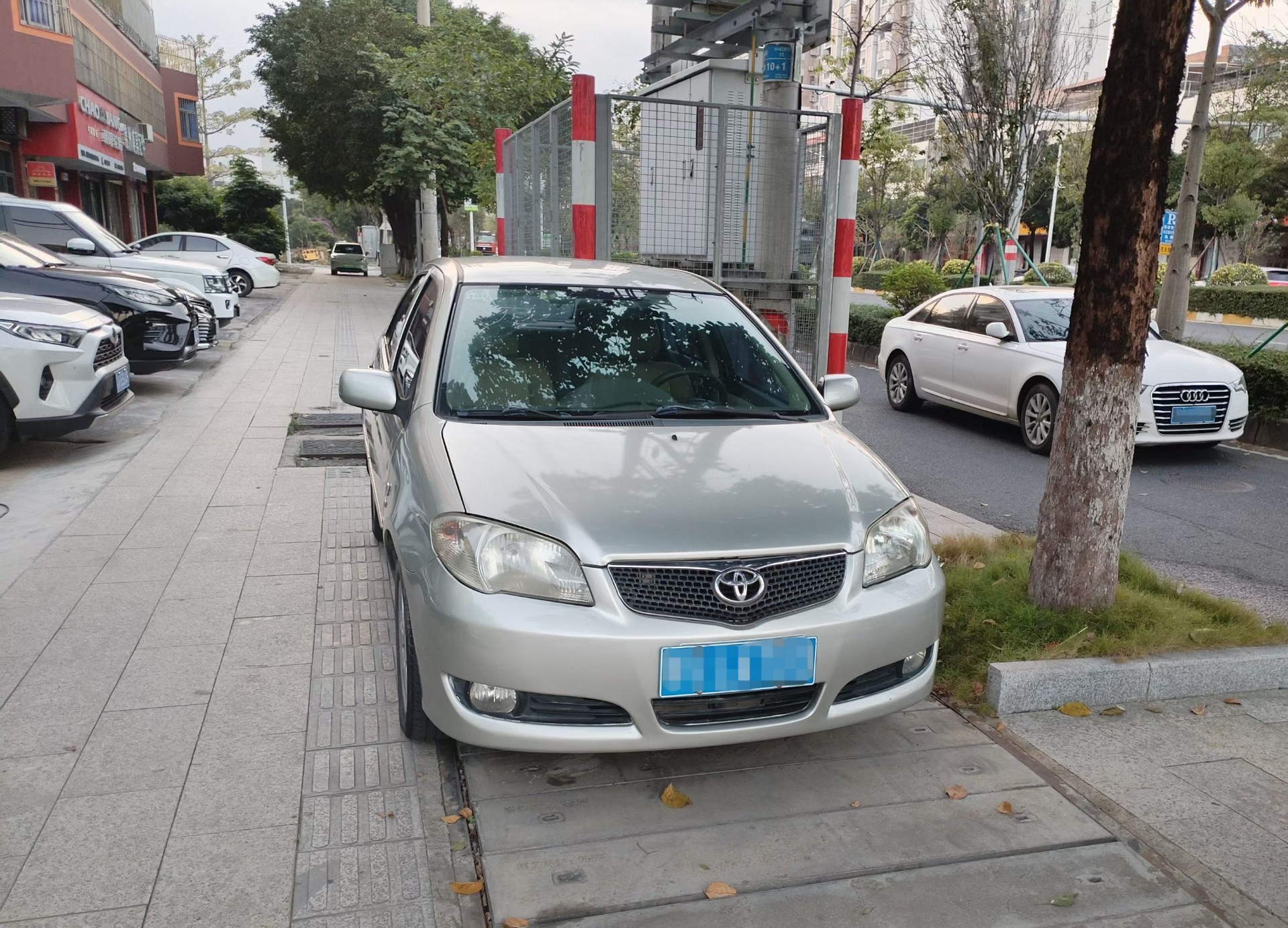
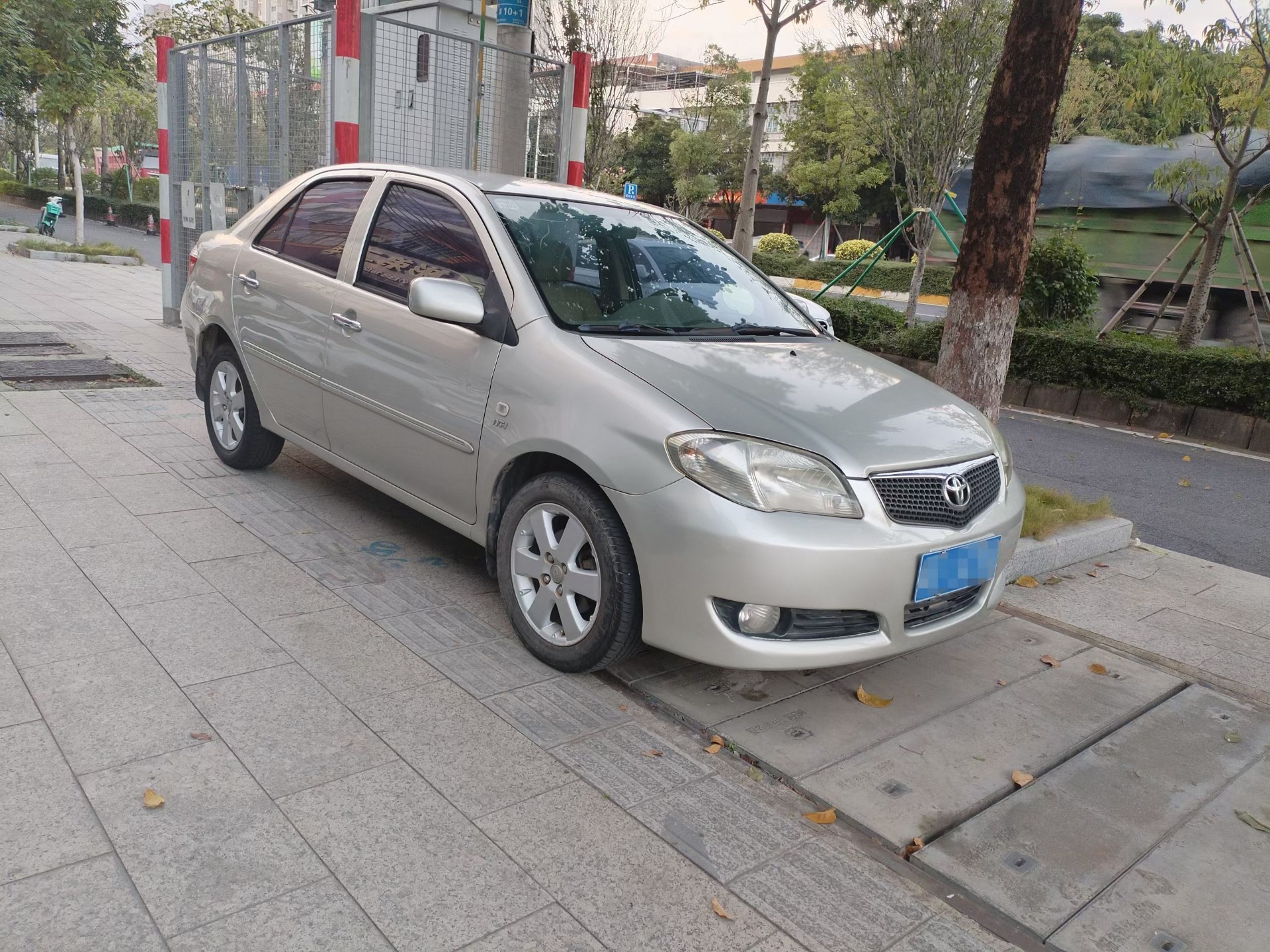



48H

Basic Information

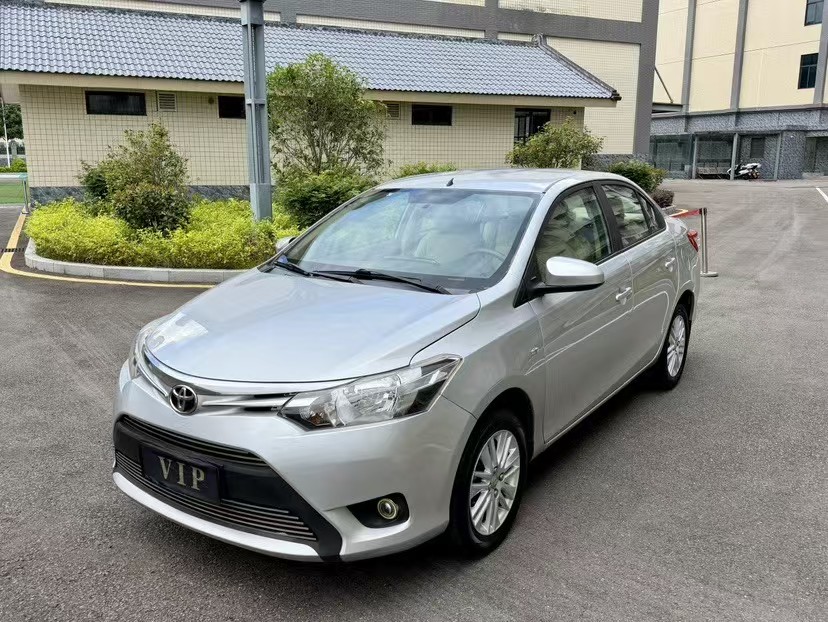
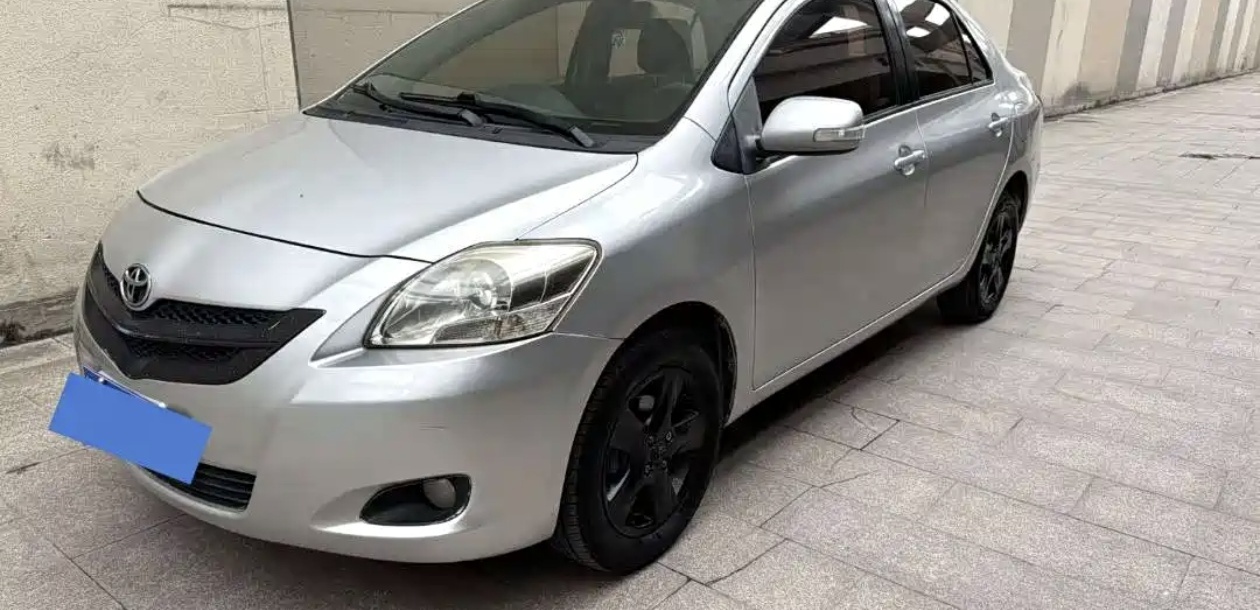
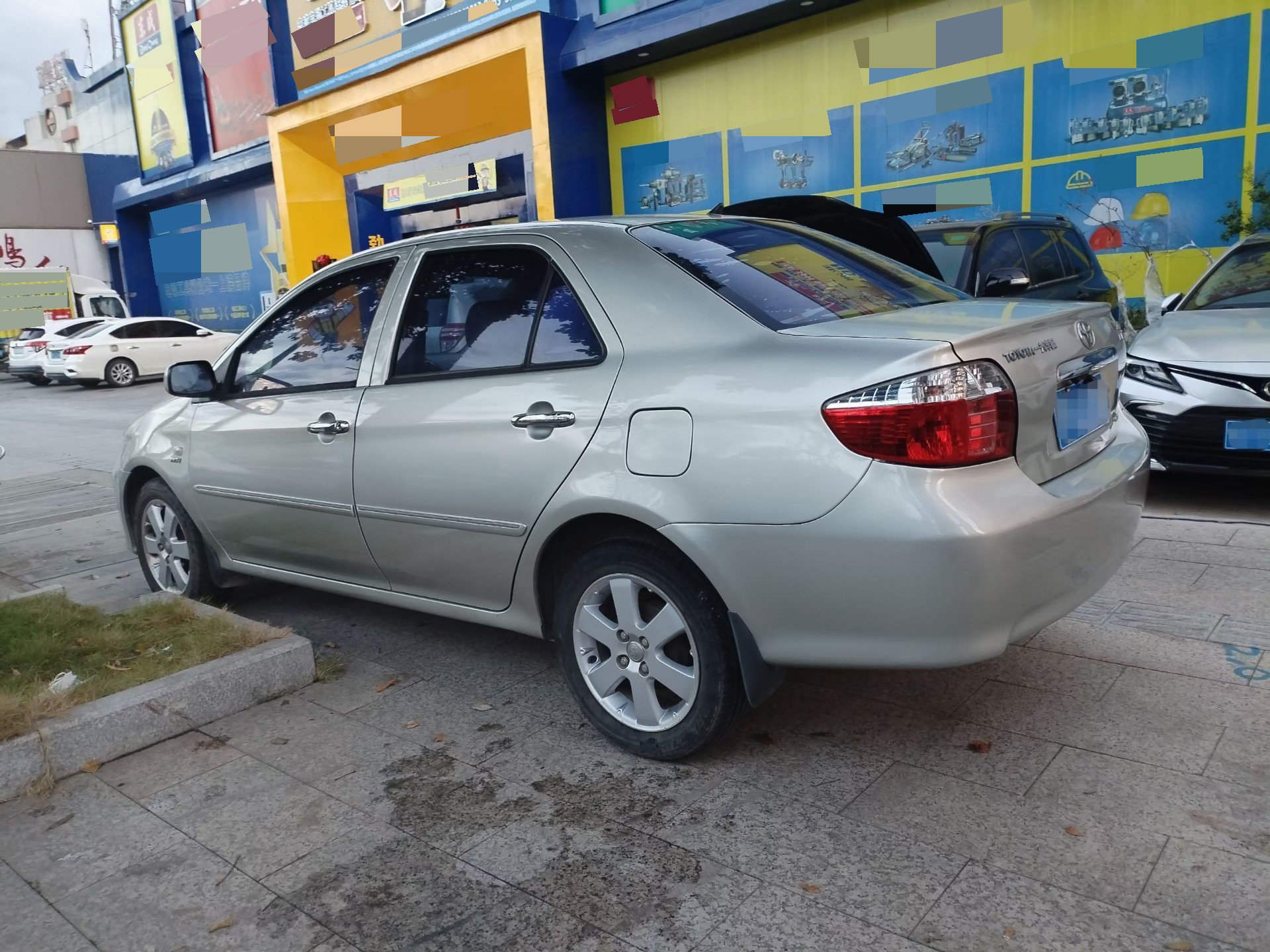
BrandToyota
SeriesVios
Year2007
First Registration2007/01
Mileage180,000km
Transfer Count0times
FuelGasoline
TransmissionAutomatic
Engine1.5L 102 L4
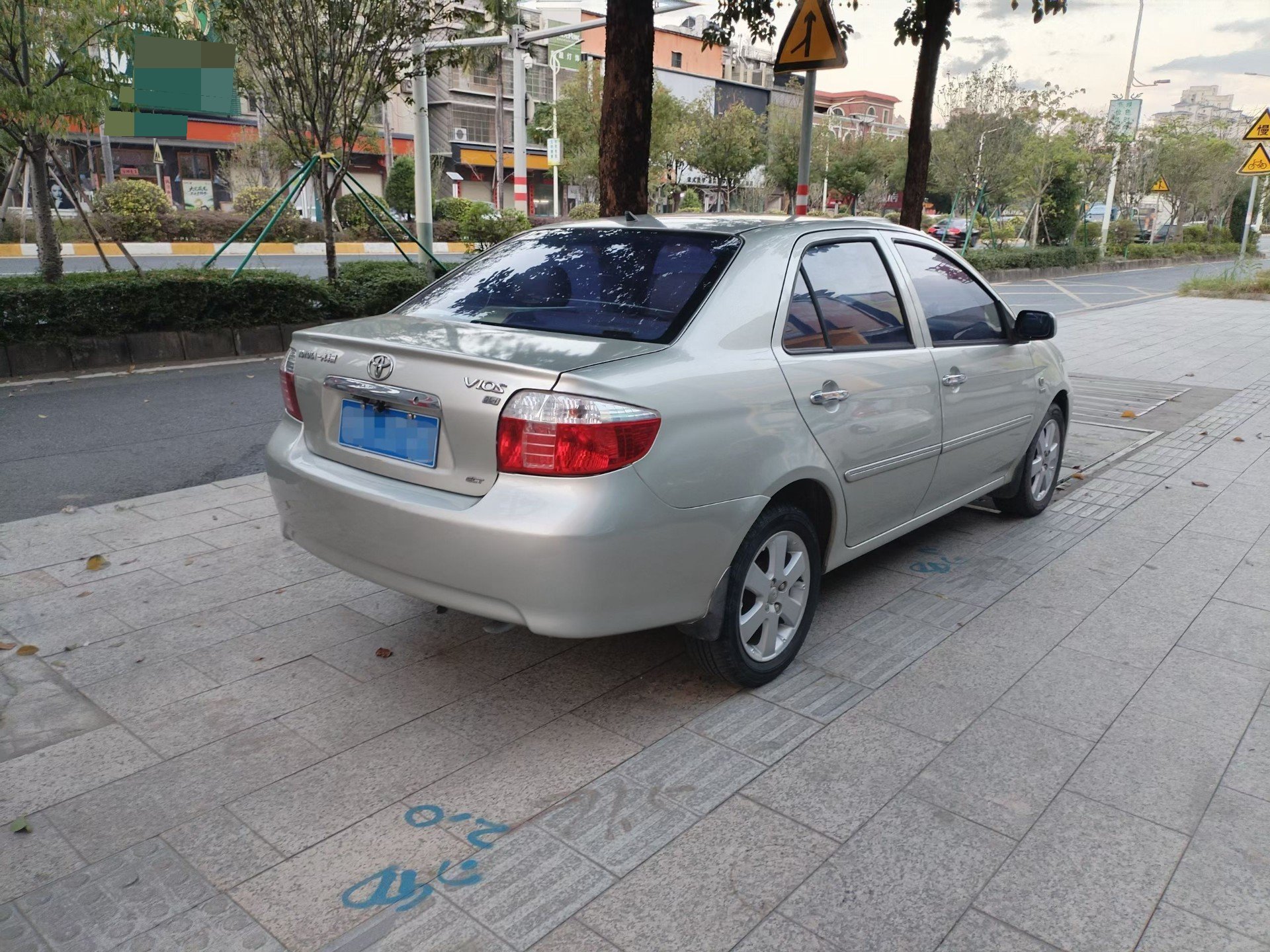
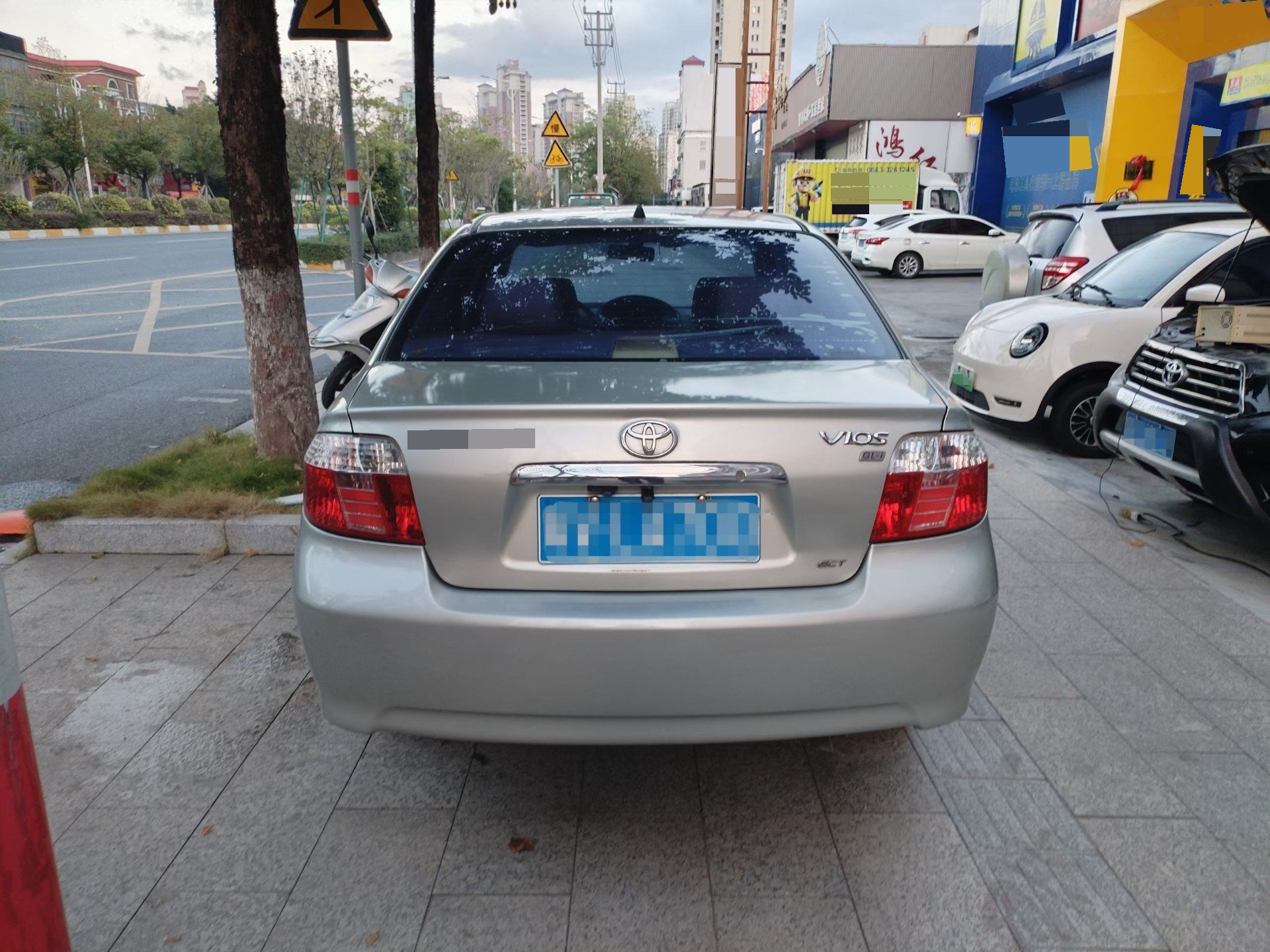
ColorGrey
Seats5seats

Condition Description

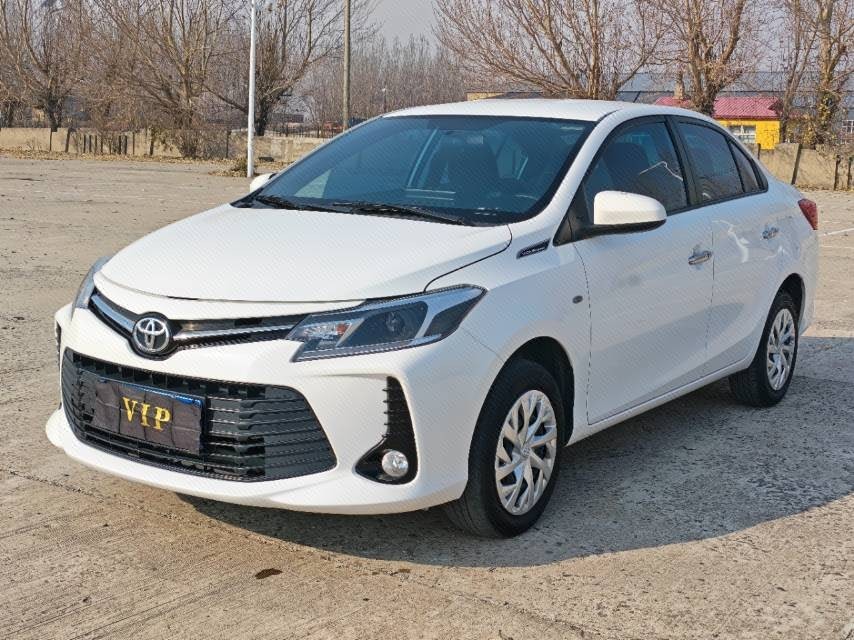
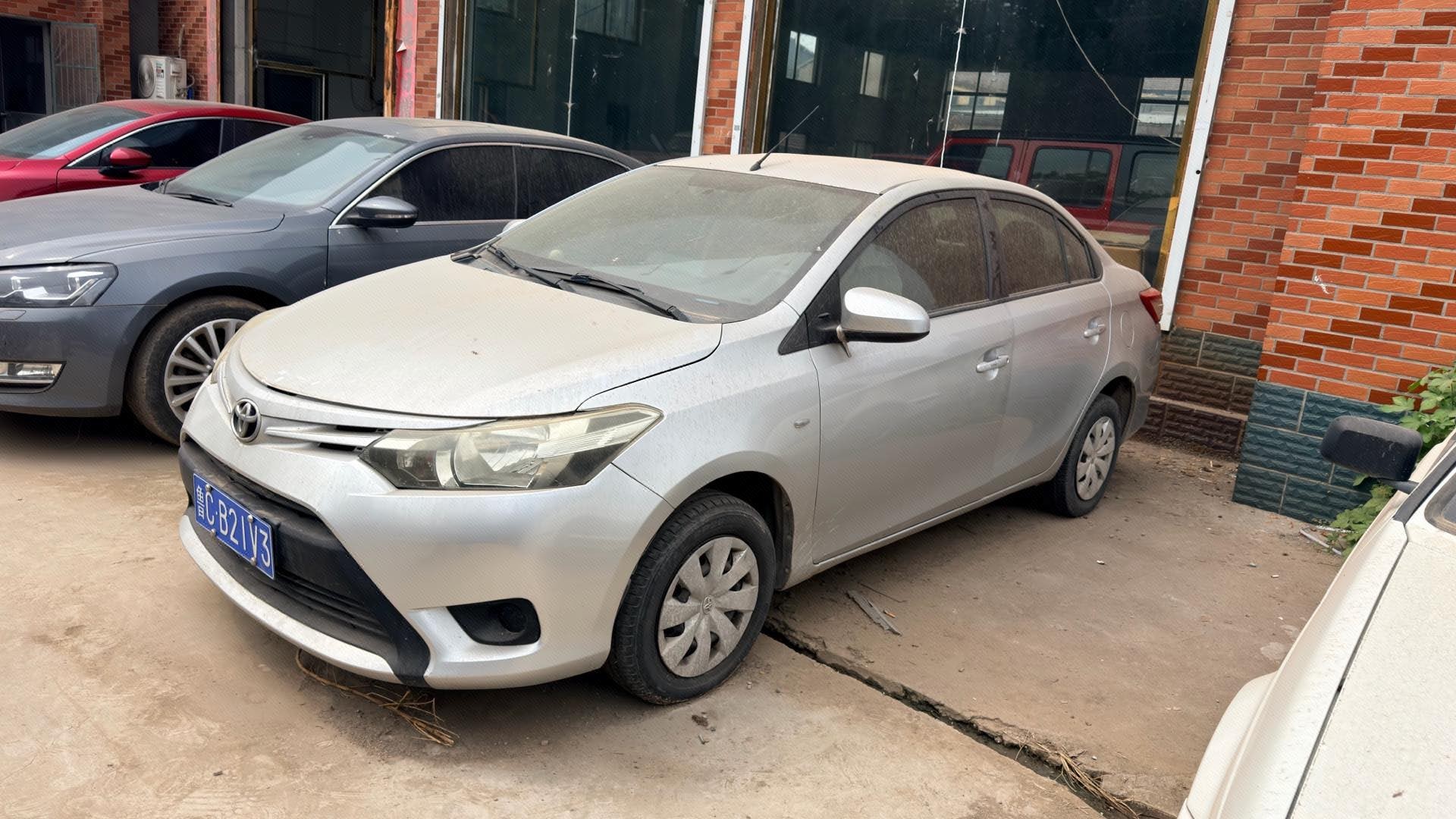
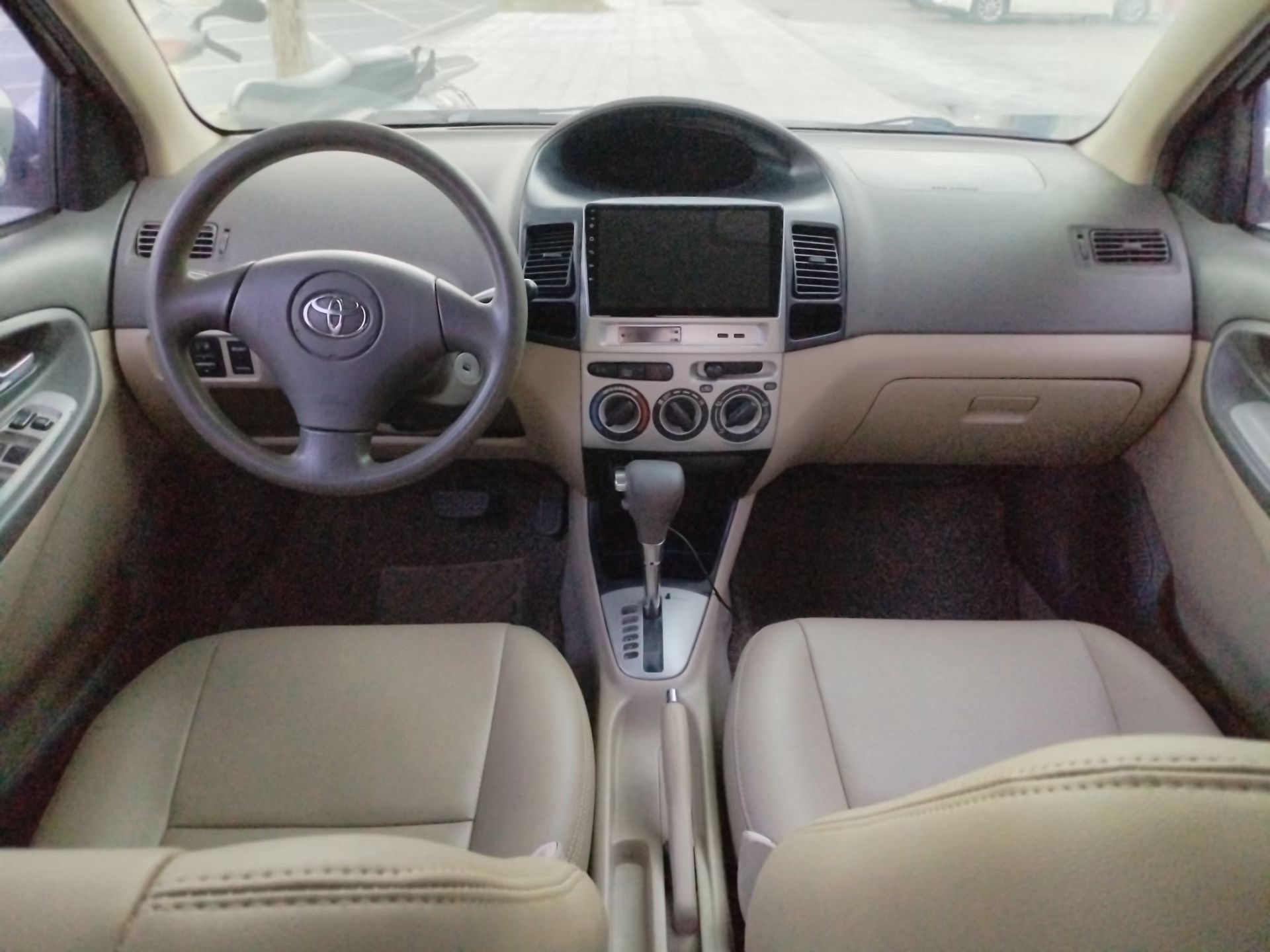
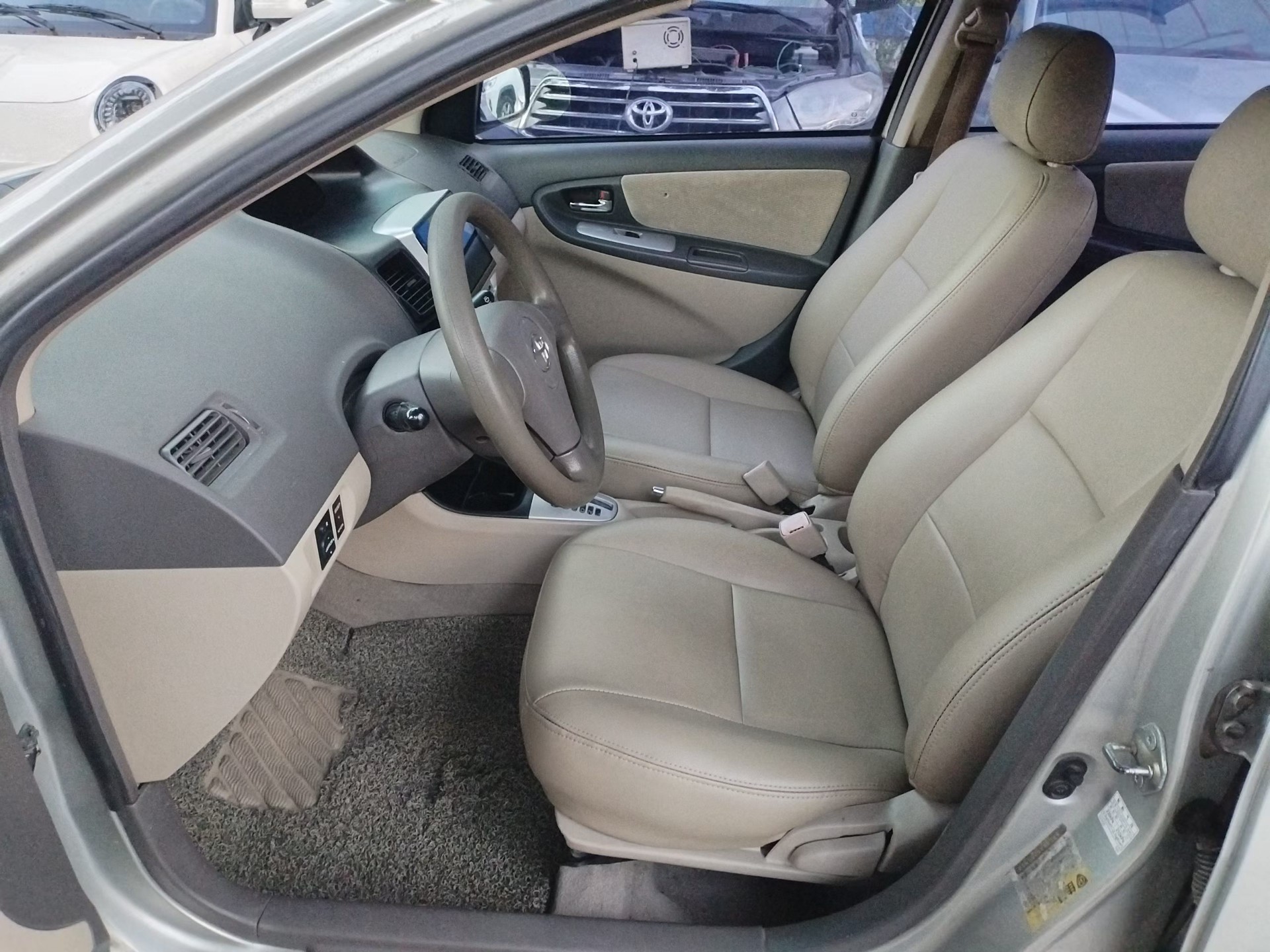
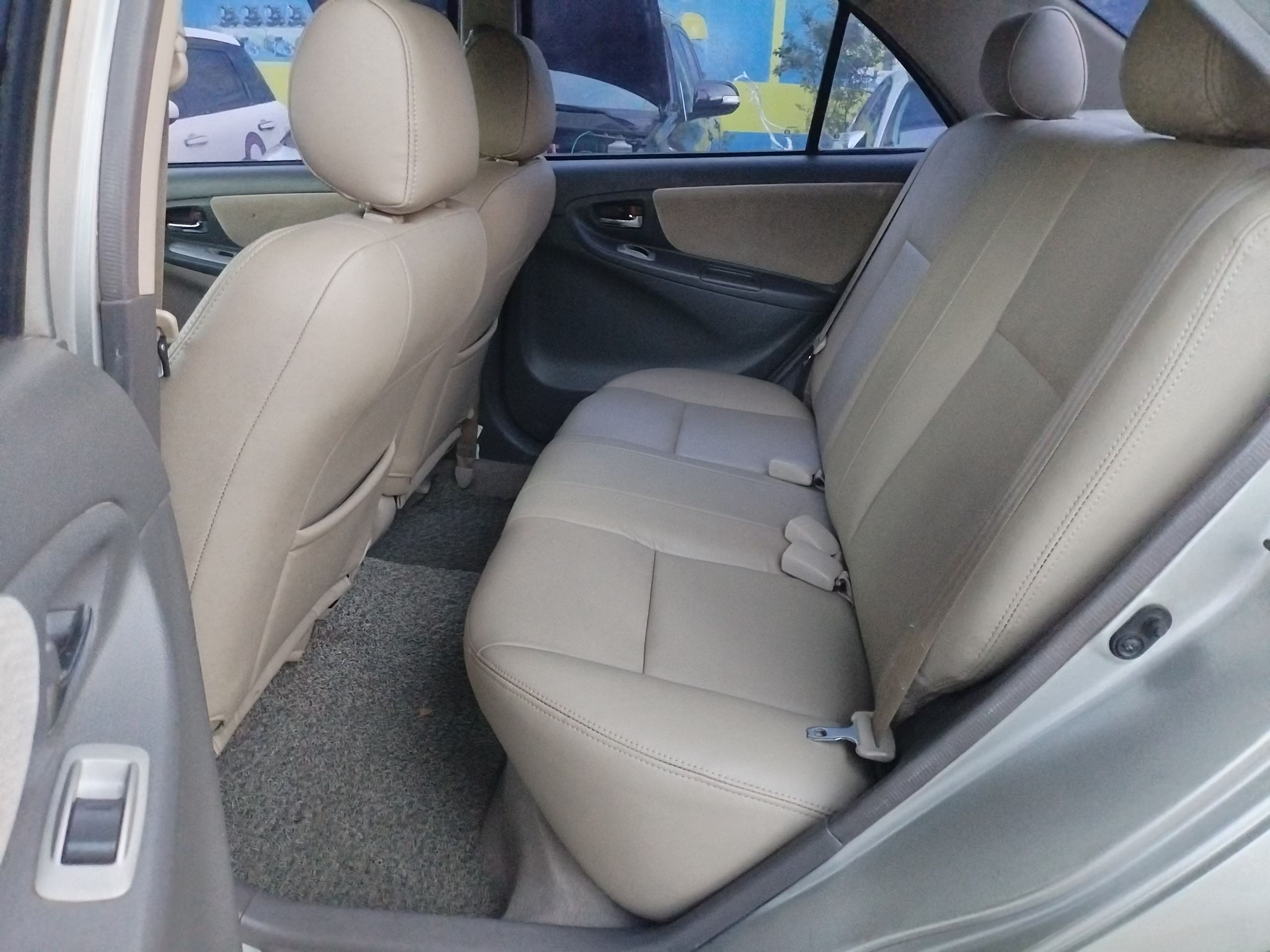
Good condition, no investment needed, interior is beautiful.

Document Information

Inspection Expiry Date-
Warranty Expiry Date-
Insurance Expiry Date2026/11

Q&A

More

Beyond the car price, what costs should I budget when importing a used car from China?

A realistic budget has several layers beyond the vehicle price. First, inland logistics in China: moving the car to the export port typically costs $300-$800. Second, export handling: inspection, customs declaration and paperwork usually add $500-$1,000. Third, ocean freight. A 20ft container to most destinations runs $1,200-$3,000 depending on route; RoRo shipping can be cheaper for driveable cars. Add marine insurance, usually 0.3%-0.5% of the car value. Fourth, destination charges: port handling, customs duties, VAT/GST and local registration fees. These vary widely; some countries charge duties of 20%-80% of the vehicle value plus an excise based on engine capacity. Finally, any compliance work: inspection certificates, modifications to meet local standards, or homologation. Ask your exporter for a full CIF quote and have a local customs broker confirm destination taxes before you commit.


How do I evaluate rust and corrosion on a used car from China, especially for coastal cities or snowy regions?

Rust is a deal-breaker that photos can hide, so be systematic. High-risk areas to check: 1. Underbody and frame rails—surface rust is normal, but flaking or bubbling paint means advanced corrosion 2. Wheel arches and rocker panels—these trap mud and salt 3. Door bottoms and the trunk floor—water collects here; lift the trunk mat and look for dampness or repair welds 4. Around the windshield and sunroof drains—leaks cause hidden rust in the A-pillars Ask the inspector to do a magnet test: filler-repaired areas won't hold a magnet, indicating past accident repairs. A paint thickness gauge reveals resprayed sections—uniform readings around 80-150 microns are normal; spikes over 300 suggest bodywork. Cars from northern China (salted roads in winter) or coastal cities need extra scrutiny on the underbody. If structural members show corrosion, walk away—repairs rarely restore original strength.

Should I ship my used car from China in a container or by roll-on/roll-off (RORO)?

It depends on the car's value, type and destination. RORO means the car is driven onto the vessel and secured on deck or in the hull. It is usually cheaper per car and does not involve container packing fees. The downside: the car sits exposed to salt air for weeks, and RORO service is limited to ports with dedicated terminals. Container shipping (one 20ft or 40ft container per 1-2 cars) costs more but gives much better protection. It is strongly recommended for electric vehicles (battery safety regulations), luxury cars, and vehicles going on long voyages or rough sea routes. Practical tips: whichever method you choose, ask for the car to be shipped with a full battery charge disconnected at the terminals, tire pressures adjusted, and a condition report with photos signed at loading. For EVs, confirm the shipping line accepts used electric vehicles and what state-of-charge limits apply.