


48H

Basic Information

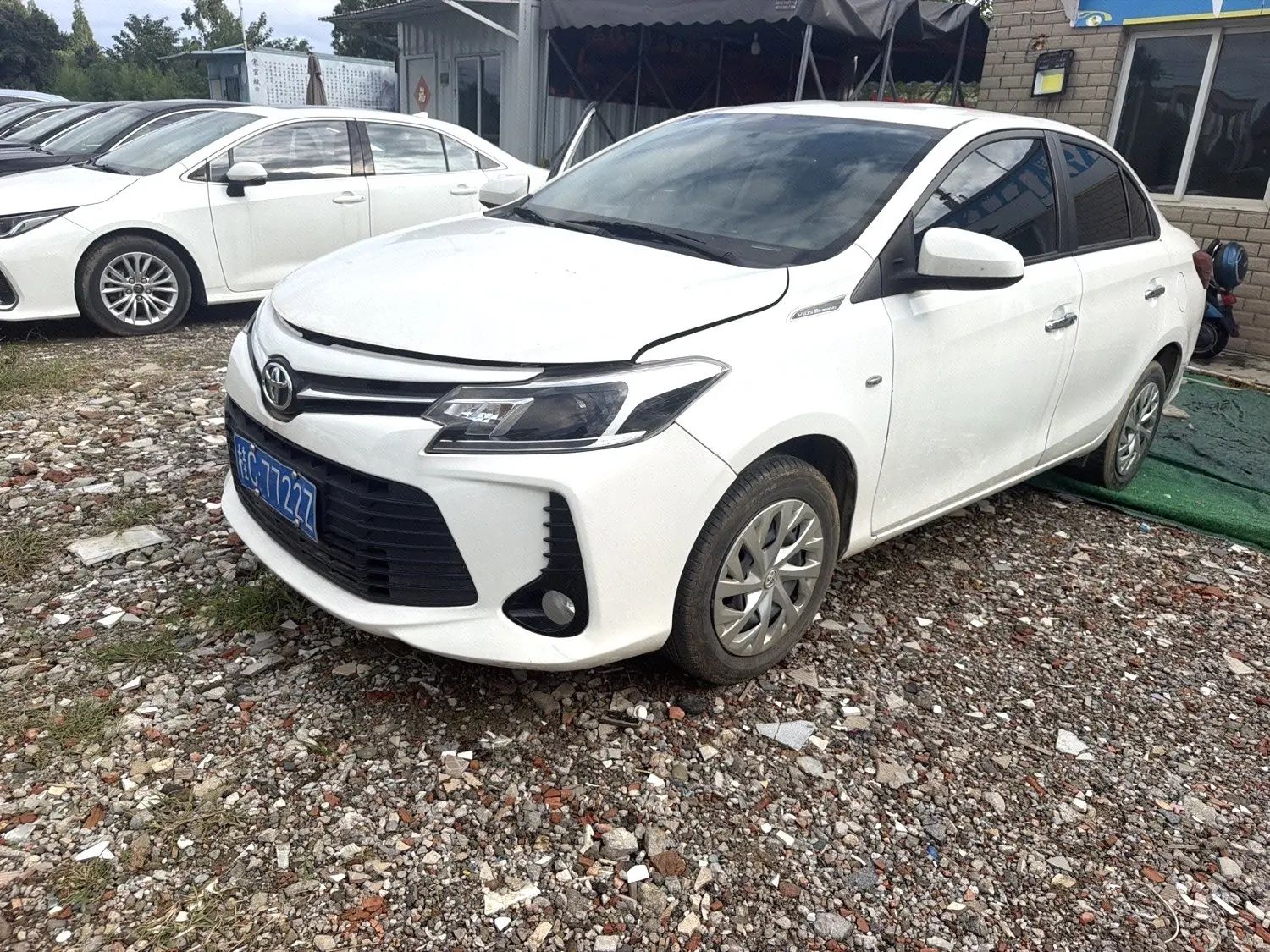
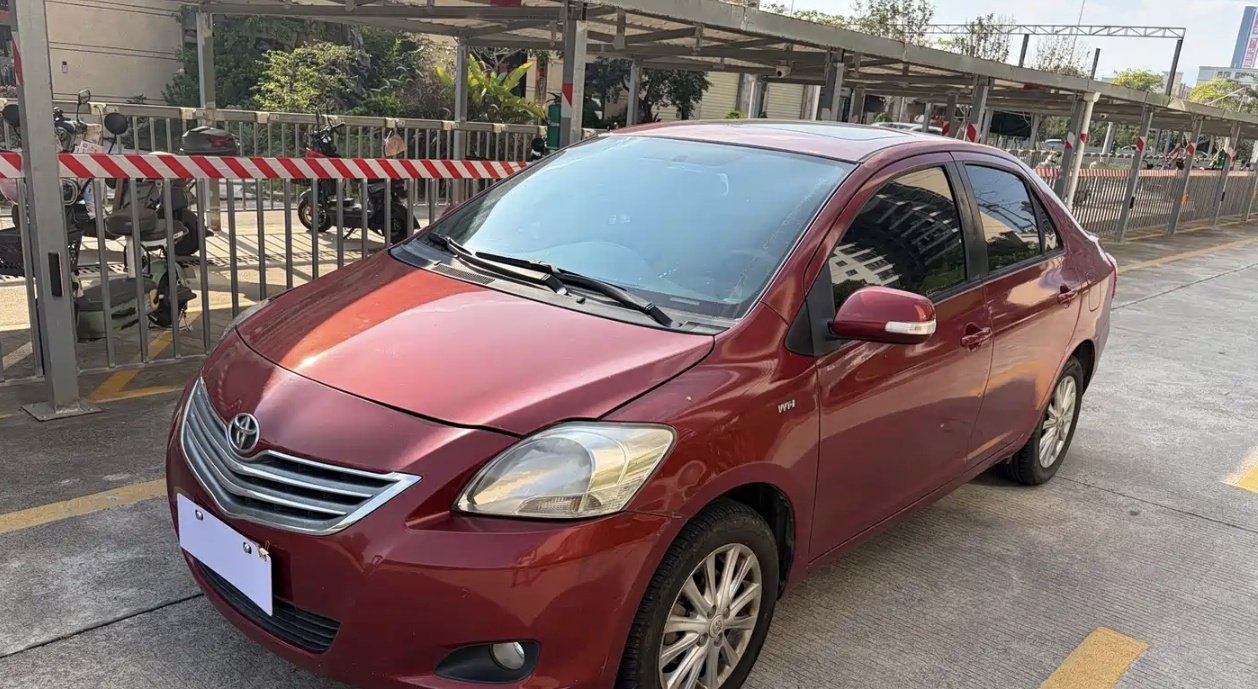
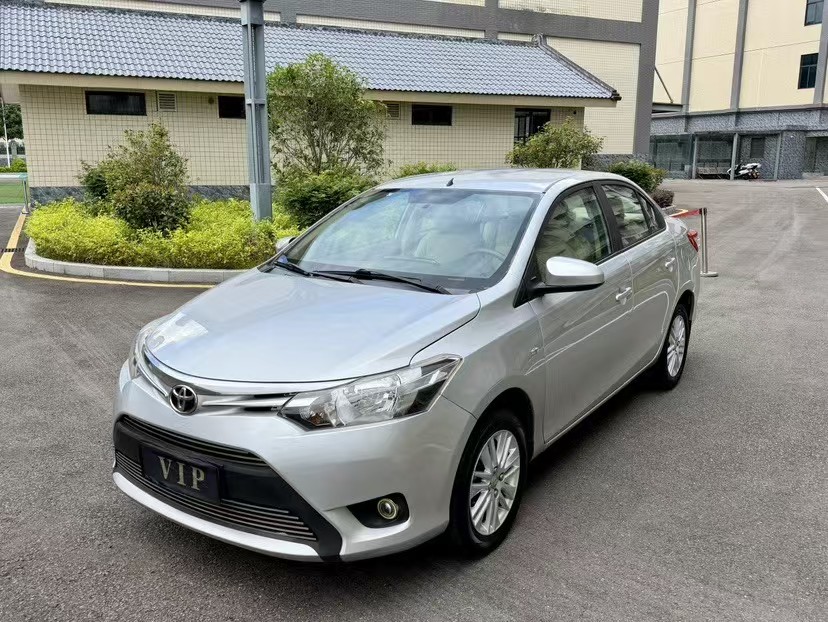
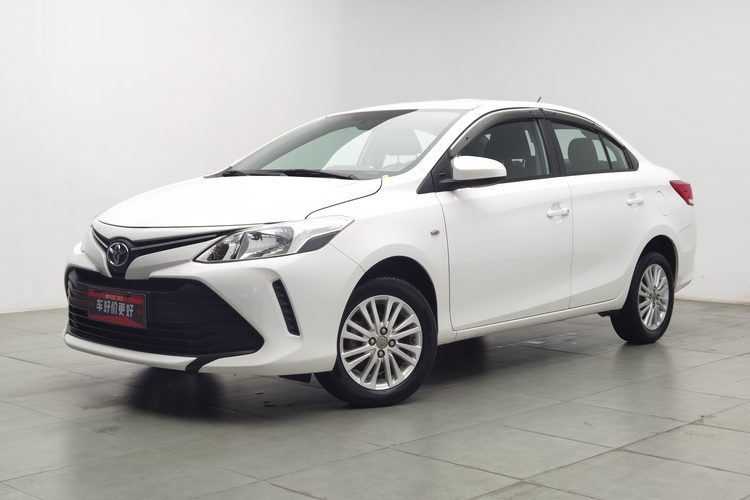
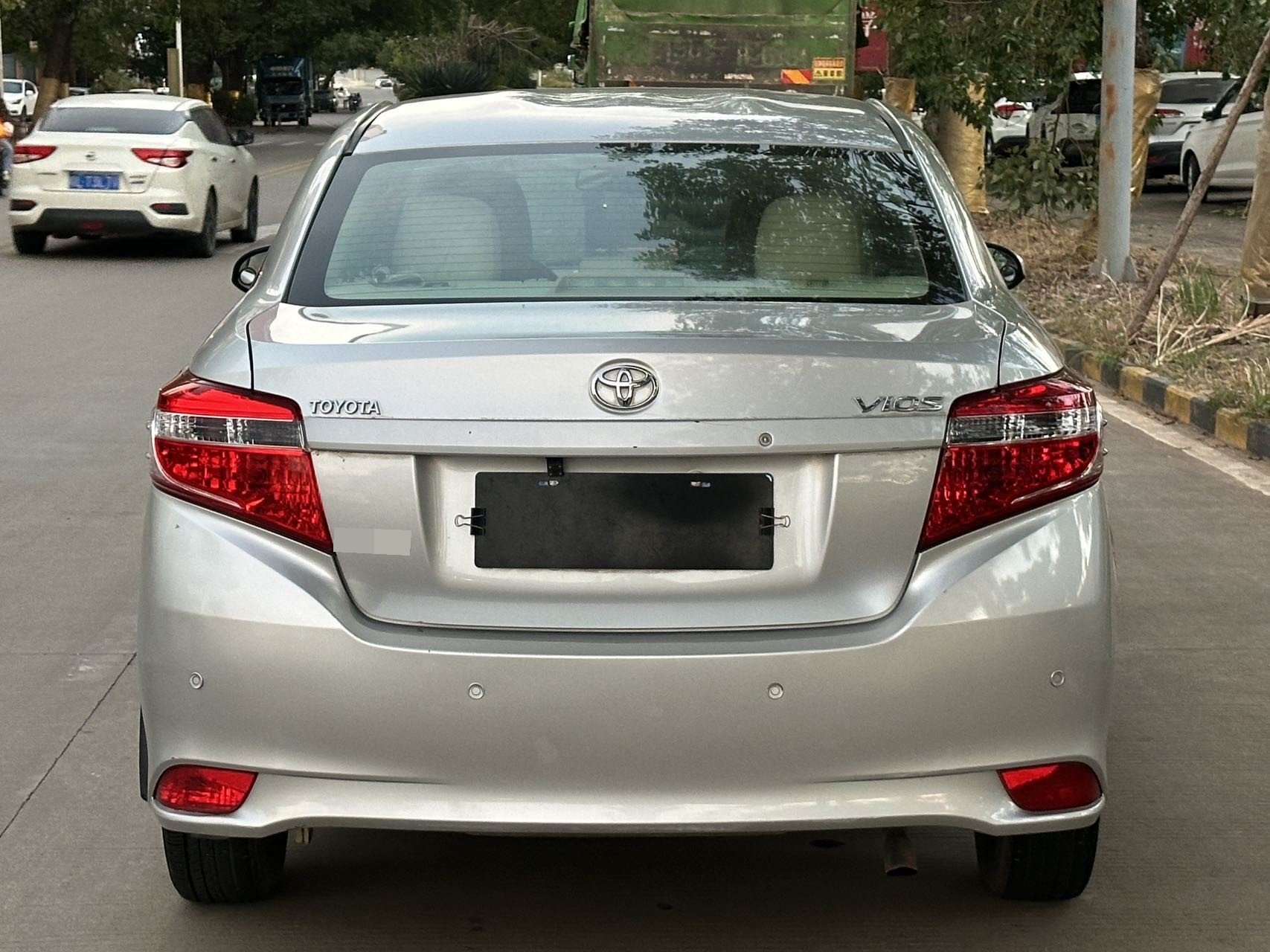
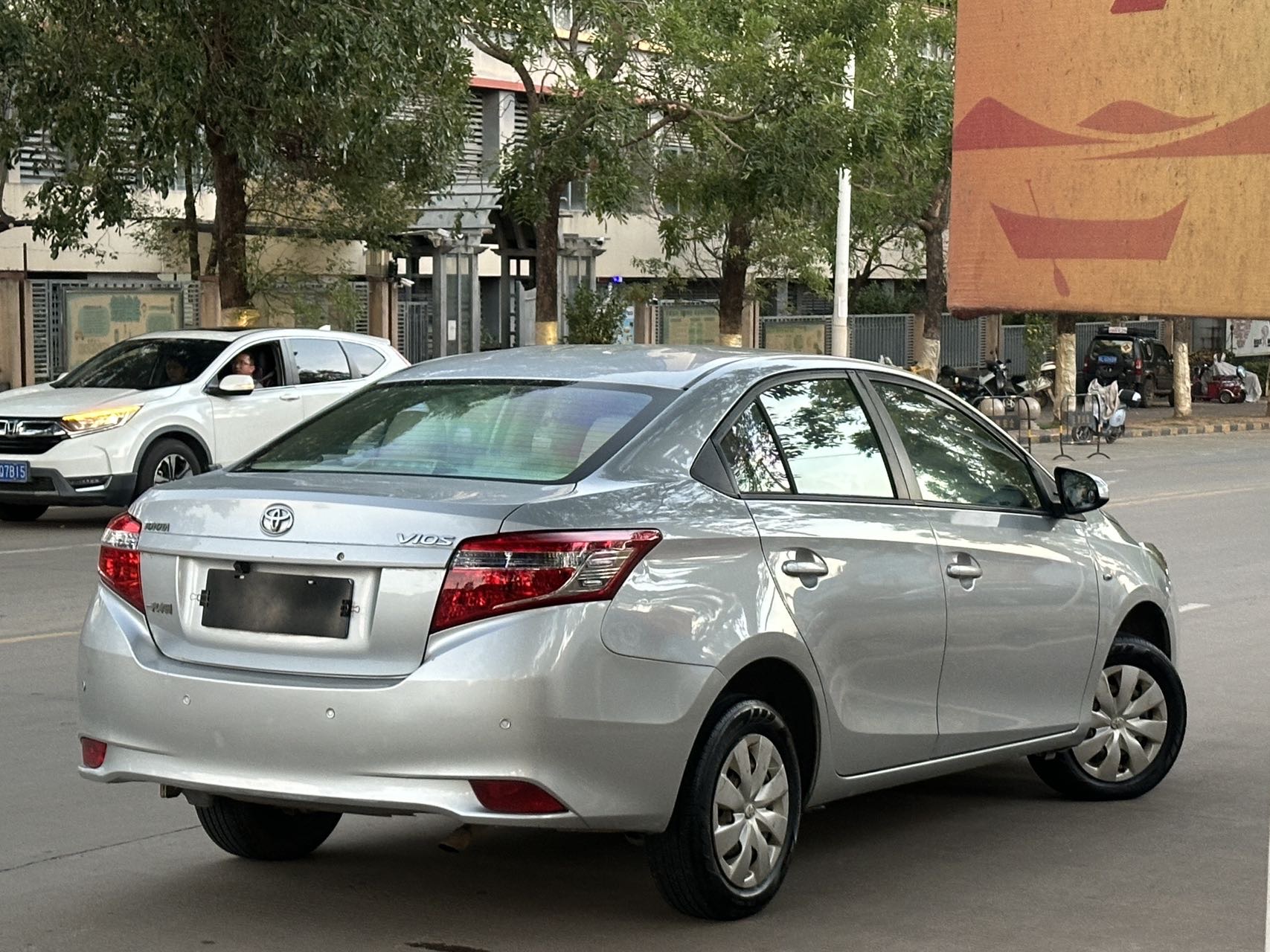
BrandToyota
SeriesVios
Year2014
First Registration2014/01
Mileage160,000km
Transfer Count0times
FuelGasoline
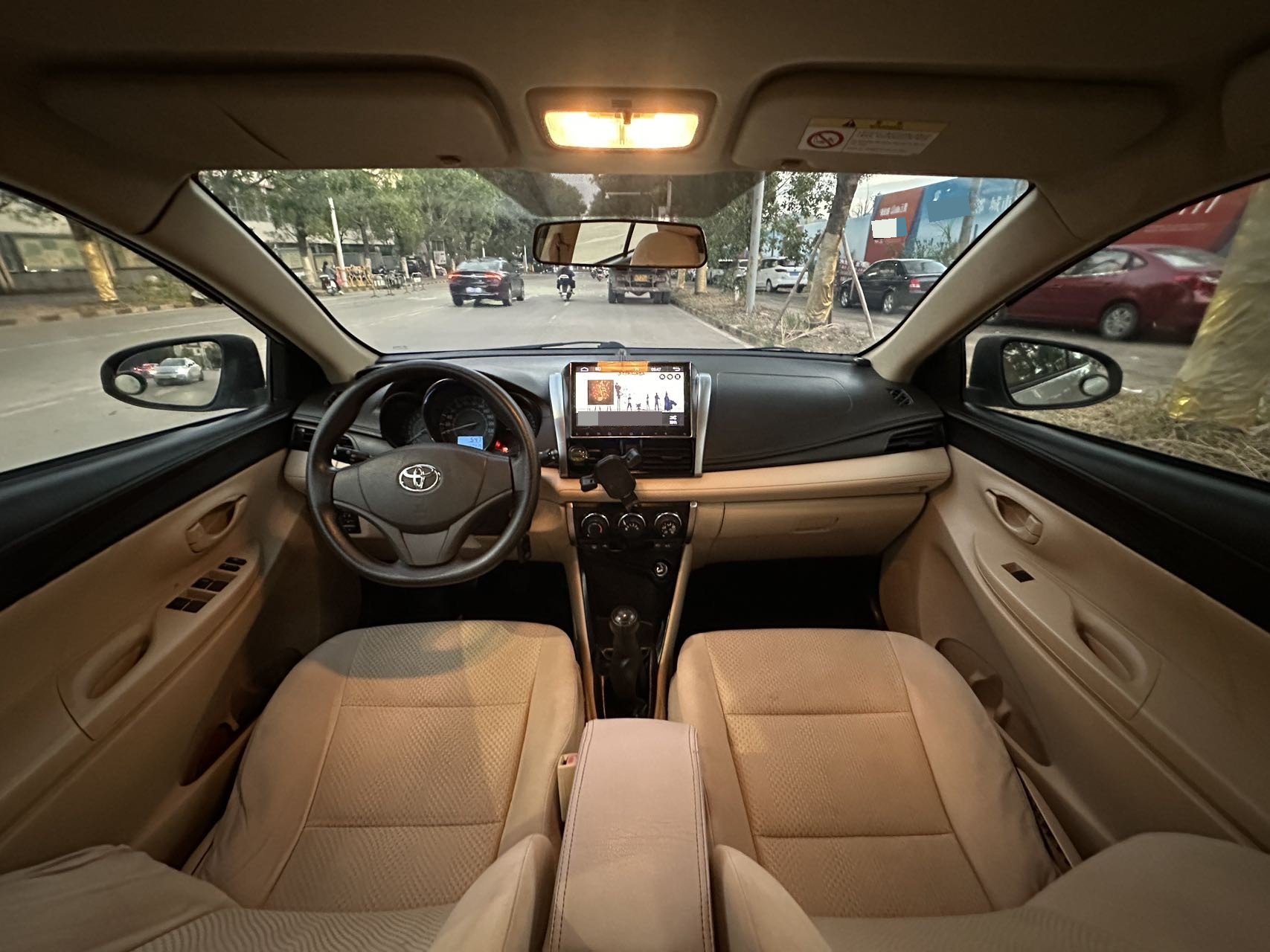
TransmissionManual
Engine1.3L 99 L4
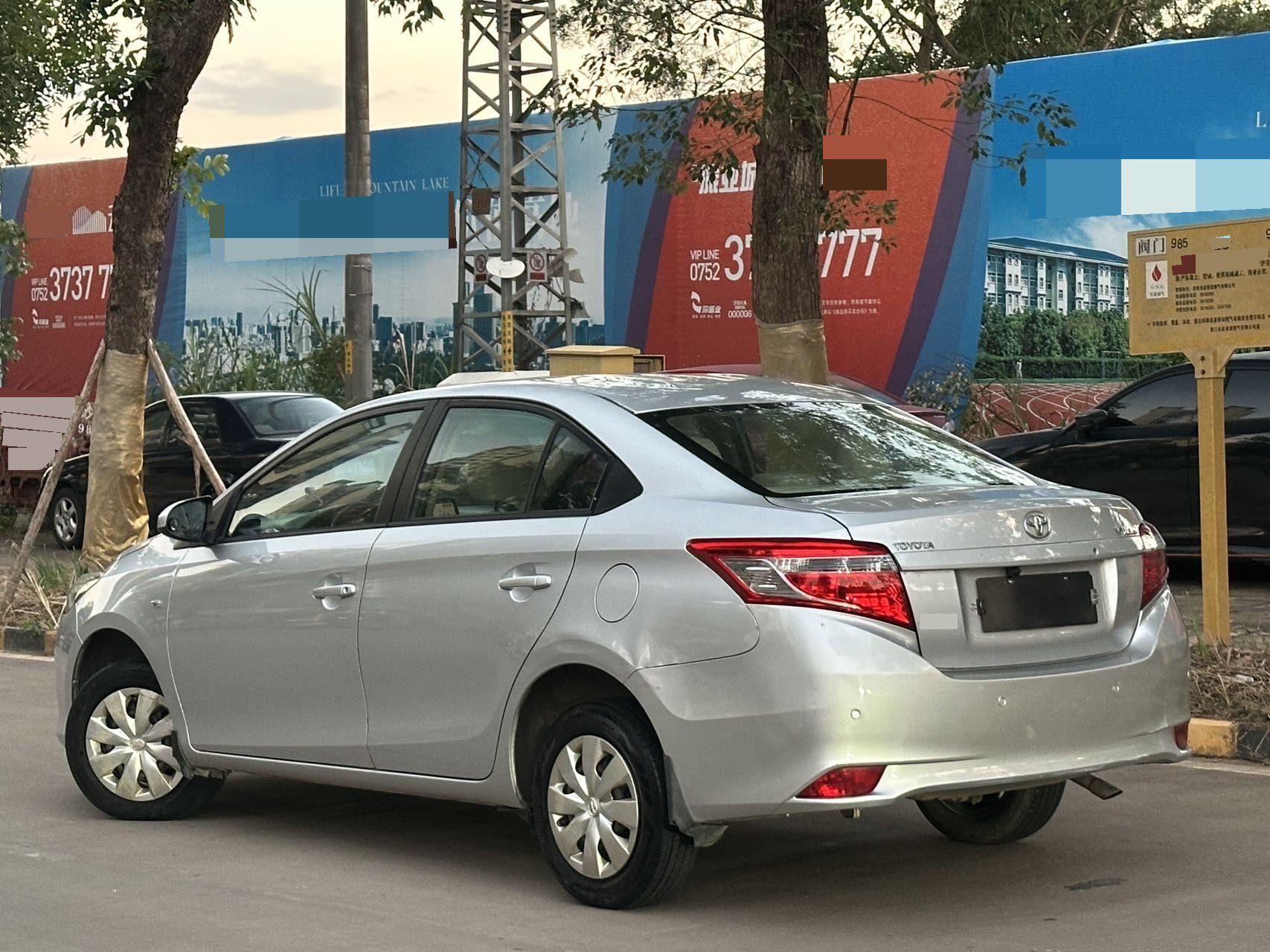
ColorGrey
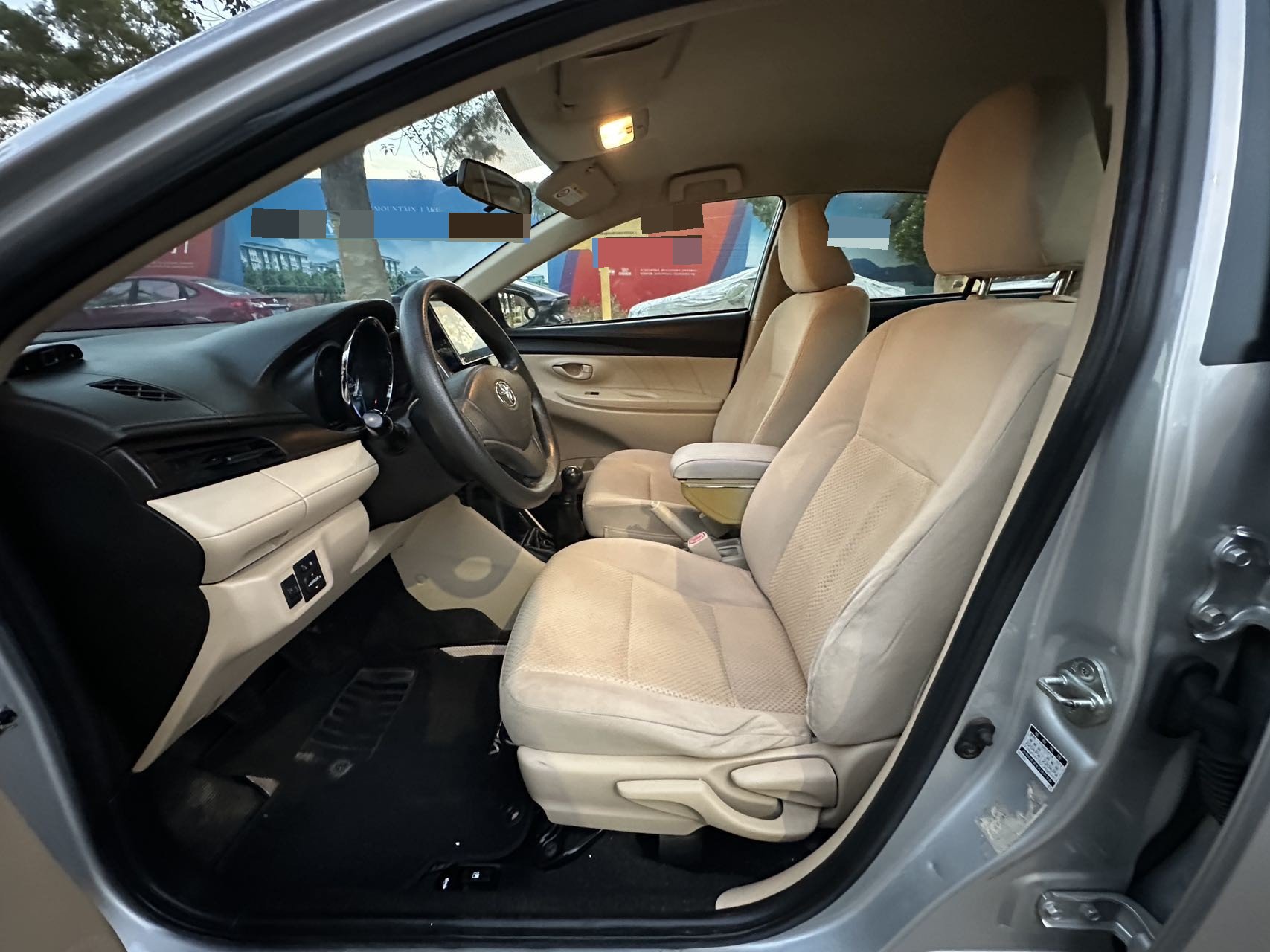
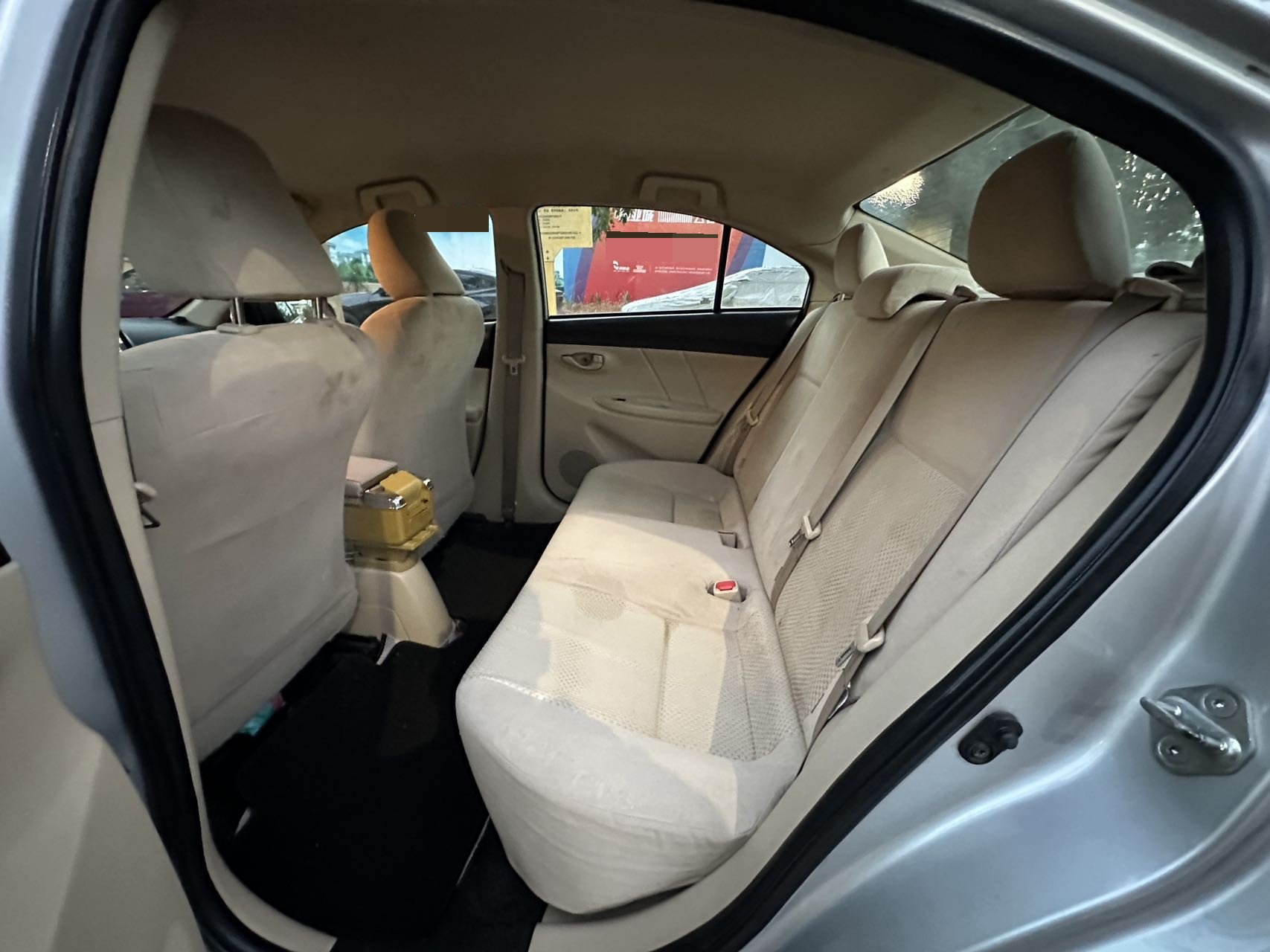
Seats5seats

Condition Description

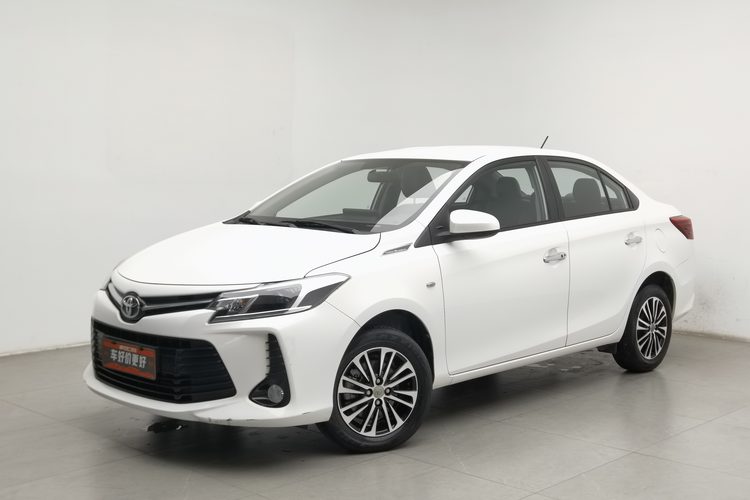
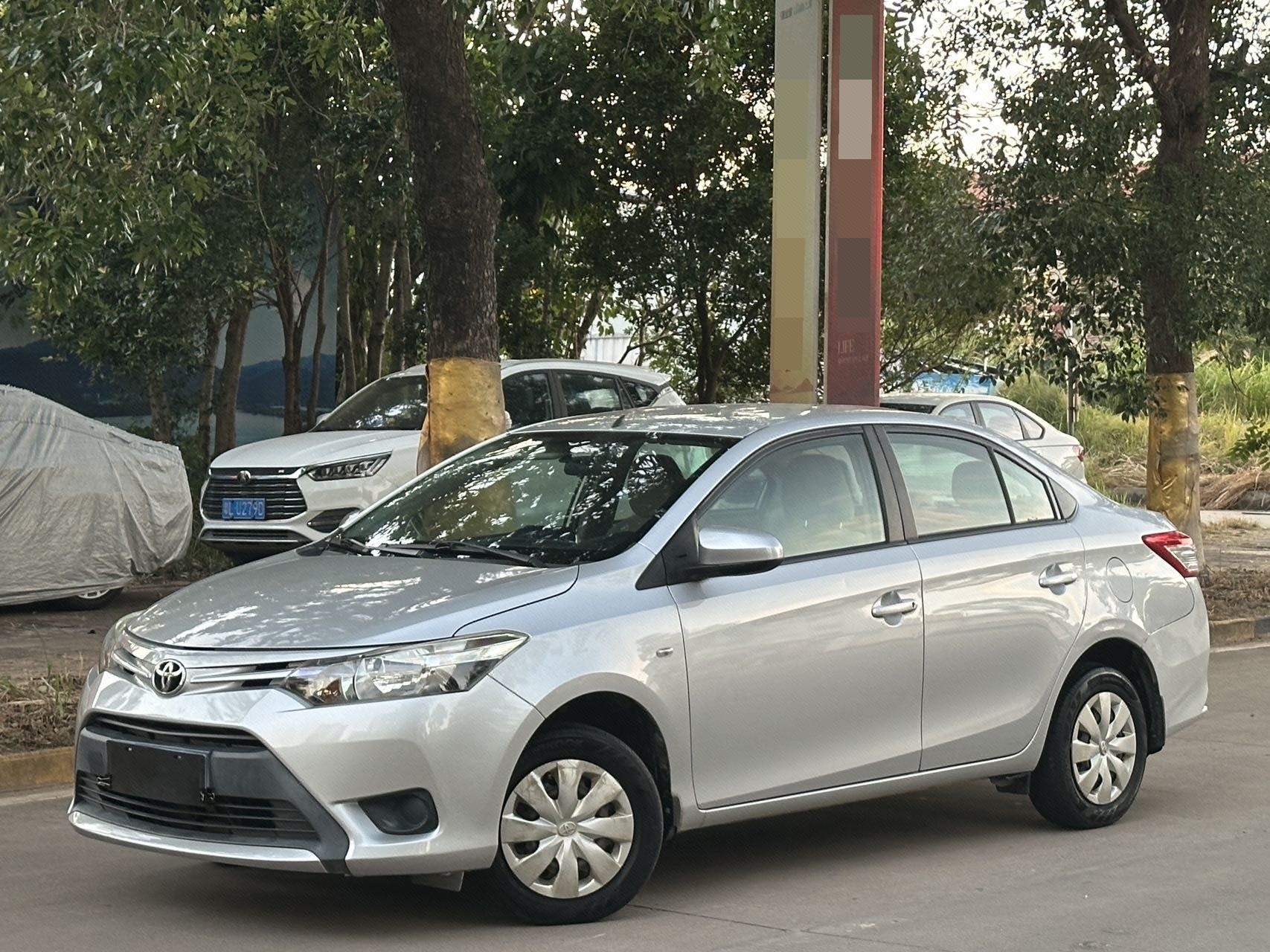
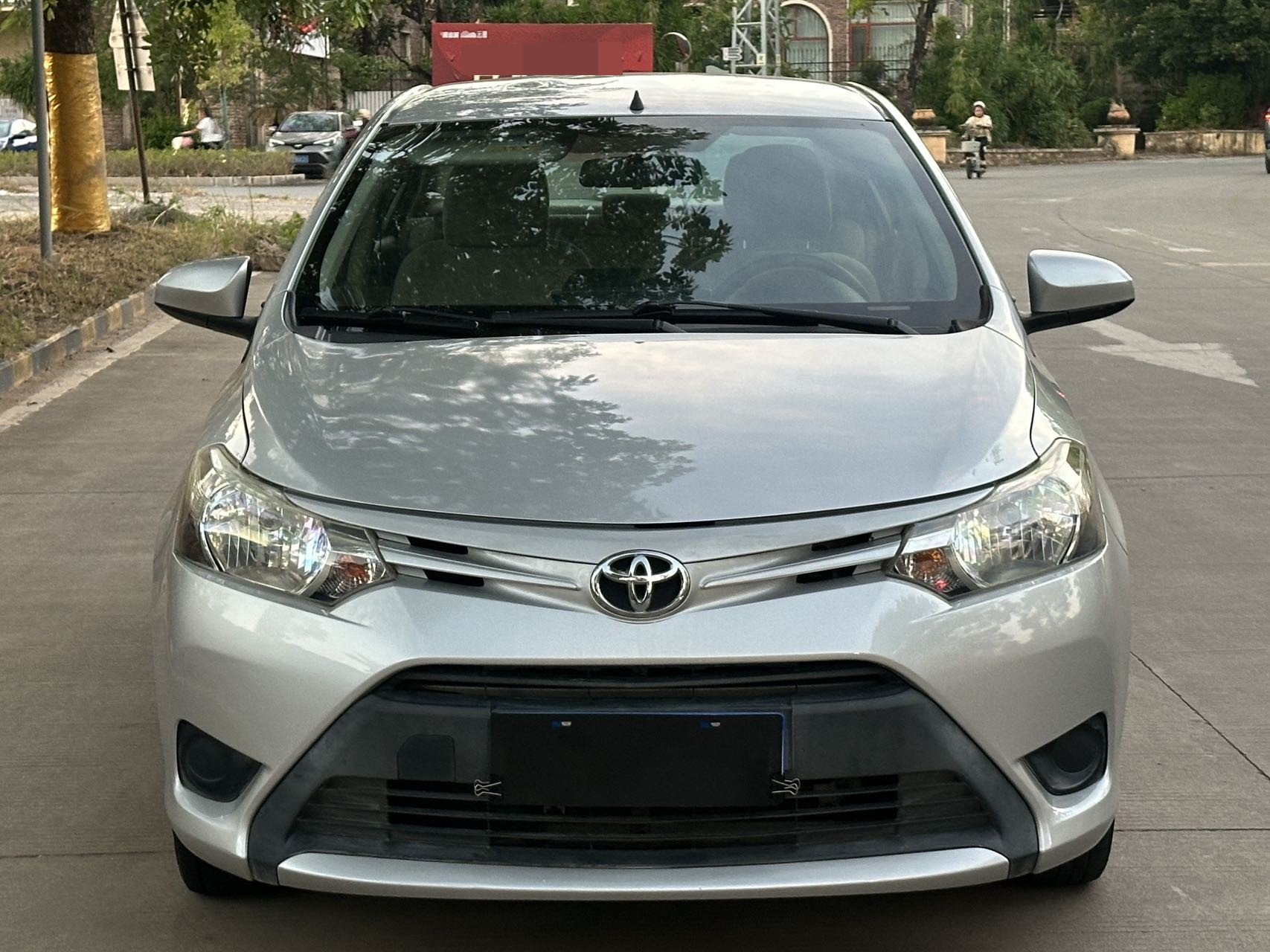
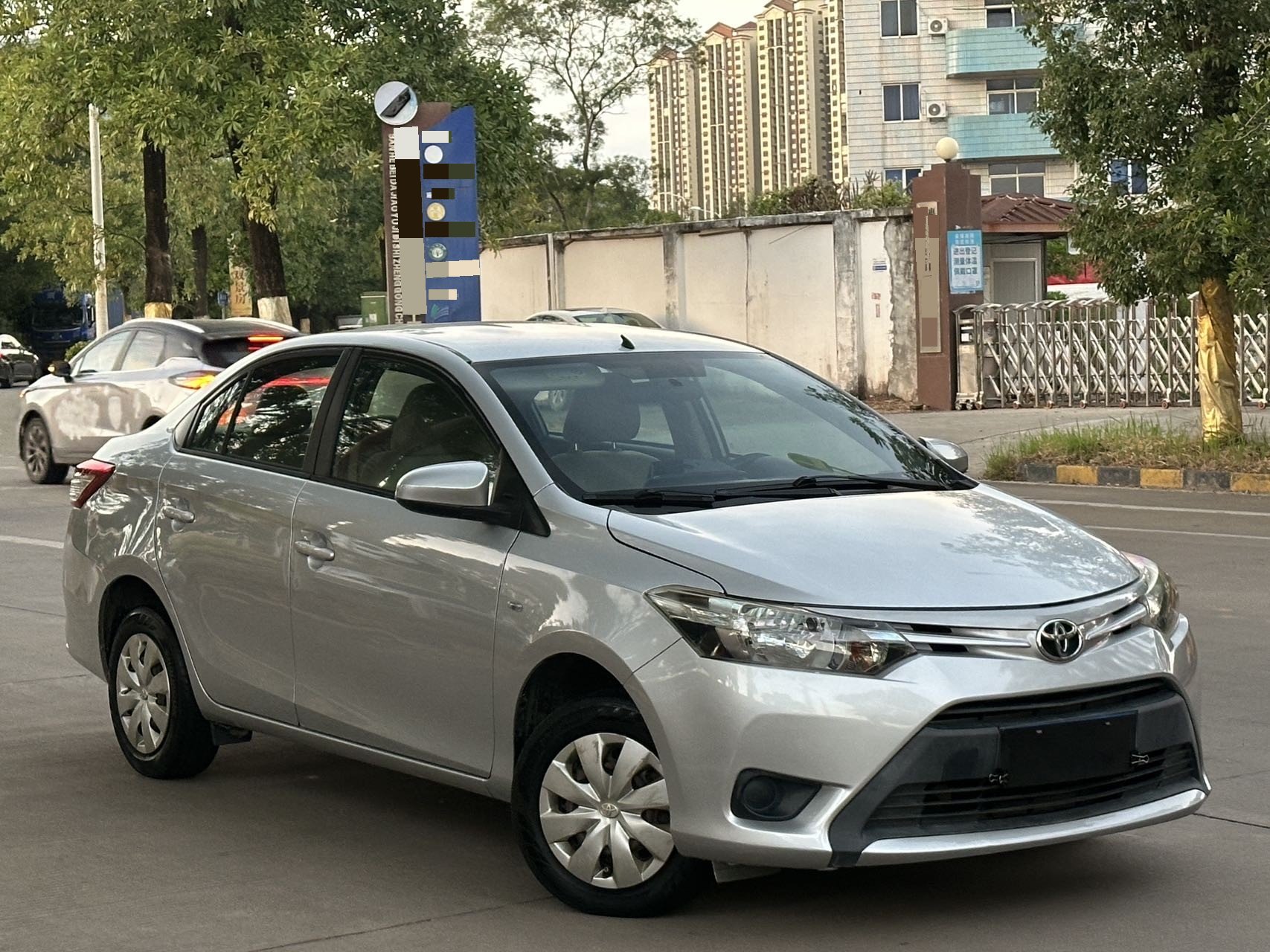
14年丰田威驰 1.3功夫档 精品一手私家车 夫妻过户一次,机头静音平顺 波箱入档丝滑 地盘扎实、超级省油!一箱油开到地球爆炸 带大屏导航/倒车雷达/影像

Document Information

Inspection Expiry Date-
Warranty Expiry Date-
Insurance Expiry Date2027/01

Q&A

More

How to prove that the chassis has no serious rust, corrosion, or bottom damage?

All vehicles on the lift must be inspected. We will provide high-definition close-up photos of the chassis directly below, suspension components, and the mid to rear section of the exhaust. We will honestly show any minor surface rust (a common phenomenon in cast iron); if we find bent longitudinal beams or extensive through-corrosion, the vehicle will be scrapped and not exported.


My imported Chinese car needs a repair part. How do I claim warranty or order parts from the exporter?

Start by checking the after-sales clause in your contract—reputable exporters typically offer 3-12 months of parts support. The usual process: send the exporter a fault description with photos or a short video, plus your VIN and contract number. They will confirm whether it is a warranty case or a paid parts order. For warranty claims, common resolutions are free parts shipped with your next container, or a credit/refund for parts you source locally. Keep all communication in writing. To avoid long waits, ask for the OE part numbers in advance and check whether local dealers stock the same components—many Chinese brands share suppliers. Ordering common wear parts (filters, brake pads) together with the car shipment is the cheapest option by far.

What engine health tests, like compression and leak-down, should be included in a pre-shipment inspection of a used car from China?

For gasoline cars, insist on a compression test: each cylinder should read within 10-15% of the others, and the actual values should match factory specs for that engine. A single low cylinder points to worn rings or valve problems that idle checks will never reveal. A leak-down test goes further. It pressurizes each cylinder and measures how much air escapes and where. Air hissing from the oil filler cap means ring wear; from the intake or exhaust means valve issues; bubbles in the radiator coolant mean a head gasket problem. This is the single most revealing test for engine condition. Also request OBD scan data with freeze-frame records, a coolant system pressure test (to catch hidden leaks), and an inspection of the timing belt or chain condition with service history. For electric vehicles, compression tests don't apply — instead ask for a battery health report from the BMS, motor insulation readings, and a road test logging any inverter or drive-unit fault codes. A written report with photos or video of each test is essential evidence for your records.