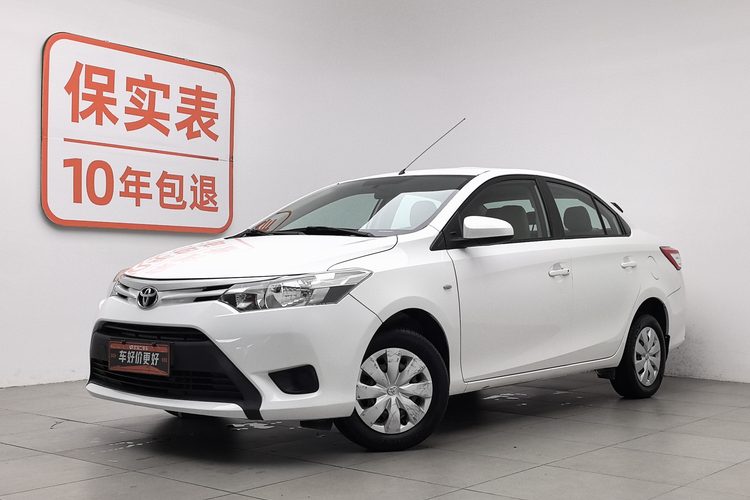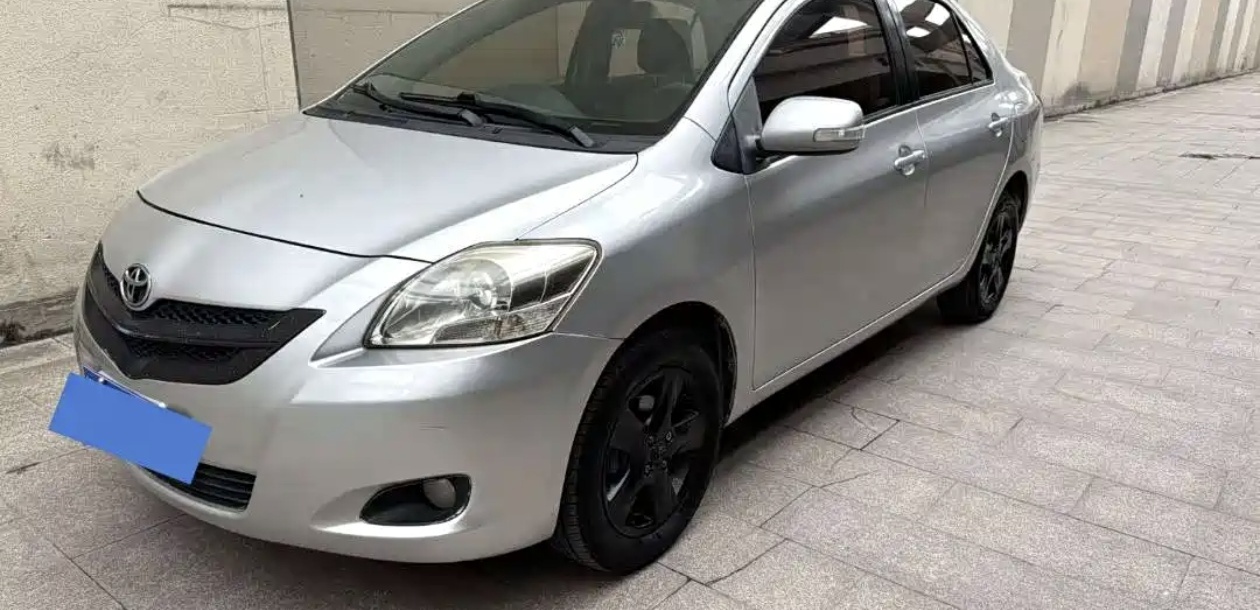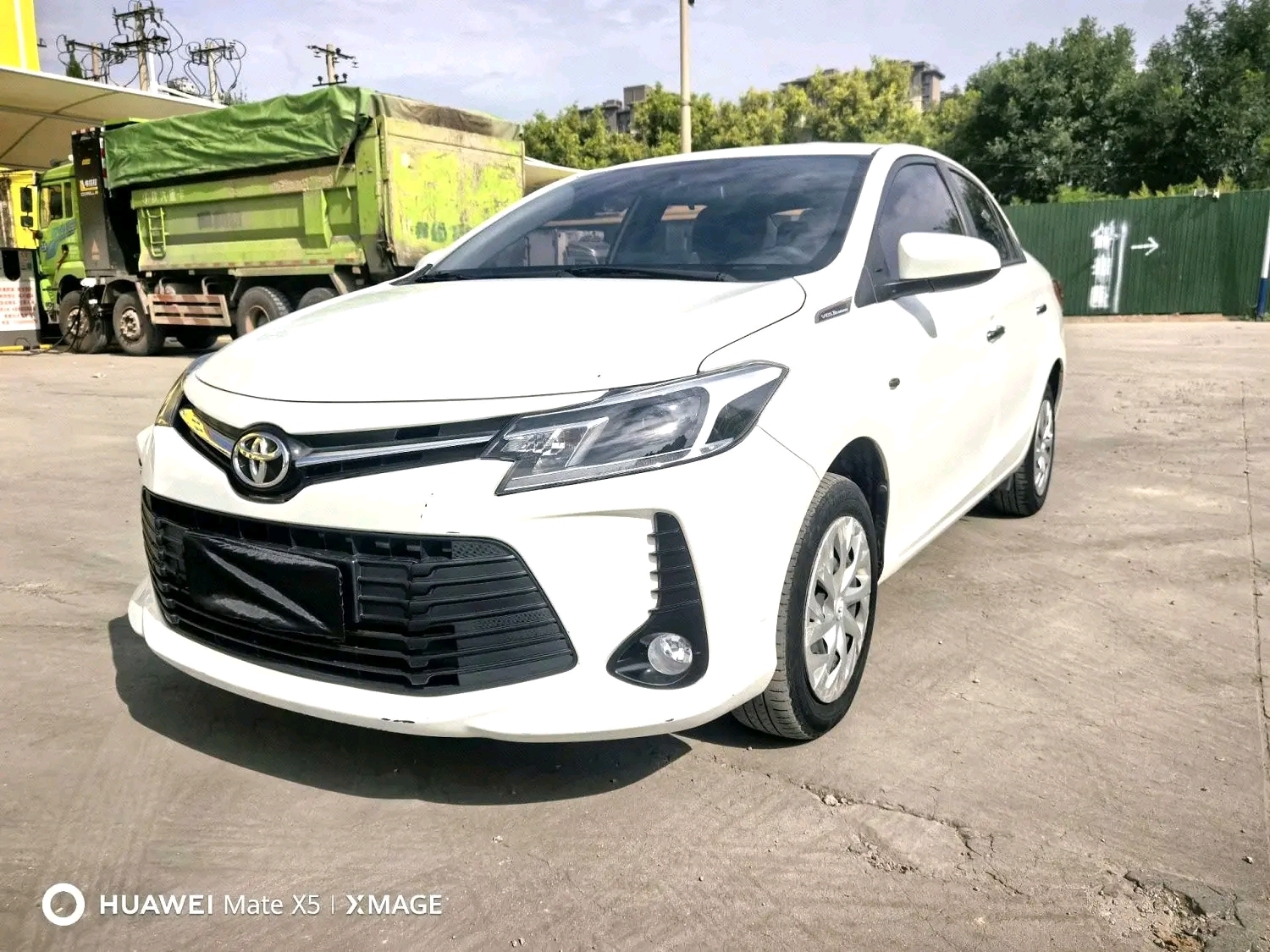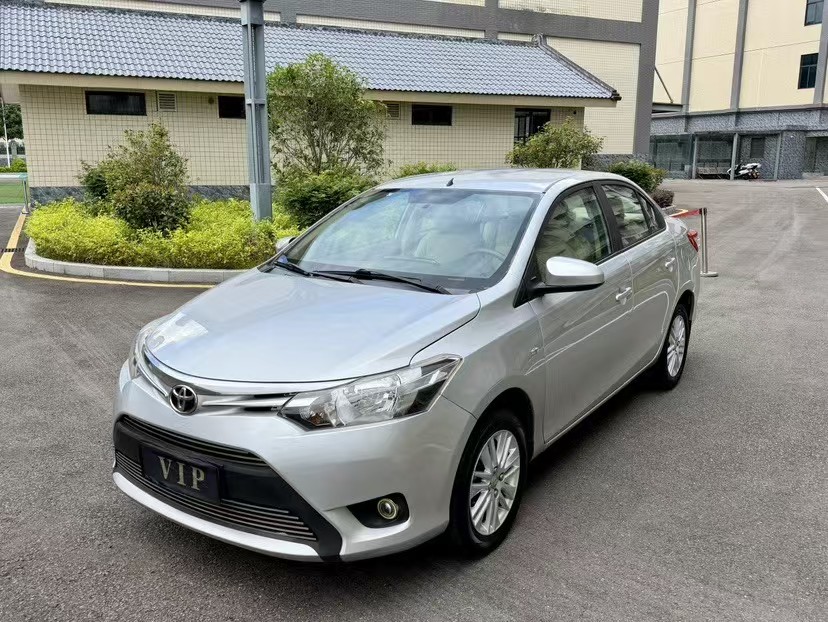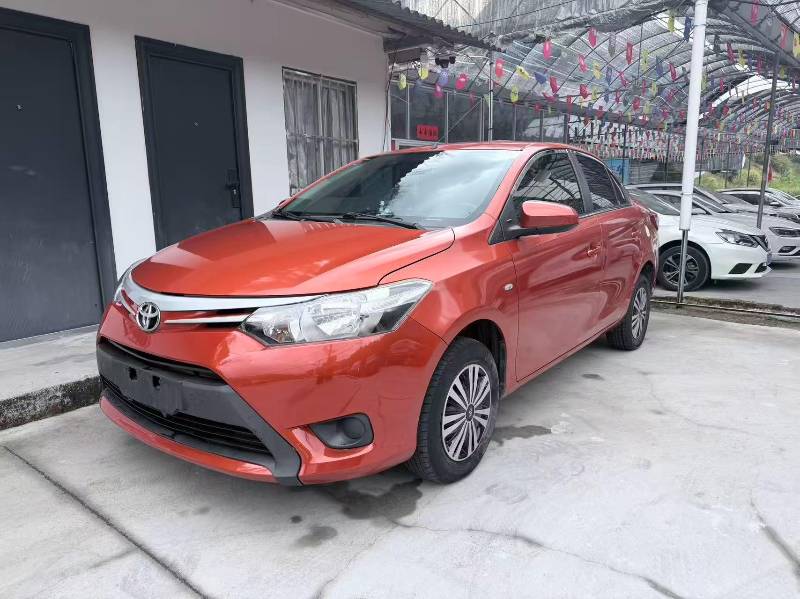
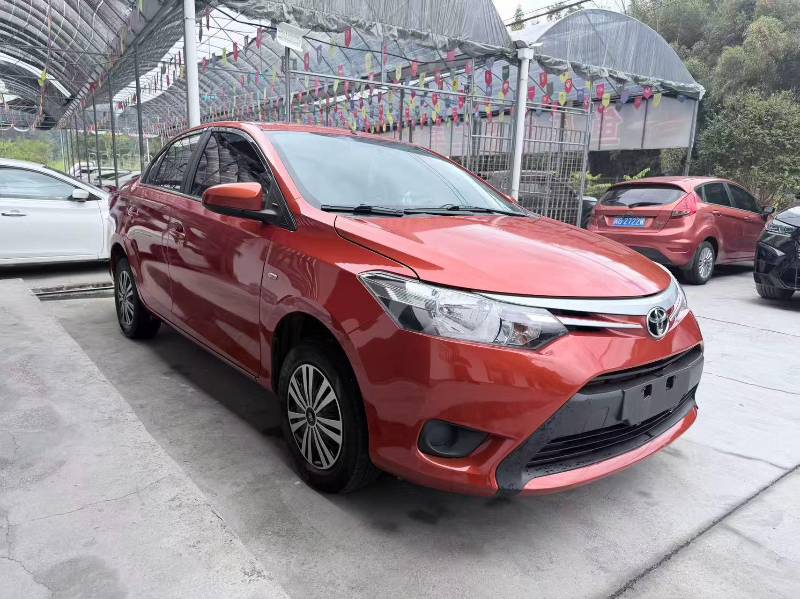
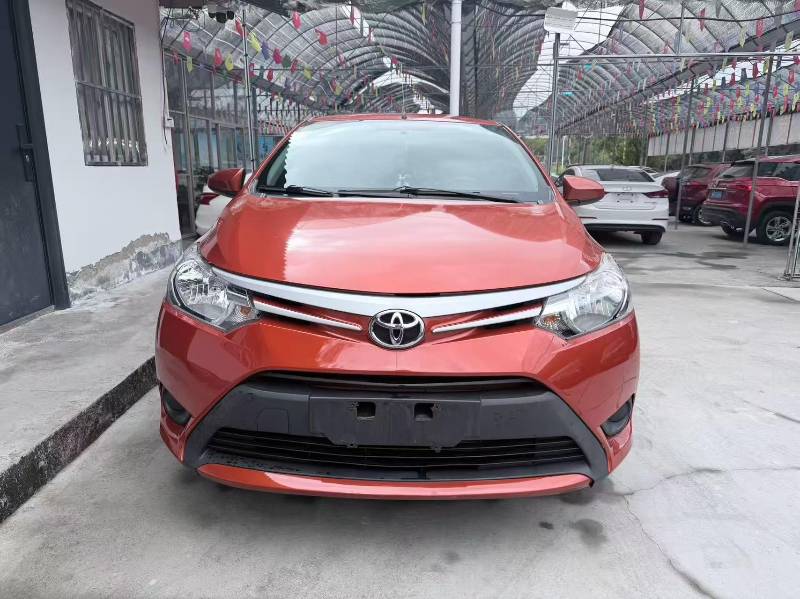
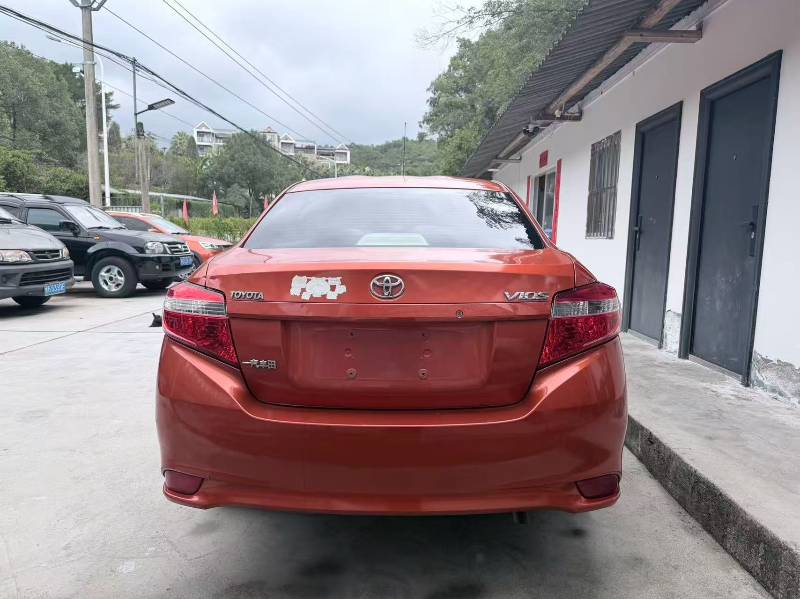
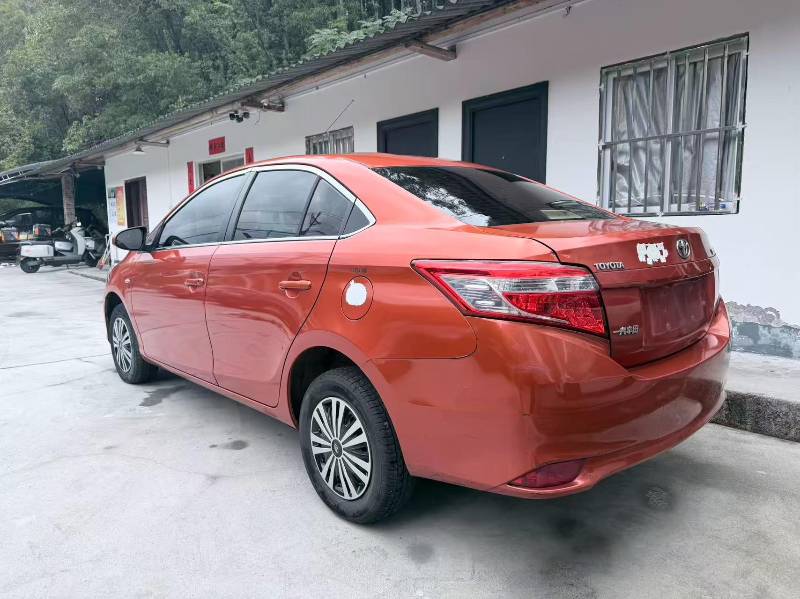
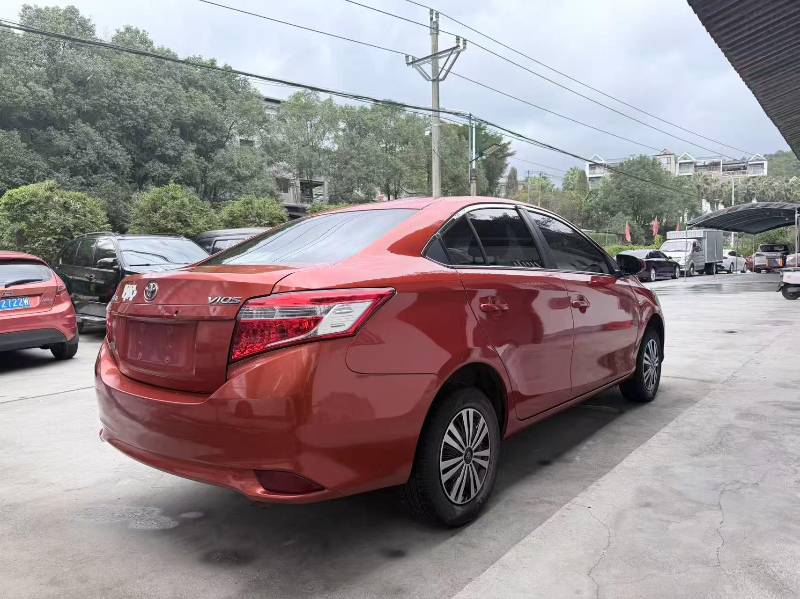
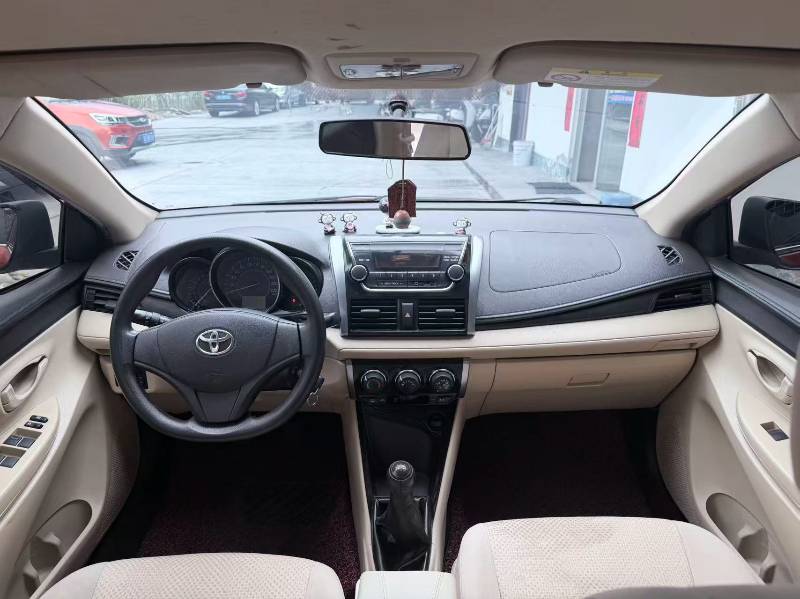
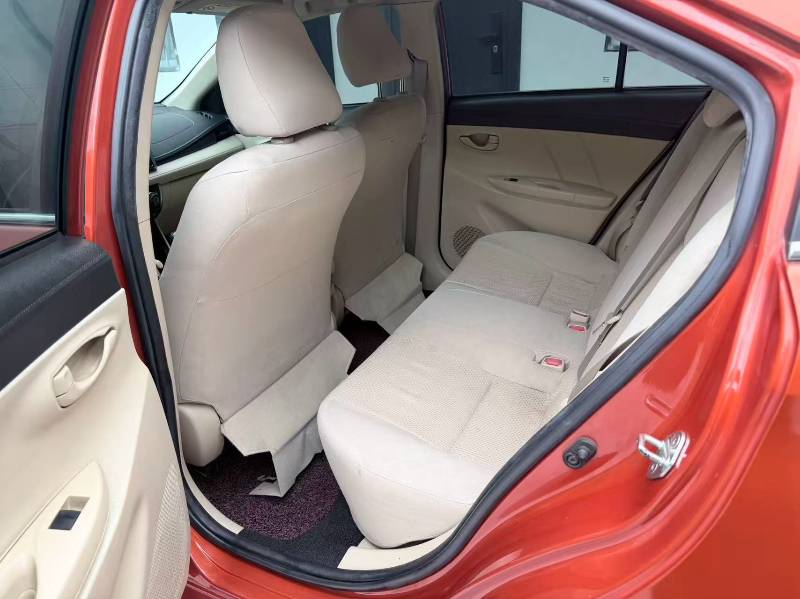



Basic Information

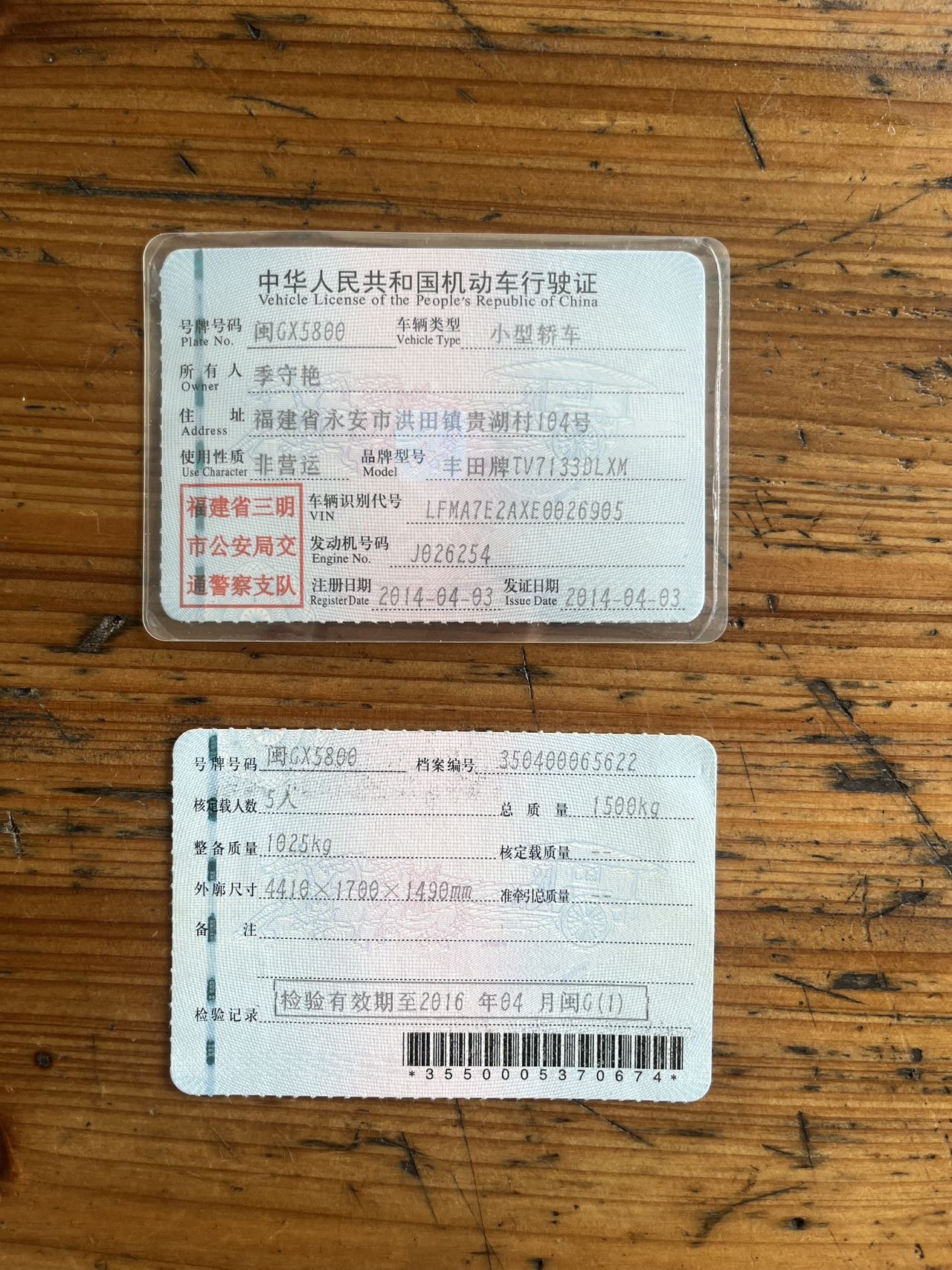
BrandToyota
SeriesVios
Year2014
First Registration2014/04
Mileage130,000km
Transfer Count1times
FuelGasoline
TransmissionManual
Engine1.3L 99 L4
ColorOrigin
Seats5seats

Condition Description

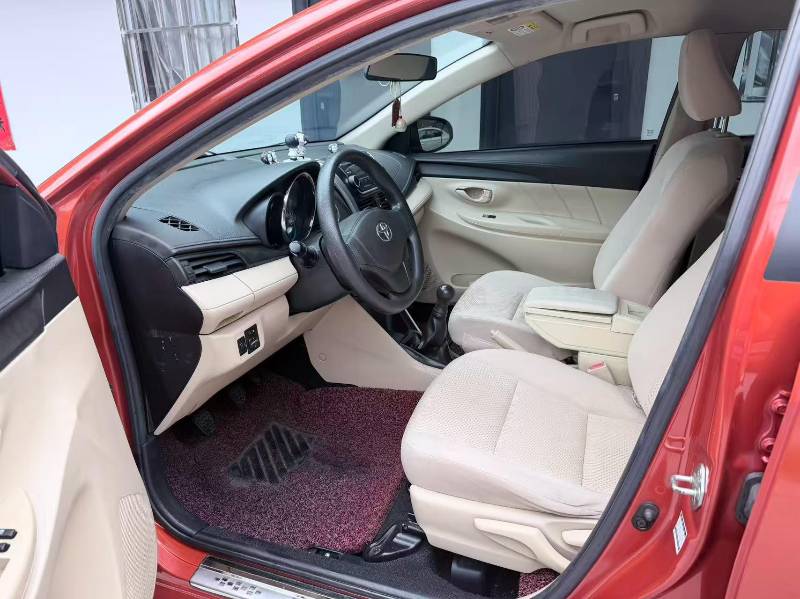
2014 local first-hand car, all original panels, 0 insurance claims, 1.3L manual, condition requires no investment upon purchase.

燃油车
轿车
手动
维保开放
事故开放
查验开放

Configuration Highlights

✓品牌: 丰田
✓车系: 威驰
✓车型: 2014款 1.3L 手动型尚版
✓车身类型: 轿车
✓座位数: 5
✓排量: 1.3L
✓变速箱: 手动
✓能源类型: 燃油车
✓VIN: LFMA7E2AXE0026905
✓搜索关键词: 丰田威驰 2014款威驰1.3L手动型尚版

Document Information

Inspection Expiry Date2027/04
Warranty Expiry Date-
Insurance Expiry Date2027/04

Q&A

More

What hidden fees should I watch for in a Chinese exporter's quotation, and how do I get a transparent breakdown?

Common charges beyond the car price: pre-shipment inspection fee, inland trucking from the car's city to the port, export customs clearance, documentation fee, terminal handling charges (THC), certificate fees, and markups hidden inside the freight quote. How to protect yourself: ask for an itemized quotation with each charge listed separately; compare 2-3 exporters, because a very low car price is often offset by inflated fees; confirm which costs are included up to the port of loading and which you pay at destination; agree in writing on the payment currency and the exchange rate date. Your total budget should be: car price + export fees + freight + insurance + destination port charges + import duties and taxes.


Will the Advanced Driver Assistance Systems (ADAS) work under overseas road conditions?

Basic perception functions (like Adaptive Cruise Control ACC, Lane Keeping Assist LKA, and Automatic Emergency Braking AEB) rely on the vehicle's local radar and cameras, and can operate normally overseas. However, advanced features that heavily depend on high-precision maps and cloud data (like Navigation on Autopilot NOA and Full Self-Driving FSD) cannot be activated overseas.

What does a pre-shipment inspection include, and is it worth the cost?

A professional pre-shipment inspection typically costs a small fraction of the vehicle price and routinely pays for itself. A thorough inspection covers: paint thickness measurement across 30+ points to map body repairs; structural assessment of pillars, rails and crossmembers for accident damage; engine and transmission operation; a full electronic scan for fault codes; suspension and underbody checks for leaks and rust; and, for EVs, battery SOH and thermal management performance. You receive a written report with photos before the car is loaded — if the car fails, you can stop the shipment or renegotiate. Skipping the inspection to save a small fee is the classic false economy in used car importing: discovering a problem after arrival is far more expensive than preventing it at origin.