24H

Basic Information

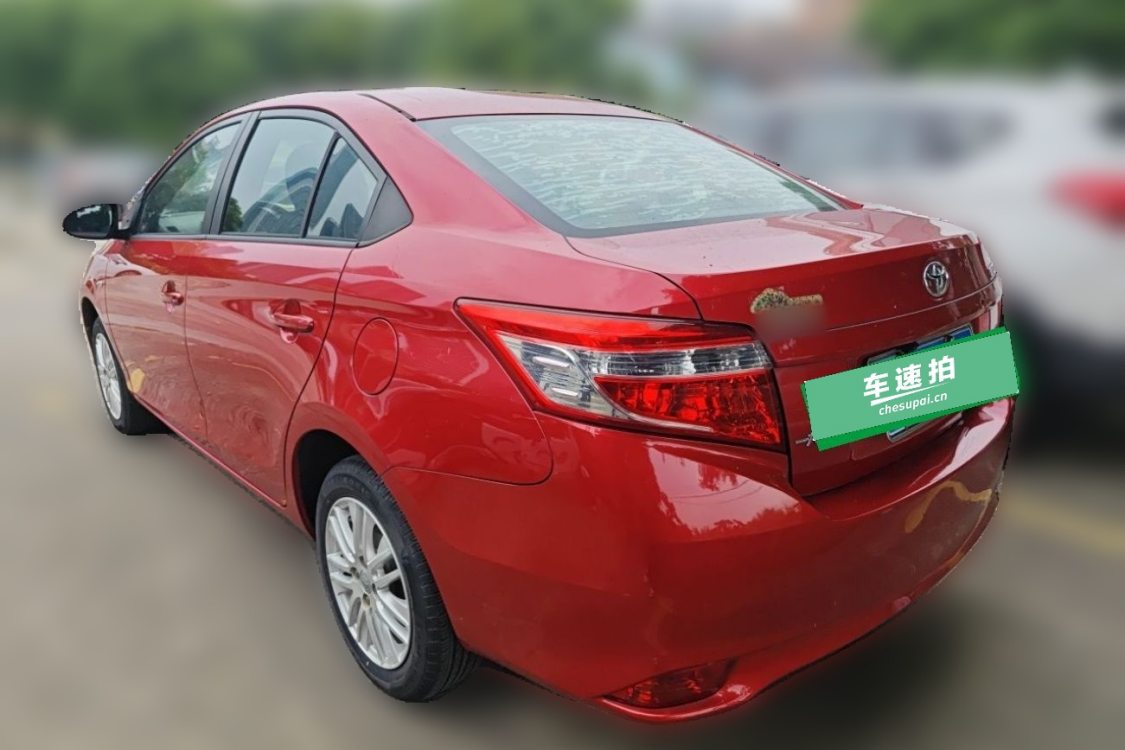
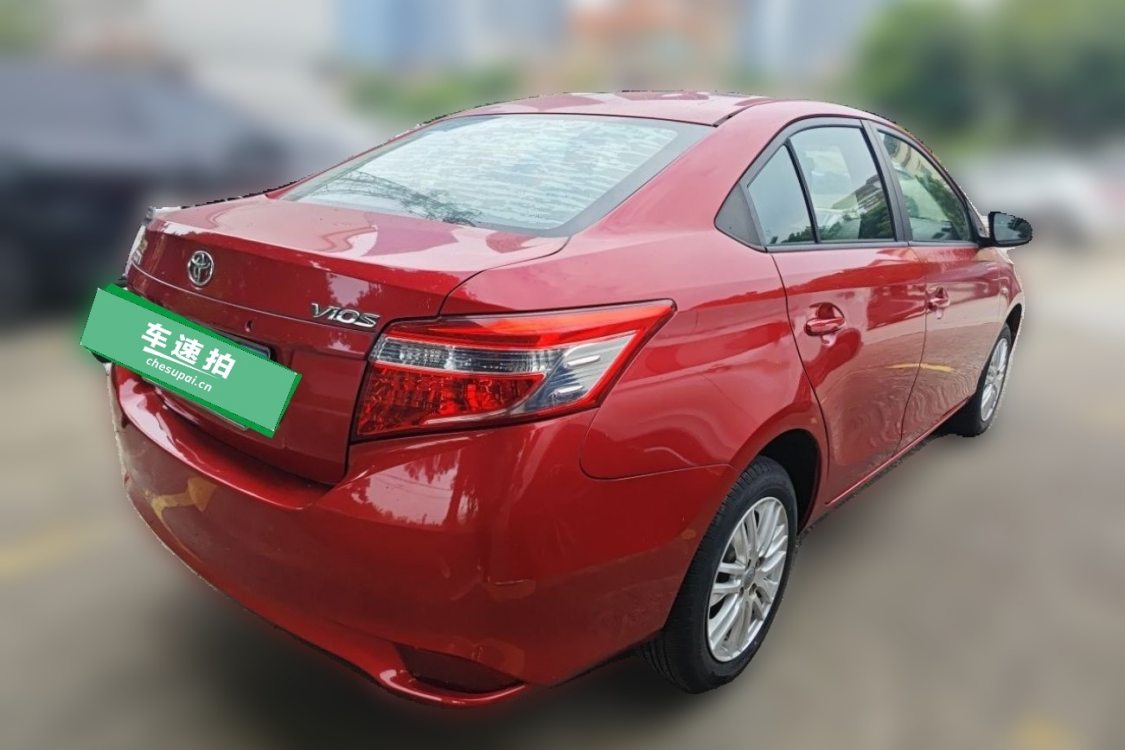
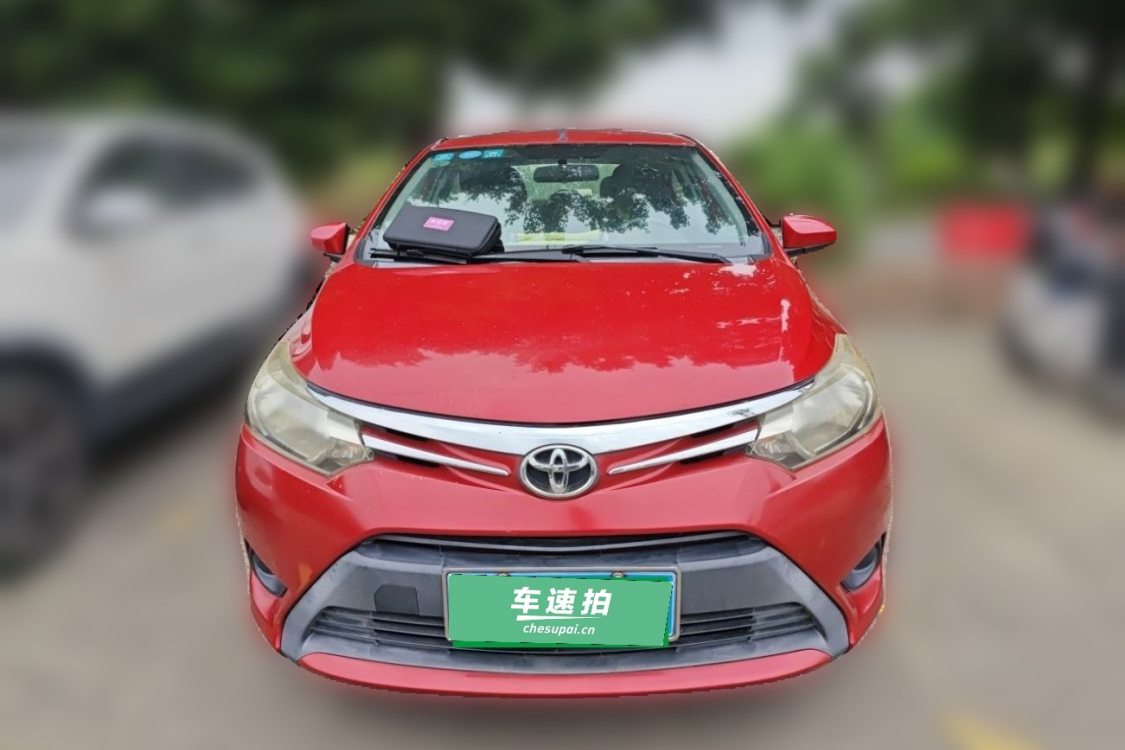
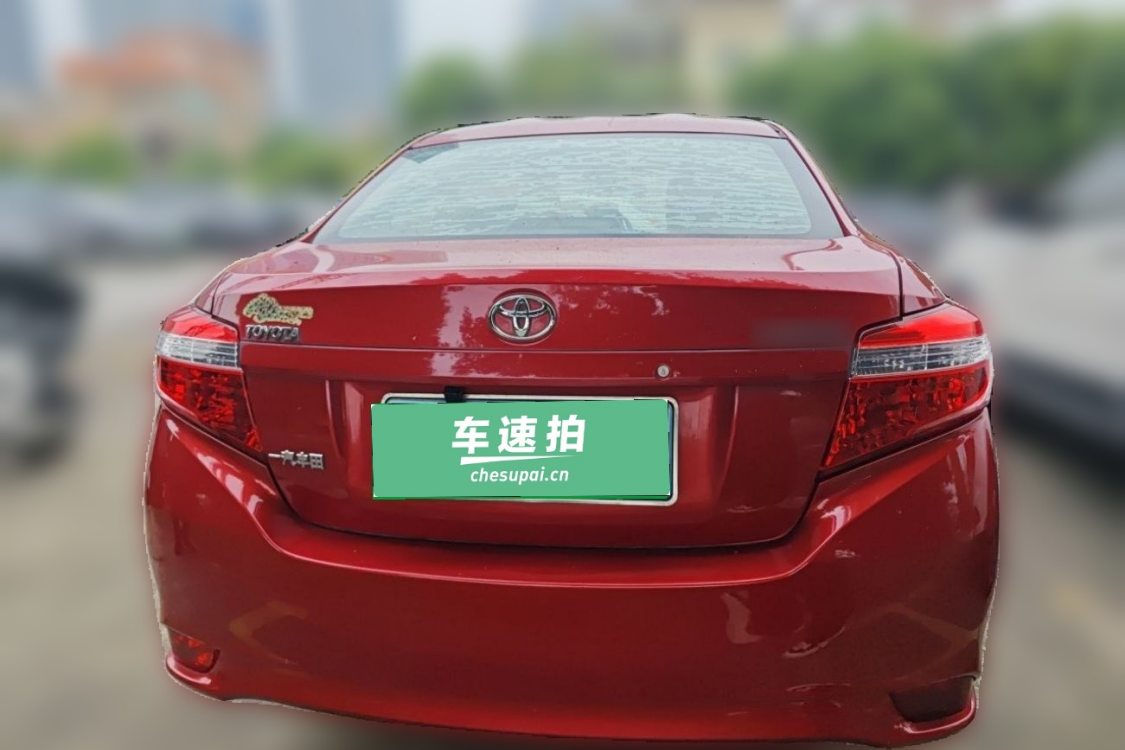
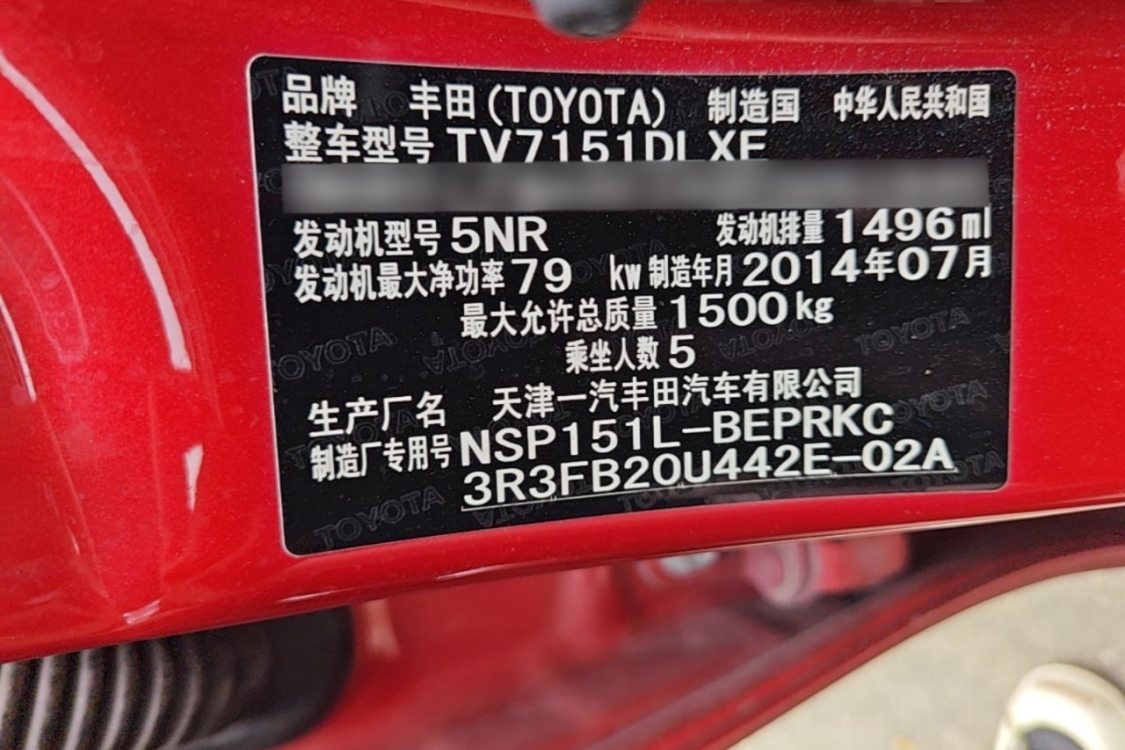
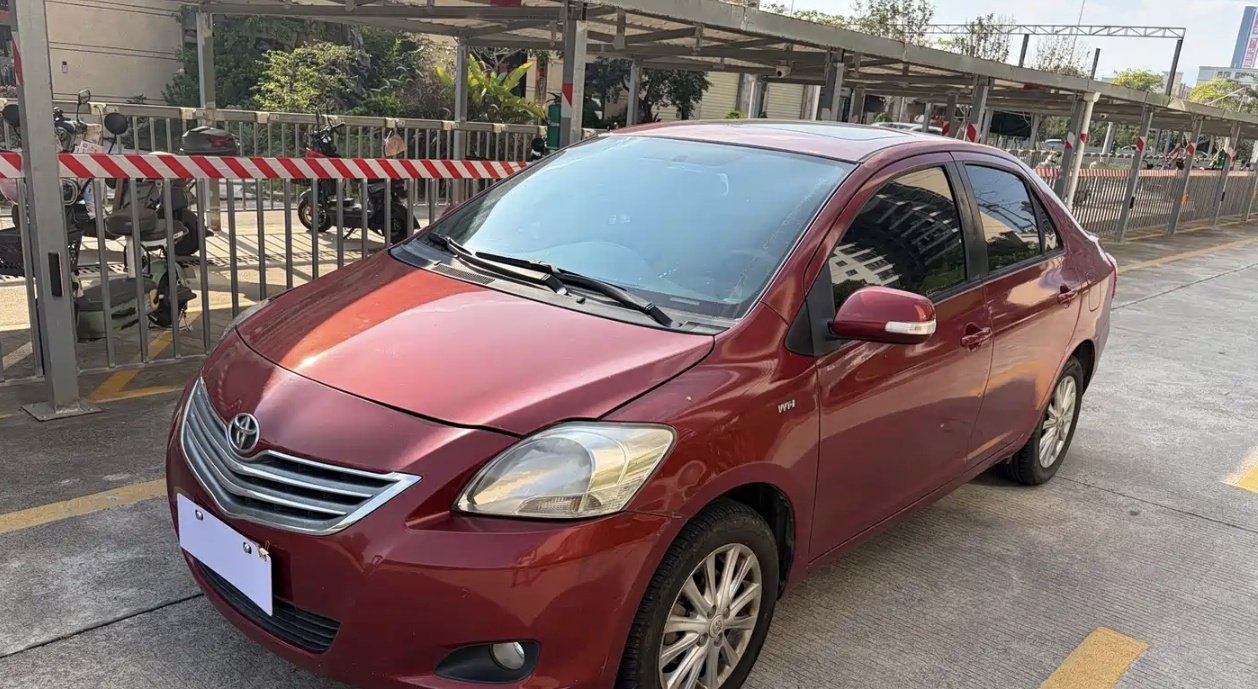
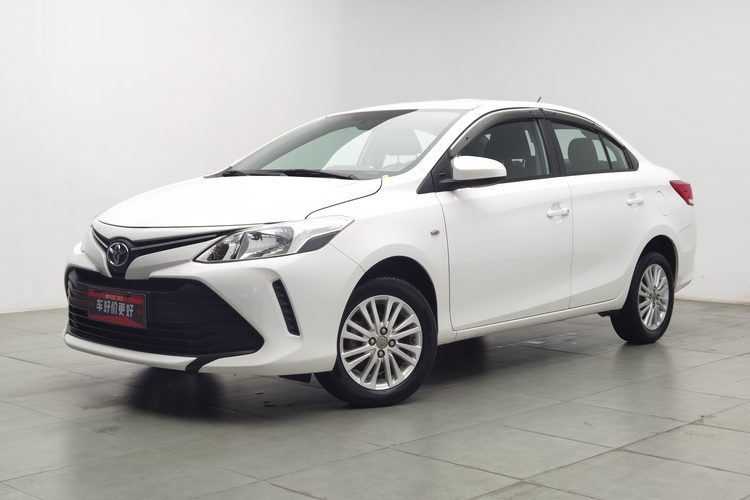
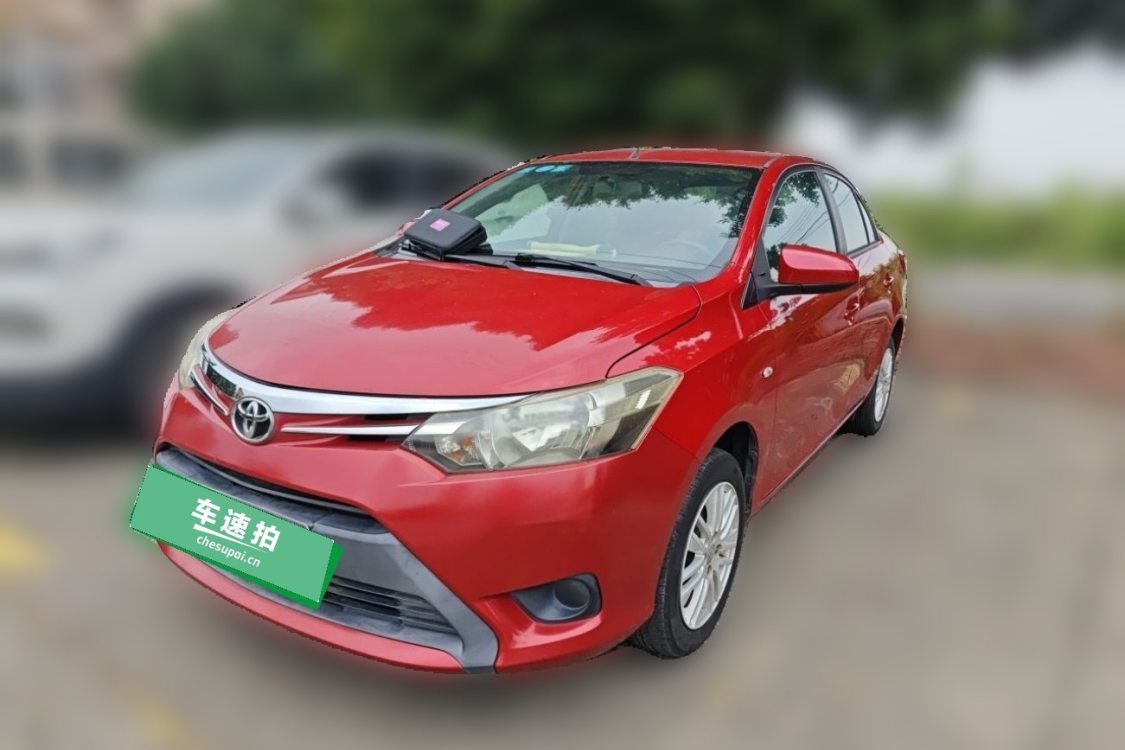
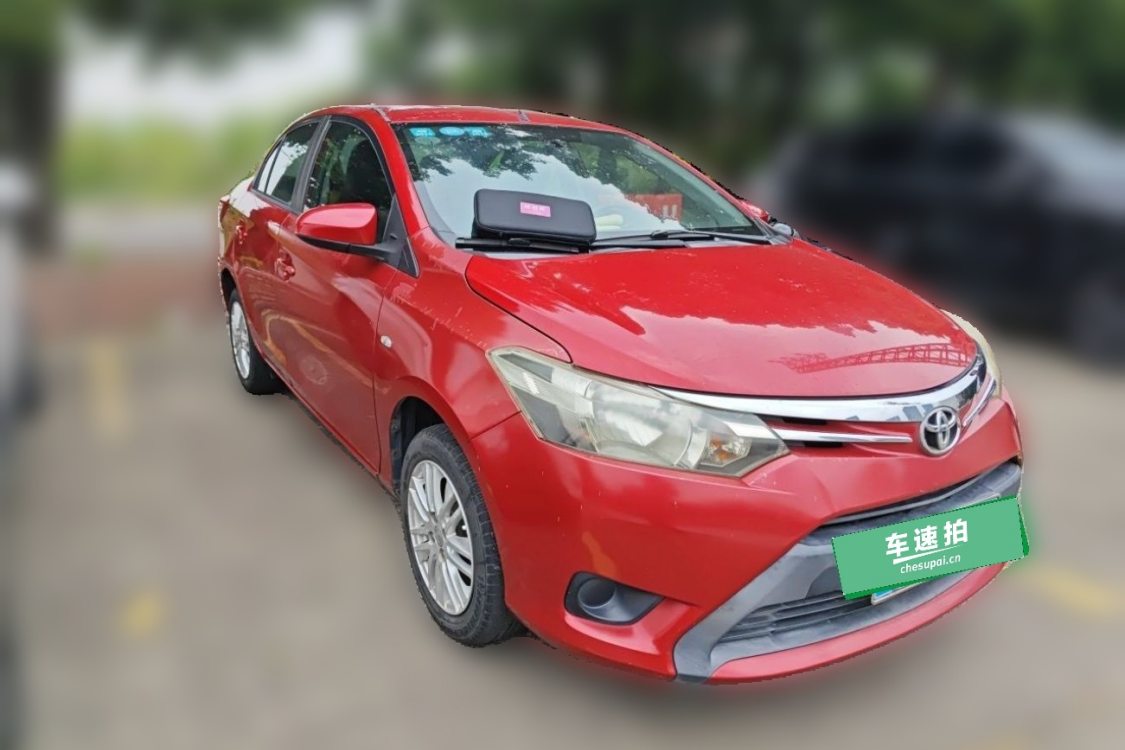
BrandToyota
SeriesVios
Year2014
First Registration2014/09
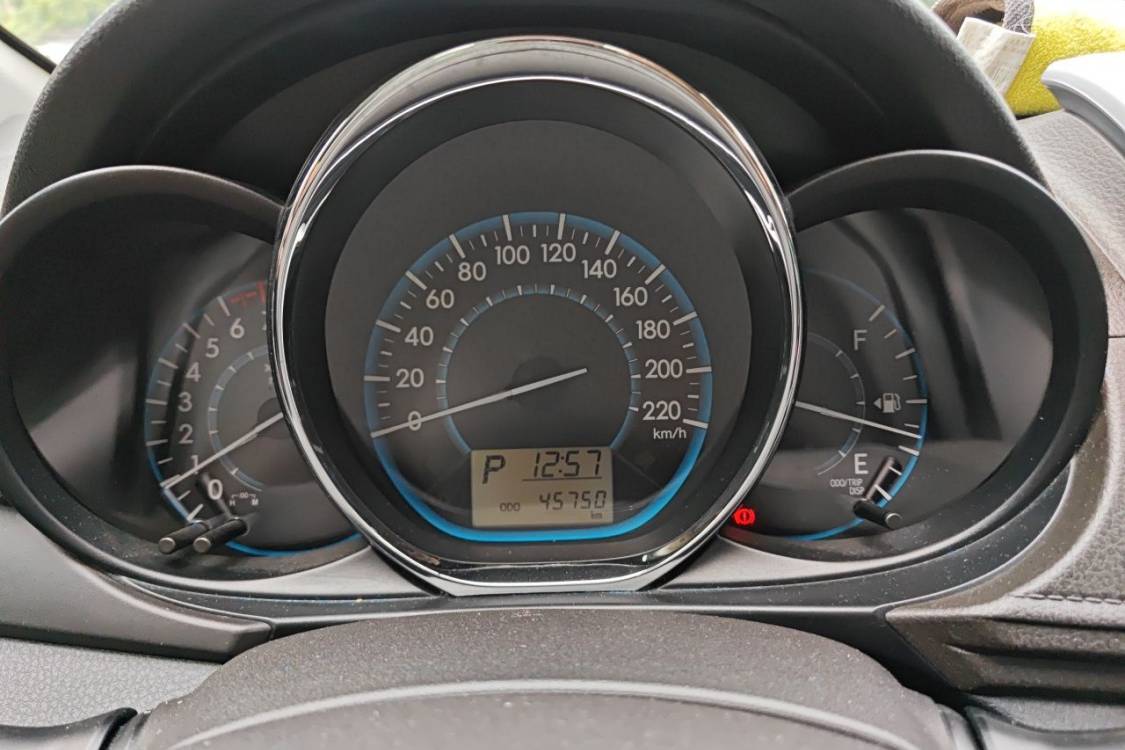
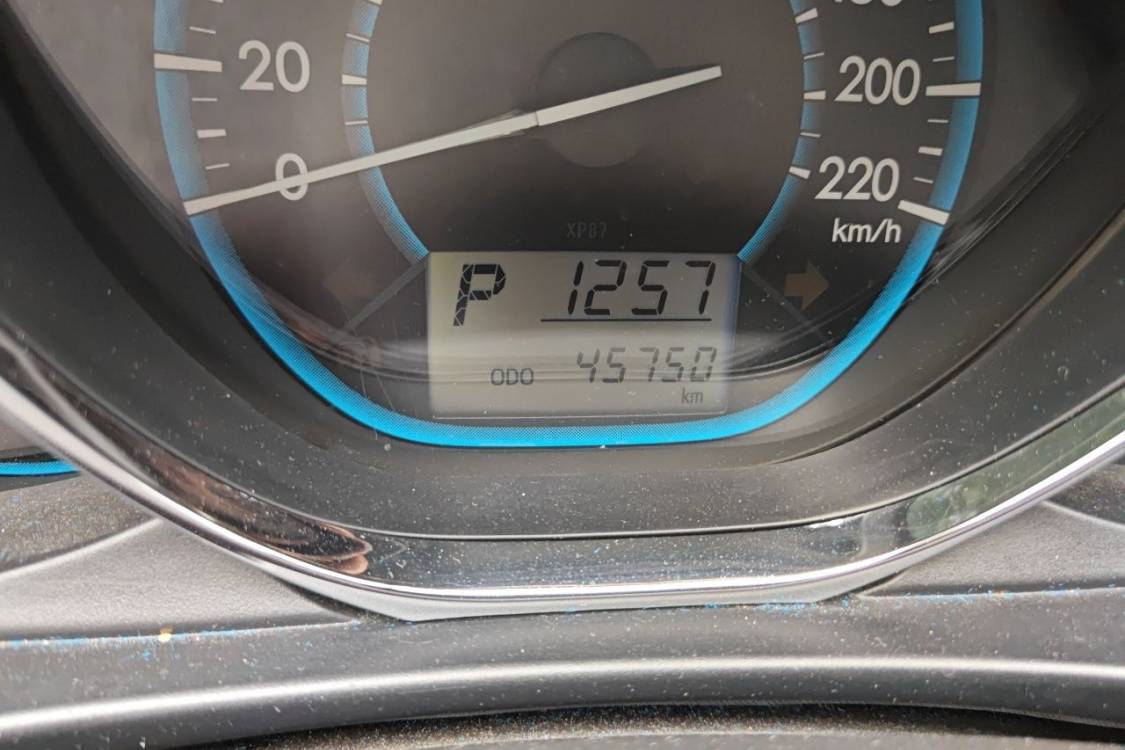
Mileage45,700km
Transfer Count-
FuelGasoline
TransmissionAutomatic
Engine1.5L 107 L4
ColorRed
Seats5seats

Condition Description

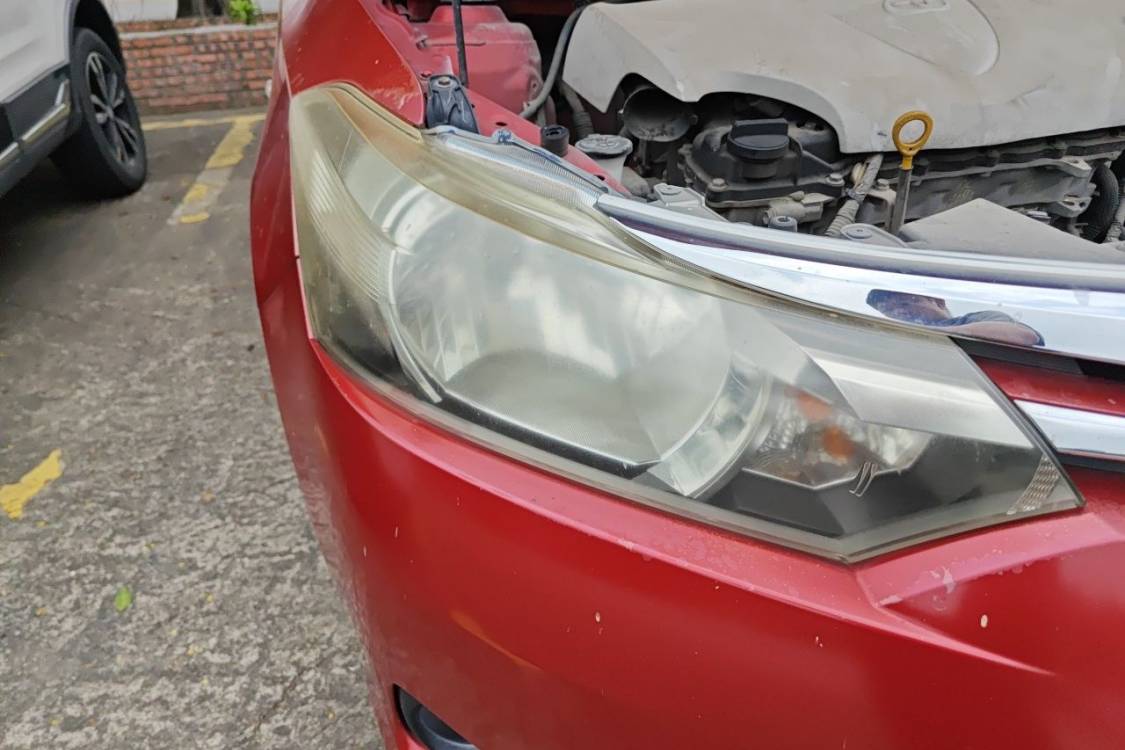
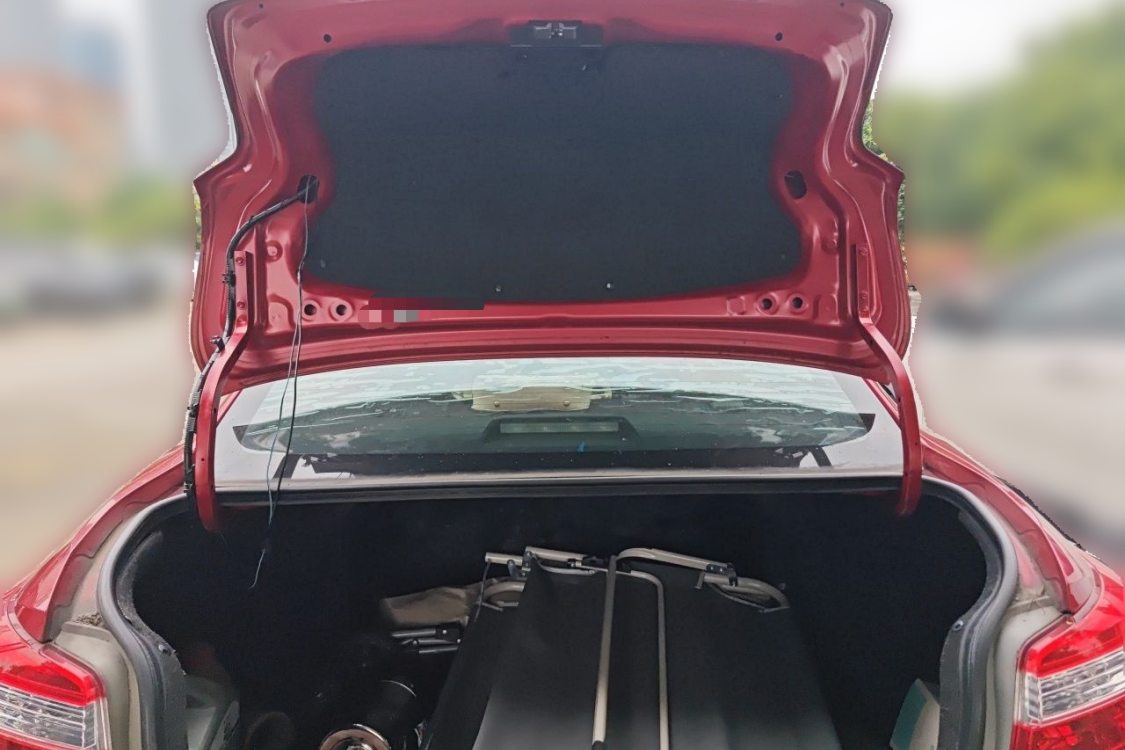
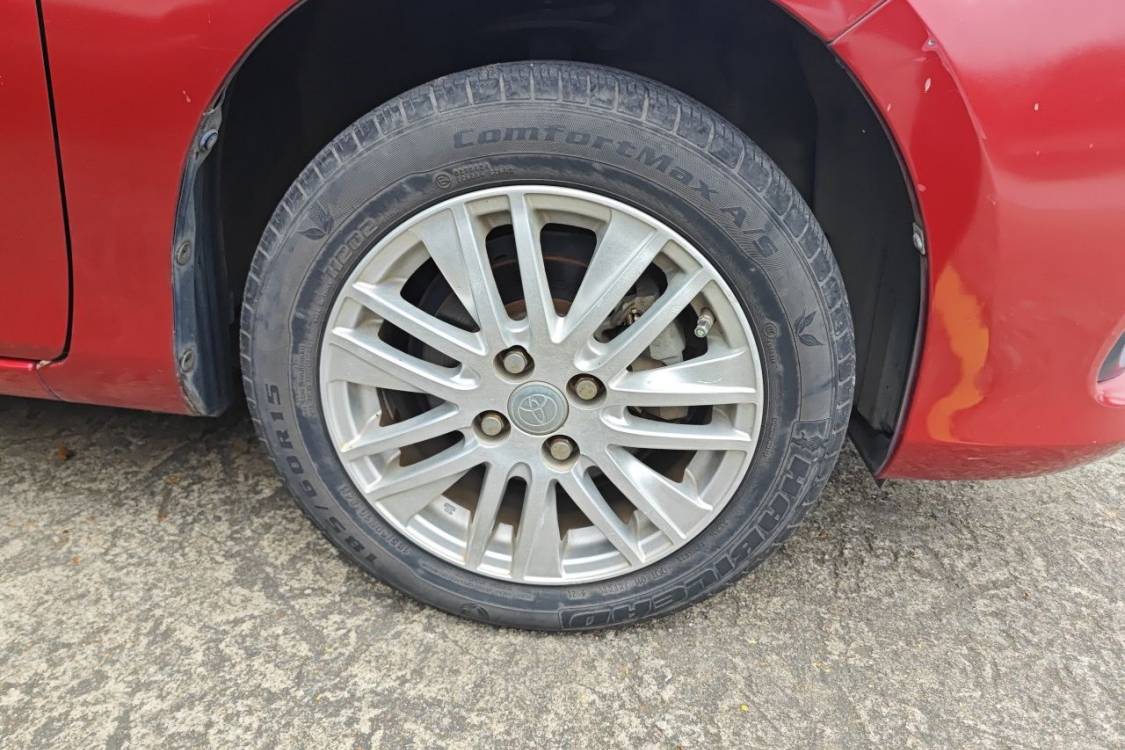
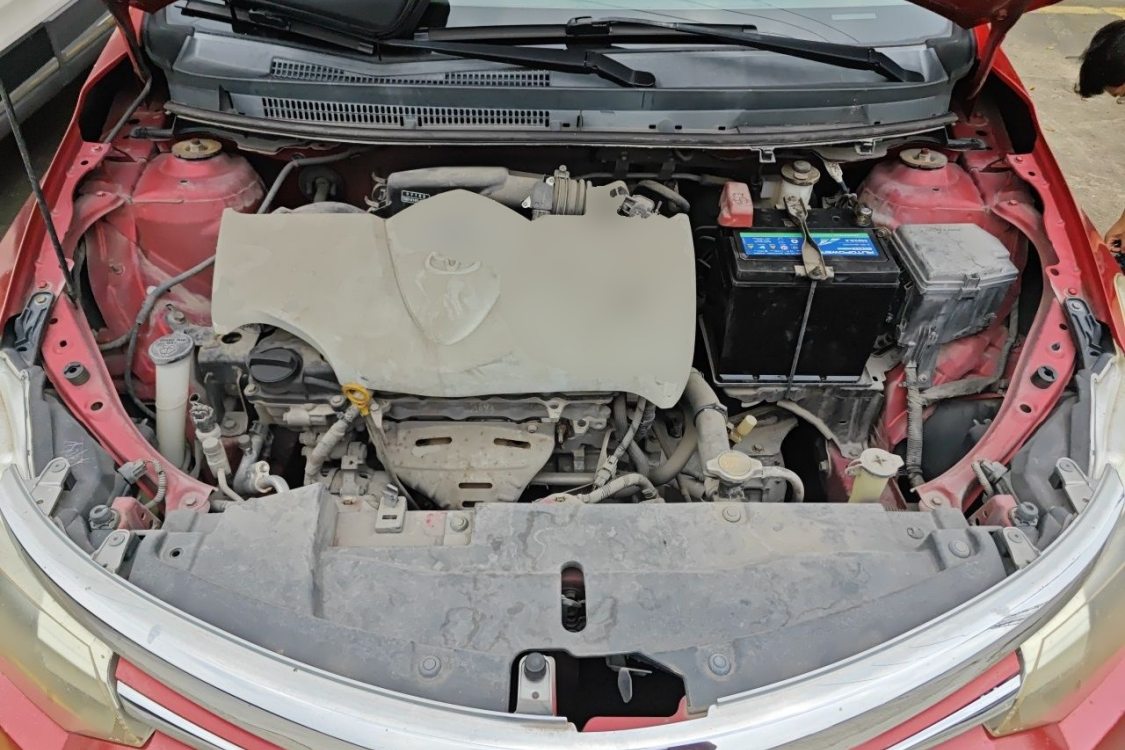
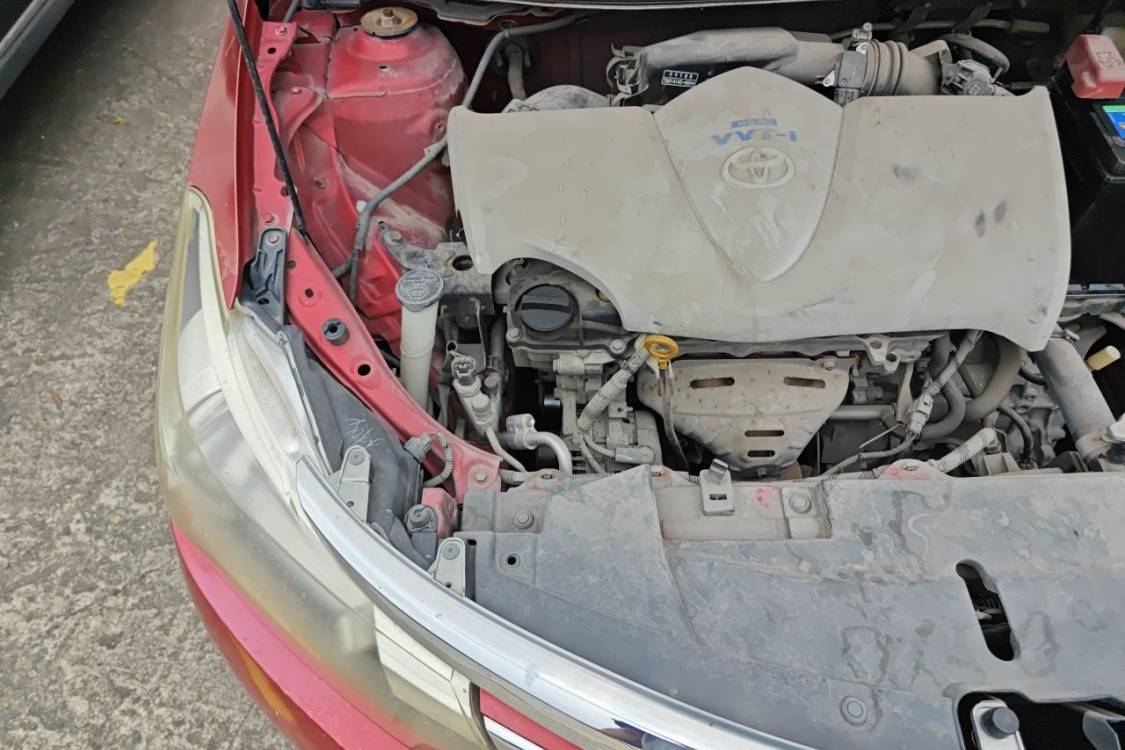
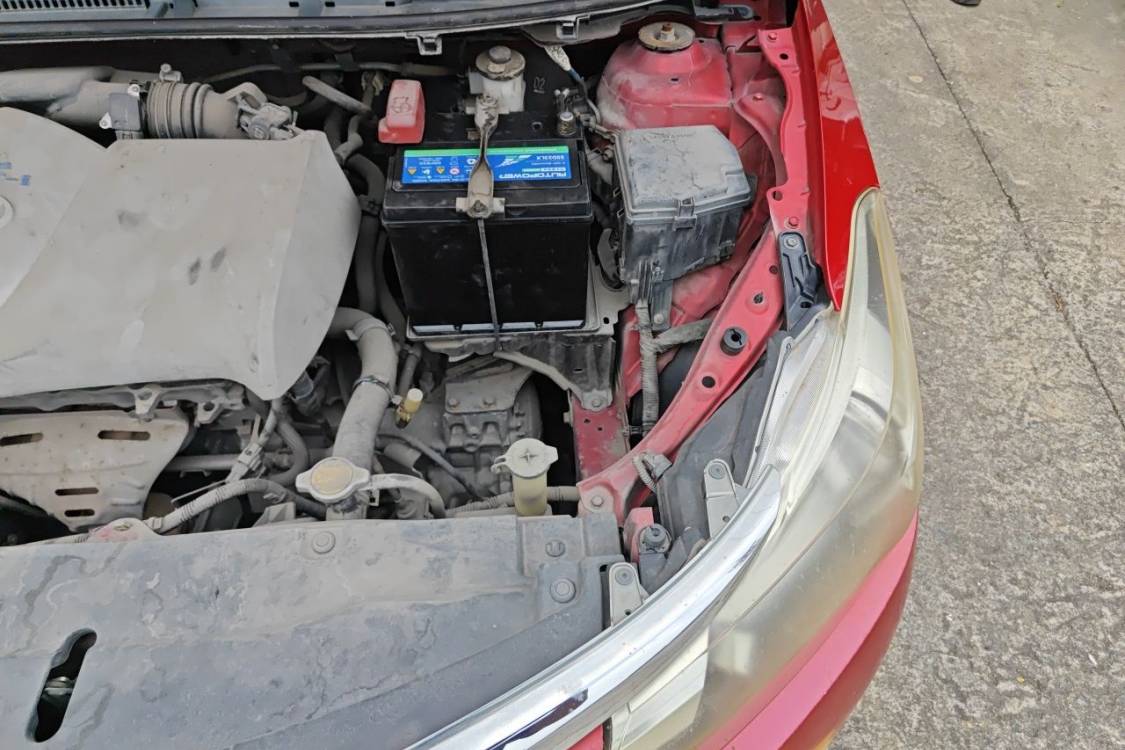
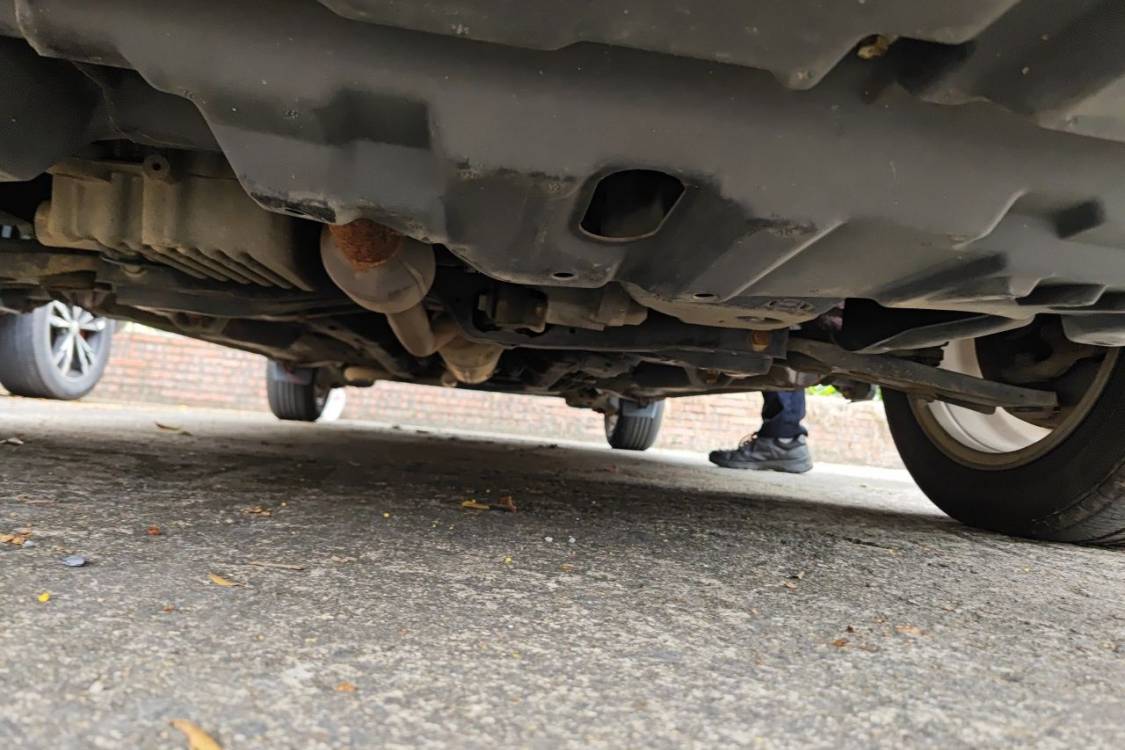
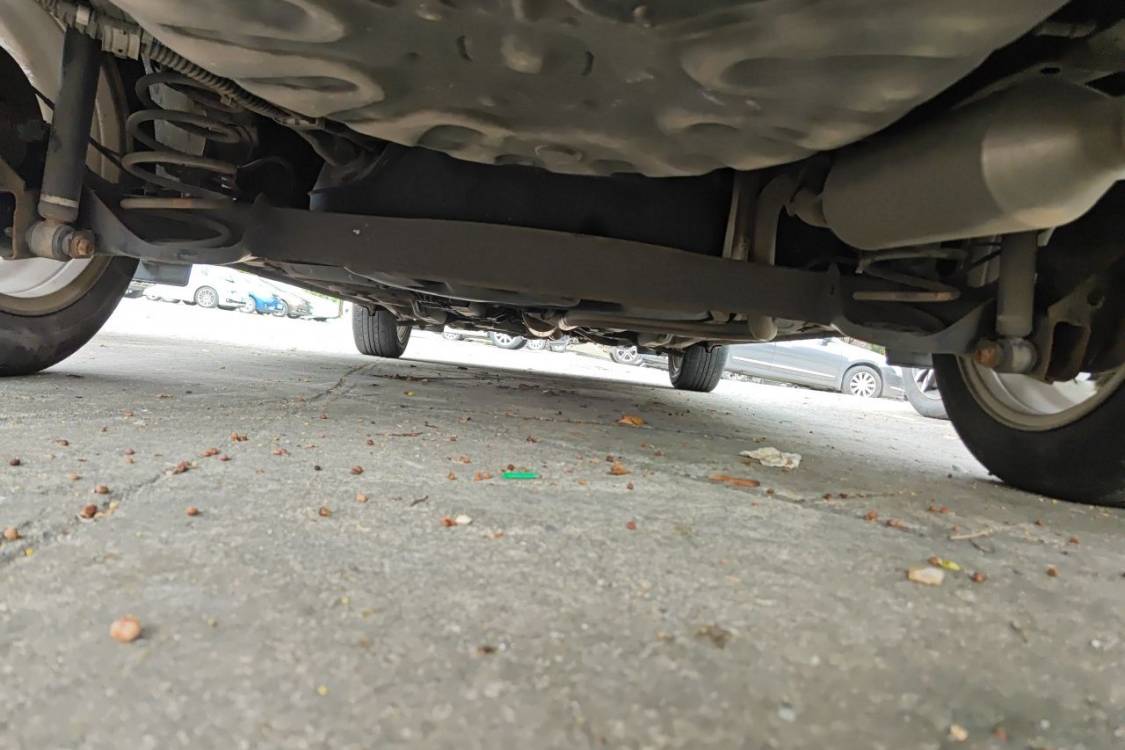
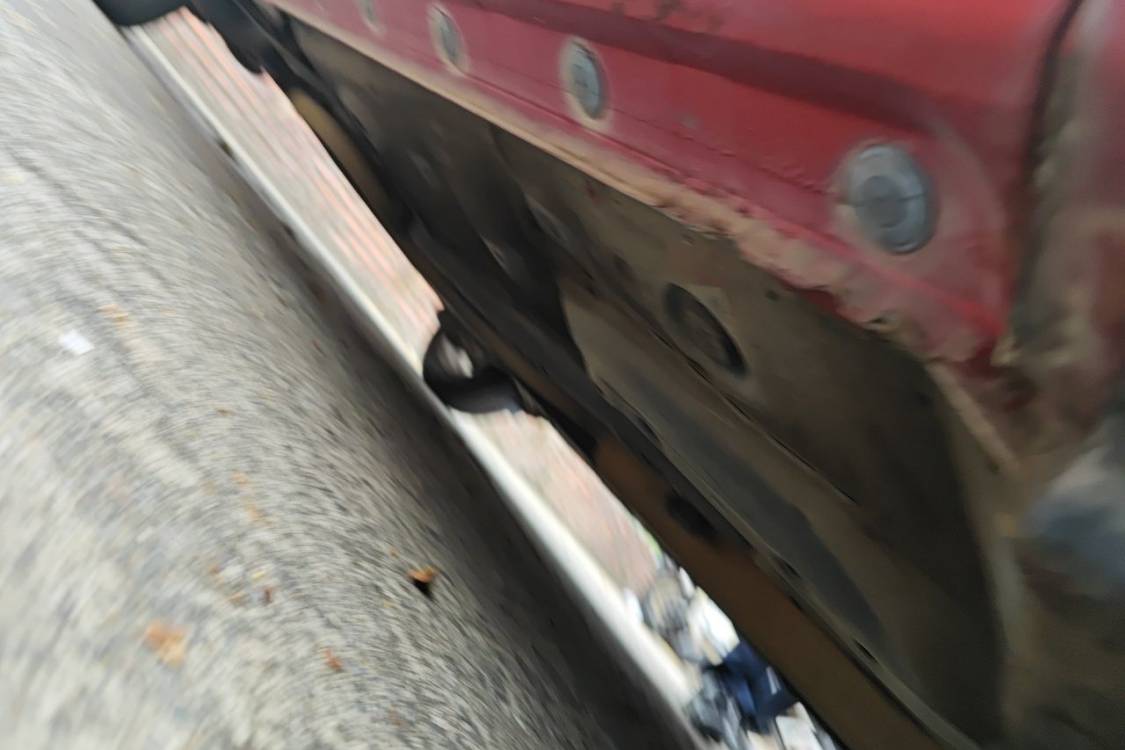
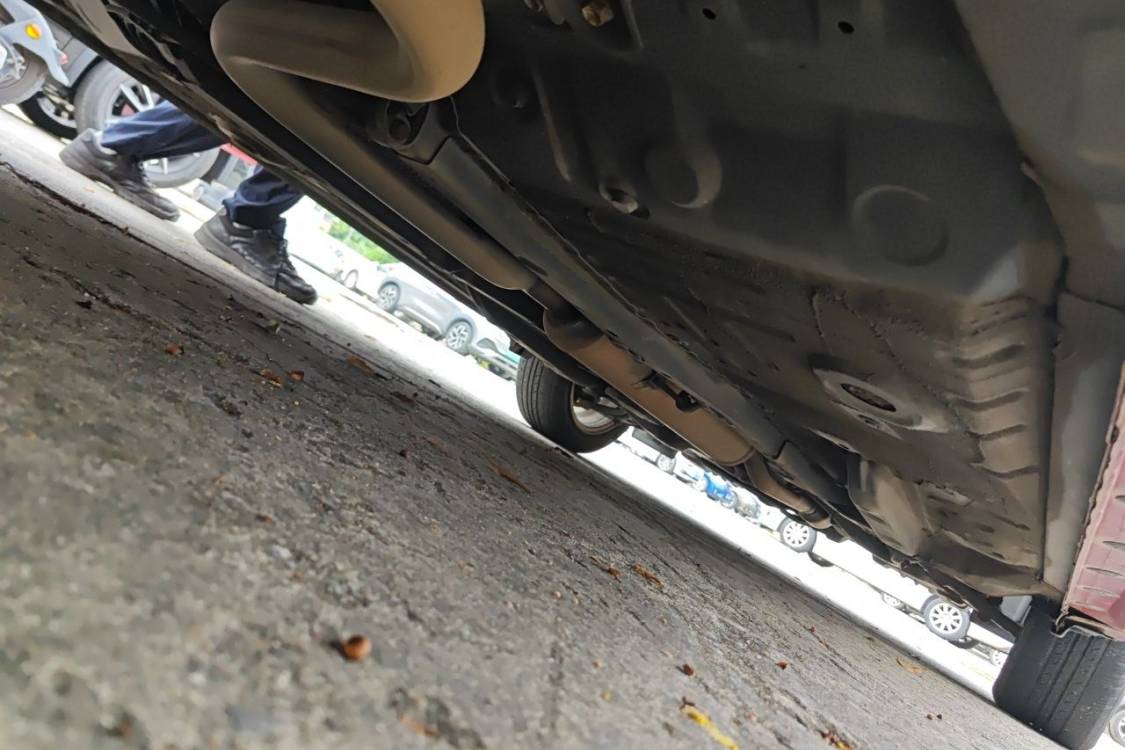
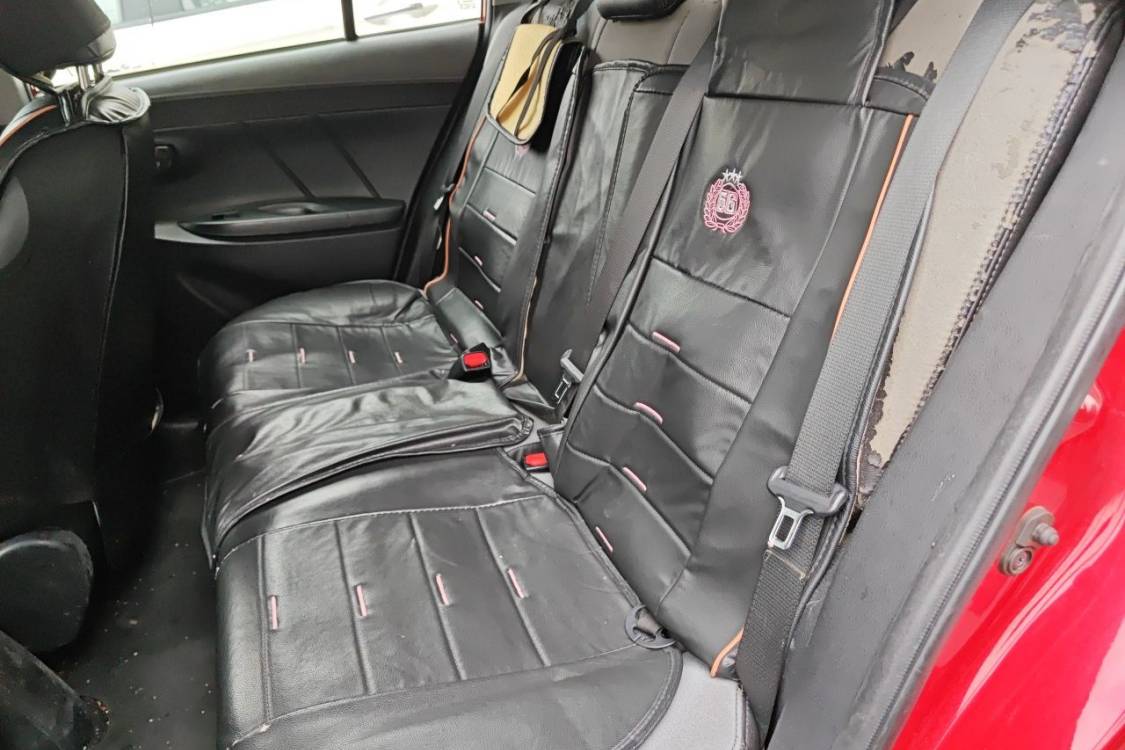
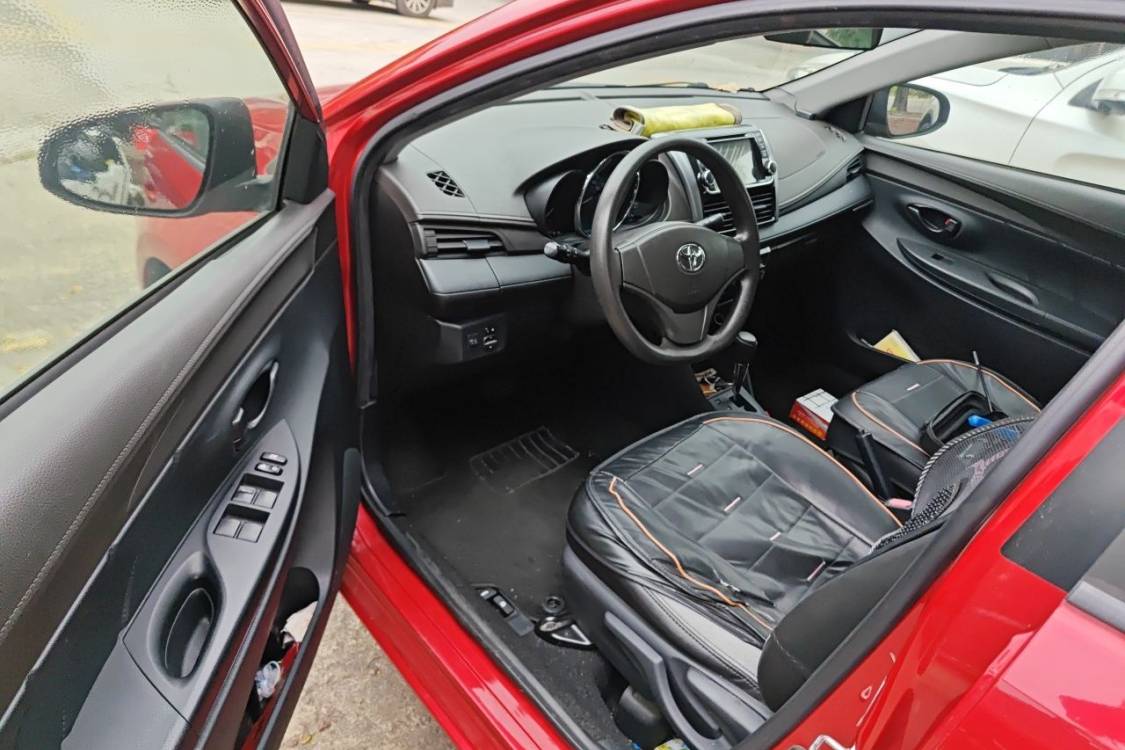
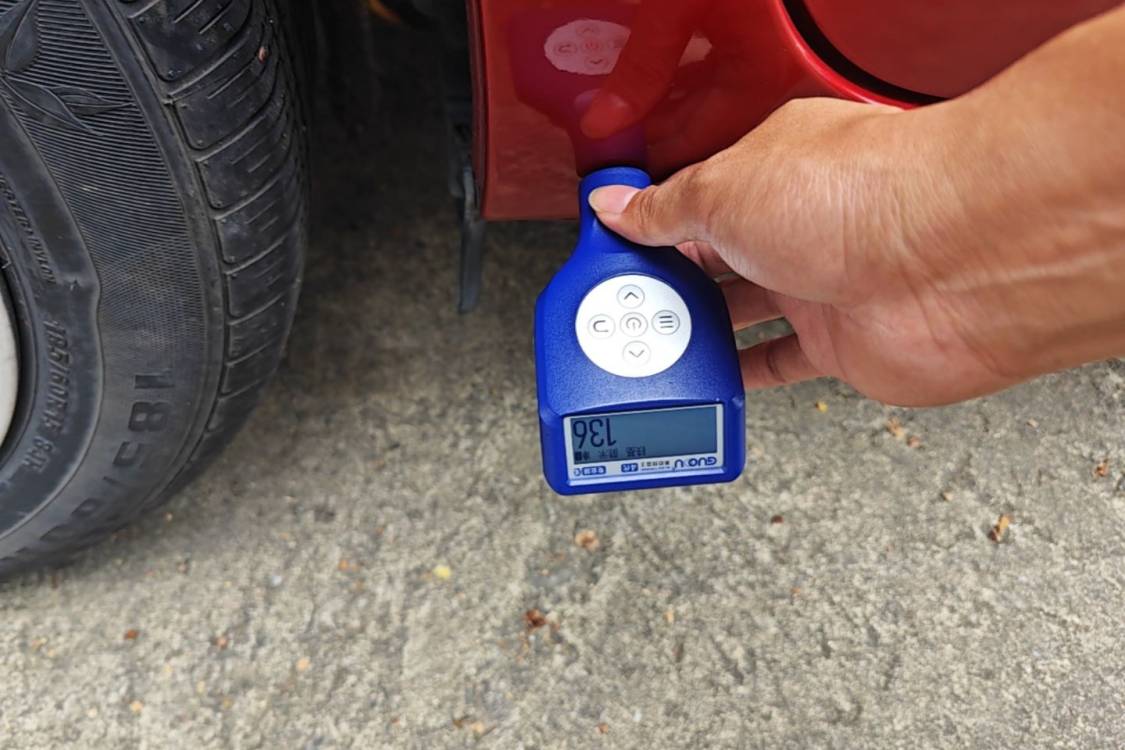
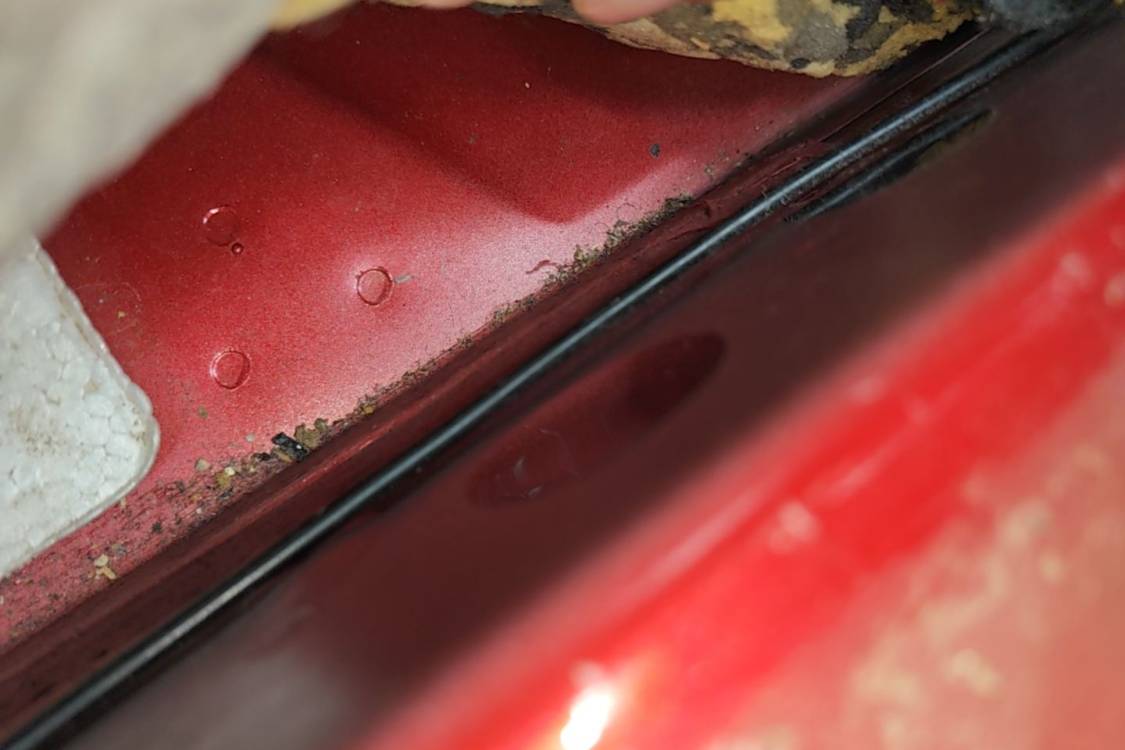
Localized body damage or repair marks present; no accident damage or repairs to structural or reinforcing components. Vehicle performance (including three-electric system) has degraded or is limited.

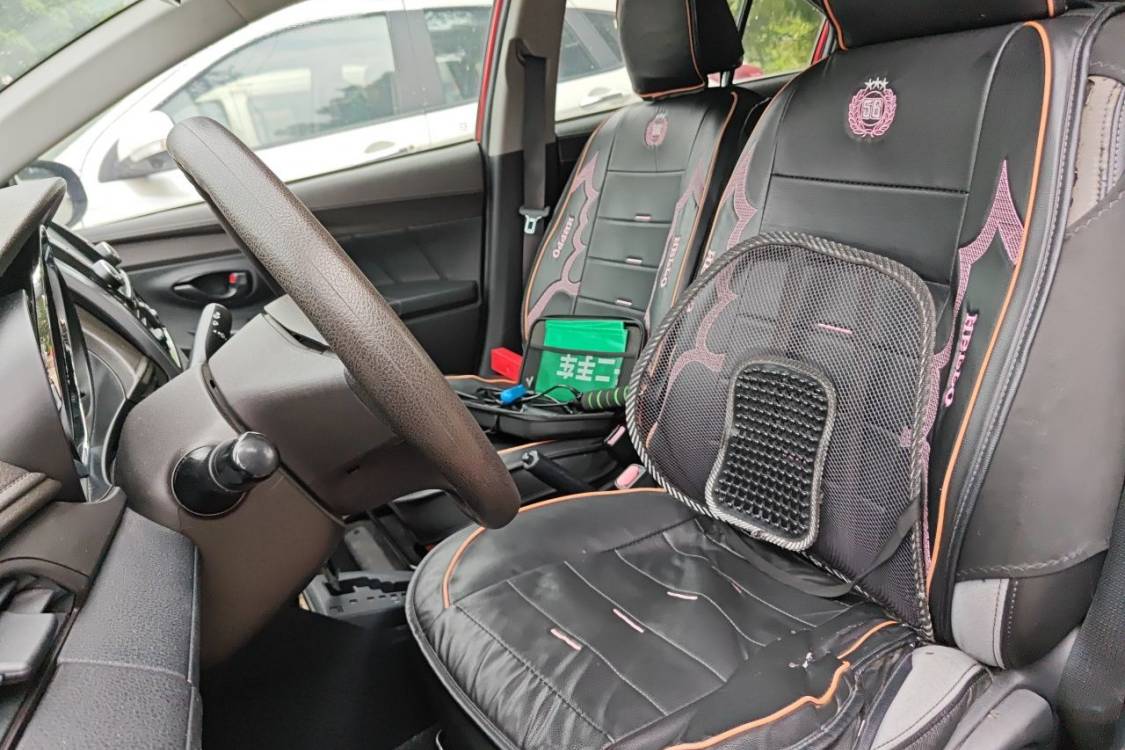
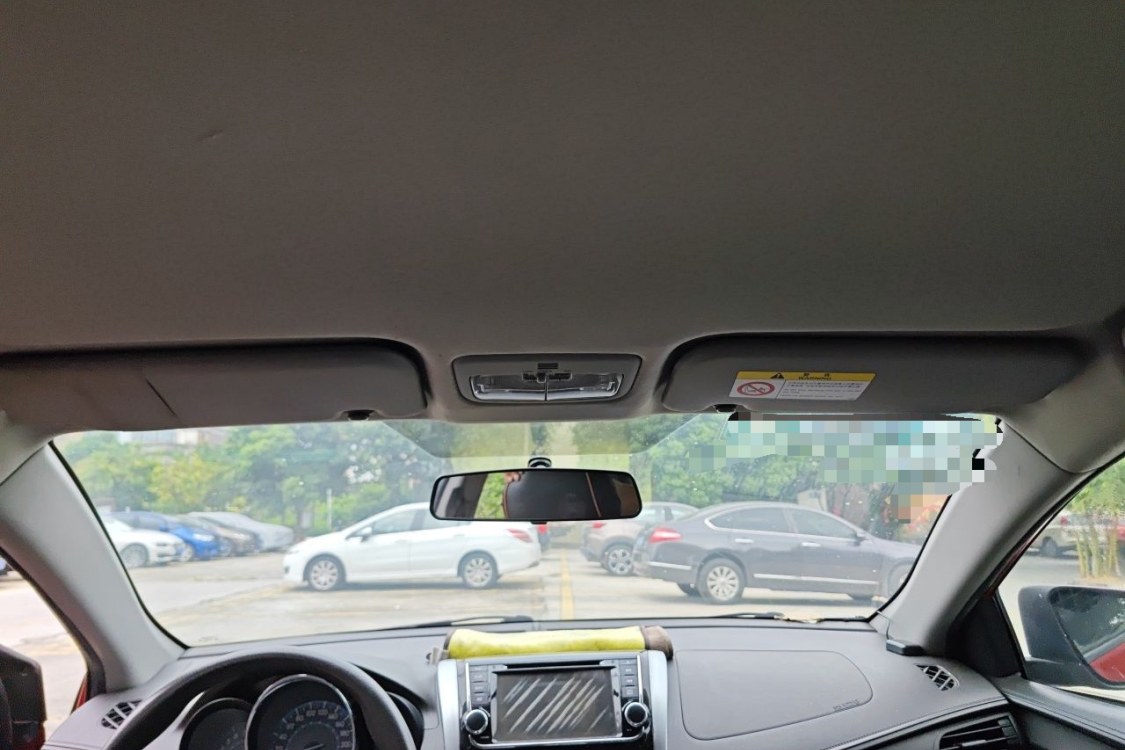
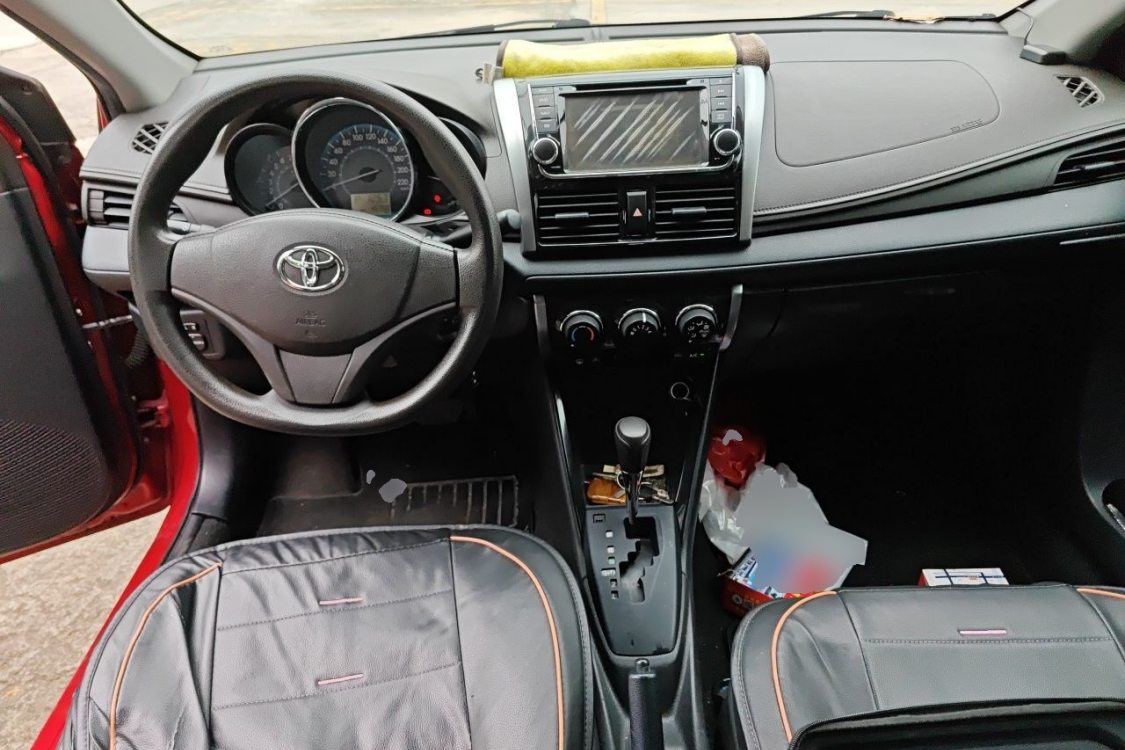
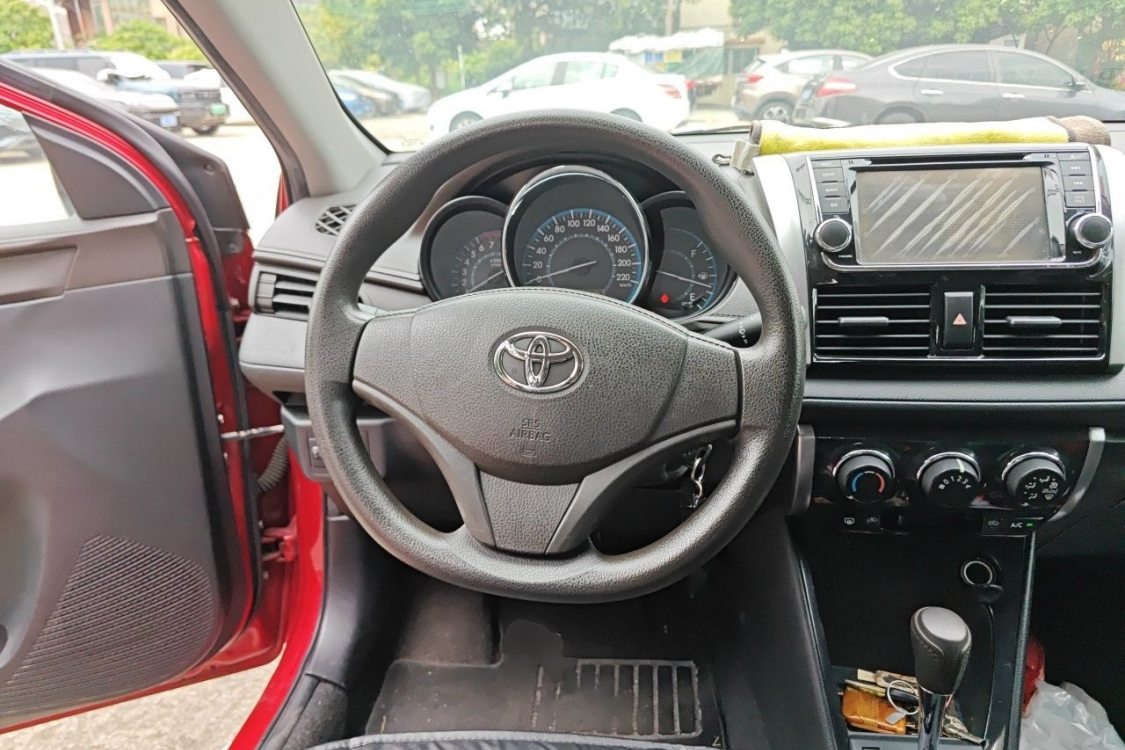
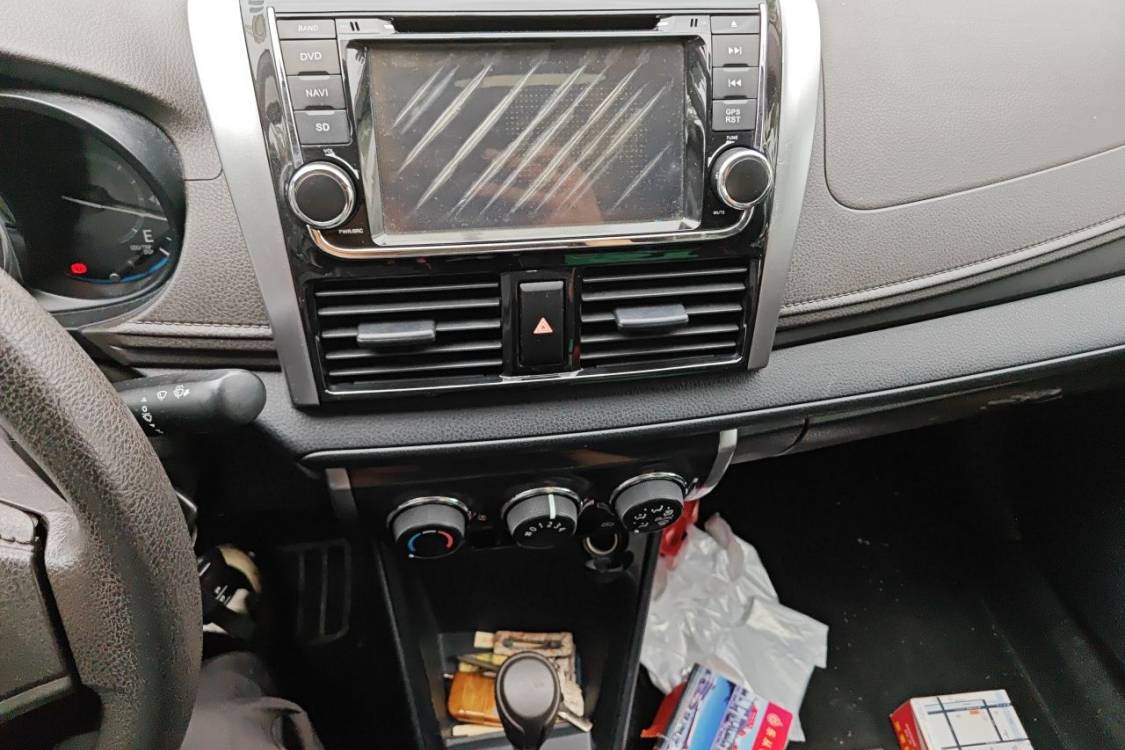
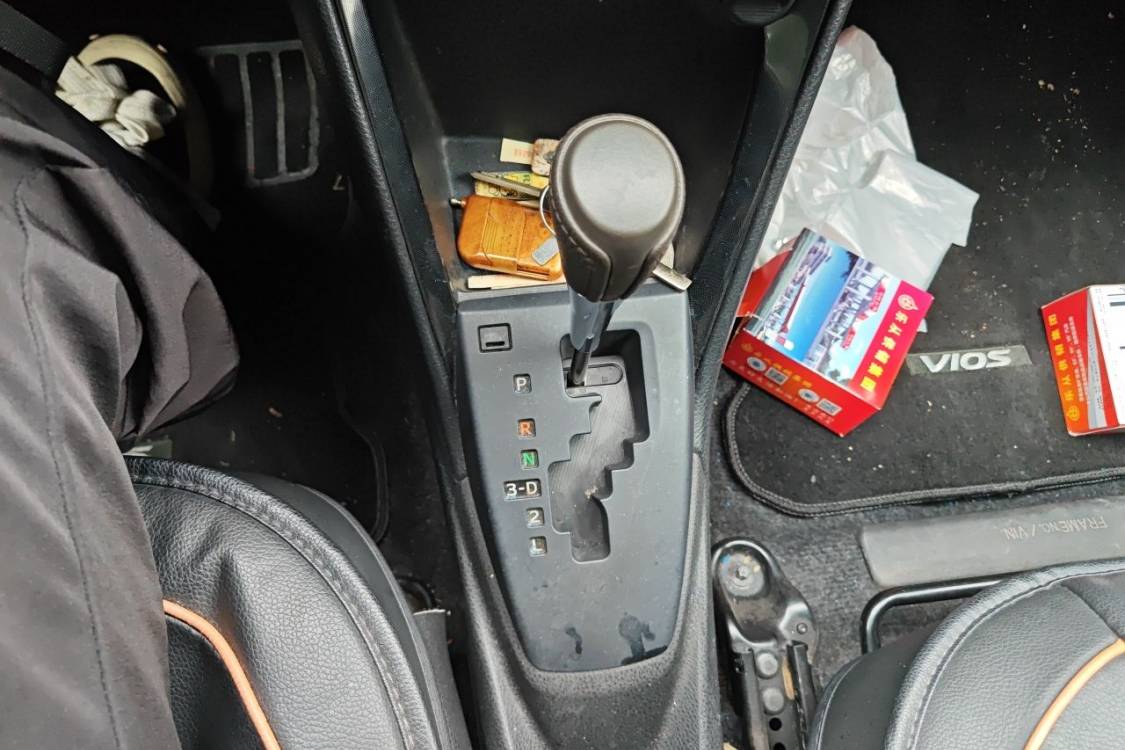
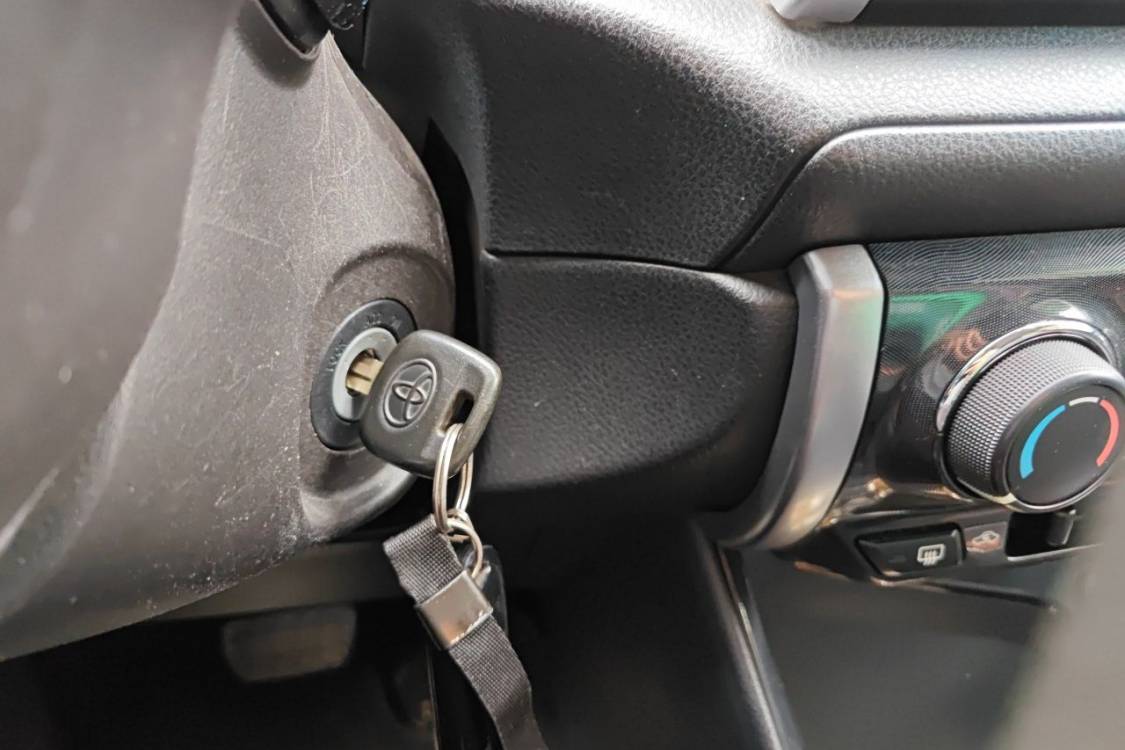
Accident inspection: main structure damaged, reinforcing parts undamaged, panels undamaged, hinges normal. Engine bay: key mechanical components normal. Exterior: 1 replaced part, 3 panel-beat repairs, 1 repaint. Interior: configuration abnormal; right front seat torn, right second-row seat torn, left second-row seat torn, left front seat torn, headliner dirty; airbags normal; lighting system normal. Startup inspection: main components normal. Onboard tools: none.
电话直连
可讲价
平台物流
可转售
零过户
新检测标准升级>
非泡水

Document Information

Inspection Expiry Date2027/09
Warranty Expiry Date-
Insurance Expiry Date2026/12

Q&A

More

I want to see the actual car, but I can't come to China. What should I do?

You can watch the car through live streaming or VR, or entrust a local third-party agency to inspect the car for you. Transparency about the car's condition is the foundation of trust.

How to confirm that the car windows are all original factory parts and not replaced due to an accident?

The technician will check the production date codes and brand logos in the lower left corner of all the car's glass (including the windshield, four doors, and rear window) to see if they match the vehicle's factory date on the nameplate. If any glass is found to have a date later than the vehicle's production date, it will be recorded as evidence of a "previous damage replacement."

How are the refrigerant pressure, compressor operation, and heating effect of the air conditioning system deeply tested?

The technician will start the vehicle and turn on the air conditioning system, measuring the actual temperature at the vents at the lowest and highest settings with a thermometer; at the same time, they will connect a manifold pressure gauge to check if the refrigerant pressure in the high and low pressure lines is within the normal range, determining if there is a chronic refrigerant leak.