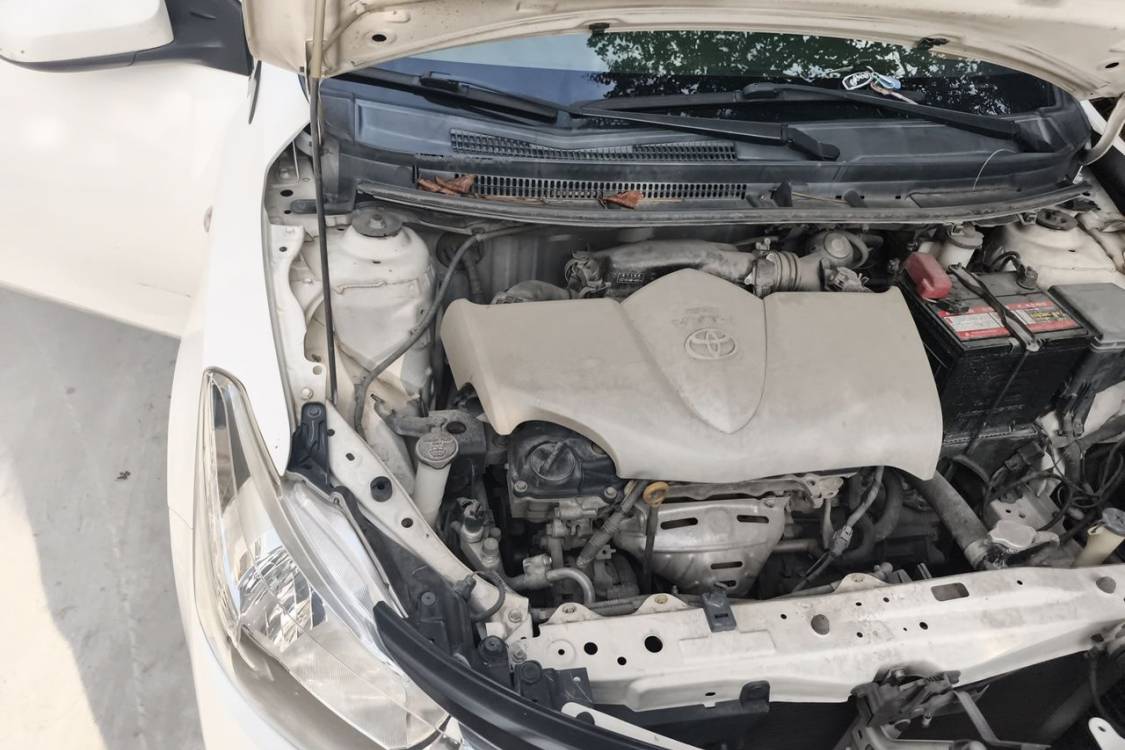
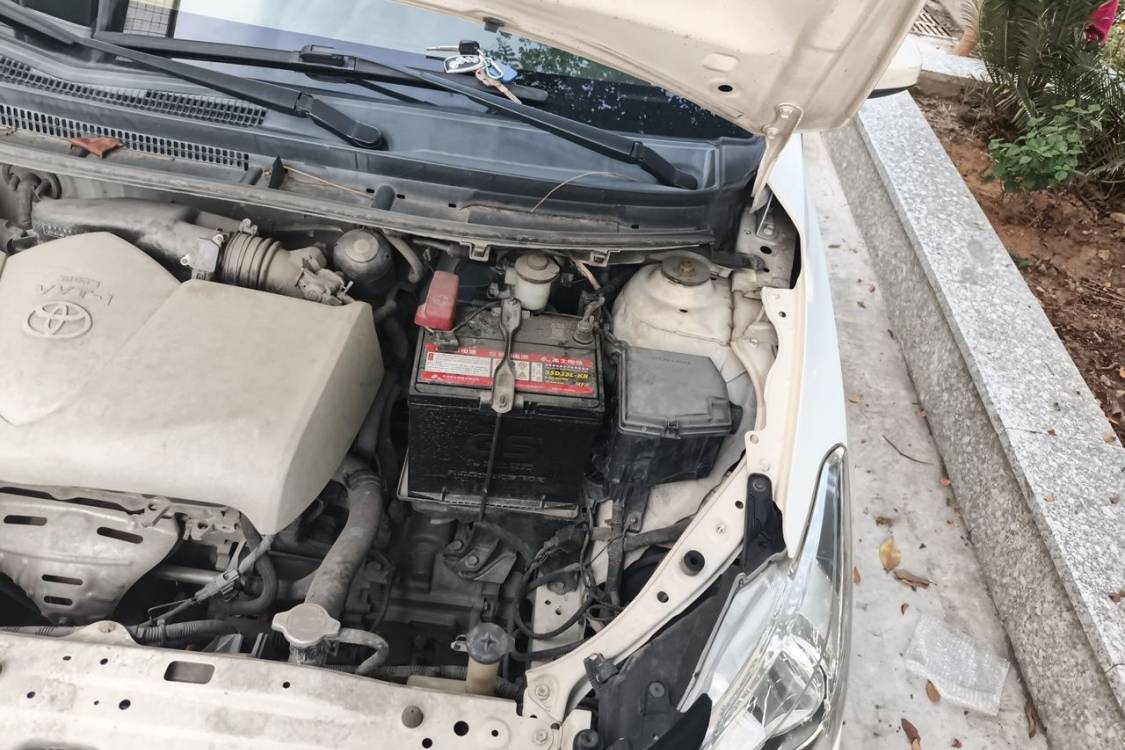
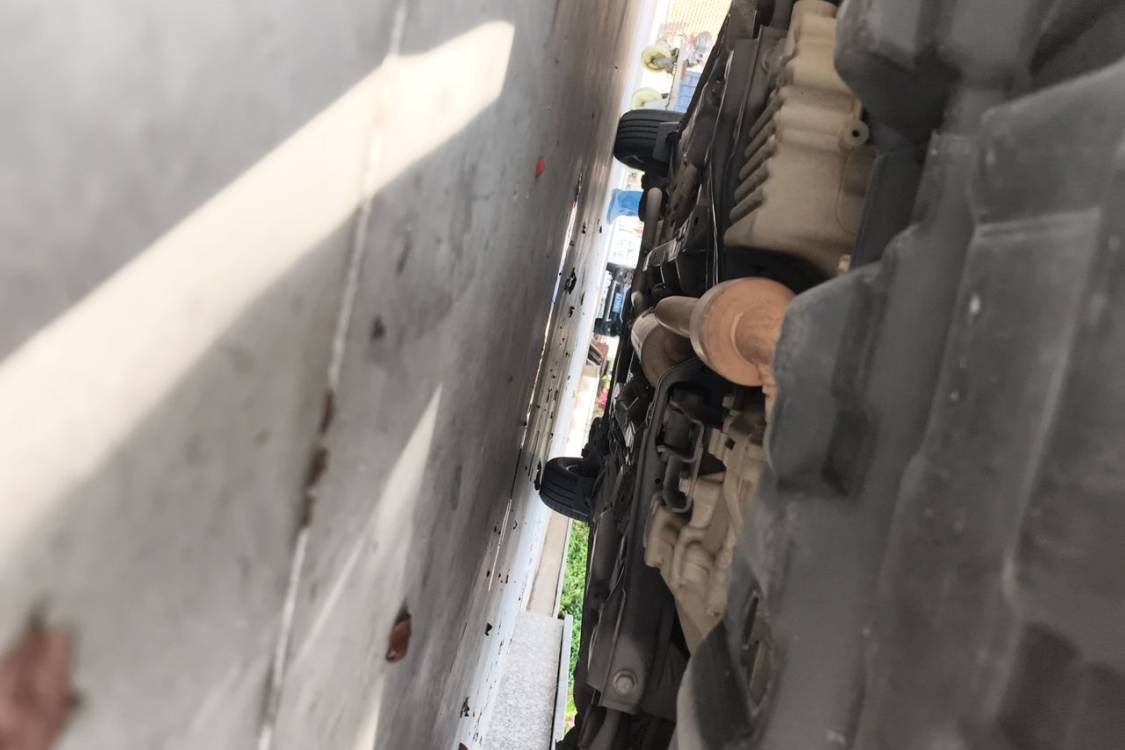
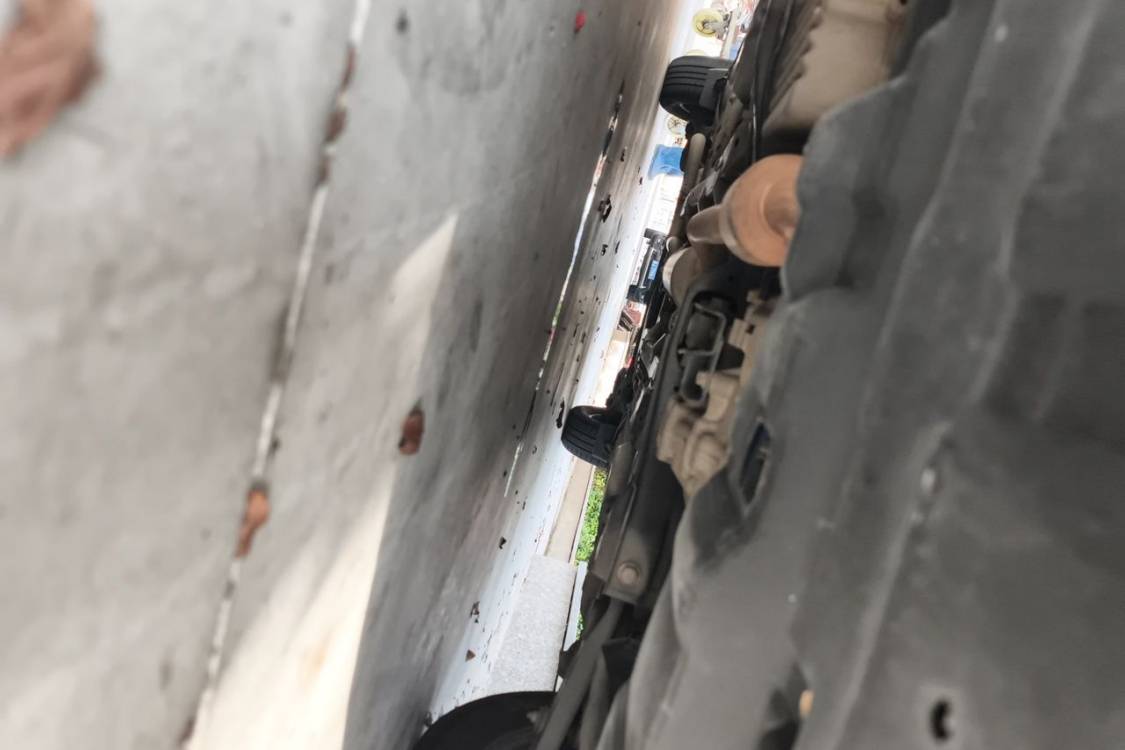
48H

Basic Information

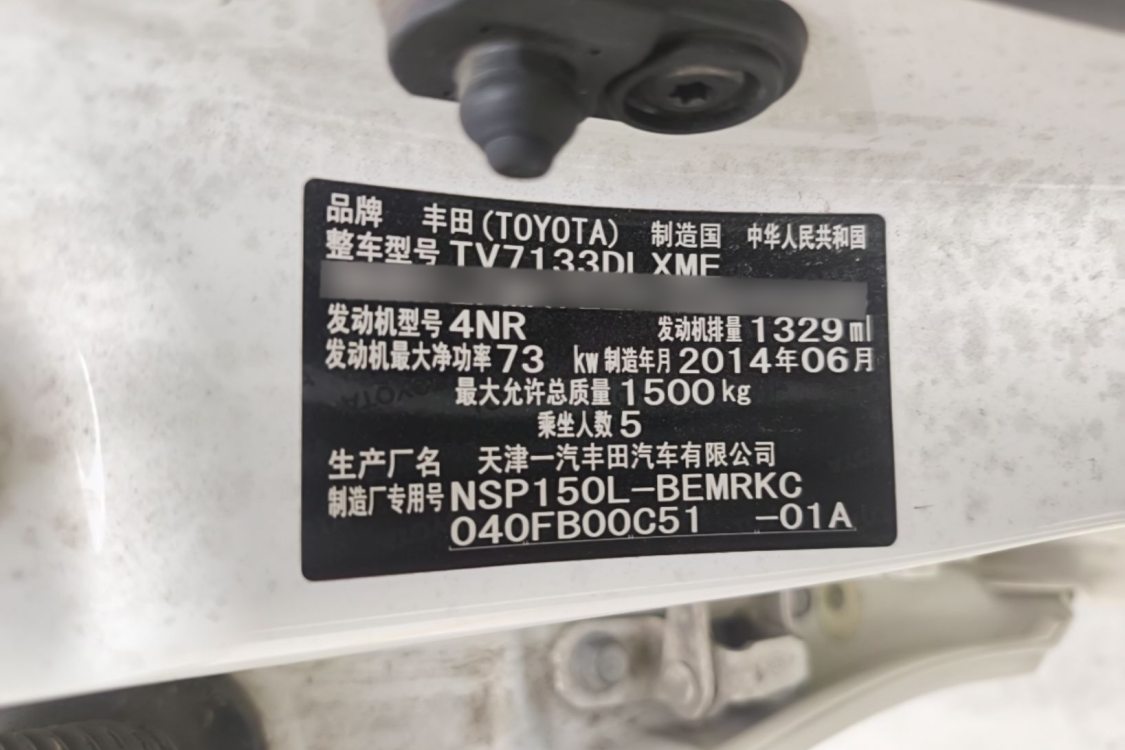
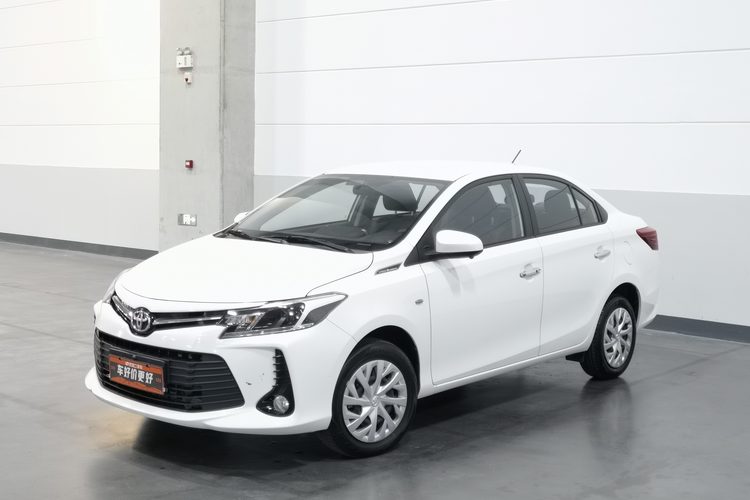
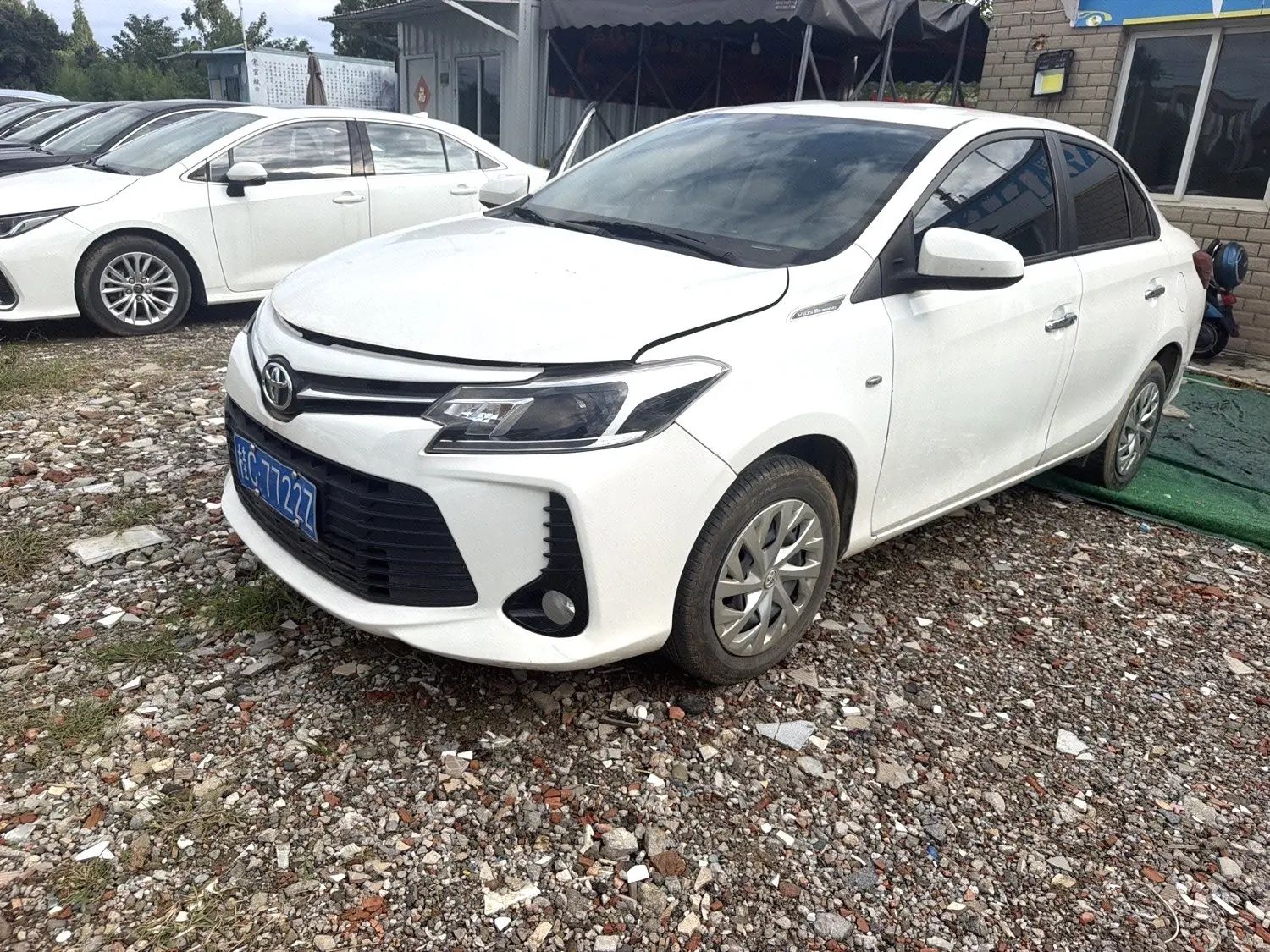
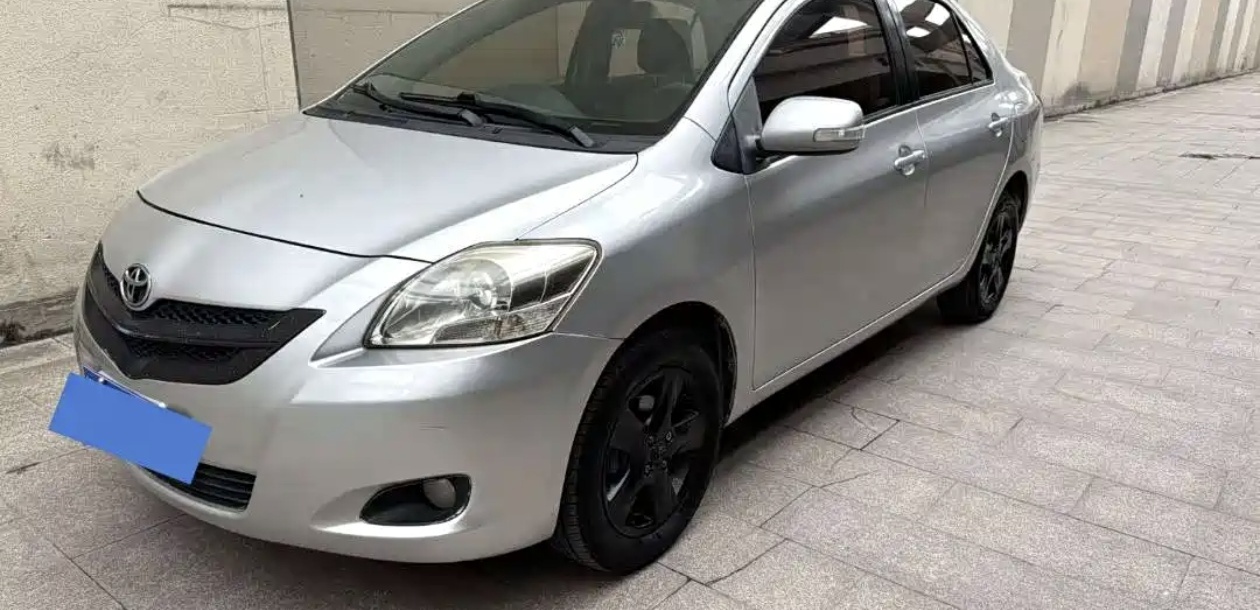
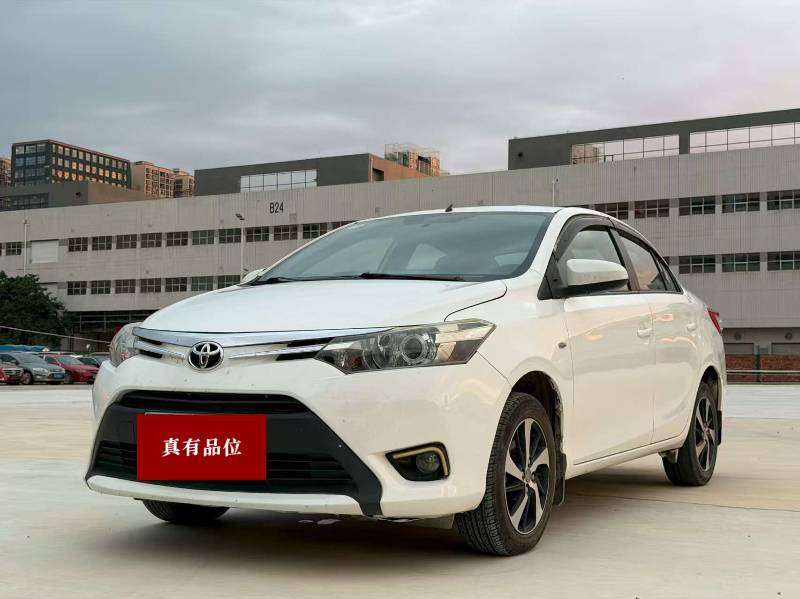
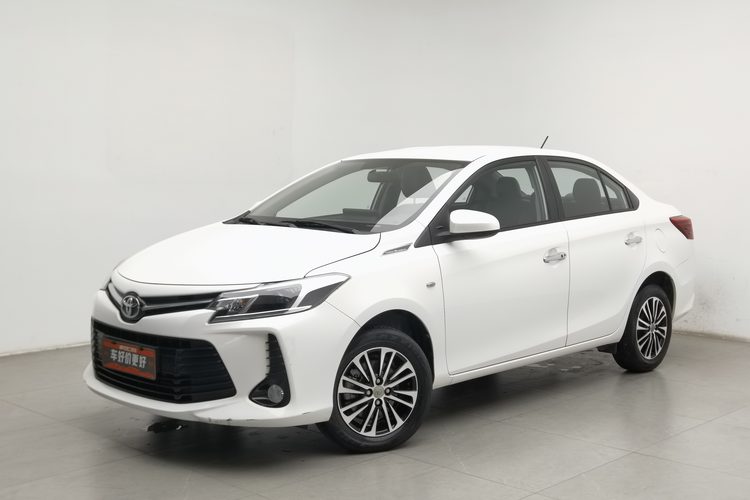
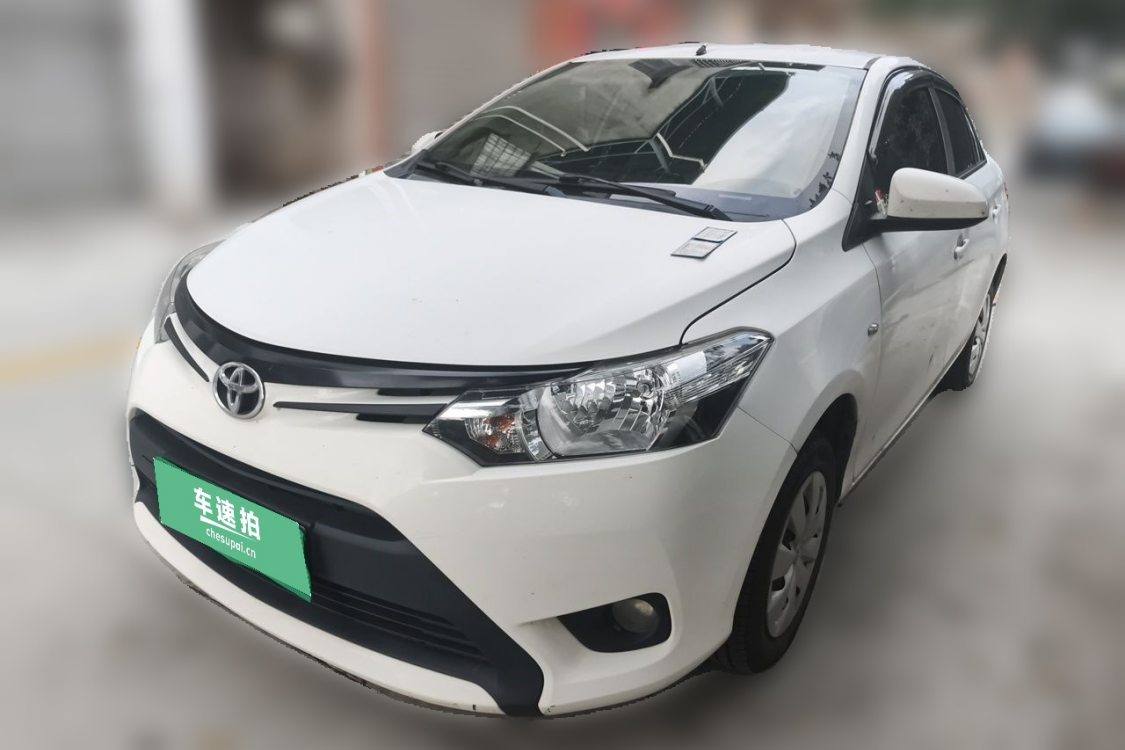
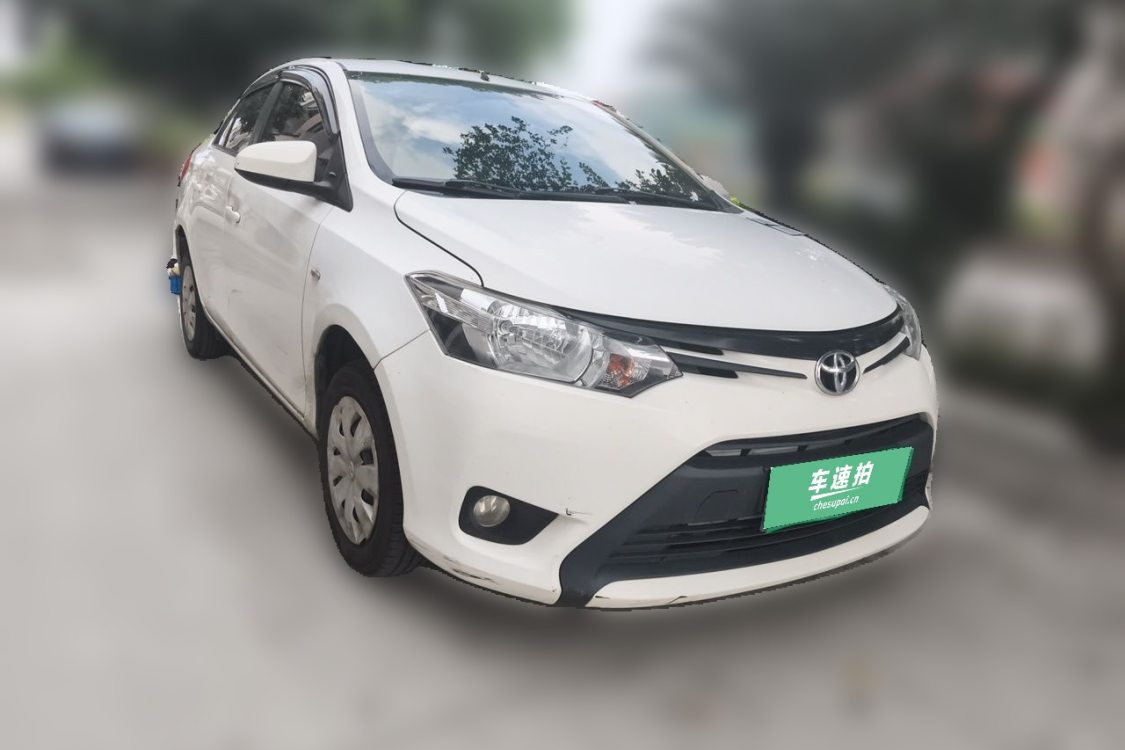
BrandToyota
SeriesVios
Year2014
First Registration2014/07
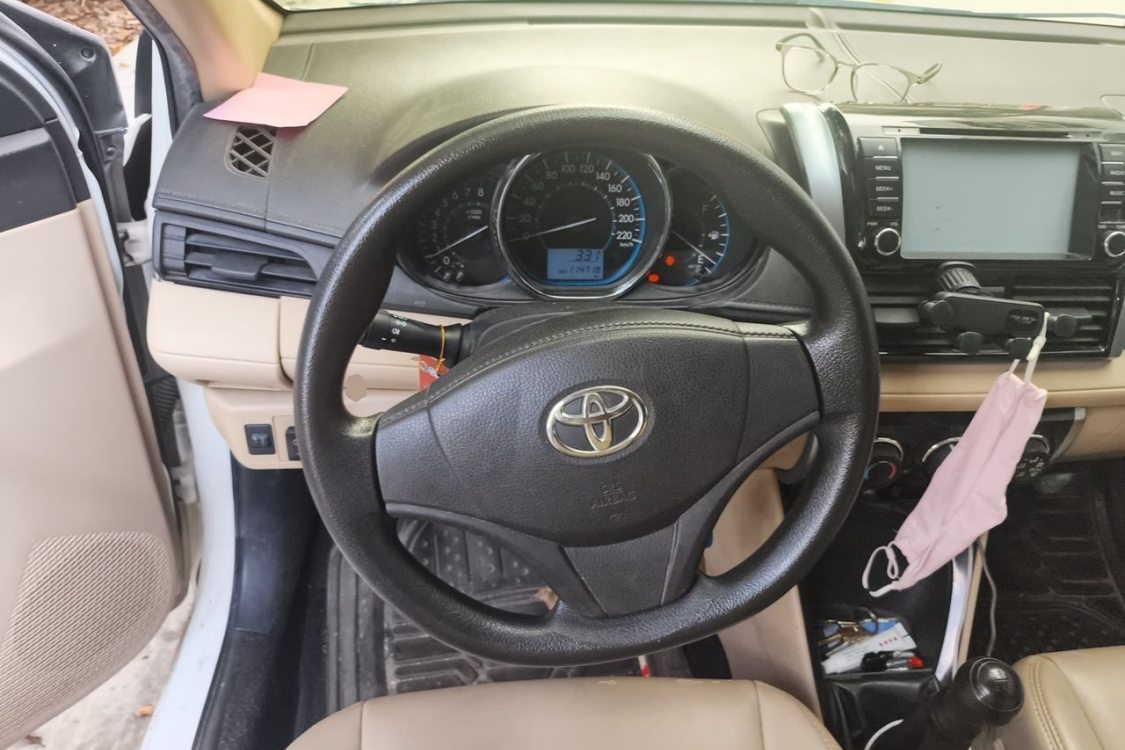
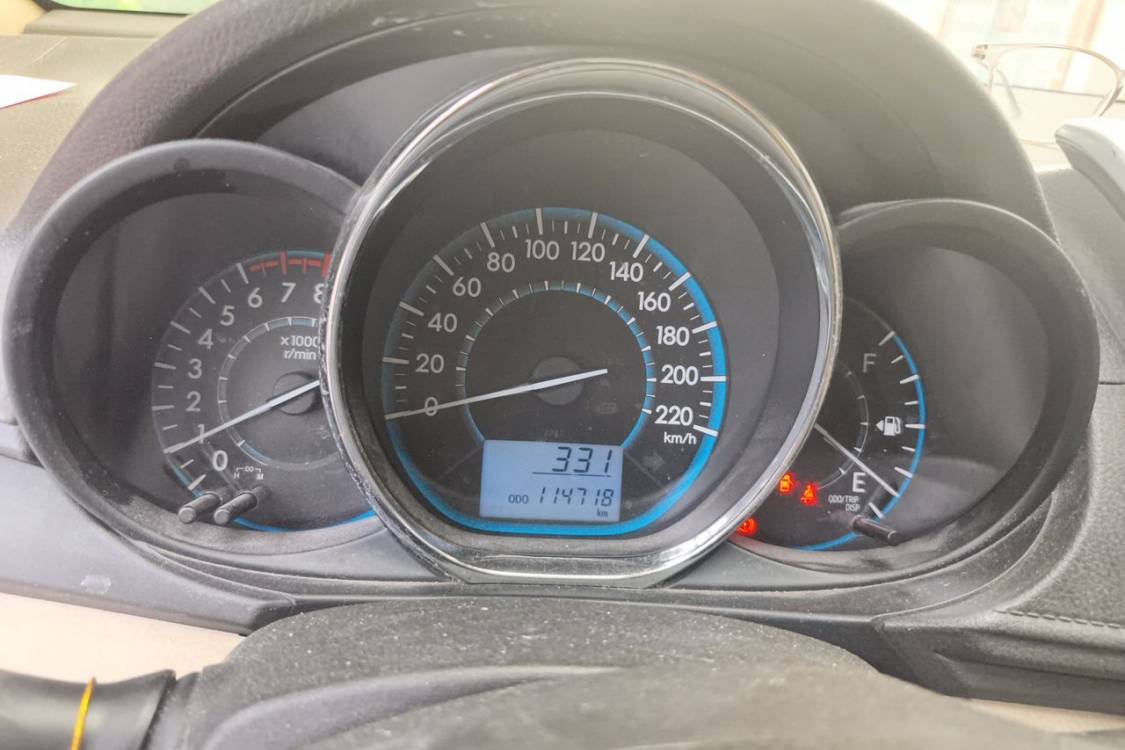
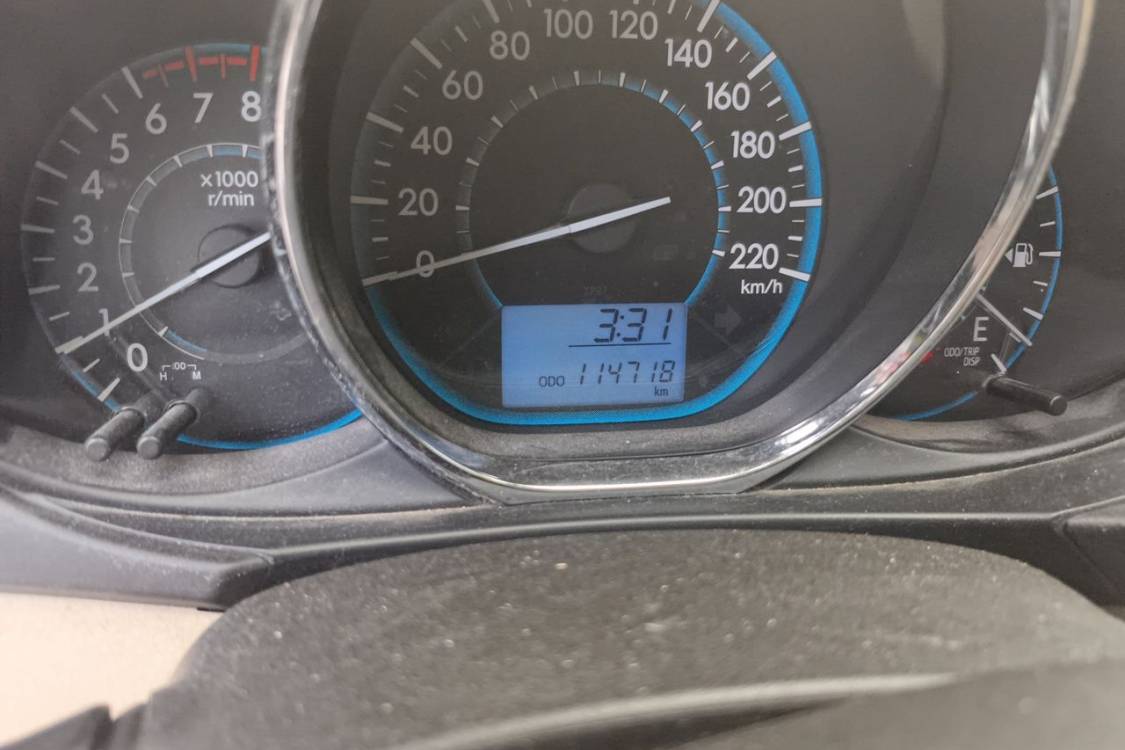
Mileage114,700km
Transfer Count-
FuelGasoline
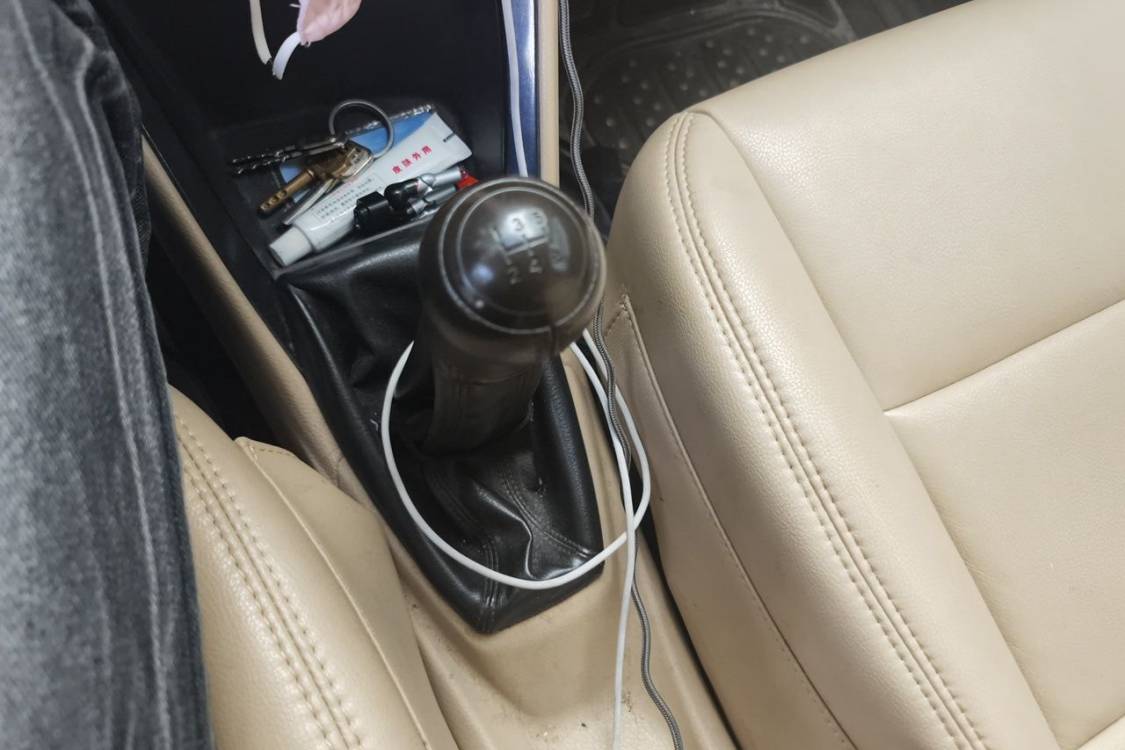
TransmissionManual
Engine1.3L 99 L4
ColorWhite
Seats5seats

Condition Description

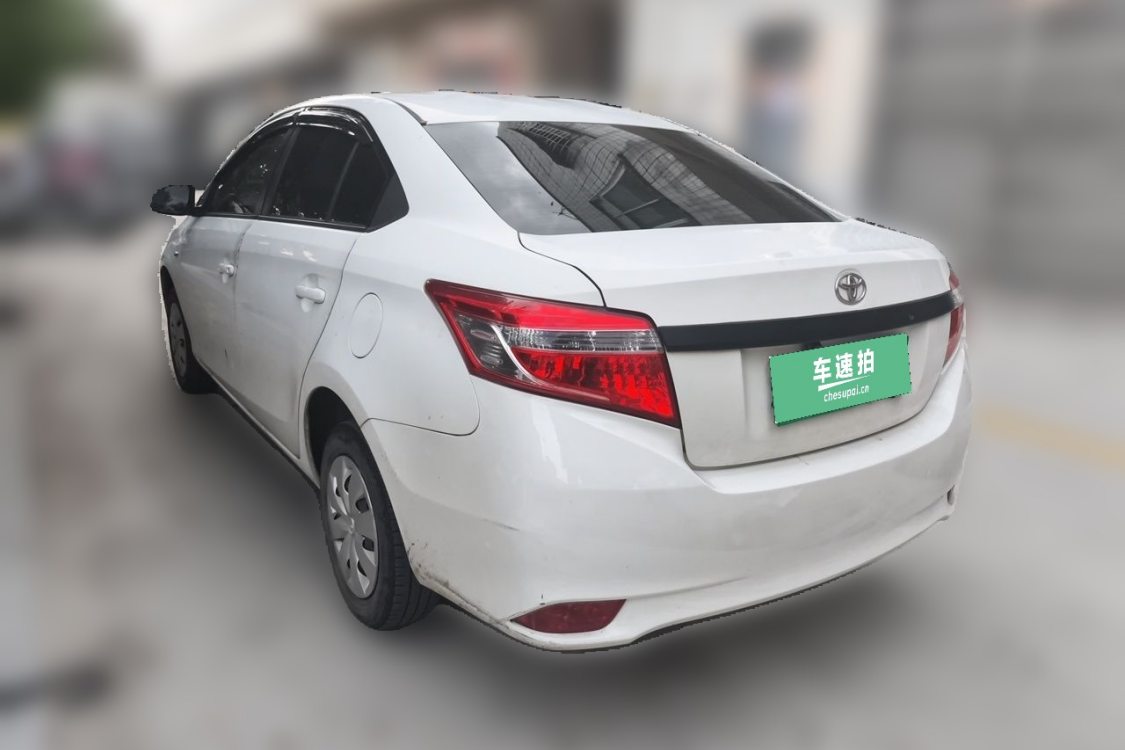
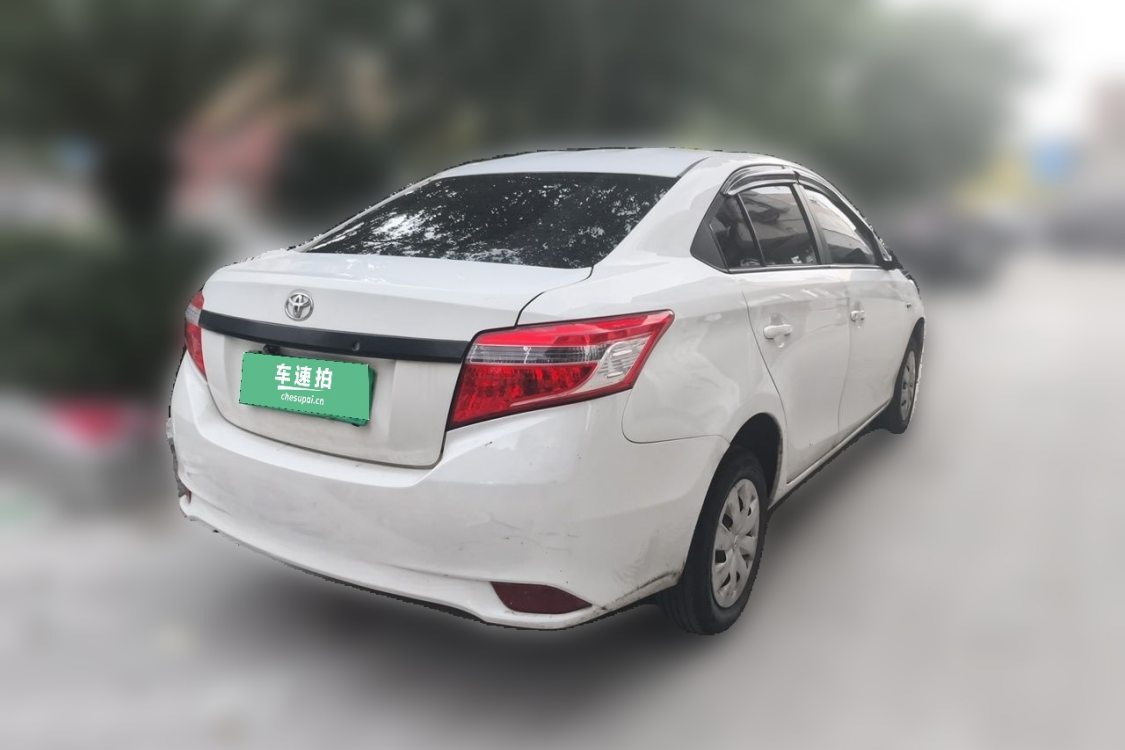
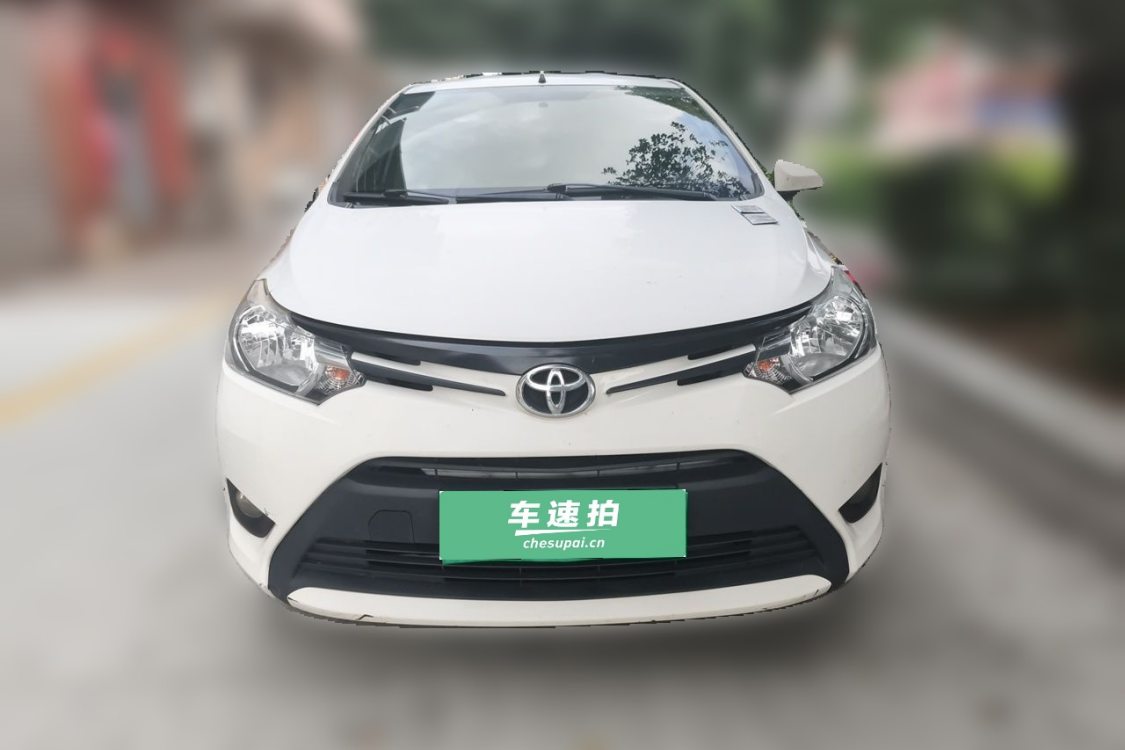
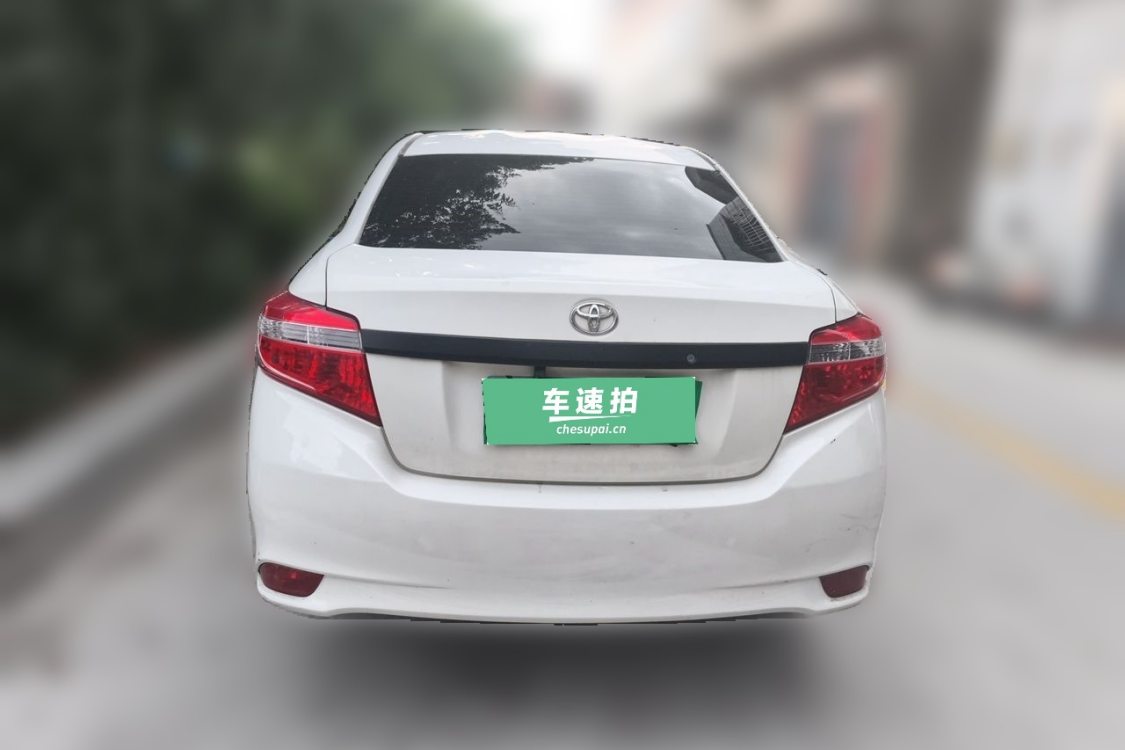
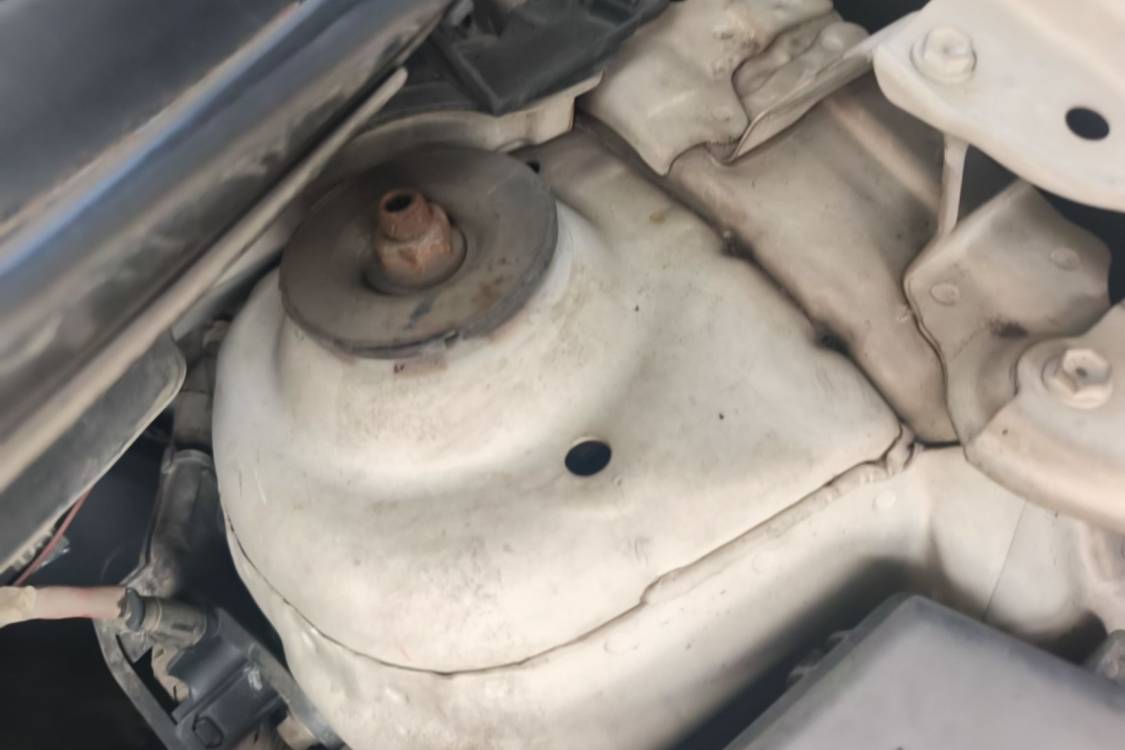
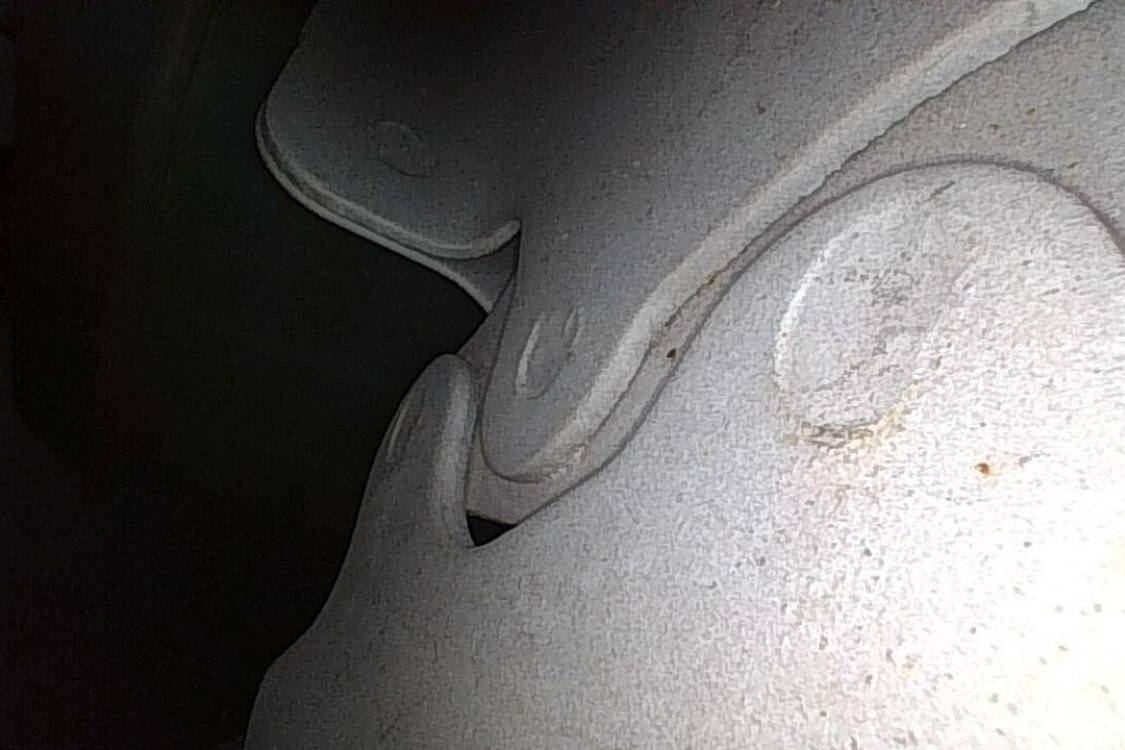
Vehicle has major defects in structural/reinforcement/panel components due to major accident, fire, flood, or power battery-related parts, repaired or unrepaired, still affecting body structural integrity or safe use, with hidden fault risks.

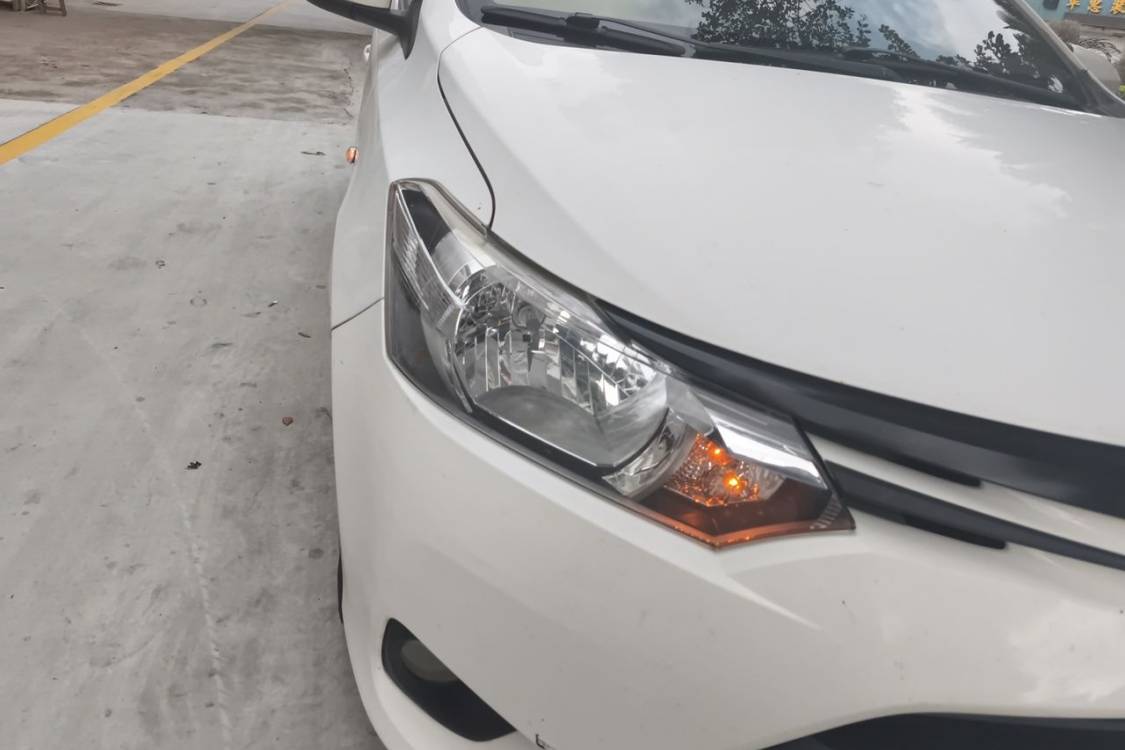
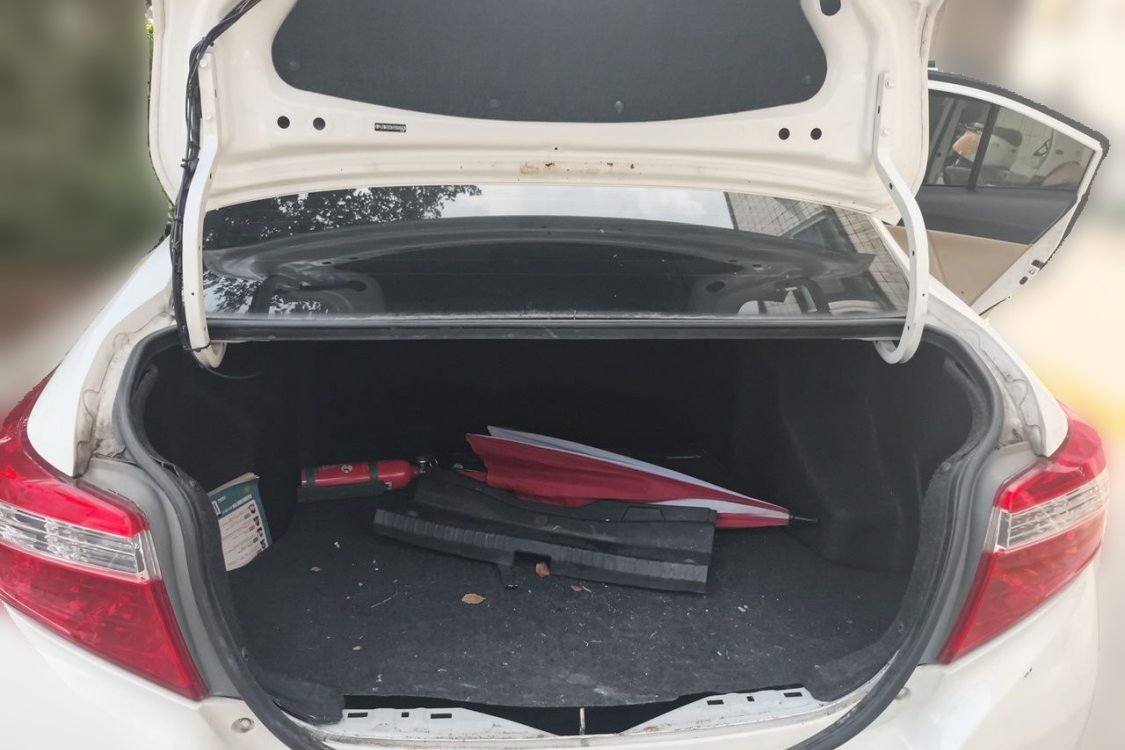
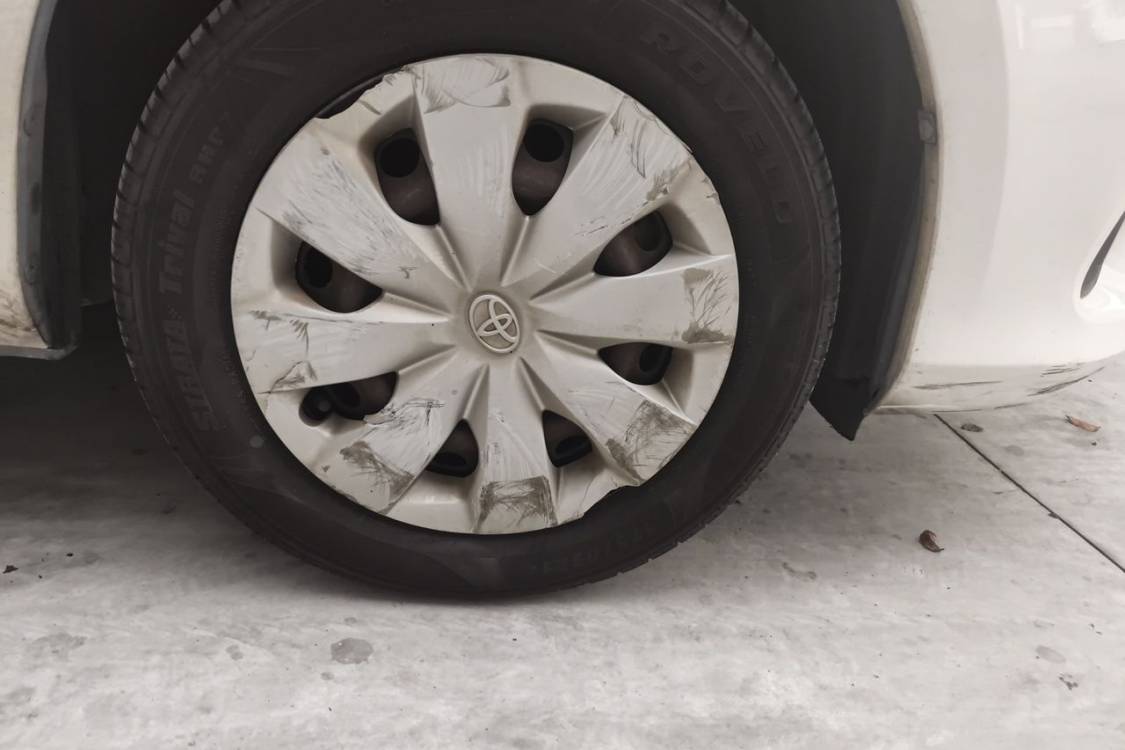
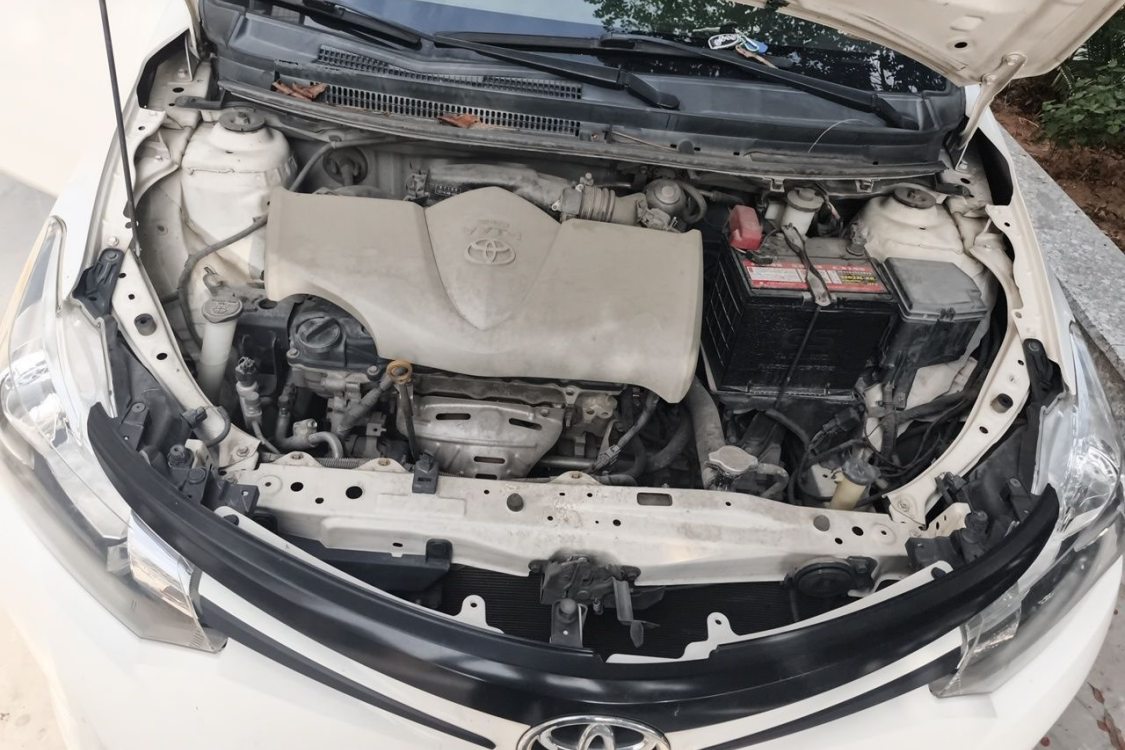
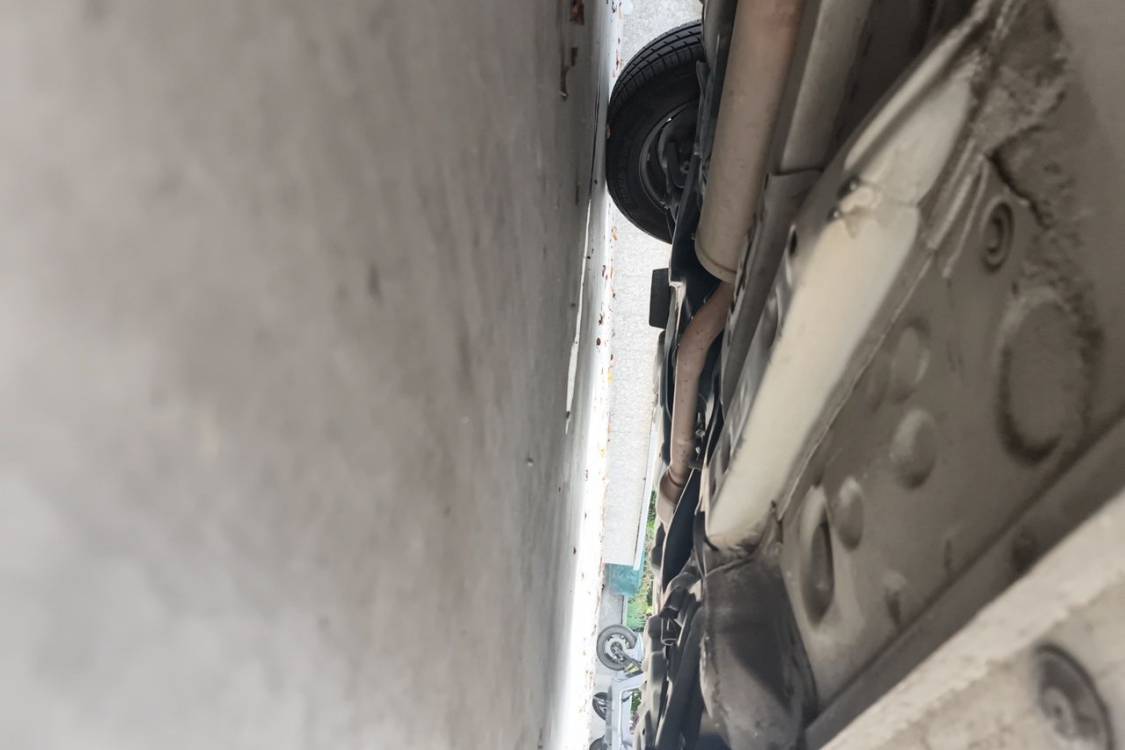
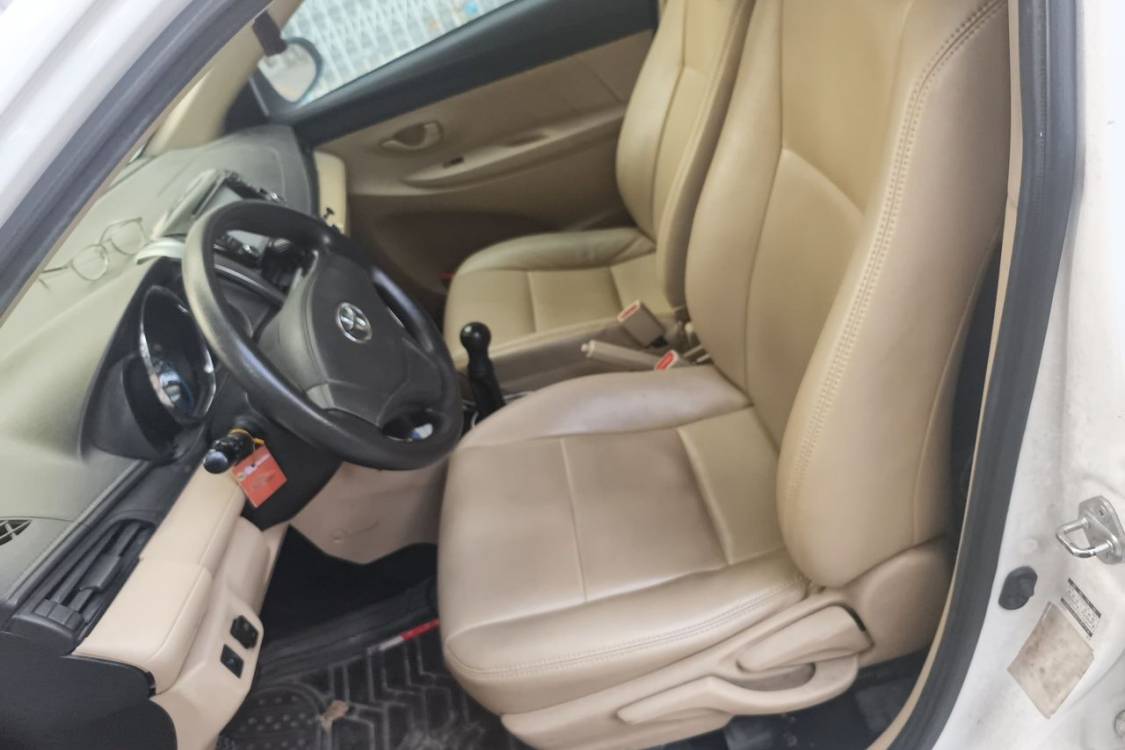
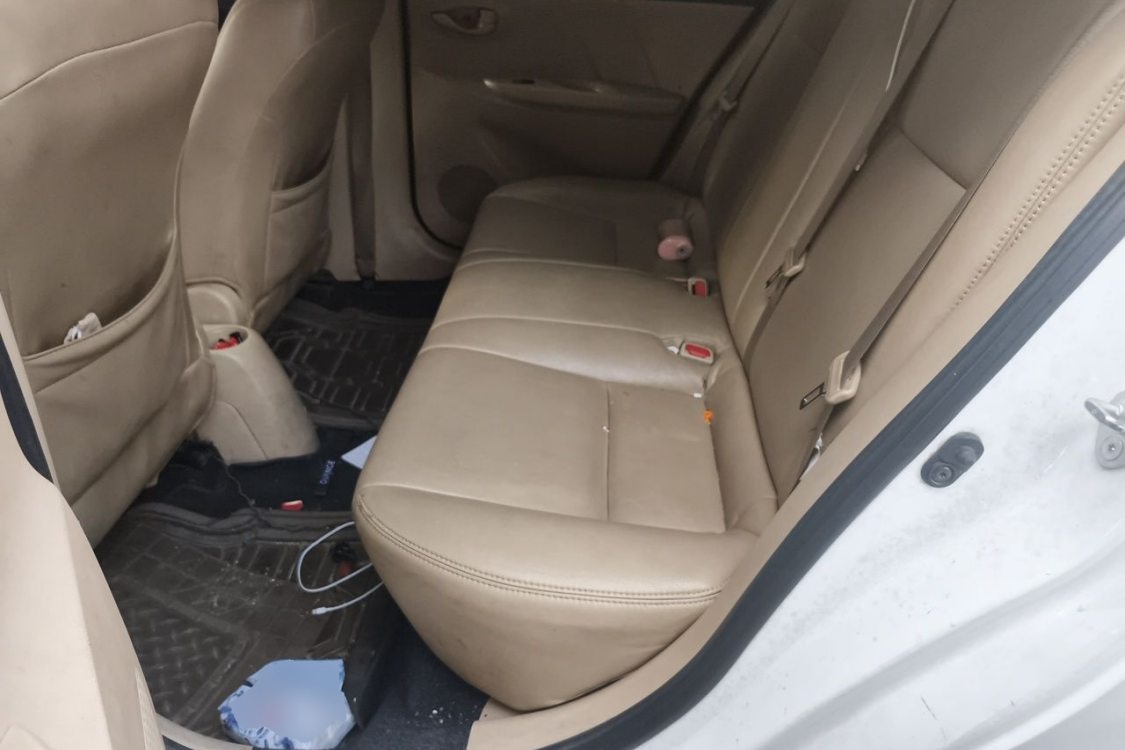
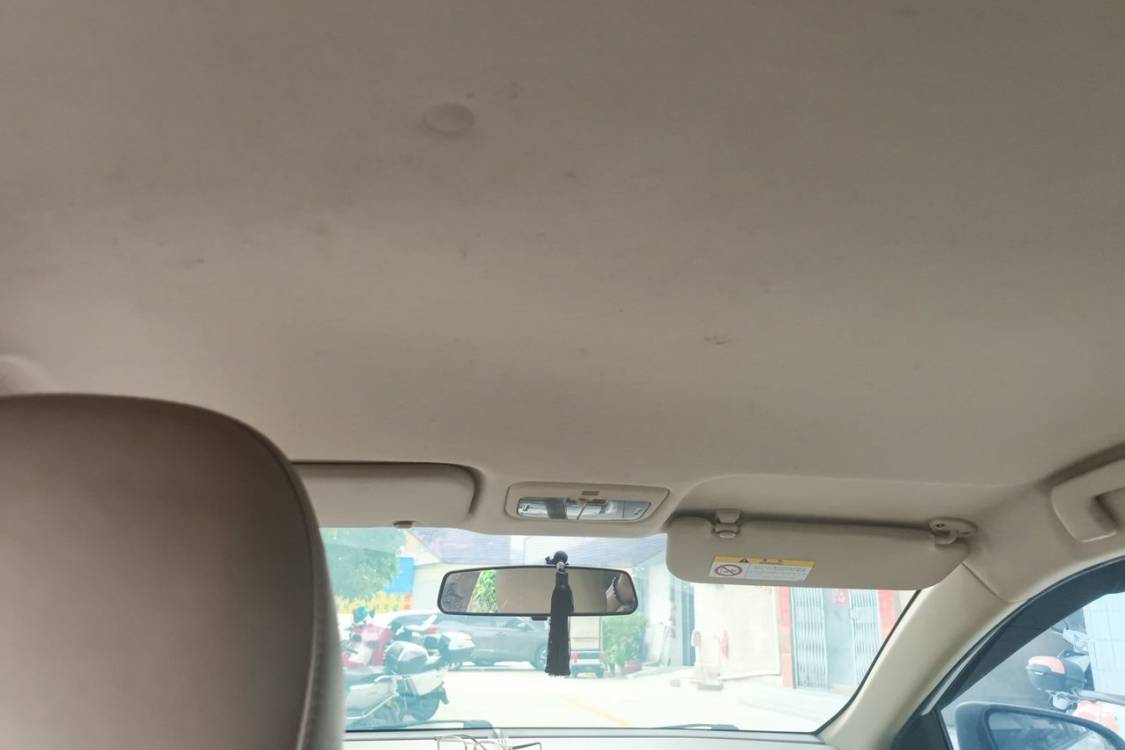
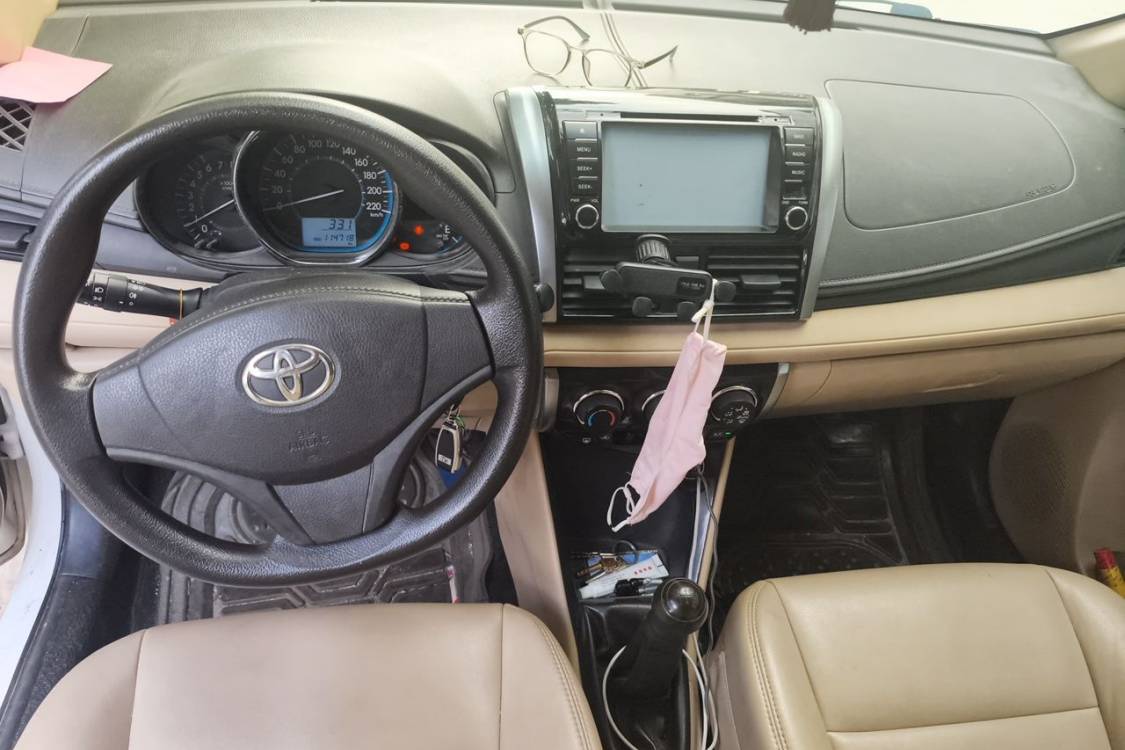
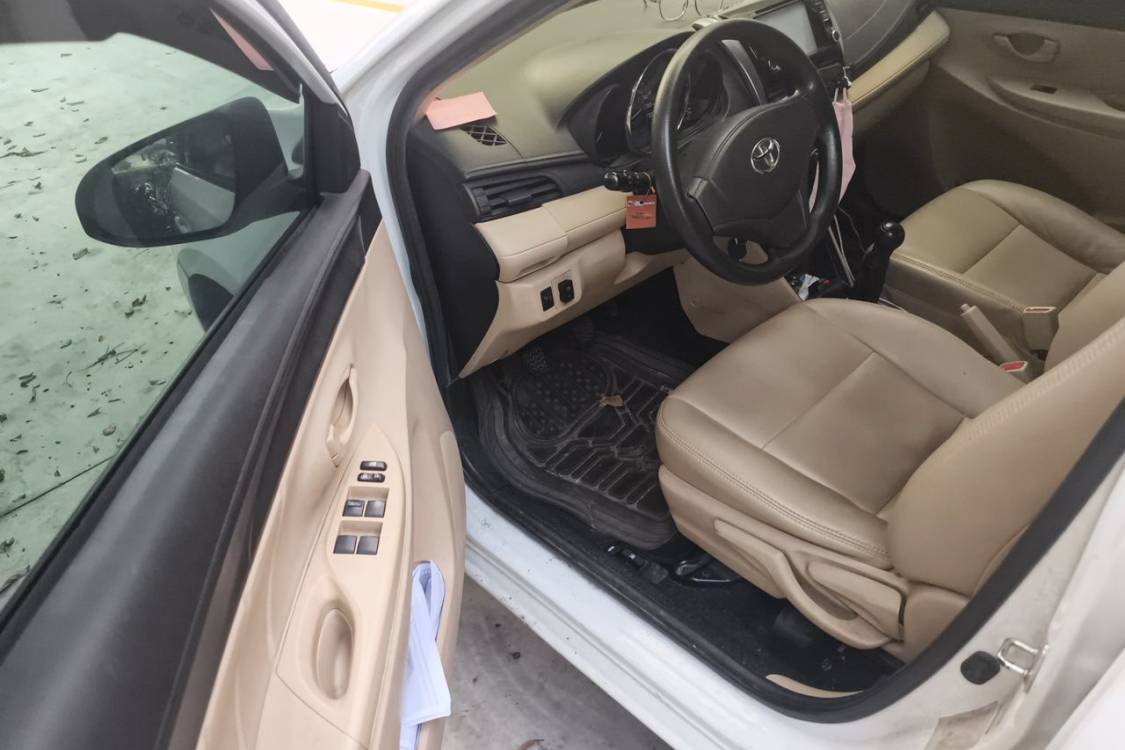
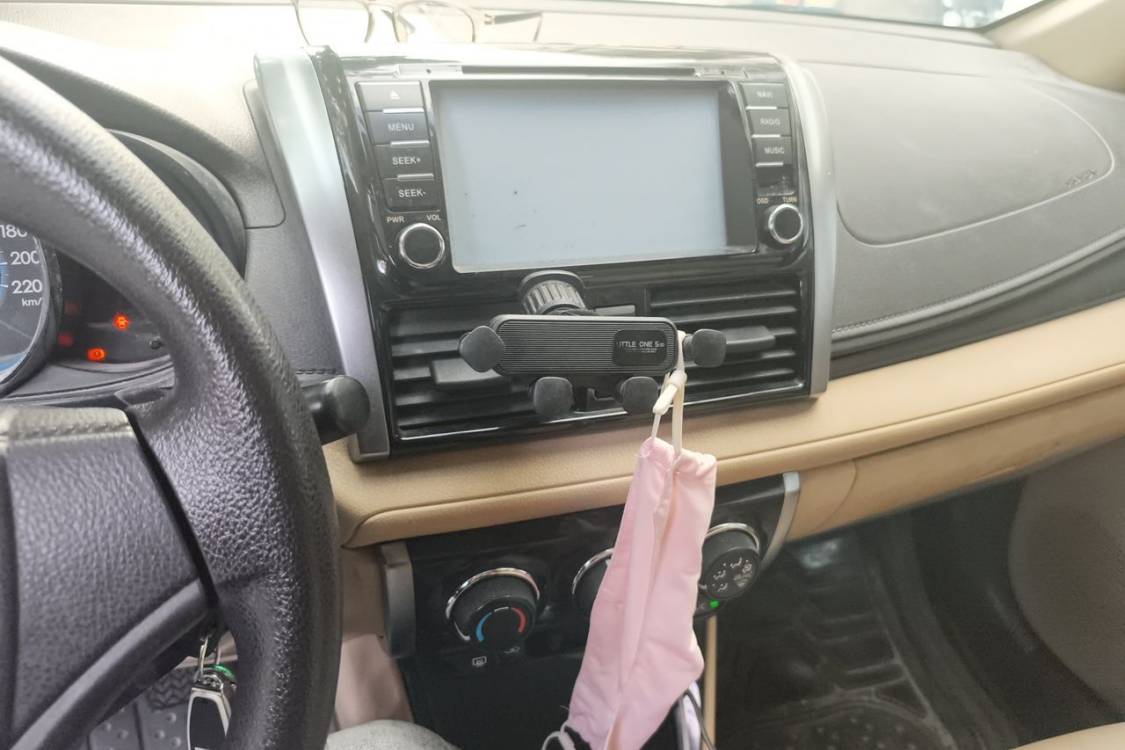
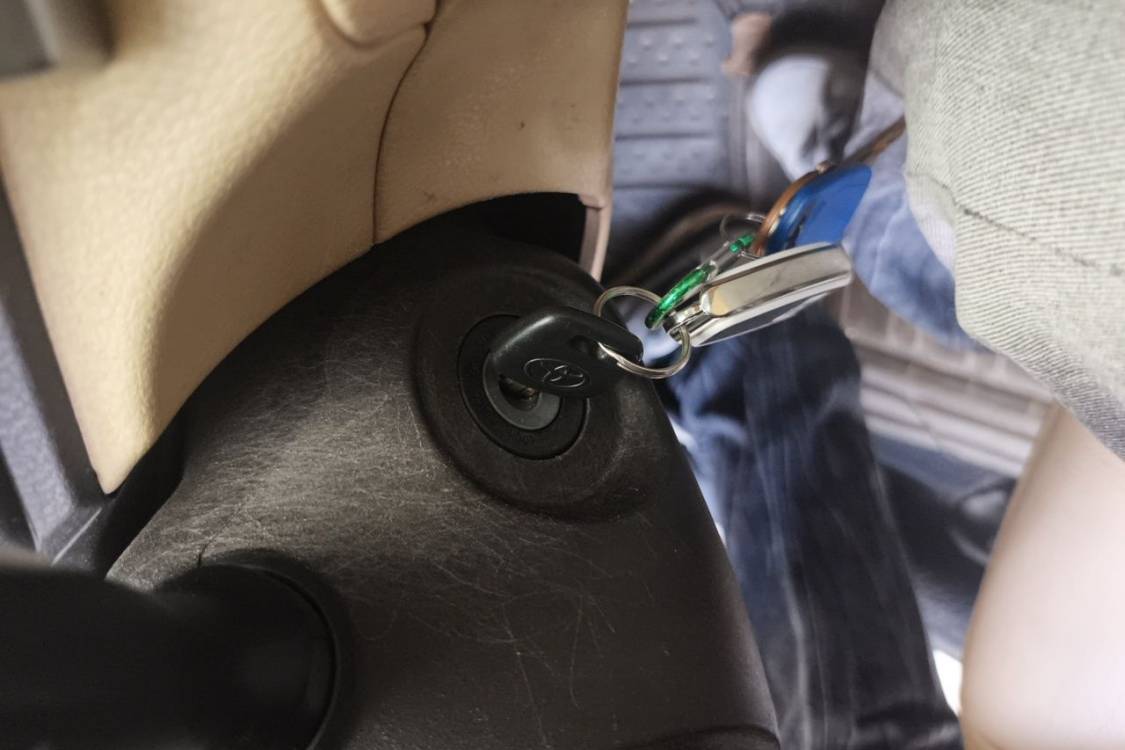
Accident inspection: main structure damaged, reinforcement parts damaged, panels damaged, hinges abnormal; engine bay: transmission disassembly recorded, transmission housing oil seepage; exterior: 1 replaced part, 4 panel repairs, 6 paint areas; interior: configuration abnormal, left front seat belt dirty, left front seat dirty, headliner dirty, airbag system normal, lighting system normal; start-up check: main components normal; tool kit: missing.
电话直连
可讲价
平台物流
零过户
新检测标准升级>
非泡水

Document Information

Inspection Expiry Date2027/07
Warranty Expiry Date-
Insurance Expiry Date2027/07

Q&A

More

If my local repair shop damages the vehicle due to lack of special tools, does that fall under your extended warranty?

Absolutely not. Any secondary damage caused by overseas non-professional repairs, violent disassembly, or the use of inferior replacement fluids will immediately void any form of "extended parts compensation" we provide.

What hidden fees should I watch for in a Chinese exporter's quotation, and how do I get a transparent breakdown?

Common charges beyond the car price: pre-shipment inspection fee, inland trucking from the car's city to the port, export customs clearance, documentation fee, terminal handling charges (THC), certificate fees, and markups hidden inside the freight quote. How to protect yourself: ask for an itemized quotation with each charge listed separately; compare 2-3 exporters, because a very low car price is often offset by inflated fees; confirm which costs are included up to the port of loading and which you pay at destination; agree in writing on the payment currency and the exchange rate date. Your total budget should be: car price + export fees + freight + insurance + destination port charges + import duties and taxes.

When checking the history records, can you distinguish whether the vehicle was involved in a "single-vehicle accident (like hitting a wall)" or a "multi-vehicle rear-end collision"?

If insurance claims records are accessed, there will usually be notes like "the insured vehicle is fully responsible for hitting a fixed object" or "third-party liability insurance payment." We can roughly reconstruct the accident scene based on this and cross-verify the stress points on the vehicle's frame with paint thickness gauge data.