


48H

Basic Information

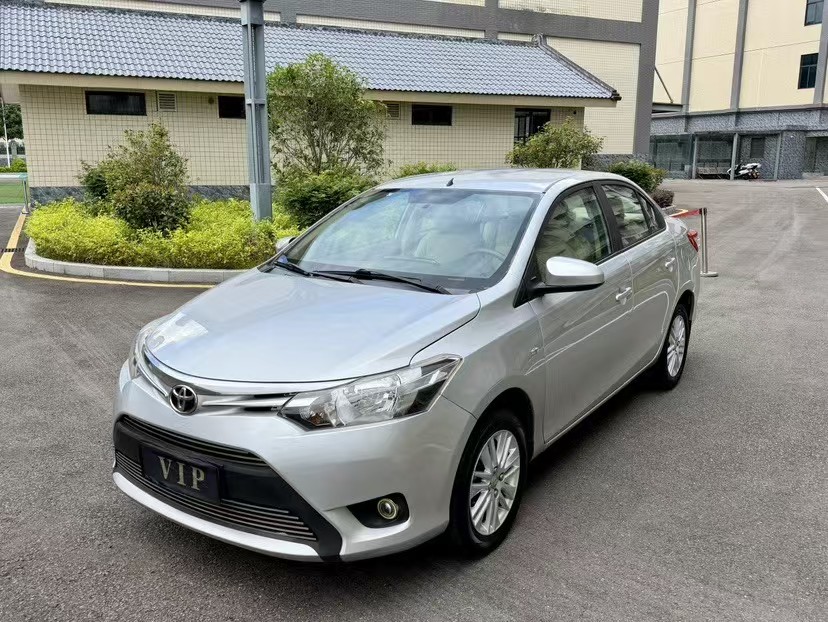
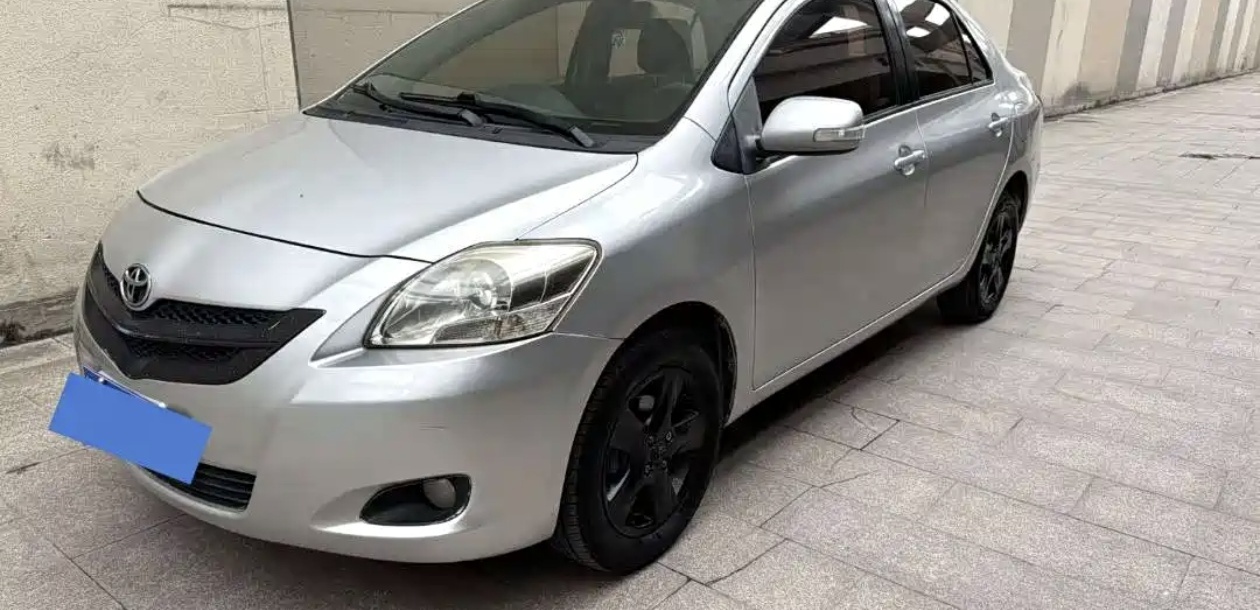
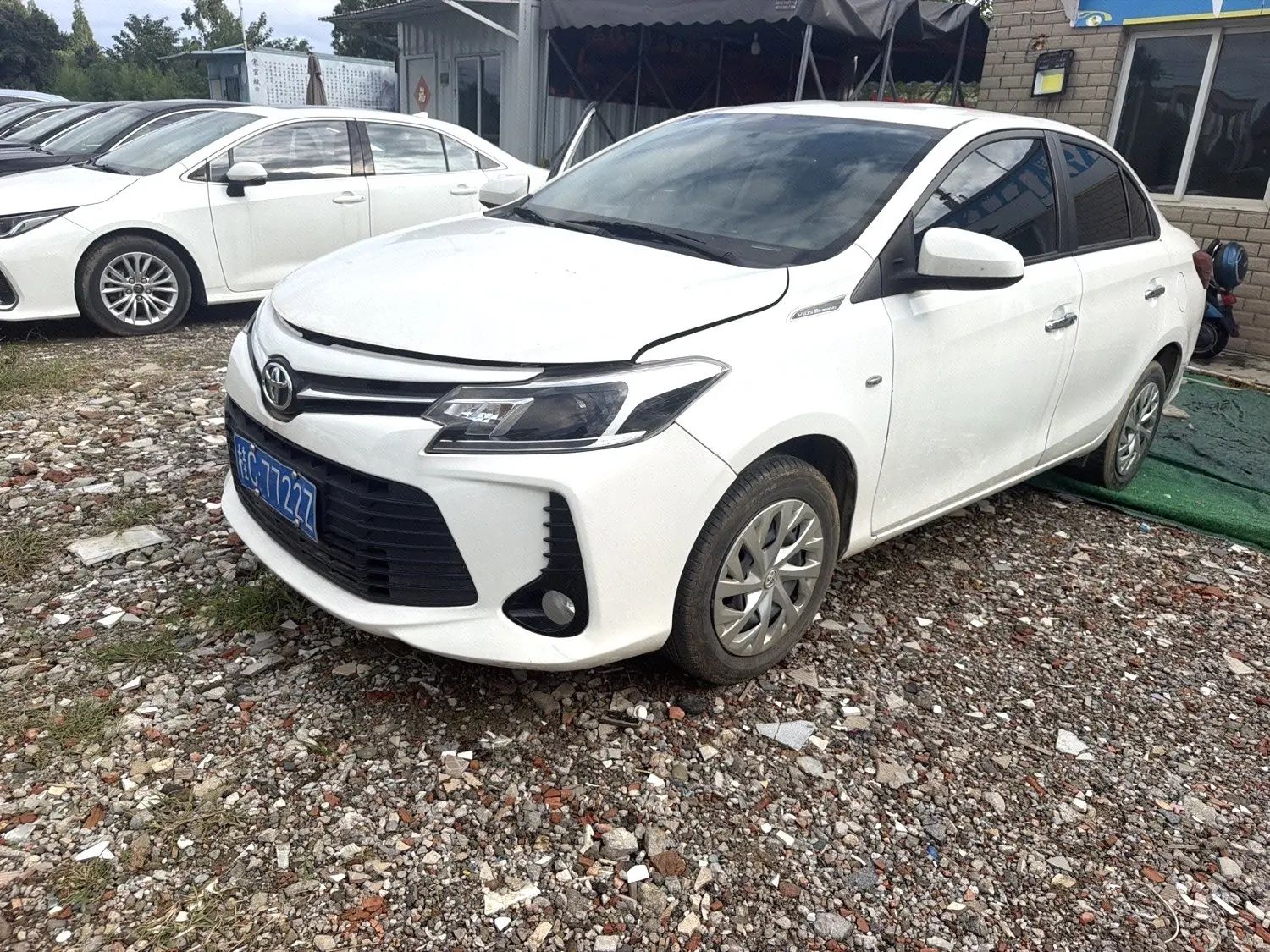
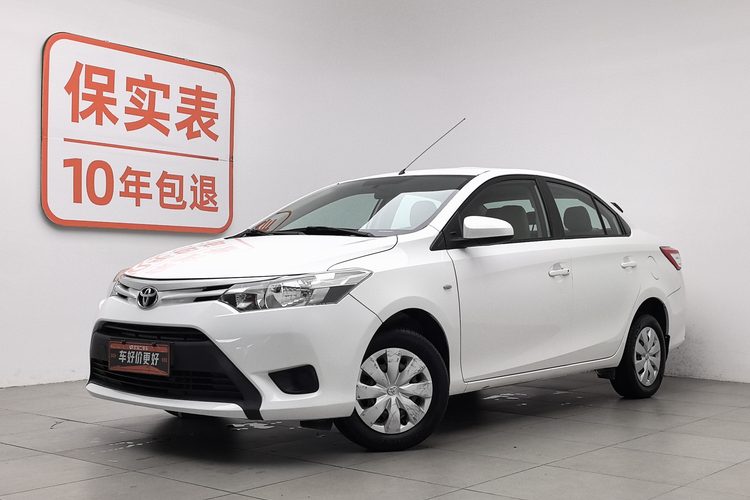
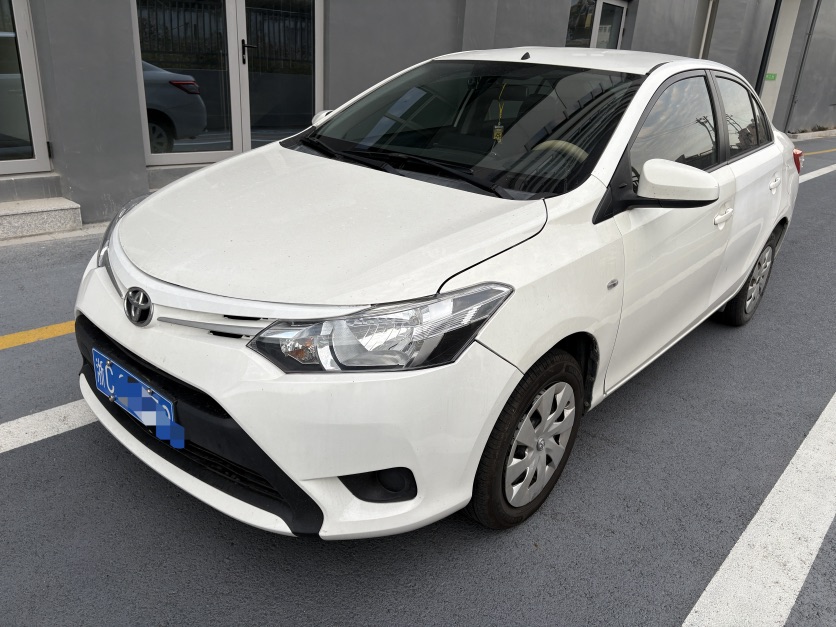
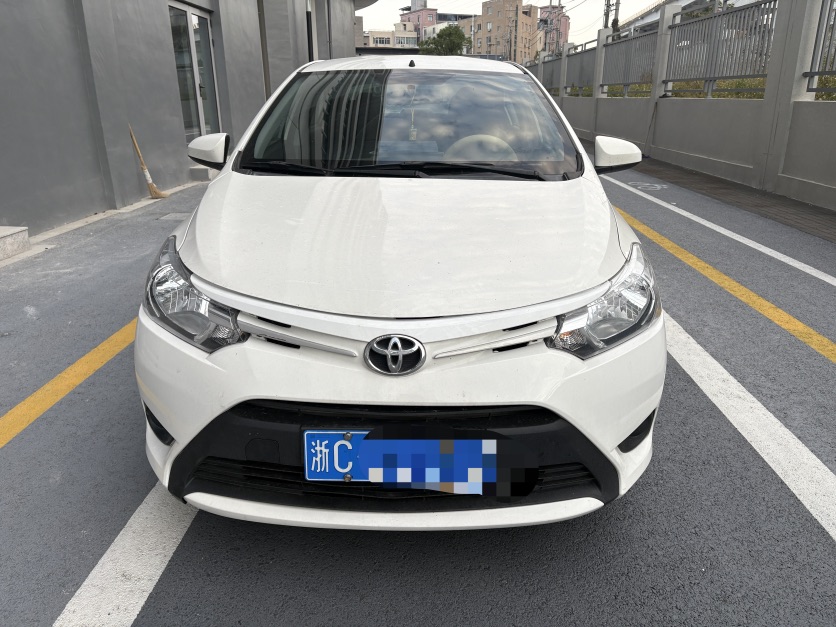
BrandToyota
SeriesVios
Year2014
First Registration2014/08
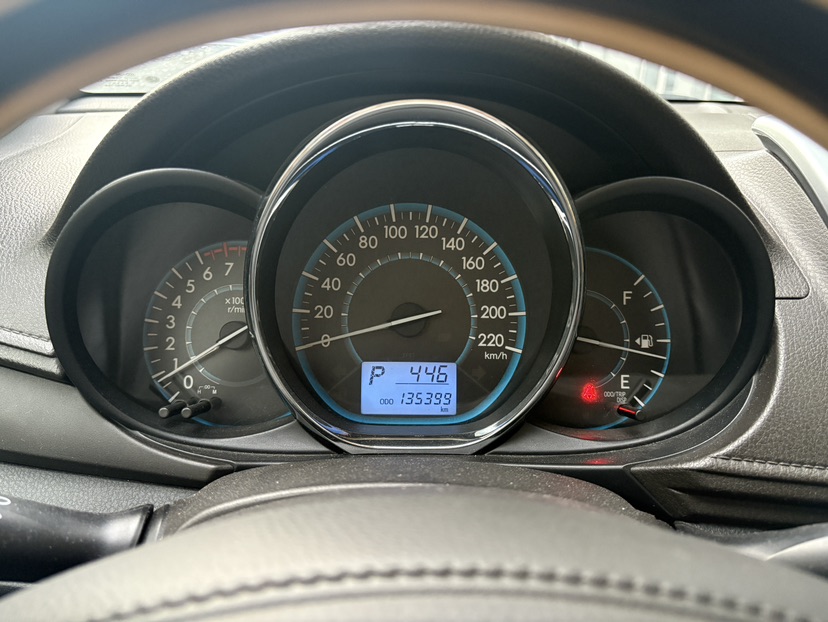
Mileage130,000km
Transfer Count1times
FuelGasoline
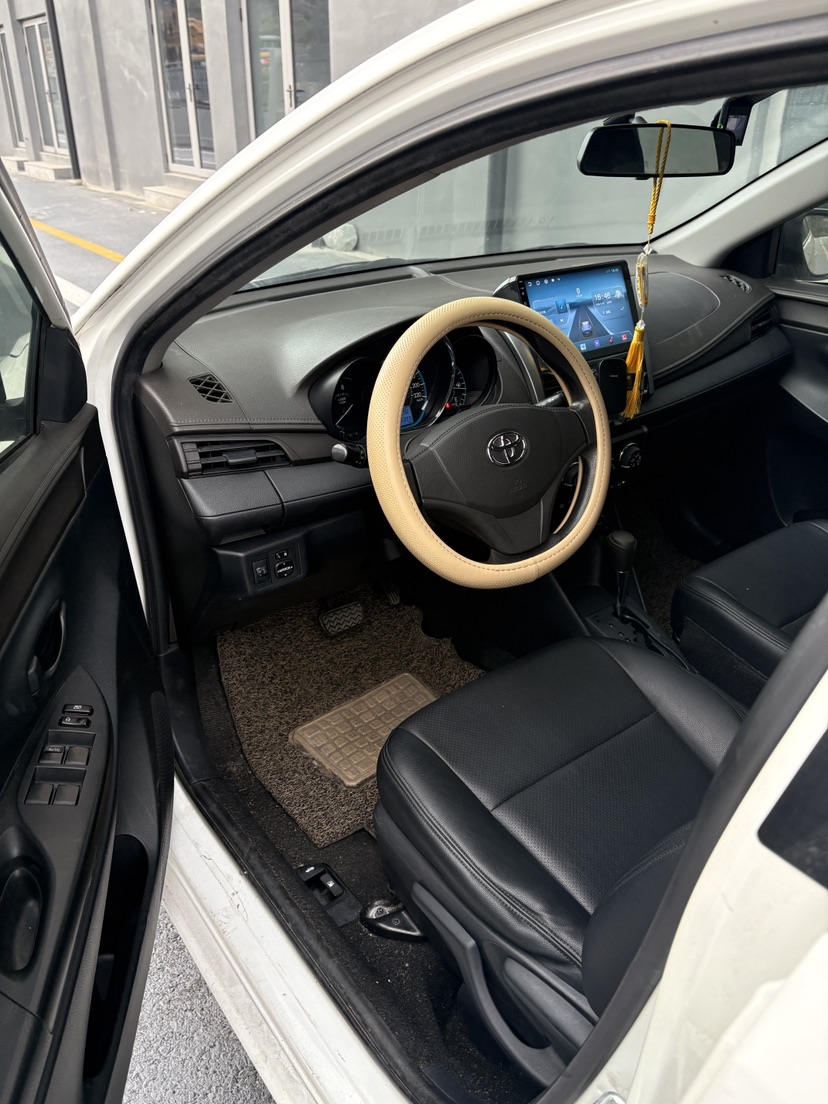
TransmissionAutomatic
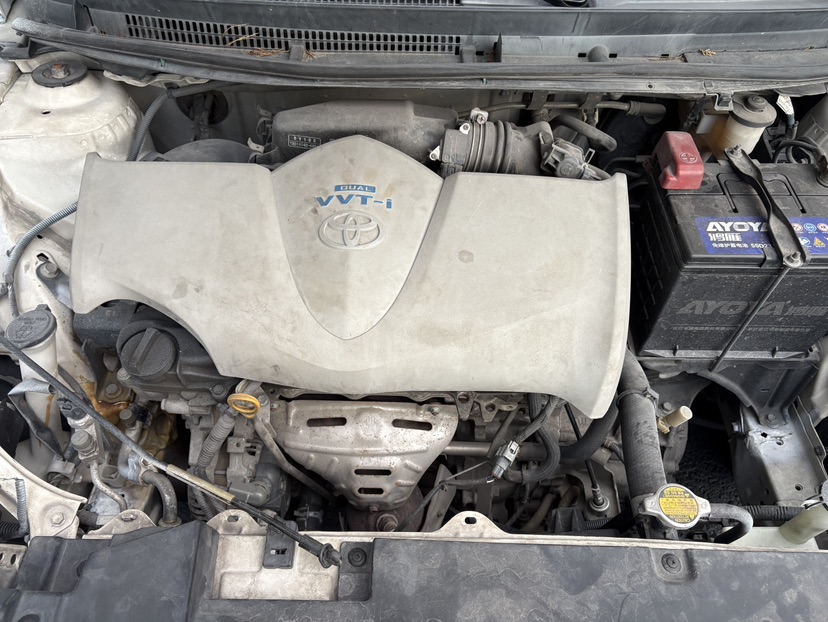
Engine1.3L 99 L4
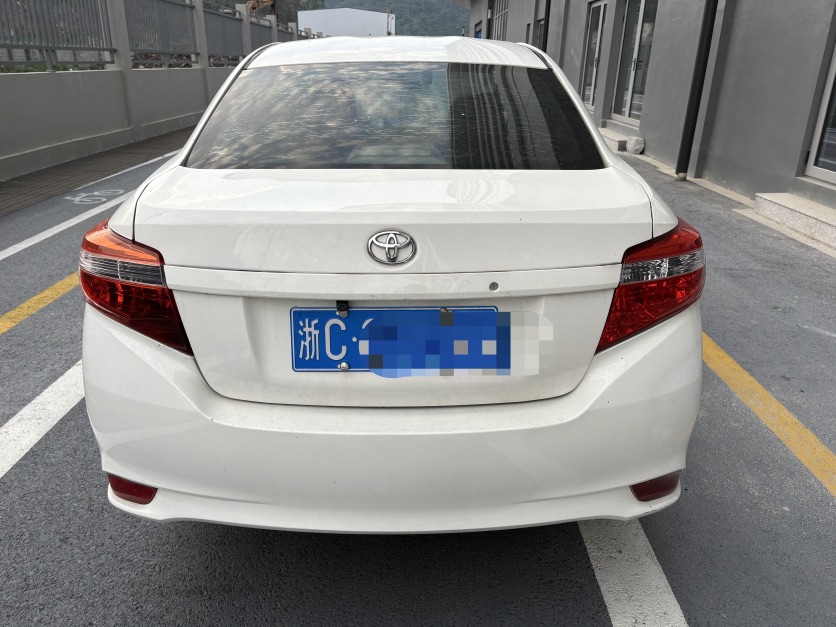
ColorWhite
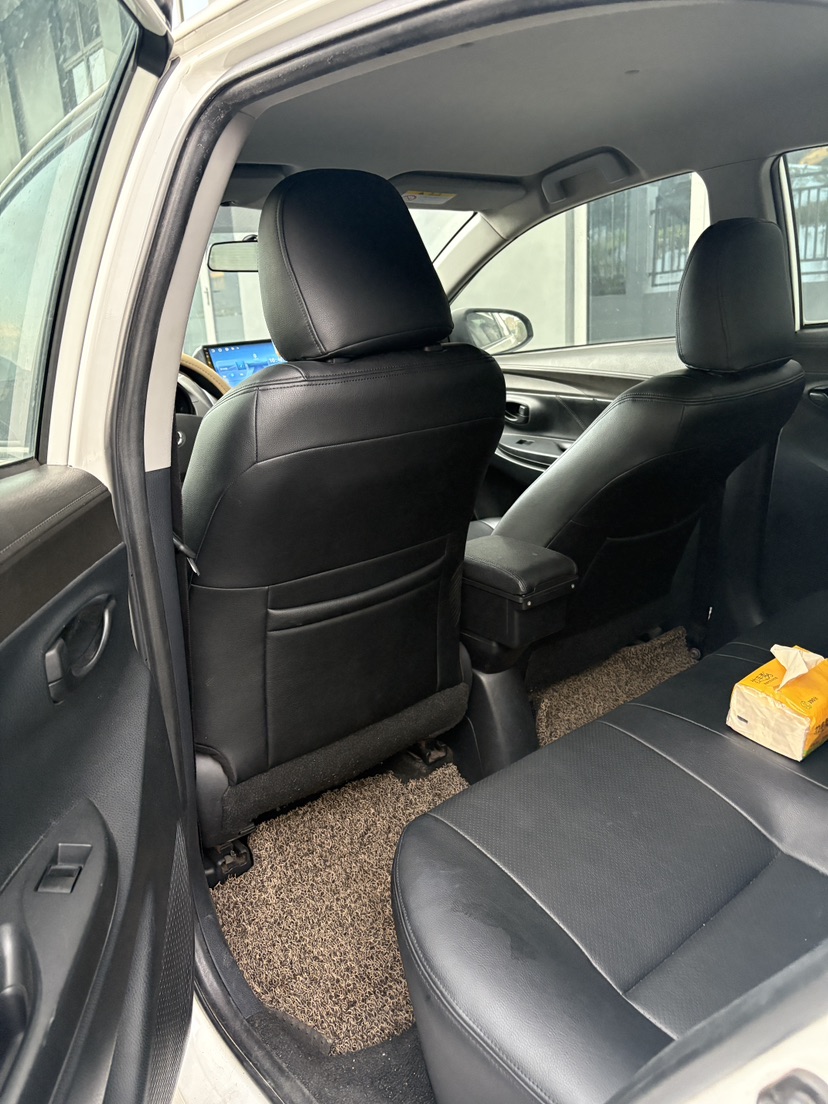
Seats5seats

Condition Description

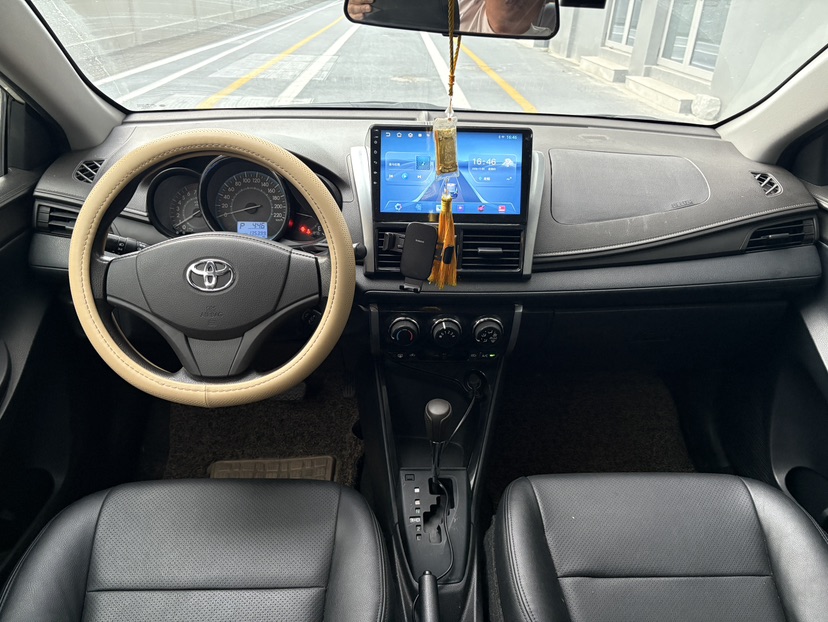
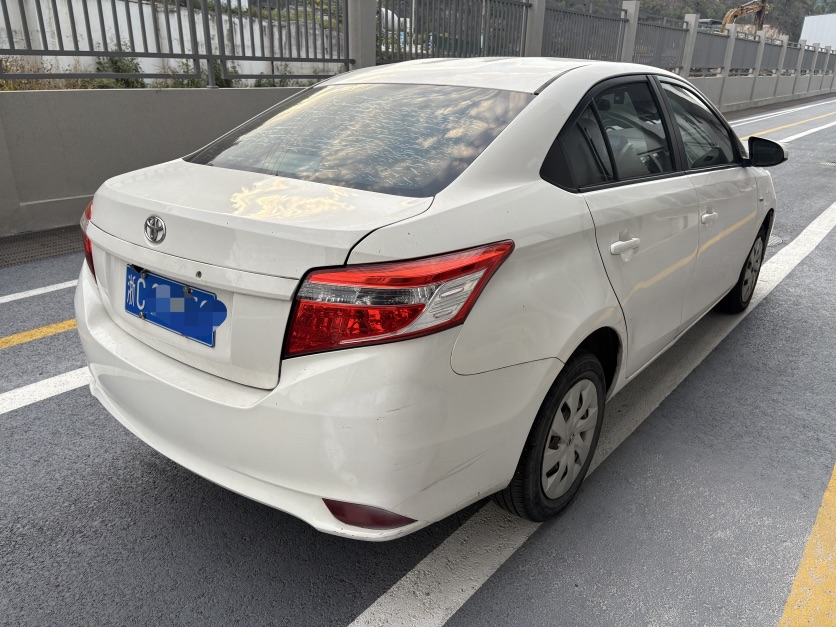
Registered in August 2014. Flawed condition vehicle. Engine in good condition.

燃油车
轿车
自动
维保开放
事故开放
查验开放

Configuration Highlights

✓品牌: 丰田
✓车系: 威驰
✓车型: 2014款 1.3L 自动型尚版
✓车身类型: 轿车
✓座位数: 5
✓排量: 1.3L
✓变速箱: 自动
✓能源类型: 燃油车
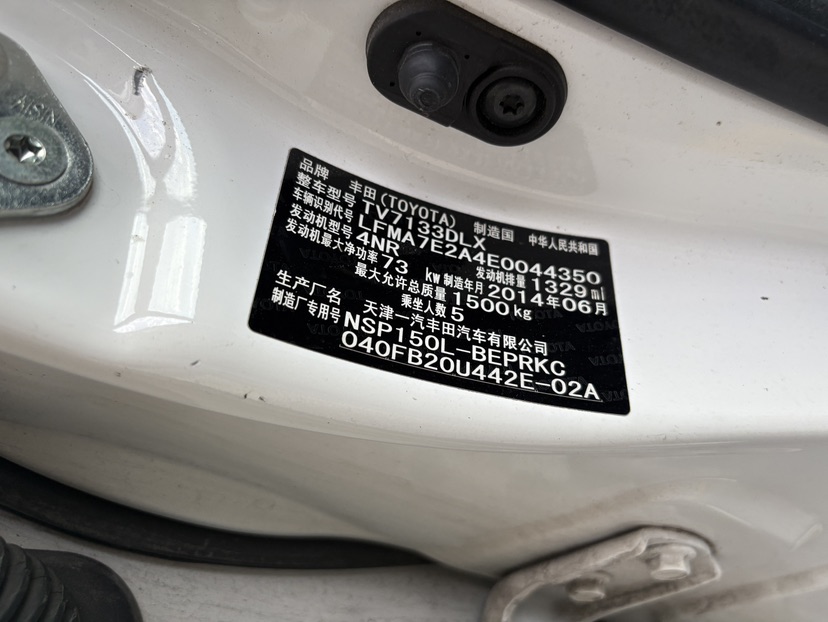
✓VIN: LFMA7e2a4e0044350
✓搜索关键词: 丰田威驰 2014款威驰1.3L自动型尚版

Document Information

Inspection Expiry Date2026/11
Warranty Expiry Date-
Insurance Expiry Date2026/11

Q&A

More

Will the connected app, remote control, and OTA updates of a used Chinese EV keep working in my country after import?

Usually yes, but with conditions. The seller must transfer the vehicle's account binding to you — without that, the app stays locked to the previous owner. Ask for a screen recording showing the unbinding and re-binding process. OTA updates and remote functions depend on the manufacturer keeping servers accessible from your region. Most major brands now support overseas accounts, but features like voice assistants or map data may be limited outside China. In-car navigation may default to Chinese maps, so plan to use Android Auto, CarPlay, or phone mirroring instead. Before purchase, confirm with the exporter in writing: which connected functions work in your country, and whether a regional account conversion is included in the price.


Under FOB terms, what should I do if the overseas freight forwarder I designated is inefficient and causes delays in booking?

Under FOB terms, booking is a legal obligation of the buyer. If your freight forwarder fails to provide the shipping order (S/O) in time, resulting in vehicles exceeding the free storage period at our warehouse or port, the buyer will have to pay the high daily storage fees before shipment.

If a problem arises after the car arrives, how are disputes and claims typically handled with a Chinese exporter?

Handling claims with an overseas exporter works best when expectations are set before payment. Prevention: put the inspection standard, photo/video evidence requirements, and a dispute clause into the sales contract. Keep all chat records and payment receipts. Typical process if issues arise: 1) Notify the exporter within 48-72 hours of delivery with photos/videos as evidence. 2) Most disputes fall into two buckets: shipping damage (handled via marine insurance — this is why insurance matters) or undisclosed mechanical defects (handled per contract, often via partial refund, spare parts, or repair cost sharing). Realistic expectations: exporters rarely accept returns, so negotiate compensation instead. A reputable company will usually cover reasonable repair costs for defects confirmed to pre-exist shipment. Tip: for higher-value cars, hire a local third-party inspection at destination as final evidence — it strengthens any claim significantly.