

Basic Information

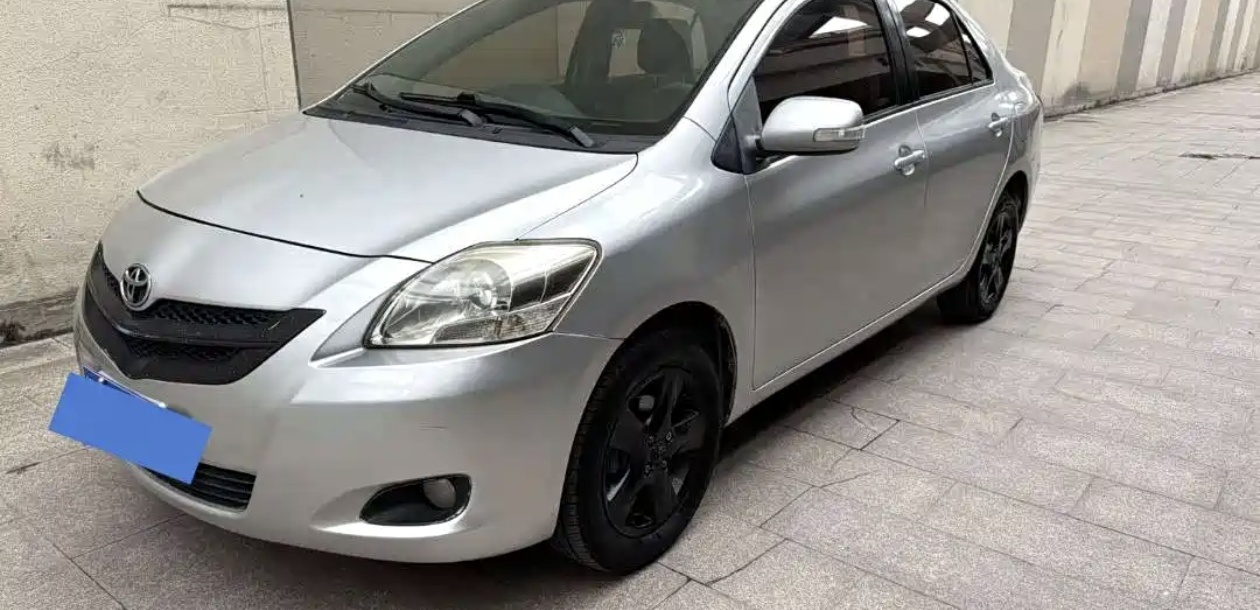
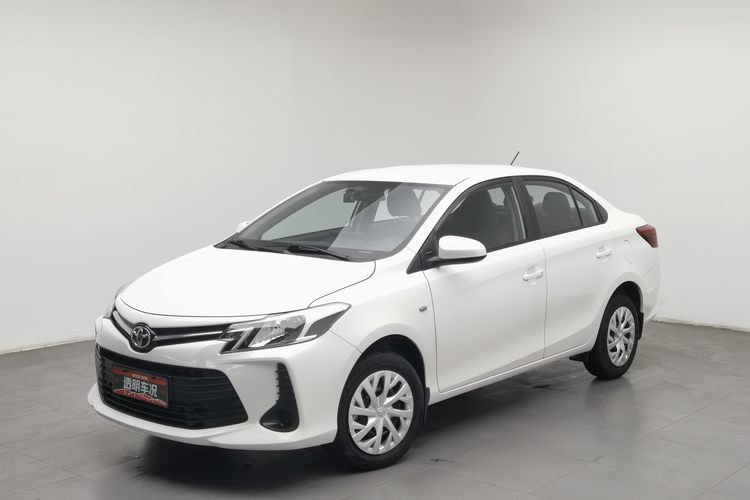
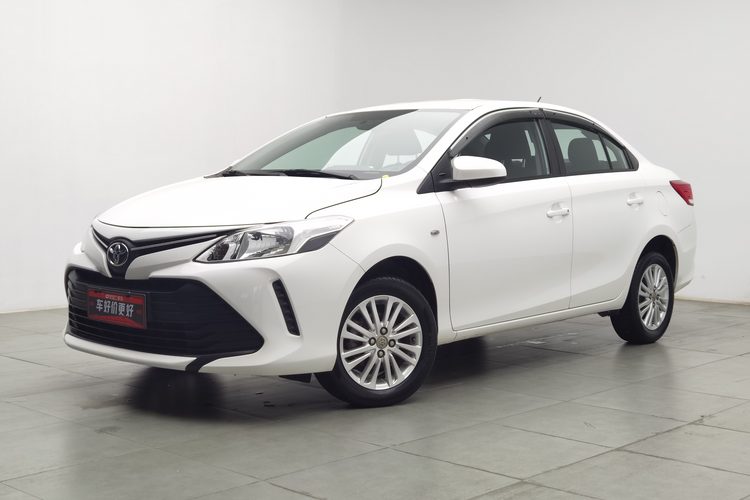
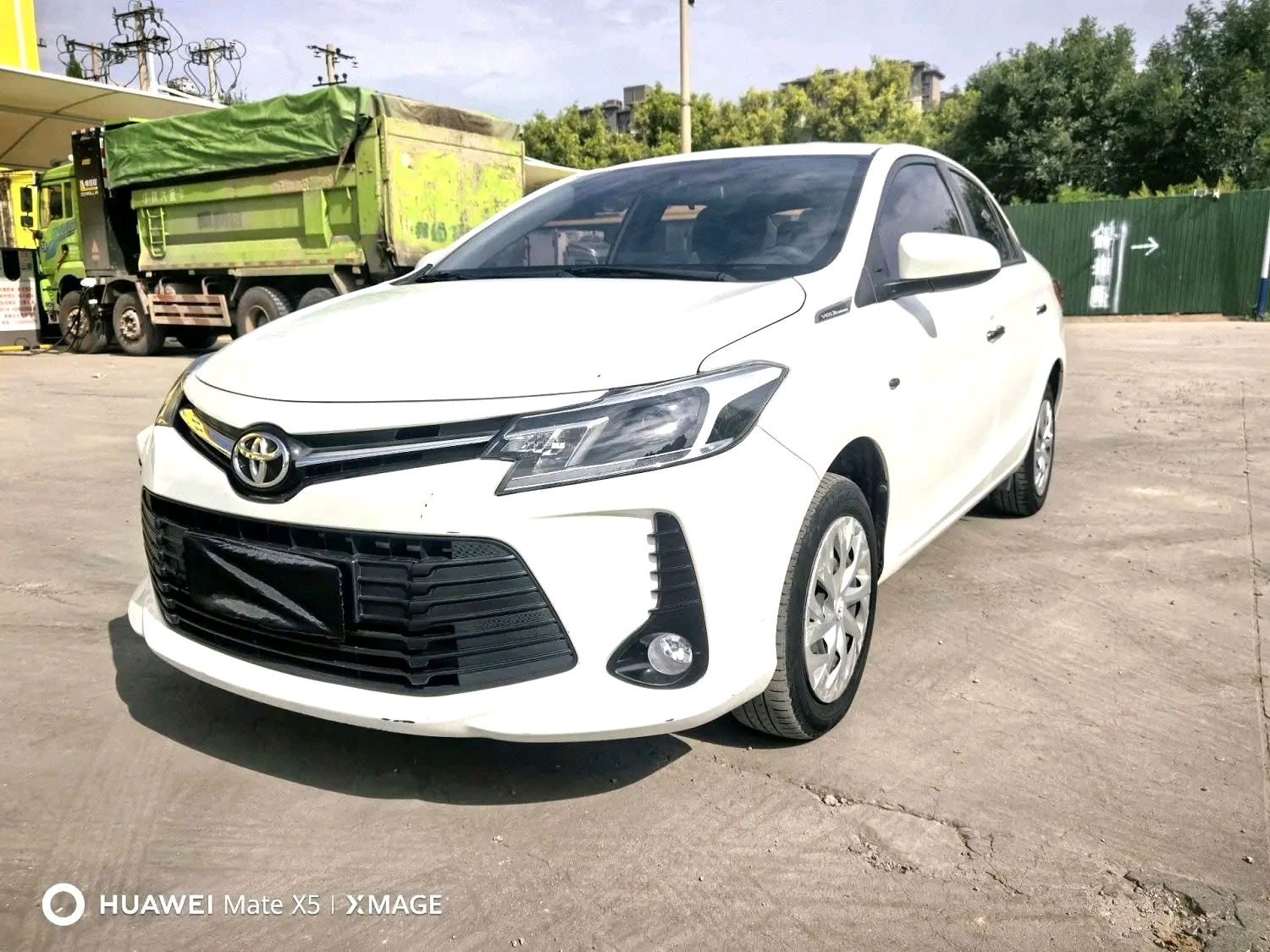
BrandToyota
SeriesVios
Year2016
First Registration2016/01
Mileage118,100km
Transfer Count-
FuelGasoline
TransmissionAutomatic
Engine1.5L 107 L4
ColorWhite
Seats5seats

Condition Description

Body components (structural/reinforcing/panels) have accident-type damage; passive safety devices are defective; vehicle performance (including three-electric system) is degraded or remains limited after repair.

Accident inspection: main structure damaged, reinforcing parts undamaged, panels undamaged, hinges normal. Engine bay: key mechanical components normal. Exterior: none. Interior: modified seats, roof trim dirty, left front seat torn, left second-row seat torn, most features normal, airbag system normal, lighting system normal. Start-up check: main components normal. Tools: spare tire present.

电话直连
可讲价
平台物流
可转售
零过户

Document Information

Inspection Expiry Date2027/01
Warranty Expiry Date-
Insurance Expiry Date2027/01

Q&A

More

If a vessel encounters a maritime disaster before arriving at port, does the buyer need to pay extra for General Average?

If General Average is triggered, all cargo owners must share the rescue costs. If you purchased marine insurance with a "General Average included" clause under CIF terms through us, the insurance company will cover this high shared cost for you; if you are an uninsured FOB buyer, you will need to pay it yourself.
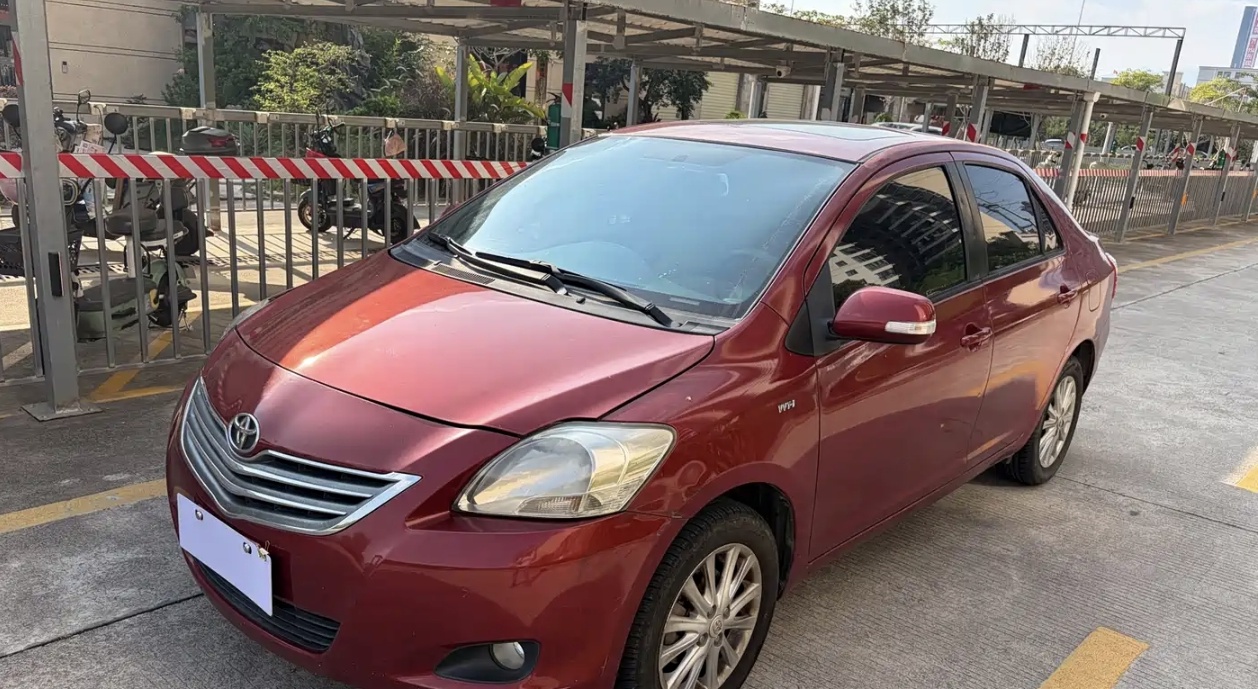
How is the degree of wear on the interior defined? (e.g., steering wheel, seat patina or cracking)

Interior assessment is divided into three core areas: the driver's high-frequency contact area (steering wheel, gear shift, edge of the driver's seat), central control button area, and rear seats and ceiling. The natural sheen of leather surfaces (patina) is normal; however, any physical damage (such as leather tearing, fabric burn holes, or plastic breakage) will be classified as "structural interior damage" and clearly marked.

How to prove the state of health (SOH) of a second-hand electric vehicle battery? Will a testing report be provided?

We understand that the power battery is the core asset of an EV. Before export, our technical team will use professional OBD diagnostic equipment to read the underlying data from the Battery Management System (BMS). We will provide you with a technical report that includes key indicators such as battery health percentage (SOH), cell pressure differences, and charge-discharge cycle counts. If the SOH is below our established export safety standard (usually above 80%, depending on the vehicle's age), the vehicle will be intercepted and not sent overseas.