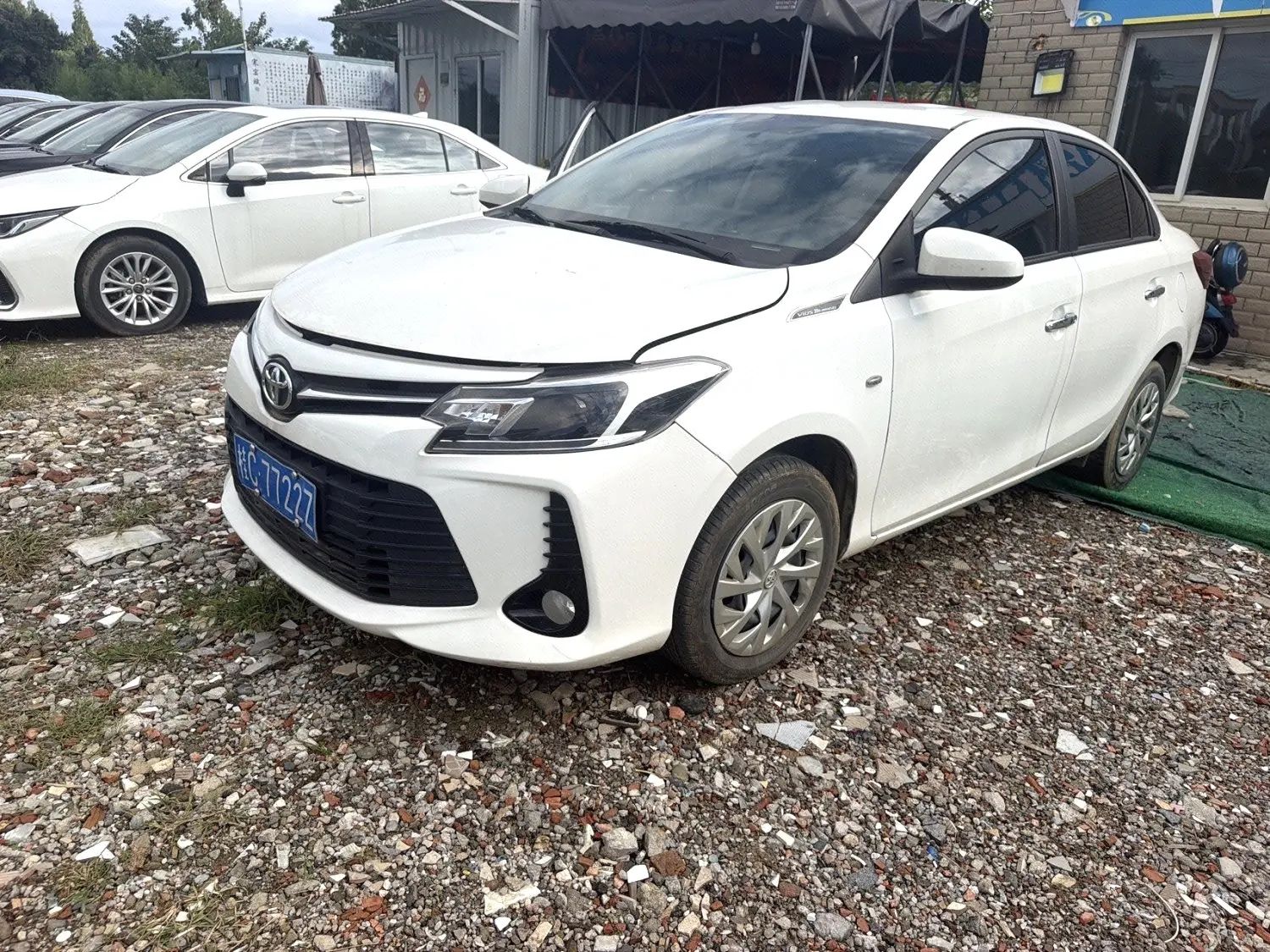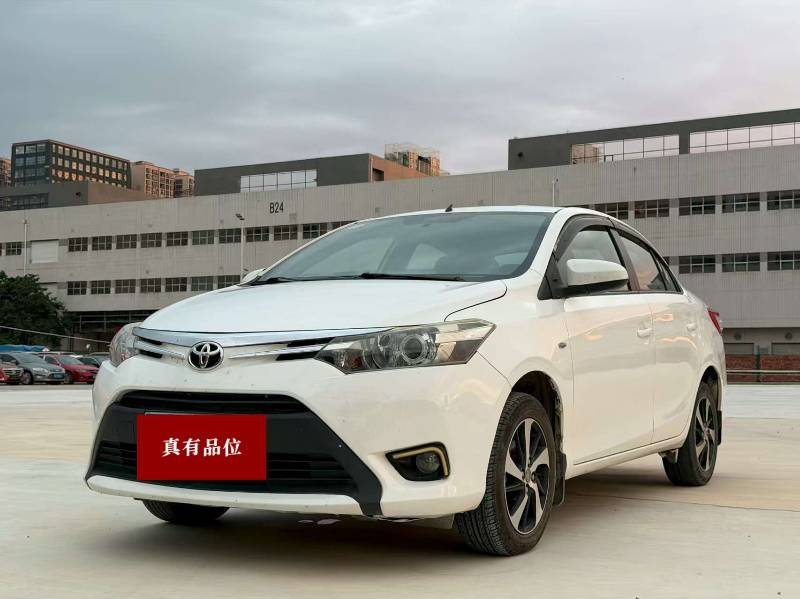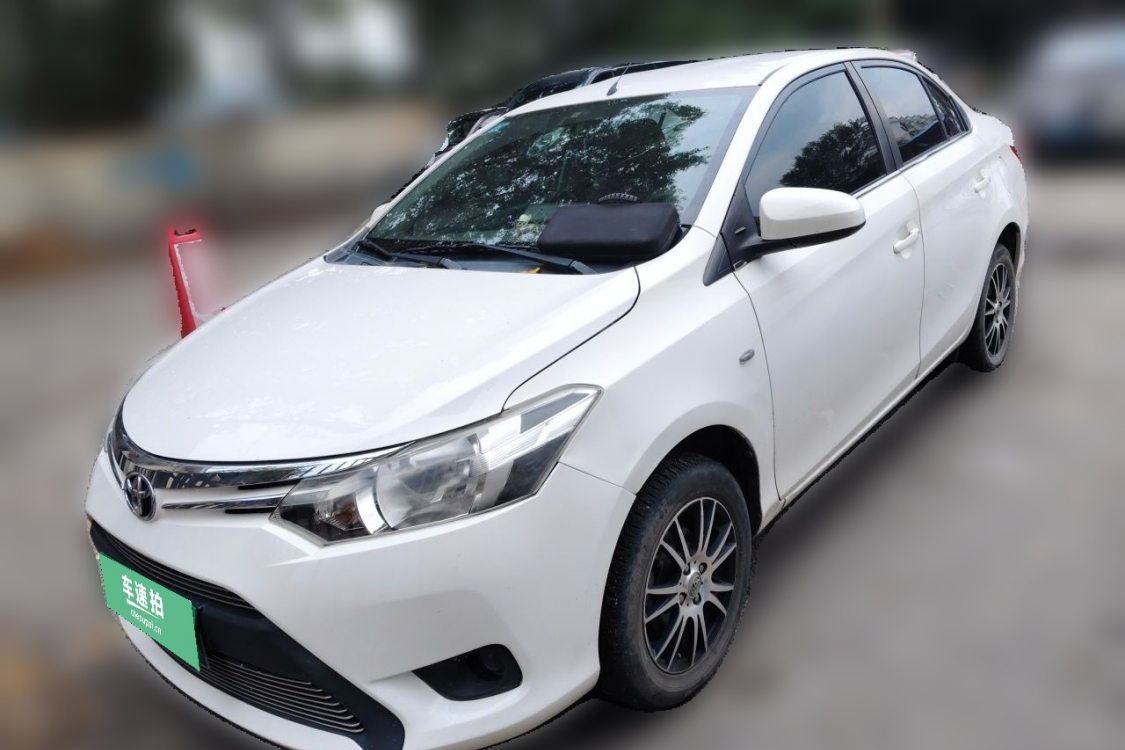
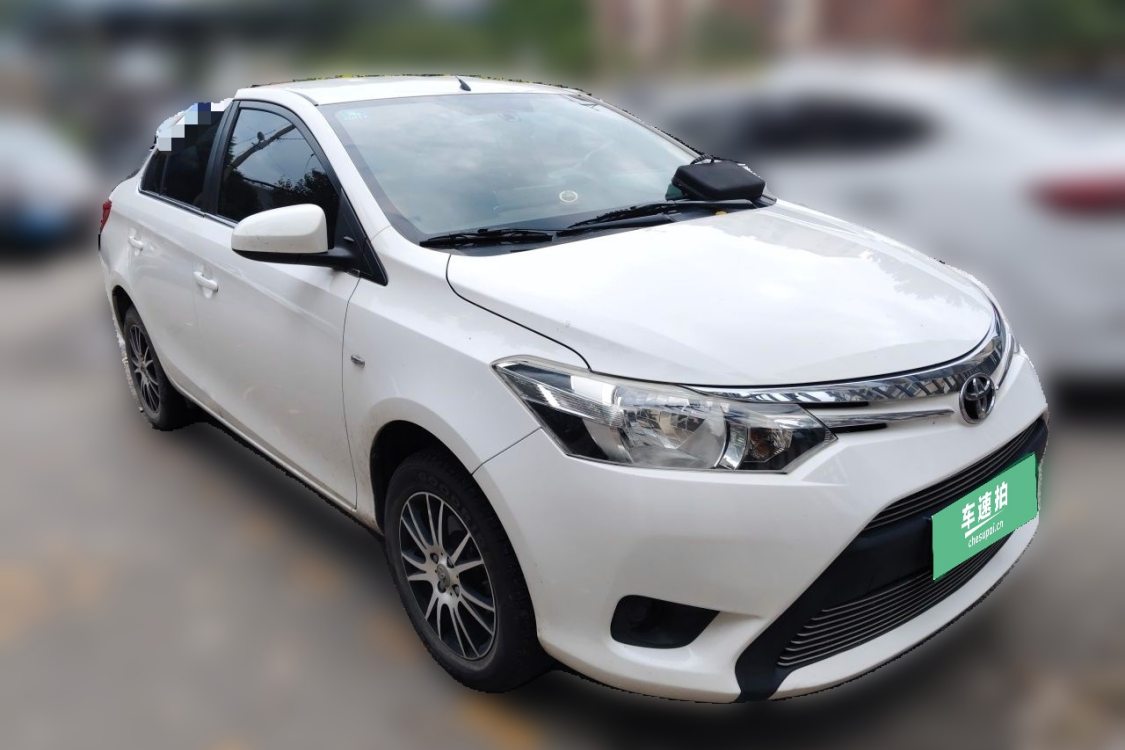
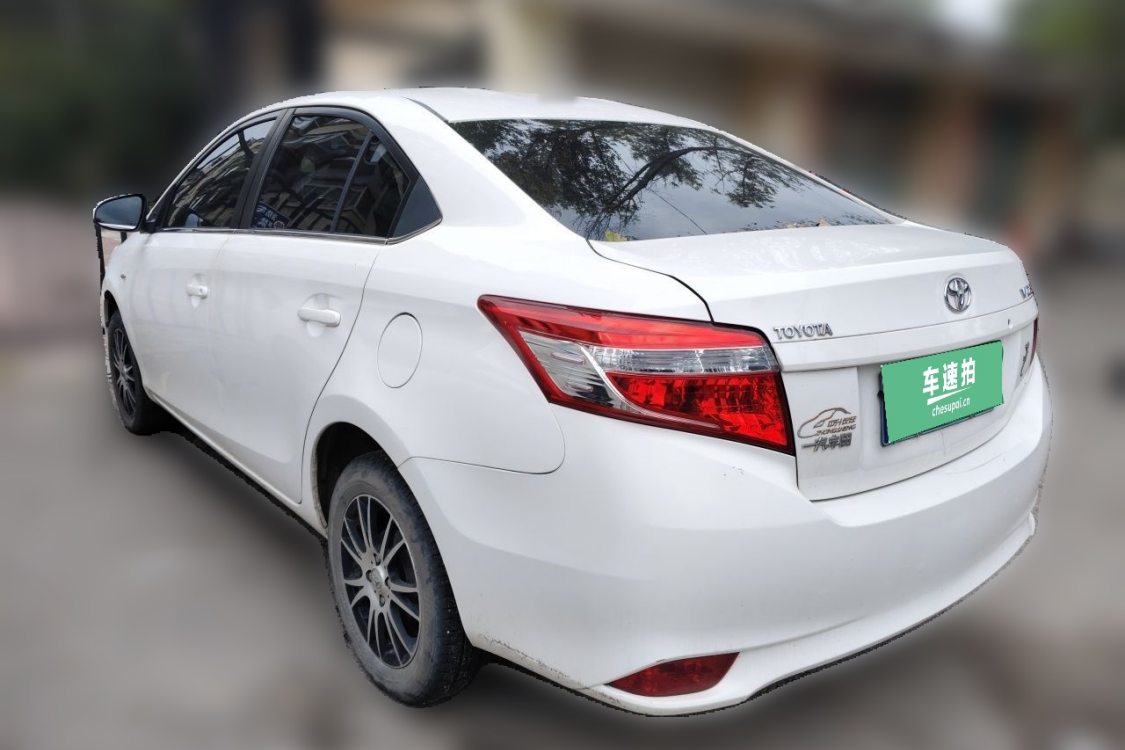
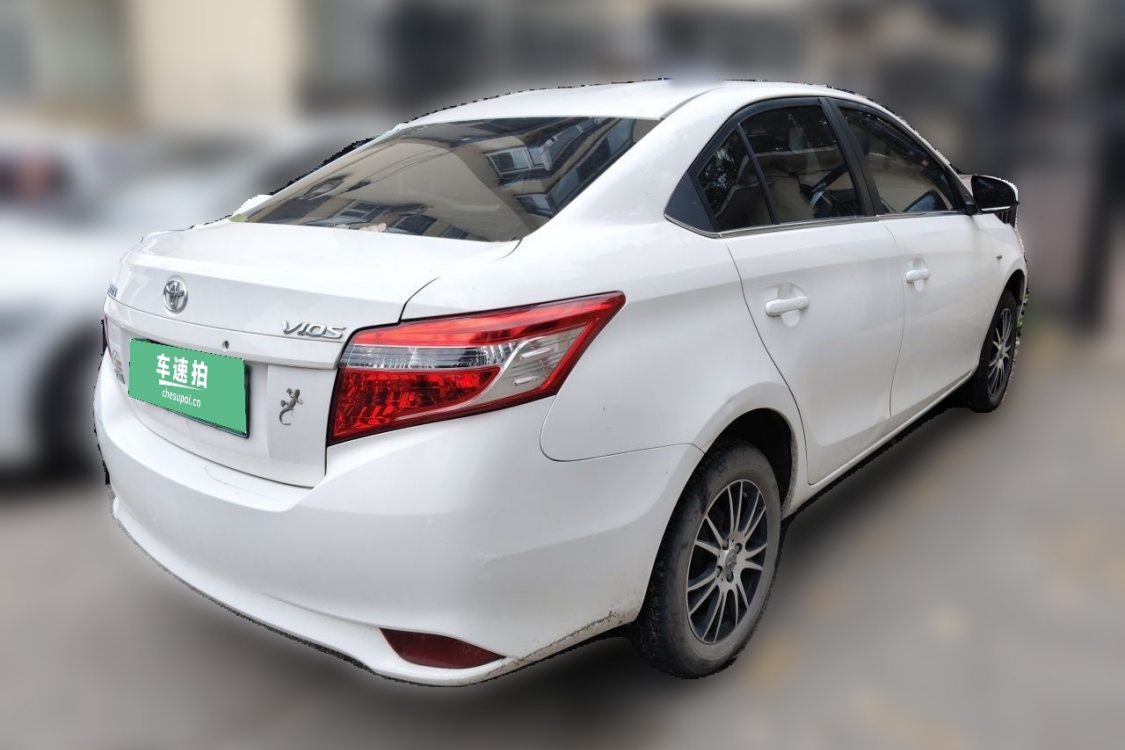
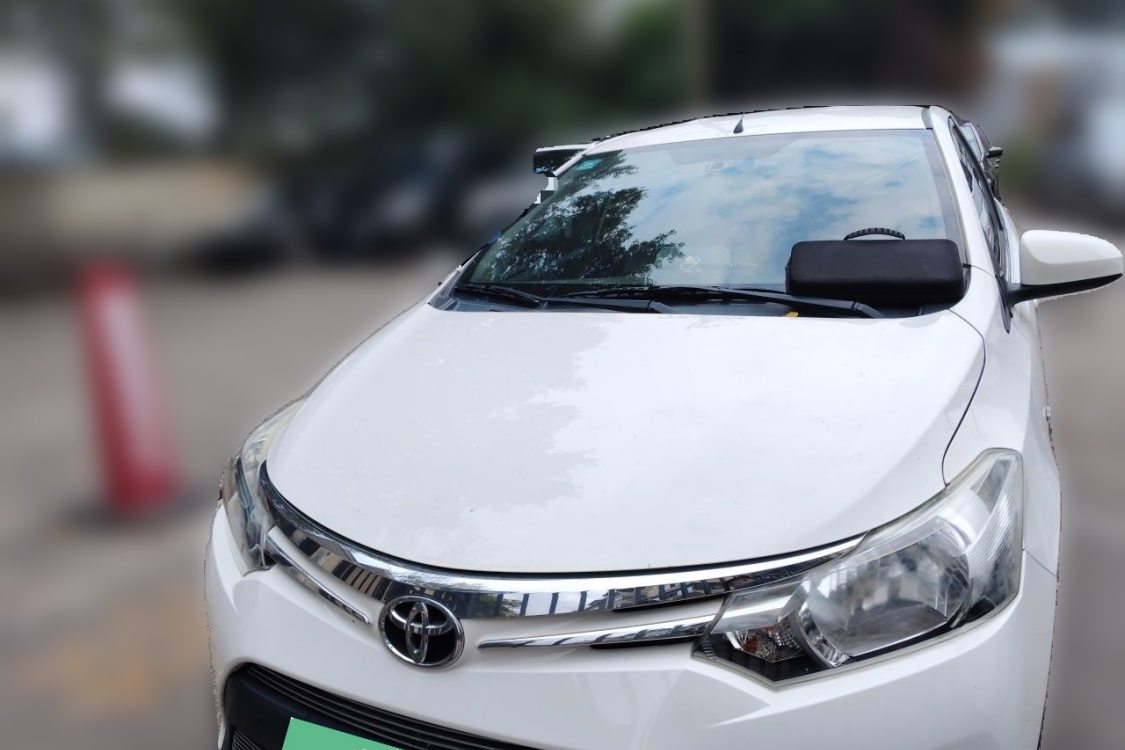
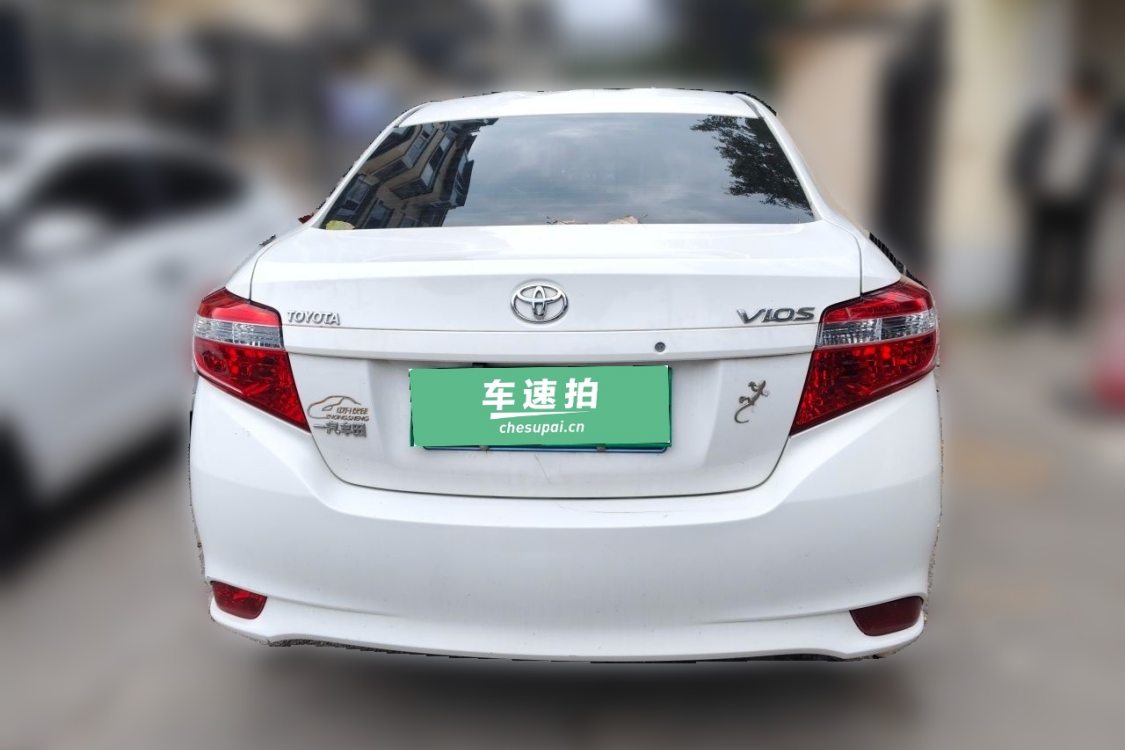
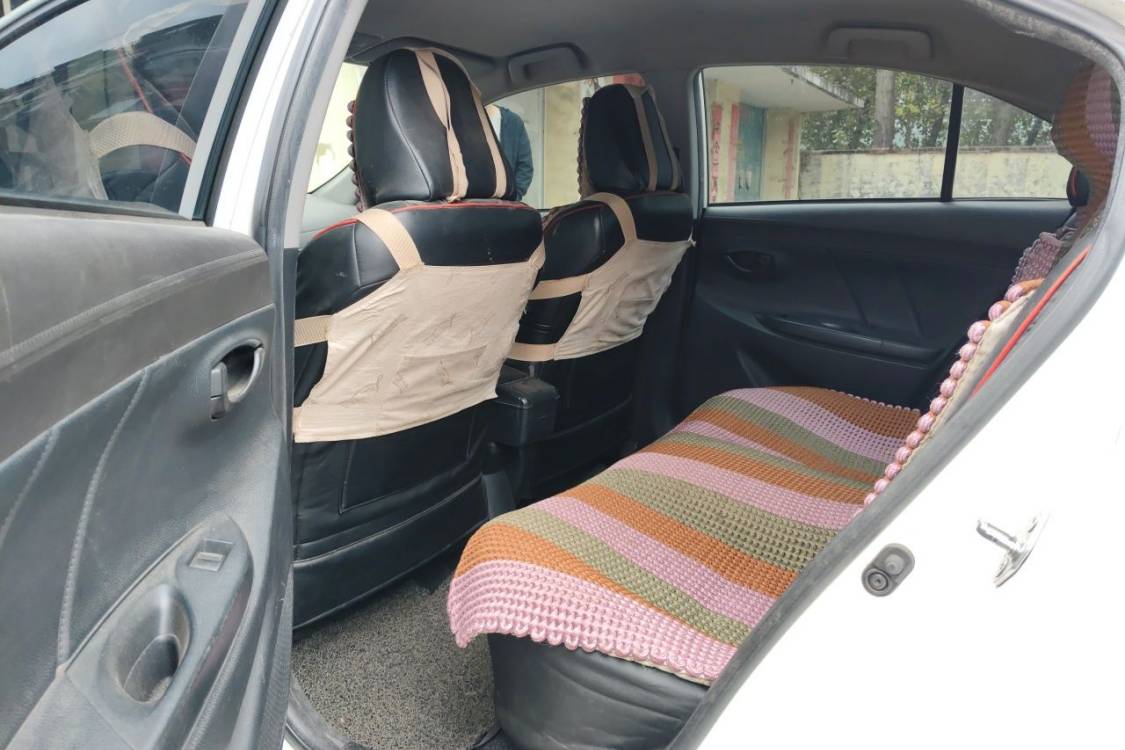

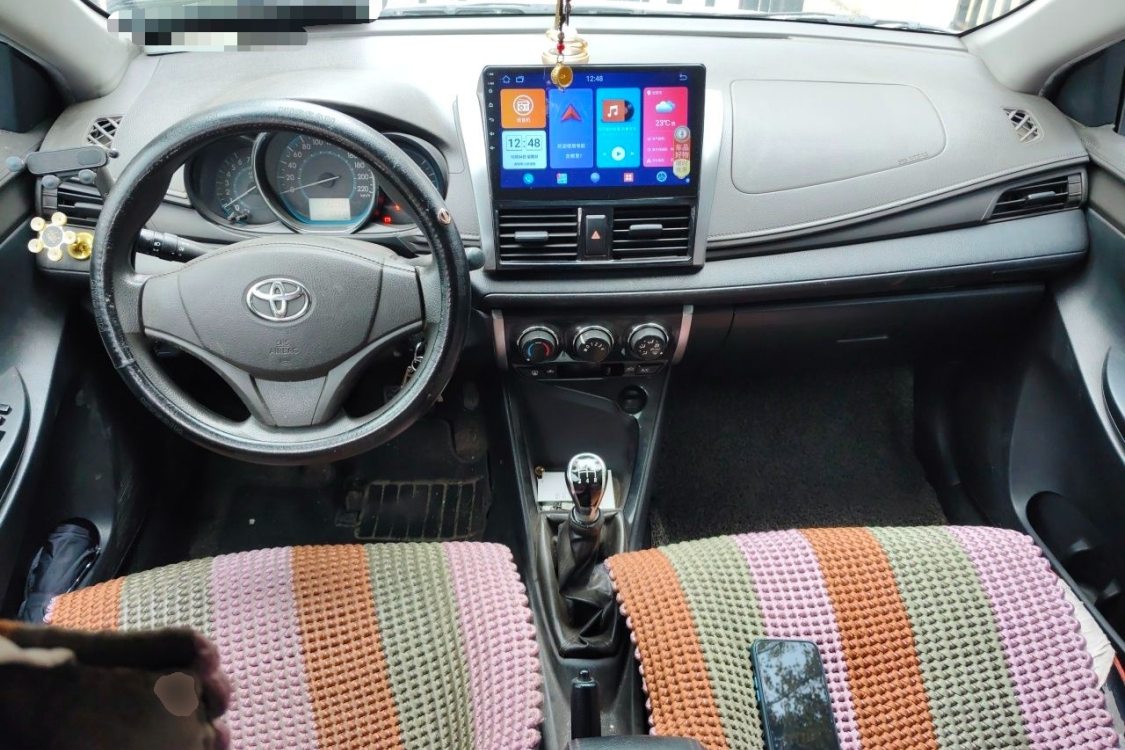
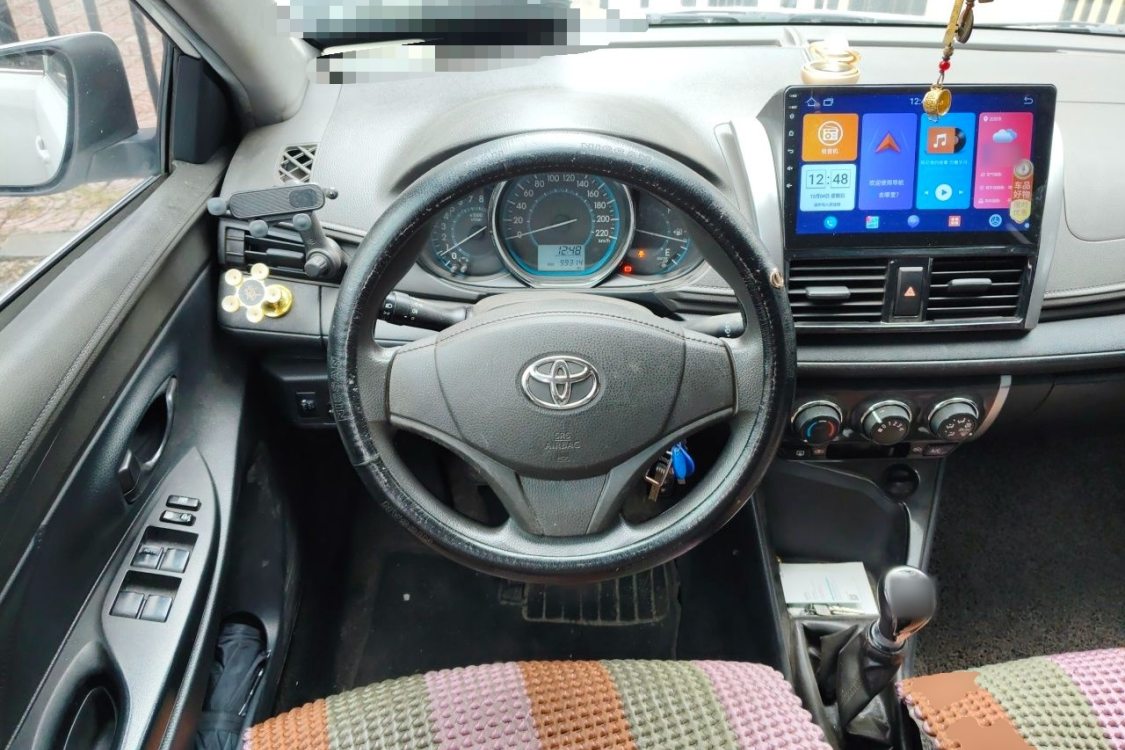
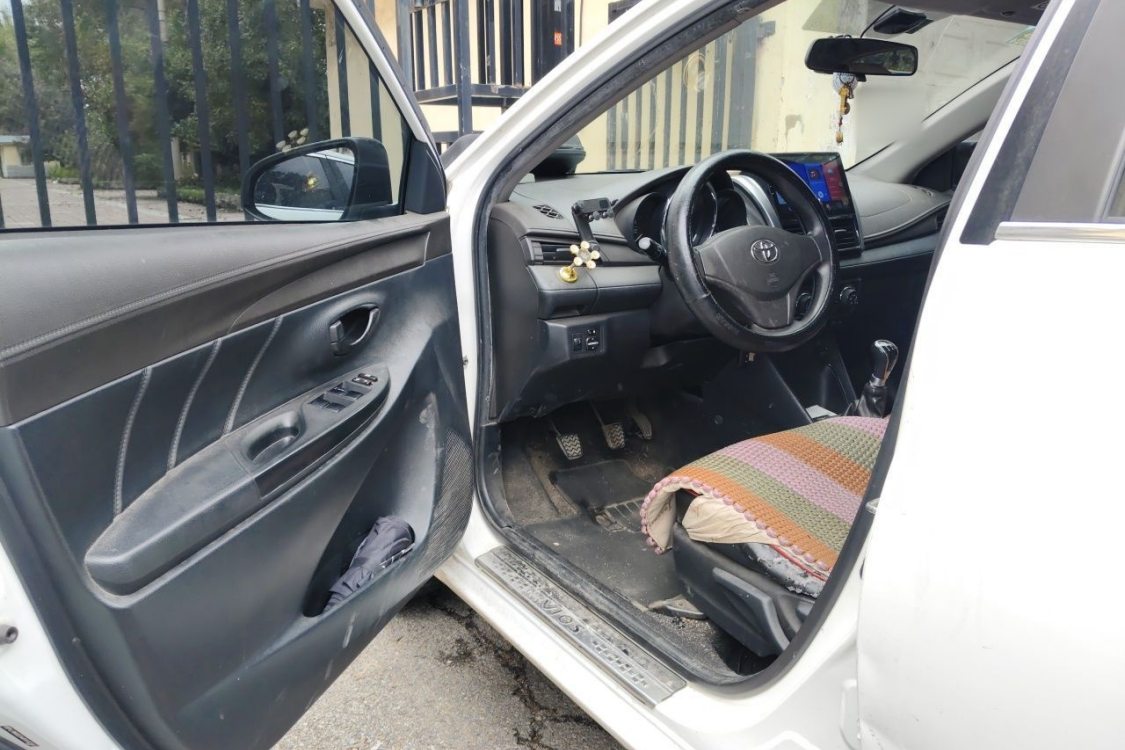



Basic Information

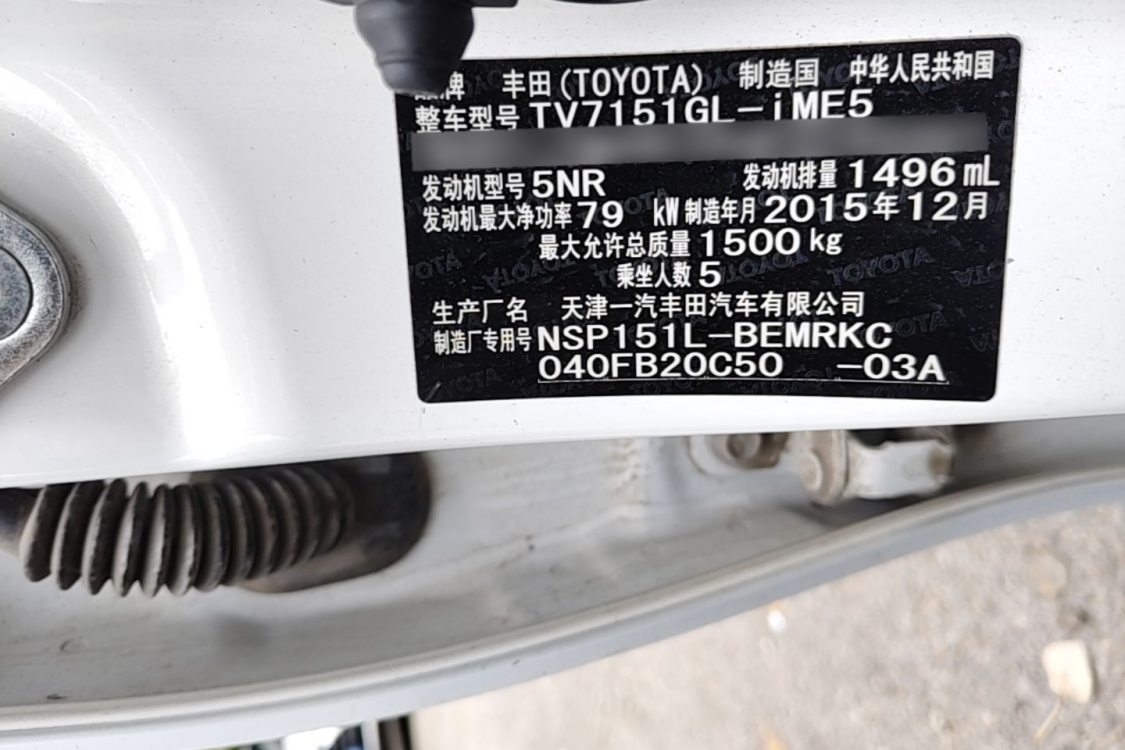
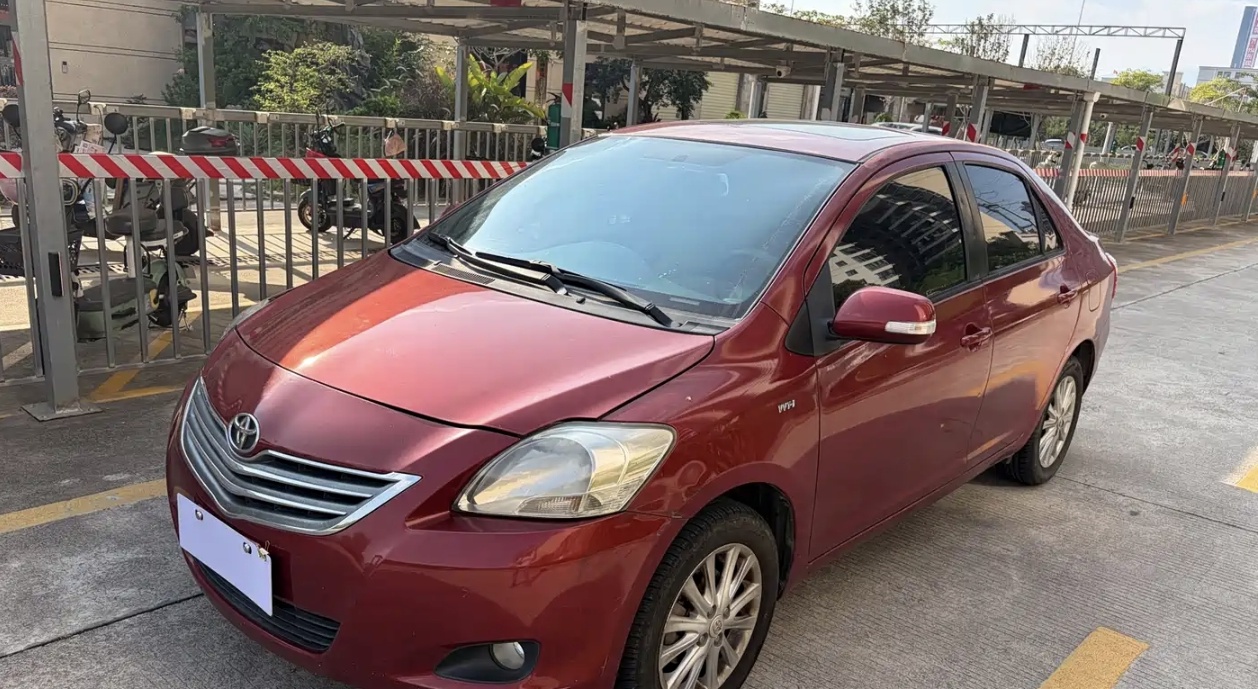
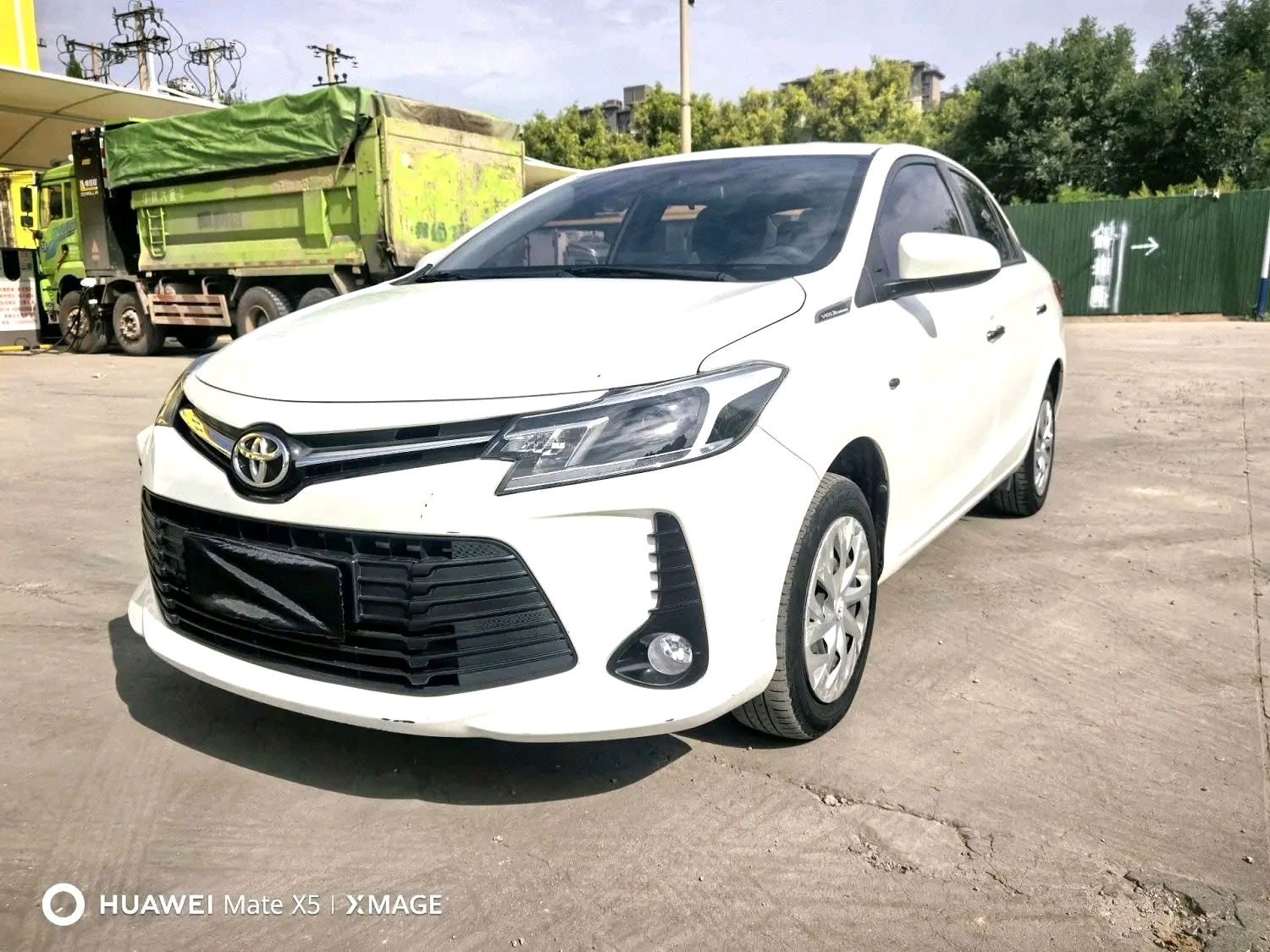
BrandToyota
SeriesVios
Year2016
First Registration2016/01
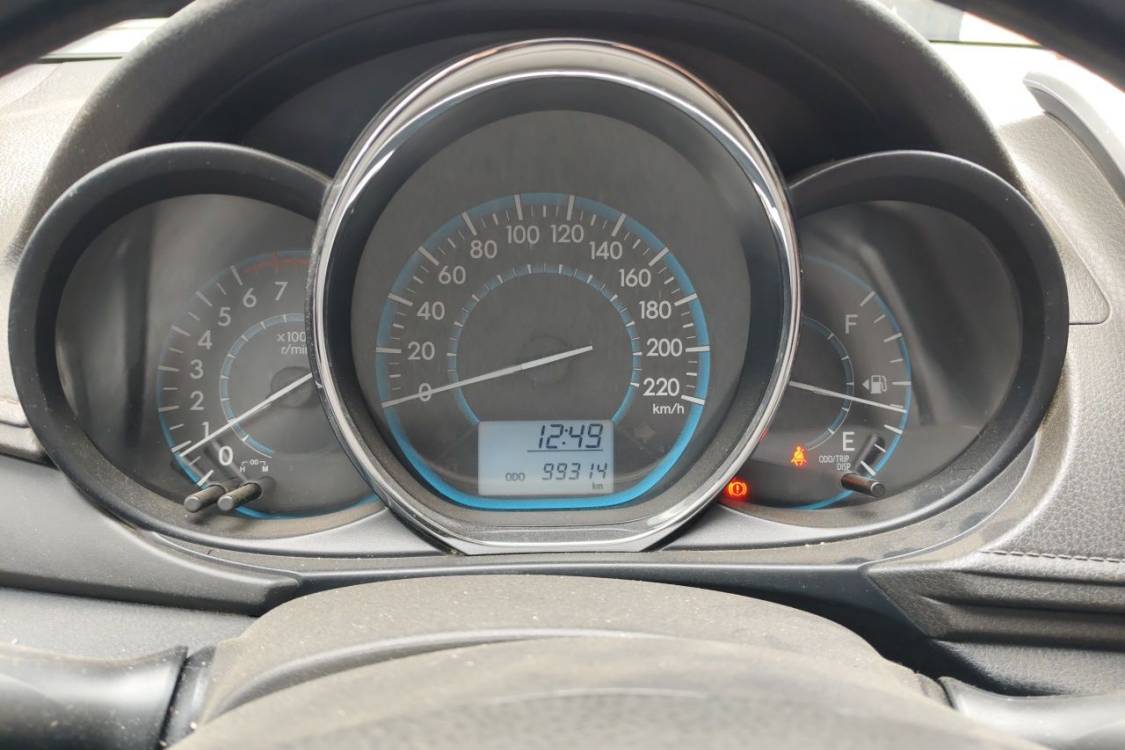
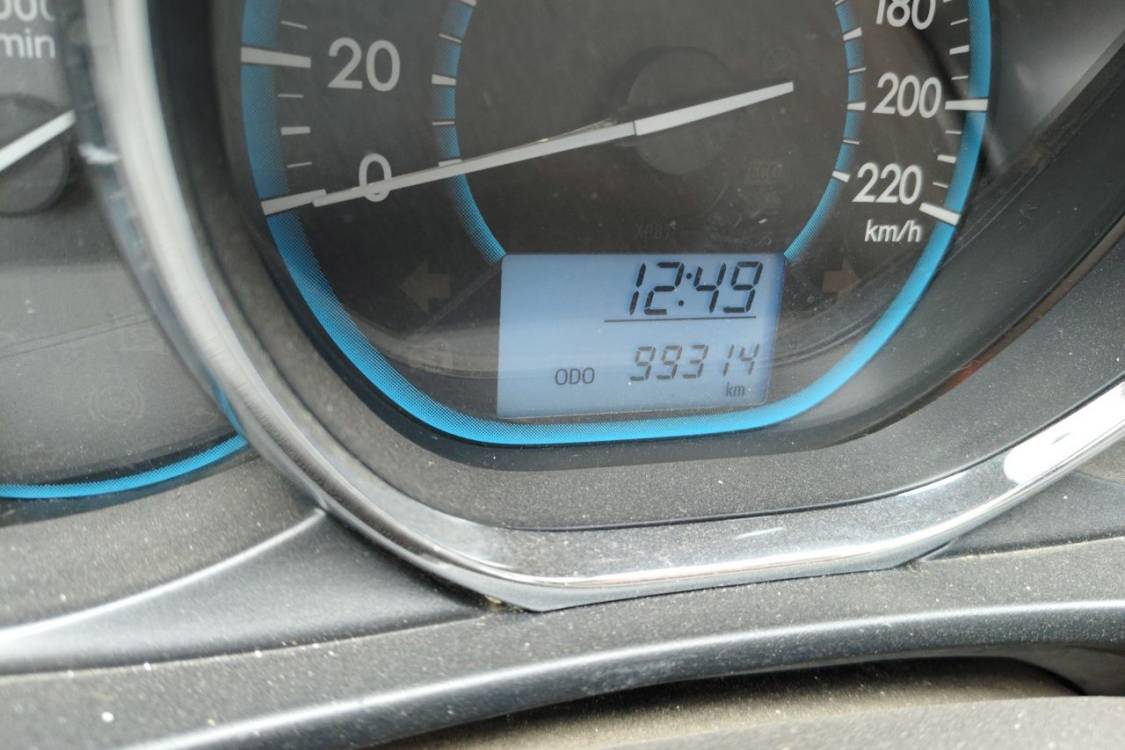
Mileage99,300km
Transfer Count1times
FuelGasoline
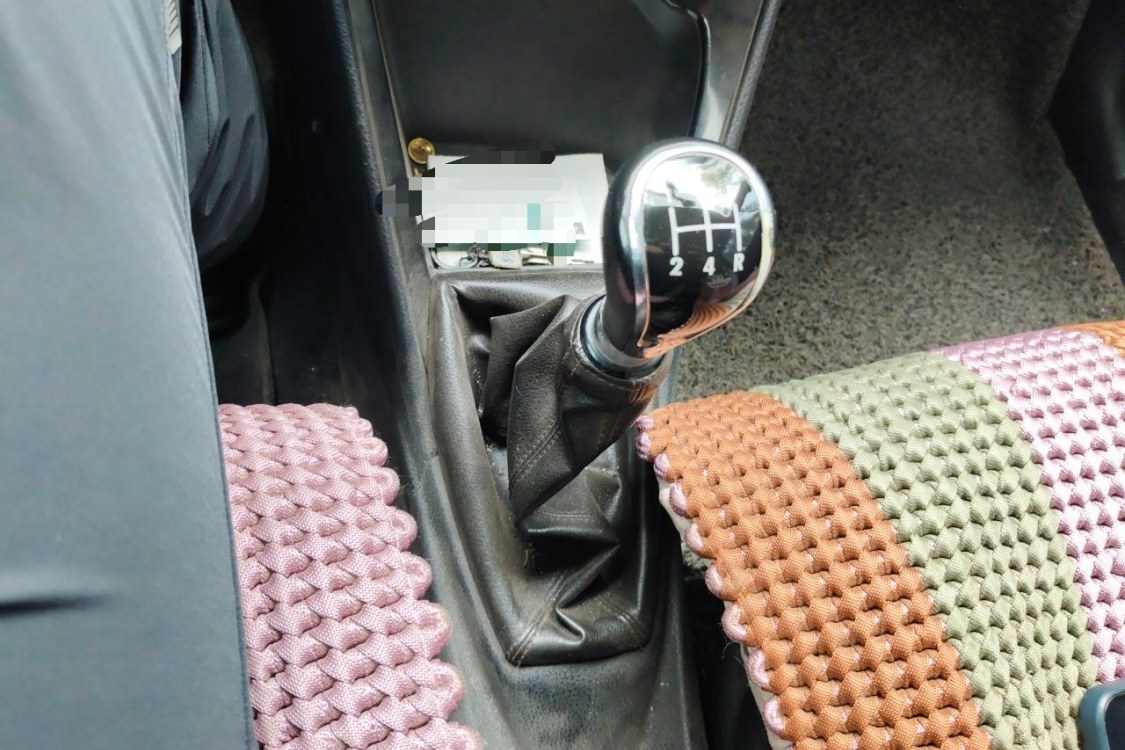
TransmissionManual
Engine1.5L 107 L4
ColorWhite
Seats5seats

Condition Description

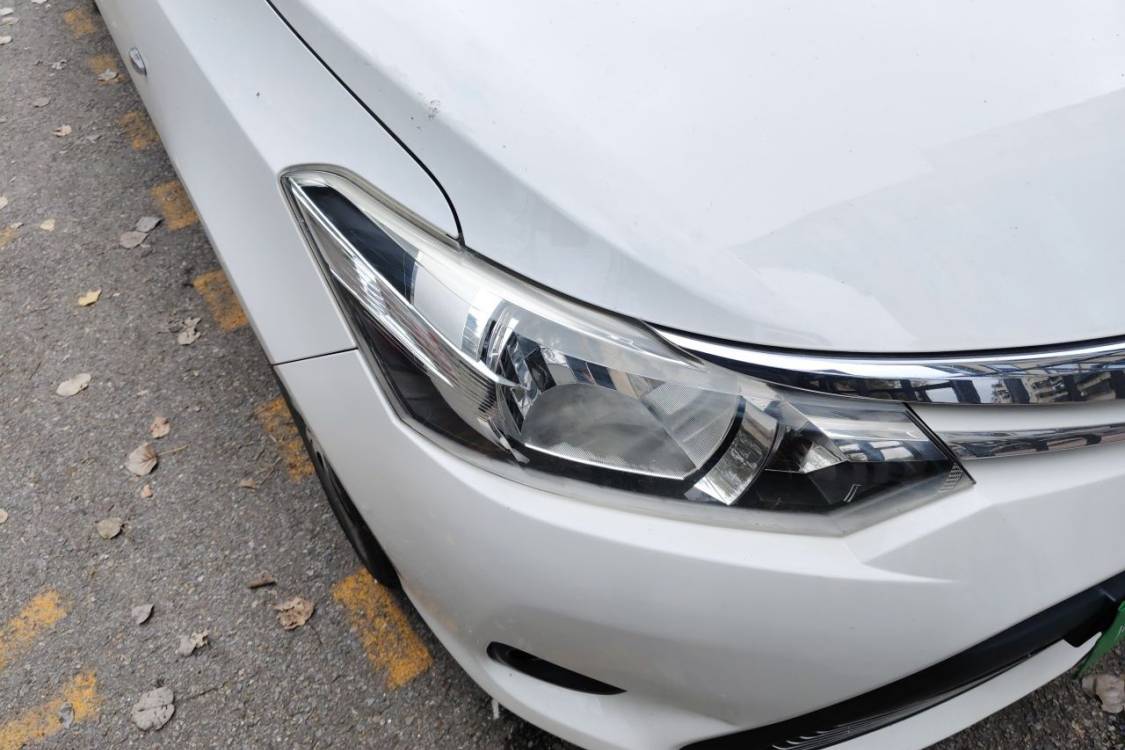
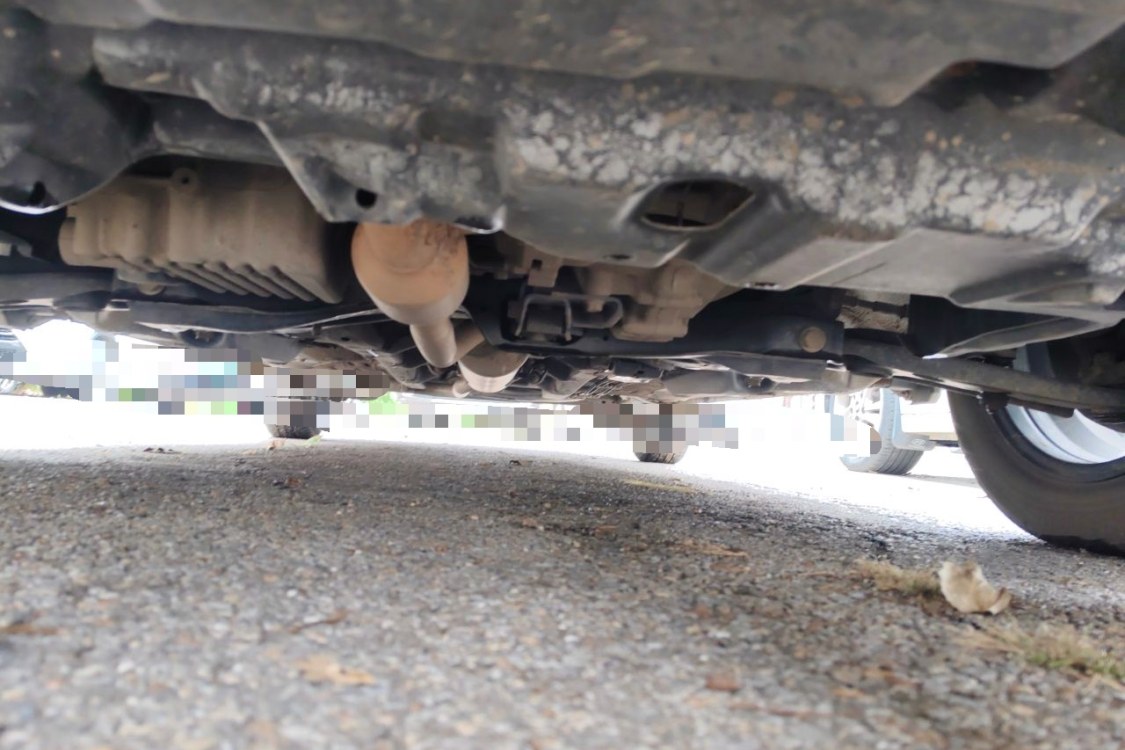
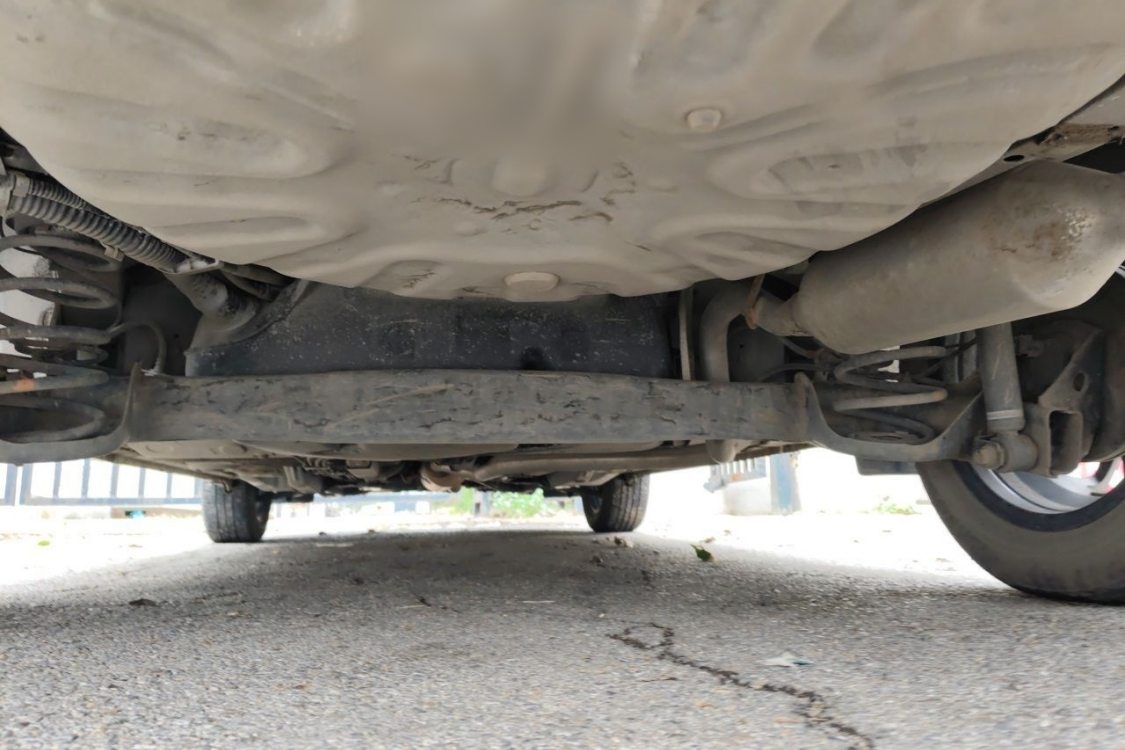
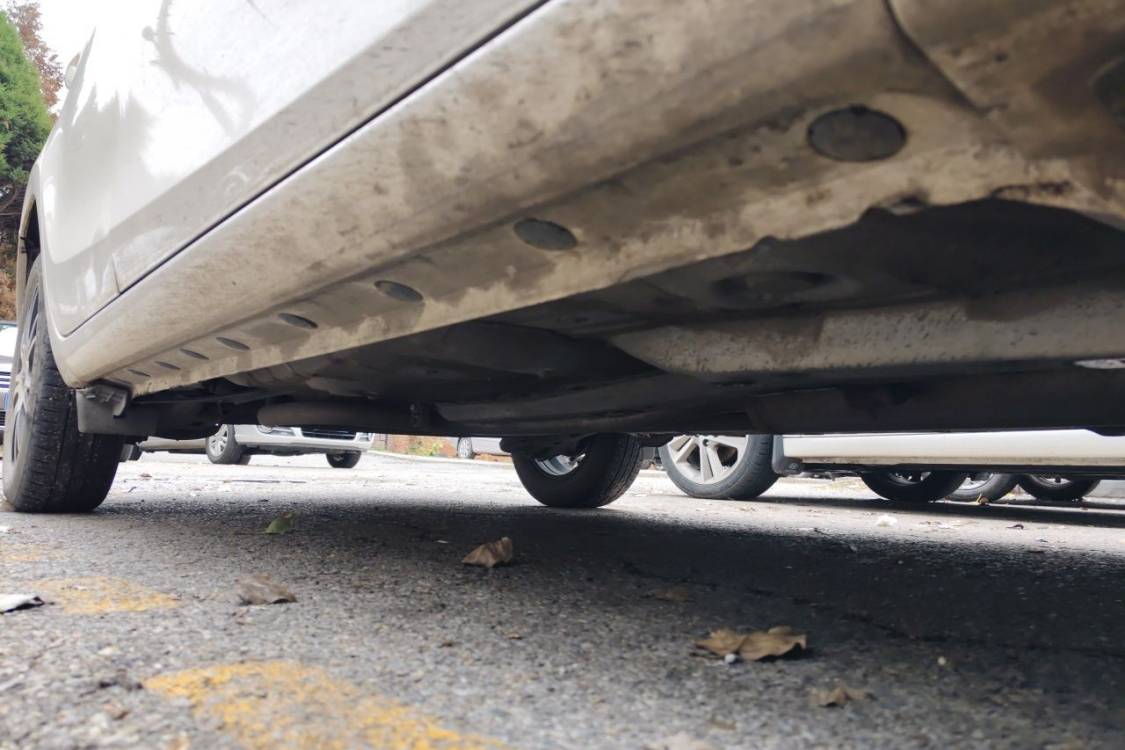
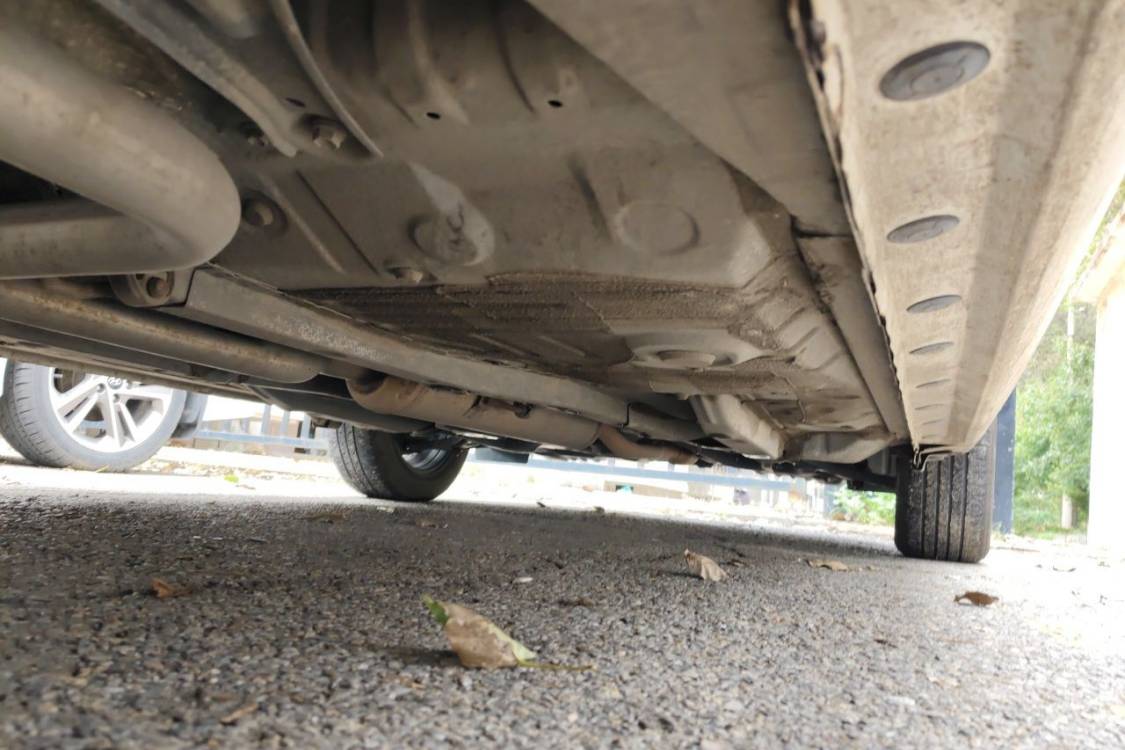
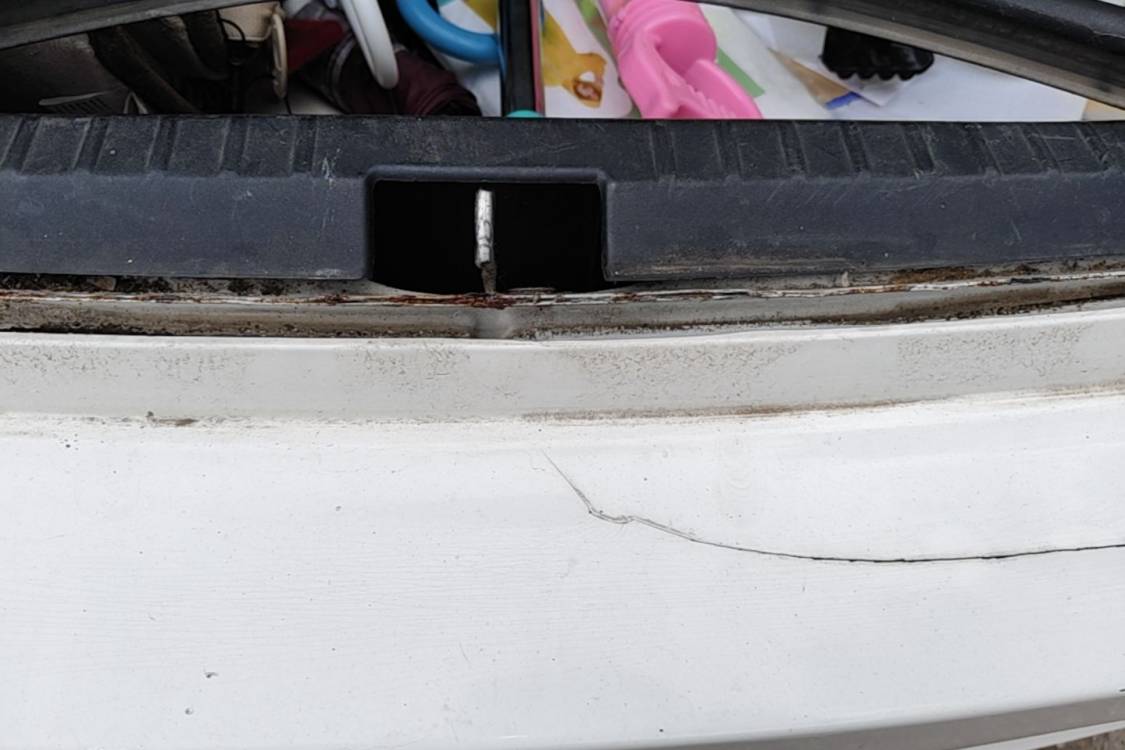
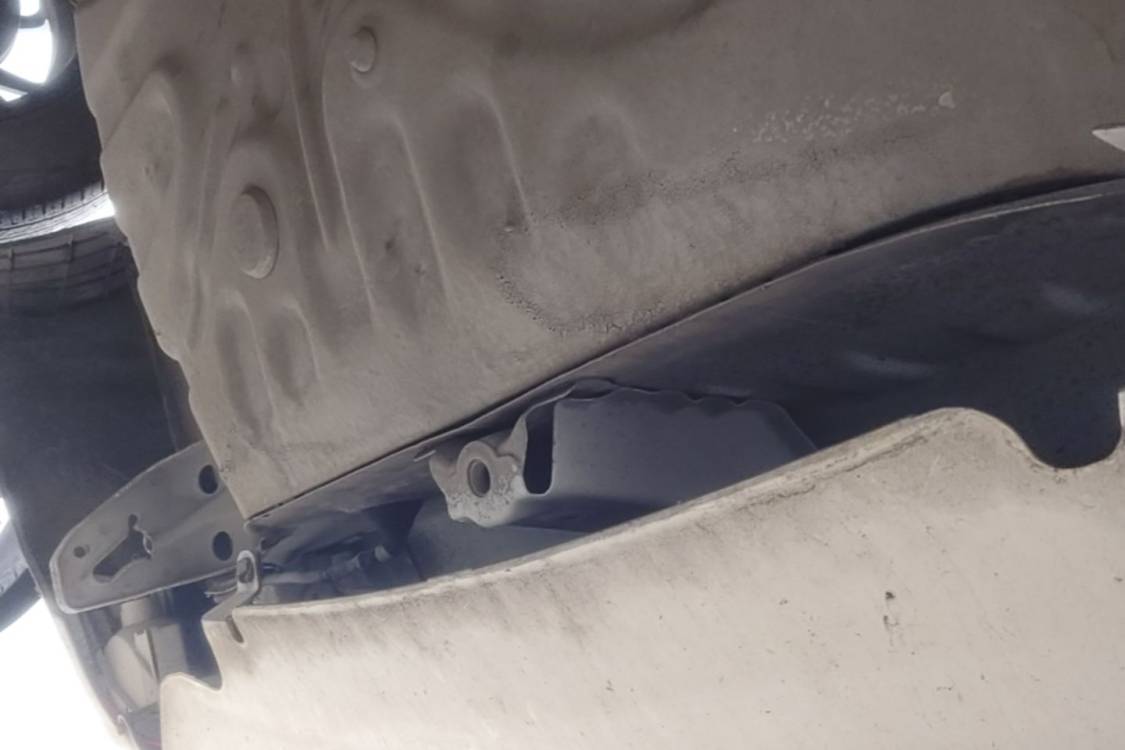
Body components (structural/reinforcing/panels) have accident-type damage; passive safety devices are defective; vehicle performance (including three-electric system) has degraded or remains performance-limited after repairs.

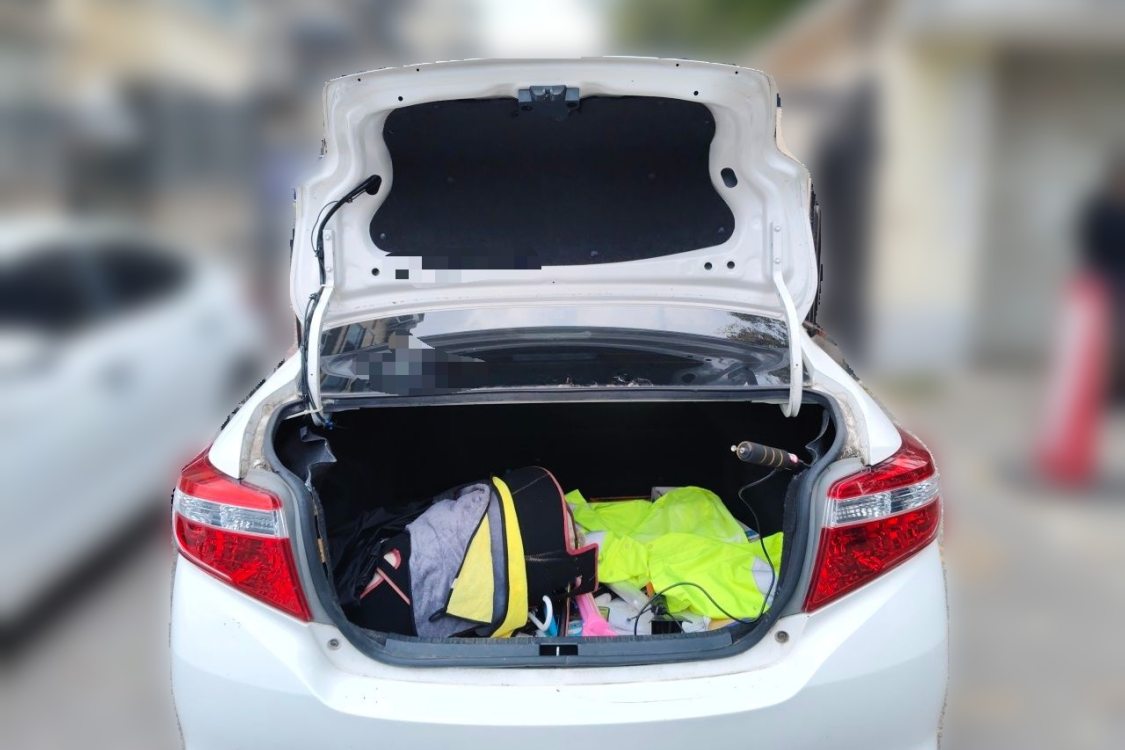
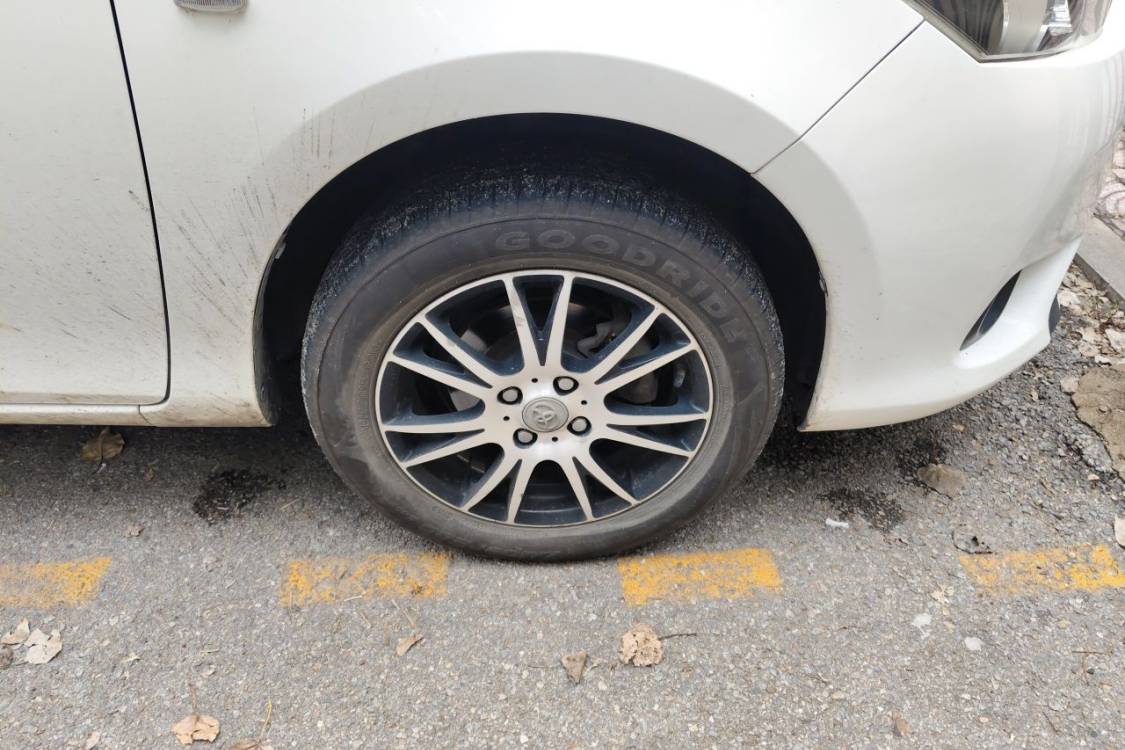
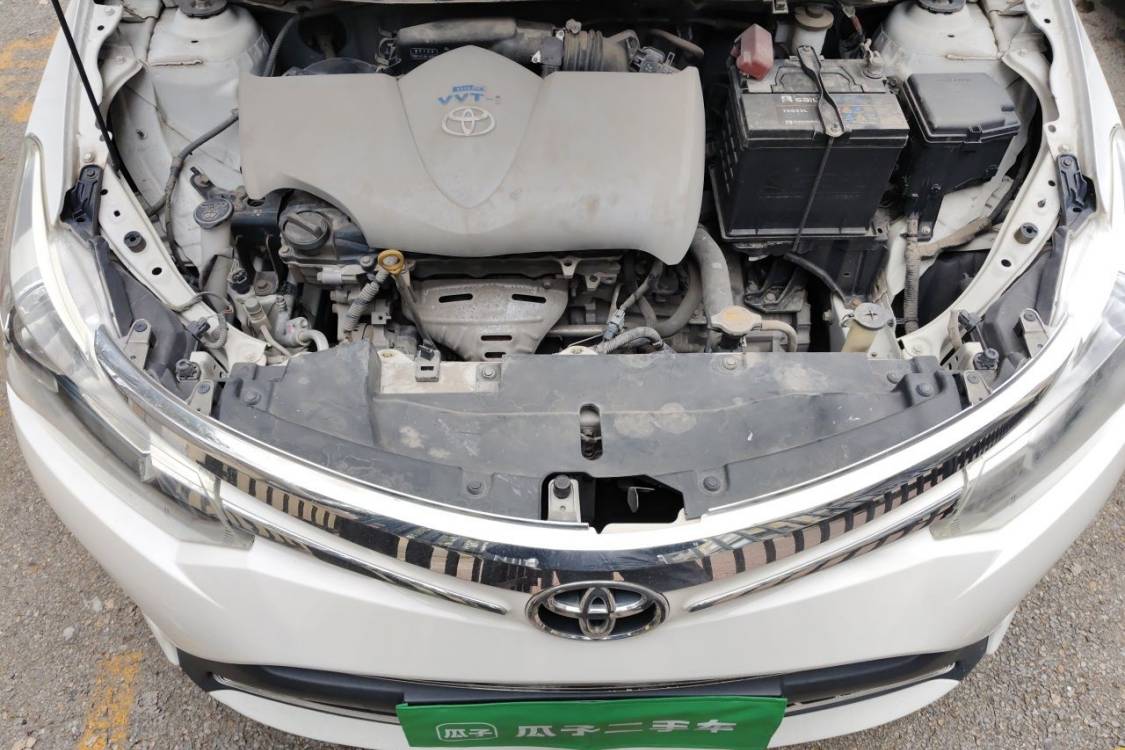
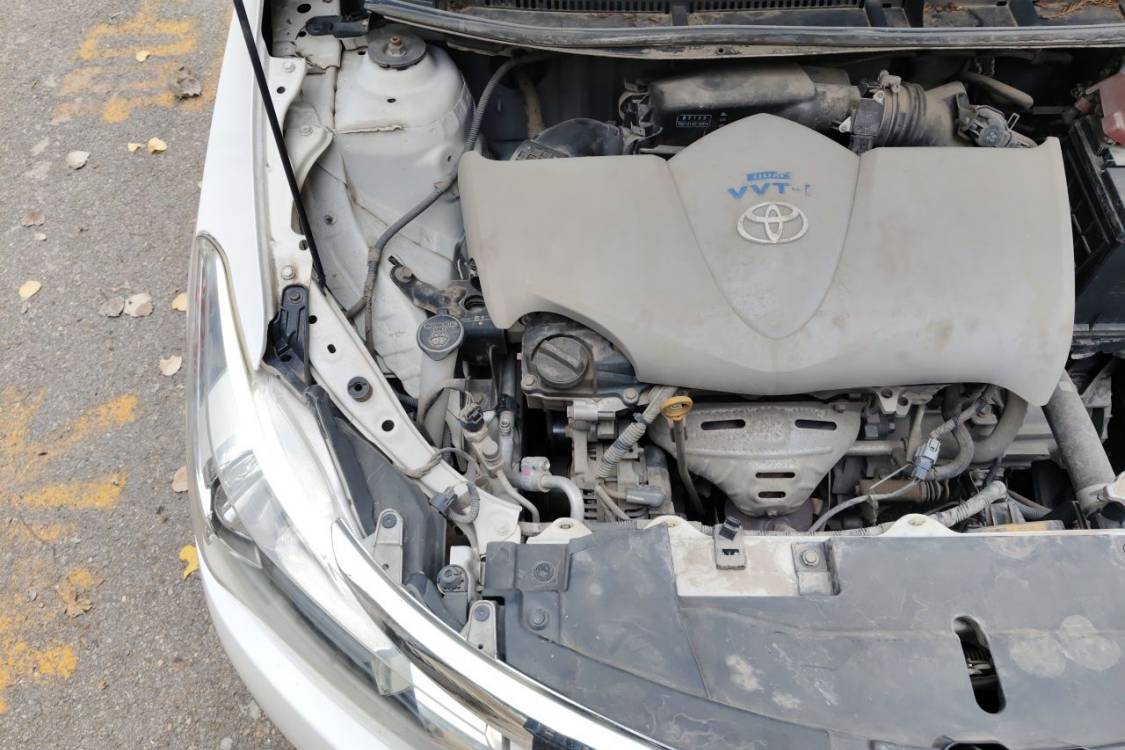
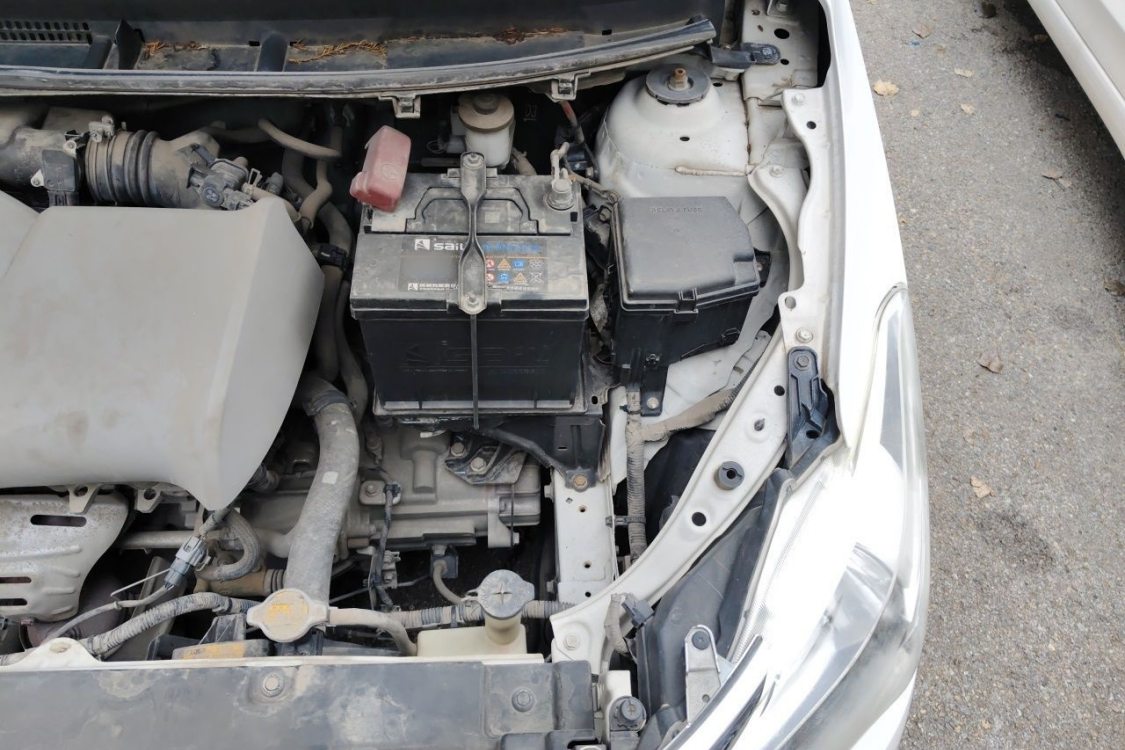
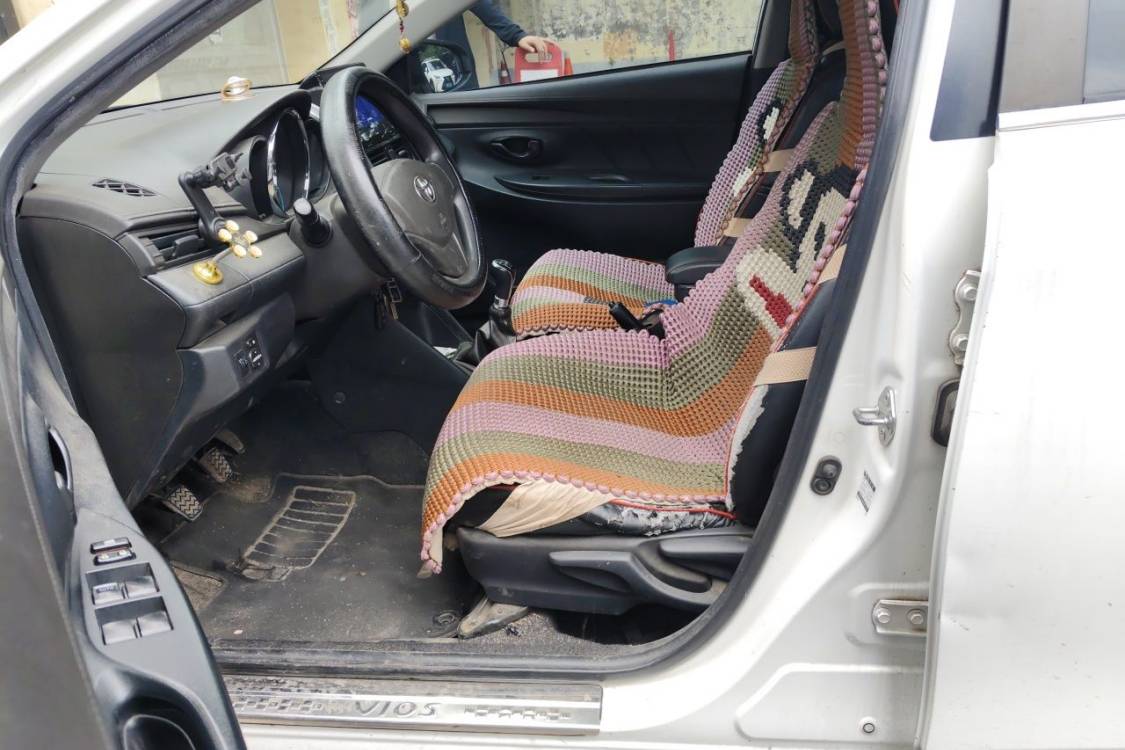
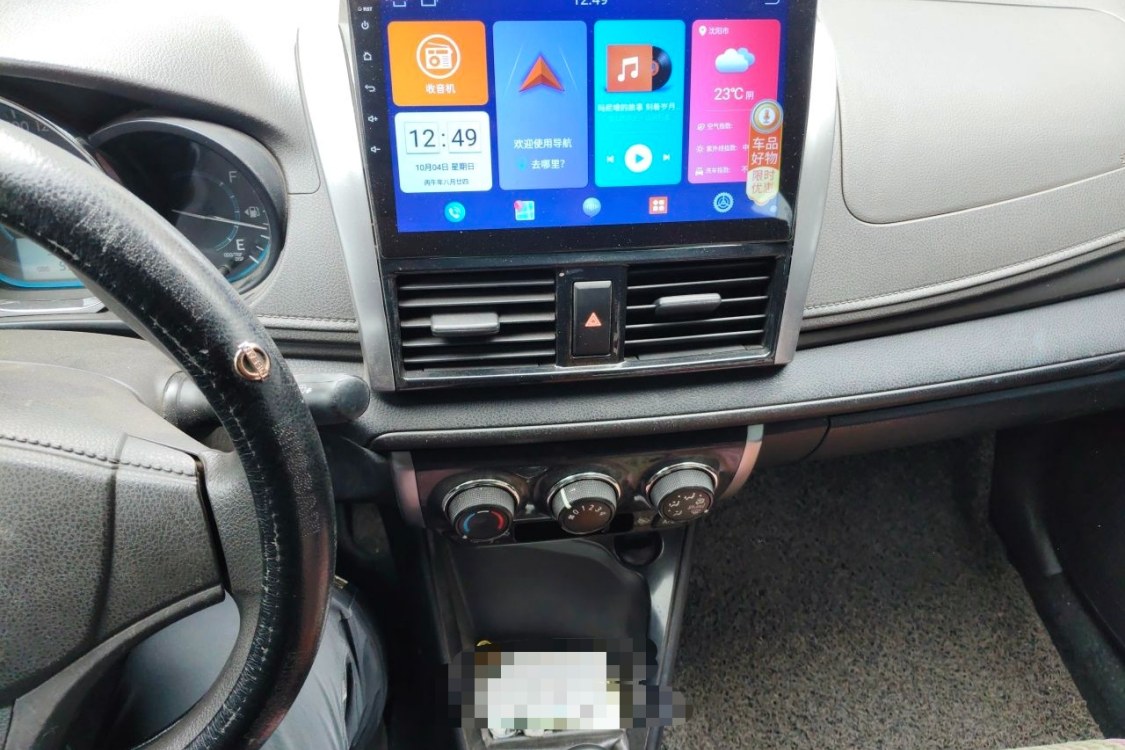
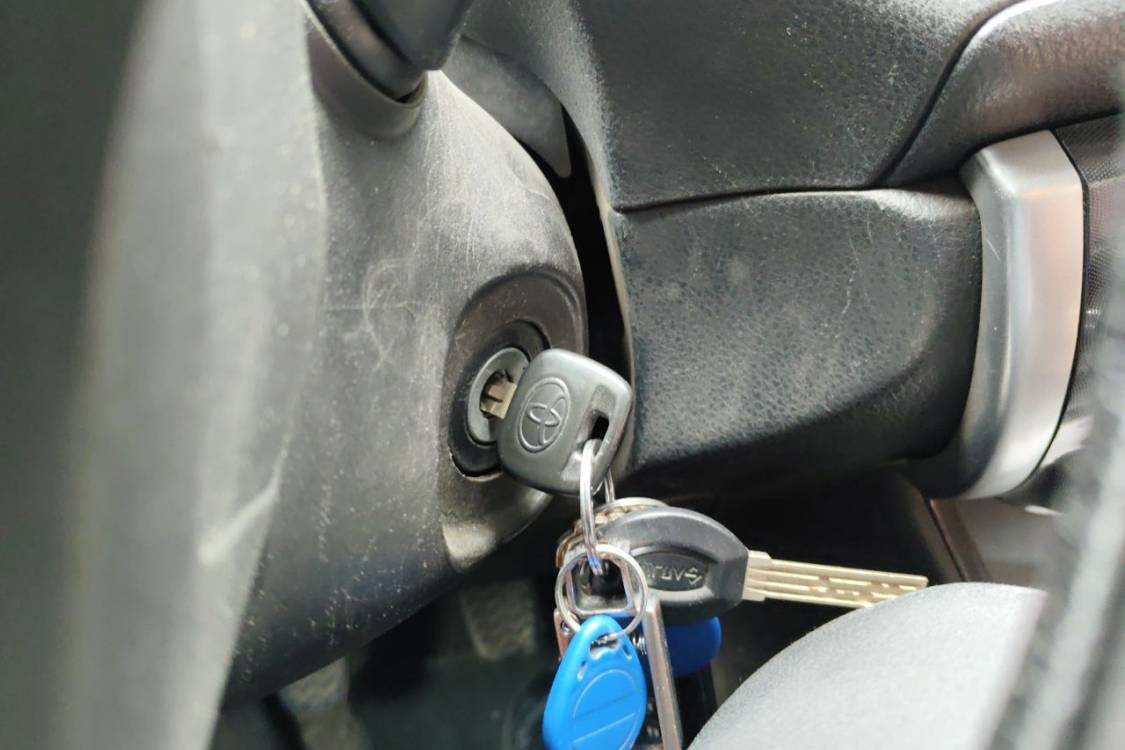
Accident inspection: main structure damaged, reinforcing parts damaged, panels damaged, hinges normal; engine bay: engine assembly removed and repaired at 4S shop; exterior: 2 areas of sheet metal repair, 2 areas repainted; interior: most features normal, airbag test normal, seatbelts normal, dashboard normal, instrument test normal, lighting system normal; start-up test: main components normal; on-board tools: none.

电话直连
可讲价
平台物流
可转售
车主降价
14个工作日内过户
新检测标准升级>
非泡水

Document Information

Inspection Expiry Date2027/01
Warranty Expiry Date-
Insurance Expiry Date2027/01

Q&A

More

Can the strength of the energy recovery system in electric vehicles be adjusted with physical buttons?

Most models adjust through the central control screen menu, while a few models (like some BYD or MG) retain physical levers or paddles on the center console or steering wheel. We will check if the drag feel when the system engages is linearly normal.
How to ensure that the declared value on the export license matches the commercial invoice exactly to avoid allegations of underreporting for tax evasion?

Our legal red line is that the amounts on the China Customs declaration, export license, commercial invoice, and bank receipt must be consistent across all four documents. We firmly refuse to engage in the illegal act of issuing "false low-value invoices" to assist buyers in evading customs duties in the destination country.

If the customs of the destination country values the vehicle higher than your commercial invoice amount, leading to a surge in duties, who is responsible?

The customs of the destination country has the right to disregard the commercial invoice and reassess the value based on its internal database (such as the customs valuation red book). Any additional duties incurred are a result of the importing country's policy and are fully borne by the buyer (importer).