


24H

Basic Information

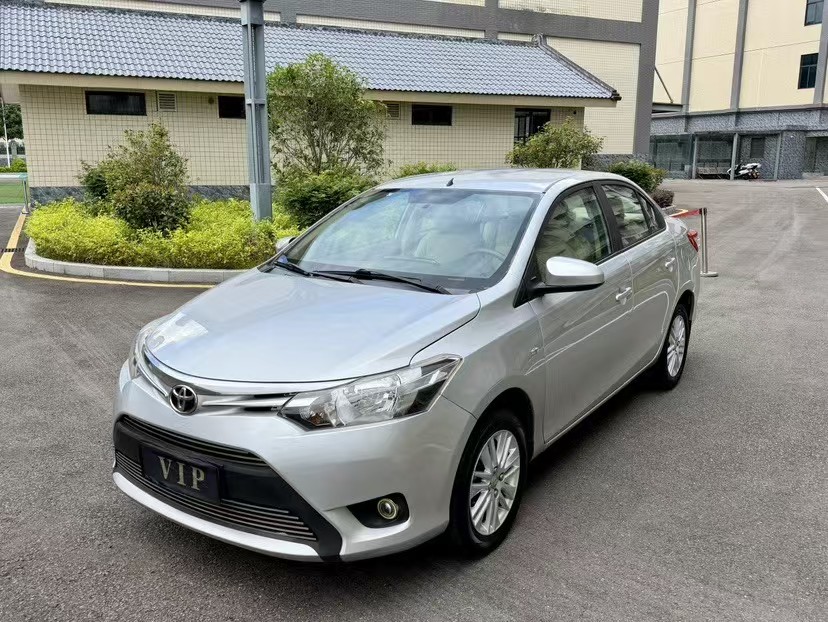
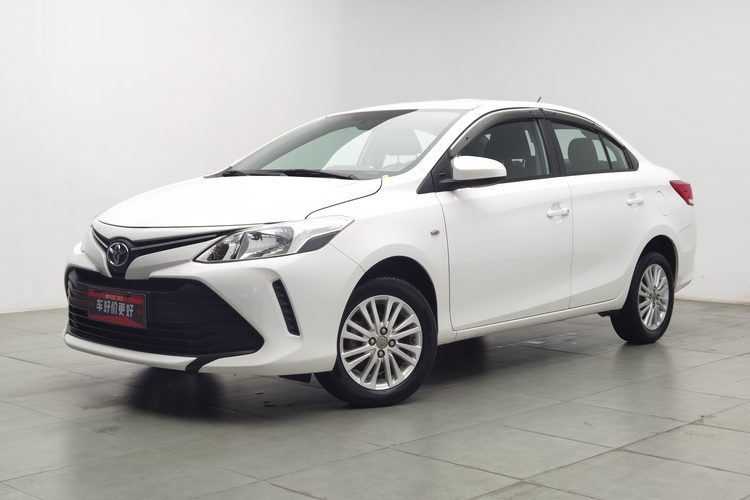
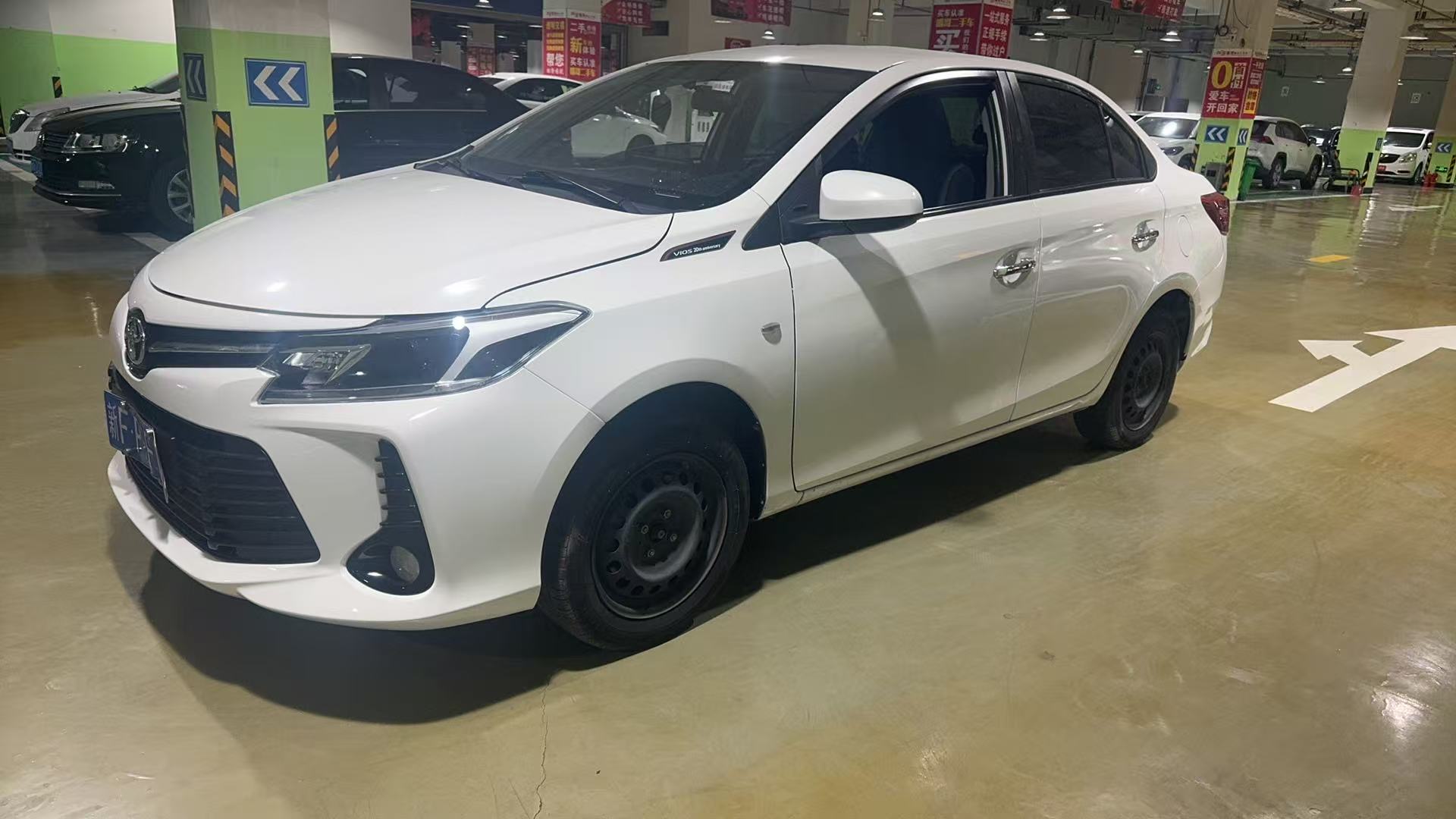
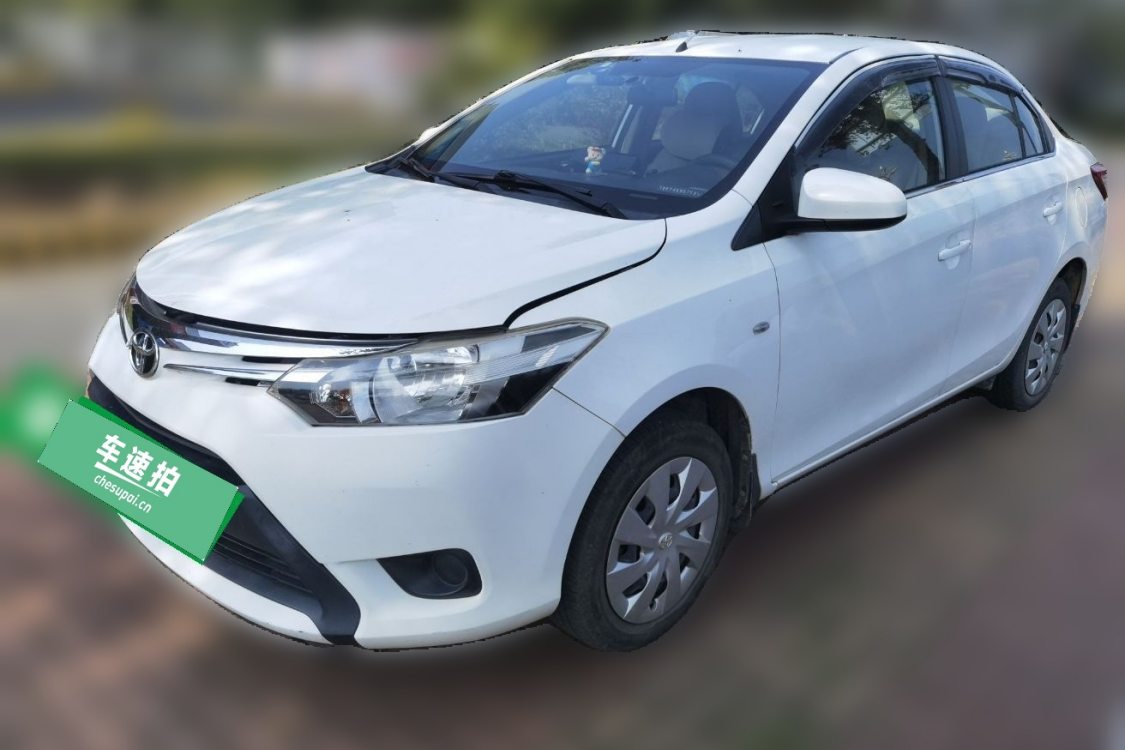
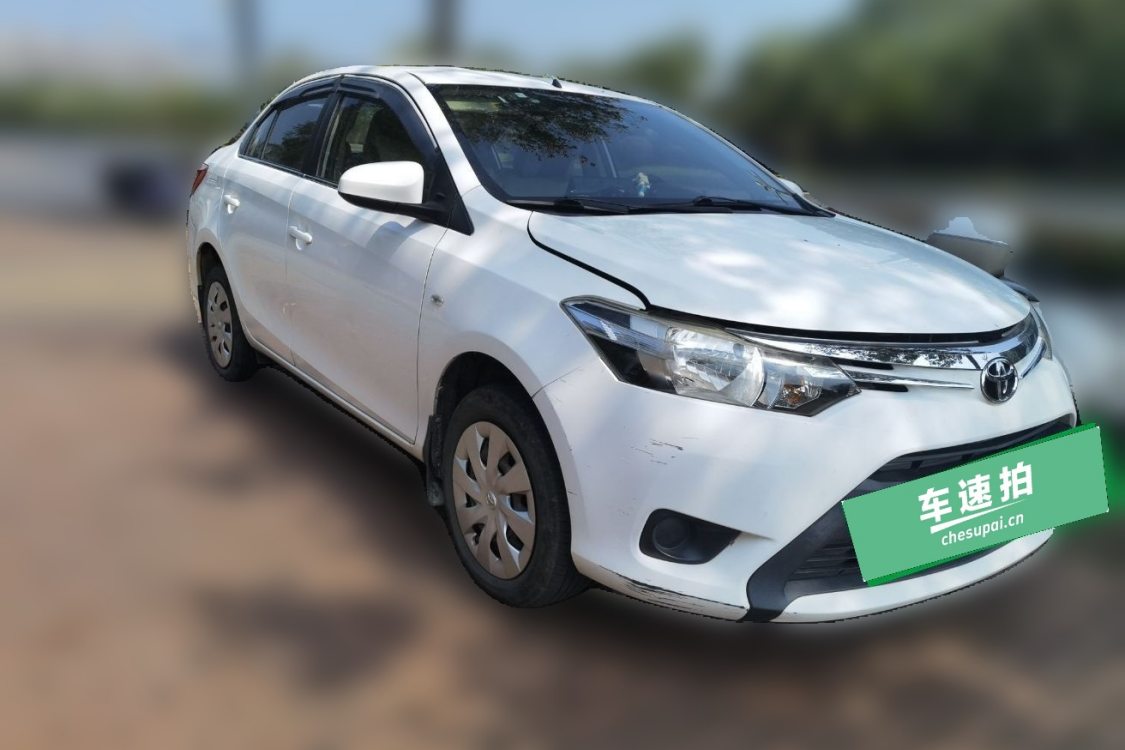
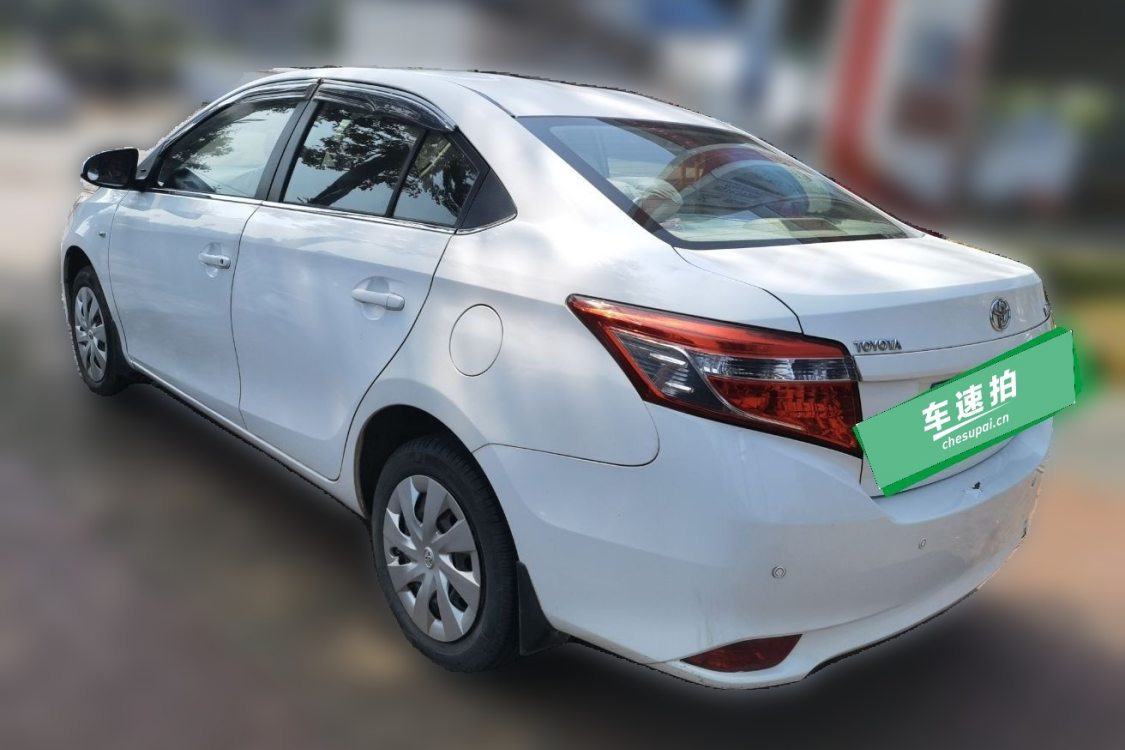
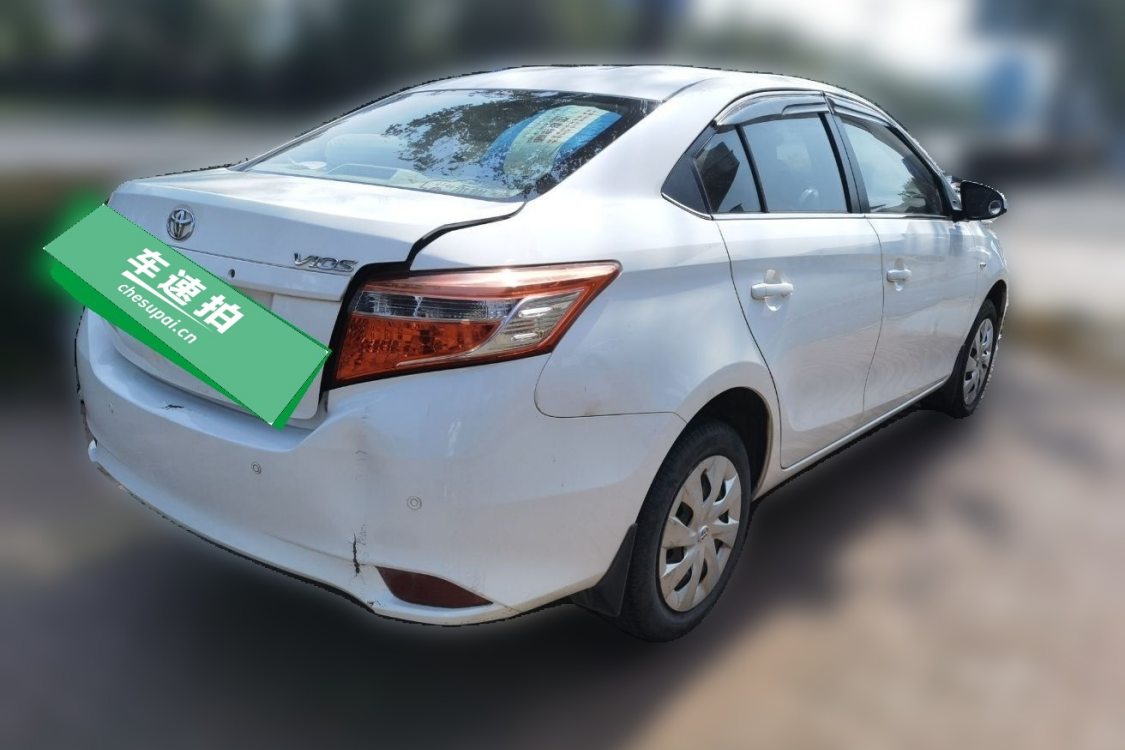
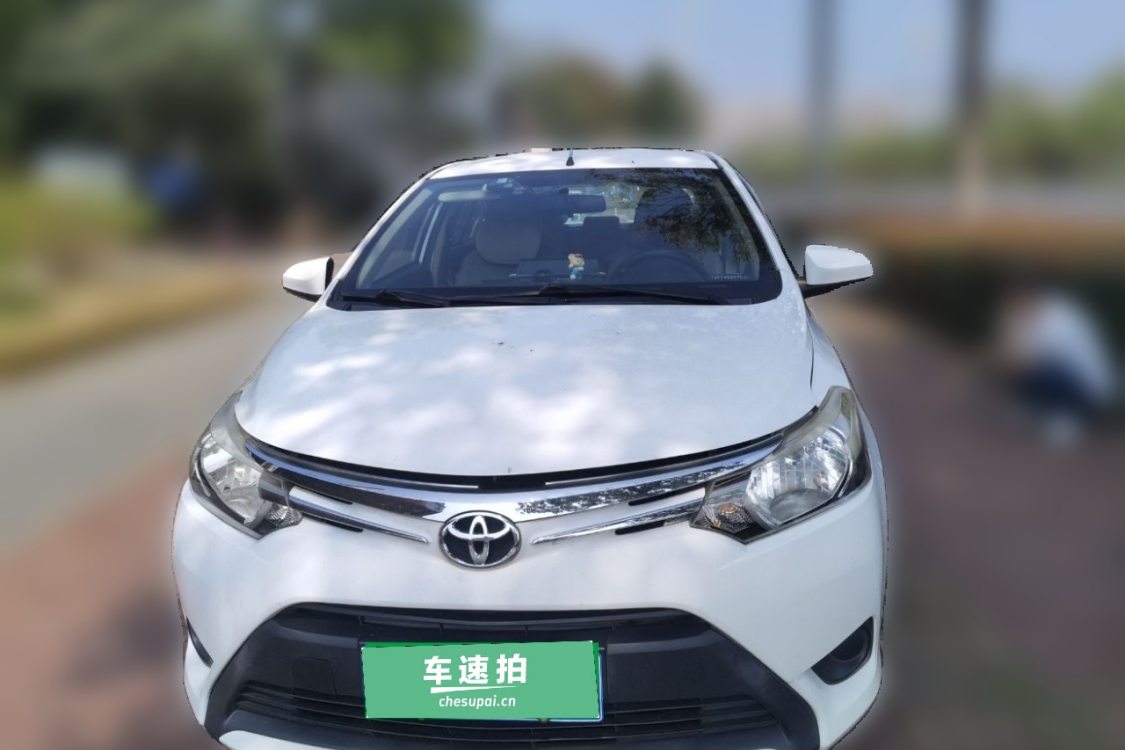
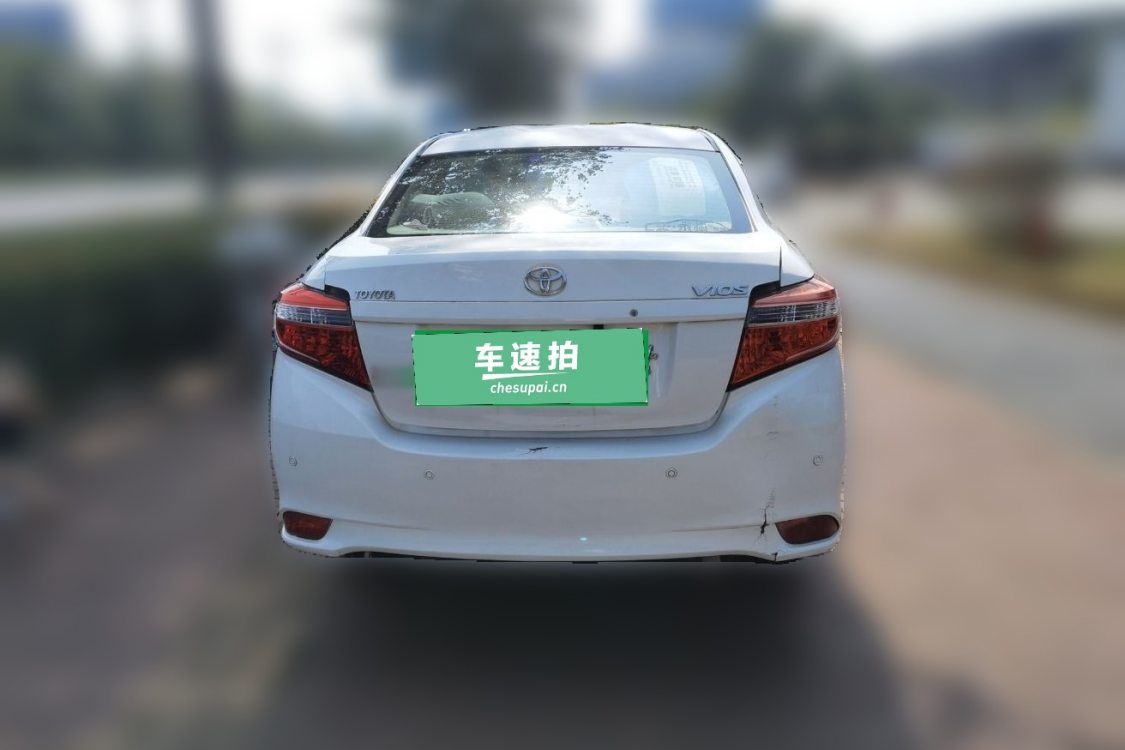
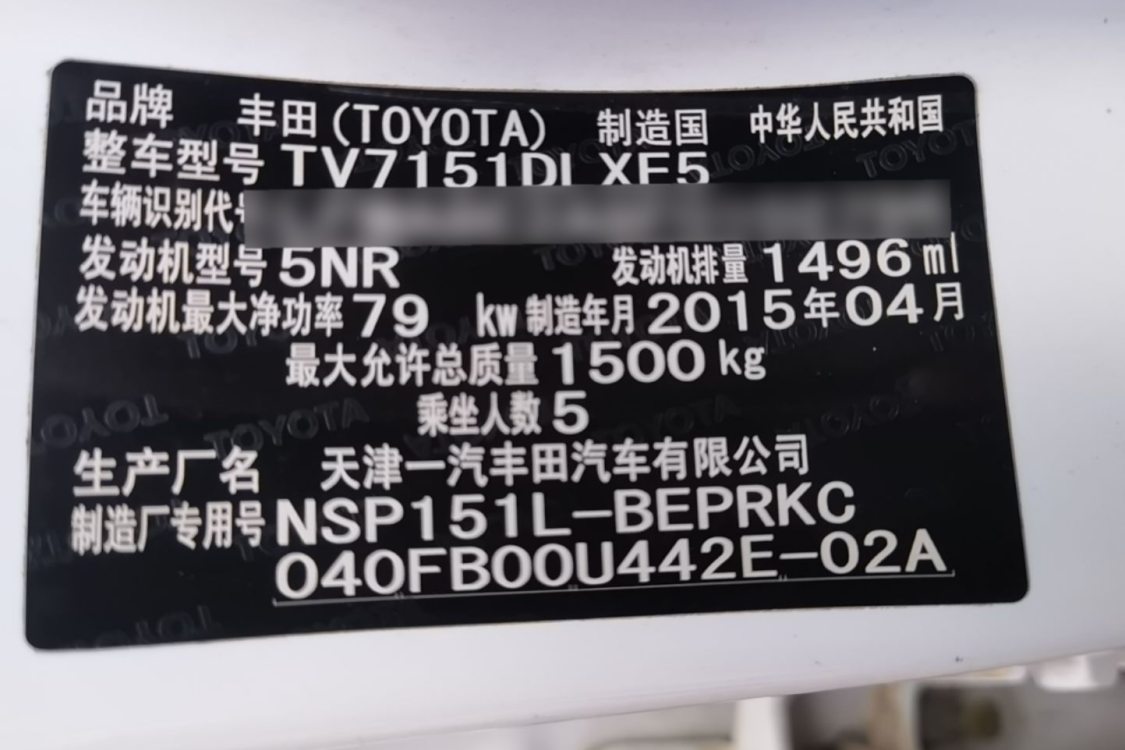
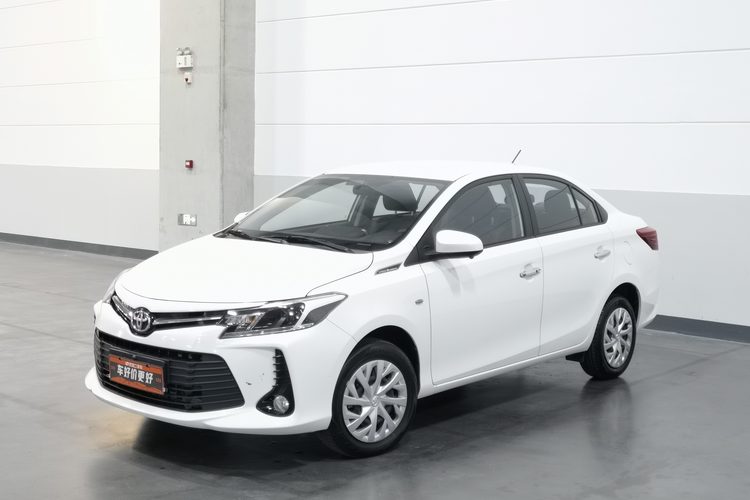
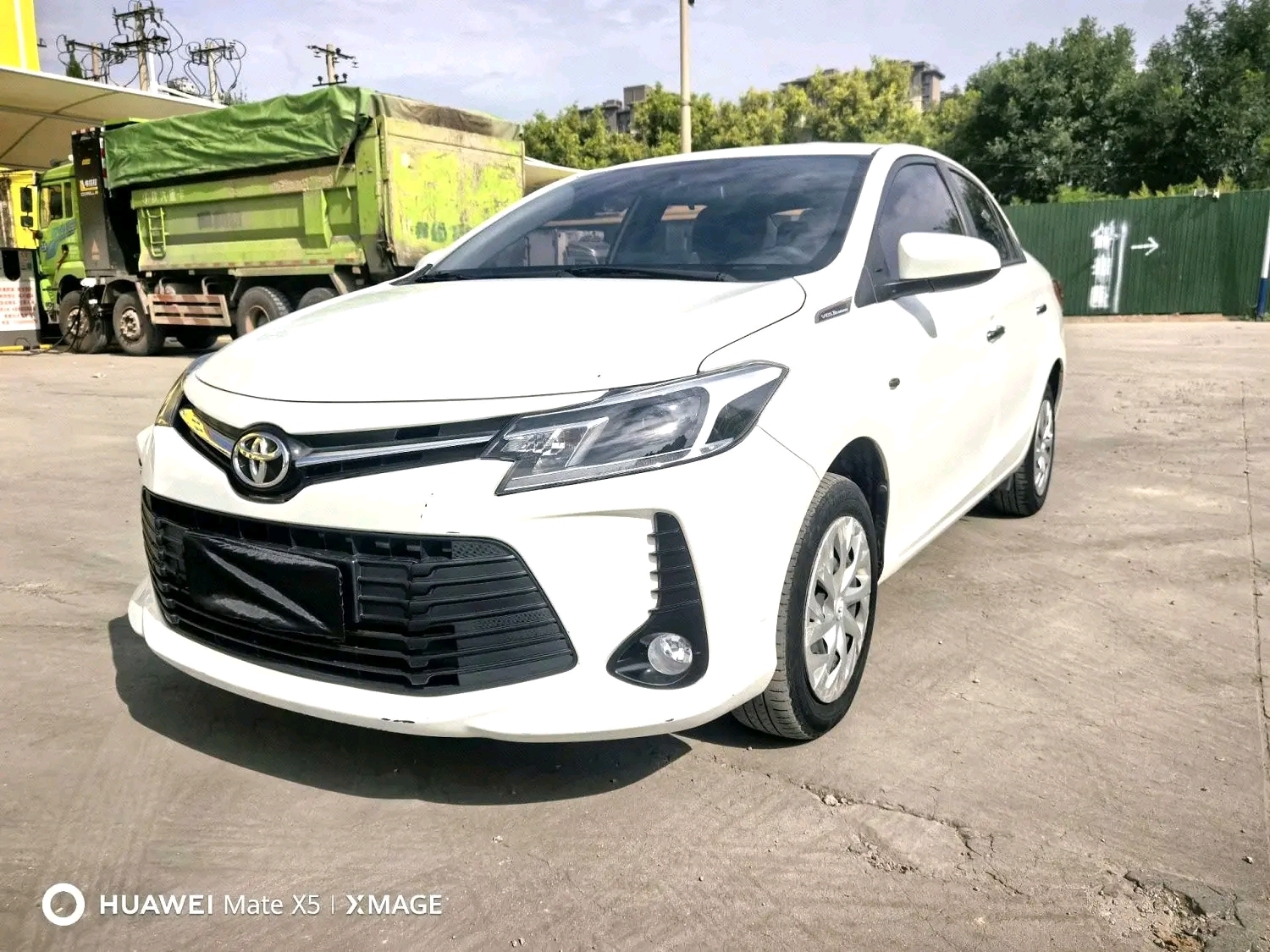
BrandToyota
SeriesVios
Year2015
First Registration2015/05
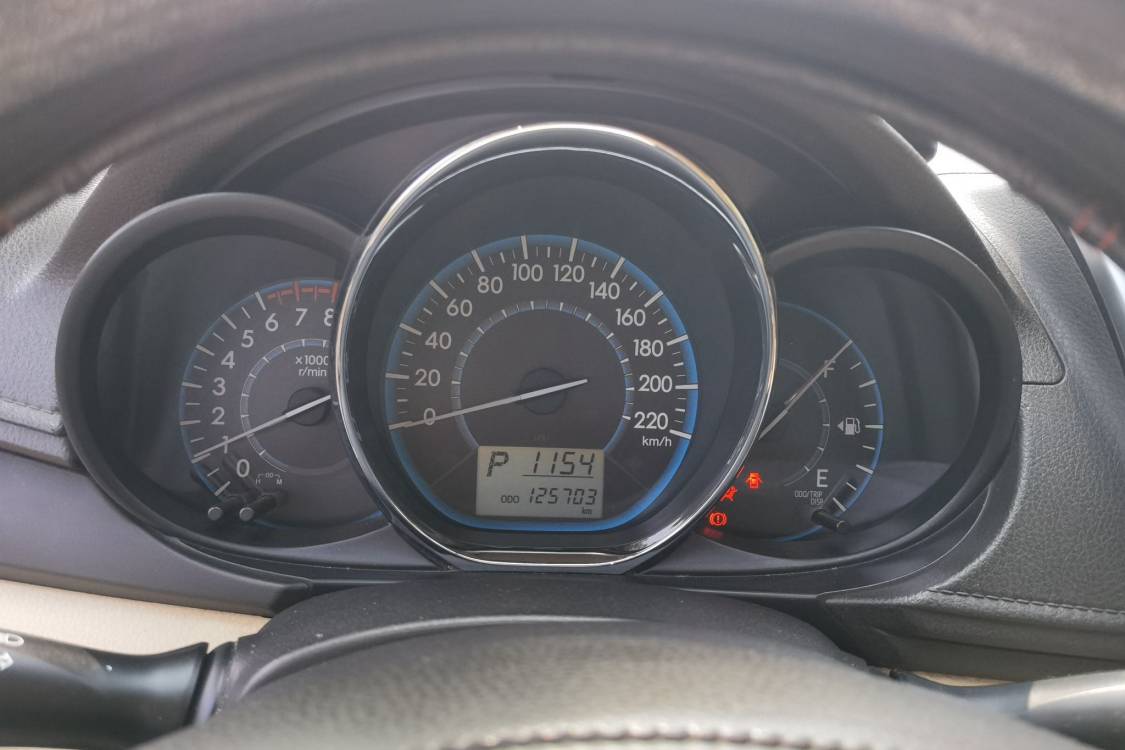
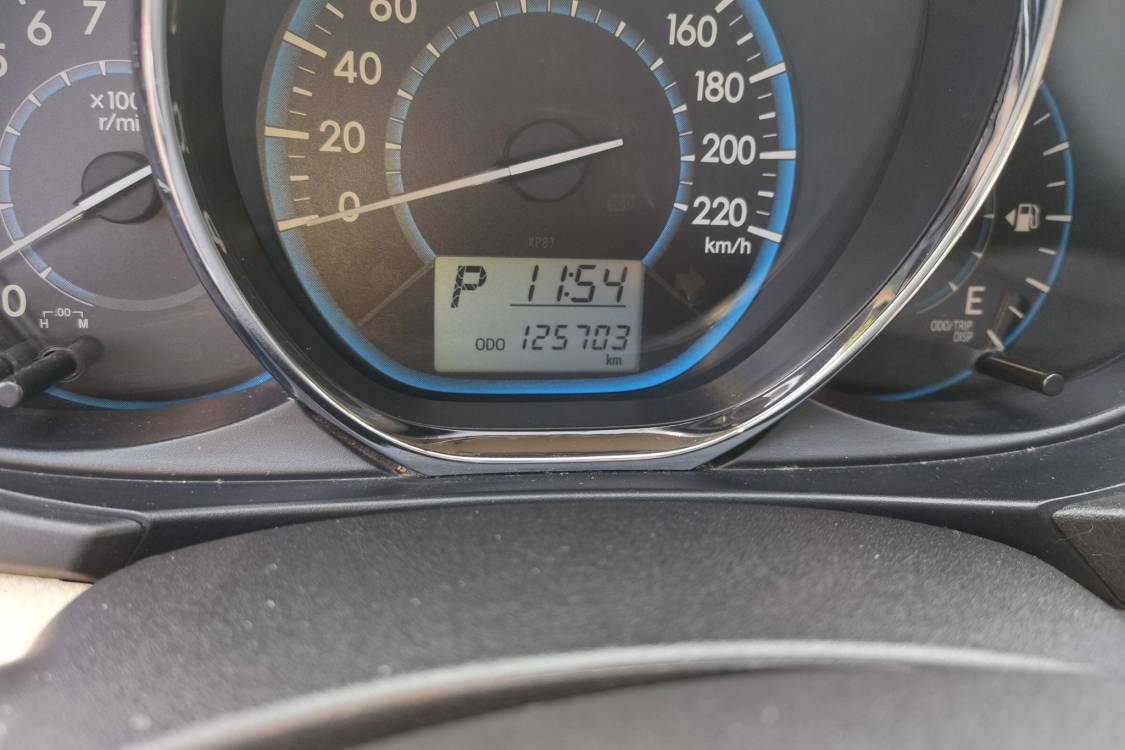
Mileage125,700km
Transfer Count-
FuelGasoline
TransmissionAutomatic
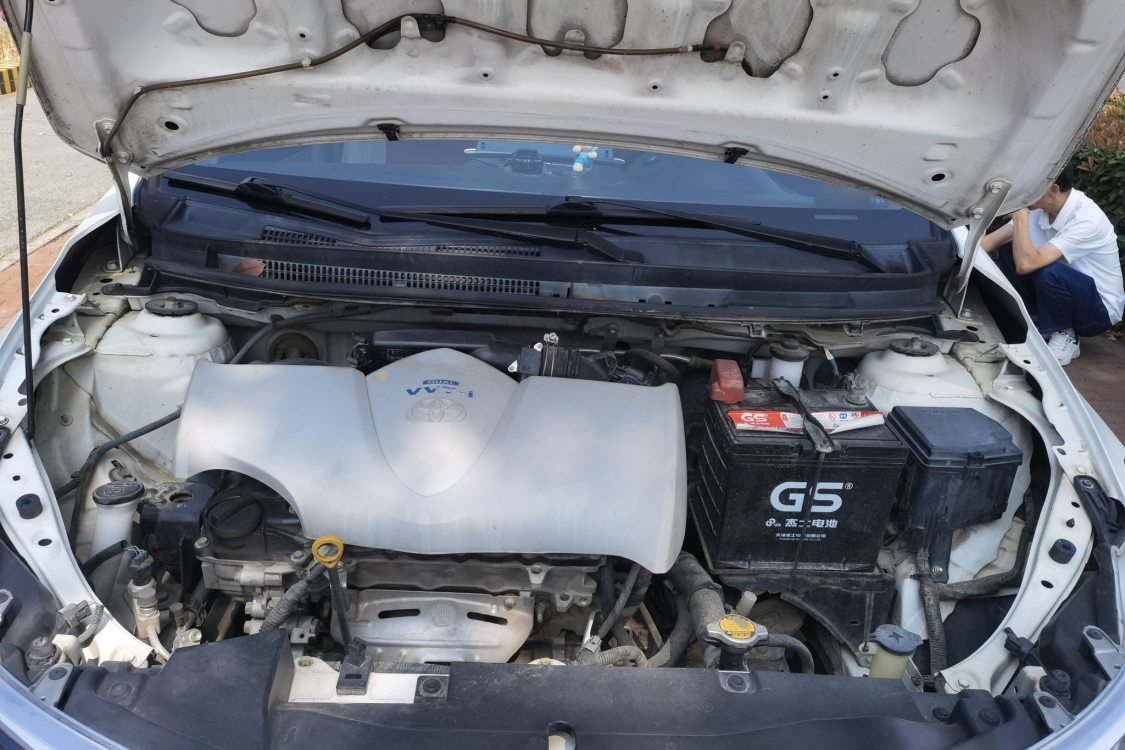
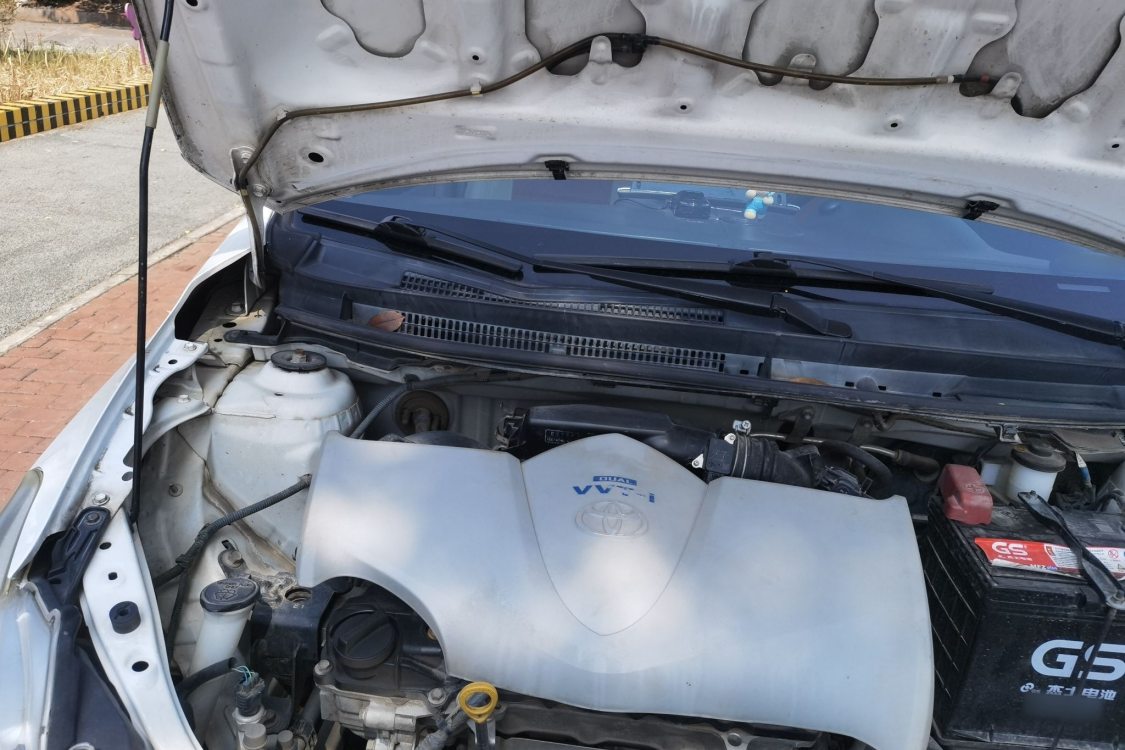
Engine1.5L 107 L4
ColorWhite
Seats5seats

Condition Description

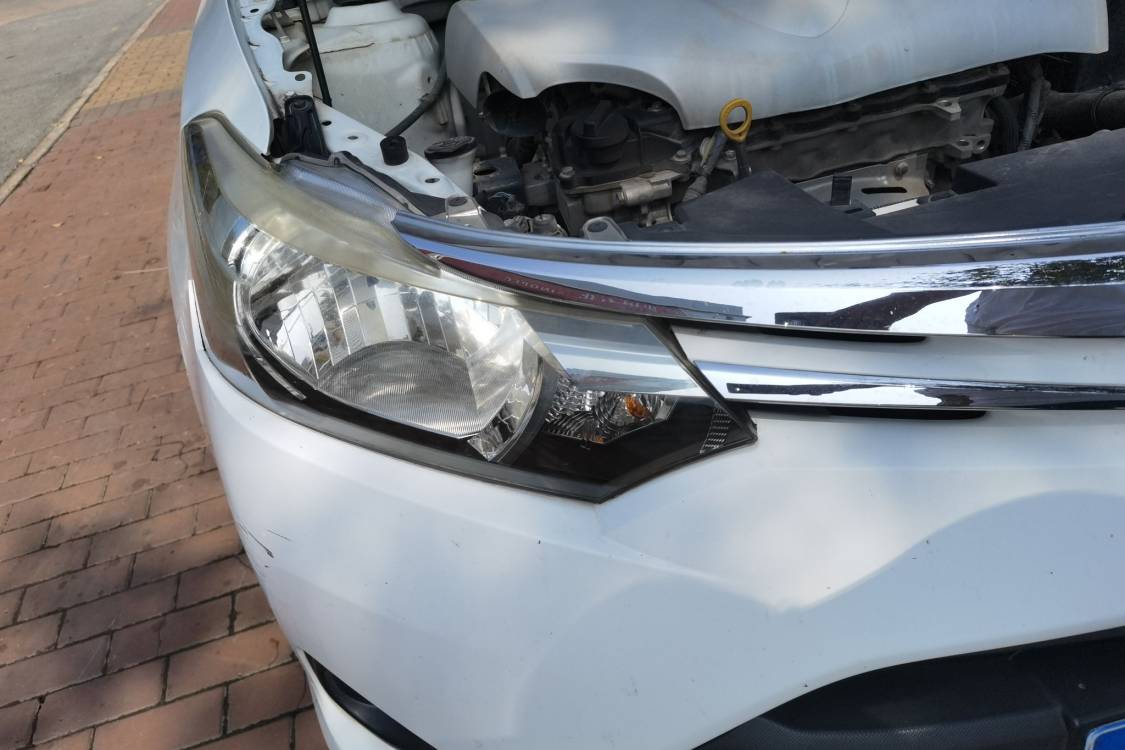
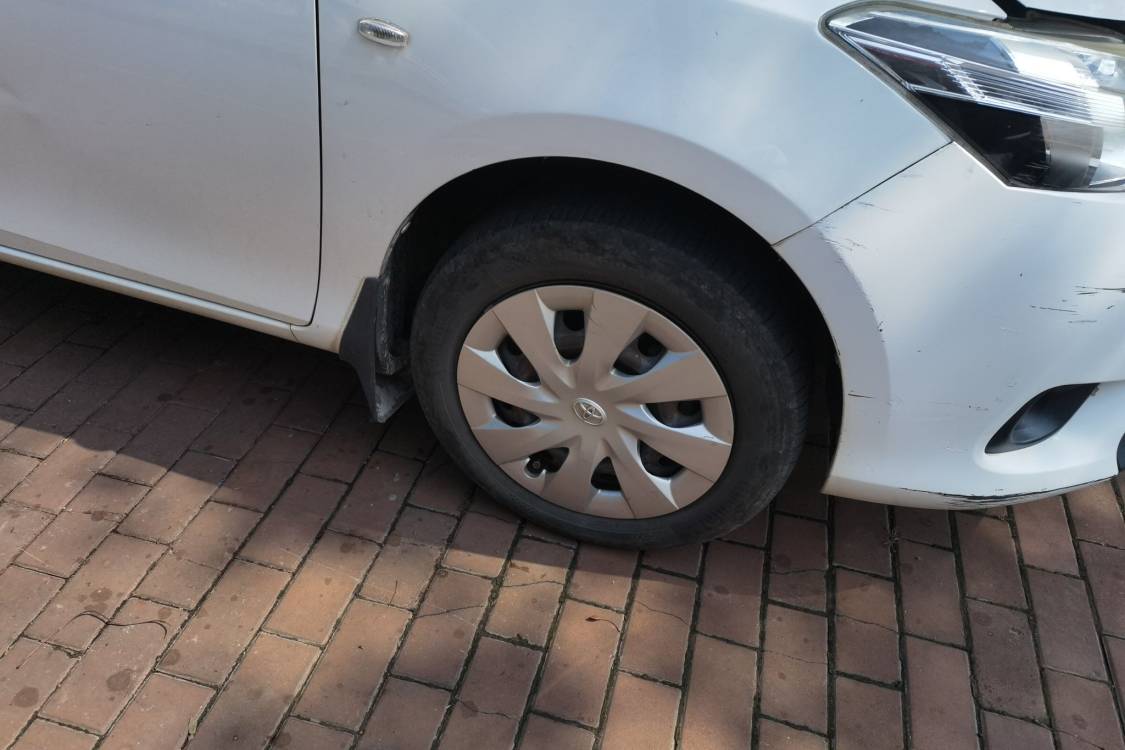
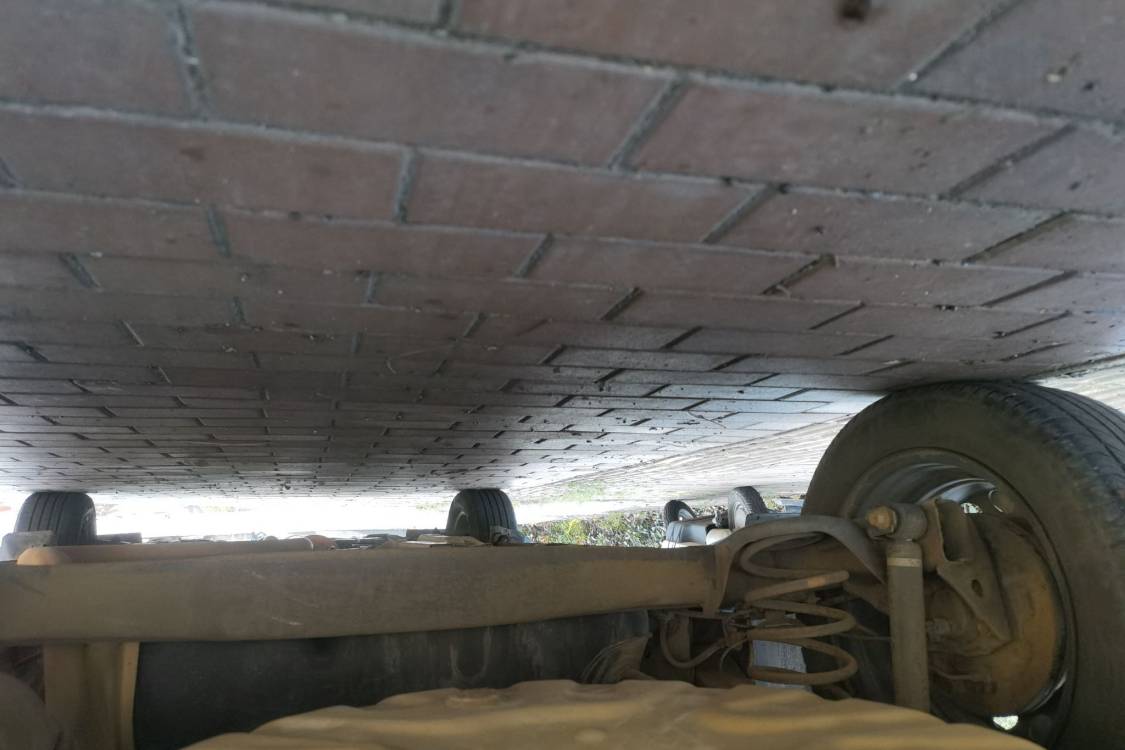
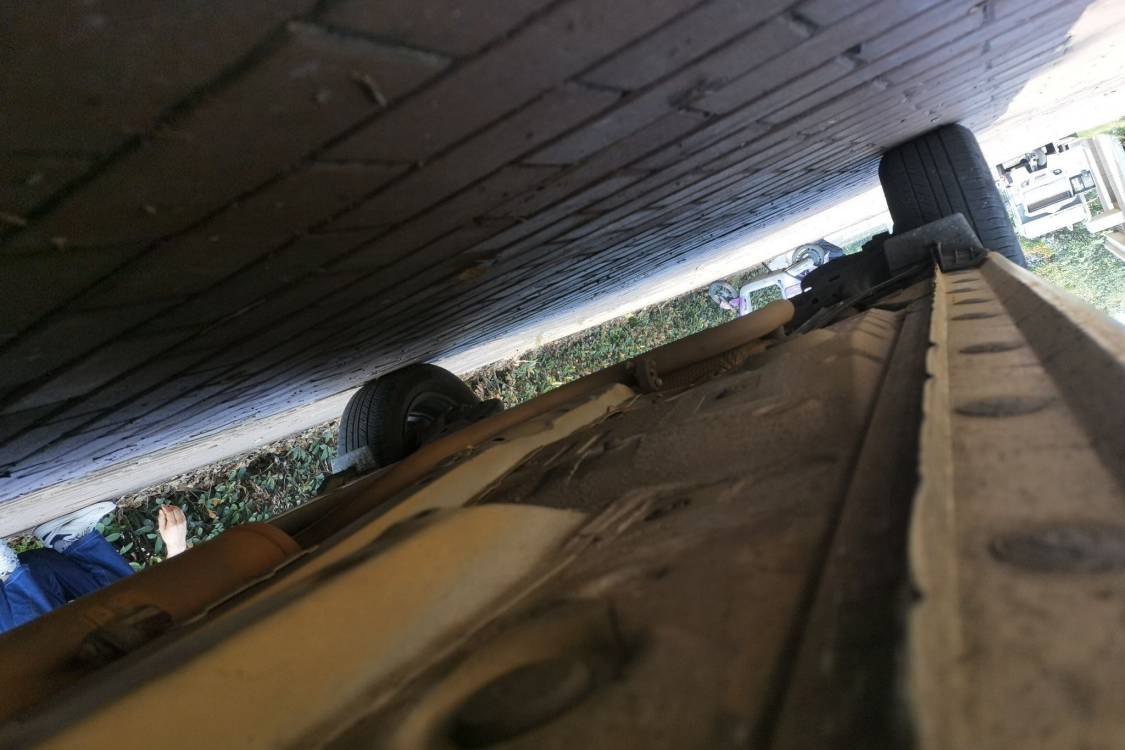
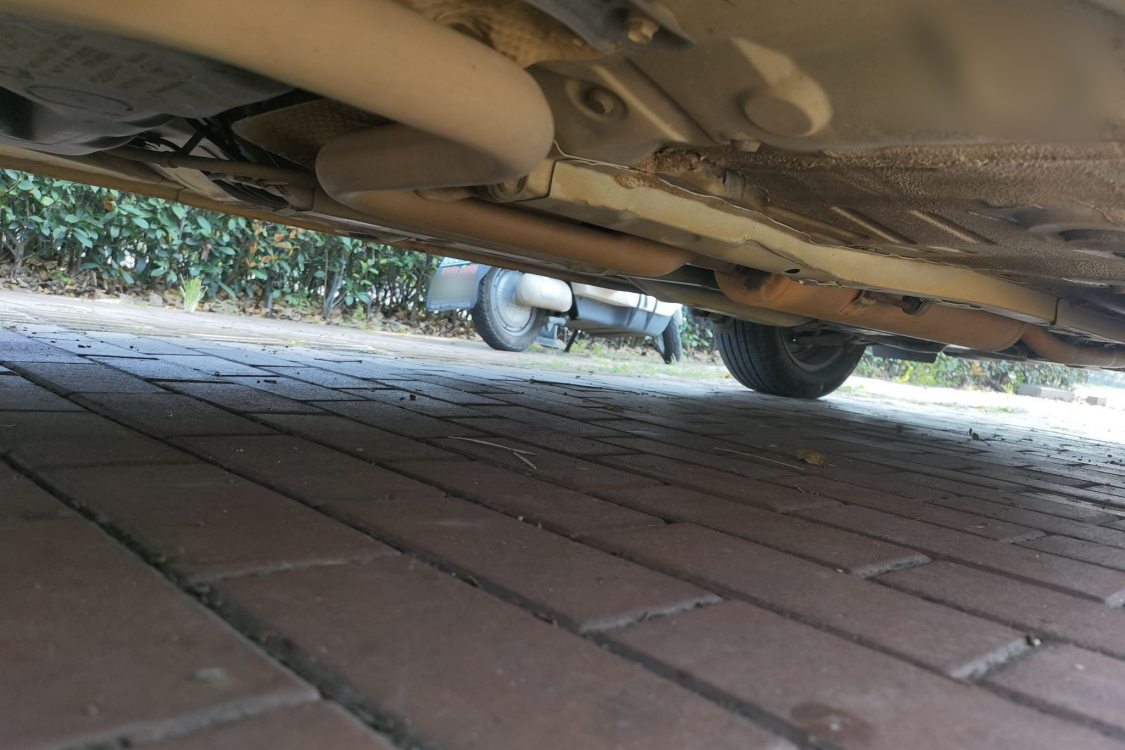
Body components (structural/reinforcing/panels) have accident-type damage; passive safety devices are defective; vehicle performance (including three-electric system) is degraded or remains performance-limited after repair.

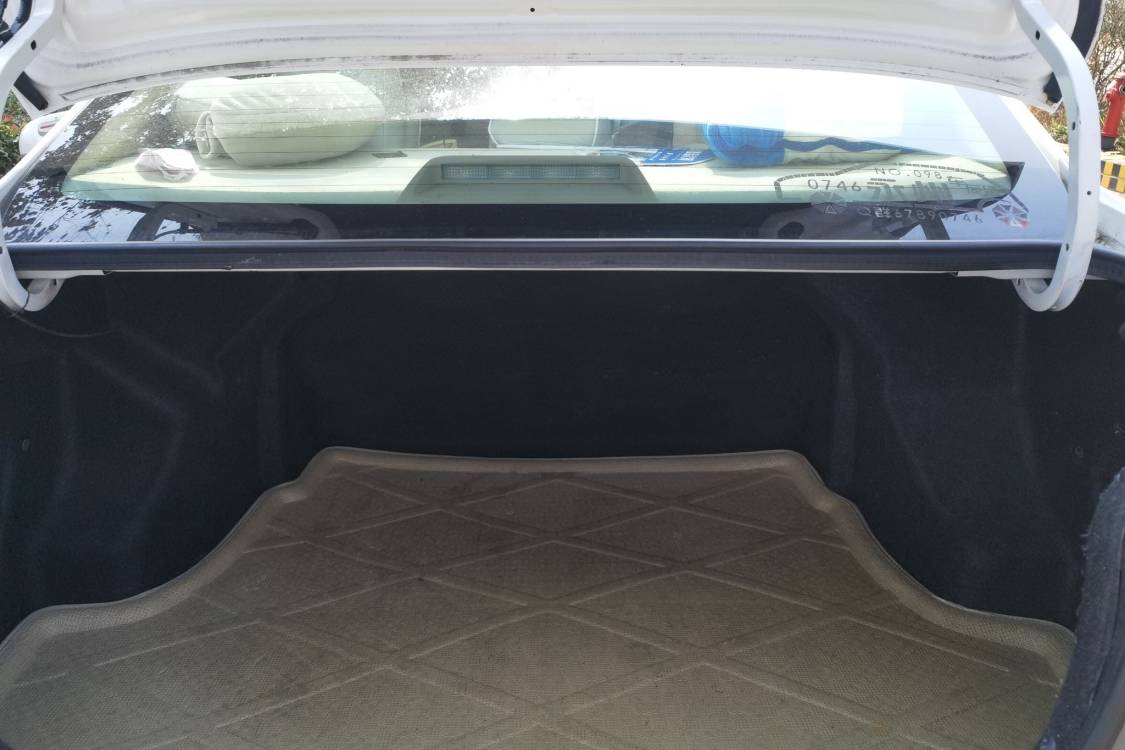
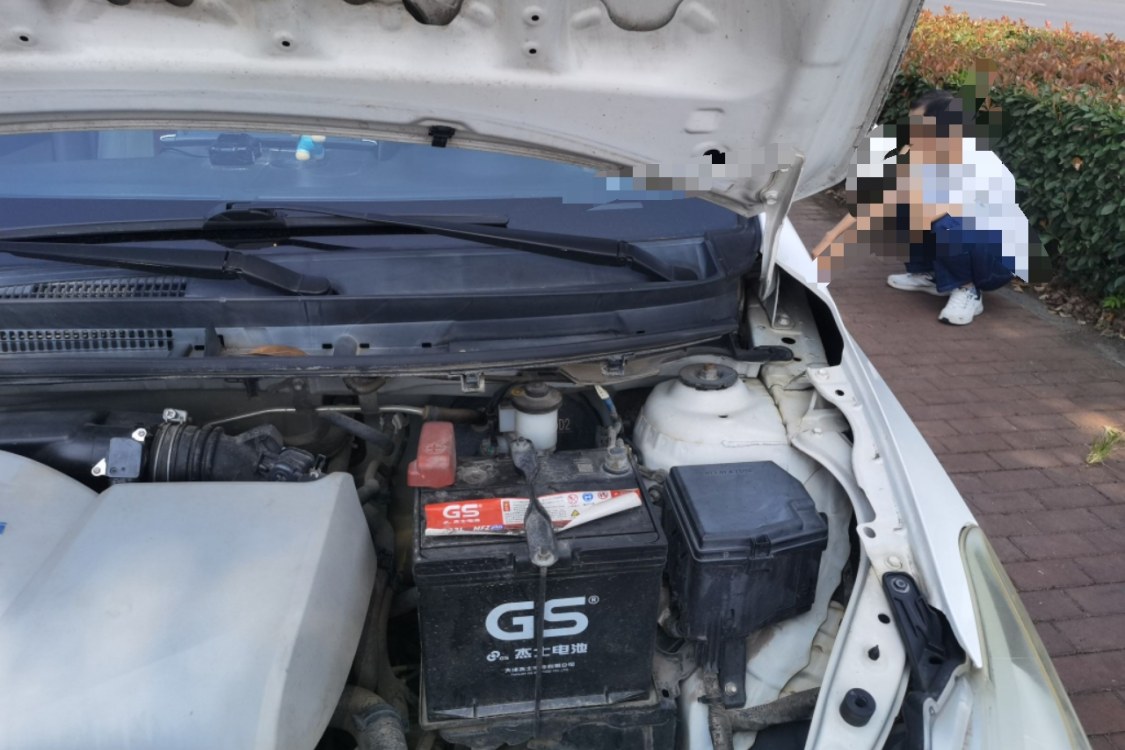
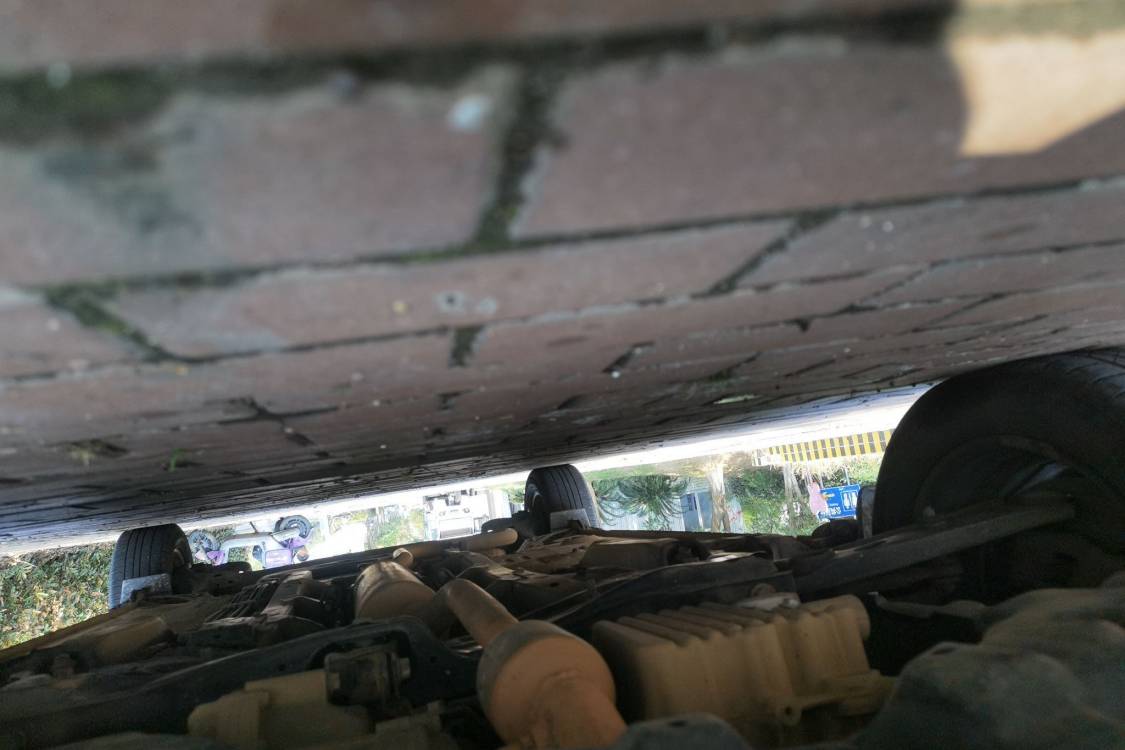
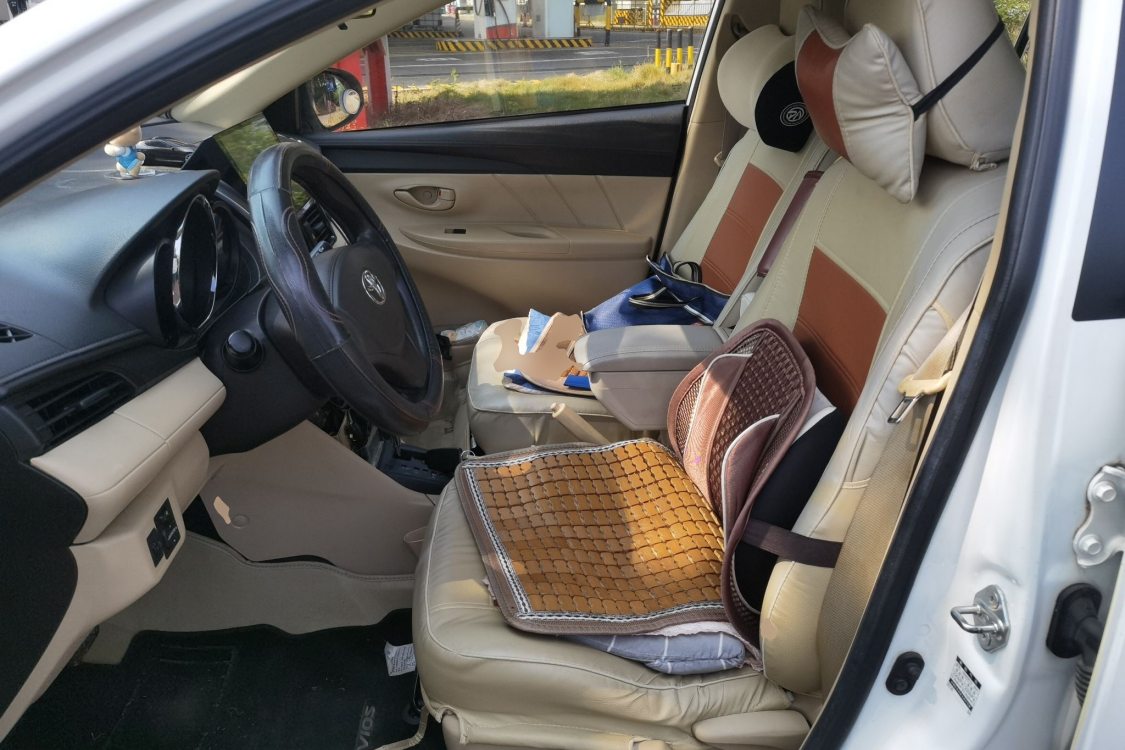
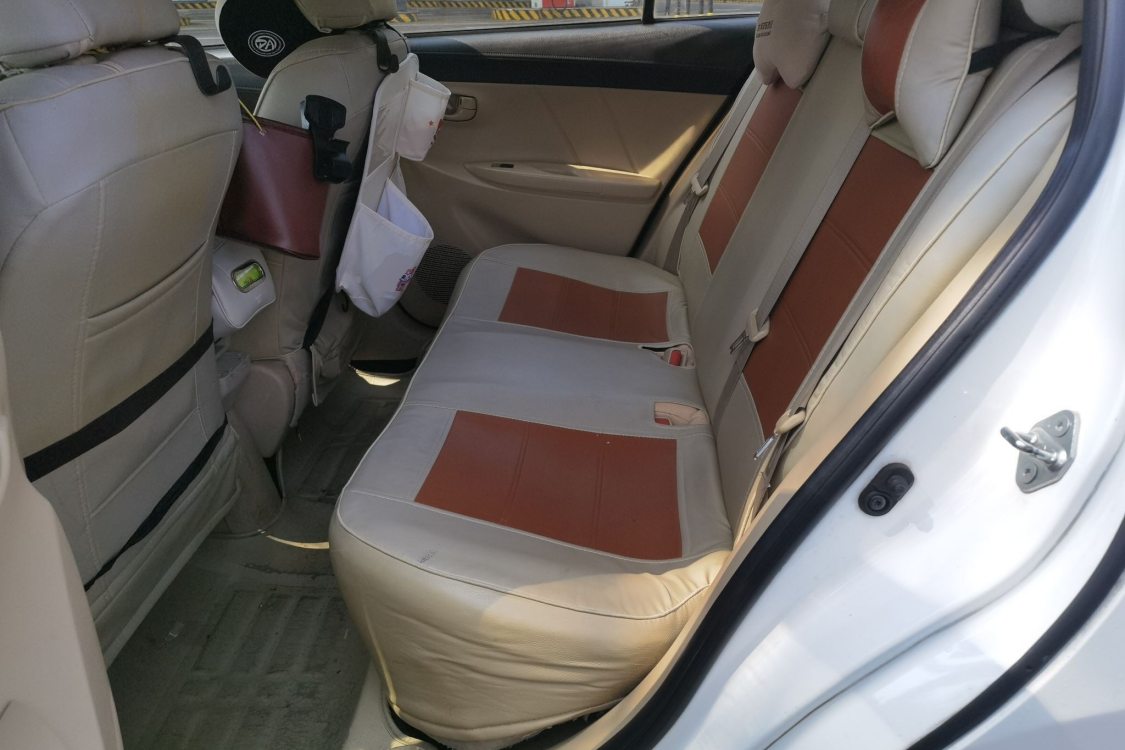
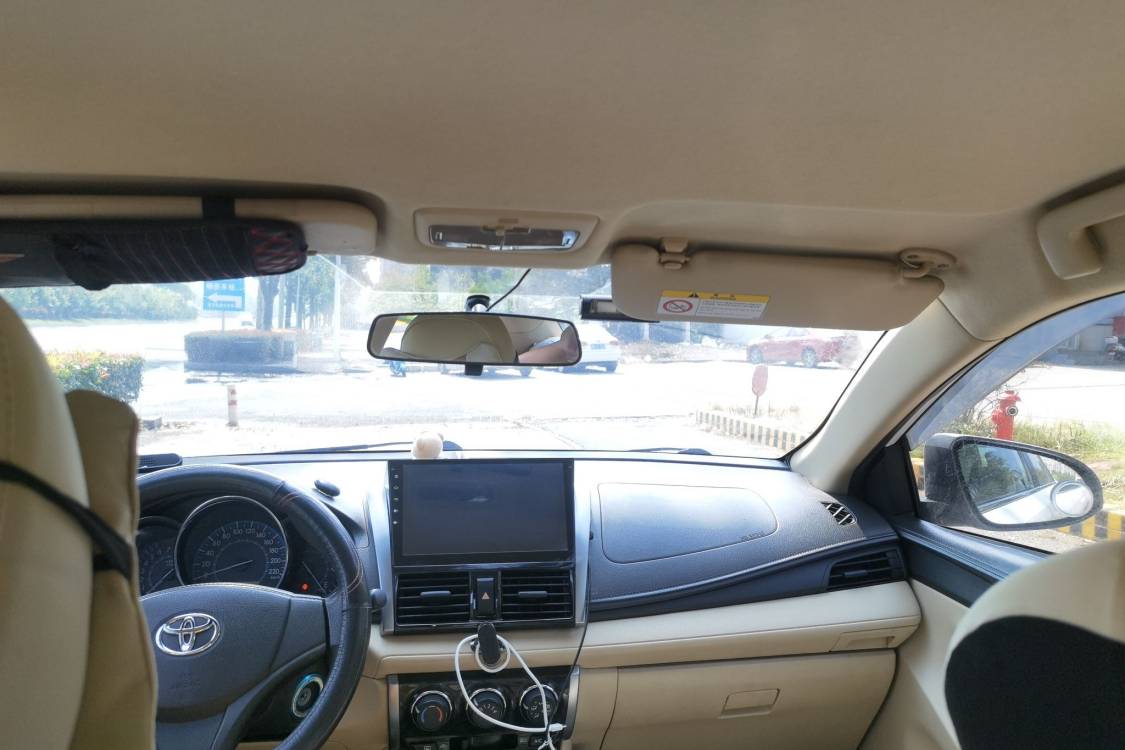
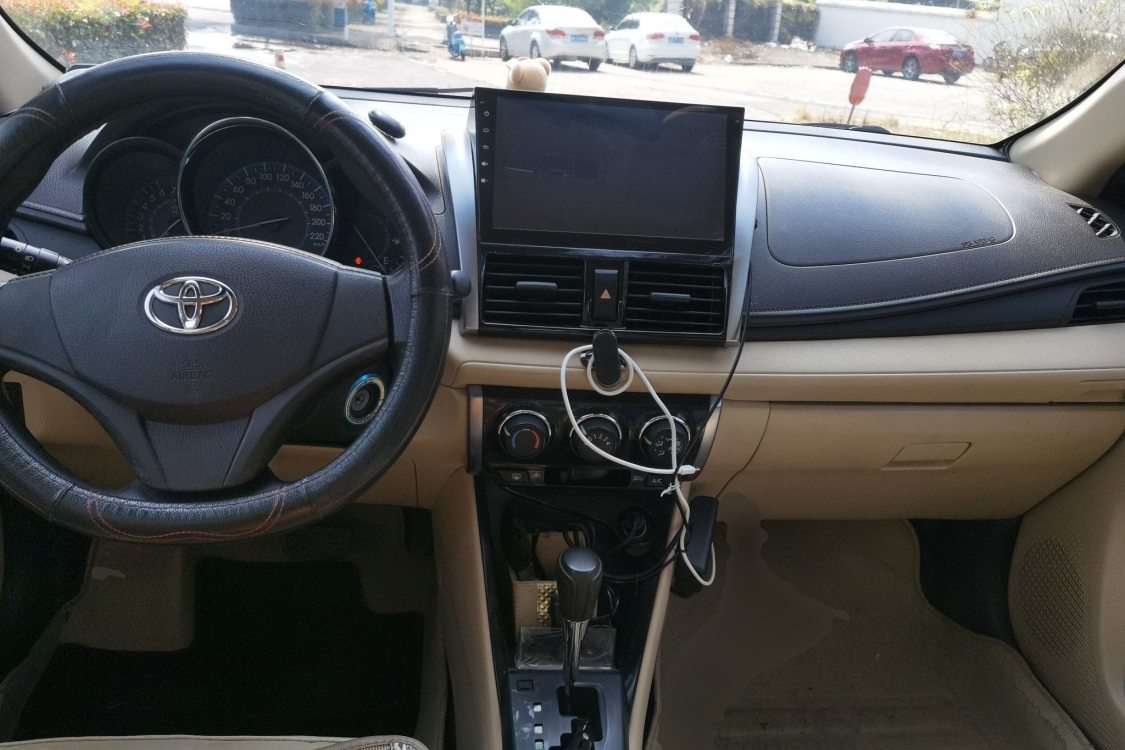
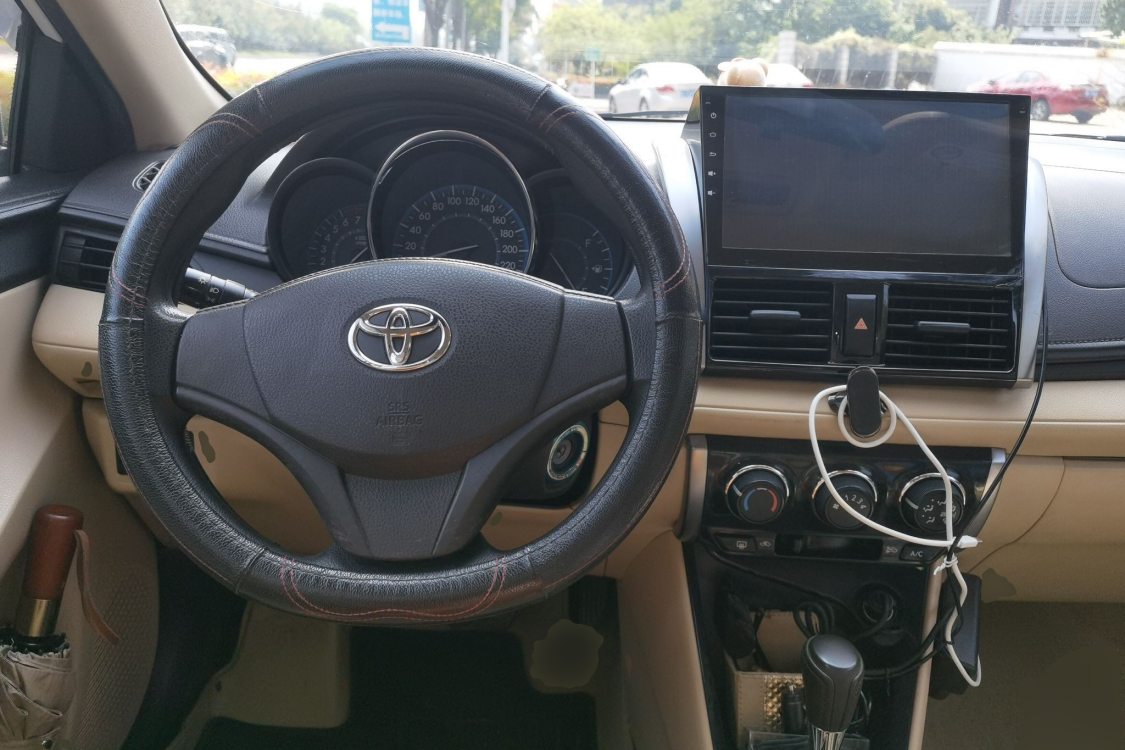
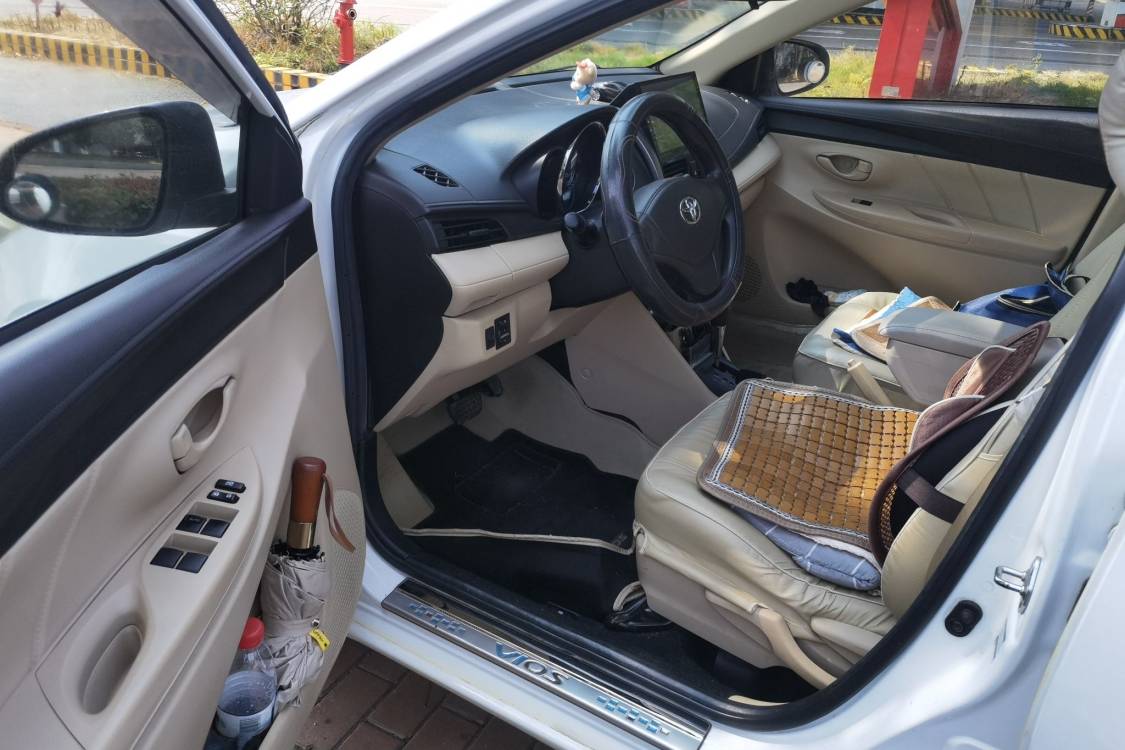
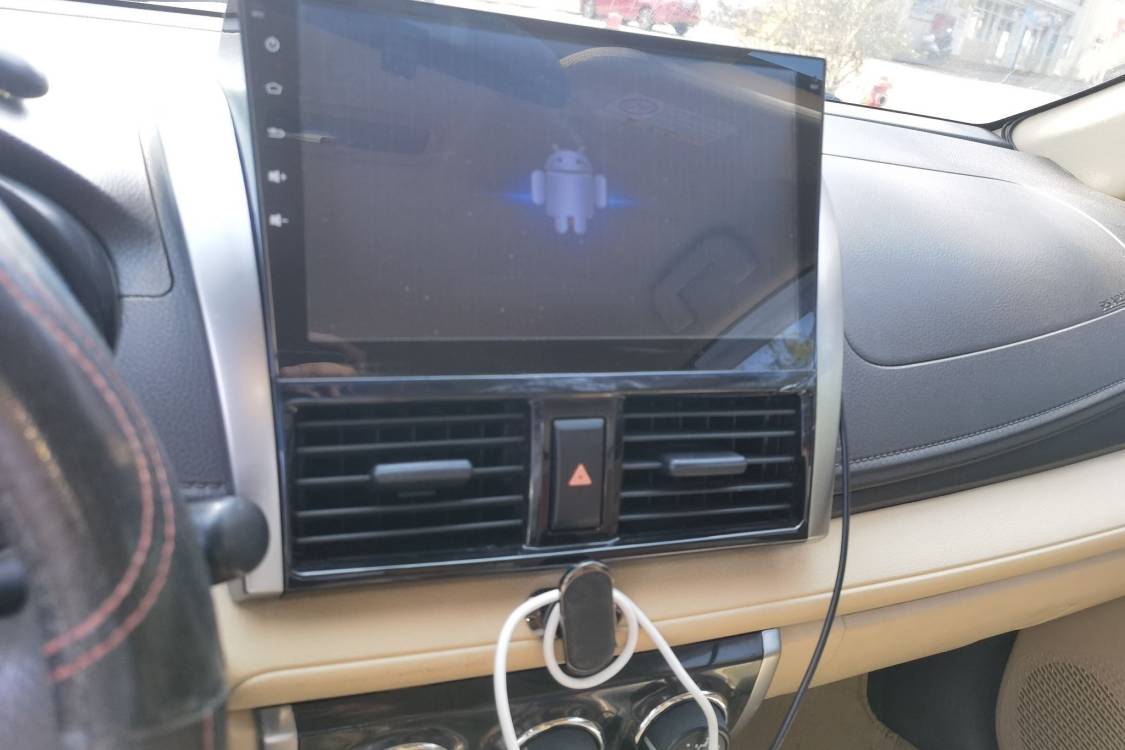
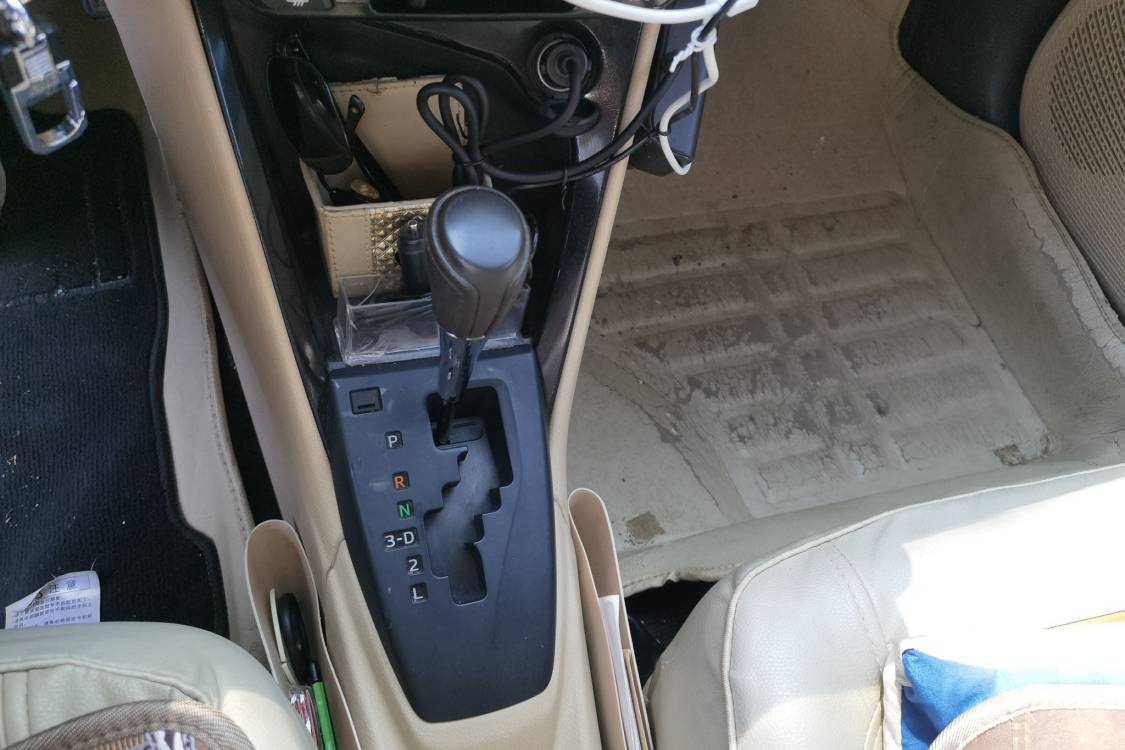
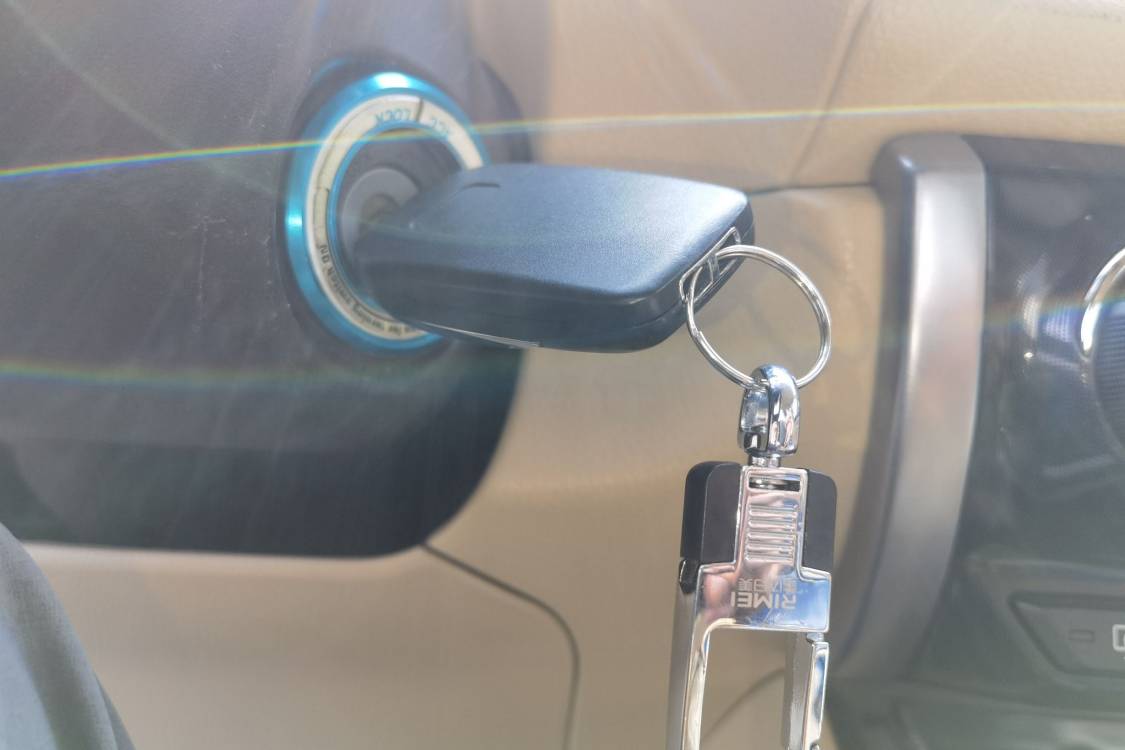
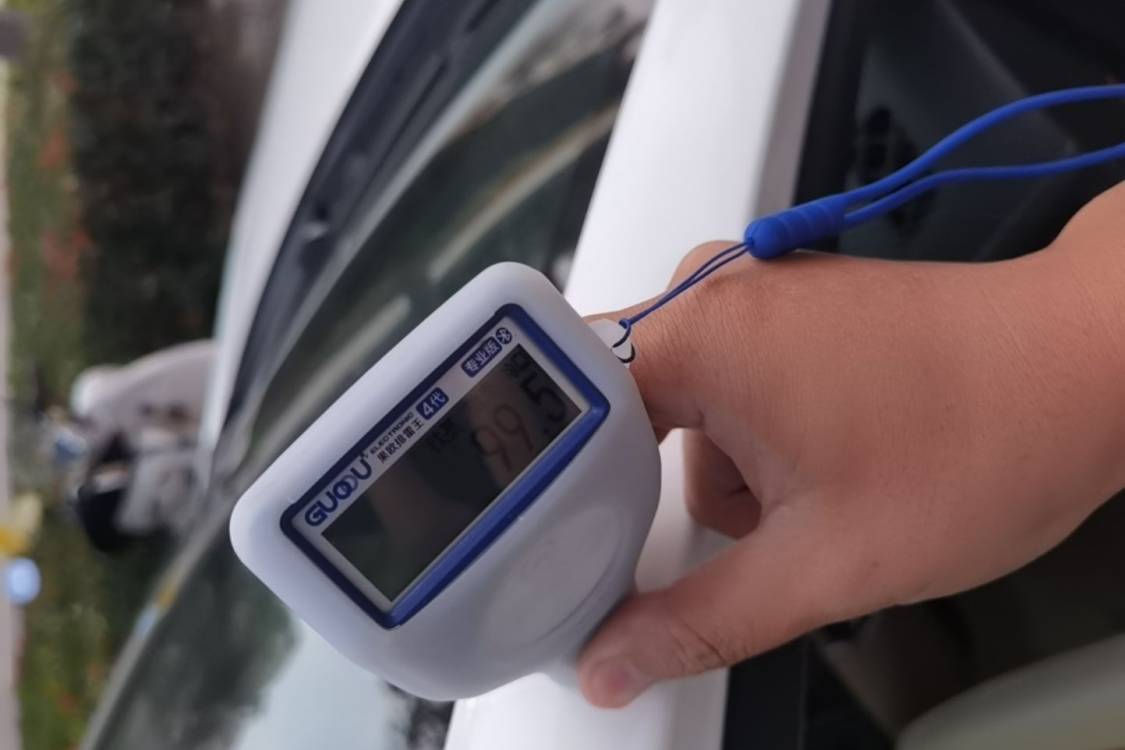
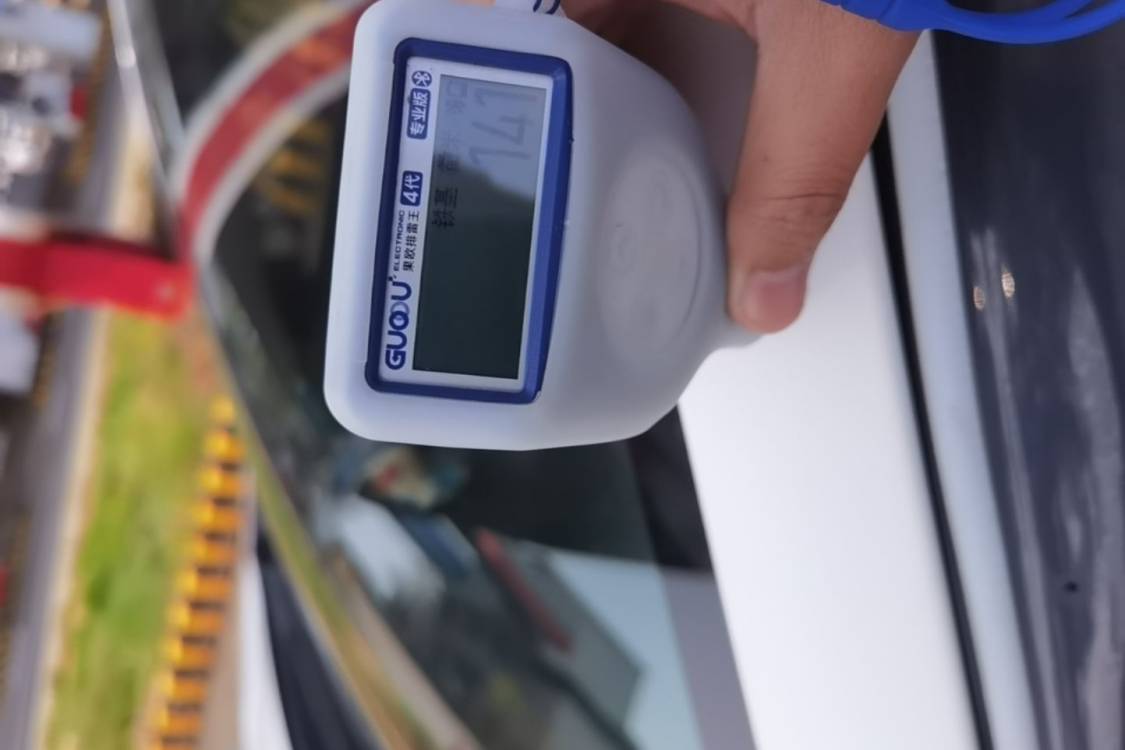
Accident inspection: main structure damaged, reinforcing parts undamaged, panels damaged, hinges abnormal; engine bay inspection: key mechanical components in engine compartment normal; exterior: 4 areas of sheet metal repair; interior: most features normal, airbag inspection normal, seatbelts normal, dashboard normal, instrument inspection normal, lighting system normal; start-up inspection: main components normal; onboard tools: none.

独家上新
电话直连
可讲价

Document Information

Inspection Expiry Date2027/05
Warranty Expiry Date-
Insurance Expiry Date2027/05

Q&A

More

Has this vehicle been regularly maintained within the specified mileage and time?

We can only infer from the existing connected maintenance records. If the records show continuity and adhere to the recommended maintenance schedule, we will assign a high credit score; if there are gaps of tens of thousands of kilometers, we will assume it was not well maintained during that period and alert you.
Is the shipping insurance rate for used new energy vehicles higher than that for traditional fuel vehicles? What is the deductible?

Yes. Due to the significant difficulty in extinguishing lithium battery fires, insurance companies typically charge 20%-40% higher rates for comprehensive coverage on used EVs compared to ICE vehicles. Additionally, the absolute deductible for minor scratches on the body will also be increased accordingly.

What does a pre-shipment inspection include, and is it worth the cost?

A professional pre-shipment inspection typically costs a small fraction of the vehicle price and routinely pays for itself. A thorough inspection covers: paint thickness measurement across 30+ points to map body repairs; structural assessment of pillars, rails and crossmembers for accident damage; engine and transmission operation; a full electronic scan for fault codes; suspension and underbody checks for leaks and rust; and, for EVs, battery SOH and thermal management performance. You receive a written report with photos before the car is loaded — if the car fails, you can stop the shipment or renegotiate. Skipping the inspection to save a small fee is the classic false economy in used car importing: discovering a problem after arrival is far more expensive than preventing it at origin.