


24H

Basic Information

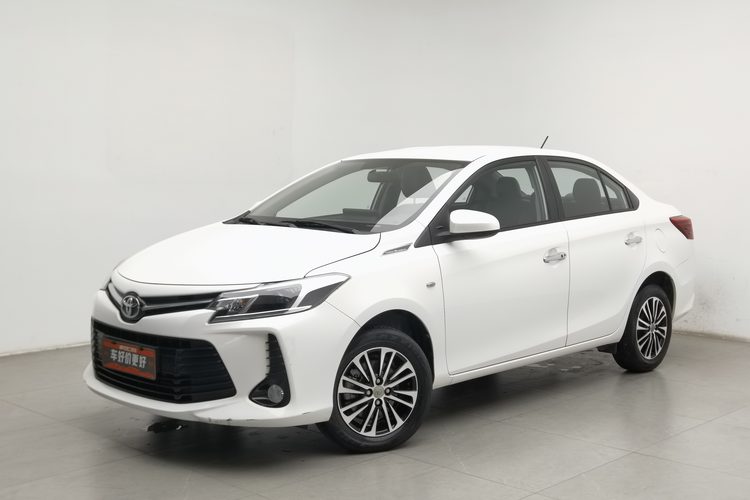
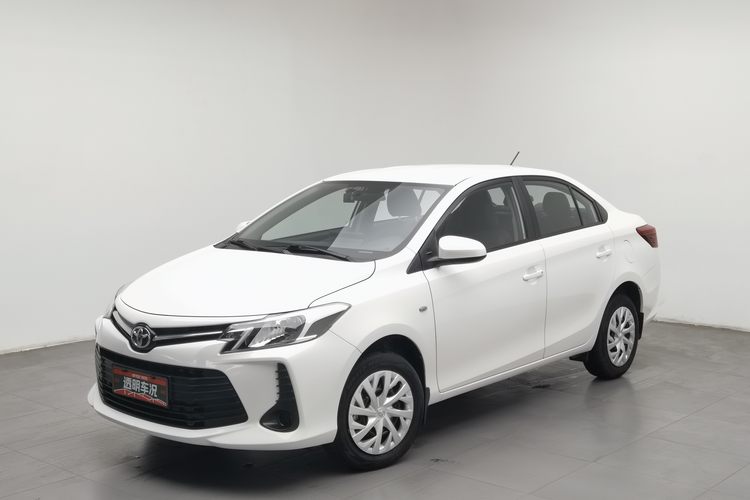
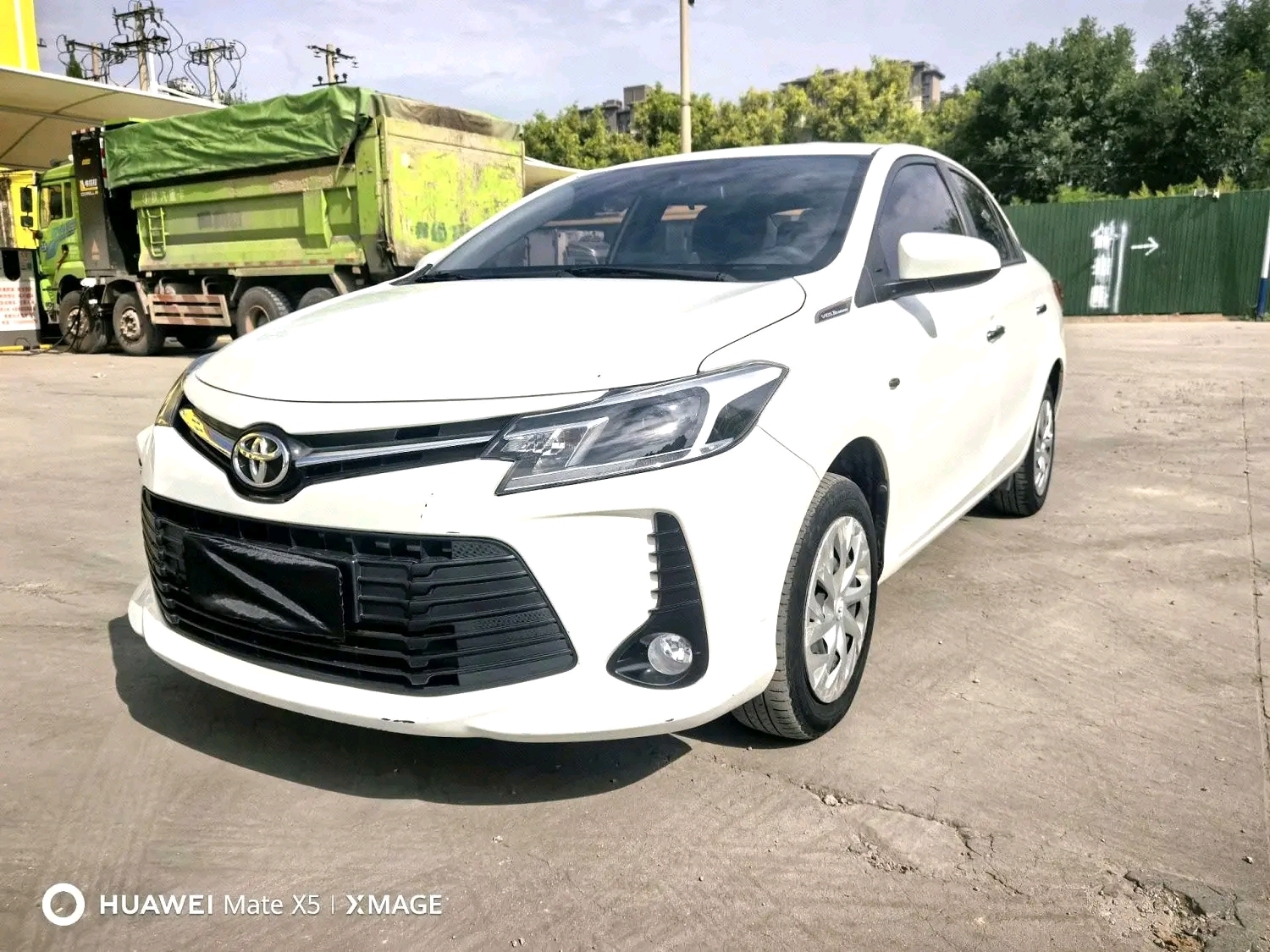
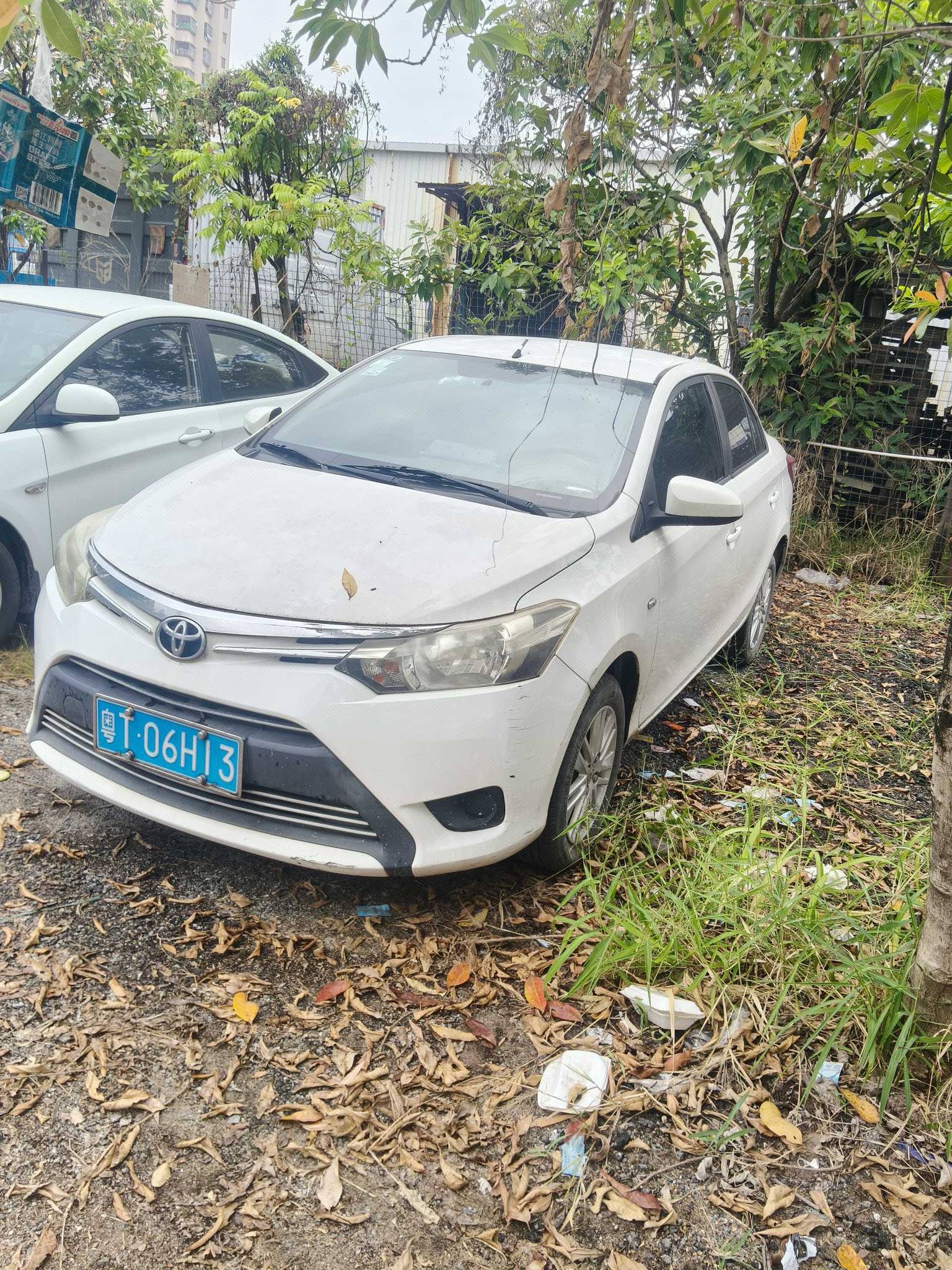
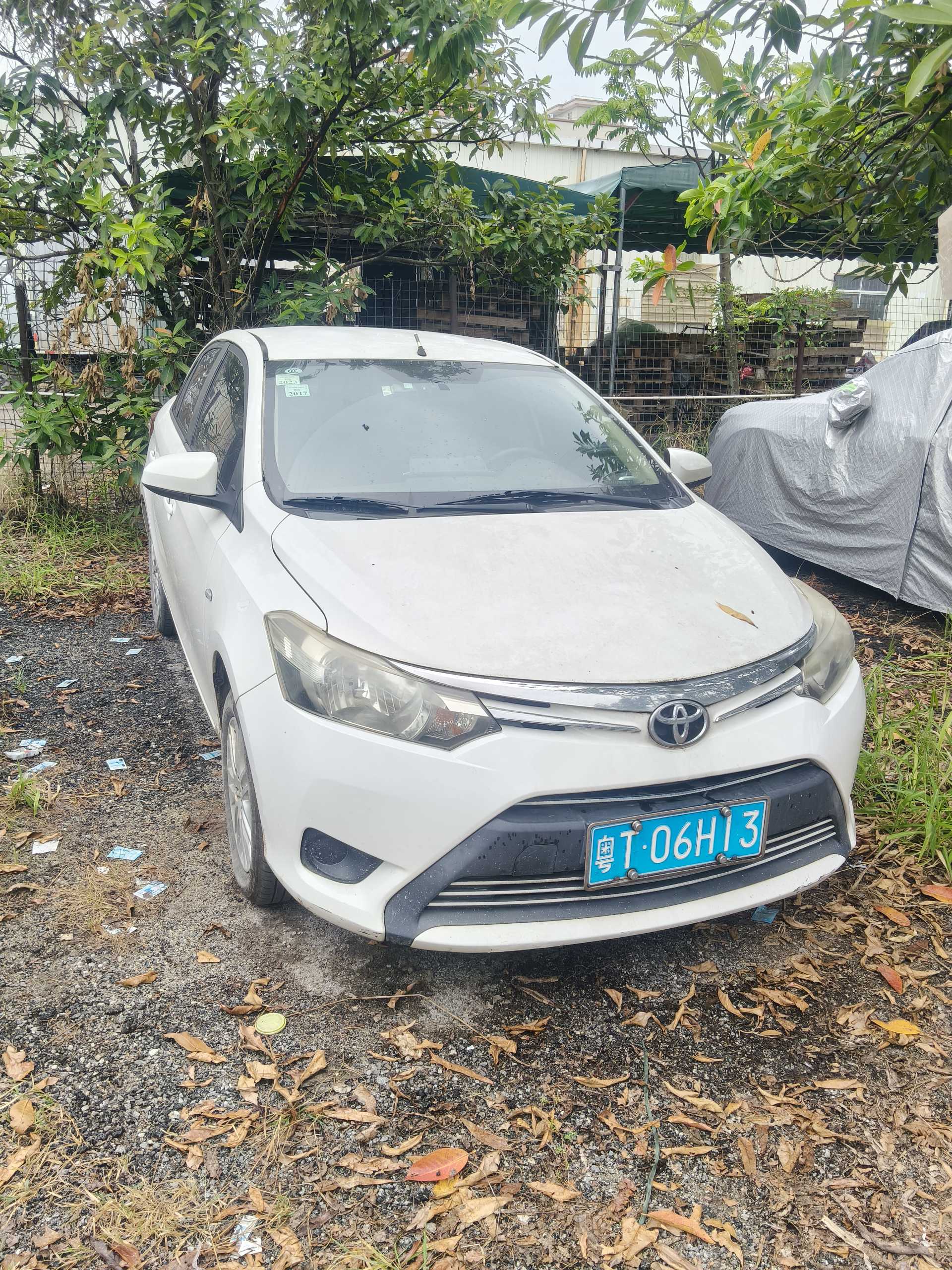
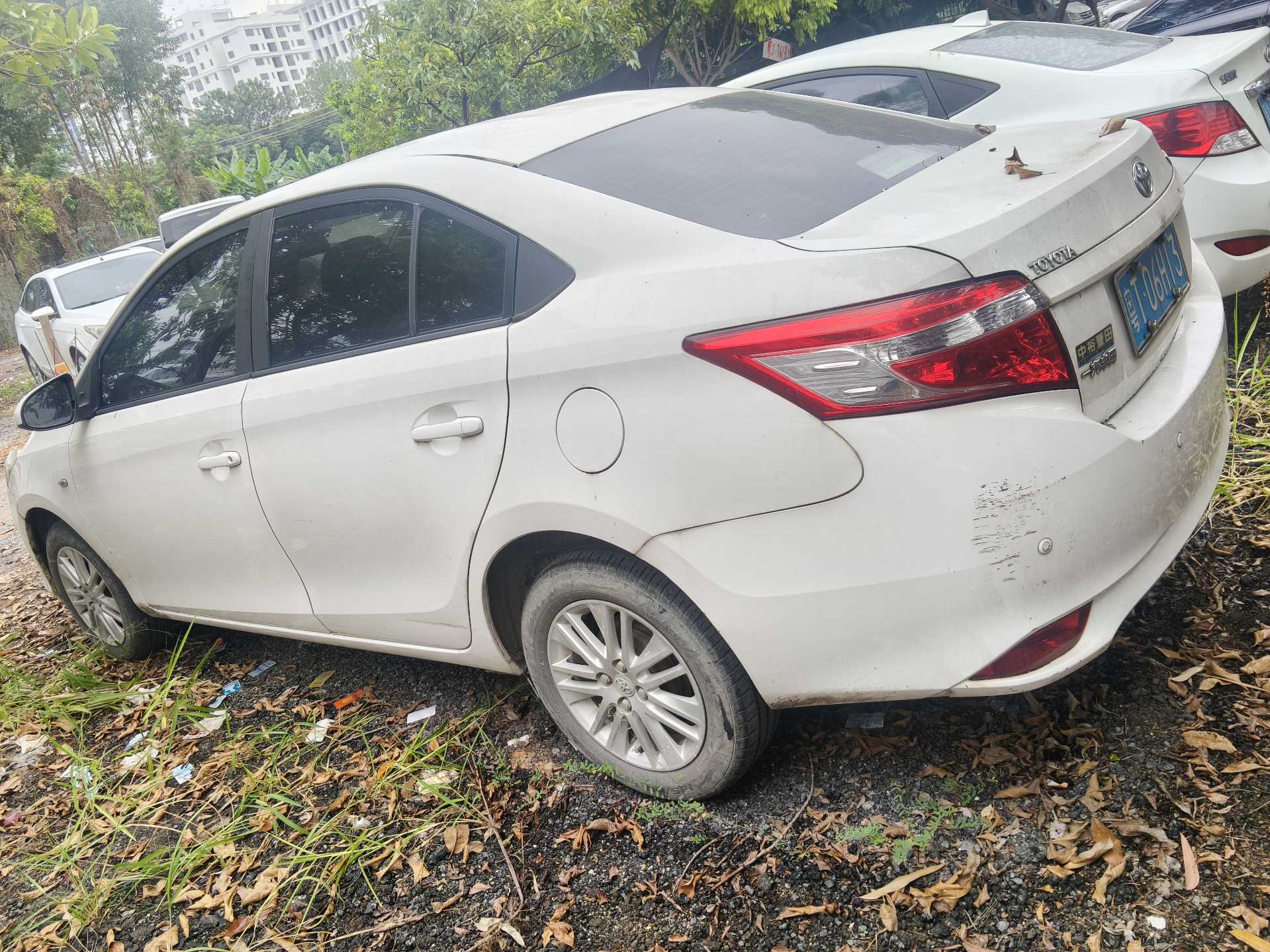
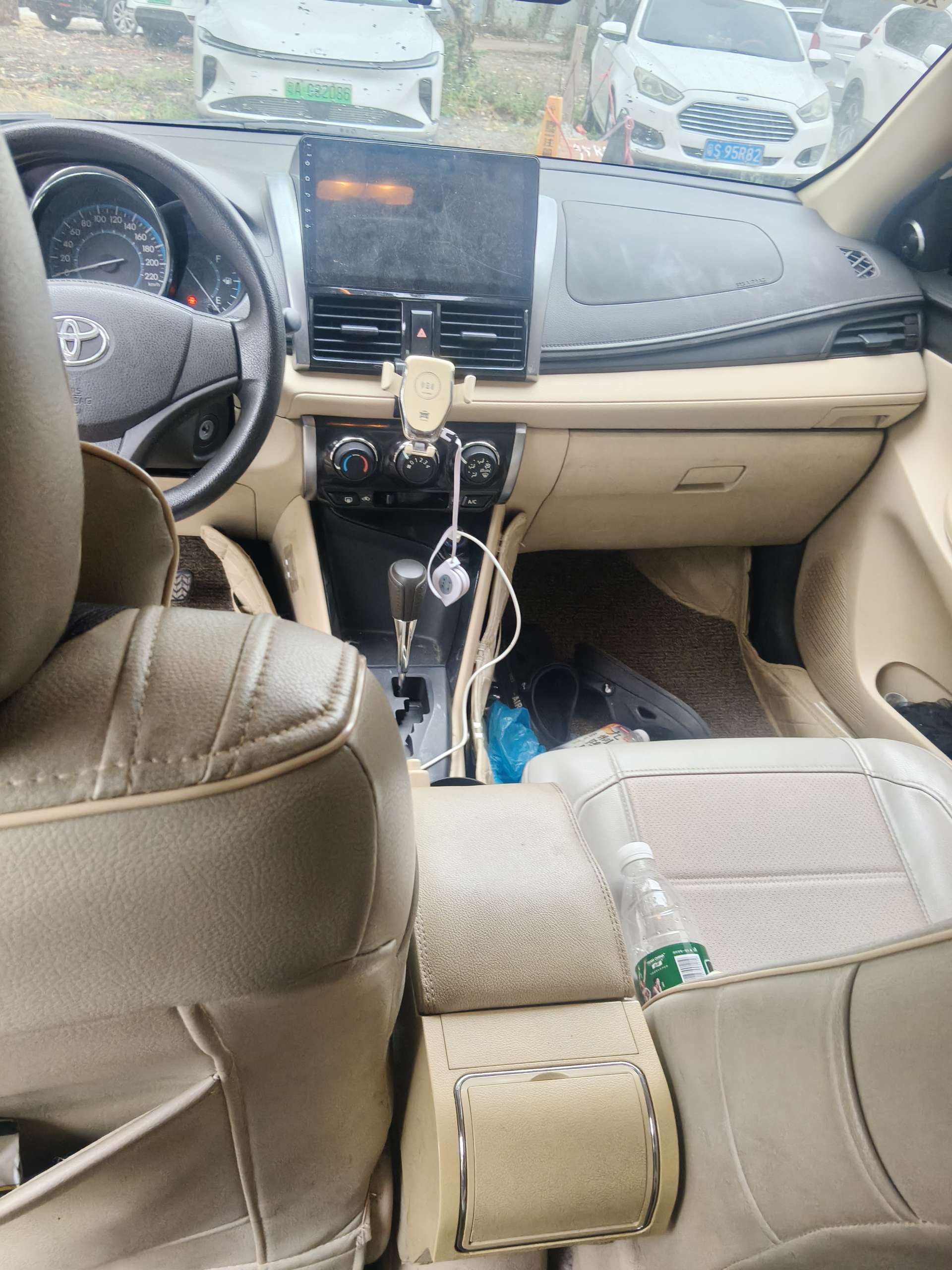
BrandToyota
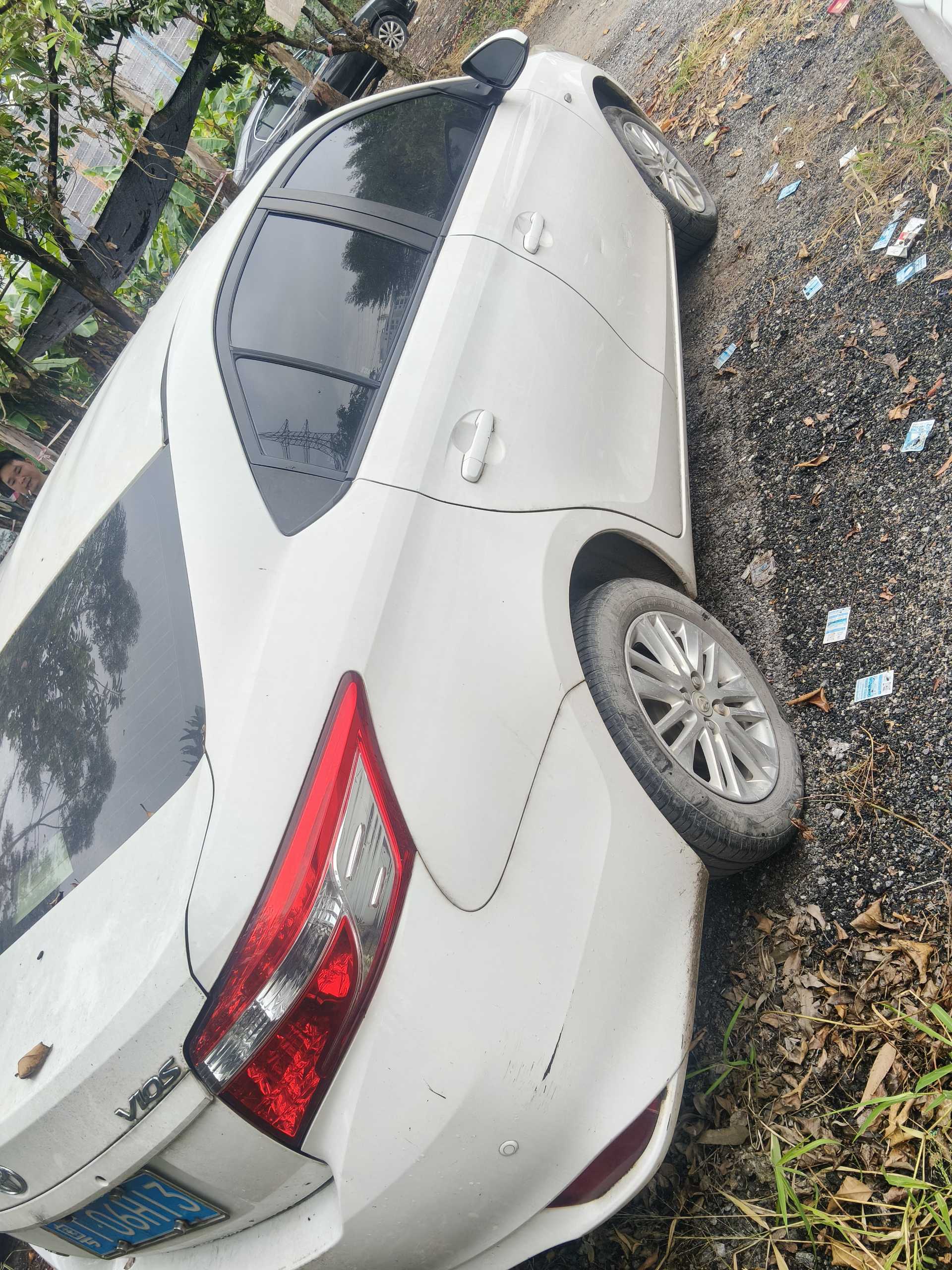
SeriesVios
Year2015
First Registration2015/07
Mileage113,000km
Transfer Count0times
FuelGasoline
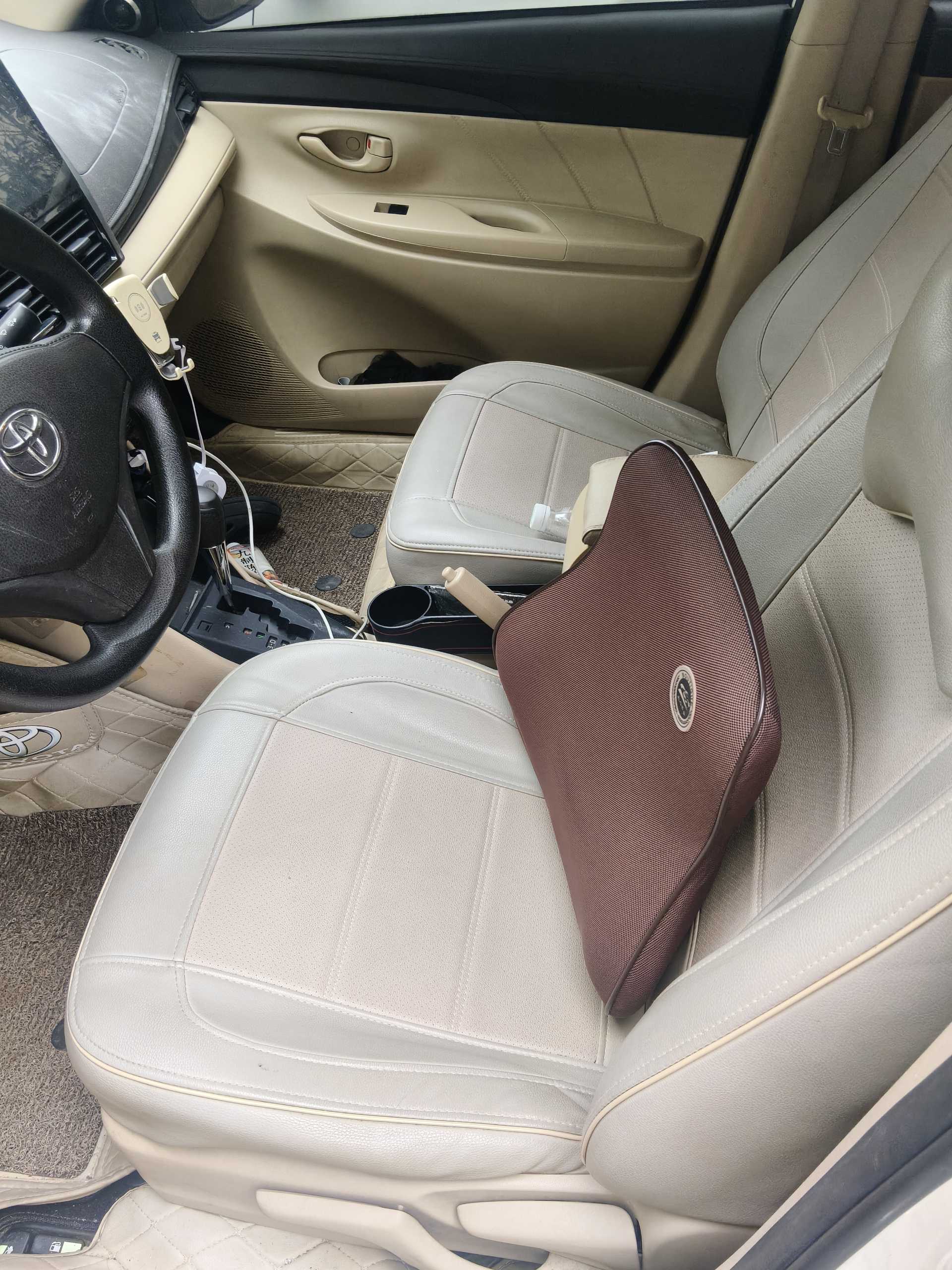
TransmissionAutomatic
Engine1.5L 107 L4
ColorWhite
Seats5seats

Condition Description

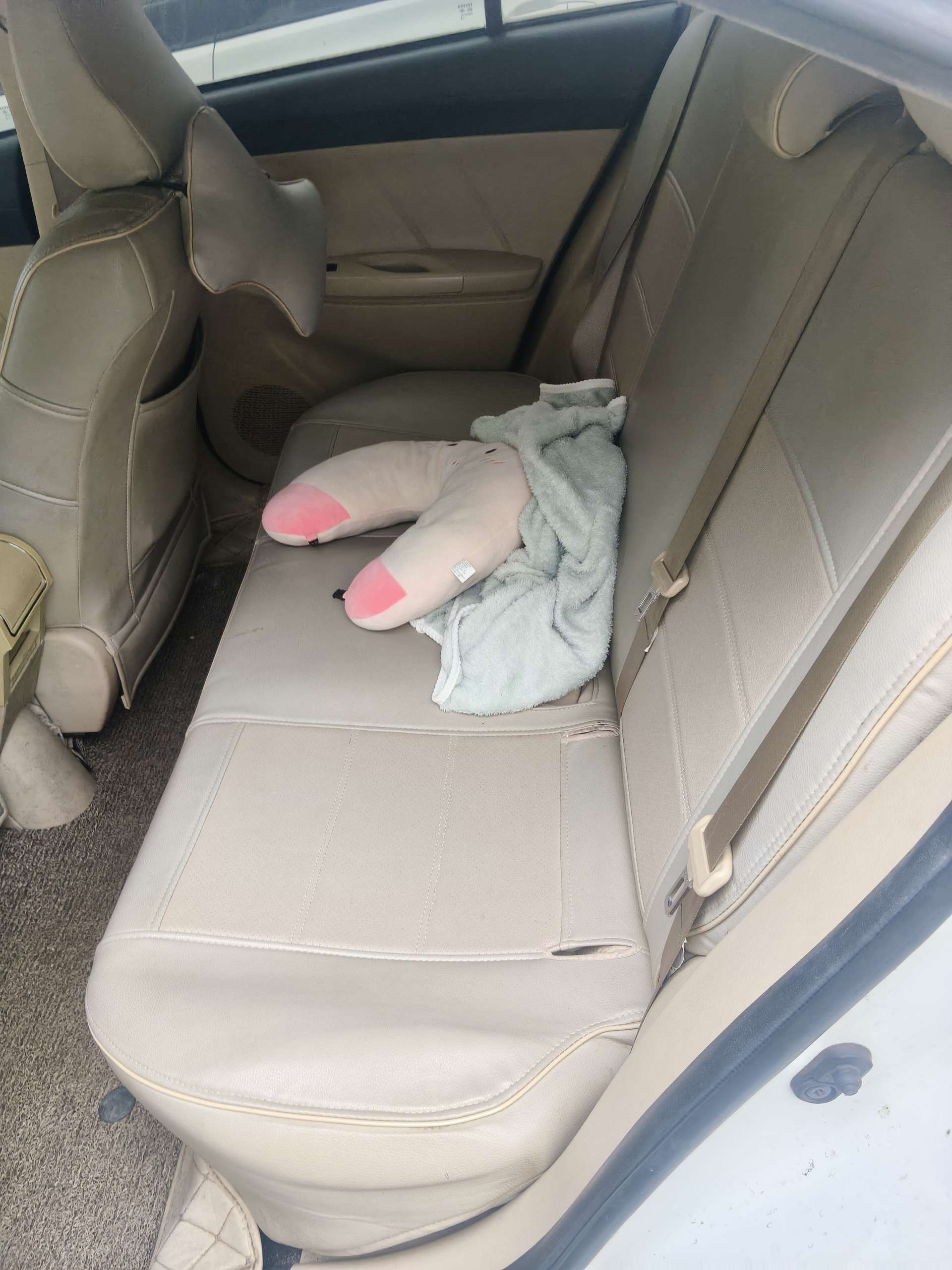
Full insurance until July next year. All metal body panels are original paint. One-owner car with actual odometer reading. Passed third-party inspection instantly.

Document Information

Inspection Expiry Date-
Warranty Expiry Date-
Insurance Expiry Date2027/07

Q&A

More

Will you investigate if the previous owner had any records of illegal street racing or dangerous driving during their ownership?

This involves personal privacy, and we have no right or ability to retrieve personal driving violation records from the traffic police system. We can only infer if there was aggressive driving by checking if the engine has been reprogrammed with a higher-level ECU (stage 1/2) or if the transmission has a history of severe overheating.


How do I evaluate rust and corrosion on a used car from China, especially for coastal cities or snowy regions?

Rust is a deal-breaker that photos can hide, so be systematic. High-risk areas to check: 1. Underbody and frame rails—surface rust is normal, but flaking or bubbling paint means advanced corrosion 2. Wheel arches and rocker panels—these trap mud and salt 3. Door bottoms and the trunk floor—water collects here; lift the trunk mat and look for dampness or repair welds 4. Around the windshield and sunroof drains—leaks cause hidden rust in the A-pillars Ask the inspector to do a magnet test: filler-repaired areas won't hold a magnet, indicating past accident repairs. A paint thickness gauge reveals resprayed sections—uniform readings around 80-150 microns are normal; spikes over 300 suggest bodywork. Cars from northern China (salted roads in winter) or coastal cities need extra scrutiny on the underbody. If structural members show corrosion, walk away—repairs rarely restore original strength.

Is there a mileage adjustment phenomenon in the Chinese used car market? How do you ensure the absolute authenticity of the odometer?

Odometer tampering is a common risk in the global used car industry. We verify the data by extracting transmission mileage from the OBD computer, checking the most recent maintenance record's mileage, and consulting the national traffic management app for annual inspection records. If there are irreconcilable discrepancies or conflicts in the data, we classify it as a tampered vehicle and refuse to export it.