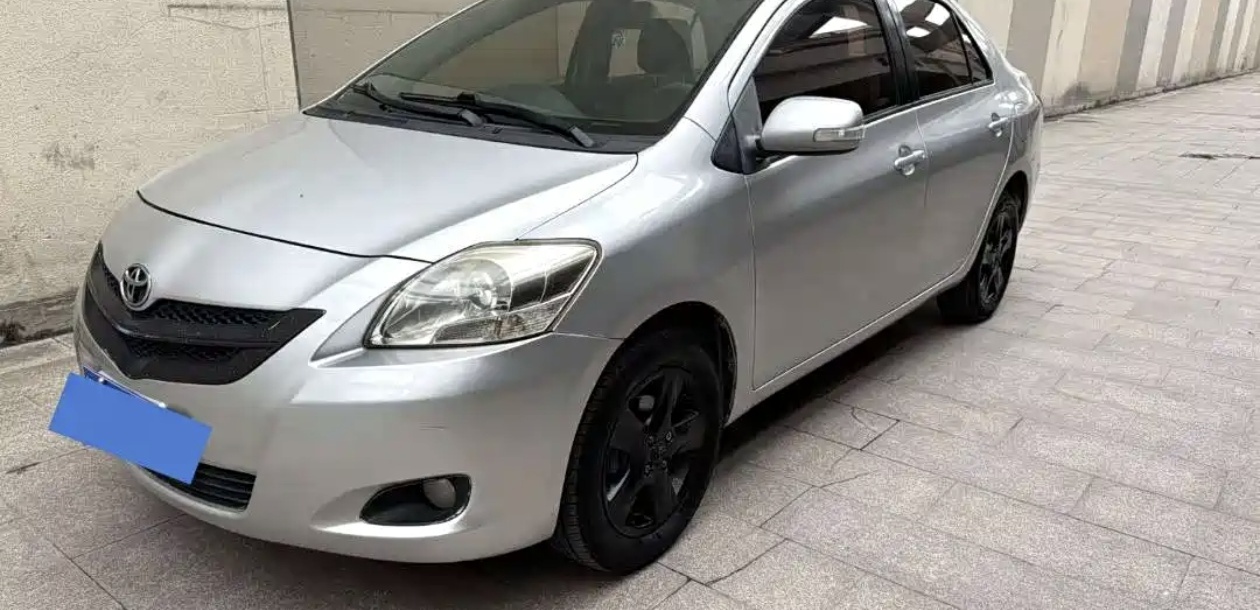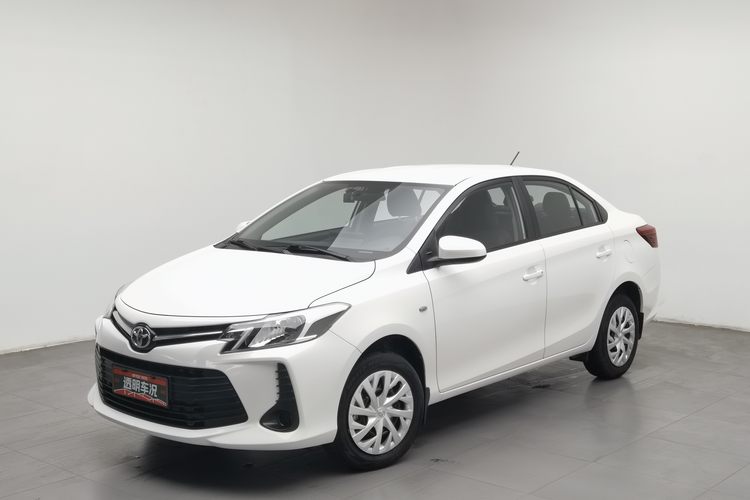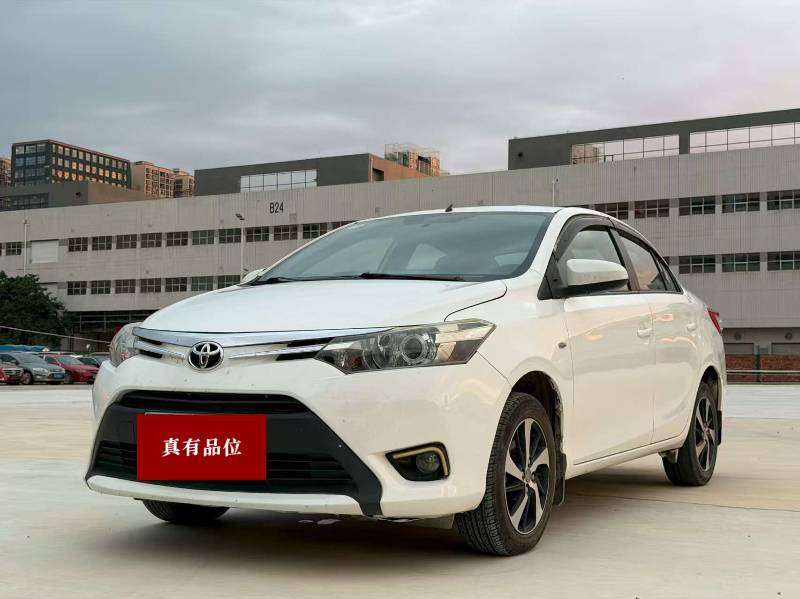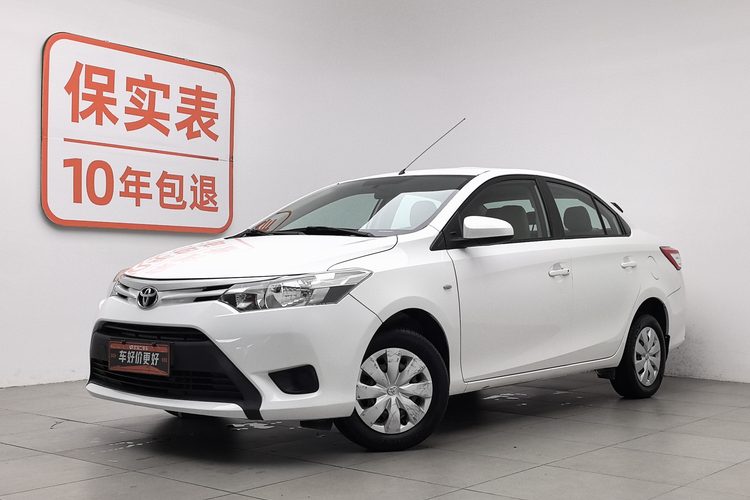
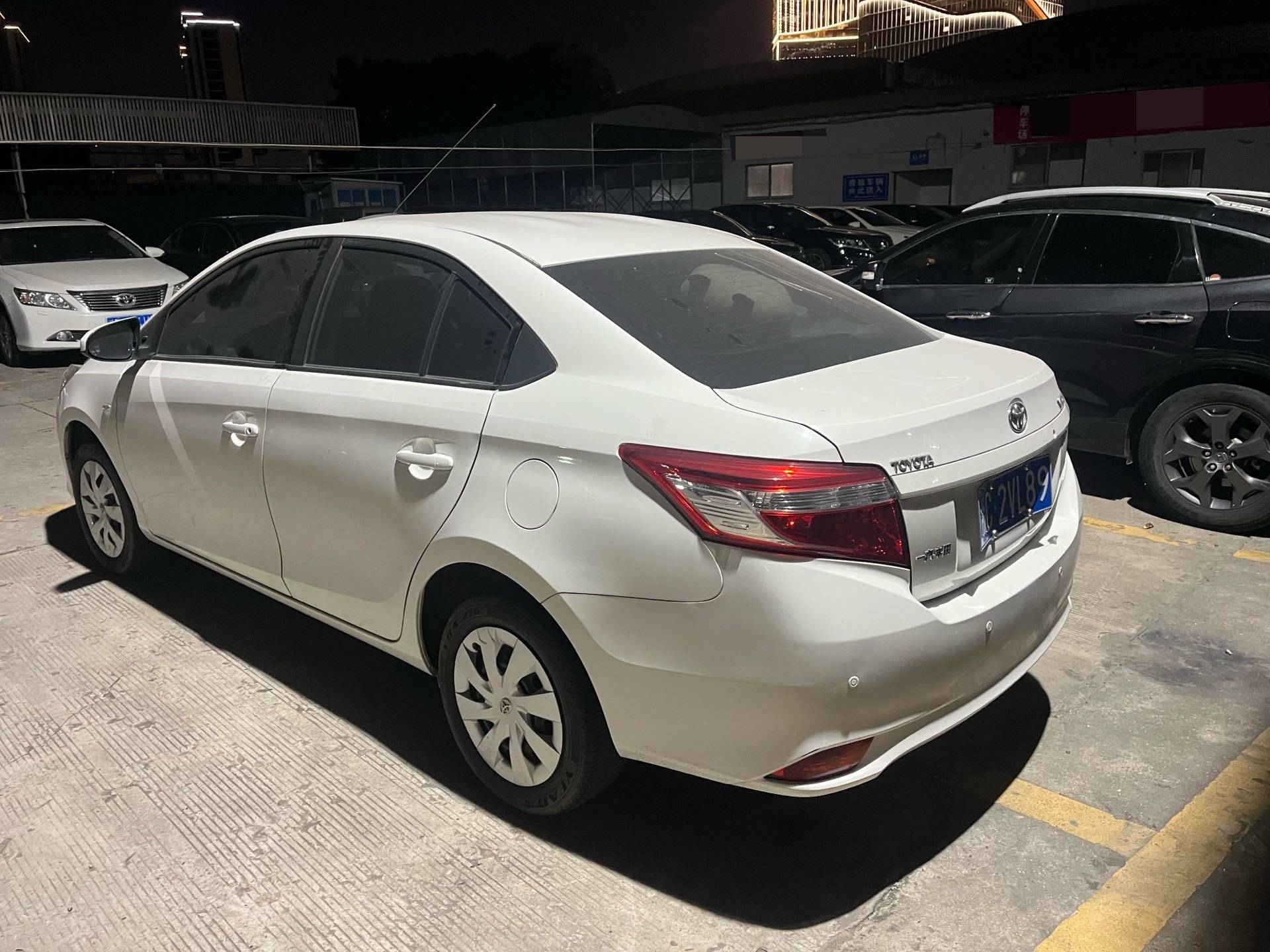
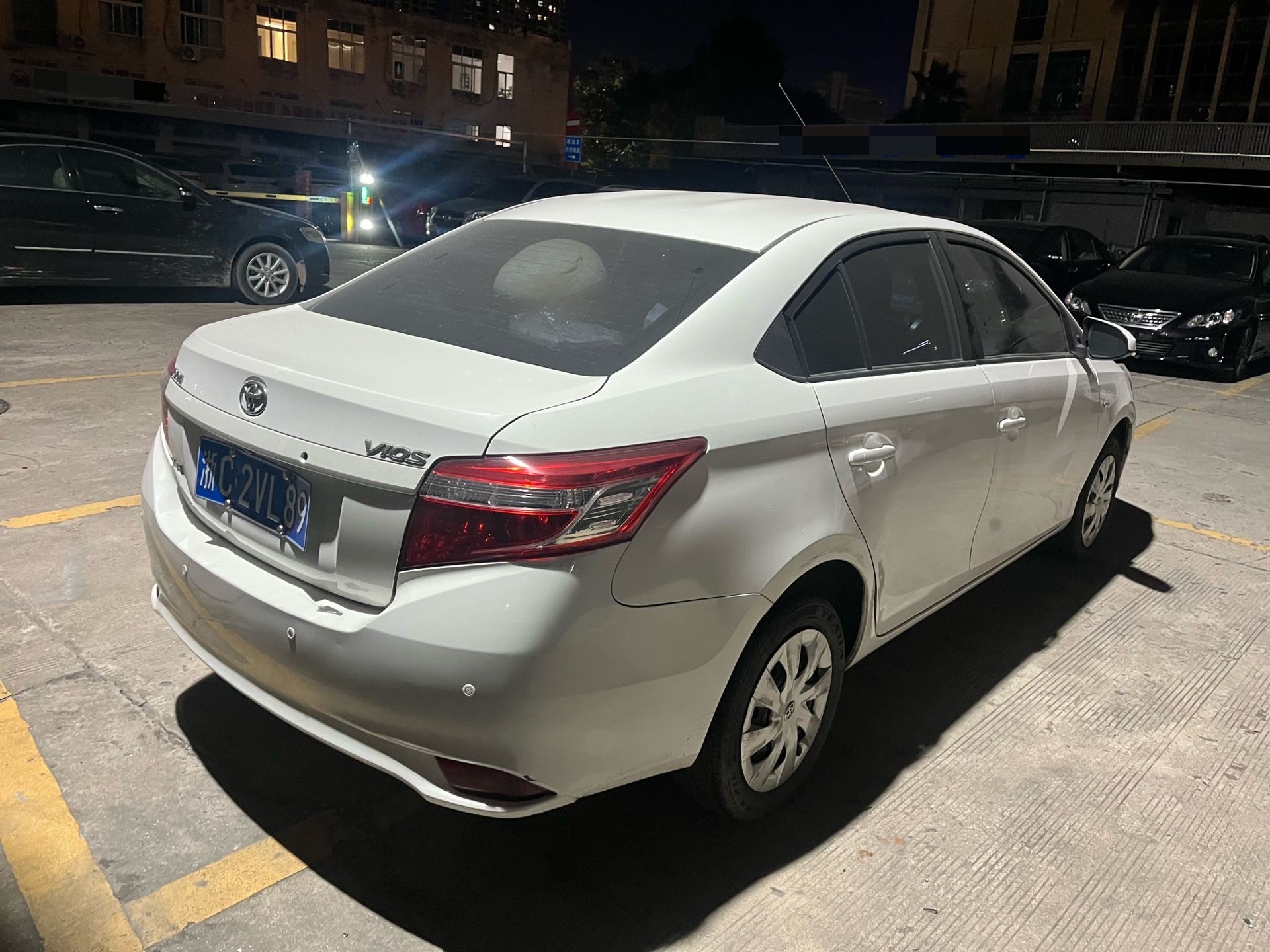
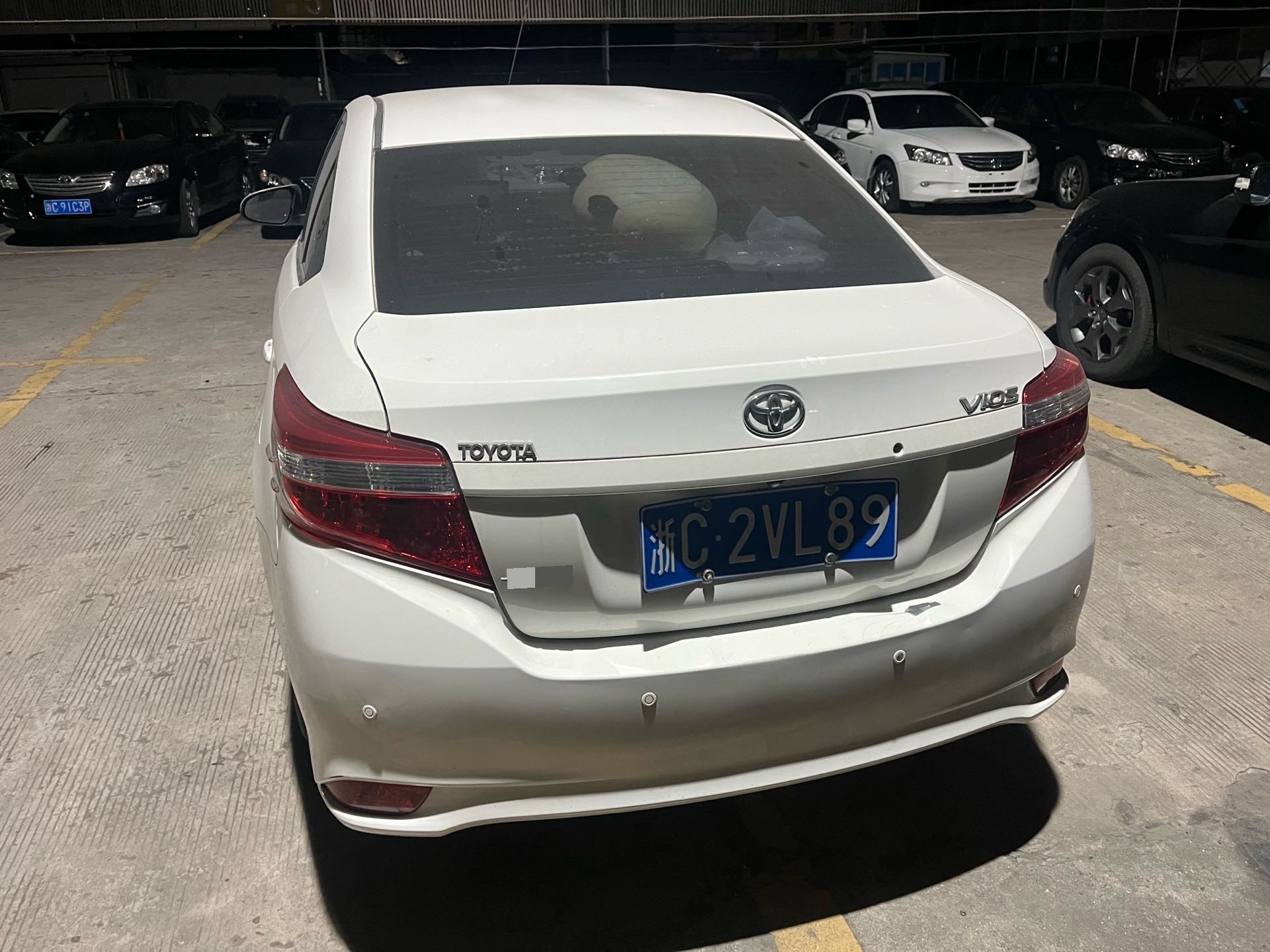



Basic Information

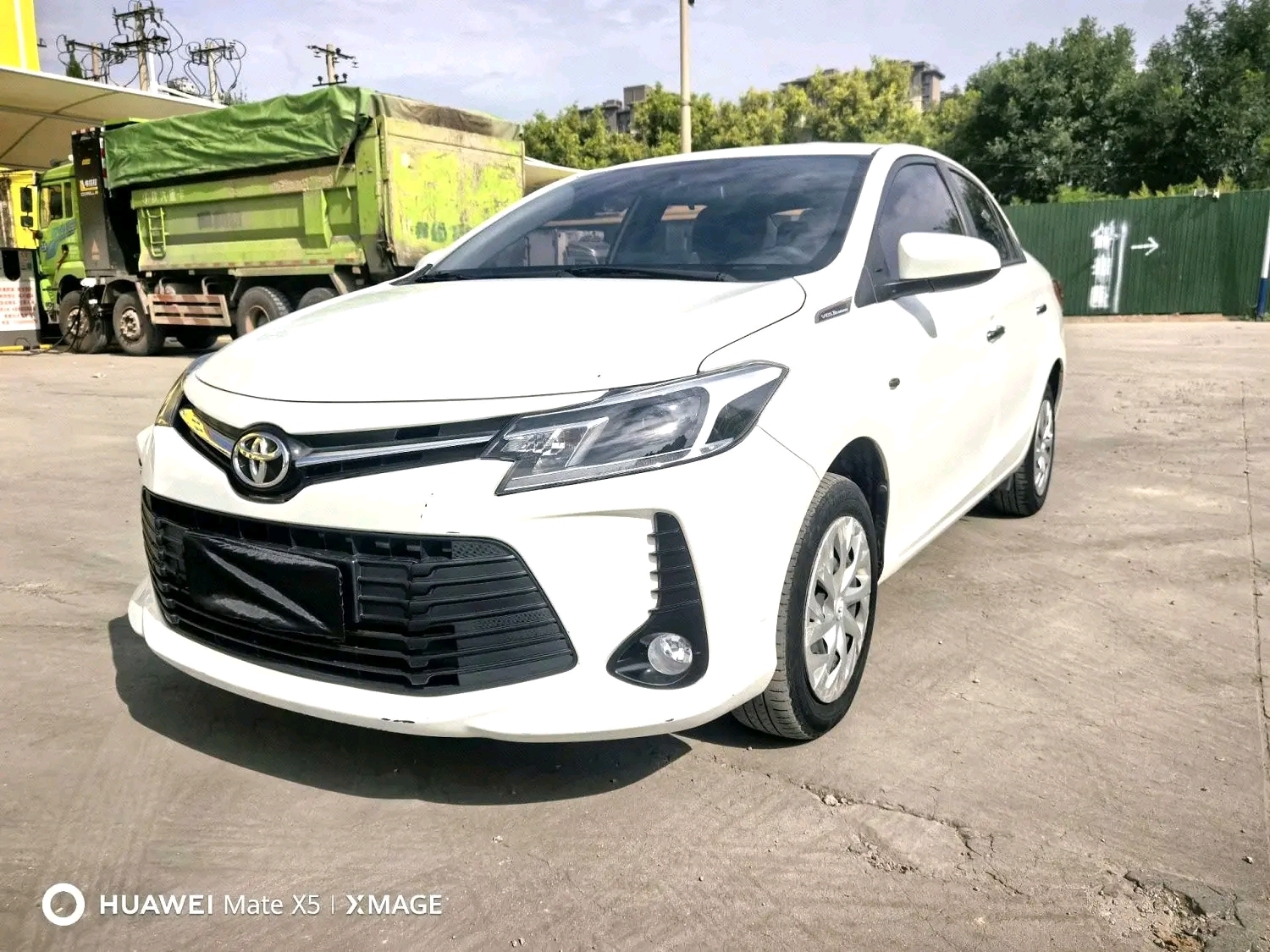
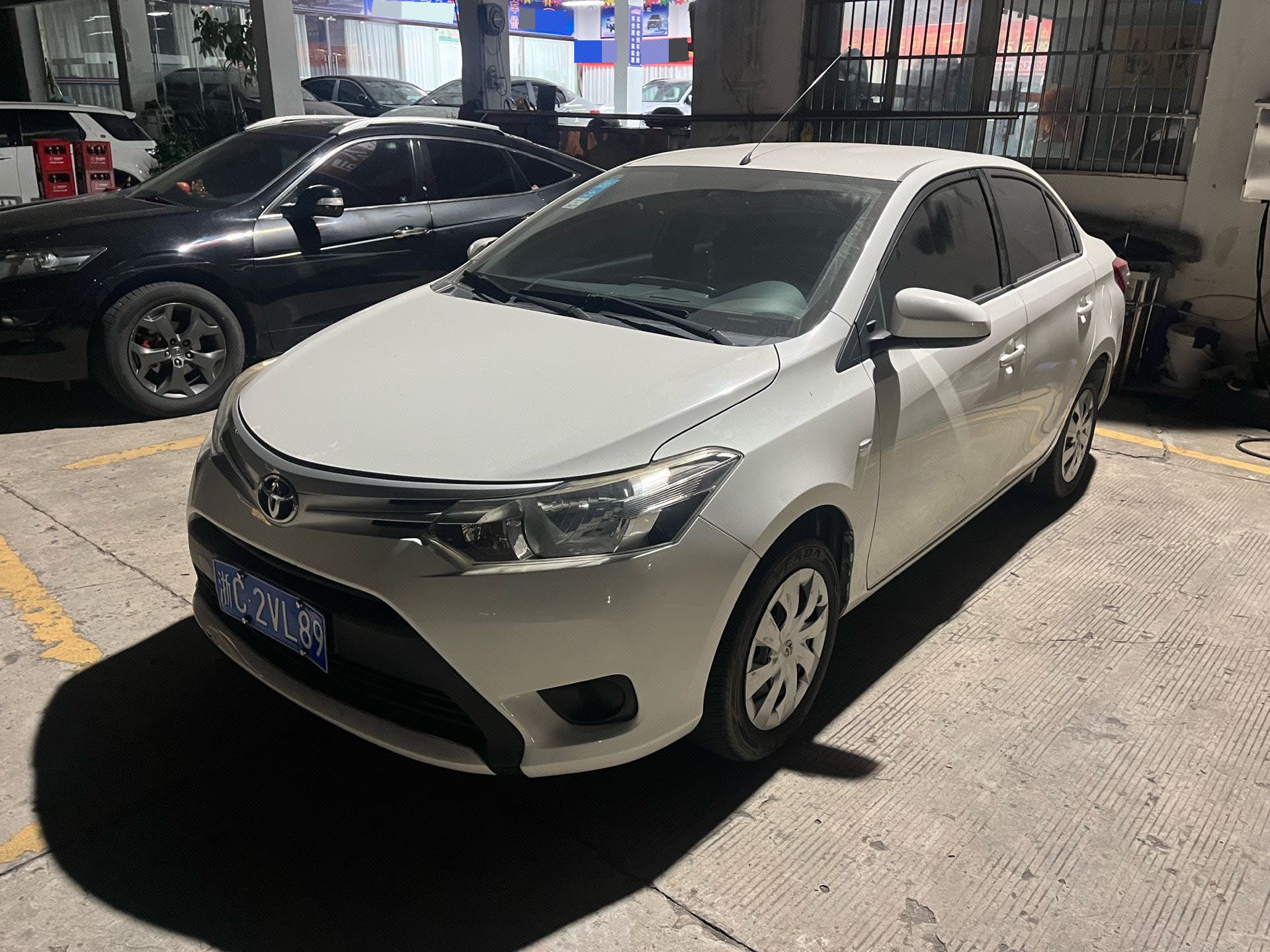
BrandToyota
SeriesVios
Year2015
First Registration2015/02
Mileage30,000km
Transfer Count0times
FuelGasoline
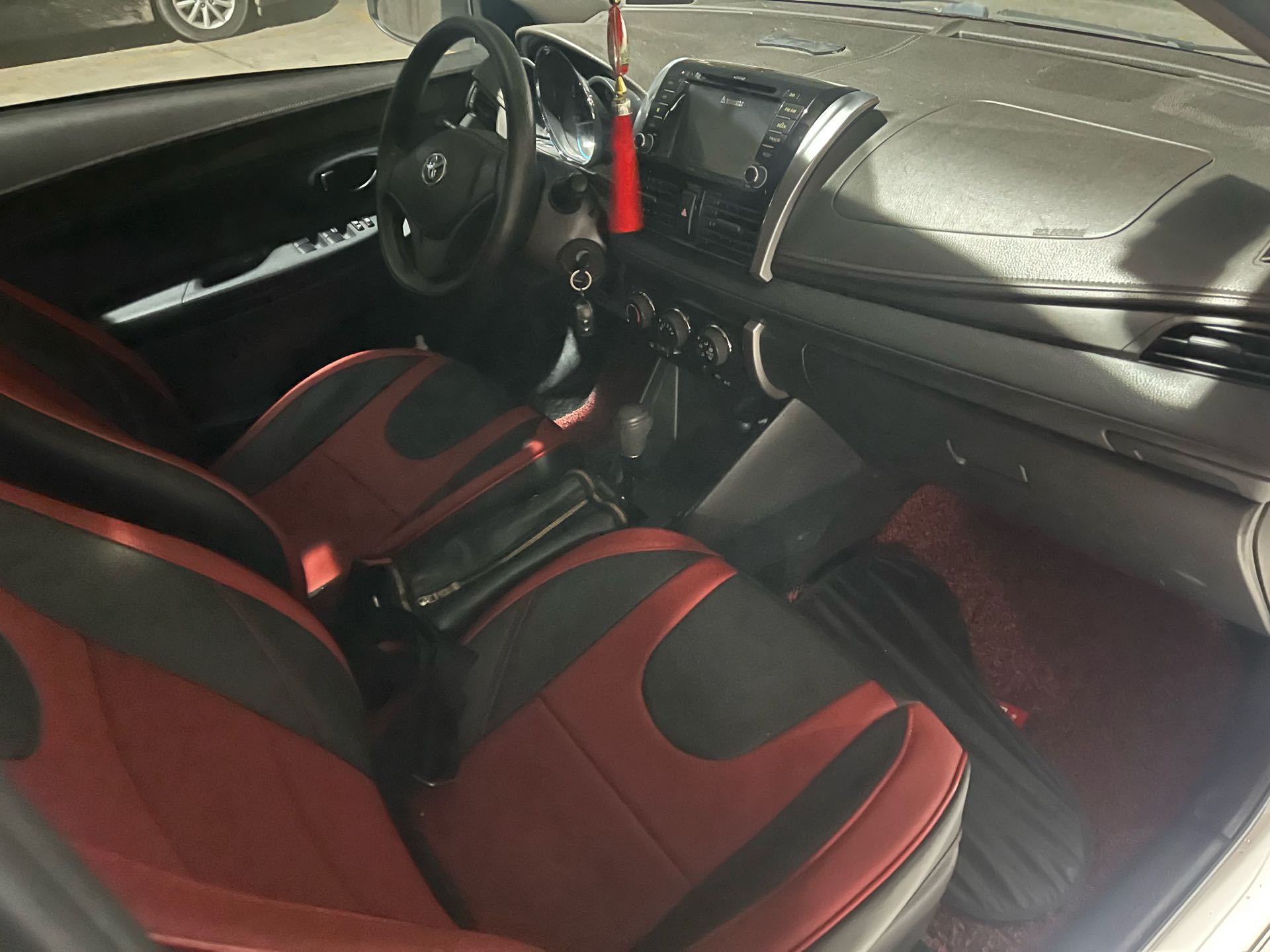
TransmissionAutomatic
Engine1.3L 99 L4
ColorWhite
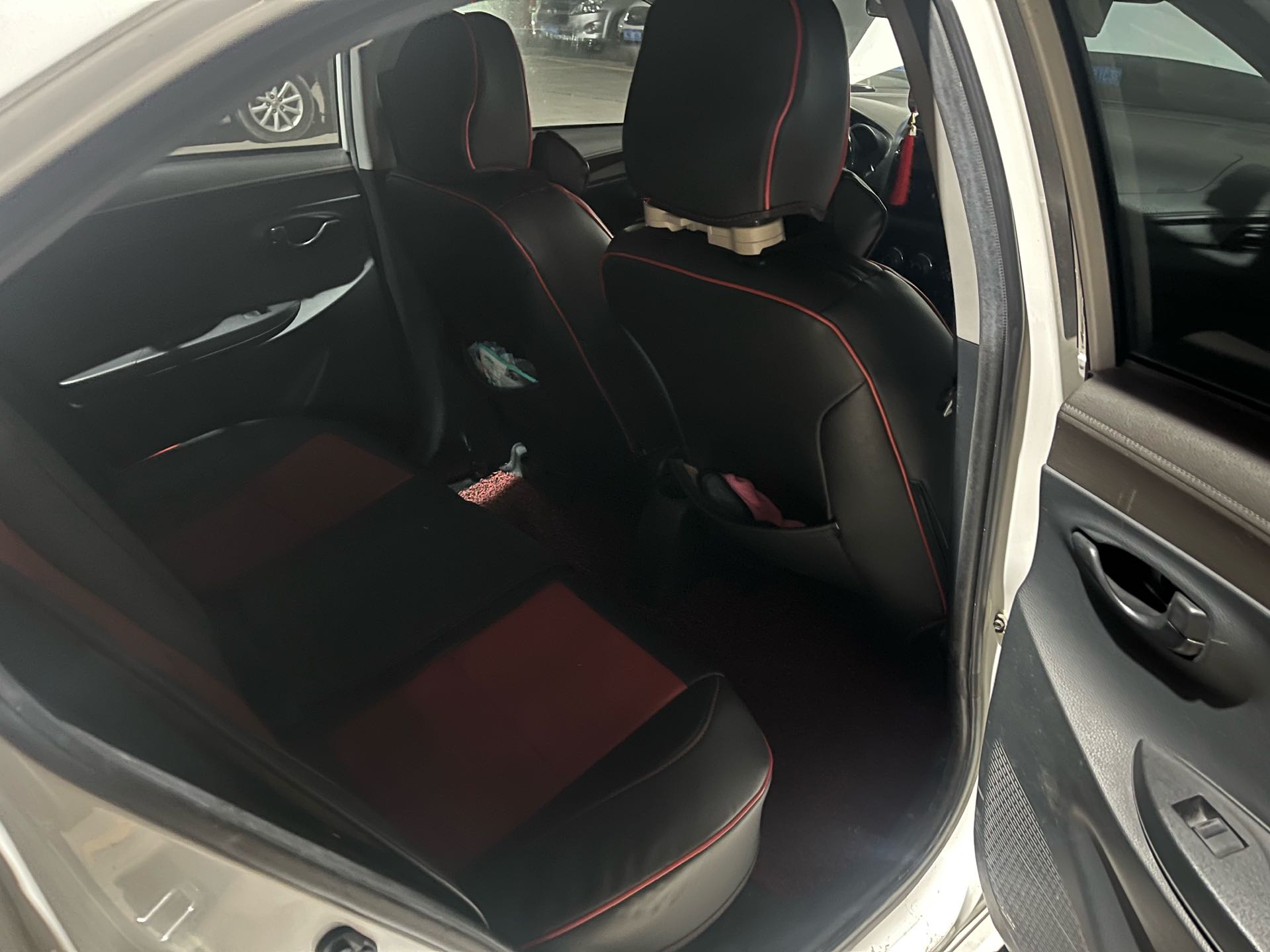
Seats5seats

Condition Description

Original condition, has been repainted, first owner, can pass third-party inspection.

Document Information

Inspection Expiry Date-
Warranty Expiry Date-
Insurance Expiry Date2027/02

Q&A

More

If we have a dispute in the transaction, which country's laws govern the car purchase contract?

To ensure the legal rights of both parties, the "International Used Car Sales Contract" we signed is in both Chinese and English. Generally, the contract is governed by Chinese law. All liabilities for breach of contract and force majeure clauses will be clearly defined in the contract.


How do I assess rust and underbody condition in a used car from China when buying remotely?

Rust is one of the most underestimated problems in remote buying. Request specific evidence: photos of the underbody, wheel arches, door sills, and around the windshield seal; close-ups of suspension mounting points; and ideally paint thickness readings across panels (factory paint is typically 80-120μm; heavy patches suggest bodywork). Northern Chinese cars may have winter road-salt corrosion; coastal cars can show surface rust on exposed metal. Surface rust on exhaust and bolts is normal—structural rust on frame rails, subframes, or brake lines is a deal-breaker, especially if the car is headed to a humid or coastal market. Have the inspector tap suspicious areas during the video call: flaky or bubbling metal sounds hollow. Walk away if the seller refuses underbody photos.

How do I evaluate interior wear on a used car from China to estimate real mileage and usage intensity?

Interior wear is harder to fake than an odometer and often reveals true usage better than any document. Focus on high-contact points the seller rarely restores. The driver's seat bolster shows creasing and cracking by 80,000-100,000 km even with covers. Steering wheel leather polishes smooth and darkens with hand oils; a shiny wheel with low claimed mileage is a red flag. Pedal rubbers wear through at similar rates — check accelerator, brake, and clutch depth. Second-row wear patterns tell you how the car was used: heavy child-seat indentations suggest family use (usually gentler), while uniform rear wear with clean front suggests commercial or ride-hailing duty. Check seat rails for rust (indicates water ingress) and look under floor mats for moisture staining or musty smell — flood cars often hide it there. Also examine the infotainment and instrument cluster: Chinese EVs log usage data internally, and a dealer diagnostic readout can cross-check driving hours against mileage. Request close-up, well-lit photos of these specific points during your live video inspection rather than relying on the seller's gallery.