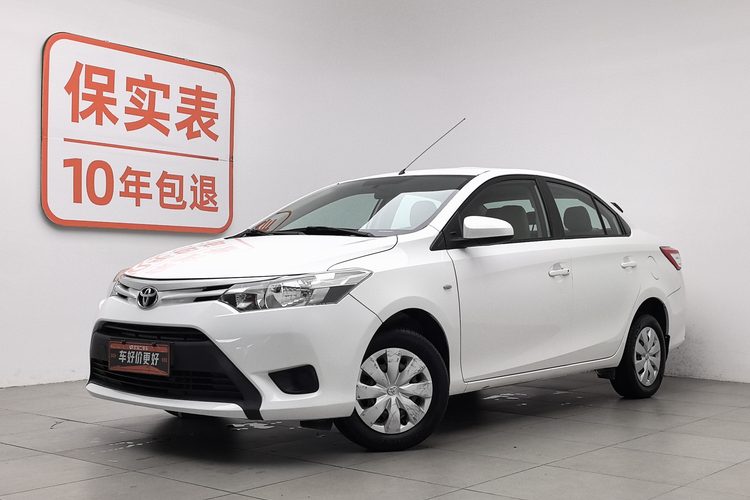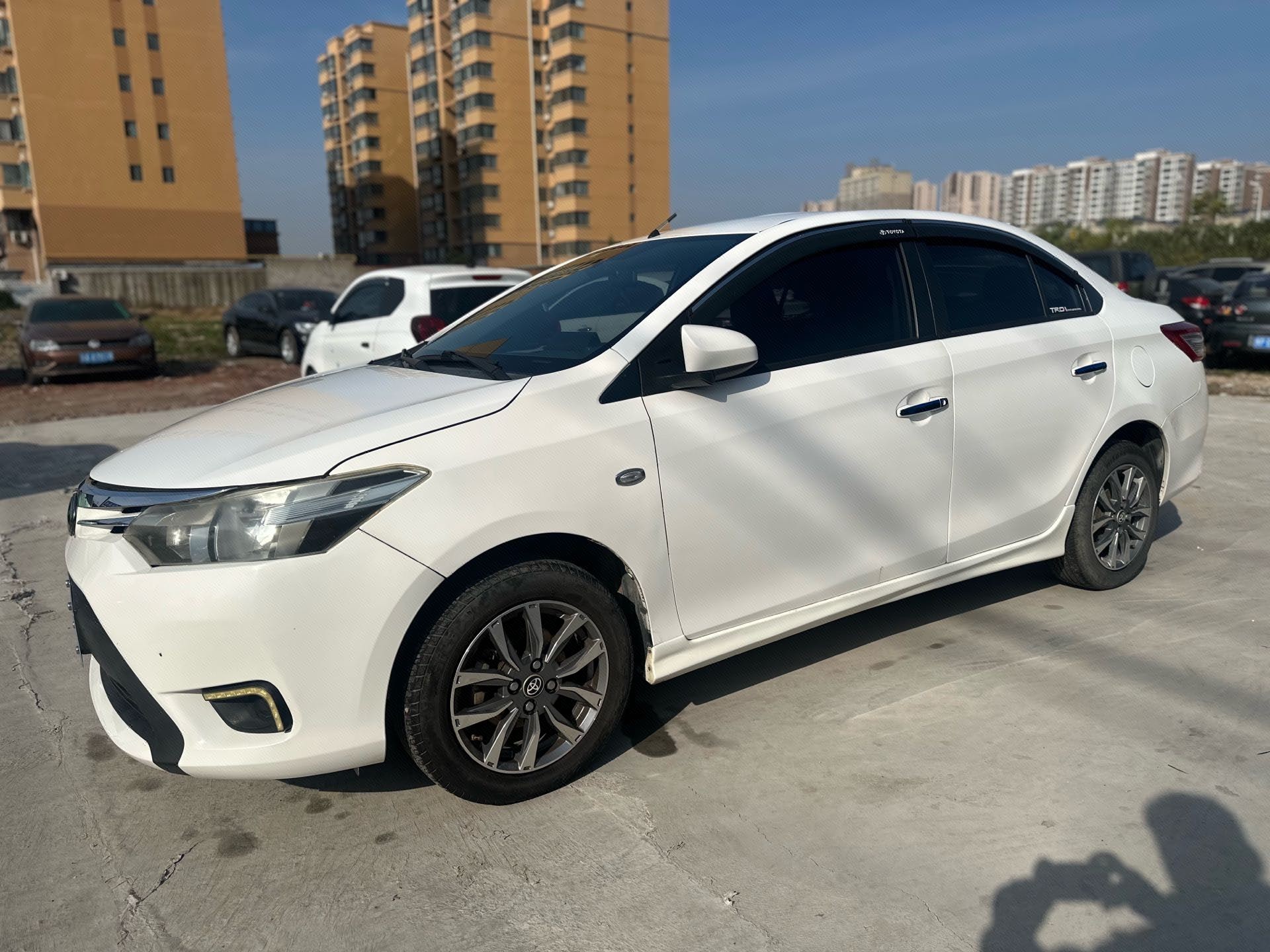
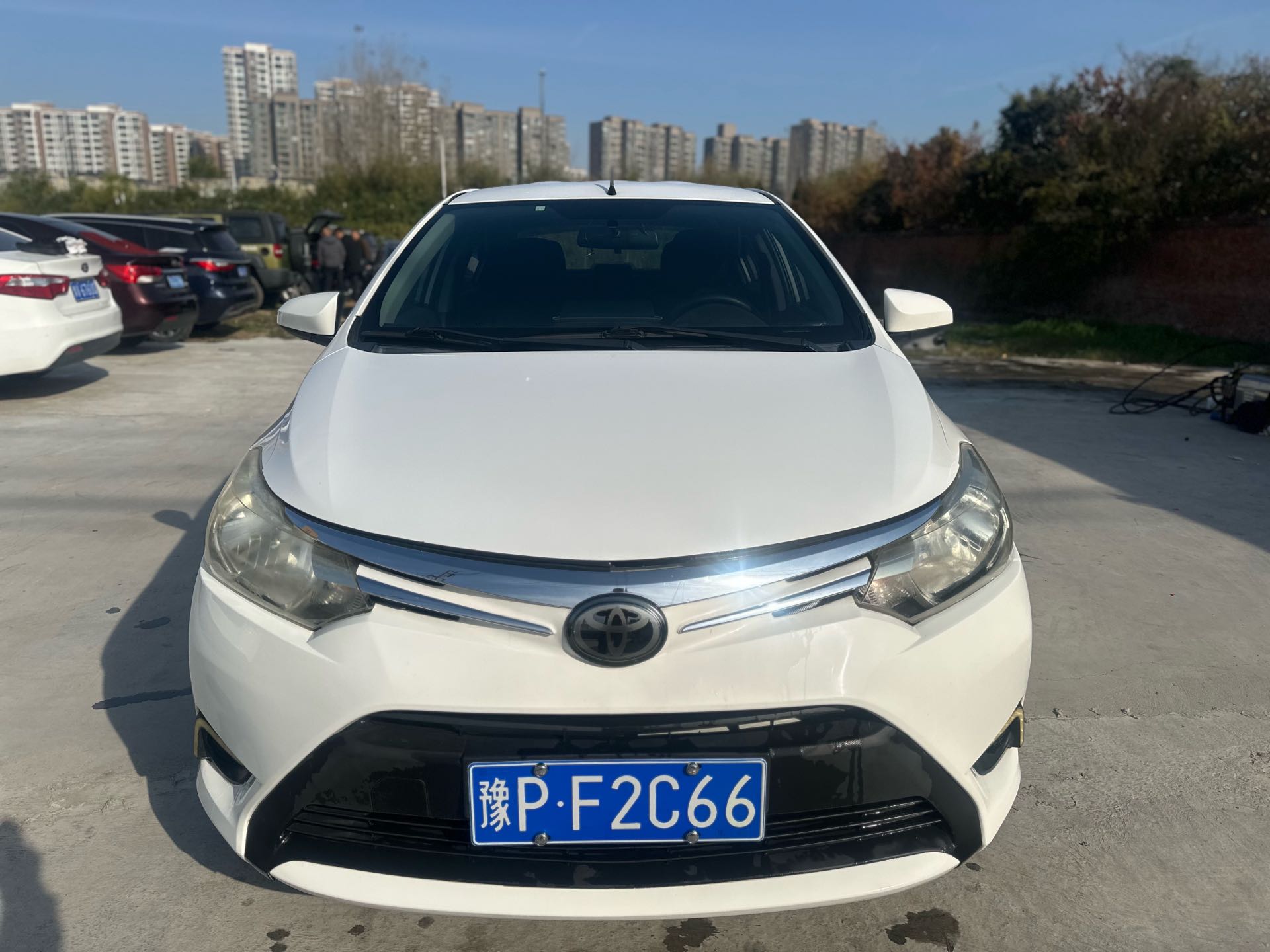
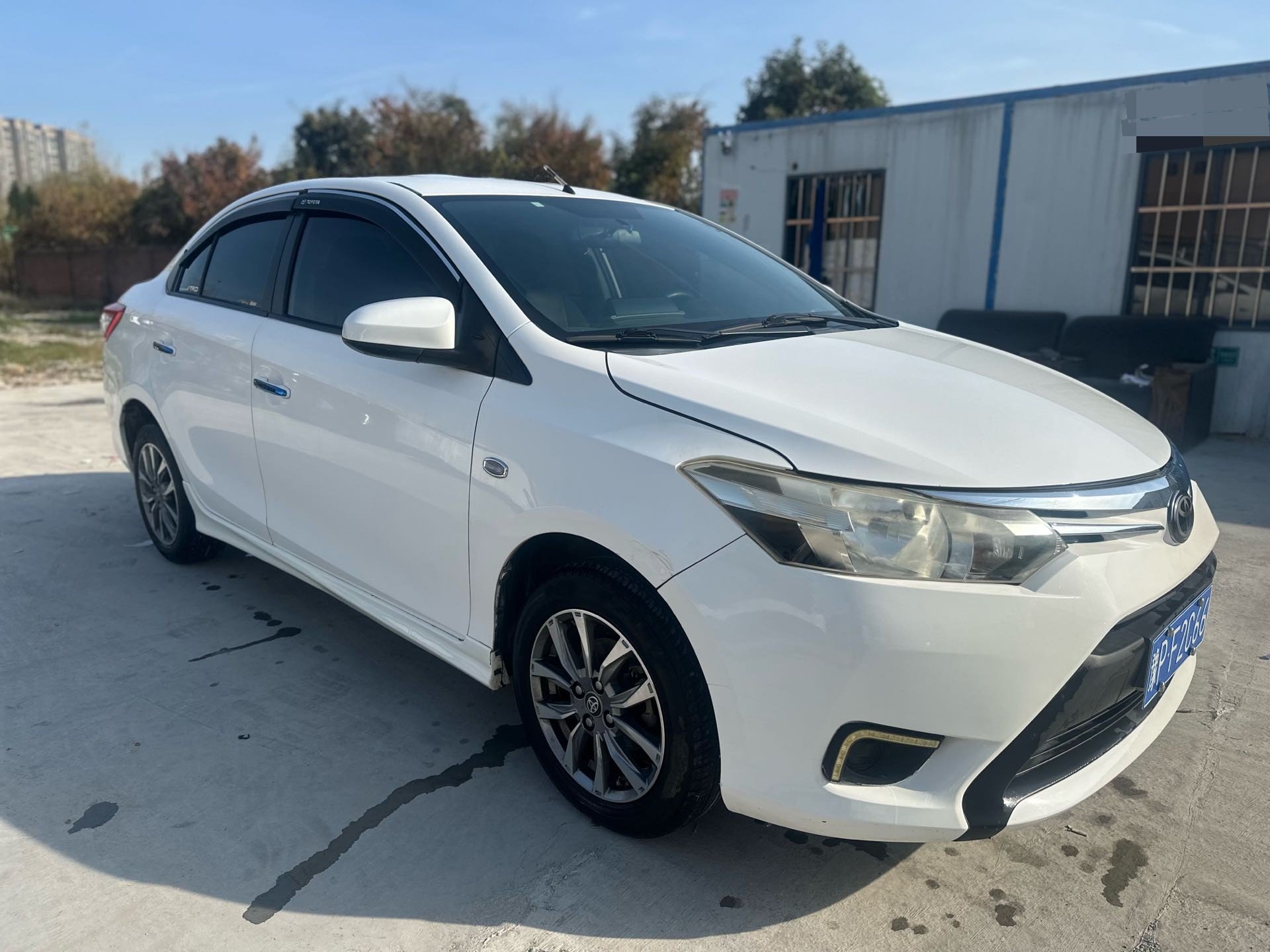
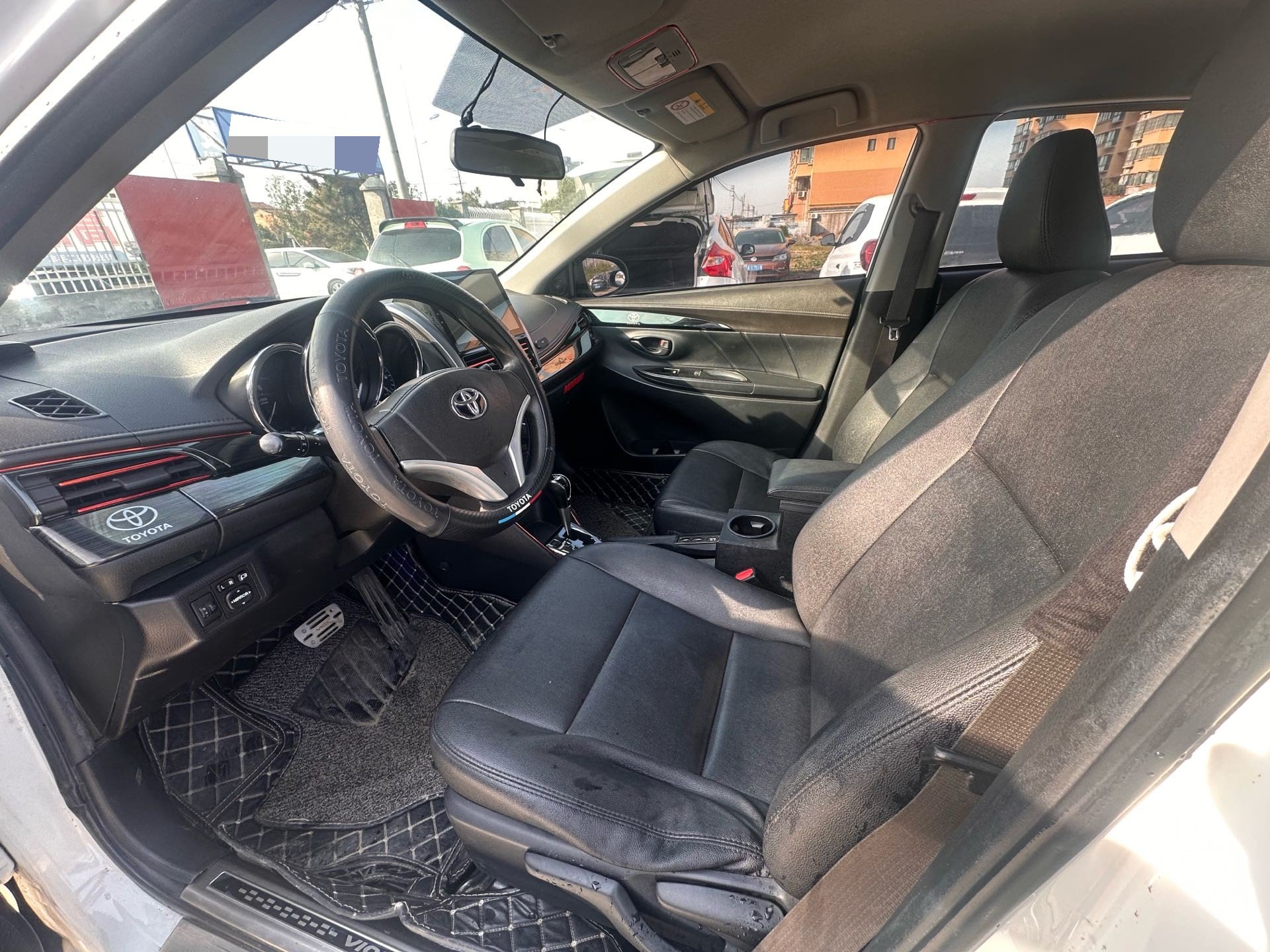
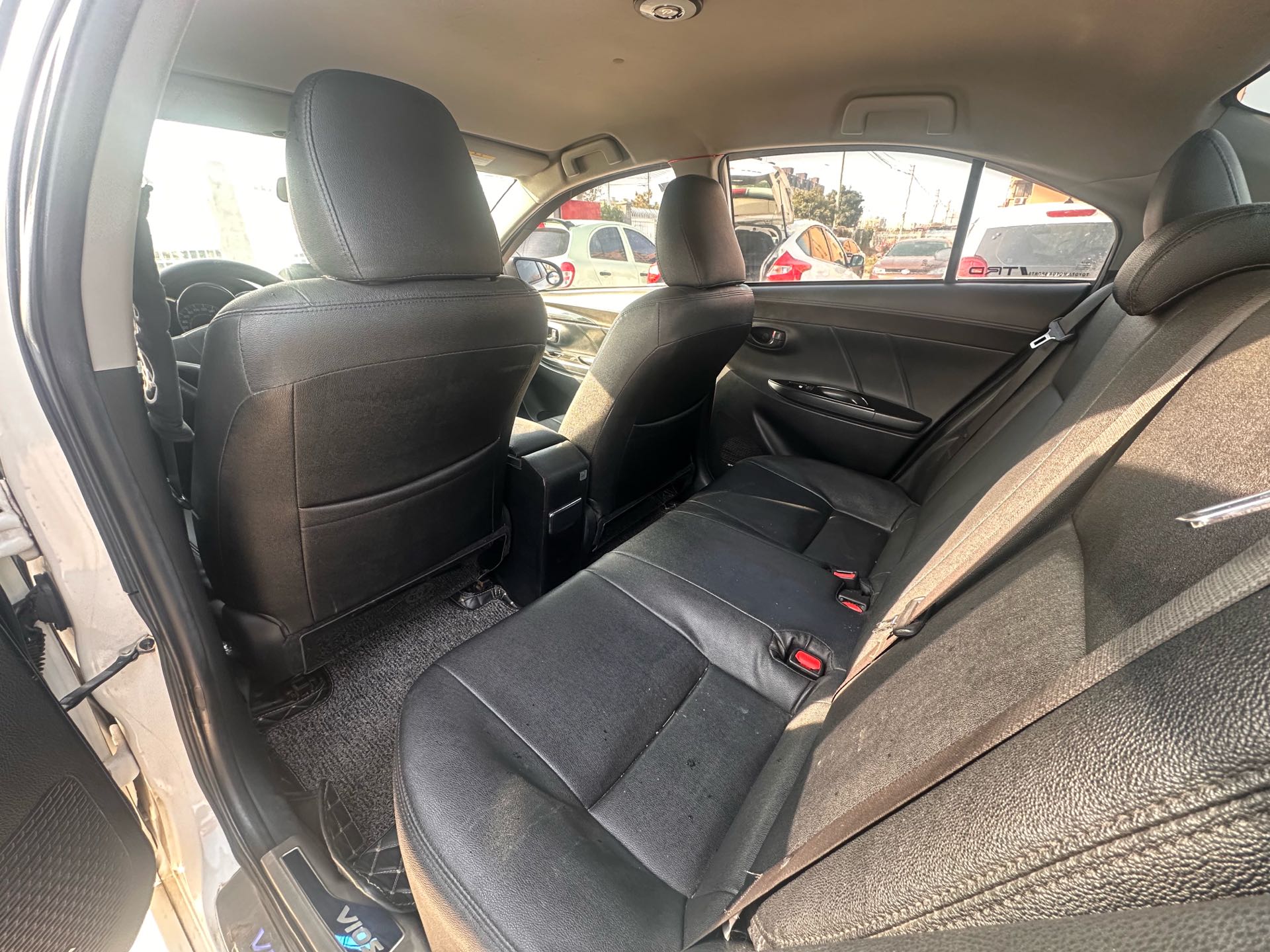
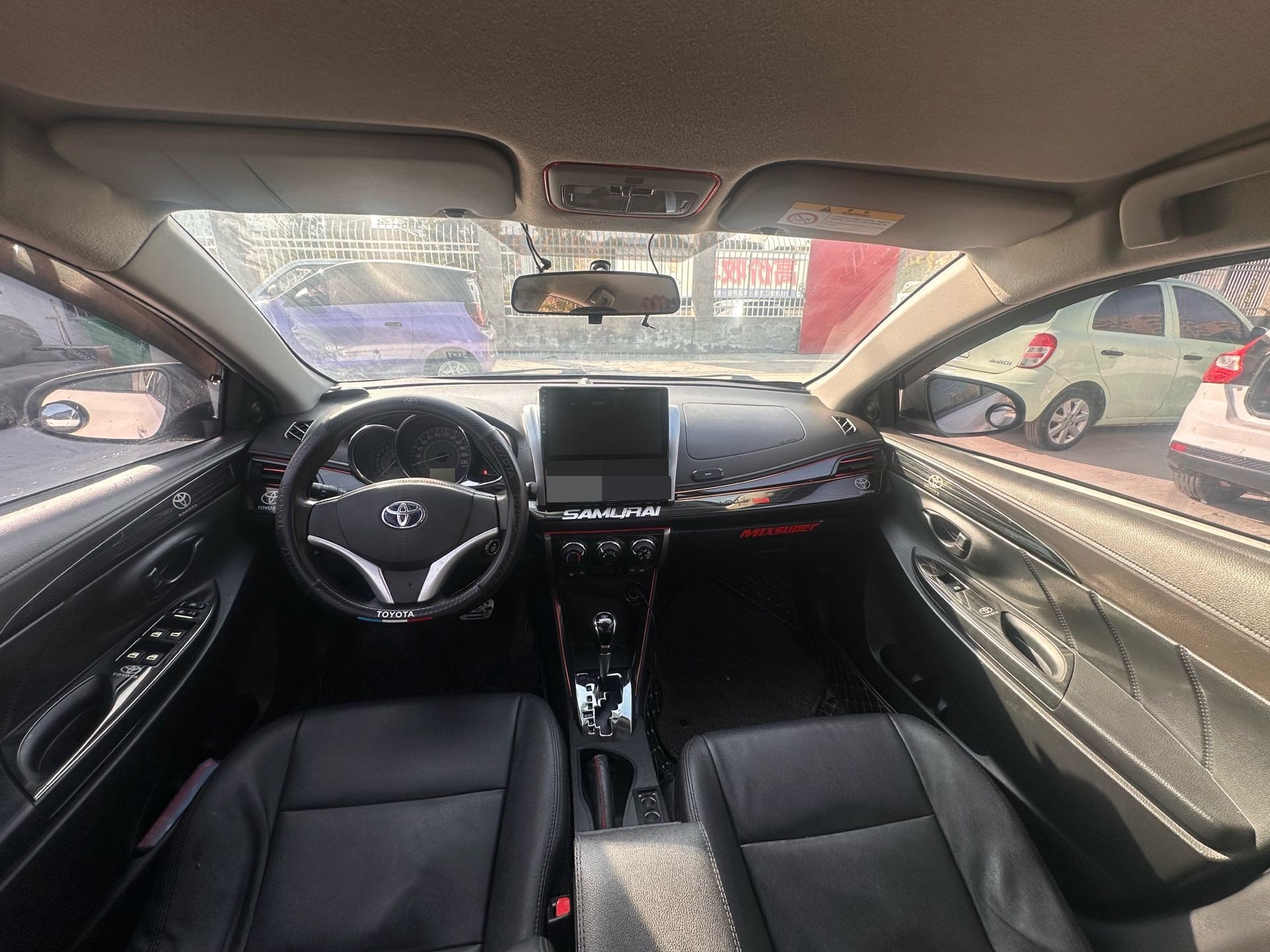
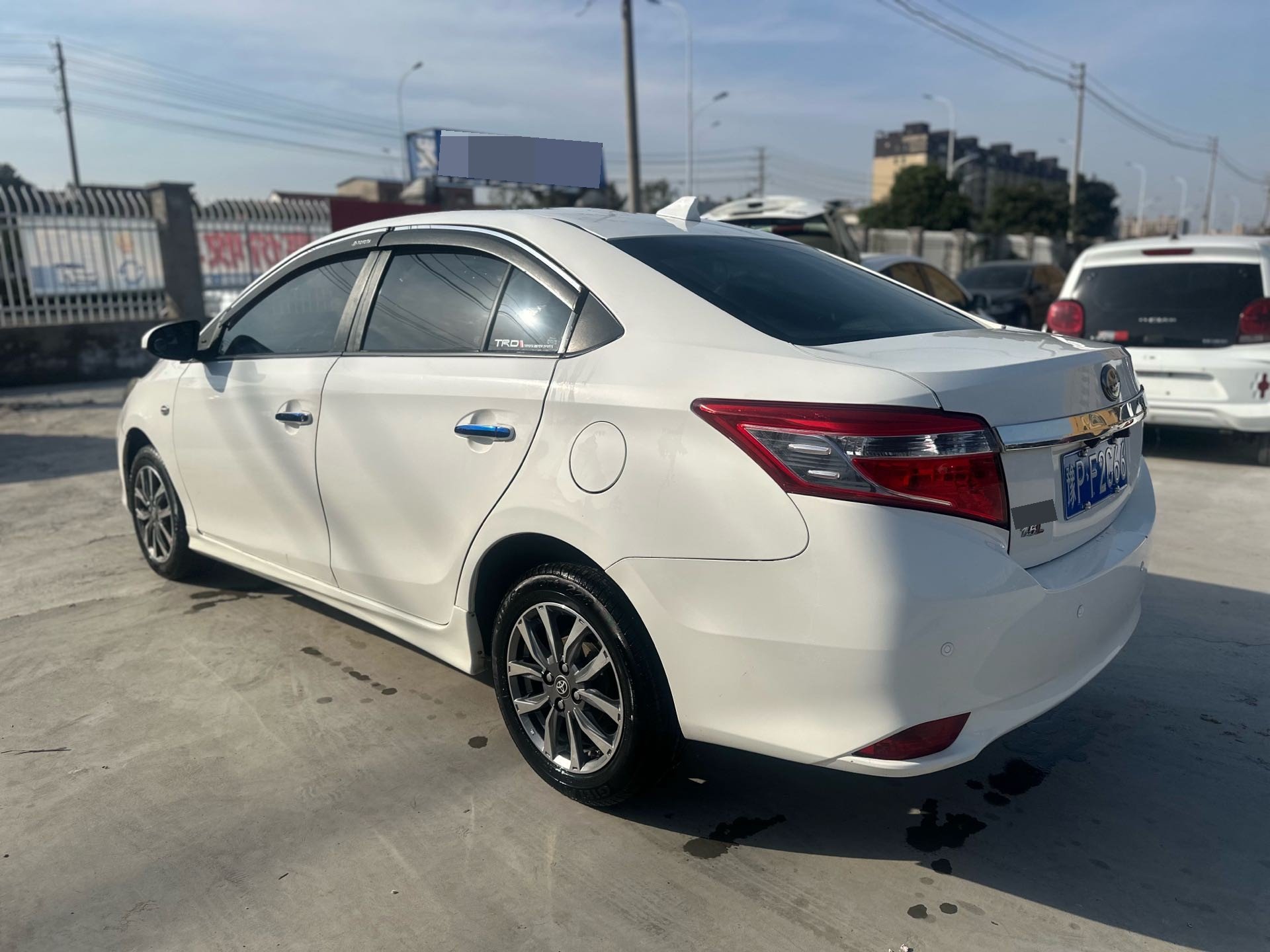
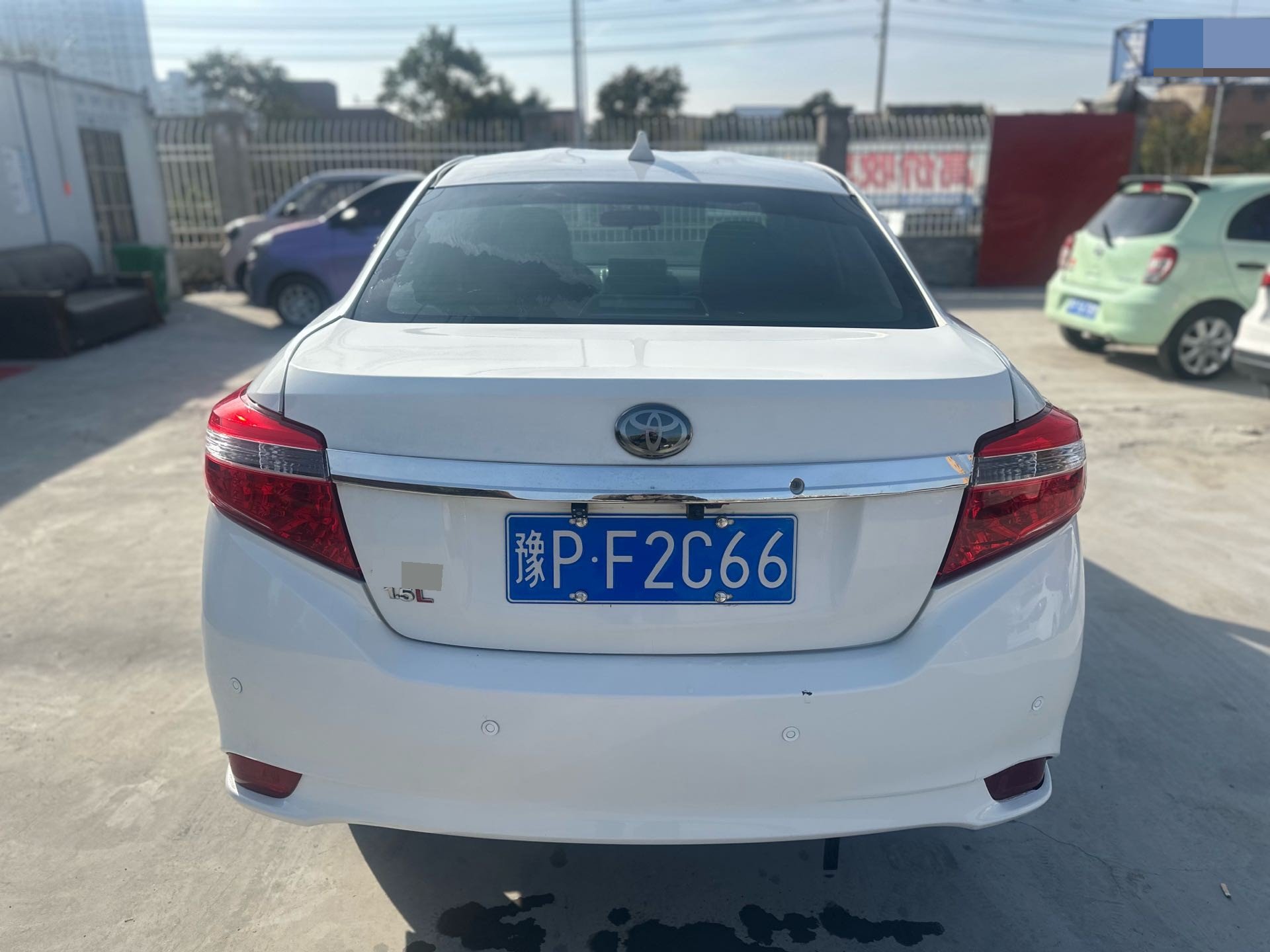
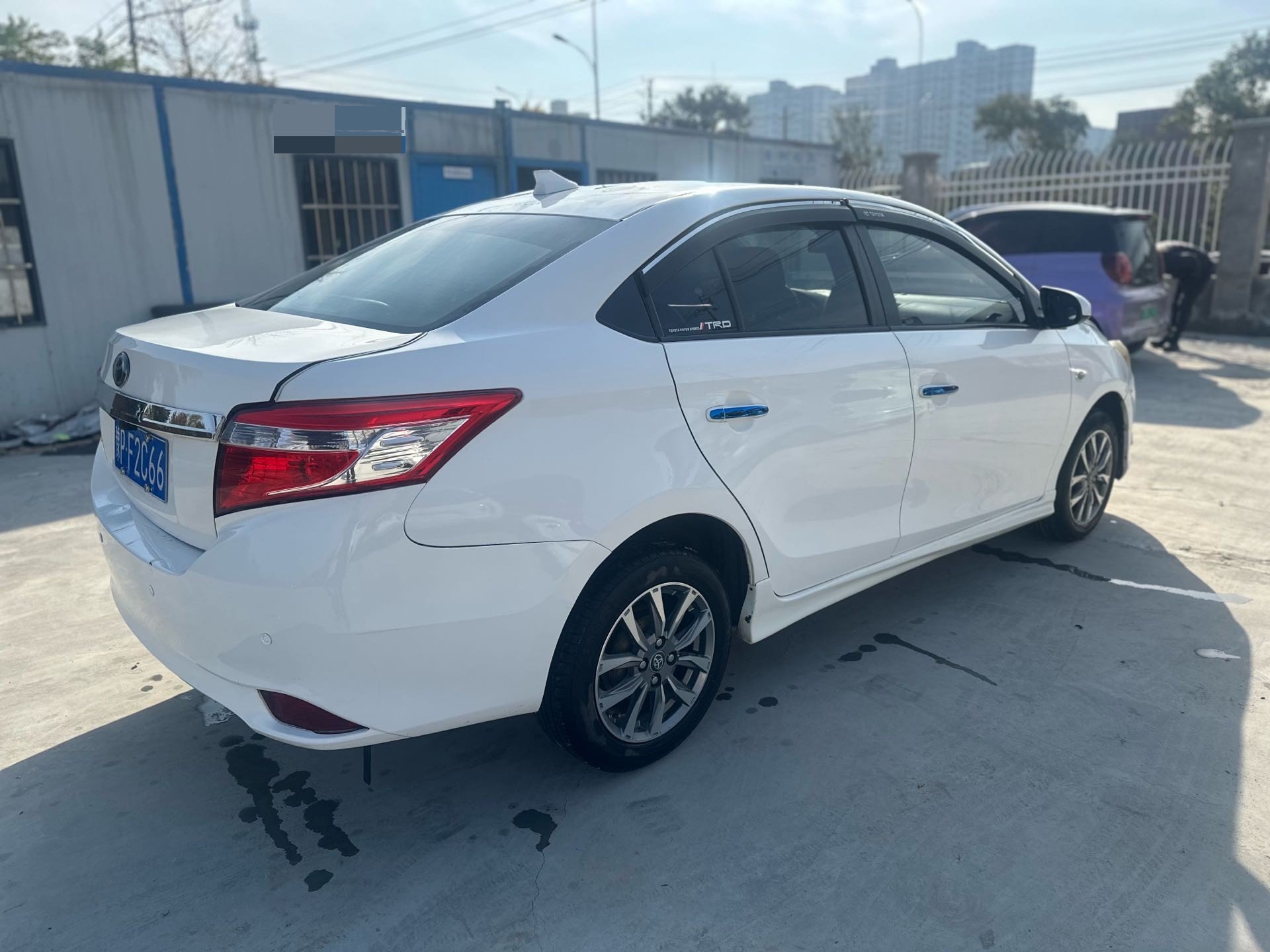



Basic Information

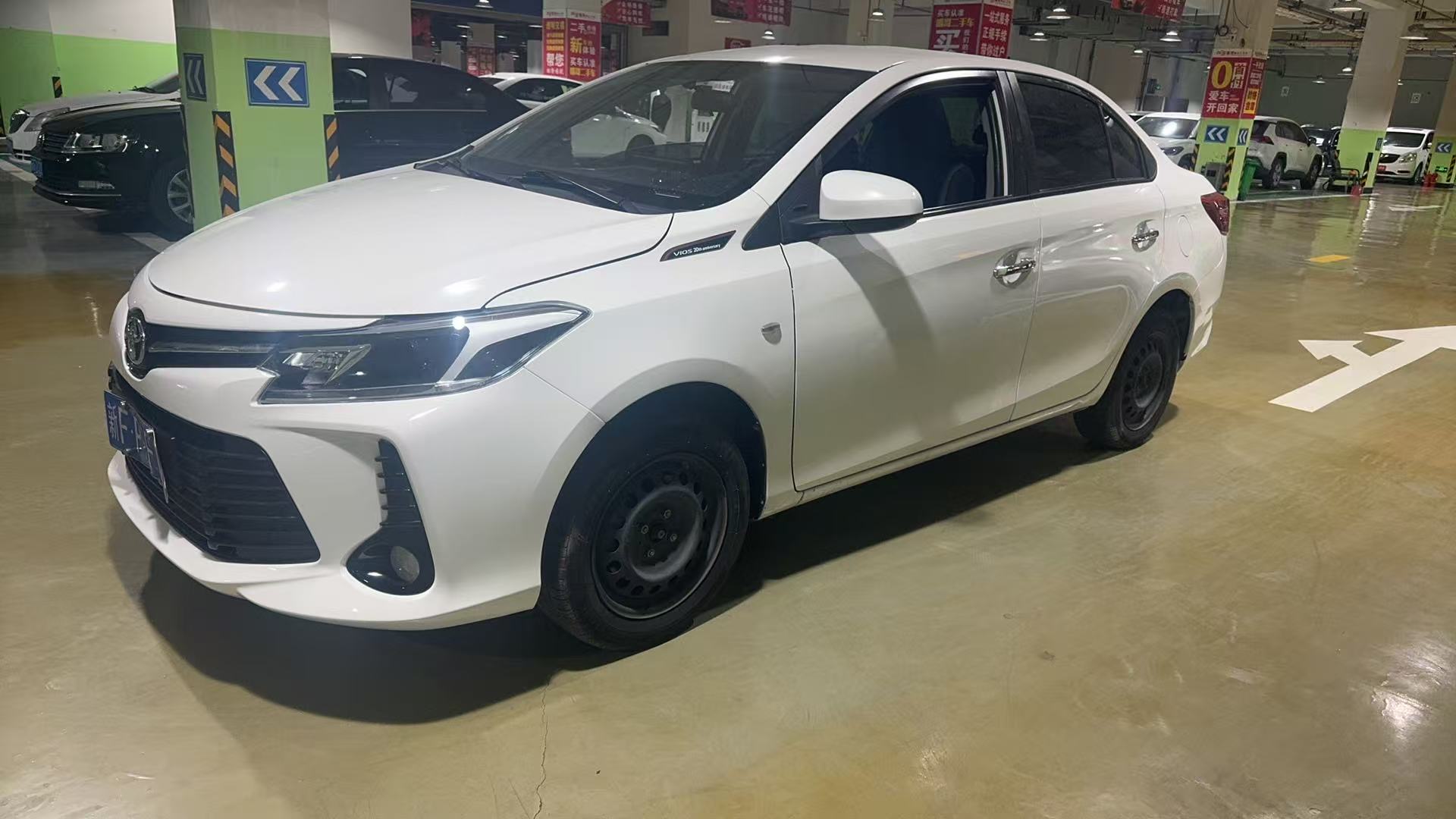
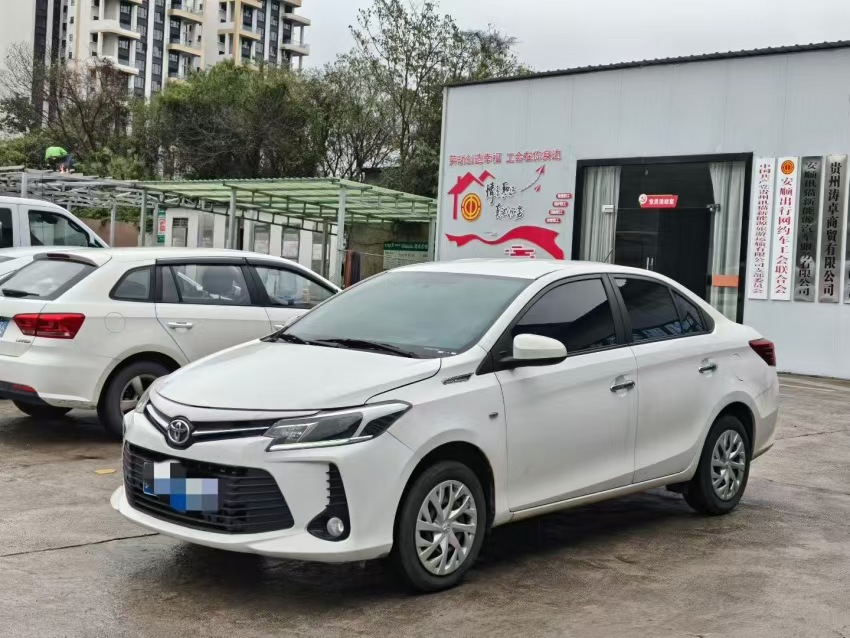
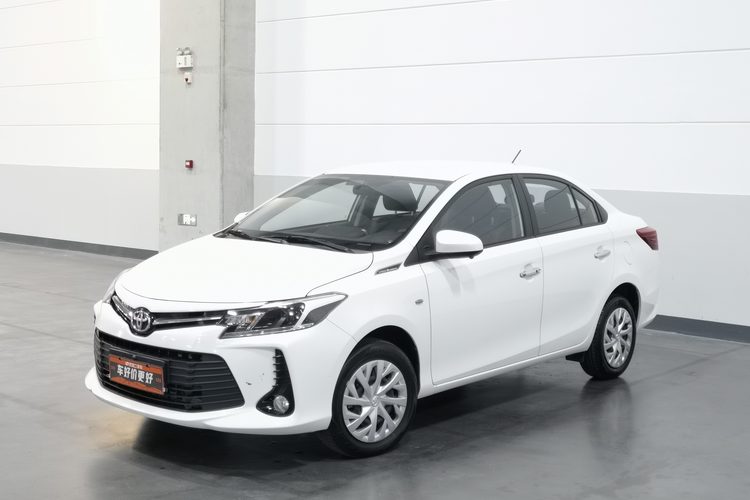
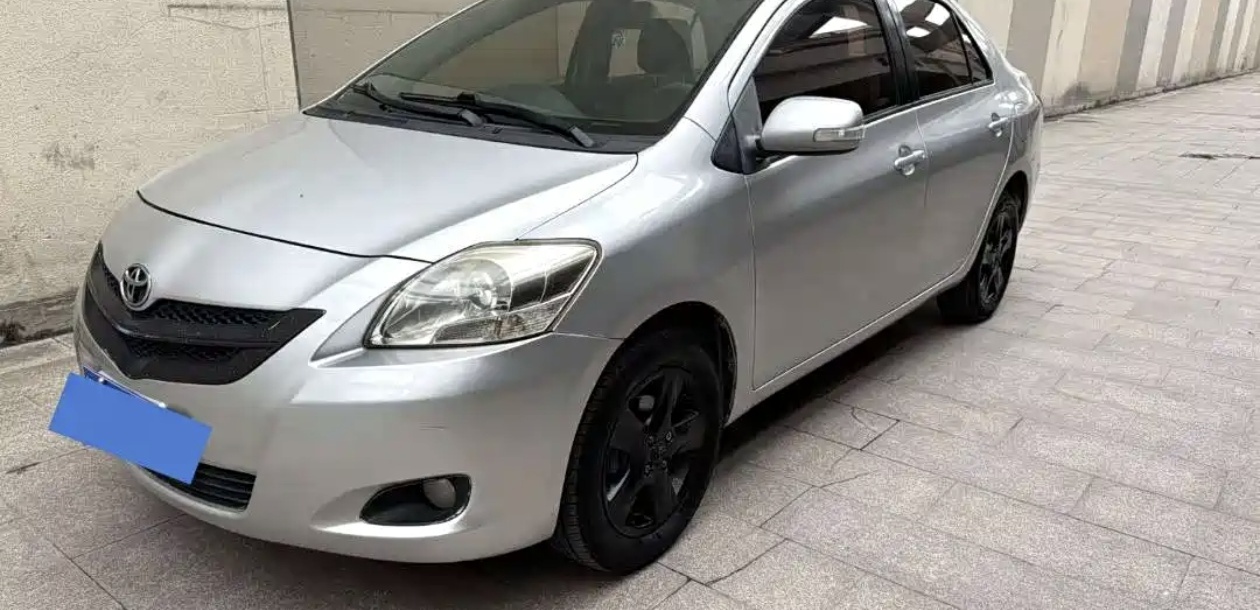
BrandToyota
SeriesVios
Year2015
First Registration2015/04
Mileage140,000km
Transfer Count0times
FuelGasoline
TransmissionAutomatic
Engine1.5L 107 L4
ColorWhite
Seats5seats

Condition Description

Original condition, repainted panels, actual mileage. Added aftermarket one-touch start, navigation, keyless entry, folding mirrors, remote start, and wheels.

Document Information

Inspection Expiry Date-
Warranty Expiry Date-
Insurance Expiry Date2027/04

Q&A

More

What are port free time and demurrage, and how do I avoid storage charges when my car arrives?

When your car reaches the destination port, the shipping line and terminal give you a limited number of free days — typically 5 to 14 — to clear customs and collect the vehicle. After that, storage and demurrage charges start accruing daily, and they add up fast: USD 20–80 per day is common depending on the port. To avoid these fees: 1. Before shipment, confirm the exact free time with your forwarder and get it in writing — it varies by carrier and port. 2. Prepare customs paperwork in advance: import declaration, invoice, bill of lading, and any required certificates. Most delays come from missing documents, not from the port itself. 3. Book a customs broker and a truck before the vessel arrives, not after. 4. Track the vessel online and plan pickup within the first free days. If you know you cannot clear in time, ask about extending free time when booking — it is sometimes negotiable and far cheaper than paying demurrage later.


Which electrical features should I test remotely before buying a used Chinese car—windows, sunroof, infotainment, sensors?

Electrical faults are among the most annoying problems to discover after import, because they rarely stop the car from running. Ask the seller for a live video walkthrough testing each item: all four windows up and down, sunroof open/close, central locking (including with the key and remote), infotainment touchscreen, Bluetooth pairing, all cameras (reversing and 360-degree if fitted), parking sensors, interior and exterior lights, and the horn. Also watch the dashboard during startup: every warning light should illuminate briefly and then go out. A light that never appears, or stays on, tells you something needs attention. Pair this with an OBD scan to catch stored fault codes the seller might not mention. If a feature "only works sometimes," assume it is broken and price the repair into your offer.

How can I judge the interior condition of a used Chinese car remotely to estimate real usage?

Ask the seller for detailed close-up video, not photos — video is harder to edit. Check: 1) Driver's seat bolster and steering wheel leather for wear matching the claimed mileage — a shiny, polished wheel at 30,000 km is a red flag; 2) Pedal rubbers — worn-through pedals contradict low mileage; 3) Buttons and knobs — faded or shiny climate and window controls suggest heavy use; 4) Seat rails and tracks — rust or heavy dirt means possible water exposure; 5) Headliner and seat backs — stains or sagging. Compare logically: wear should be consistent across the cabin. A car showing 50,000 km should have light wear everywhere, not a destroyed driver's seat with a pristine passenger side. Also ask for the odometer photo with the ignition on, plus the car's system info screen, which often logs total mileage independently.