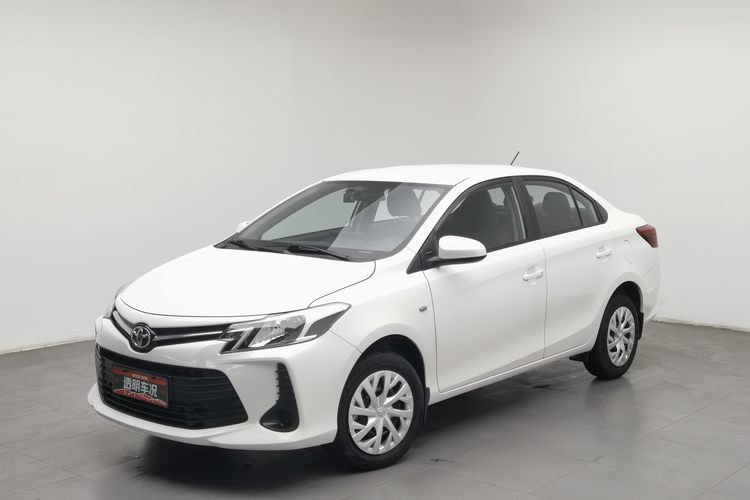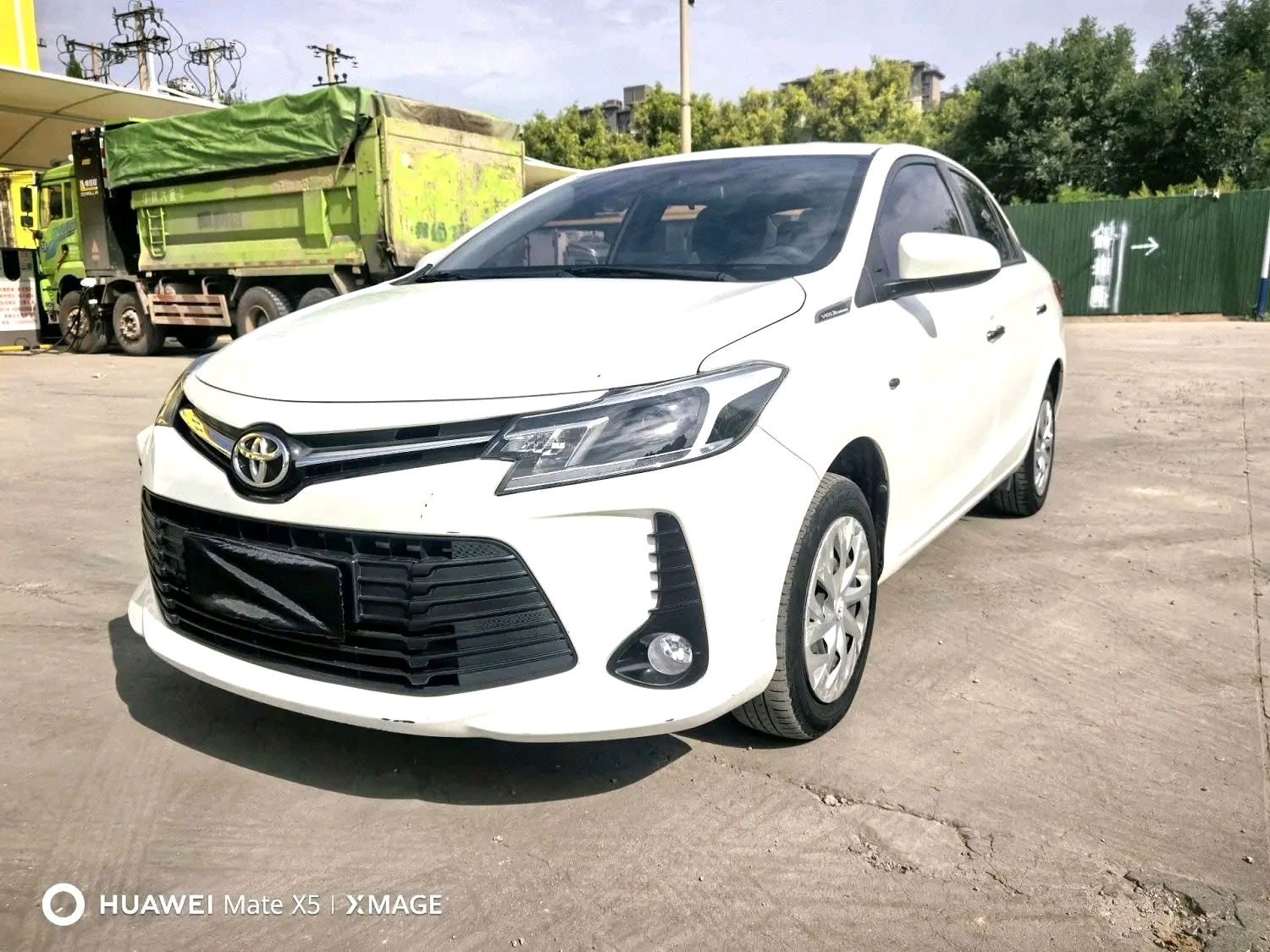


Basic Information

BrandToyota
SeriesVios
Year2016
First Registration2016/05
Mileage115,400km
Transfer Count-
FuelGasoline
TransmissionManual
Engine1.3L 99 L4
ColorGrey
Seats5seats

Condition Description

Body components (structural/reinforcing/panels) have accident-type damage; passive safety devices defective; vehicle performance (including three-electric system) degraded or performance-limited after repair.

Accident inspection: main structure damaged, reinforcing parts damaged, panels damaged, hinges abnormal; engine bay: key mechanical components normal; exterior: 1 replacement, 1 panel repair, 1 repaint; interior: modified interior (other), most features normal, airbag system normal, lighting system normal; start-up test: main components normal; tool kit: absent.

电话直连
可讲价
平台物流
可转售
VIP车源
车主降价
零过户
新检测标准升级>
必卖车源
非泡水

Document Information

Inspection Expiry Date2027/05
Warranty Expiry Date-
Insurance Expiry Date2027/08

Q&A

More

If I am not satisfied with the exclusive video inspection, can the deposit be fully refunded?

It depends on the situation. If the video inspection reveals significant mechanical faults or structural damage not disclosed in the inspection report, the deposit will be refunded 100% unconditionally; however, if the buyer defaults for subjective reasons (such as suddenly not liking the color or financial issues), the deposit will be retained as compensation for taking the vehicle off the market.
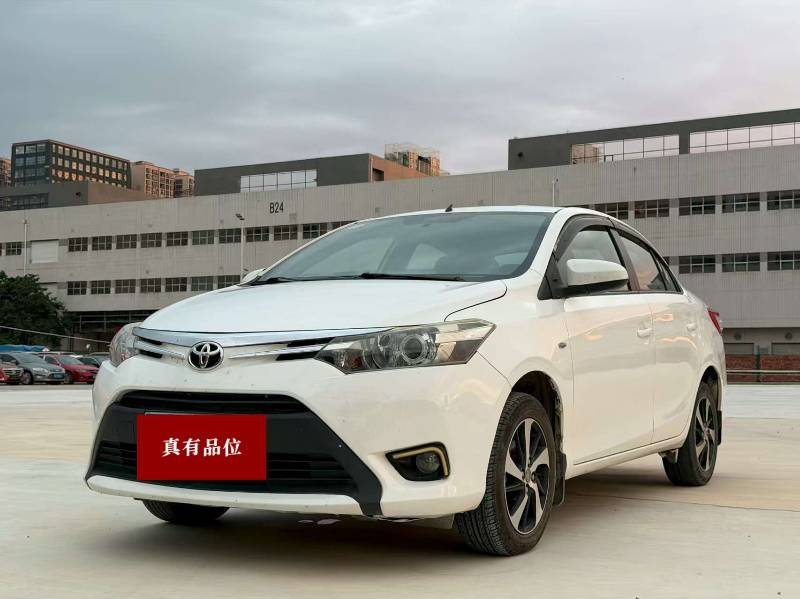
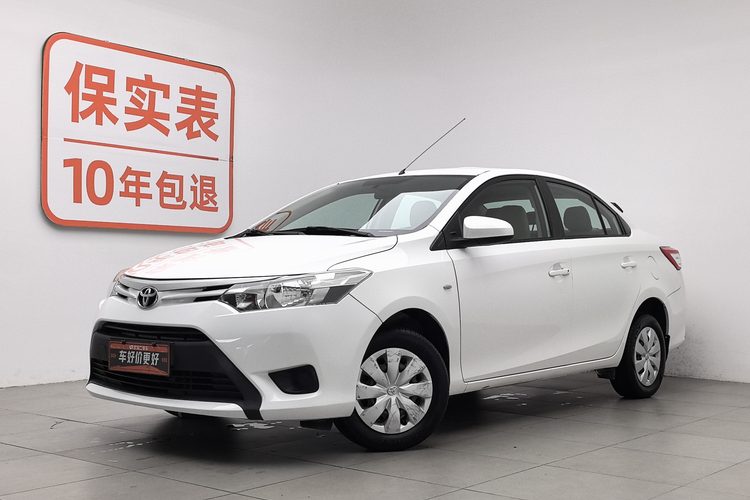
How do you assess the appearance condition of a vehicle? What specific standards are there for scratches and dents?

We use quantitative standards. Minor scratches less than 3 cm that do not reach the base coat (which can be polished) are considered normal wear; scratches over 3 cm deep to the base coat or dents larger than 2 cm in diameter will be highlighted in the inspection report's "Appearance Defect Distribution Map" with close-up photos.

Is China's "National VI B" emission standard equivalent to Europe's Euro VI standard?

From a technical perspective, China's "National VI B (China VI-b)" is one of the strictest emission standards globally, with limits on carbon monoxide, nitrogen oxides, and particulate matter that are even stricter than some of Europe's Euro VI standards. However, the two are not legally recognized by each other, depending on your country's import regulations.