


24H

Basic Information

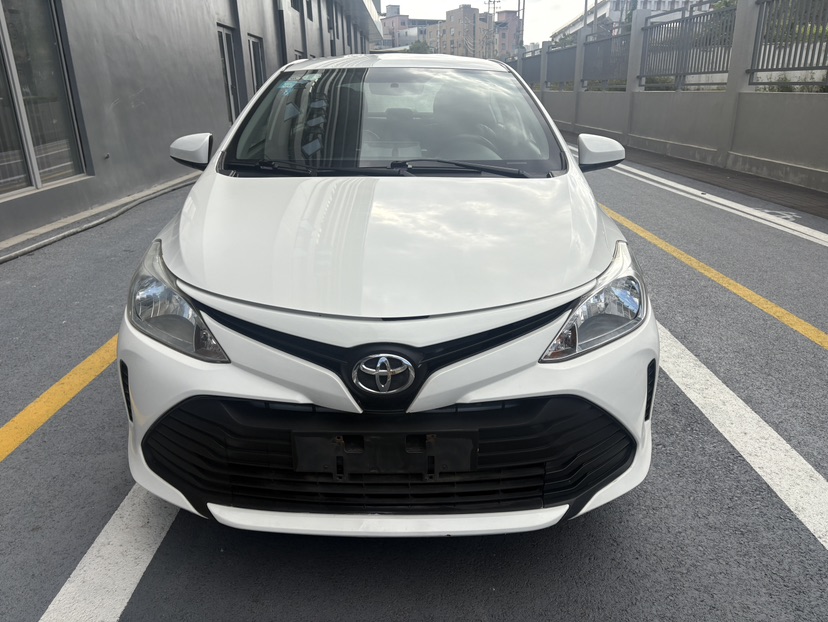
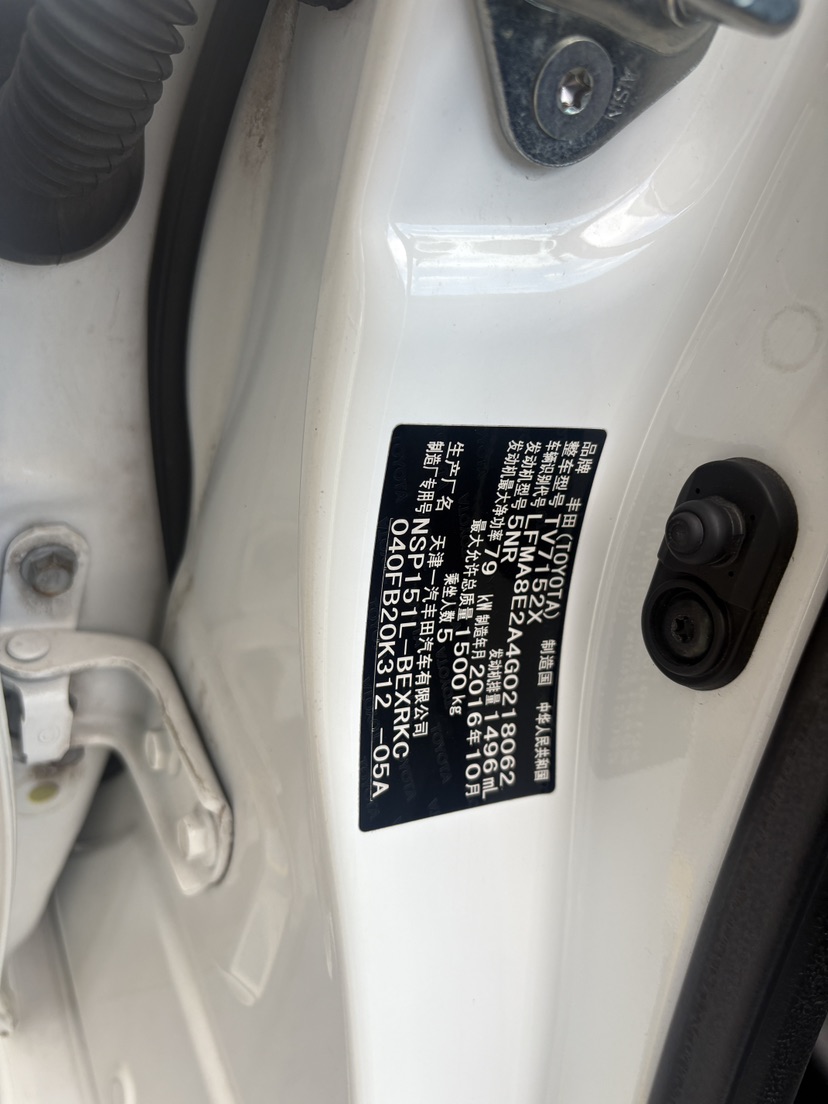
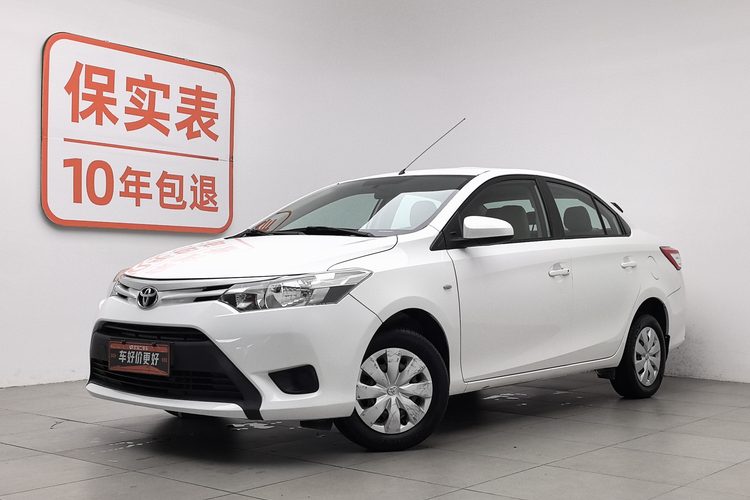
BrandToyota
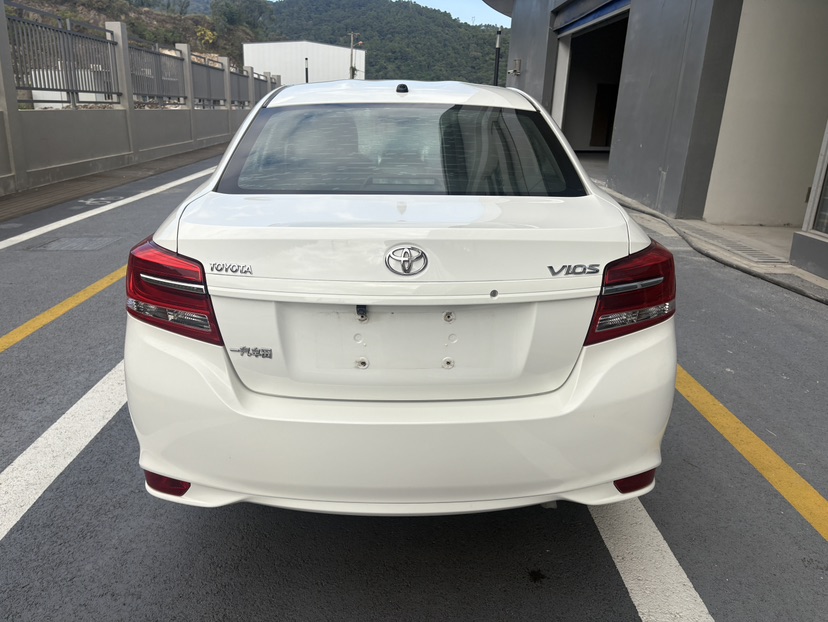
SeriesVios
Year2016
First Registration2016/12
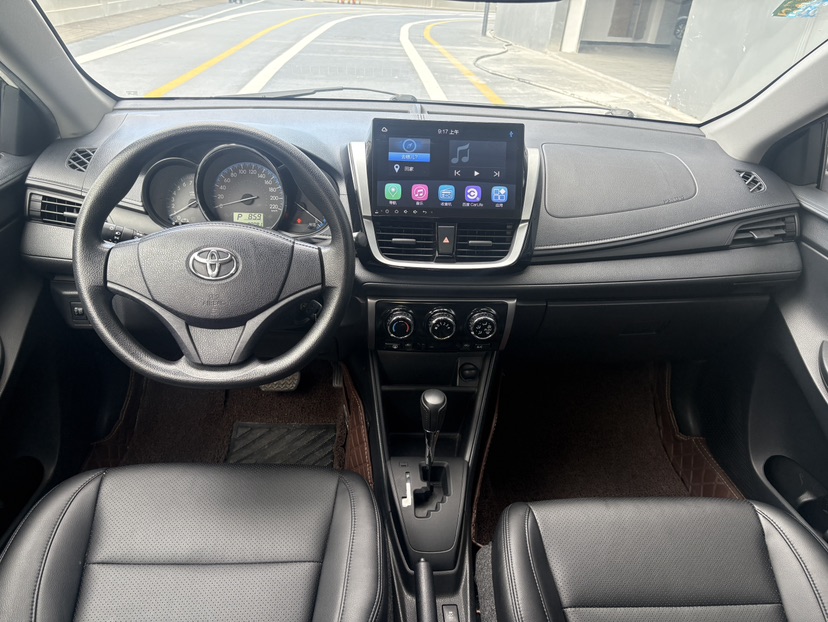
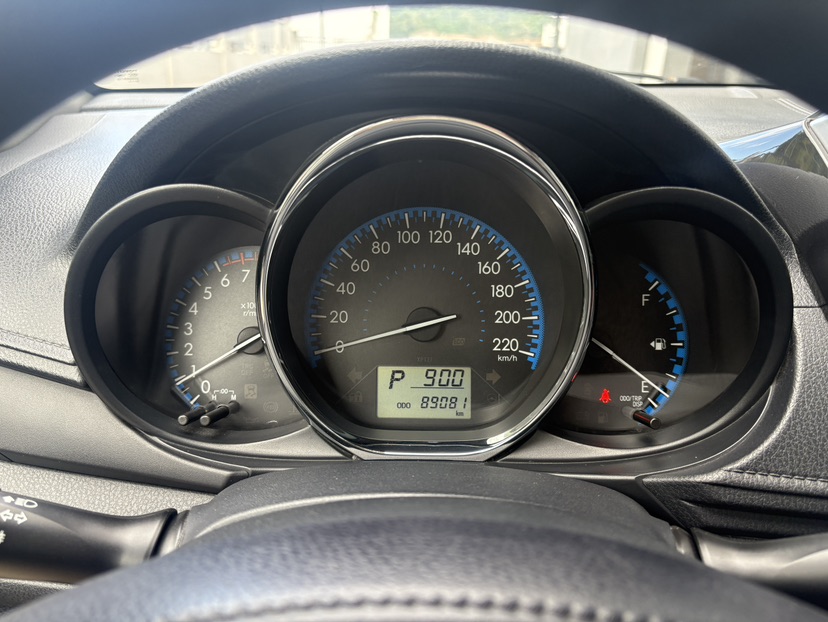
Mileage90,000km
Transfer Count1times
FuelGasoline
TransmissionCVT
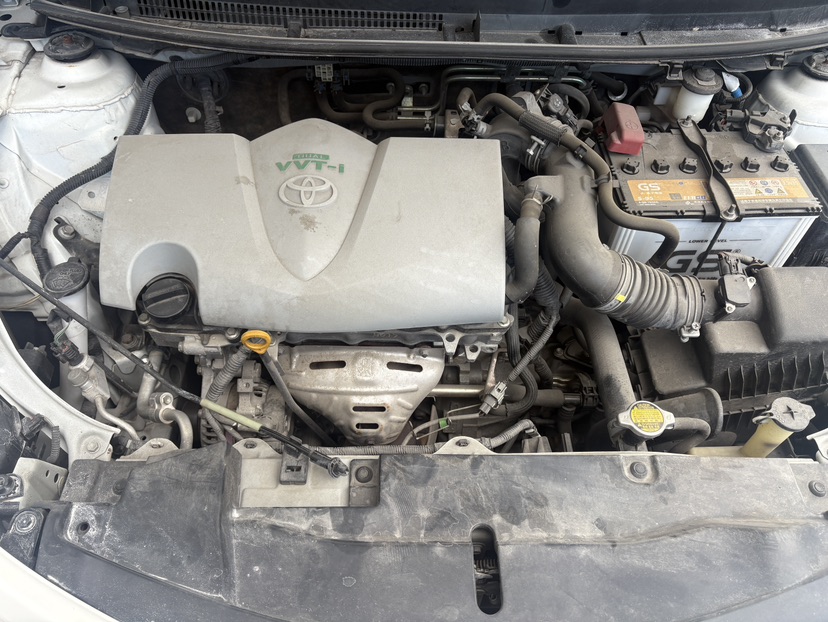
Engine1.5L 107 L4
ColorWhite
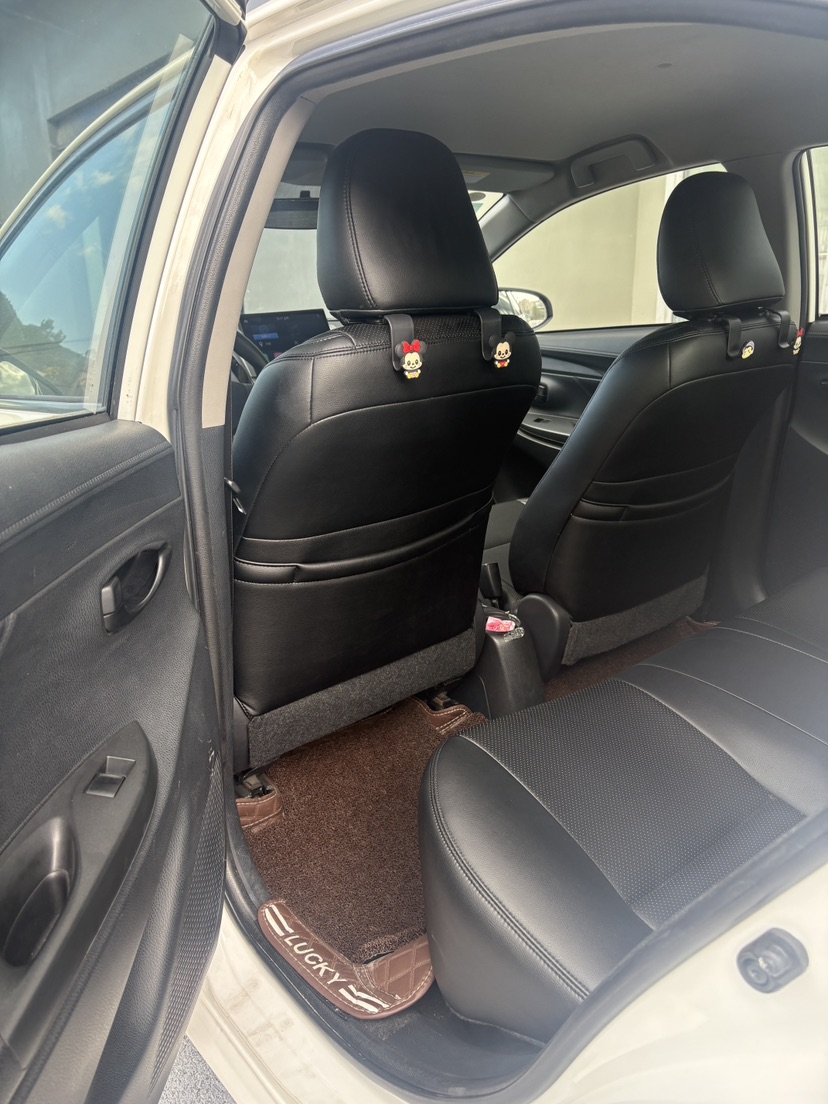
Seats5seats

Condition Description

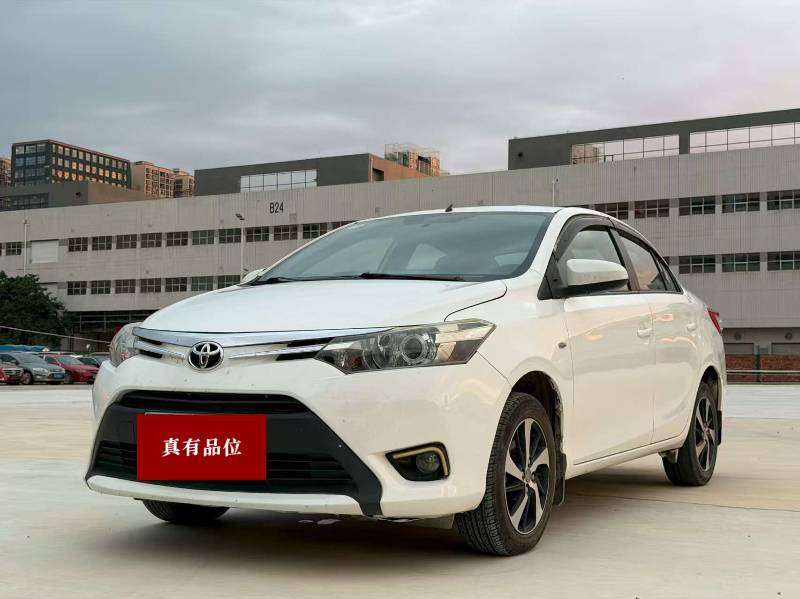
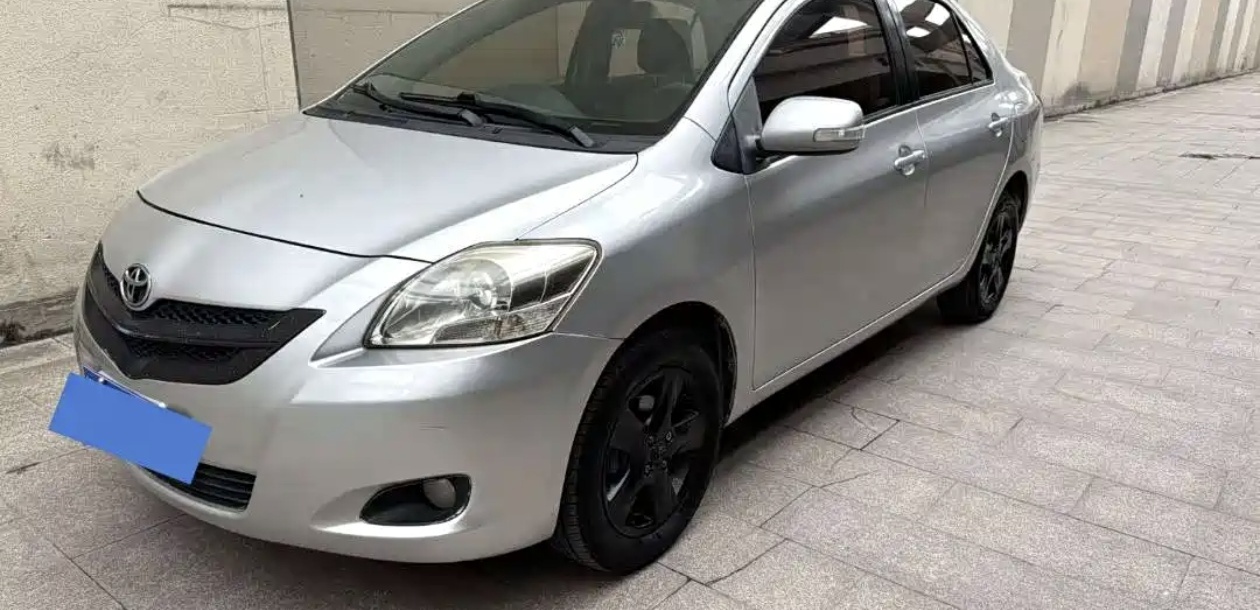
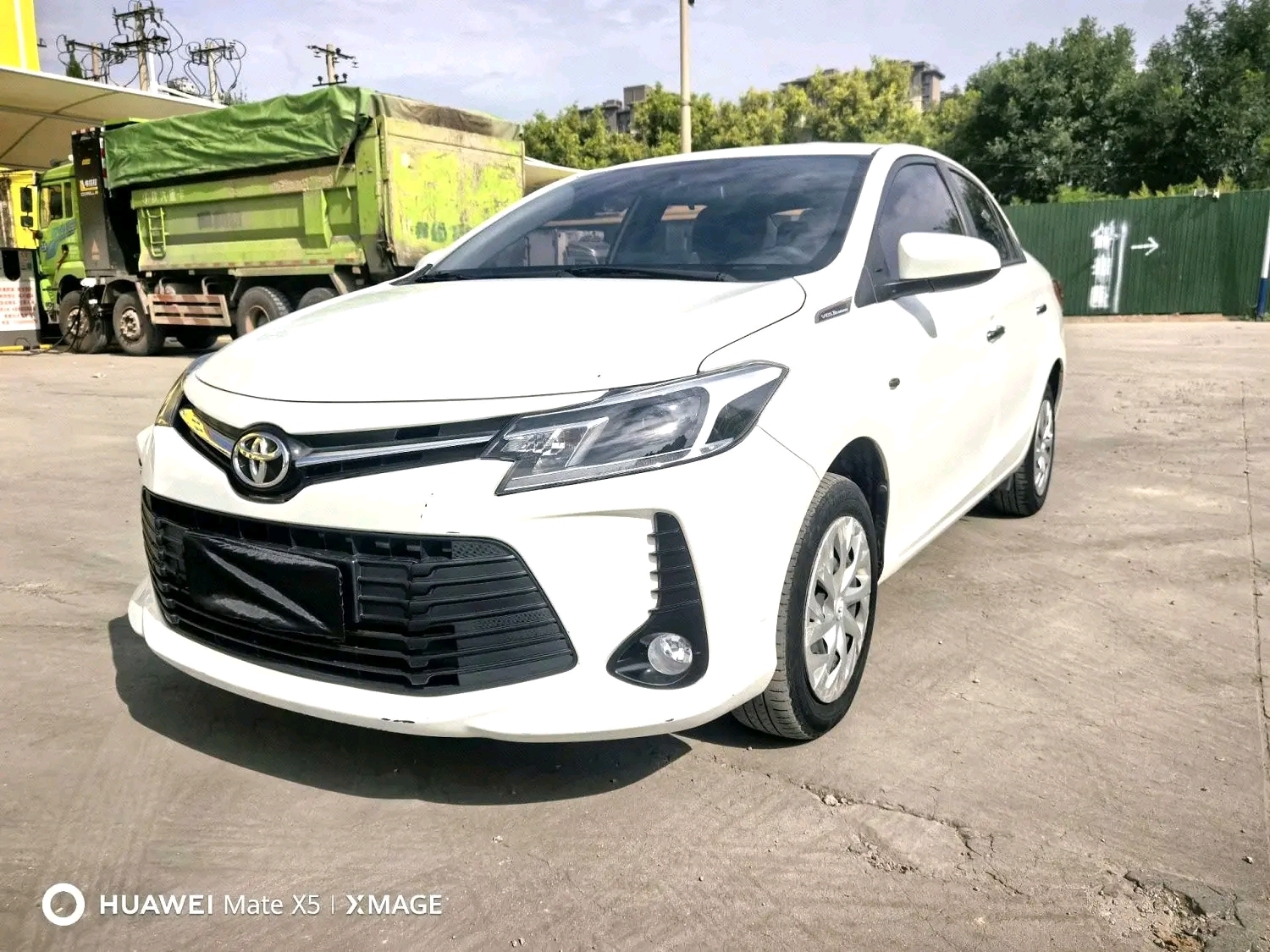
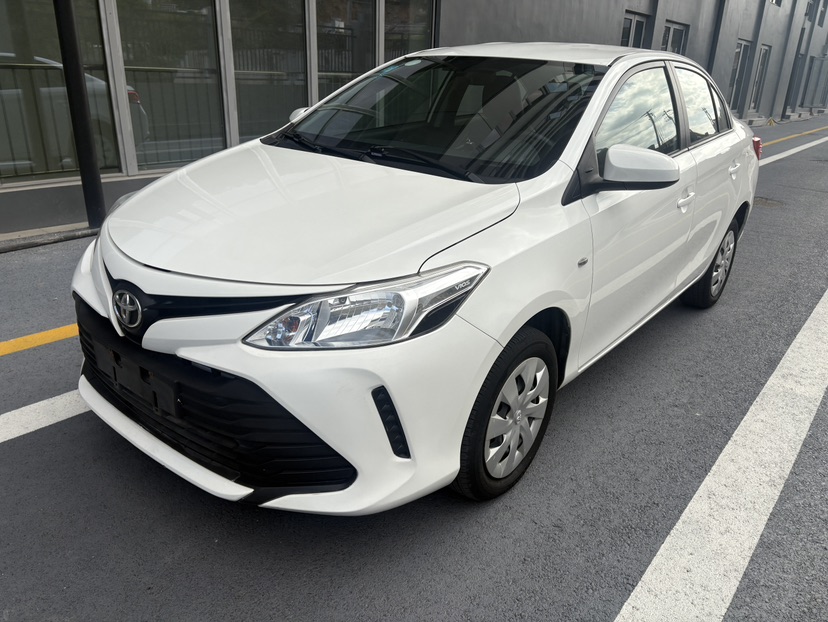
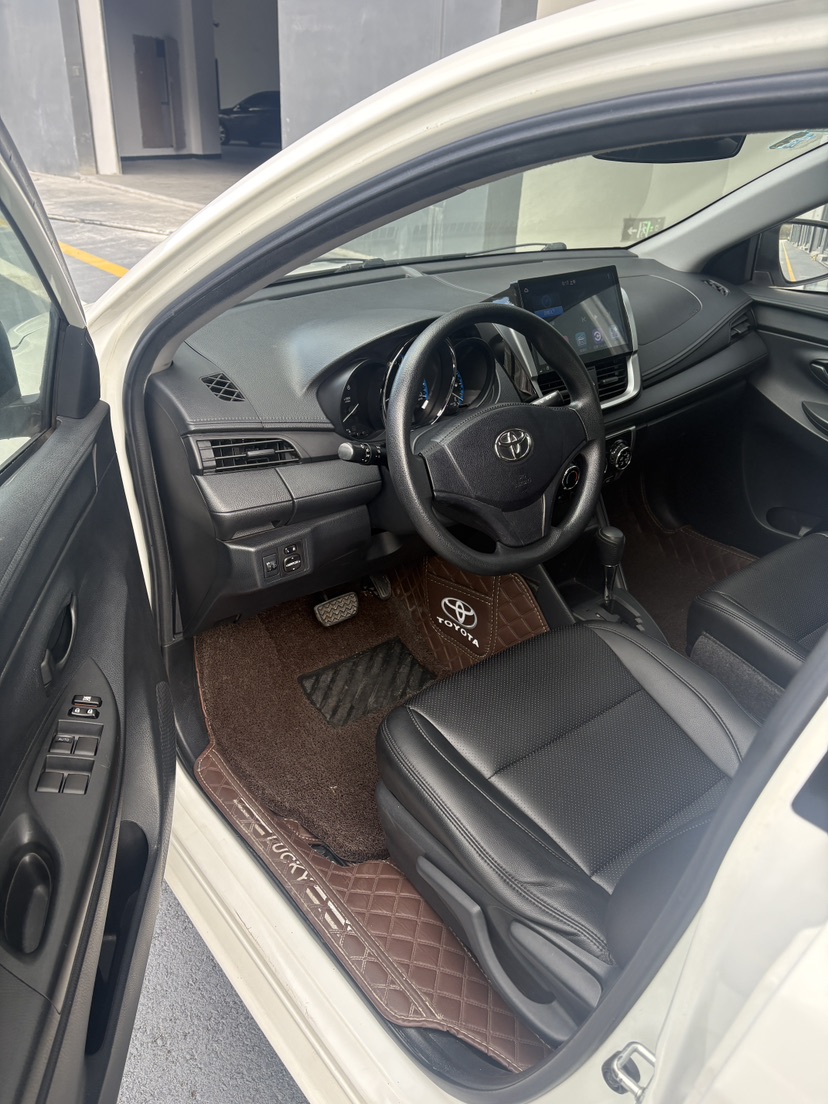
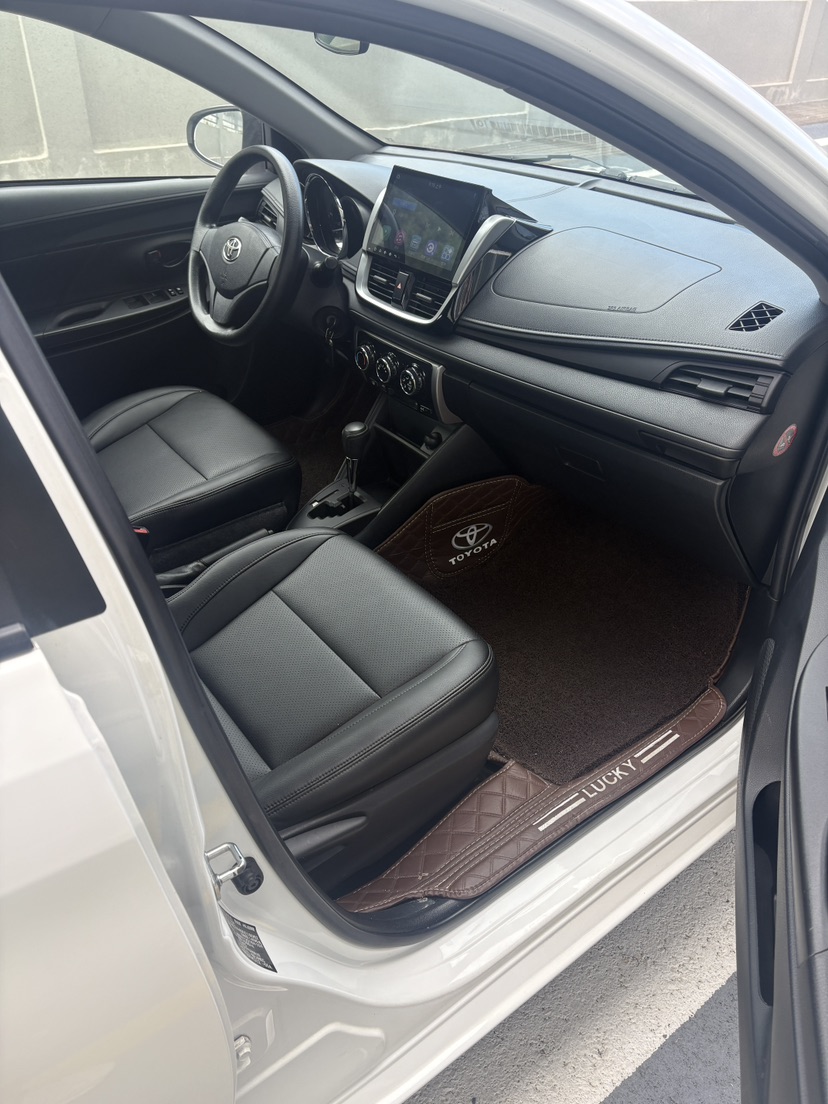
First registered December 2016, driven 90,000 km, excellent condition.

燃油车
轿车
自动
维保开放
事故开放
查验开放

Configuration Highlights

✓品牌: 丰田
✓车系: 威驰
✓车型: 2017款 1.5L CVT创行版
✓车身类型: 轿车
✓座位数: 5
✓排量: 1.5L
✓变速箱: 自动
✓能源类型: 燃油车
✓VIN: LFMA8E2A4G0218062
✓搜索关键词: 丰田威驰 2017款威驰1.5LCVT创行版

Document Information

Inspection Expiry Date2026/10
Warranty Expiry Date-
Insurance Expiry Date2026/10

Q&A

More

What does the buying process look like when importing a used car from China?

A typical transaction has six steps. 1. Selection: you confirm the vehicle through photos, a video walkaround, an inspection report and the VIN. 2. Deposit: most exporters ask 20%-30% to reserve the car. Pay by bank transfer to the company's corporate account, never a personal one. 3. Inspection: an independent pre-shipment inspection verifies the condition; you receive the report before paying the balance. 4. Balance payment: usually due before loading. Request the booking confirmation and container number. 5. Shipping: the exporter sends you the draft bill of lading for checking, then the original documents by courier. 6. Arrival: you clear customs with the invoice, C/O, B/L and inspection certificate, then register the vehicle. Total timeline is usually 2-6 weeks. Use payment methods with recourse (T/T or escrow) and keep every contract and receipt.
Will protective measures against rain or sun be taken for vehicles parked outdoors while waiting to be loaded at the port?

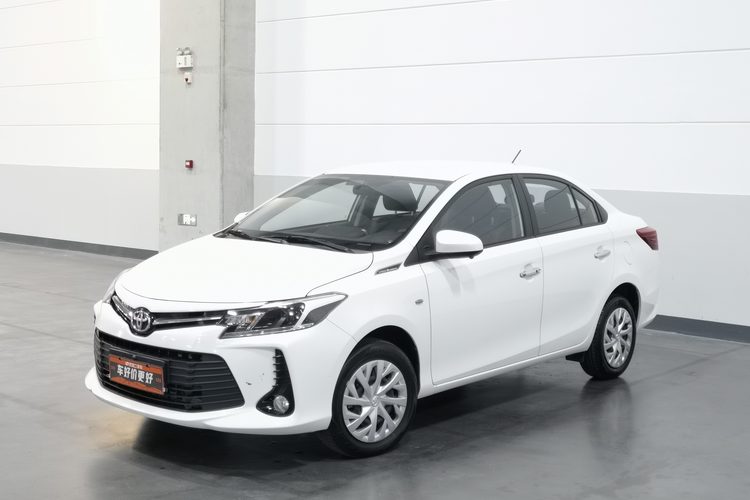
The storage area at the roll-on/roll-off terminal is entirely outdoors, which is standard practice at ports worldwide. During the few days vehicles wait to be loaded, they will inevitably be exposed to sun and rain and accumulate dust. We will not provide custom car covers as this would significantly hinder the efficiency of dock workers moving vehicles.

If a car frequently transfers between extremely cold areas (like Northeast China) and extremely hot areas (like Hainan), would you provide special risk warnings?

Absolutely. The extreme temperature fluctuations will significantly accelerate the aging of chassis rubber parts, oil seals, and interior plastics. For vehicles frequently dispatched across such latitudes, we will conduct fatigue resistance checks on chassis rubber parts that are twice as stringent as those for vehicles in temperate regions.