



24H

Basic Information

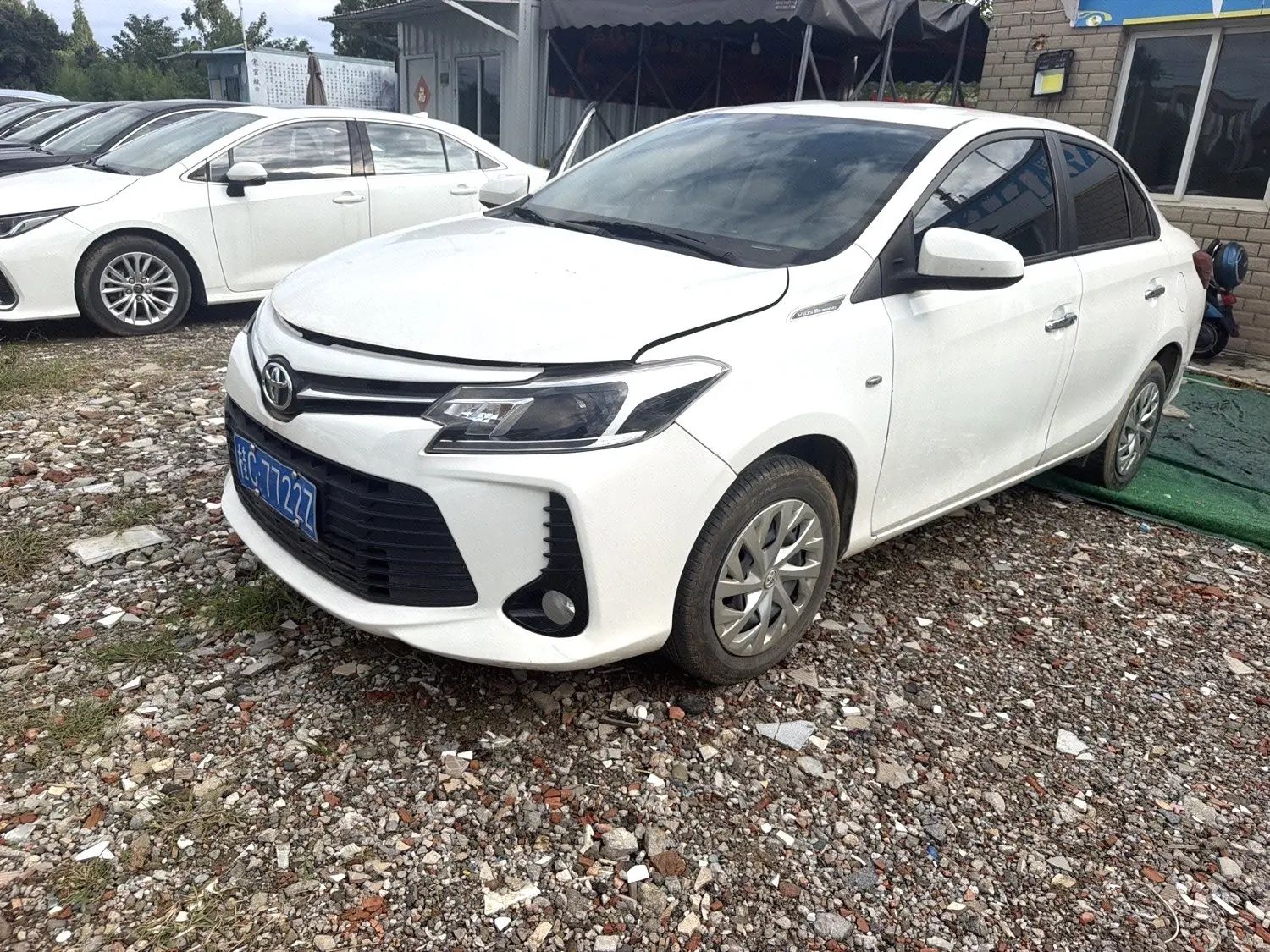
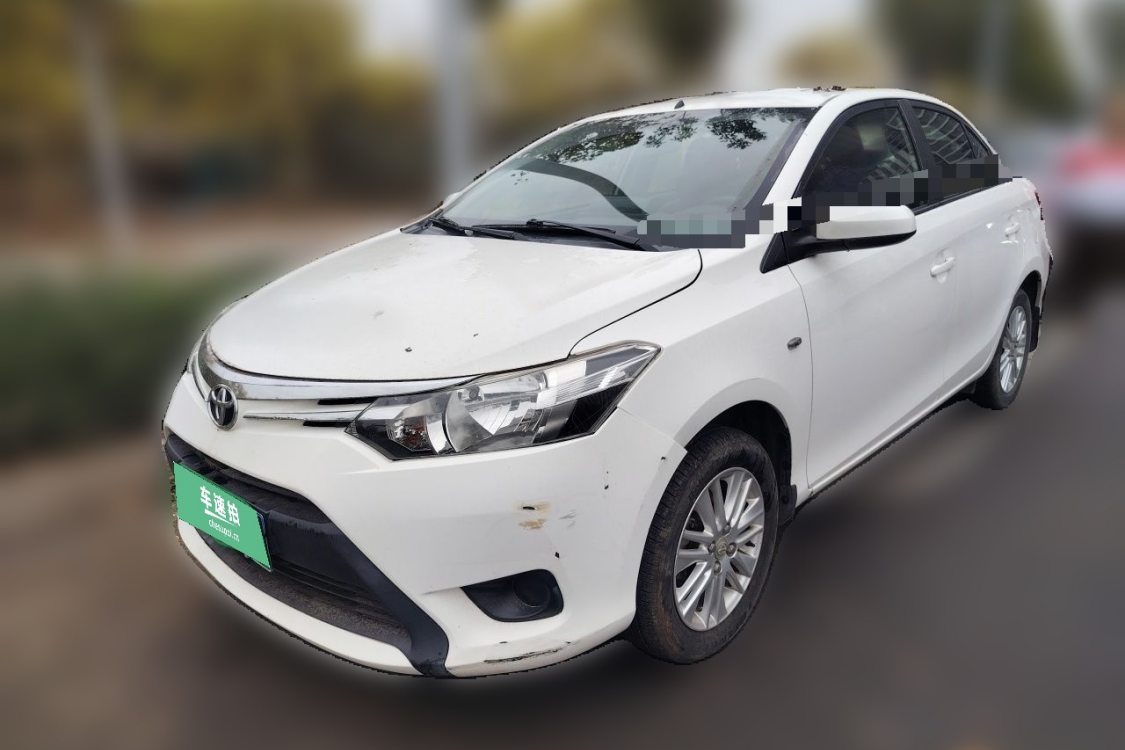
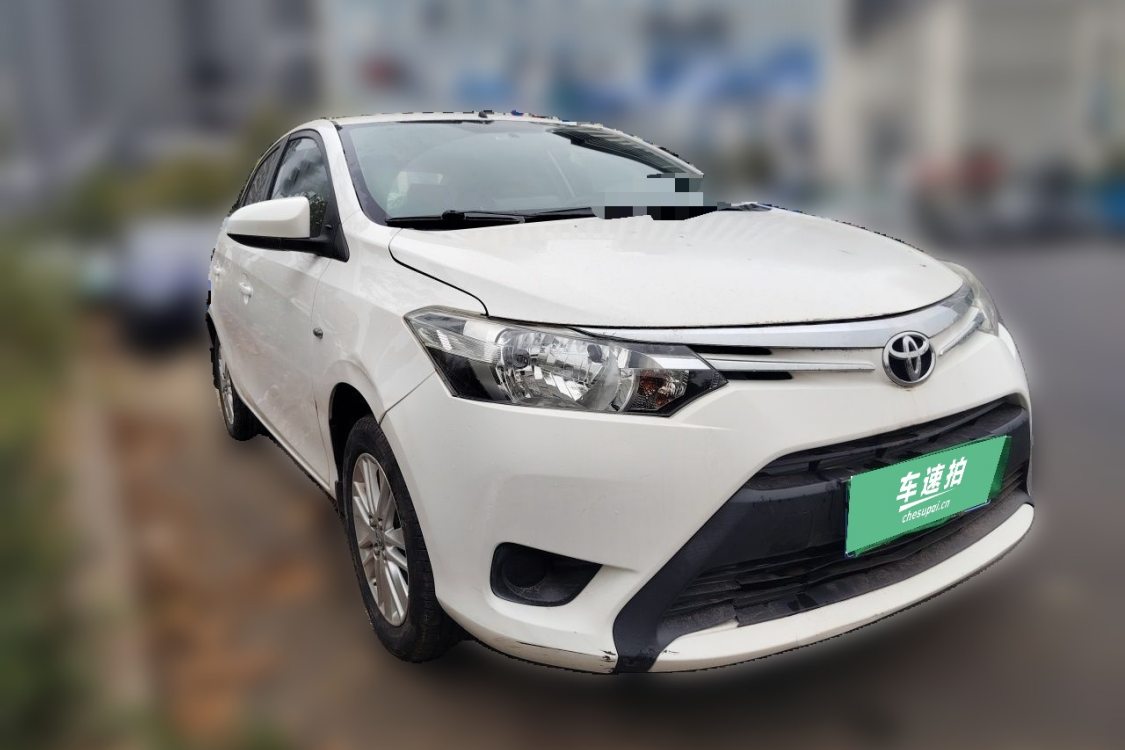
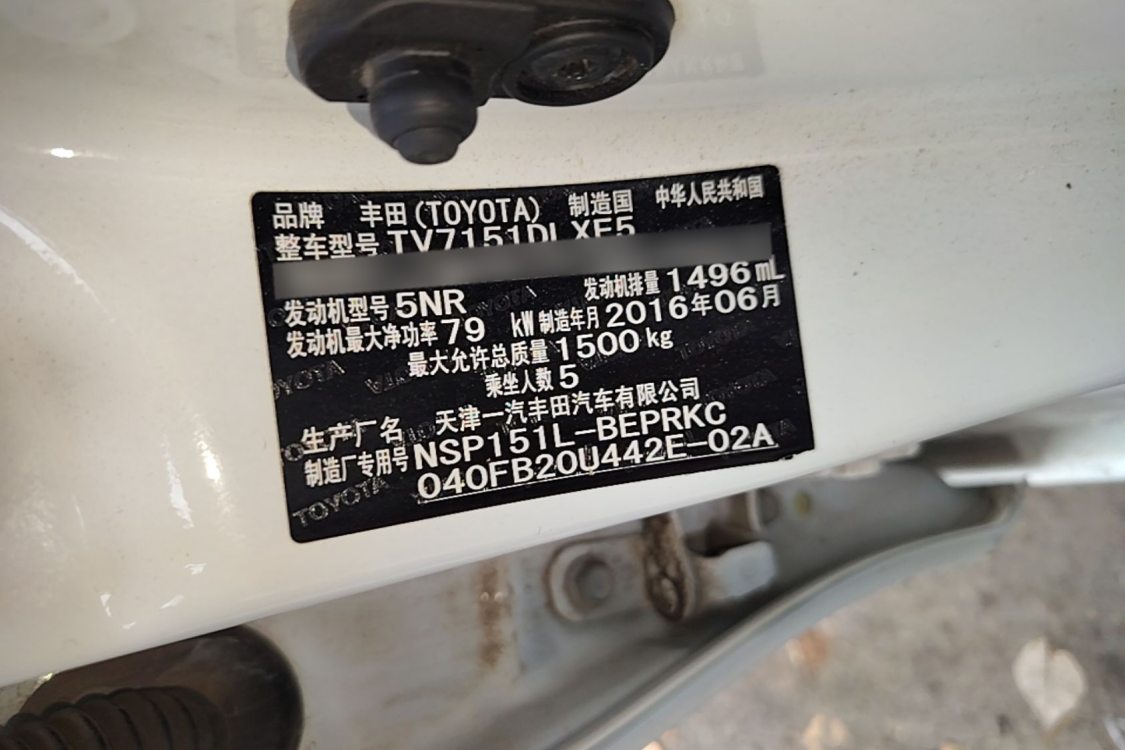
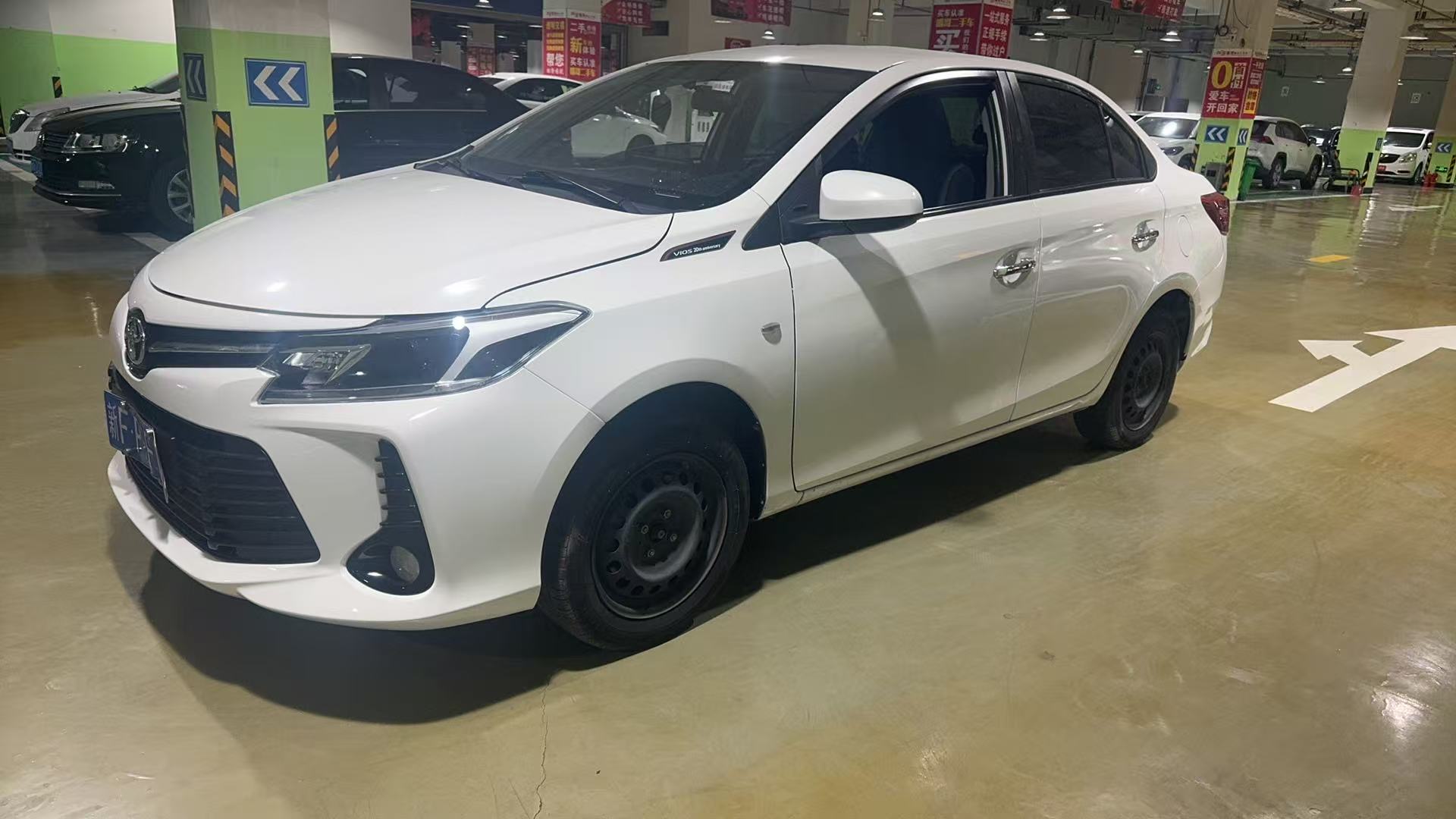
BrandToyota
SeriesVios
Year2016
First Registration2016/07
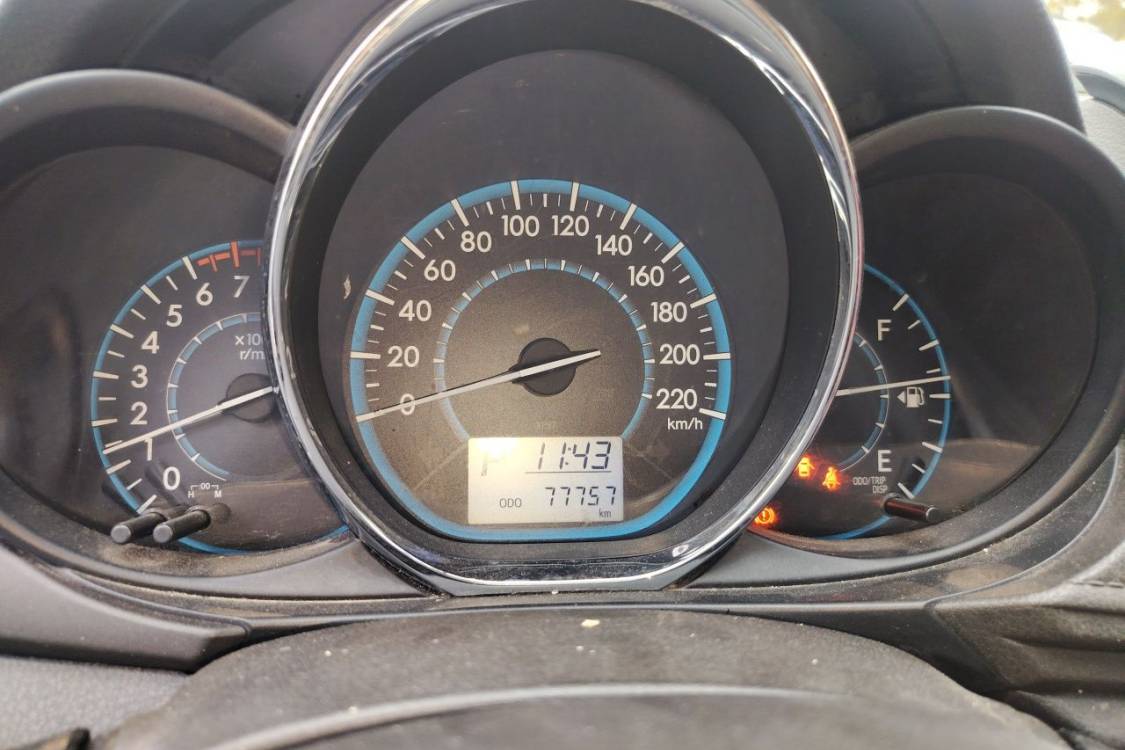
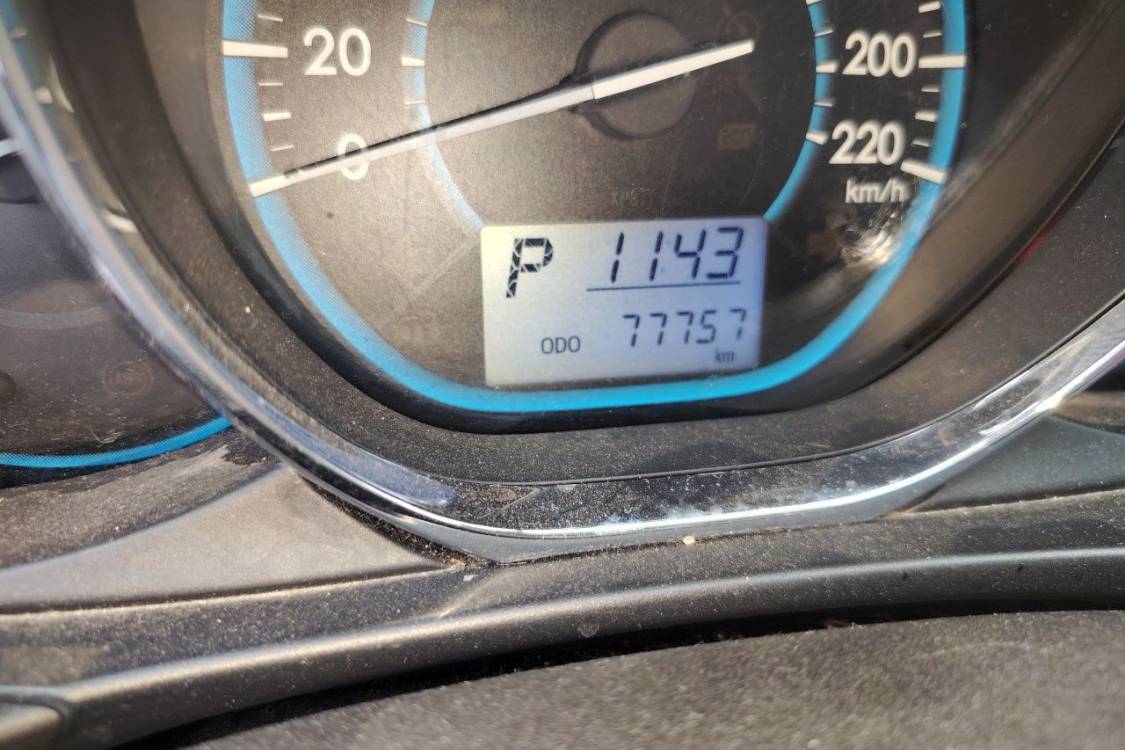
Mileage77,800km
Transfer Count2times
FuelGasoline
TransmissionAutomatic
Engine1.5L 107 L4
ColorWhite
Seats5seats

Condition Description

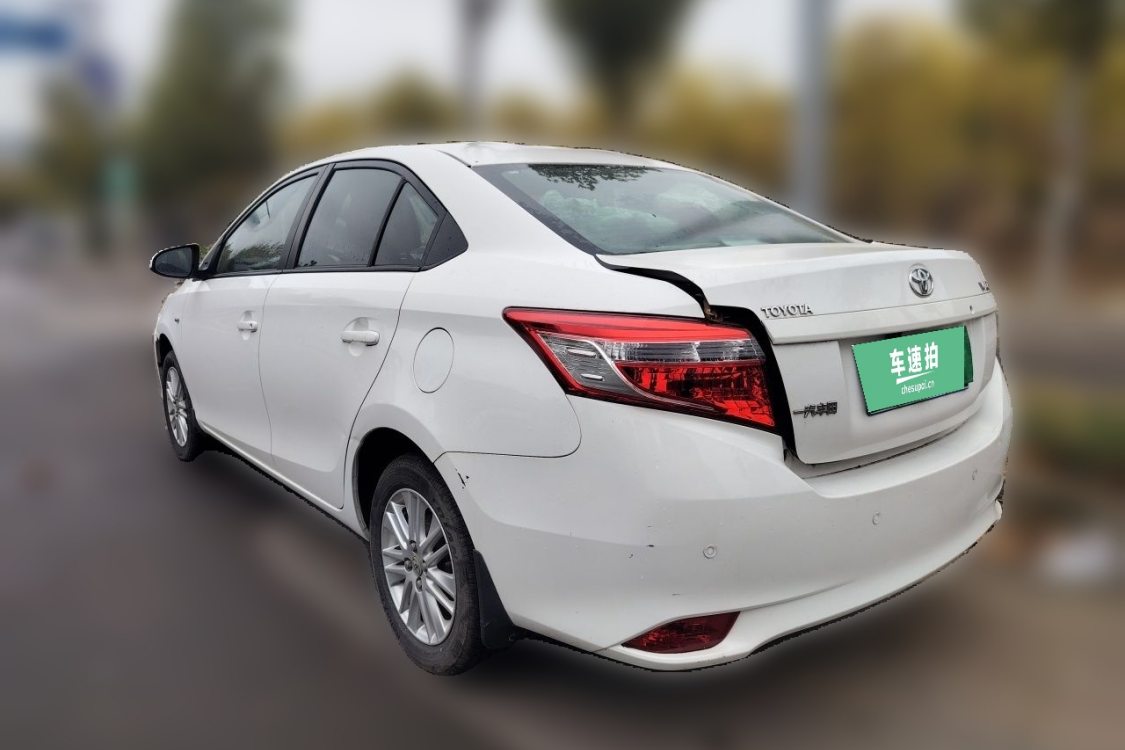
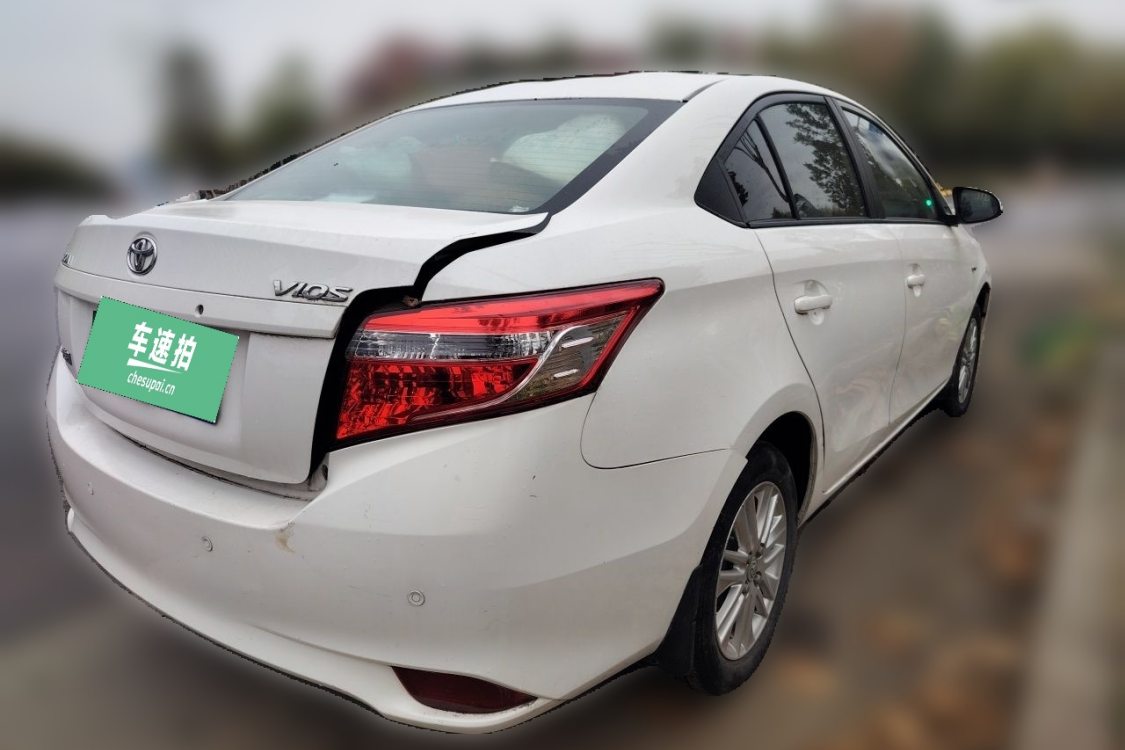
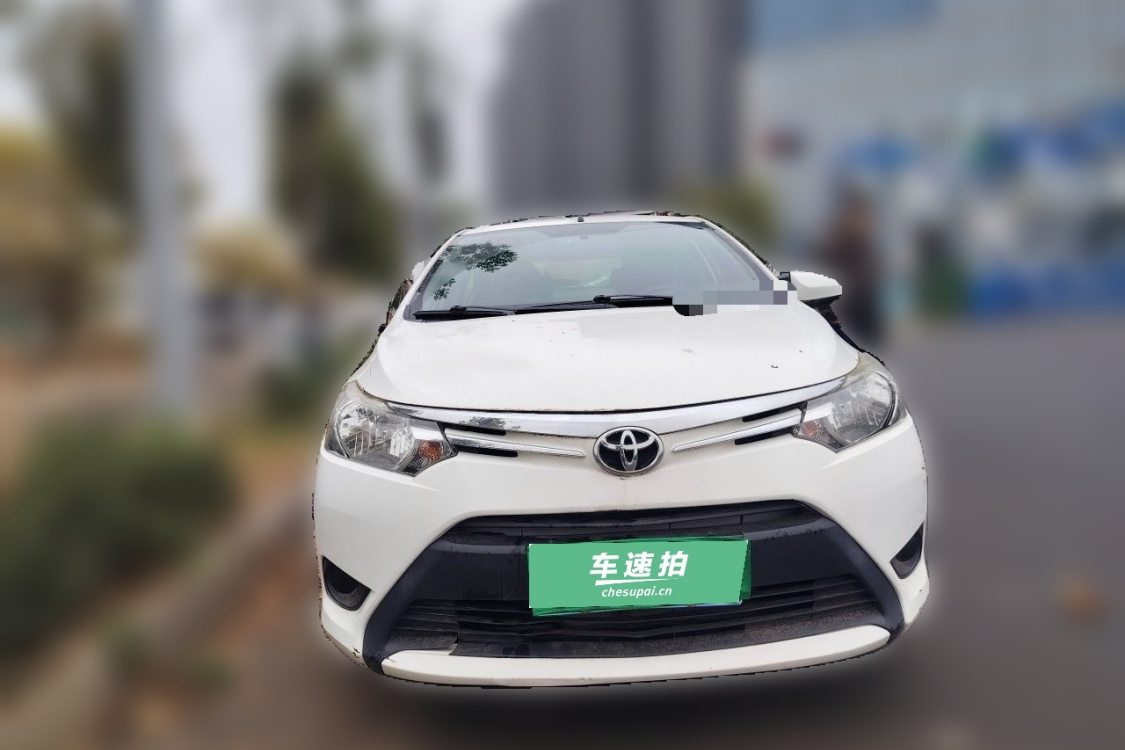
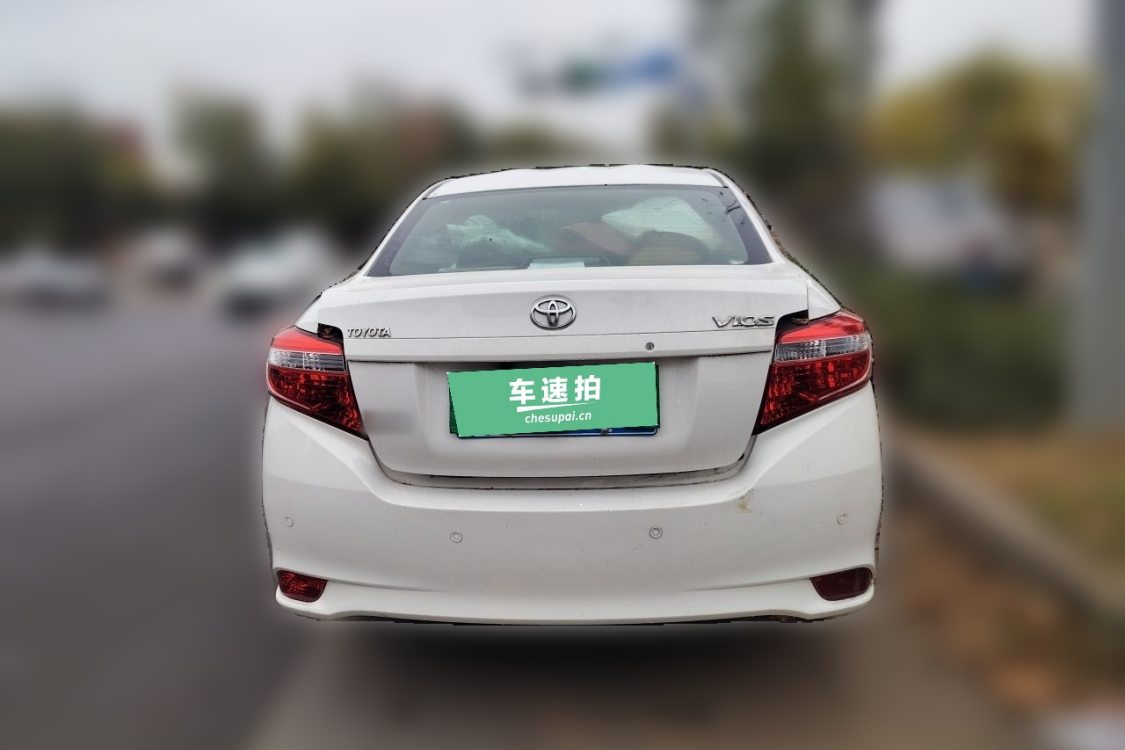
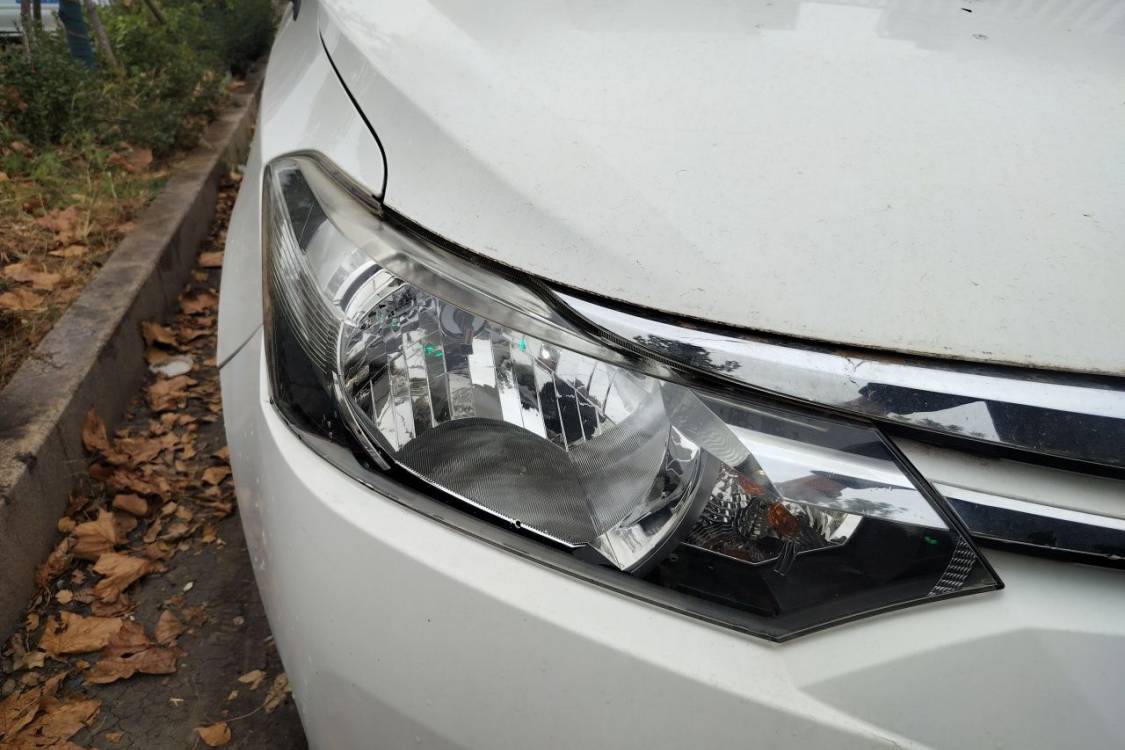
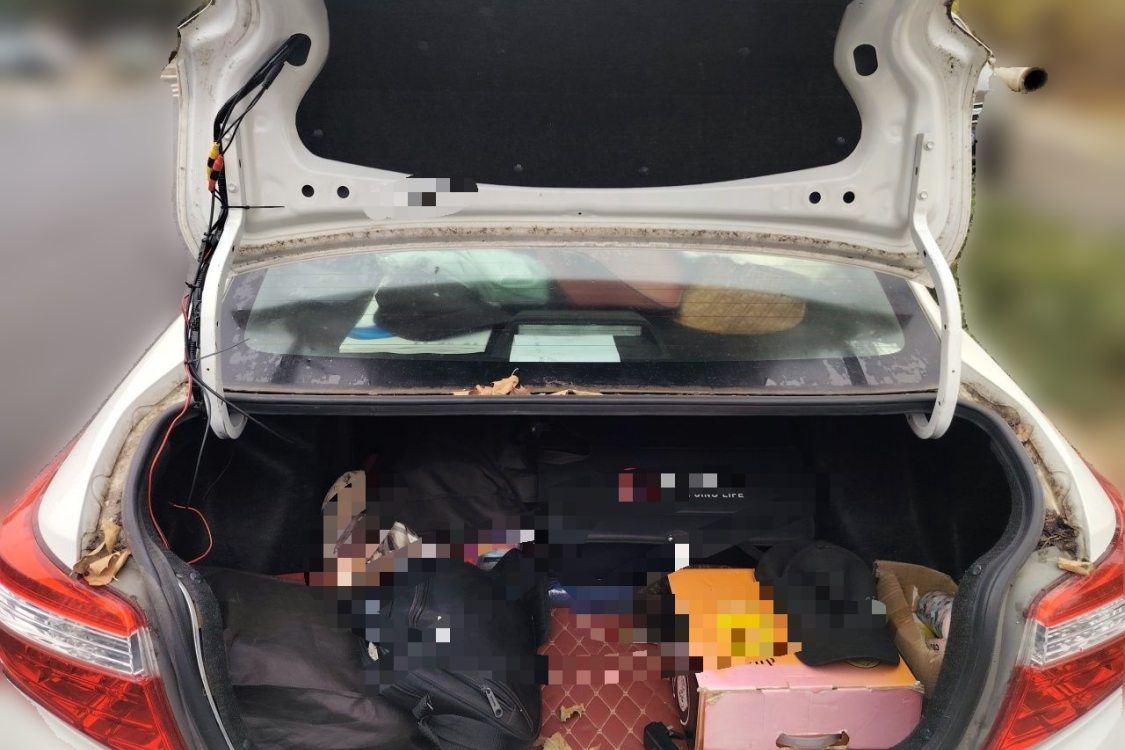
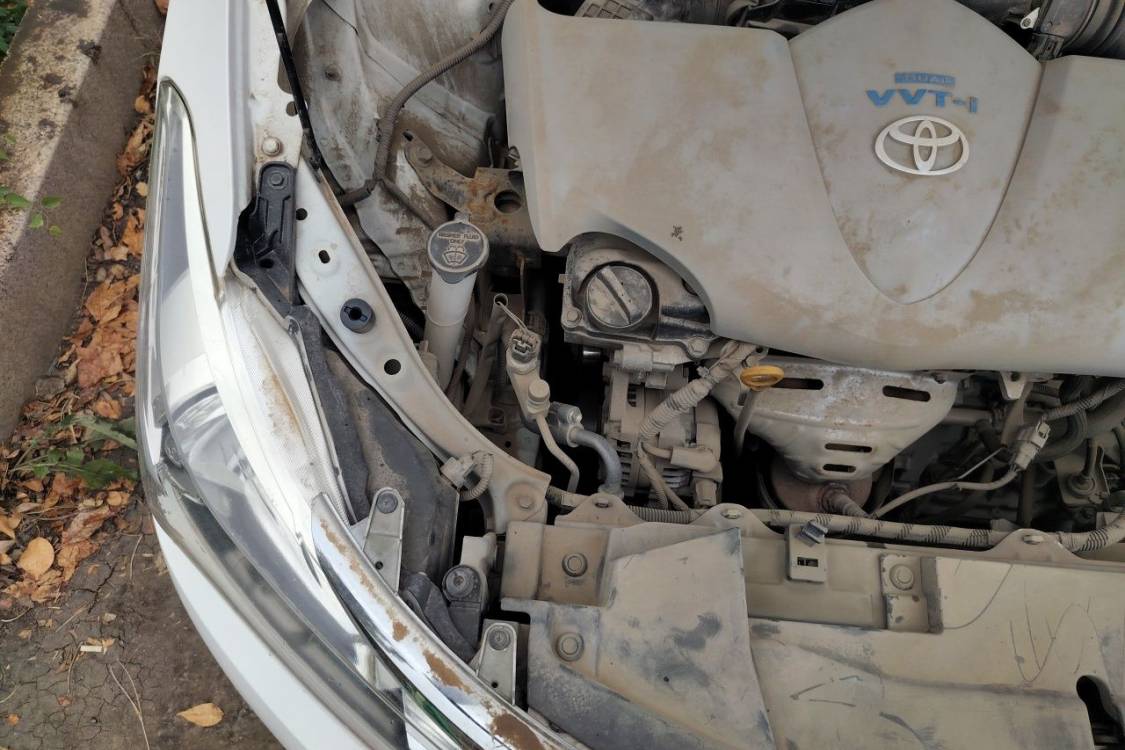
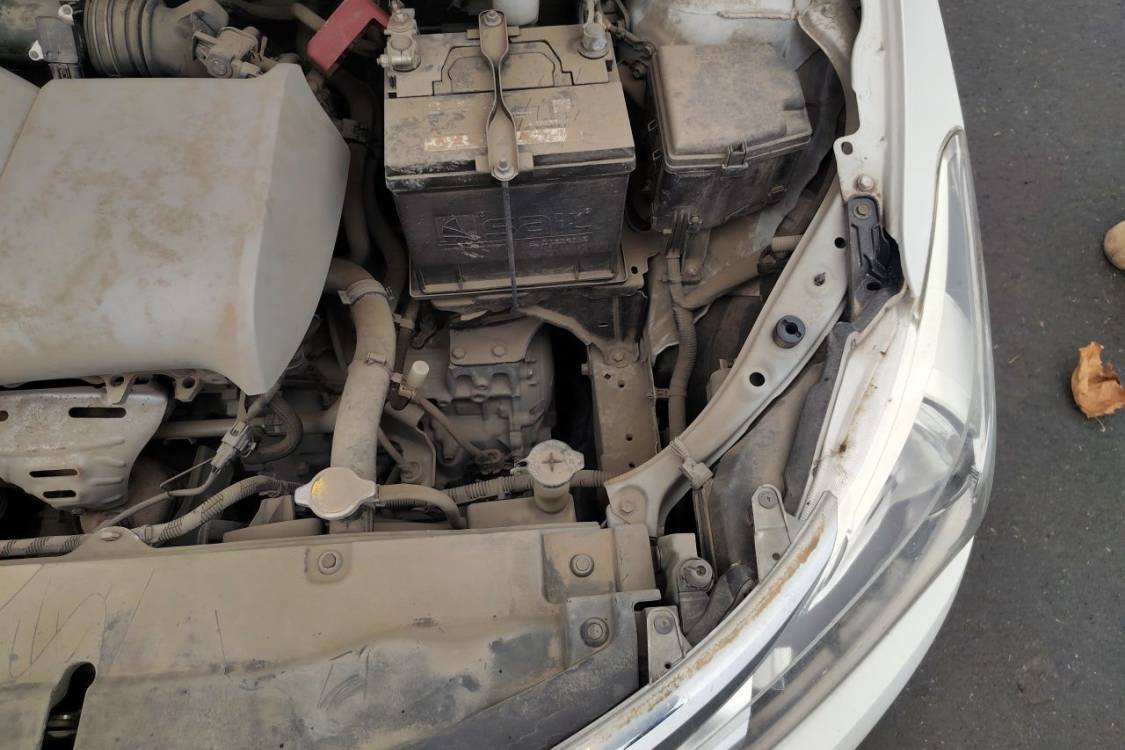
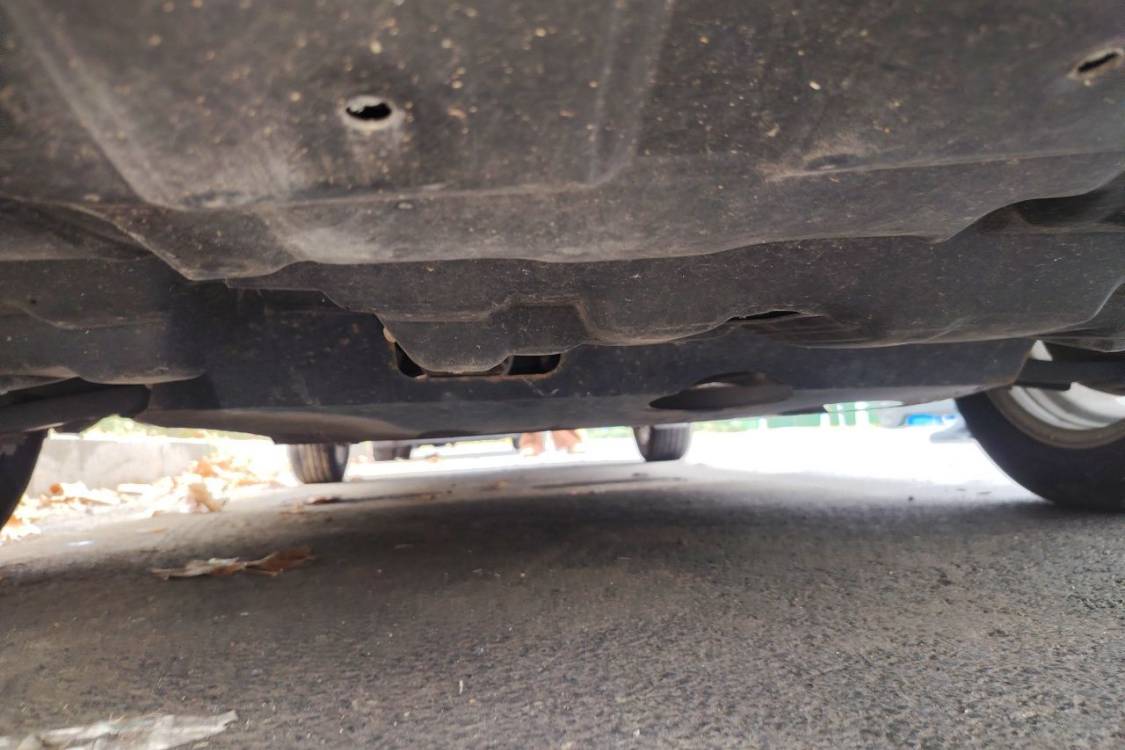
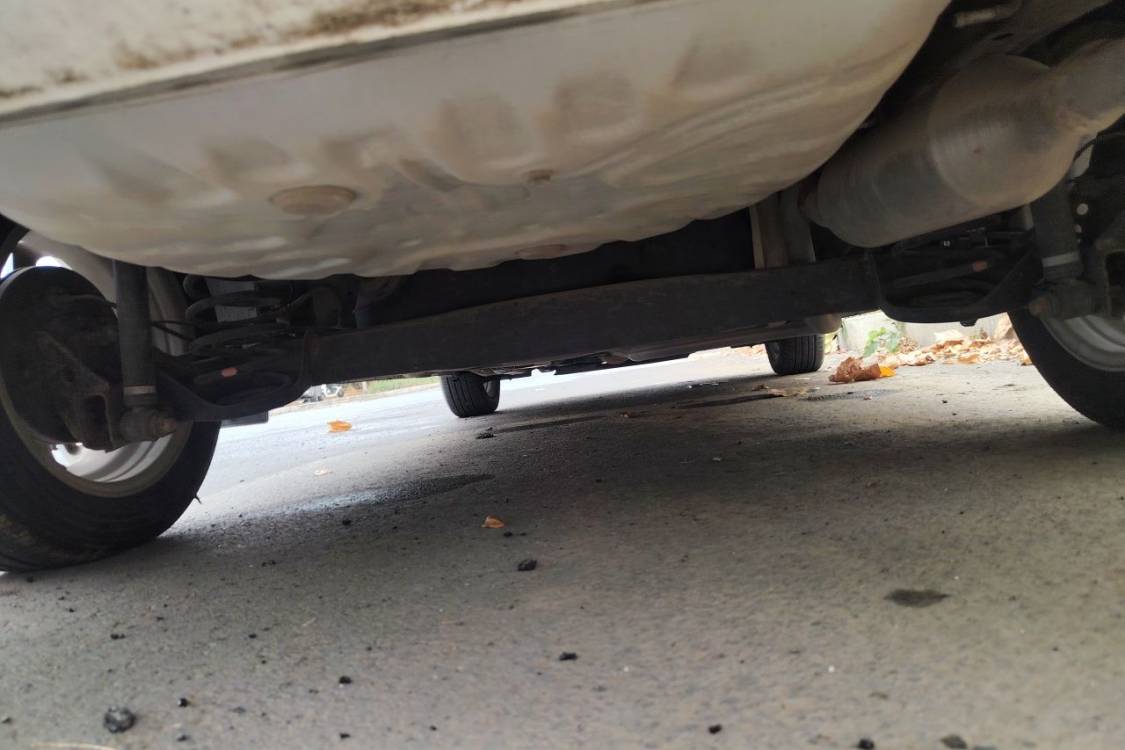
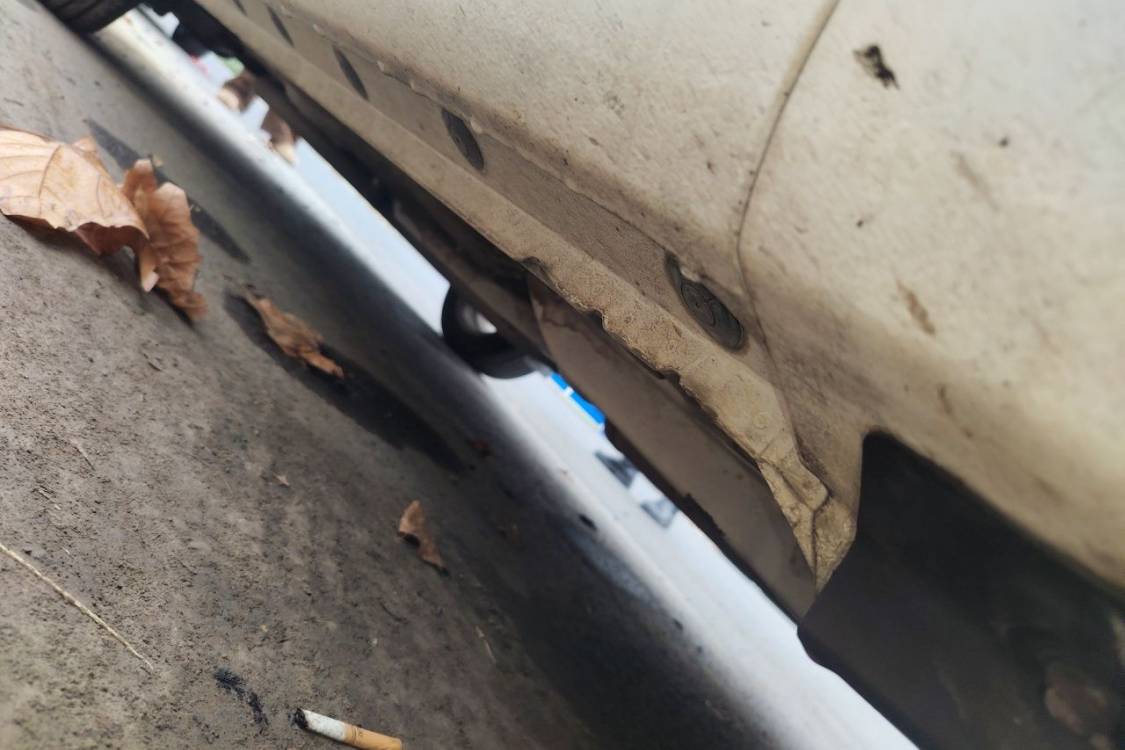
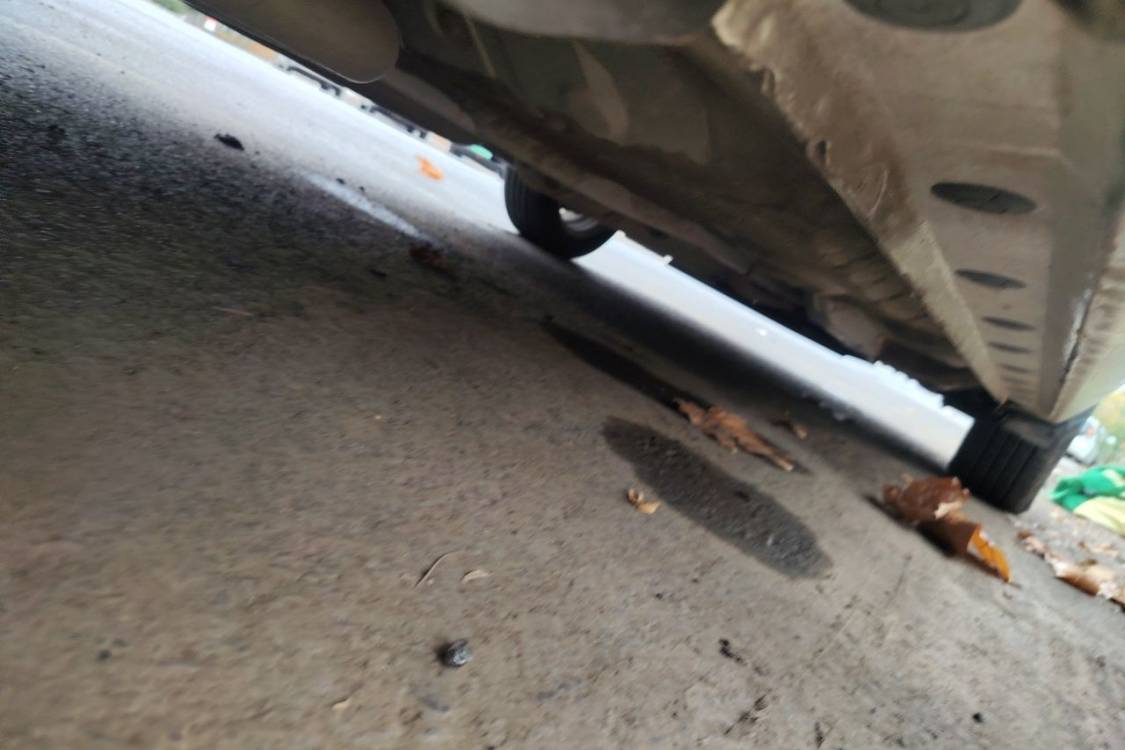
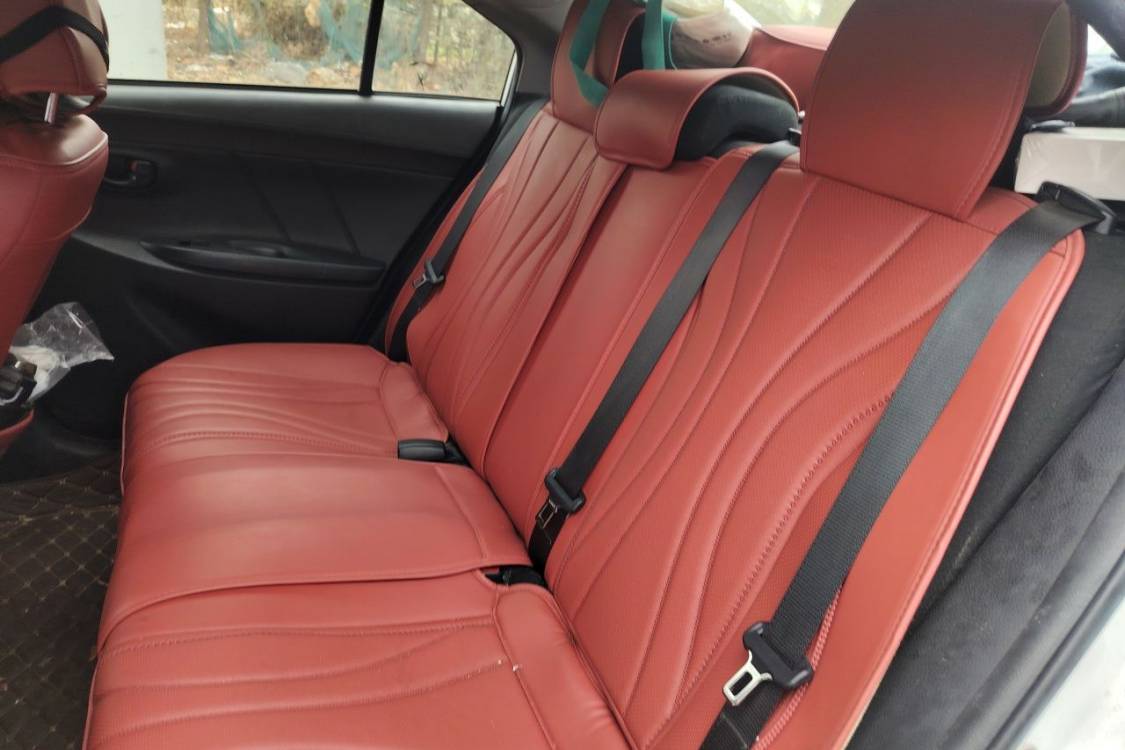
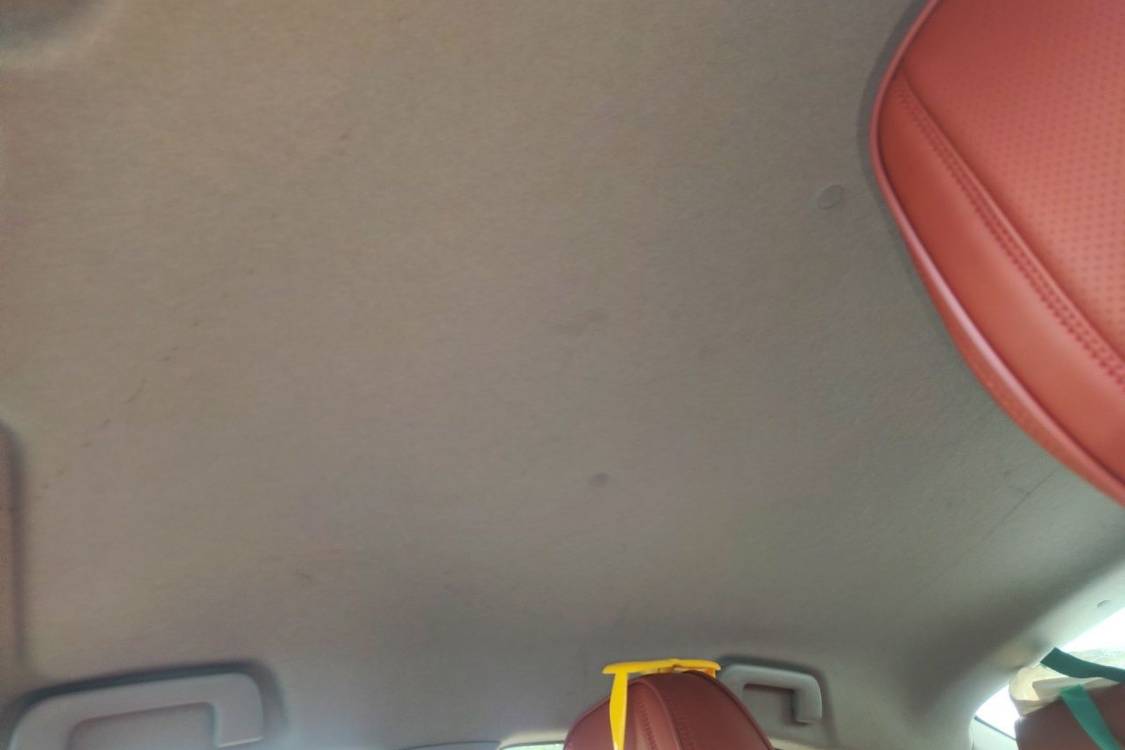
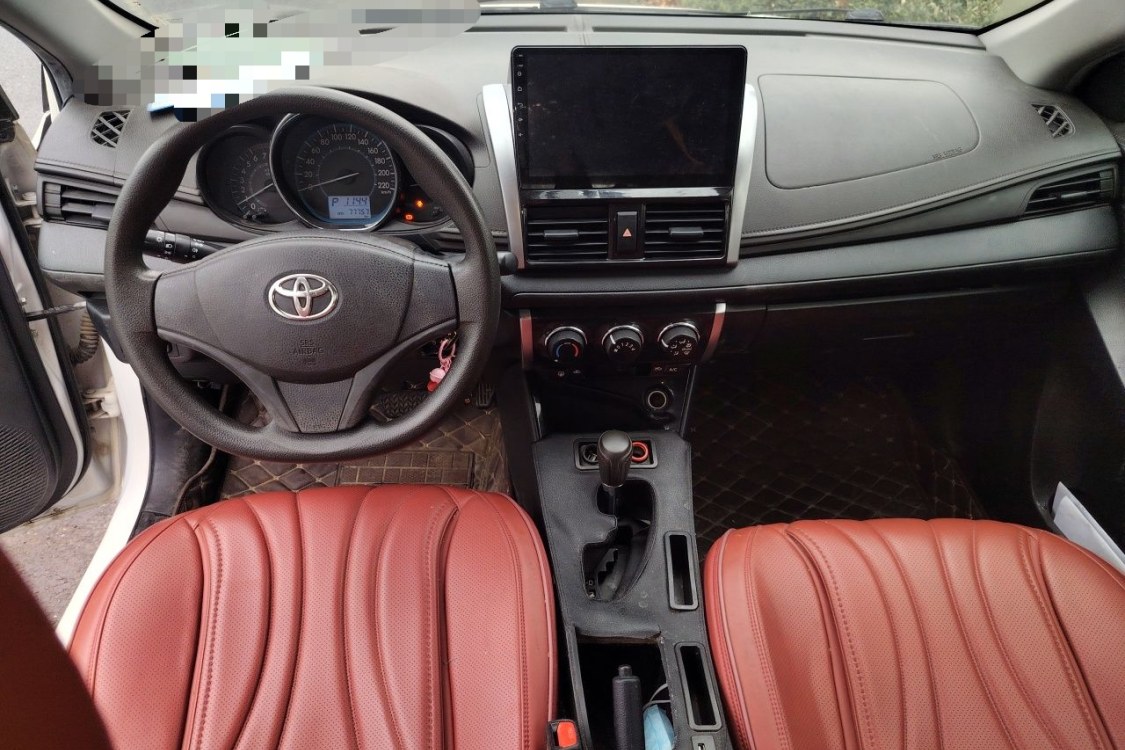
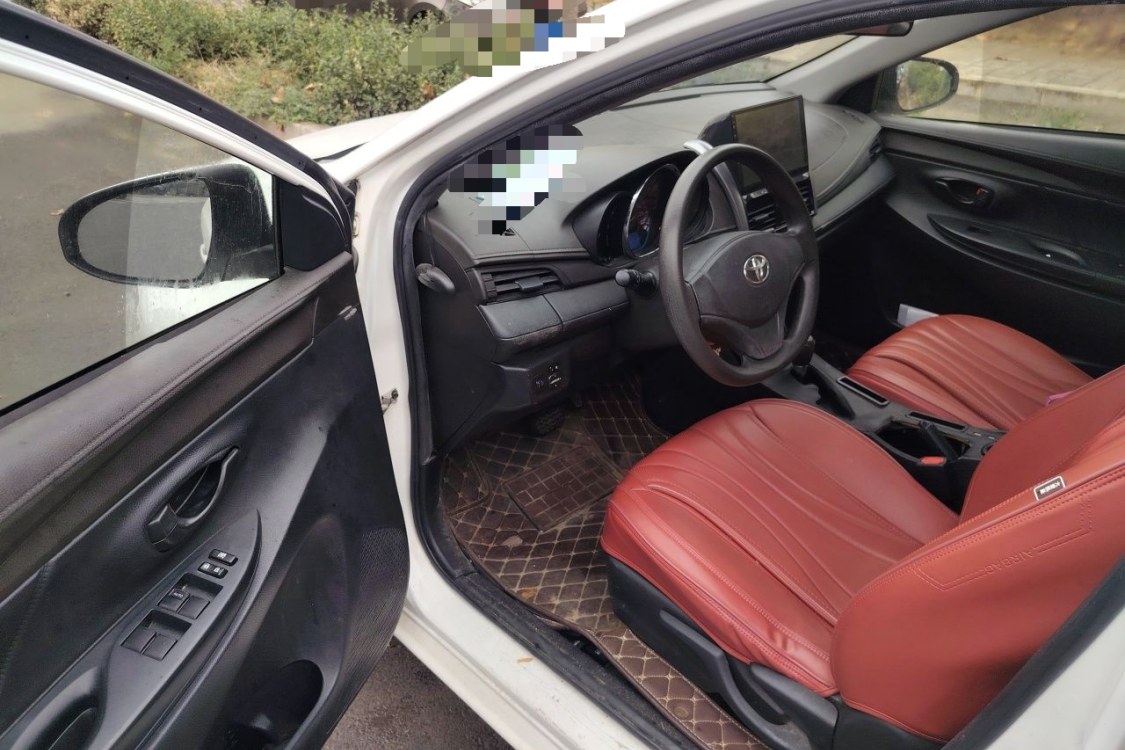
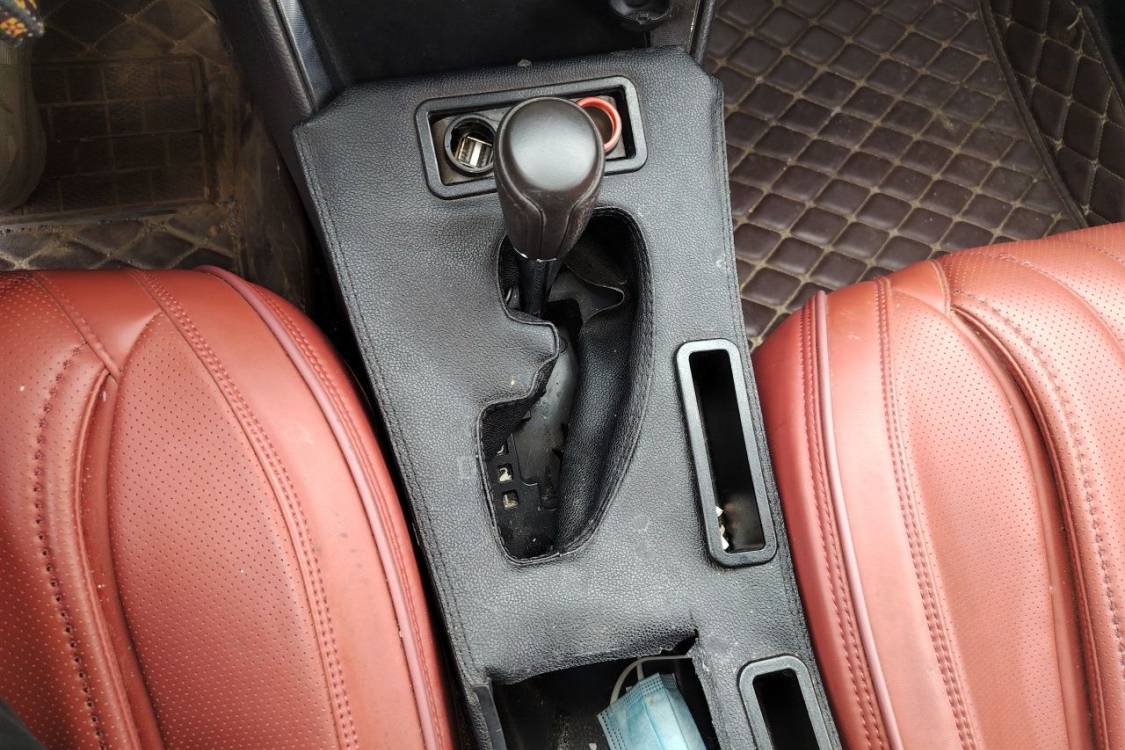
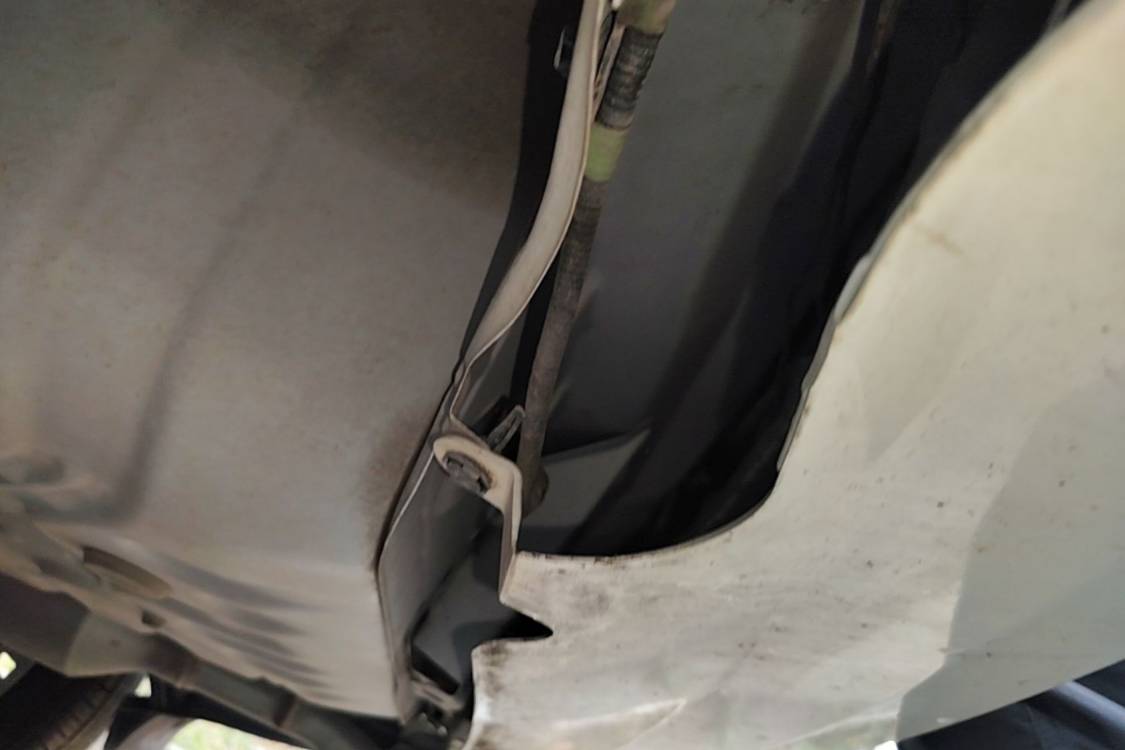
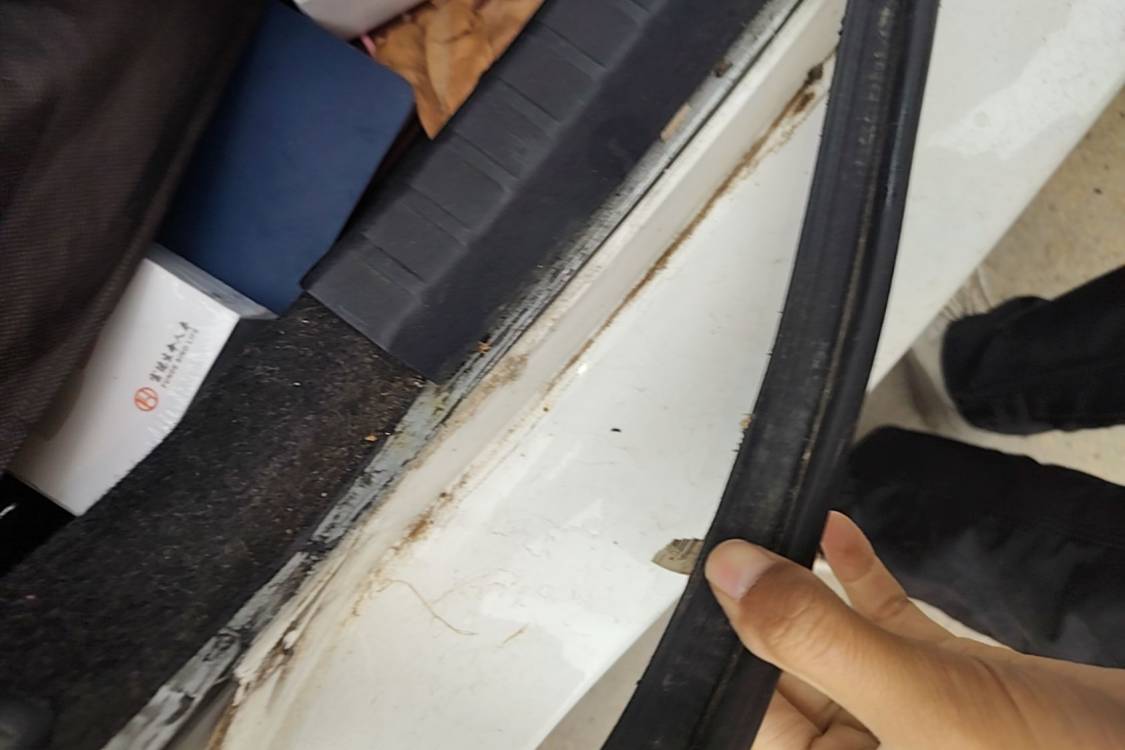
The vehicle body has localized damage or repair marks in some areas. Structural and reinforcing components show no accident-related damage or repairs. Vehicle performance (including the three-electric system) has degraded or is limited.

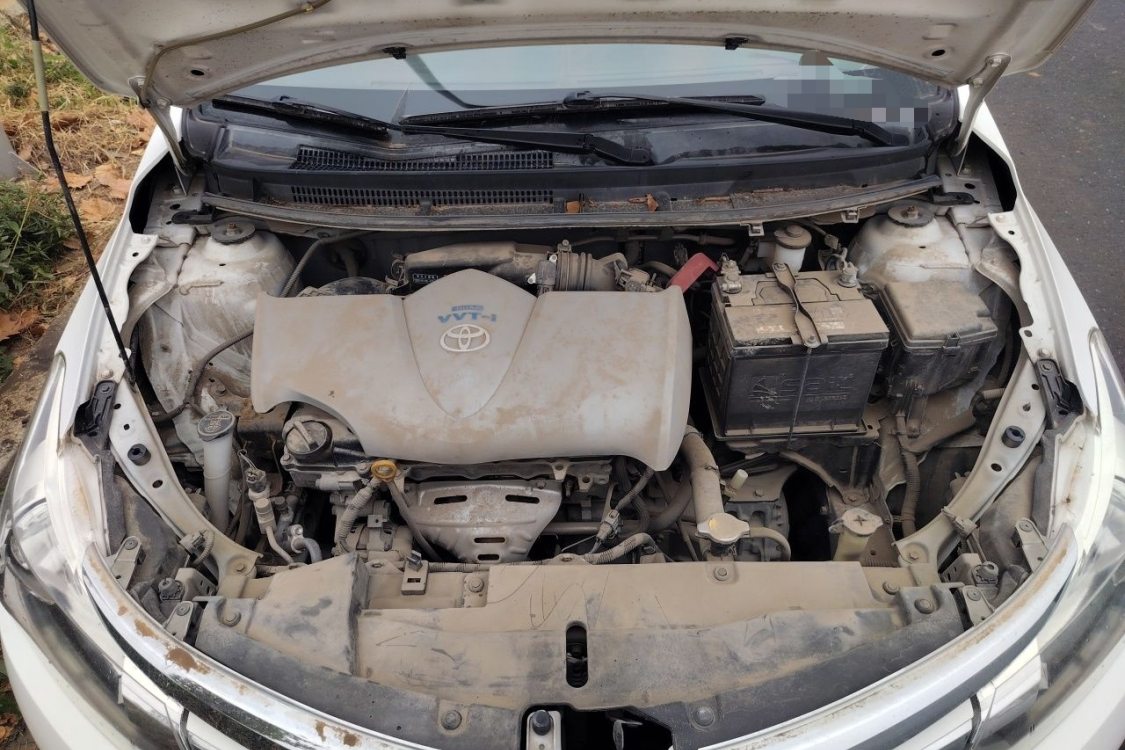
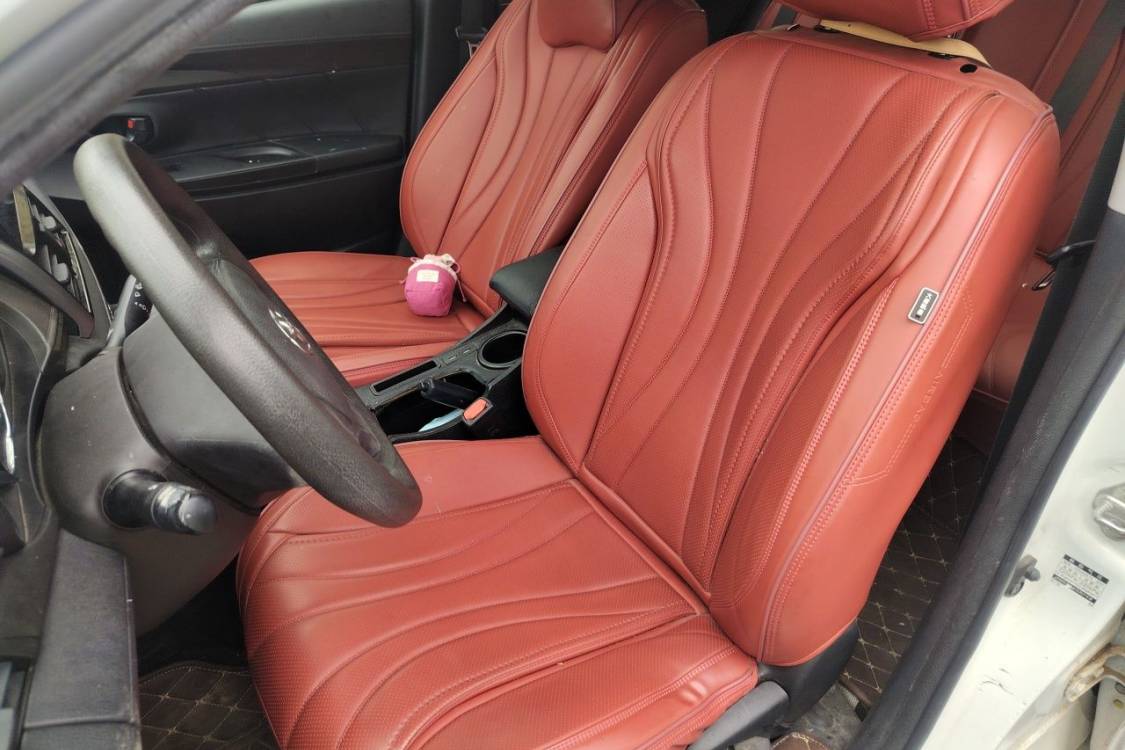
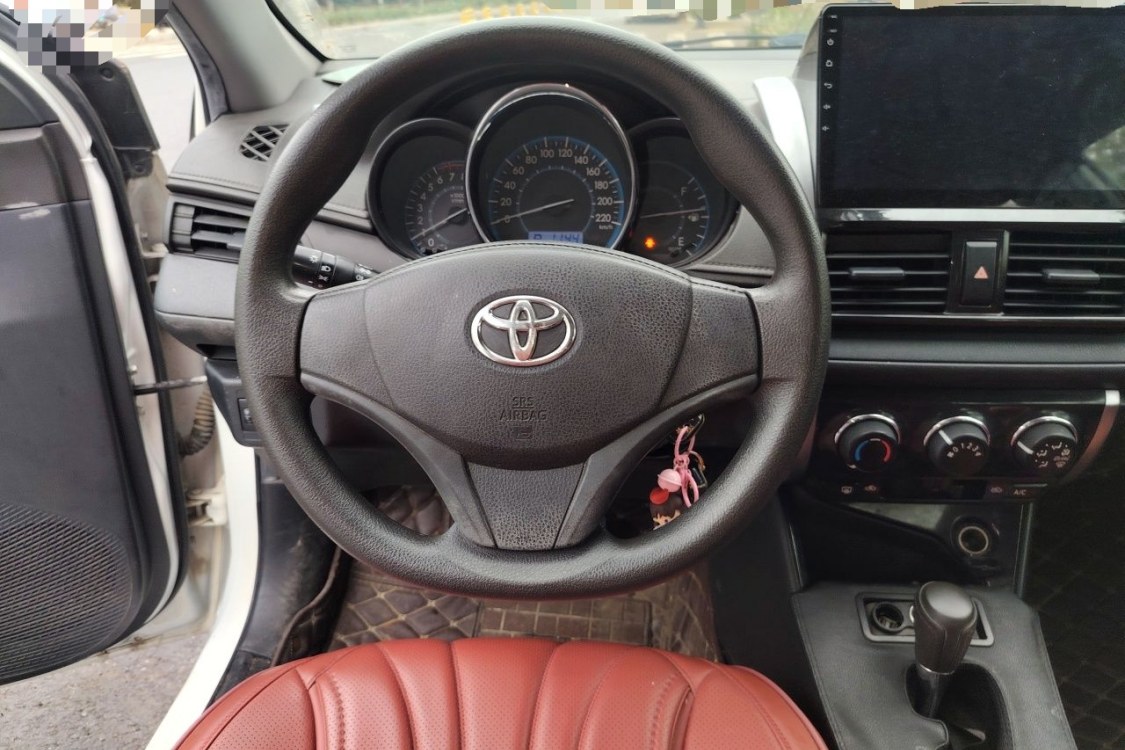
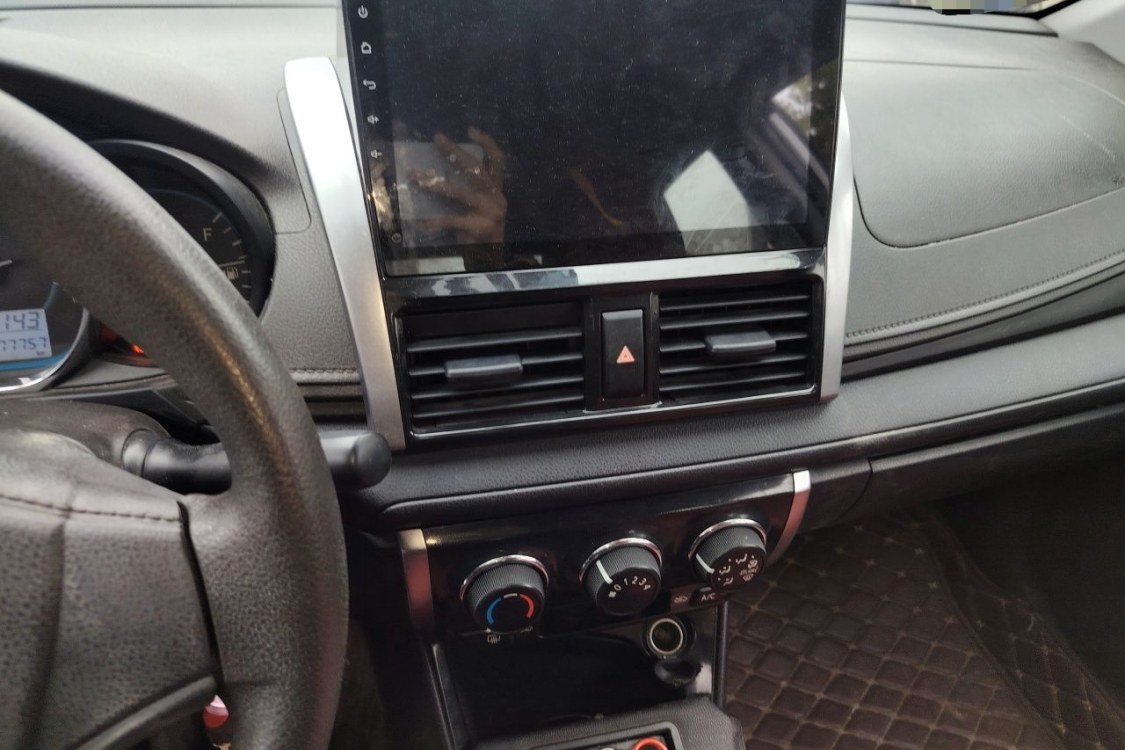
Accident inspection: main structure damaged, reinforcing components damaged, panels damaged, hinges normal. Engine bay inspection: key mechanical components in engine bay normal. Exterior: 1 repainted area. Interior: configuration abnormal, right front door trim dirty, headliner dirty, modified interior (other), airbag system normal, lighting system normal. Startup inspection: main components normal. Onboard tools: none.

电话直连
可讲价

Document Information

Inspection Expiry Date2027/07
Warranty Expiry Date-
Insurance Expiry Date2027/06

Q&A

More

How to ensure there are no stubborn odors in the car (like smoke, pet smells, or mold)?

Odors are difficult to convey through images, so our quality inspectors conduct subjective smell assessments and record them. For vehicles with severe smoke or mold odors, if deep ozone sterilization is ineffective, we will downgrade the vehicle and mark the report with a red "Odor Warning" at the top.

Will there be a thorough inspection of the aging and damaged wiring harness of older vehicles to prevent spontaneous combustion?

For older vehicles or those used in high temperature and humidity areas, we will focus on opening the hood to check if the insulation of the wiring harness in the high-temperature area of the engine compartment is cracked or brittle, to identify potential short circuit risks that could lead to spontaneous combustion.

If the record of a vehicle's first maintenance is missing from the system, how do you determine its early wear condition?

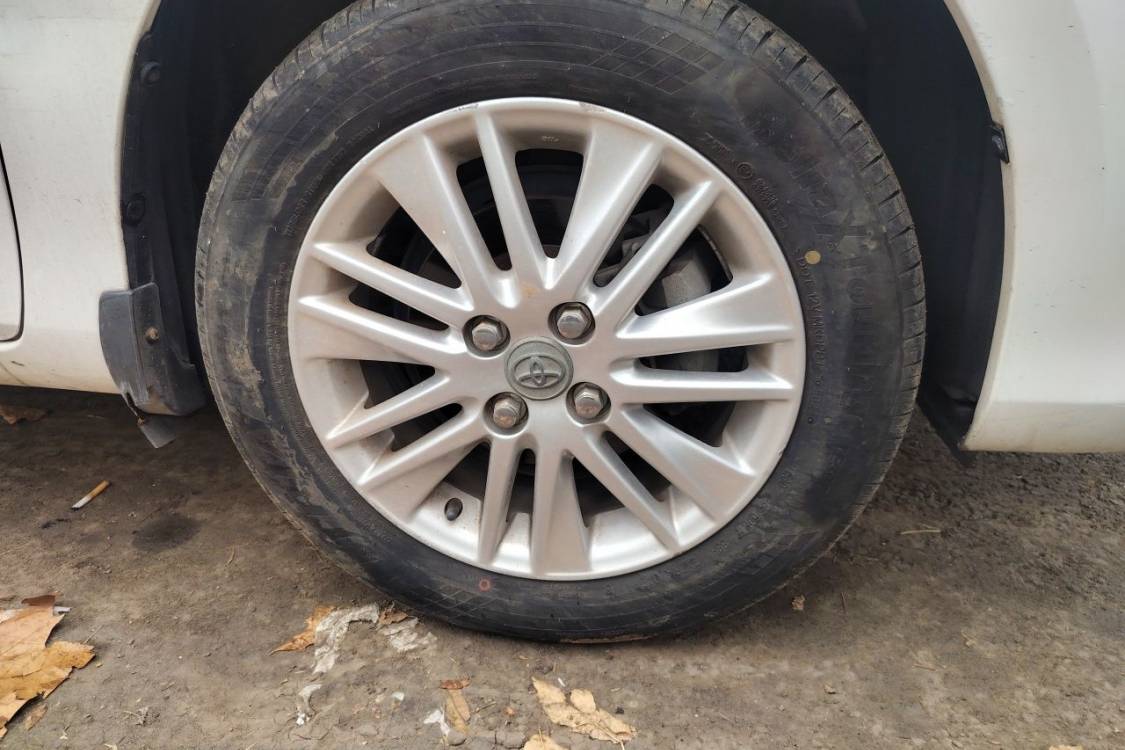
Many car owners do not have their first maintenance done at authorized dealerships, leading to gaps in early data. In such cases, we do not blindly trust the odometer; instead, we analyze the tire production dates and wear levels, as well as the depth of grooves on the brake disc edges, using the "gold standard" of physical wear to infer the intensity of early use.