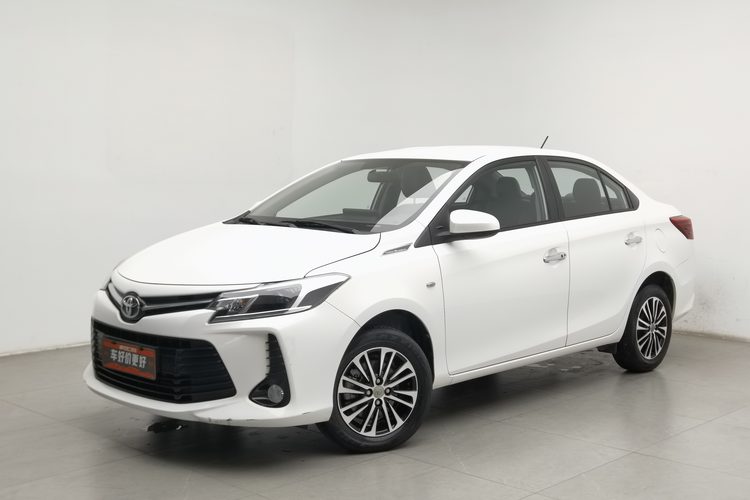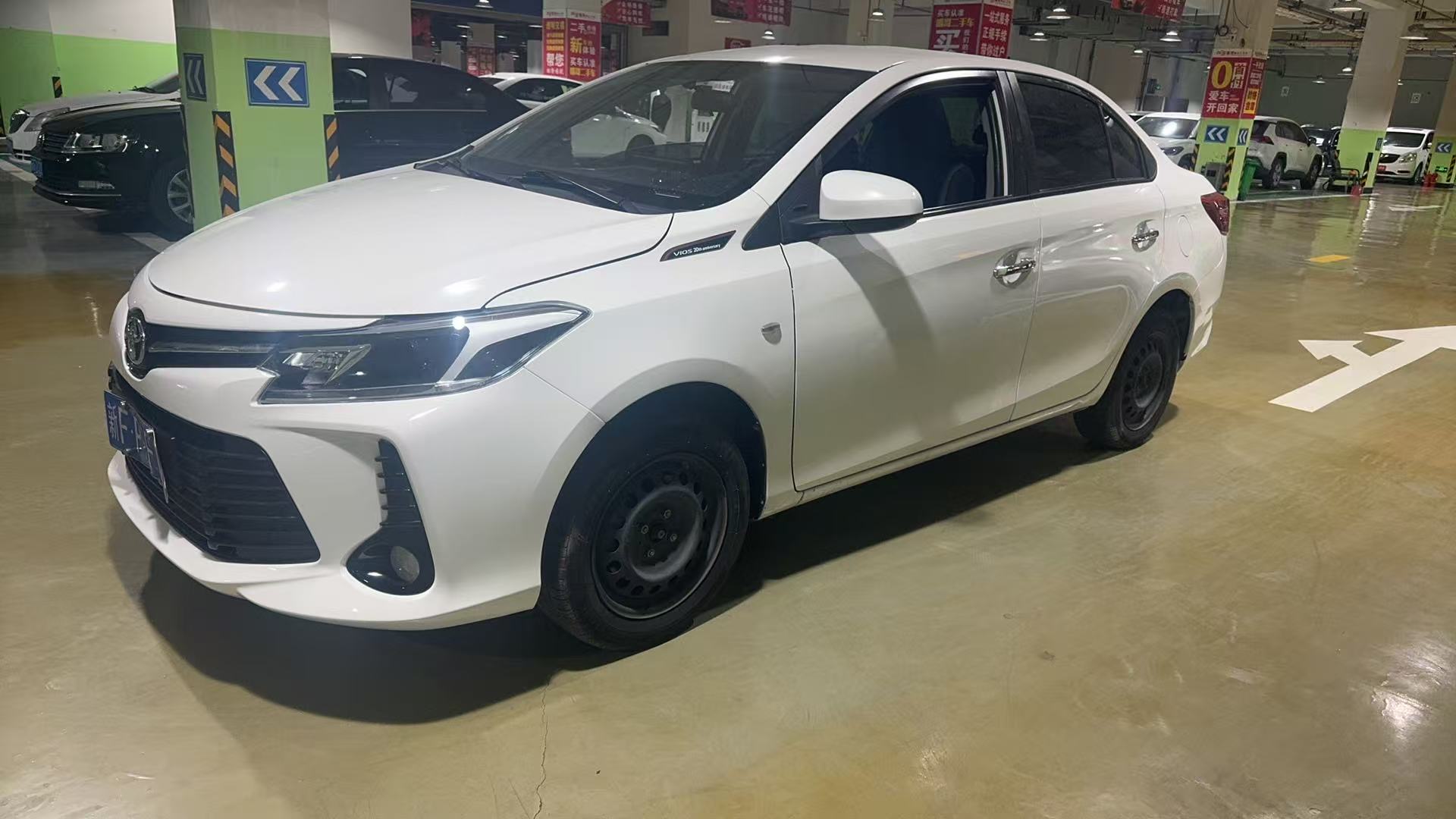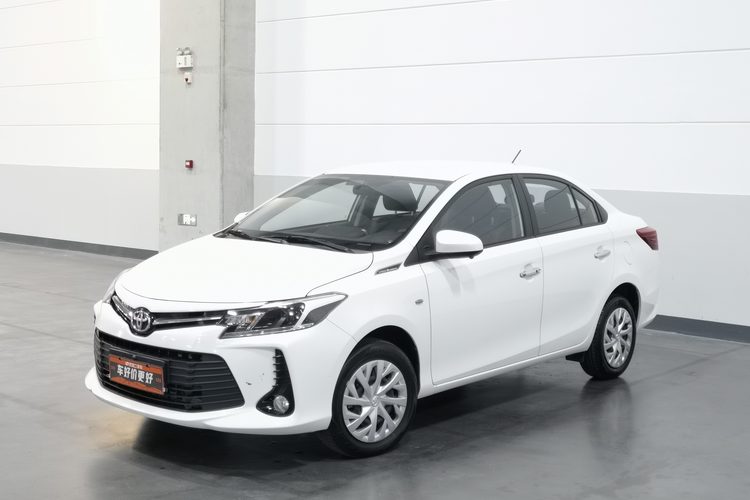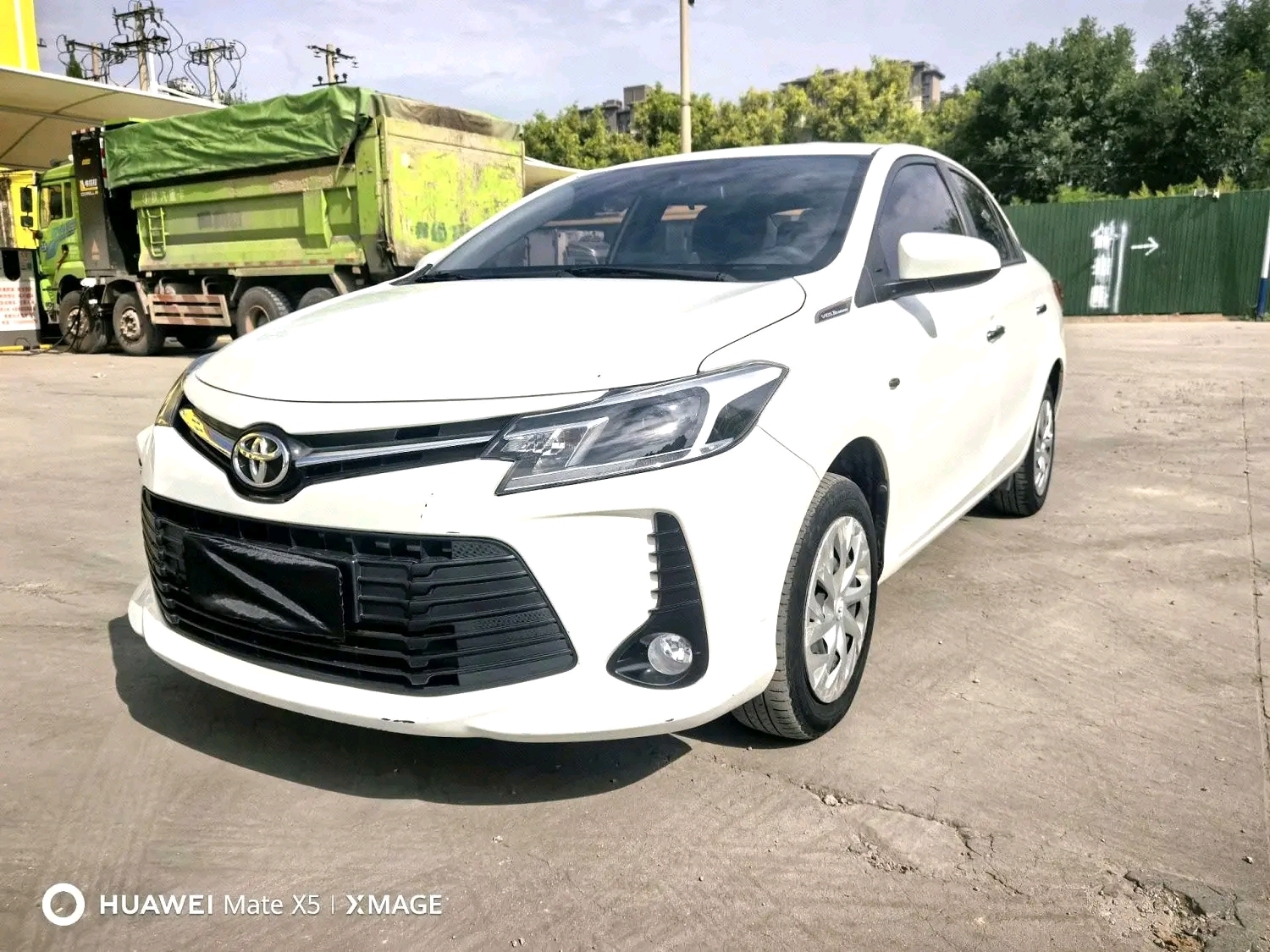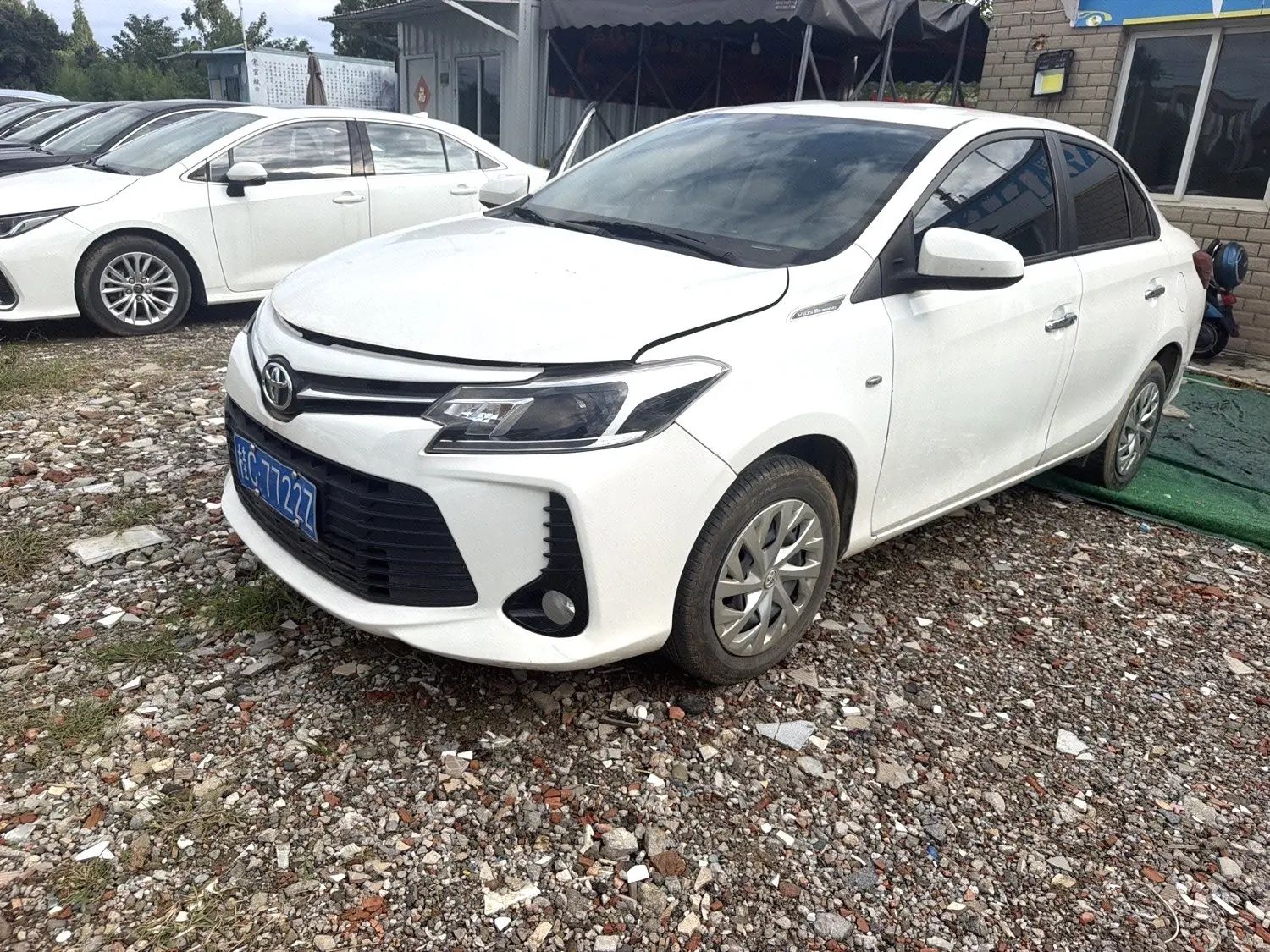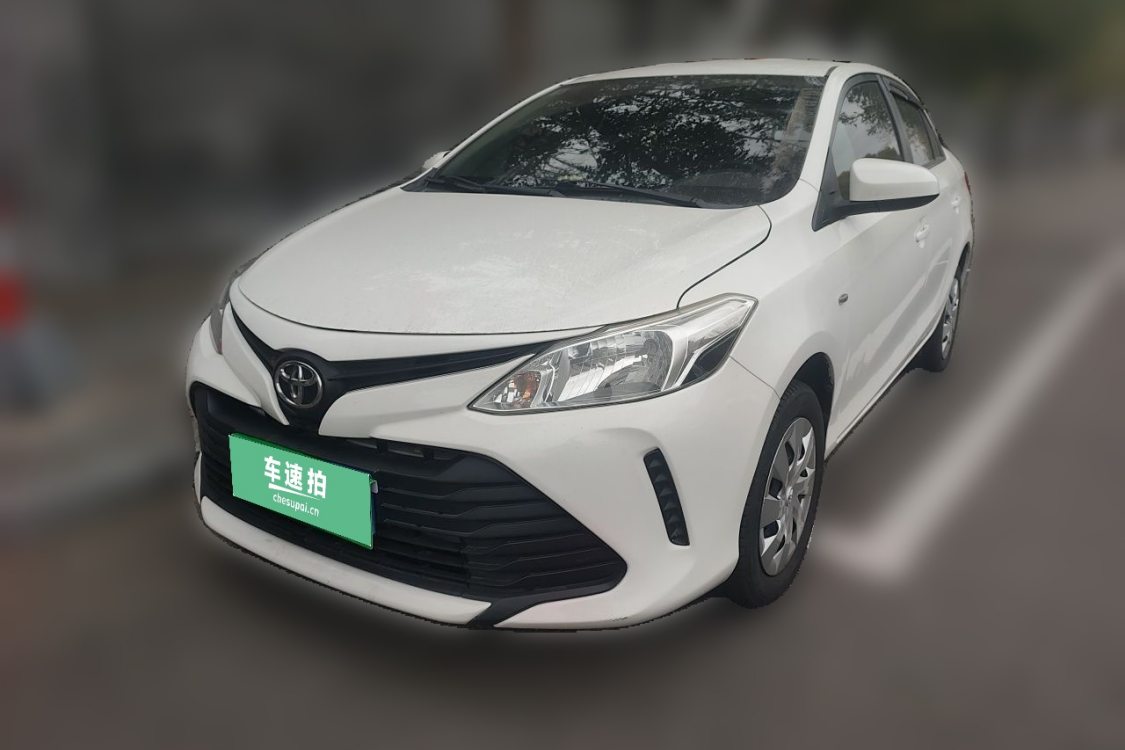
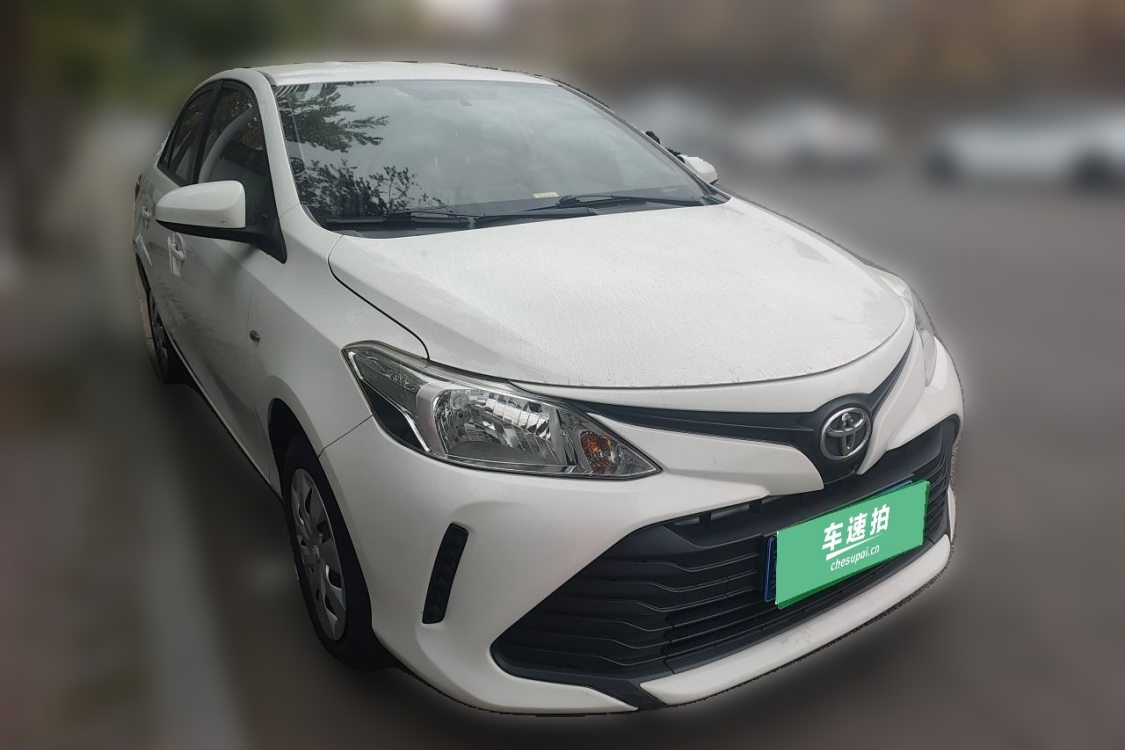
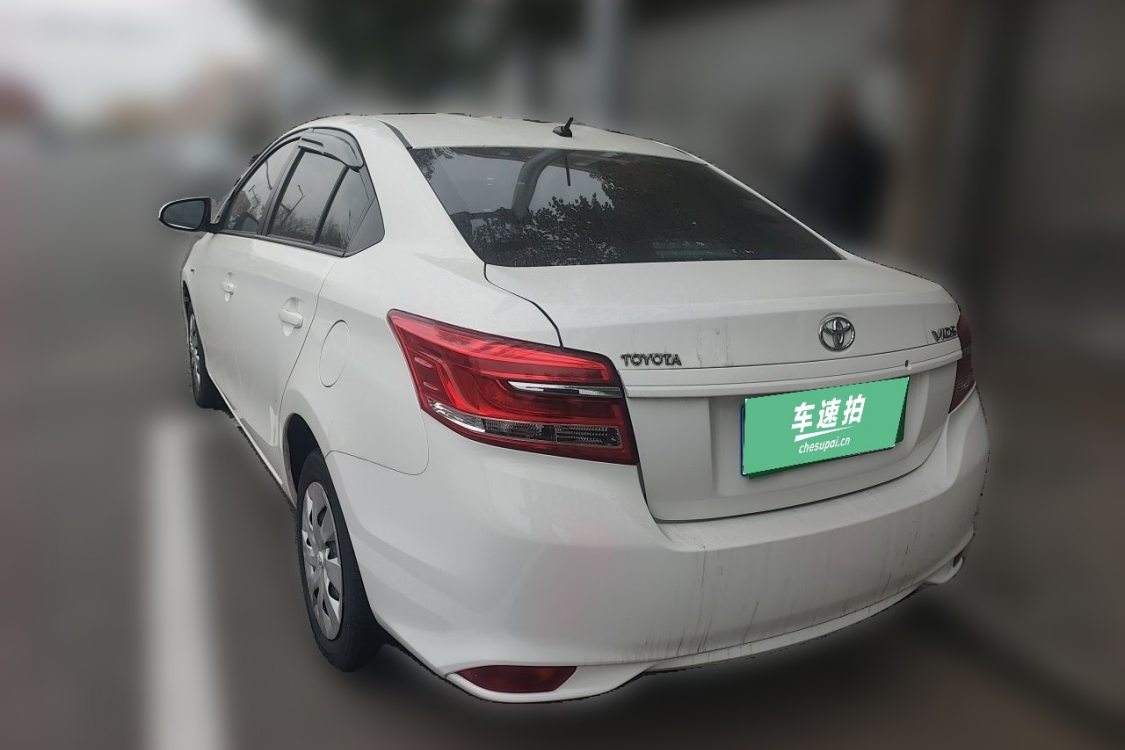
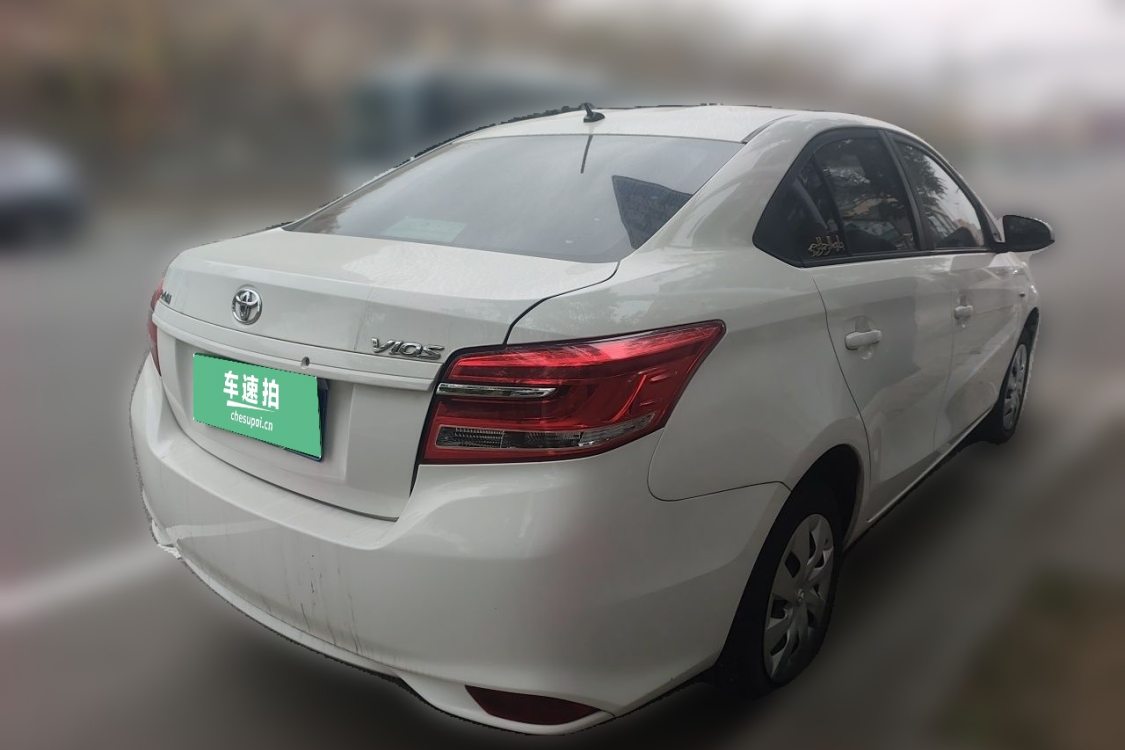
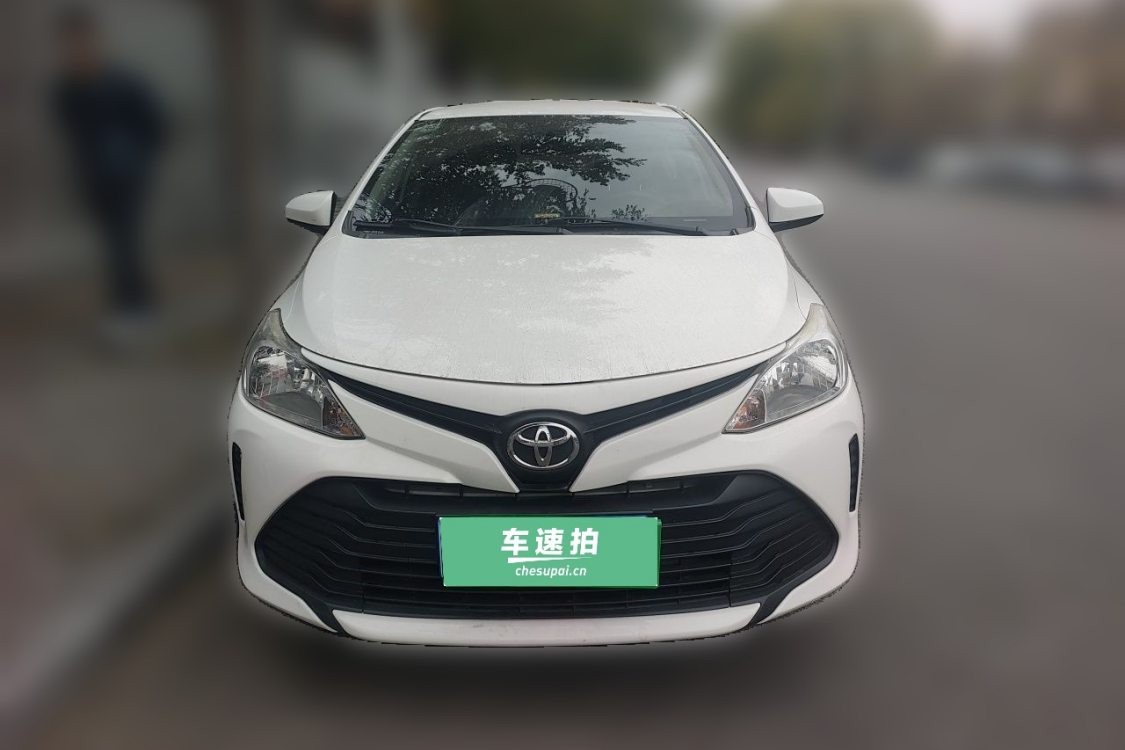
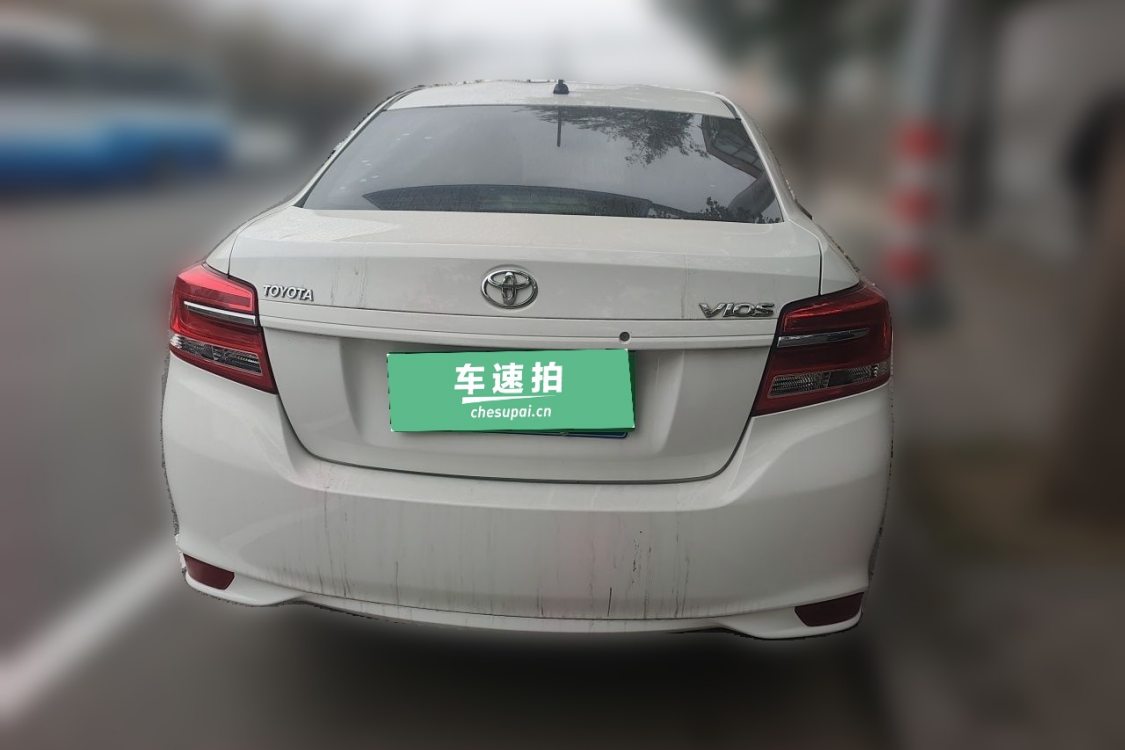
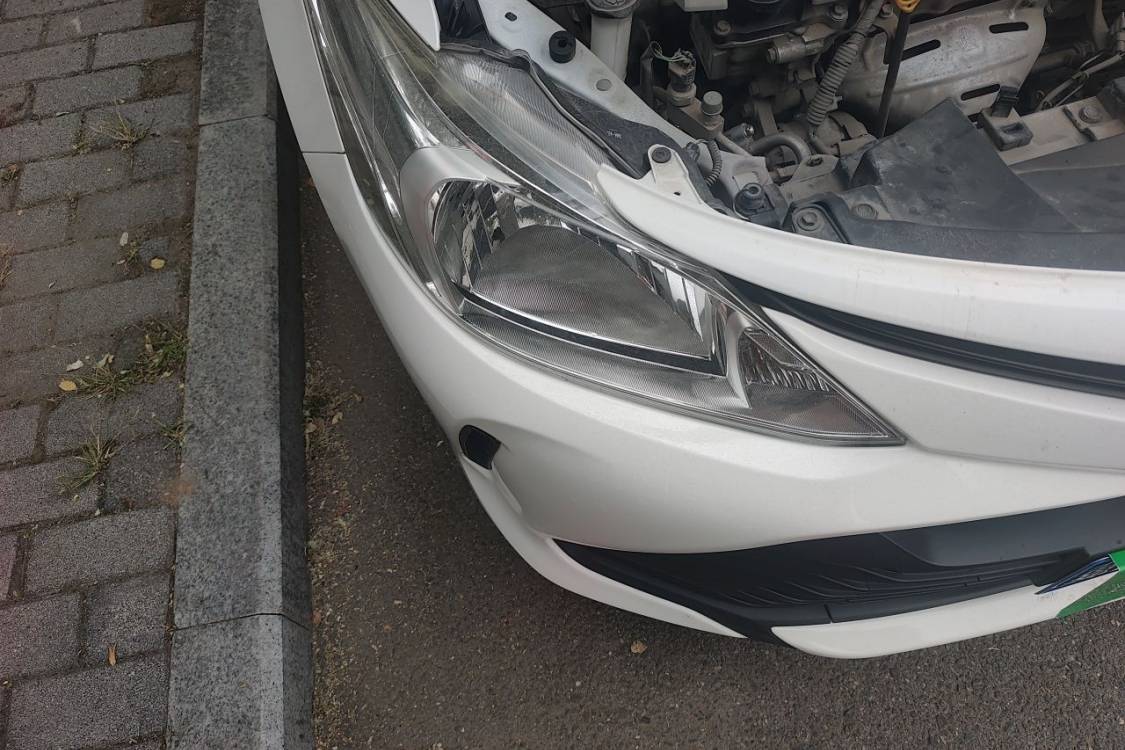
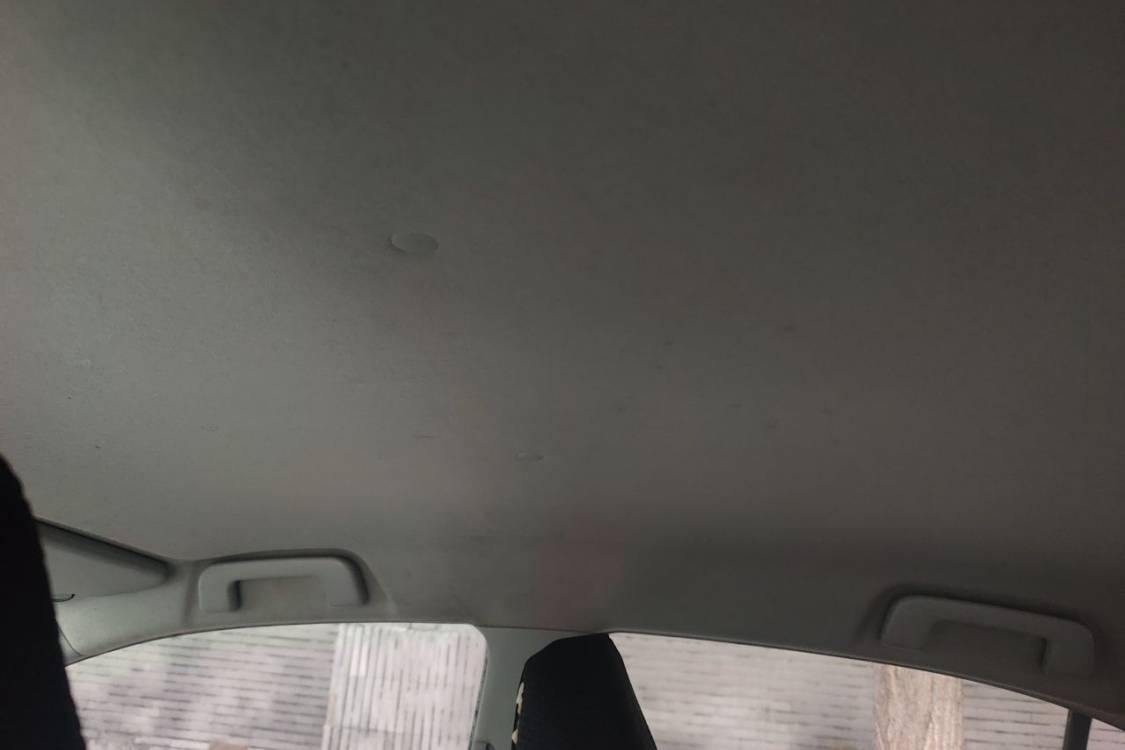
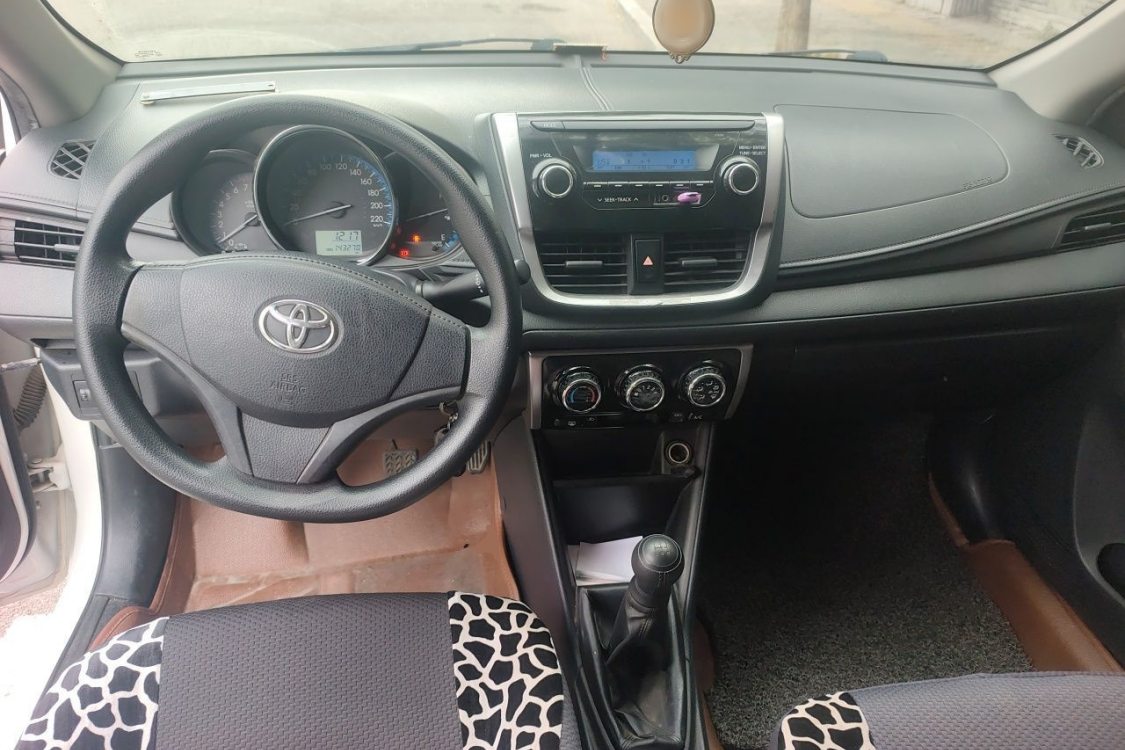
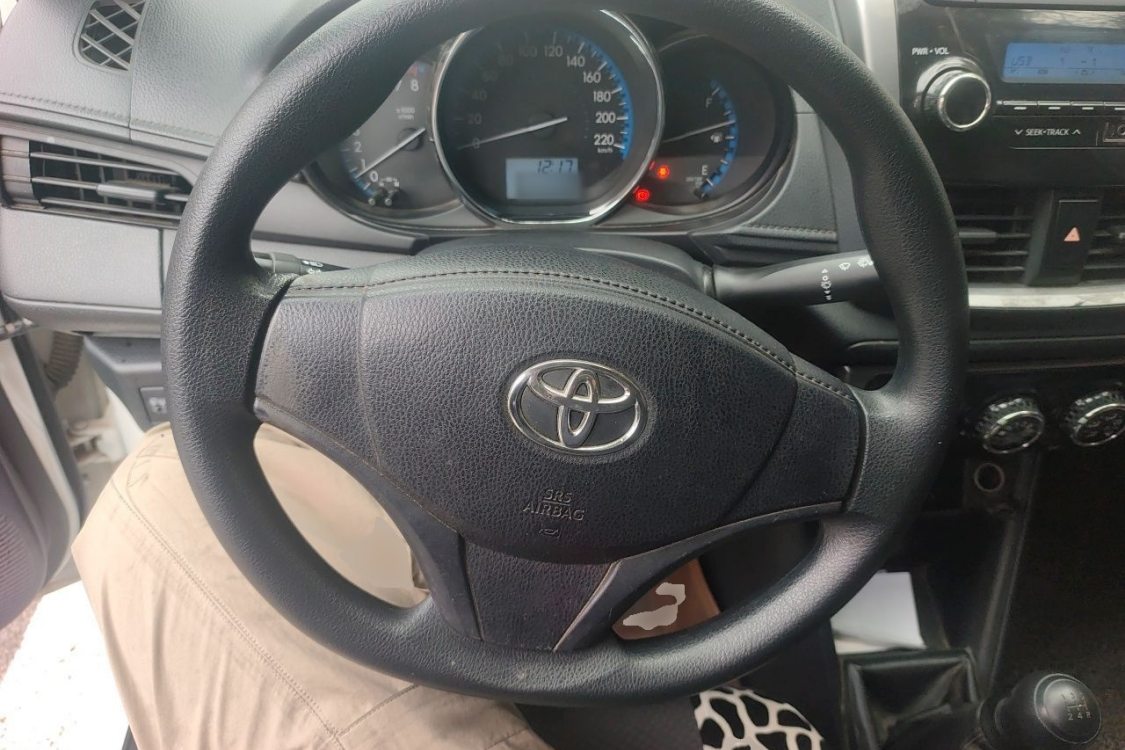
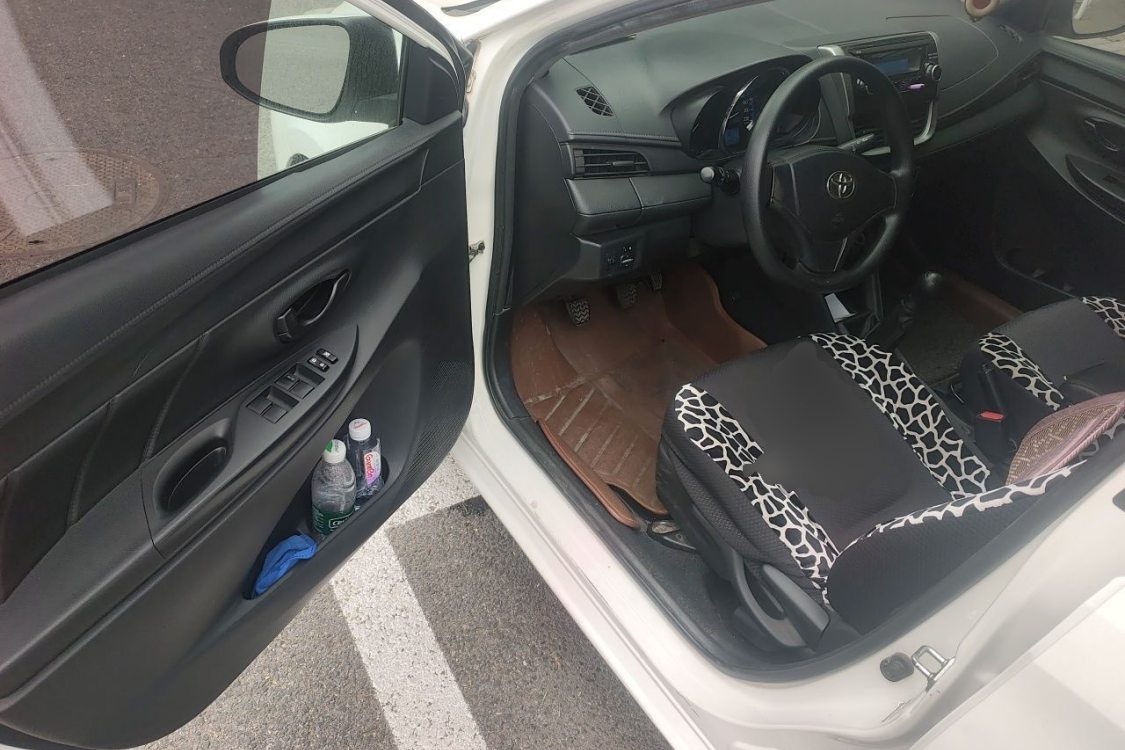
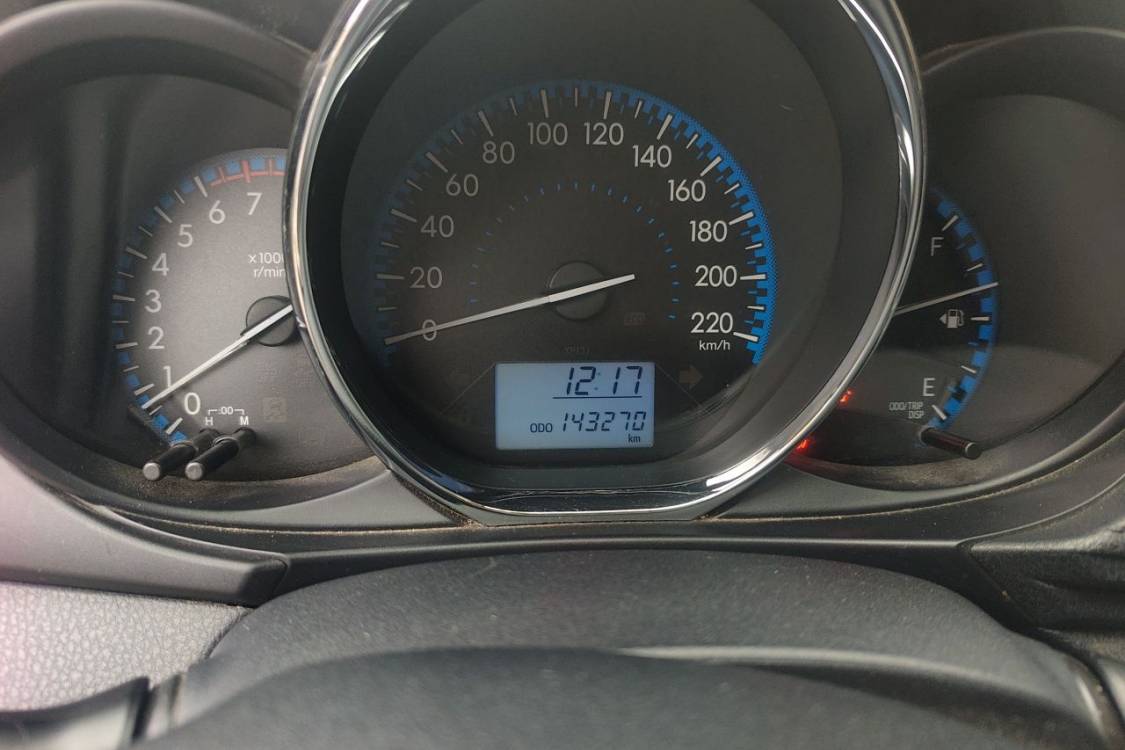
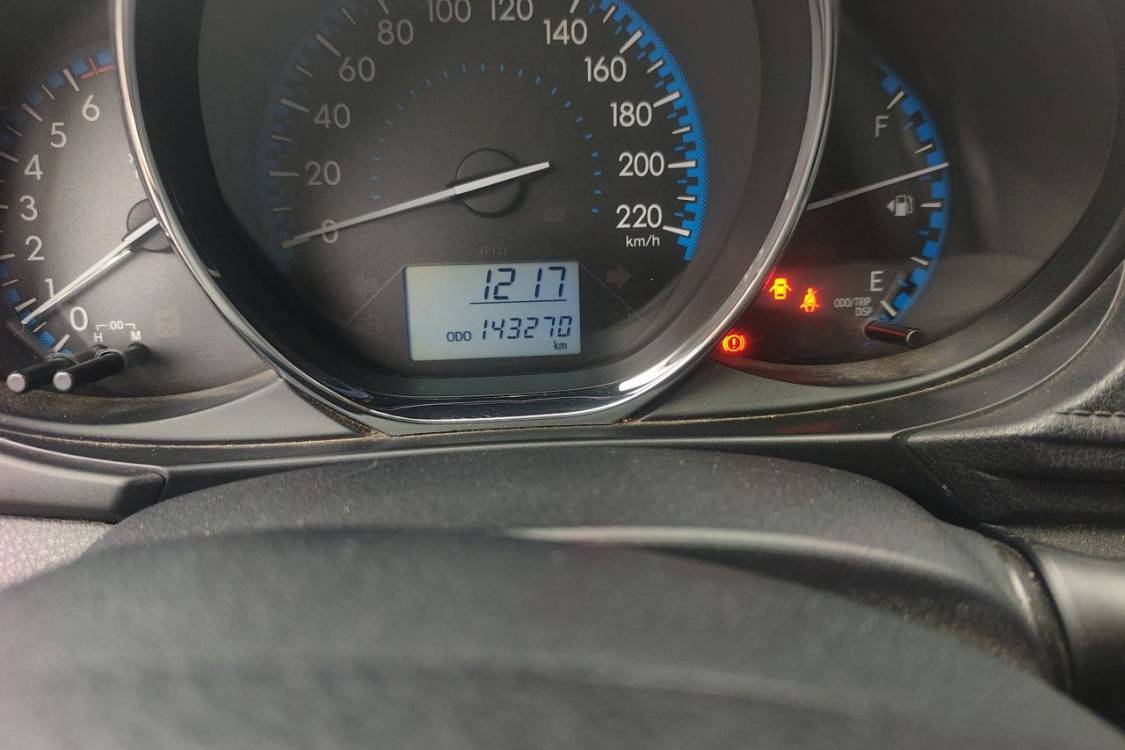
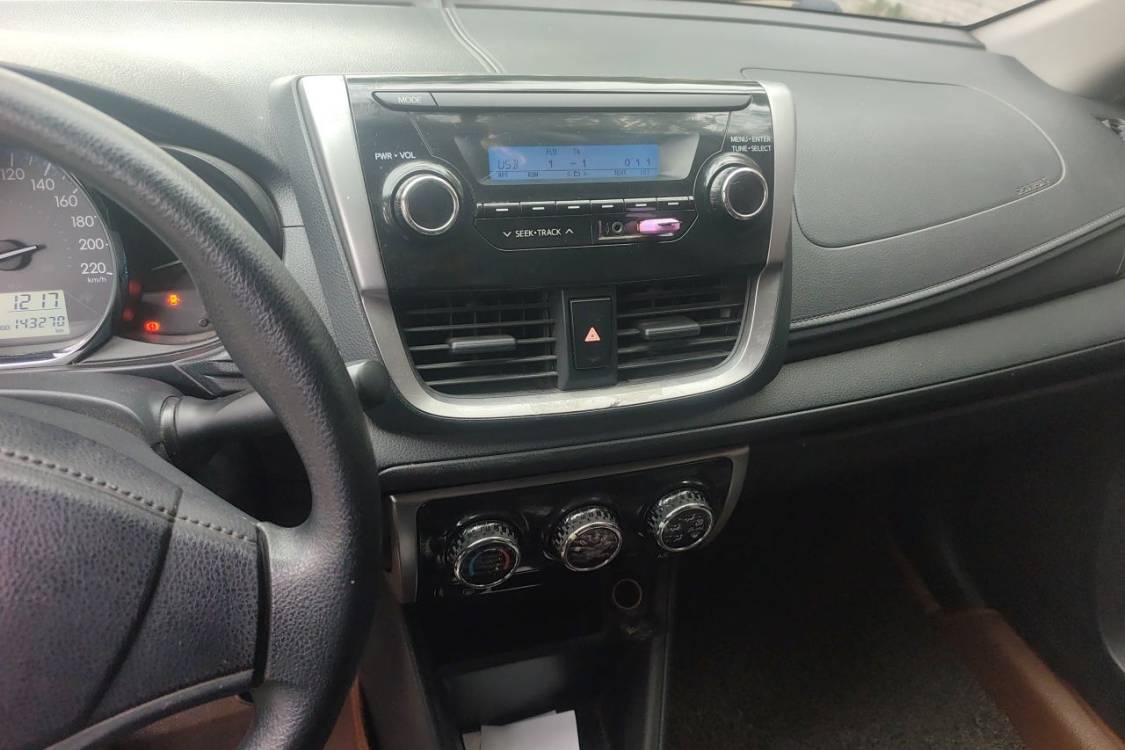
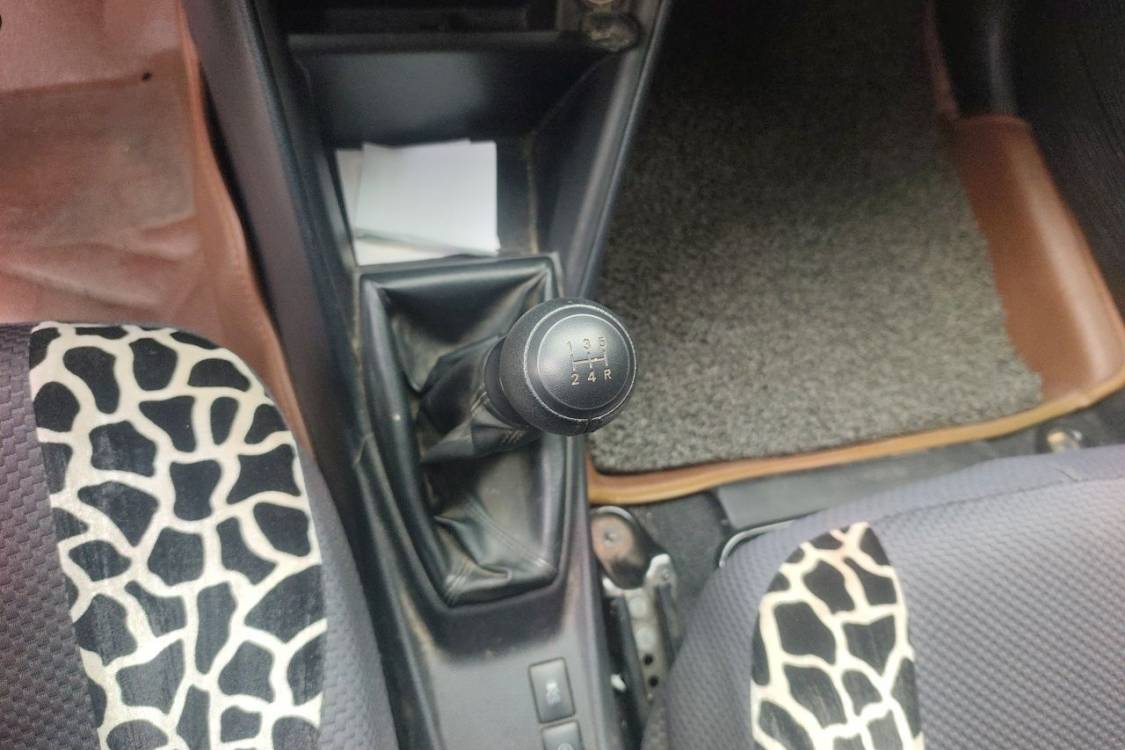



Basic Information

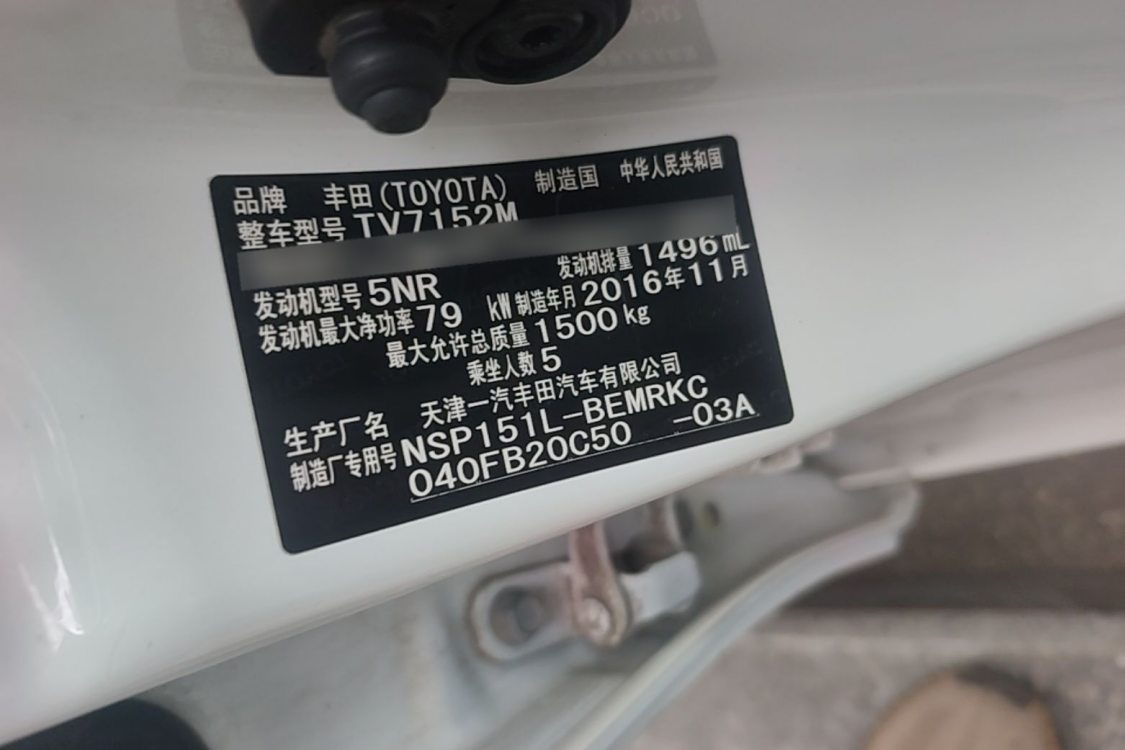
BrandToyota
SeriesVios
Year2016
First Registration2016/12
Mileage143,200km
Transfer Count-
FuelGasoline
TransmissionManual
Engine1.5L 107 L4
ColorWhite
Seats5seats

Condition Description

Vehicle has major defects from major accident/fire/flood or power battery related components, repaired or unrepaired, still affecting body structural integrity or safe use, with hidden fault risks.

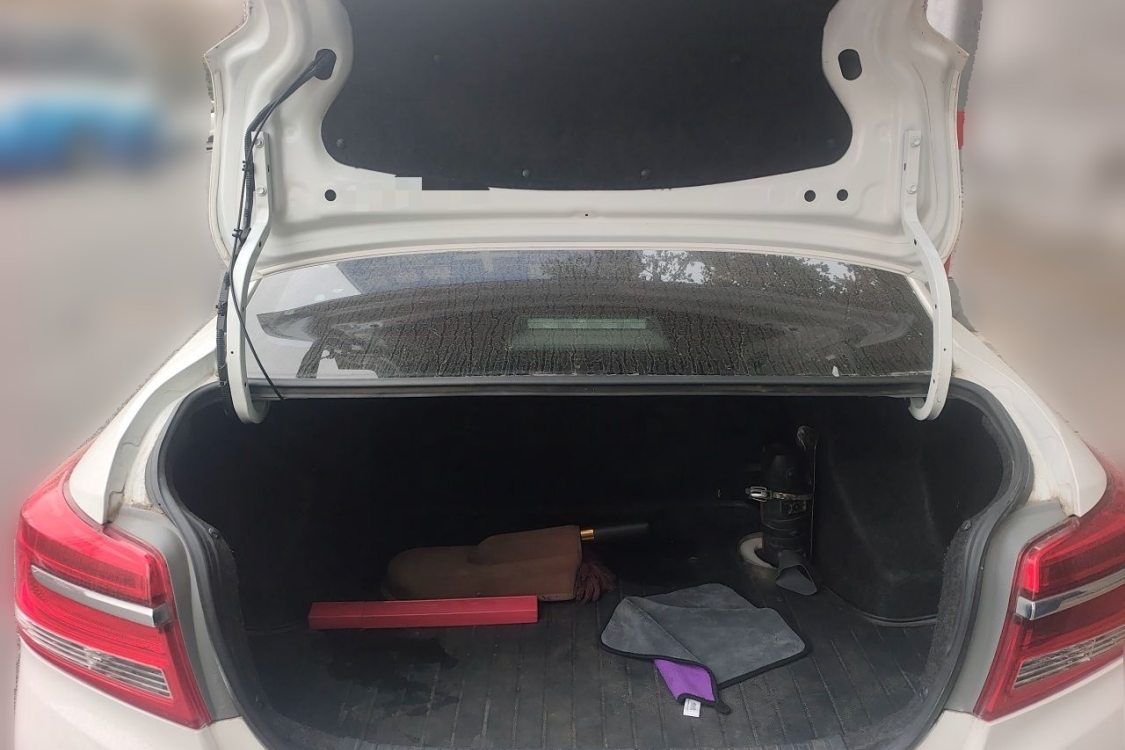
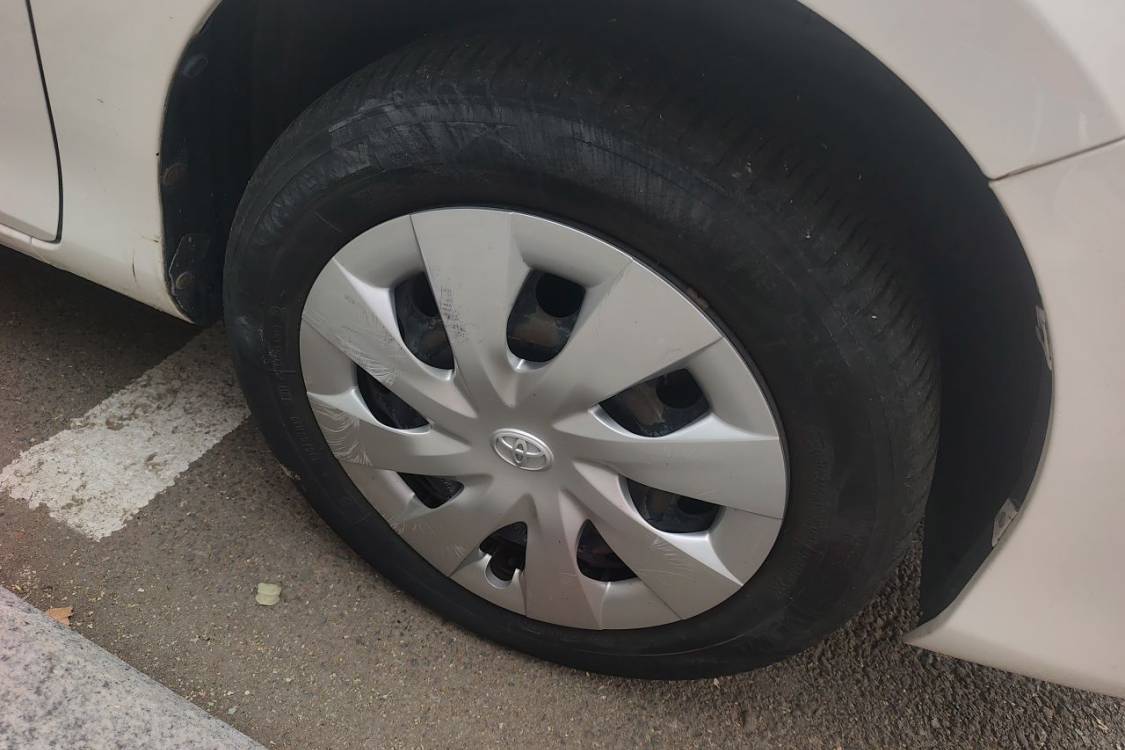
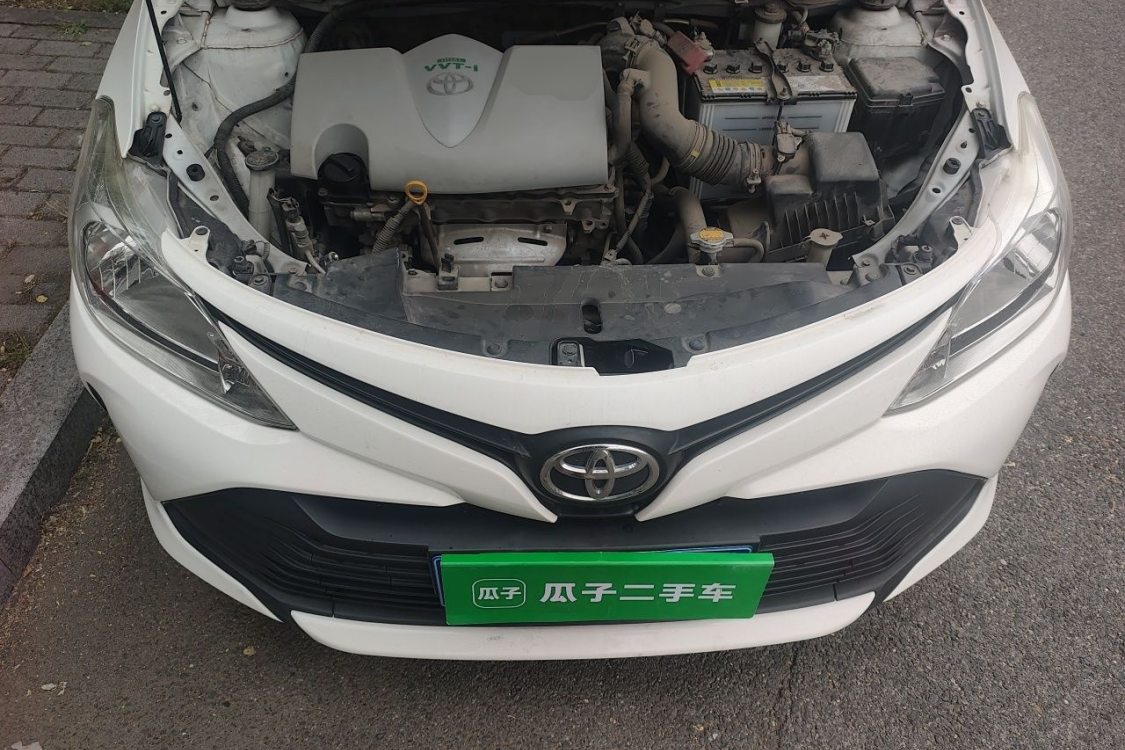
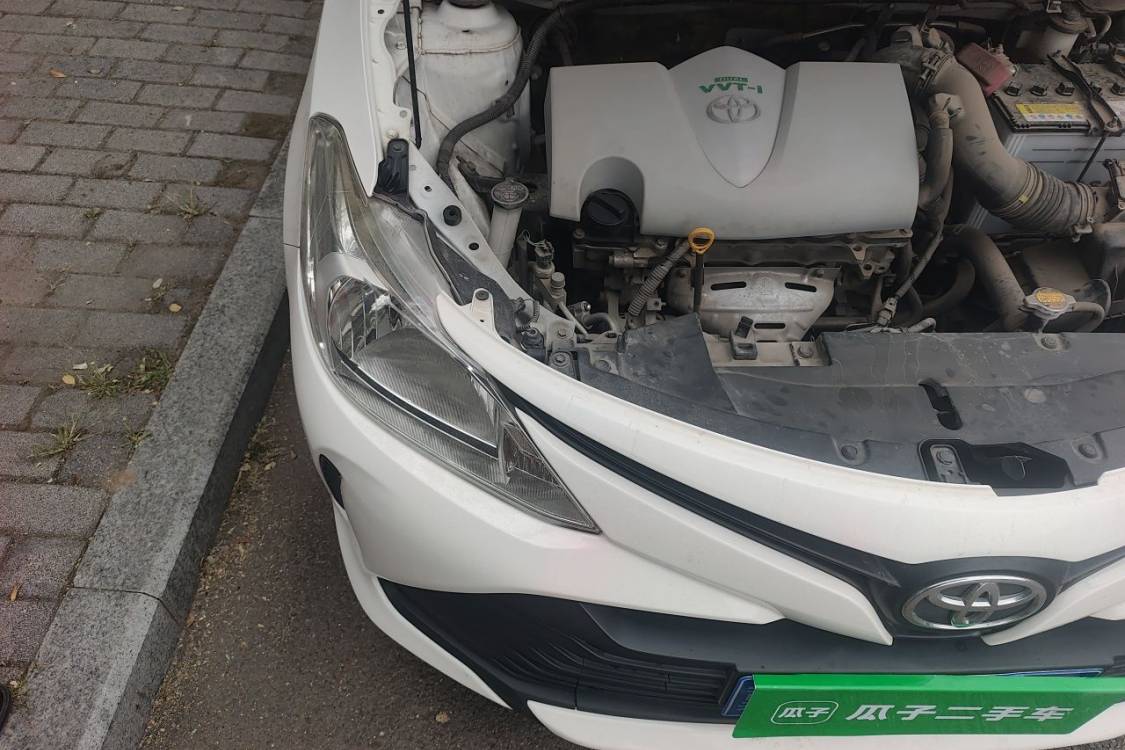
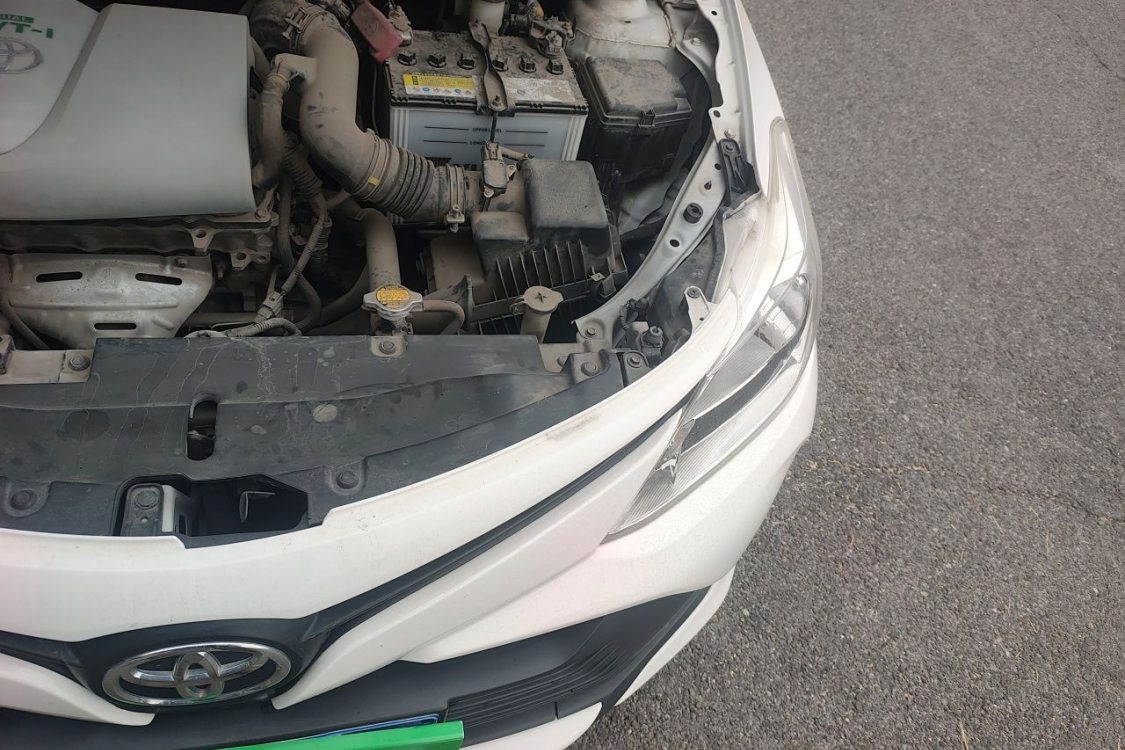
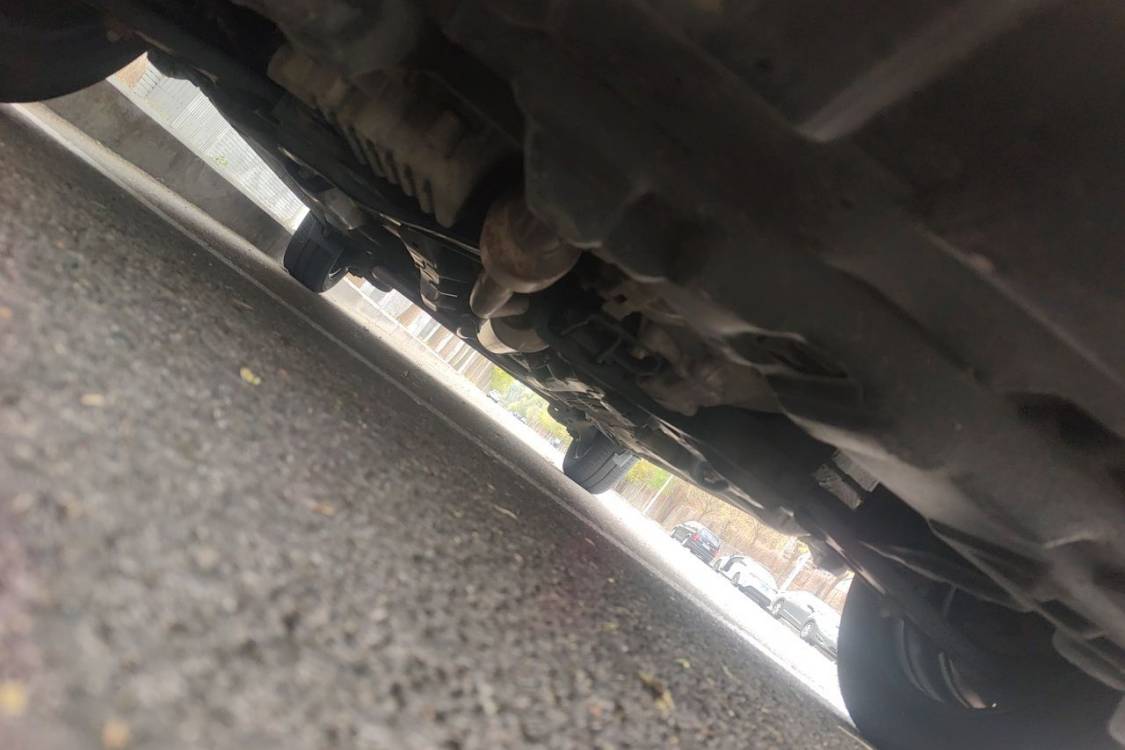
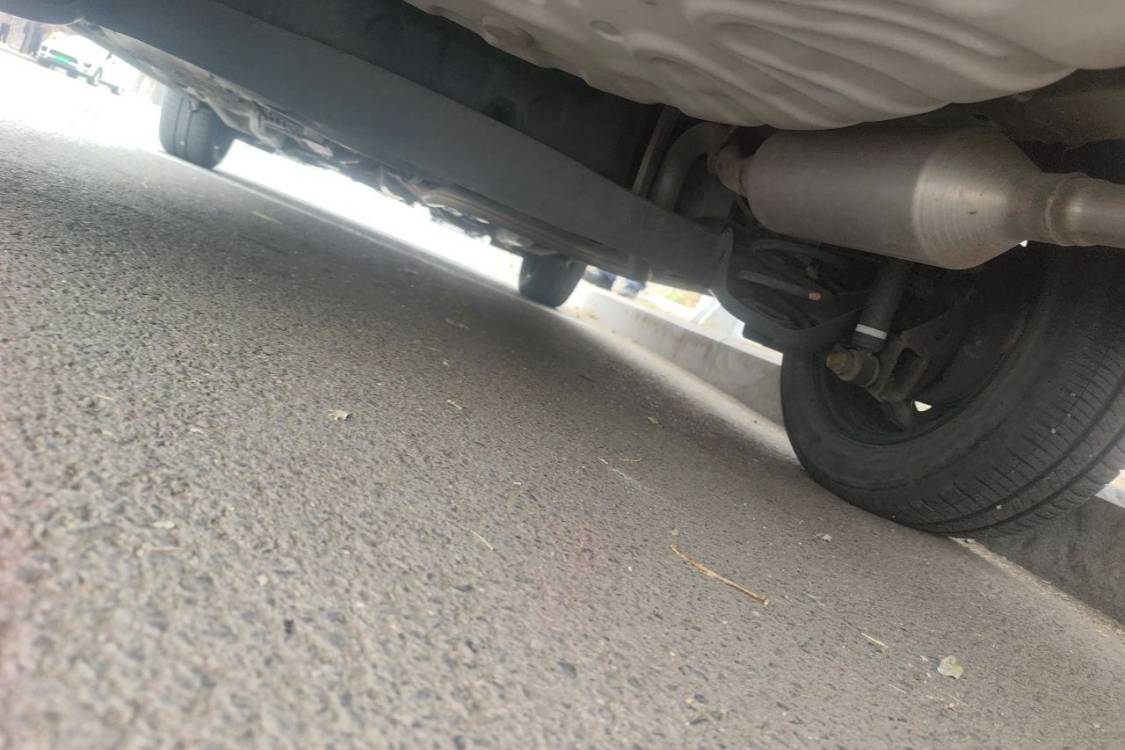
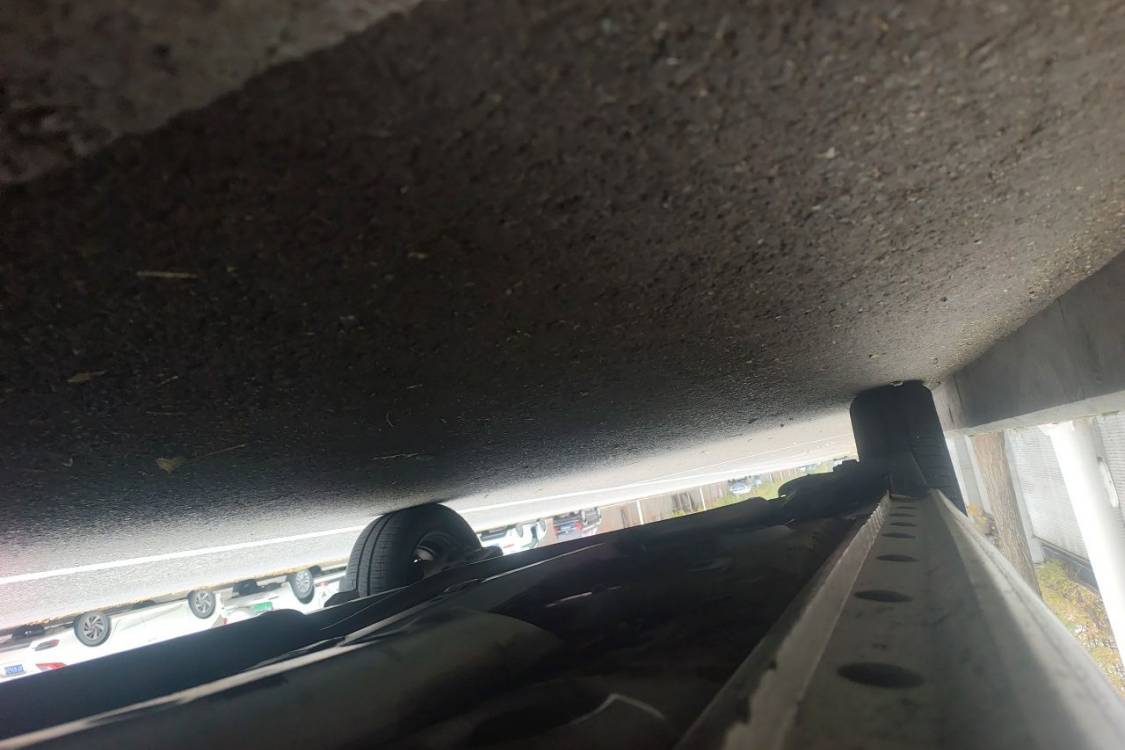
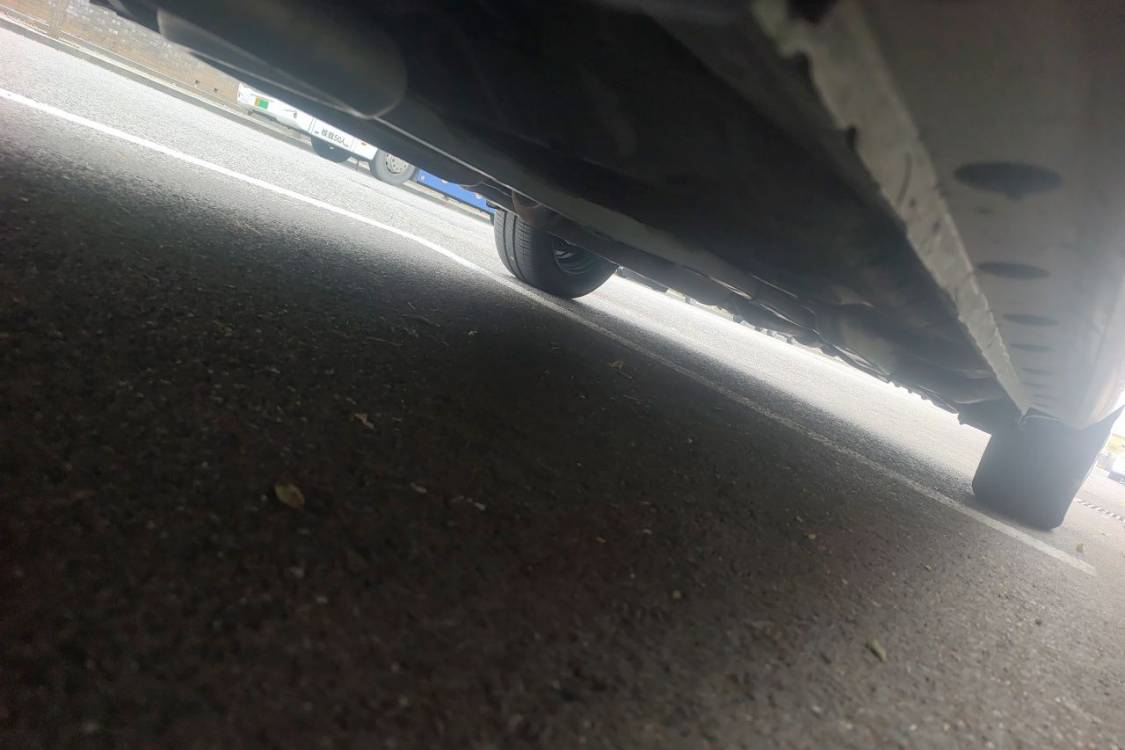
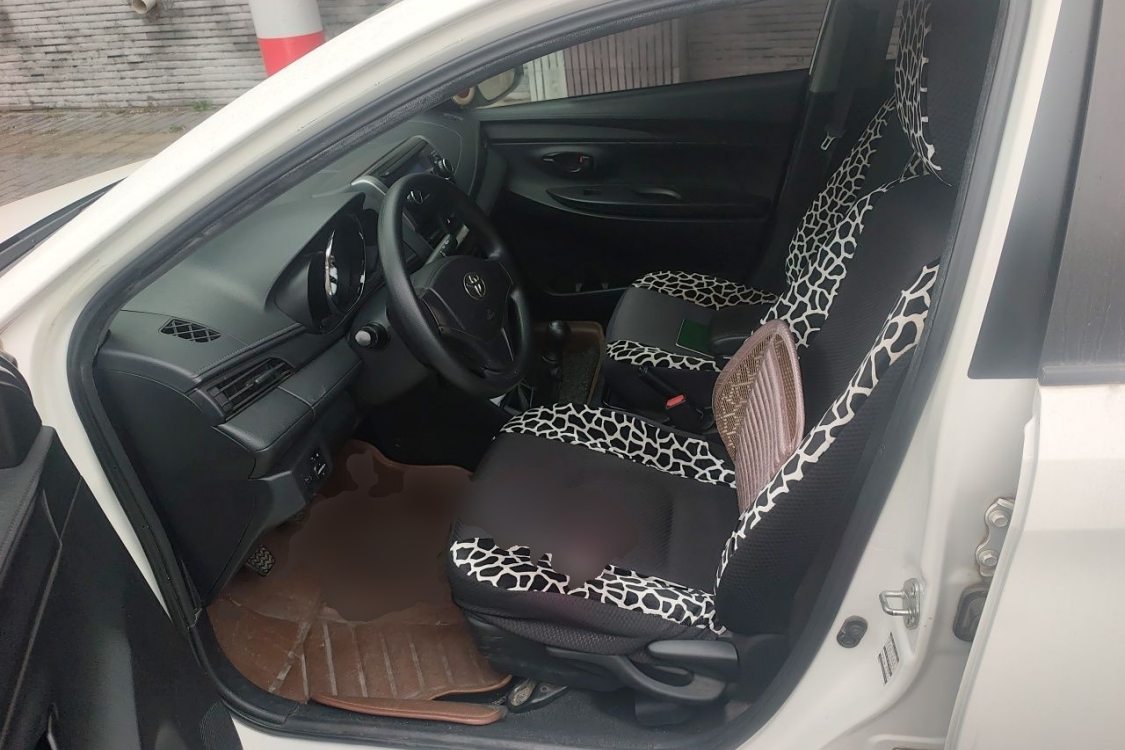
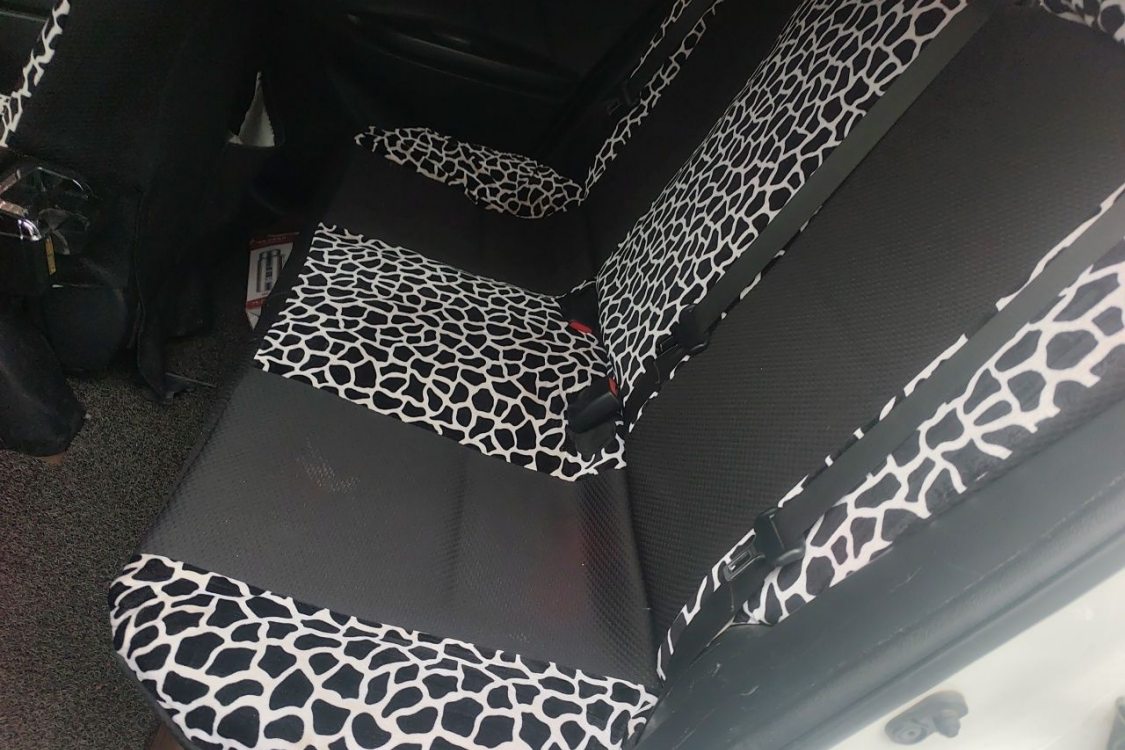
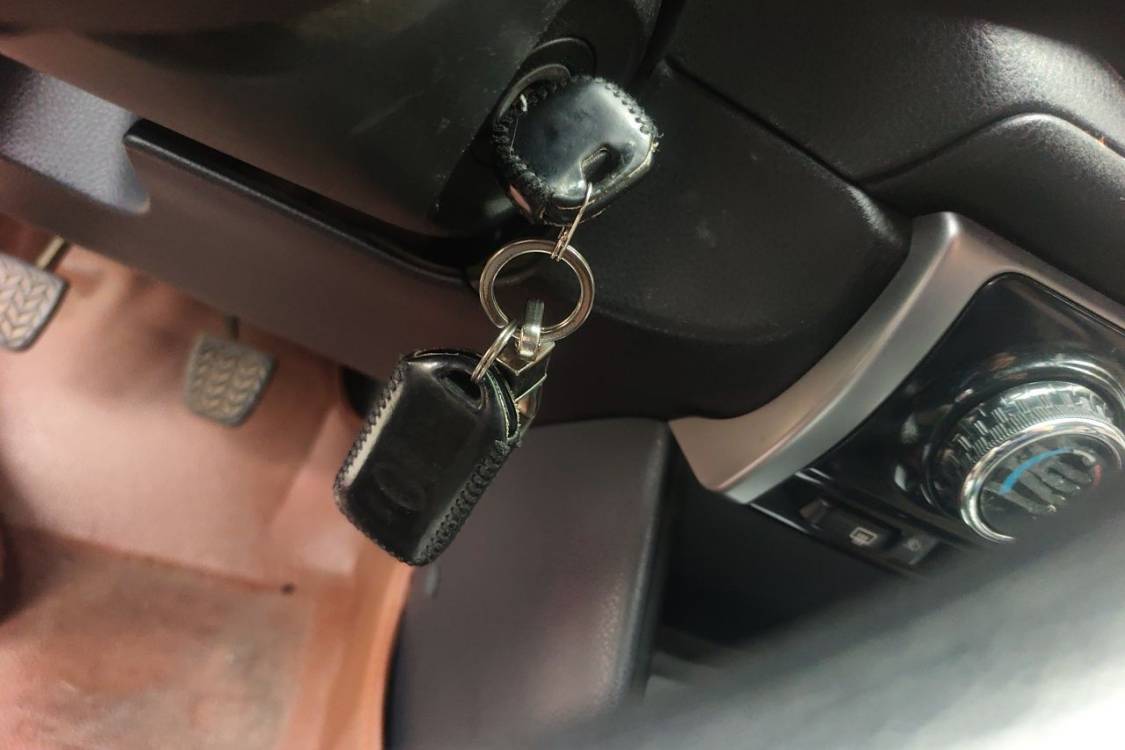
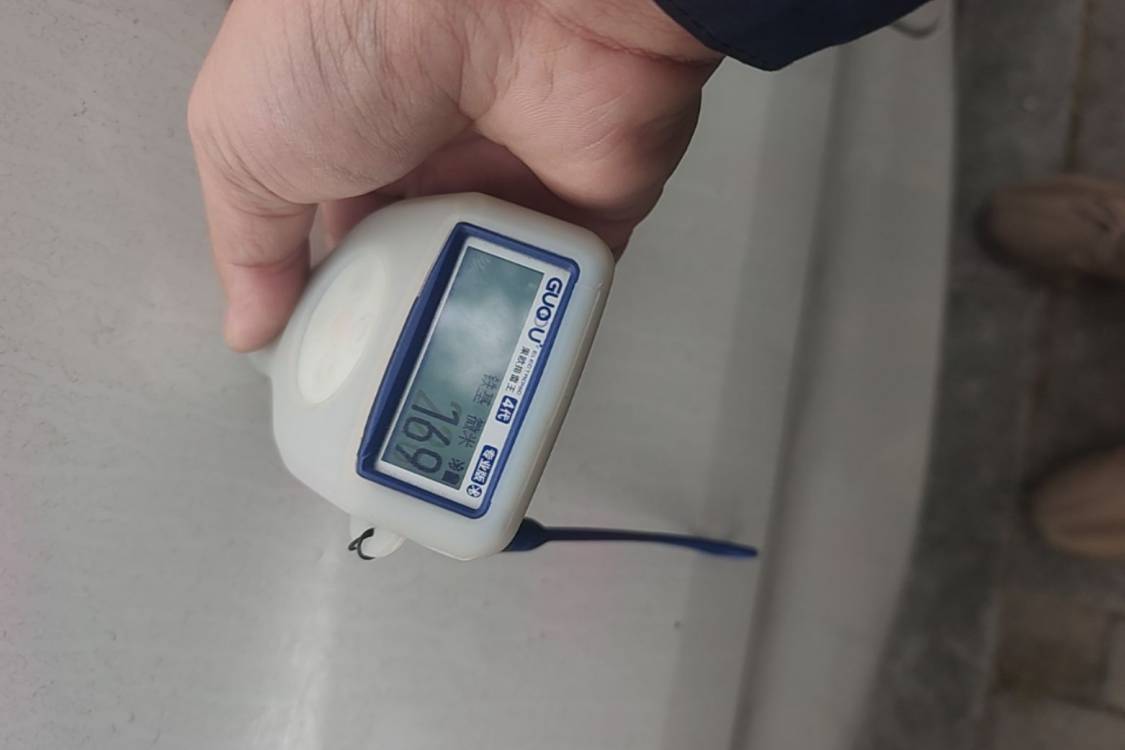
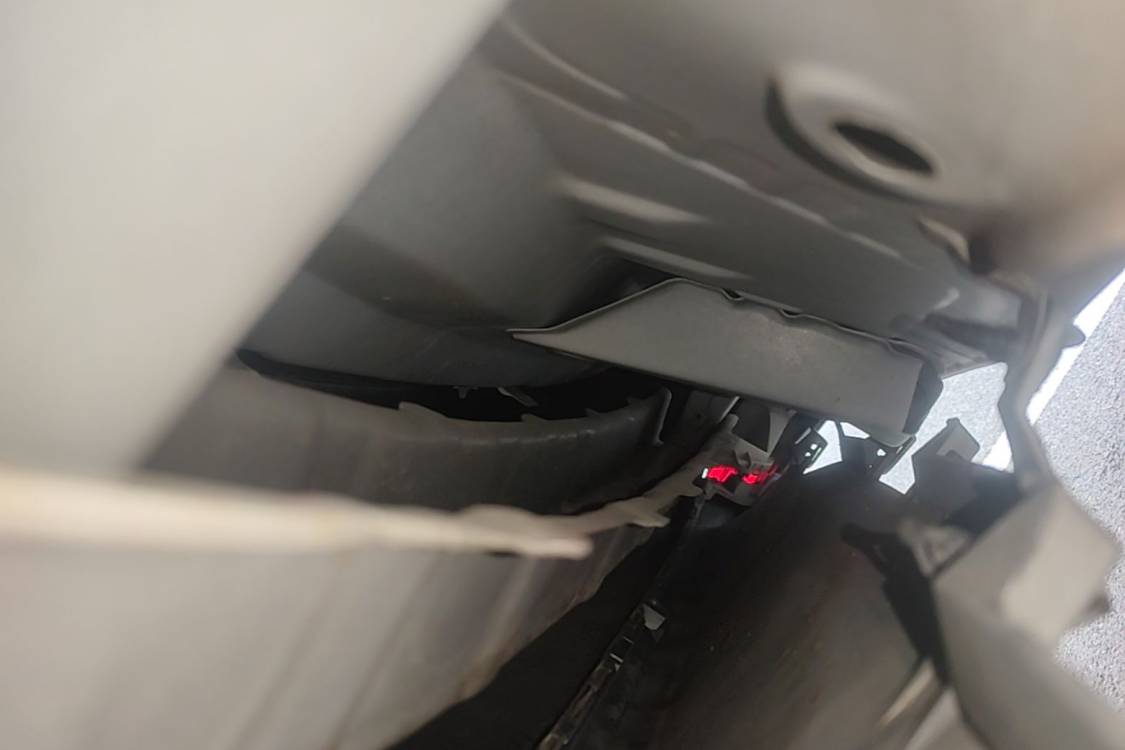
Accident inspection: main structure damaged, reinforcement parts damaged, cover panels damaged, hinges abnormal. Engine bay: key mechanical components normal. Exterior: 1 replaced part, 5 sheet metal repairs, 1 repaint. Interior: most features normal, airbags normal, seatbelts normal, dashboard normal, instrument readings normal, lighting system normal. Startup test: main components normal. Tool kit: none.

电话直连
可讲价
平台物流
可转售
零过户
新检测标准升级>
非泡水

Document Information

Inspection Expiry Date2027/12
Warranty Expiry Date-
Insurance Expiry Date2027/09

Q&A

More

How does customs clearance work at destination when importing a used car from China, and who handles it?

Customs clearance at destination is usually handled by a licensed customs broker, not the exporter. You can hire one yourself or use a broker recommended by your shipping agent. The typical flow: your broker files the import declaration using the documents the exporter must provide — the commercial invoice, packing list, bill of lading, and the certificate of origin. Depending on your country's rules, you will also need to pay import duty, VAT or sales tax, and any excise or environmental levies before the car is released. Things that commonly delay clearance: mismatched VIN numbers between documents, missing pre-shipment inspection certificates (required in some African and Middle Eastern countries), or non-compliance with your country's used-car import age limits. Budget 3–10 working days for clearance after the vessel arrives, plus storage fees if documents are incomplete. Tip: send all documents to your broker for review before the ship departs China — fixing errors at origin is much cheaper than demurrage at destination.


What core export documents will you provide to ensure smooth customs clearance locally?

After receiving the final payment, we will send you the complete set of original customs clearance documents via DHL or FedEx, which typically includes: - Bill of Lading (B/L) - Commercial Invoice - Packing List - Certificate of Origin (CO) - Used Vehicle Export License issued by the Ministry of Commerce of China Note: If your local customs requires additional documents (such as VIN consistency certificate), please inform us in advance before shipping.

Should I ship my used car from China in a container or by roll-on/roll-off (RORO)?

It depends on the car's value, type and destination. RORO means the car is driven onto the vessel and secured on deck or in the hull. It is usually cheaper per car and does not involve container packing fees. The downside: the car sits exposed to salt air for weeks, and RORO service is limited to ports with dedicated terminals. Container shipping (one 20ft or 40ft container per 1-2 cars) costs more but gives much better protection. It is strongly recommended for electric vehicles (battery safety regulations), luxury cars, and vehicles going on long voyages or rough sea routes. Practical tips: whichever method you choose, ask for the car to be shipped with a full battery charge disconnected at the terminals, tire pressures adjusted, and a condition report with photos signed at loading. For EVs, confirm the shipping line accepts used electric vehicles and what state-of-charge limits apply.