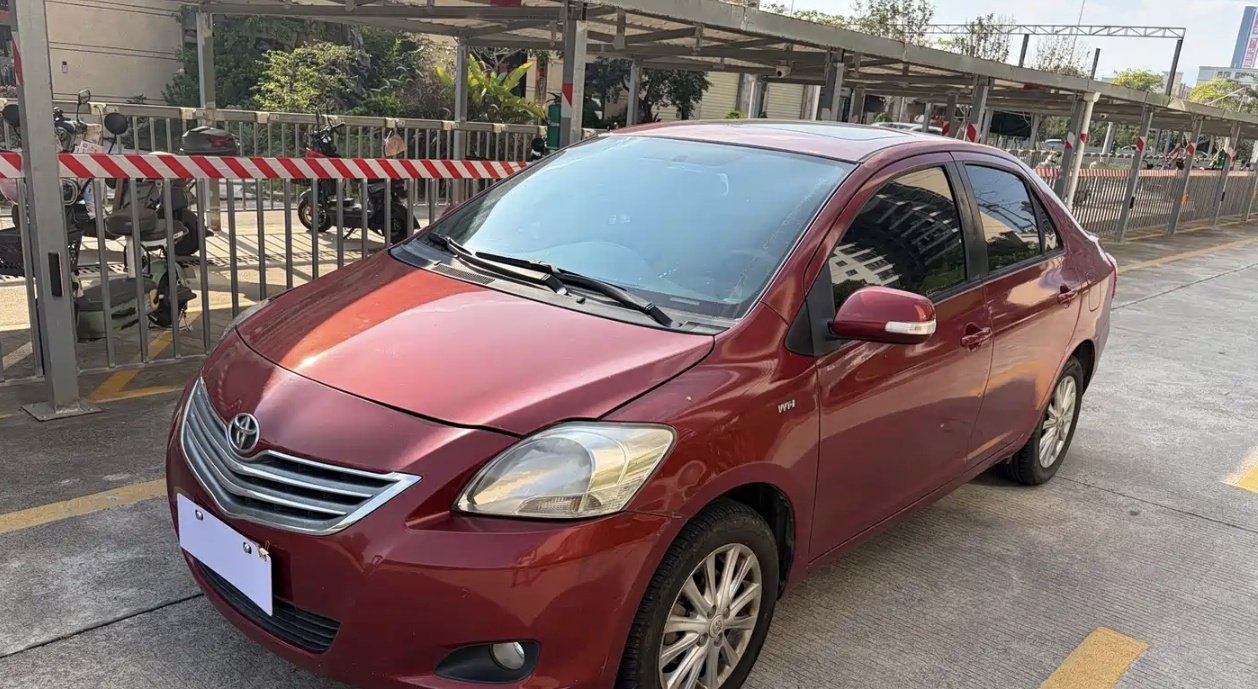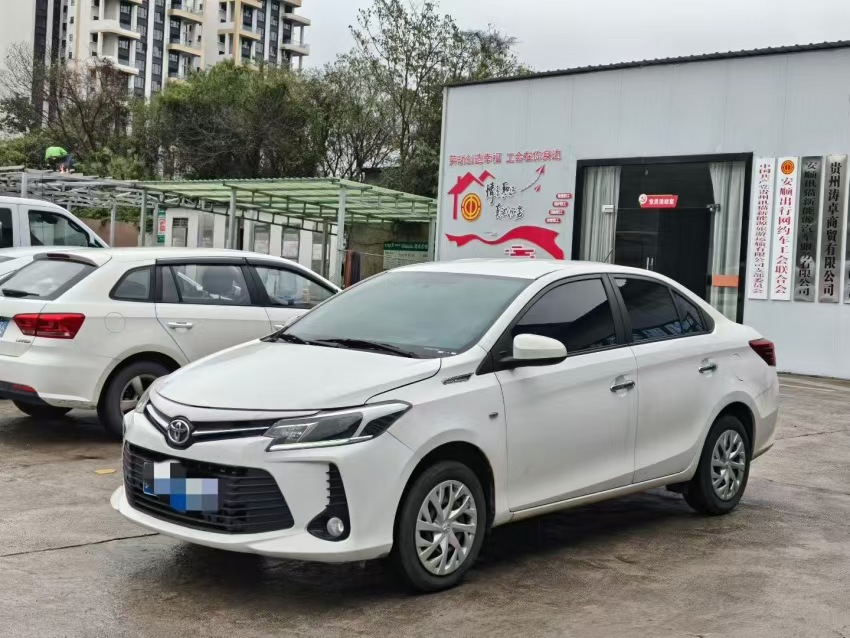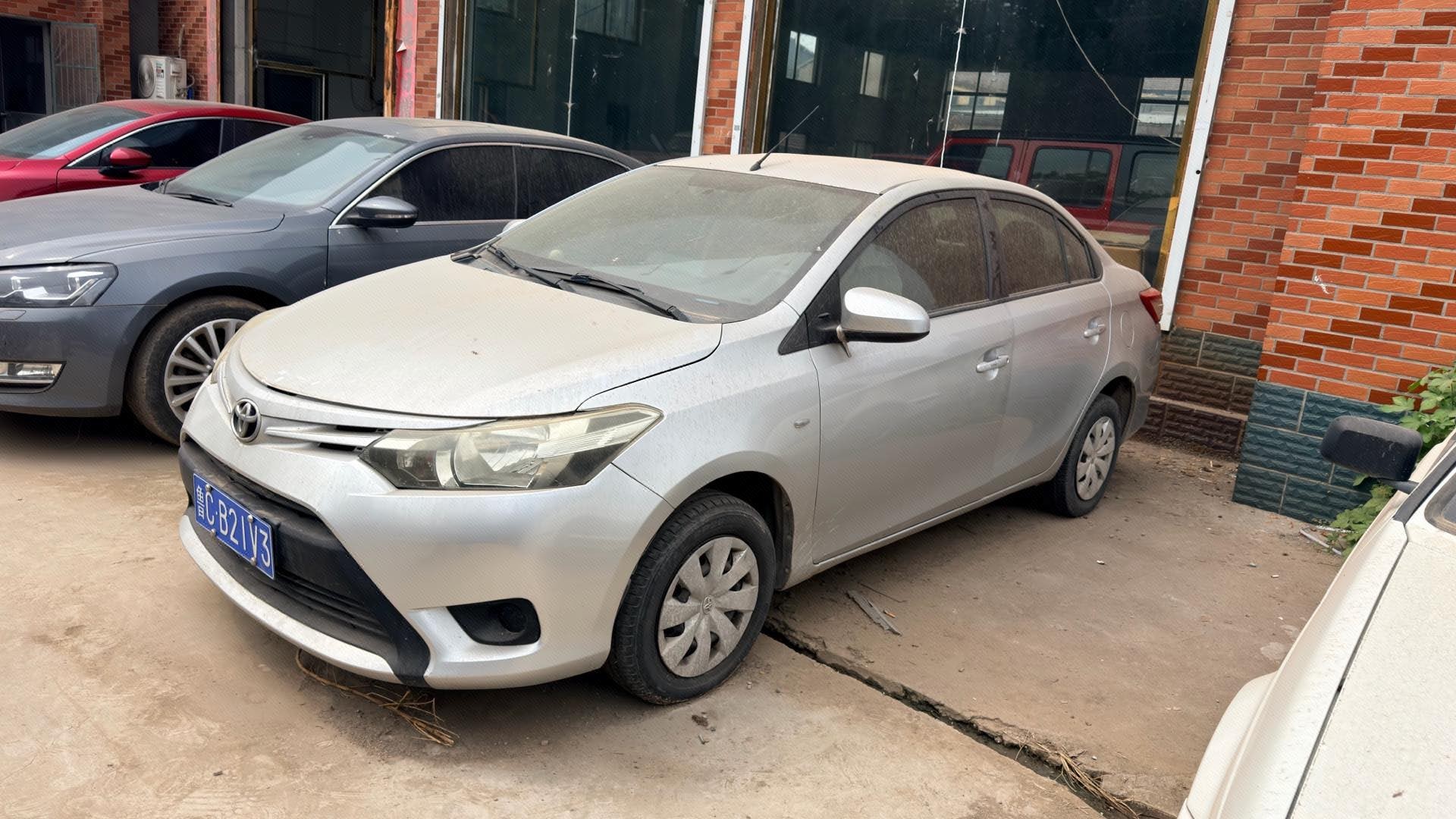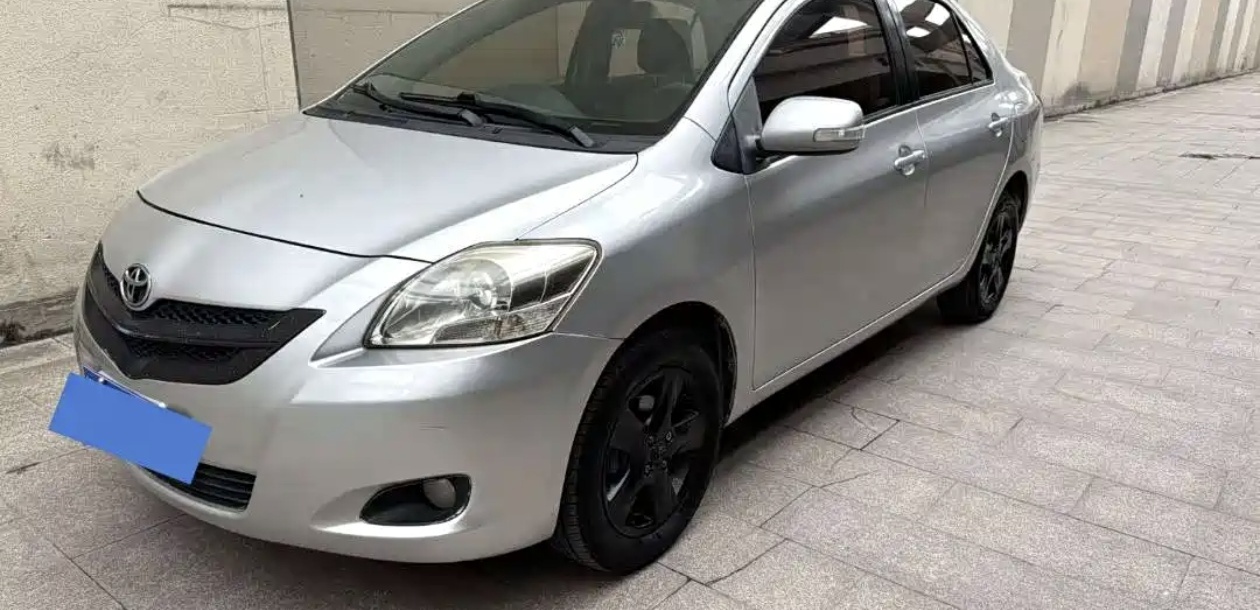
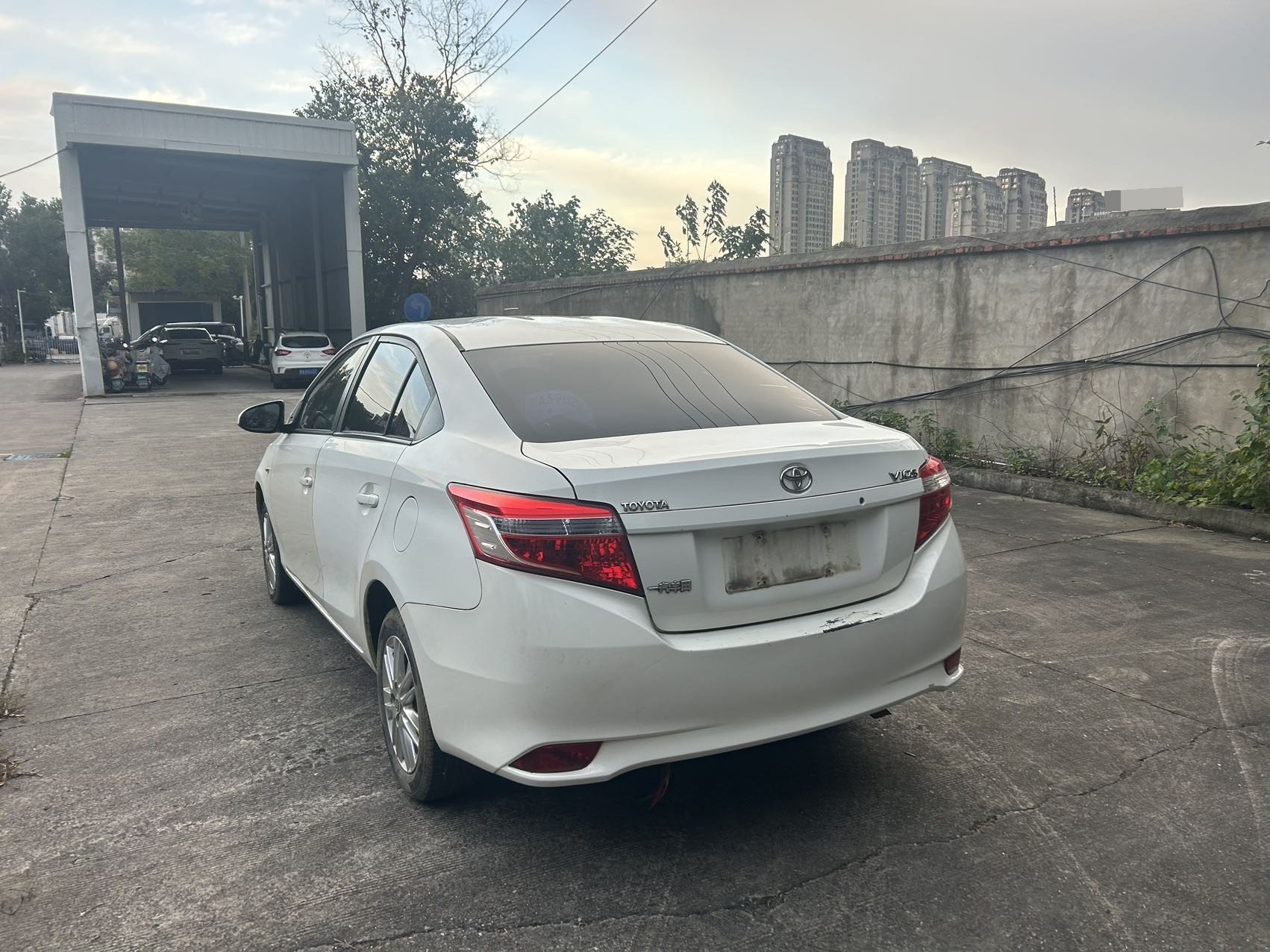
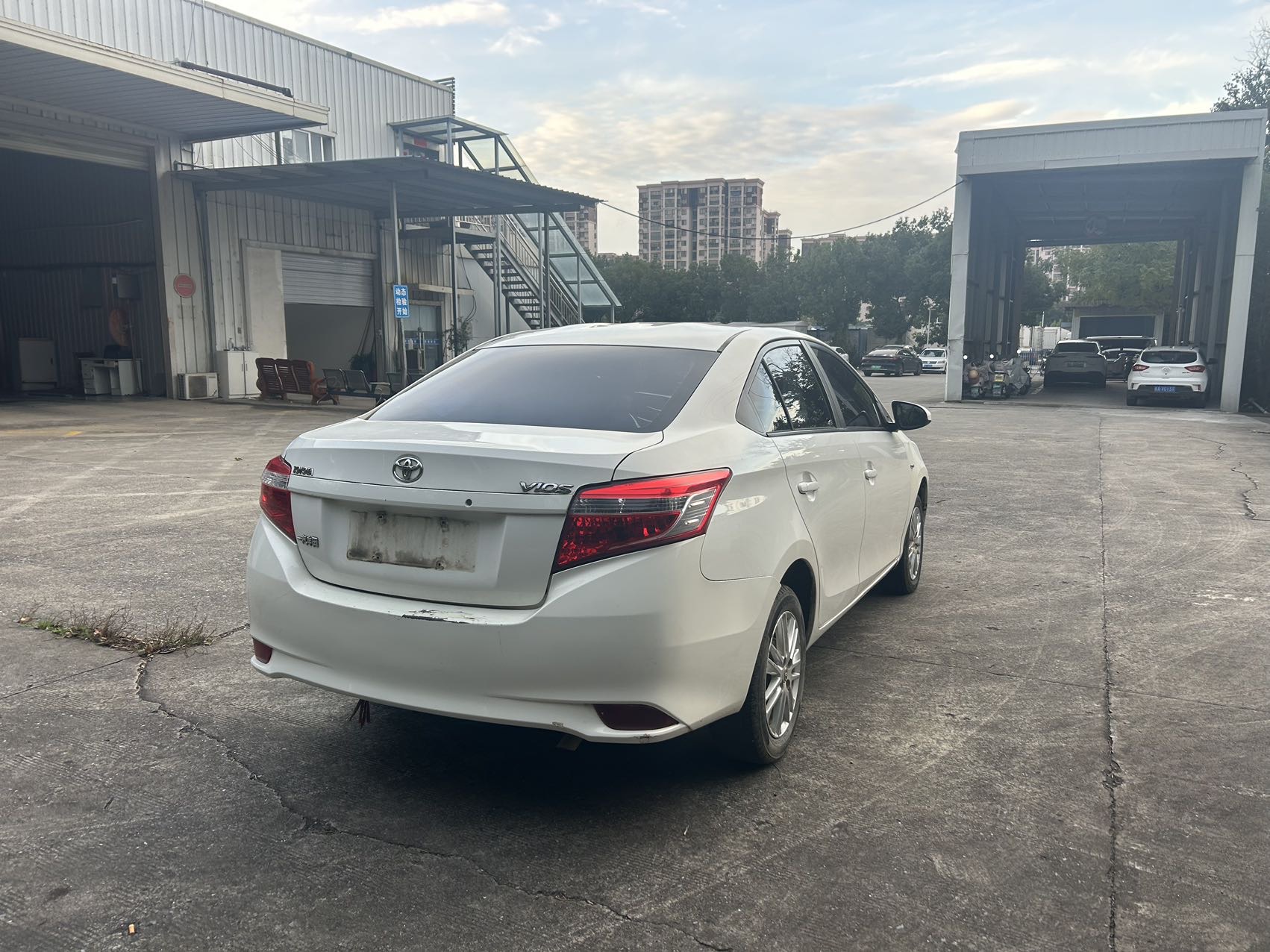



Basic Information

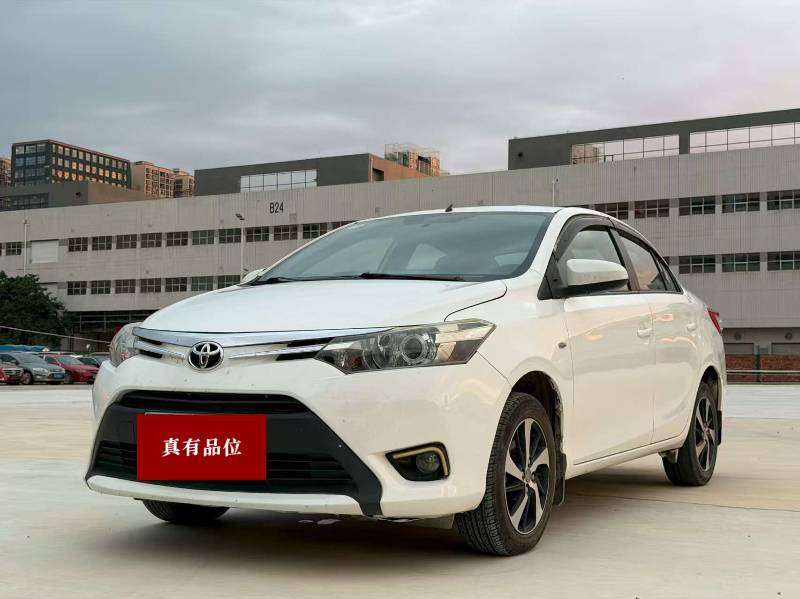
BrandToyota
SeriesVios
Year2016
First Registration2016/08
Mileage280,000km
Transfer Count0times
FuelGasoline
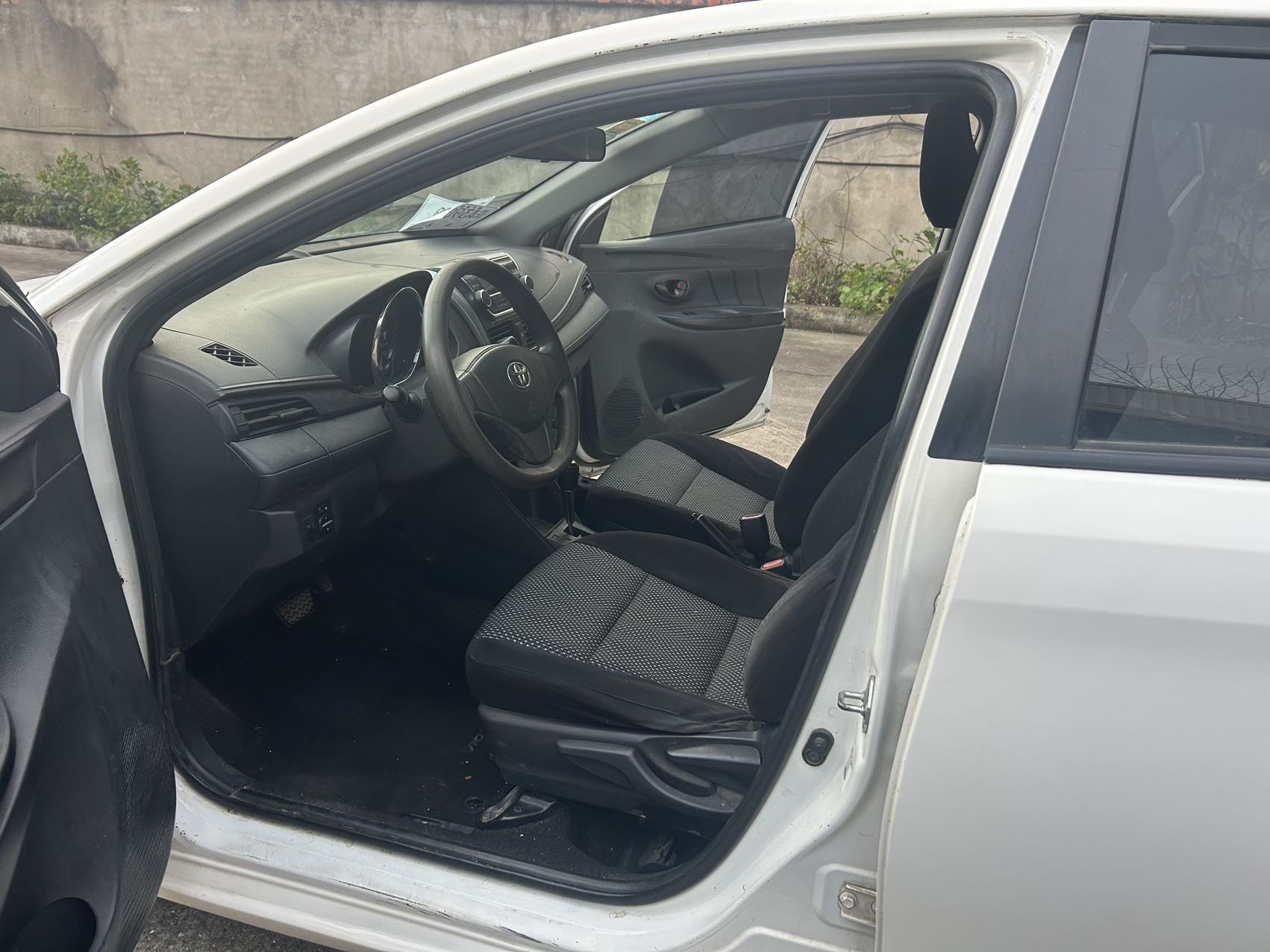
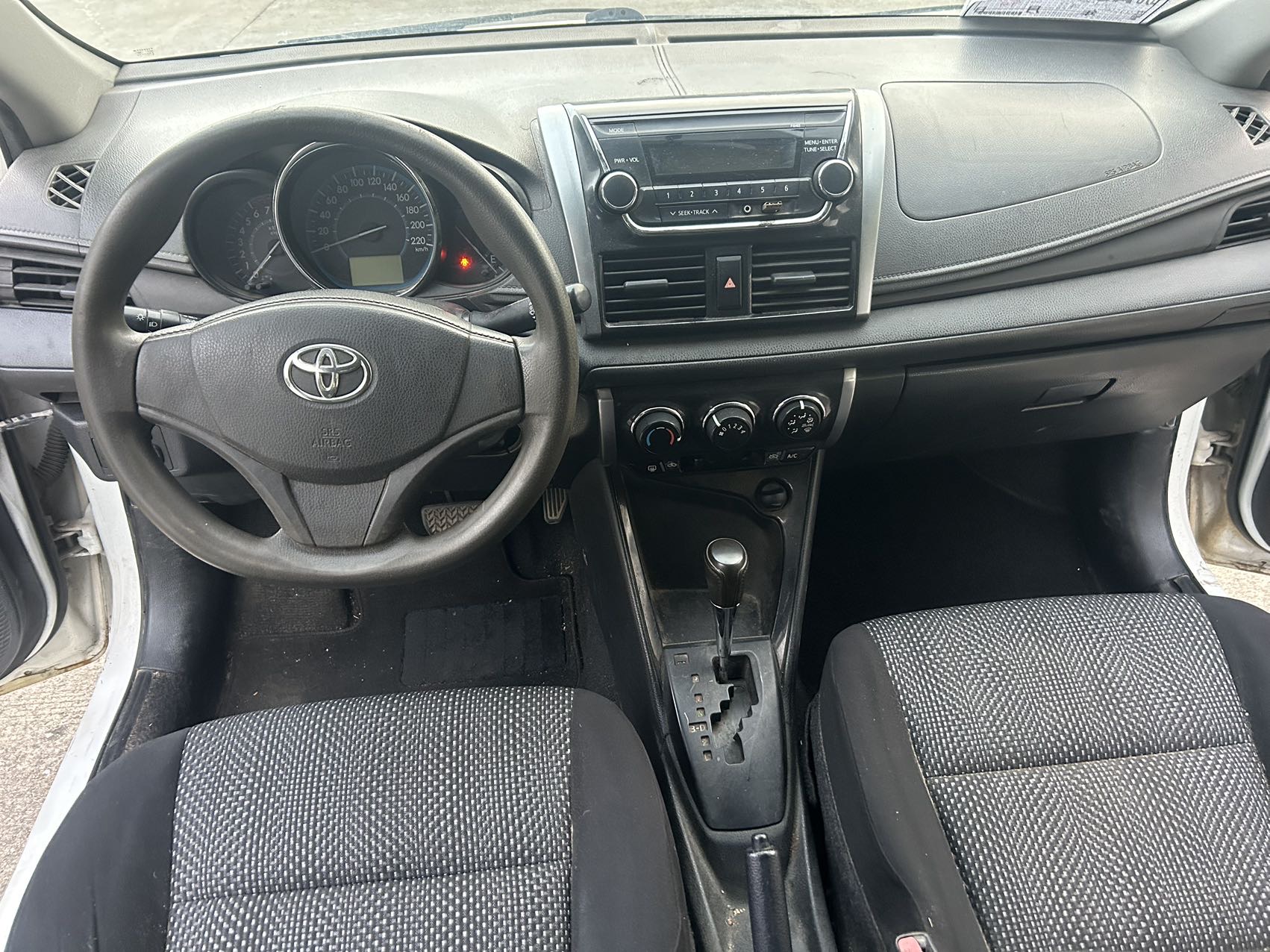
TransmissionAutomatic
Engine1.5L 107 L4
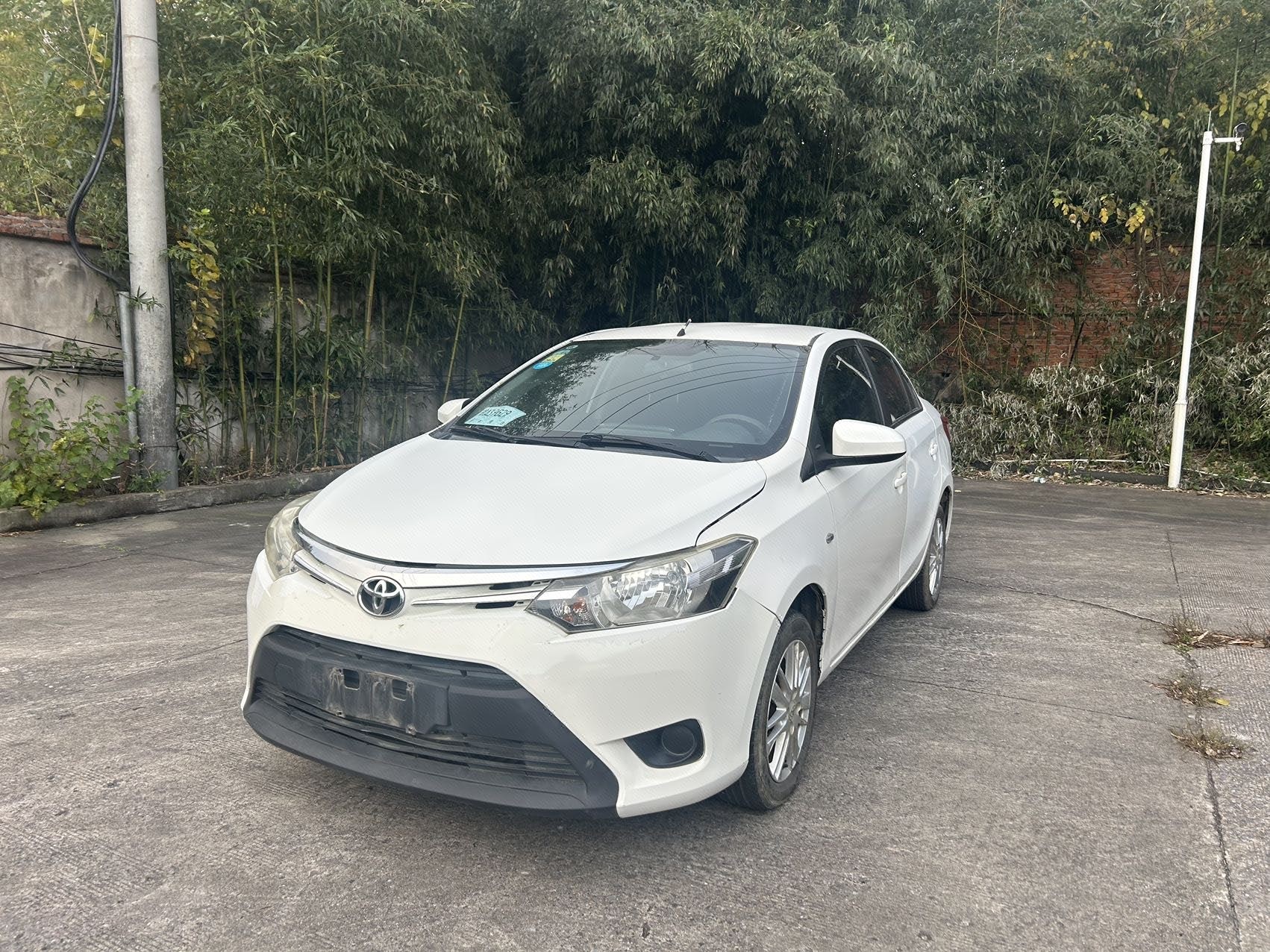
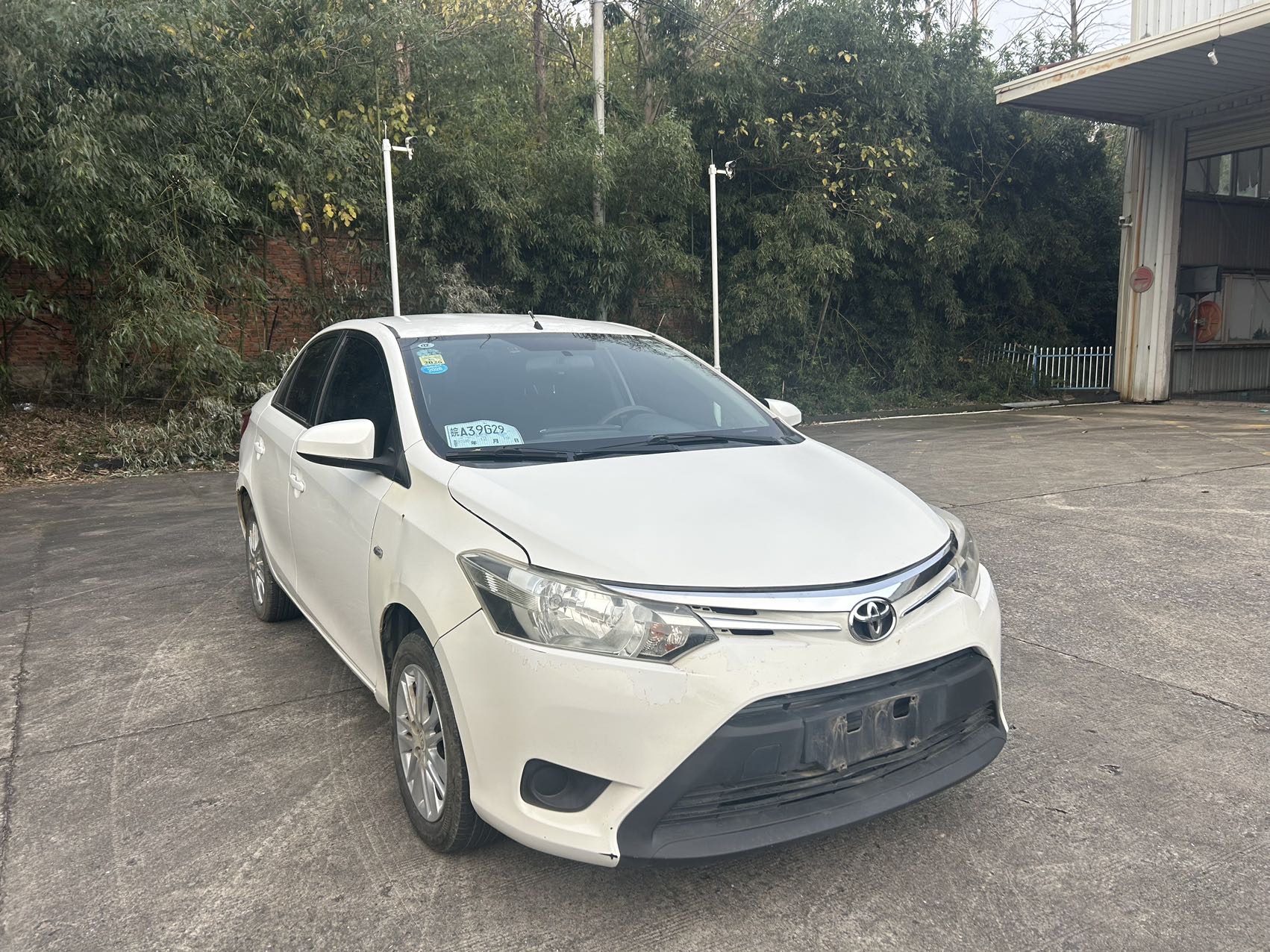
ColorWhite
Seats5seats

Condition Description

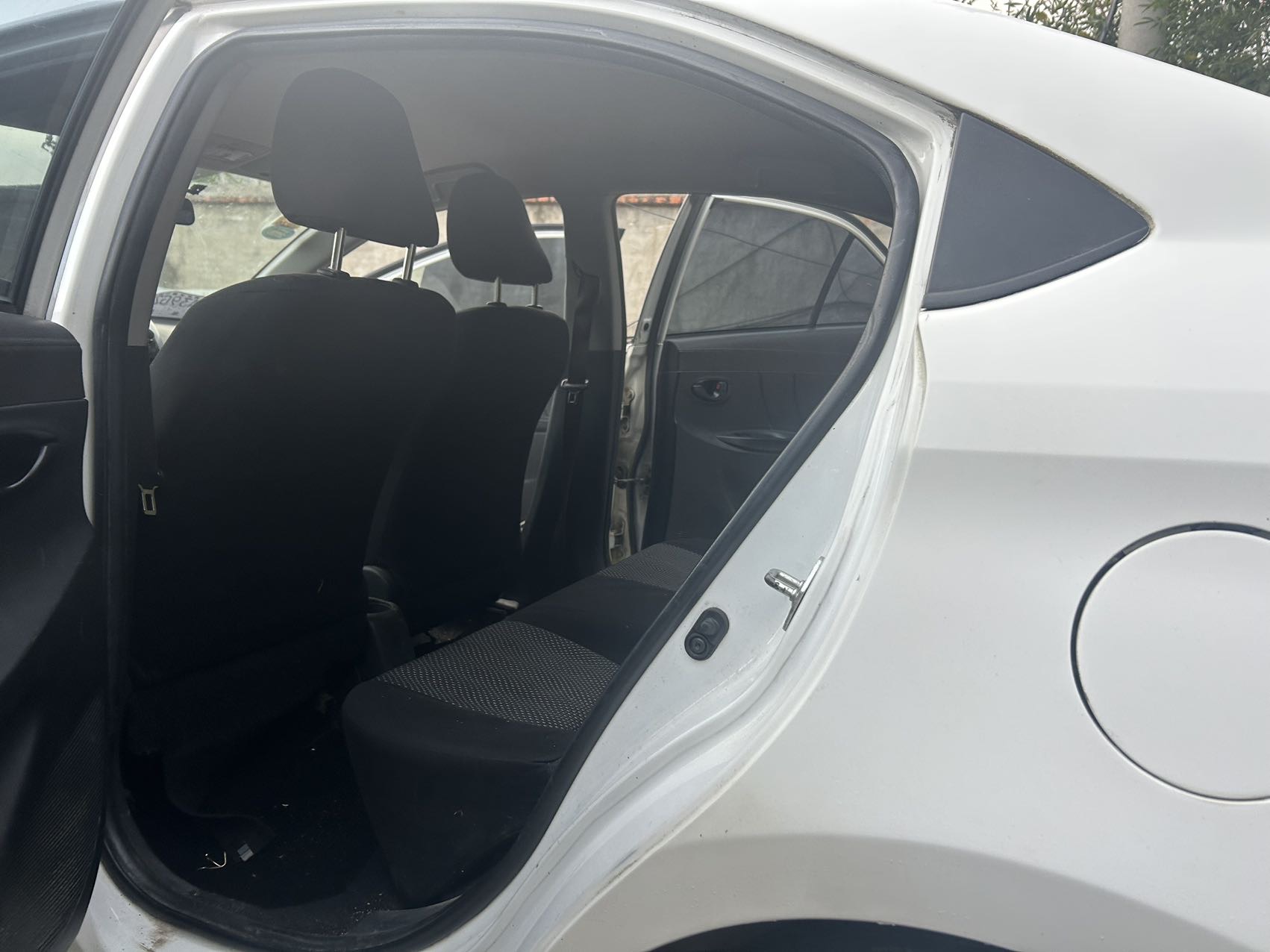
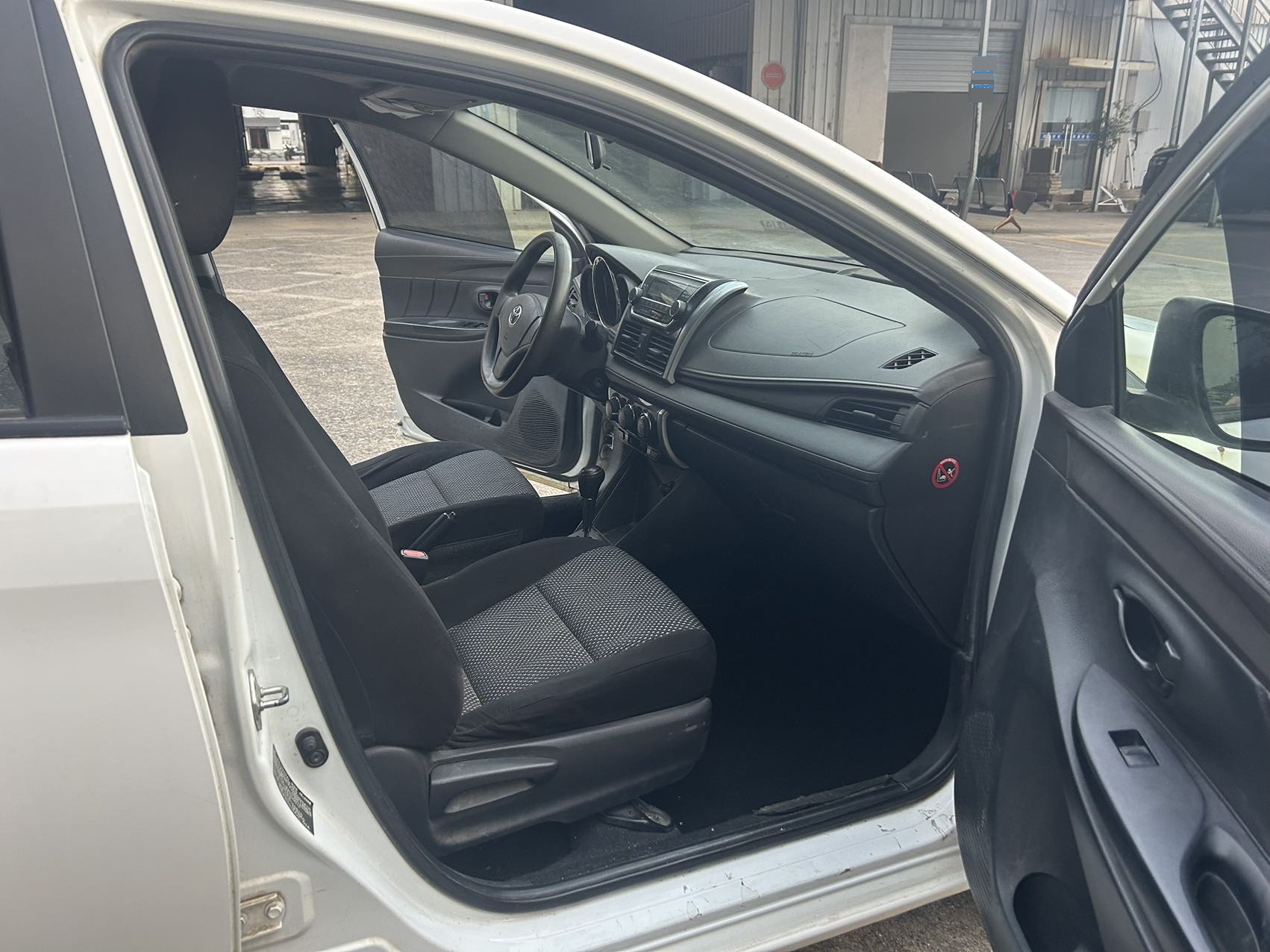
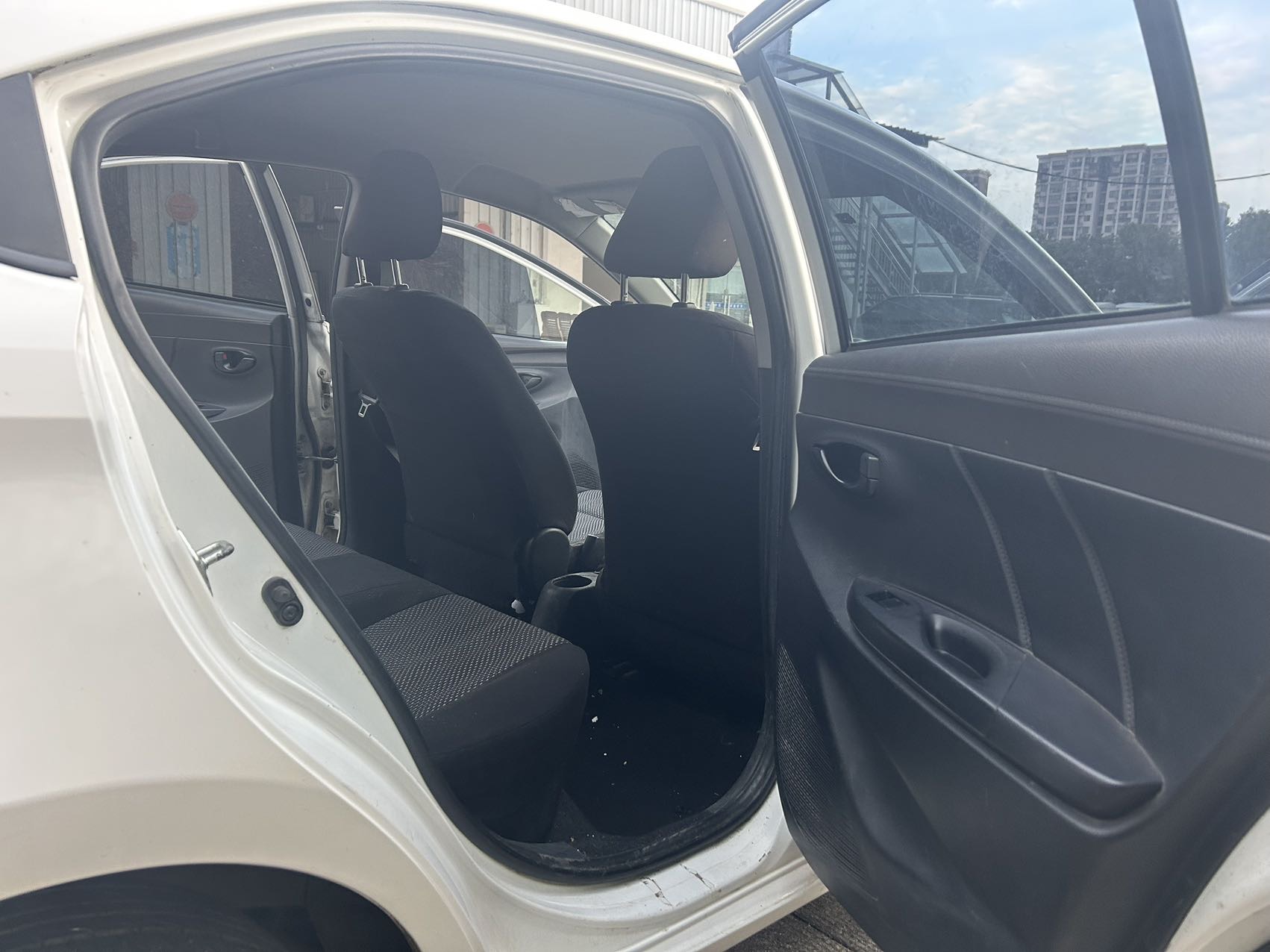
Replaced radiator frame, headlights, both fenders, hood, left rear door, roof, two right doors, right rear fender. Rear lid has original paint. 4-5 panels need repainting. Left front longitudinal beam is deformed.

Document Information

Inspection Expiry Date-
Warranty Expiry Date-
Insurance Expiry Date2027/11

Q&A

More

Can the buyer request the internal resistance test data of the battery pack at different state of charge (SOC) levels?

Obtaining precise internal resistance at different SOC levels requires disassembling the battery pack and connecting it to a professional charge-discharge cabinet for several days of cycling tests. This is beyond the scope of non-destructive used car inspections; we only provide real-time estimated internal resistance data based on OBD port readings.


Which import rules (age limits, emissions, safety standards) apply to used cars from China in my country, and how do I confirm the car qualifies before paying?

Rules differ by country. Many markets limit the age of imported used cars (commonly 3-5 years), require left-hand drive, and set minimum emission standards such as Euro 4, 5 or 6. Some regions additionally require a local conformity certificate before the car arrives. Practical steps before any deposit: check your customs authority's official website, or spend 20 minutes with a local customs broker who imports vehicles regularly; give the exporter your country's requirements and the VIN, and ask for proof of the car's emission level (China's standards map roughly to Euro equivalents); confirm the exact model was legally exportable from China. A short verification call at the start can prevent the car being refused entry — or impounded — months later.

What are the safest payment milestones when buying a used car from China for export?

Never pay 100% upfront. A widely used, safe structure is: 1. Deposit: 10-20% after the third-party inspection report confirms the car's condition. Pay only to the exporter's corporate bank account. 2. Balance: 70-80% after you receive scanned copies of the bill of lading, export license and deregistration proof — this confirms the car is genuinely on the ship. 3. Retention (recommended): hold back 5-10% until the car arrives and passes your own inspection at the destination port. Write these milestones into the sales contract with exact document requirements and deadlines for each step. Reject requests to split payments into personal accounts or to pay undocumented extra charges outside the contract.