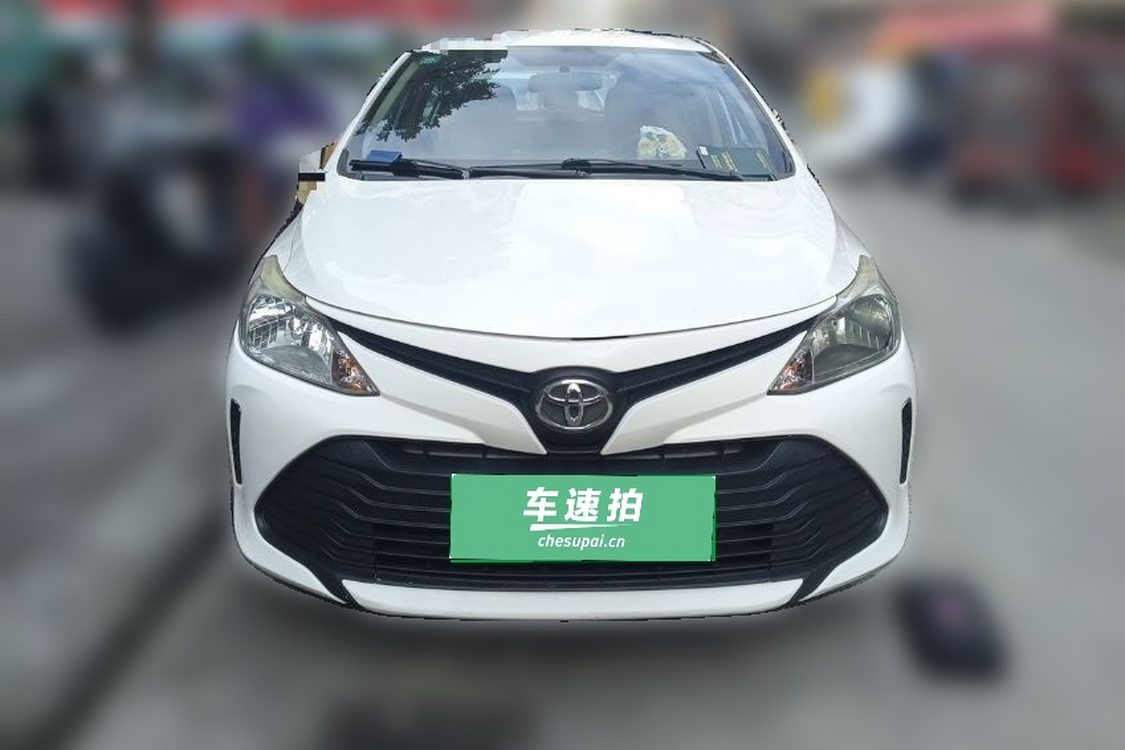
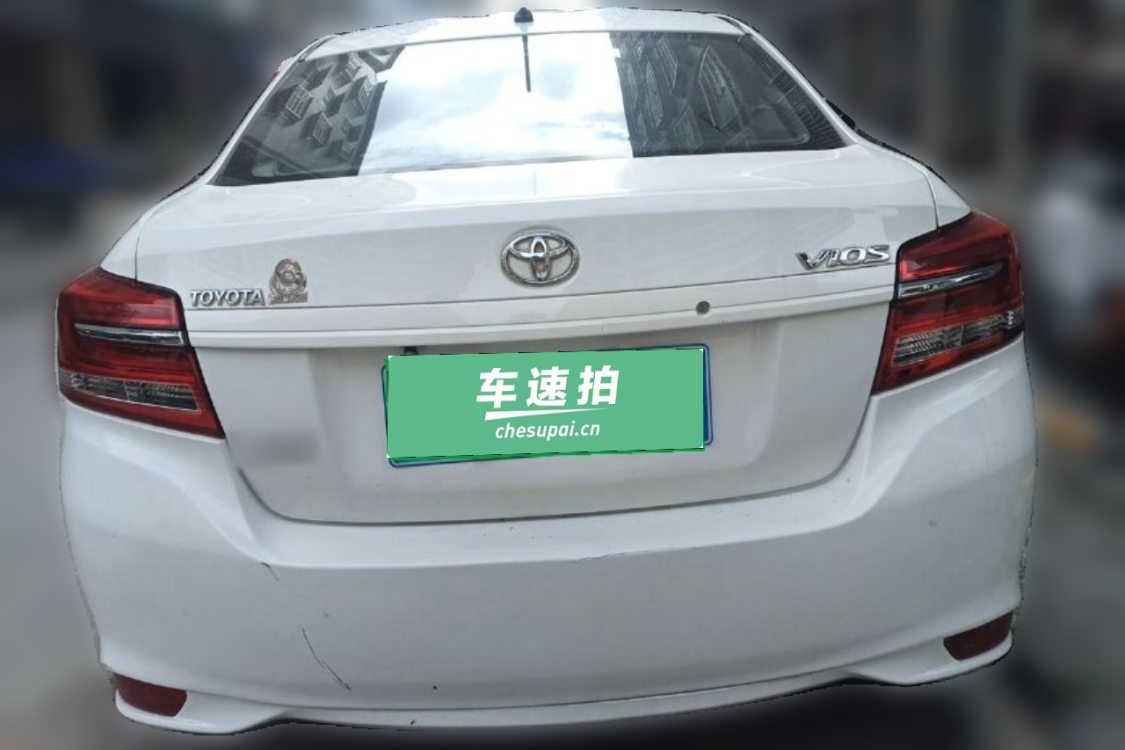
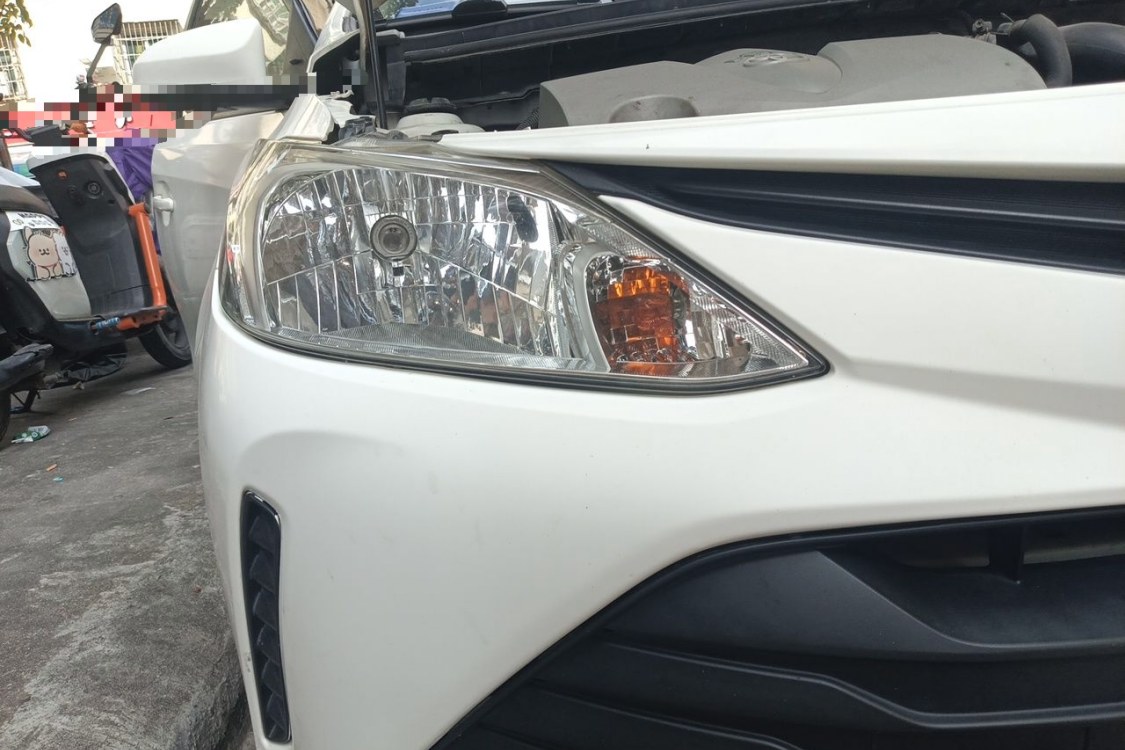
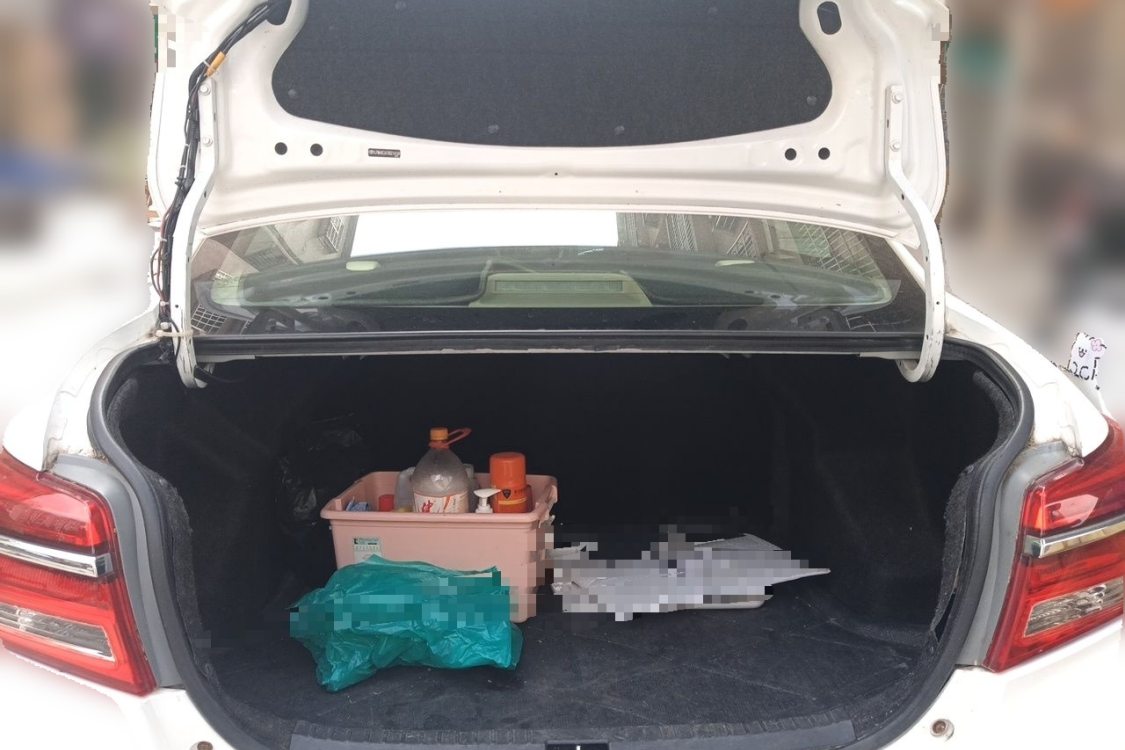



Basic Information

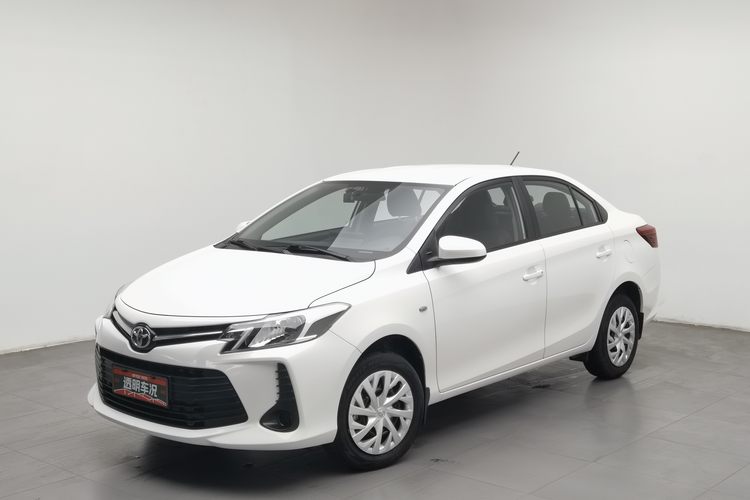
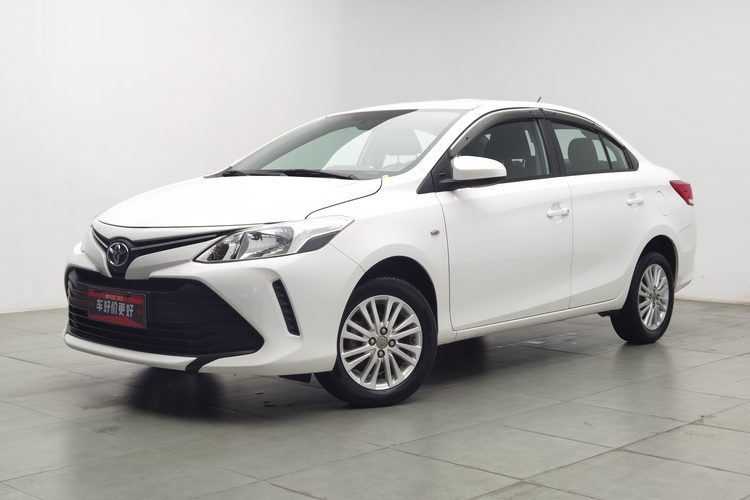
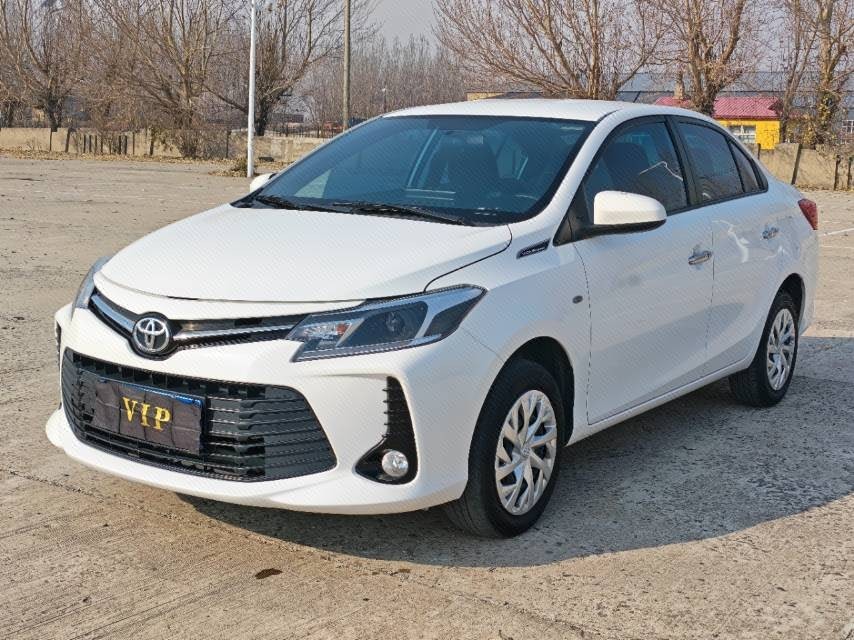
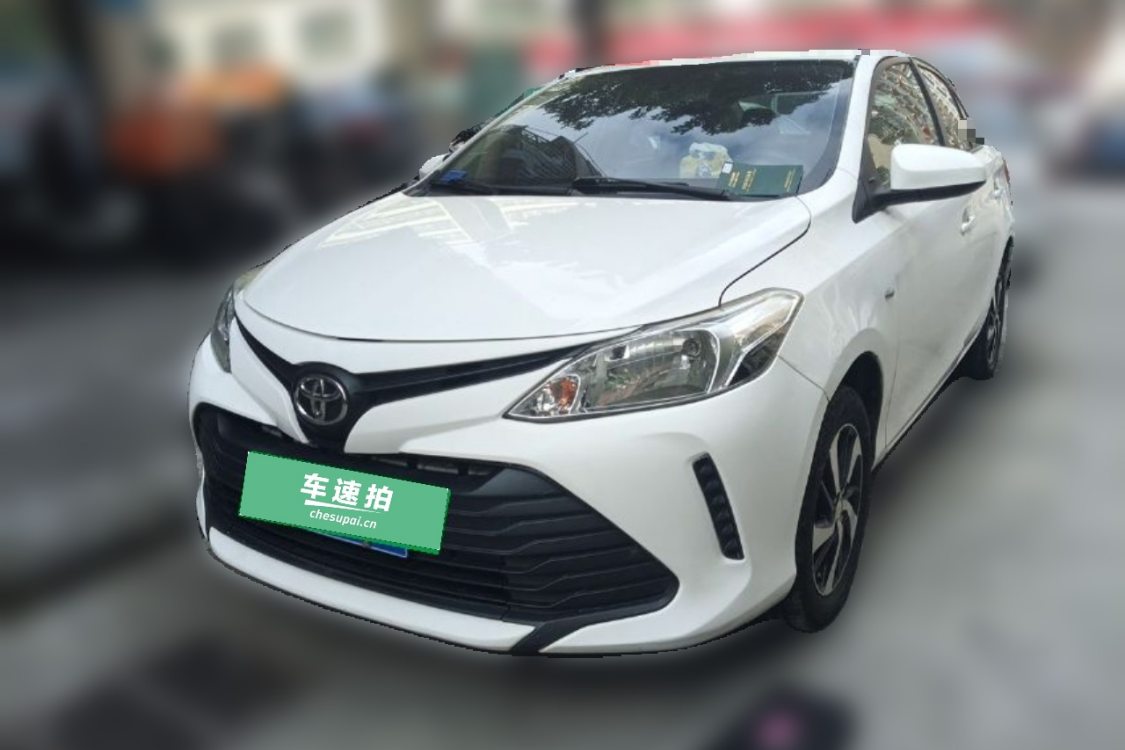
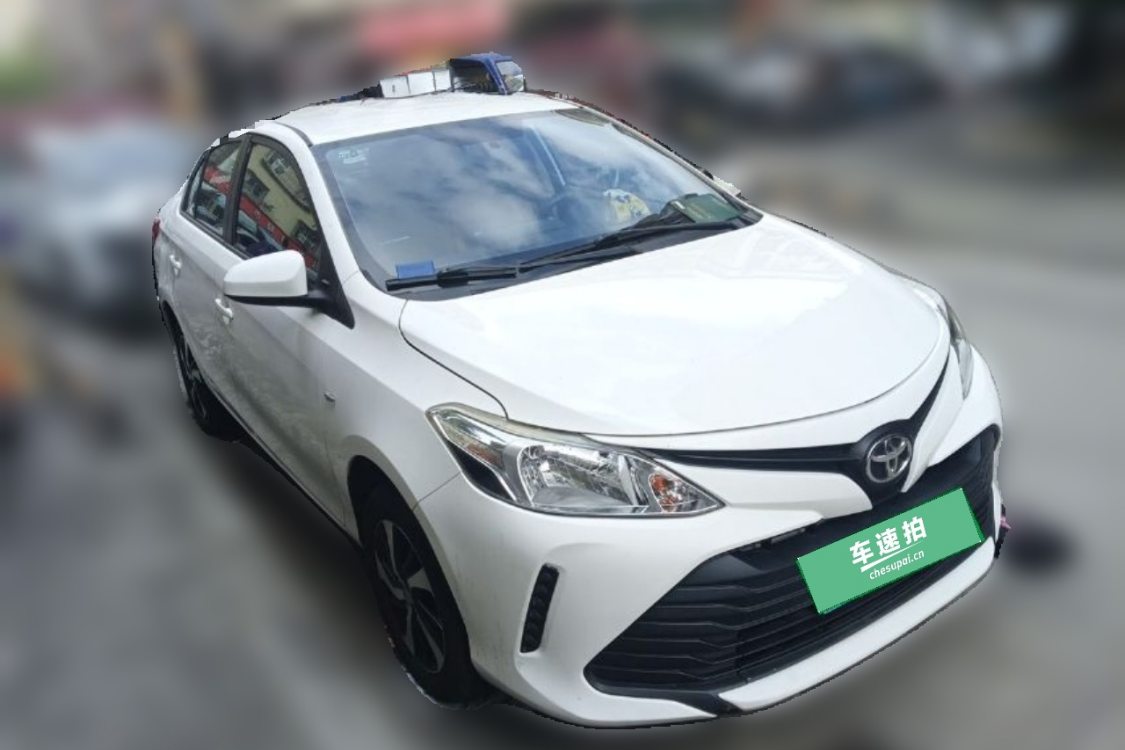
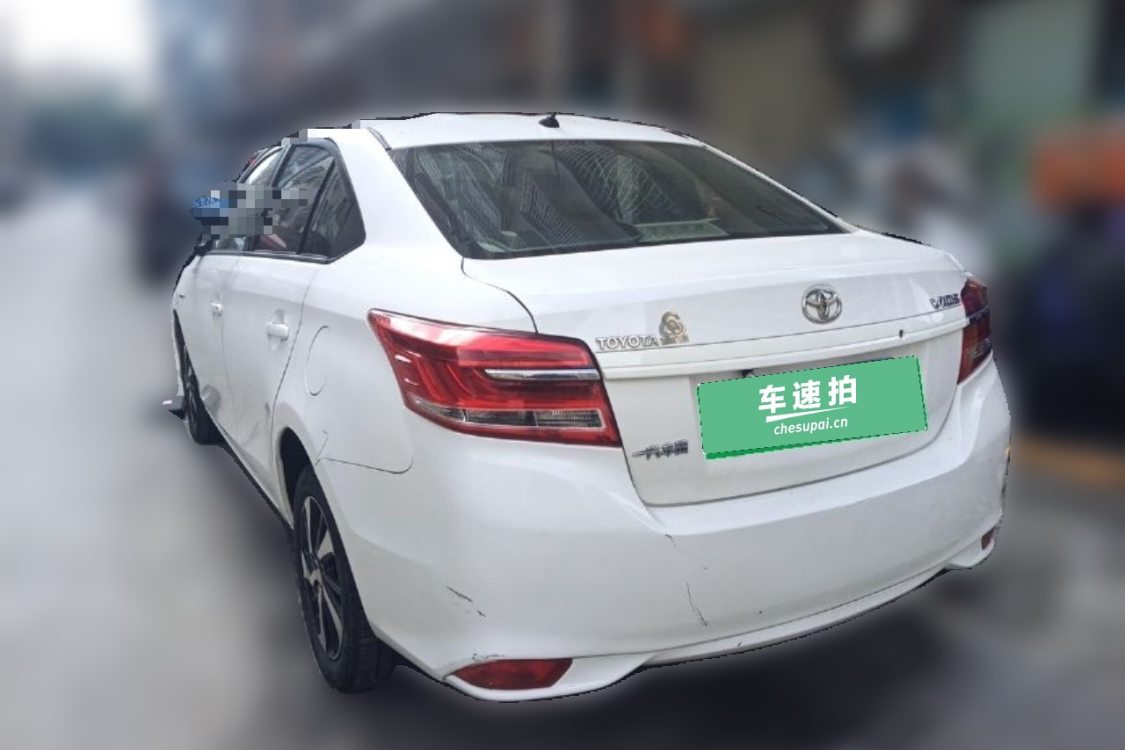
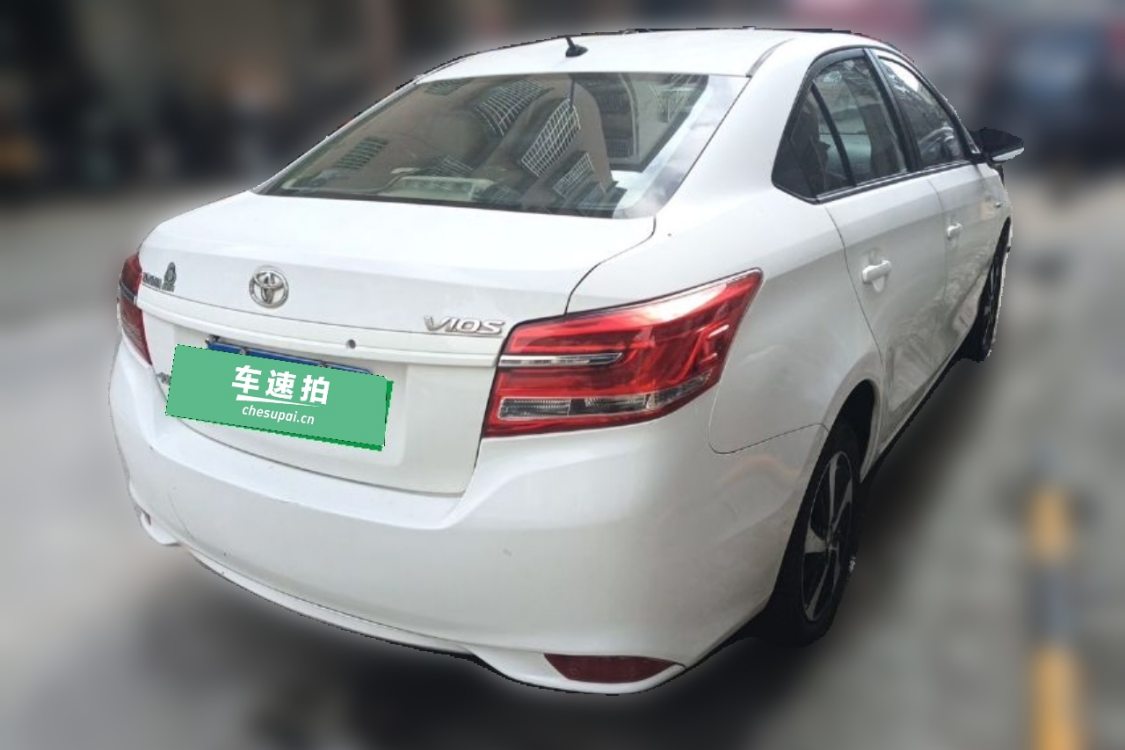
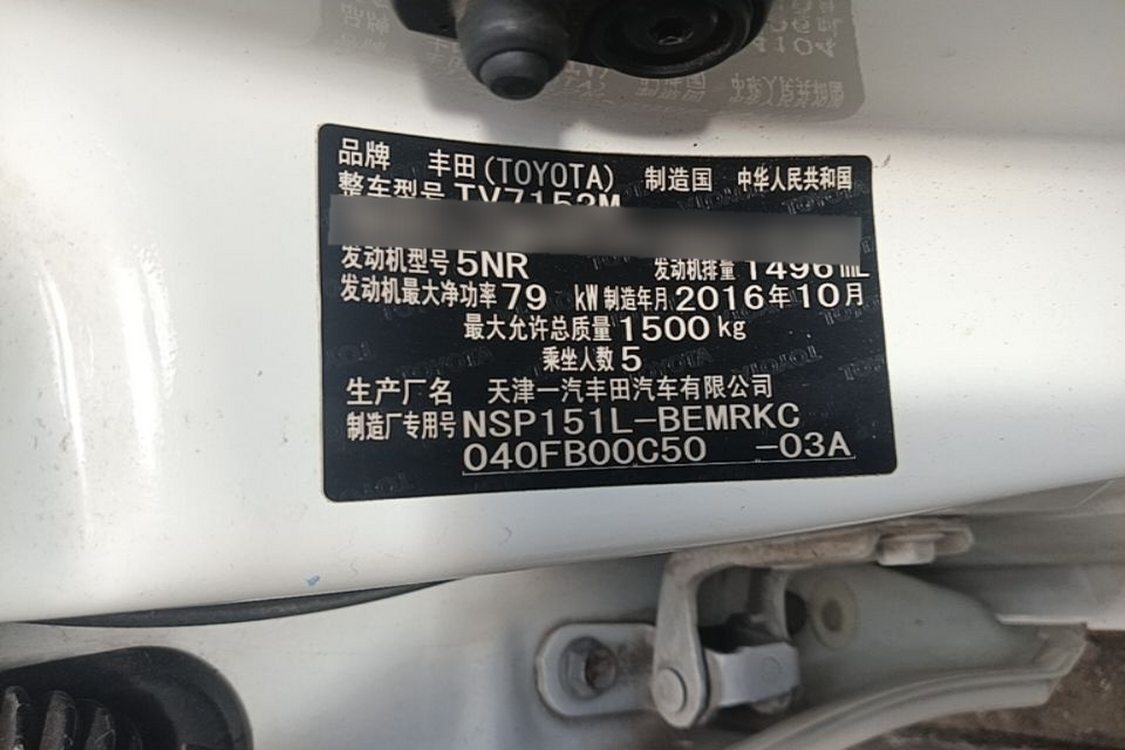
BrandToyota
SeriesVios
Year2016
First Registration2016/11
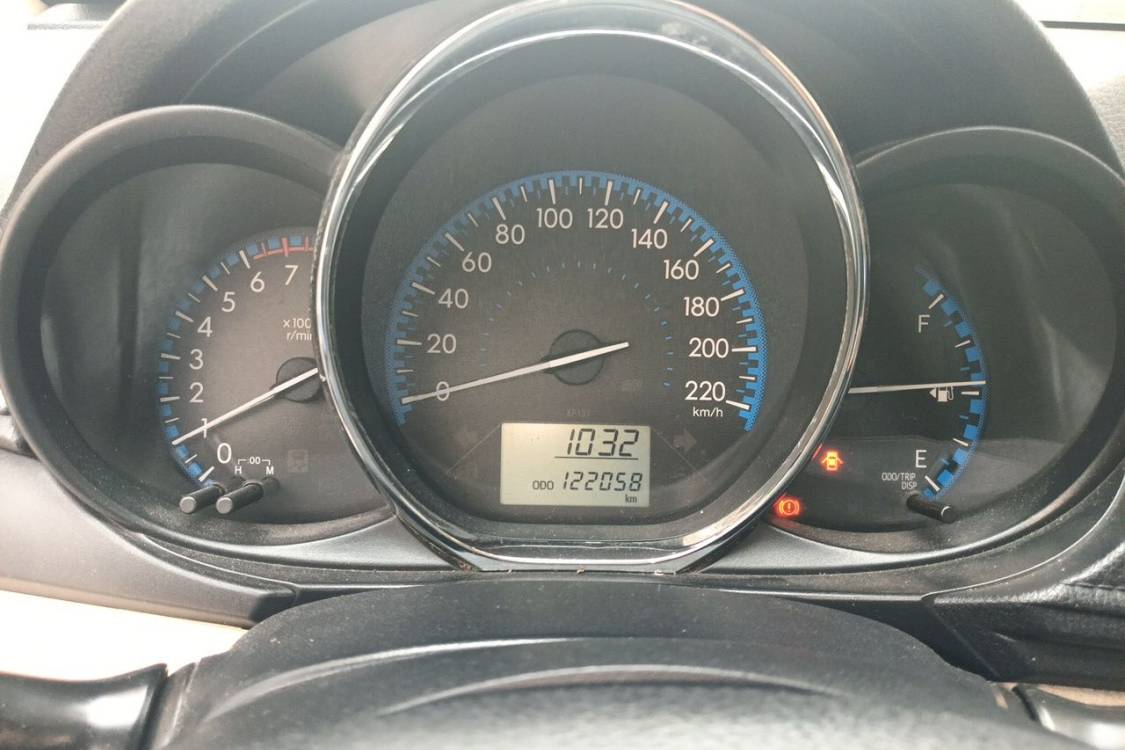
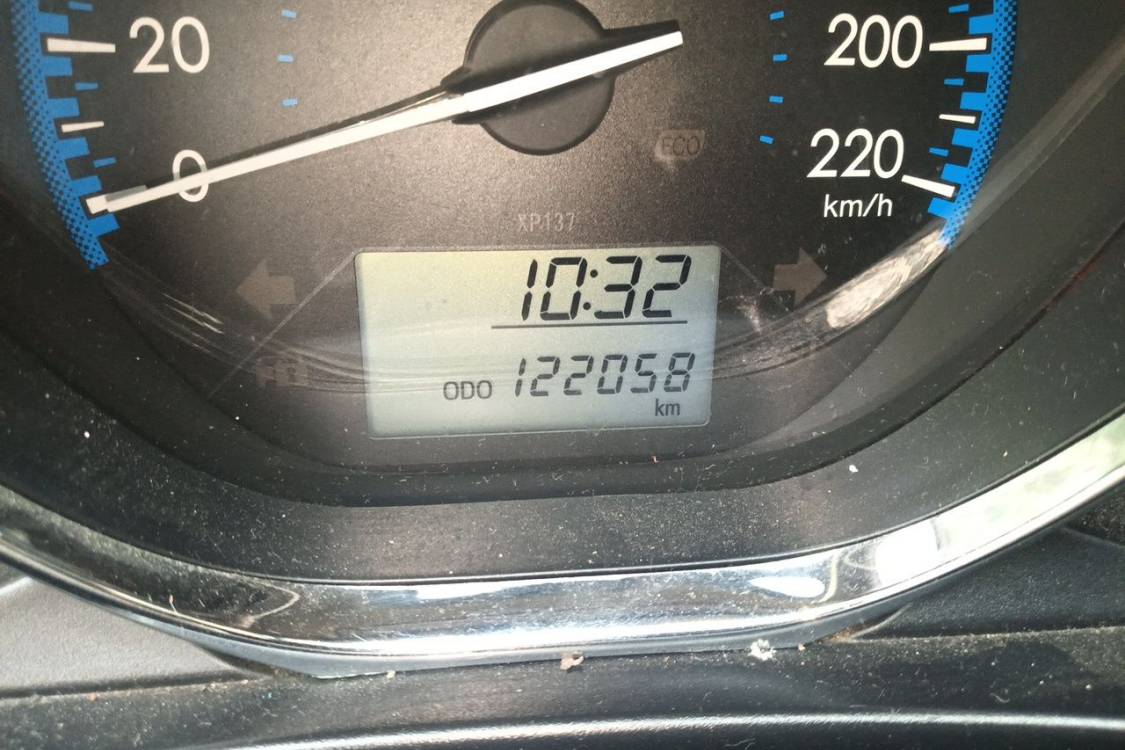
Mileage-
Transfer Count-
FuelGasoline
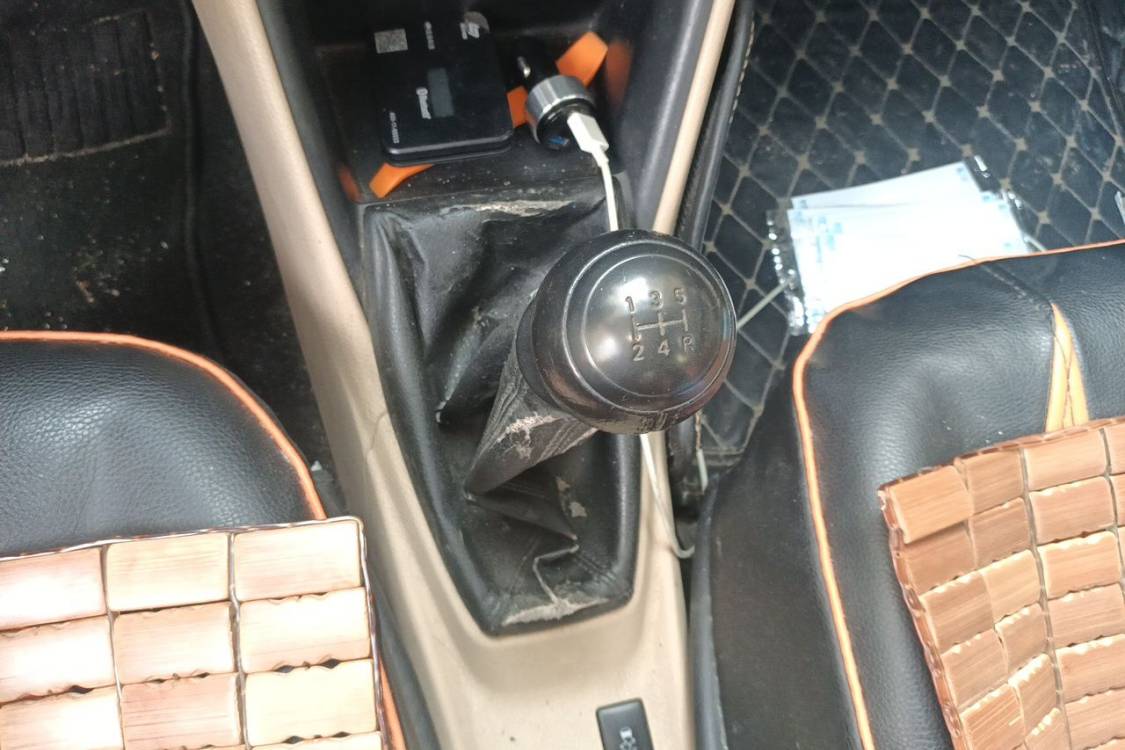
TransmissionManual
Engine1.5L 107 L4
ColorWhite
Seats5seats

Condition Description

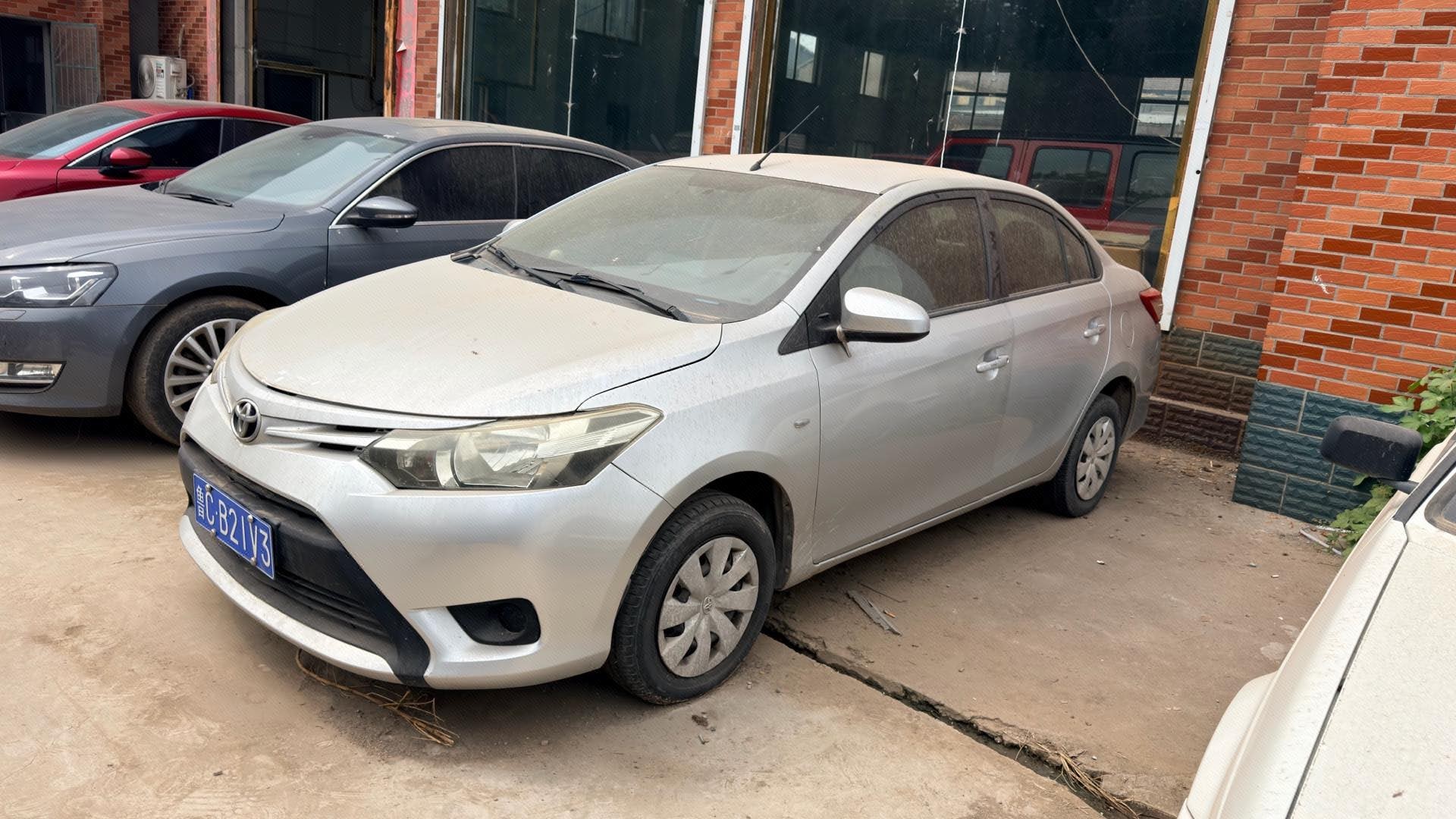
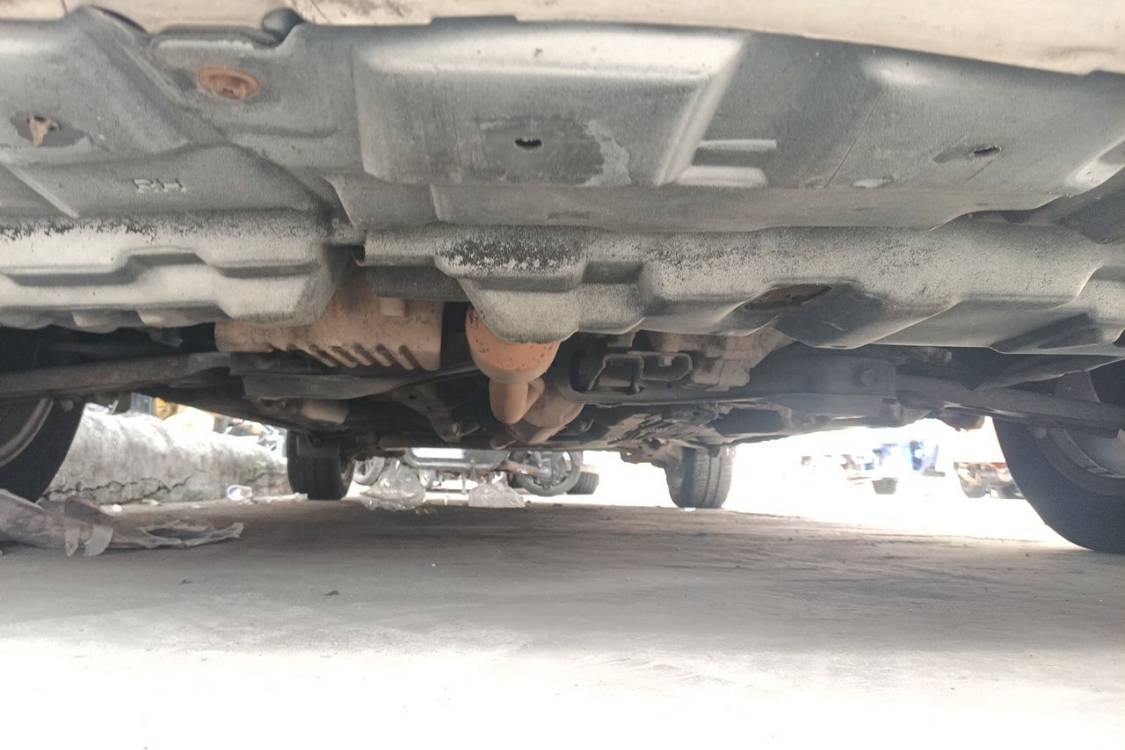
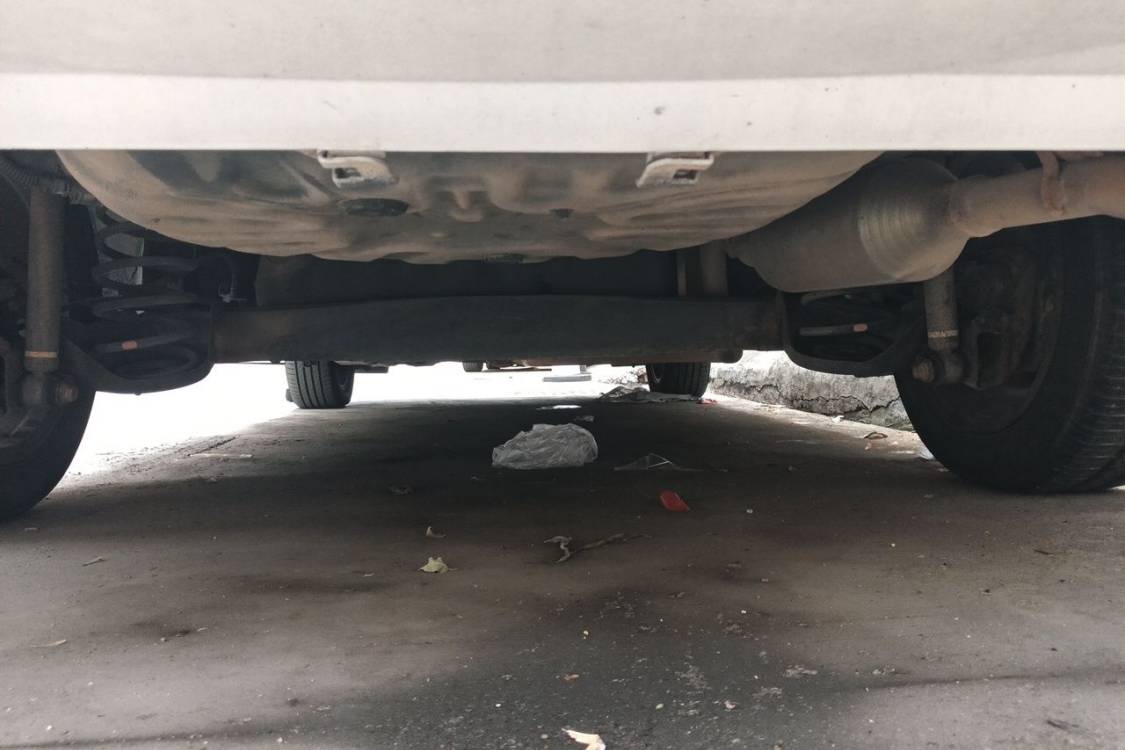
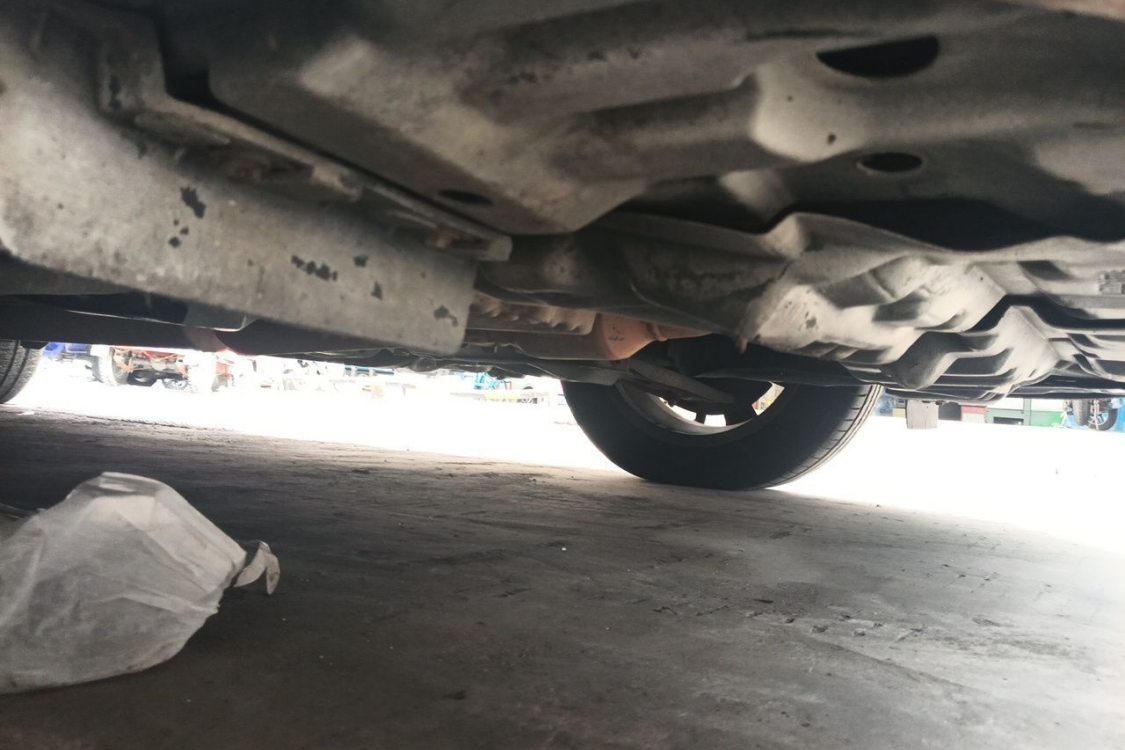
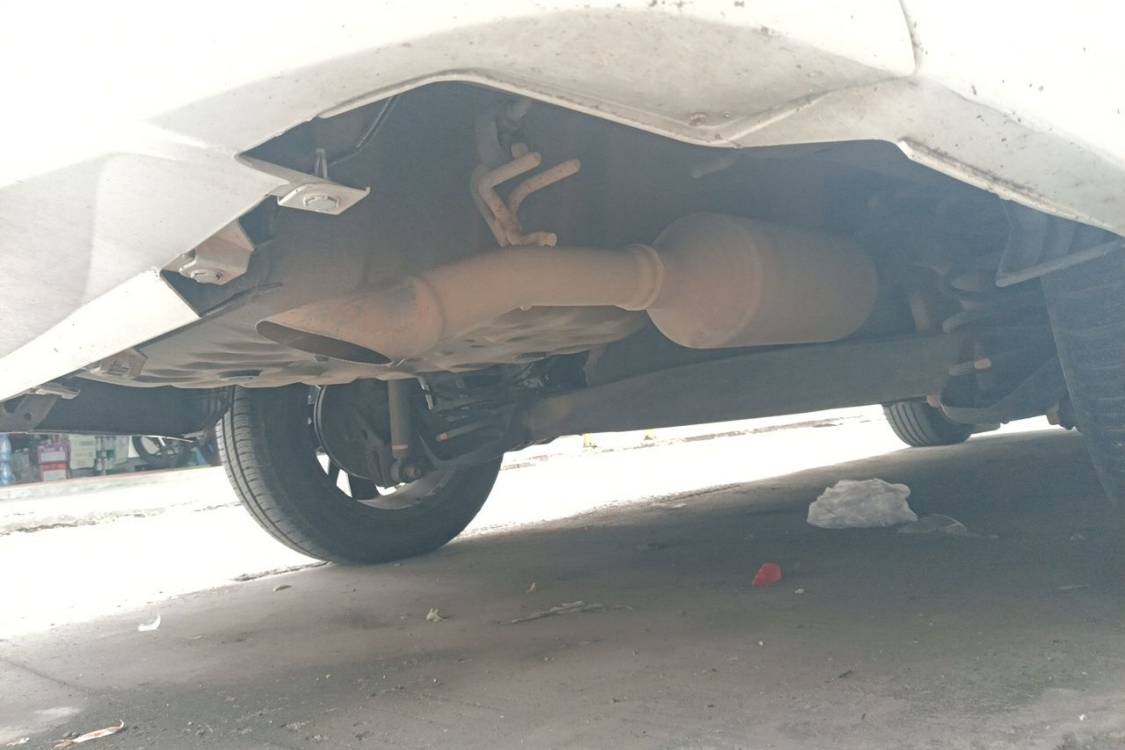
Vehicle has major defects in structural/reinforcing/covering parts due to major accident, fire, water damage, or power battery components, repaired or unrepaired, still affecting body structural strength or safe use, with hidden faults.

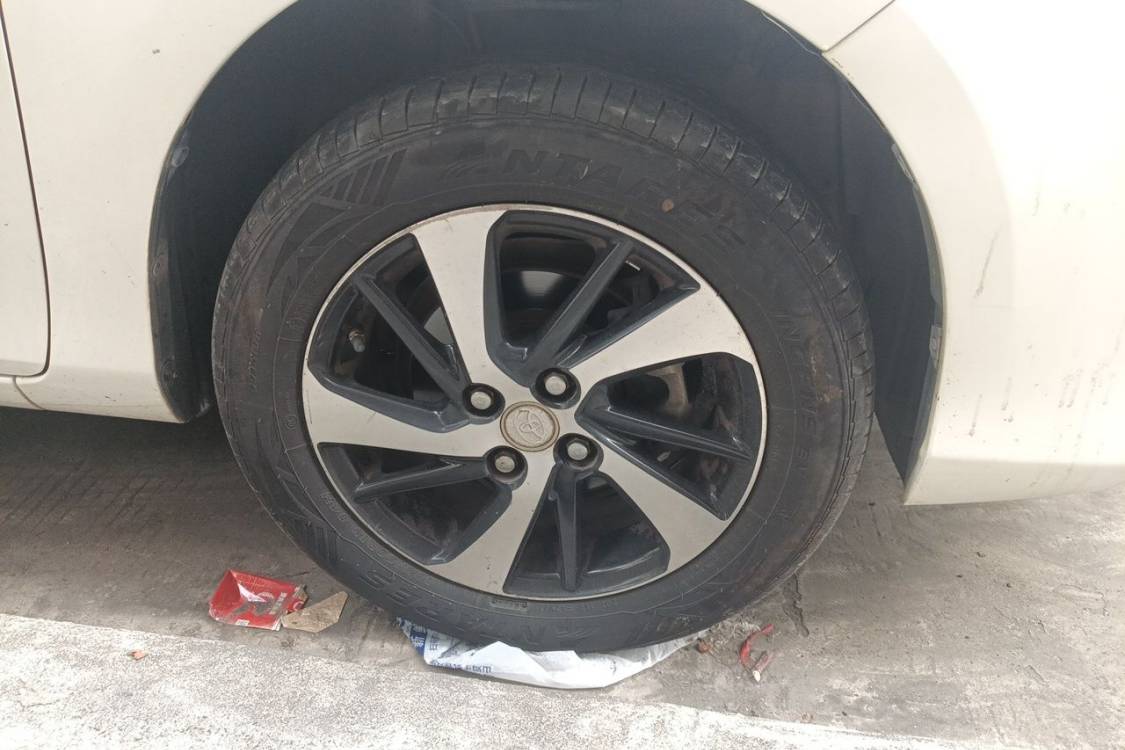
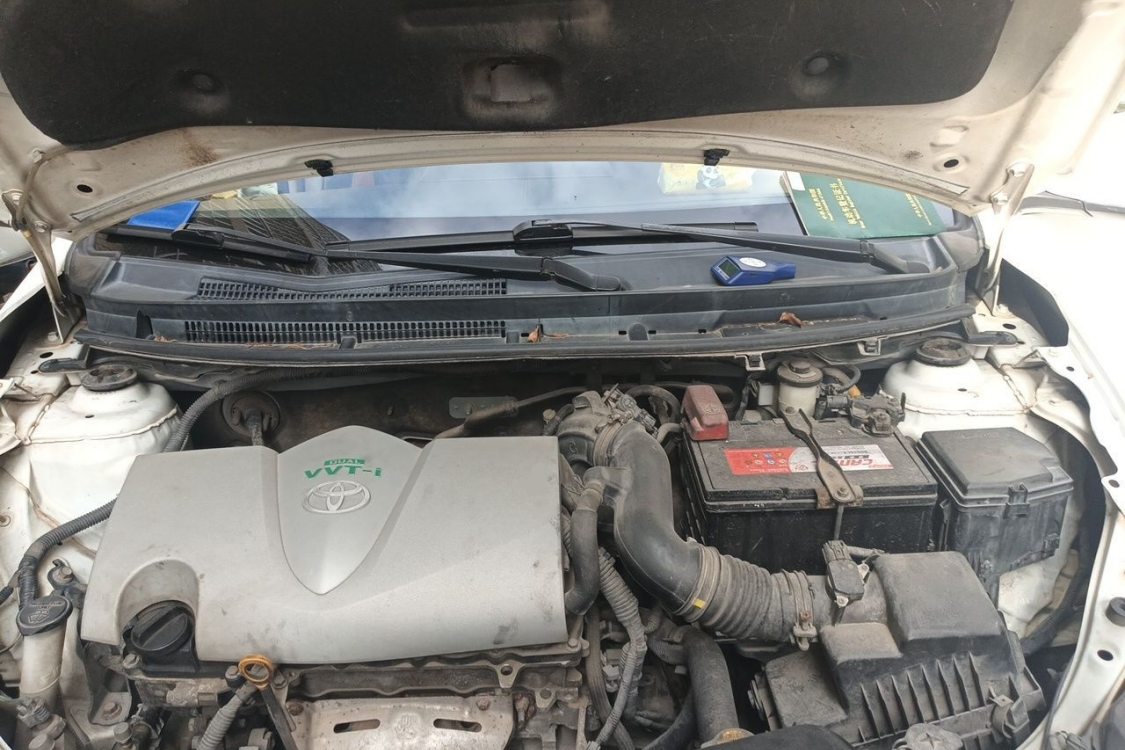
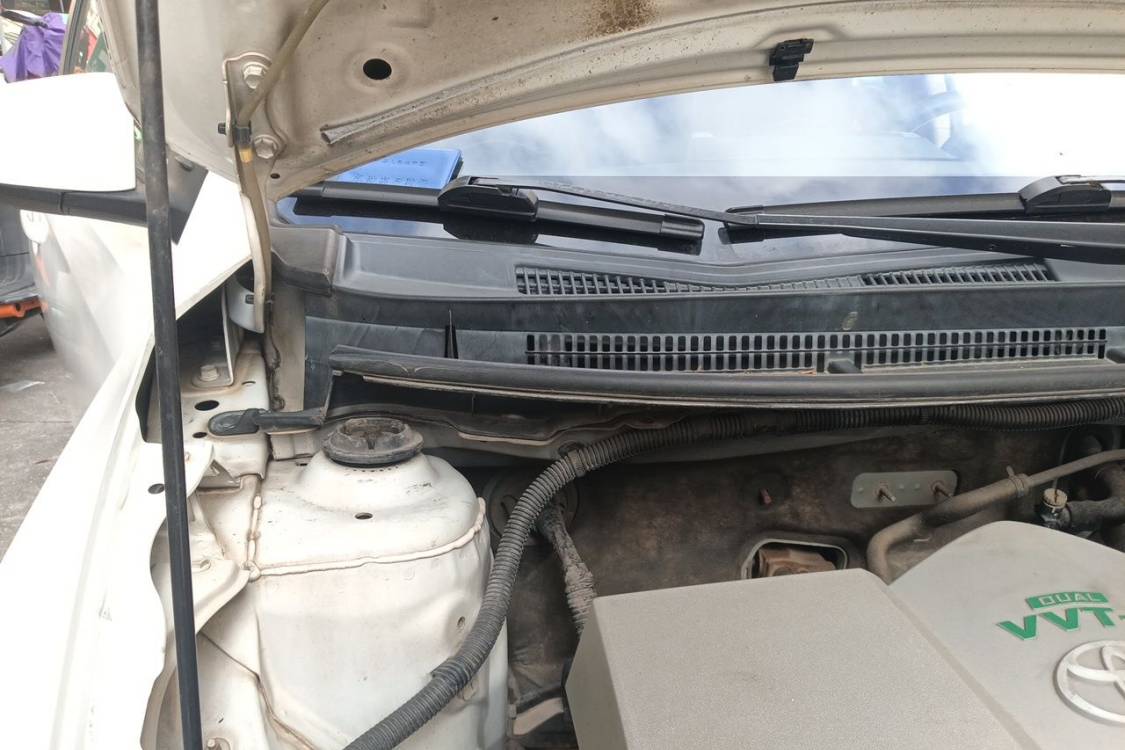
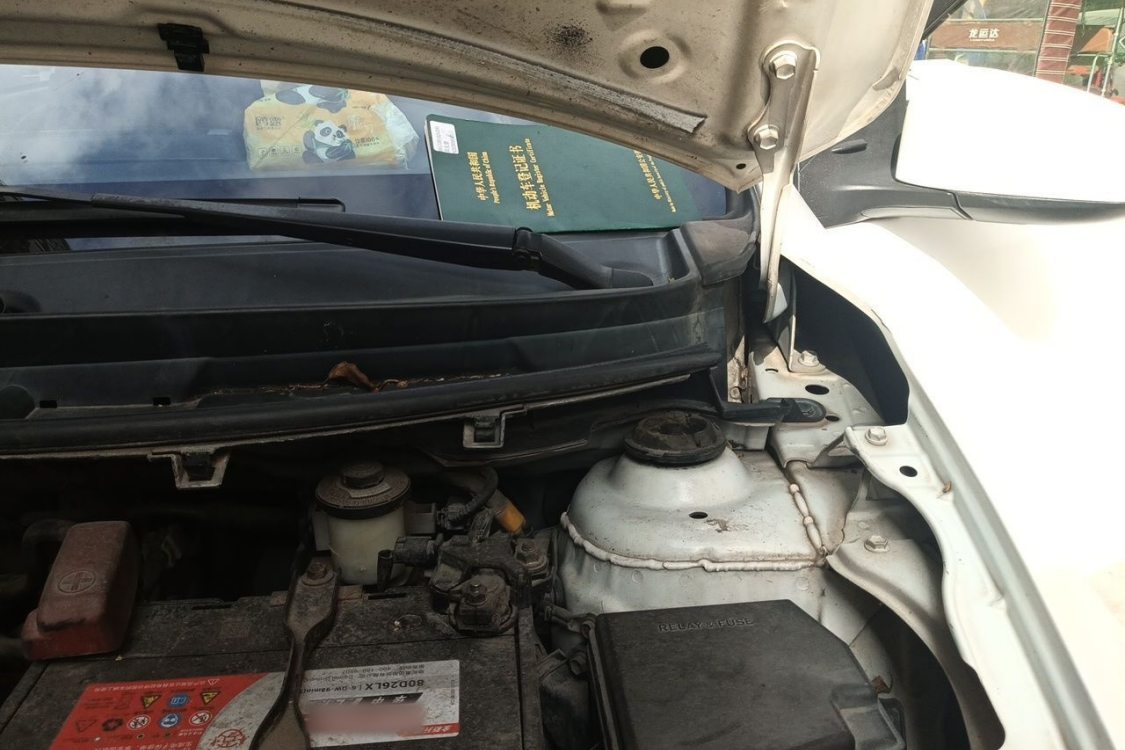
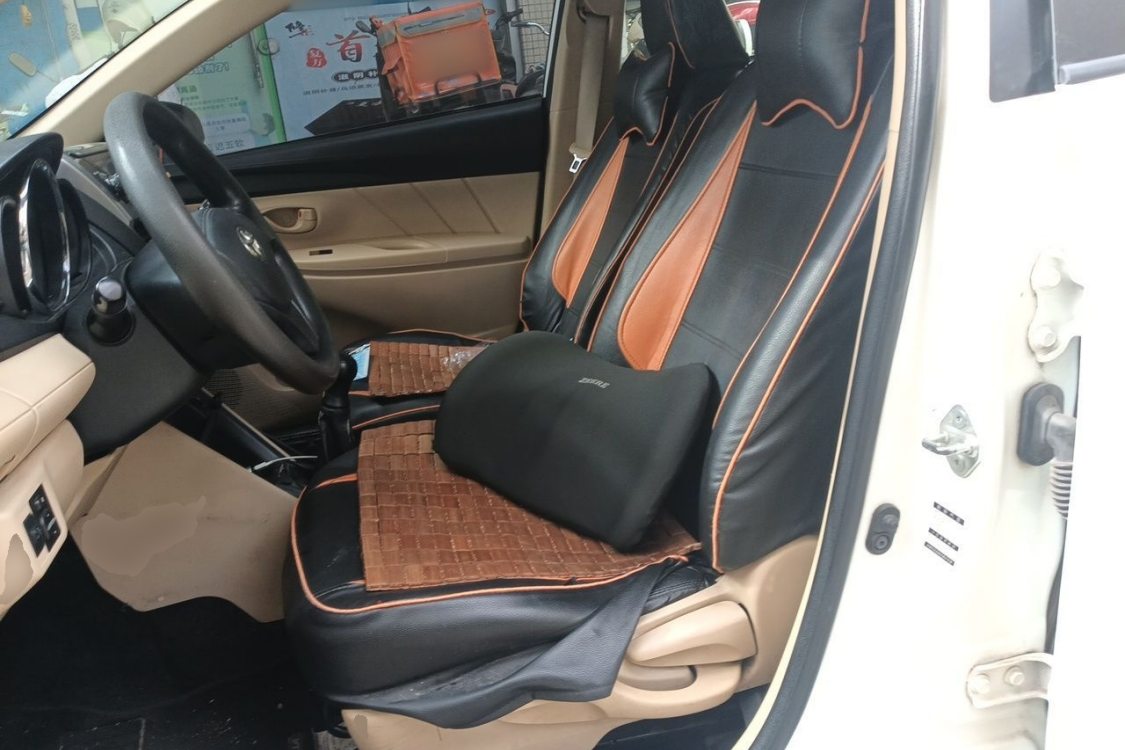
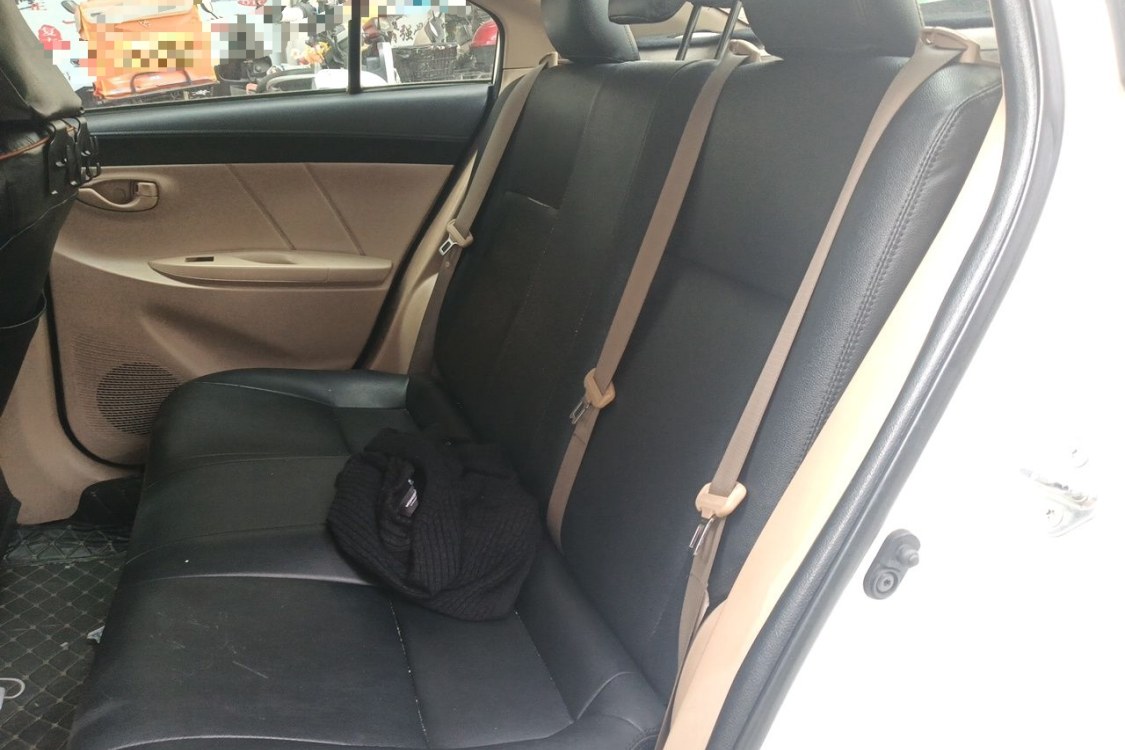
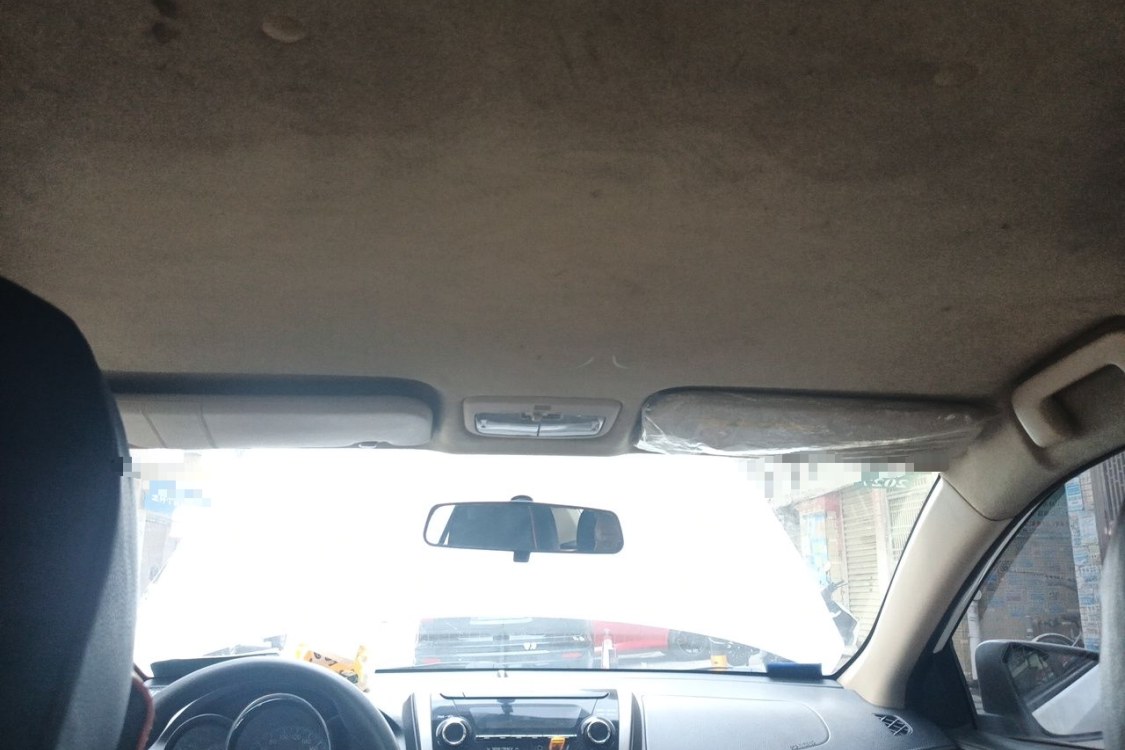
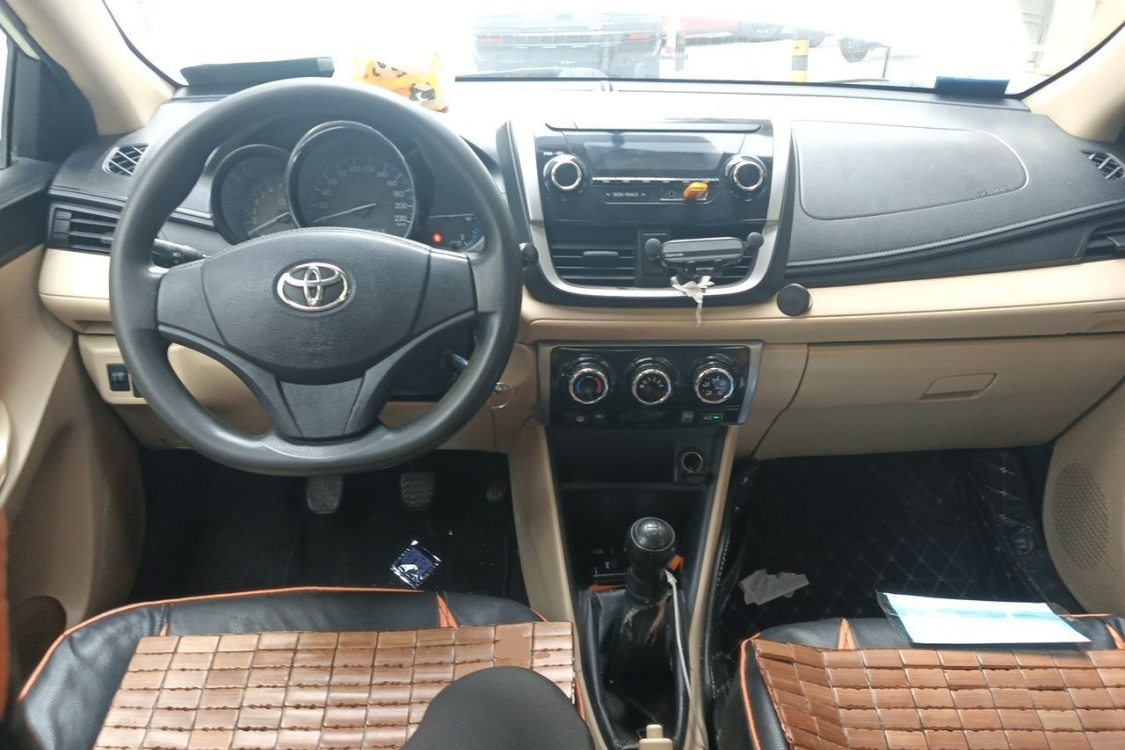
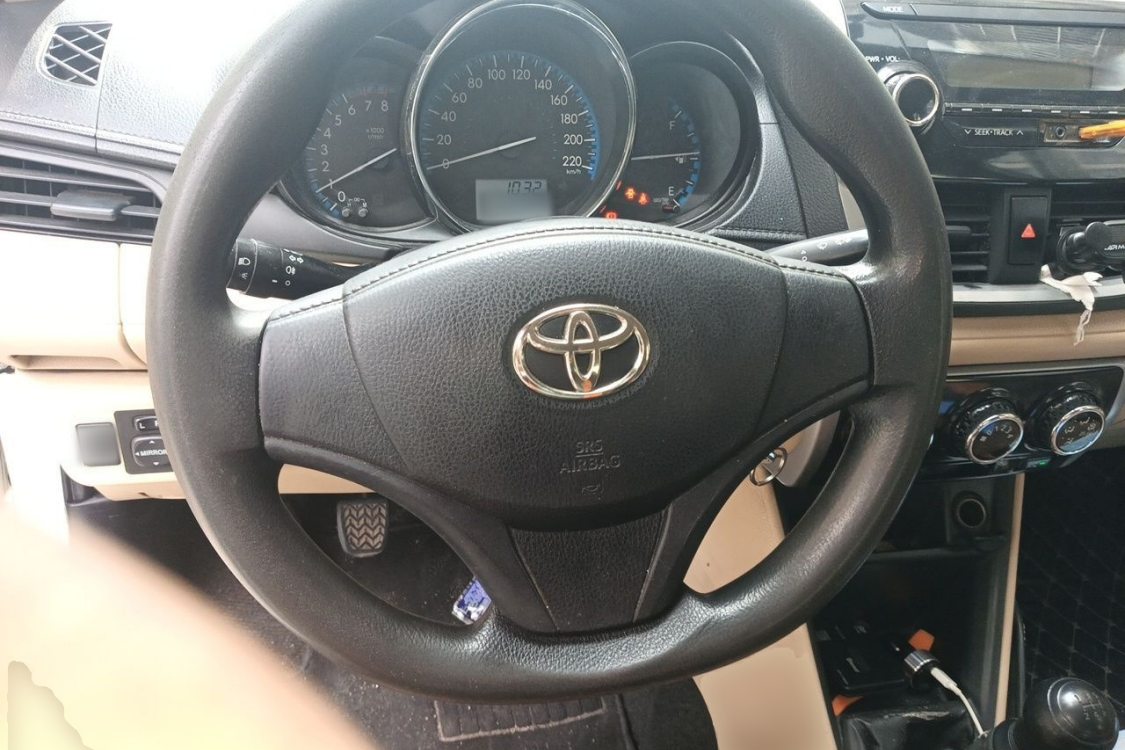
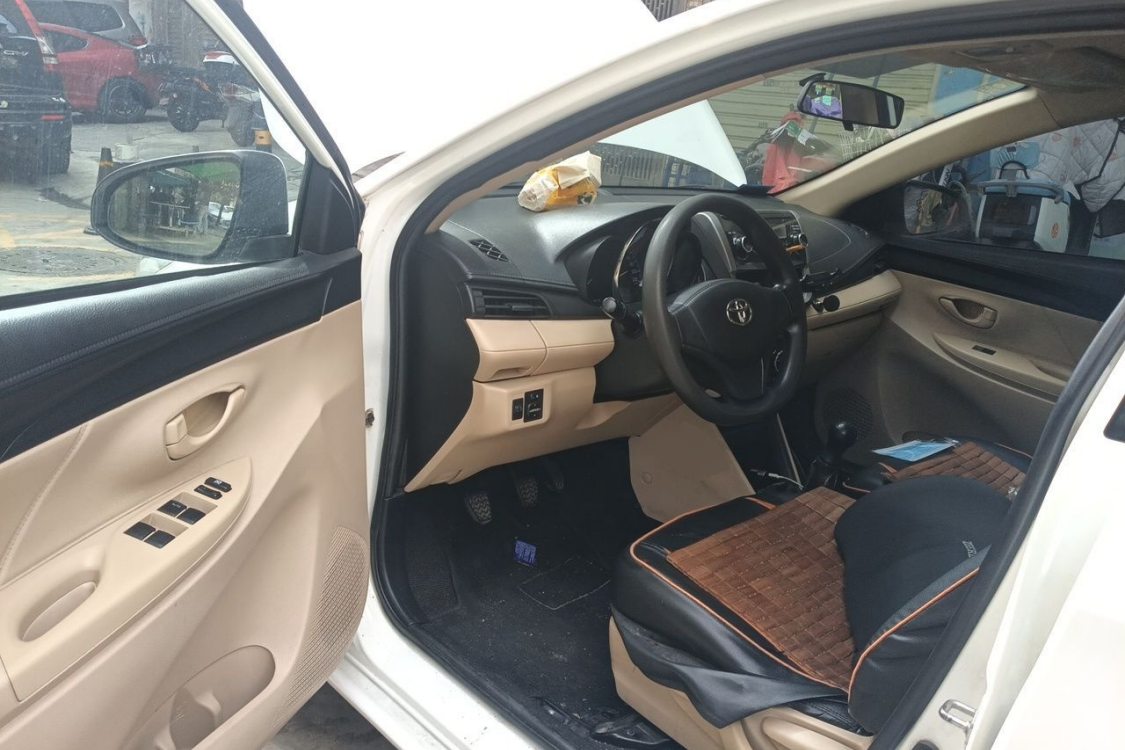
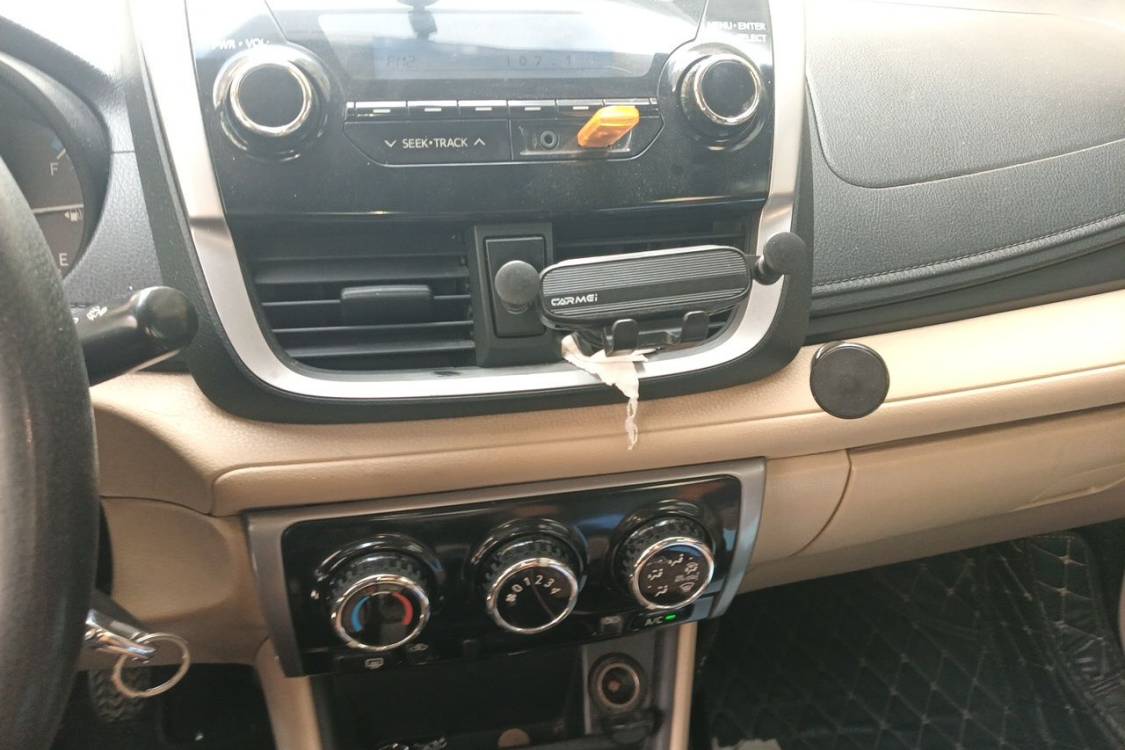
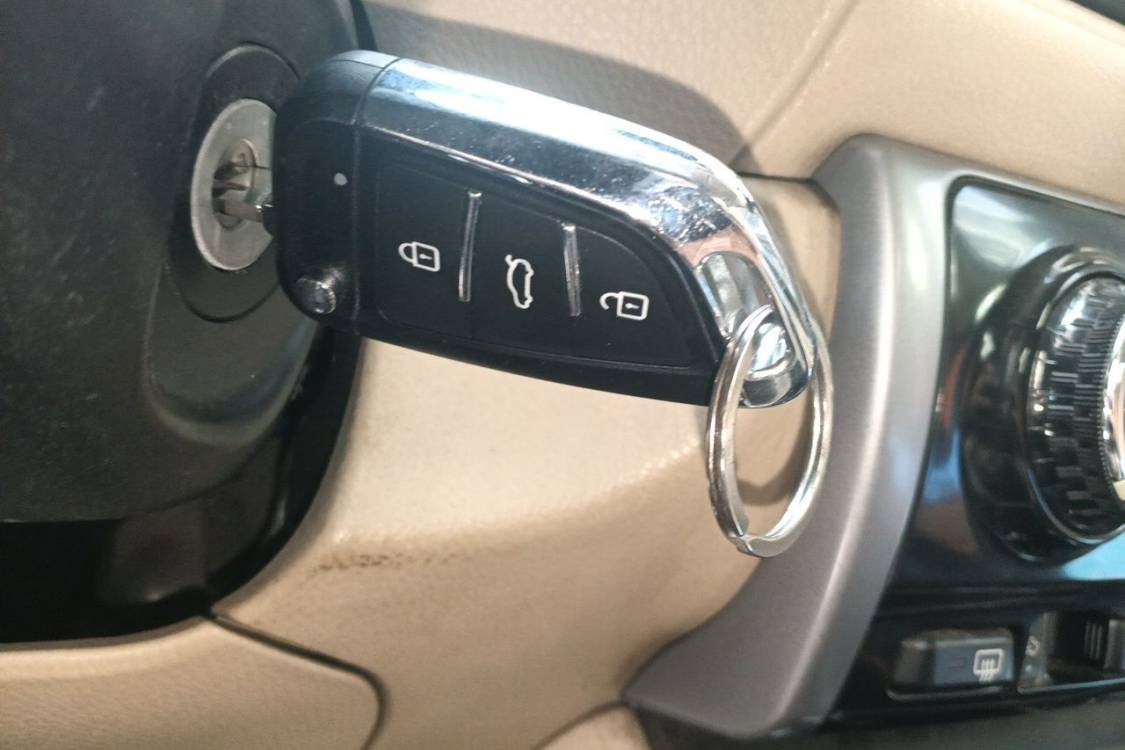
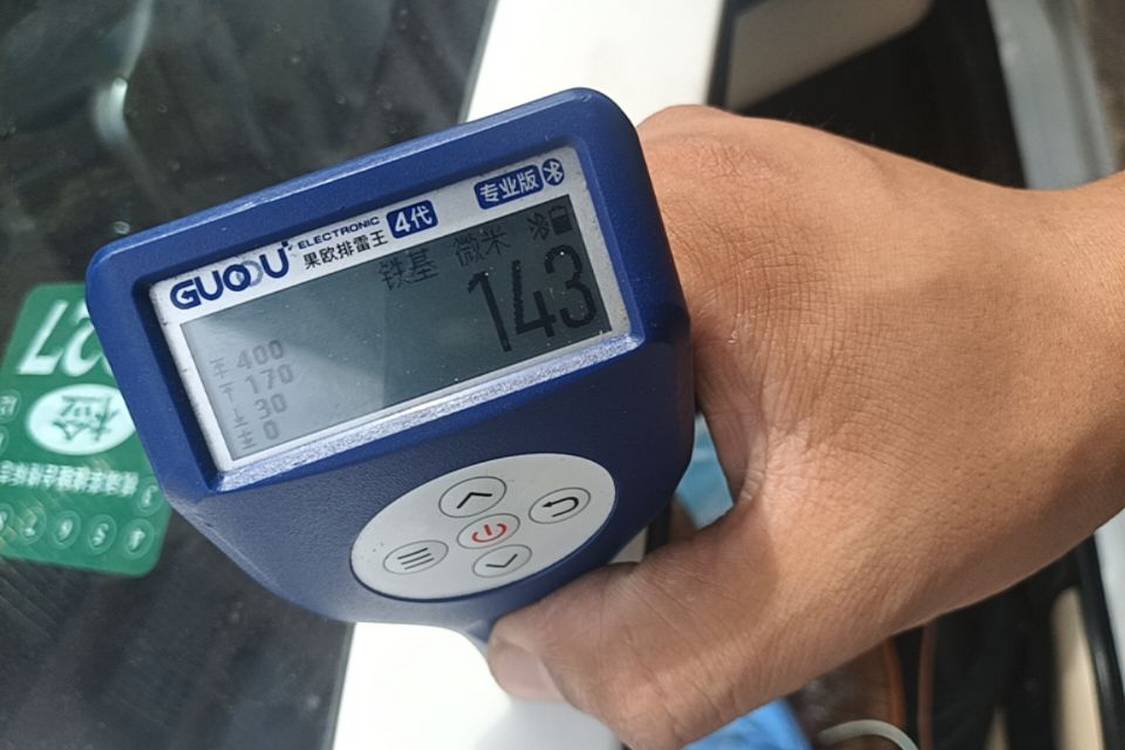
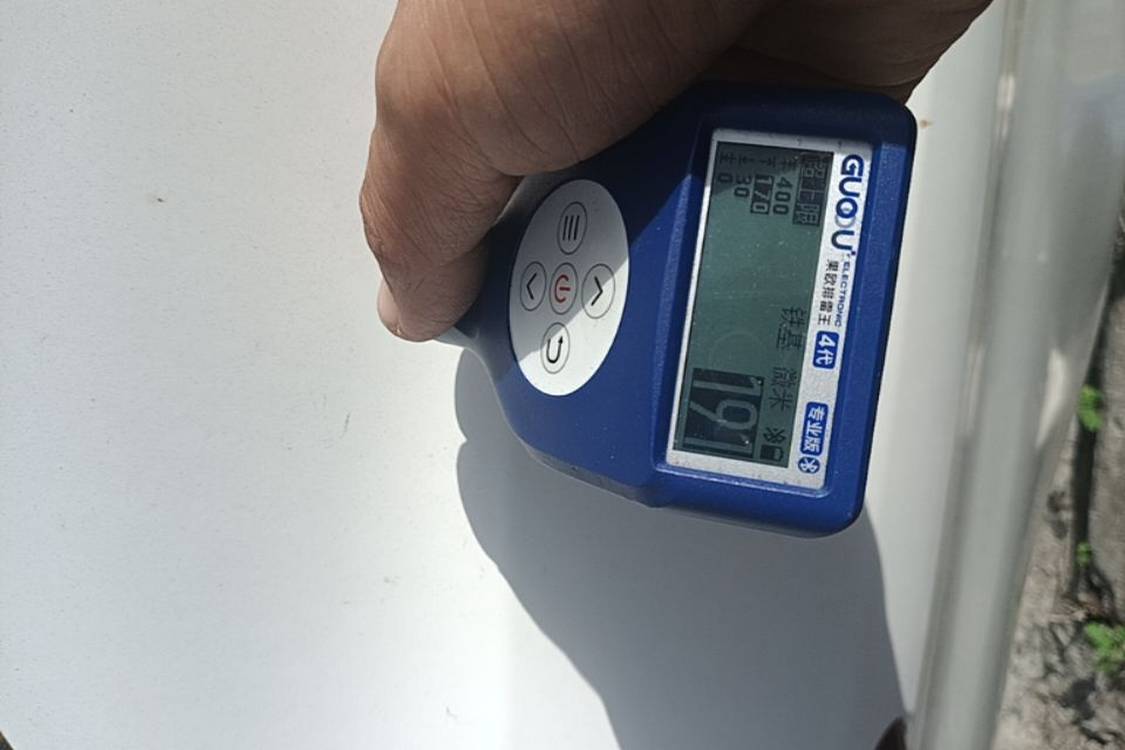
Accident inspection: main structure damaged, reinforcing parts damaged, covering parts damaged, hinges normal; engine bay: key mechanical components normal; exterior: 7 areas of sheet metal repair, 2 areas repainted; interior: headliner dirty, most features normal, airbags normal, lighting system normal; start-up inspection: main components normal; on-board tools: none.

电话直连
可讲价
平台物流
可转售
车主降价
3个工作日内过户
零过户
新检测标准升级>
泡水-中度

Document Information

Inspection Expiry Date2027/11
Warranty Expiry Date-
Insurance Expiry Date2027/10

Q&A

More

If customs delays due to the upgrade of the Chinese customs system cause a missed shipping schedule, who will cover the storage fees?

If the delays are due to policy-related force majeure like customs system upgrades, or if our documentation errors lead to short shipments, all additional demurrage and storage fees incurred at ports within China will be borne by sellwellauto, and the buyer will not have to pay a cent.


What are the typical steps and timeline when buying a used car from China, from selection to delivery at my port?

A normal transaction moves through six stages. First, selection and verification: you shortlist cars, request VIN-level documents, and order an independent inspection (1-2 weeks). Second, contract signing and deposit: 10-30% is standard, paid against a signed contract listing the VIN and agreed spec. Third, export preparation: the seller handles deregistration and export licensing (1-3 weeks). Fourth, final payment against loading: pay the balance only after you receive the bill of lading or rail waybill number you can track. Fifth, transit: ocean shipping to most ports takes 3-6 weeks, rail to Central Asia or Europe 2-4 weeks. Sixth, destination clearance and registration: allow 1-2 weeks plus buffer for inspections. In total, plan for 2-4 months door to door. Any exporter promising full delivery in under six weeks is likely cutting corners on export paperwork.

How do I verify the ownership and registration history of a used car in China before buying it for export?

Verifying ownership protects you from buying a car that can't legally be exported. Start with the registration certificate (机动车登记证书), China's title document. It lists every owner change with dates. Ask the seller for clear photos of all pages — check that the current seller's name matches the latest entry. Next, ask for the seller's ID (or business license for a dealer) and confirm it matches the registration certificate. A mismatch is a red flag unless there's a documented agency arrangement. Also verify the vehicle isn't mortgaged or seized: the registration certificate has a section for mortgage records, and your inspection agent can check the official vehicle management system by VIN. Finally, confirm the car is deregistered (or can be) before export — Chinese law requires deregistration and an export certificate for used cars leaving the country. Summary: title photos, seller ID match, no mortgage flags, export-ready status. Any gap in this chain should stop the deal.