


48H

Basic Information

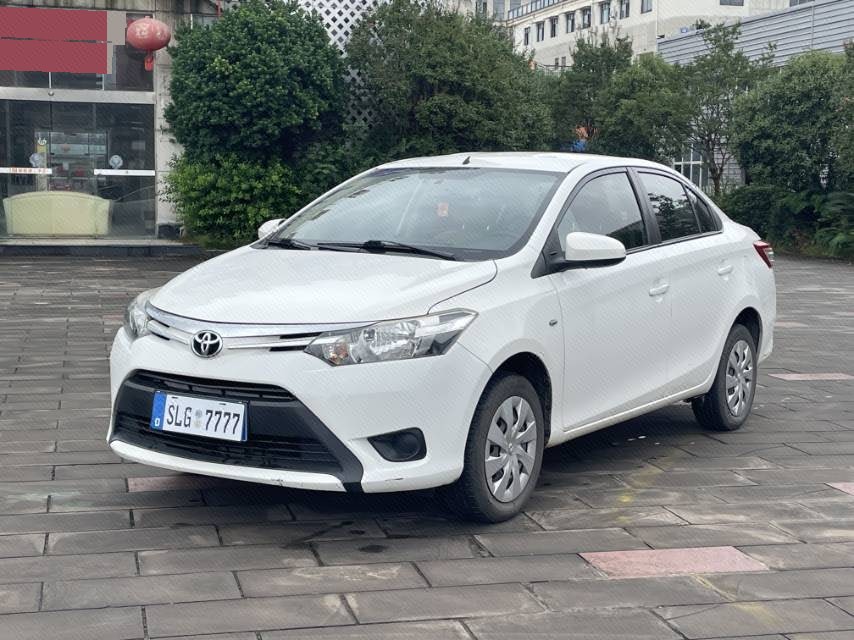
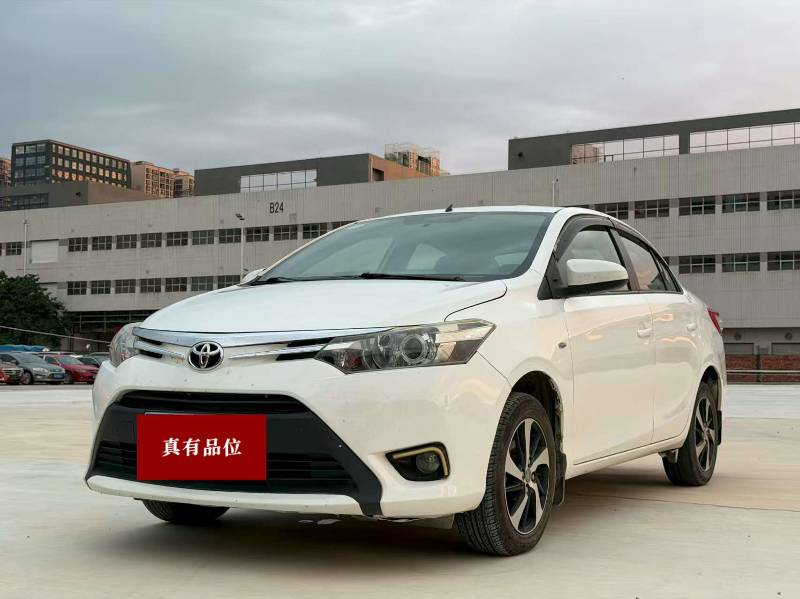
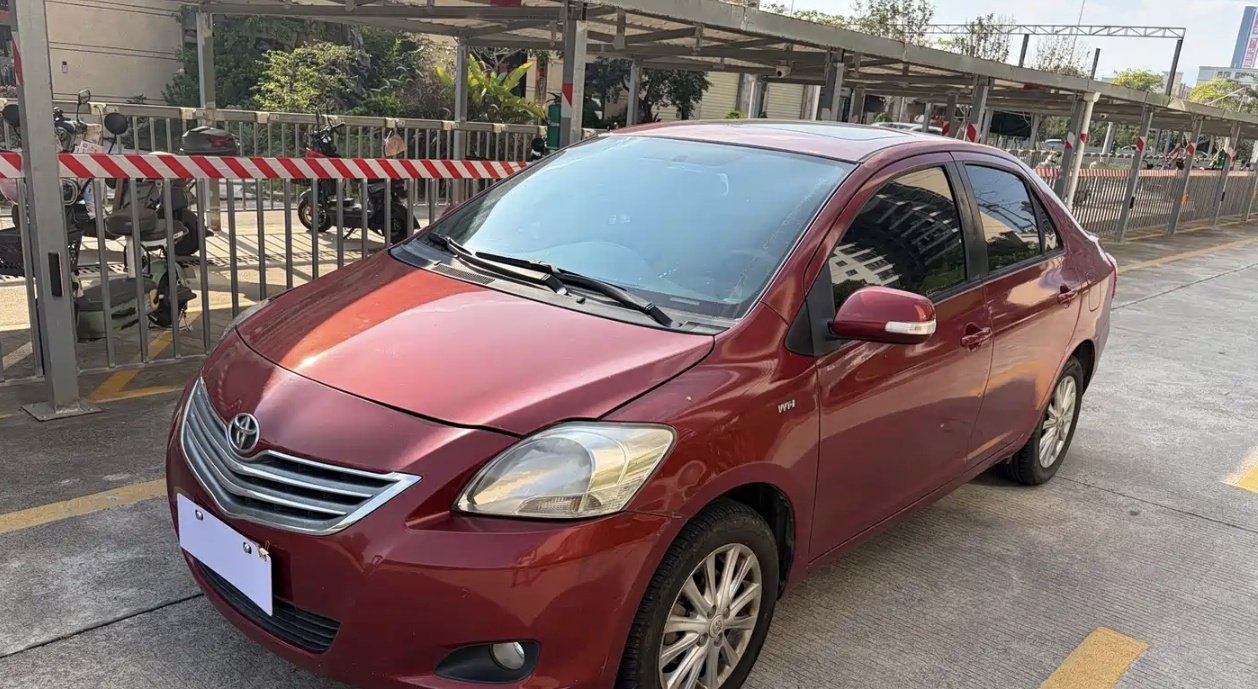
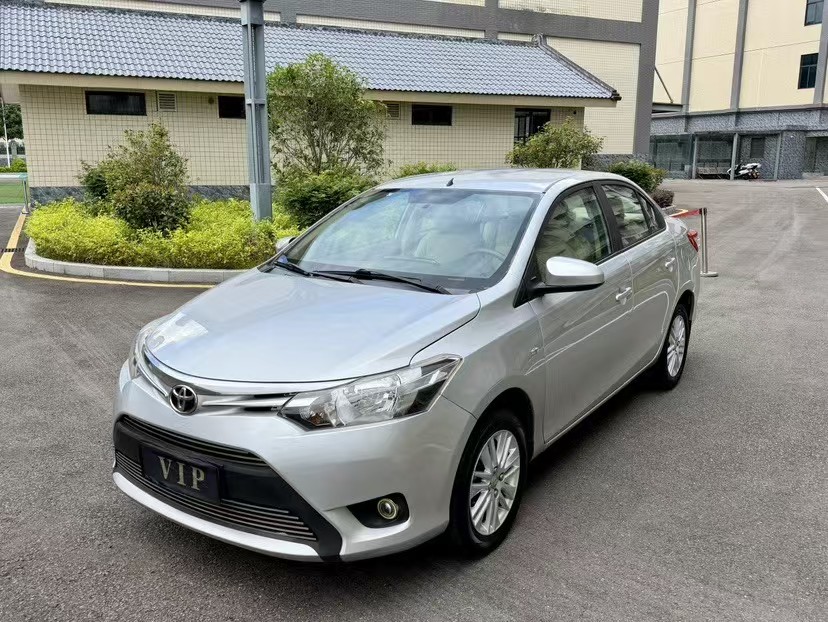
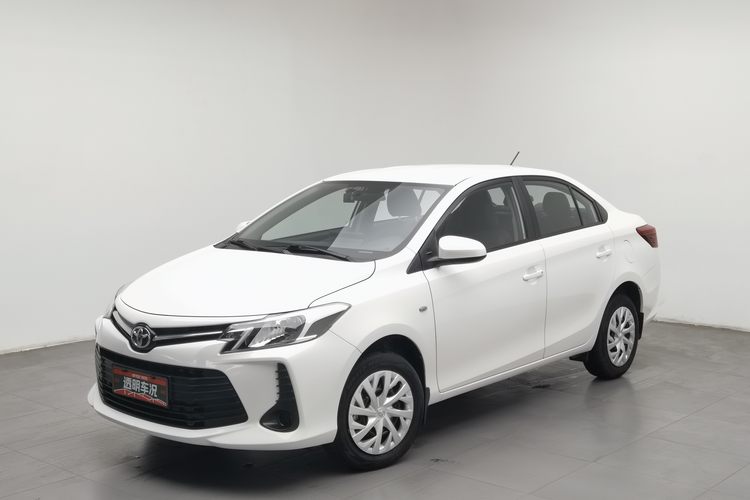
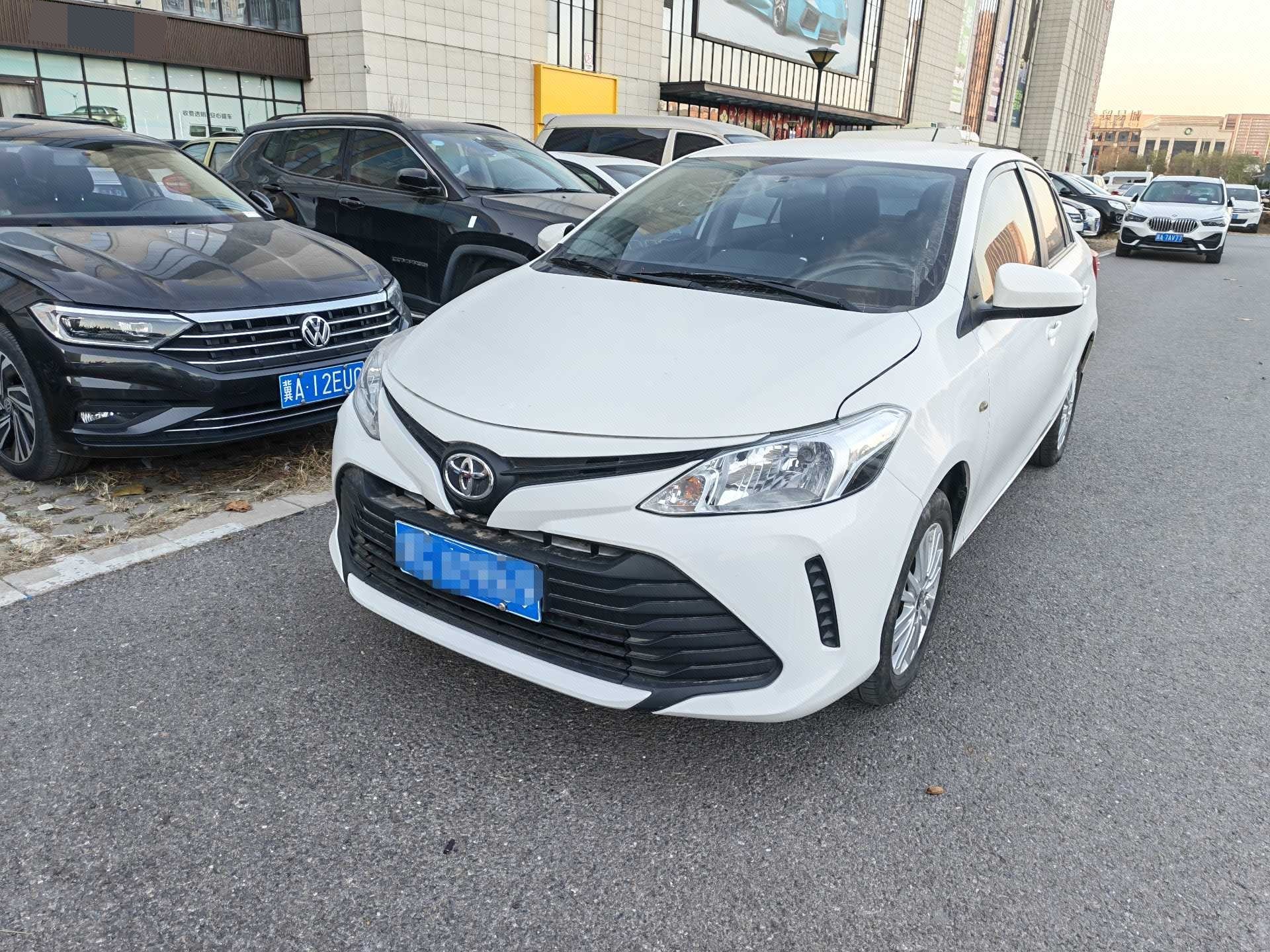
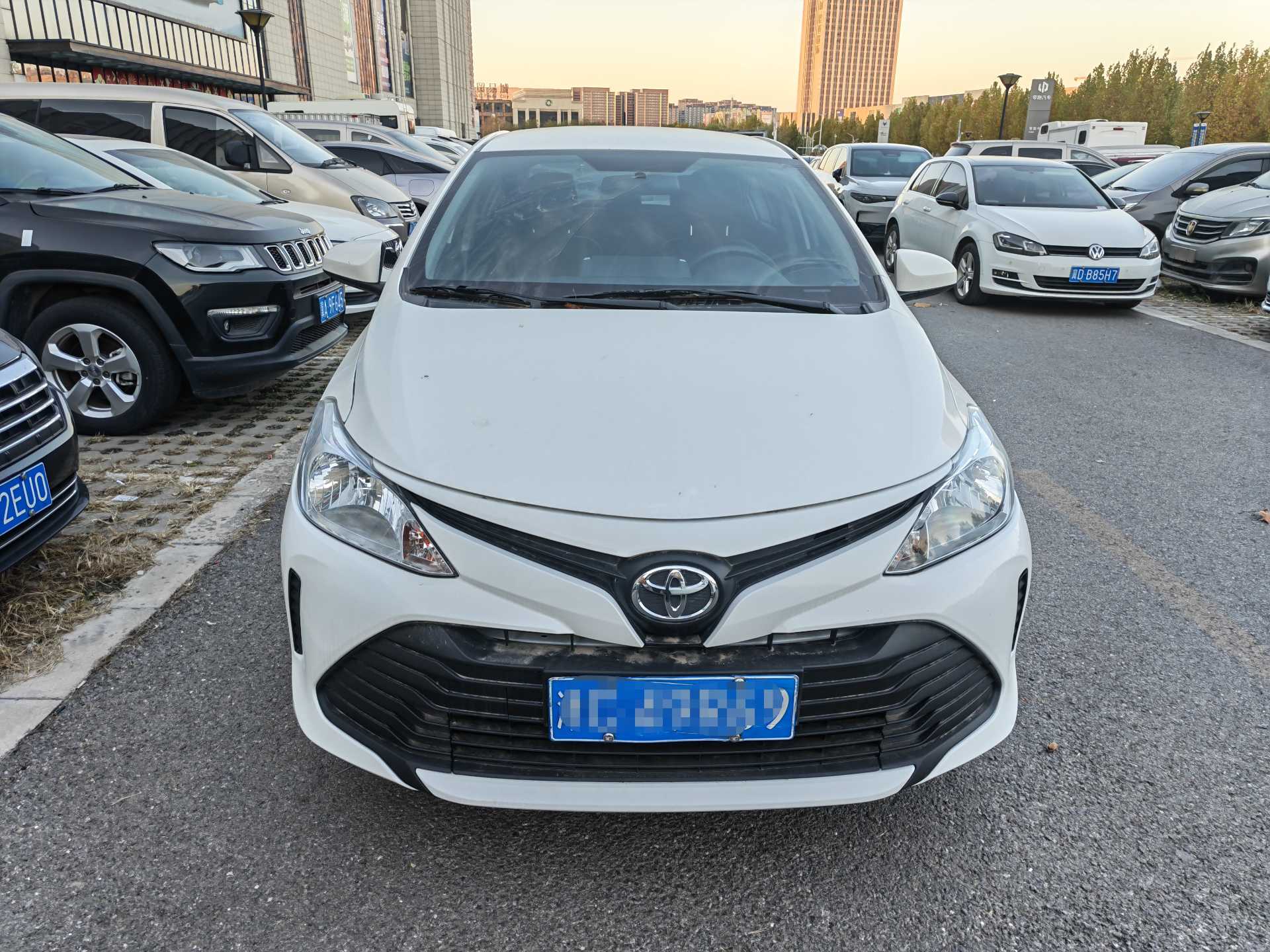
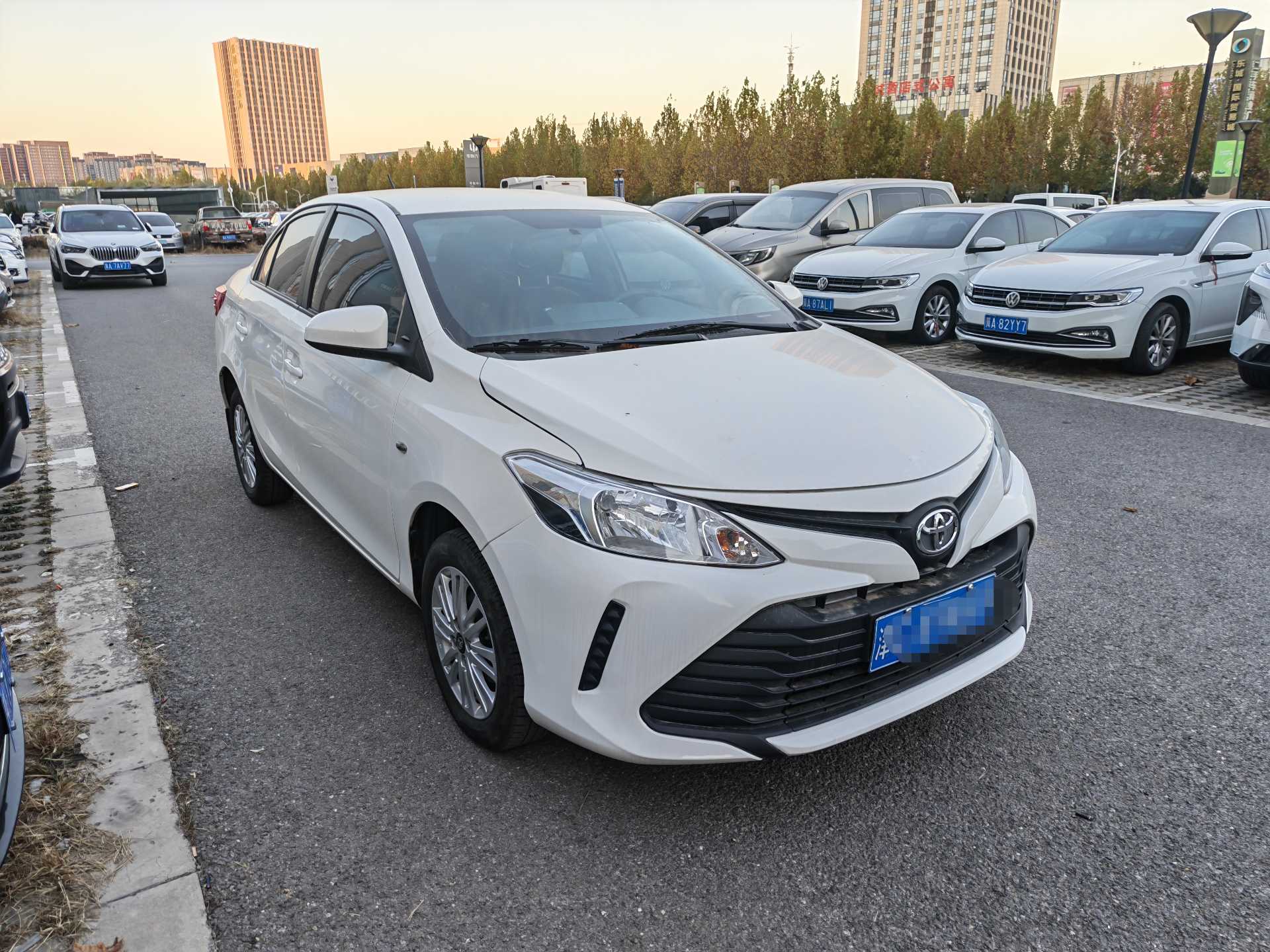
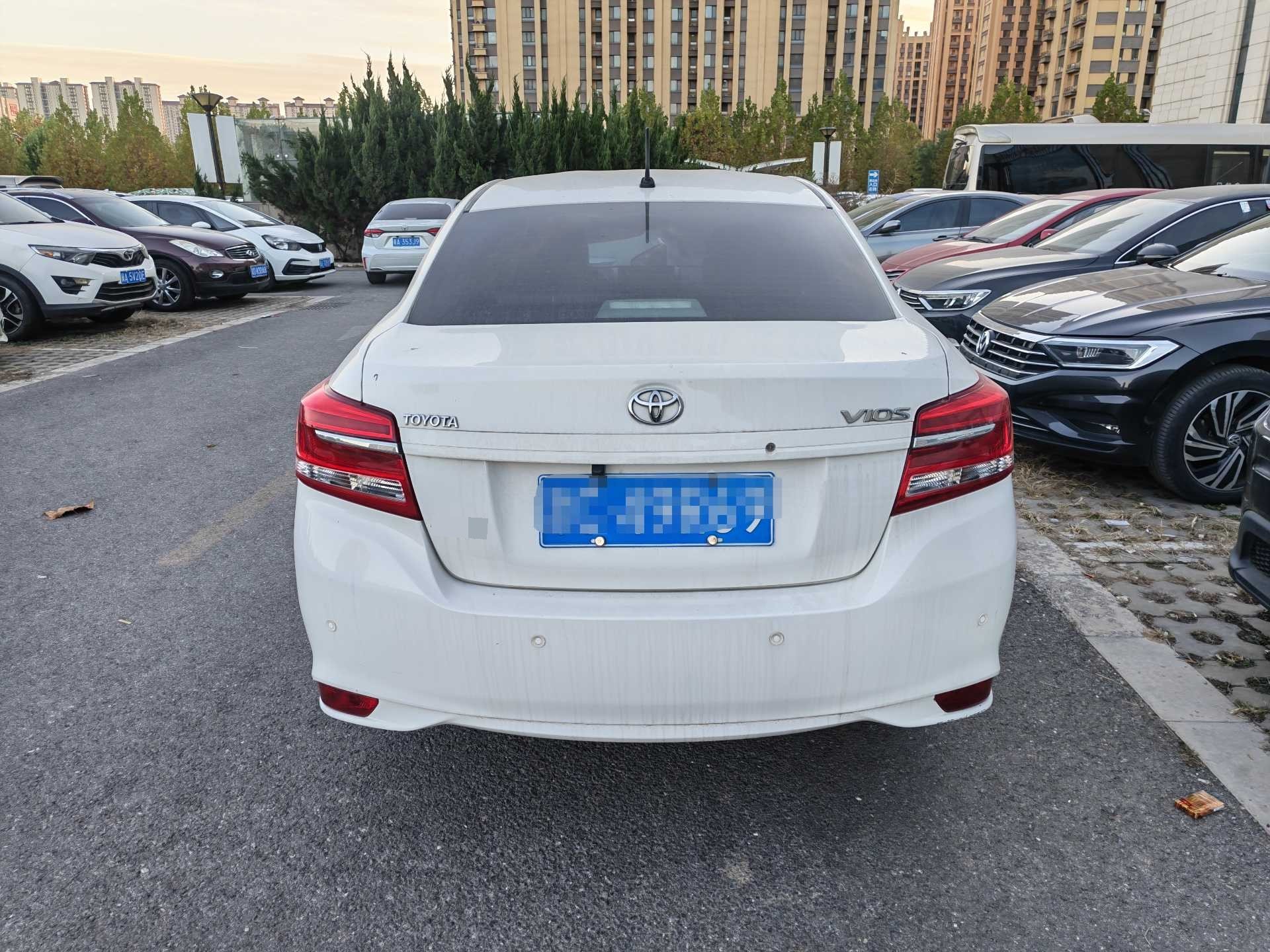
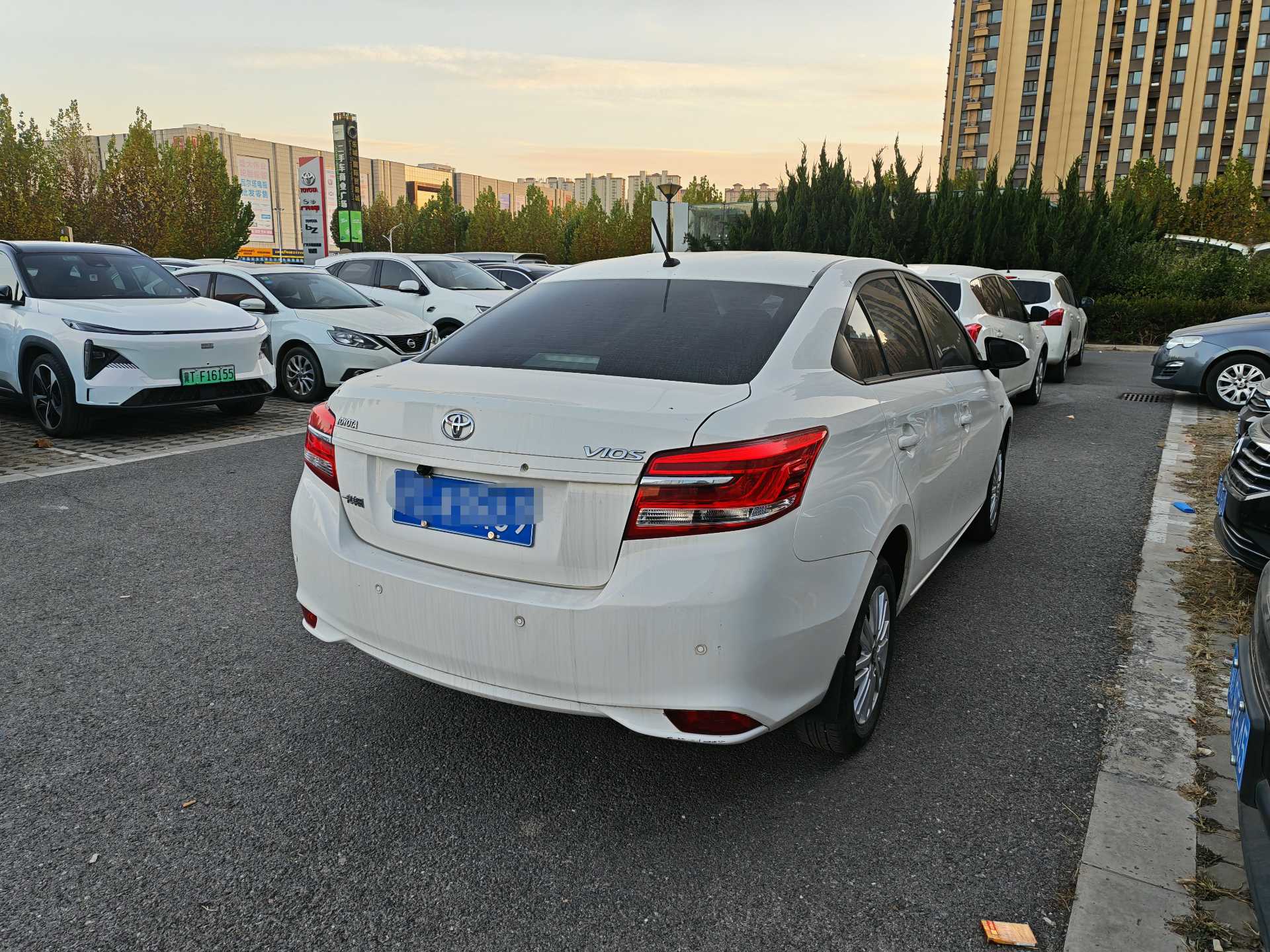
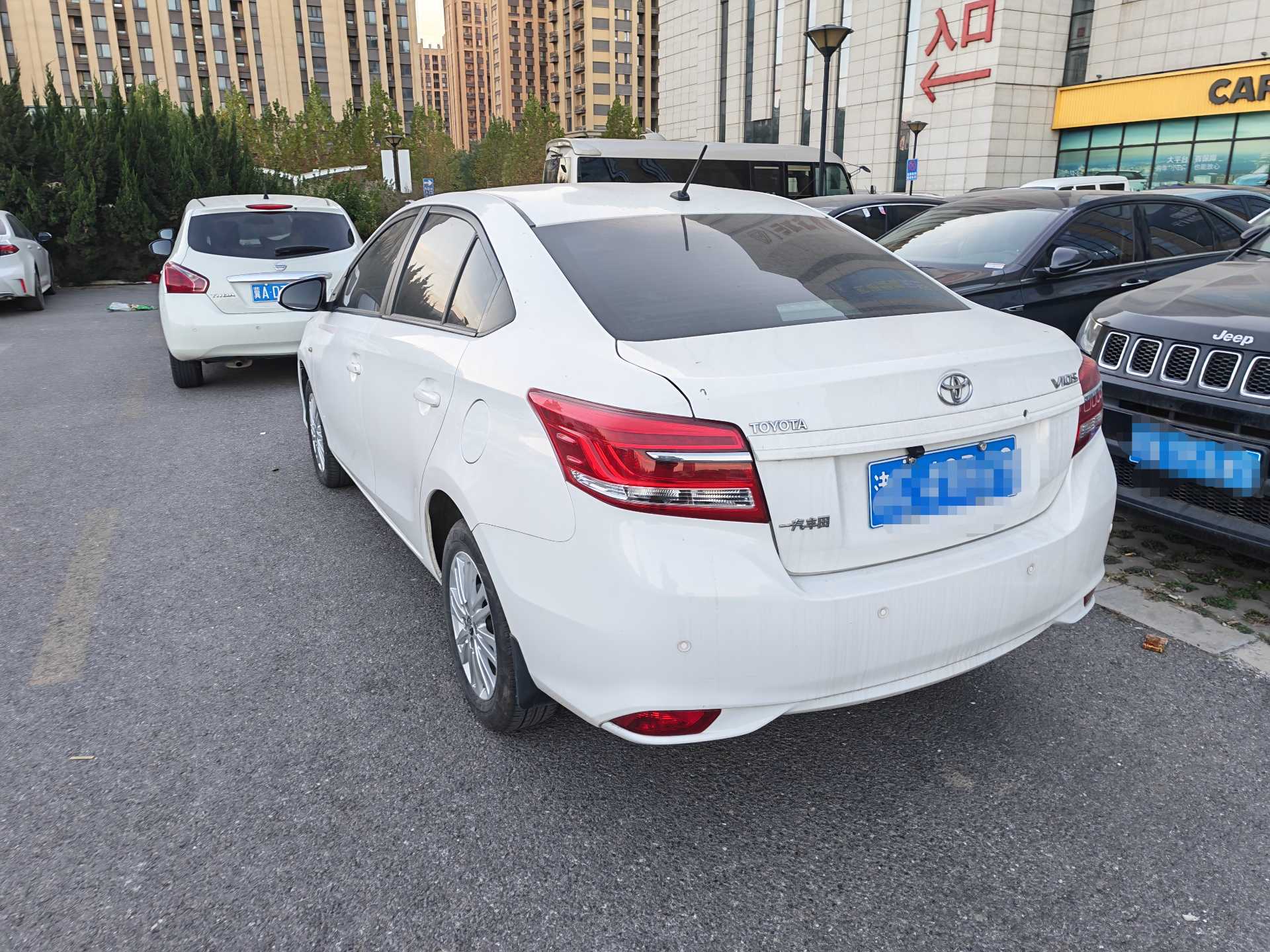
BrandToyota
SeriesVios
Year2017
First Registration2017/04
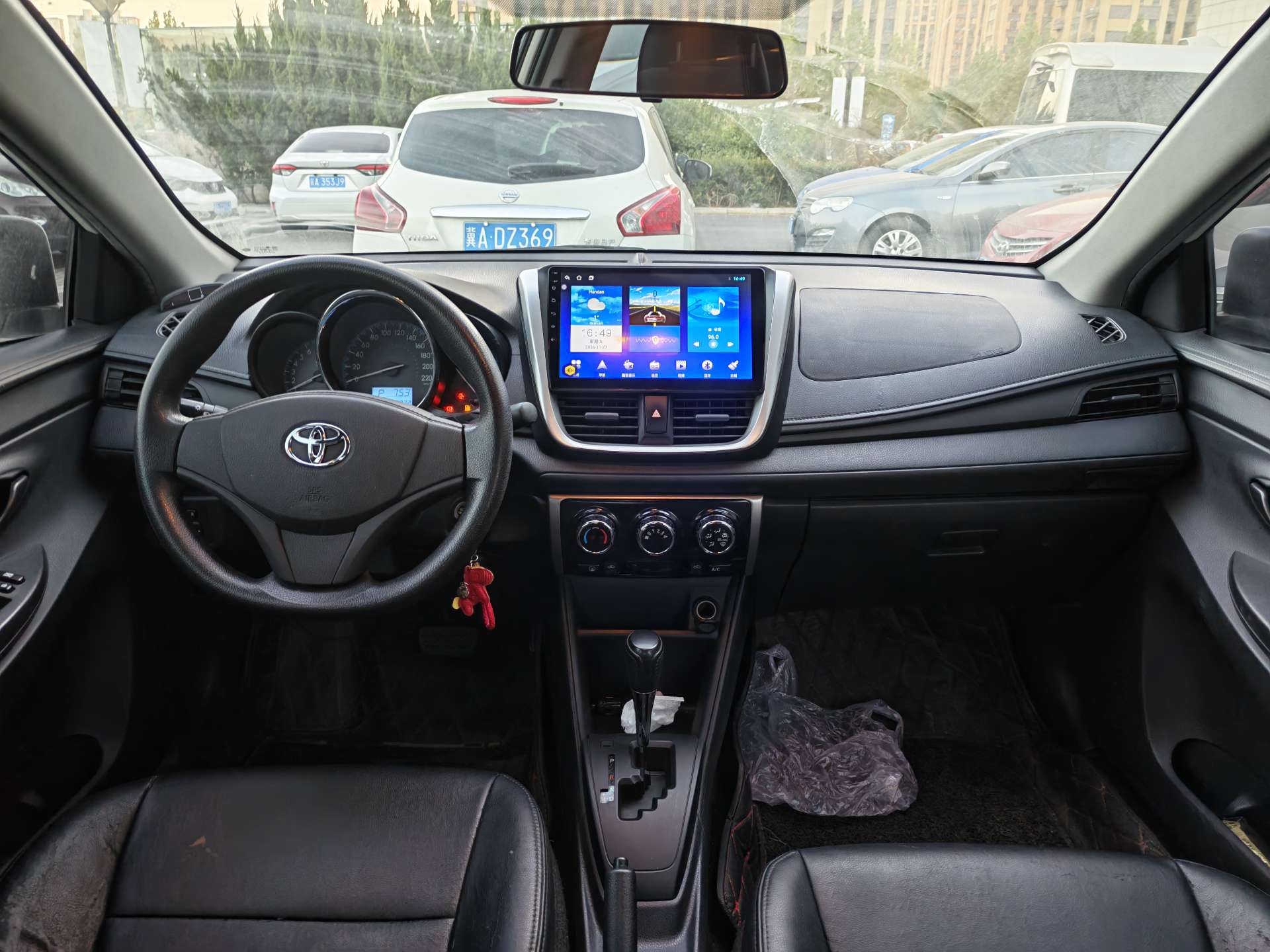
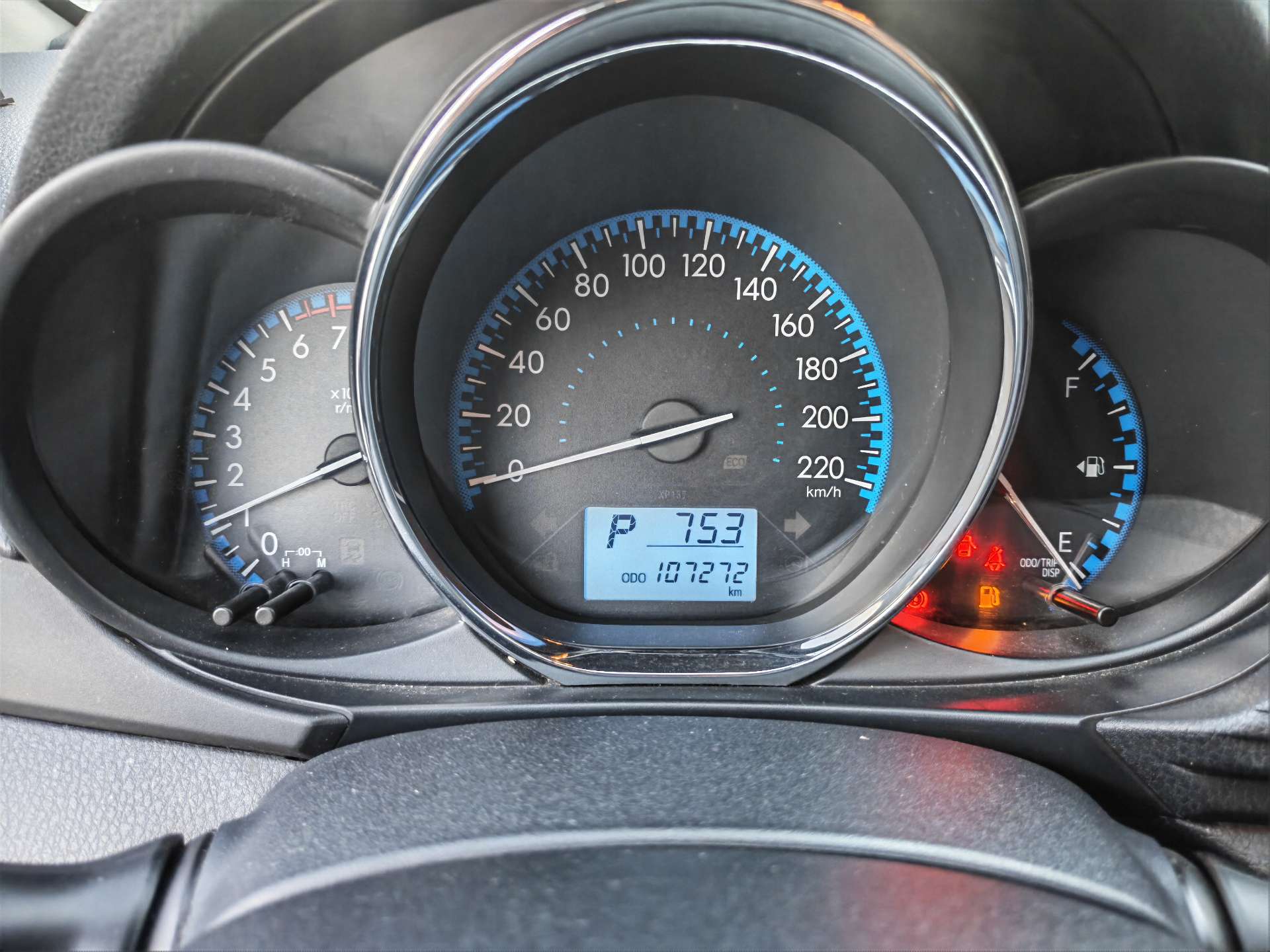
Mileage107,000km
Transfer Count0times
FuelGasoline
TransmissionCVT
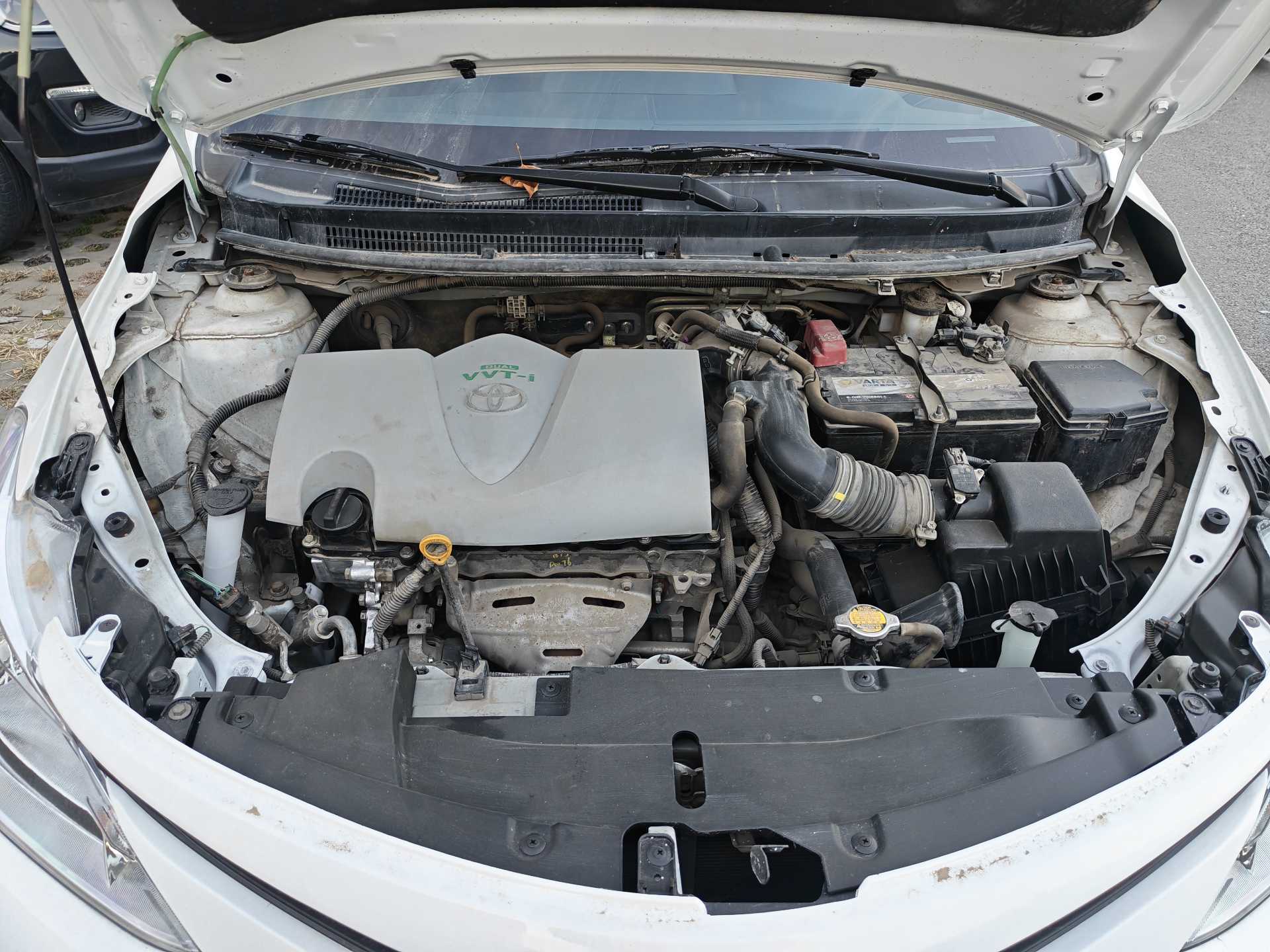
Engine1.5L 107 L4
ColorWhite
Seats5seats

Condition Description

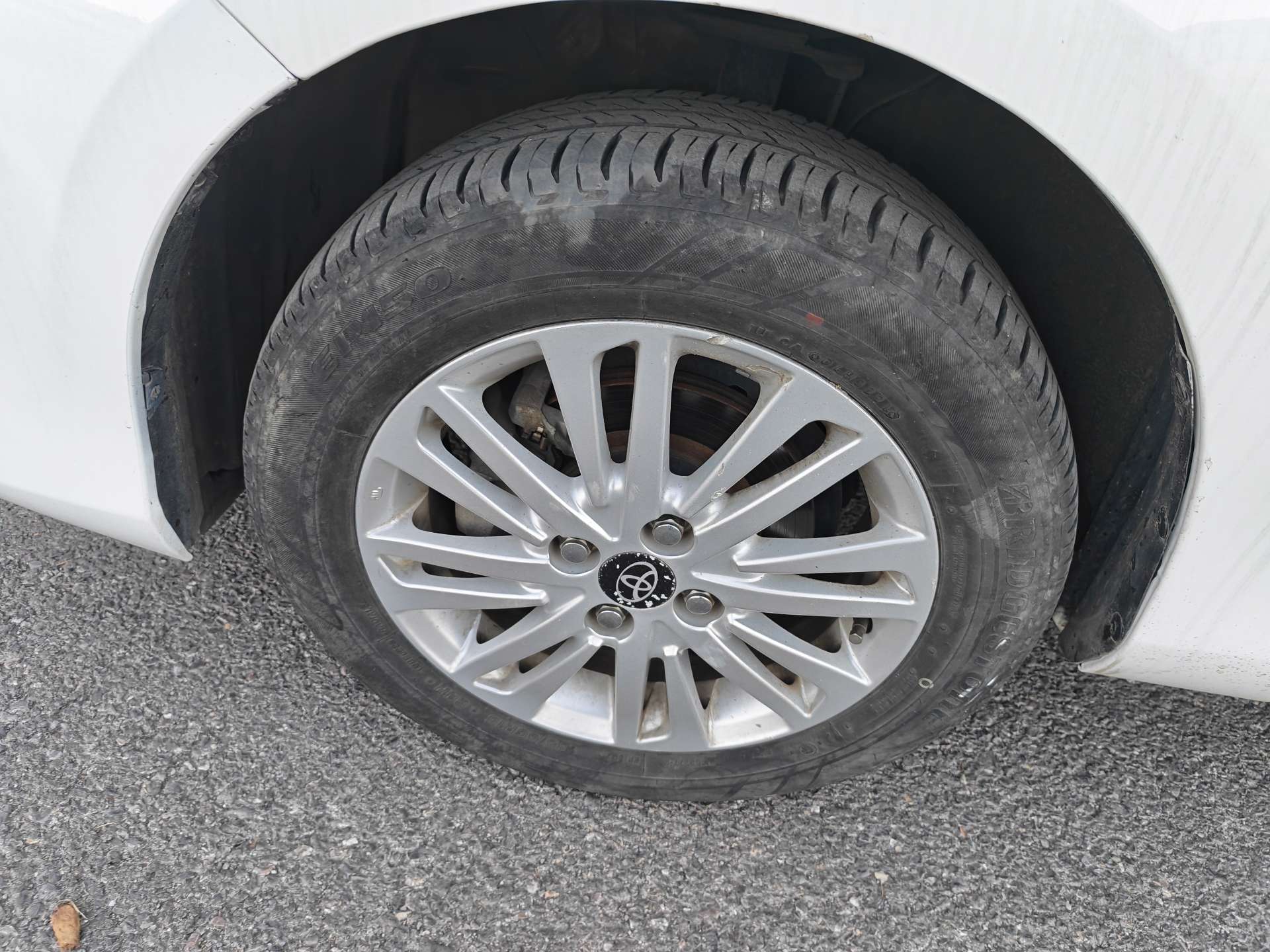
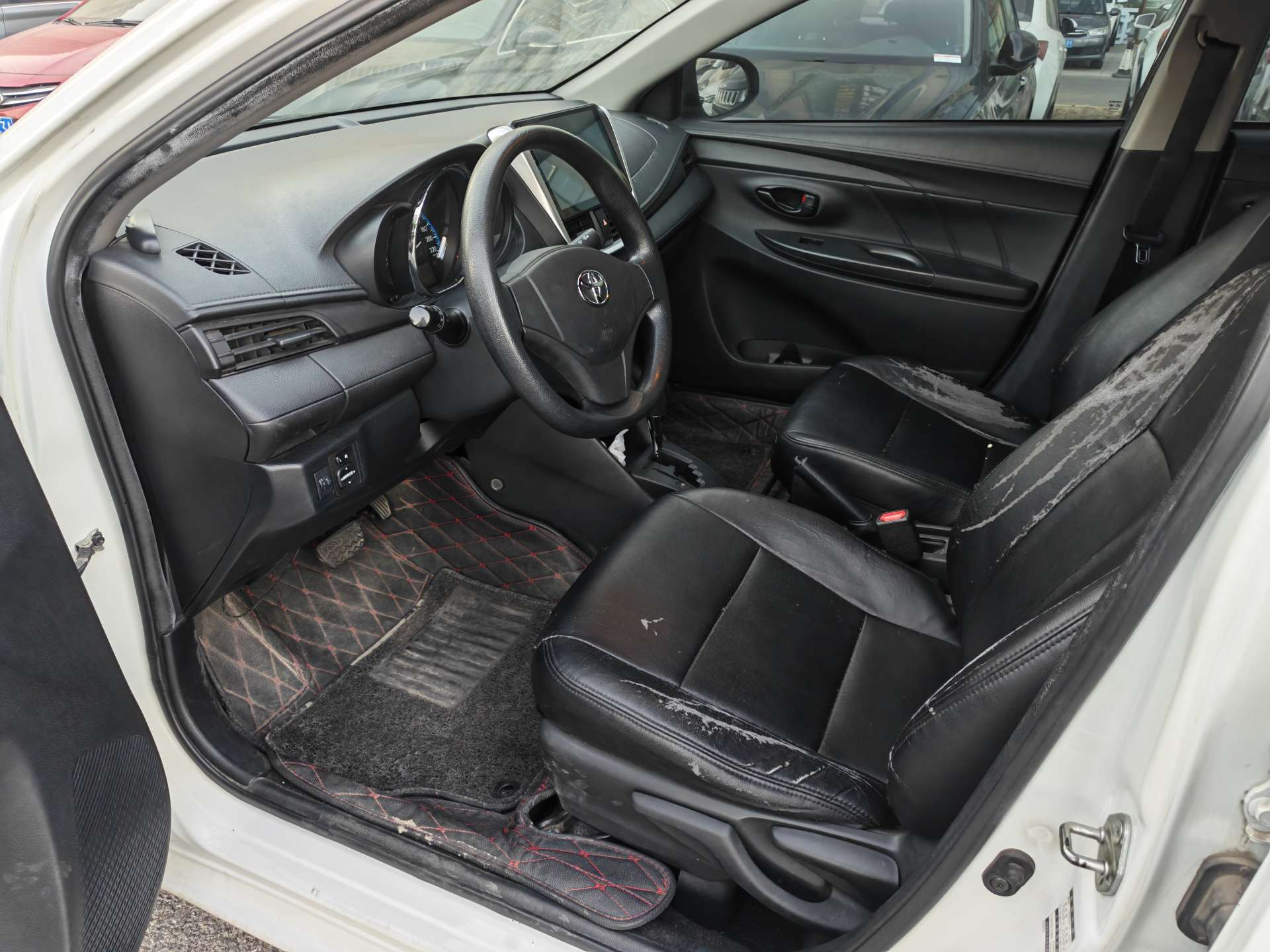
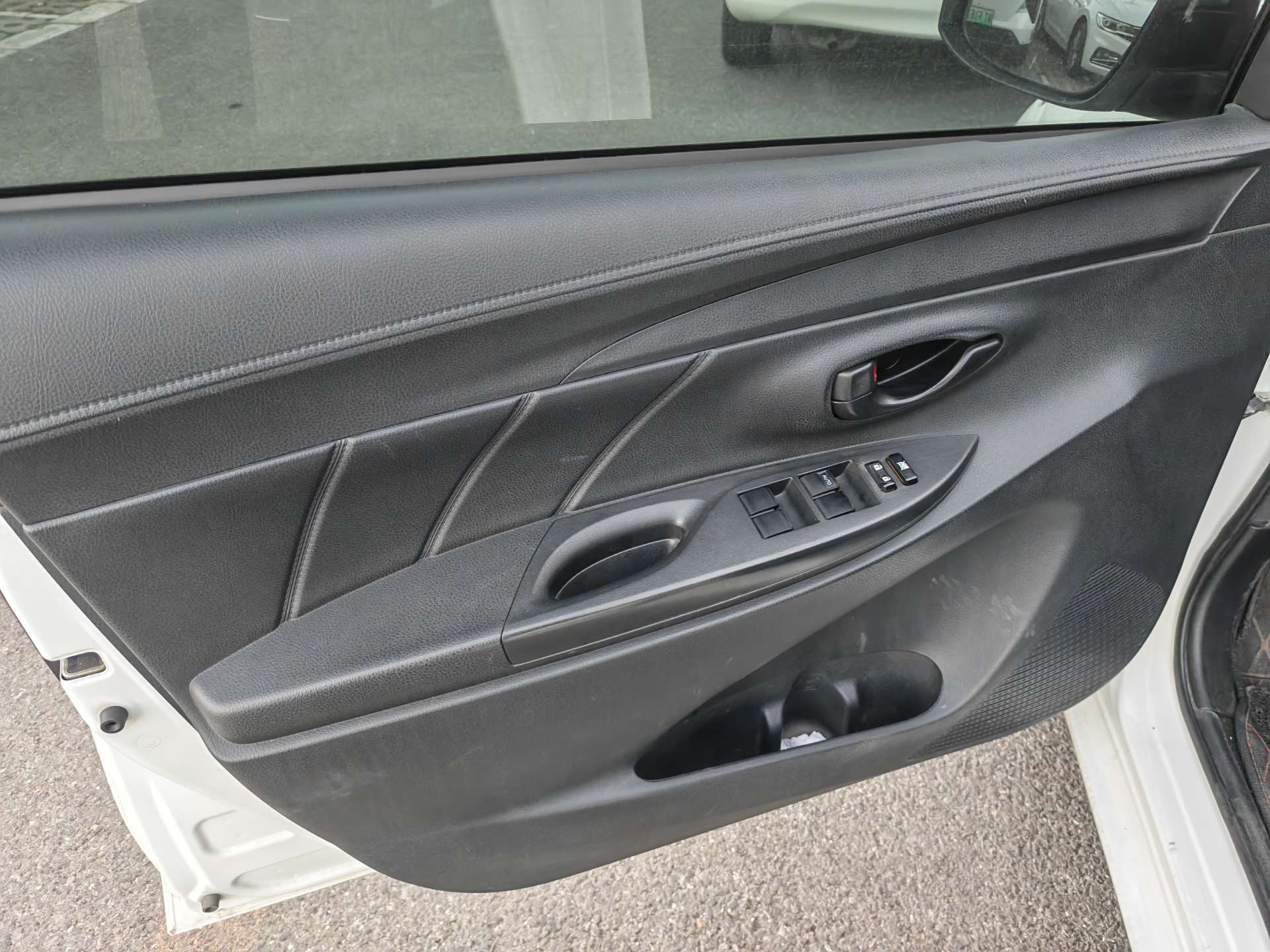
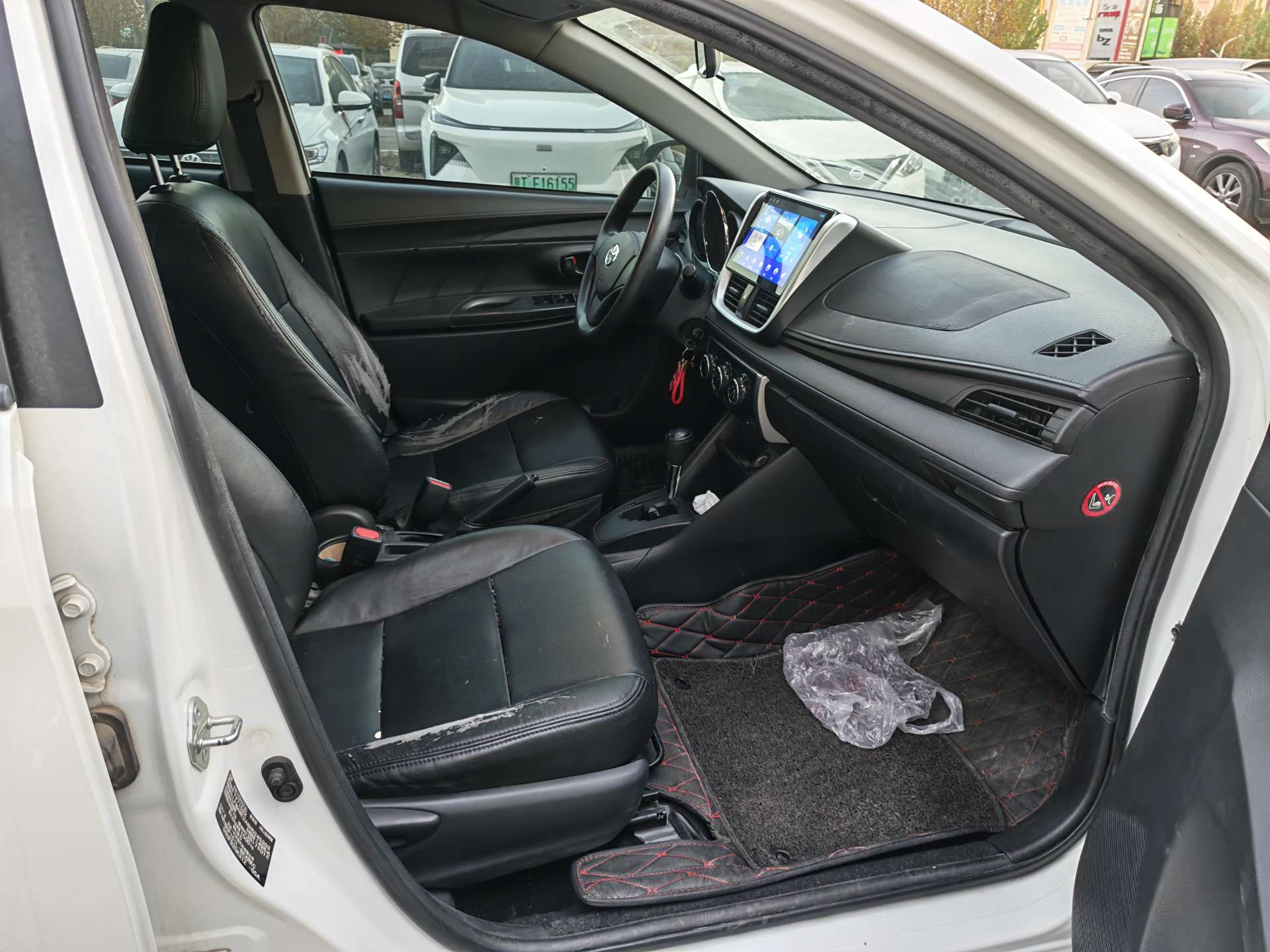
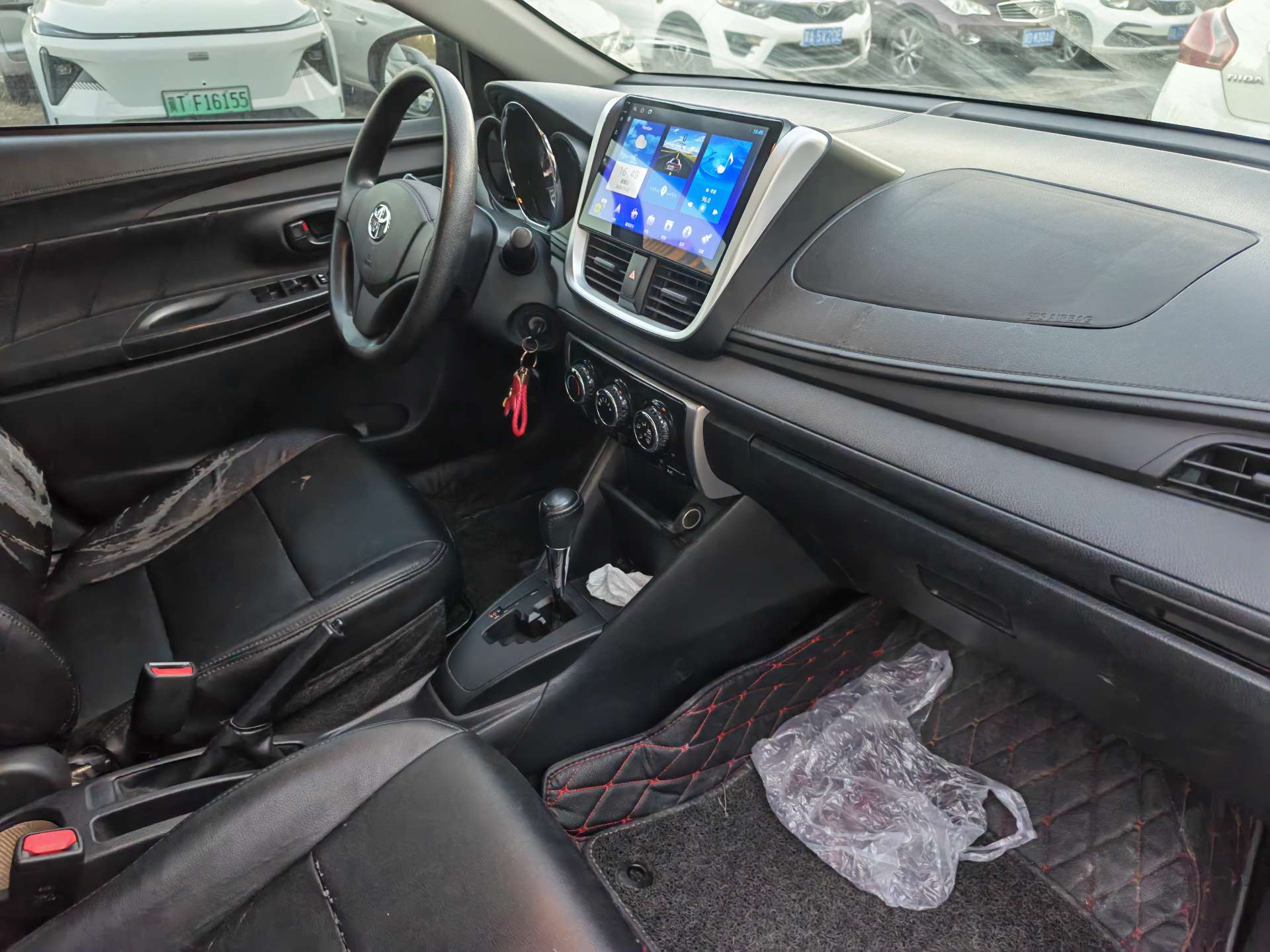
Front hood, both front fenders, and radiator support frame replaced; airbag deployed; left front door repainted; remaining panels are original paint.

Document Information

Inspection Expiry Date-
Warranty Expiry Date-
Insurance Expiry Date2027/04

Q&A

More

Do I need an import permit before shipping a used car from China, and who applies for it?

It depends on your country's rules. Some markets (for example, Kenya, Ethiopia, Egypt, and several Central Asian countries) require an import permit or pre-import approval issued to you as the importer before the car can ship. Others only check compliance documents at customs after arrival. The permit is always applied for by you, the buyer, through your country's trade or transport authority—the Chinese exporter cannot do it for you. Processing takes anywhere from a few days to several weeks. Practical advice: before paying any deposit, confirm with a local customs broker or your transport ministry whether a permit is needed and what the requirements are (age limit, emissions, left-hand drive). Sending a car that requires a permit you don't have can mean seizure or forced re-export at your expense.


For claims due to damage in transit, will the insurance company's compensation be paid directly to the buyer or the seller?

Under CIF terms, the beneficiary of the insurance policy will be endorsed to the buyer. Once the claim is successful, the insurance company's foreign currency compensation will be directly deposited into the buyer's designated overseas company or personal account.

What is a Certificate of Origin and do I need one to import a used car from China?

A Certificate of Origin (CO) is an official document stating where the vehicle was manufactured. For imports from China, it matters more than many buyers expect. First, customs value: many countries apply duty rates based on the country of manufacture, not where you bought the car. A CO proves the vehicle is Chinese-built, which determines the correct tariff line—skipping it can mean reassessment, fines, or seizure at destination. Second, trade agreements: some countries have preferential tariffs for Chinese goods that only apply with a valid CO. Request a CO issued by the China Council for the Promotion of International Trade (CCPIT) or China Customs, not a self-printed form. Check that the VIN, engine number, and buyer details match your purchase documents exactly. Make receiving the CO a condition before your final payment, and keep the original—customs at destination will ask for it.