



48H

Basic Information

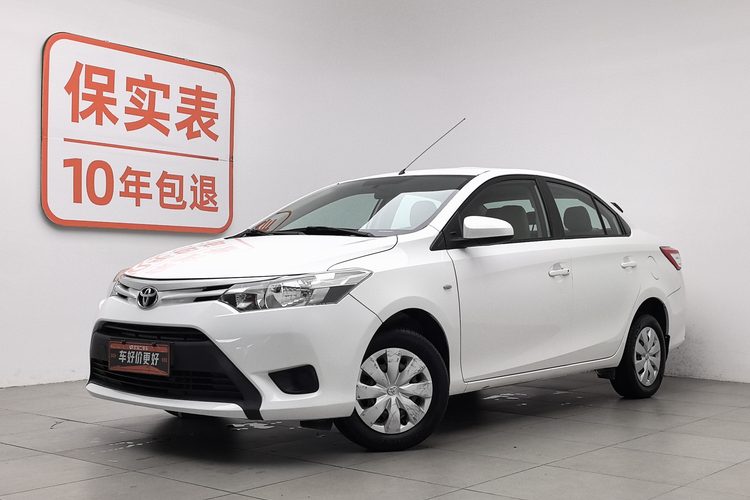
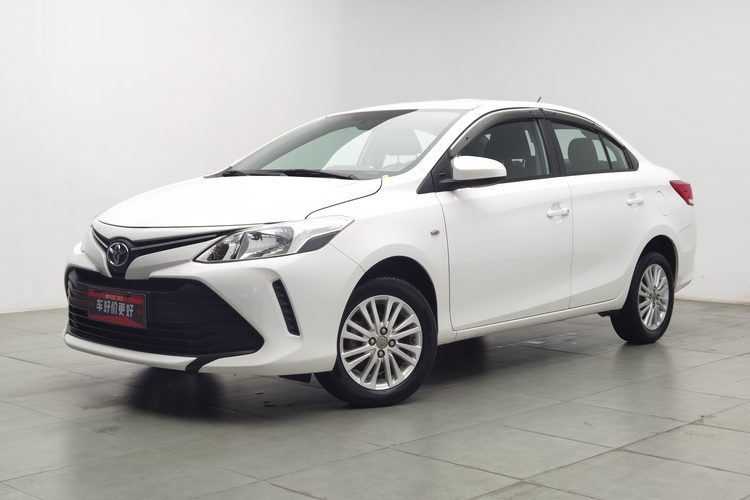
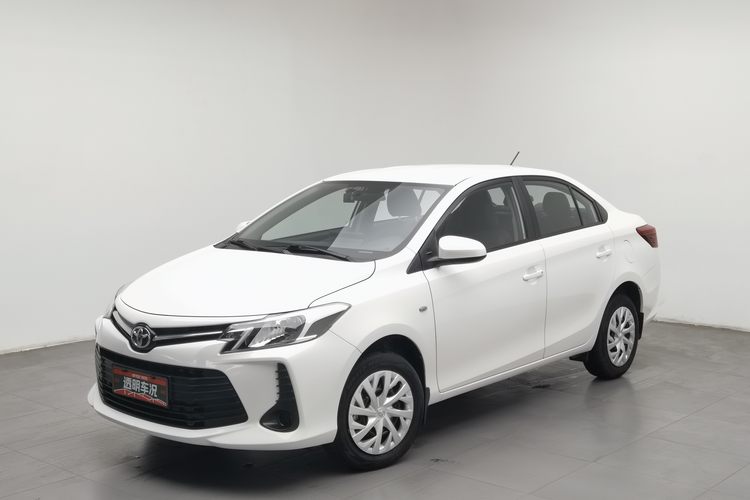
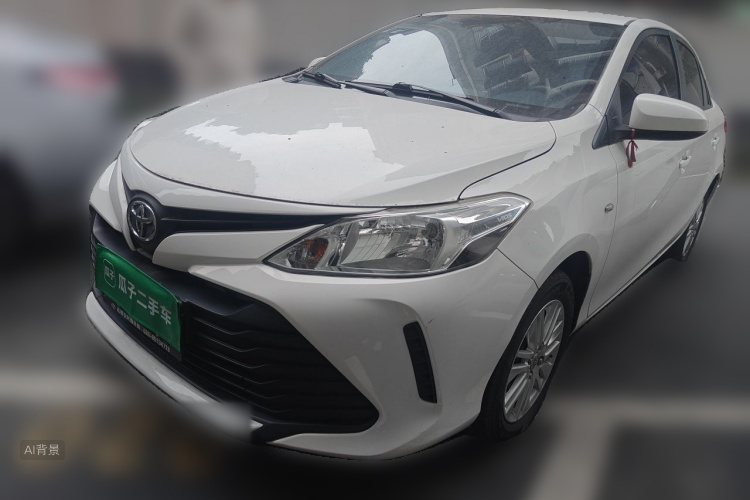
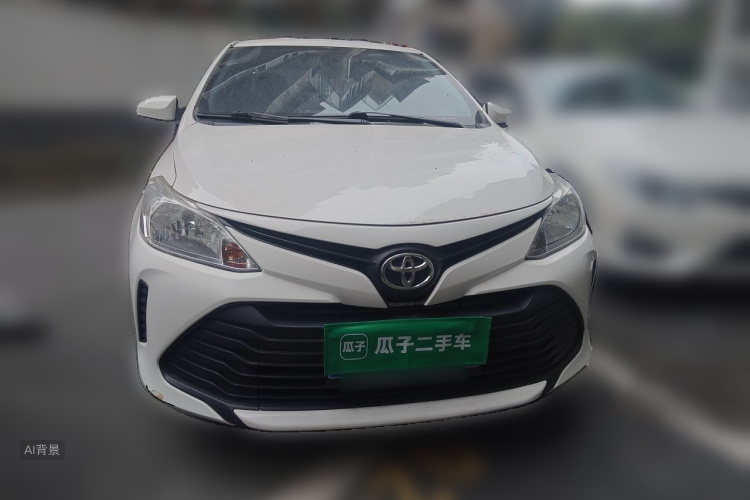
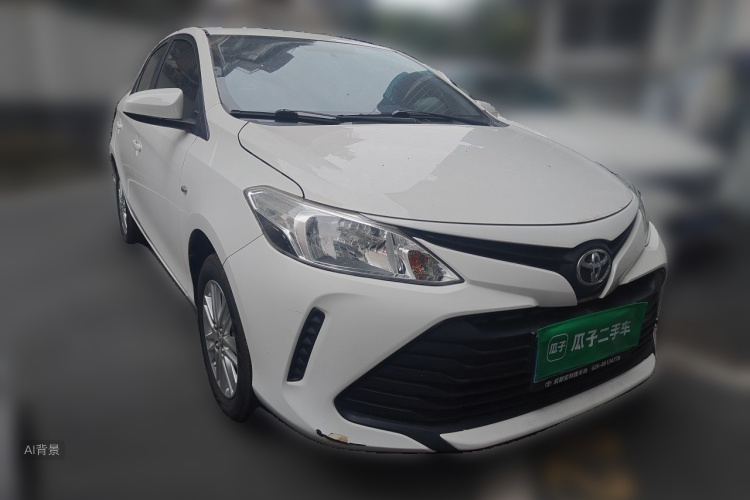
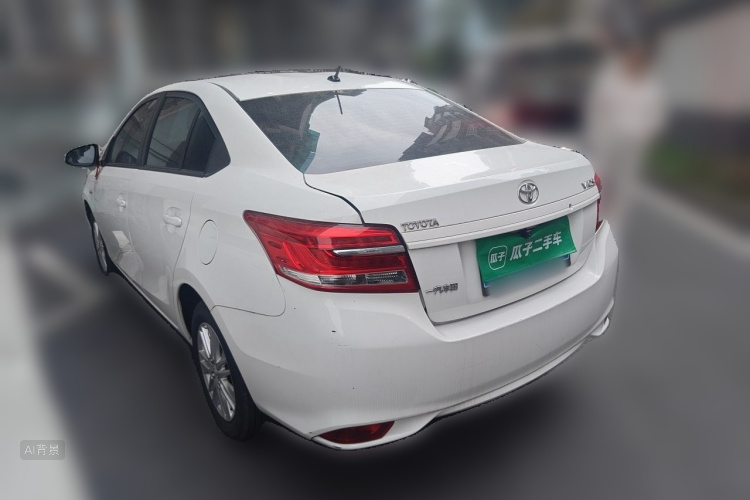
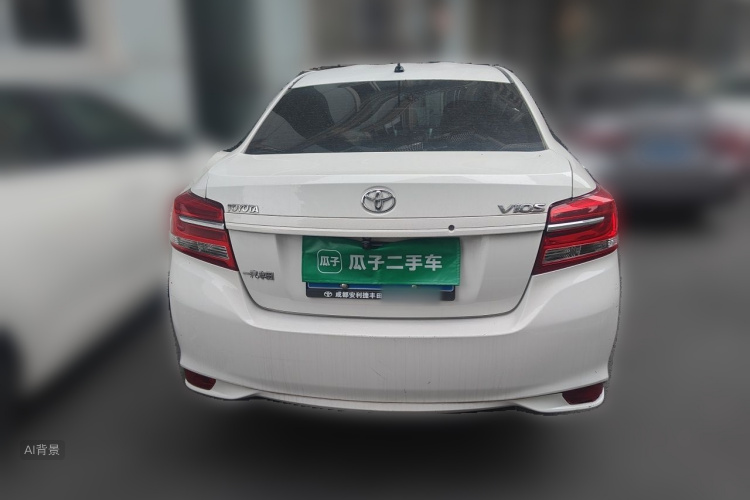
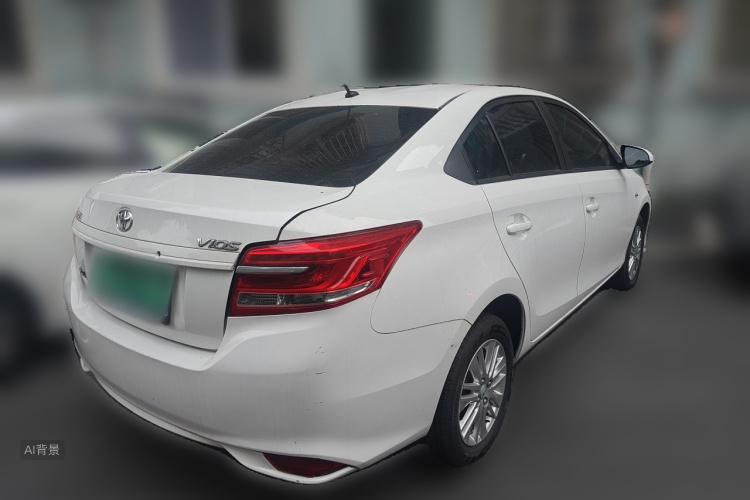
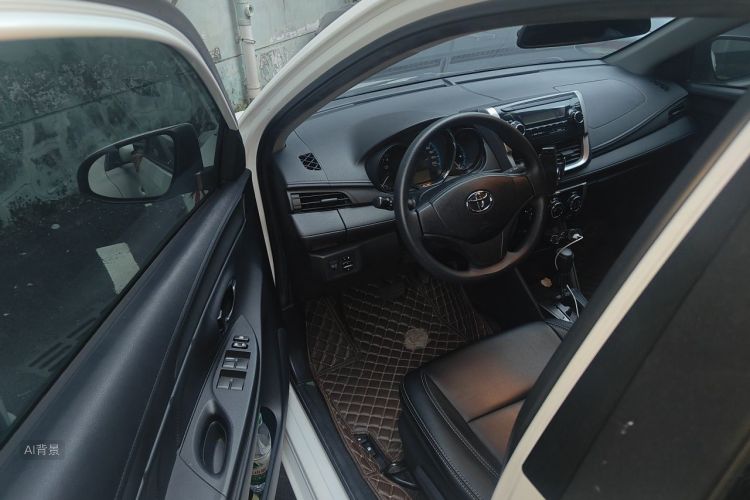
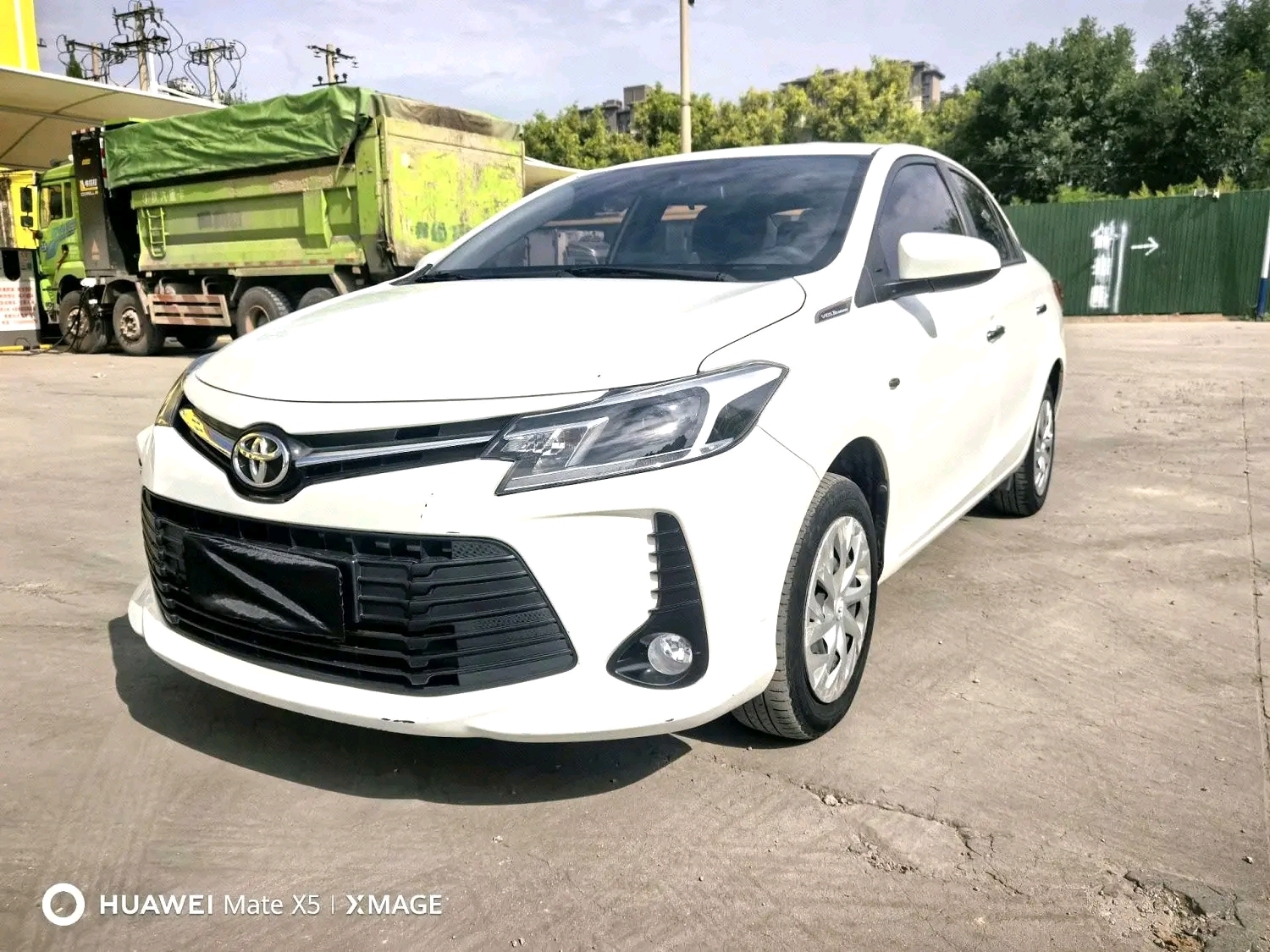
BrandToyota
SeriesVios
Year2019
First Registration2019/09
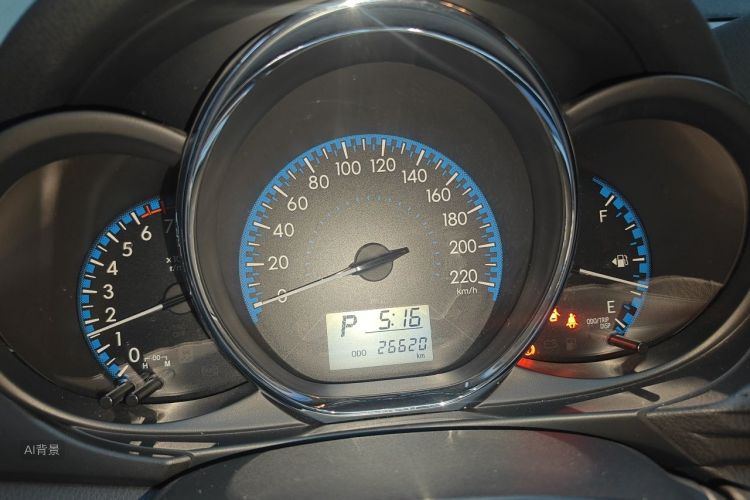
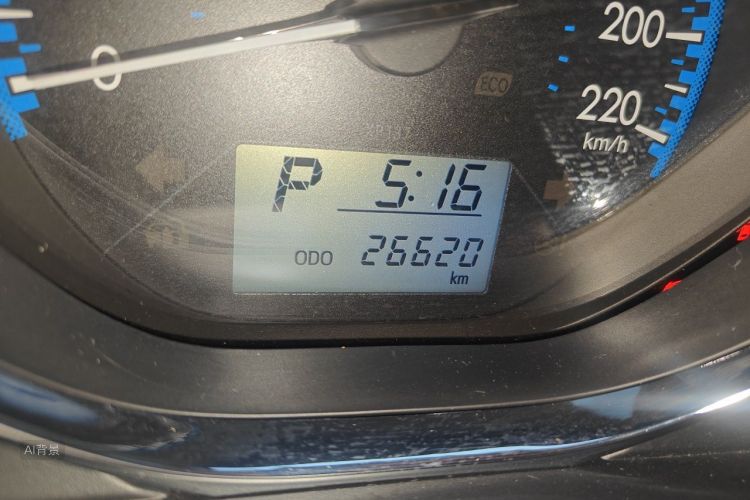
Mileage26,600km
Transfer Count0times
FuelGasoline
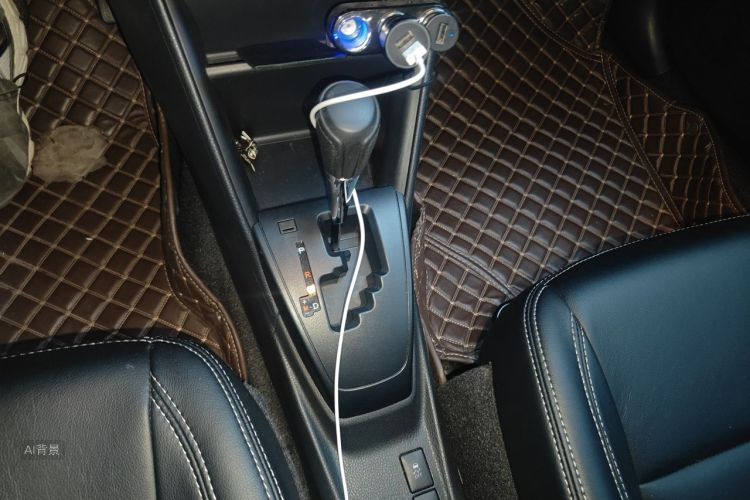
TransmissionCVT
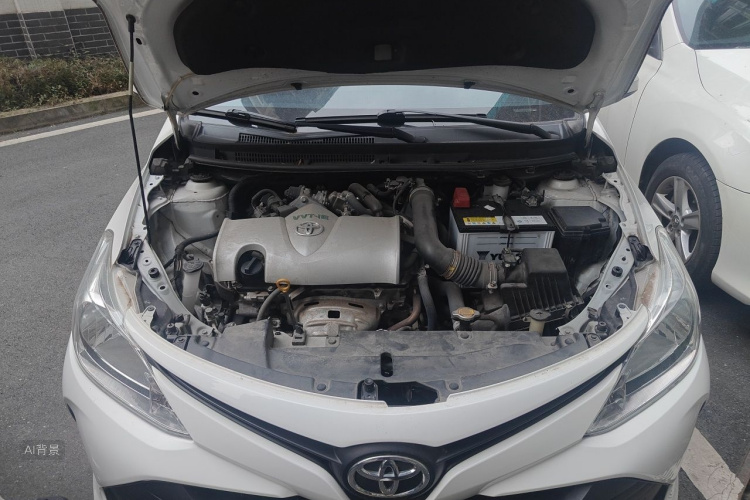
Engine1.5L 110 L4
Color
Seats5seats

Condition Description

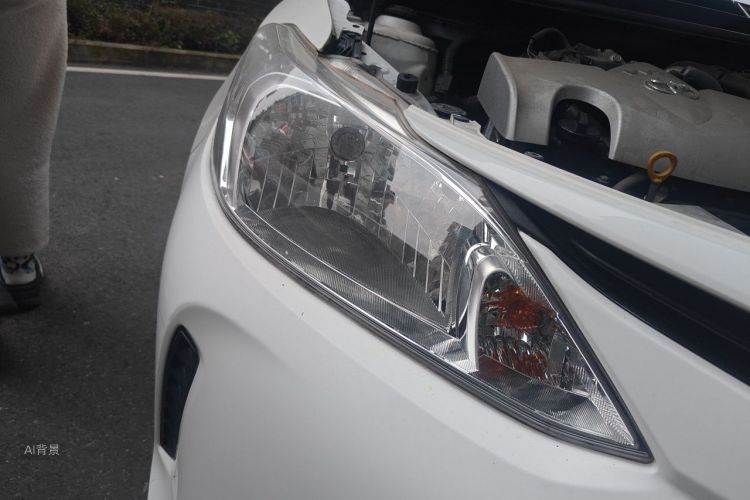
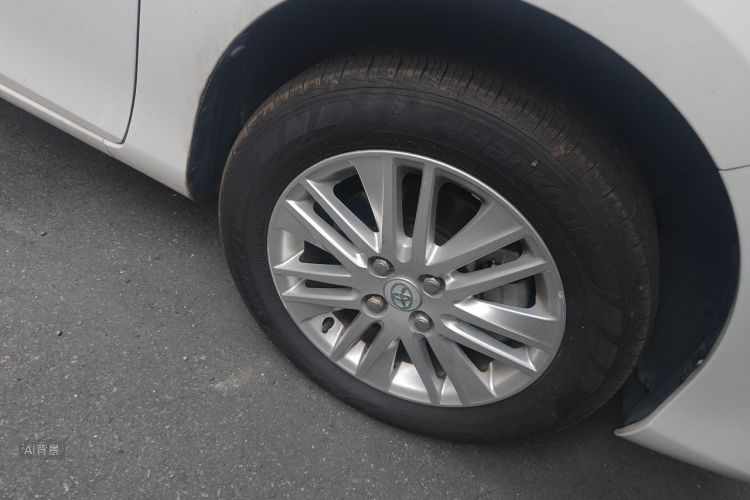
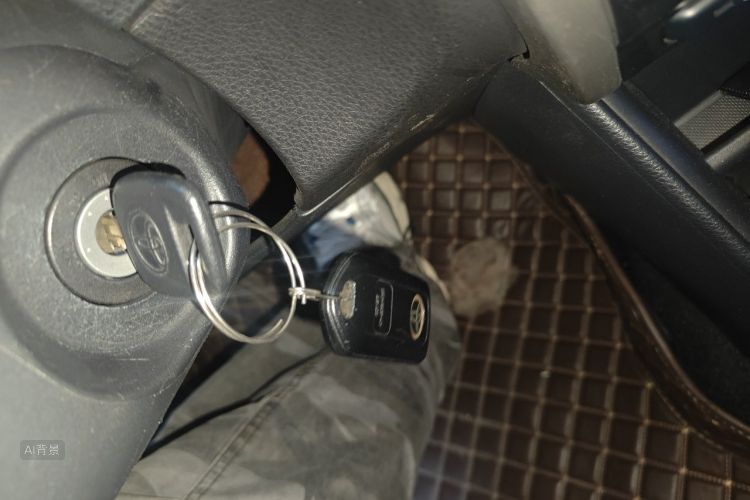
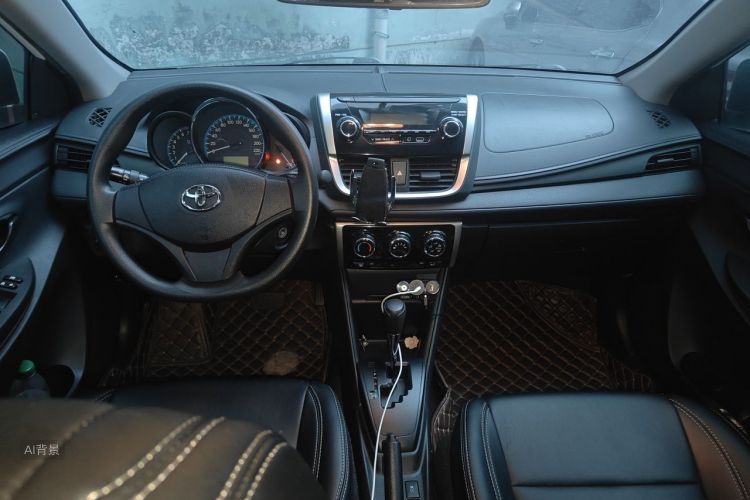
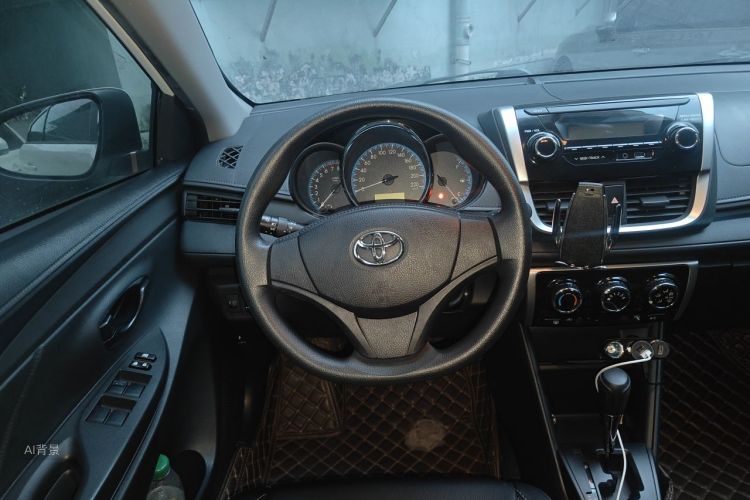
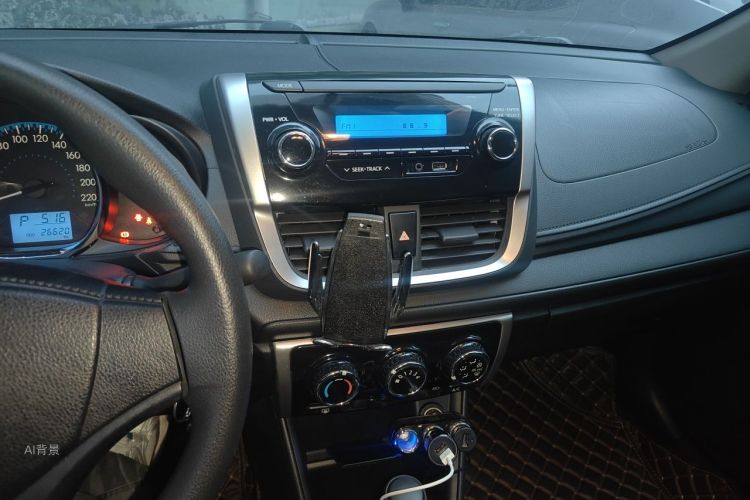
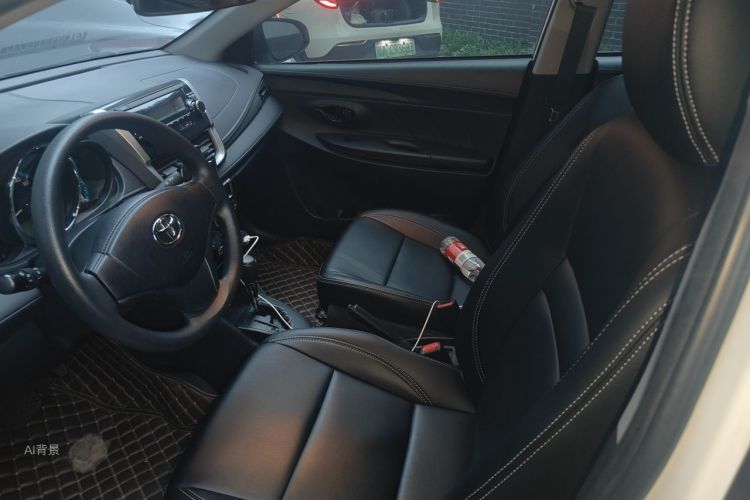
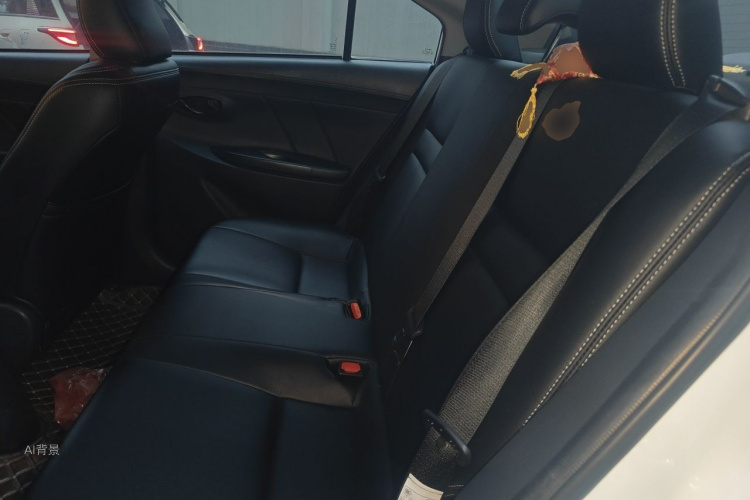
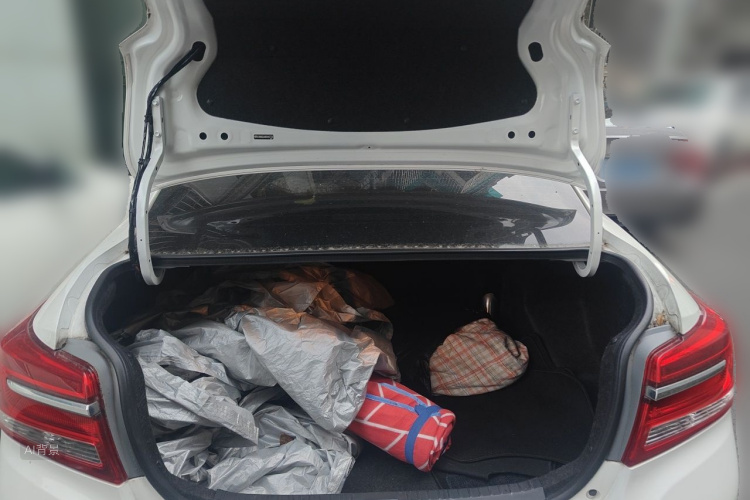
Excellent basic condition | 1 insurance claim | 0 transfers

Q&A

More

What if the used car I imported from China turns out to be a bad deal—can I return it or get a refund?

In practice, returning an imported car is extremely difficult, so your protection must be built in before payment, not after. Once a used car has been exported, reversing the transaction involves re-export paperwork, duties, and freight costs that typically exceed any refund you'd recover. Most exporters' contracts treat the sale as final once the bill of lading is issued. What you can realistically do: 1. If the car differs materially from the contract (wrong VIN, undisclosed accident, tampered odometer), you have grounds for a claim. Document everything and negotiate a partial refund or repair credit—full refunds are rare. 2. If the seller committed outright fraud, you can pursue legal action in China or report to the platform, but cross-border enforcement is slow and costly. 3. Some exporters offer a short arrival warranty (usually 30-90 days) covering major mechanical failures. Claims require immediate notification, third-party inspection reports, and proof the damage existed at shipment. The practical takeaway: never rely on the possibility of a return. Spend the money on a thorough pre-shipment inspection and clear contract terms instead—it's far cheaper than a dispute.

How long does importing a used car from China take from order to delivery, and what are typical lead times for each step?

A realistic timeline: sourcing and negotiation 3-7 days; deposit and booking 1-2 days; pre-shipment inspection 2-4 days; export clearance and vessel booking 7-14 days; sea freight 2-5 weeks depending on destination; import customs clearance and port release 5-10 days. Overall, plan for roughly 5-8 weeks from order to port of destination by sea. For Central Asia and Russia by rail, 2-3 weeks total is common. Tips: ask the exporter for a written schedule with milestones (inspection done, customs cleared, vessel loaded, ETA); track the vessel yourself once you have the container or booking number; and remember Chinese holidays — Chinese New Year and Golden Week can add 1-2 weeks of delay.

Will a used Chinese EV still receive OTA updates and can I use the companion app after the car is exported?

This is one of the most common post-export surprises, so verify before buying. OTA updates: most Chinese brands push updates to cars registered on domestic servers. Many exported cars continue receiving updates normally, but some brands restrict updates by VIN region once the car leaves China. Ask the seller to confirm the update history and whether the brand officially supports your destination region. Some grey-import cars are stuck on the firmware version they left with. Companion apps: the factory app usually requires a Chinese phone number and a domestic account. After export, remote functions (preconditioning, charging status, location) often stop working or require workarounds. Some owners re-register via third-party services, but this is unofficial and can break at any time. Practical advice: before purchase, get the seller to show a screenshot of the car's current software version and connected services status. Factor in that you may lose remote features permanently, and check whether local dealers or independent shops can perform diagnostics and updates without the official app.