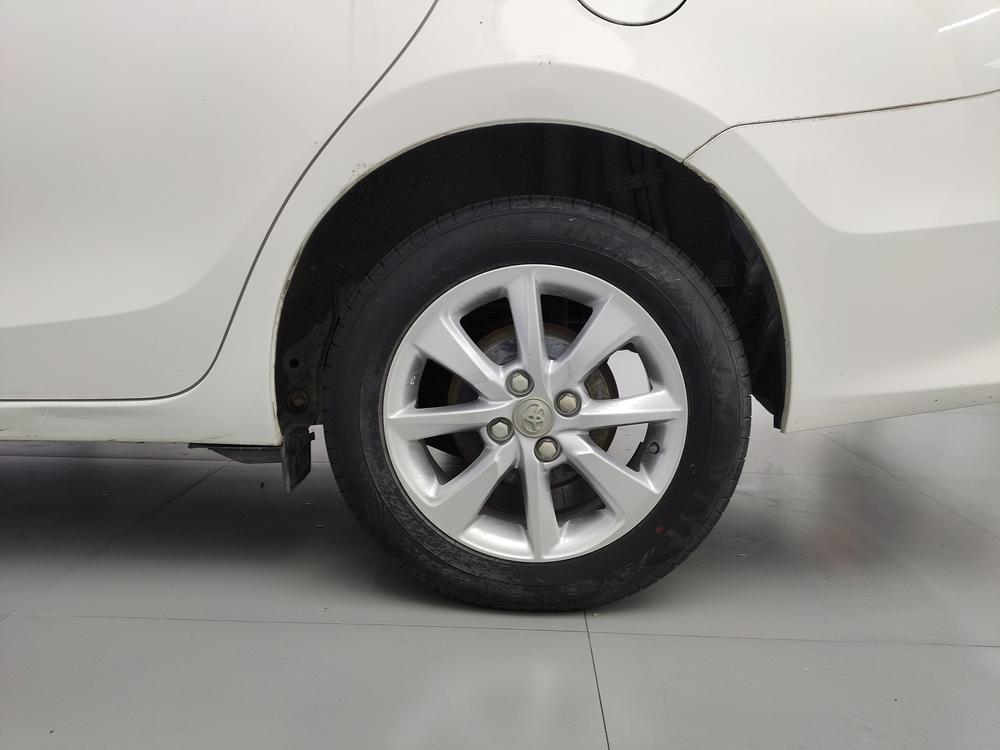
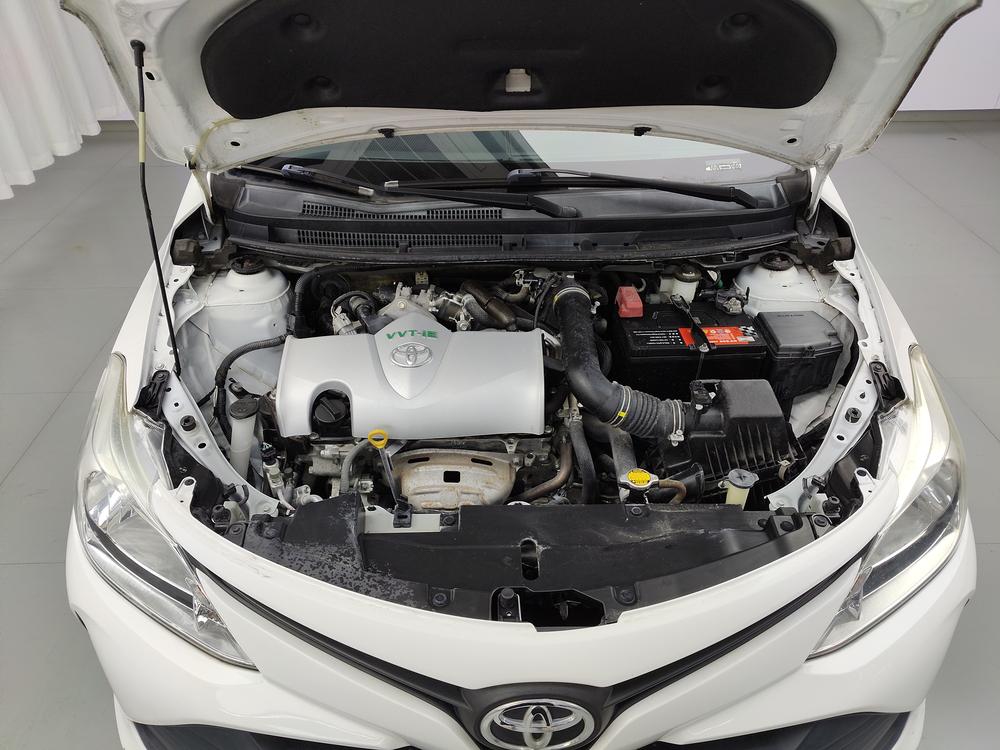
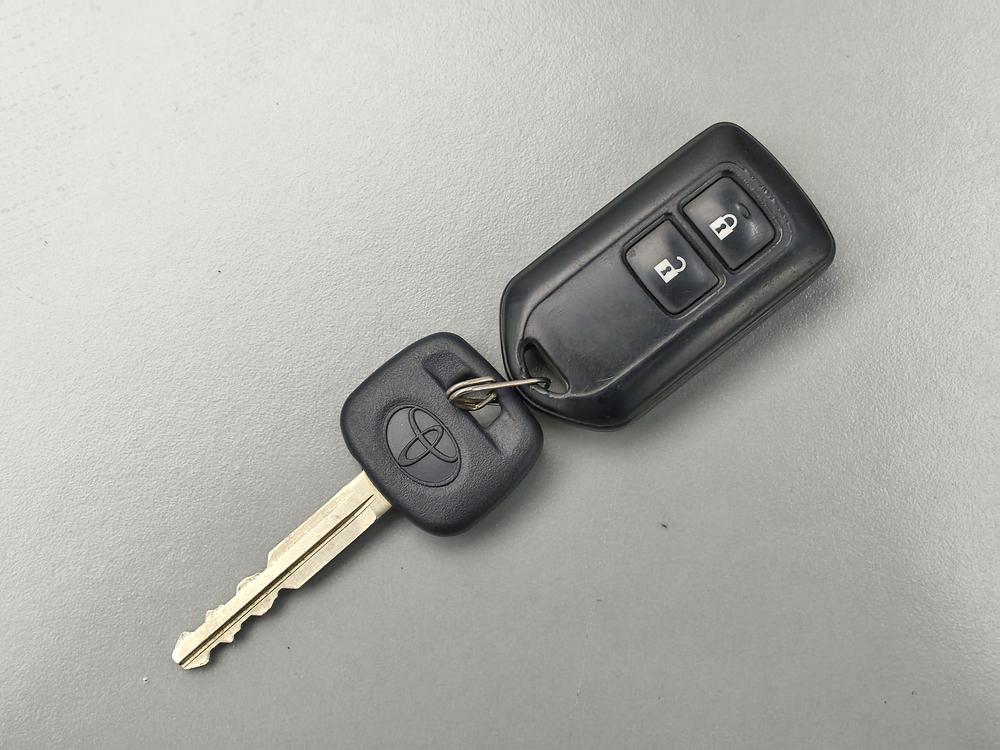
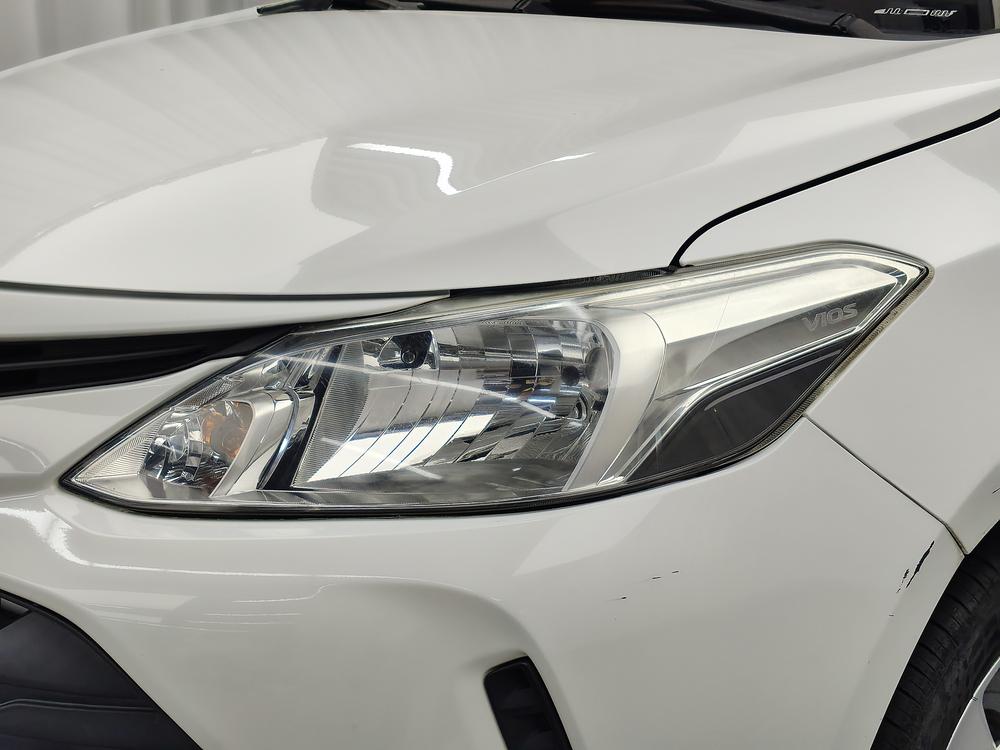
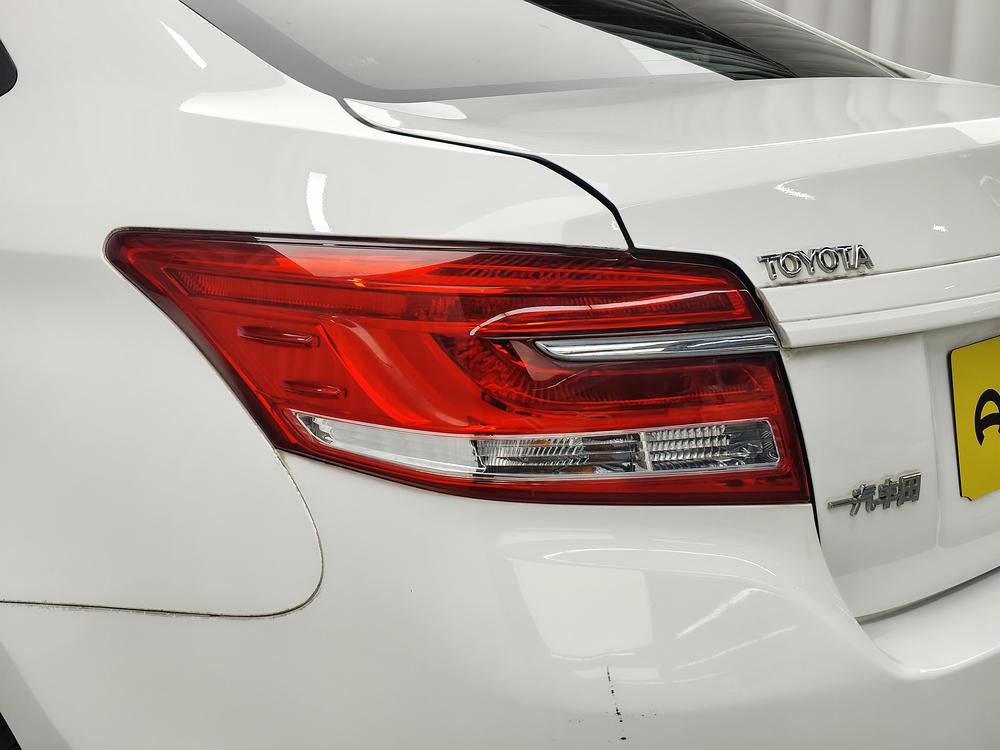
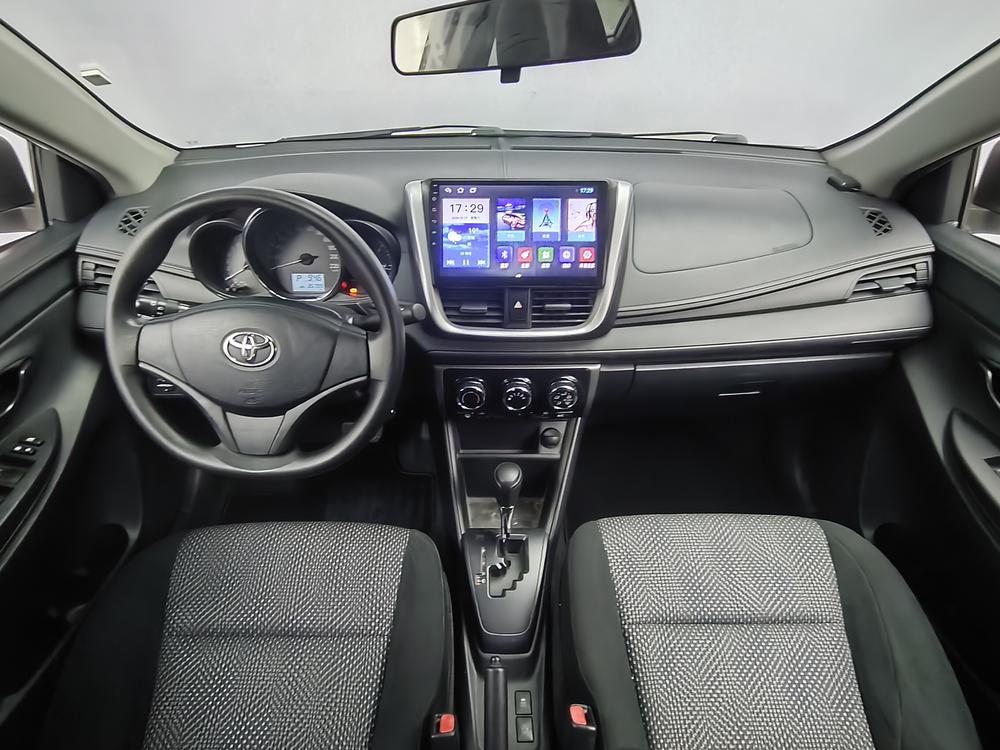
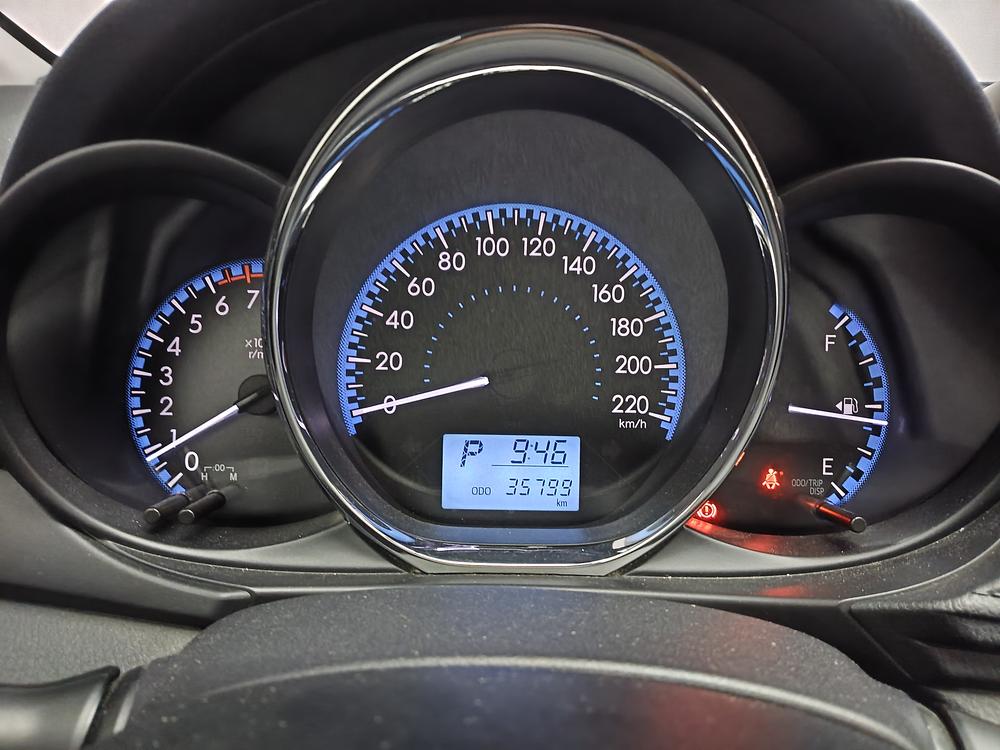
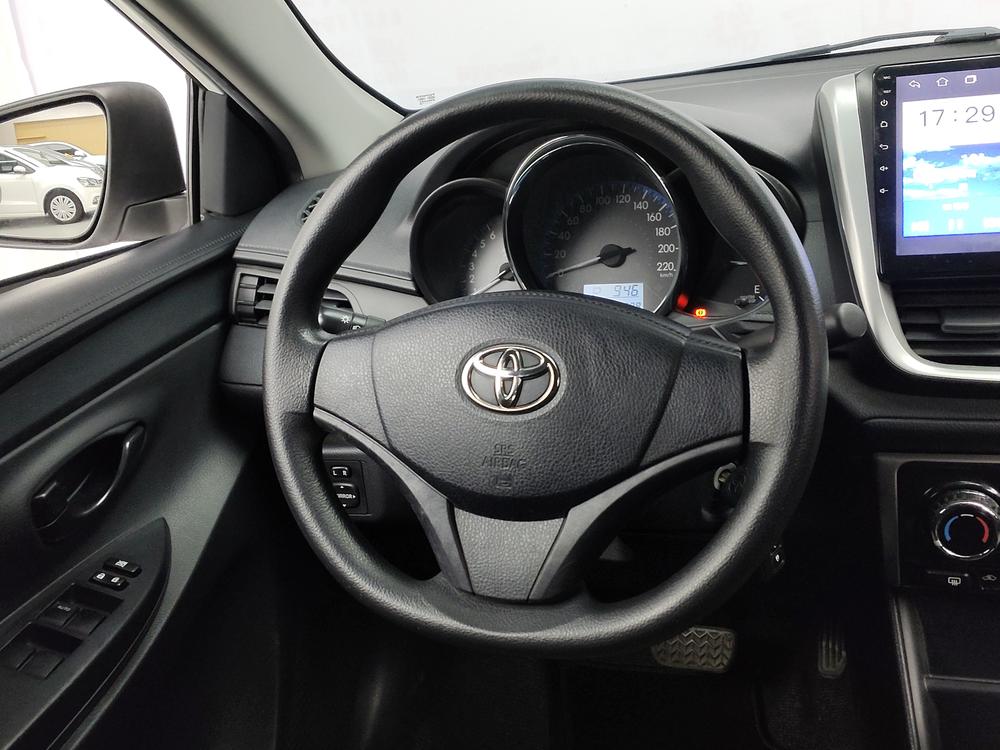
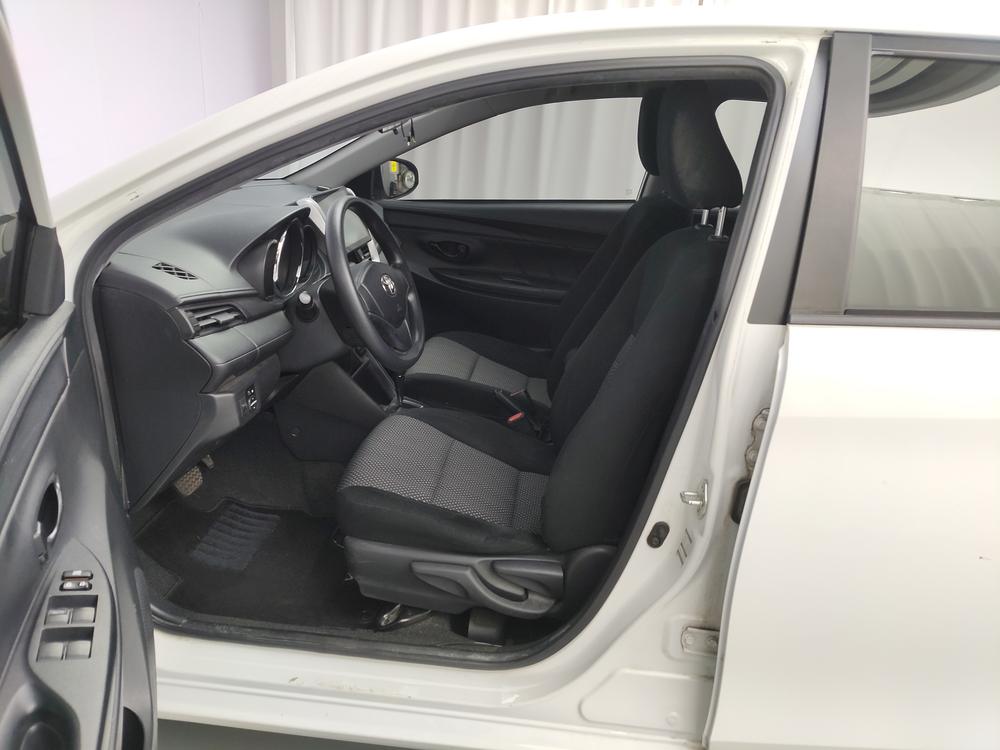
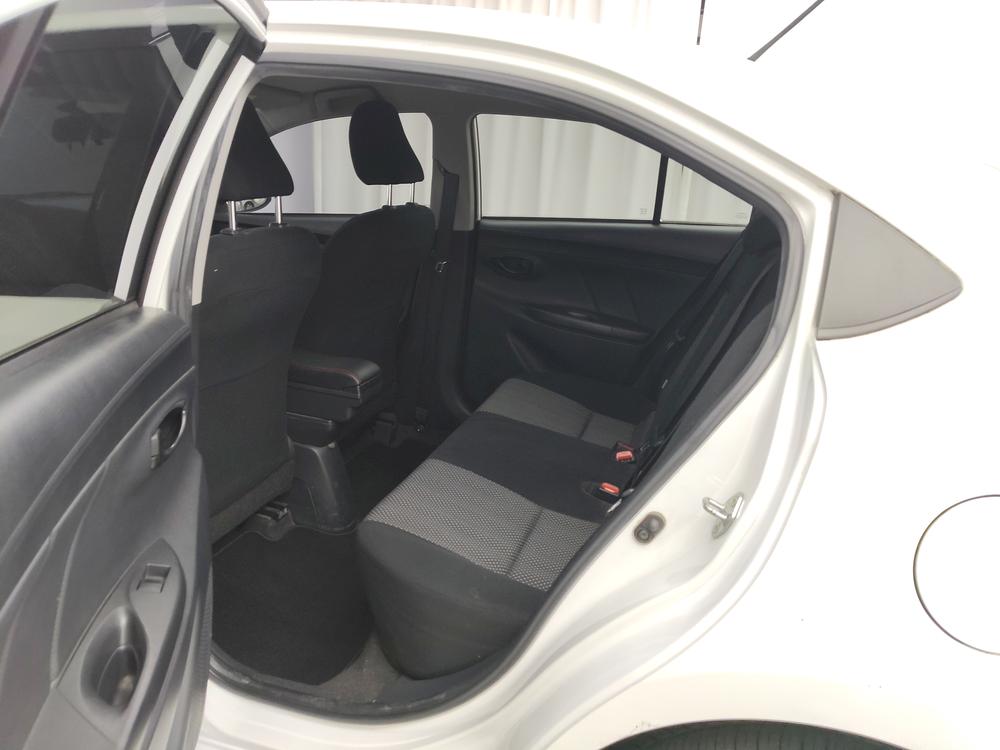
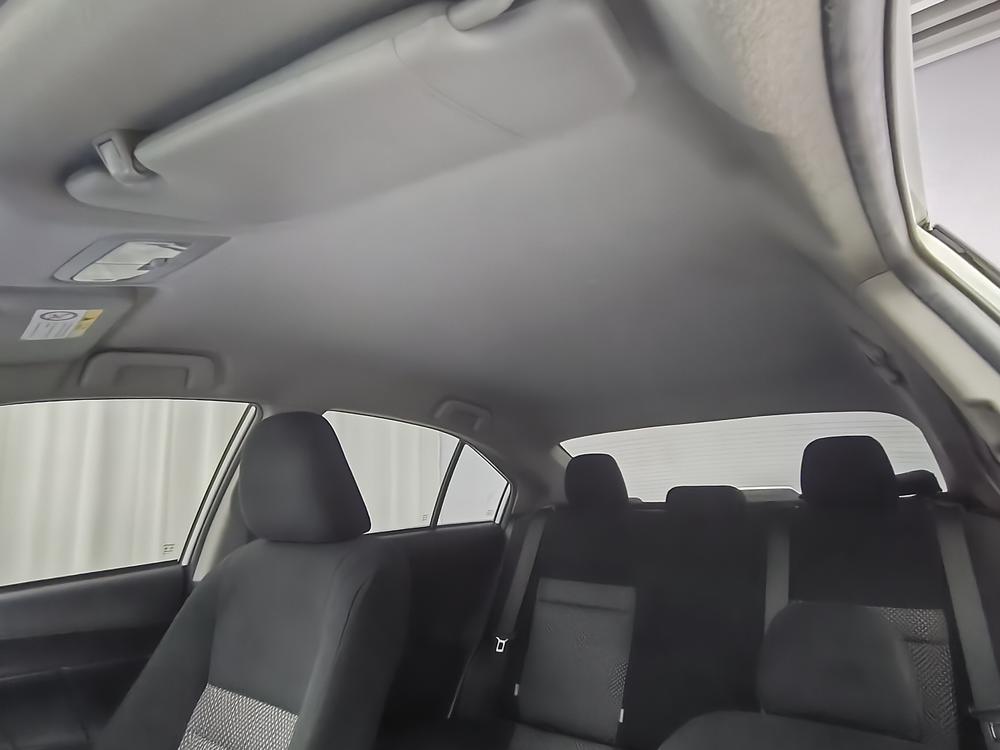
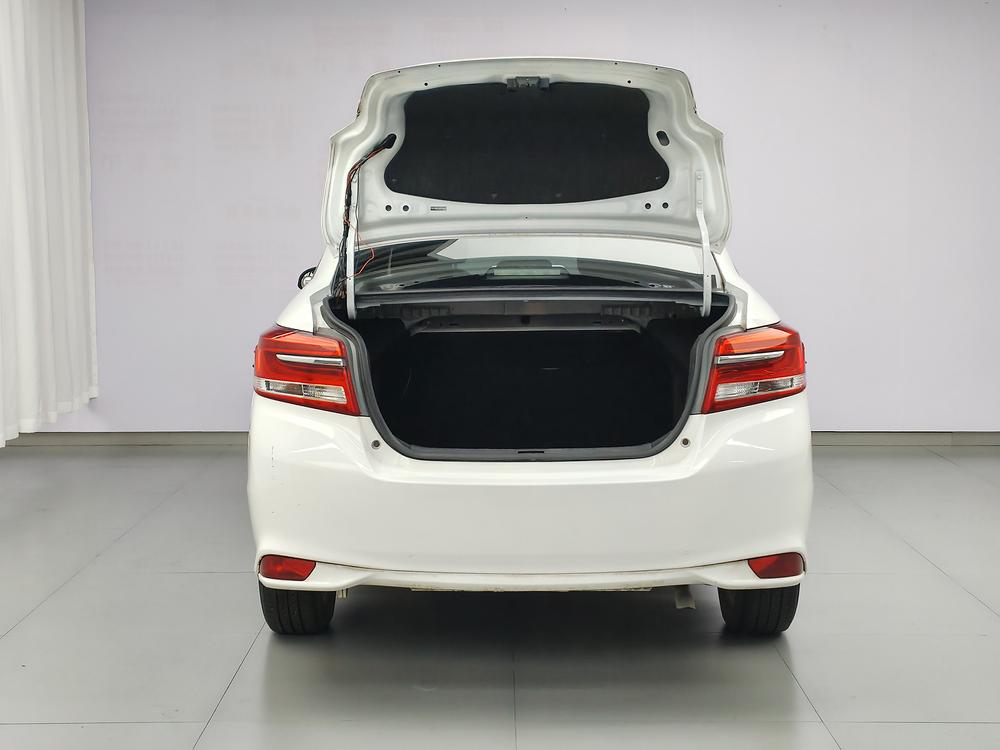
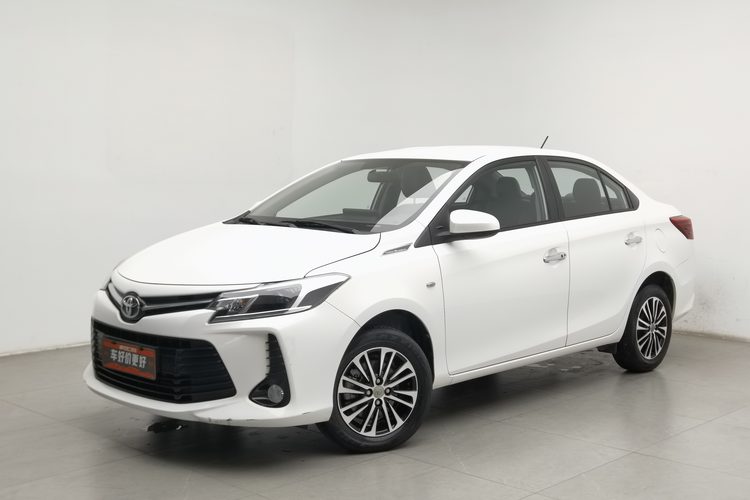
48H

Basic Information

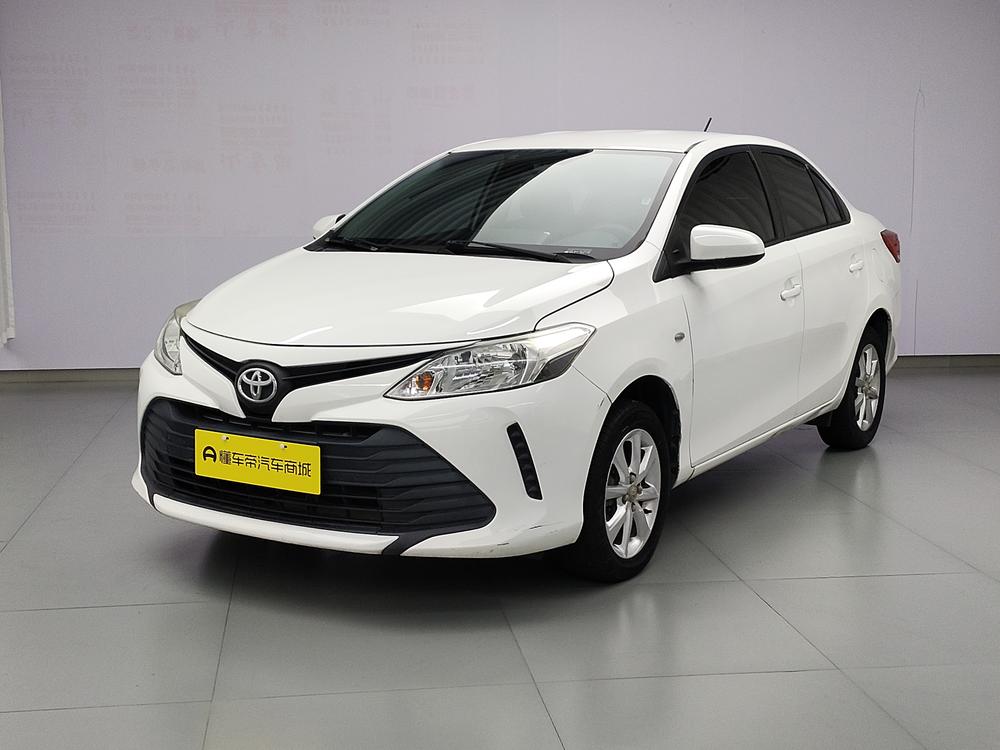
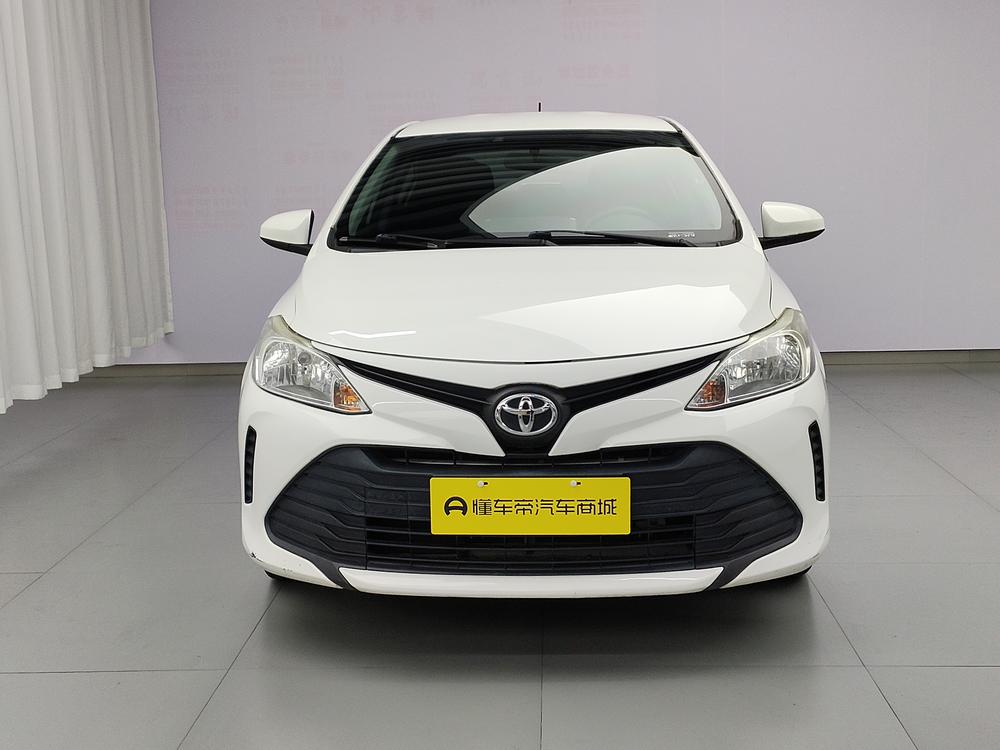
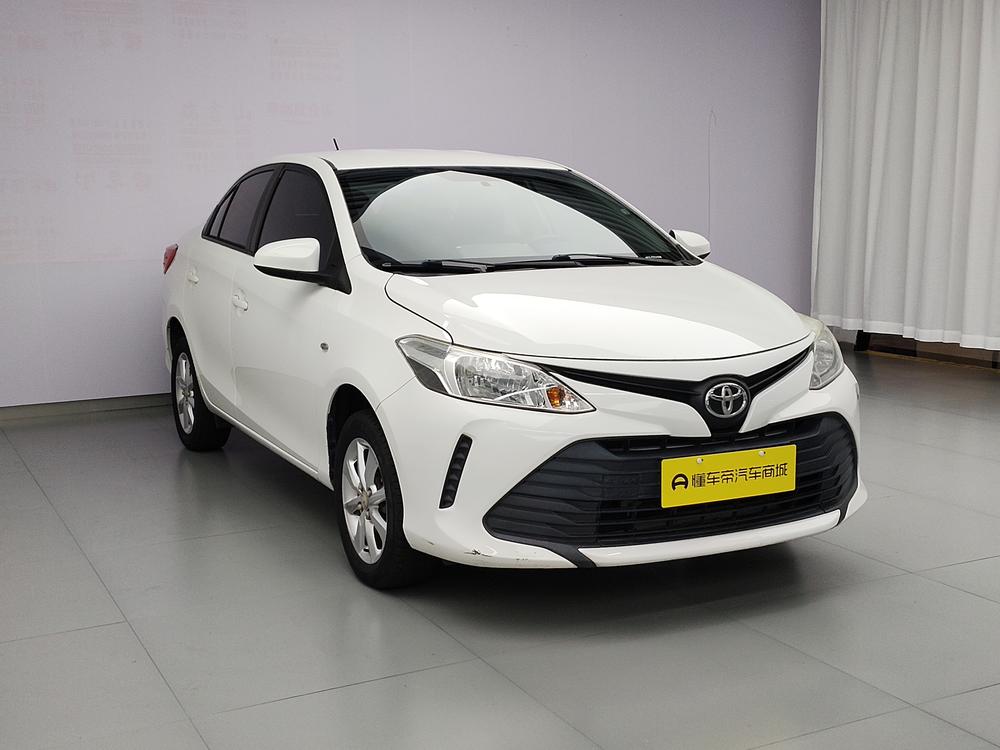
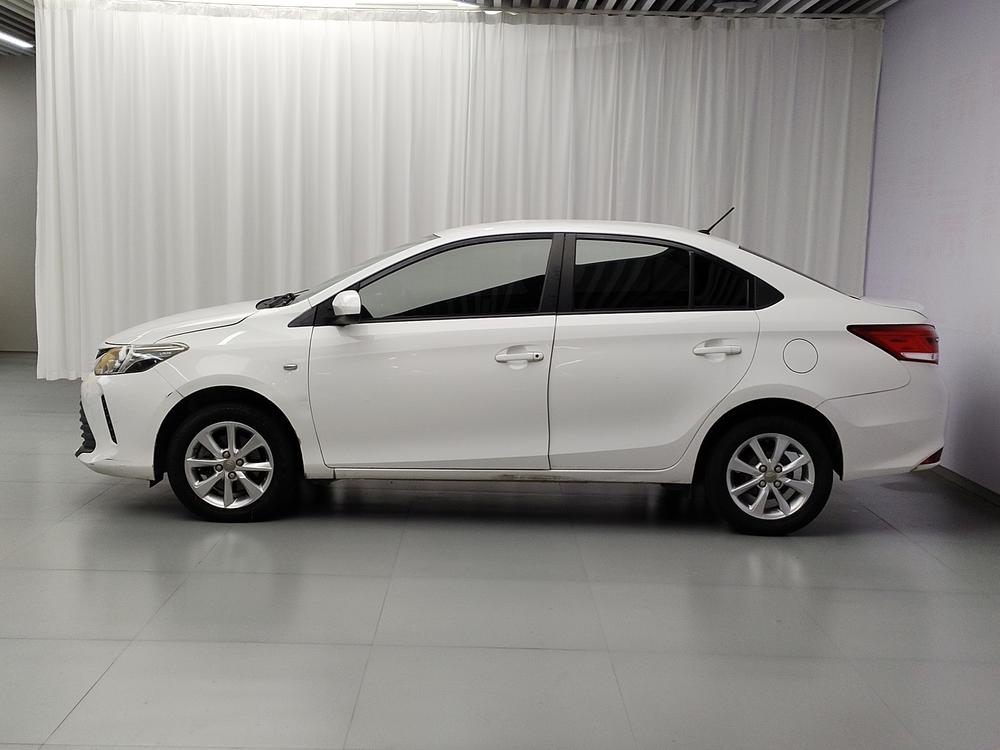
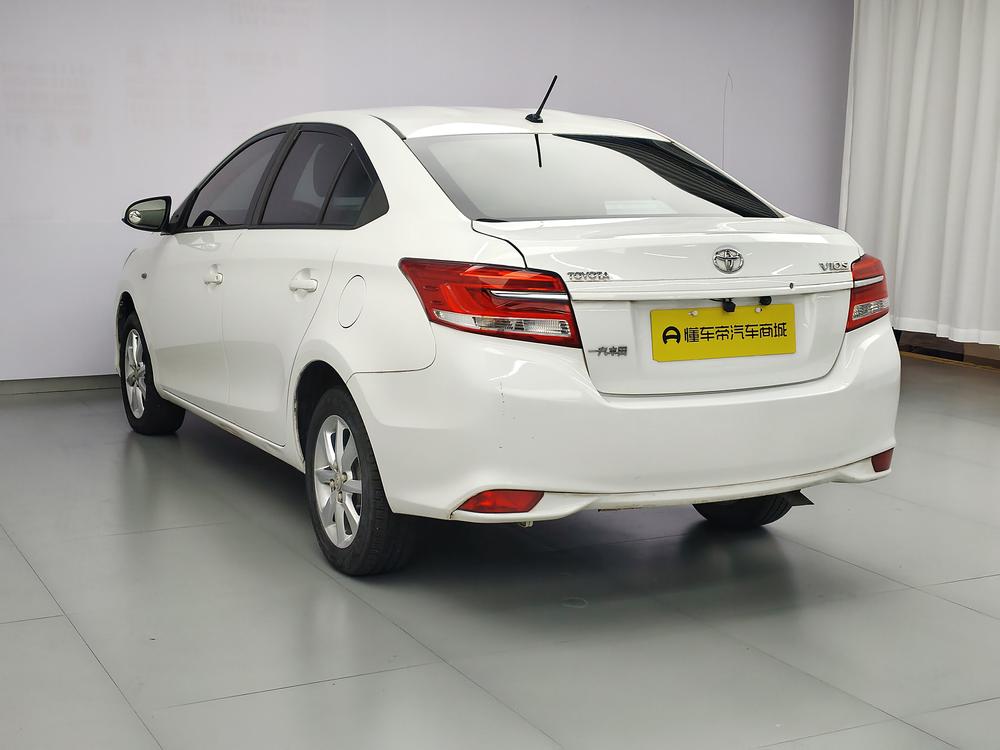
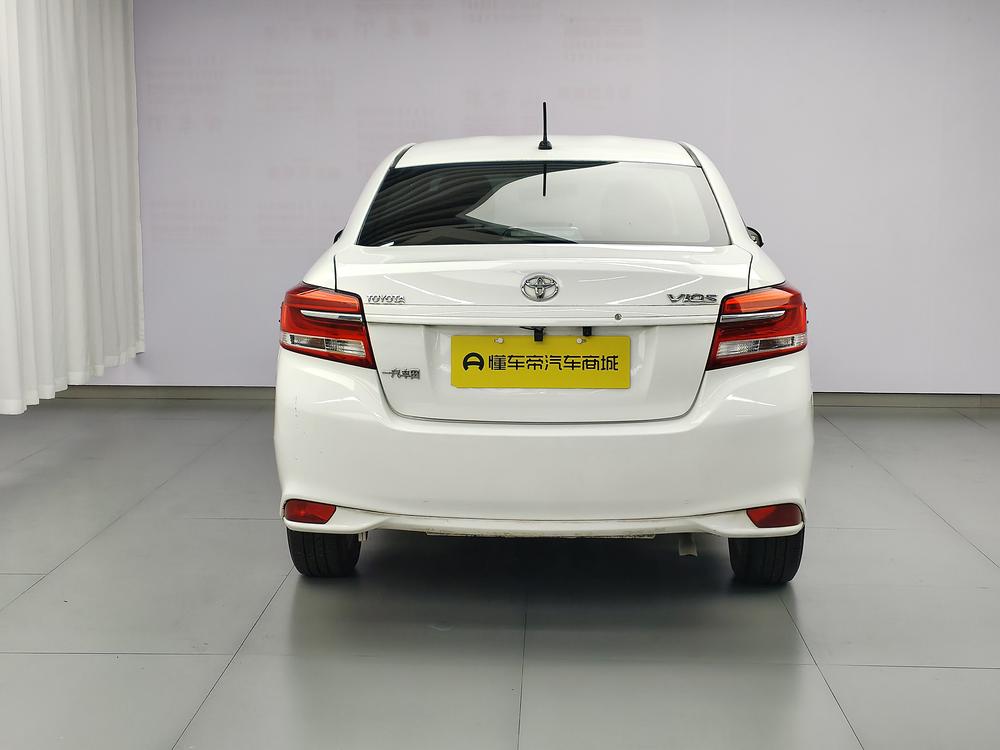
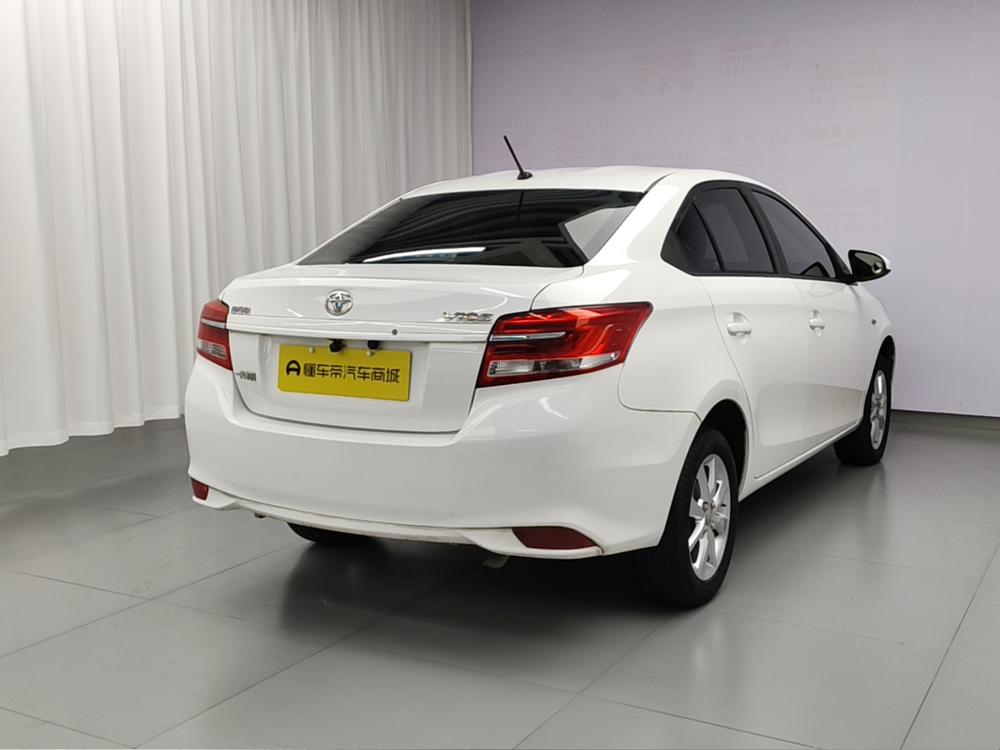
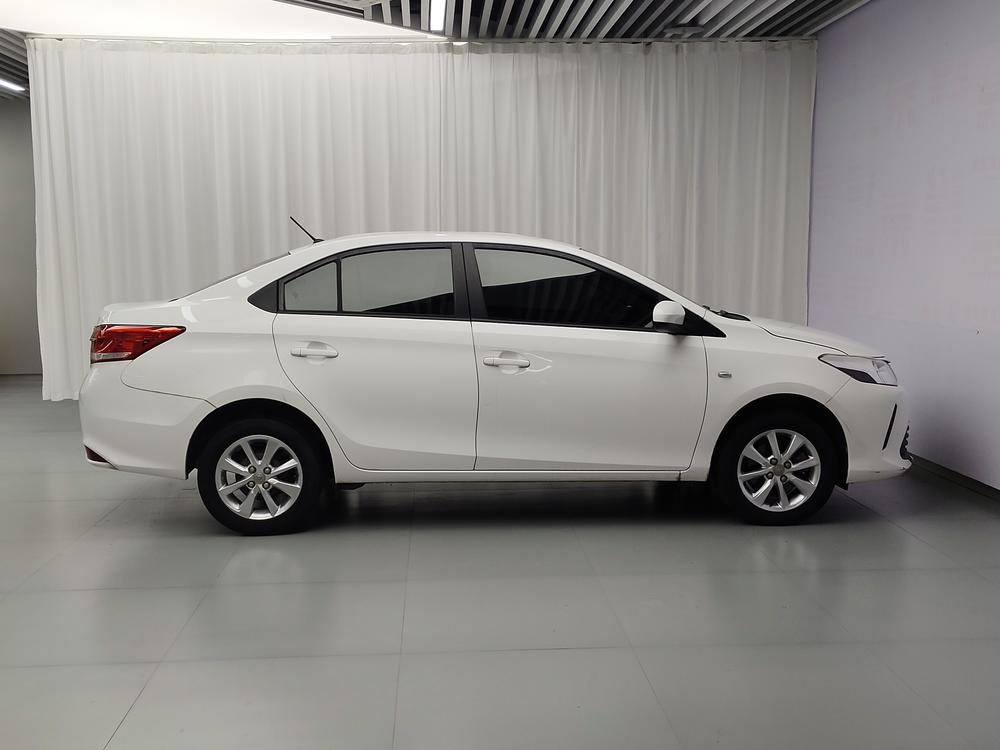
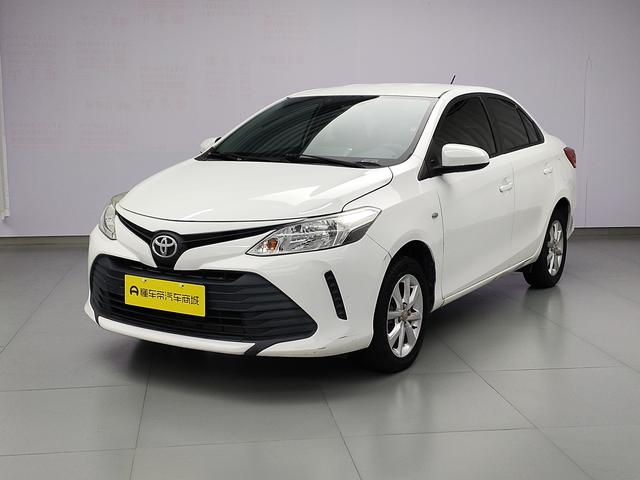
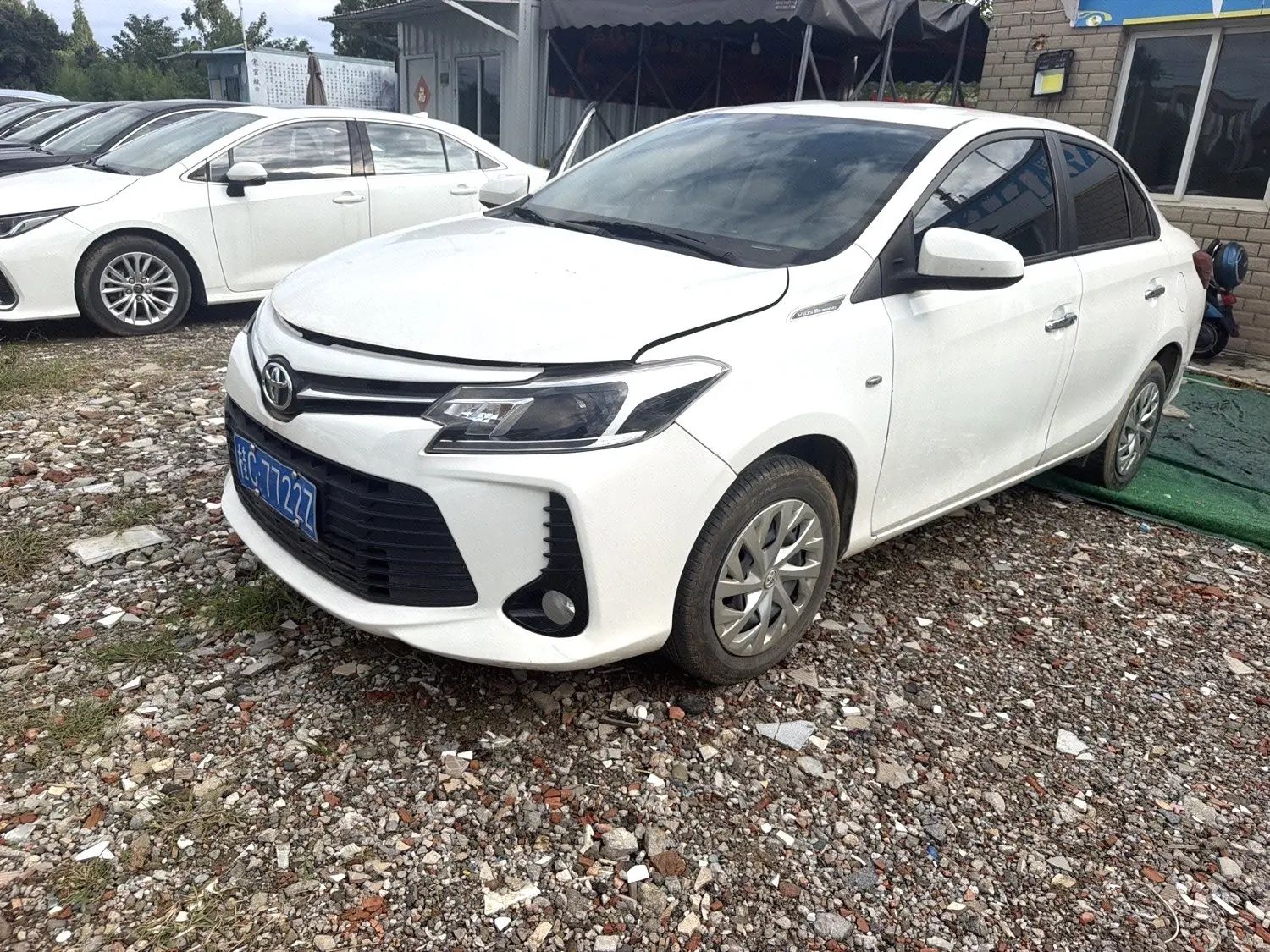
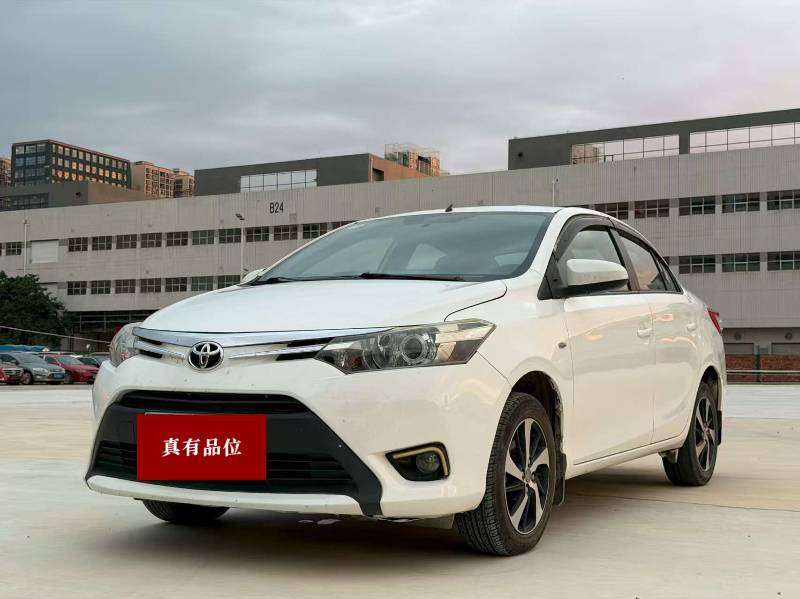
BrandToyota
SeriesVios
Year2019
First Registration2019/04
Mileage35,800km
Transfer Count0times
FuelGasoline
TransmissionCVT
Engine1.5L 110 L4
Color
Seats5seats

Condition Description

官方质检 · 60天全车质保· 7天无理由有偿退车

Configuration Highlights

✓上牌时间: 2019-04
✓表显里程: 3.6万公里
✓排放标准: 国六
✓车源地: 温州
✓发动机: 1.5L
✓轴距: 2550mm
✓变速箱: 自动
✓最大功率: 81kW

Q&A

More

Do you support using cryptocurrencies like USDT for cross-border vehicle procurement settlements?

Absolutely not. Exporting used cars requires clear proof of foreign currency receipts in USD/EUR (water bill) to be provided to the Chinese foreign exchange administration, customs, and tax authorities for document verification. Cryptocurrencies are considered illegal settlement channels.

If a vessel encounters a maritime disaster before arriving at port, does the buyer need to pay extra for General Average?

If General Average is triggered, all cargo owners must share the rescue costs. If you purchased marine insurance with a "General Average included" clause under CIF terms through us, the insurance company will cover this high shared cost for you; if you are an uninsured FOB buyer, you will need to pay it yourself.

What kind of after-sales warranty do Chinese used car exporters usually offer, and what is realistic to claim?

Most exporters offer a limited warranty of 30 to 90 days covering major mechanical failures (engine, gearbox, electric motor), but only if you can prove the fault existed before shipment. Cosmetic issues, wear-and-tear parts (brakes, tires, clutch) and damage caused by improper local maintenance are almost always excluded. What is realistic to claim: · Engine or transmission failure confirmed by a licensed workshop within the warranty window, with a diagnostic report. · Undeclared accident or flood damage discovered after arrival (strongest case, keep the inspection report and photos). How to protect yourself: 1. Get the warranty terms written into the contract, including claim procedure and response time. 2. Have the car inspected locally immediately upon arrival and keep all records. 3. Communicate claims in writing (email) with photos and reports attached. Treat the warranty as a backup, not the main protection. A thorough pre-shipment third-party inspection matters far more than a paper warranty.