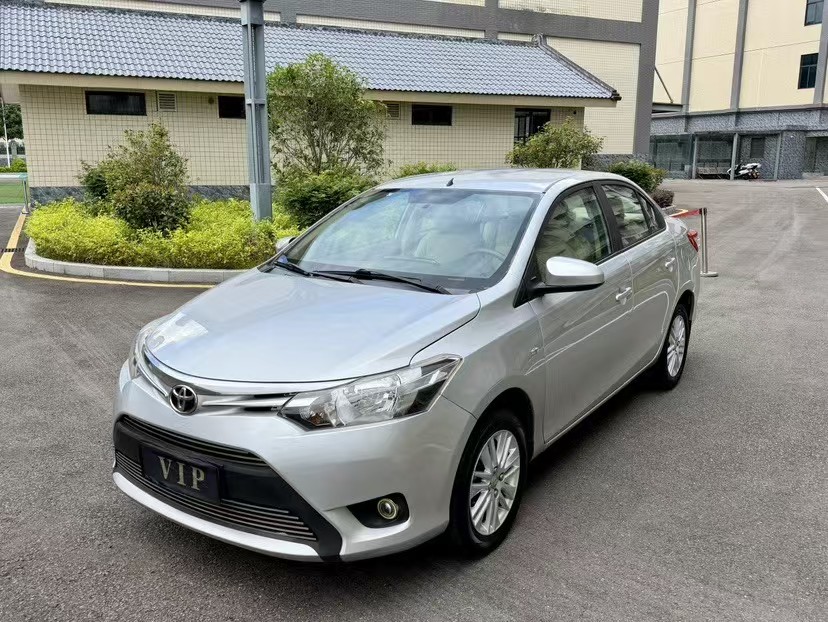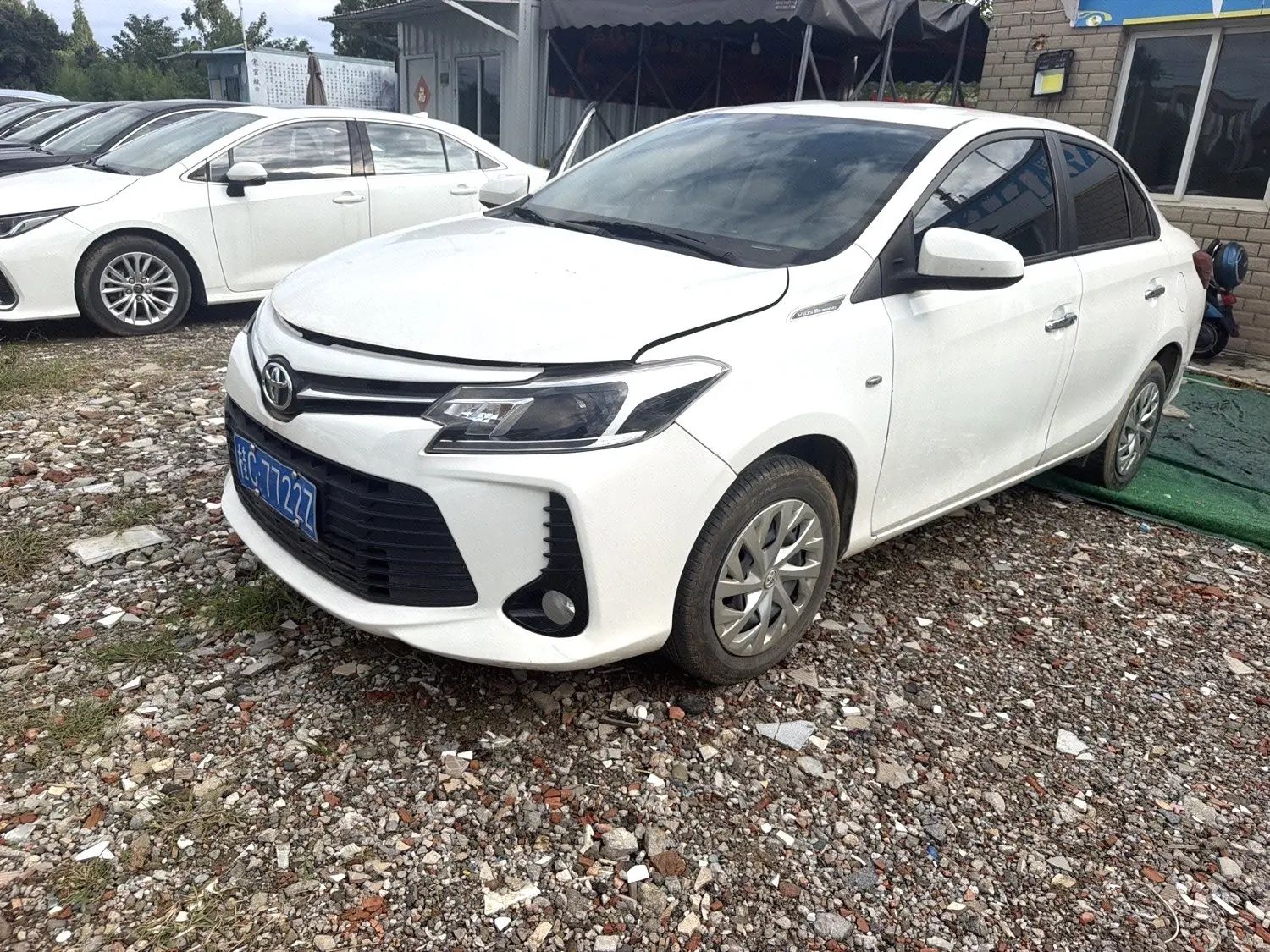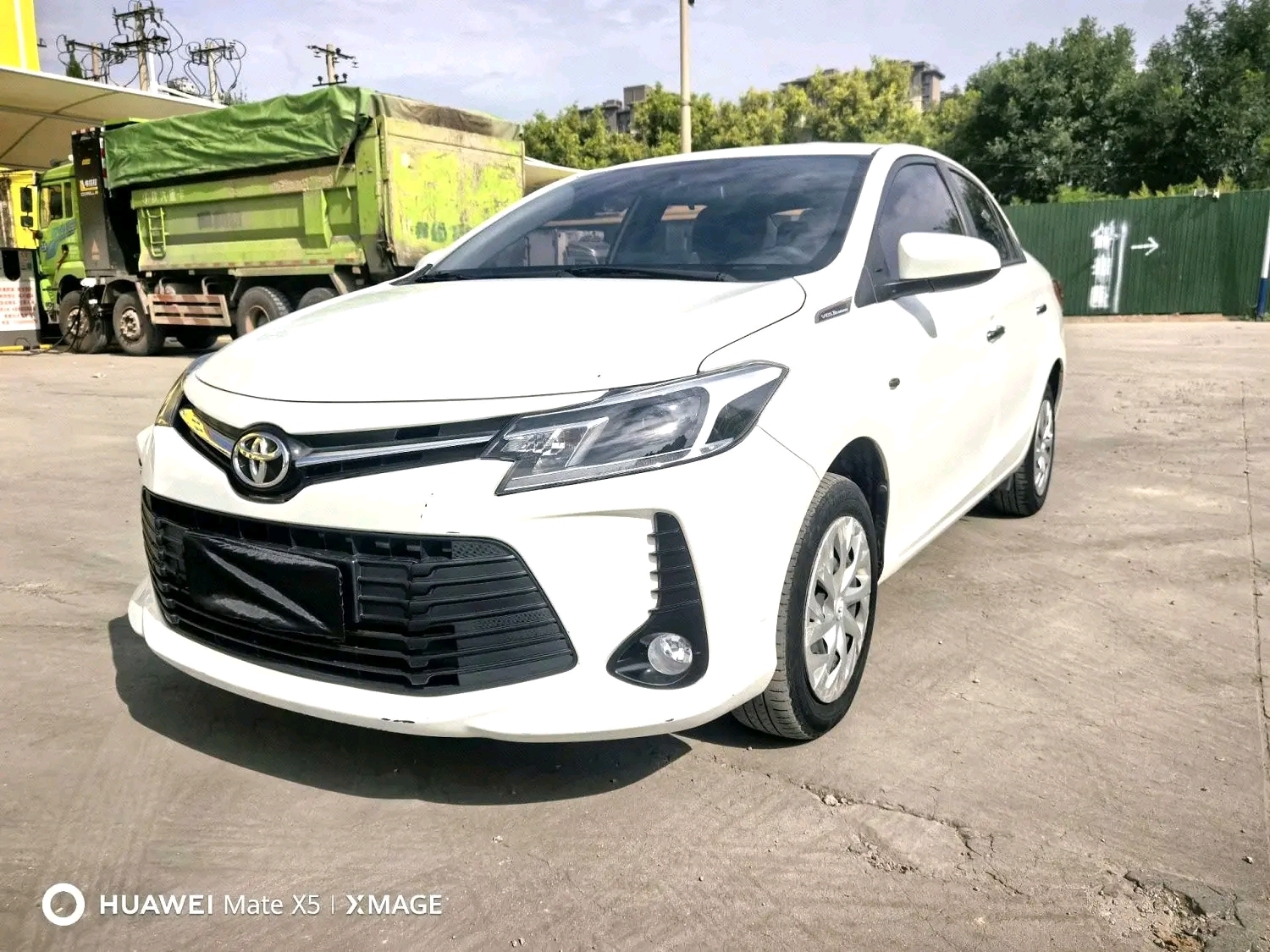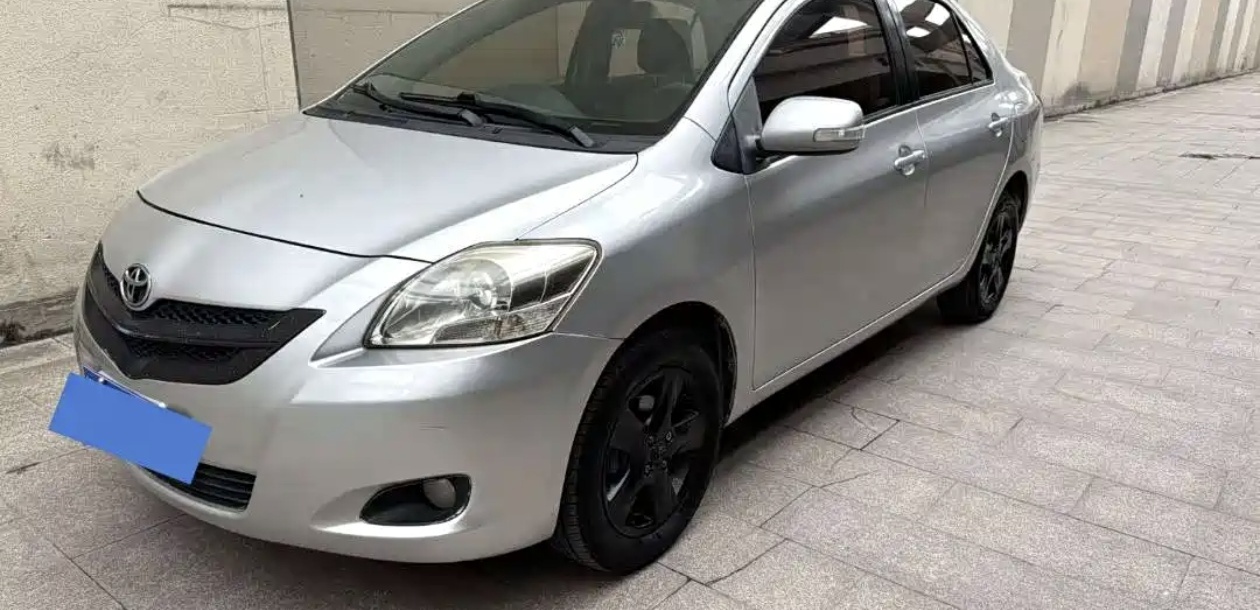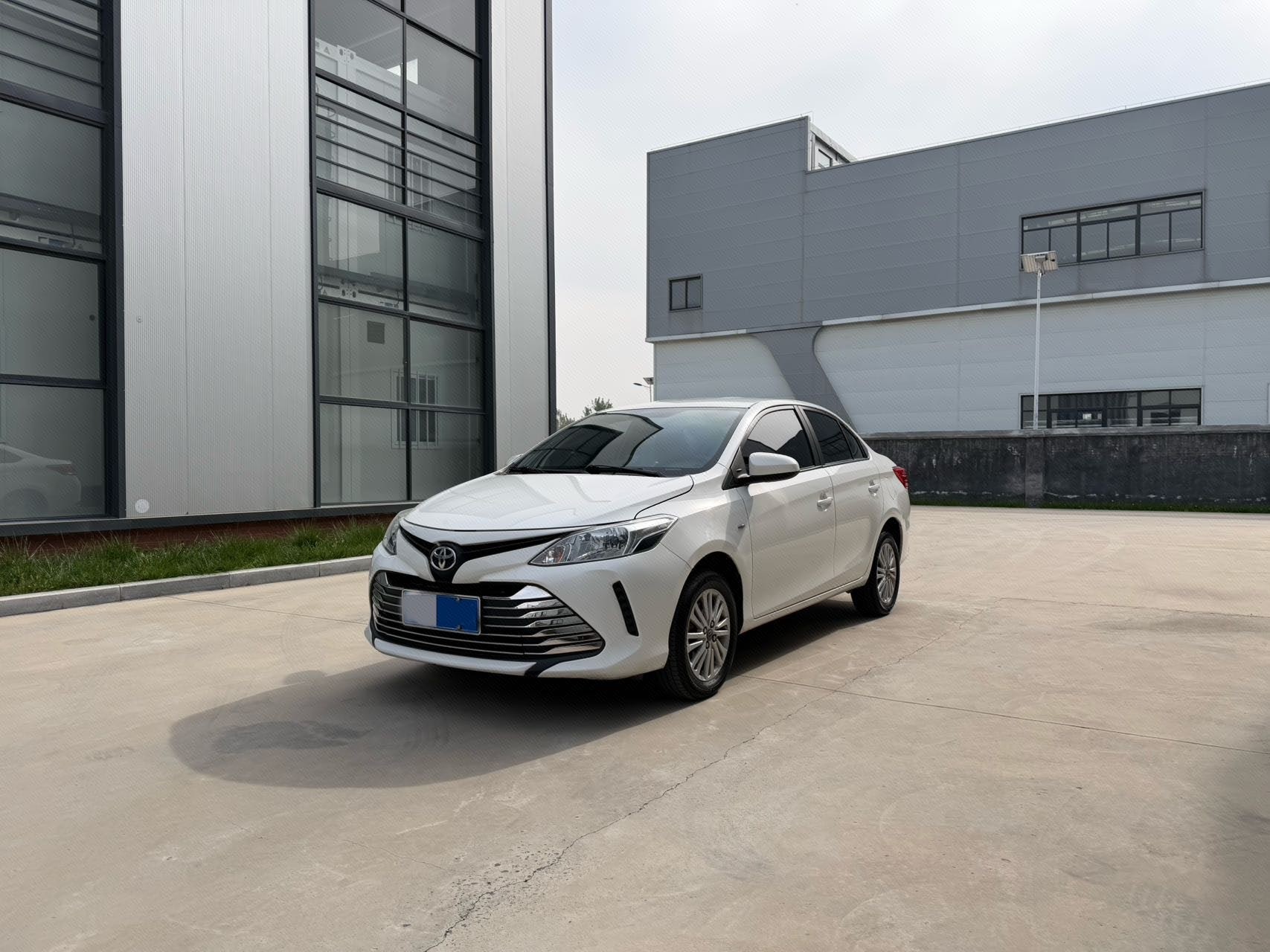



Sold

Basic Information

BrandToyota
SeriesVios
Year2019
First Registration2019/01
Mileage41,800km
Transfer Count0times
FuelGasoline
TransmissionCVT
Engine1.5L 110 L4
ColorWhite
Seats5seats

Condition Description

Full vehicle original paint.

Document Information

Inspection Expiry Date-
Warranty Expiry Date-
Insurance Expiry Date2033/12

Q&A

More

How do I verify the battery health of a used Chinese EV before buying, and what is a State of Health report?

Battery condition is the single most important — and most expensive — variable in a used EV. Ask for a State of Health (SOH) report: in China, dealers and authorized service centers can read it via the manufacturer diagnostic system. It shows remaining capacity as a percentage of the original. Rule of thumb: above 90% is excellent, 85-90% is acceptable for the price, below 80% needs a serious price cut or battery refurbishment. Also get the battery's full charge and discharge history (次数) — a 3-year-old car with 800 fast-charge cycles has lived a harder life than one with 200. Physically, inspect the battery pack enclosure on a lift for dents, corrosion, or coolant leaks. Check that DC fast charging works during a test charge. Finally, verify the battery is not covered by an open recall or replacement program — this is both a risk and sometimes a free upgrade.


Will the manufacturer's smartphone app and connected services work in my country after I import a used Chinese EV?

This is one of the most common disappointments after importing a Chinese EV, so check before you buy. Many Chinese EVs rely on an embedded SIM that only works on Chinese carrier networks. Once the car leaves China, remote functions — battery status, pre-conditioning, charging control, and locating the car — may stop working entirely. Some brands let you transfer the account to a foreign phone number, but many require a Chinese ID or Chinese phone number for registration, which you cannot provide. What to do before purchase: ask the exporter to test the app functions live on video while the car is still in China, including remote air-conditioning and battery percentage reading. Ask the brand's official customer service (in writing) whether overseas account activation is supported for your specific model and year. Workarounds if the official app does not work: some functions may still operate locally through the car's own settings, such as scheduled charging from the dashboard. Third-party OBD dongles with companion apps can sometimes restore battery monitoring and pre-conditioning. The car itself drives fine without connected services, but if app functionality matters to you, treat it as a purchase criterion, not an afterthought.

How do I track my car's shipment from China, and which shipping documents should I receive?

Once the car is loaded, the exporter (or freight forwarder) should send you a booking confirmation and, after departure, the Bill of Lading (B/L). The B/L is the key document: it shows the shipper, consignee, vessel, ports, and usually the VIN and container number. You can track the vessel on the shipping line's website using the B/L number or container number, or through third-party trackers like MarineTraffic. As the shipment approaches, the agent at destination issues an Arrival Notice. To collect the car you will typically need the original B/L (or a telex release/e-release), the arrival notice, your ID, and customs clearance paperwork. Check the B/L carefully as soon as you receive it—VIN, container number, and your name must be exactly right, because correcting a B/L mid-voyage is slow and expensive.