


24H

Basic Information

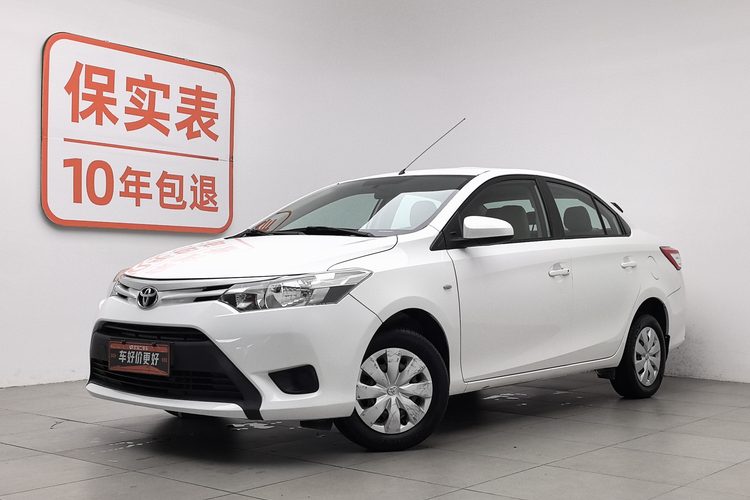
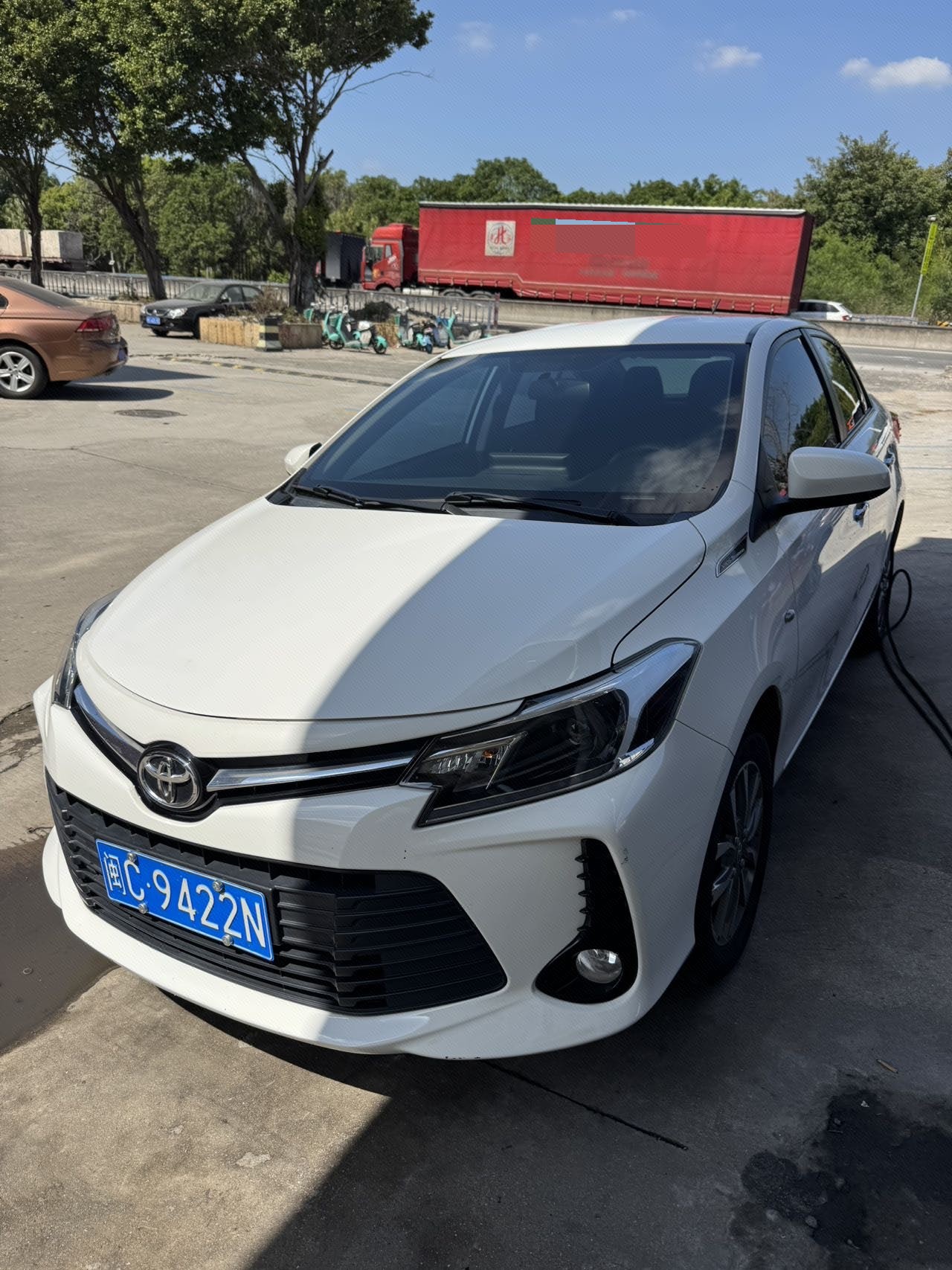
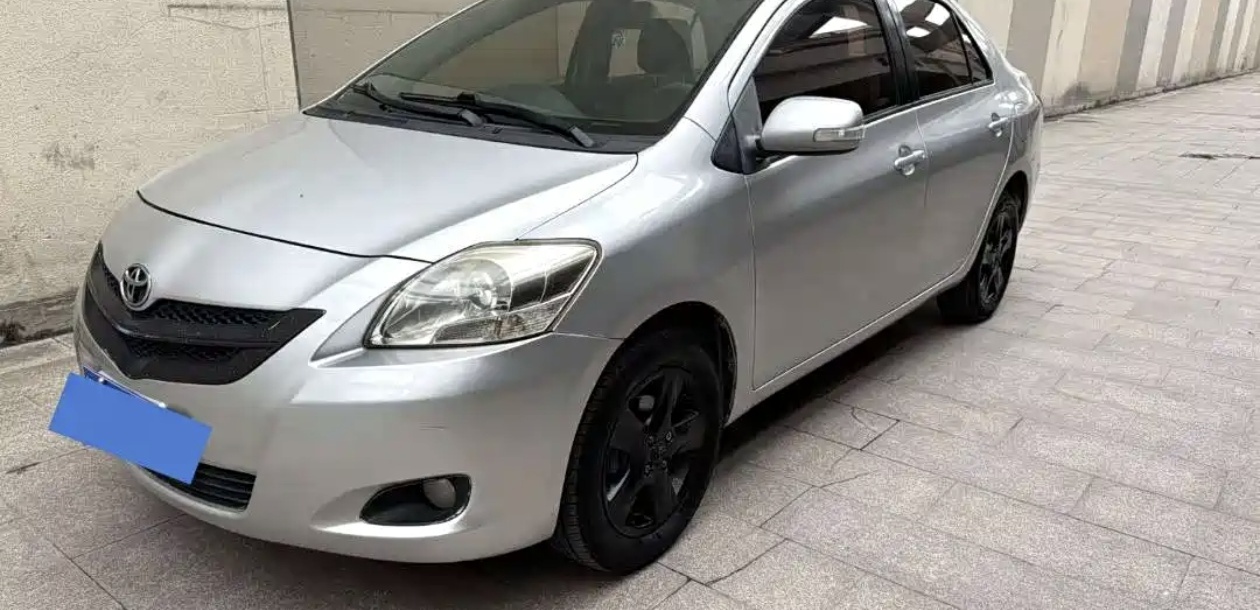
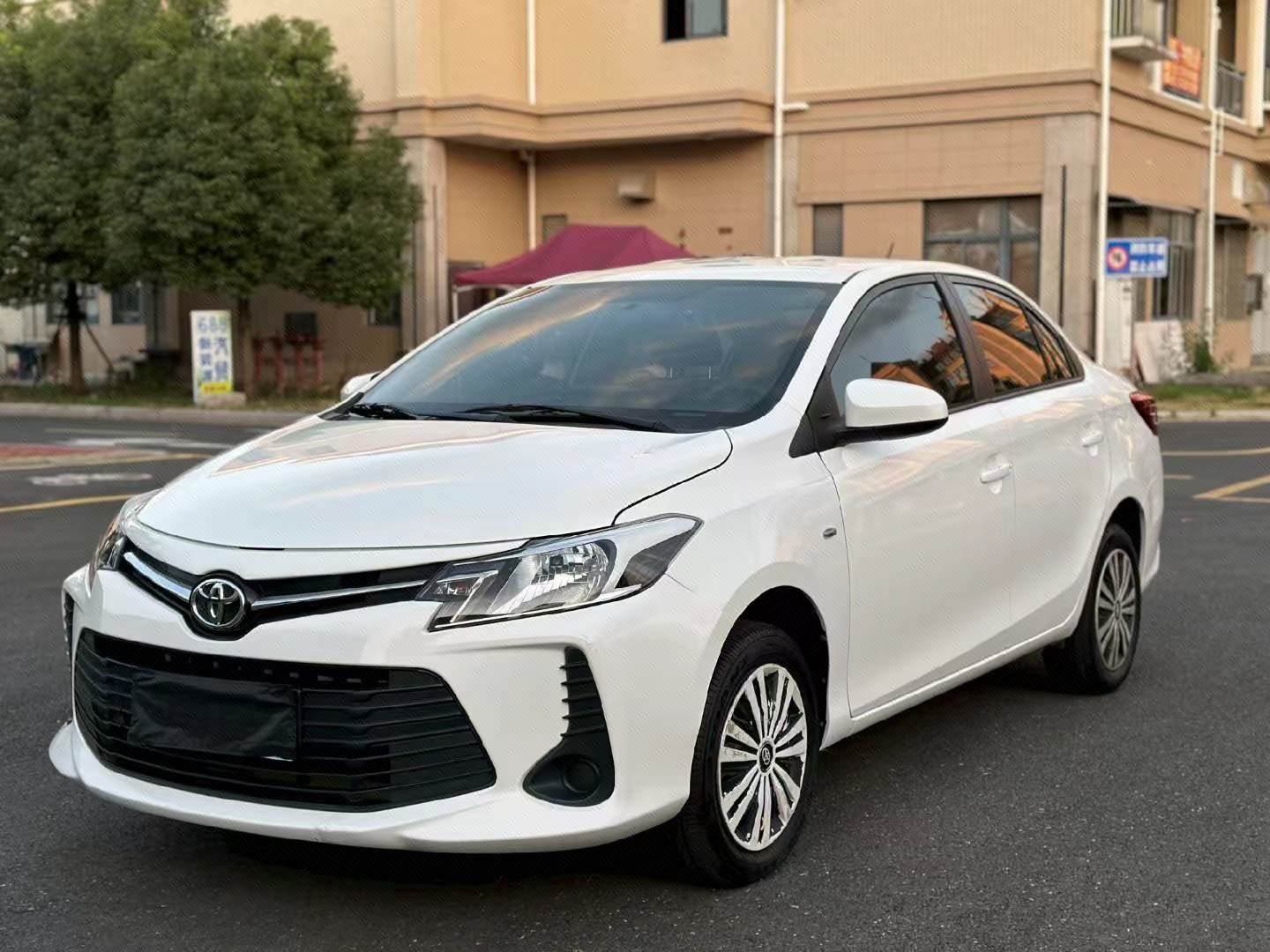
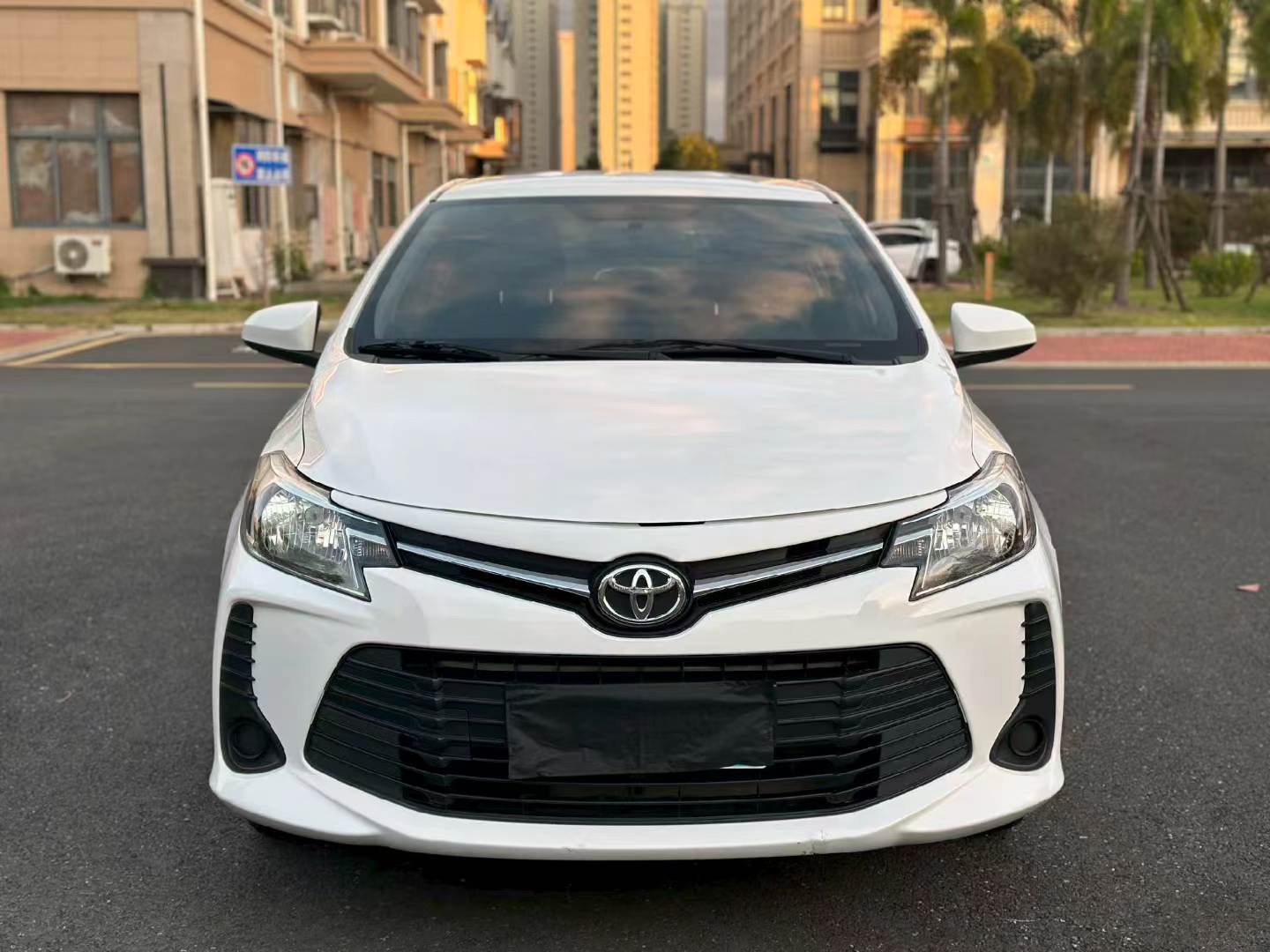
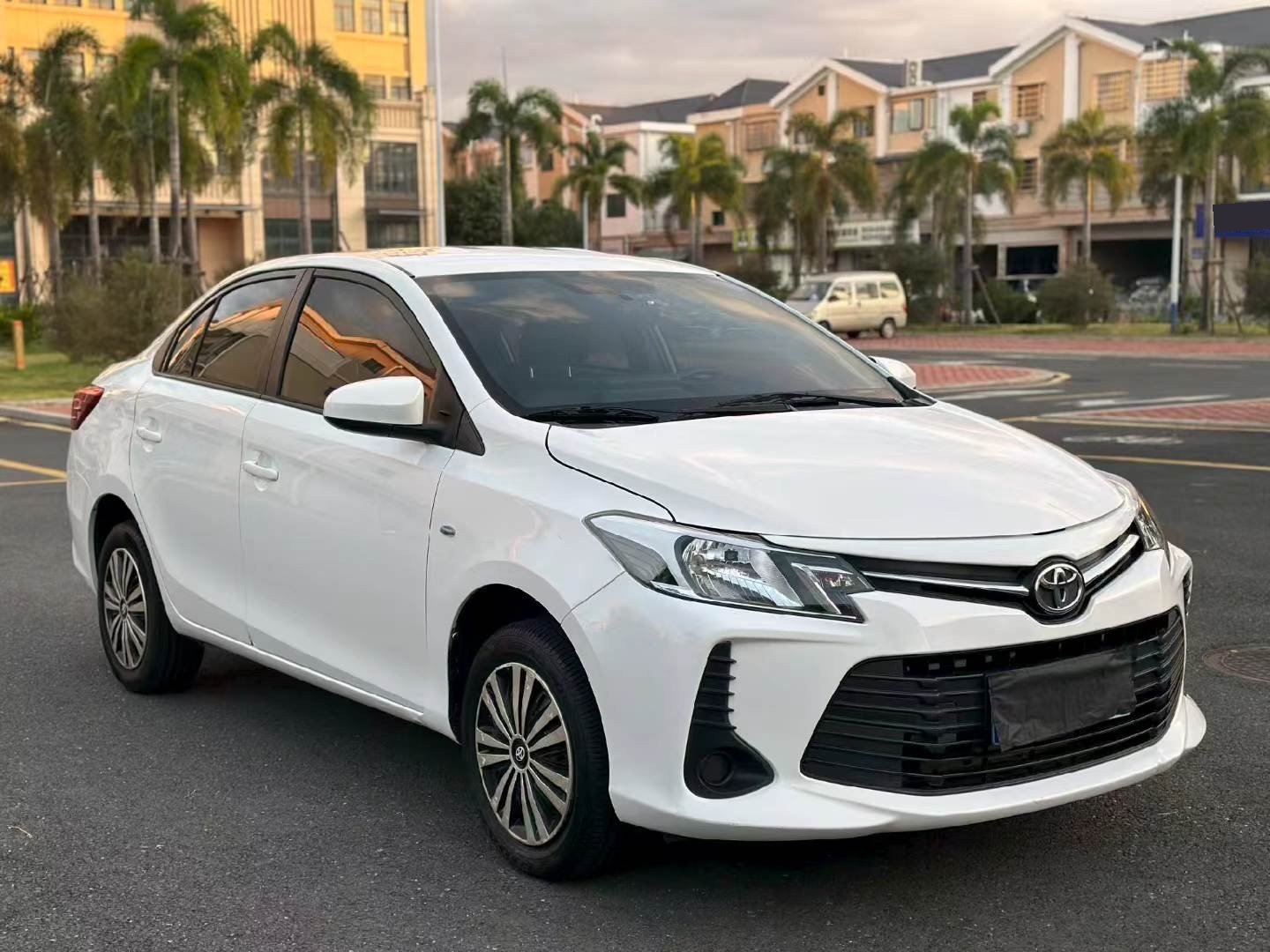
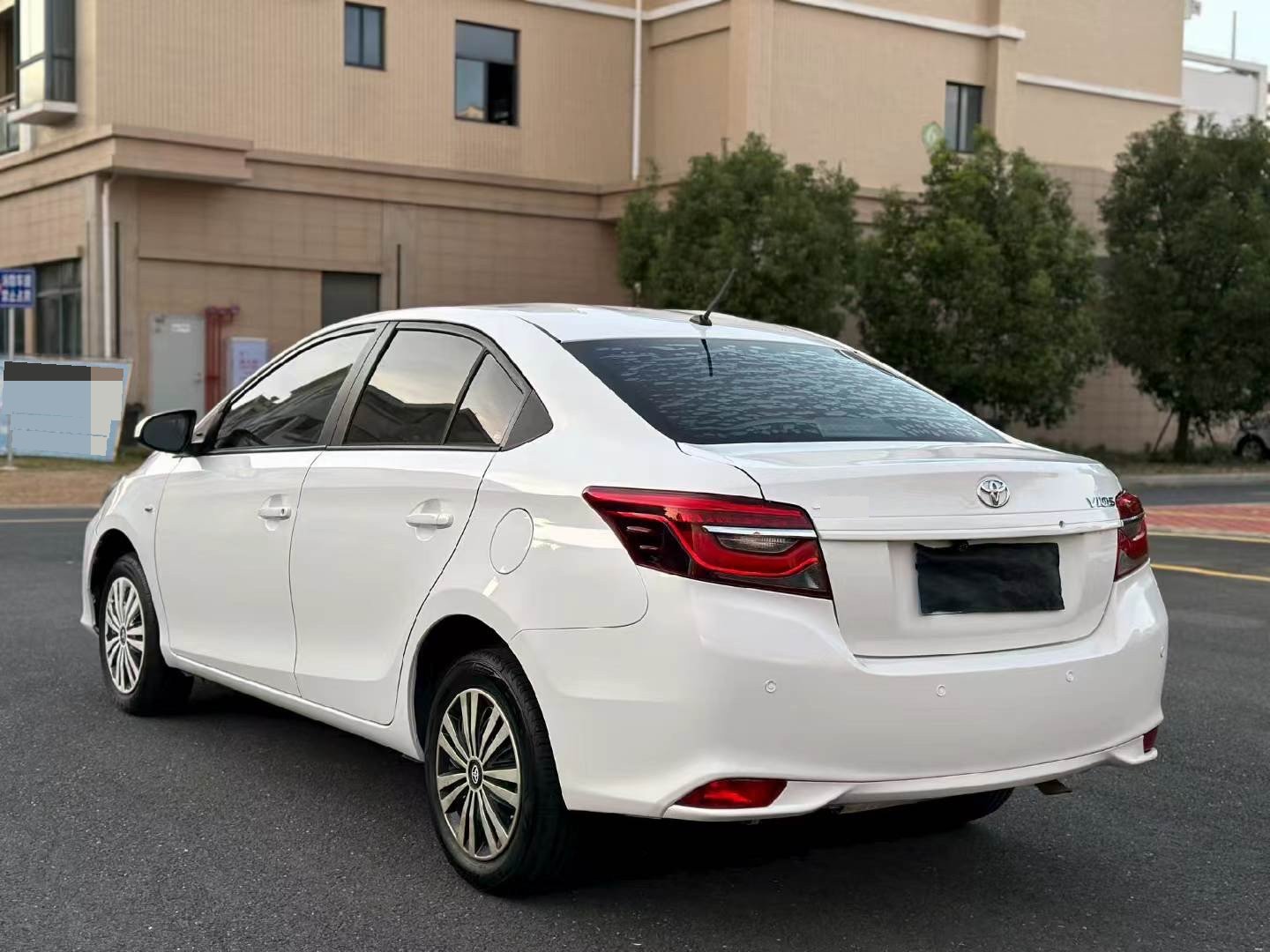
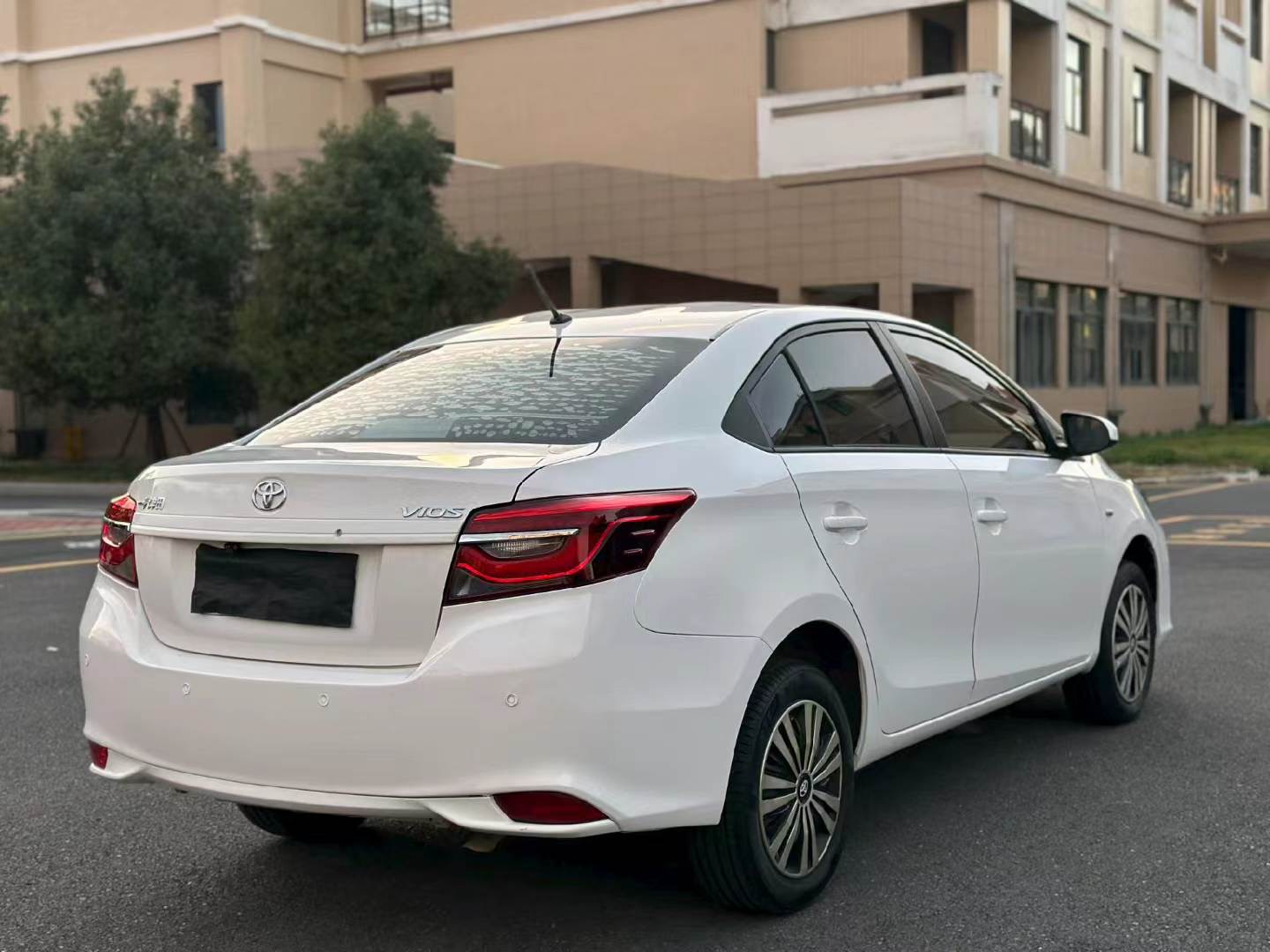
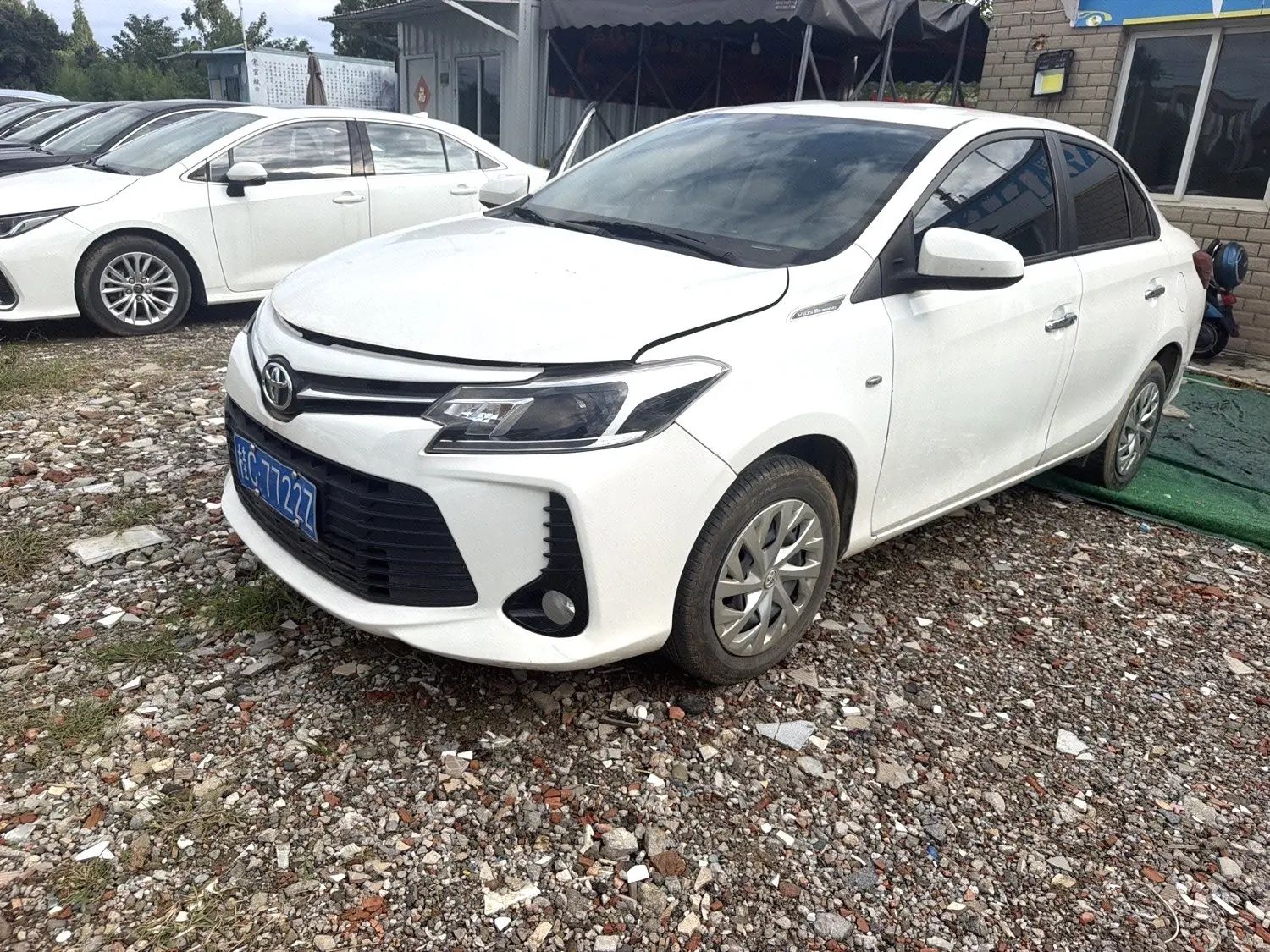
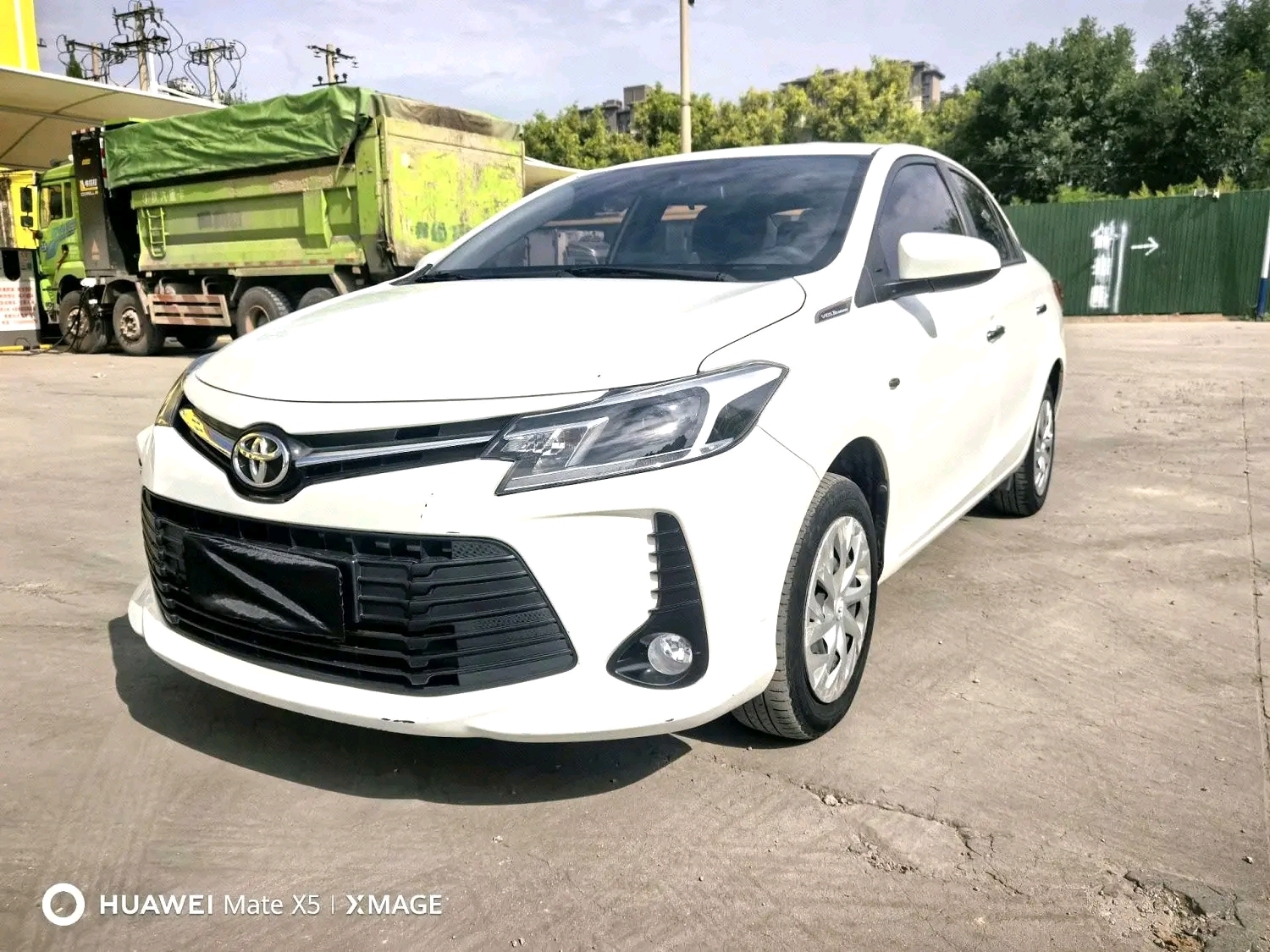
BrandToyota
SeriesVios
Year2020
First Registration2020/12
Mileage85,000km
Transfer Count0times
FuelGasoline
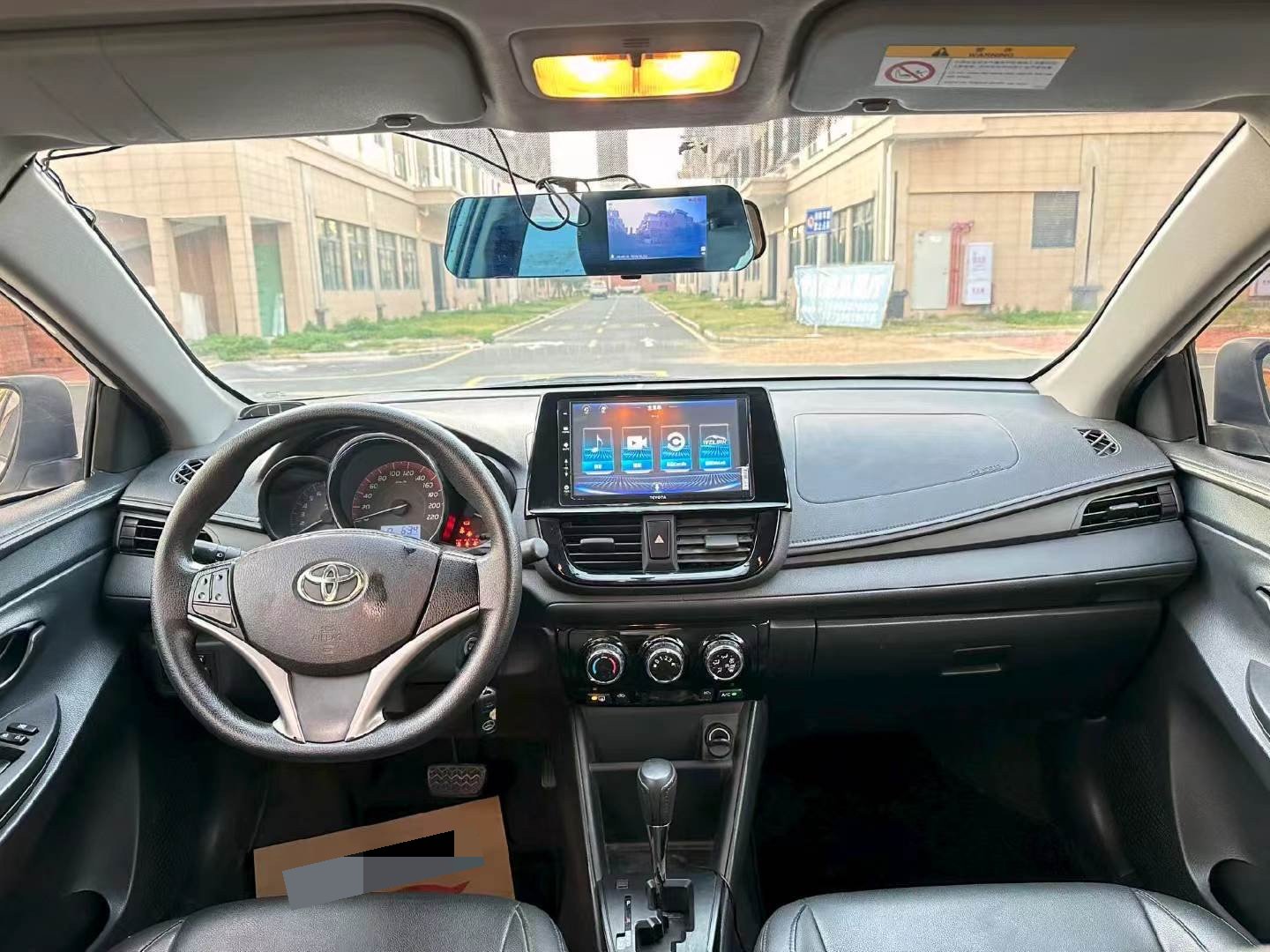
TransmissionCVT
Engine1.5L 112 L4
ColorWhite
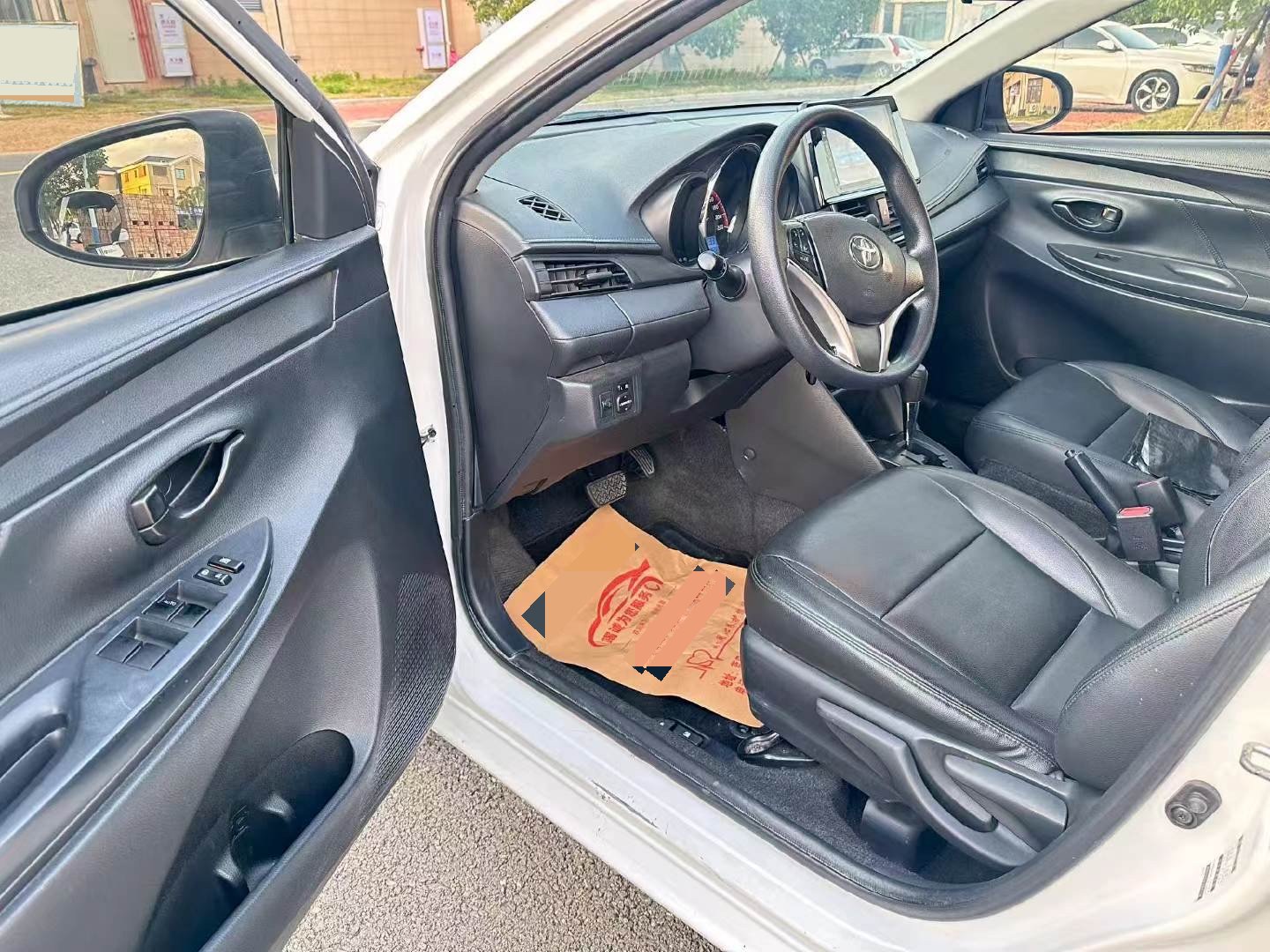
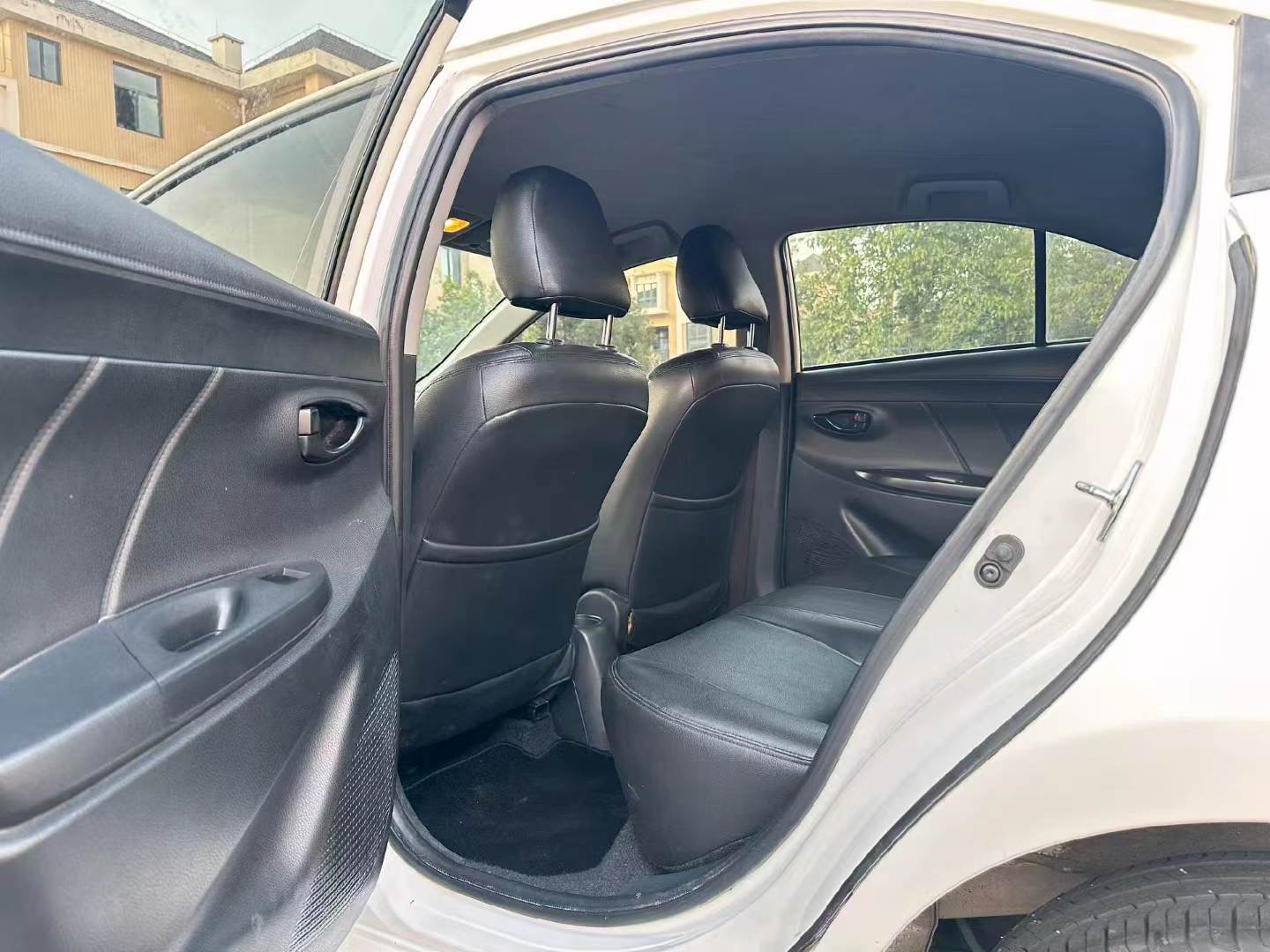
Seats5seats

Condition Description

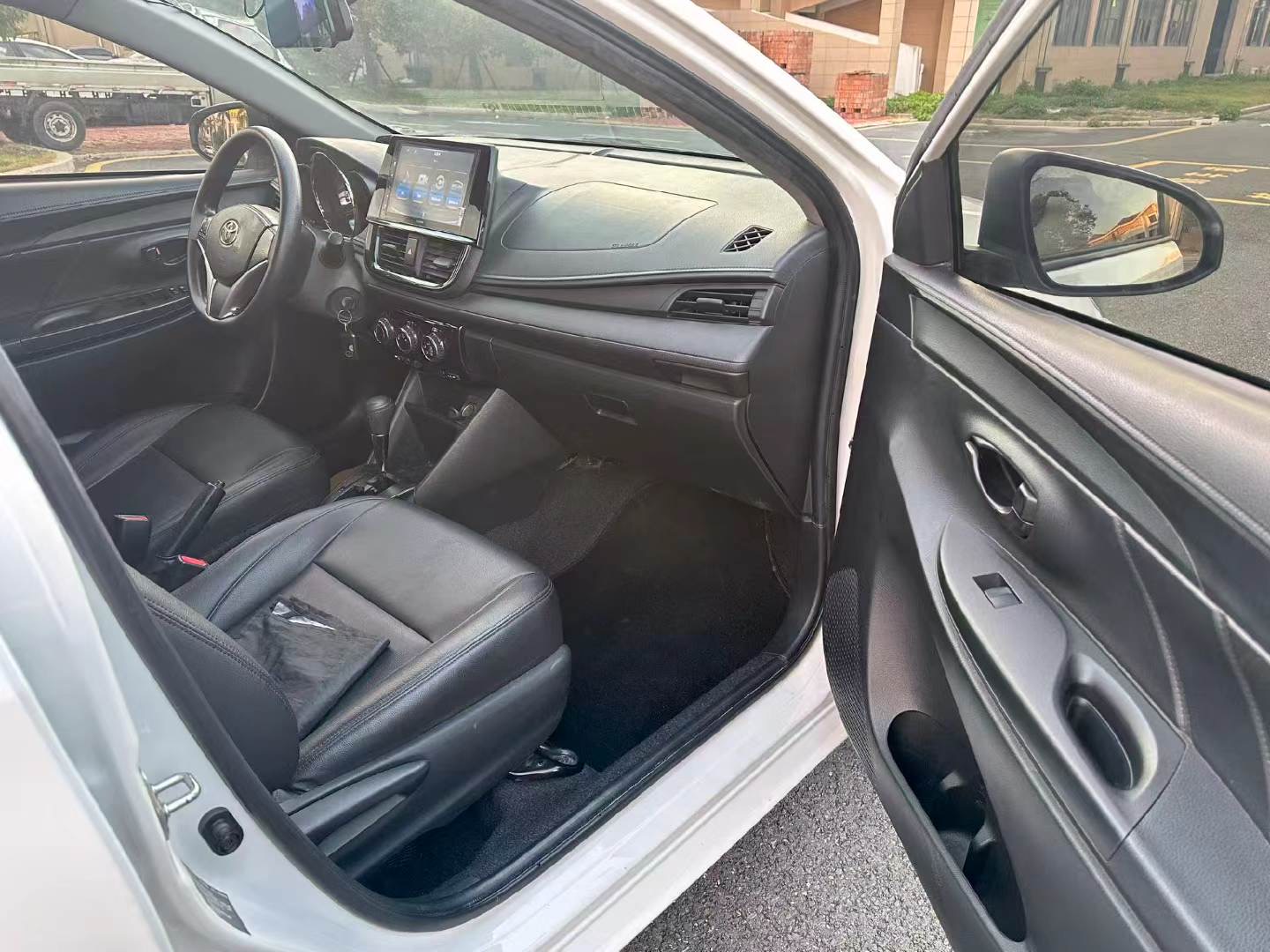
Registered in December 2020, locally owned, one owner, excellent condition, safely driven over 80,000 km. Equipped with tire pressure monitoring display.

Document Information

Inspection Expiry Date-
Warranty Expiry Date-
Insurance Expiry Date2026/12

Q&A

More

What does a professional pre-purchase inspection in China include, and which inspection points matter most before shipping?

A professional pre-purchase inspection in China normally covers five parts: exterior and interior condition, a lift inspection of the chassis and frame, engine bay checks, a road test, and OBD diagnostics. Prioritize the chassis rails and A/B/C pillars for cut-and-weld repairs, engine oil leaks and timing noises, transmission shift quality, and OBD fault codes — cleared codes leave telltale history data. For EVs, add battery pack casing, insulation values, and battery state of health (SOH). Insist on original timestamped photos with the VIN visible and a written conclusion such as 'fit for export' or 'major defects found.' A report that only says 'good condition' is not worth paying for.
After picking up the car, I found the tire pressure warning (TPMS). How can I reset the tire pressure sensor myself?

Temperature differences during sea transport can easily trigger the tire pressure warning. After inflating the tires to the standard pressure (usually 2.5 Bar), most vehicles will automatically clear the warning after driving a few kilometers; some models require manually clicking "Tire Pressure Reset" in the "Vehicle Settings" on the central screen.

If a problem arises after the car arrives, how are disputes and claims typically handled with a Chinese exporter?

Handling claims with an overseas exporter works best when expectations are set before payment. Prevention: put the inspection standard, photo/video evidence requirements, and a dispute clause into the sales contract. Keep all chat records and payment receipts. Typical process if issues arise: 1) Notify the exporter within 48-72 hours of delivery with photos/videos as evidence. 2) Most disputes fall into two buckets: shipping damage (handled via marine insurance — this is why insurance matters) or undisclosed mechanical defects (handled per contract, often via partial refund, spare parts, or repair cost sharing). Realistic expectations: exporters rarely accept returns, so negotiate compensation instead. A reputable company will usually cover reasonable repair costs for defects confirmed to pre-exist shipment. Tip: for higher-value cars, hire a local third-party inspection at destination as final evidence — it strengthens any claim significantly.