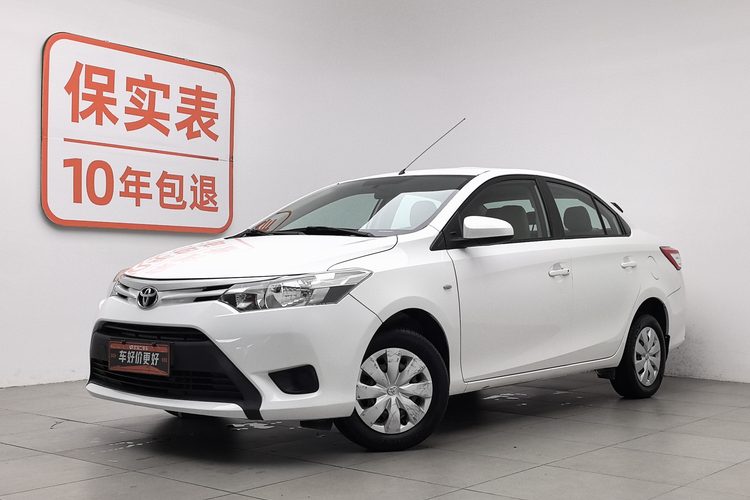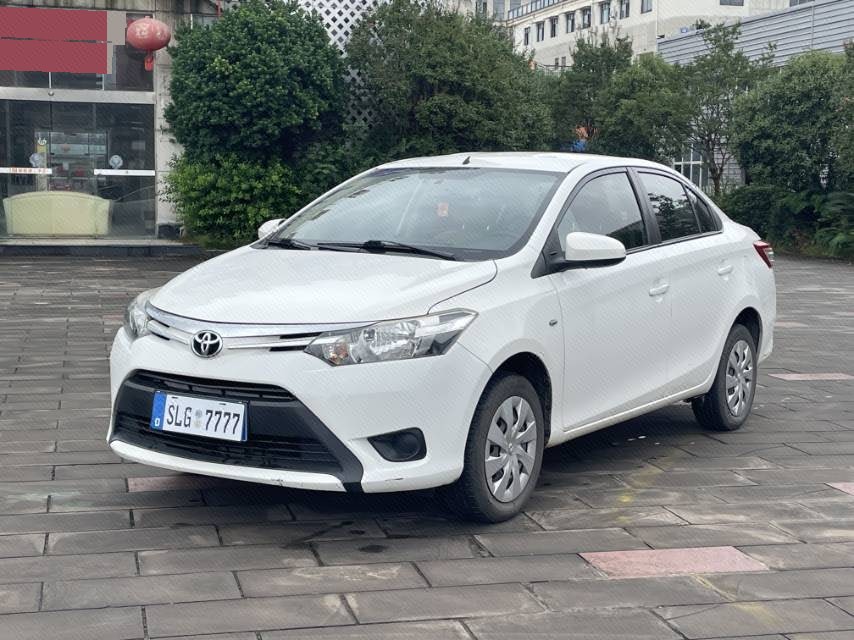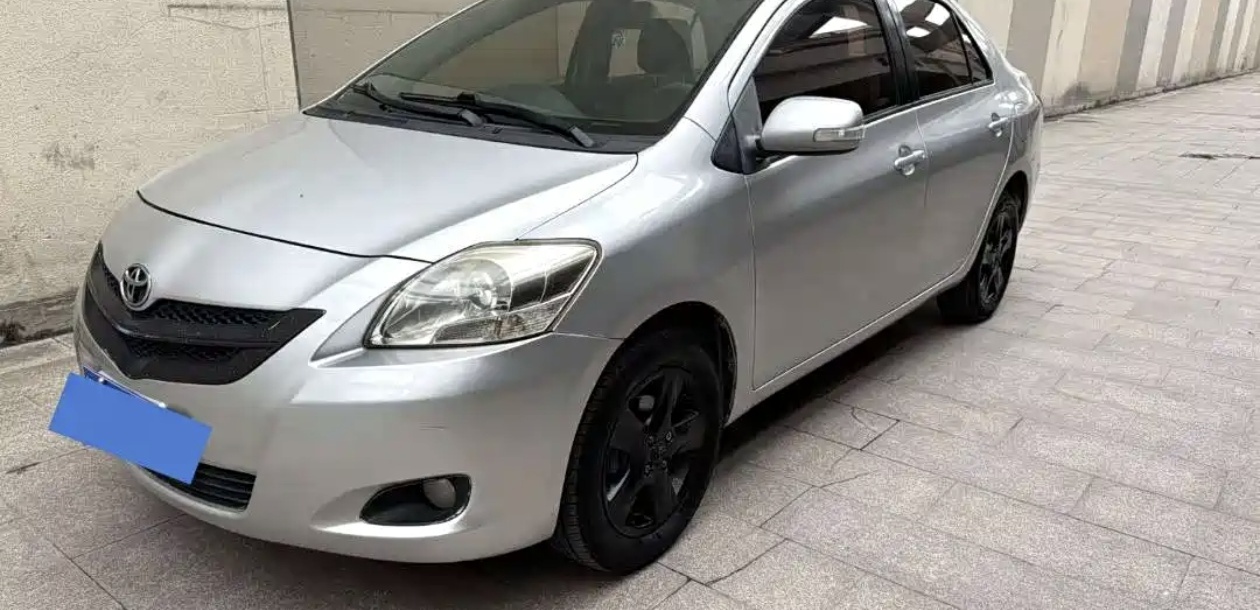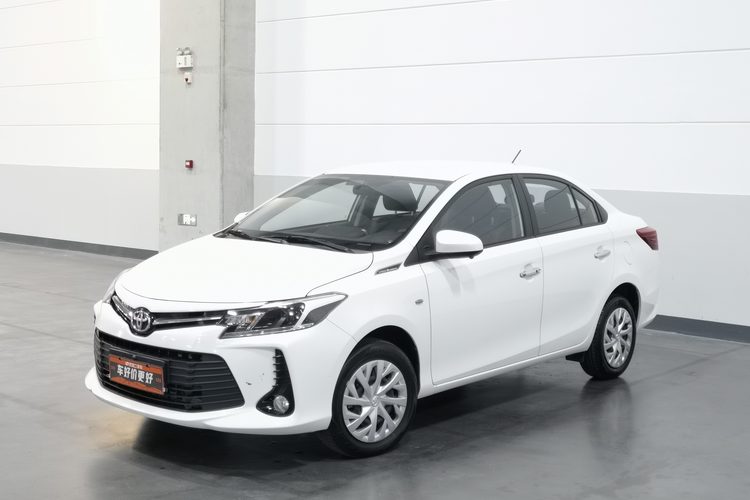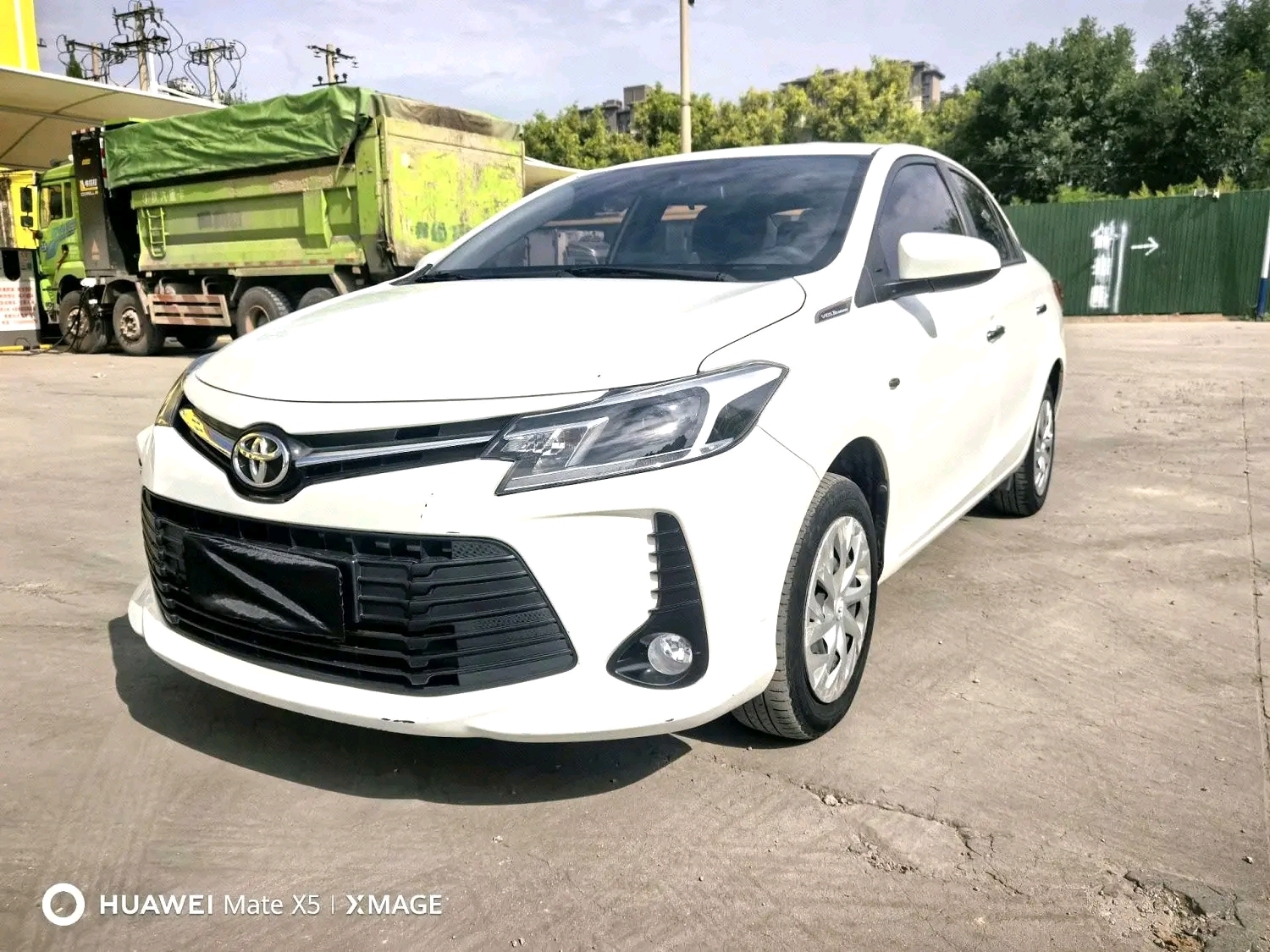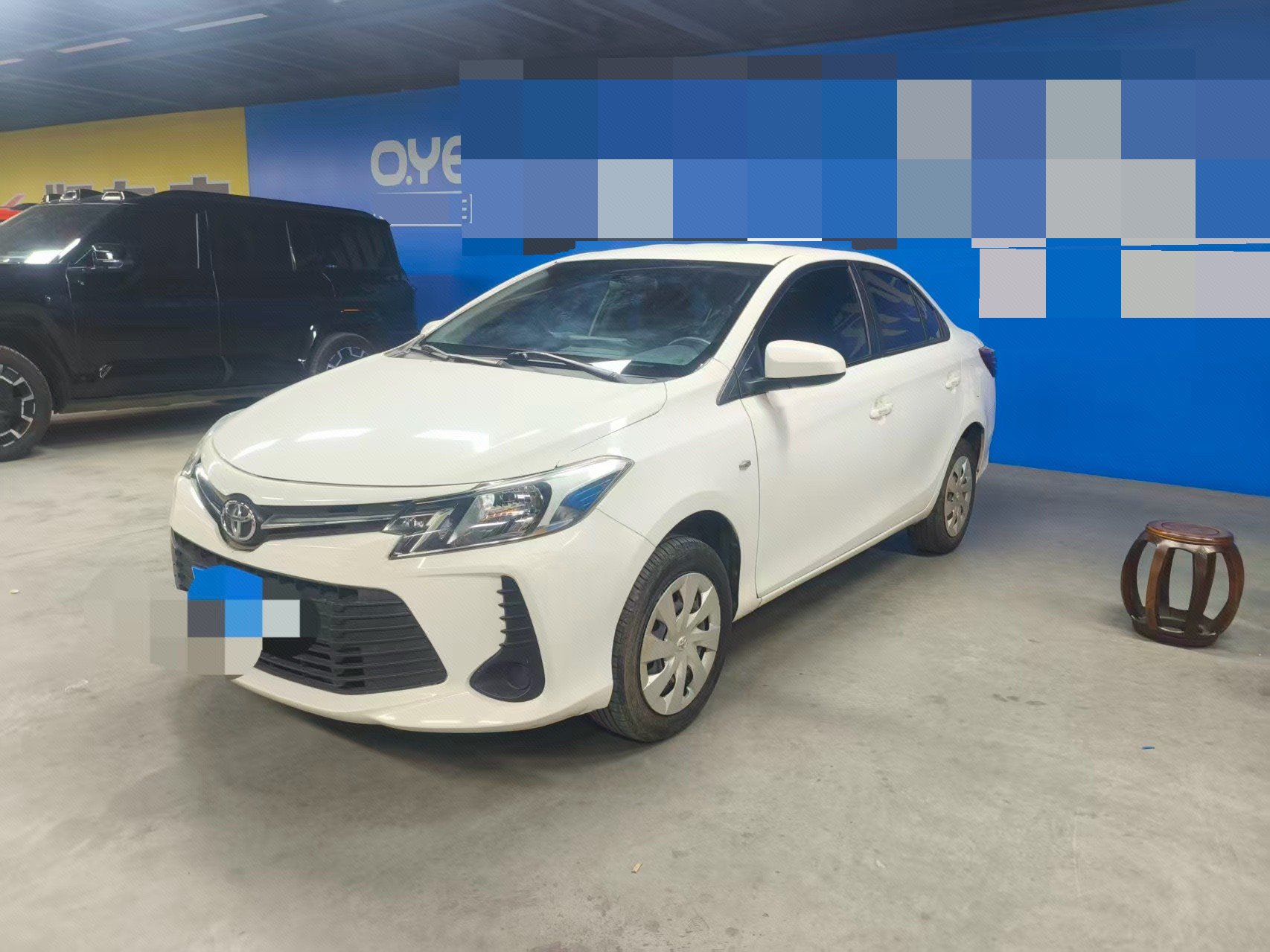
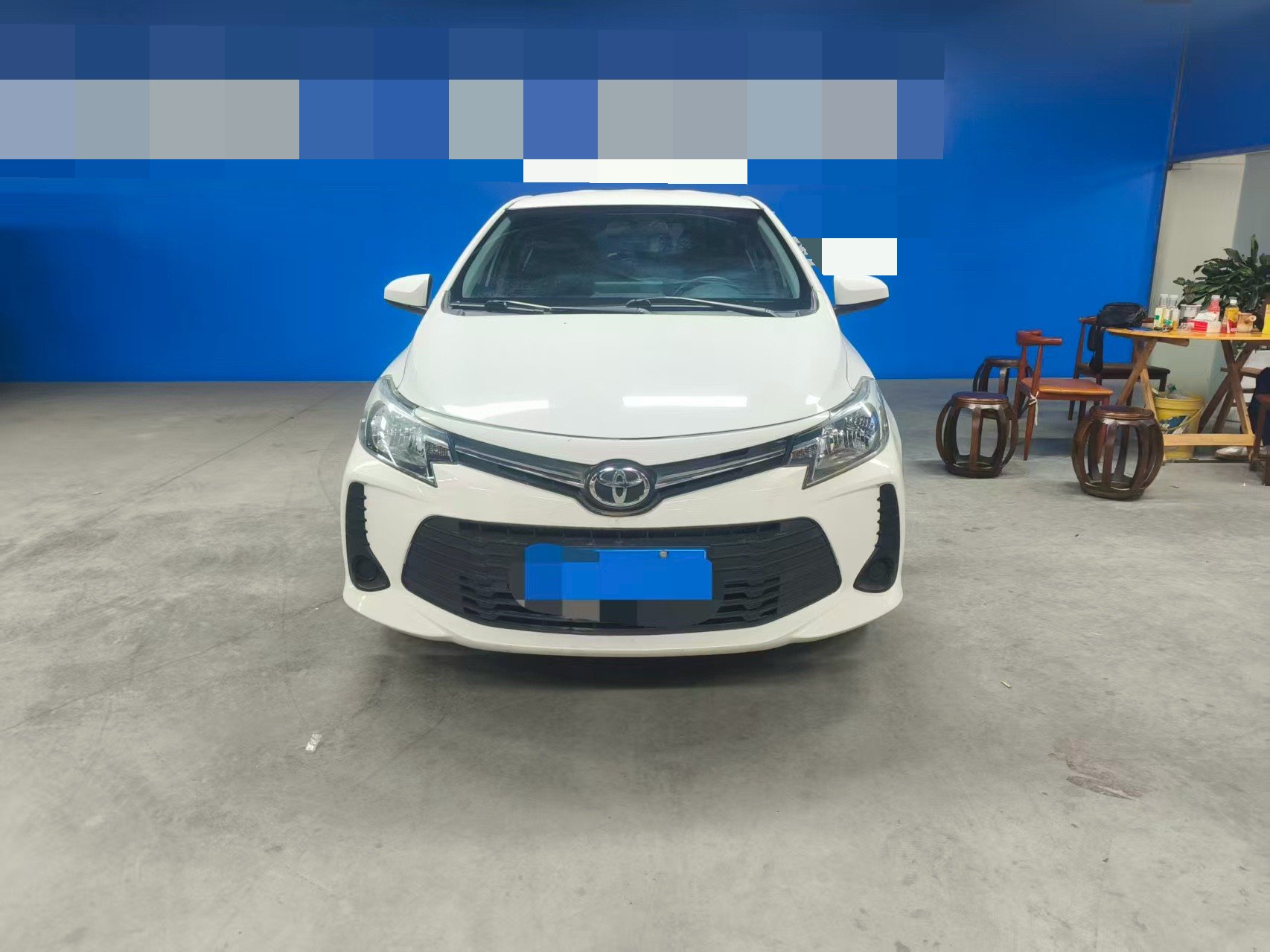
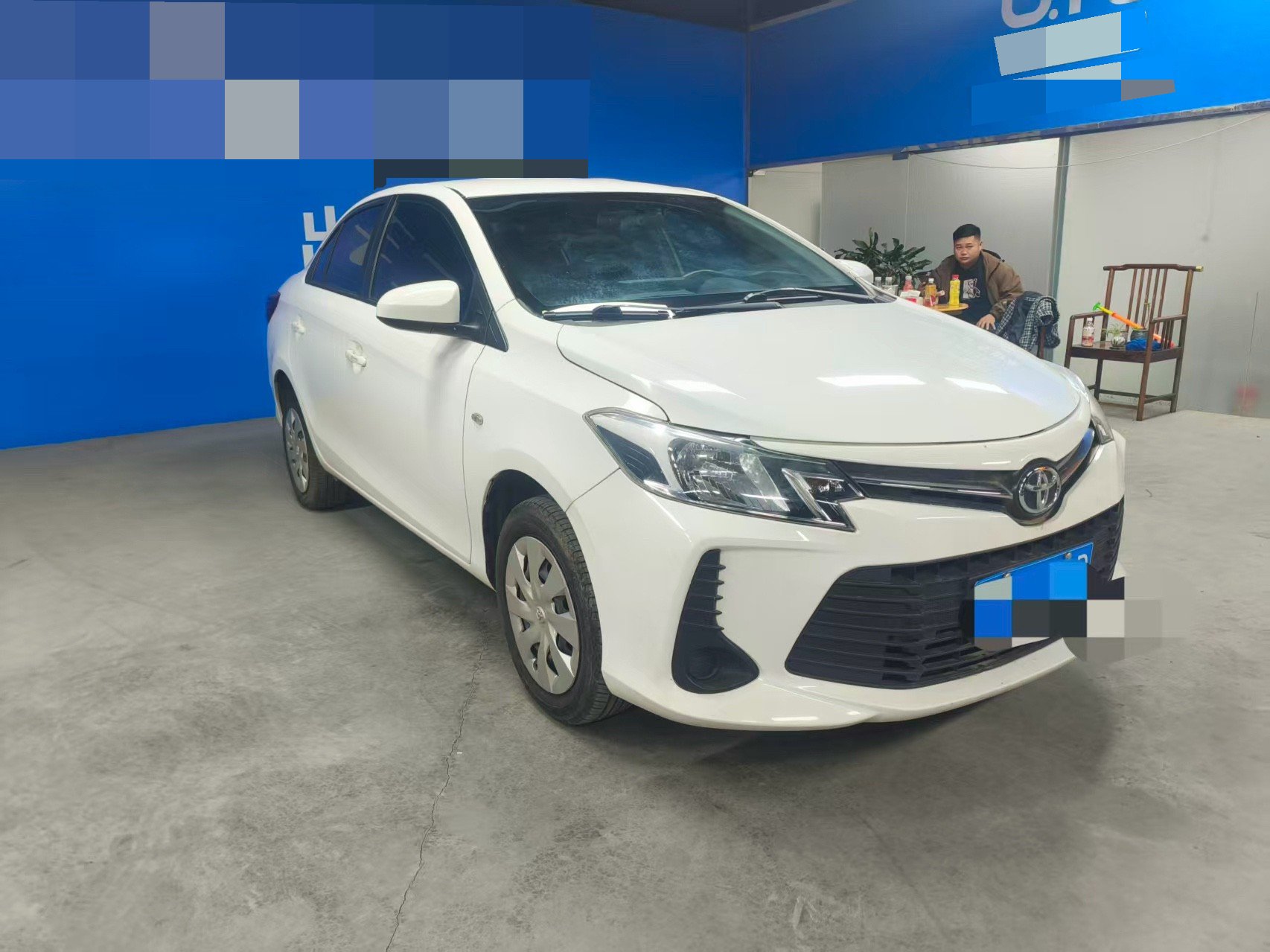
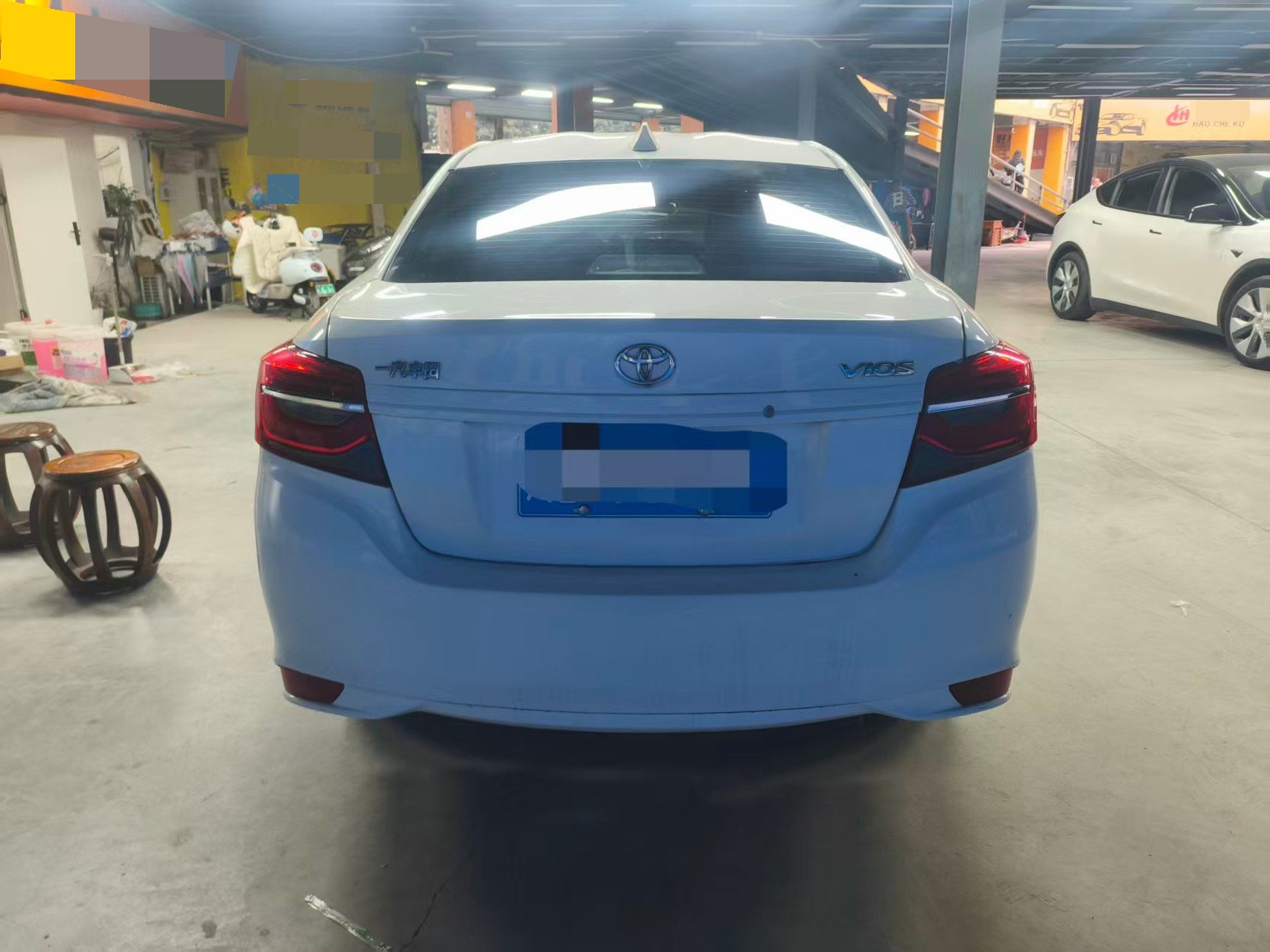
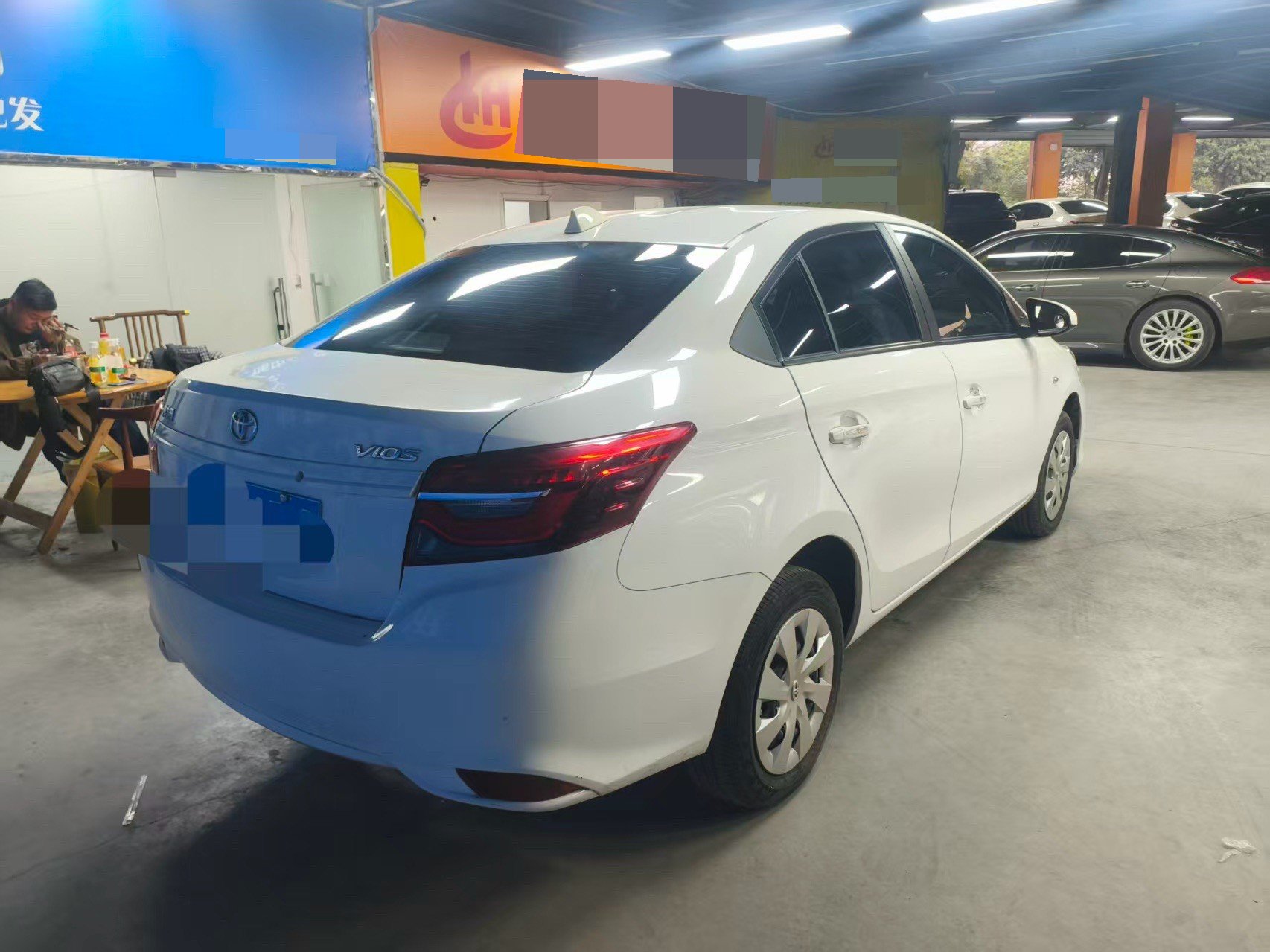
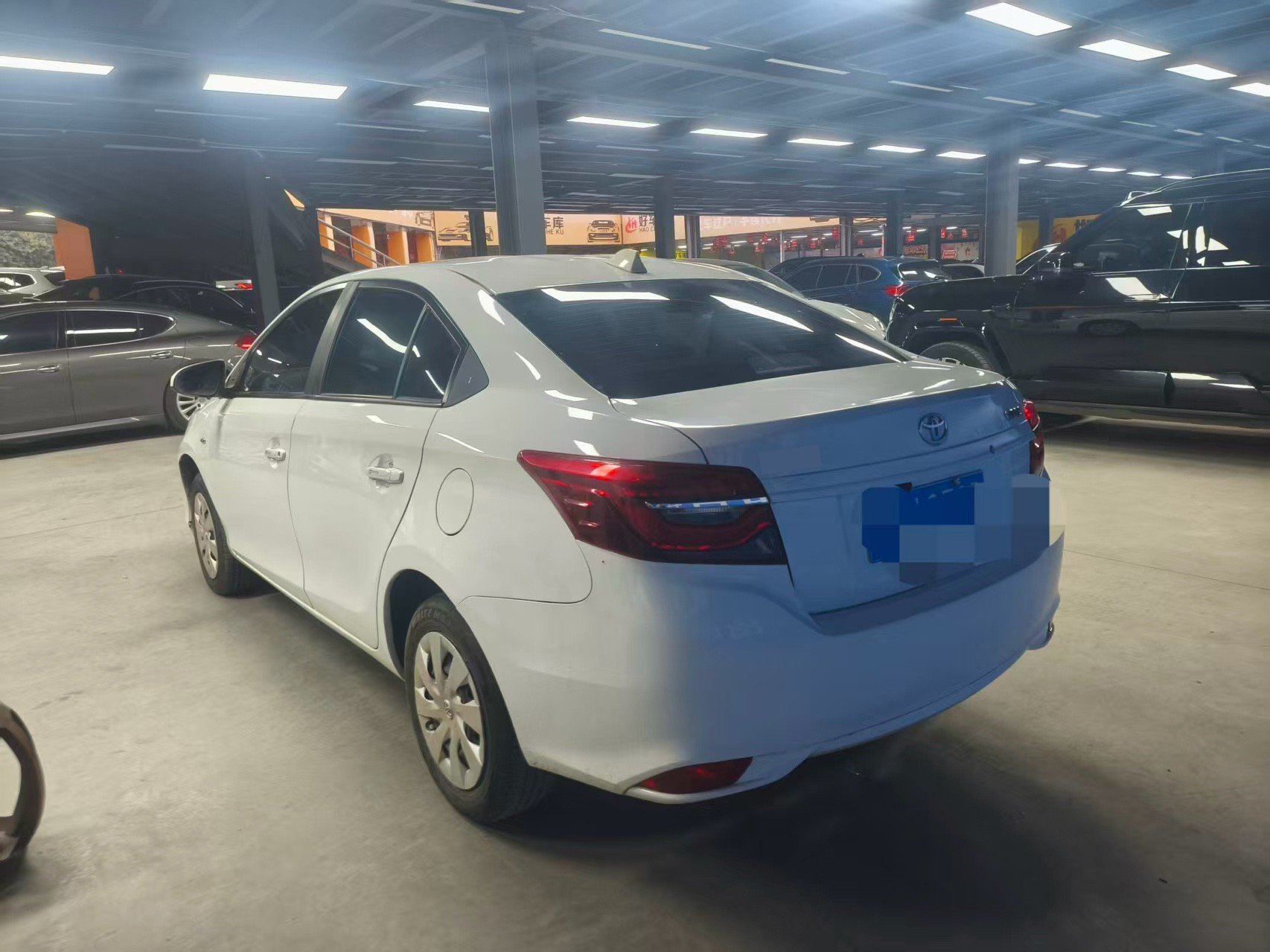
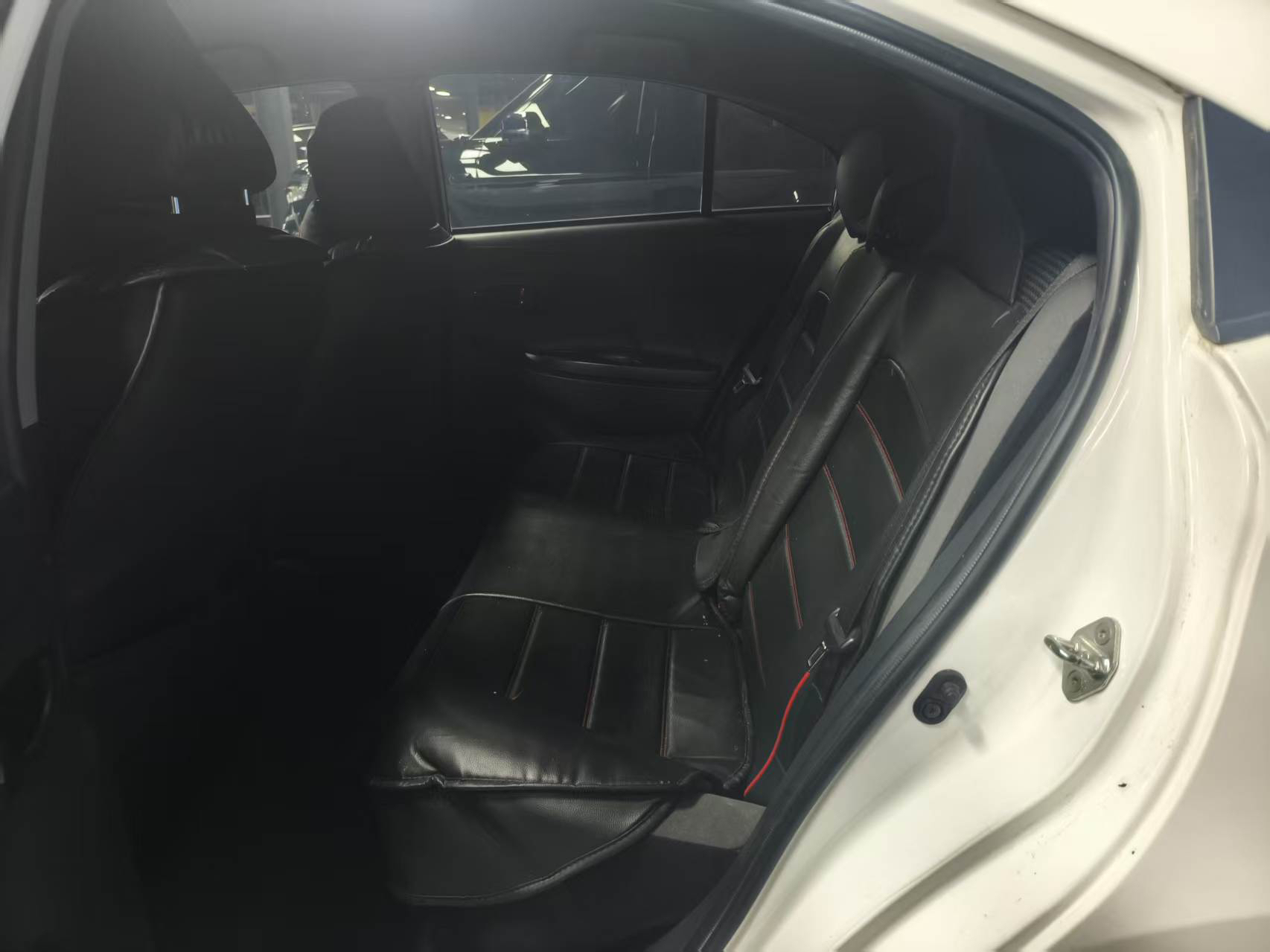



Basic Information

BrandToyota
SeriesVios
Year2020
First Registration2020/11
Mileage40,000km
Transfer Count0times
FuelGasoline
TransmissionCVT
Engine1.5L 112 L4
ColorWhite
Seats5seats

Condition Description

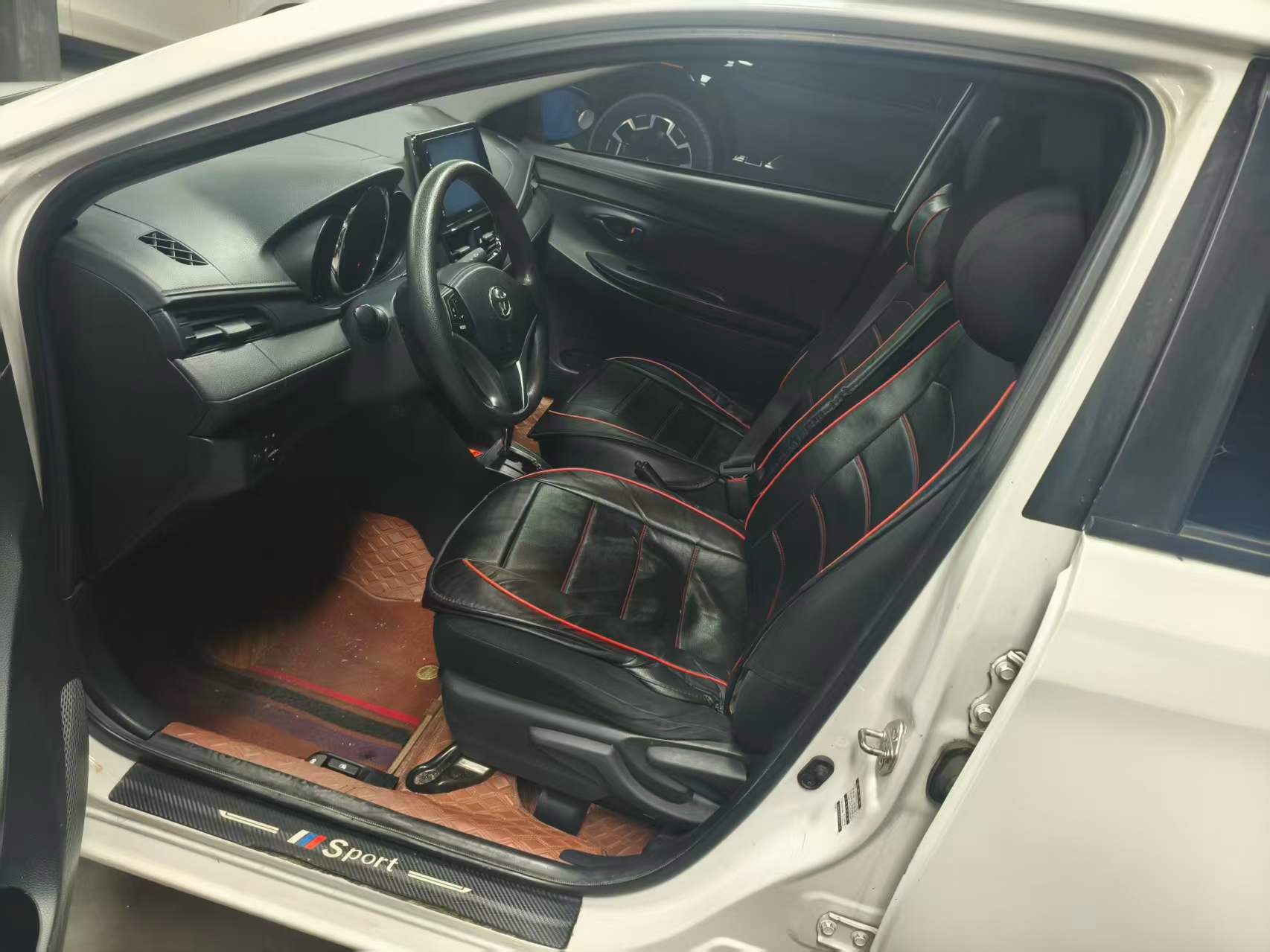
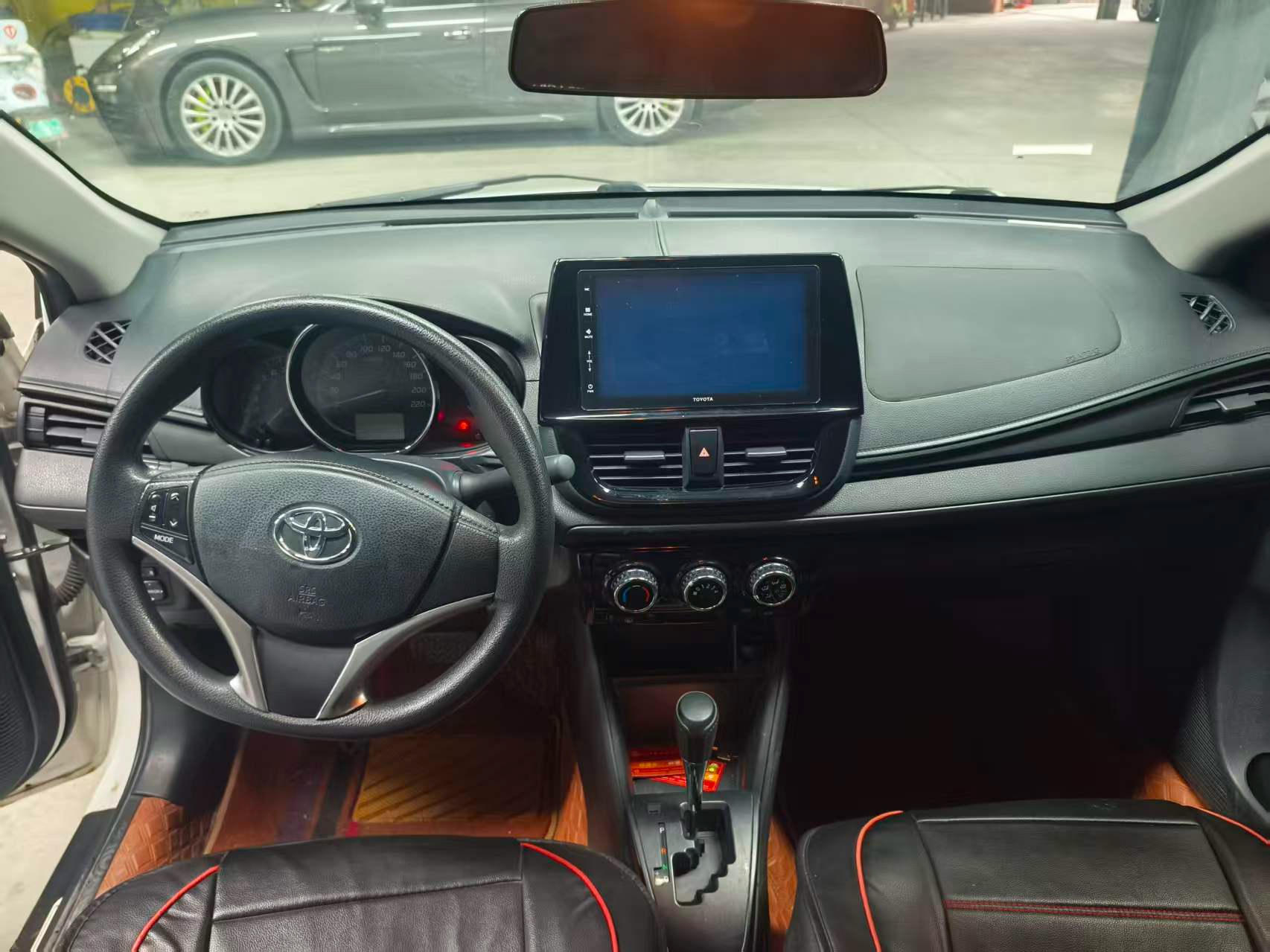
Registered in 2020. Front-end collision involving a large set of components; airbags deployed. Odometer shows 40,000 km. 4 previous transfers. Engine and transmission in perfect condition. Overall body is in very good shape, requiring almost no investment. Inspection and insurance expired.

Document Information

Inspection Expiry Date-
Warranty Expiry Date-
Insurance Expiry Date2027/11

Q&A

More

What does the buying process look like when importing a used car from China?

A typical transaction has six steps. 1. Selection: you confirm the vehicle through photos, a video walkaround, an inspection report and the VIN. 2. Deposit: most exporters ask 20%-30% to reserve the car. Pay by bank transfer to the company's corporate account, never a personal one. 3. Inspection: an independent pre-shipment inspection verifies the condition; you receive the report before paying the balance. 4. Balance payment: usually due before loading. Request the booking confirmation and container number. 5. Shipping: the exporter sends you the draft bill of lading for checking, then the original documents by courier. 6. Arrival: you clear customs with the invoice, C/O, B/L and inspection certificate, then register the vehicle. Total timeline is usually 2-6 weeks. Use payment methods with recourse (T/T or escrow) and keep every contract and receipt.


Can B2C individual buyers purchase just one car as a "sample order" to test the waters?

Of course. Our system supports single unit orders. However, objectively speaking, the shipping booking fees, documentation processing fees, and customs clearance fees for a single vehicle are very high. We recommend that individual buyers calculate the total landing cost before making a decision.

How do you detect carbon buildup and wear inside the engine using technology without deep disassembly?

We use two steps: 1. Insert a medical-grade endoscope through the spark plug hole to visually inspect cylinder wall scratches and carbon buildup on the piston top; 2. Extract an engine oil sample to check for large metal debris or emulsification (caused by coolant leakage).