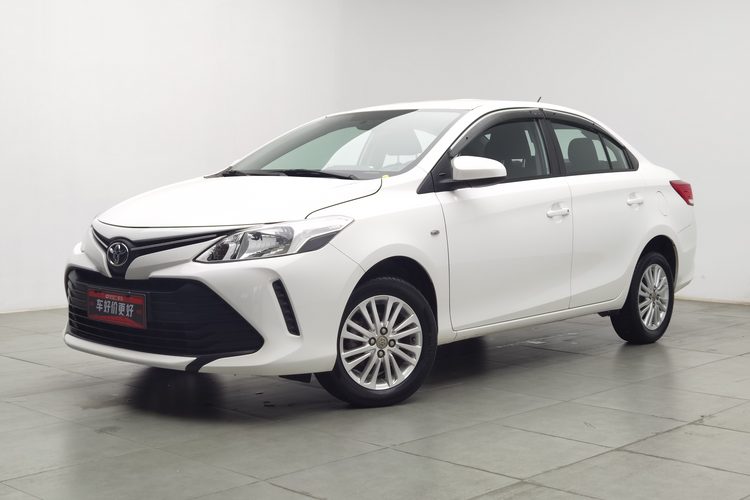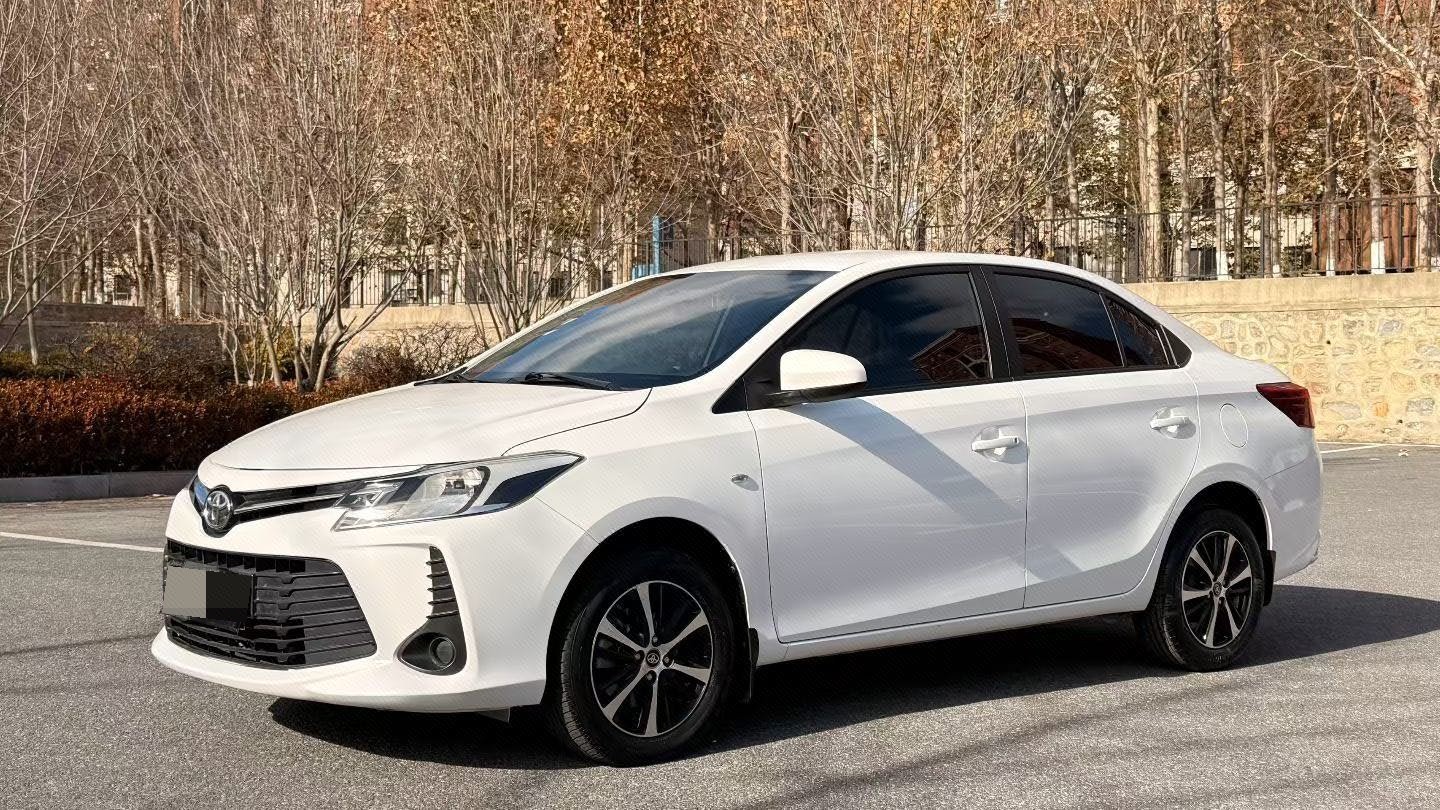
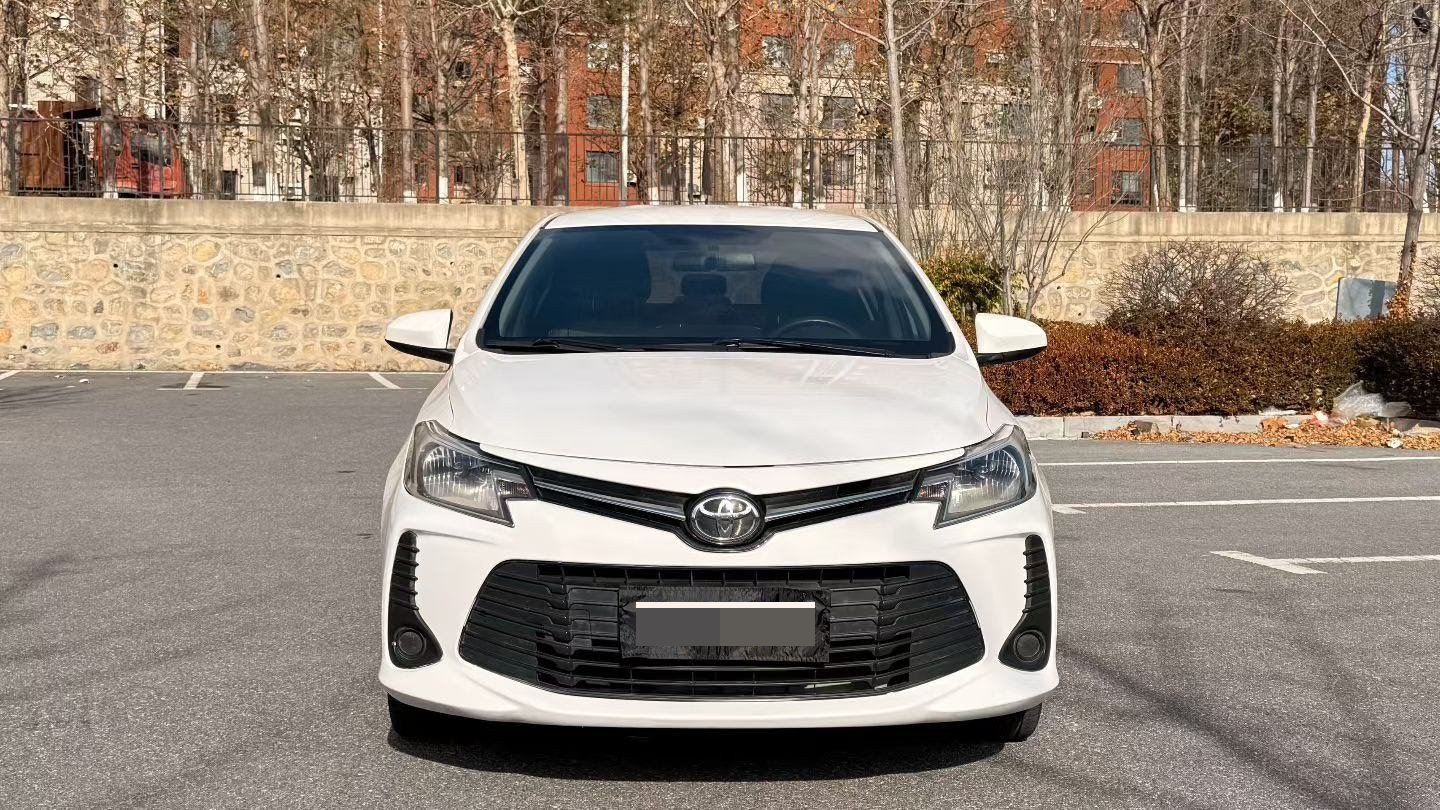
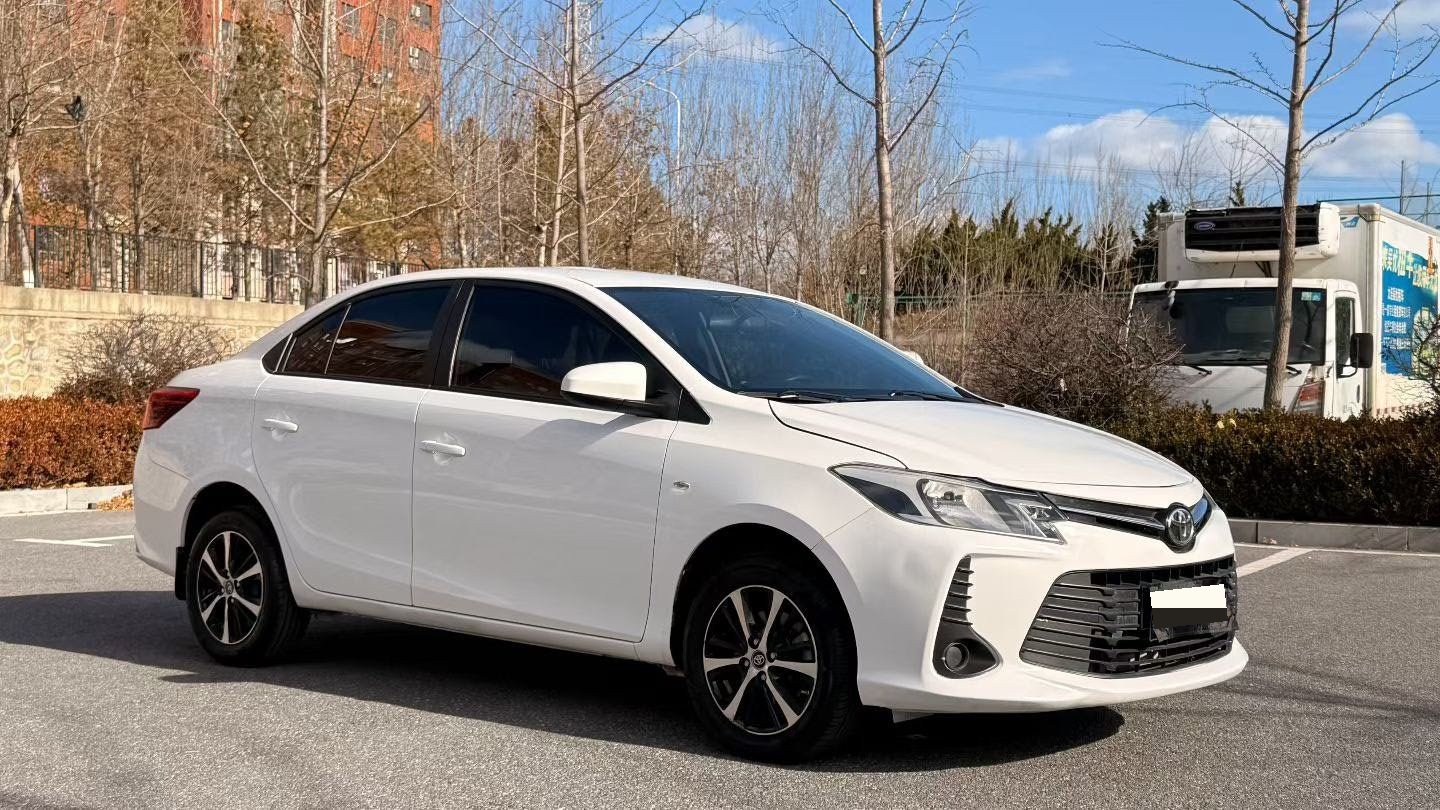
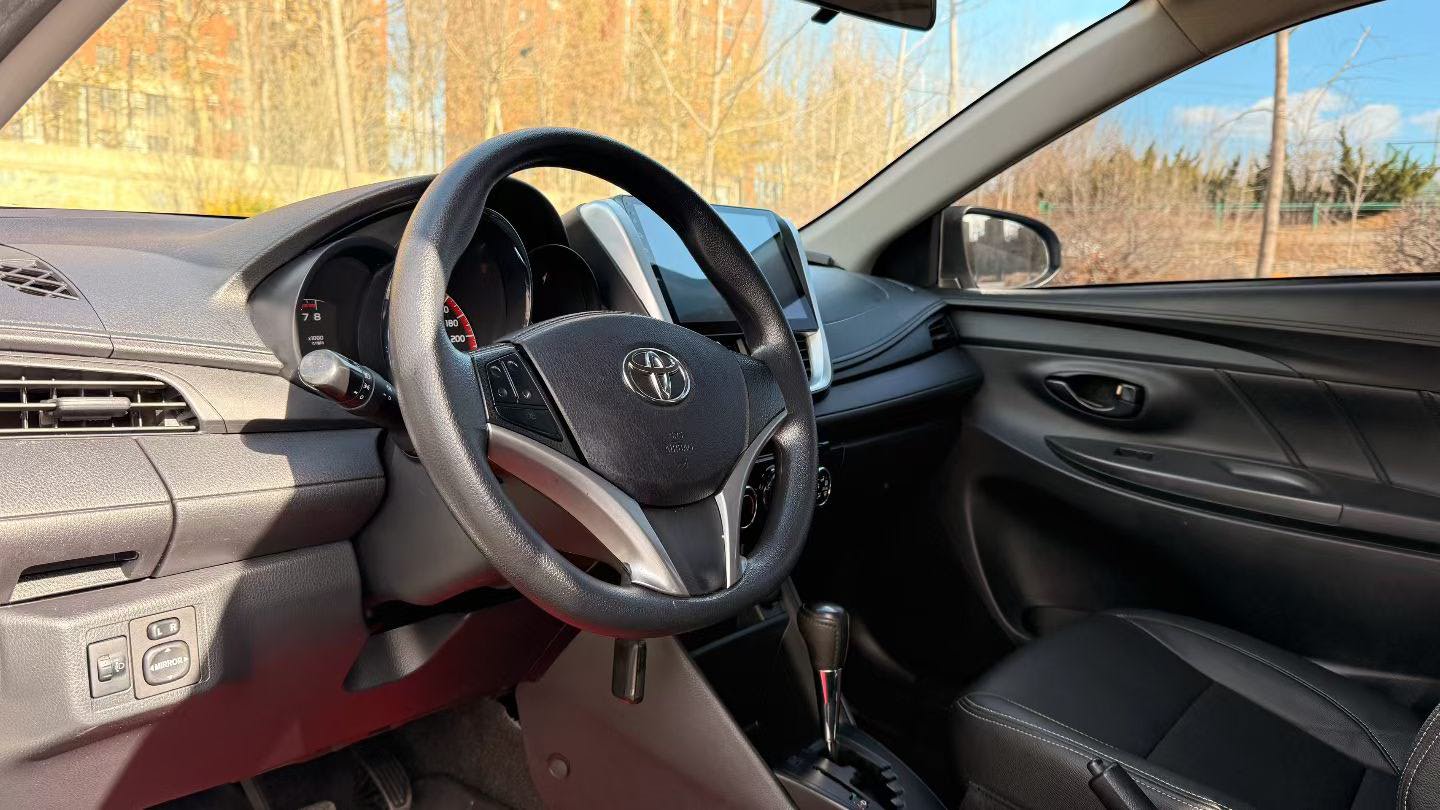
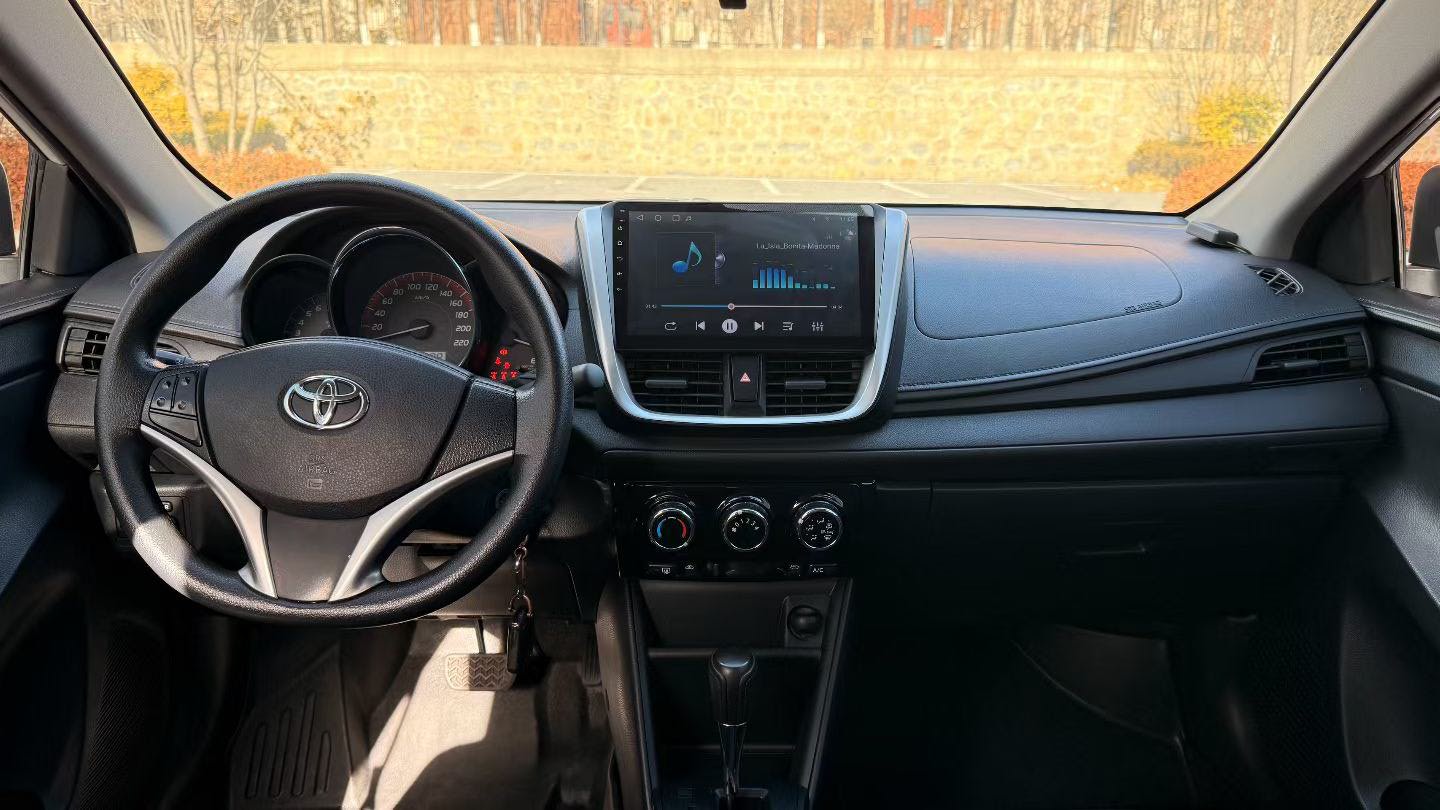
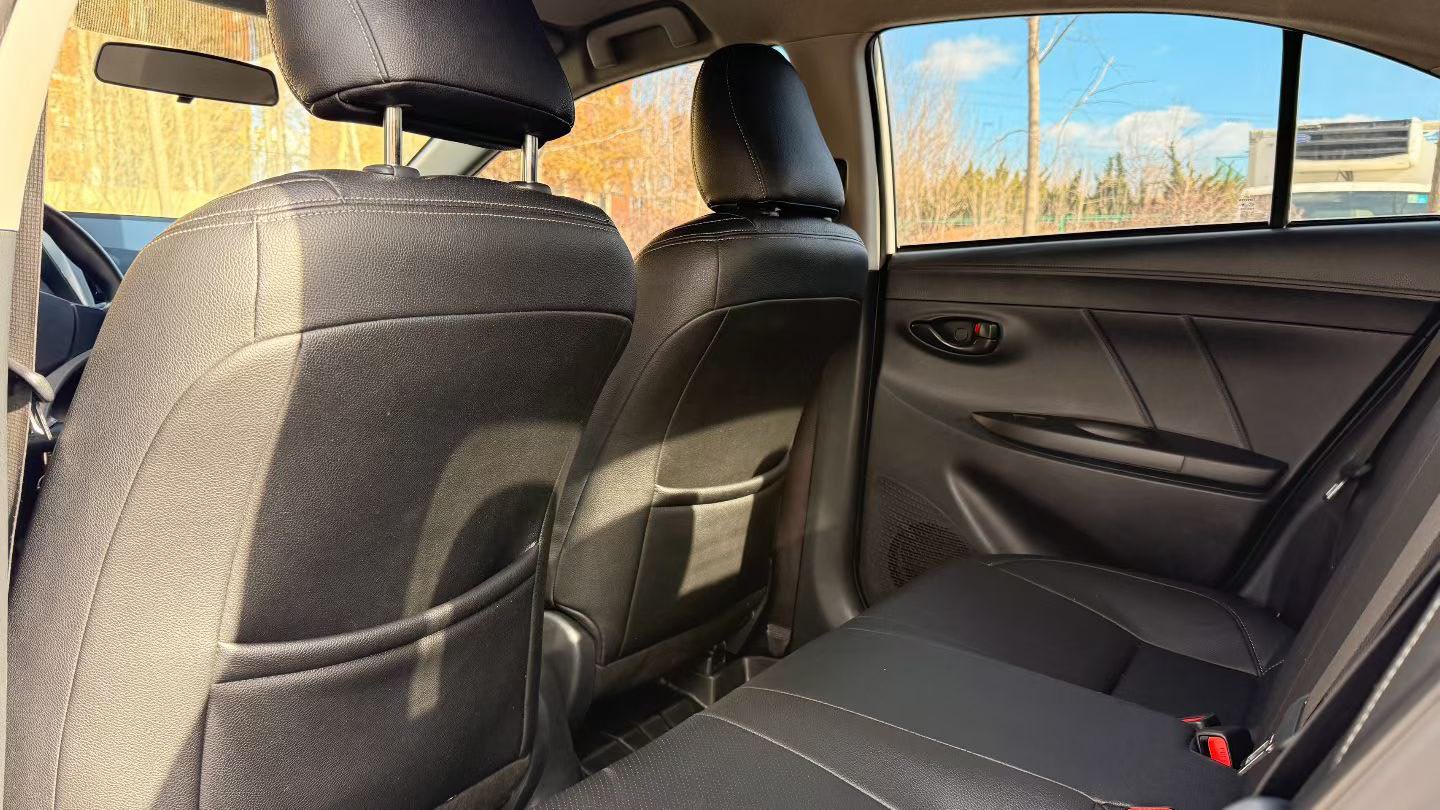
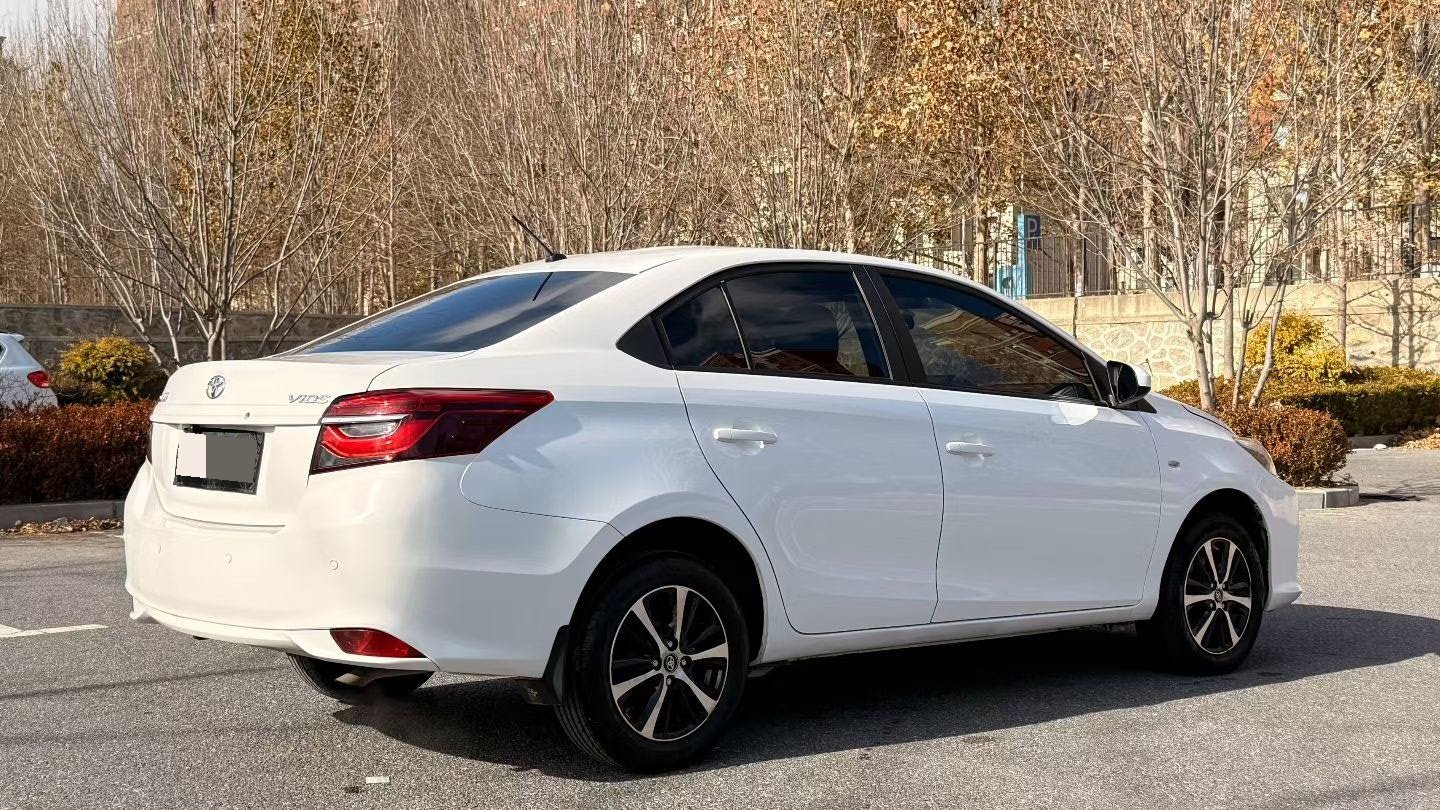
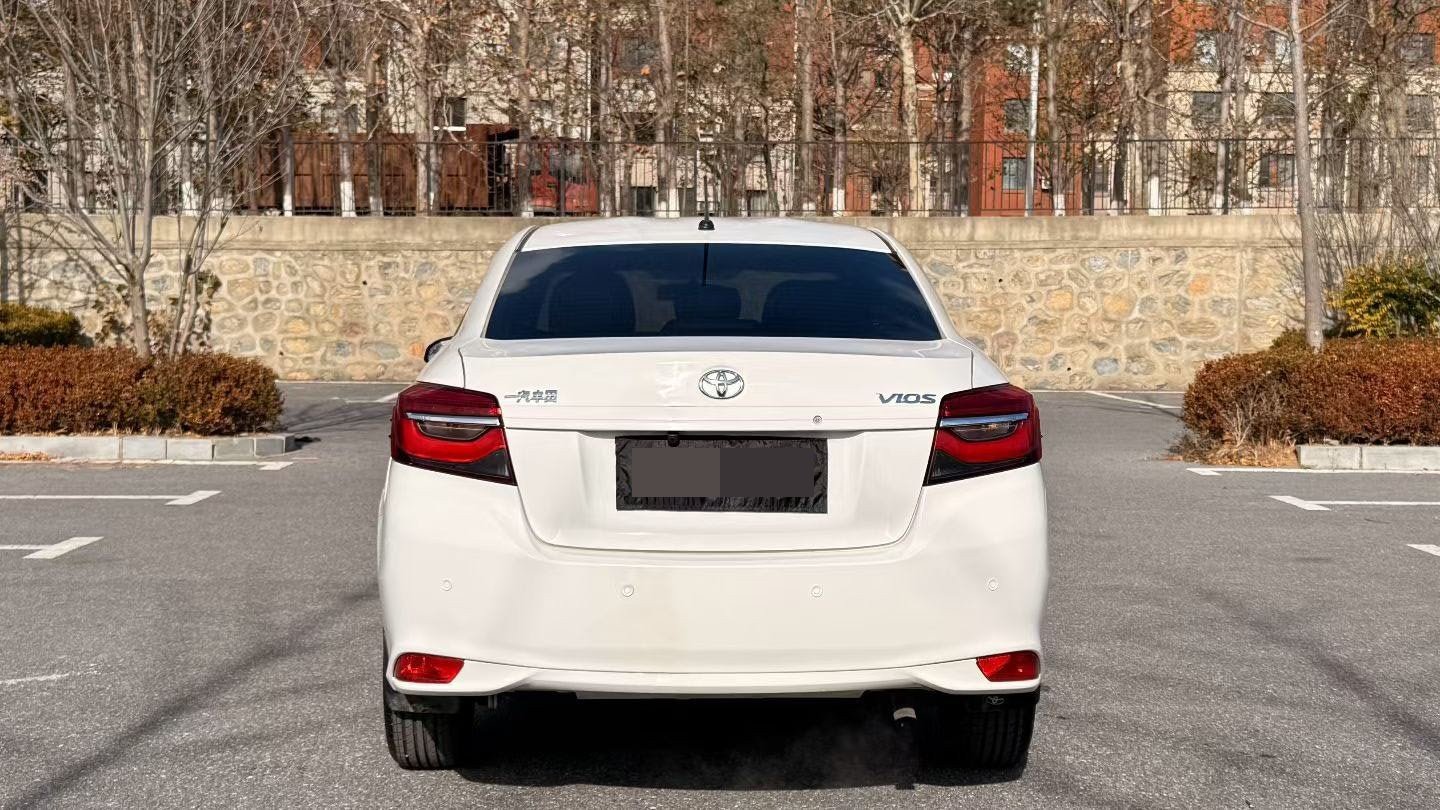
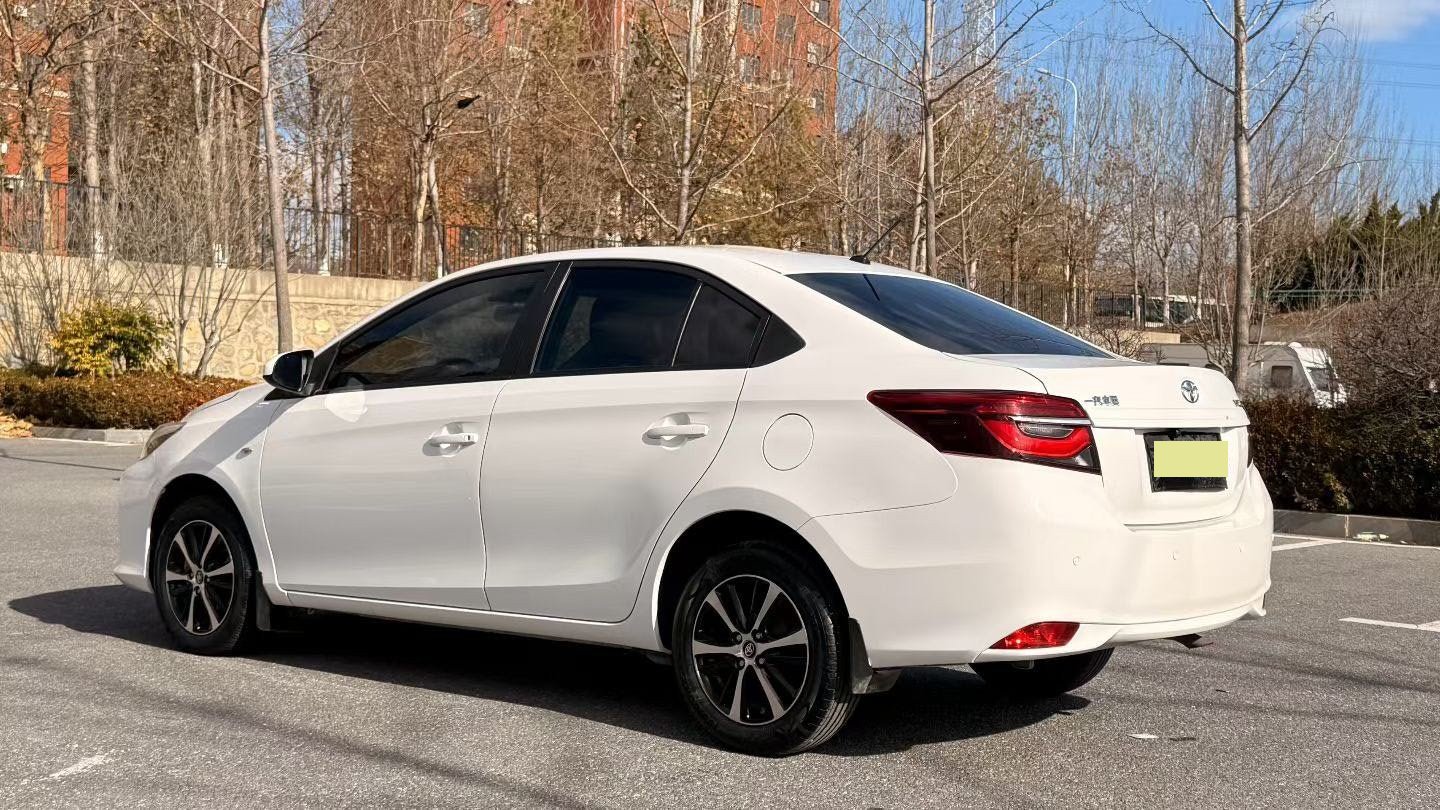



Basic Information

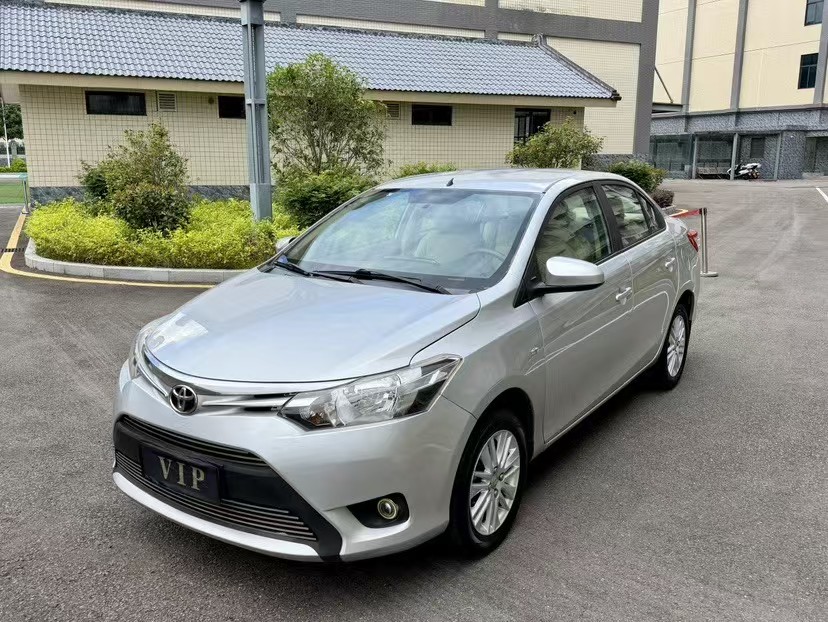
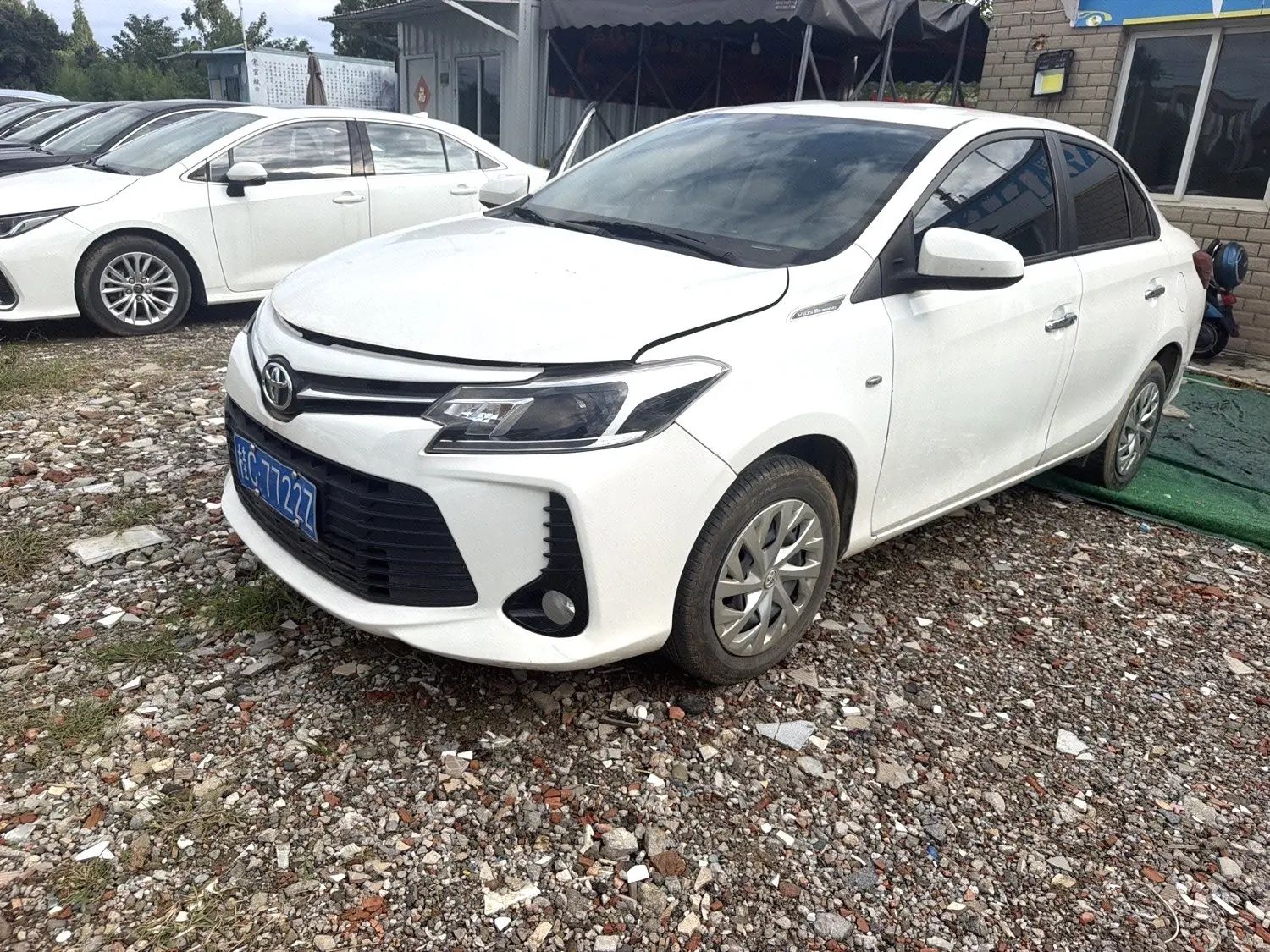
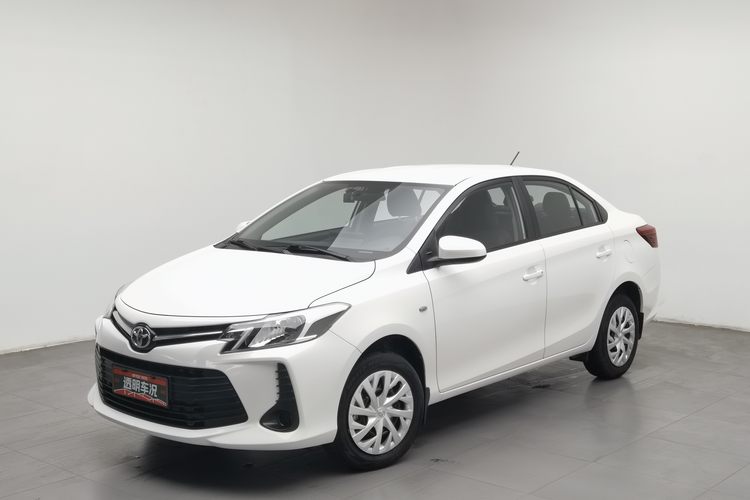
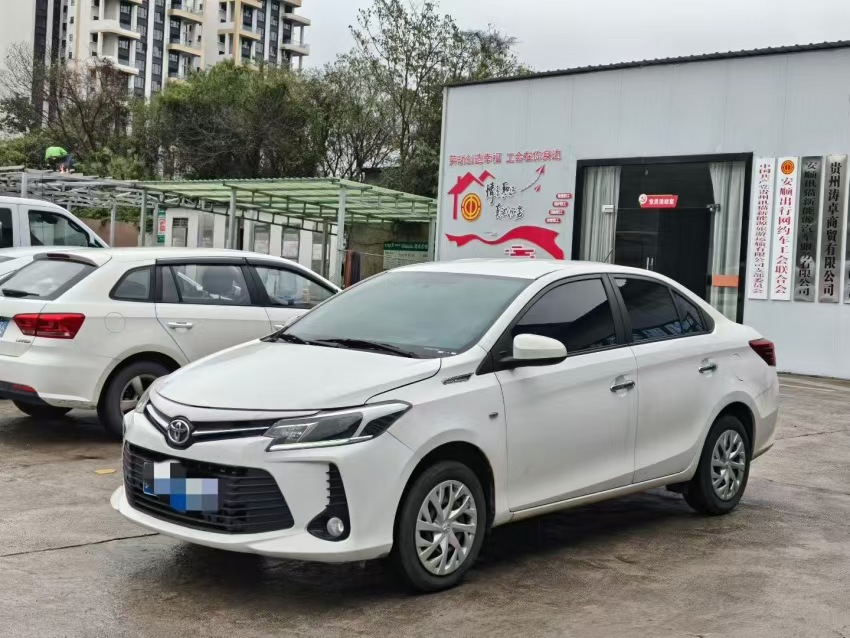
BrandToyota
SeriesVios
Year2020
First Registration2020/11
Mileage90,000km
Transfer Count0times
FuelGasoline
TransmissionCVT
Engine1.5L 112 L4
ColorWhite
Seats5seats

Condition Description

One-owner vehicle, actual mileage 90,000 km, one and a half panels repainted.

Document Information

Inspection Expiry Date-
Warranty Expiry Date-
Insurance Expiry Date2027/11

Q&A

More

For countries with strict anti-dumping laws, do the low-priced used new energy vehicles you export face the risk of being confiscated by customs on the grounds of dumping?

This is a macro policy minefield. Although used cars are rarely classified as dumping, if your single import quantity is too large and the declared price is significantly lower than local similar products, it can easily trigger an investigation by the tax bureau. We strongly recommend B2B buyers to break down shipments into smaller batches and use multiple invoices for customs clearance.


What are "fire-damaged" or "flood-damaged" cars? How do you completely rule them out?

We thoroughly rule them out by checking if the cabin wiring harness is melted, if the seat belts have water stains or mold, if there is unusual rust or debris in the seat tracks and cigarette lighter, and by verifying with the insurance company for any "total loss claims." These two types of cars are an absolute sales ban for us.

How does customs clearance work at destination when importing a used car from China, and who handles it?

Customs clearance at destination is usually handled by a licensed customs broker, not the exporter. You can hire one yourself or use a broker recommended by your shipping agent. The typical flow: your broker files the import declaration using the documents the exporter must provide — the commercial invoice, packing list, bill of lading, and the certificate of origin. Depending on your country's rules, you will also need to pay import duty, VAT or sales tax, and any excise or environmental levies before the car is released. Things that commonly delay clearance: mismatched VIN numbers between documents, missing pre-shipment inspection certificates (required in some African and Middle Eastern countries), or non-compliance with your country's used-car import age limits. Budget 3–10 working days for clearance after the vessel arrives, plus storage fees if documents are incomplete. Tip: send all documents to your broker for review before the ship departs China — fixing errors at origin is much cheaper than demurrage at destination.