



24H

Basic Information

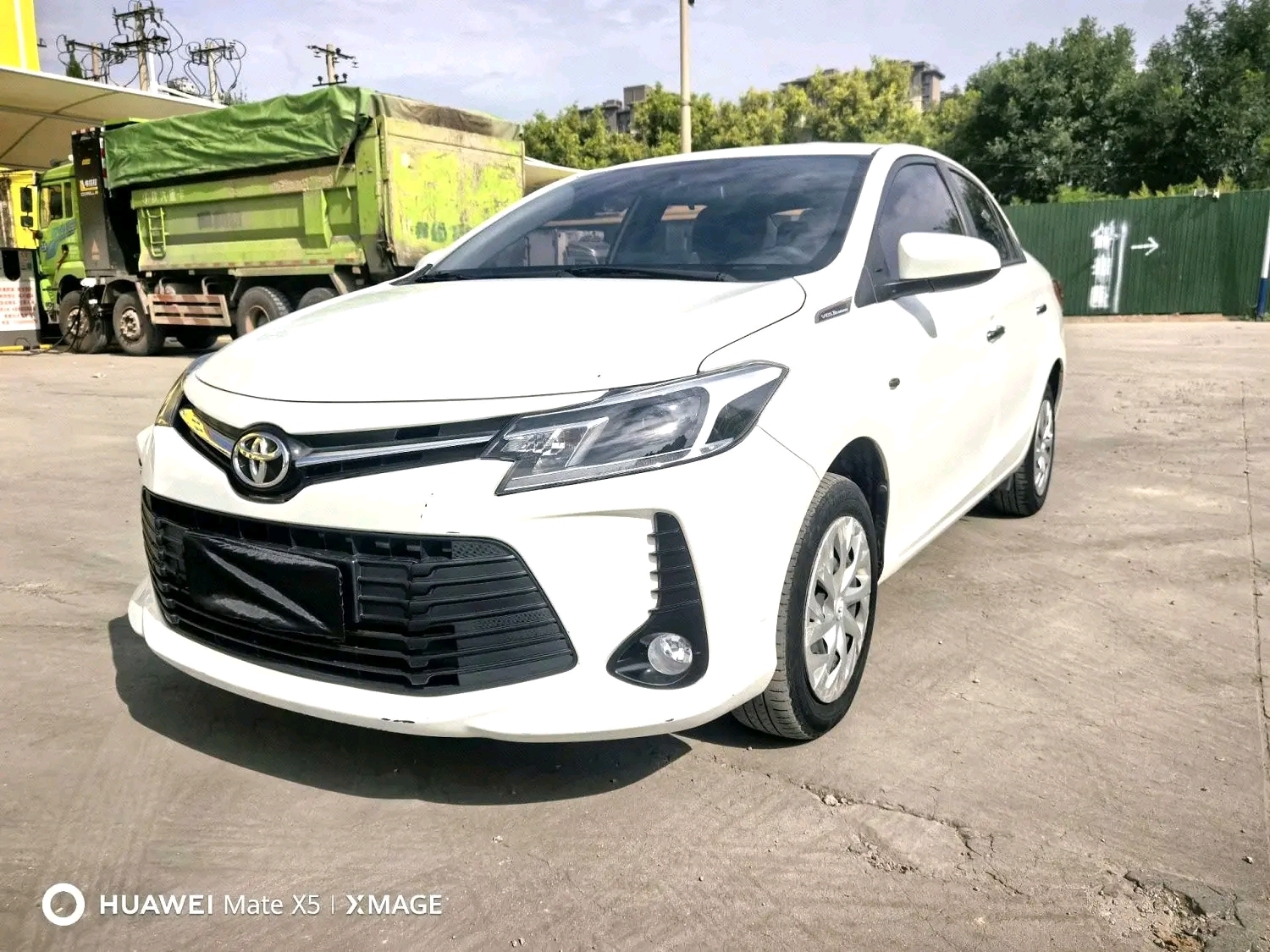
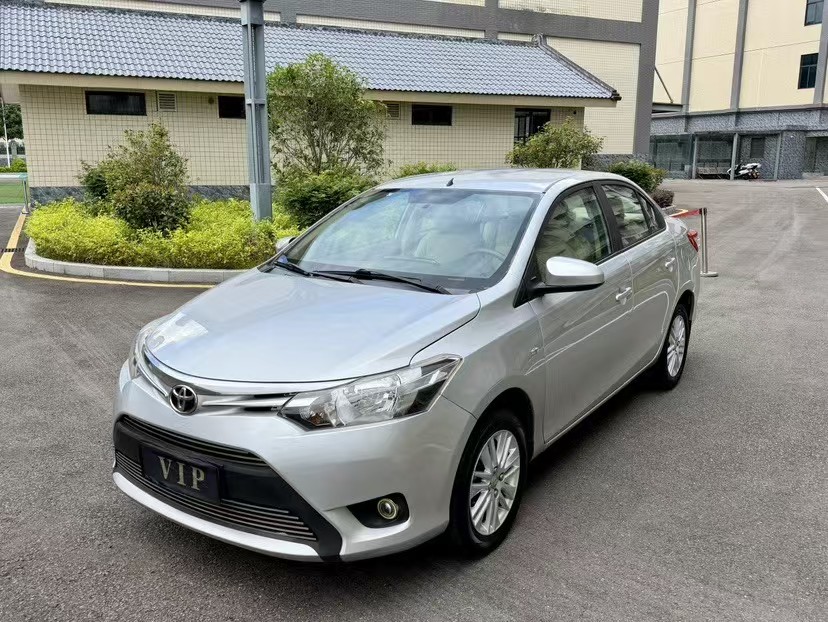
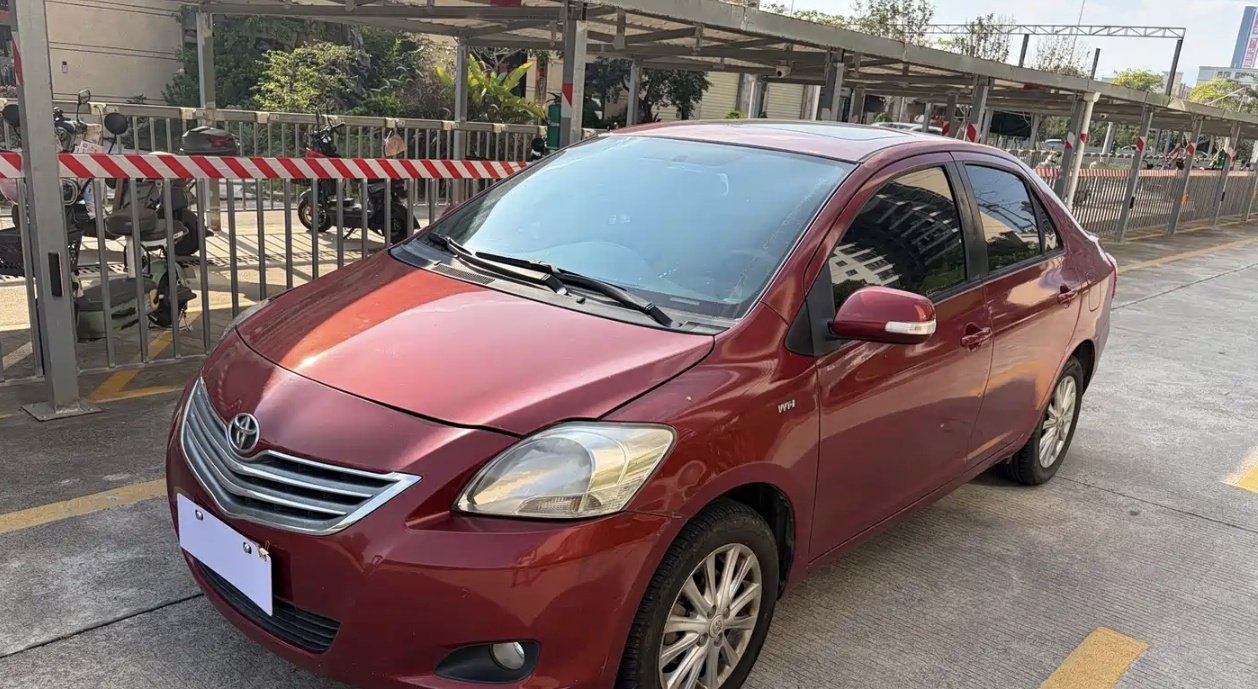
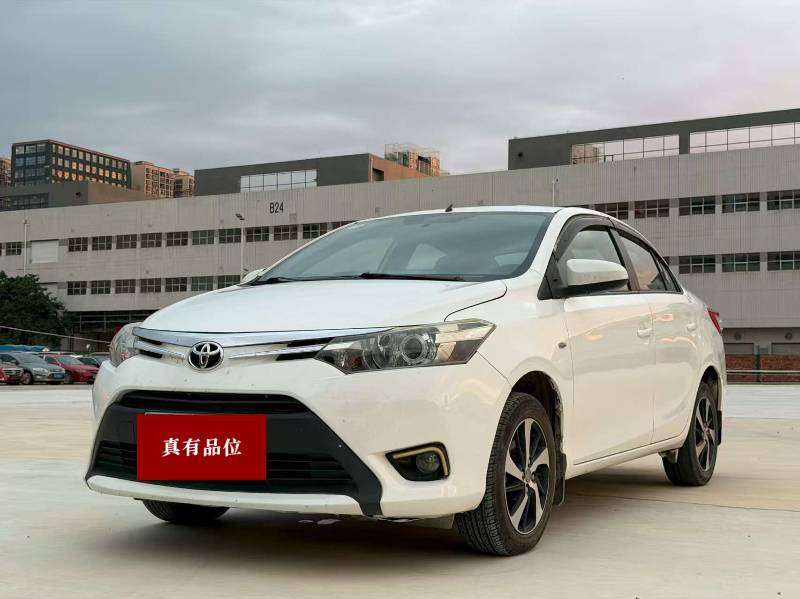
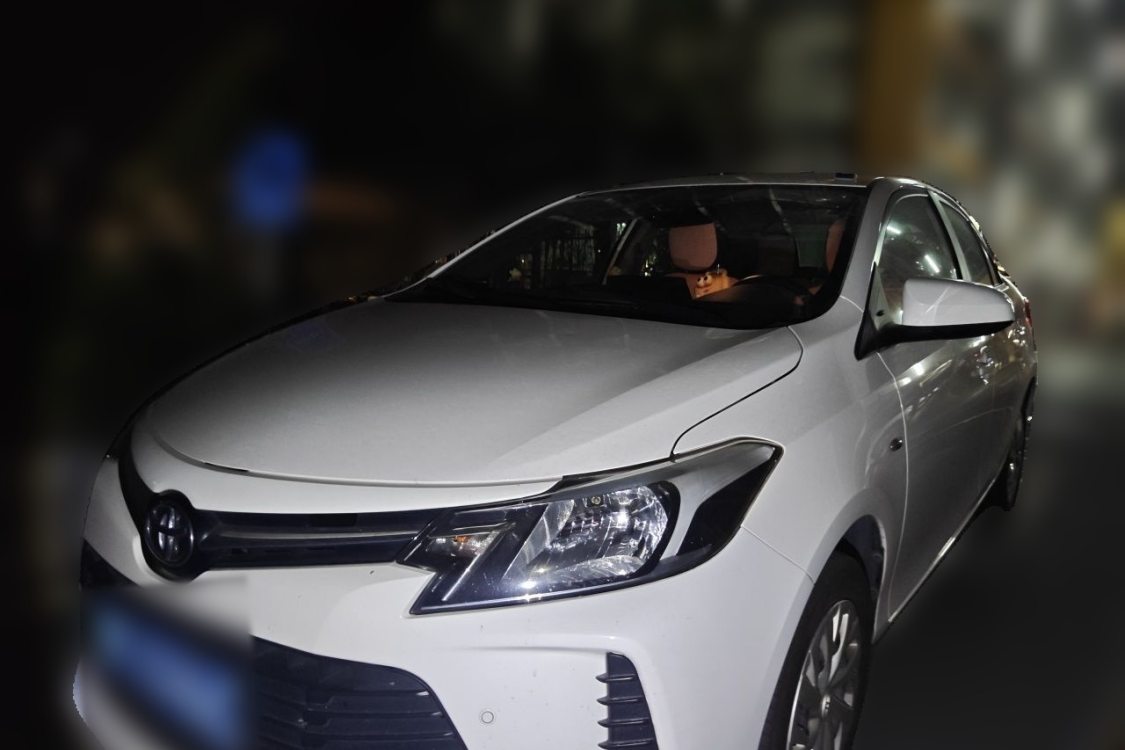
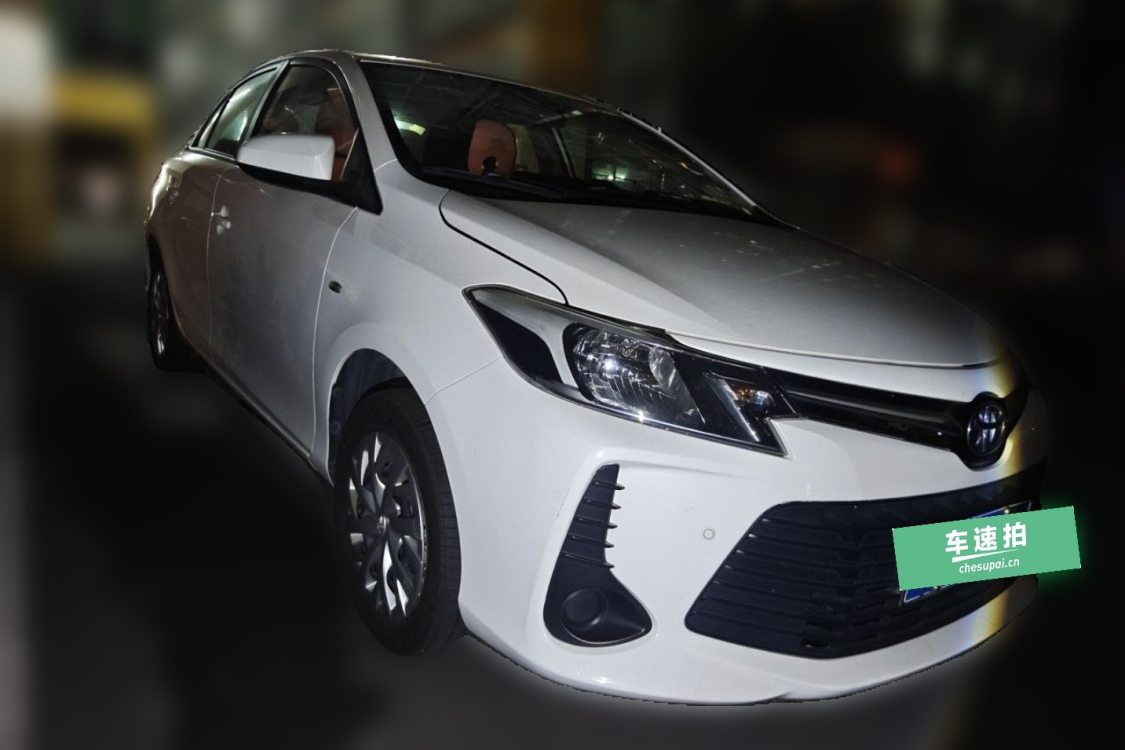
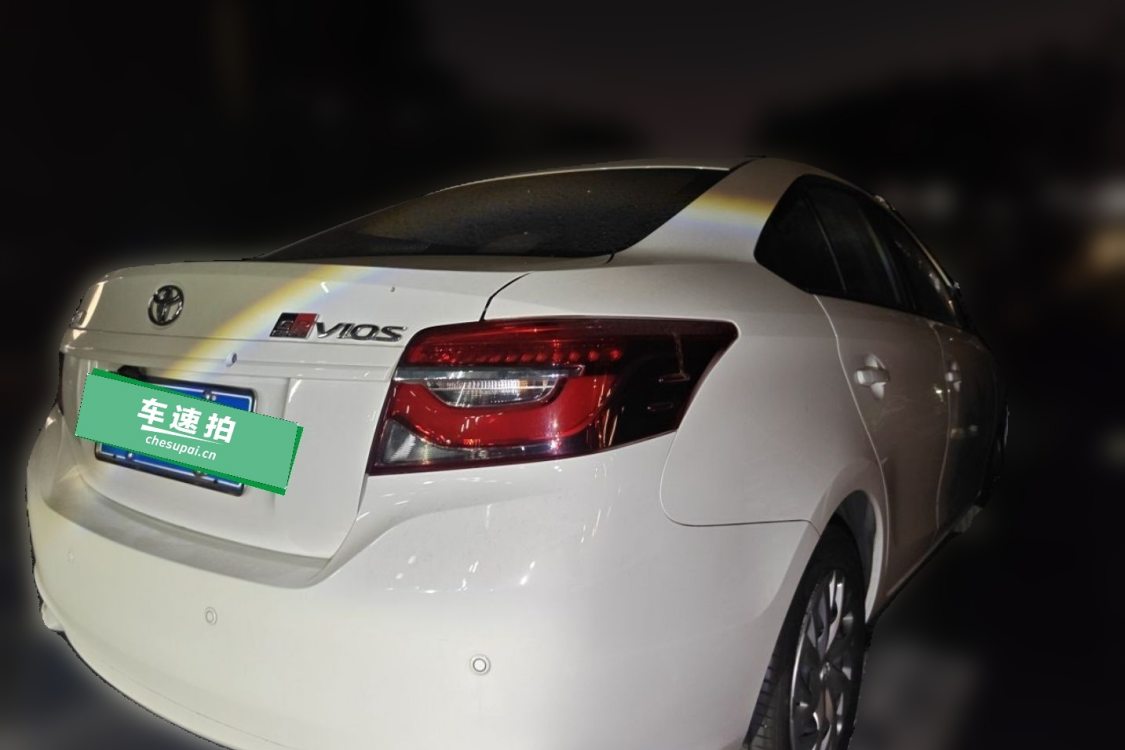
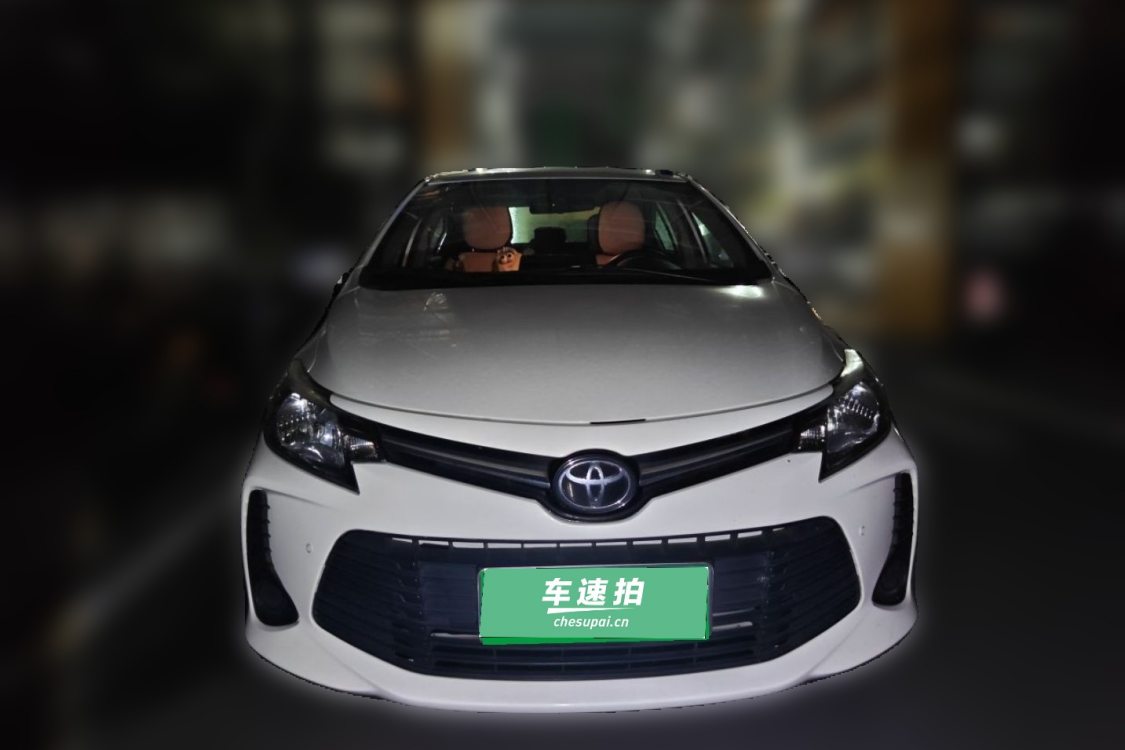
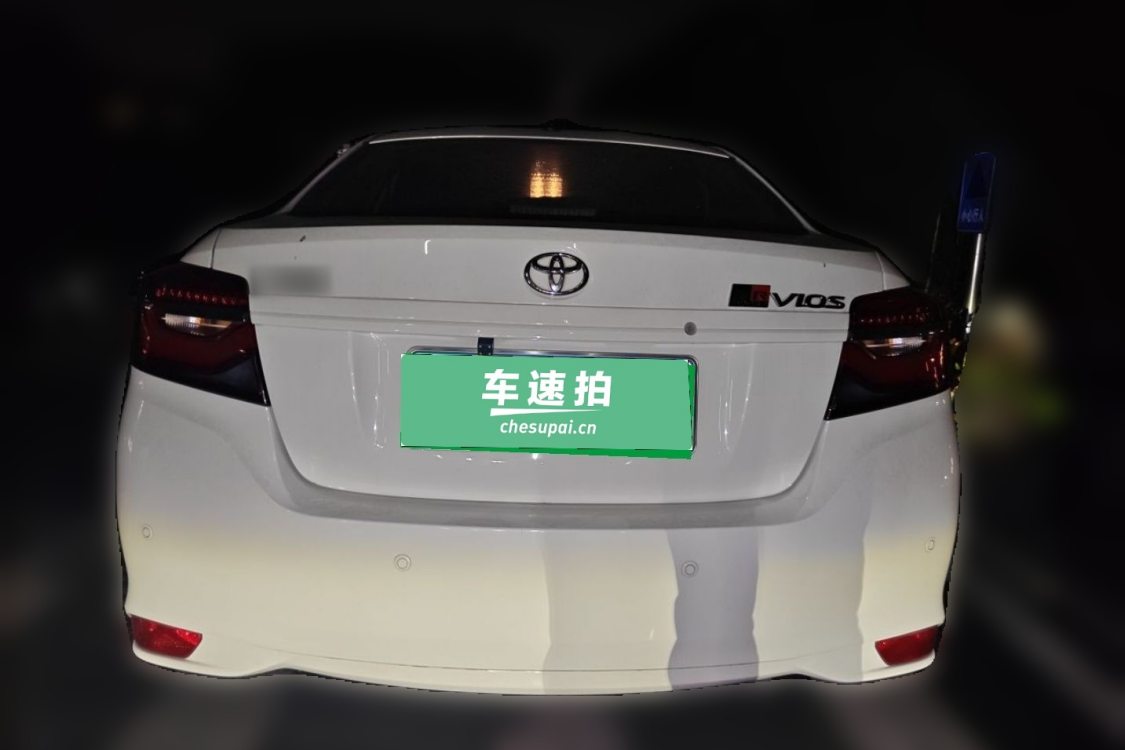
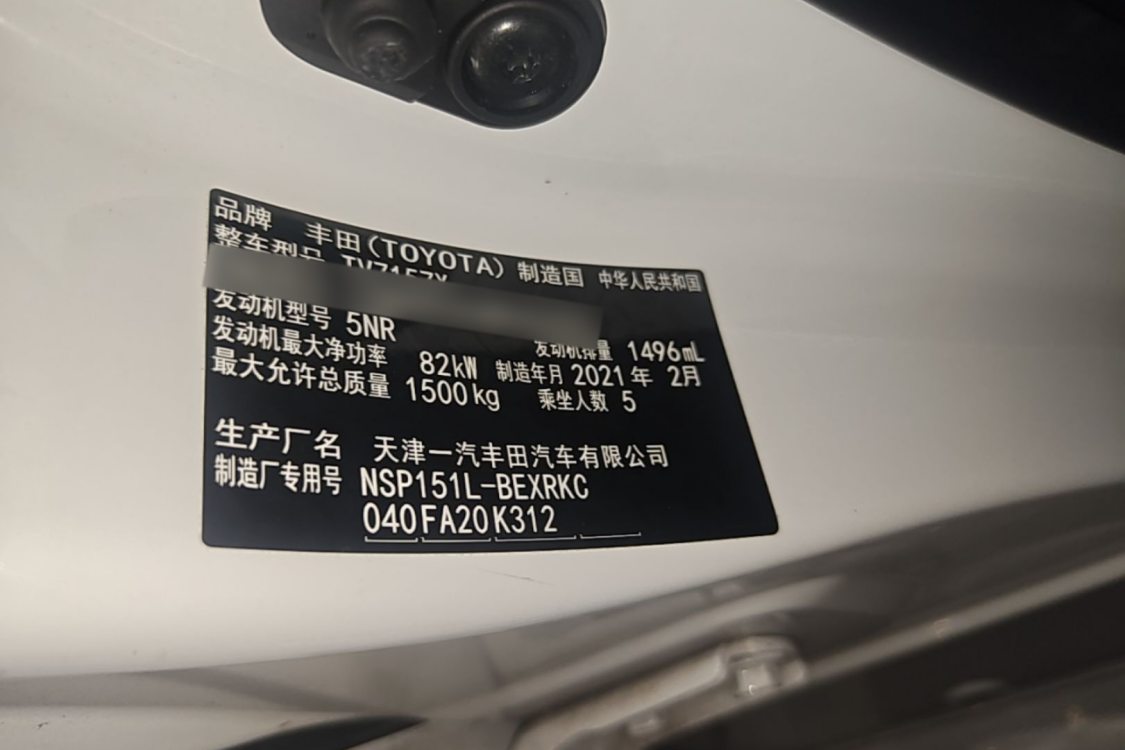
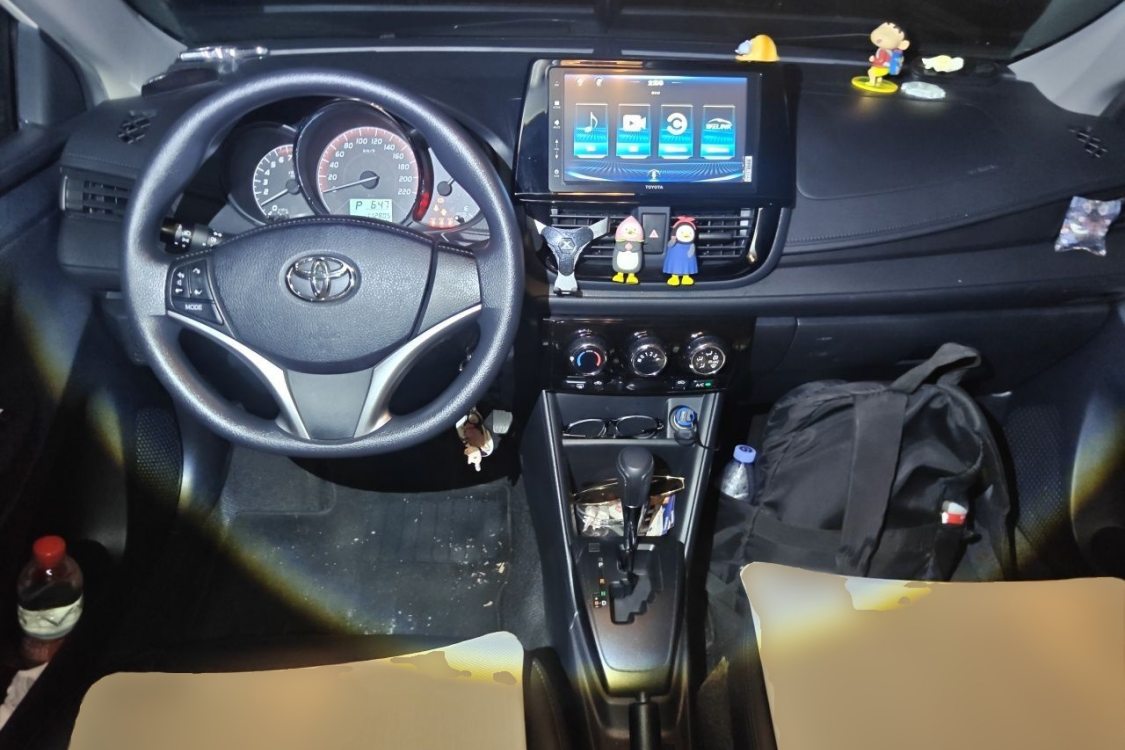
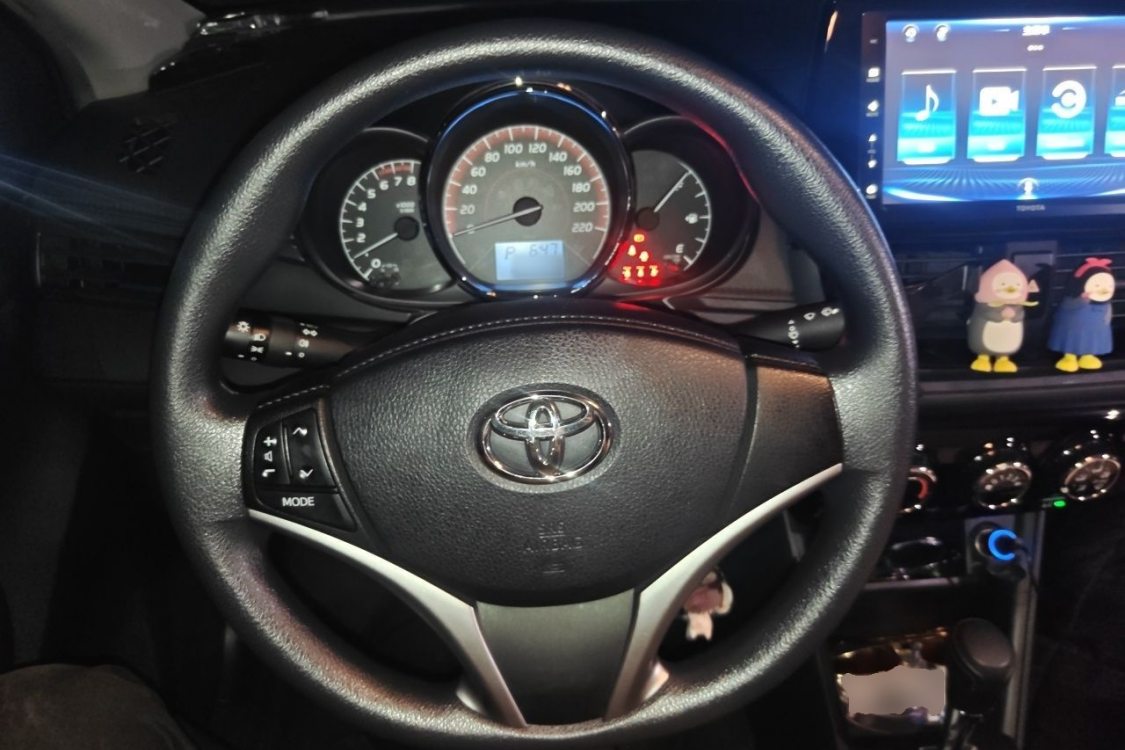
BrandToyota
SeriesVios
Year2021
First Registration2021/03
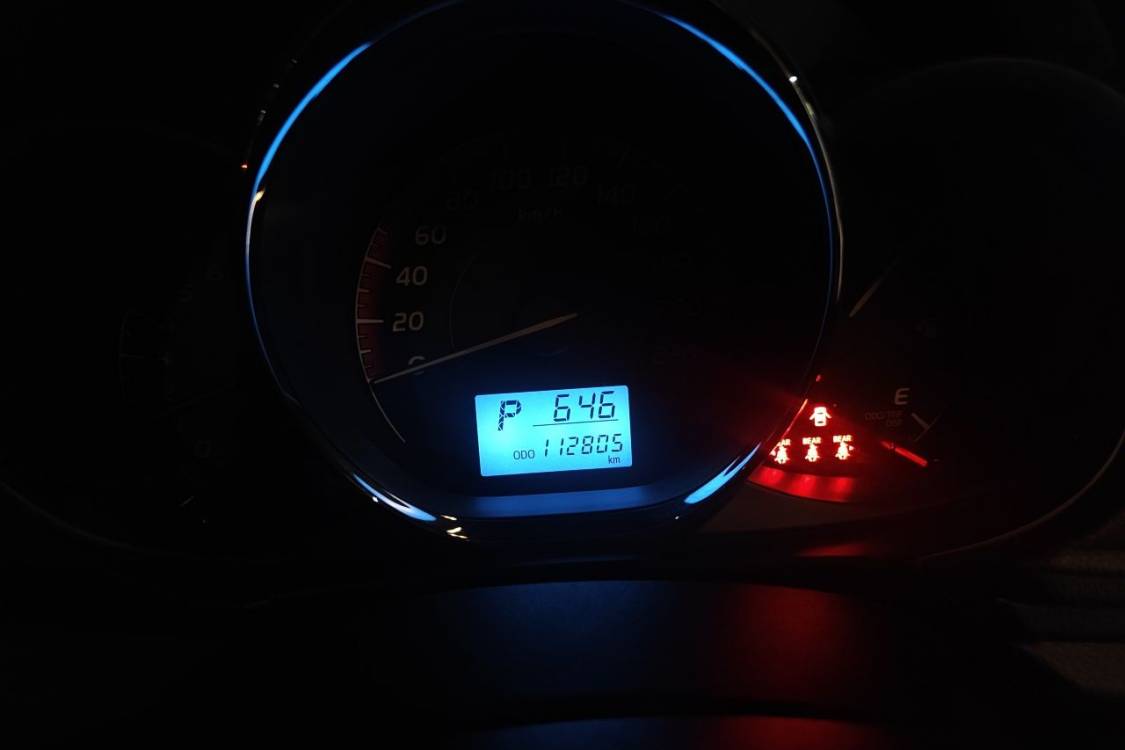
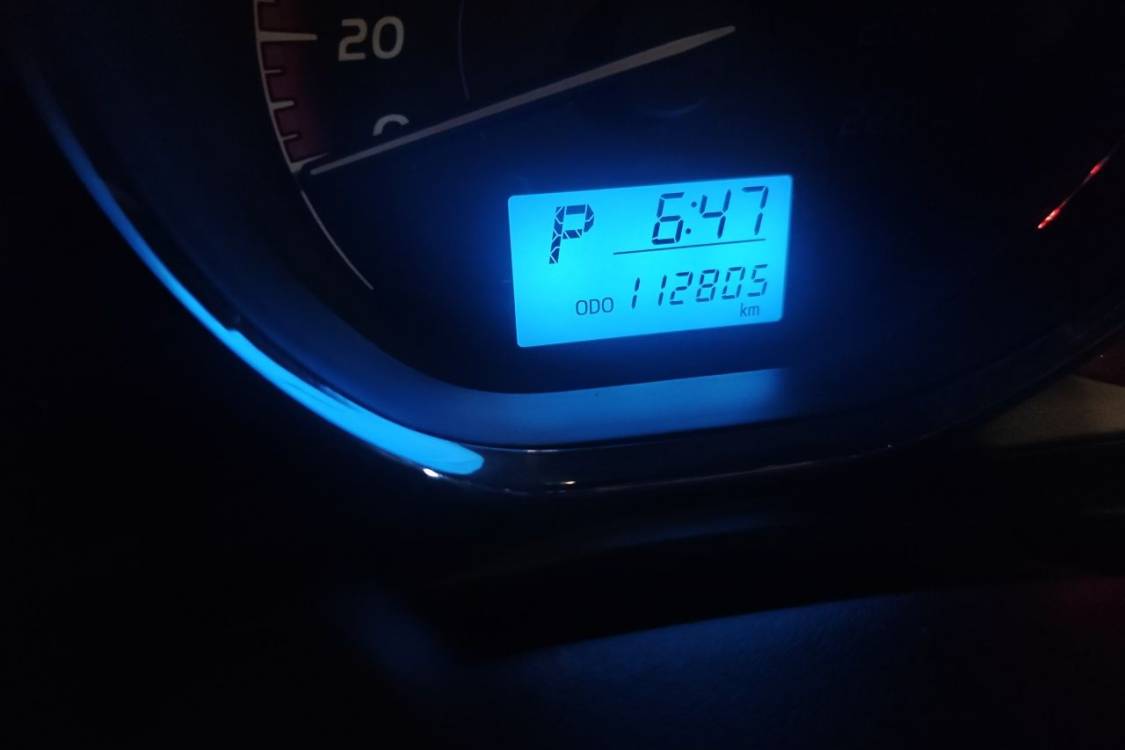
Mileage112,800km
Transfer Count-
FuelGasoline
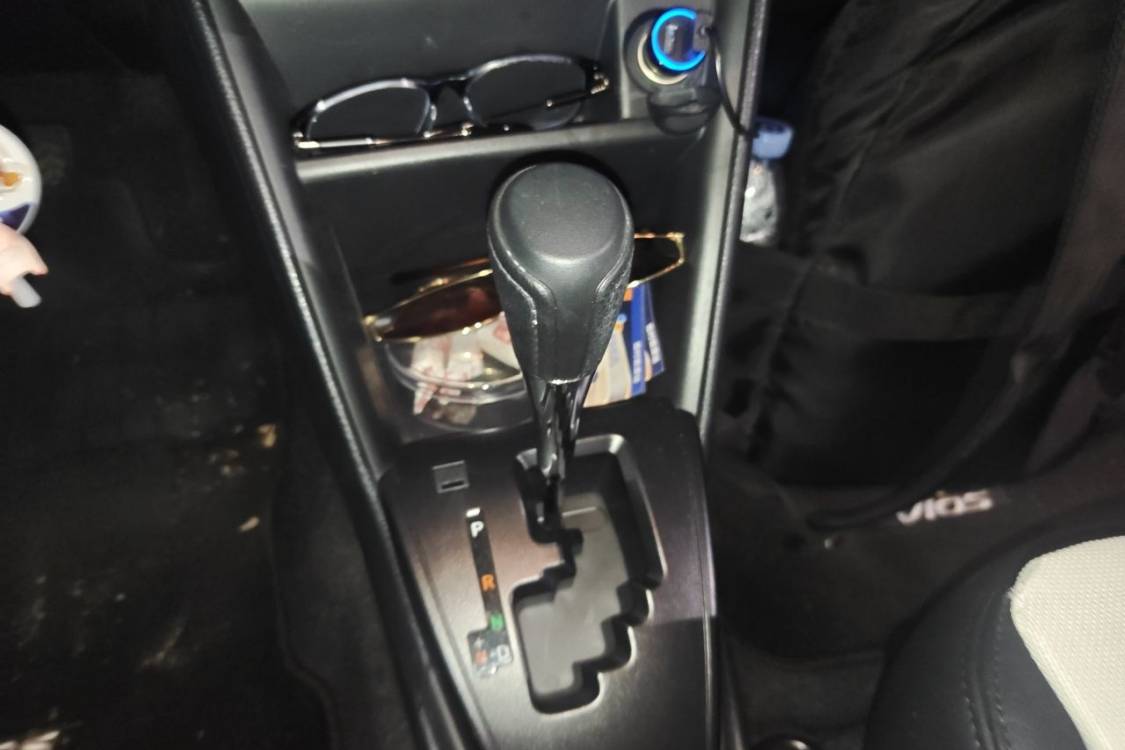
TransmissionCVT
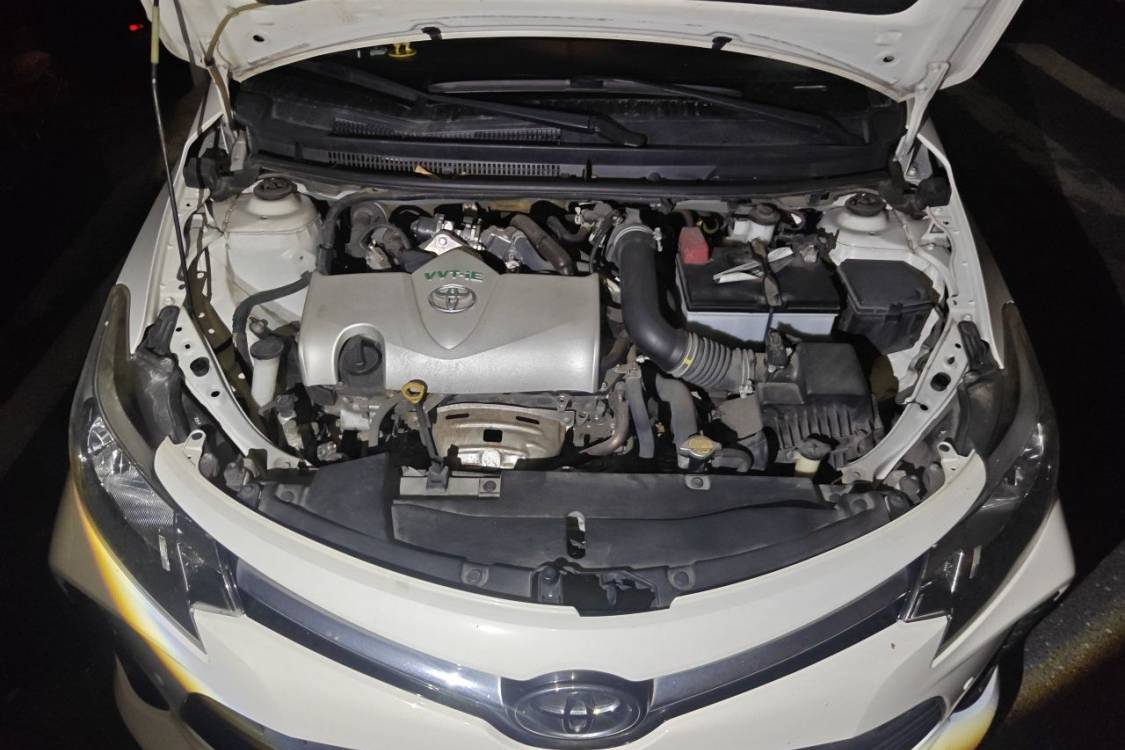
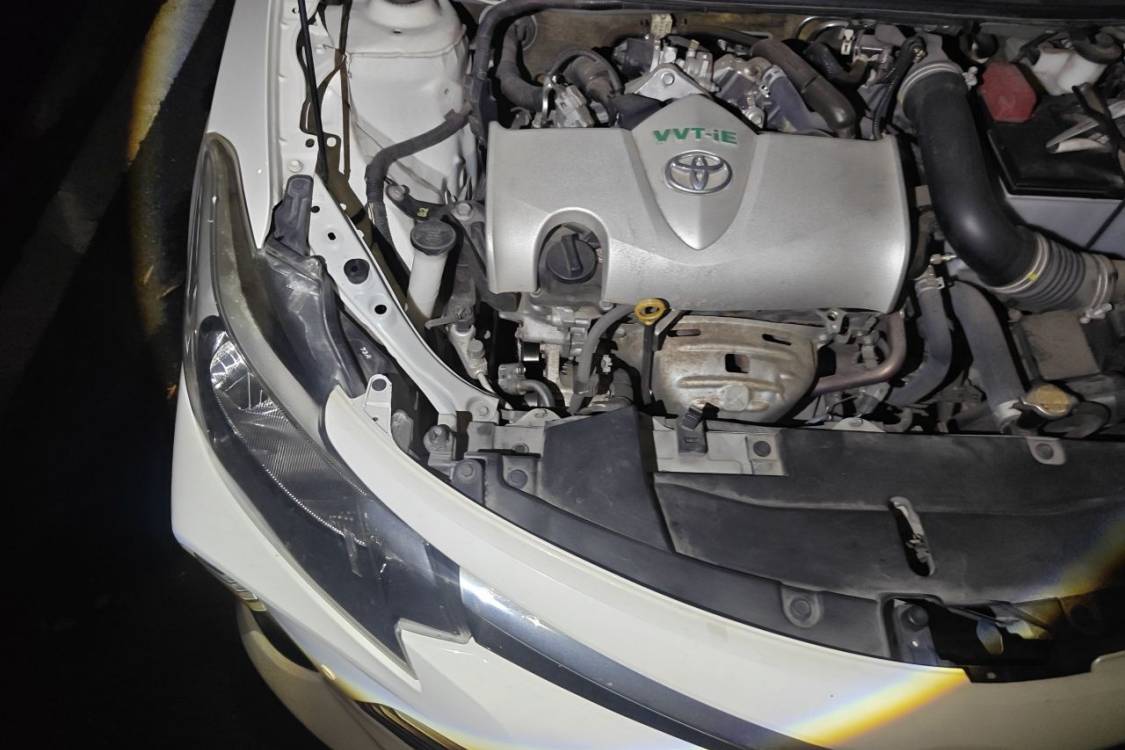
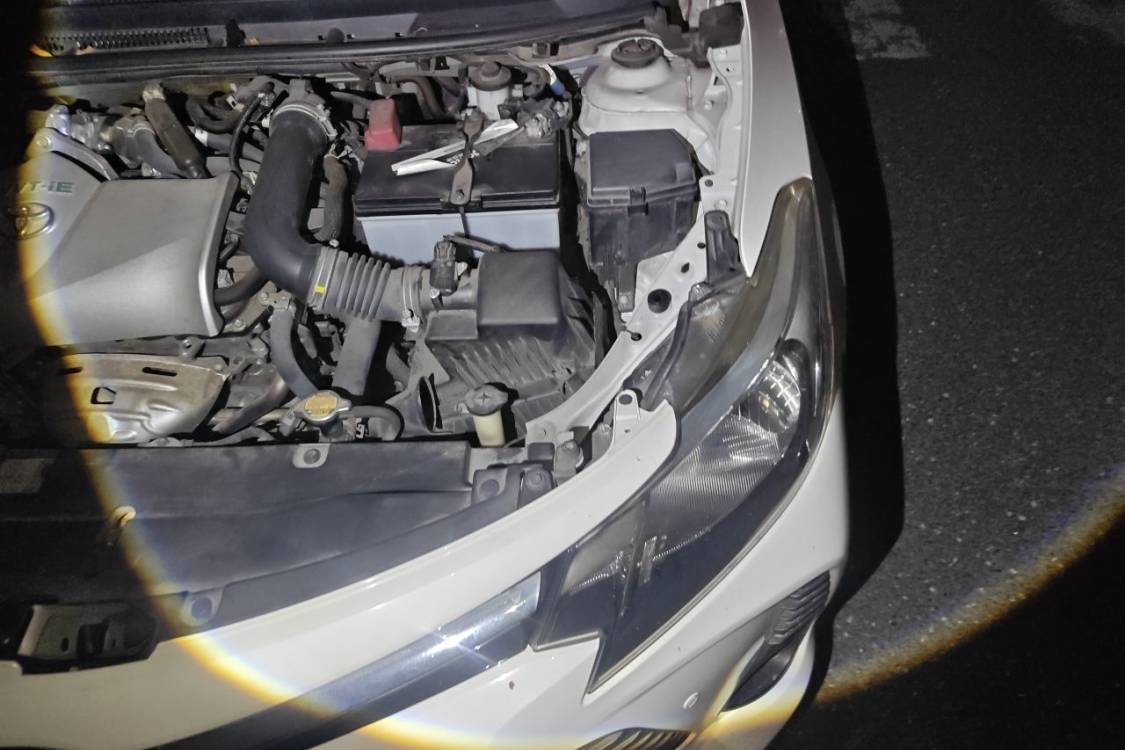
Engine1.5L 112 L4
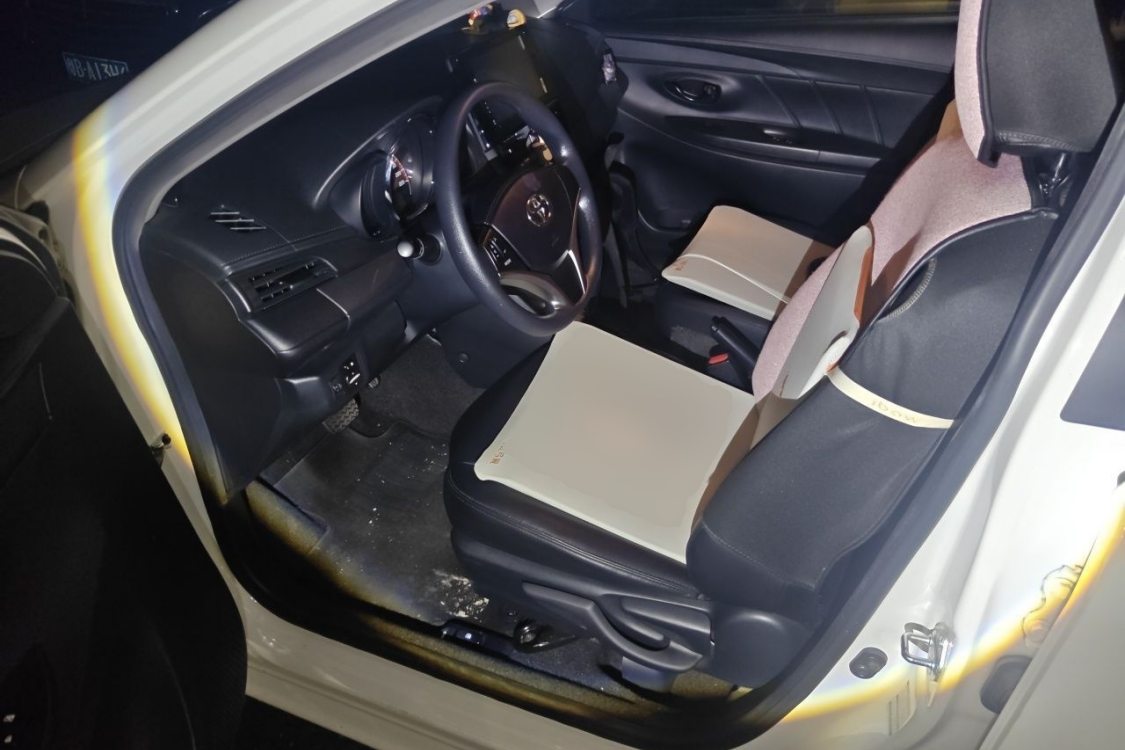
ColorWhite
Seats5seats

Condition Description

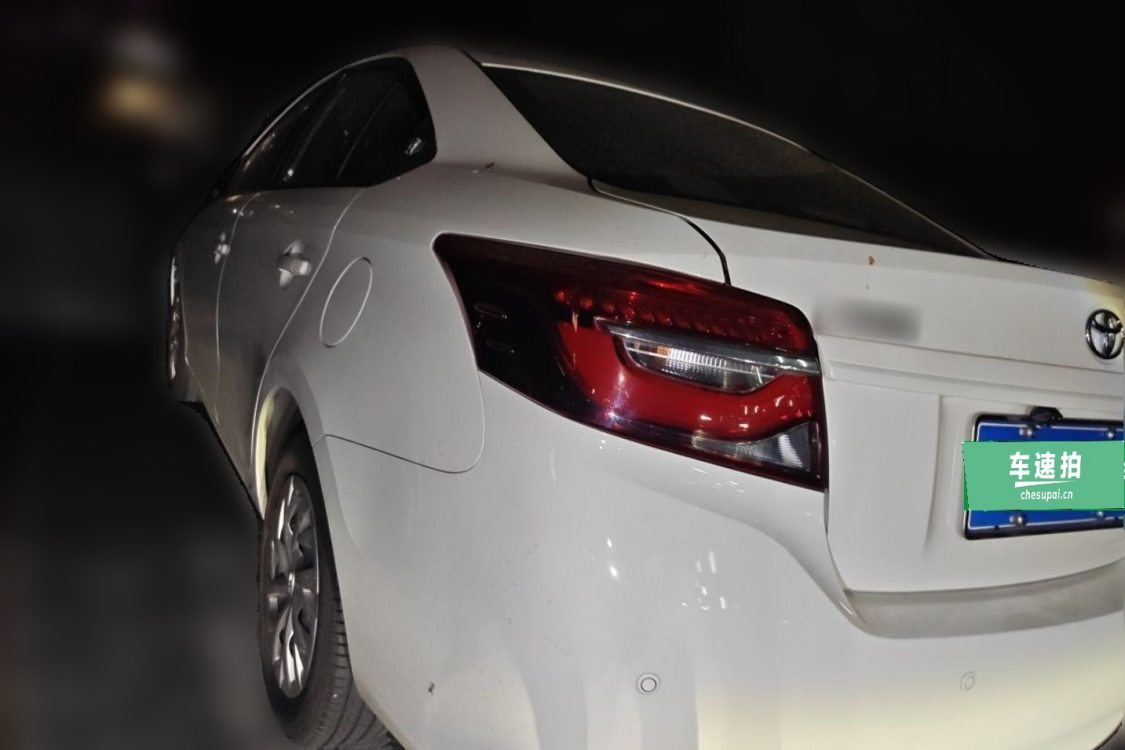
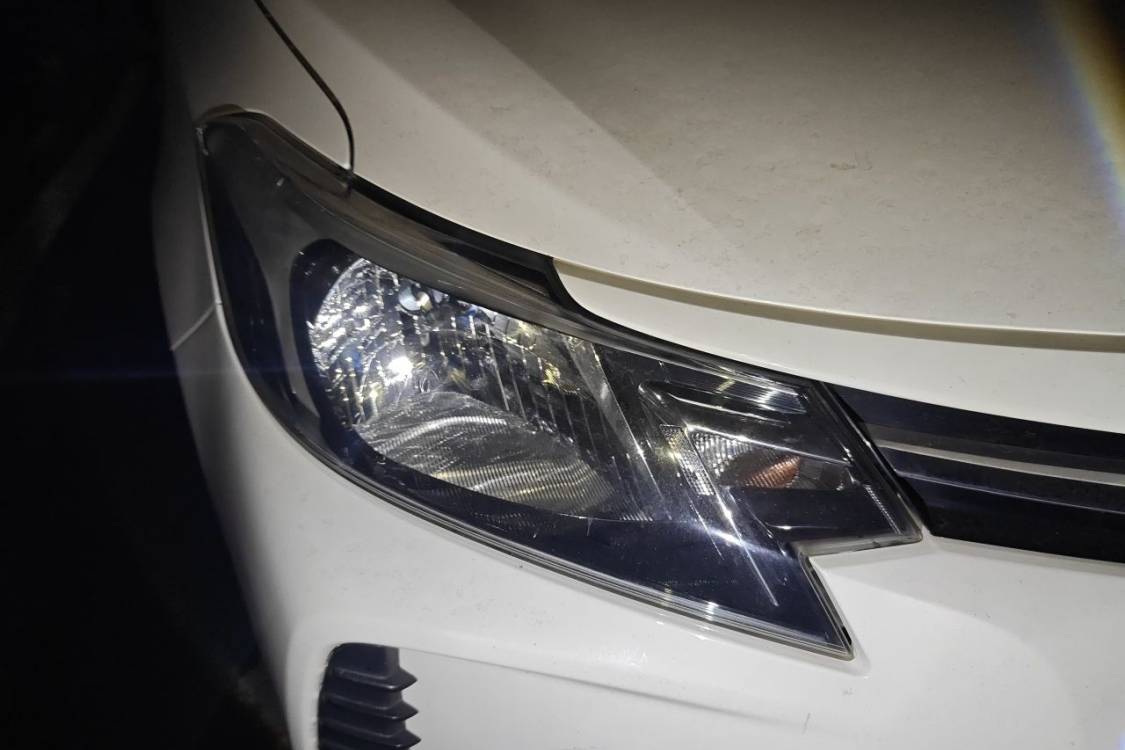
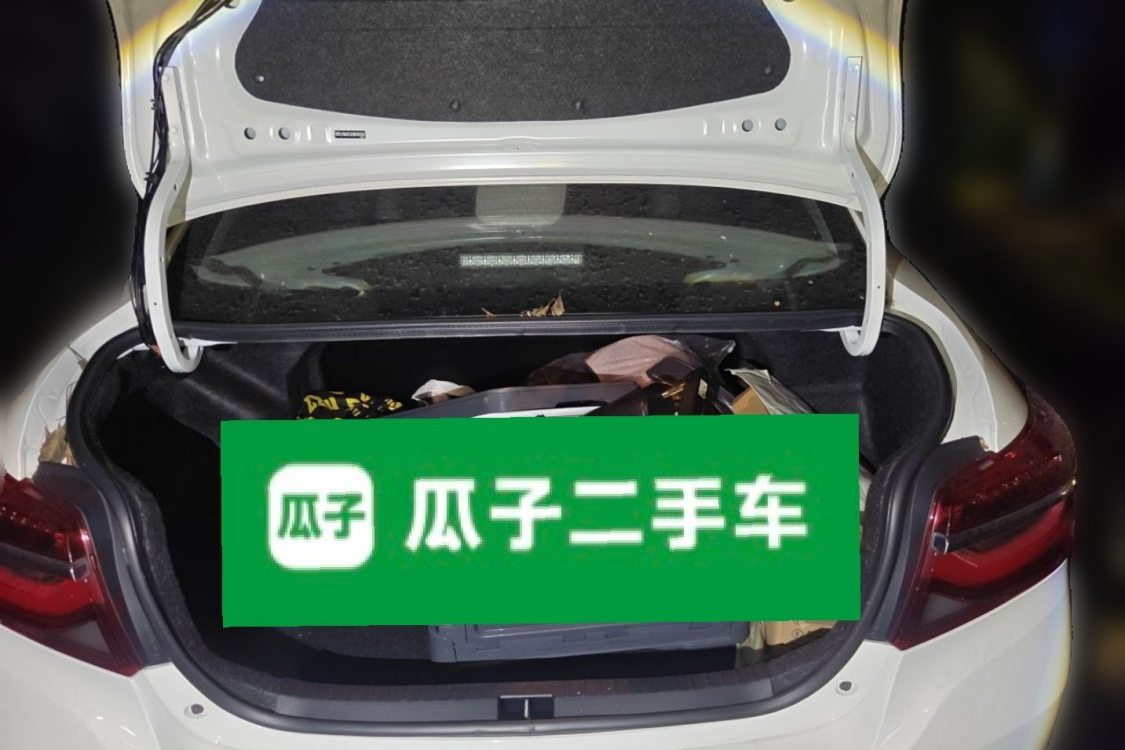
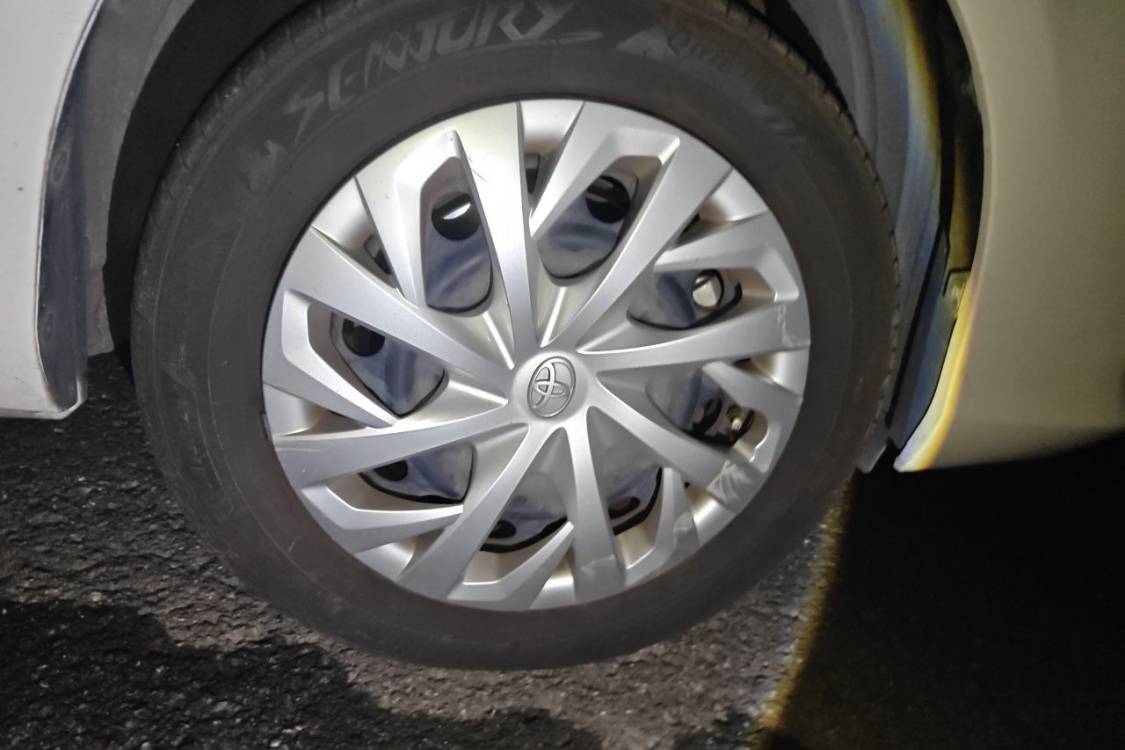
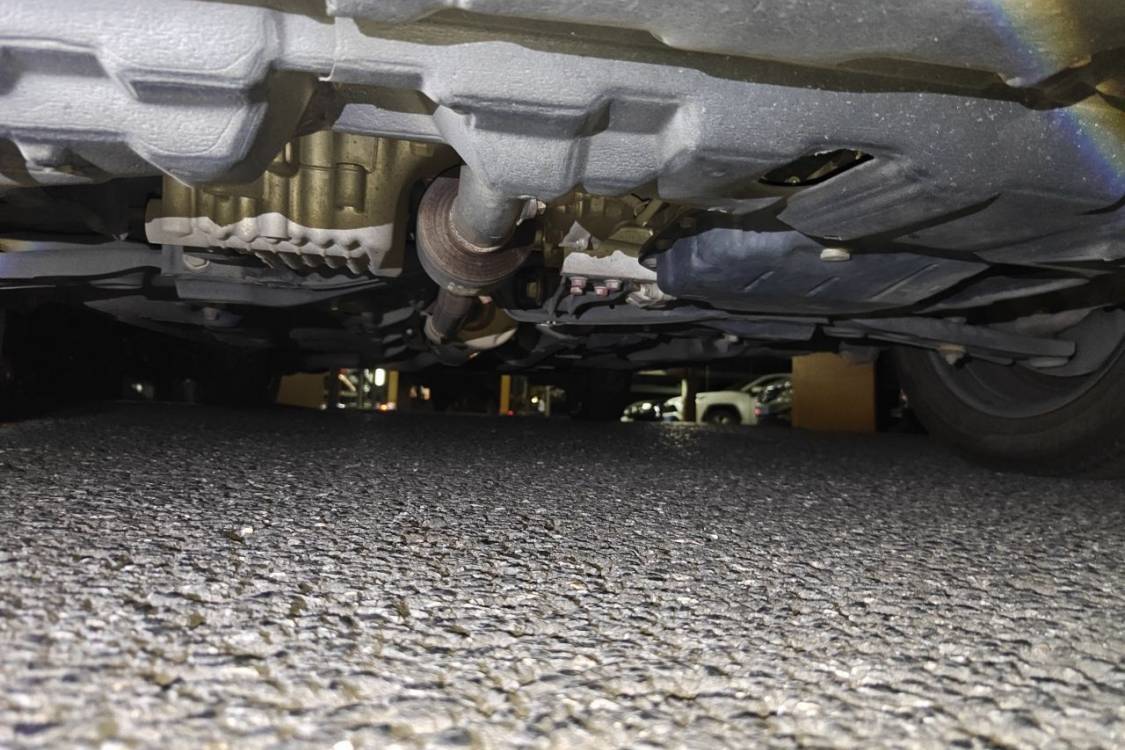
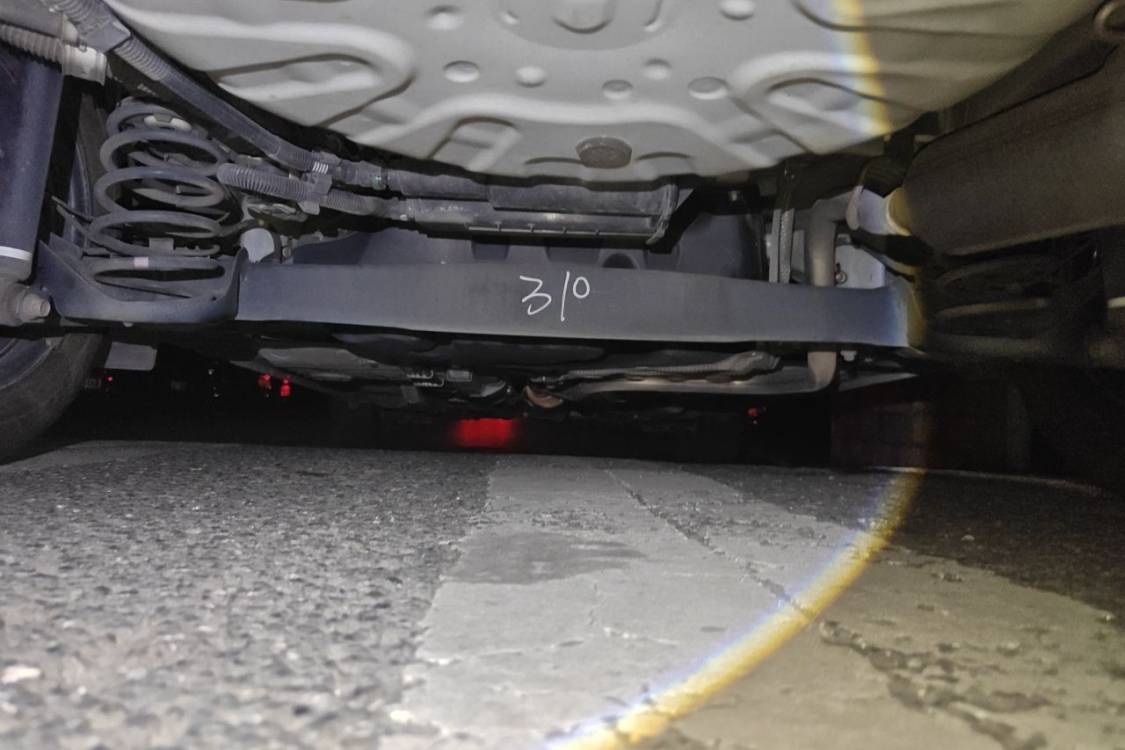
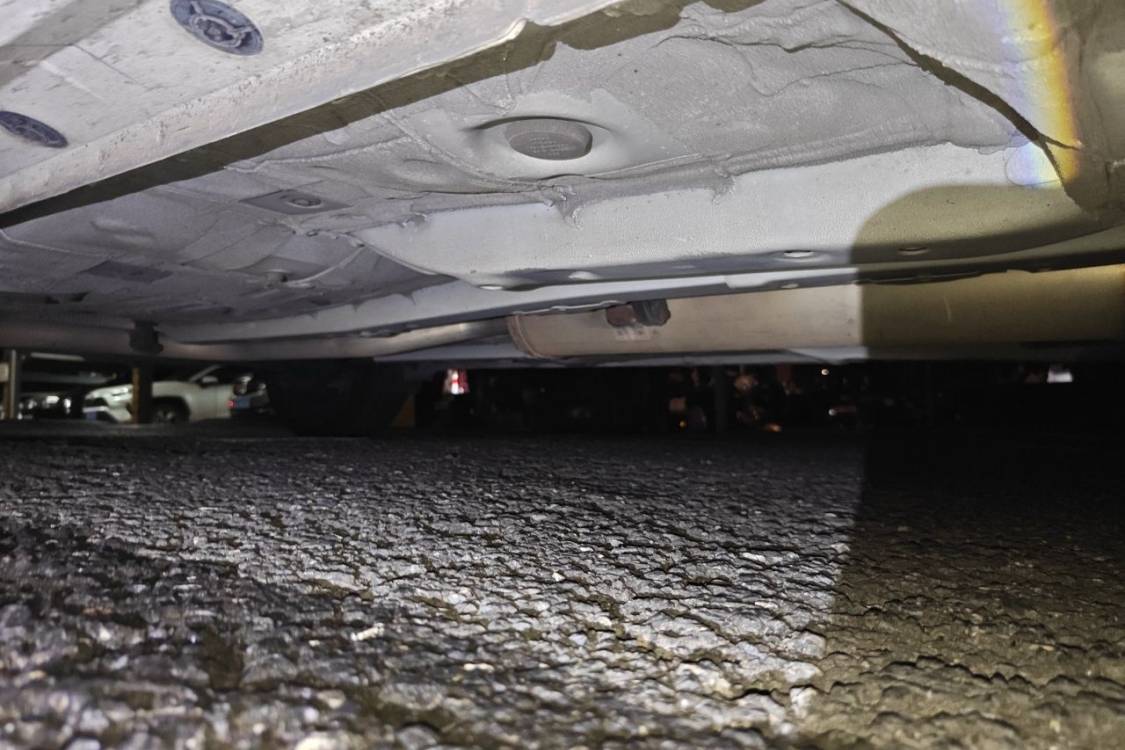
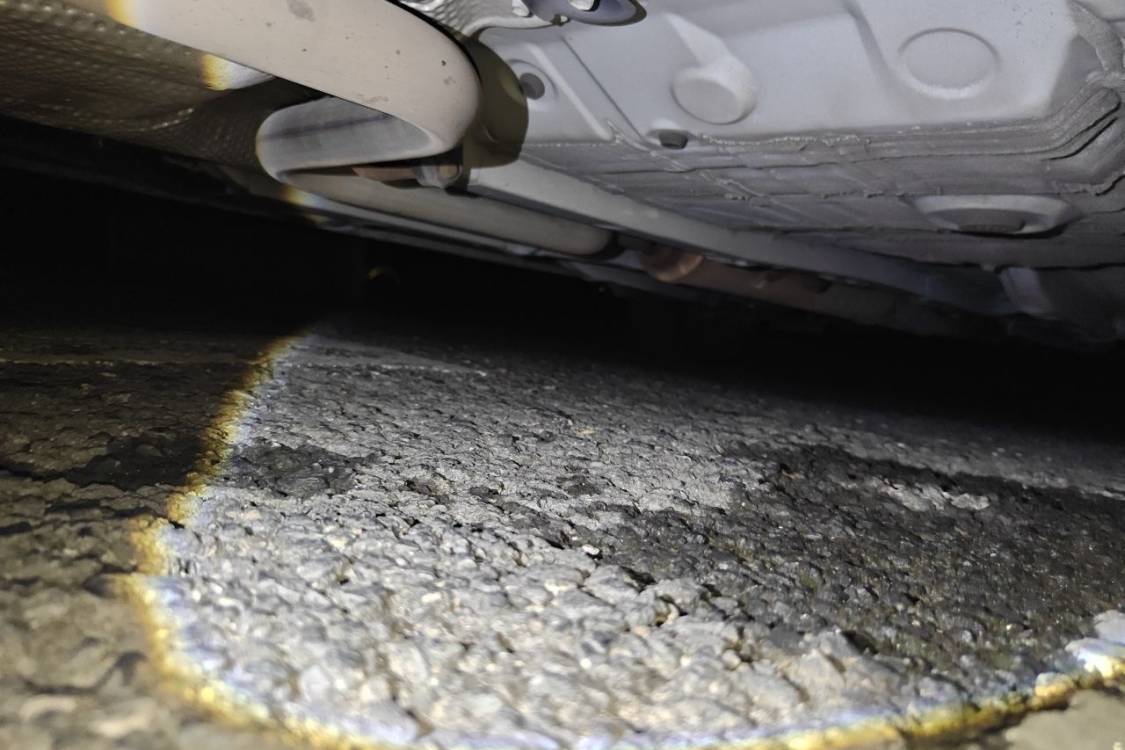
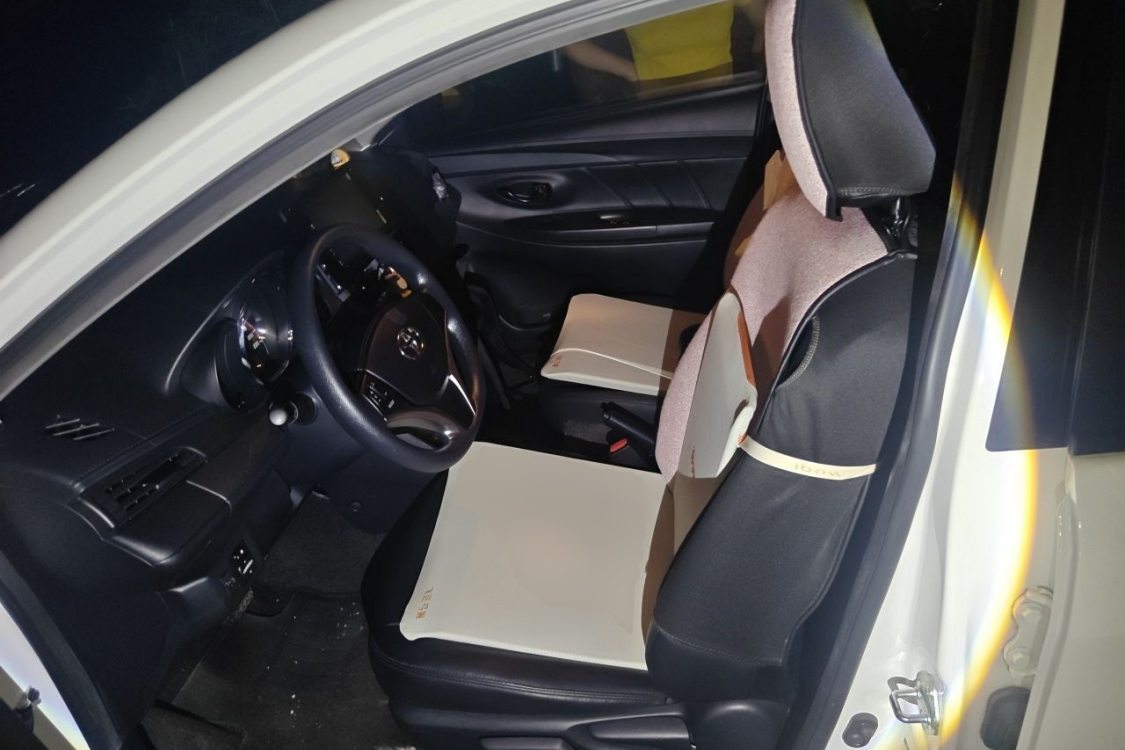
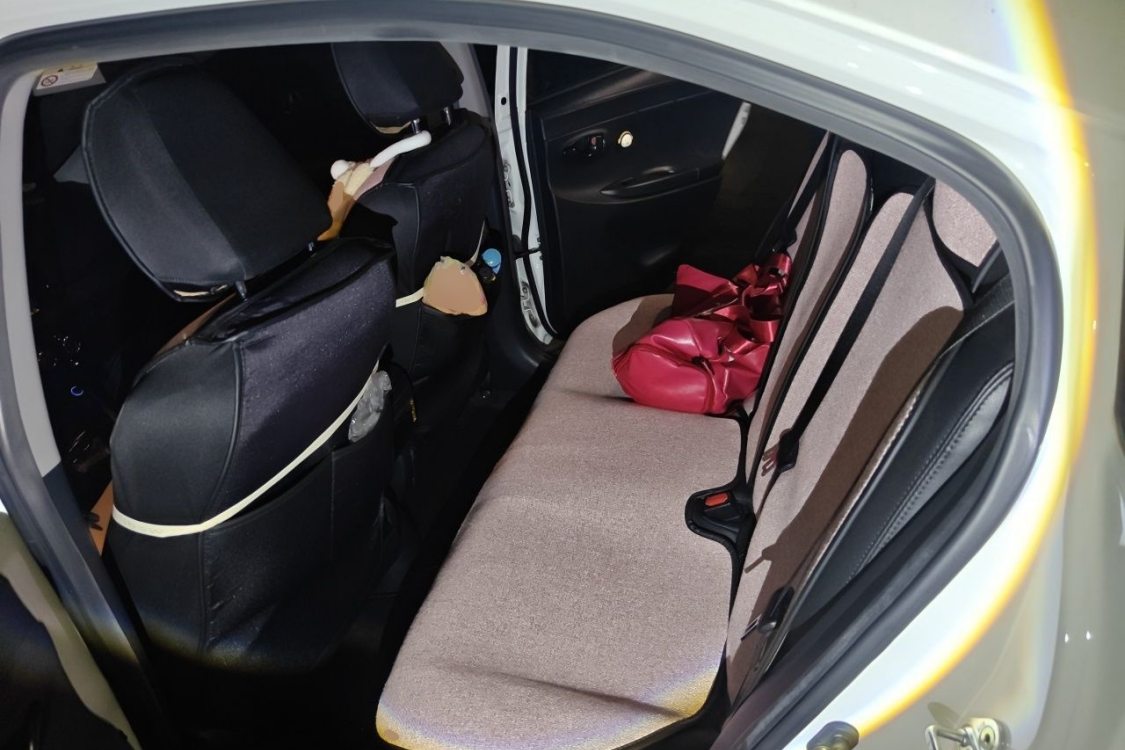
Localized body damage or repair marks present. No accident damage or repairs to structural or reinforcement components. Vehicle performance (including three-electric system) has degraded or is limited.

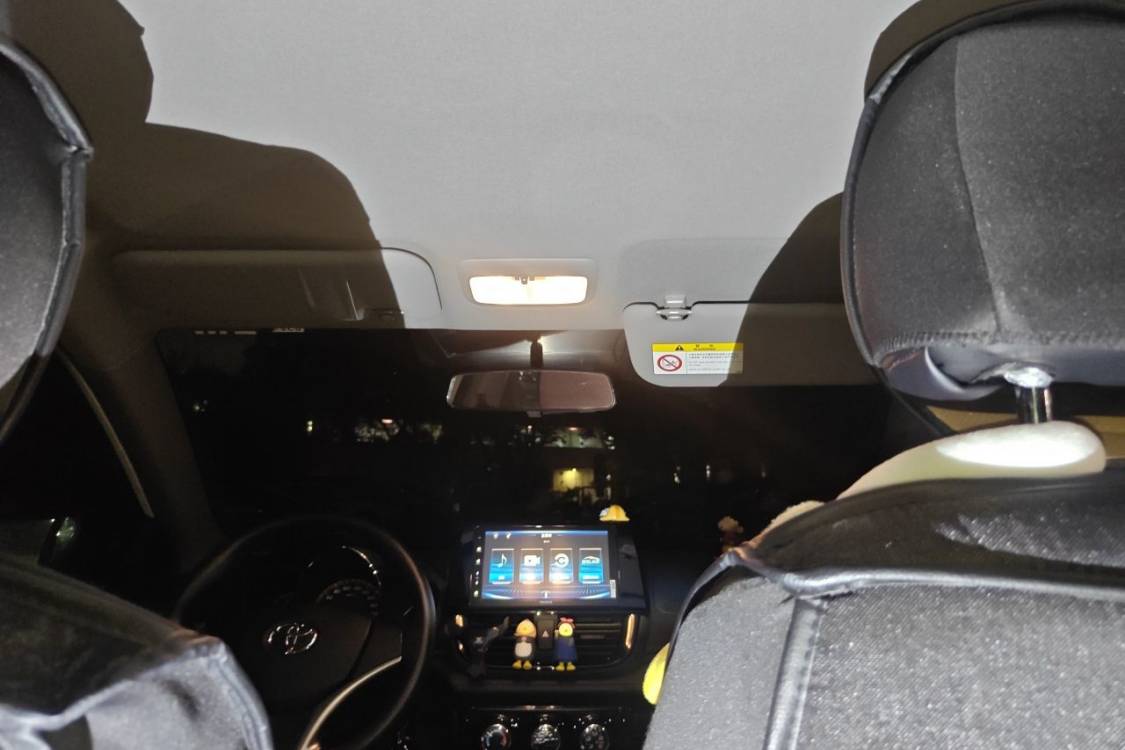
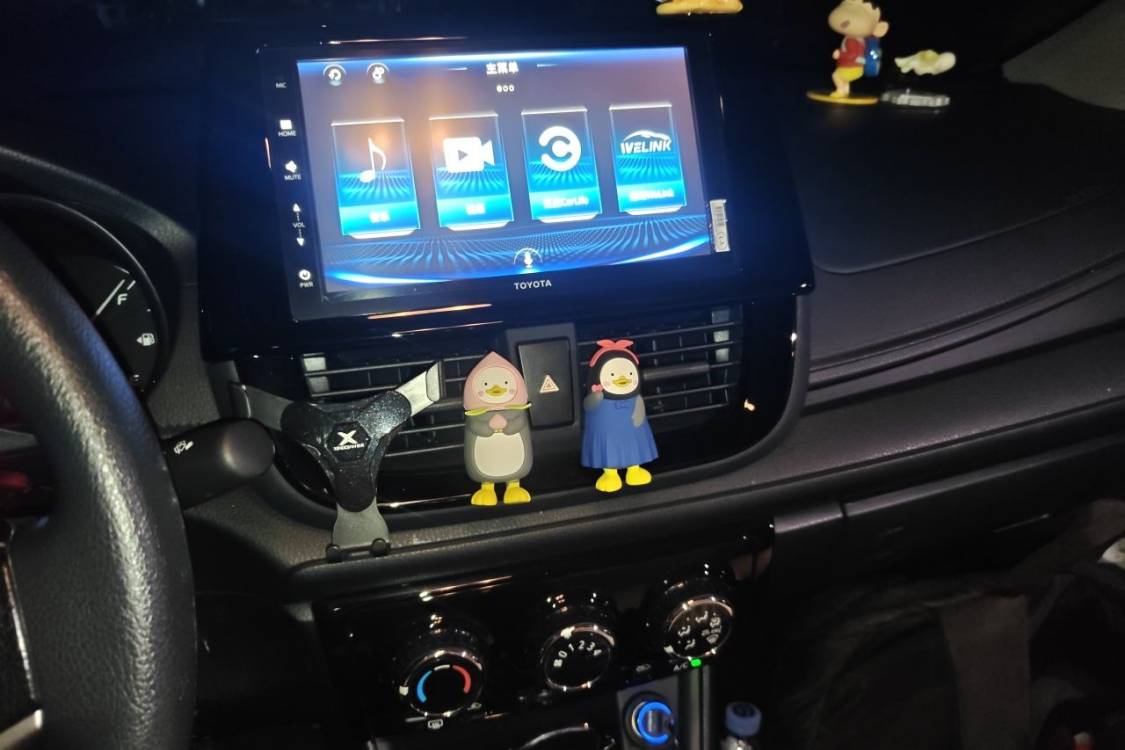
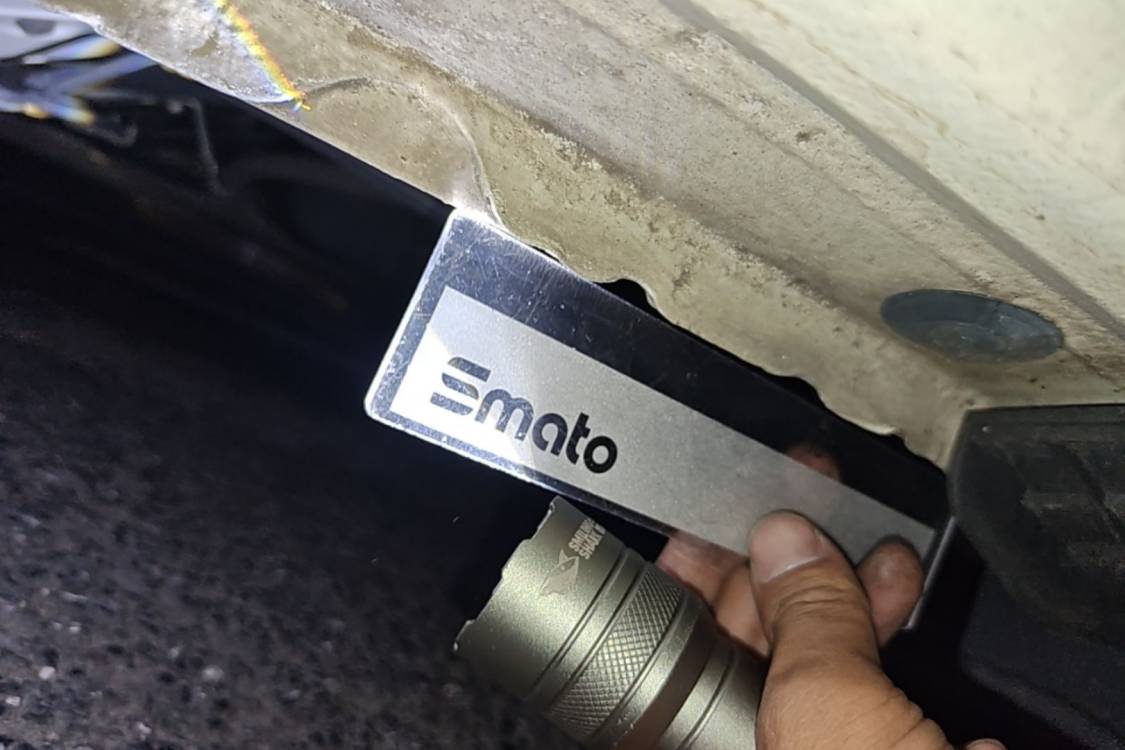
Accident inspection: main structure damaged, reinforcement components undamaged, cover panels damaged, hinges normal. Engine bay: key mechanical components normal. Exterior: 1 area of sheet metal repair. Interior: most features normal, airbag, seatbelt, dashboard, instruments, and lighting systems normal. Startup check: main components normal. Onboard tools: none.

电话直连
可讲价
平台物流
可转售
零过户
新检测标准升级>
非泡水

Document Information

Inspection Expiry Date2027/03
Warranty Expiry Date-
Insurance Expiry Date2027/03

Q&A

More

Is the external discharge function (V2L) of the vehicle outputting 220V or 110V?

The V2L output standard for domestic models in China is 220V/50Hz. If your country's power grid standard is 110V/60Hz (like in some parts of North America), you cannot directly power local high-power appliances and will need an external transformer.


How to ensure compliance for countries that strictly prohibit the import of vehicles containing any asbestos (like Australia)?

Chinese passenger cars produced after 2005 have fully transitioned to asbestos-free brake pads, clutch plates, and gaskets. However, for export to countries with strict regulations, buyers must pay for sampling and testing by a NATA-accredited laboratory before shipment, and obtain an asbestos-free certificate.

How are import duties on used cars from China calculated, and which HS code applies?

Used cars are classified under HS heading 8703 (motor vehicles for transport of persons), with the last four digits determined by engine type and size. Gasoline cars usually fall in 8703.21–8703.80 depending on displacement; pure EVs fall under 8703.80; hybrids have their own subheadings. The duty amount depends on your country's tariff schedule: 1. Most countries charge duty on the CIF value (car price + freight + insurance), not the FOB price. 2. Many developing markets levy higher duties on used vehicles than new ones, and some add a surcharge based on age — older cars can cost significantly more to clear. 3. After duty, you typically pay VAT/GST on the CIF + duty total, plus port and customs fees. Practical tips: ask your exporter to state the exact HS code on the commercial invoice and confirm it with a local customs broker before shipping. A wrong code can trigger reclassification, penalties, or delays. Also budget for any excise tax tied to engine capacity — in several markets a 2.5L car clears far cheaper than a 3.5L one.