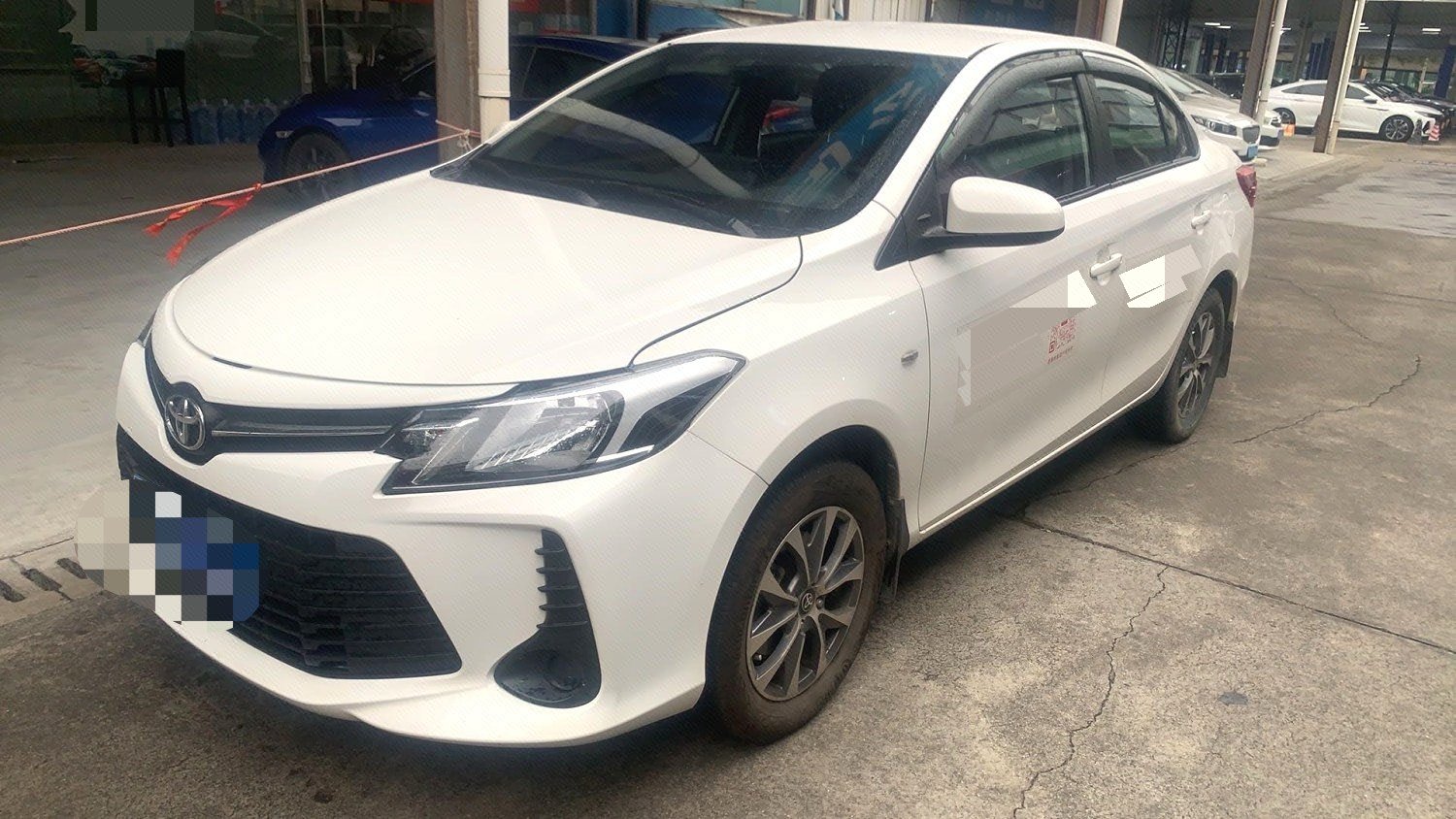



Sold

Basic Information

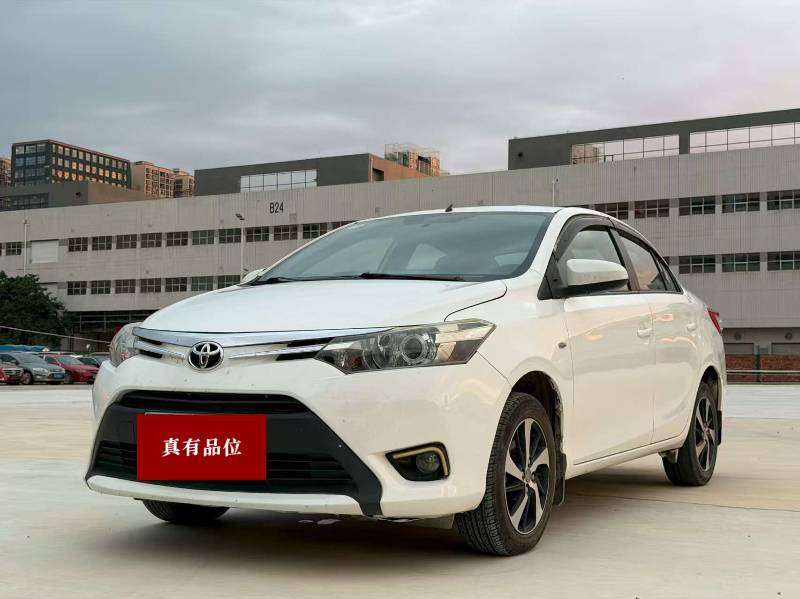
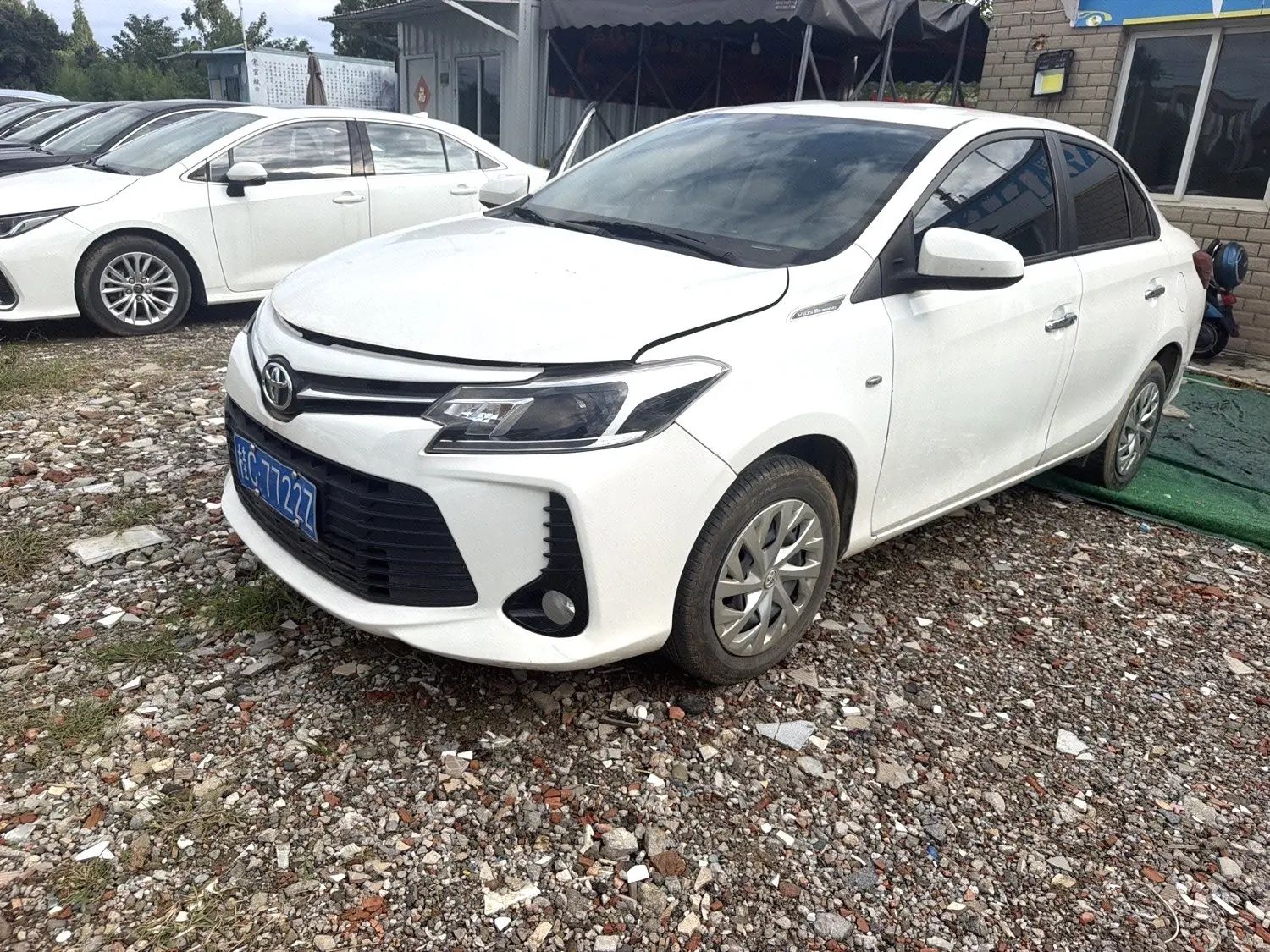
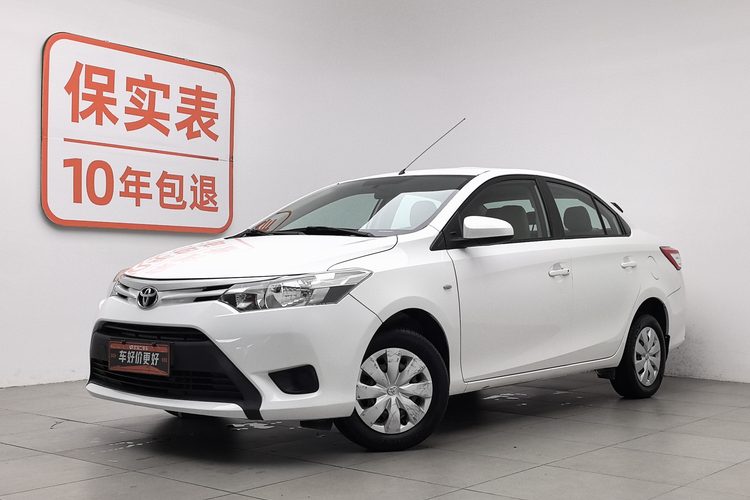
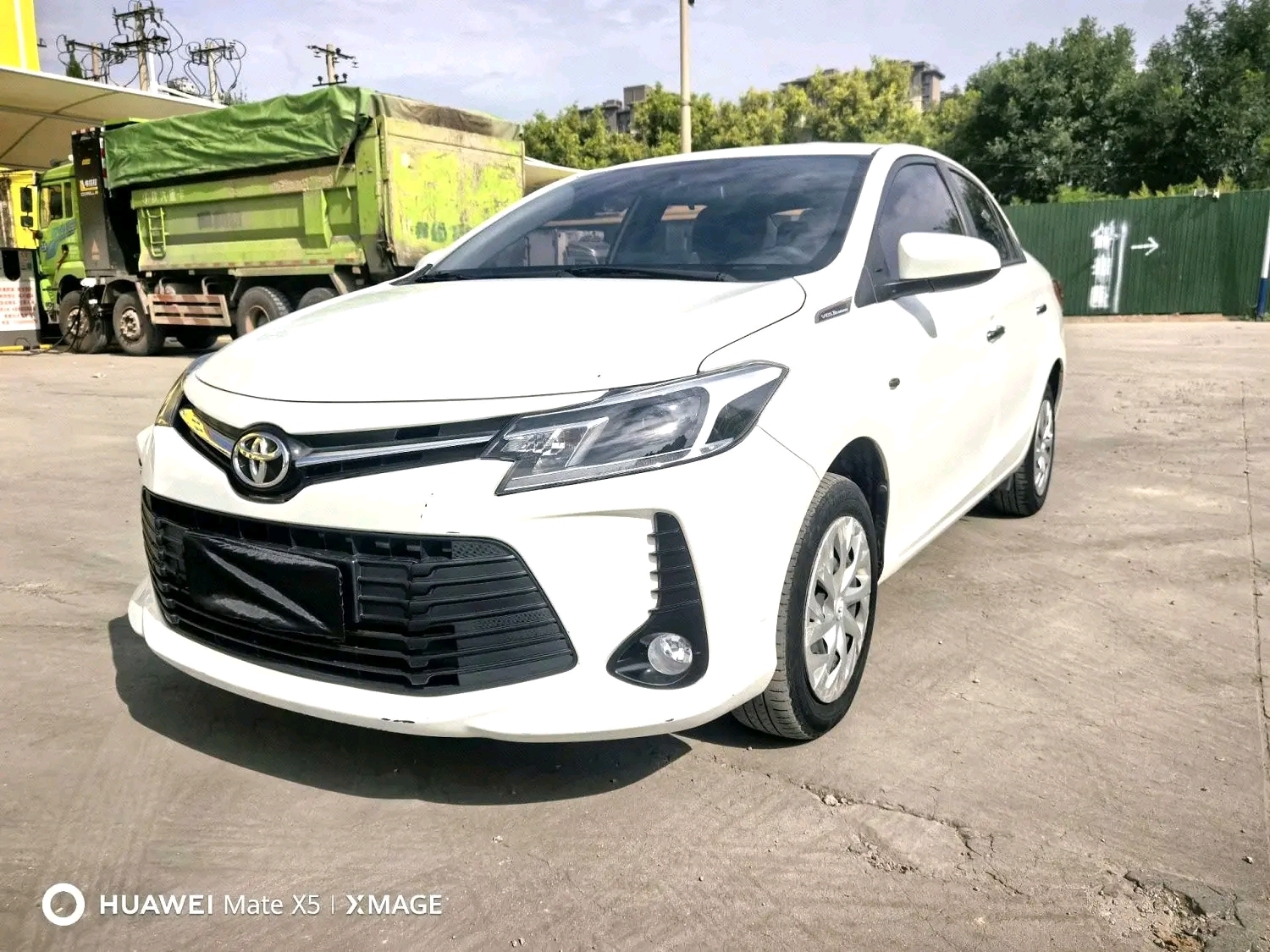
BrandToyota
SeriesVios
Year2021
First Registration2021/11
Mileage110,000km
Transfer Count0times
FuelGasoline
TransmissionCVT
Engine1.5L 112 L4
ColorWhite
Seats5seats

Condition Description

The entire vehicle has been repainted/refurbished. The hood screws show signs of being turned. The front bumper has been replaced. Annual inspection valid until November 2027.

Document Information

Inspection Expiry Date-
Warranty Expiry Date-
Insurance Expiry Date2027/11

Q&A

More

How do I check the underbody and frame of a used Chinese car for rust and prior repairs from inspection photos?

Ask your inspector for specific underbody shots rather than general views: the subframe mounting points, rocker panels, floor pan near the seat rails, and the spare tire well. Fresh underbody coating or thick black spray wax often hides repairs - it should look uniform, not patchy. Red flags: welded seams with grind marks or discolored paint around them (sign of structural repair); rust bubbling at panel edges or bolt heads; mismatched bolts on suspension arms (sign of disassembly after an impact); bent or freshly painted crossmembers. Surface rust on exhaust and bolts is normal in humid regions and not a dealbreaker - structural rust on load-bearing members is. Compare the underbody photos with the history report: if the report shows a rear-end accident, scrutinize the rear floor and spare tire area closely. Also check that jack points aren't crushed, which suggests improper lifting - a sign of repeated workshop visits. A 15-minute video of the car on a lift, slowly panned front to back, is worth more than 50 static photos.


What are freight surcharges like BAF and PSS, and can I lock in a shipping rate when importing a used car from China?

Beyond the base ocean freight, carriers add surcharges that fluctuate monthly: BAF (bunker adjustment factor, tied to fuel prices), PSS (peak season surcharge, typically before Chinese New Year and summer), and congestion or war-risk surcharges for specific ports. These can add 10-30% to quoted freight, which is why a cheap rate today may not hold next month. To protect yourself: ask the exporter or forwarder for a rate validity period in writing (usually 2-4 weeks), and book space as soon as the inspection passes. For single cars this is standard practice. Also confirm whether the quote is all-in (including origin port fees, THC, and documentation) or freight-only. Comparing all-in quotes is the only reliable way to avoid surprises when the invoice arrives.

How does customs clearance work at destination when importing a used car from China, and who handles it?

Customs clearance at destination is usually handled by a licensed customs broker, not the exporter. You can hire one yourself or use a broker recommended by your shipping agent. The typical flow: your broker files the import declaration using the documents the exporter must provide — the commercial invoice, packing list, bill of lading, and the certificate of origin. Depending on your country's rules, you will also need to pay import duty, VAT or sales tax, and any excise or environmental levies before the car is released. Things that commonly delay clearance: mismatched VIN numbers between documents, missing pre-shipment inspection certificates (required in some African and Middle Eastern countries), or non-compliance with your country's used-car import age limits. Budget 3–10 working days for clearance after the vessel arrives, plus storage fees if documents are incomplete. Tip: send all documents to your broker for review before the ship departs China — fixing errors at origin is much cheaper than demurrage at destination.