


48H

Basic Information

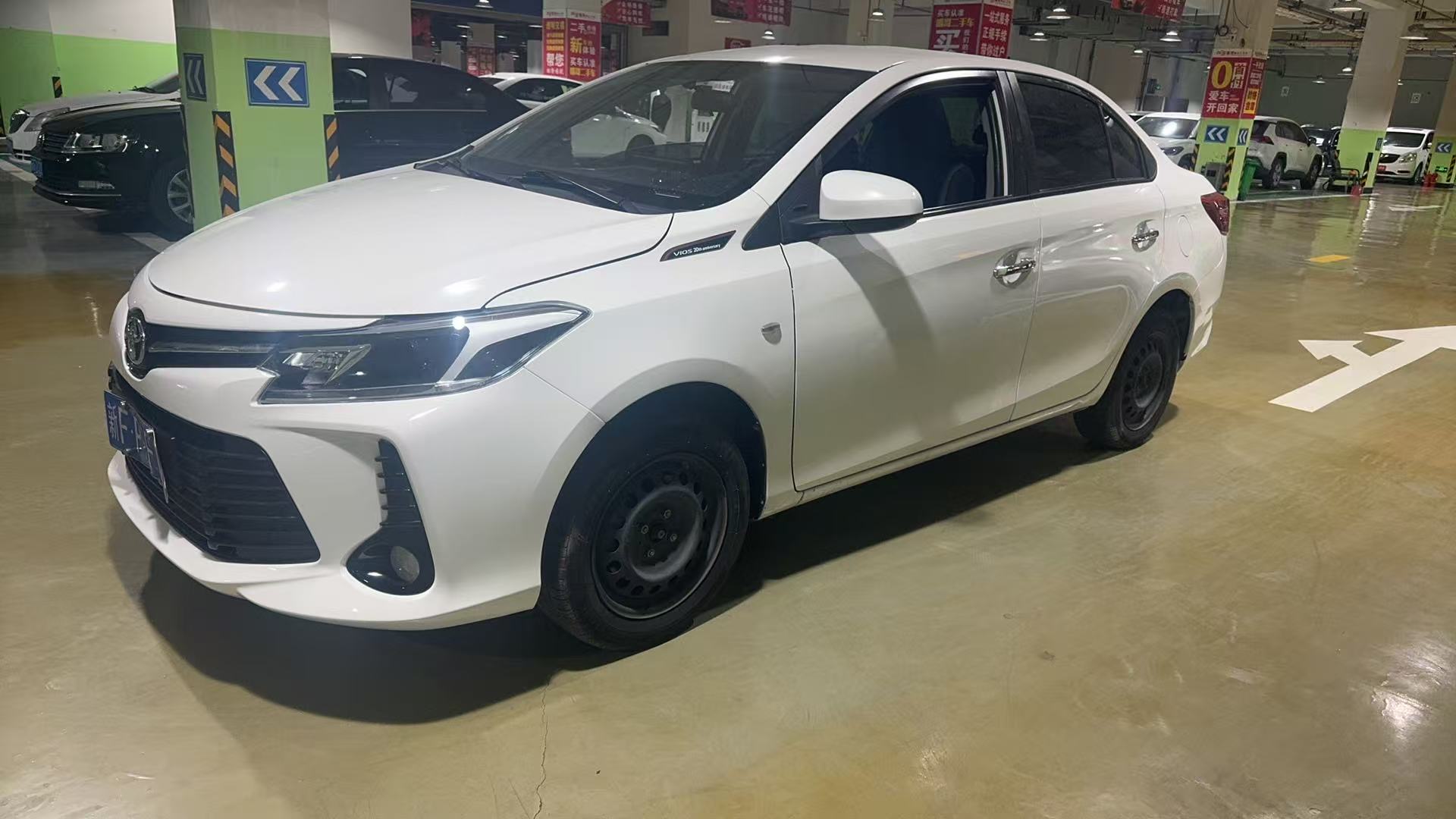
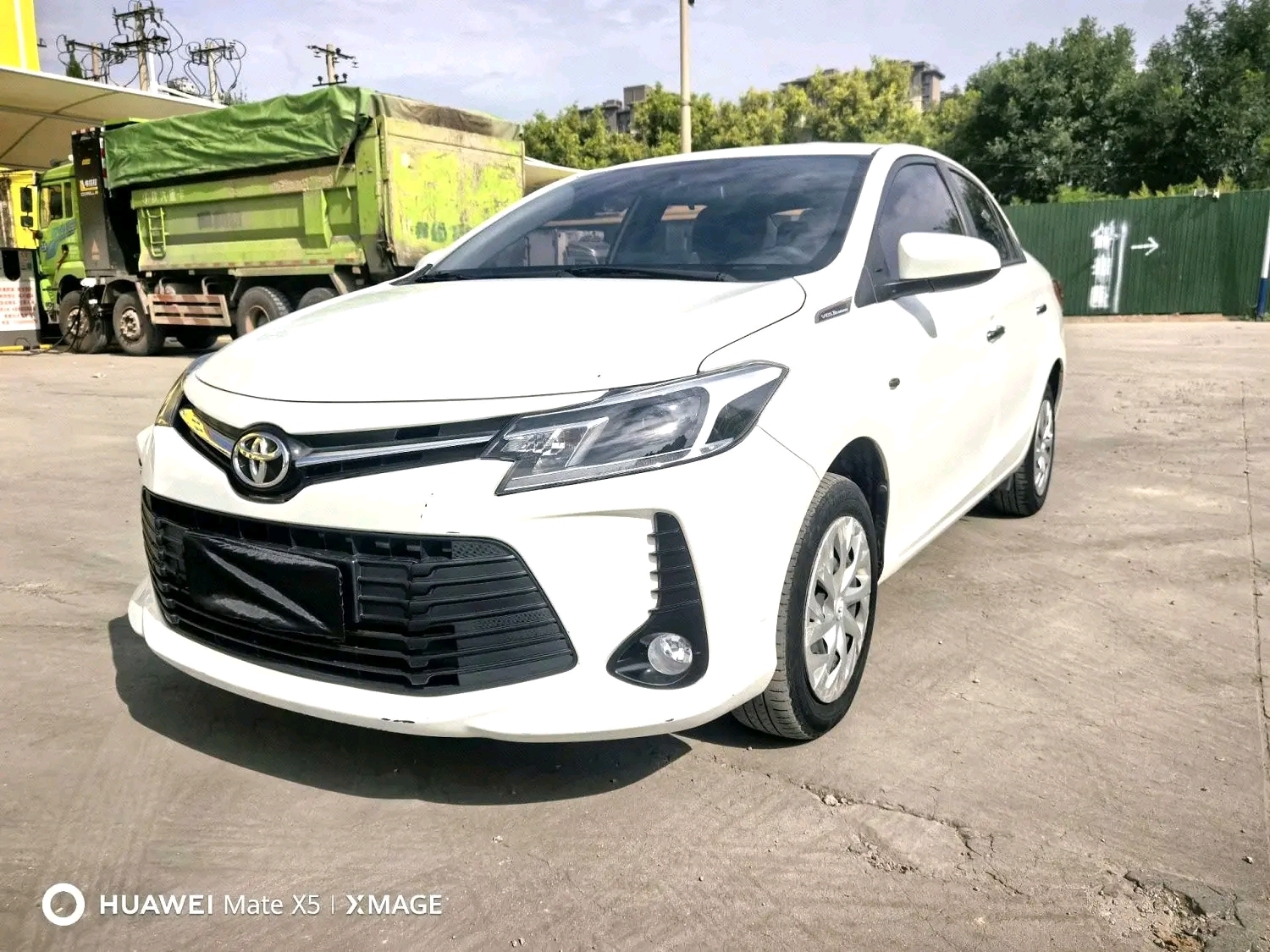
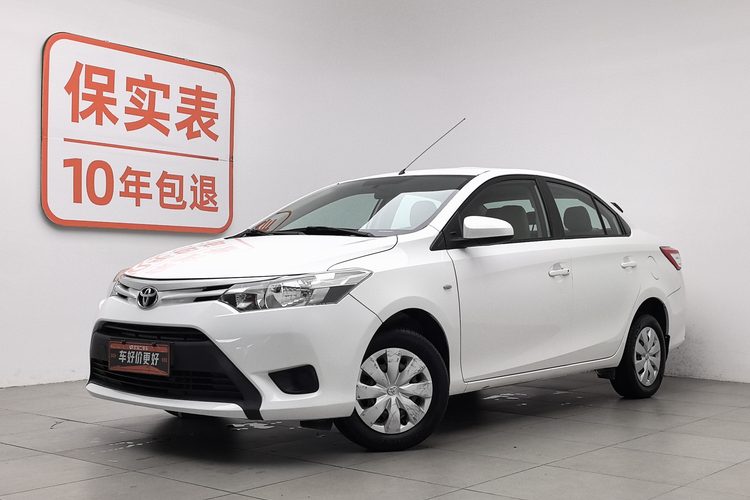
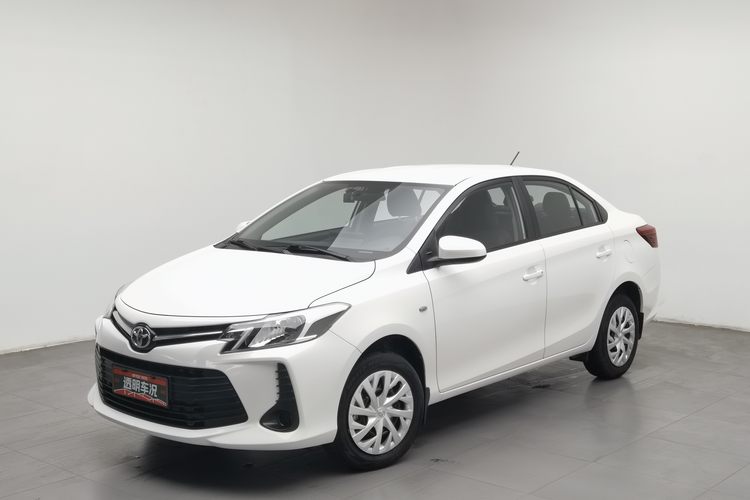
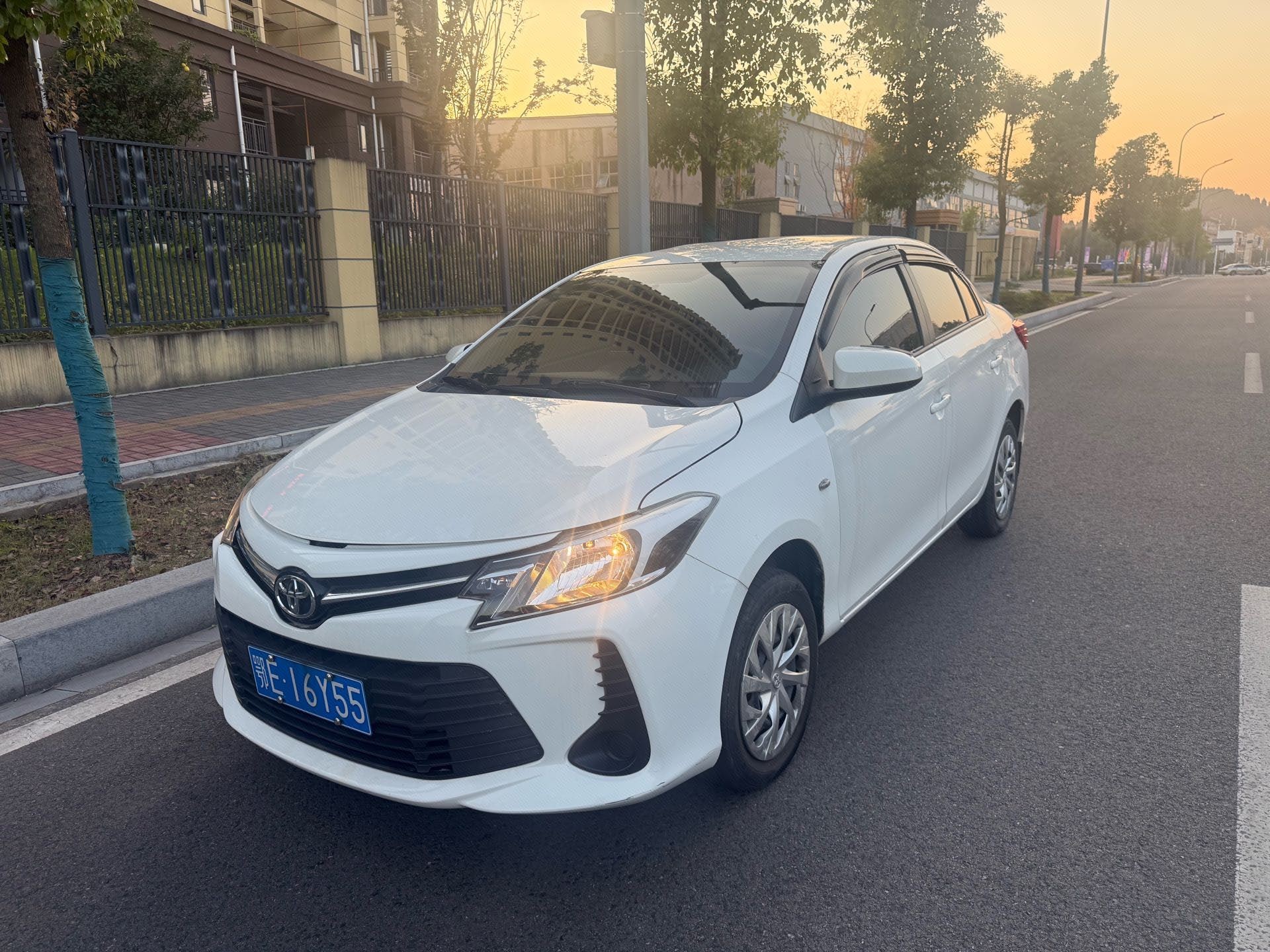
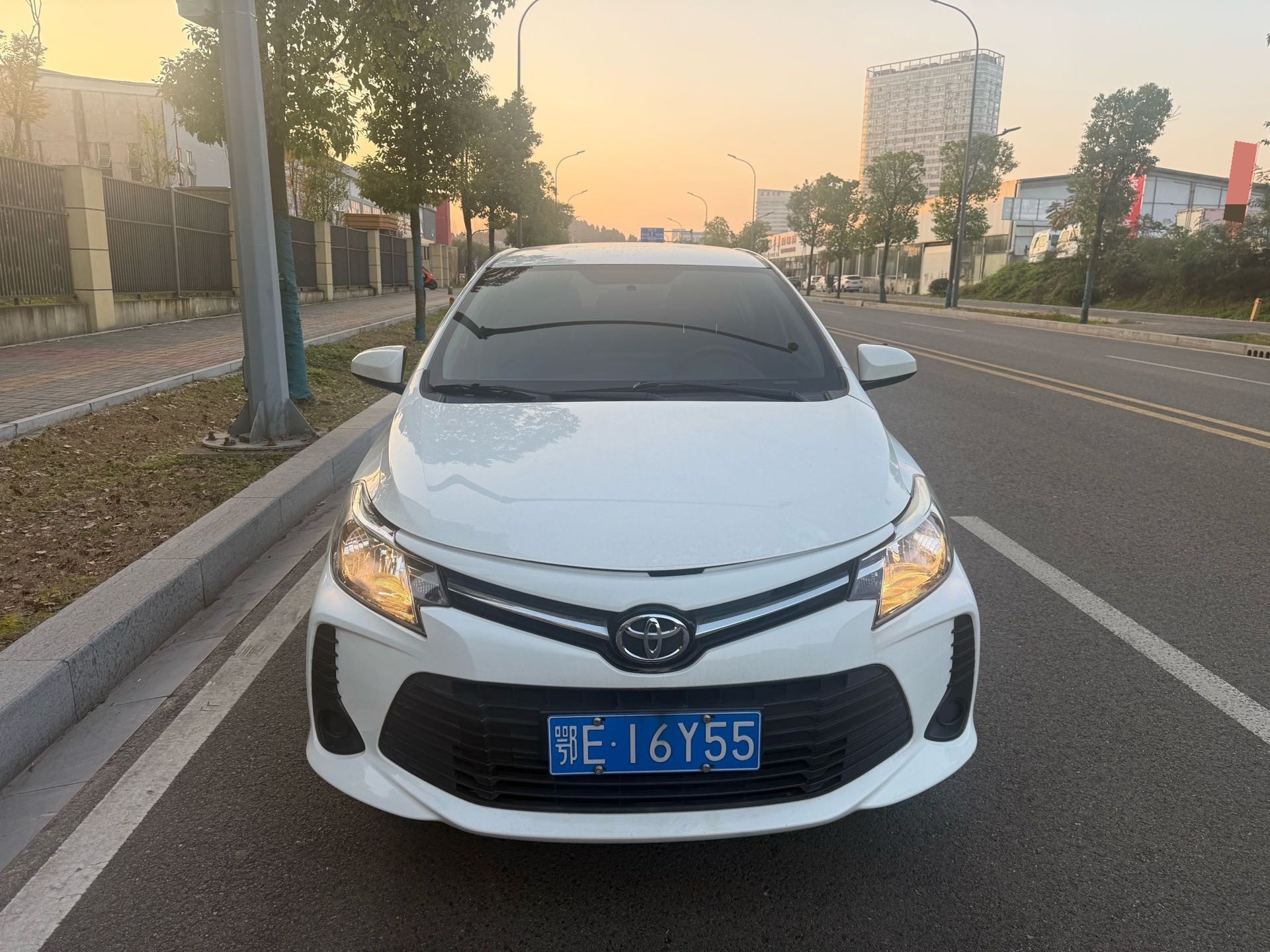
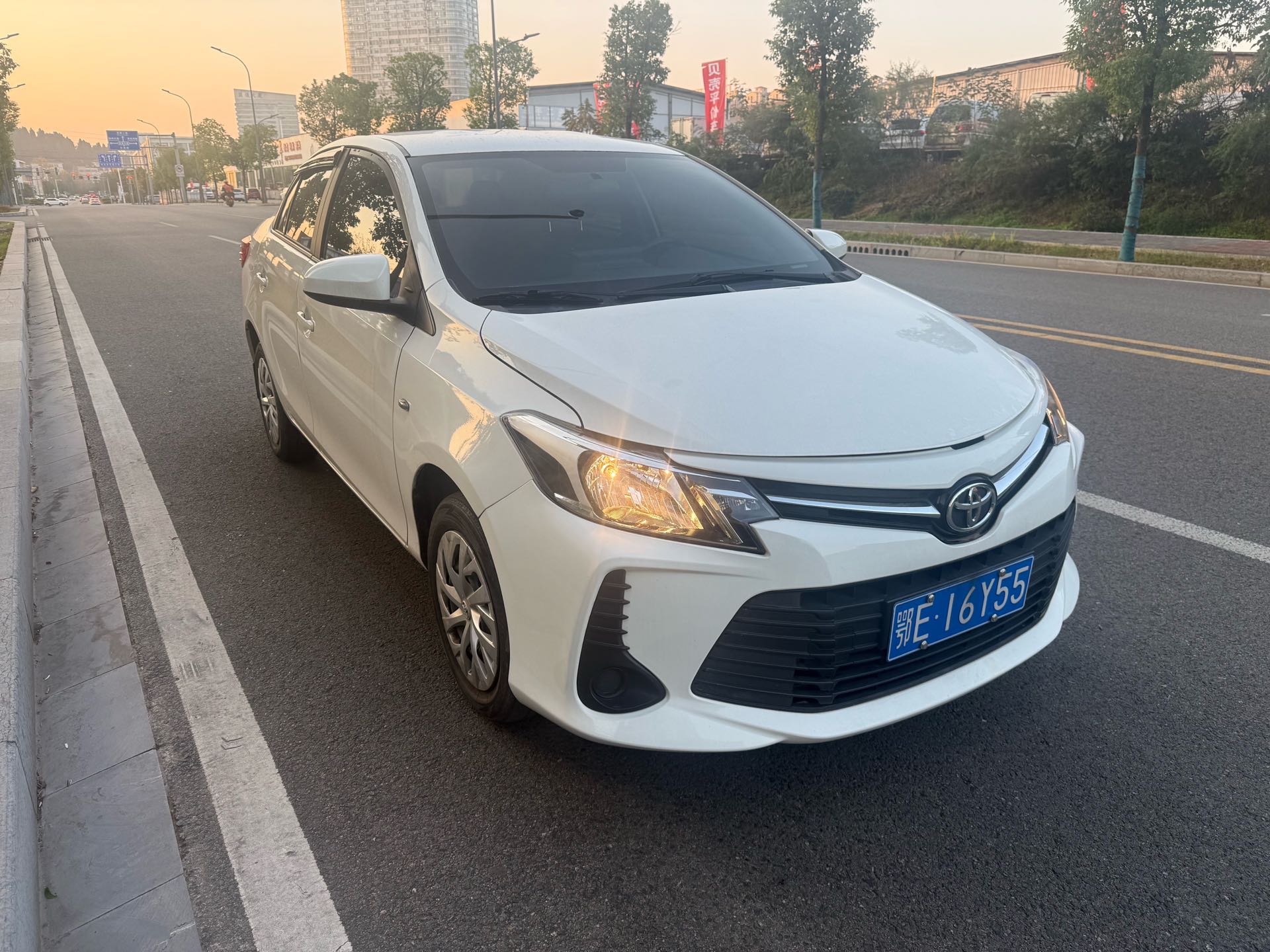
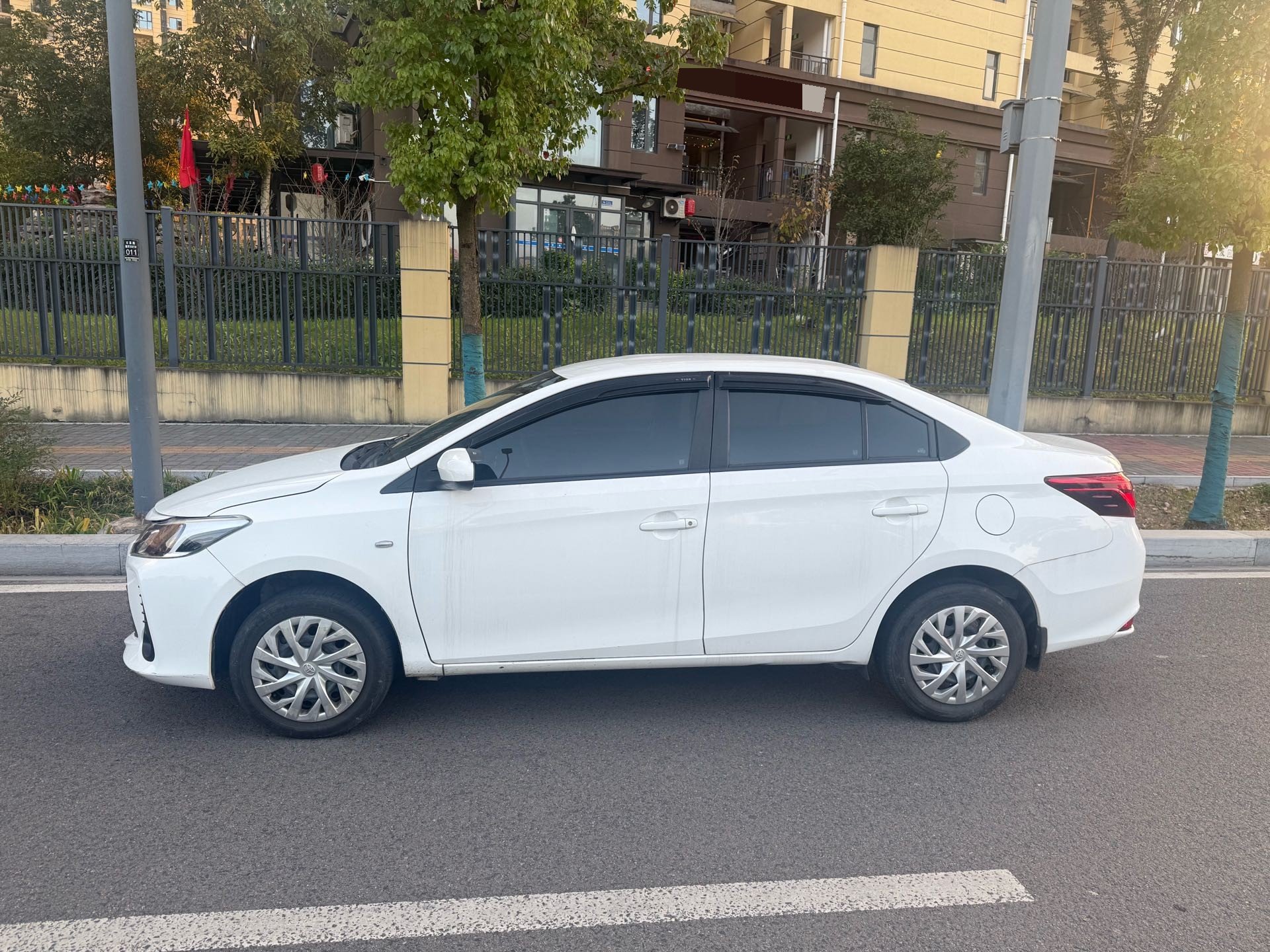
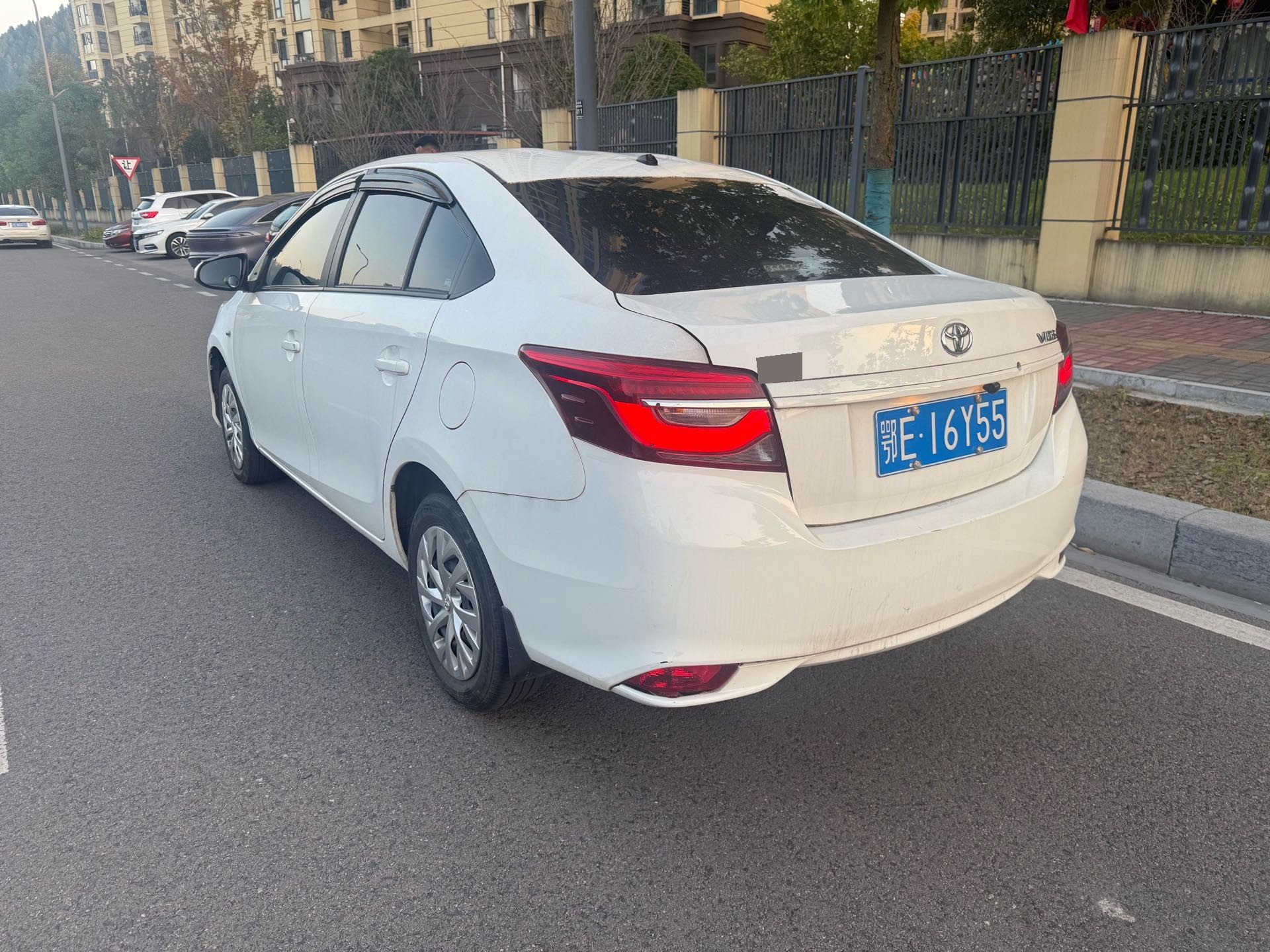
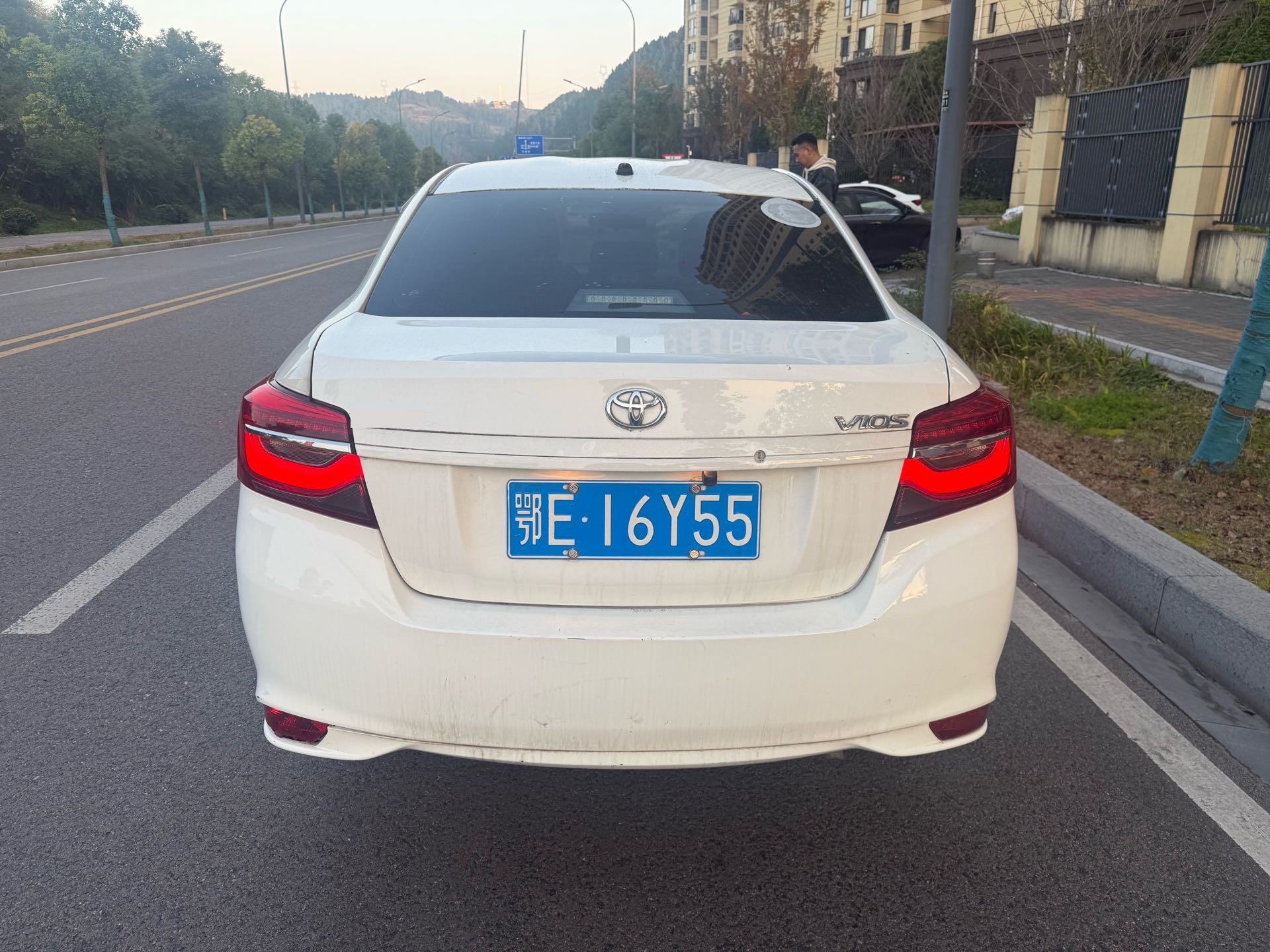
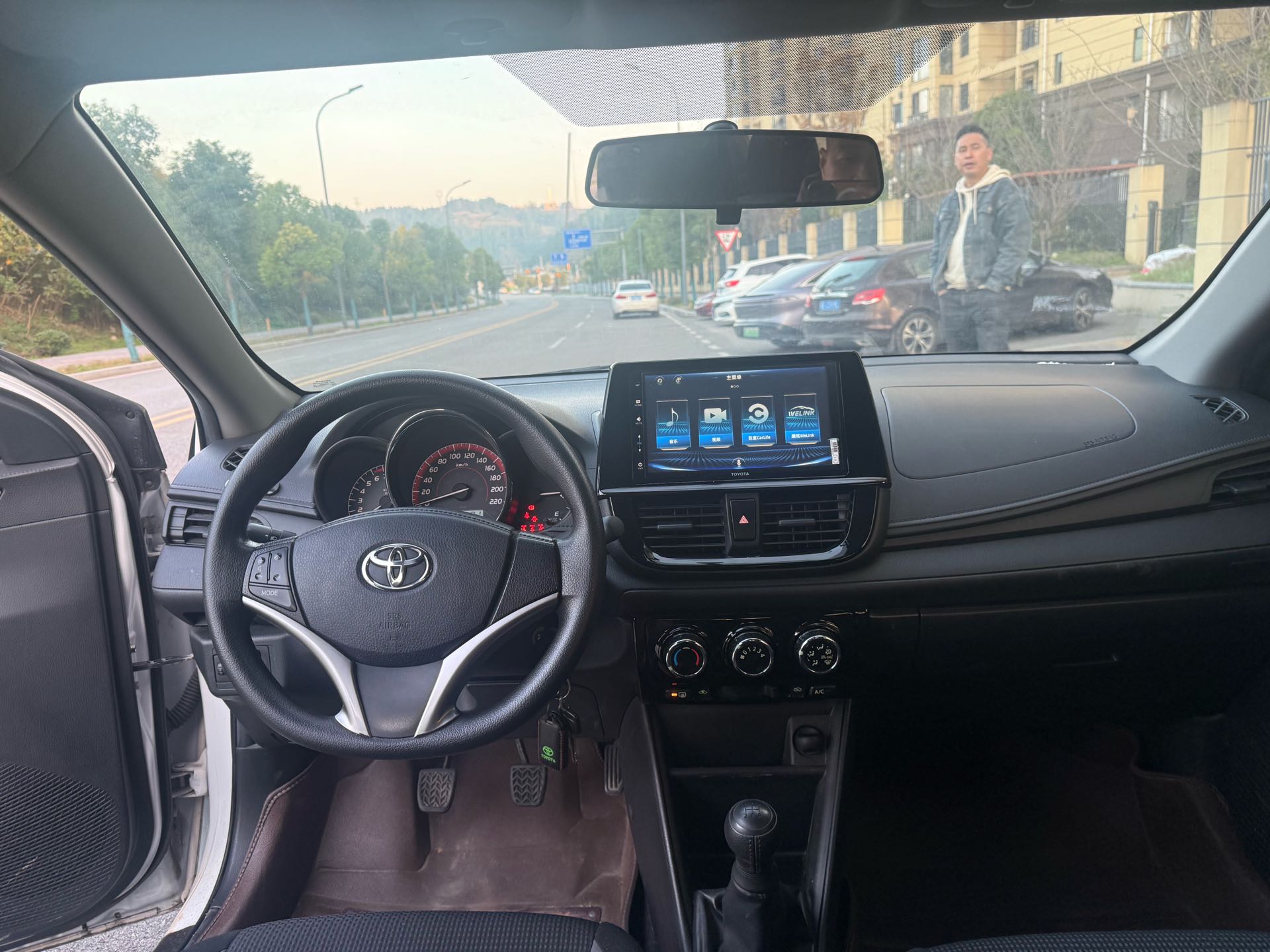
BrandToyota
SeriesVios
Year2021
First Registration2021/09
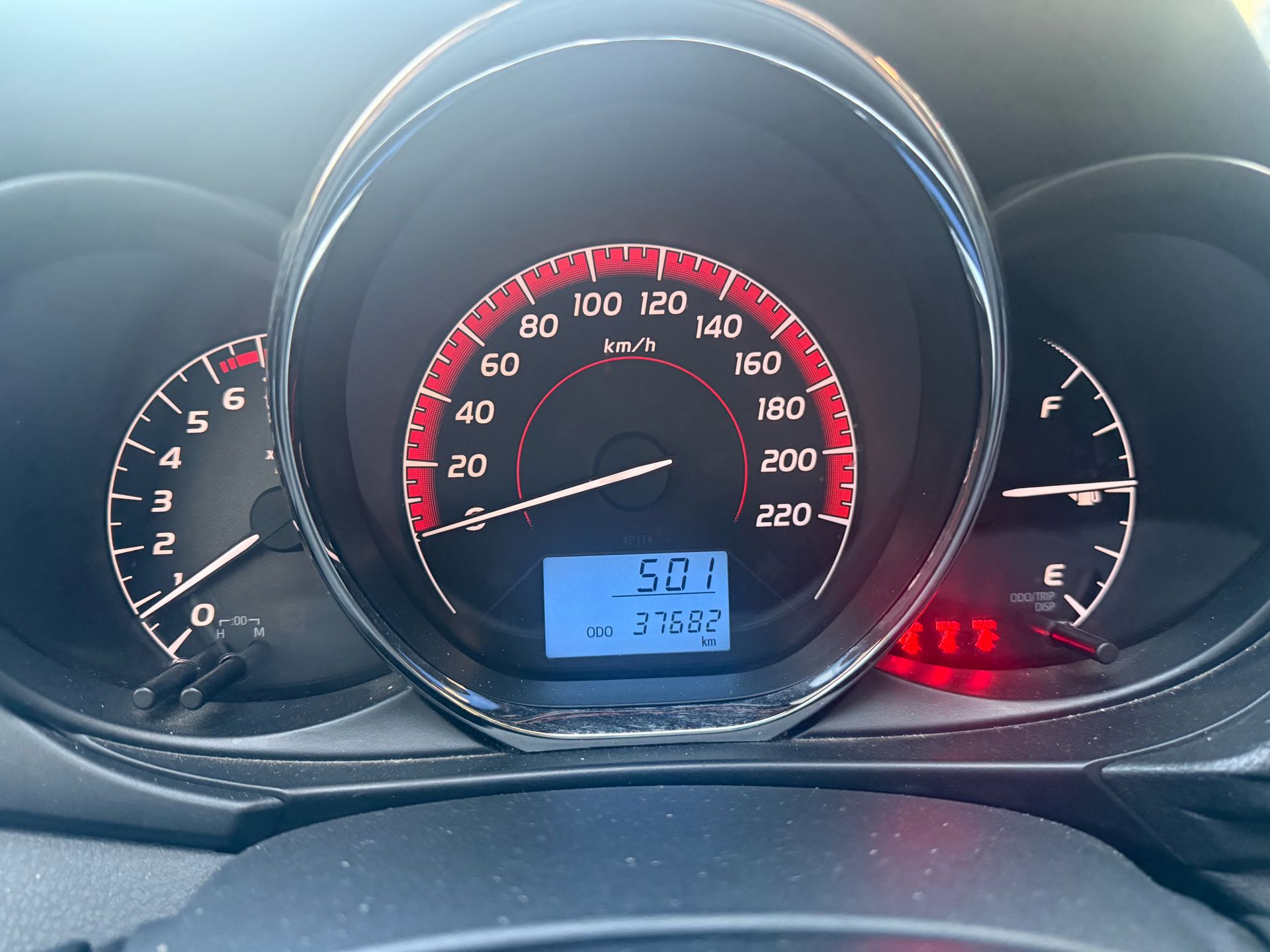
Mileage37,000km
Transfer Count0times
FuelGasoline
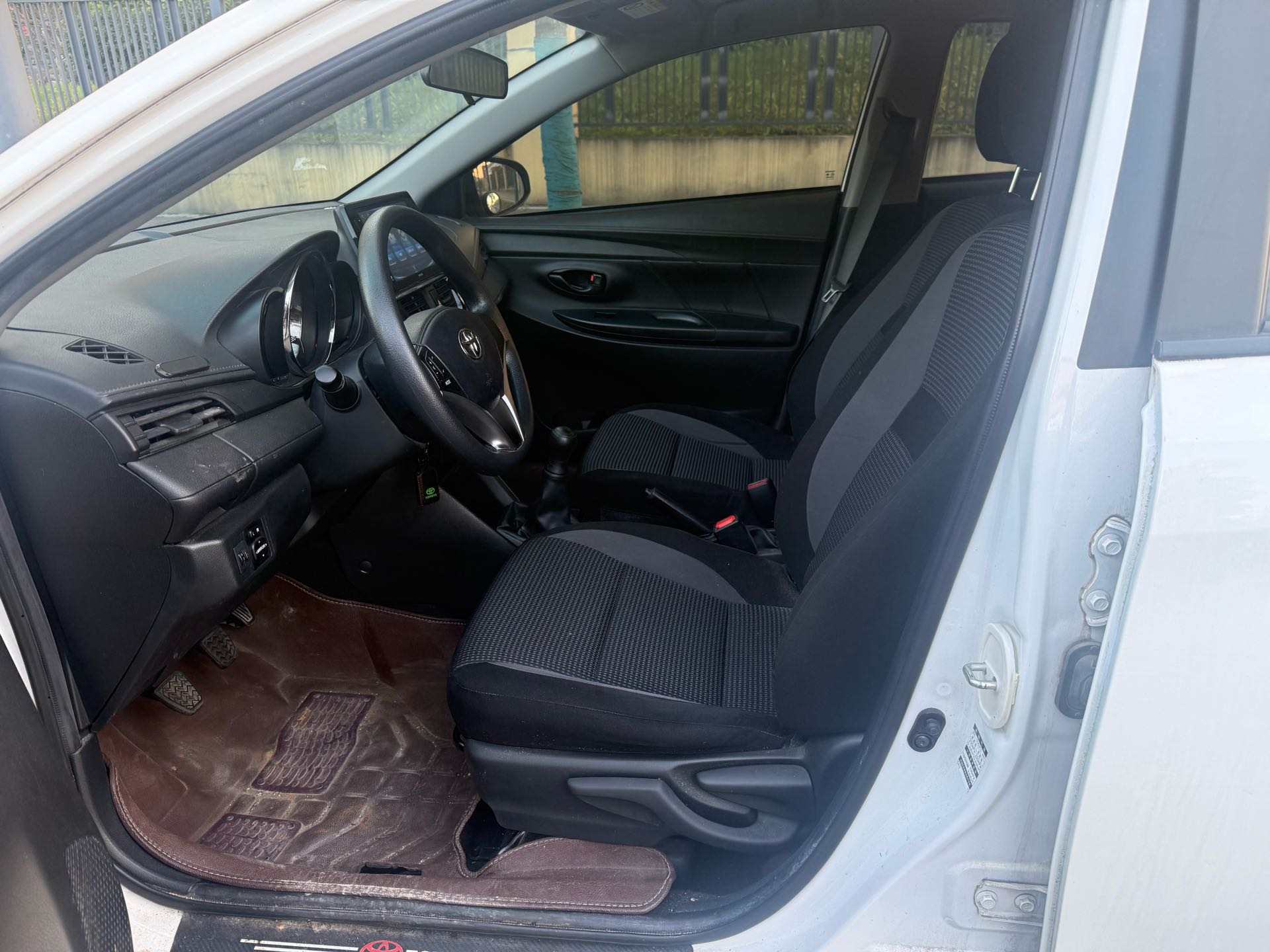
TransmissionManual
Engine1.5L 110 L4
ColorWhite
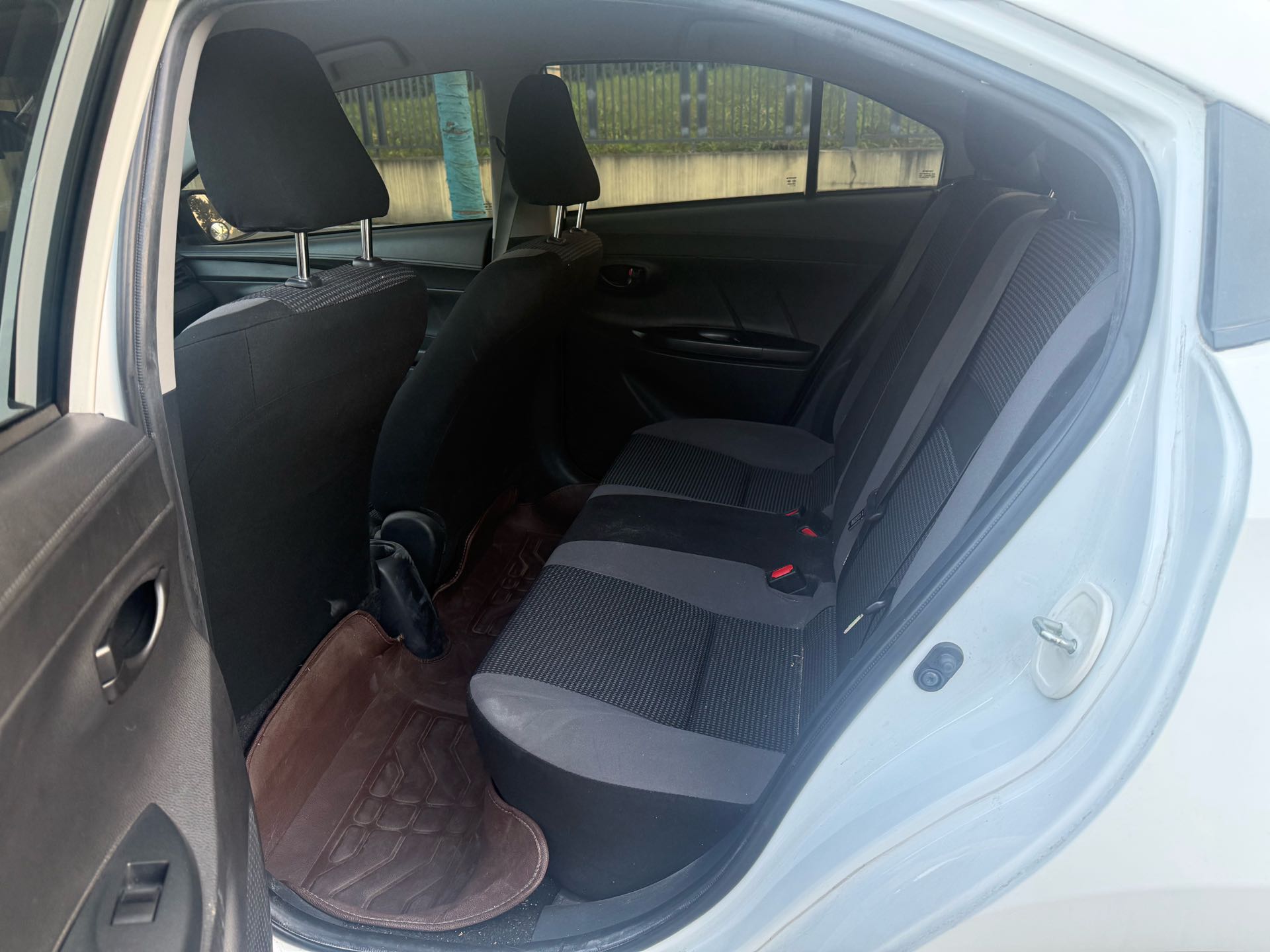
Seats5seats

Condition Description

Right front fender repainted. Left front fender repaired and repainted. All other panels original paint, single-owner.

Document Information

Inspection Expiry Date-
Warranty Expiry Date-
Insurance Expiry Date2027/09

Q&A

More

What should I check during a live video test drive of a used car in China, and which sounds or behaviors are red flags?

Request a live video call during the test drive rather than a pre-recorded one. Cold start first: listen for rattling or metal scraping in the first seconds — possible timing chain or hydraulic lifter issues. During acceleration, a whining from the gearbox area can mean bearing wear; hesitation or jerking in an automatic suggests transmission problems. Braking: the pedal should feel firm, not spongy, and the car must not pull to one side. Turn the wheel fully in both directions and listen for clicking — a classic CV joint fault. Insist on a highway segment too: vibrations above 100 km/h often point to unbalanced wheels or bent rims. Ask the driver to film the dashboard throughout — warning lights that flicker on briefly are still faults that OBD will record.


How to prove the state of health (SOH) of a second-hand electric vehicle battery? Will a testing report be provided?

We understand that the power battery is the core asset of an EV. Before export, our technical team will use professional OBD diagnostic equipment to read the underlying data from the Battery Management System (BMS). We will provide you with a technical report that includes key indicators such as battery health percentage (SOH), cell pressure differences, and charge-discharge cycle counts. If the SOH is below our established export safety standard (usually above 80%, depending on the vehicle's age), the vehicle will be intercepted and not sent overseas.

How can I detect signs that a used Chinese car was used for heavy towing, ride-hailing, or overloaded work when buying remotely?

Heavy-use vehicles often look clean in photos but show specific wear patterns. Here's what to check: 1. Rear sag and suspension: ask for a side-profile photo of the car on level ground. If the rear sits noticeably lower than the front, the rear springs or shocks may be worn from constant heavy loads. Compare with factory ride height specs. 2. Pedal and seat wear: accelerator and brake pedals with polished metal patches, and a driver's seat bolster that is flattened or cracked, indicate high mileage or intensive commercial use — even if the odometer says otherwise. 3. Hitch and tow bar marks: check the rear bumper area in close-up photos for scratches, bolt holes, or a removed tow bar mount. Ask the seller directly whether the car ever towed. 4. Underbody and frame: request underbody photos. Look for bent or scraped crossmembers, fresh undercoating hiding damage, or uneven tire wear across the rear axle. 5. Data check: many ride-hailing cars in China have records in maintenance databases — a professional inspection agency can flag cars with commercial fleet history. If the seller refuses underbody or close-up photos, treat it as a warning sign and consider another vehicle.