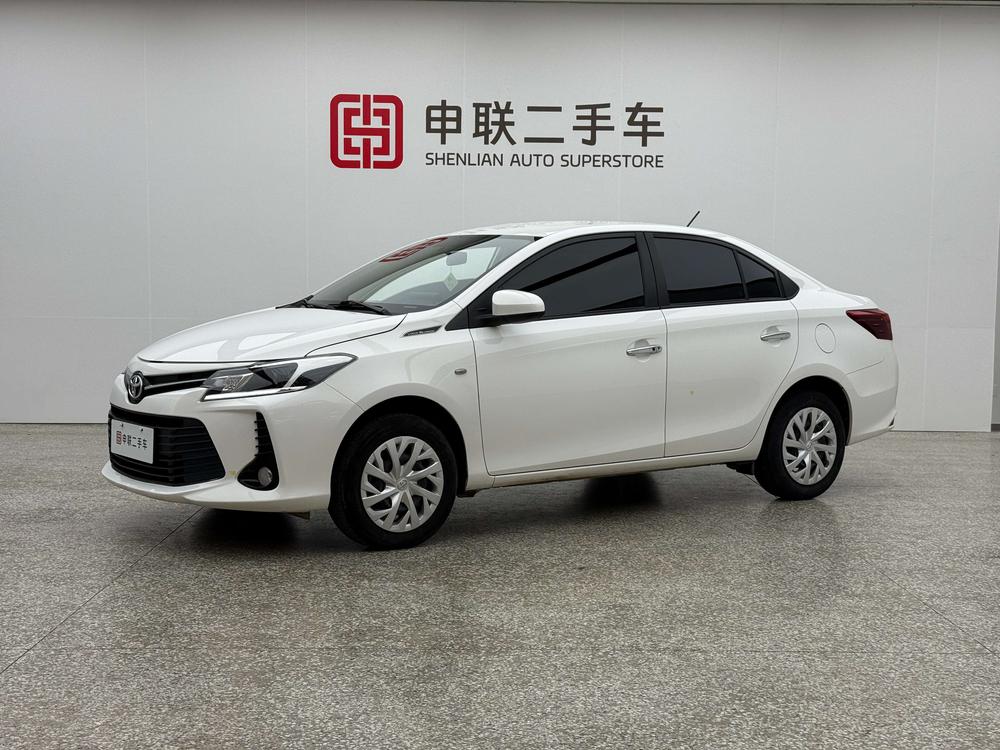
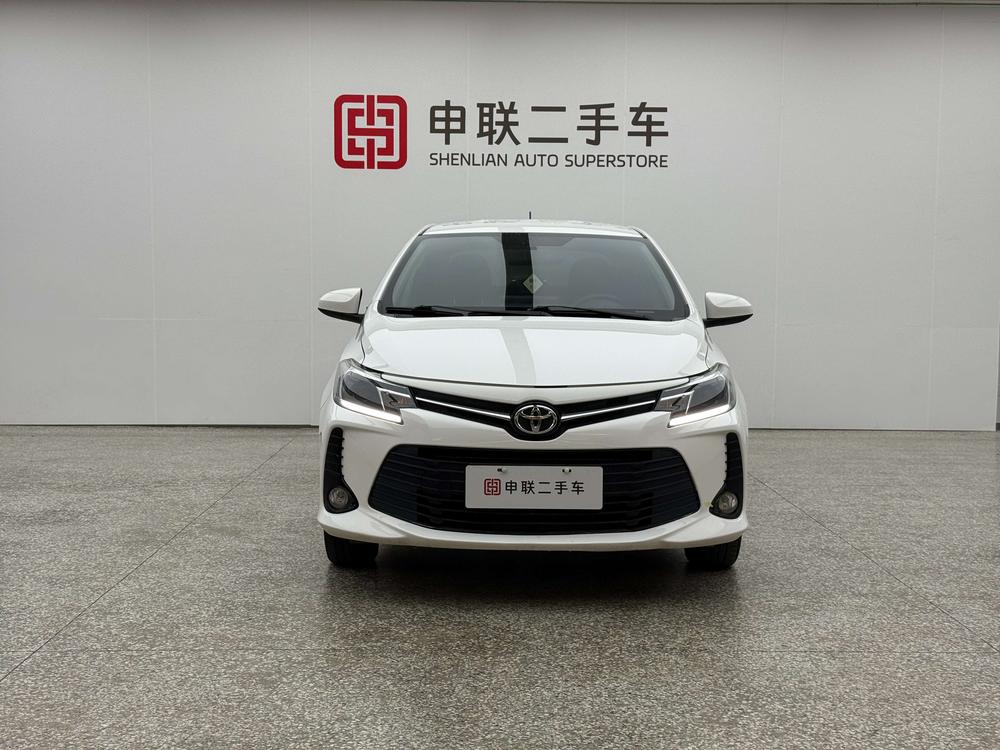
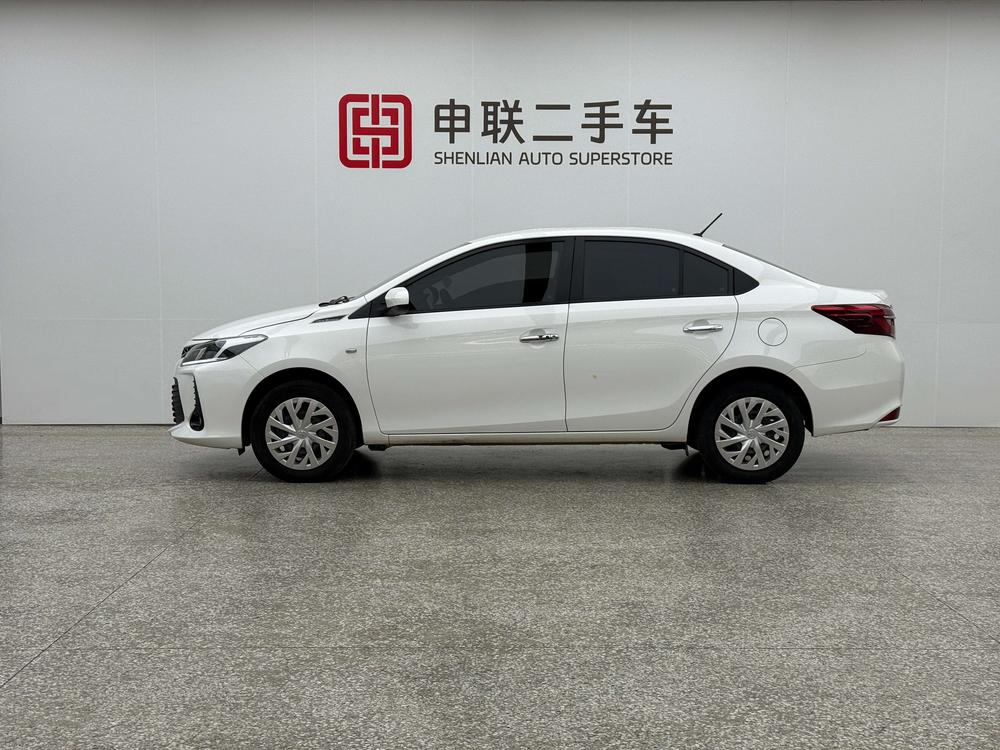
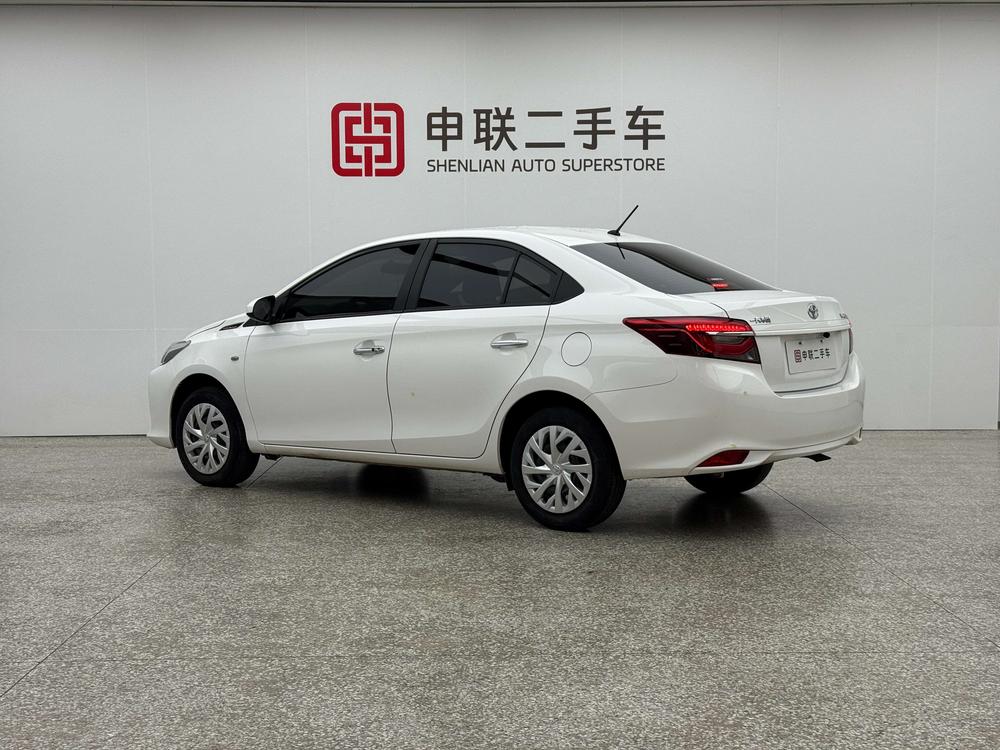
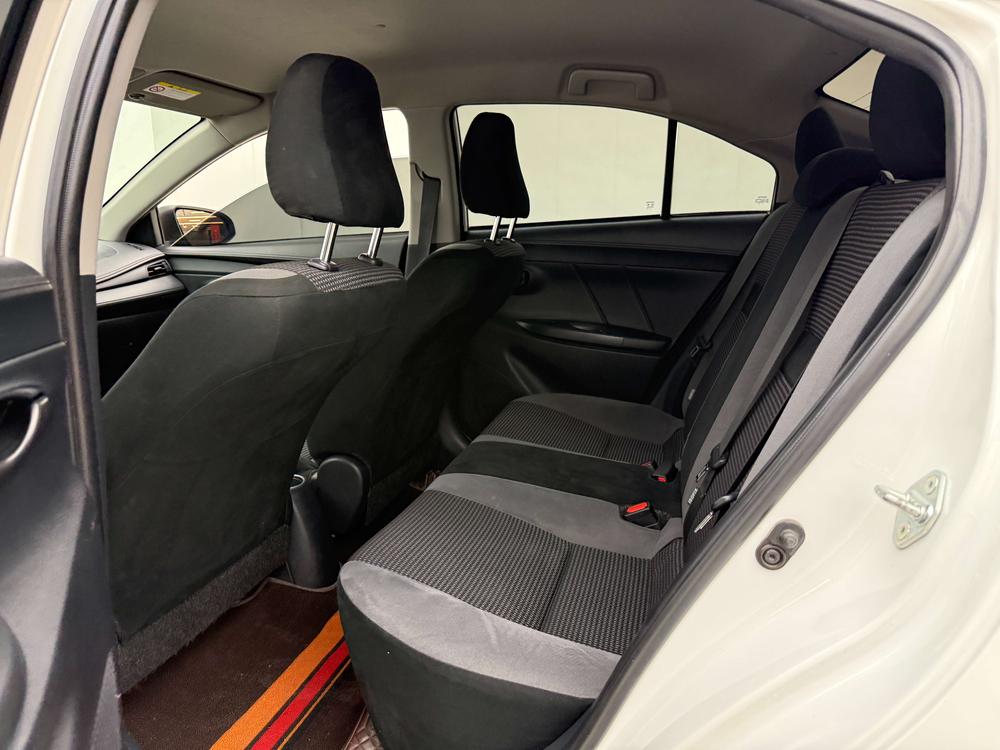
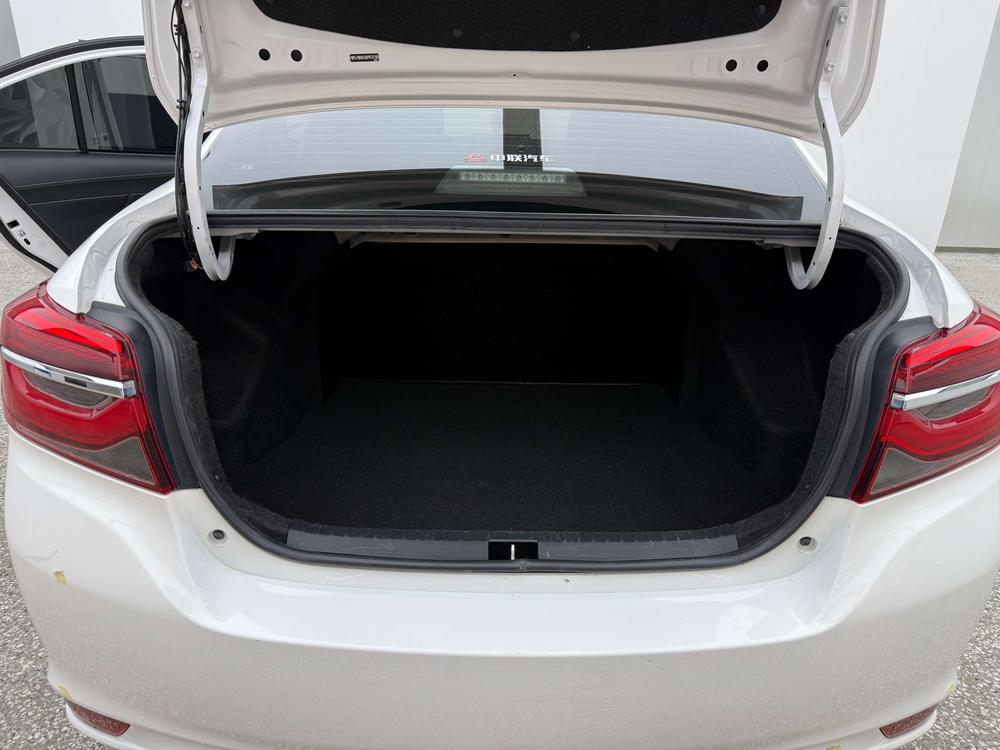
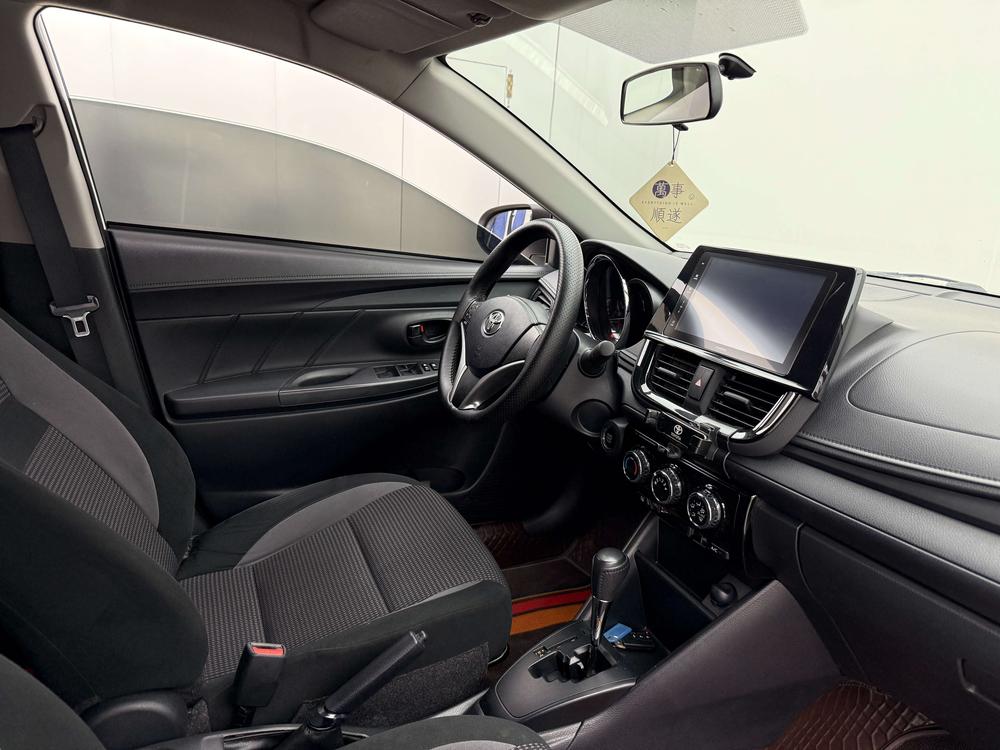
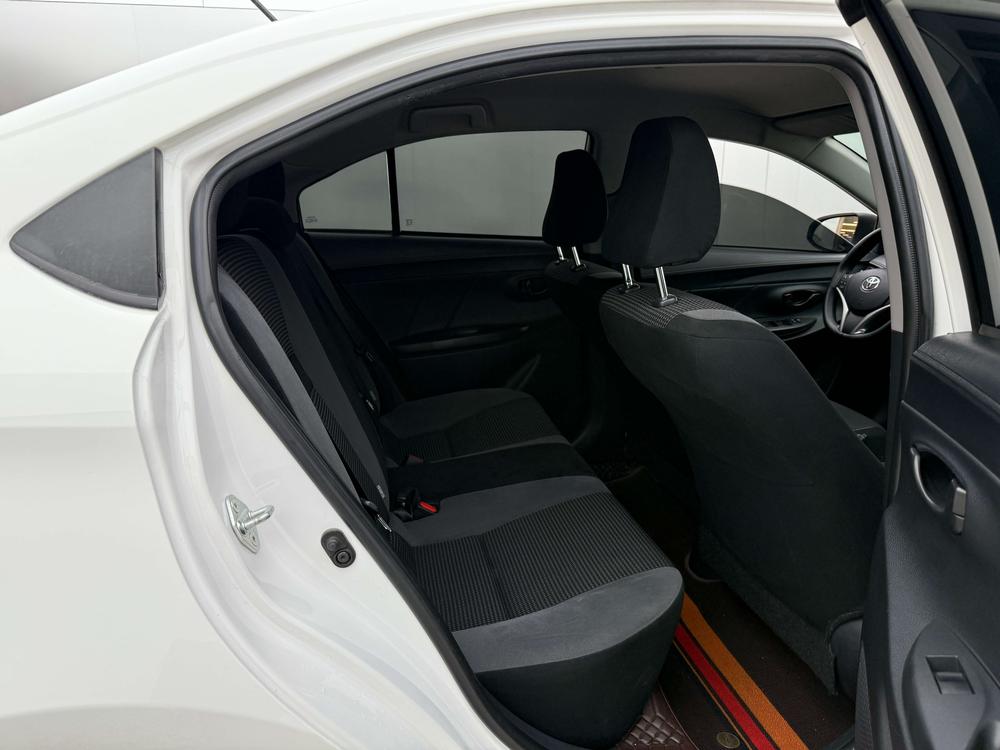
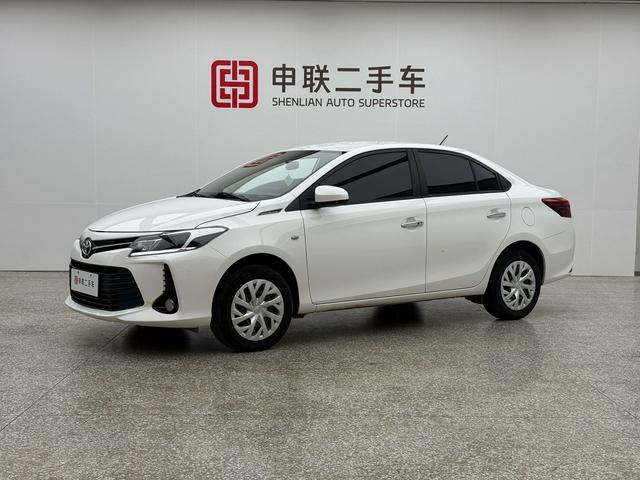
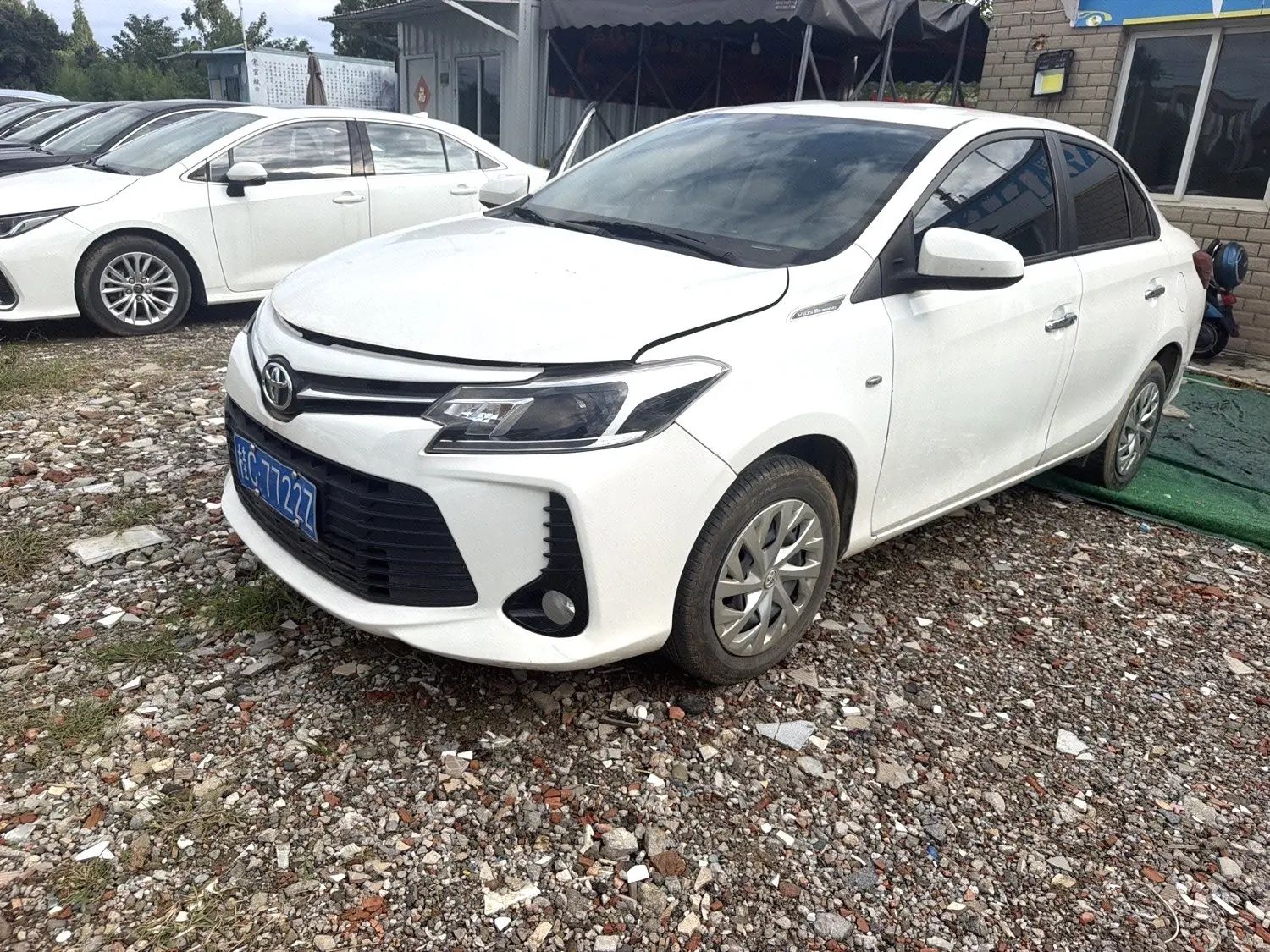
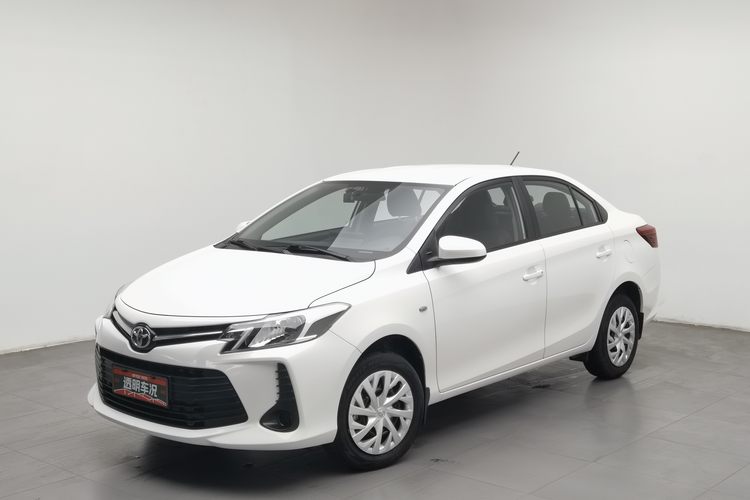
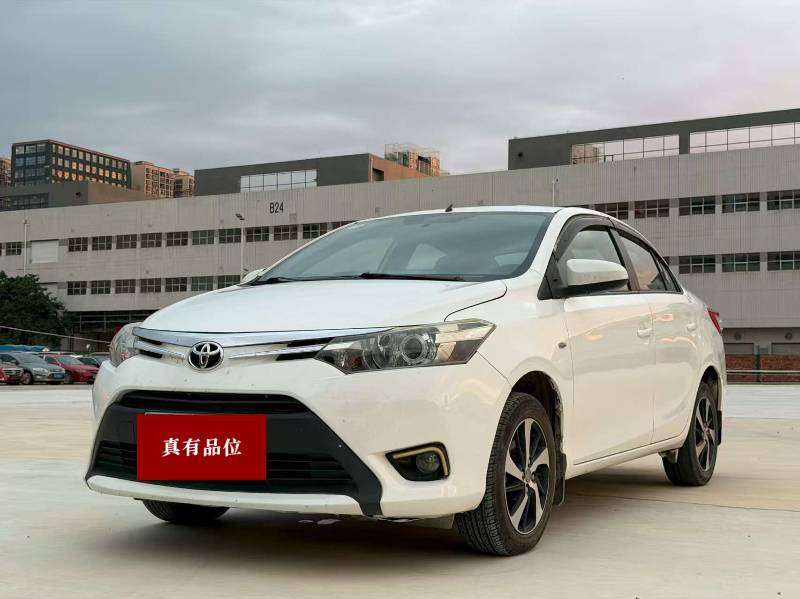
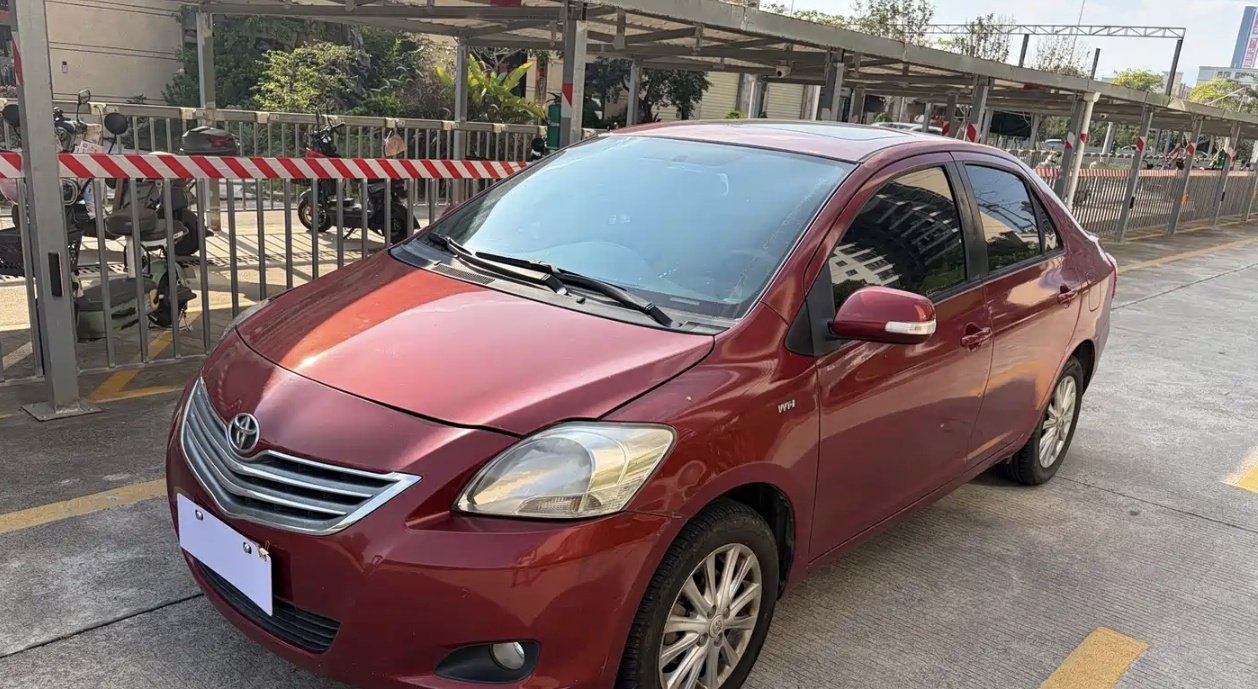
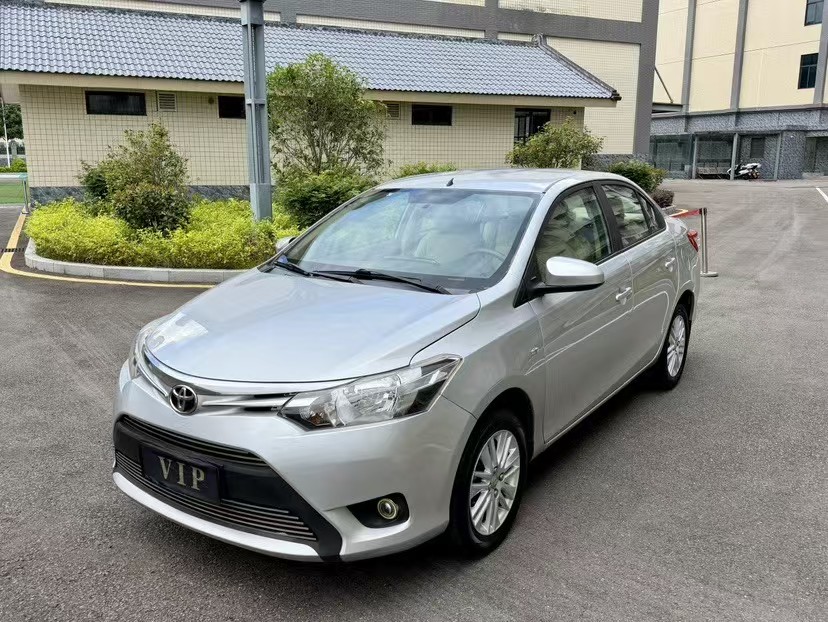
Basic Information

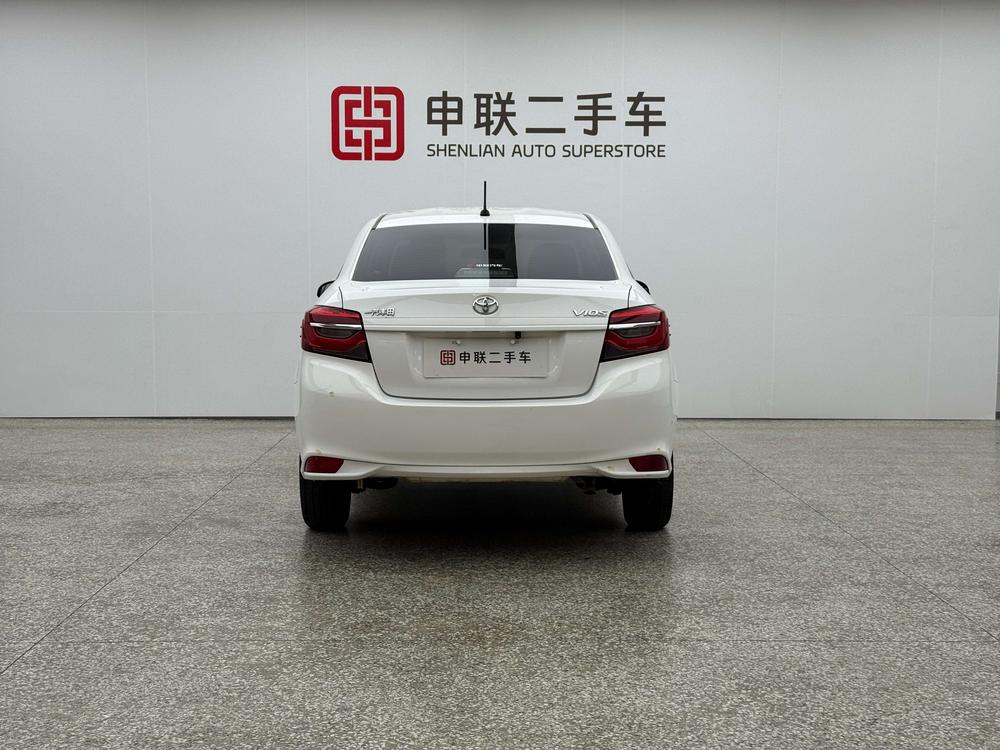
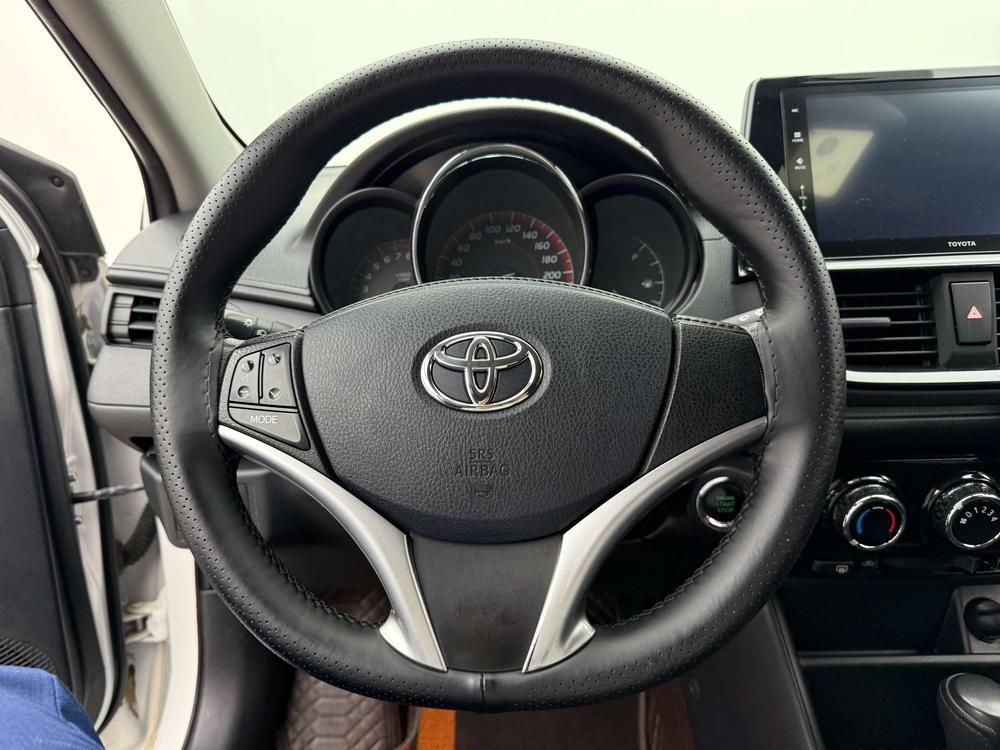
BrandToyota
SeriesVios
Year2023
First Registration2023/03
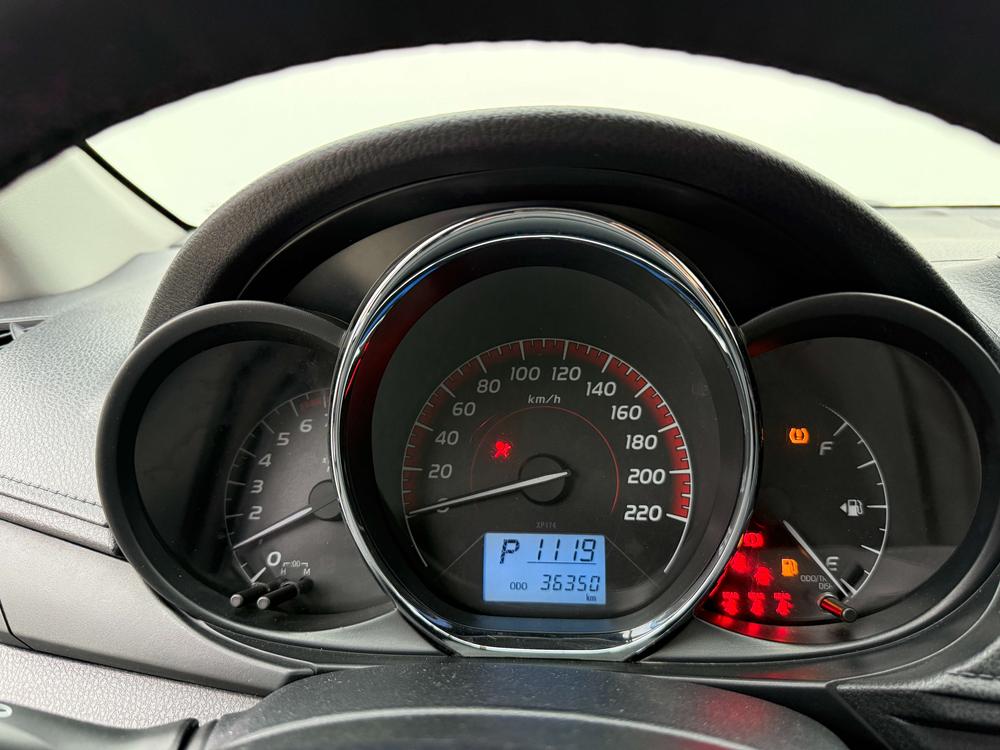
Mileage36,300km
Transfer Count0times
FuelGasoline
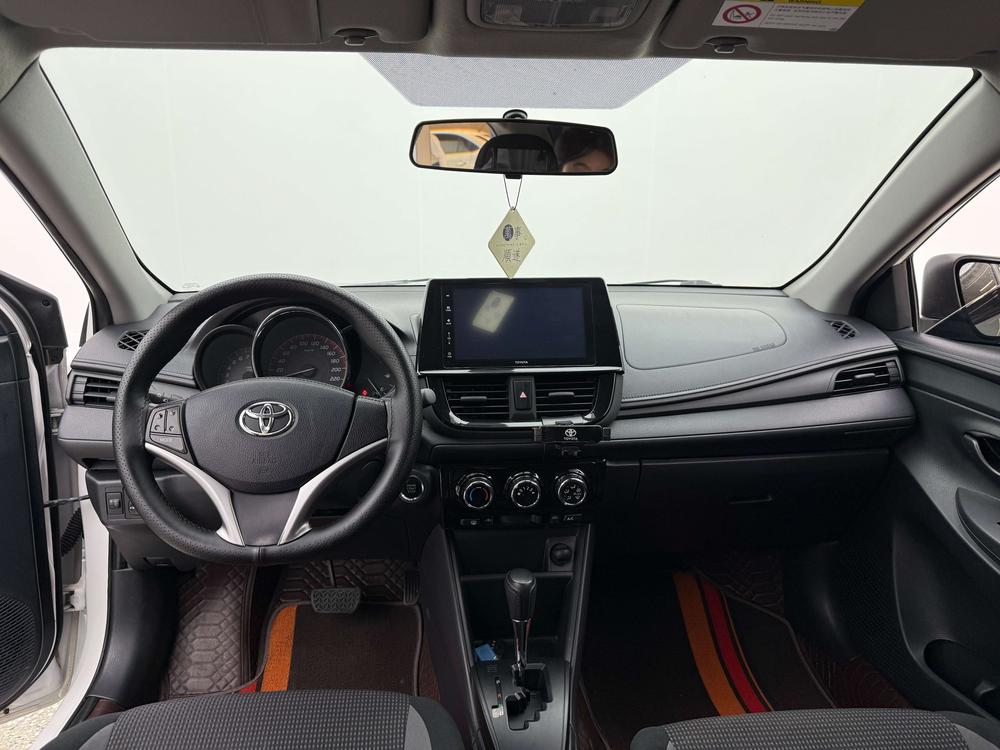
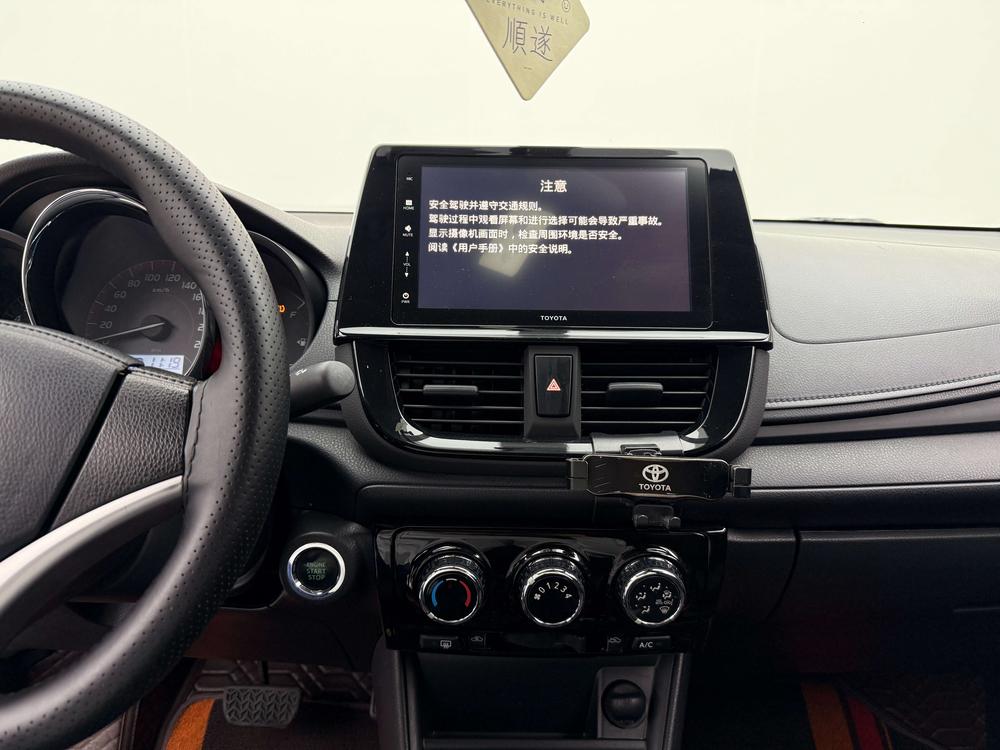
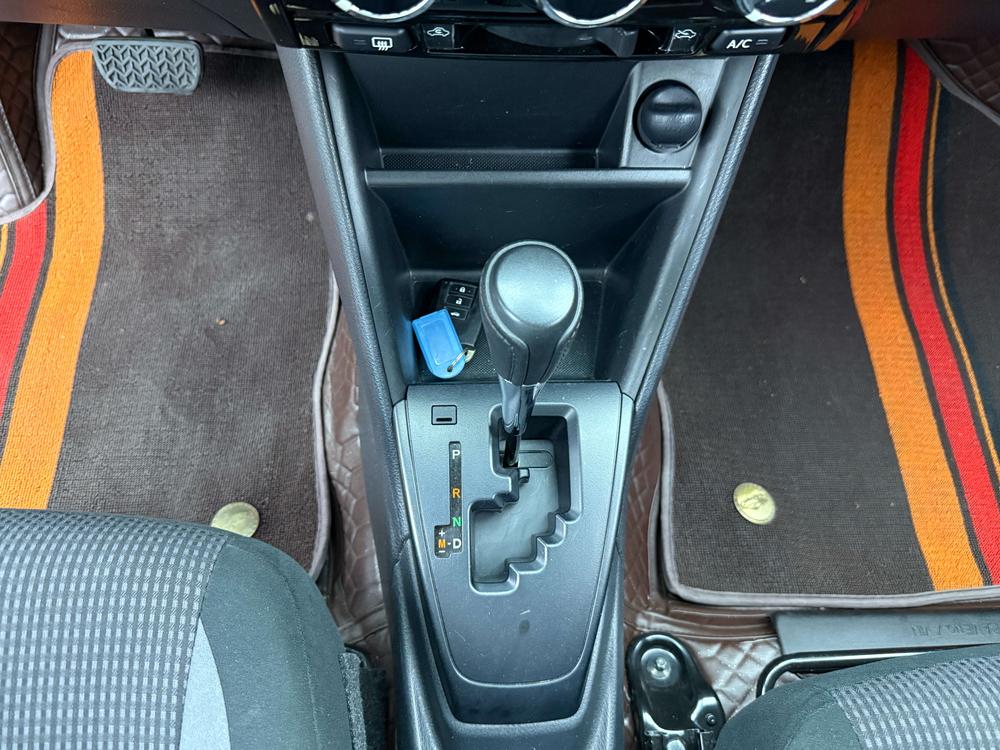
TransmissionCVT
Engine1.5L 112 L4
Color
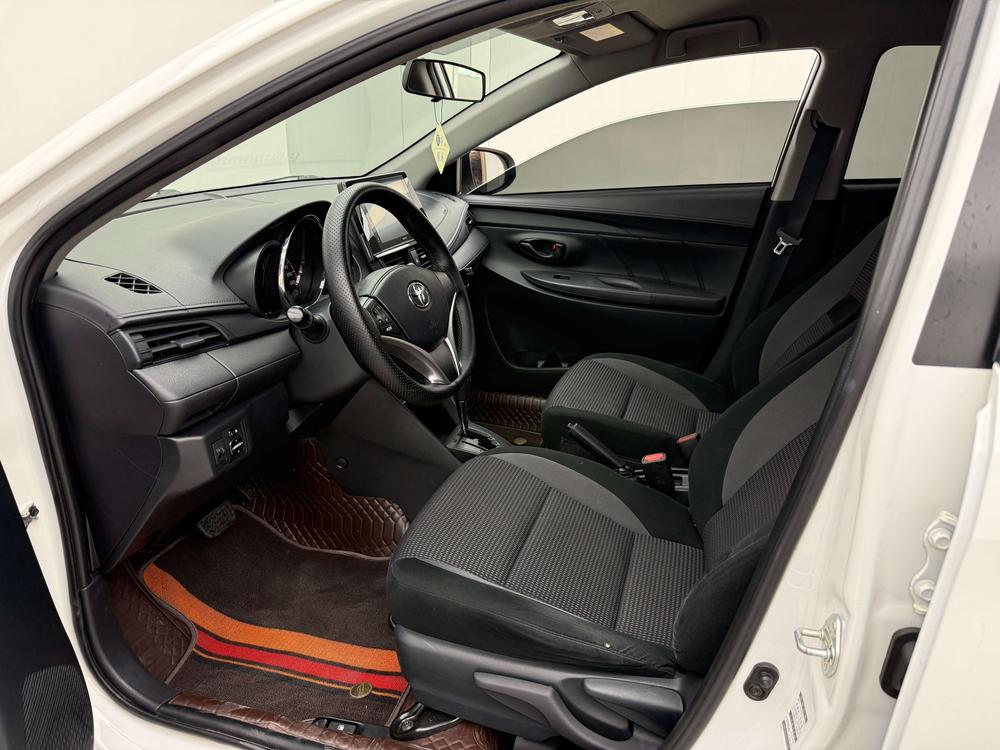
Seats5seats

Condition Description

官方质检 · 60天全车质保· 7天无理由有偿退车

Configuration Highlights

✓上牌时间: 2023-03
✓表显里程: 3.6万公里
✓车源地: 石家庄
✓排放标准: 国六
✓发动机: 1.5L
✓轴距: 2550mm
✓变速箱: 自动
✓最大功率: 82kW

Q&A

More

After receiving the car, I found that the 12V battery was dead and couldn't start, or the wiper rubber was aging. Does this count as a quality breach on your part?

No, it does not. International shipping (especially RoRo) usually takes 30 to 60 days, during which the vehicle is stationary. A dead 12V battery, natural tire pressure loss, and even wiper aging due to temperature differences are all reasonable physical wear during long-distance transport. We strongly recommend that overseas buyers bring a portable jump starter and an air pump when picking up their vehicles at the port.

When buying remotely, how do I assess the engine, transmission, brakes, and tires of a used car from China over a live video call?

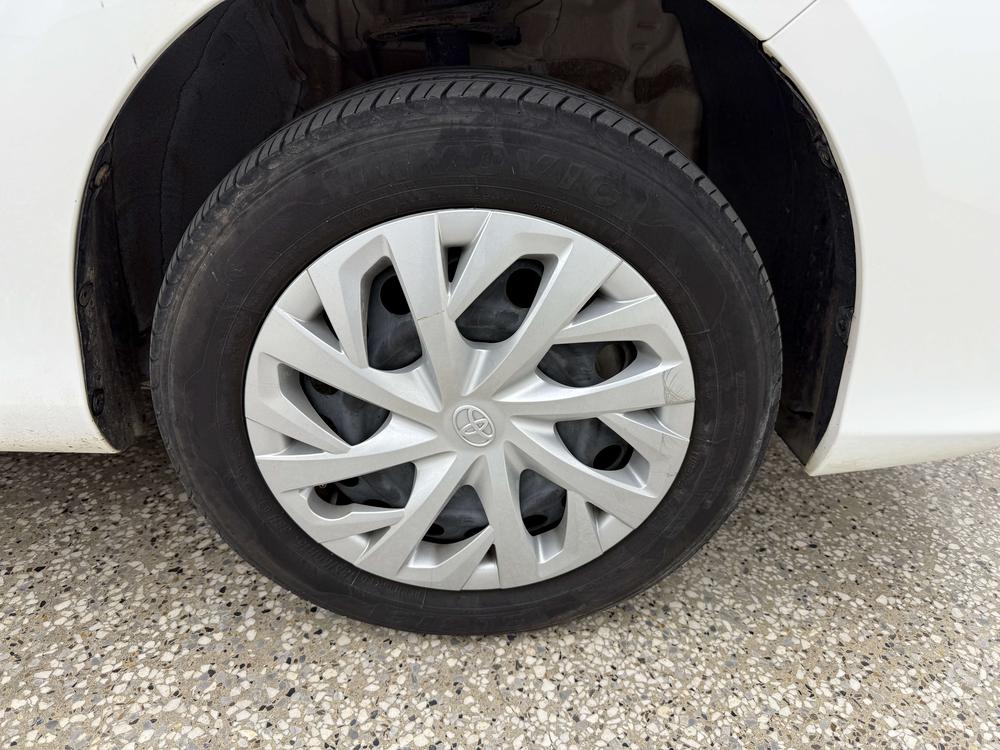
A structured live video inspection can catch most mechanical problems. Ask the seller to do the following in order: Cold start: film the engine bay before starting — check for leaks, cracked hoses, and corrosion. Then start from cold and listen for rattling or knocking during the first minute; abnormal noises on cold start often mean worn internals. Fluids: pull the oil dipstick — milky or foamy oil suggests head gasket issues. Check coolant color and level. Transmission: with the car warmed up, film each gear shift, forward and reverse. Hesitation, harsh jerks, or slipping RPM are red flags. Brakes: test at low speed in a safe area — the pedal should feel firm, not spongy, and the car must not pull to one side. Tires: walk around and film each tire's sidewall and tread. Uneven wear suggests alignment or suspension problems. Combine this with an independent pre-shipment inspection for a professional report — the video call is your first filter, not the final verdict.

Can I combine several cars into one container to save on freight when importing from China, and how does consolidation work?

Yes, consolidation is common and can cut freight cost per car significantly, especially for shared purchases or small-volume importers. How it works: 1. A 40ft high-cube container typically fits 2-4 cars depending on size and loading method (standard loading vs. specialized racking that allows 4+ cars). Confirm the loading plan with your forwarder in writing. 2. Cars are secured with wheel chocks, straps, and padded braces. Professional loading with photos before the doors close is essential — request a photo report for insurance purposes. 3. One container means one bill of lading and one customs entry, but each car still needs its own invoice, export documents, and destination customs declaration. Things to watch: - Liability: if one car shifts and damages another in transit, insurance claims get complicated. Take out proper cargo insurance covering both vehicles. - Timing: all cars in the container must be ready at the same port at the same time, or you pay storage fees. - For EVs, check the shipping line's battery and state-of-charge rules — they may limit how many EVs go in one box. For a single car, RoRo or a 20ft container is usually simpler; consolidation mainly pays off from 2+ cars.