


24H

Basic Information

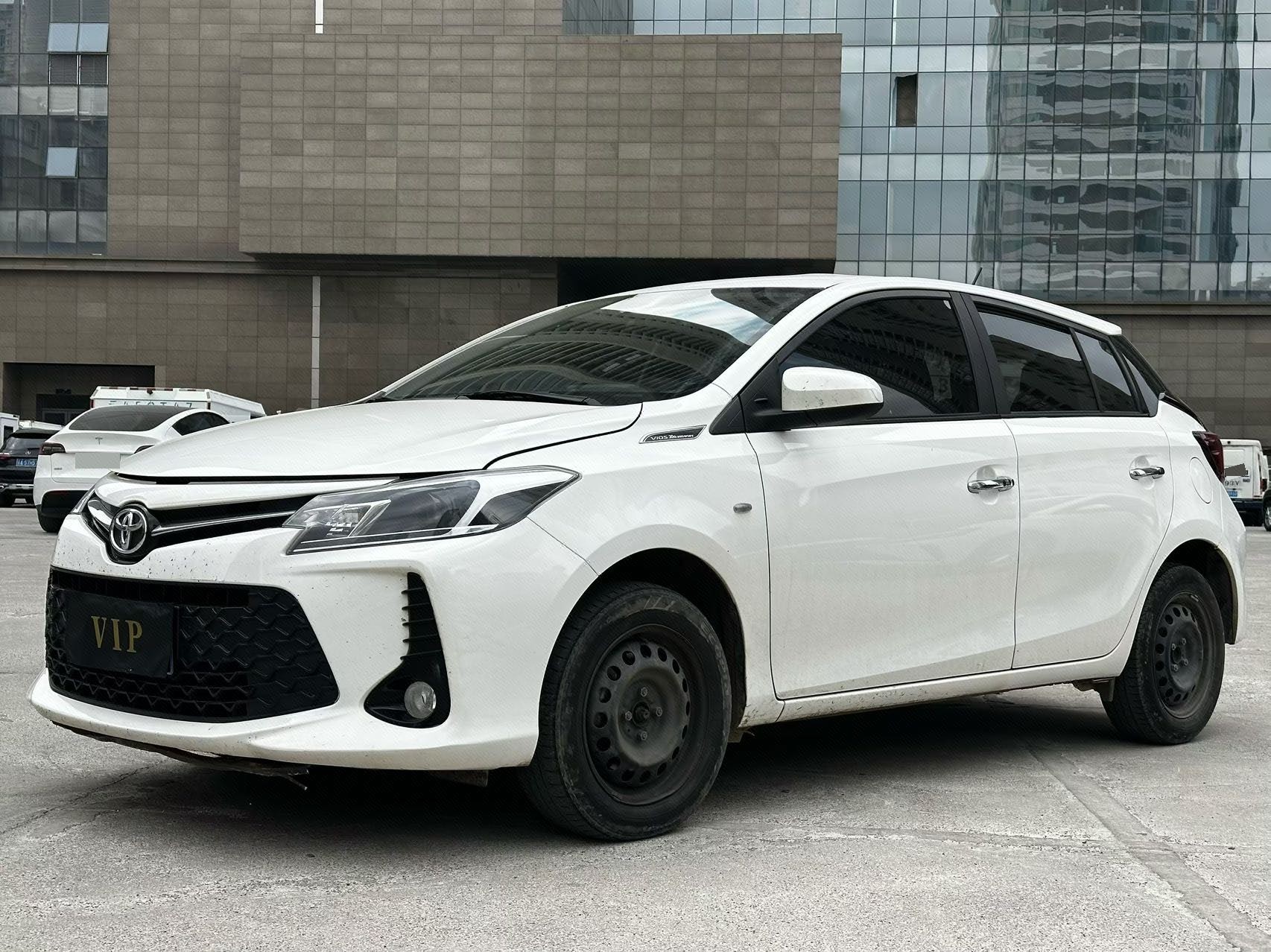
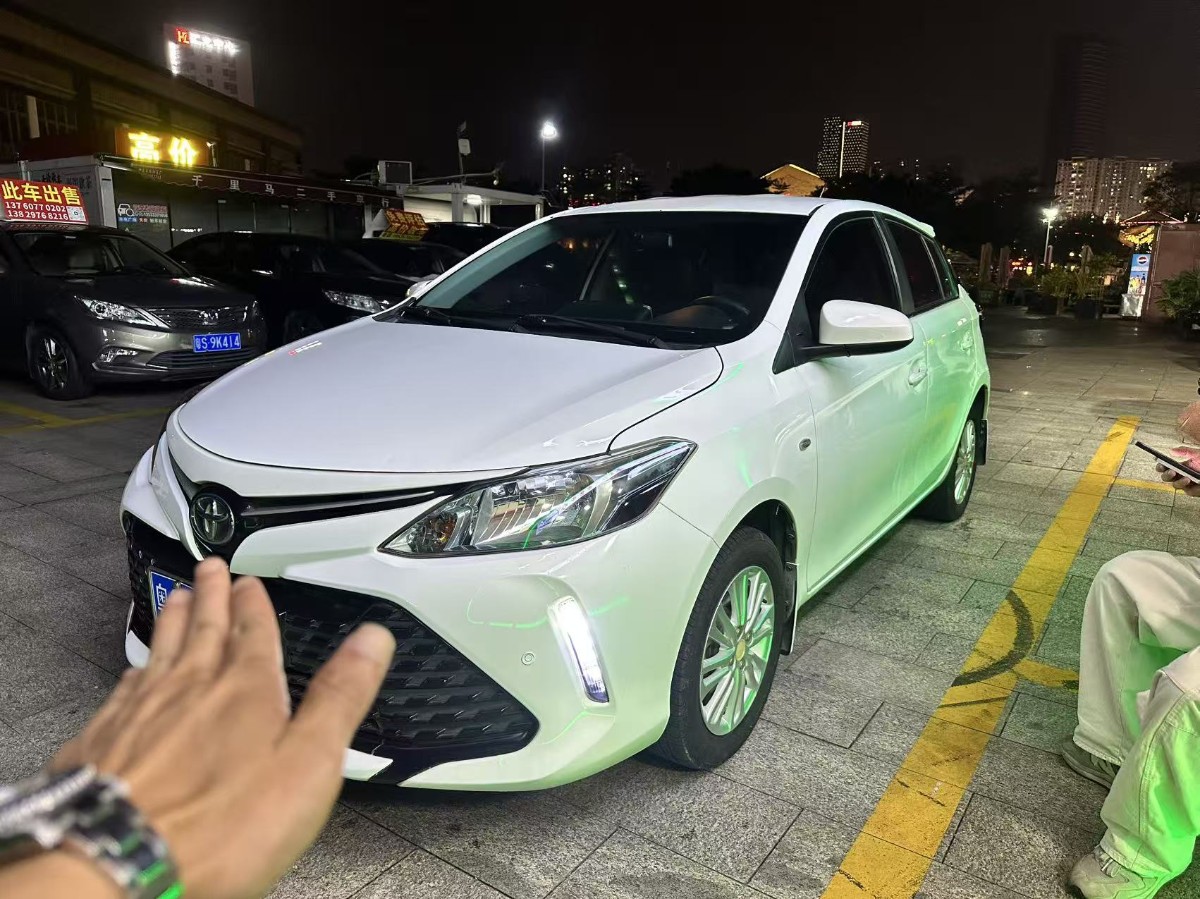
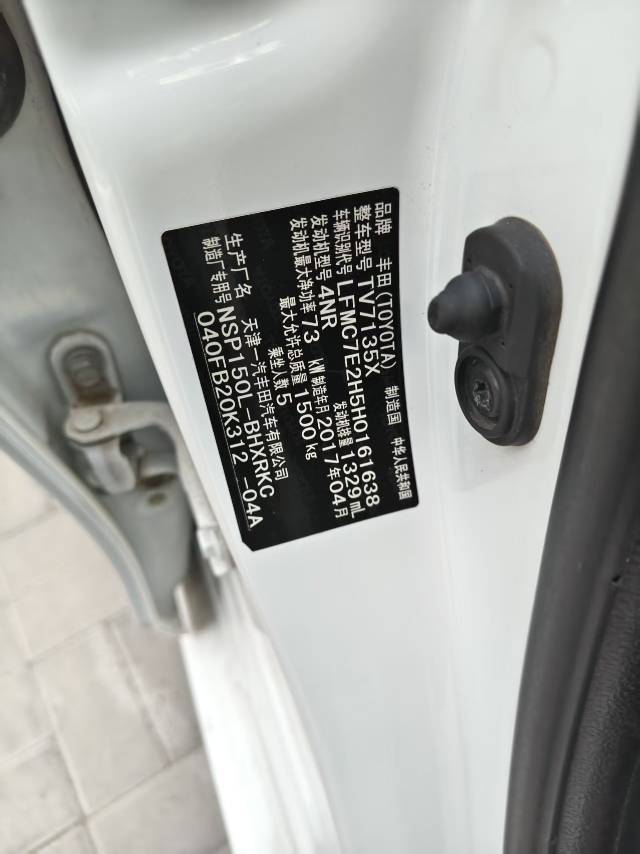
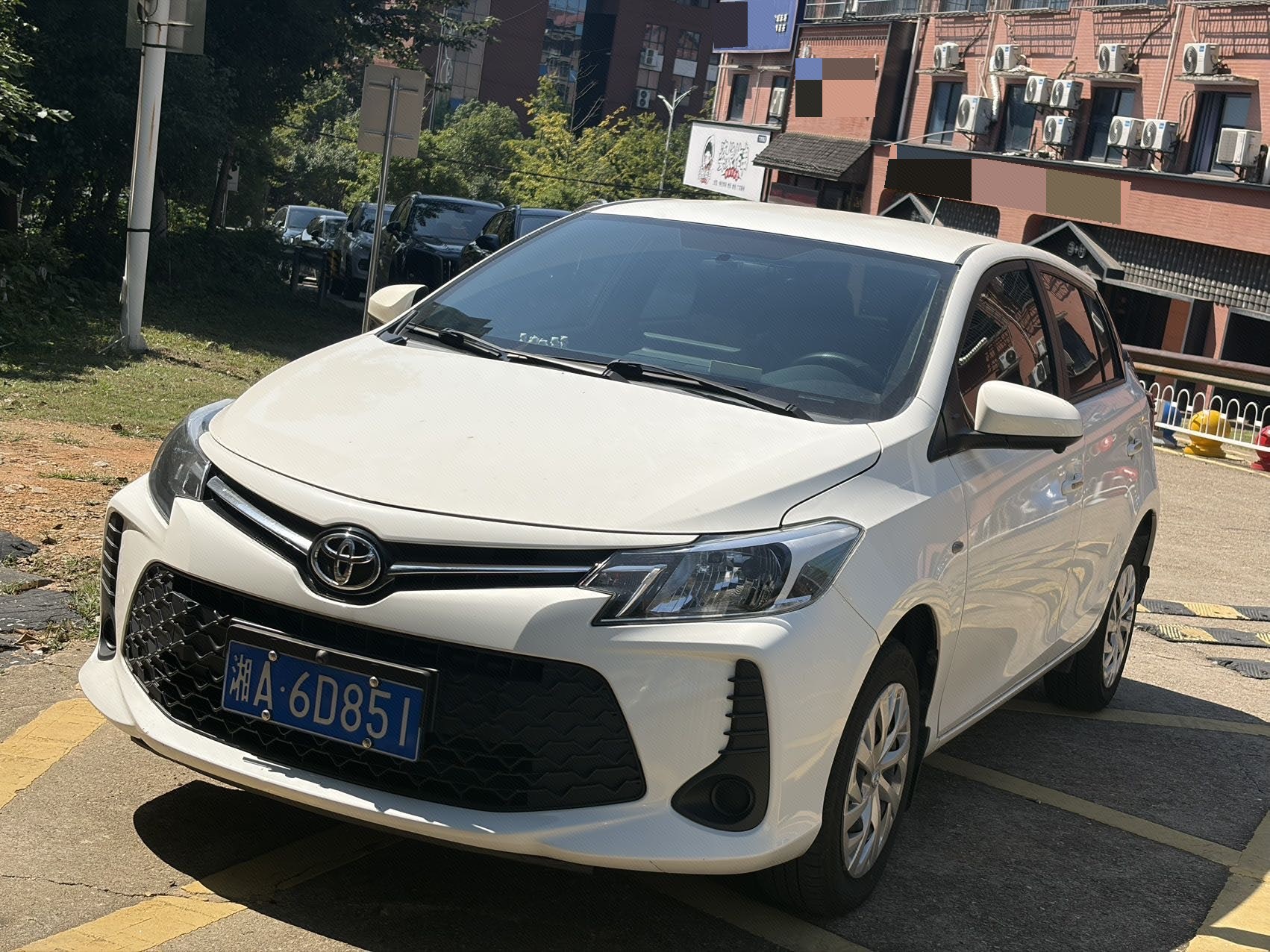
BrandToyota
SeriesVios FS
Year2017
First Registration2017/05
Mileage126,600km
Transfer Count1times
FuelGasoline
TransmissionCVT
Engine1.3L 99 L4
ColorWhite
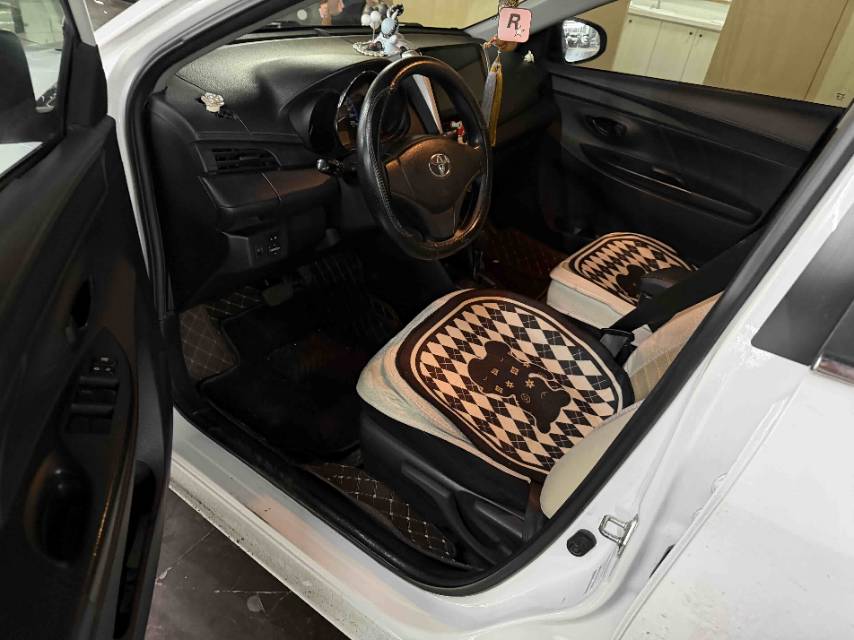
Seats5seats

Condition Description

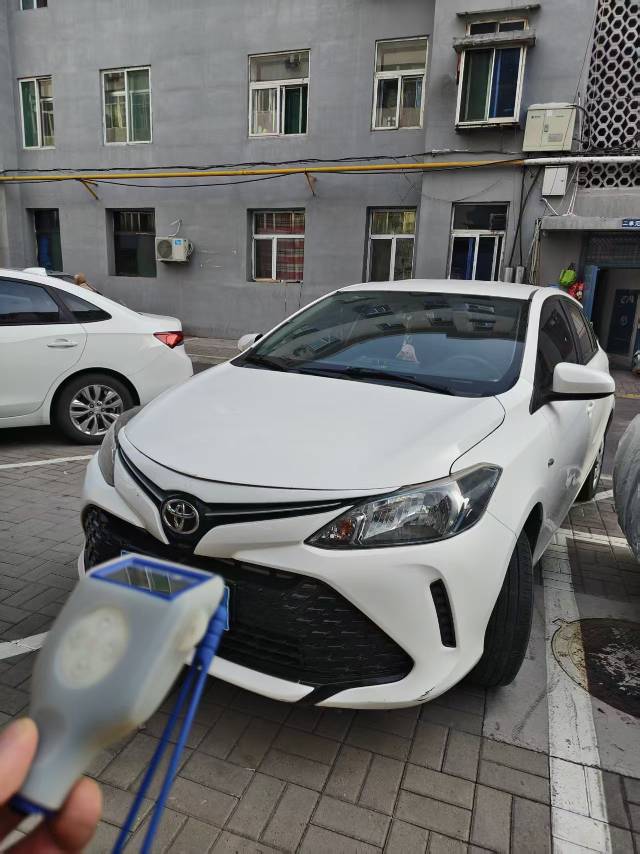
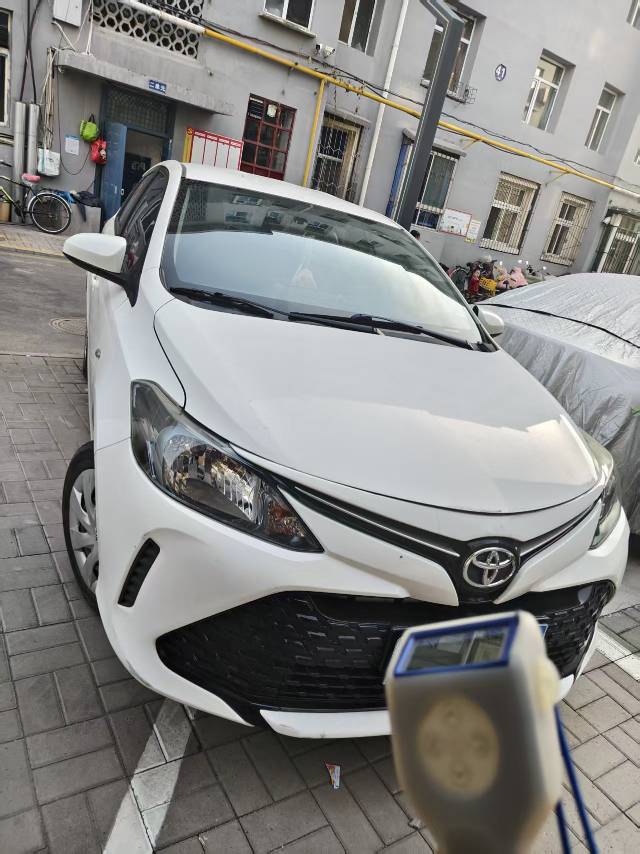
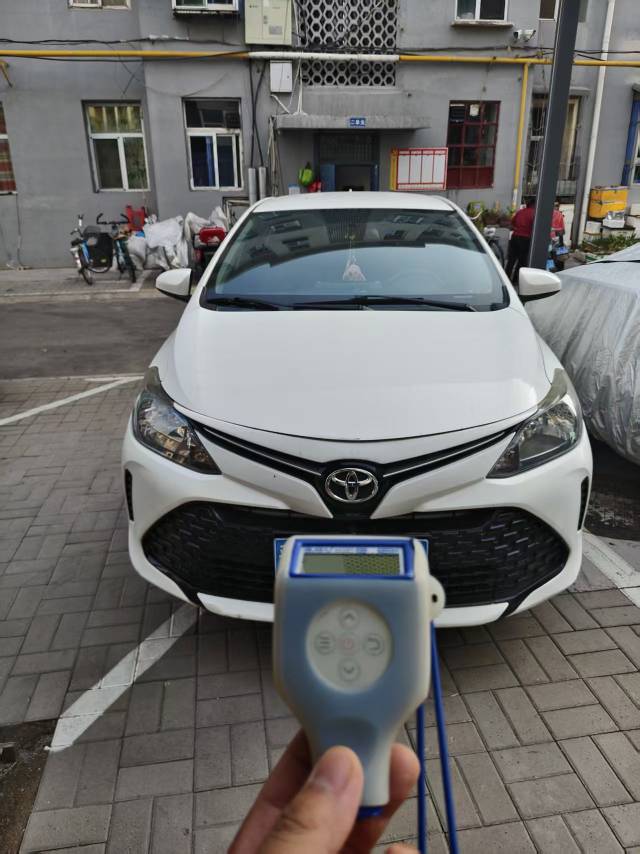
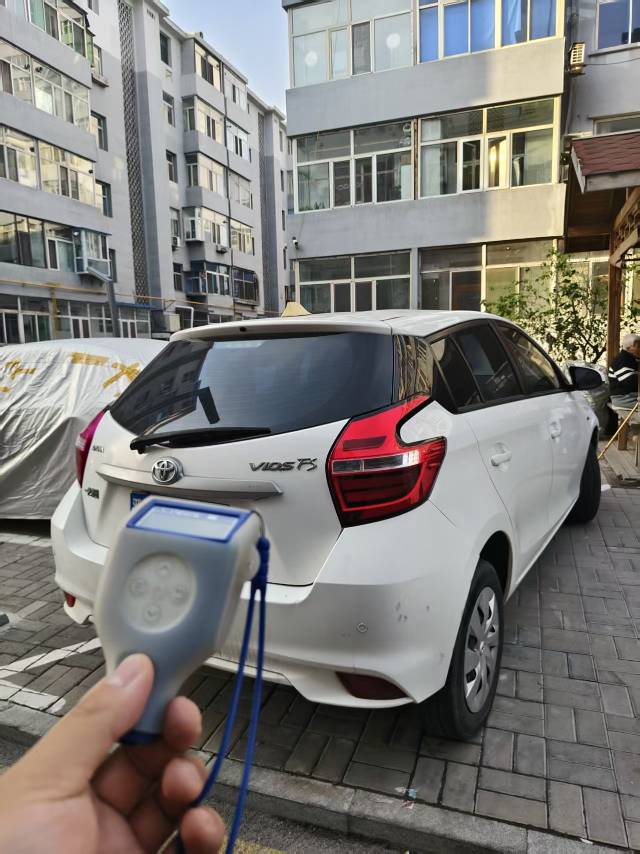
First-hand car. Rear lid has been panel-beaten. Rear bumper and rear light housing replaced. Left front door panel-beaten. Left side and hood repainted. Other panels retain original paint.

燃油车
轿车
自动
维保开放
事故开放
查验开放

Configuration Highlights

✓品牌: 丰田
✓车系: 威驰FS
✓车型: 2017款 1.3L CVT锋锐版
✓车身类型: 轿车
✓座位数: 5
✓排量: 1.3L
✓变速箱: 自动
✓能源类型: 燃油车
✓VIN: LFMC7E2H5H0161638
✓搜索关键词: 丰田威驰FS 2017款威驰FS1.3LCVT锋锐版

Q&A

More

Can I purchase the original OBD diagnostic computer and account from you for local repairs?

We can purchase the hardware (diagnostic device) on your behalf. However, the original online diagnostic accounts (especially those involving anti-theft programming and module matching) have strict domestic IP location and real-name authentication restrictions, making it very difficult to log in stably from overseas for a long time, and we cannot guarantee technical support for this.
What are the core advantages of buying used luxury cars (like Porsche, BBA) in China compared to purchasing them directly overseas?

China has a large number of luxury cars and a fast turnover rate. For luxury cars of the same year and mileage, the FOB offshore price in the Chinese market usually still has a 10%-15% arbitrage opportunity after deducting shipping costs, especially for models with high depreciation rates.

Beyond the car price, what costs should I budget when importing a used car from China?

A realistic budget has several layers beyond the vehicle price. First, inland logistics in China: moving the car to the export port typically costs $300-$800. Second, export handling: inspection, customs declaration and paperwork usually add $500-$1,000. Third, ocean freight. A 20ft container to most destinations runs $1,200-$3,000 depending on route; RoRo shipping can be cheaper for driveable cars. Add marine insurance, usually 0.3%-0.5% of the car value. Fourth, destination charges: port handling, customs duties, VAT/GST and local registration fees. These vary widely; some countries charge duties of 20%-80% of the vehicle value plus an excise based on engine capacity. Finally, any compliance work: inspection certificates, modifications to meet local standards, or homologation. Ask your exporter for a full CIF quote and have a local customs broker confirm destination taxes before you commit.