


Basic Information

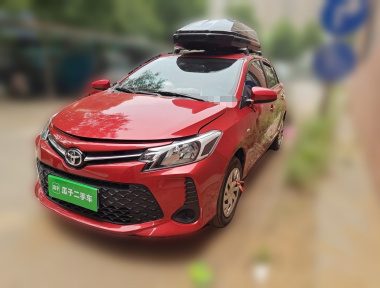
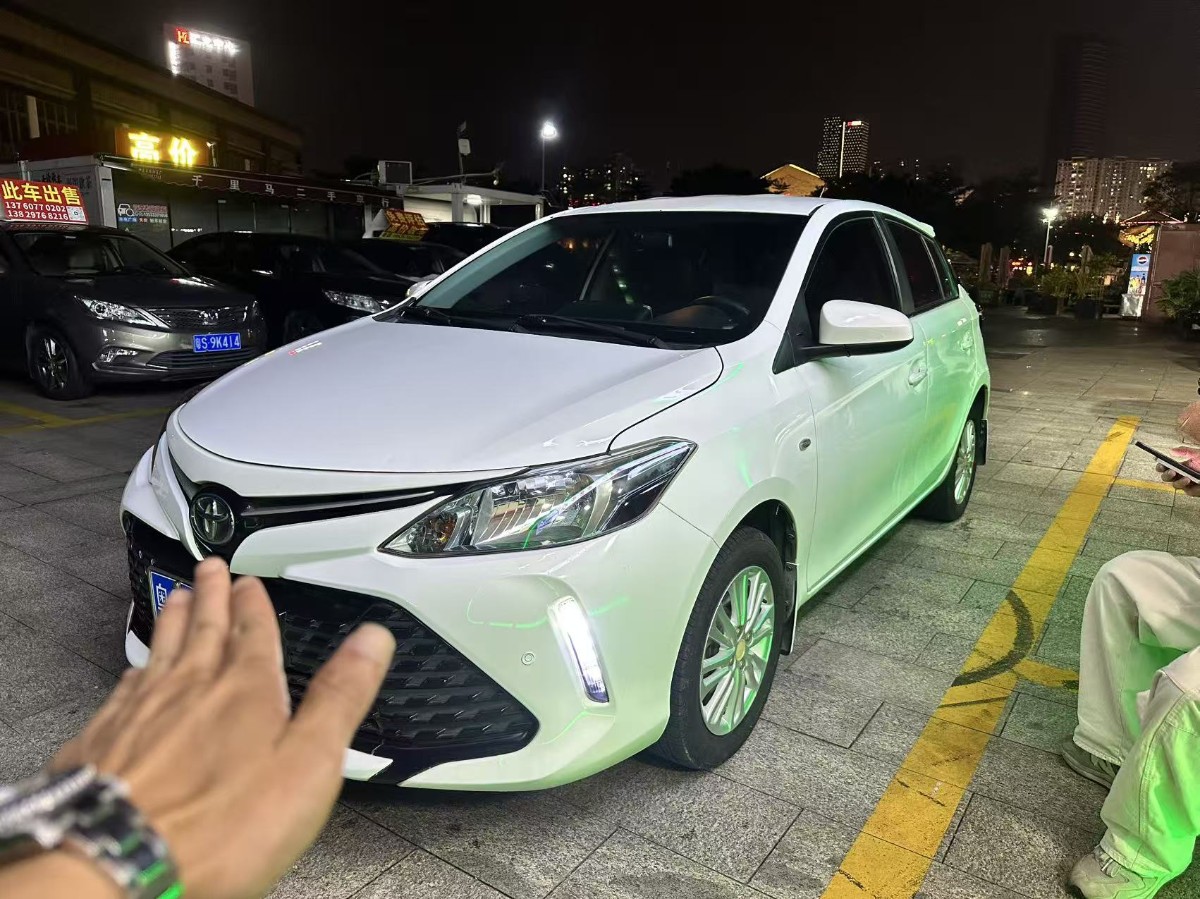
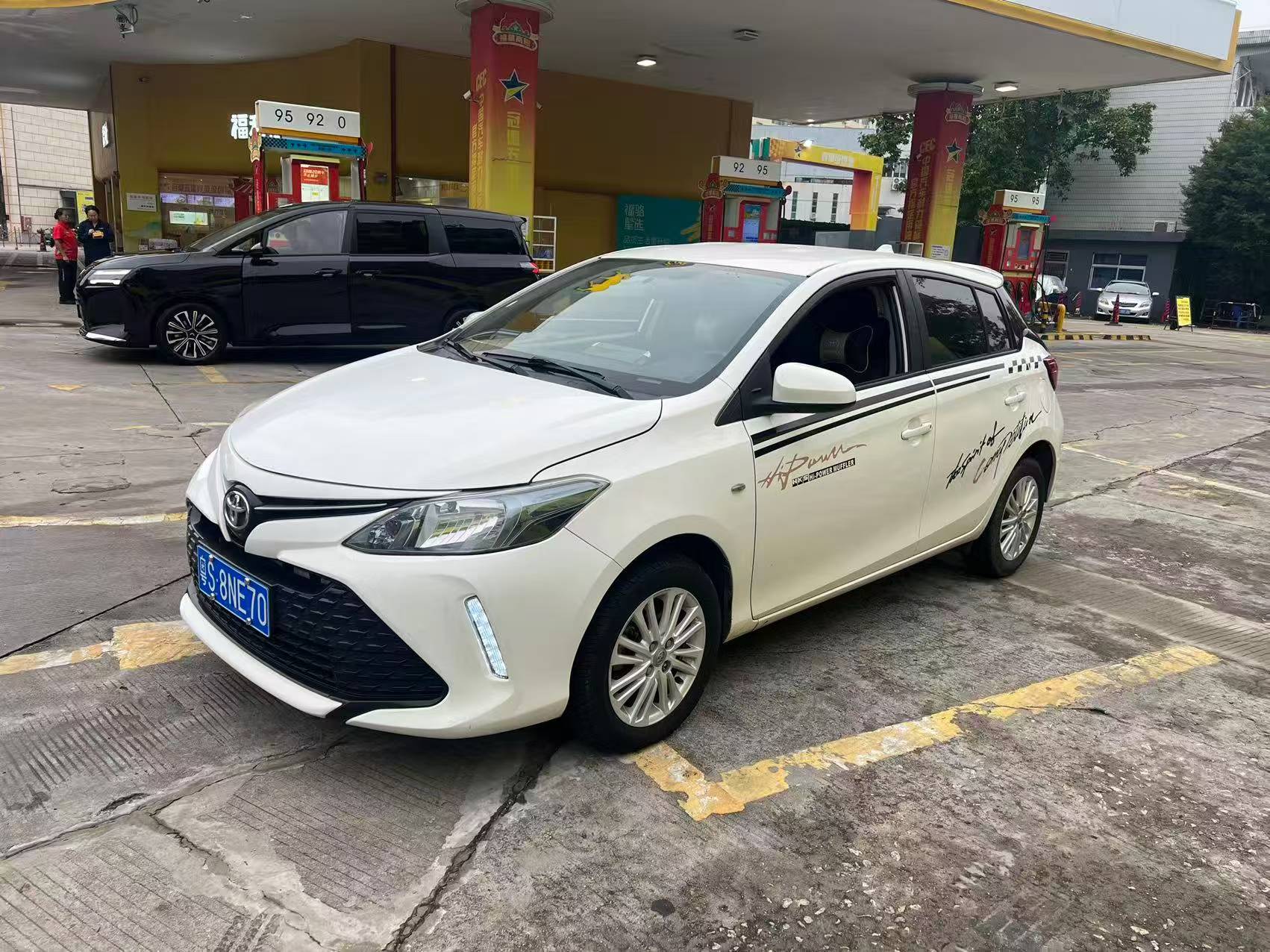
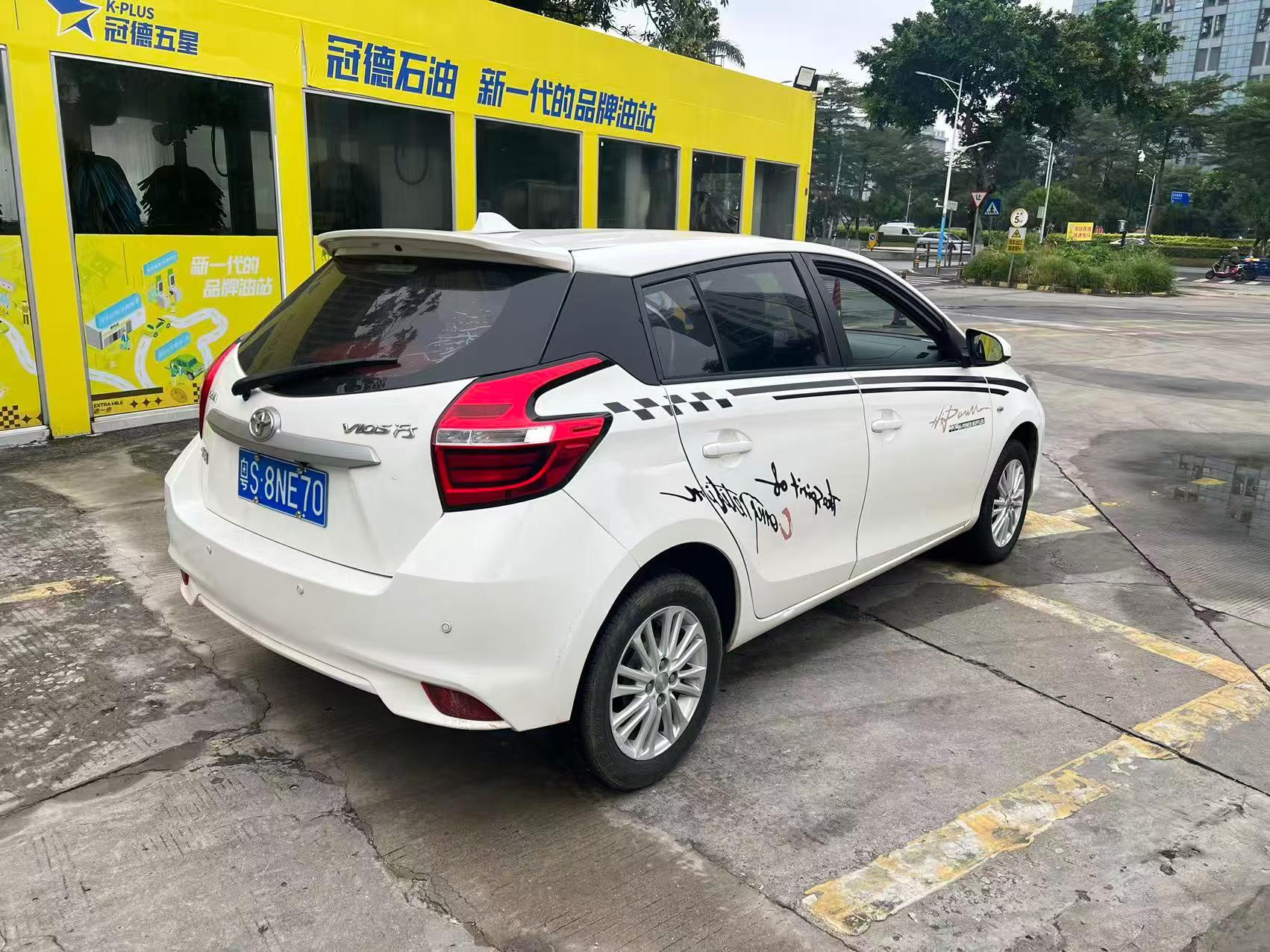
BrandToyota
SeriesVios FS
Year2017
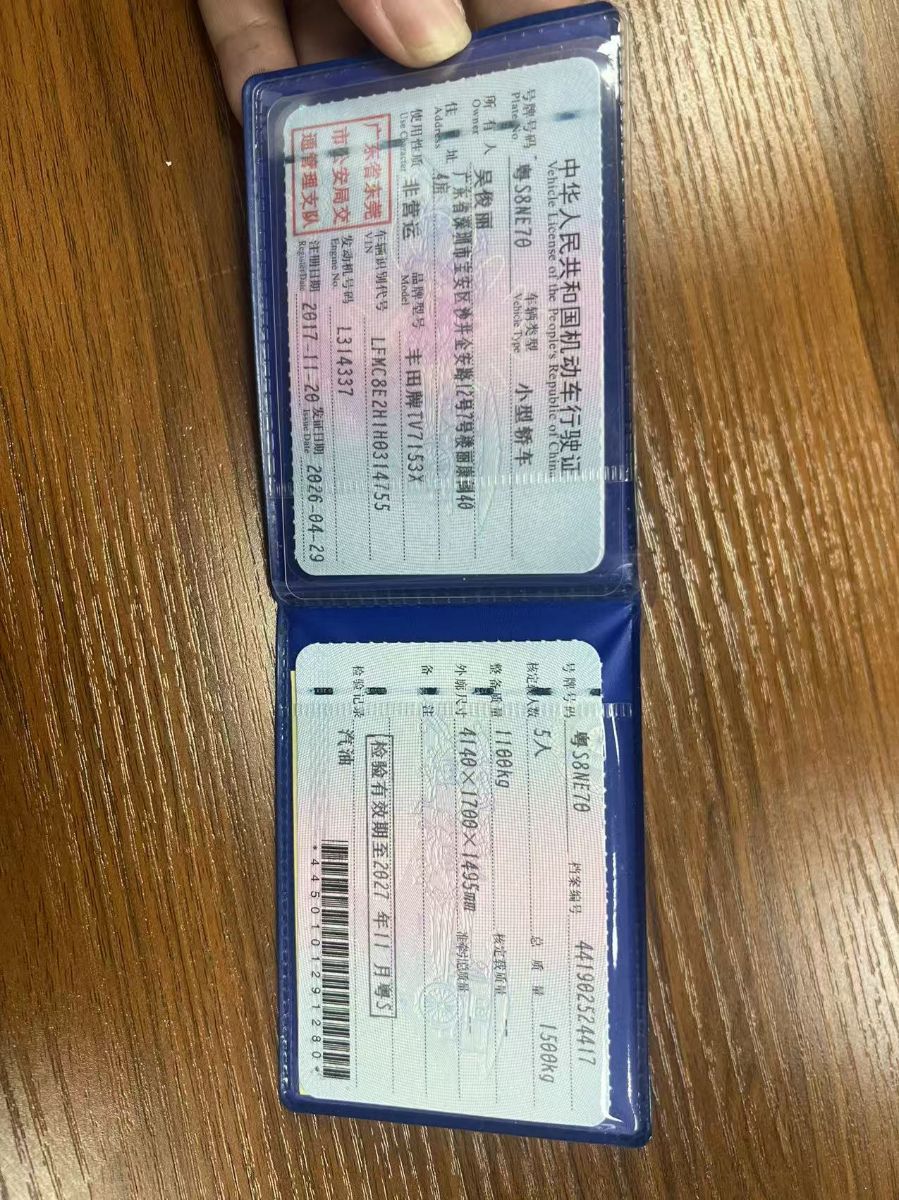
First Registration2017/11
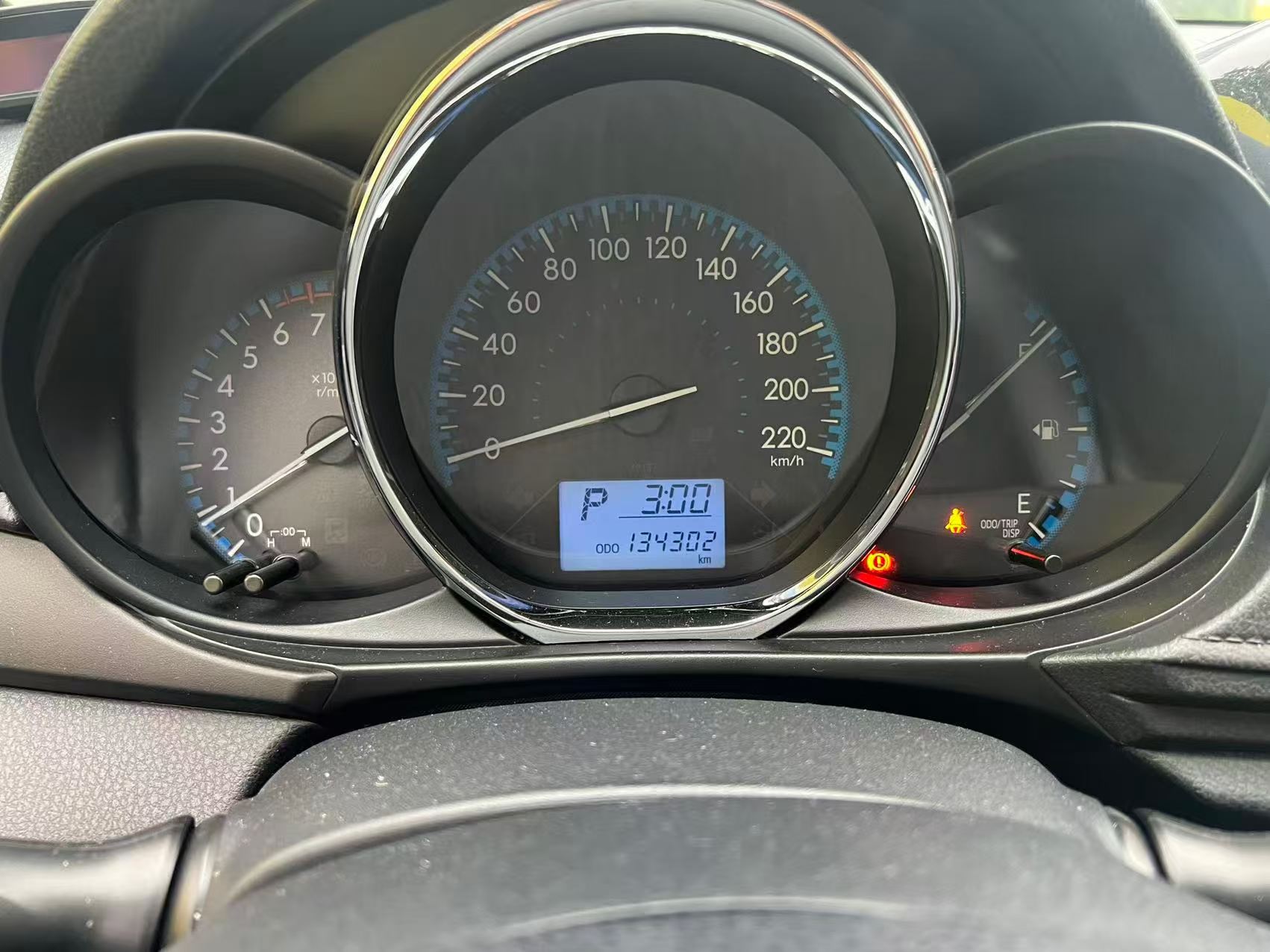
Mileage130,000km
Transfer Count1times
FuelGasoline
TransmissionCVT
Engine1.5L 107 L4
ColorWhite
Seats5seats

Condition Description

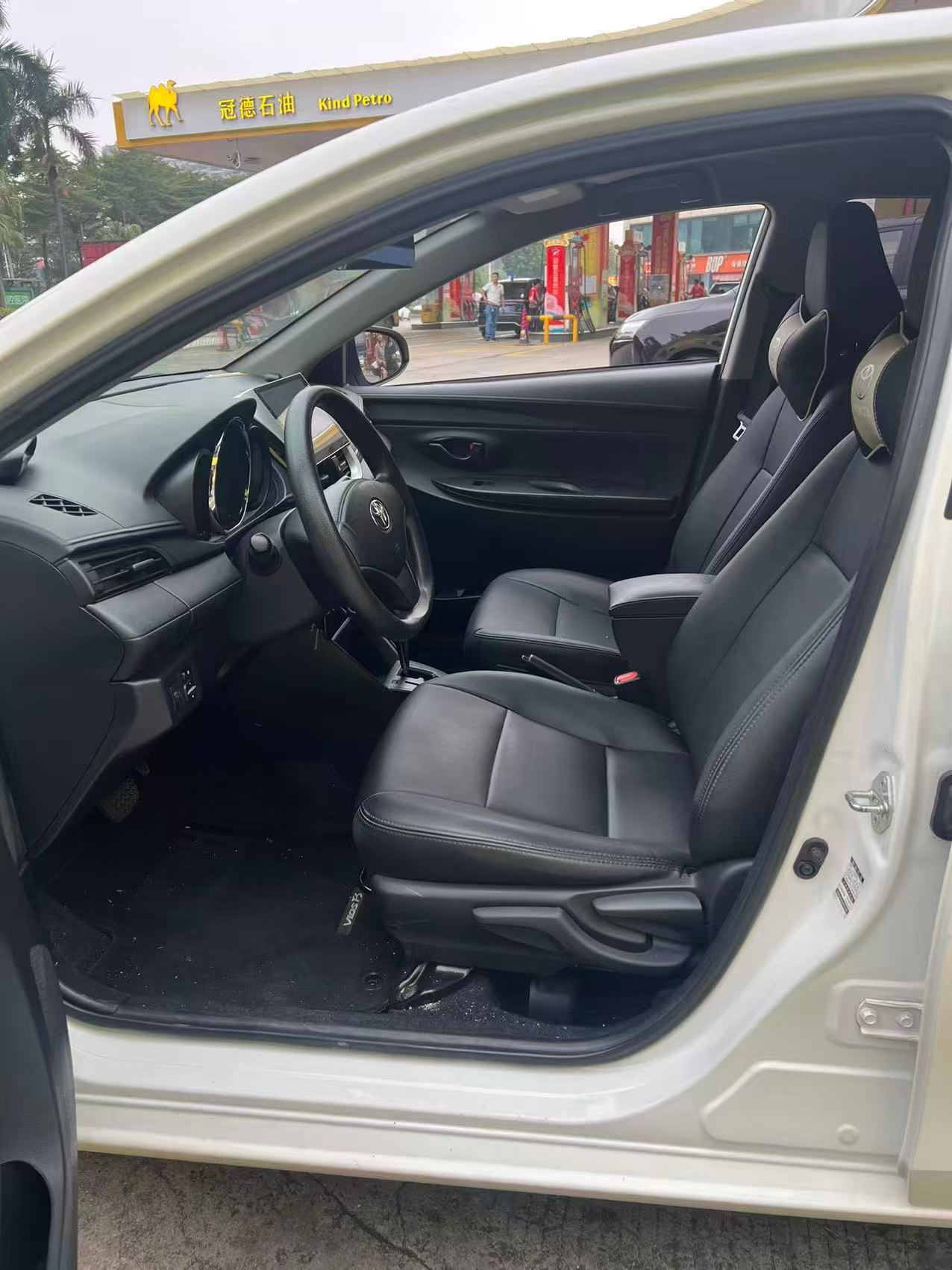
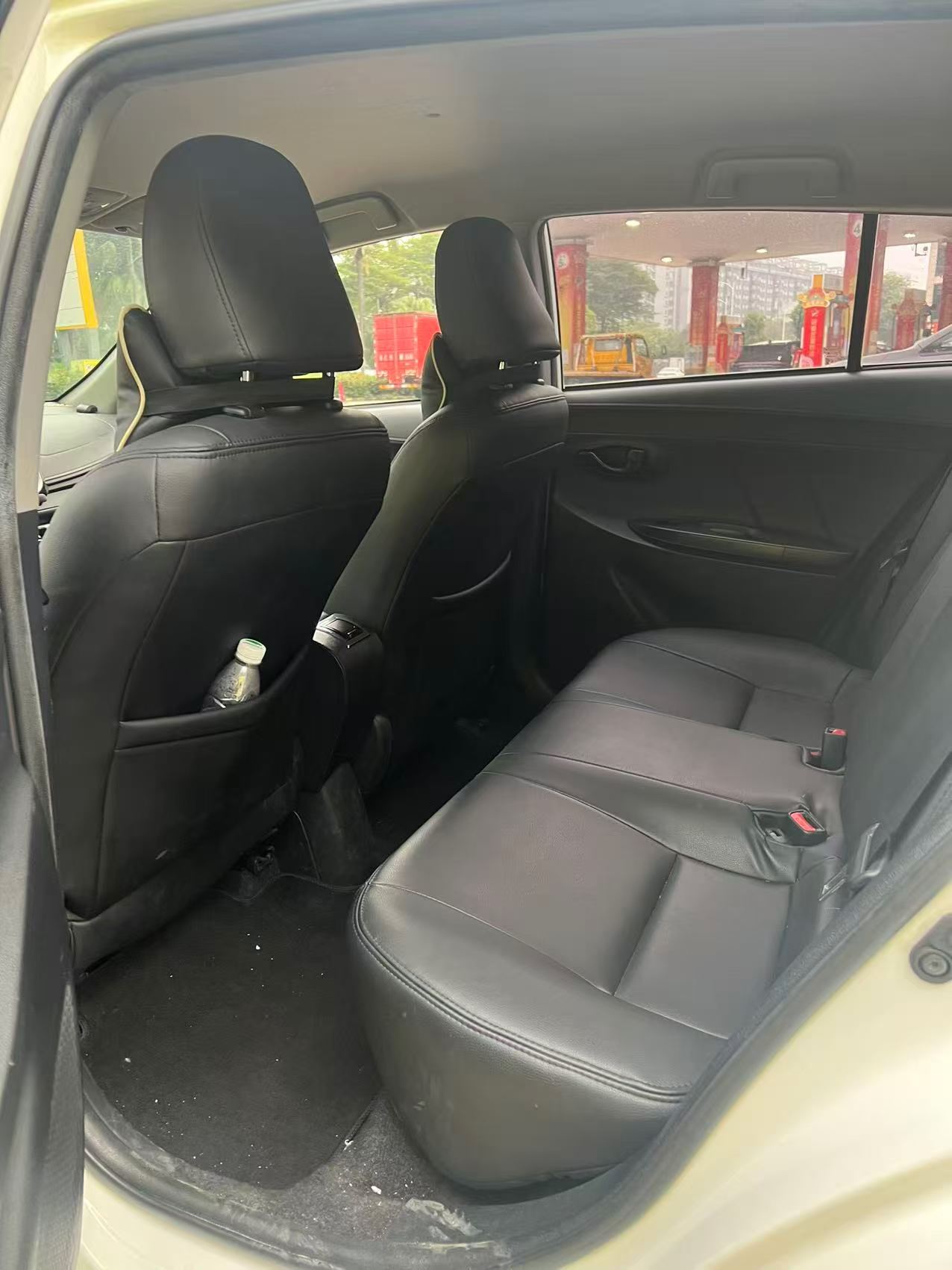
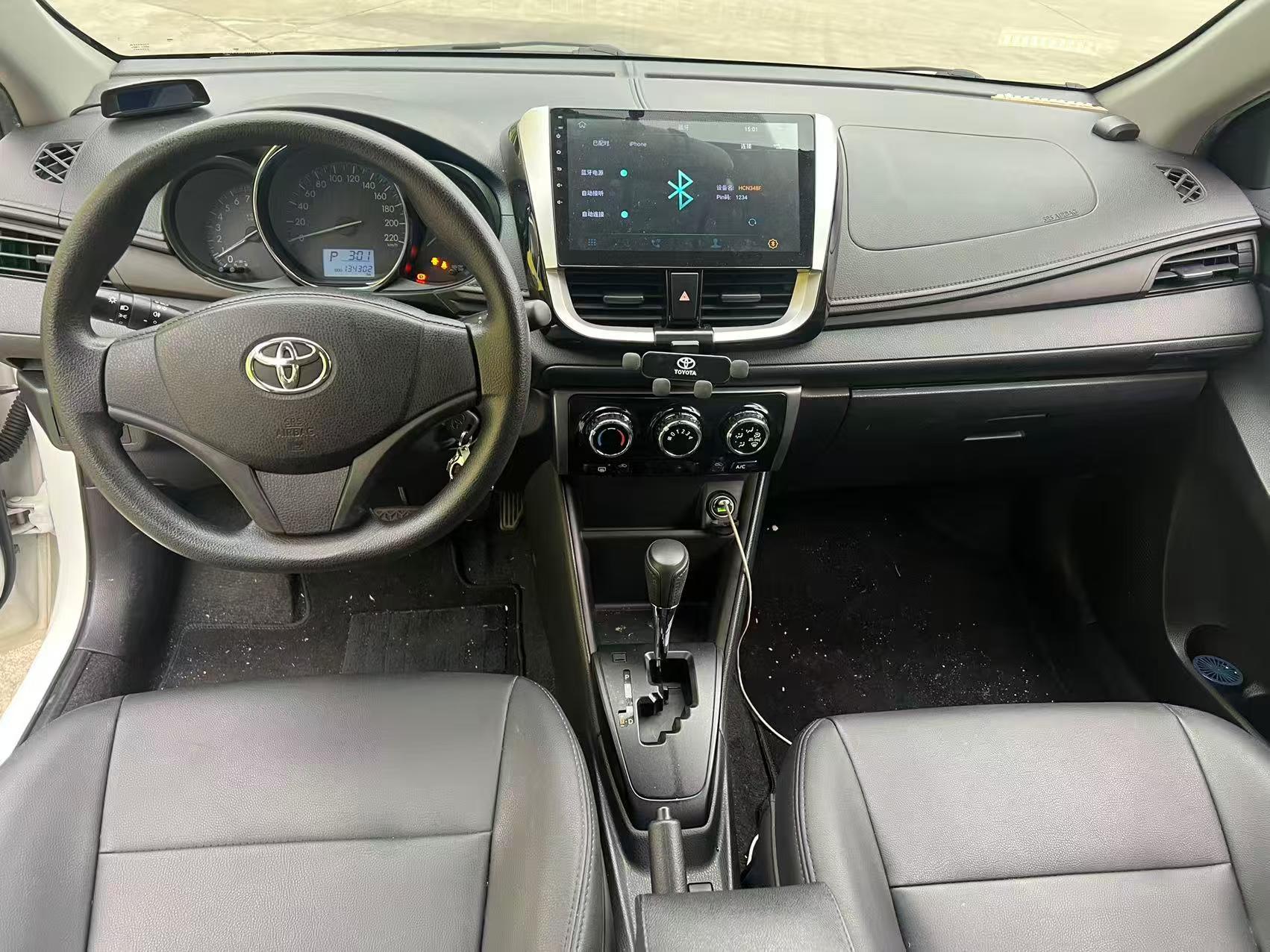
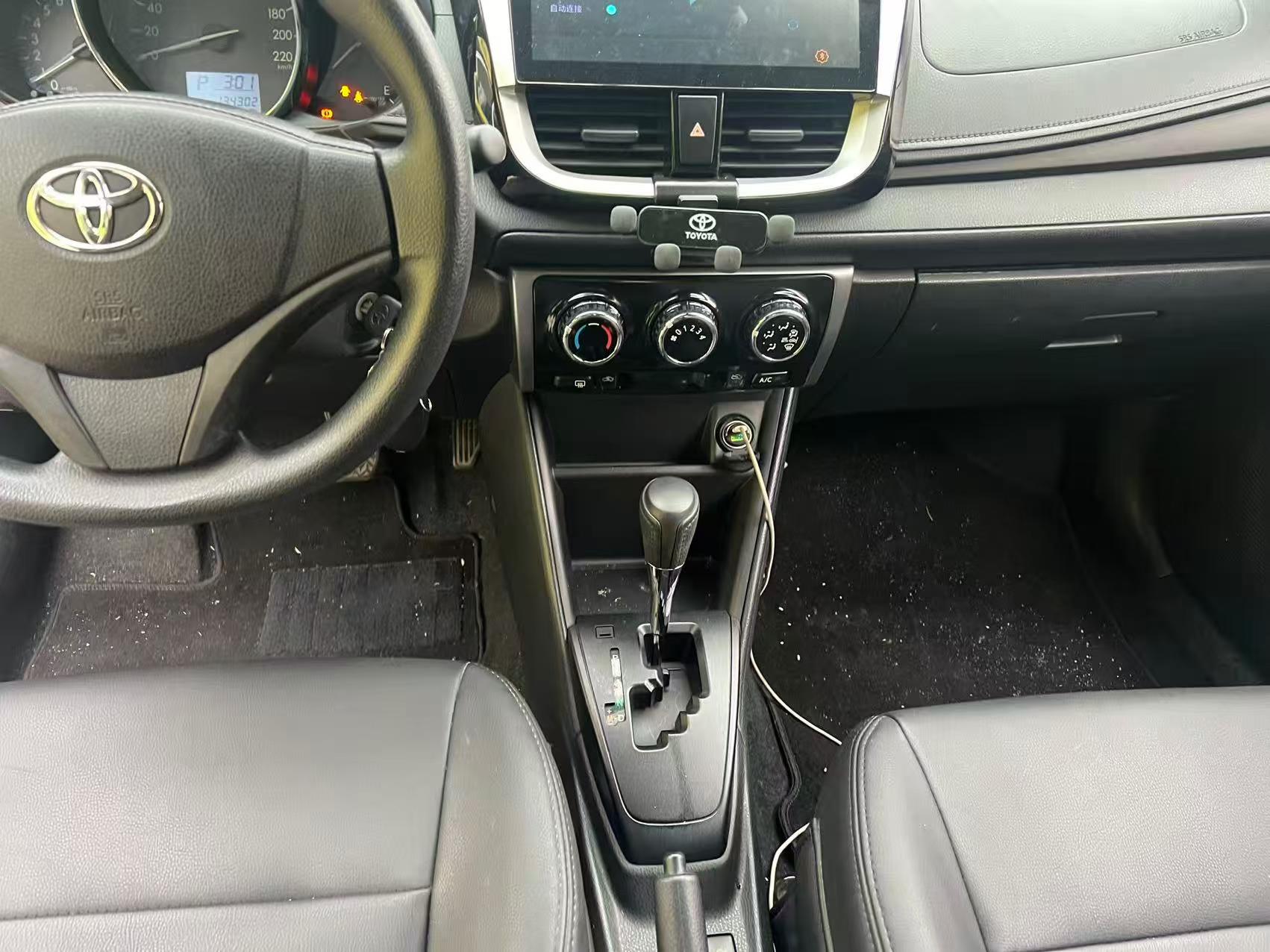
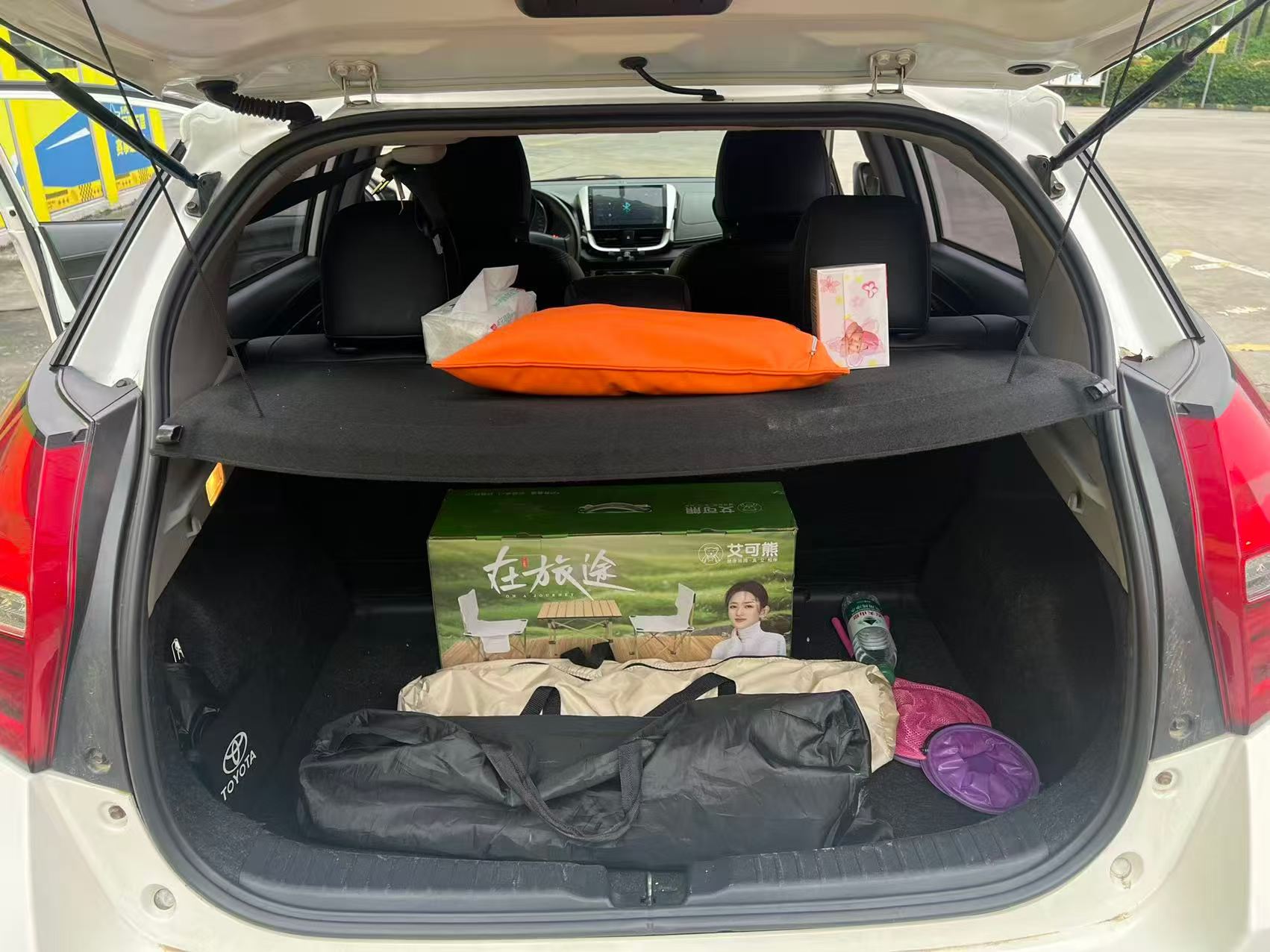
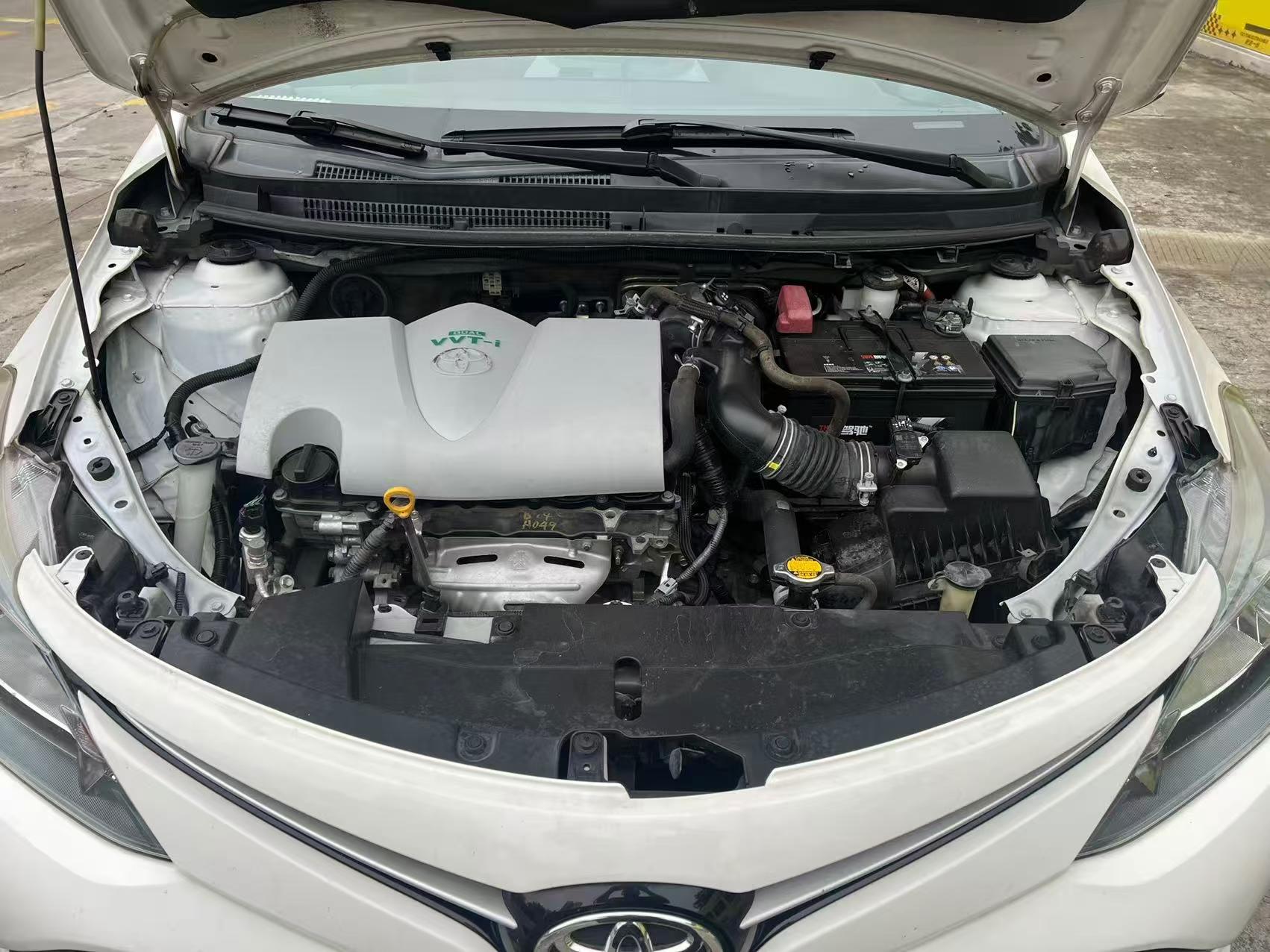
13万公里, original condition, front hood has been repaired with sheet metal work, exterior needs repainting on three panels, interior in good condition, engine and gearbox in good condition, insurance and inspection valid until November 2027.

燃油车
轿车
自动
维保开放
事故开放
查验开放

Configuration Highlights

✓品牌: 丰田
✓车系: 威驰FS
✓车型: 2017款 1.5L CVT锋驰版
✓车身类型: 轿车
✓座位数: 5
✓排量: 1.5L
✓变速箱: 自动
✓能源类型: 燃油车
✓VIN: LFMC8E2H1H0314755
✓搜索关键词: 丰田威驰FS 2017款威驰FS1.5LCVT锋驰版

Document Information

Inspection Expiry Date2027/11
Warranty Expiry Date-
Insurance Expiry Date2026/11

Q&A

More

What is a Chinese customs export declaration, and why do I need it to register the car in my country?

The export declaration (报关单) is the official Chinese customs document recording that the vehicle legally left China: VIN, HS code, declared value, origin port and date. Most destination countries ask for it—or for the certificate of origin—during registration to prove the car was legally exported, not stolen or smuggled. Practical points: ensure the VIN on the declaration matches your car exactly; a single digit mismatch can block registration. The declared value also anchors customs valuation in many countries, so an undervalued declaration may save the seller tax but can raise your import duty or trigger a re-valuation penalty. Ask the exporter for a stamped copy before shipping, verify the VIN yourself, and check that the document shows the correct consignee. Keep the original—some registries require it, and you'll need it again if you ever sell the car. If the exporter hesitates to provide it, treat that as a red flag.


Before shipping, have all traffic violation records for the vehicle in China been cleared?

100% guaranteed. This is the legal prerequisite for the export of used cars allowed by Chinese customs and the Ministry of Commerce. Any vehicle with unresolved traffic violations (fines/demerits) cannot complete the deregistration process at the traffic management bureau, and therefore cannot obtain a legal export license.

How does customs clearance work at destination when importing a used car from China, and who handles it?

Customs clearance at destination is usually handled by a licensed customs broker, not the exporter. You can hire one yourself or use a broker recommended by your shipping agent. The typical flow: your broker files the import declaration using the documents the exporter must provide — the commercial invoice, packing list, bill of lading, and the certificate of origin. Depending on your country's rules, you will also need to pay import duty, VAT or sales tax, and any excise or environmental levies before the car is released. Things that commonly delay clearance: mismatched VIN numbers between documents, missing pre-shipment inspection certificates (required in some African and Middle Eastern countries), or non-compliance with your country's used-car import age limits. Budget 3–10 working days for clearance after the vessel arrives, plus storage fees if documents are incomplete. Tip: send all documents to your broker for review before the ship departs China — fixing errors at origin is much cheaper than demurrage at destination.